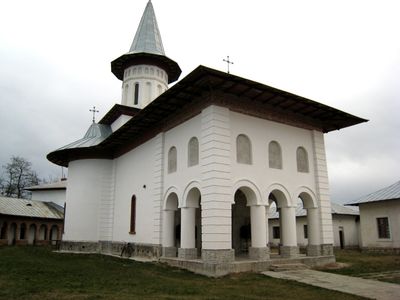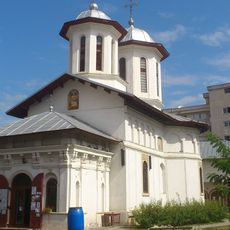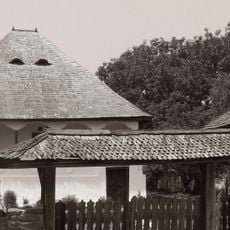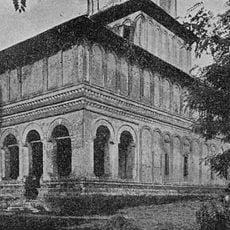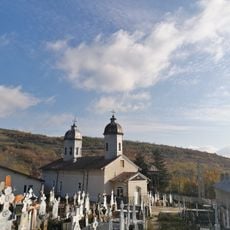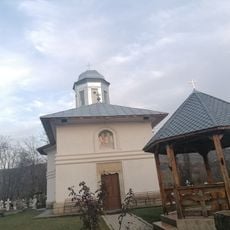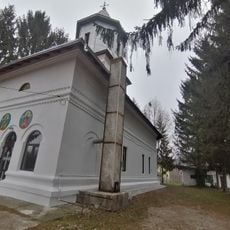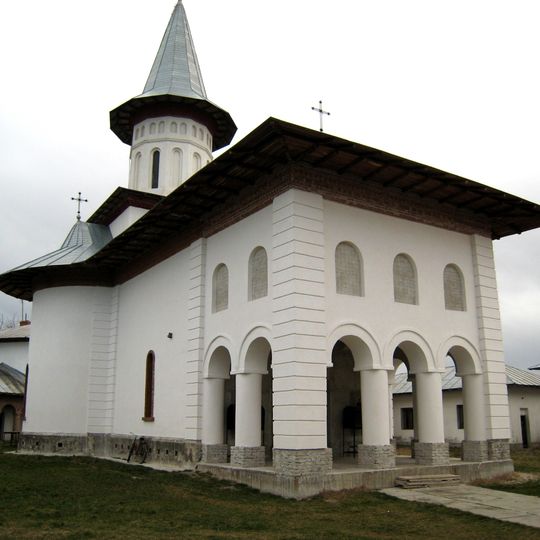
Glavacioc Monastery, Orthodox monastery in Ștefan cel Mare, Romania.
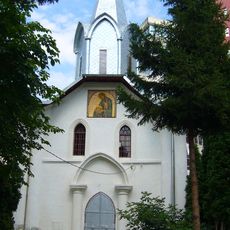
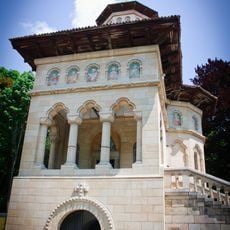
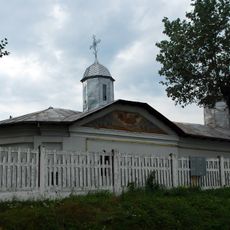
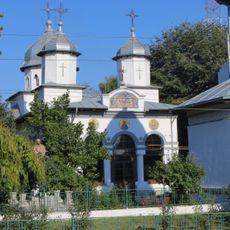
Glavacioc Monastery is a stone structure with traditional Romanian ecclesiastical design located in the Ștefan cel Mare region. The building displays typical Orthodox Christian architectural elements and houses a collection of religious artworks.
The monastery was originally founded during the reign of Mircea I of Wallachia. In 1495, it was reconstructed as a stone structure under Vlad Călugărul, which has endured to the present day.
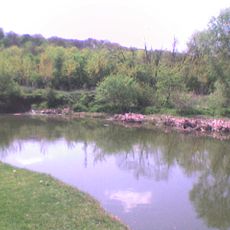
The name Glavacioc comes from a Slavic word for a hill shape; a local legend says a foreign boyar's skull (gleavă) and a ciocoi were found in the riverbed. Vlad IV Călugărul is buried here in September 1495, and Hamza, ban of Craiova, and Marga the Younger were benefactors. The church keeps an iconostasis of uncarved wood.
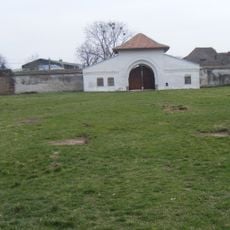
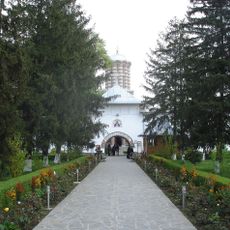
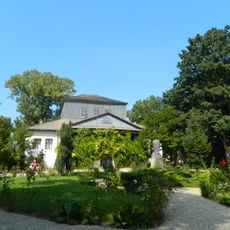
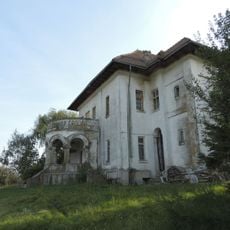
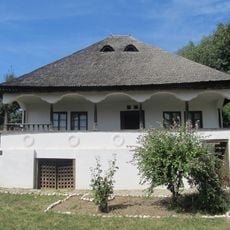
The monastery stands on a hill at the edge of Glavacioc village, about 64 km southeast of Pitești and 35 km south of Găești, near the Glavacioc river. The church, the stone bell tower 15 m in front of it and the cells that serve as the enclosing walls form a compact ensemble. Restoration work begun after the 1991 reopening is still under way, so parts of the complex may be closed off.
A local legend explains the name Glavacioc through the discovery of the skull (Slavic gleava) of a foreign boyar (ciocoi) in the riverbed of the Glavacioc. The older forms Glavaciov and, in the 16th century, Glavaciog precede the current spelling, which appeared after the 18th century.
The community of curious travelers
AroundUs brings together thousands of curated places, local tips, and hidden gems, enriched daily by 93,398 contributors worldwide.