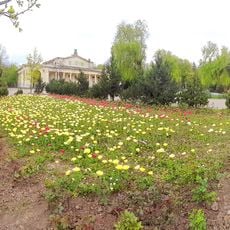
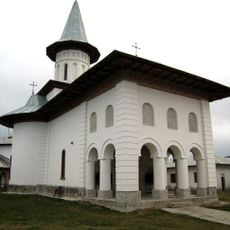
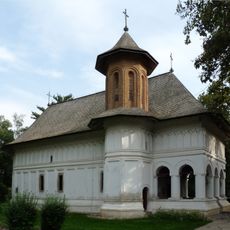
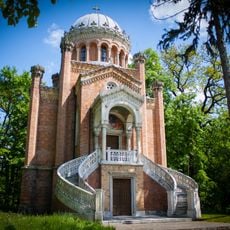
Potlogi Palace, Palace museum in Potlogi, Dâmbovița County, Romania
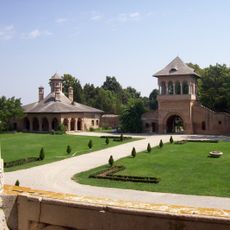
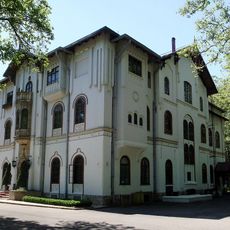
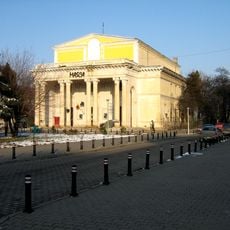
Potlogi Palace is a rectangular Brâncovenesc-style palace built in 1698 in Potlogi, Dâmbovița County, now a museum. Its 32-metre-long main building has a vaulted cellar on four spherical domes around a central pillar, a ground floor of five rooms and an upper floor reached by an open south-facing porch. The upper rooms keep monastery-style vaults with lunettes and floral stucco; the former wall murals are entirely destroyed.
Constantin Brâncoveanu commissioned this summer palace in 1698, blending Byzantine elements with Western European styles. This architectural synthesis arose at a time when local rulers asserted their power through construction despite foreign domination in the region.
The palace complex shows how Romanian nobility lived during Ottoman rule. The layout with its church, residences, and service buildings reveals how power and faith were woven into daily aristocratic life.
Visiting works best with a guide to understand the crafted details and room layouts fully. The best time is outside the hottest summer months, when exploring the complex is more comfortable.
The wall paintings that once decorated the upper-floor rooms are entirely destroyed; only the floral stucco work survives. The palace also has a square room called the cellarer's chamber, where, according to Paul of Aleppo, secretary to the ruler, valuables were kept while the owners were away.
The community of curious travelers
AroundUs brings together thousands of curated places, local tips, and hidden gems, enriched daily by 94,085 contributors worldwide.