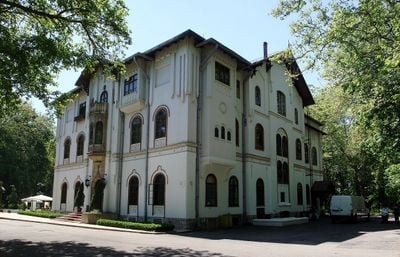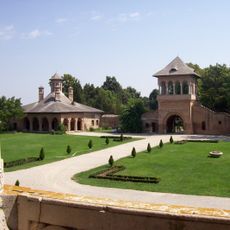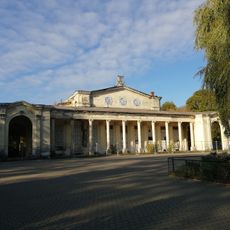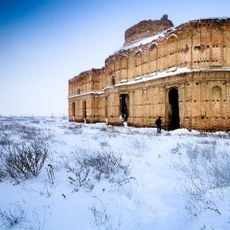
Stirbei Palace ensemble, Neo-classical palace complex in Buftea, Romania
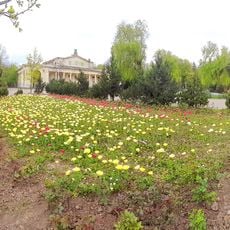
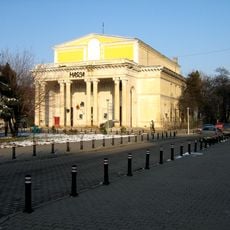
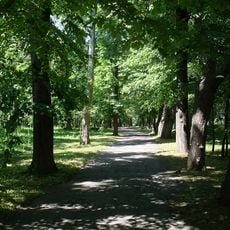
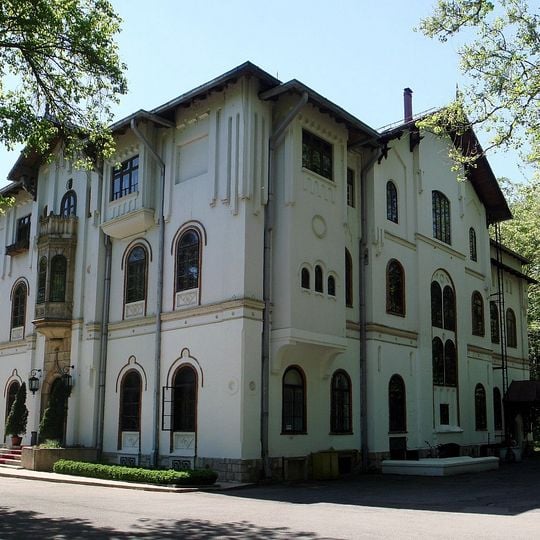
Stirbei Palace is a neo-classical palace complex in Buftea featuring French architectural elements and set within a 30-hectare park filled with centuries-old trees. The ensemble includes underground escape tunnels that reflect the defensive design typical of its era.
Between 1916 and 1917, the palace served as a refuge for Queen Marie of Romania and her children during World War I. This episode demonstrates the estate's role as a safe haven for the royal family during wartime conflict.
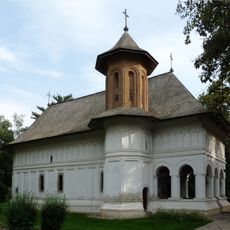
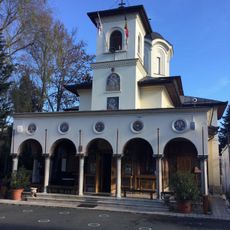
The chapel within the complex, built in 1891, serves as a family burial site for the Stirbei dynasty and reflects the aristocratic traditions of the period. Visitors can see how the family's legacy is woven into the physical spaces of the estate.
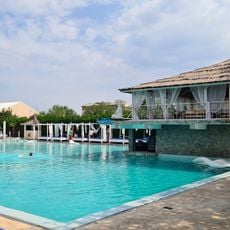
The estate now operates as an events venue hosting weddings, conferences, and private gatherings, with an on-site restaurant available to guests. Visitors should plan to explore the grounds thoroughly, as the park covers significant area and comfortable shoes are recommended.
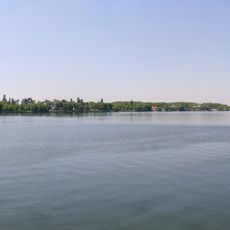
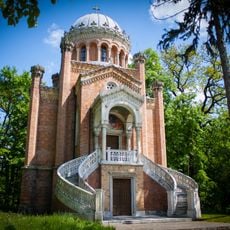
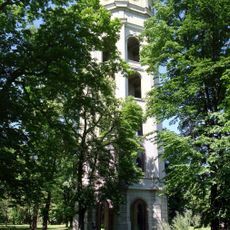
A water castle designed by engineer Anghel Saligny in 1920 stands in the northeastern section of the park near an artificial lake. This unexpected structure represents a rare example of early water engineering incorporated into the landscape design.
The community of curious travelers
AroundUs brings together thousands of curated places, local tips, and hidden gems, enriched daily by 91,359 contributors worldwide.