Lake Băneasa, body of water
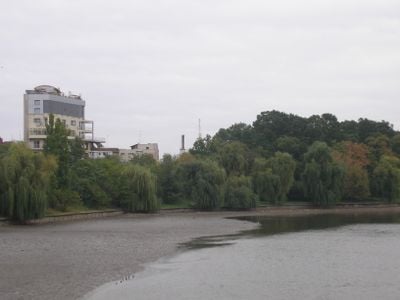
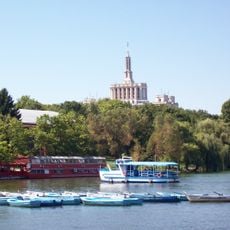
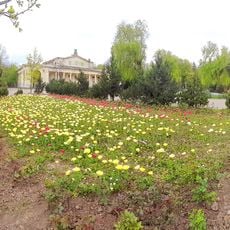
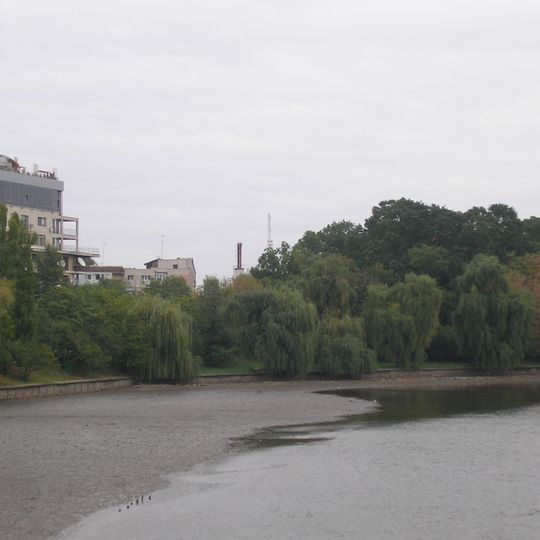
Lake Băneasa is an artificial reservoir in northern Bucharest built for water storage. The water is bordered by reed-covered banks, while nearby neighborhoods and some parkland frame the landscape, with well-kept lawns alongside overgrown patches that create visual contrast.
The reservoir was created in the 1930s as part of major urban development projects under King Carol II, transforming marshland into green space. Built alongside other lakes like Herăstrău and Floreasca between 1932 and 1937, it aimed to improve quality of life for Bucharest residents.
The reservoir takes its name from the Băneasa neighborhood in northern Bucharest. Today, locals use this place mainly for walking and bird watching, reflecting how past recreational activities like swimming and fishing have shifted toward quieter outdoor pursuits.
The reservoir is easily reached by car or through nearby neighborhoods and is suitable for short or longer visits. The pathways are good for walking, cycling, and jogging, allowing visitors to spend a couple of hours enjoying the quiet setting.
Visitors can watch fishermen regularly casting their lines into the water, and despite being close to the city, the reservoir hosts local bird species and occasional small herons. This unexpected wildlife makes it a quiet refuge for nature watchers within urban surroundings.
The community of curious travelers
AroundUs brings together thousands of curated places, local tips, and hidden gems, enriched daily by 91,390 contributors worldwide.