Nicolae Minovici Folk Art Museum, Folk art museum in north Bucharest, Romania
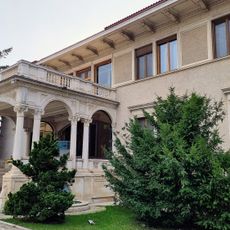
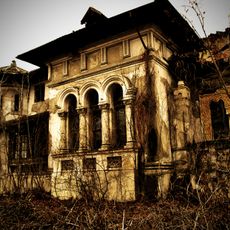
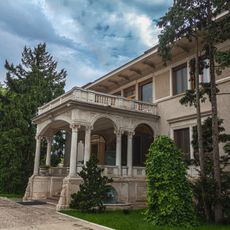
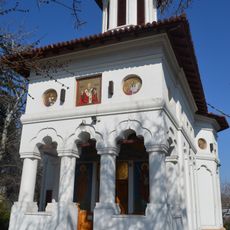
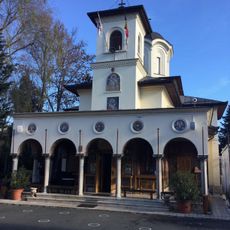
The Nicolae Minovici Folk Art Museum is housed in an early 1900s neo-Romanian villa with traditional architectural features and decorative sculptures on its facade. Inside, the building displays regional ceramics, hand-painted glass icons, traditional garments, and woven textiles from across Romania.
Nicolae Minovici built the house as a retreat on the city outskirts between 1906 and 1907, with his friend Cristofi Cerchez as architect. It opened to visitors in 1914, and in 1936 it passed into the ownership of the Bucharest municipality. The building is listed as a historic monument by Romania's Ministry of Culture and Religious Affairs.
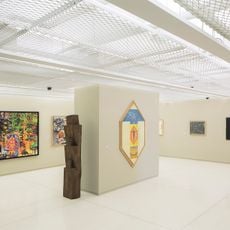
The collection reflects how rural Romanians expressed their identity and daily life through handcrafted objects and garments. Visitors can observe how these pieces were used and valued within village communities and social traditions.
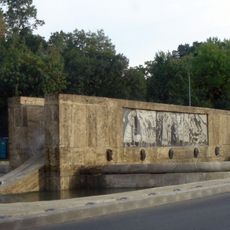
The museum stands at 1 Dr. Nicolae Minovici Street, facing the Miorița Fountain and next to Băneasa railway station, in the Băneasa district of northern Bucharest. The house, built in 1905 to plans by architect Cristofi Cerchez, has been open to visitors since 1914 and belongs to the city of Bucharest since 1936.
The house was built between 1906 and 1907 as a retreat on the city outskirts for Nicolae Minovici, and it became Bucharest's first folk art museum. The building is listed as a historic monument by Romania's Ministry of Culture and Religious Affairs. It stands at 1 Dr. Nicolae Minovici Street, opposite the Miorița fountain and beside Băneasa railway station.
The community of curious travelers
AroundUs brings together thousands of curated places, local tips, and hidden gems, enriched daily by 93,237 contributors worldwide.