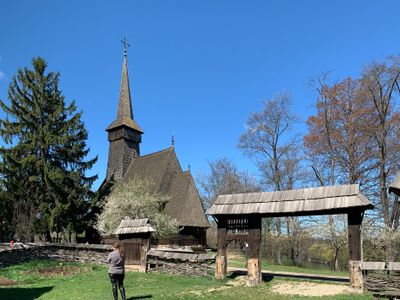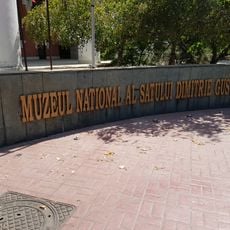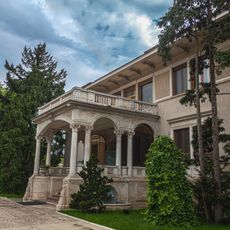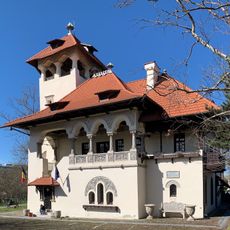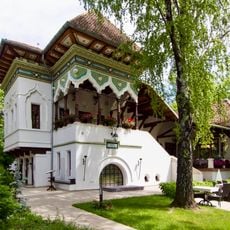
Dimitrie Gusti National Village Museum in Bucharest, Ethnographic museum in Herastrău Park, Bucharest, Romania.
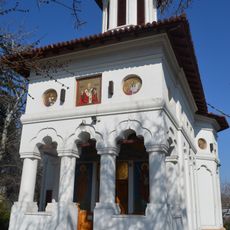
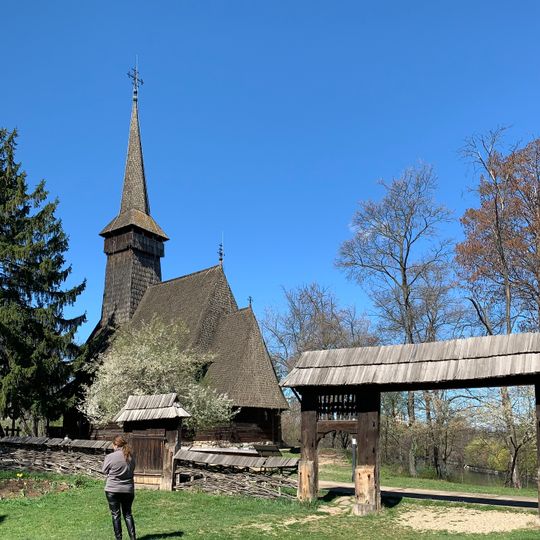
The Dimitrie Gusti National Village Museum is an open-air site in Herastrău Park containing authentic buildings from various regions of the country. The structures include residential houses, churches, and mills that represent how rural life developed over centuries.
The museum was founded in 1936 by sociologist Dimitrie Gusti as one of Europe's earliest open-air museums of this type. It was created to preserve traditional building styles and rural ways of life that were disappearing.
The collection reflects how rural communities lived and worked across different Romanian regions, with buildings and household items showing their daily practices. Walking through the site gives visitors a sense of how people managed their homes and crafts in traditional settlements.
The site spreads across a large park area and is best explored on foot, so comfortable walking shoes are helpful. Visitors should plan for several hours to see the different sections, and guided tours are available to learn details about specific buildings.
Some houses are occasionally inhabited by people who demonstrate traditional rural customs and everyday craft activities for visitors. These living demonstrations bring the historical village life to feel genuinely present.
The community of curious travelers
AroundUs brings together thousands of curated places, local tips, and hidden gems, enriched daily by 92,327 contributors worldwide.