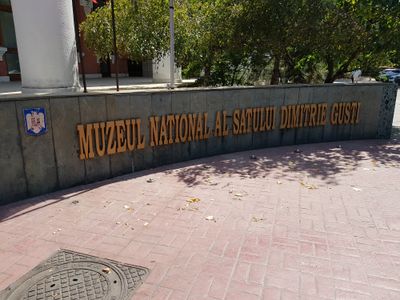
Dimitrie Gusti National Village Museum, Open-air ethnographic museum in Bucharest, Romania
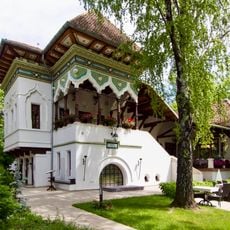
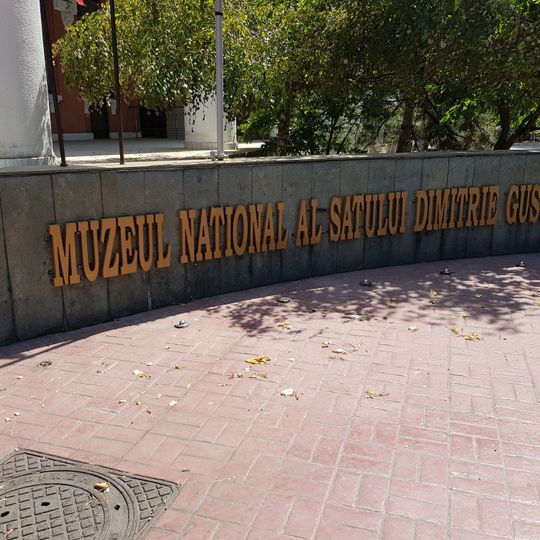
Dimitrie Gusti National Village Museum is an open-air collection of more than 300 traditional buildings transported from rural areas across Romania. The structures include farmhouses, residences, churches, and workshops arranged to show how settlements were organized.
The museum was founded in 1936 by sociologist Dimitrie Gusti to document and preserve rural building traditions and ways of life. The buildings date mainly from the 17th to early 20th centuries, showing how country life evolved across different periods.
The houses on display show how people from different regions organized their homes and practiced their trades, from weaving to cooking and farming. Walking through them reveals the daily rhythms and choices of communities across the country.
The museum sits on Kiseleff Road and is easily reached by public transport; wear sturdy shoes and allow time to walk between the buildings. Visiting on cooler days works well since you will be outdoors exploring the grounds on foot.
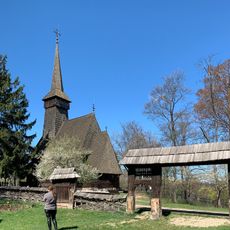
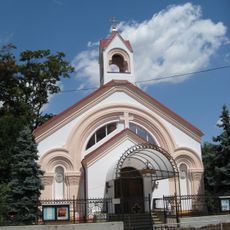
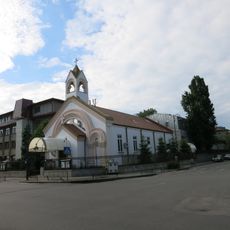
A wooden church from the Maramures region stands in the museum with original paintings and religious objects from the 18th century. This structure is a rare example of the woodworking techniques and artistic style unique to that mountainous area.
The community of curious travelers
AroundUs brings together thousands of curated places, local tips, and hidden gems, enriched daily by 92,324 contributors worldwide.