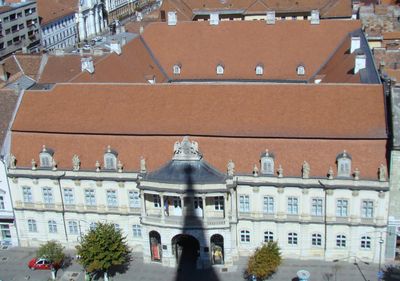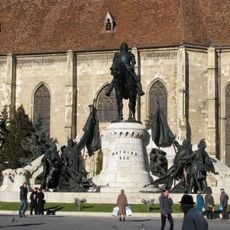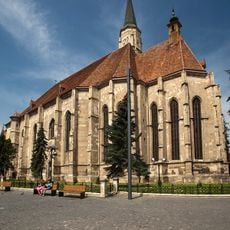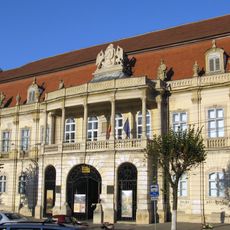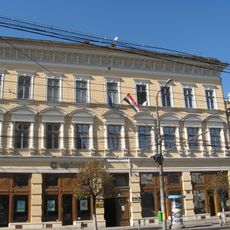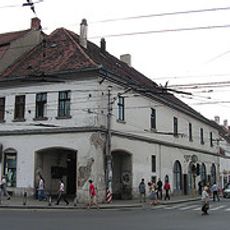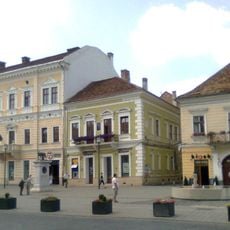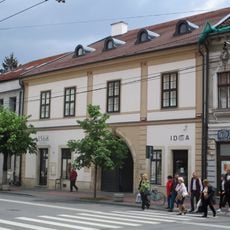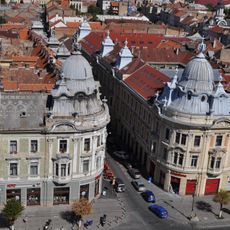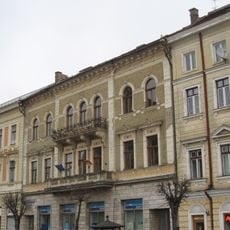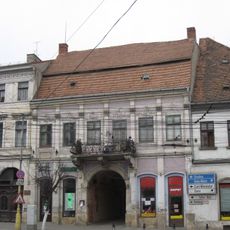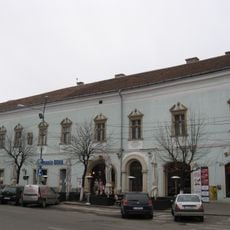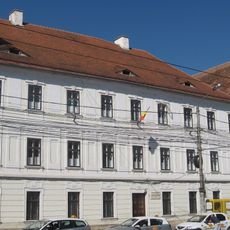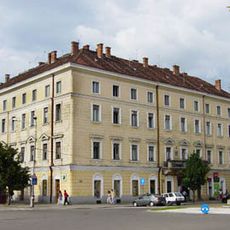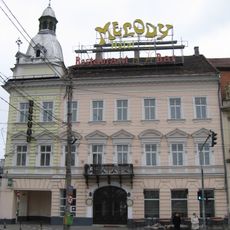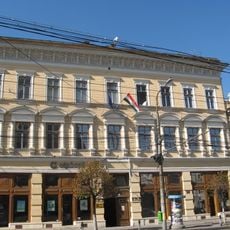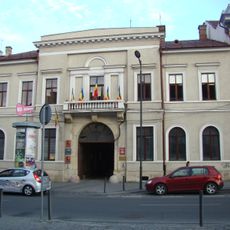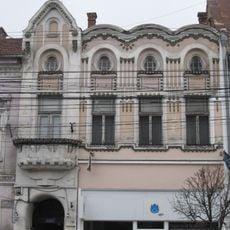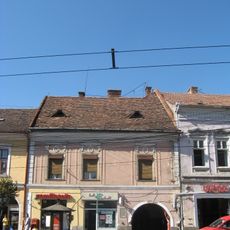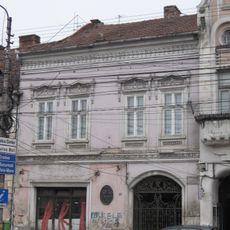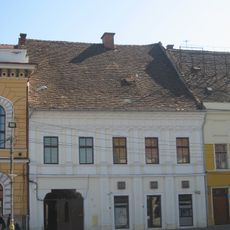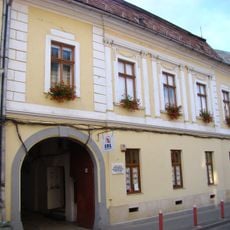
Art Museum of Cluj-Napoca, Art museum in Bánffy Palace, Cluj-Napoca, Romania.
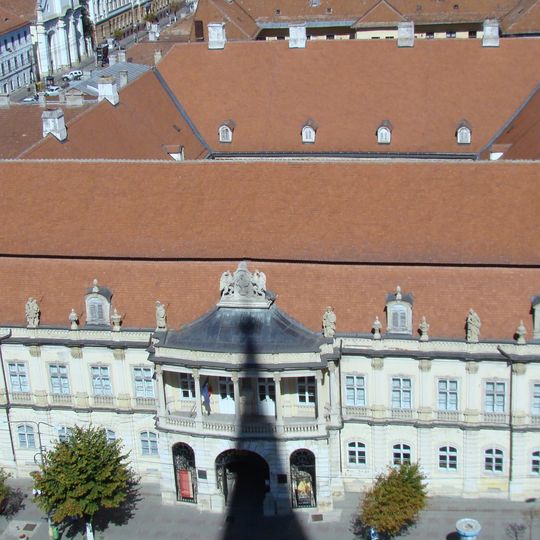
The Art Museum of Cluj-Napoca occupies the Bánffy Palace, an eighteenth-century Baroque building designed by German architect Johann Eberhard Blaumann. Its Romanian and European paintings, graphics and decorative art, from the fifteenth to the twentieth century, fill more than twenty rooms, with the National Gallery on the upper floor.
The museum opened in 1951 by bringing together collections from the Transylvanian Museum and the Pinacoteca Virgil Cioflec. This merger created one of the country's major art institutions dedicated to preserving Romanian artistic heritage.
The National Gallery on the upper floor reopened in January 1996 with a survey of four centuries of Romanian art centred on Transylvania. Look for the sixteenth-century Altar of Jimbor, Biedermeier painting, 1900s-style art and avant-garde works by artists tied to the Cluj Higher School of Fine Arts, among them Catul Bogdan, Romul Ladea and Tasso Marchini.
The National Gallery occupies the palace's upper floor, while the ground floor holds further collections; the galleries reopened in January 1996 after reorganization. The building is the Bánffy Palace, so expect a historic interior rather than a purpose-built museum layout. Allow time for more than twenty rooms.
The museum was nominated for the European Museum of the Year Award in 1997, the same year its National Gallery had just reopened after six years of closure. The upper floor reopened in January 1996 with a survey of four centuries of Romanian art, including the sixteenth-century Altar of Jimbor.
The community of curious travelers
AroundUs brings together thousands of curated places, local tips, and hidden gems, enriched daily by 93,080 contributors worldwide.