City Park in Zemun, Urban park in Zemun, Serbia
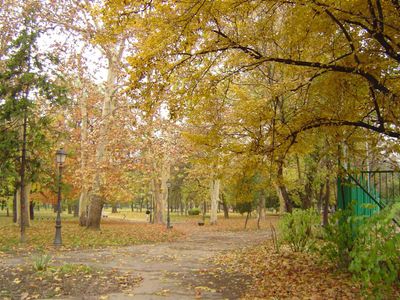
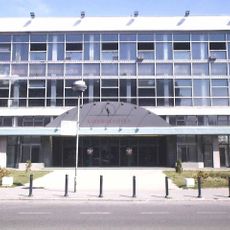
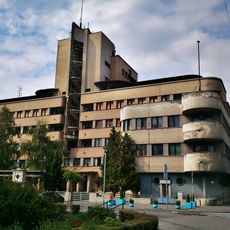
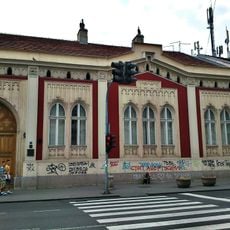
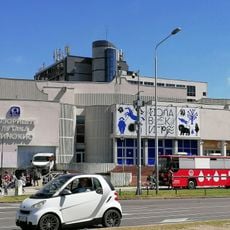
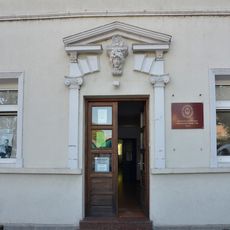
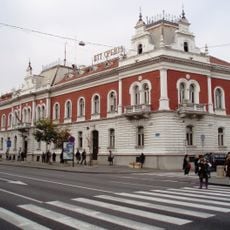
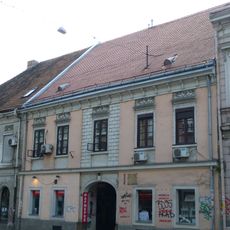
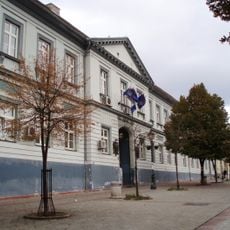
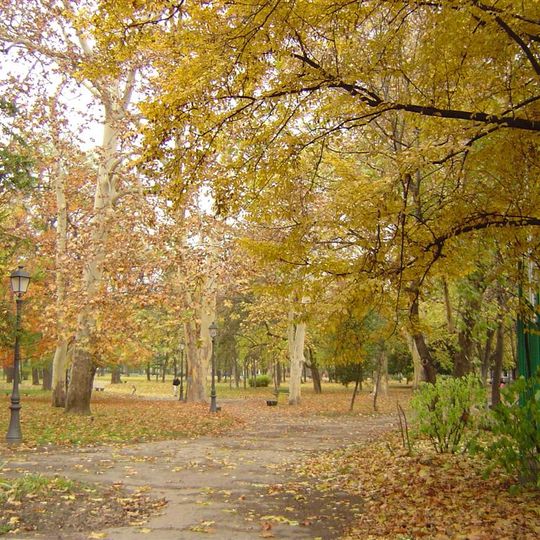
City Park in Zemun covers 7.72 hectares on the edge of Zemun's Old Core, bounded by Nemanjina, 22. Oktobra, Vrtlarska, Savska and Nikolaja Ostrovskog streets. It is planted with deciduous and evergreen trees, 15 of which are state-protected. The park contains the Zemun Gymnasium, the "Majka Jugovića" primary school, the Faculty of Agriculture, the "Pinki" sports centre, and two churches.
The site served as Kontumac, a quarantine station, between 1730 and 1871, monitoring travelers and goods crossing the Sava River during the Austro-Hungarian period. After this role ended, the location was transformed into a recreational green space for the public.
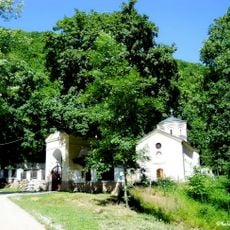
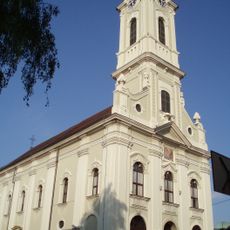
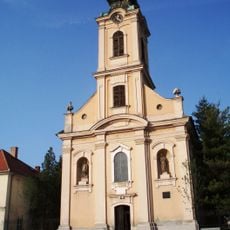
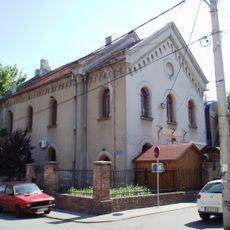
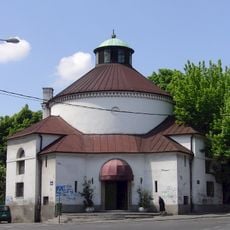
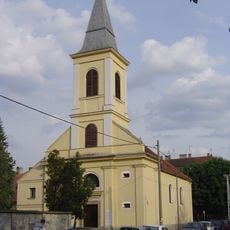
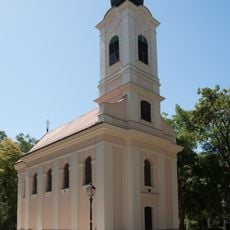
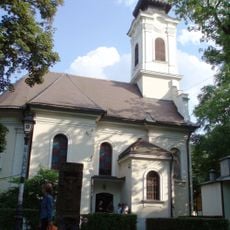
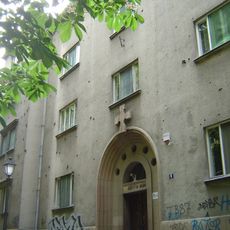
The two Kontumac churches, St. Archangel Gabriel and St. Roch, were built in the moderate Baroque style for people serving quarantine. St. Roch, designed by Josef Felber in 1836, is only occasionally in use today. A monument to Alphonse de Lamartine, who stayed in the quarantine a century earlier, stands between them.
The park is bounded by Nemanjina, 22. Oktobra, Vrtlarska, Savska and Nikolaja Ostrovskog streets, with the Zemun Clinical Hospital complex along the northern edge. A remnant of the old quarantine wall survives at the corner of Vrtlarska and Gundulićeva streets. The protected trees stand next to the Zemun Gymnasium.
The park's protected natural monument, designated in 1991, is a group of nine trees about 110 years old near the Zemun Gymnasium: five European yews (Taxus baccata) and four clusters of Caucasian wingnut (Pterocarya fraxinifolia). The park holds 15 state-protected trees in all.
The community of curious travelers
AroundUs brings together thousands of curated places, local tips, and hidden gems, enriched daily by 94,105 contributors worldwide.