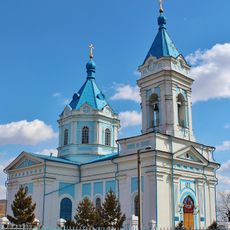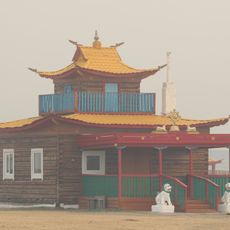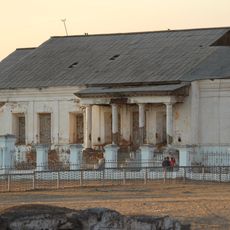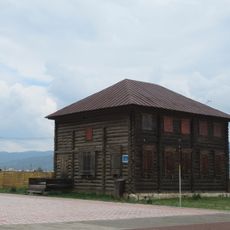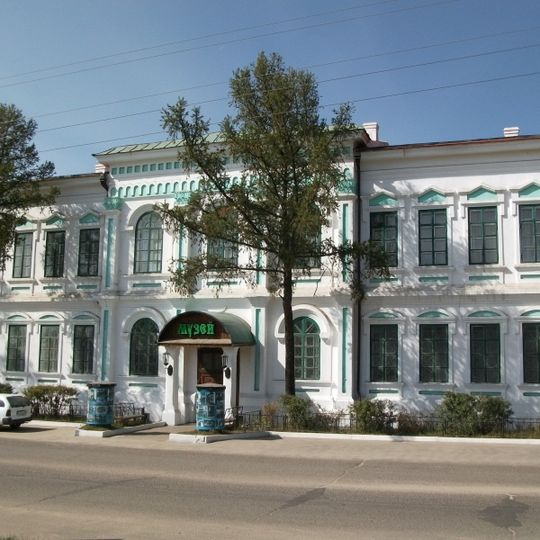
Kyakhta Local Museum, Local history museum in Kyakhta, Buryatia, Russia
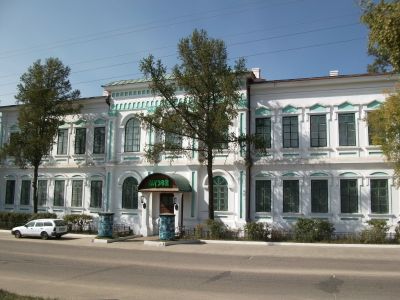
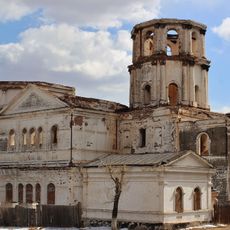
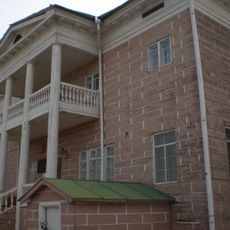
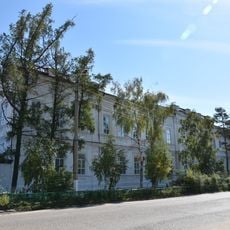
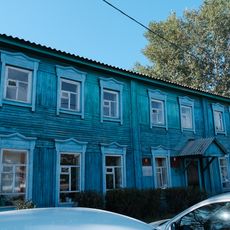
The Kyakhta Local Museum, named after academician V. A. Obruchev, occupies a two-storey building at 49 Lenin Street that the merchant Nerpin built in 1847 for a four-class town school. Its 14 halls hold collections on the archaeology, geology, botany and ethnography of the Kyakhta area, including a large group of Hunnic-period finds.
Founded on 1 January 1890 on the initiative of P. S. Mikhno, local merchants, exiles and the Kyakhta intelligentsia, it is the oldest surviving museum in the Republic of Buryatia. In 1894 it became part of the Troitskosavsk-Kyakhta branch of the Imperial Russian Geographical Society, whose head was the physician Yu. D. Talko-Gryntsevich. In 1922 the Far Eastern Republic gave it the two-storey former four-class town school built by the merchant Nerpin in 1847, and in 1940 it was named after academician V. A. Obruchev.
Many objects on display come directly from the trade that once made this border town one of the busiest exchange points between Russia and China. Walking through the rooms, visitors can see how goods, habits, and everyday objects from both sides of the border left a mark on local life.
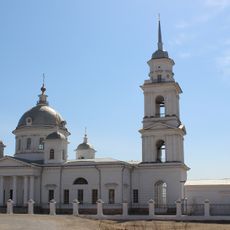
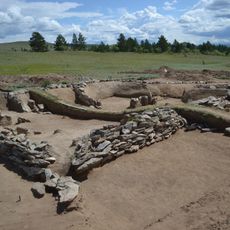
The museum occupies the two-storey former four-class town school built by the merchant Nerpin in 1847 at 49 Lenin Street. Its 14 halls hold permanent displays on the founding of Kyakhta, the trading settlement and the Hunnic collection. Guided excursions also cover the historic town, Orthodox churches and the Hunnic burial sites Ilmovaya Pad and Tsaram.
The museum's collection reached 19,989 items by 1 January 1924, and 4,190 people visited in 1923. In 1930 its staff surveyed the Borgoy steppe, gathering 350 plant species, 32 soil samples, 200 rock samples, about 1,000 insects and 20 snakes, and found a deer stone a few kilometres east of Borgoy.
The community of curious travelers
AroundUs brings together thousands of curated places, local tips, and hidden gems, enriched daily by 93,175 contributors worldwide.