See the monuments around you in AROpen chests in the app
Around Us is built for your phone — point your camera at the streets and discover the monuments and places around you in augmented reality.Around Us is built for your phone — chests unlock when you walk, explore and capture nearby places.
From Salzburg to London: a journey in Mozart's footsteps
The houses, churches and theaters linked to Mozart make a journey through Europe.
This route through Europe follows Mozart in the cities where he lived, played and composed. From houses to churches, from theaters to memorial sites, you can see buildings and objects linked to his life. The thread leads to Salzburg, Vienna, Prague, Versailles and London.
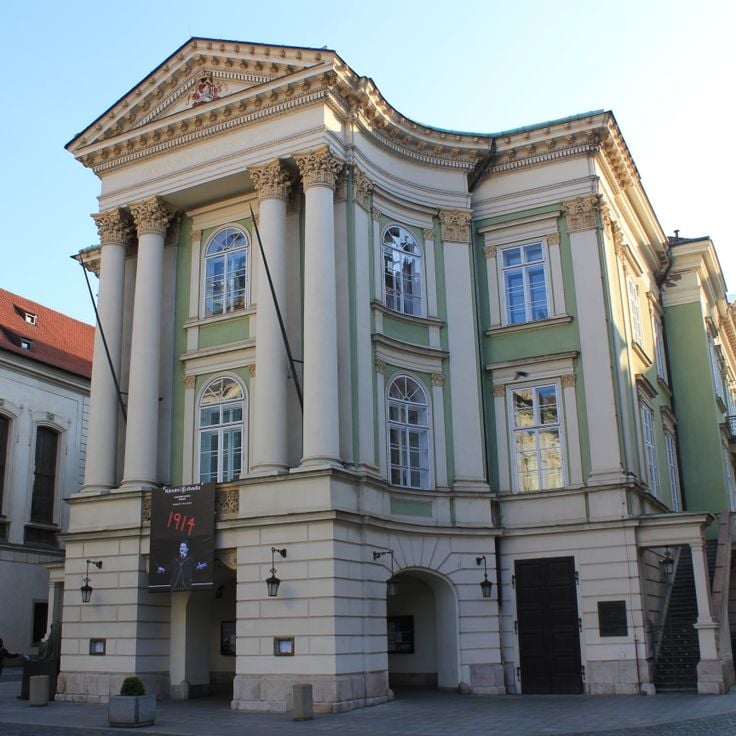
In Salzburg, the birthplace is in the Getreidegasse. The cathedral stands in the center of the old town, and Mozart was baptized there. The Mozart Residence on Makartplatz shows where the family settled. In Vienna, the Mozart House is near St. Stephen's Cathedral. The Estates Theatre in Prague saw the premiere of Don Giovanni in 1787.
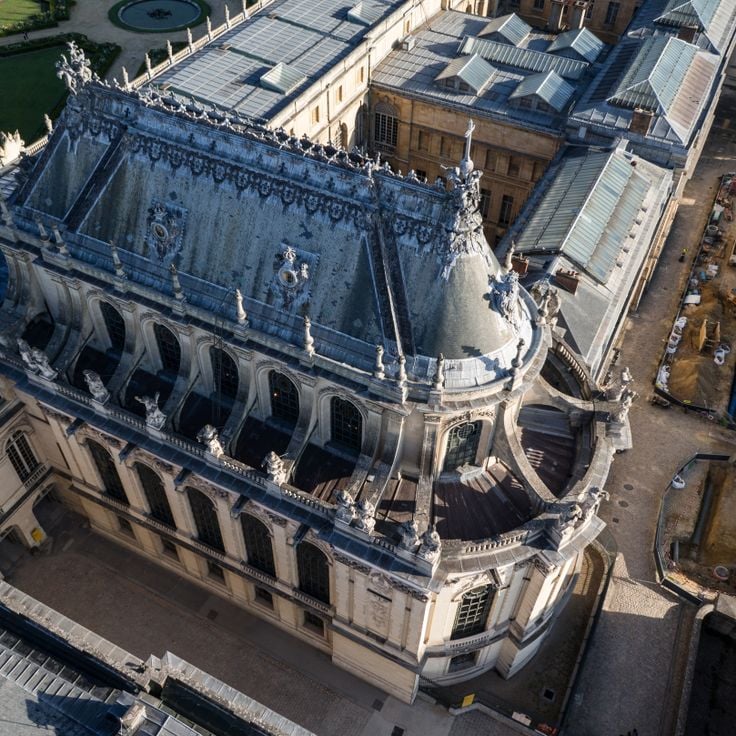
In Versailles, the castle's royal chapel welcomed Mozart as a child at the organ, according to the castle's account. In London, the house on Ebury Street recalls his stay in England. These places can be visited and show how Mozart moved through the cities of his time.
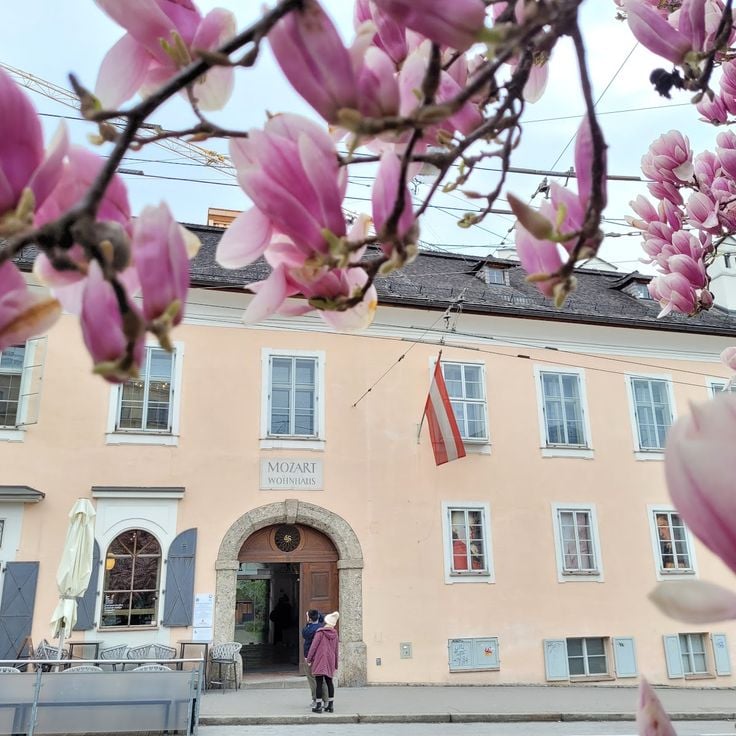
The Mozart Residence stands in a building on Makartplatz, an open square in Salzburg where footsteps echo. The family moved here after leaving the birthplace. In one of the bright rooms, the original pianoforte sits in plain sight. The windows look out over the city's rooftops, giving a sense of what daily life was like for the Mozart family in Salzburg.
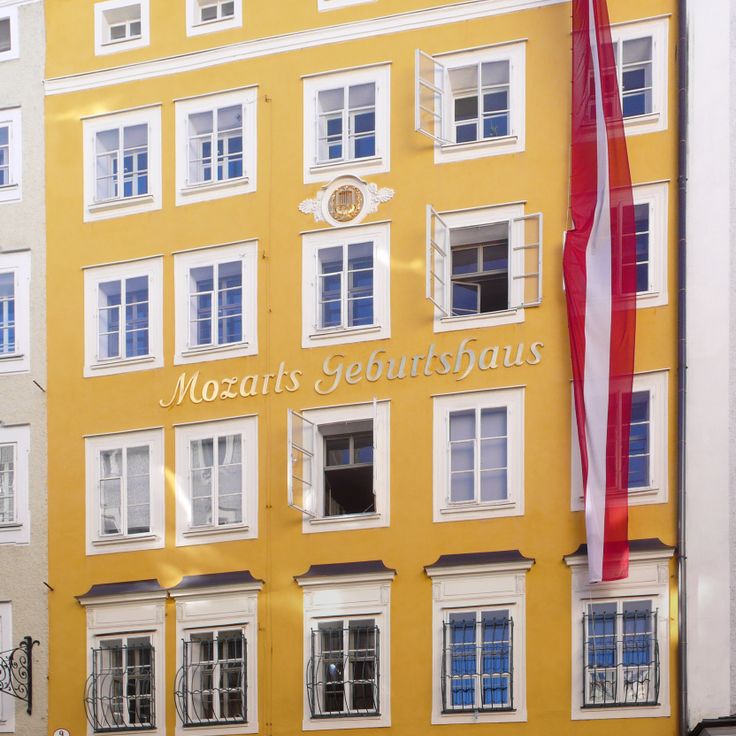
Mozart's birthplace sits on the Getreidegasse, a narrow street in the heart of Salzburg where wrought iron signs hang above shop windows. A steep staircase leads up to the rooms where the family lived, and you pause in front of the childhood violin. Visitors often fill the space, but some rooms stay quiet.
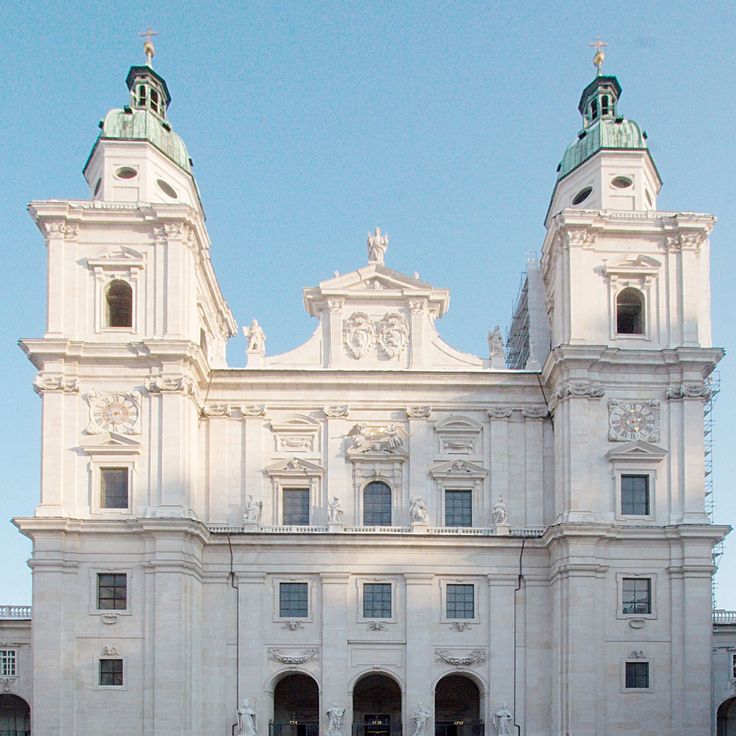
Salzburg Cathedral stands in the heart of the old city, with its pale facade and two towers. This is where Mozart was baptized, and you can still see the bronze baptismal font in a side chapel. In the morning, light comes through the tall windows and falls across the wooden pews. People sit for a moment, then head back out toward the square.
The salons of the Residenz, now part of the DomQuartier, are formal rooms with high ceilings and walls covered in stucco. This is where the young Mozart played for the prince-archbishop at the age of 7. Visitors walk through the halls along a route that leads to the cathedral next door, and it is easy to picture musicians seated near the windows.
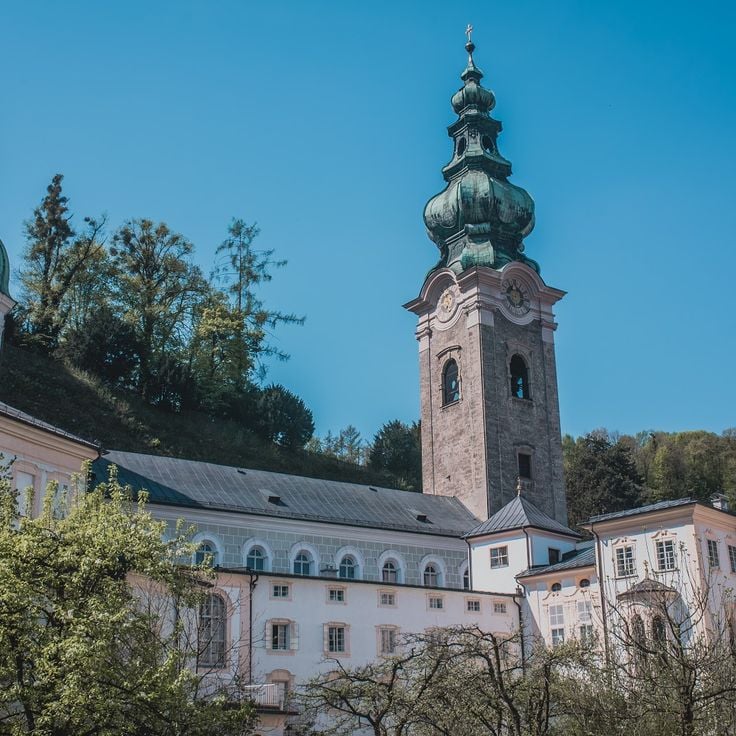
Saint Peter's Abbey sits at the foot of the rock in Salzburg, behind a shaded cemetery where old gravestones line the walls. In this church, Mozart's Great Mass in C minor was performed for the first time. His sister Nannerl is buried here too. Visitors walk quietly between the stones and notice the inscriptions worn by time.
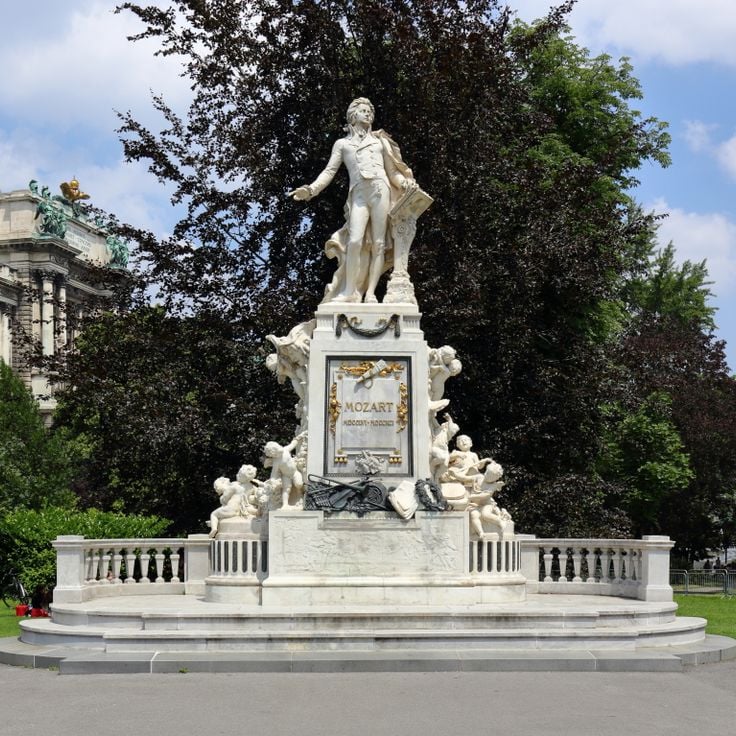
The Mozart Monument stands on Mozartplatz, an open square in the center of Salzburg. The statue was designed by Ludwig Schwanthaler and unveiled in 1842. It shows the musician standing, holding a scroll in his hand. Passersby stop for a photo, then move on toward the nearby lanes. In winter, the square hosts a market where people drink warm wine.
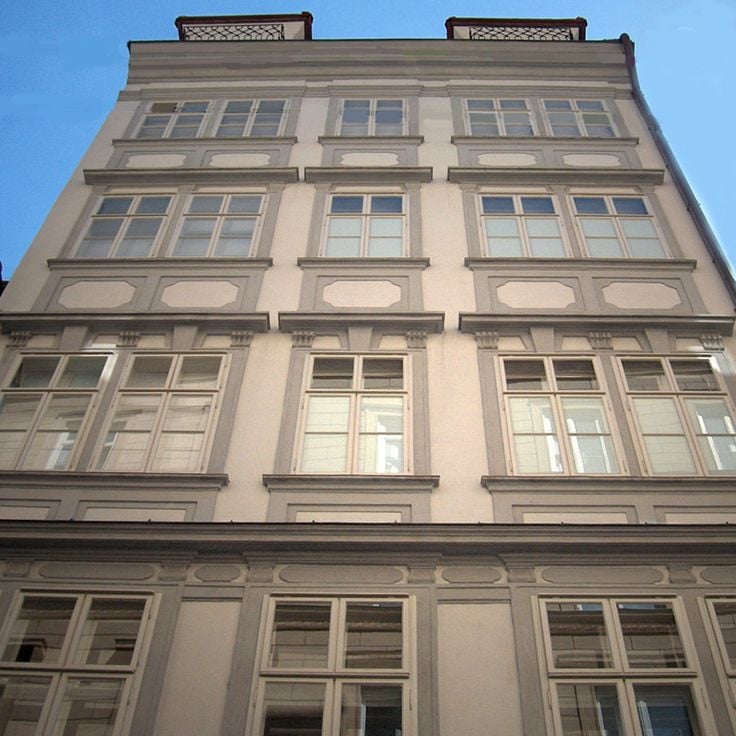
The Mozarthaus Vienna stands near Saint Stephen's Cathedral, in a building entered through a narrow staircase. It is the only Viennese apartment of Mozart that has been kept intact. He composed The Marriage of Figaro here. The rooms are small, with light-colored walls and period objects. Street noise comes through the windows, and it becomes easy to imagine how much space music took up in this home.
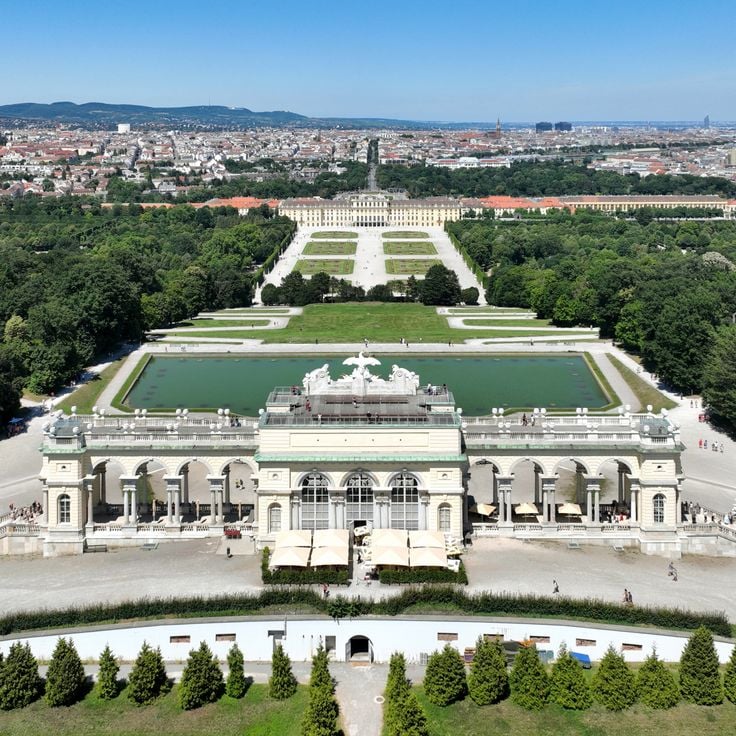
The Hall of Mirrors at Schönbrunn Palace is a bright room with walls covered in mirrors and gilded decorations. According to tradition, Mozart played here before Maria Theresa in 1762, when he was a child. The hall is part of the imperial apartments that visitors can walk through, and the mirrors send your reflection back from every angle. This hall is one stop on a journey that follows Mozart through the cities of Europe.
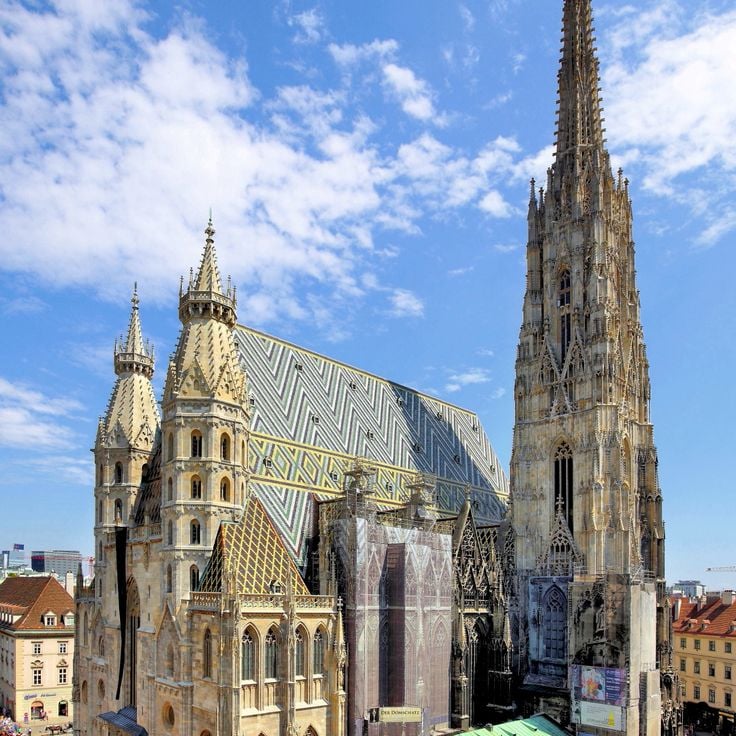
The Cathedral of Saint Stephen stands at the heart of Vienna, with its tower visible from far away. Mozart married Constanze Weber here in 1782, and his remains were blessed in the cathedral in 1791. Inside, it is dark in places, and visitors walk slowly between the pillars. An organ can sometimes be heard, and people sit for a moment on the pews.
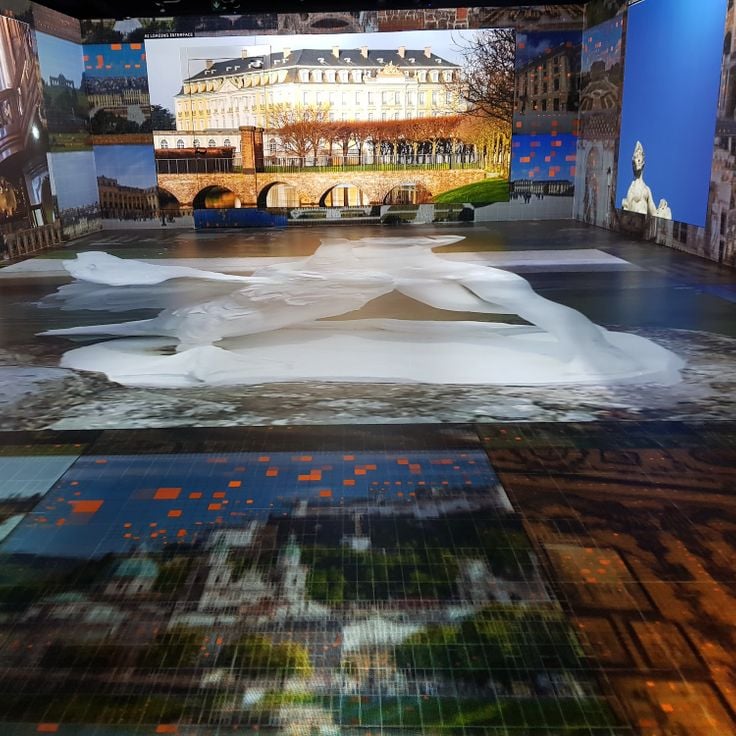
Mythos Mozart stands on the site of the house in Vienna where Mozart died in 1791. The exhibition takes you through dark rooms where music fills the space with sound and light. You move slowly, following the notes, and leave with melodies still in your head. The place draws many families and groups, and a visit lasts about an hour.
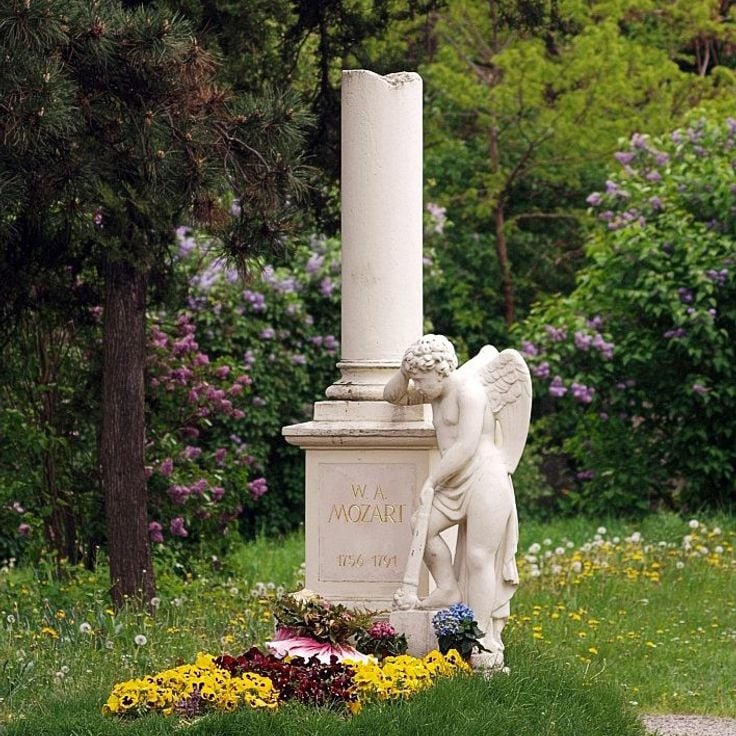
The Saint Marx Cemetery sits in the Landstraße district of Vienna. Mozart was buried here in 1791, in a grave whose exact location has never been confirmed. A memorial stands among the trees and benches, and along the paths you notice modest gravestones from his time. People come here because this is the last place directly tied to Mozart's physical presence.
The Estates Theatre stands in the Old Town of Prague. This is where Mozart conducted the premiere of Don Giovanni on October 29, 1787. The hall keeps its old look, with balconies and gilded details. It is easy to picture the audience of that evening, coming to discover the opera for the very first time.
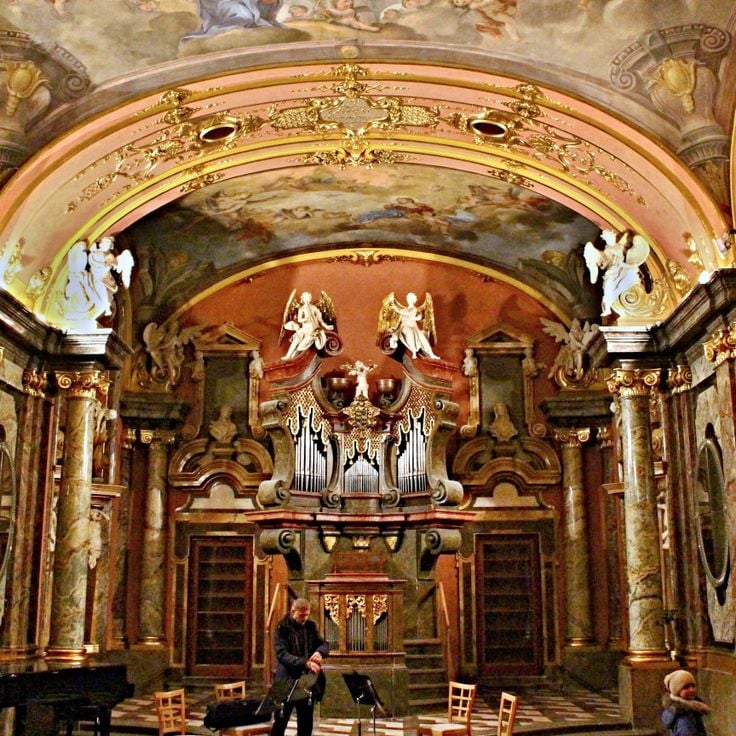
The Mirror Chapel is part of the Clementinum complex in Prague. In the antechamber, a bust of Mozart made by Emanuel Max recalls his stay in the city. The chapel takes its name from the mirrors covering its walls, giving the space a feel quite different from an ordinary chapel. Stepping inside is like entering a forgotten room, far from the noise of the city.
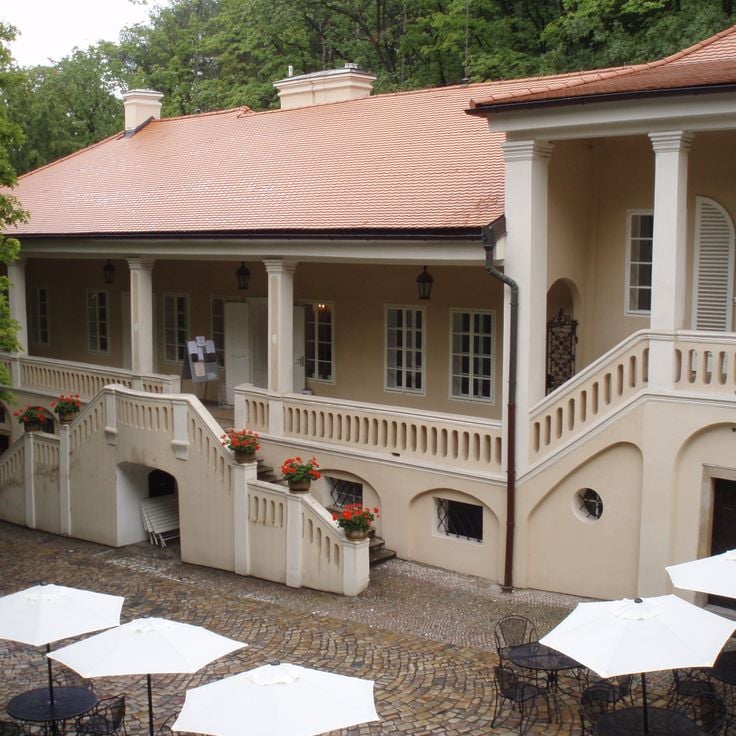
Villa Bertramka is located in the Smíchov district of Prague. The Dušek couple welcomed Mozart here in 1787, at the time Don Giovanni had its first performance in Prague. The house later became a museum. Visitors can see objects and scores from the days Mozart spent with his friends, and a bust of the composer stands in the garden.
The royal chapel of the Palace of Versailles is a place of prayer at the heart of the palace, where the royal family and the court gathered. According to the palace's own account, young Mozart played the organ before Louis XV here in January 1764. The stone walls and columns still give a sense of the formal setting in which the young musician performed.
This house stands on Ebury Street in London, and Mozart stayed here as a child during his trip to England. The facade is plain, like the other brick houses on the street. You can walk past without noticing anything out of the ordinary, but this is where the young Mozart lived during his London stay.
I recommend booking tickets before departure, especially for sites that take few people at a time. Keep a morning free without a visit to walk between two stops. That leaves time to look at the facades and catch your breath.