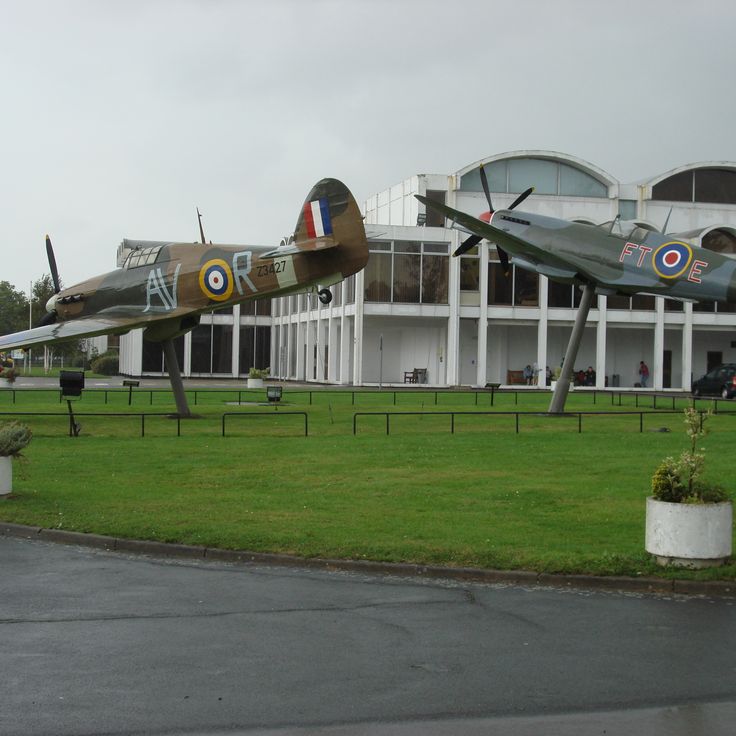
Military museums: collections of weapons, uniforms, and war vehicles
These military museums gather objects that tell stories of wars and the people who experienced them. You will find weapons, uniforms, combat vehicles, letters, photographs, and old documents. The collections cover different periods and conflicts, from the Middle Ages to recent wars, including the two world wars.
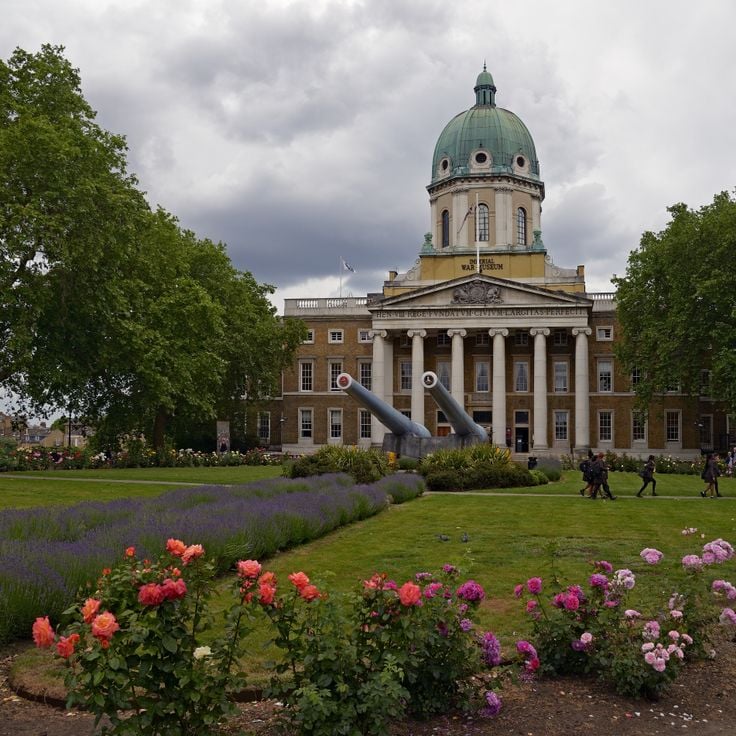
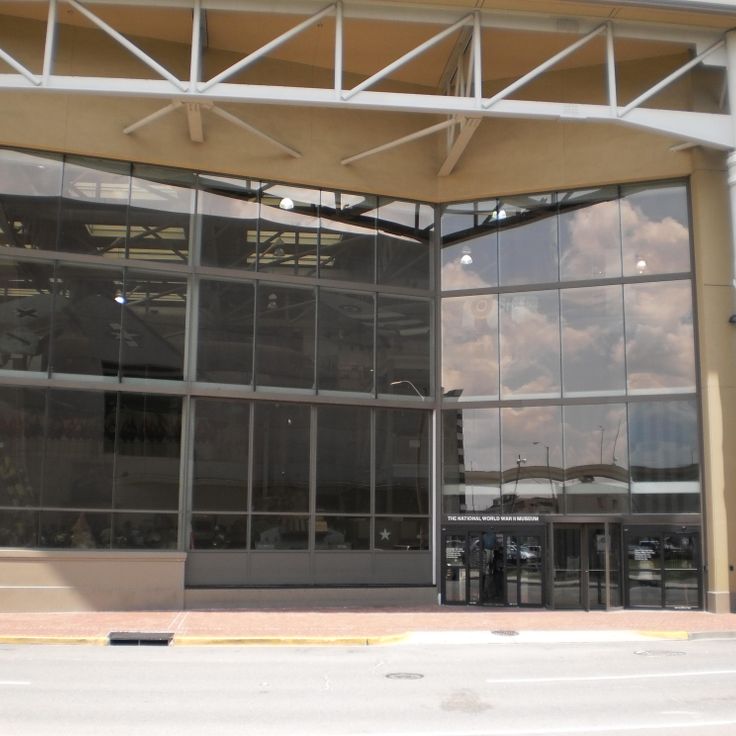
In London, the Imperial War Museum holds records of British military life since 1914. In Moscow, the Museum of the Great Patriotic War focuses on the Eastern Front from 1941 to 1945. New Orleans hosts the National WWII Museum, which looks at American involvement in the Pacific and Europe. In Seoul, the Korean War Memorial traces the nation's history through its armed forces. Other sites like Bovington Tank Museum or the Royal Armouries in Leeds display military equipment from many centuries.
These places help you understand how conflicts shaped societies and changed fighting techniques. You can see real objects, sometimes rare, and learn about soldiers' daily life beyond the big battles.
Military museums: collections of weapons, uniforms, and war vehicles
These military museums gather objects that tell stories of wars and the people who experienced them. You will find weapons, uniforms, combat vehicles, letters, photographs, and old documents. The collections cover different periods and conflicts, from the Middle Ages to recent wars, including the two world wars.
In London, the Imperial War Museum holds records of British military life since 1914. In Moscow, the Museum of the Great Patriotic War focuses on the Eastern Front from 1941 to 1945. New Orleans hosts the National WWII Museum, which looks at American involvement in the Pacific and Europe. In Seoul, the Korean War Memorial traces the nation's history through its armed forces. Other sites like Bovington Tank Museum or the Royal Armouries in Leeds display military equipment from many centuries.
These places help you understand how conflicts shaped societies and changed fighting techniques. You can see real objects, sometimes rare, and learn about soldiers' daily life beyond the big battles.
This museum documents British military history since 1914. It displays tanks, aircraft and artillery from both world wars, along with personal items from soldiers, uniforms and letters from the trenches. The collections also cover conflicts during the Cold War, the Falklands and recent deployments in the Middle East. The exhibits combine large war machinery with more intimate objects, aiming to capture both the technical evolution and the lives and daily routines of men and women in military service.
This museum explores the involvement of American forces between 1941 and 1945 across two theaters of war. Visitors see vehicles such as landing craft and tanks, uniforms, weapons, personal items belonging to soldiers, letters, and photographs from the period. The exhibition shows daily life at the front and at home, the Normandy landings, battles in the Pacific, and the role of civilians during the war.
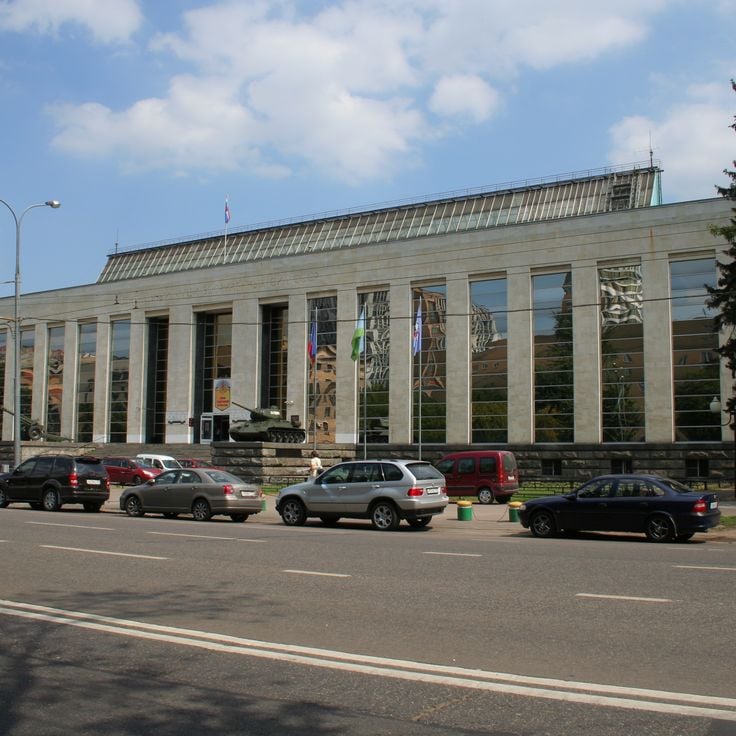
This museum gathers military equipment, documents, photographs and objects from the years 1941 to 1945. The rooms focus on the daily life of Soviet soldiers, showing weapons, uniforms, personal belongings and testimonies from the war against Germany. Visitors see tanks, artillery pieces, aircraft and reconstructed scenes from combat and life behind the lines. The collection illustrates how Soviet forces were organized, what techniques they used and how civilians experienced the war.
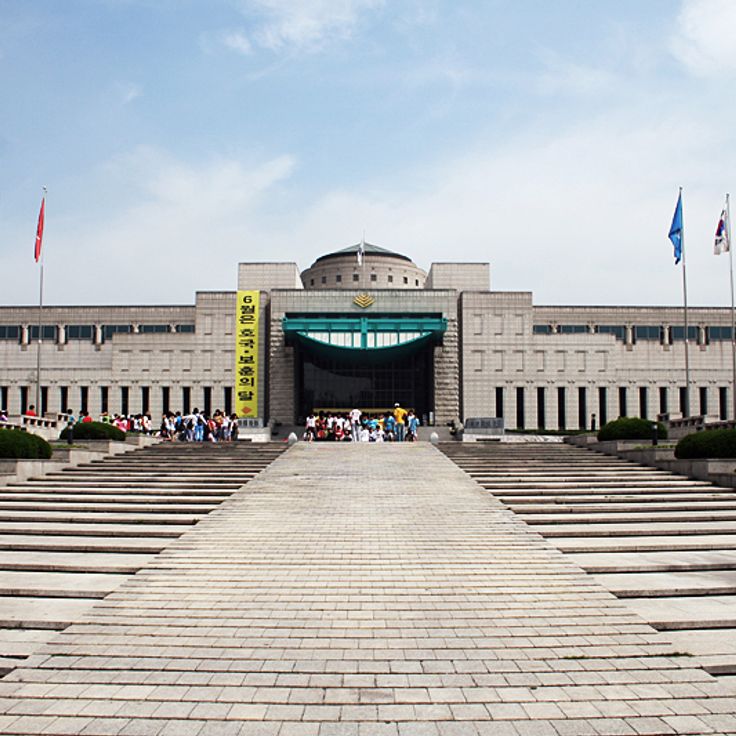
This memorial documents the history of Korean armed forces from ancient times to the present day. The exhibition includes weapons, uniforms and combat vehicles along with historical documents about Korean conflicts. The Korean War between 1950 and 1953 receives particular attention. The grounds also display military equipment outdoors, including tanks and aircraft. Multimedia areas complement the collection and convey an image of soldiers' lives and the development of warfare technology in the country.
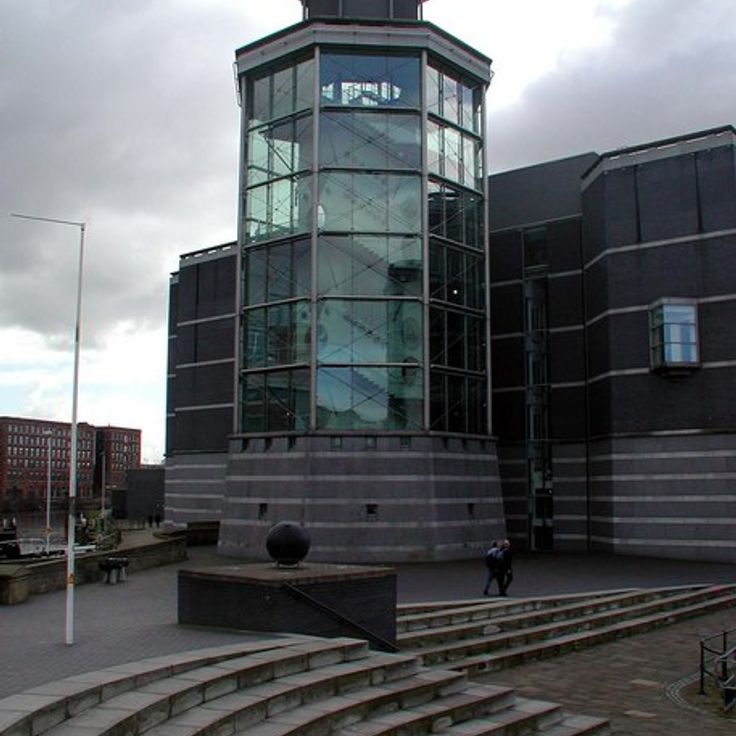
This museum in Leeds holds over 75,000 military objects from the Middle Ages to the present day. The rooms display swords, armor and firearms that document the evolution of combat techniques over the centuries. Visitors see equipment worn by knights, soldiers and officers from different eras. The collection also includes uniforms, helmets and protective gear. The museum shows how weapons technology has changed and how wars have shaped the lives of people.
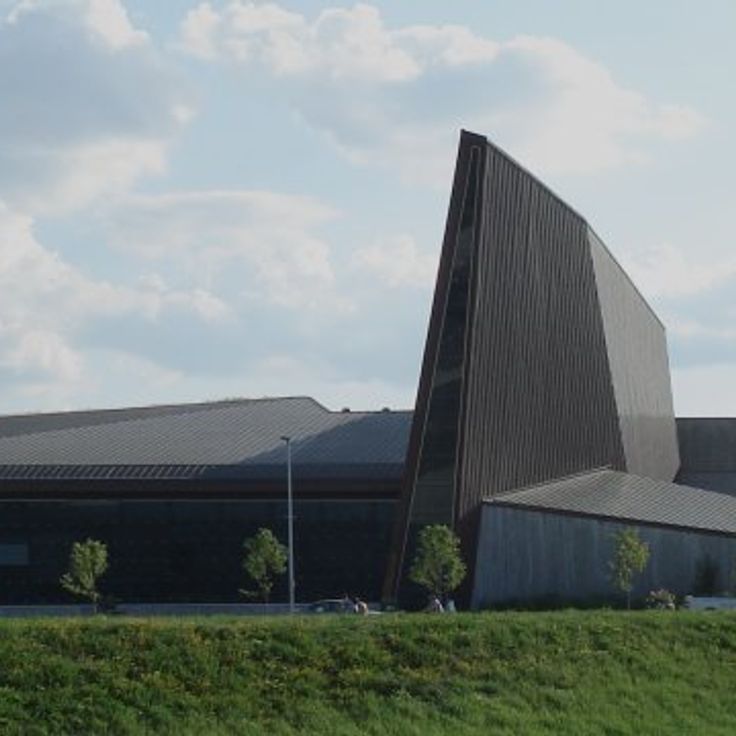
The museum presents Canadian participation in armed conflicts through uniforms, vehicles, medals and documents. The collections begin with the War of 1812 against the United States and extend to recent missions. Visitors see equipment used by Canadian soldiers, tanks and artillery from both World Wars, and personal items that tell of daily life at the front. Located along the Ottawa River, the museum connects historical evidence with displays of military technology across more than two centuries.
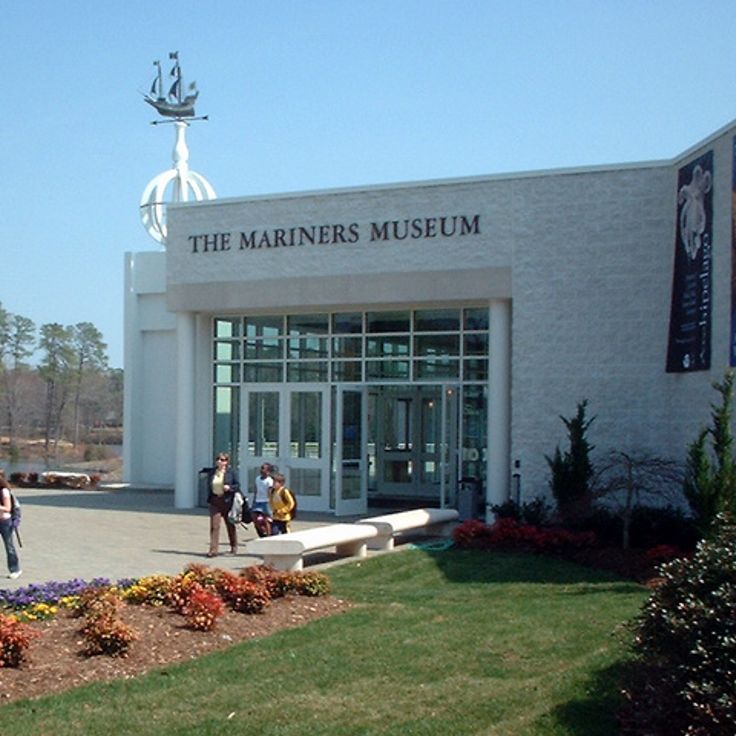
This museum in Newport News focuses on United States maritime history and displays navigation instruments, ship models, uniforms and objects from shipwrecks. The collection includes about 32,000 items from different periods of seafaring. The emphasis is on naval history, technical developments at sea and the daily life of sailors. Visitors can follow how warfare at sea has changed over the centuries and what equipment accompanied sailors on their voyages.
This museum displays uniforms, weapons, military vehicles, maps, documents and photographs that tell the story of the war in the Pacific between 1941 and 1945. The collection includes items from American and Japanese soldiers, personal letters, equipment from the Navy and Air Force, and objects from the daily life of troops on the islands and at sea. Visitors see combat aircraft, tanks, artillery pieces and ship replicas. The museum is located in Texas and recalls the role of the United States in the Pacific theater during the Second World War.
The museum preserves military vehicles from several centuries and eight countries. The collection shows tanks from World War I to the present and documents the evolution of armored warfare through original machines, uniforms, and archive material. Visitors also see rare models from both world wars as well as machines from Korea, Iraq, and other conflicts.
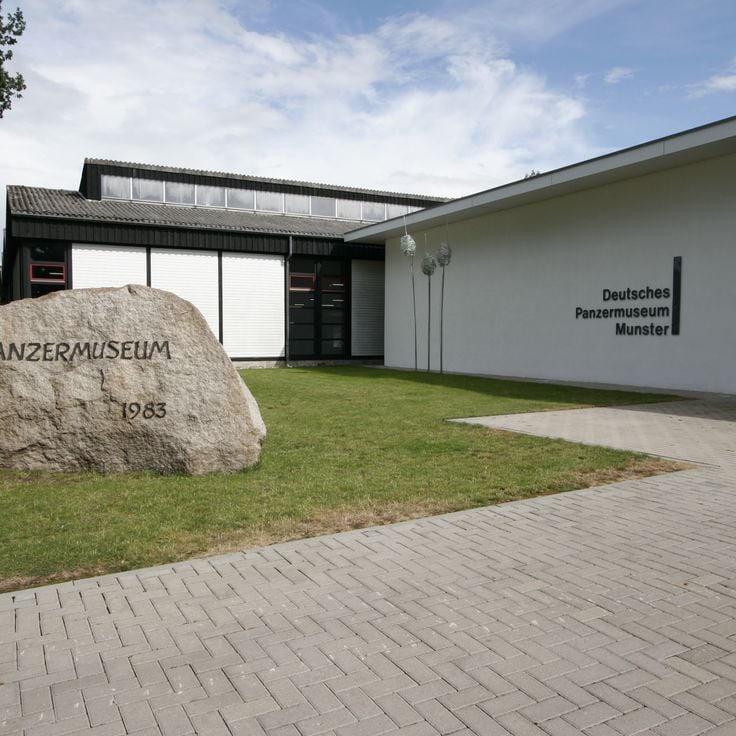
This museum gathers tanks, artillery pieces and military vehicles that document a century of German armored warfare. The collection includes around 150 objects from the period between 1900 and 2000. Visitors see combat vehicles from the First World War, Wehrmacht tanks, Bundeswehr equipment and captured vehicles. The display shows how tank technology, armament and camouflage patterns changed over the decades. Alongside the vehicles, there are uniforms, documents and personal gear that help understand the daily life of the crews.
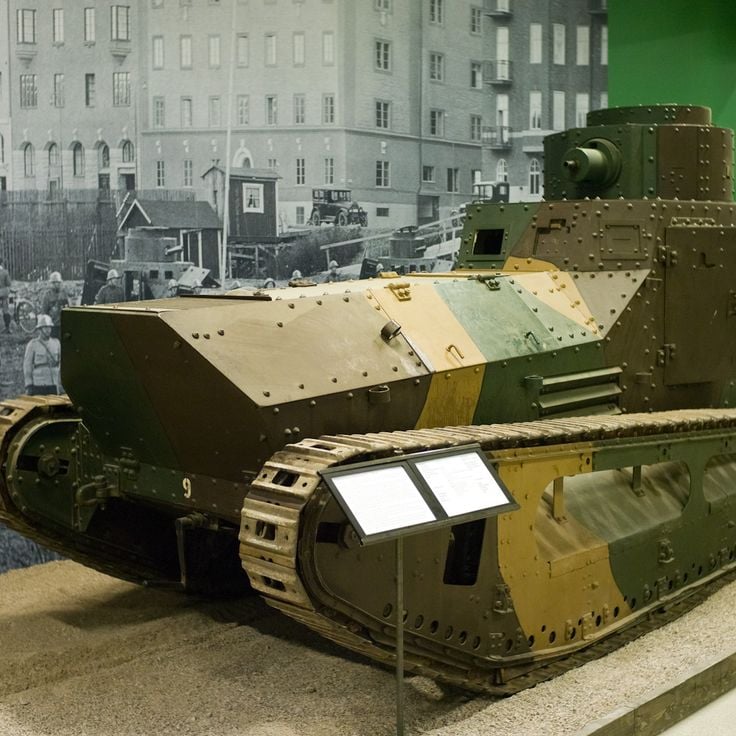
Arsenalen in Strängnäs displays over 350 tanks and military vehicles from Swedish armed forces history since 1920. The collection includes older models from the interwar period alongside vehicles from World War II and later decades. You can see Swedish designs as well as foreign models used by the Swedish army. The halls offer a view of how armor, weaponry and mobility evolved over several generations of combat vehicles.
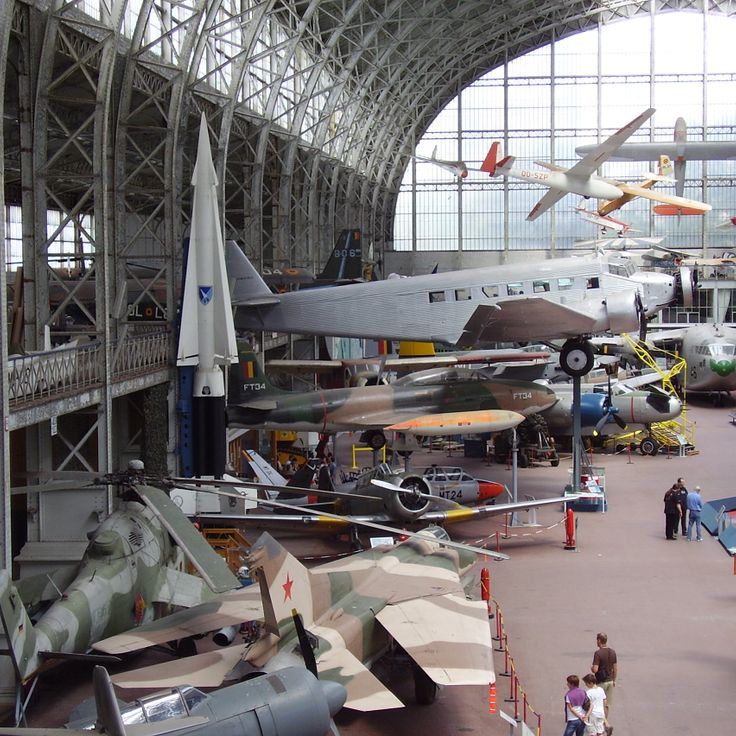
This museum traces the history of the Belgian armed forces from the 18th century to the present. Rooms display uniforms, weapons, tanks, aircraft, and personal items that belonged to soldiers. The collection covers the Napoleonic era, both world wars, and later conflicts. In the aviation section, historic planes recall the early days of military flight. The exhibits connect military equipment with the daily lives of those who used it.
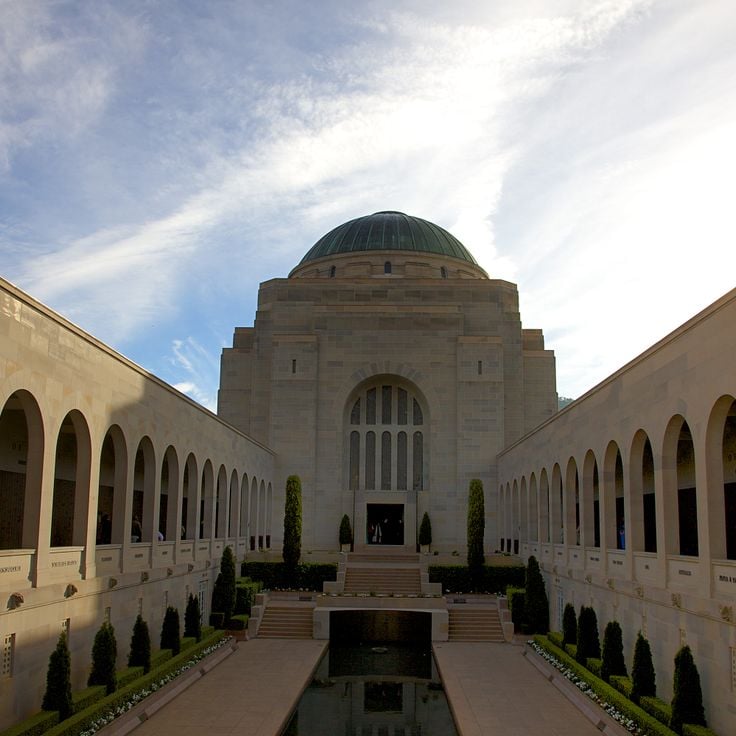
This memorial honors all Australian service members who died in war since World War One. It houses a commemorative site, a museum with weapons, uniforms, personal items, and vehicles, along with archives of letters and photographs. The exhibitions tell the story of soldiers' daily lives across different conflicts, from Gallipoli to recent overseas deployments. The site combines remembrance with historical documentation.
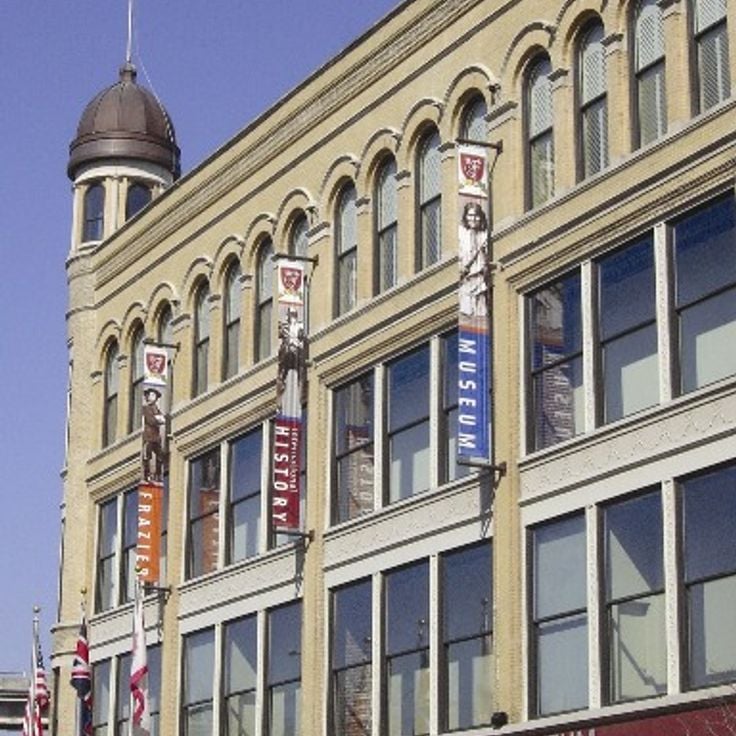
The Frazier History Museum displays weapons, armor, and military equipment from different eras. The collection ranges from the Middle Ages to the 20th century and includes swords, pistols, rifles, uniforms, and personal items belonging to soldiers. The museum documents Kentucky's role in the American Civil War and other conflicts. Visitors see objects connected to the conquest of the West and to European wars. The exhibition rooms show how weapons technology evolved over the centuries and how wars shaped the lives of people.
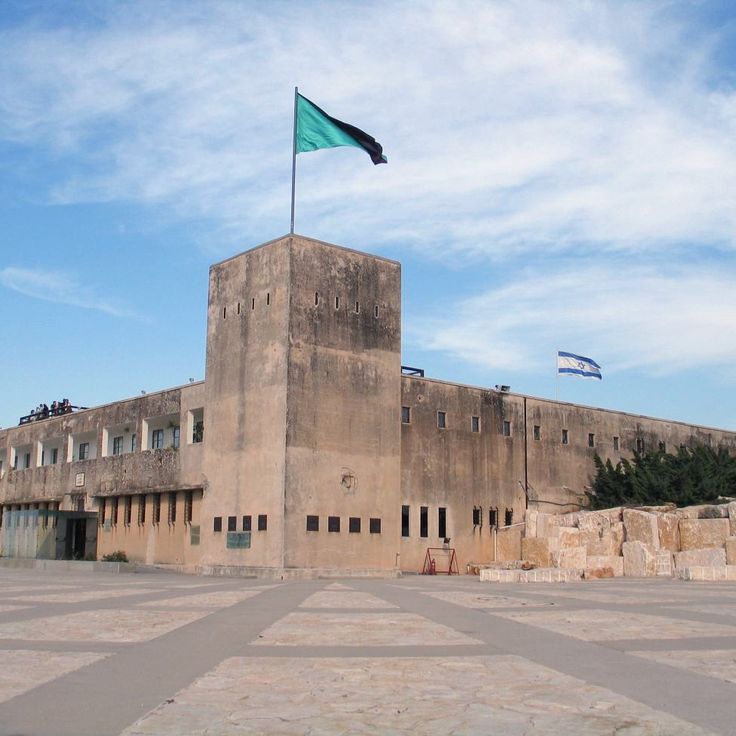
The museum in Latrun displays tanks and armored vehicles used throughout the history of the Israeli Defense Forces. The collection includes models from different decades, among them captured equipment and tanks developed domestically. Some exhibits stand outdoors, others in halls. Alongside the vehicles, uniforms, photographs and personal items from soldiers are on view. The grounds allow visitors to examine the tanks up close and learn about their role in the conflicts of the region.
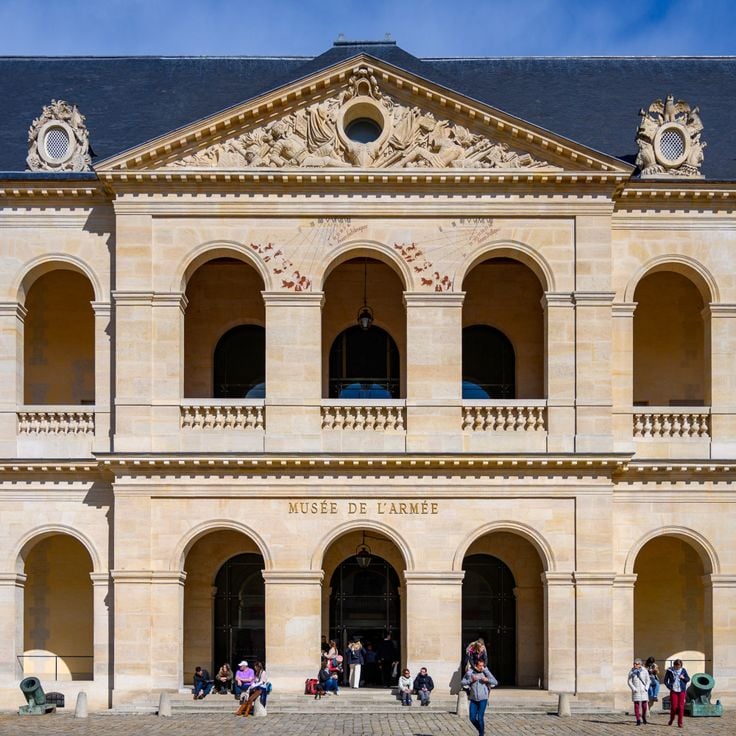
This museum occupies the buildings of Les Invalides and shows the French military history from the Middle Ages to the present. The rooms gather armor, uniforms, cannons and mementos from battles. The collections include personal items from soldiers, weapons from different centuries and documents that record the life of troops. You can walk through rooms organized by period and look at objects used in European conflicts. The building itself was built in the 17th century as a home for war veterans and still keeps that character today.
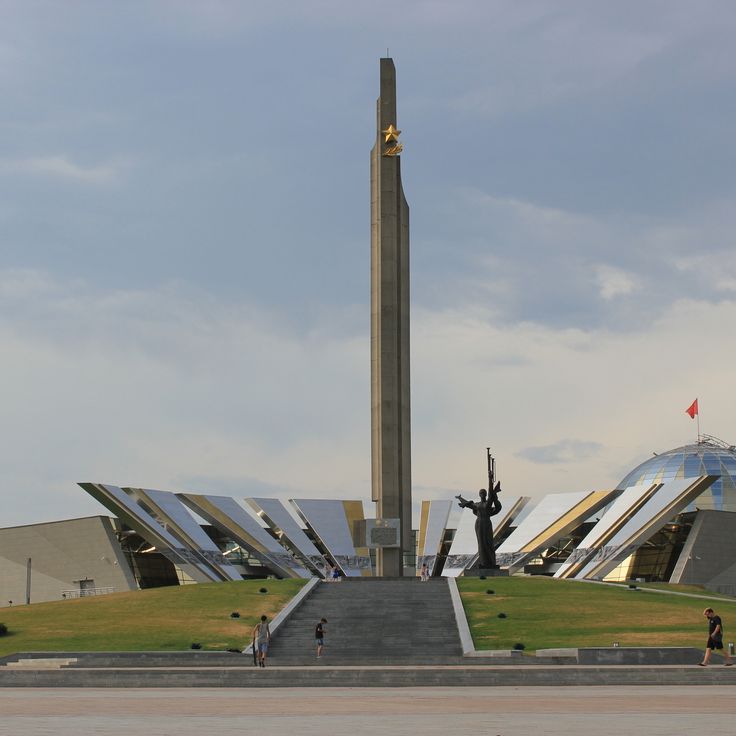
This museum presents the military history of Belarus through uniforms, weapons, vehicles, and documents from different periods. The main focus is on World War II, when the region was occupied by German forces and later liberated by the Red Army. You see equipment used by Soviet soldiers, captured German weapons, personal items belonging to fighters, and photographs taken between 1941 and 1945. Besides the rooms dedicated to World War II, there are sections on later conflicts involving Belarusian troops. Tanks and military vehicles stand outdoors or inside large halls. Letters, uniforms, and medals offer a view into the daily lives of soldiers. The museum is located in Minsk and is one of the places that shows how war shaped life in this part of Europe.
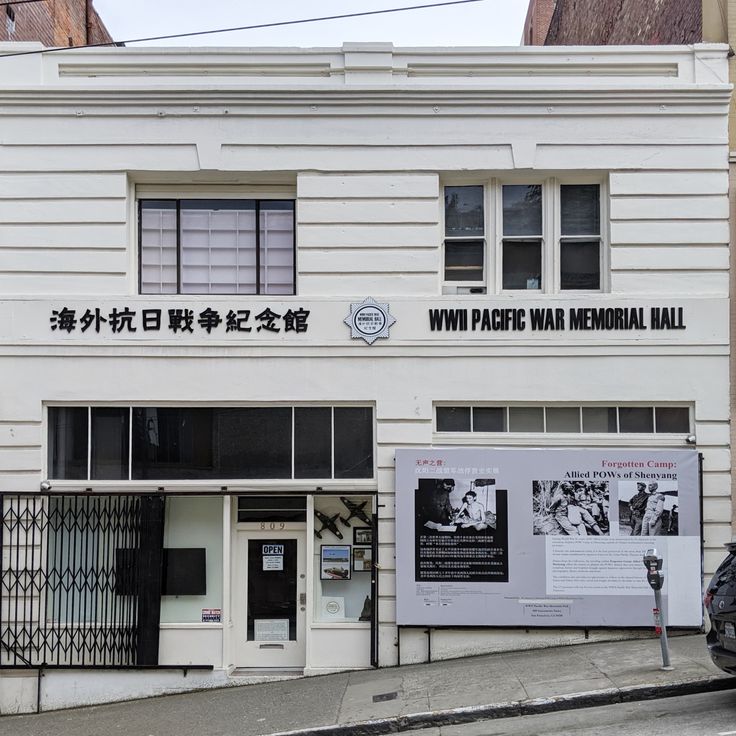
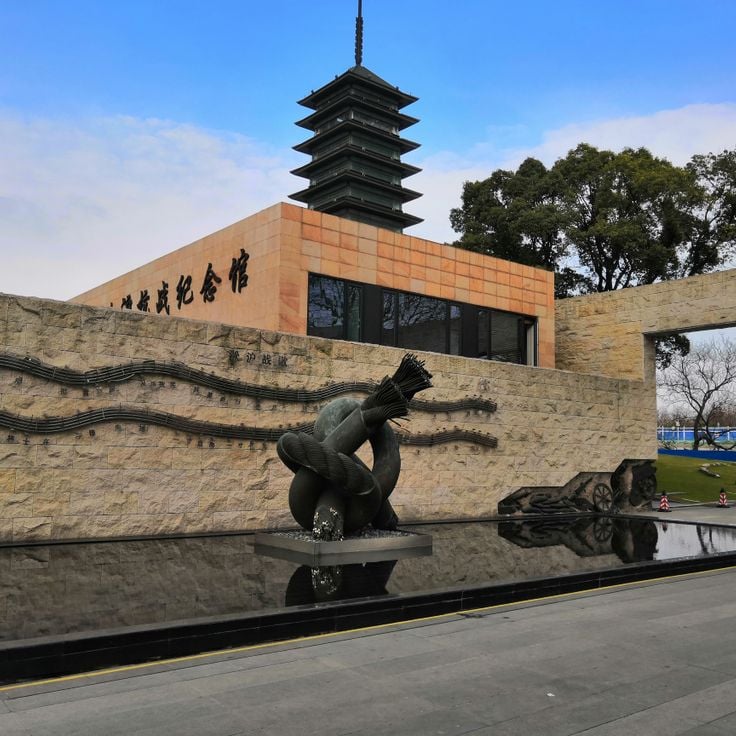
This museum displays weapons, uniforms, photographs and documents from wars involving Chinese forces. The exhibitions tell the story of resistance during the Second Sino-Japanese War between 1937 and 1945. You see personal belongings of soldiers, military equipment and period documents showing life on the front and in occupied Shanghai. The rooms follow the chronology of events, from the first battles to the liberation of the city. There are also sections about the organization of defense and the role of civilians during the occupation.
This museum displays ship models, navigation instruments, uniforms and documents that tell the story of the Russian navy since the 18th century. The collections cover the era of Peter the Great, who founded the fleet, through to Soviet warships. Visitors see personal items belonging to sailors, ship plans, weapons and equipment used on board. The Musée Central de la Marine preserves memorabilia from major naval battles and expeditions. The exhibits show how shipbuilding and seafaring techniques evolved over the centuries and what role the navy played in Russian history.
This museum holds a large collection of military aircraft used mainly during both World Wars, the Korean War, and the Vietnam War. You can see fighters, bombers, transport planes, and helicopters from different eras. There are also rockets, space capsules, astronaut suits, and equipment from the early days of American space exploration. The exhibits show how air warfare and space technology developed over the decades and what role they played in the conflicts of the 20th century. Uniforms, badges, photographs, and personal documents from pilots and soldiers complete the collection.
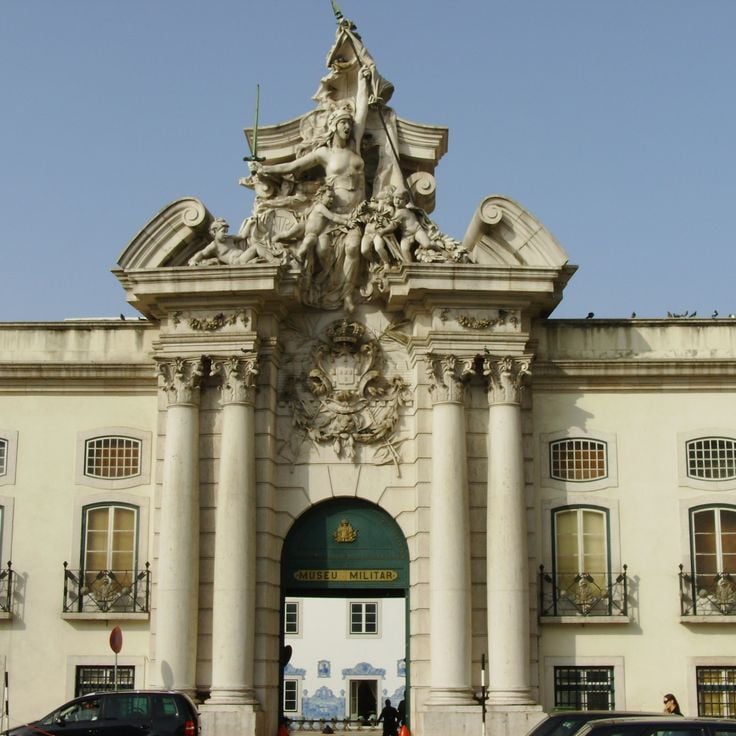
The museum occupies a former arsenal and shows Portuguese military history through weapons, uniforms, flags and artillery from the 15th century to the present. The collection documents the role of Portuguese forces during the Age of Discoveries, the Napoleonic Wars, the African colonial campaigns and the conflicts of the 20th century. In the halls stand bronze cannons that once served on ships and in fortresses. You see armor, muskets, swords and helmets from different periods. The exhibition also preserves personal items of soldiers, letters, maps and models of fortifications. One room is dedicated to the wars of independence, another to overseas deployments. The museum is located in an 18th-century building that formerly stored weapons and ammunition. The halls are long and high, the atmosphere recalls the military function of the place. You can follow the evolution of weapon technology over the centuries and learn how the Portuguese armies were organized. The collection of military flags shows the symbols of different regiments and units.
The Royal Air Force Museum displays more than 100 military aircraft, uniforms, medals, and aviation equipment from the history of the British air force. The collections document the development of the RAF from its founding in 1918 to the present day. Visitors see fighter planes from the First and Second World Wars, helicopters, bombers, and jets from later conflicts. The exhibition halls hold personal items belonging to pilots, photographs, logbooks, technical instruments, and documents from different periods. This museum explains how the air force changed over the decades and what role it played in the wars of the 20th century.
This museum documents the American Civil War between 1861 and 1865. It displays uniforms from both sides, weapons from that period, flags of the Confederacy and the Union, and personal items belonging to soldiers. You will find letters, photographs, and equipment that tell the story of daily life for those who fought. The collection provides insight into military organization, conditions at the front, and the technical developments during the conflict.
This museum documents British military history since 1914. It displays tanks, aircraft and artillery from both world wars, along with personal items from soldiers, uniforms and letters from the trenches. The collections also cover conflicts during the Cold War, the Falklands and recent deployments in the Middle East. The exhibits combine large war machinery with more intimate objects, aiming to capture both the technical evolution and the lives and daily routines of men and women in military service.
This museum explores the involvement of American forces between 1941 and 1945 across two theaters of war. Visitors see vehicles such as landing craft and tanks, uniforms, weapons, personal items belonging to soldiers, letters, and photographs from the period. The exhibition shows daily life at the front and at home, the Normandy landings, battles in the Pacific, and the role of civilians during the war.
This museum gathers military equipment, documents, photographs and objects from the years 1941 to 1945. The rooms focus on the daily life of Soviet soldiers, showing weapons, uniforms, personal belongings and testimonies from the war against Germany. Visitors see tanks, artillery pieces, aircraft and reconstructed scenes from combat and life behind the lines. The collection illustrates how Soviet forces were organized, what techniques they used and how civilians experienced the war.
This memorial documents the history of Korean armed forces from ancient times to the present day. The exhibition includes weapons, uniforms and combat vehicles along with historical documents about Korean conflicts. The Korean War between 1950 and 1953 receives particular attention. The grounds also display military equipment outdoors, including tanks and aircraft. Multimedia areas complement the collection and convey an image of soldiers' lives and the development of warfare technology in the country.
This museum in Leeds holds over 75,000 military objects from the Middle Ages to the present day. The rooms display swords, armor and firearms that document the evolution of combat techniques over the centuries. Visitors see equipment worn by knights, soldiers and officers from different eras. The collection also includes uniforms, helmets and protective gear. The museum shows how weapons technology has changed and how wars have shaped the lives of people.
The museum presents Canadian participation in armed conflicts through uniforms, vehicles, medals and documents. The collections begin with the War of 1812 against the United States and extend to recent missions. Visitors see equipment used by Canadian soldiers, tanks and artillery from both World Wars, and personal items that tell of daily life at the front. Located along the Ottawa River, the museum connects historical evidence with displays of military technology across more than two centuries.
This museum in Newport News focuses on United States maritime history and displays navigation instruments, ship models, uniforms and objects from shipwrecks. The collection includes about 32,000 items from different periods of seafaring. The emphasis is on naval history, technical developments at sea and the daily life of sailors. Visitors can follow how warfare at sea has changed over the centuries and what equipment accompanied sailors on their voyages.
This museum displays uniforms, weapons, military vehicles, maps, documents and photographs that tell the story of the war in the Pacific between 1941 and 1945. The collection includes items from American and Japanese soldiers, personal letters, equipment from the Navy and Air Force, and objects from the daily life of troops on the islands and at sea. Visitors see combat aircraft, tanks, artillery pieces and ship replicas. The museum is located in Texas and recalls the role of the United States in the Pacific theater during the Second World War.
The museum preserves military vehicles from several centuries and eight countries. The collection shows tanks from World War I to the present and documents the evolution of armored warfare through original machines, uniforms, and archive material. Visitors also see rare models from both world wars as well as machines from Korea, Iraq, and other conflicts.
This museum gathers tanks, artillery pieces and military vehicles that document a century of German armored warfare. The collection includes around 150 objects from the period between 1900 and 2000. Visitors see combat vehicles from the First World War, Wehrmacht tanks, Bundeswehr equipment and captured vehicles. The display shows how tank technology, armament and camouflage patterns changed over the decades. Alongside the vehicles, there are uniforms, documents and personal gear that help understand the daily life of the crews.
Arsenalen in Strängnäs displays over 350 tanks and military vehicles from Swedish armed forces history since 1920. The collection includes older models from the interwar period alongside vehicles from World War II and later decades. You can see Swedish designs as well as foreign models used by the Swedish army. The halls offer a view of how armor, weaponry and mobility evolved over several generations of combat vehicles.
This museum traces the history of the Belgian armed forces from the 18th century to the present. Rooms display uniforms, weapons, tanks, aircraft, and personal items that belonged to soldiers. The collection covers the Napoleonic era, both world wars, and later conflicts. In the aviation section, historic planes recall the early days of military flight. The exhibits connect military equipment with the daily lives of those who used it.
This memorial honors all Australian service members who died in war since World War One. It houses a commemorative site, a museum with weapons, uniforms, personal items, and vehicles, along with archives of letters and photographs. The exhibitions tell the story of soldiers' daily lives across different conflicts, from Gallipoli to recent overseas deployments. The site combines remembrance with historical documentation.
The Frazier History Museum displays weapons, armor, and military equipment from different eras. The collection ranges from the Middle Ages to the 20th century and includes swords, pistols, rifles, uniforms, and personal items belonging to soldiers. The museum documents Kentucky's role in the American Civil War and other conflicts. Visitors see objects connected to the conquest of the West and to European wars. The exhibition rooms show how weapons technology evolved over the centuries and how wars shaped the lives of people.
The museum in Latrun displays tanks and armored vehicles used throughout the history of the Israeli Defense Forces. The collection includes models from different decades, among them captured equipment and tanks developed domestically. Some exhibits stand outdoors, others in halls. Alongside the vehicles, uniforms, photographs and personal items from soldiers are on view. The grounds allow visitors to examine the tanks up close and learn about their role in the conflicts of the region.
This museum occupies the buildings of Les Invalides and shows the French military history from the Middle Ages to the present. The rooms gather armor, uniforms, cannons and mementos from battles. The collections include personal items from soldiers, weapons from different centuries and documents that record the life of troops. You can walk through rooms organized by period and look at objects used in European conflicts. The building itself was built in the 17th century as a home for war veterans and still keeps that character today.
This museum presents the military history of Belarus through uniforms, weapons, vehicles, and documents from different periods. The main focus is on World War II, when the region was occupied by German forces and later liberated by the Red Army. You see equipment used by Soviet soldiers, captured German weapons, personal items belonging to fighters, and photographs taken between 1941 and 1945. Besides the rooms dedicated to World War II, there are sections on later conflicts involving Belarusian troops. Tanks and military vehicles stand outdoors or inside large halls. Letters, uniforms, and medals offer a view into the daily lives of soldiers. The museum is located in Minsk and is one of the places that shows how war shaped life in this part of Europe.
This museum displays weapons, uniforms, photographs and documents from wars involving Chinese forces. The exhibitions tell the story of resistance during the Second Sino-Japanese War between 1937 and 1945. You see personal belongings of soldiers, military equipment and period documents showing life on the front and in occupied Shanghai. The rooms follow the chronology of events, from the first battles to the liberation of the city. There are also sections about the organization of defense and the role of civilians during the occupation.
This museum displays ship models, navigation instruments, uniforms and documents that tell the story of the Russian navy since the 18th century. The collections cover the era of Peter the Great, who founded the fleet, through to Soviet warships. Visitors see personal items belonging to sailors, ship plans, weapons and equipment used on board. The Musée Central de la Marine preserves memorabilia from major naval battles and expeditions. The exhibits show how shipbuilding and seafaring techniques evolved over the centuries and what role the navy played in Russian history.
This museum holds a large collection of military aircraft used mainly during both World Wars, the Korean War, and the Vietnam War. You can see fighters, bombers, transport planes, and helicopters from different eras. There are also rockets, space capsules, astronaut suits, and equipment from the early days of American space exploration. The exhibits show how air warfare and space technology developed over the decades and what role they played in the conflicts of the 20th century. Uniforms, badges, photographs, and personal documents from pilots and soldiers complete the collection.
The museum occupies a former arsenal and shows Portuguese military history through weapons, uniforms, flags and artillery from the 15th century to the present. The collection documents the role of Portuguese forces during the Age of Discoveries, the Napoleonic Wars, the African colonial campaigns and the conflicts of the 20th century. In the halls stand bronze cannons that once served on ships and in fortresses. You see armor, muskets, swords and helmets from different periods. The exhibition also preserves personal items of soldiers, letters, maps and models of fortifications. One room is dedicated to the wars of independence, another to overseas deployments. The museum is located in an 18th-century building that formerly stored weapons and ammunition. The halls are long and high, the atmosphere recalls the military function of the place. You can follow the evolution of weapon technology over the centuries and learn how the Portuguese armies were organized. The collection of military flags shows the symbols of different regiments and units.
The Royal Air Force Museum displays more than 100 military aircraft, uniforms, medals, and aviation equipment from the history of the British air force. The collections document the development of the RAF from its founding in 1918 to the present day. Visitors see fighter planes from the First and Second World Wars, helicopters, bombers, and jets from later conflicts. The exhibition halls hold personal items belonging to pilots, photographs, logbooks, technical instruments, and documents from different periods. This museum explains how the air force changed over the decades and what role it played in the wars of the 20th century.
This museum documents the American Civil War between 1861 and 1865. It displays uniforms from both sides, weapons from that period, flags of the Confederacy and the Union, and personal items belonging to soldiers. You will find letters, photographs, and equipment that tell the story of daily life for those who fought. The collection provides insight into military organization, conditions at the front, and the technical developments during the conflict.
This museum documents British military history since 1914. It displays tanks, aircraft and artillery from both world wars, along with personal items from soldiers, uniforms and letters from the trenches. The collections also cover conflicts during the Cold War, the Falklands and recent deployments in the Middle East. The exhibits combine large war machinery with more intimate objects, aiming to capture both the technical evolution and the lives and daily routines of men and women in military service.
This museum explores the involvement of American forces between 1941 and 1945 across two theaters of war. Visitors see vehicles such as landing craft and tanks, uniforms, weapons, personal items belonging to soldiers, letters, and photographs from the period. The exhibition shows daily life at the front and at home, the Normandy landings, battles in the Pacific, and the role of civilians during the war.
This museum gathers military equipment, documents, photographs and objects from the years 1941 to 1945. The rooms focus on the daily life of Soviet soldiers, showing weapons, uniforms, personal belongings and testimonies from the war against Germany. Visitors see tanks, artillery pieces, aircraft and reconstructed scenes from combat and life behind the lines. The collection illustrates how Soviet forces were organized, what techniques they used and how civilians experienced the war.
This memorial documents the history of Korean armed forces from ancient times to the present day. The exhibition includes weapons, uniforms and combat vehicles along with historical documents about Korean conflicts. The Korean War between 1950 and 1953 receives particular attention. The grounds also display military equipment outdoors, including tanks and aircraft. Multimedia areas complement the collection and convey an image of soldiers' lives and the development of warfare technology in the country.
This museum in Leeds holds over 75,000 military objects from the Middle Ages to the present day. The rooms display swords, armor and firearms that document the evolution of combat techniques over the centuries. Visitors see equipment worn by knights, soldiers and officers from different eras. The collection also includes uniforms, helmets and protective gear. The museum shows how weapons technology has changed and how wars have shaped the lives of people.
The museum presents Canadian participation in armed conflicts through uniforms, vehicles, medals and documents. The collections begin with the War of 1812 against the United States and extend to recent missions. Visitors see equipment used by Canadian soldiers, tanks and artillery from both World Wars, and personal items that tell of daily life at the front. Located along the Ottawa River, the museum connects historical evidence with displays of military technology across more than two centuries.
This museum in Newport News focuses on United States maritime history and displays navigation instruments, ship models, uniforms and objects from shipwrecks. The collection includes about 32,000 items from different periods of seafaring. The emphasis is on naval history, technical developments at sea and the daily life of sailors. Visitors can follow how warfare at sea has changed over the centuries and what equipment accompanied sailors on their voyages.
This museum displays uniforms, weapons, military vehicles, maps, documents and photographs that tell the story of the war in the Pacific between 1941 and 1945. The collection includes items from American and Japanese soldiers, personal letters, equipment from the Navy and Air Force, and objects from the daily life of troops on the islands and at sea. Visitors see combat aircraft, tanks, artillery pieces and ship replicas. The museum is located in Texas and recalls the role of the United States in the Pacific theater during the Second World War.
The museum preserves military vehicles from several centuries and eight countries. The collection shows tanks from World War I to the present and documents the evolution of armored warfare through original machines, uniforms, and archive material. Visitors also see rare models from both world wars as well as machines from Korea, Iraq, and other conflicts.
This museum gathers tanks, artillery pieces and military vehicles that document a century of German armored warfare. The collection includes around 150 objects from the period between 1900 and 2000. Visitors see combat vehicles from the First World War, Wehrmacht tanks, Bundeswehr equipment and captured vehicles. The display shows how tank technology, armament and camouflage patterns changed over the decades. Alongside the vehicles, there are uniforms, documents and personal gear that help understand the daily life of the crews.
Arsenalen in Strängnäs displays over 350 tanks and military vehicles from Swedish armed forces history since 1920. The collection includes older models from the interwar period alongside vehicles from World War II and later decades. You can see Swedish designs as well as foreign models used by the Swedish army. The halls offer a view of how armor, weaponry and mobility evolved over several generations of combat vehicles.
This museum traces the history of the Belgian armed forces from the 18th century to the present. Rooms display uniforms, weapons, tanks, aircraft, and personal items that belonged to soldiers. The collection covers the Napoleonic era, both world wars, and later conflicts. In the aviation section, historic planes recall the early days of military flight. The exhibits connect military equipment with the daily lives of those who used it.
This memorial honors all Australian service members who died in war since World War One. It houses a commemorative site, a museum with weapons, uniforms, personal items, and vehicles, along with archives of letters and photographs. The exhibitions tell the story of soldiers' daily lives across different conflicts, from Gallipoli to recent overseas deployments. The site combines remembrance with historical documentation.
The Frazier History Museum displays weapons, armor, and military equipment from different eras. The collection ranges from the Middle Ages to the 20th century and includes swords, pistols, rifles, uniforms, and personal items belonging to soldiers. The museum documents Kentucky's role in the American Civil War and other conflicts. Visitors see objects connected to the conquest of the West and to European wars. The exhibition rooms show how weapons technology evolved over the centuries and how wars shaped the lives of people.
The museum in Latrun displays tanks and armored vehicles used throughout the history of the Israeli Defense Forces. The collection includes models from different decades, among them captured equipment and tanks developed domestically. Some exhibits stand outdoors, others in halls. Alongside the vehicles, uniforms, photographs and personal items from soldiers are on view. The grounds allow visitors to examine the tanks up close and learn about their role in the conflicts of the region.
This museum occupies the buildings of Les Invalides and shows the French military history from the Middle Ages to the present. The rooms gather armor, uniforms, cannons and mementos from battles. The collections include personal items from soldiers, weapons from different centuries and documents that record the life of troops. You can walk through rooms organized by period and look at objects used in European conflicts. The building itself was built in the 17th century as a home for war veterans and still keeps that character today.
This museum presents the military history of Belarus through uniforms, weapons, vehicles, and documents from different periods. The main focus is on World War II, when the region was occupied by German forces and later liberated by the Red Army. You see equipment used by Soviet soldiers, captured German weapons, personal items belonging to fighters, and photographs taken between 1941 and 1945. Besides the rooms dedicated to World War II, there are sections on later conflicts involving Belarusian troops. Tanks and military vehicles stand outdoors or inside large halls. Letters, uniforms, and medals offer a view into the daily lives of soldiers. The museum is located in Minsk and is one of the places that shows how war shaped life in this part of Europe.
This museum displays weapons, uniforms, photographs and documents from wars involving Chinese forces. The exhibitions tell the story of resistance during the Second Sino-Japanese War between 1937 and 1945. You see personal belongings of soldiers, military equipment and period documents showing life on the front and in occupied Shanghai. The rooms follow the chronology of events, from the first battles to the liberation of the city. There are also sections about the organization of defense and the role of civilians during the occupation.
This museum displays ship models, navigation instruments, uniforms and documents that tell the story of the Russian navy since the 18th century. The collections cover the era of Peter the Great, who founded the fleet, through to Soviet warships. Visitors see personal items belonging to sailors, ship plans, weapons and equipment used on board. The Musée Central de la Marine preserves memorabilia from major naval battles and expeditions. The exhibits show how shipbuilding and seafaring techniques evolved over the centuries and what role the navy played in Russian history.
This museum holds a large collection of military aircraft used mainly during both World Wars, the Korean War, and the Vietnam War. You can see fighters, bombers, transport planes, and helicopters from different eras. There are also rockets, space capsules, astronaut suits, and equipment from the early days of American space exploration. The exhibits show how air warfare and space technology developed over the decades and what role they played in the conflicts of the 20th century. Uniforms, badges, photographs, and personal documents from pilots and soldiers complete the collection.
The museum occupies a former arsenal and shows Portuguese military history through weapons, uniforms, flags and artillery from the 15th century to the present. The collection documents the role of Portuguese forces during the Age of Discoveries, the Napoleonic Wars, the African colonial campaigns and the conflicts of the 20th century. In the halls stand bronze cannons that once served on ships and in fortresses. You see armor, muskets, swords and helmets from different periods. The exhibition also preserves personal items of soldiers, letters, maps and models of fortifications. One room is dedicated to the wars of independence, another to overseas deployments. The museum is located in an 18th-century building that formerly stored weapons and ammunition. The halls are long and high, the atmosphere recalls the military function of the place. You can follow the evolution of weapon technology over the centuries and learn how the Portuguese armies were organized. The collection of military flags shows the symbols of different regiments and units.
The Royal Air Force Museum displays more than 100 military aircraft, uniforms, medals, and aviation equipment from the history of the British air force. The collections document the development of the RAF from its founding in 1918 to the present day. Visitors see fighter planes from the First and Second World Wars, helicopters, bombers, and jets from later conflicts. The exhibition halls hold personal items belonging to pilots, photographs, logbooks, technical instruments, and documents from different periods. This museum explains how the air force changed over the decades and what role it played in the wars of the 20th century.
This museum documents the American Civil War between 1861 and 1865. It displays uniforms from both sides, weapons from that period, flags of the Confederacy and the Union, and personal items belonging to soldiers. You will find letters, photographs, and equipment that tell the story of daily life for those who fought. The collection provides insight into military organization, conditions at the front, and the technical developments during the conflict.