See the monuments around you in AROpen chests in the app
Around Us is built for your phone — point your camera at the streets and discover the monuments and places around you in augmented reality.Around Us is built for your phone — chests unlock when you walk, explore and capture nearby places.
Kentucky combines natural areas and historical places in ways that tell the story of the state. Cave systems run beneath the earth, including Mammoth Cave, one of the world's largest. Rivers cut through gorges and valleys, creating waterfalls like Cumberland Falls and rock formations that draw visitors from throughout the region. These natural features have shaped how people lived and traveled through Kentucky for generations.
The state also preserves buildings and sites connected to important chapters of American history. Civil War battlefields such as Perryville and Mill Springs show where soldiers fought and died. Houses and structures from colonial times still stand, offering glimpses into daily life centuries ago. Museums display objects and stories related to bourbon making, ventriloquism, or the Shaker communities that once thrived here. Sites connected to Abraham Lincoln and other historical figures draw those interested in learning more.
Walking through these places, visitors encounter different landscapes and stories. Some locations offer dense forests and waterways, while others consist of rolling farmland or town squares. Old buildings sit alongside modern museums and parks. Whether someone comes to hike along river trails, explore underground passages, or read the history preserved in monuments and homes, Kentucky offers encounters with both nature and the people who shaped the region.
Kentucky combines natural areas and historical places in ways that tell the story of the state. Cave systems run beneath the earth, including Mammoth Cave, one of the world's largest. Rivers cut through gorges and valleys, creating waterfalls like Cumberland Falls and rock formations that draw visitors from throughout the region. These natural features have shaped how people lived and traveled through Kentucky for generations.
The state also preserves buildings and sites connected to important chapters of American history. Civil War battlefields such as Perryville and Mill Springs show where soldiers fought and died. Houses and structures from colonial times still stand, offering glimpses into daily life centuries ago. Museums display objects and stories related to bourbon making, ventriloquism, or the Shaker communities that once thrived here. Sites connected to Abraham Lincoln and other historical figures draw those interested in learning more.
Walking through these places, visitors encounter different landscapes and stories. Some locations offer dense forests and waterways, while others consist of rolling farmland or town squares. Old buildings sit alongside modern museums and parks. Whether someone comes to hike along river trails, explore underground passages, or read the history preserved in monuments and homes, Kentucky offers encounters with both nature and the people who shaped the region.
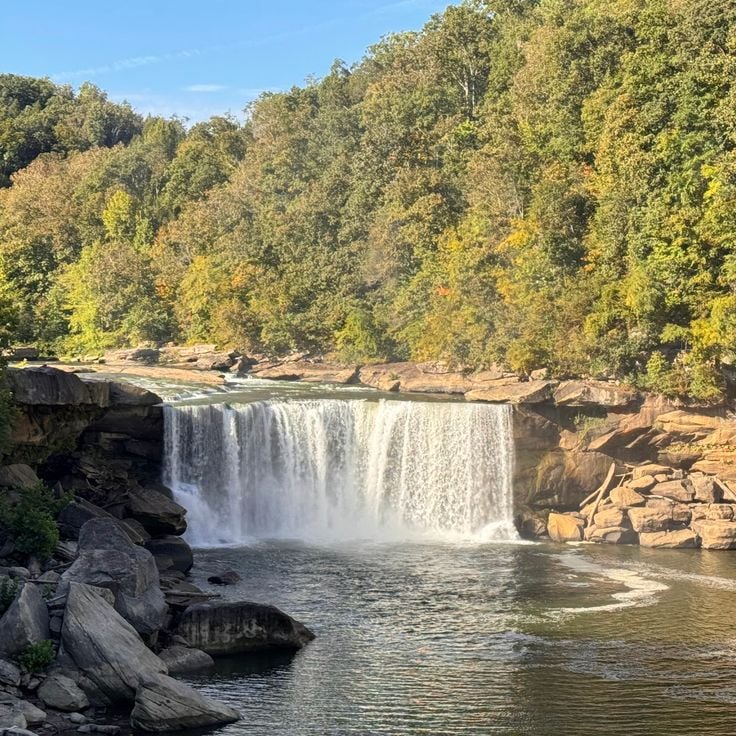
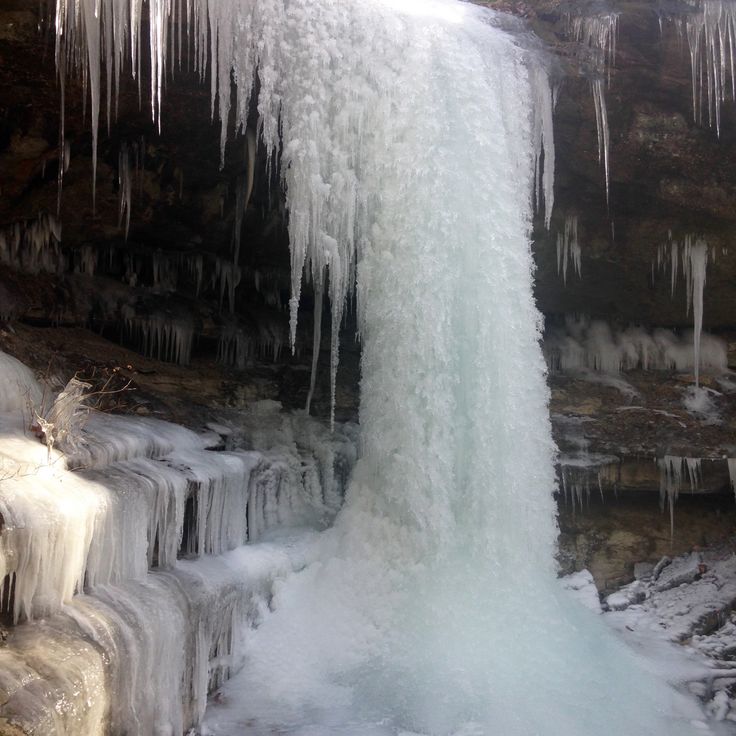
Cumberland Falls is a waterfall in Whitley County, Kentucky, that stands as a natural feature among the state's collection of natural areas and historical sites. The water cascades over a 68-foot rock face and spans 125 feet across the Cumberland River. The mist created by the falling water produces visible lunar rainbows during full moons, a rare occurrence that draws visitors to this location.
Red River Gorge is a natural area in Powell County, Kentucky that represents the state's geological heritage. The gorge contains over 100 stone formations shaped by water and time. Rock walls reach heights of 200 feet, creating a dramatic landscape. A network of about 150 miles of trails winds through the area, allowing visitors to walk among the cliffs and formations. The gorge demonstrates how rivers shape the land over thousands of years and provides habitat for diverse plant and animal life.
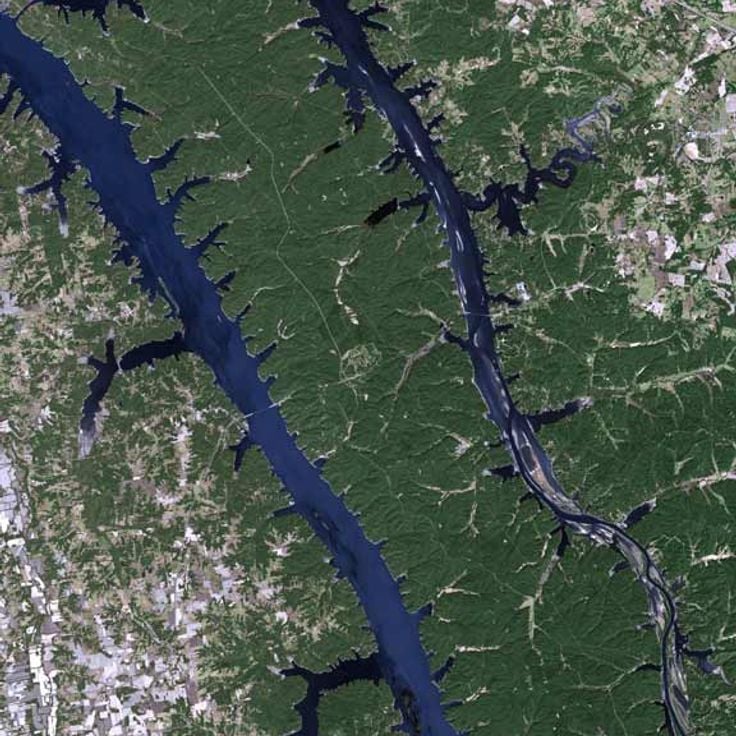
Land Between the Lakes is a natural reserve that represents Kentucky's blend of natural areas and historical heritage. Situated on a peninsula between two artificial lakes, this 170,000-acre area is home to herds of bison and elk. The reserve offers visitors the chance to experience wildlife and explore the landscape where nature and human-made features coexist.
The Big South Fork National River cuts through deep canyons of the Cumberland Plateau and forms natural cliffs. This river is part of Kentucky's collection of natural areas and historical places that showcase the state's natural and cultural heritage. The protected area offers hiking trails that let visitors explore the landscape and experience the geological formations that define Kentucky.
Pleasant Hill Shaker Village displays how a religious community lived and worked in the 1800s. The settlement contains 34 original structures built starting in 1805 spread across a large property. The buildings show the Shaker approach to design, craft, and community life. Visitors walk through spaces where people farmed, created furniture and crafts, and lived together according to their beliefs. This place fits within Kentucky's collection of natural areas and historical sites that reveal how communities shaped the landscape and preserved their ways of life.
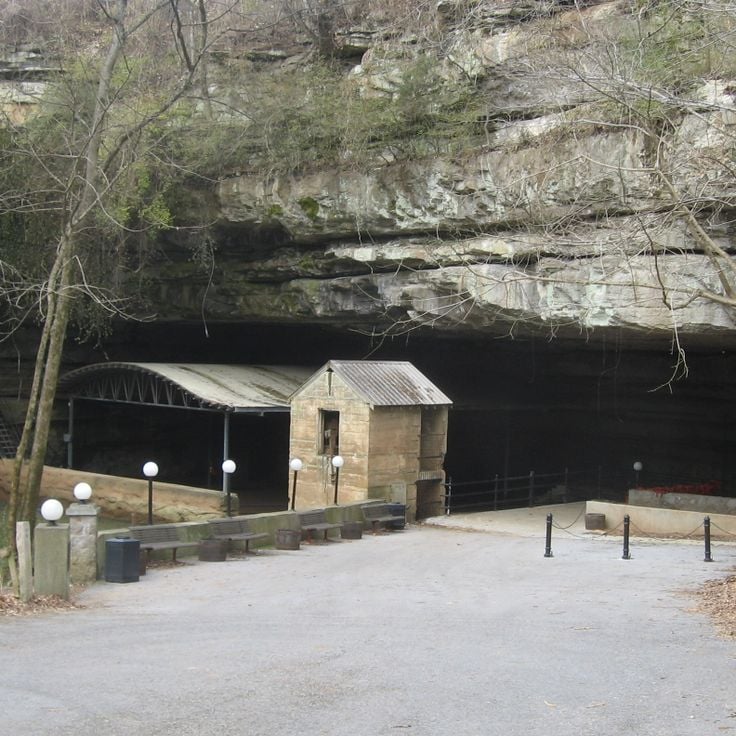
Lost River Cave in Warren County is a cave system with an underground river that runs for seven miles through limestone formations. This site represents Kentucky's natural heritage and shows the geological diversity of the state. A navigable waterway allows guided boat tours through the interior of the cave.
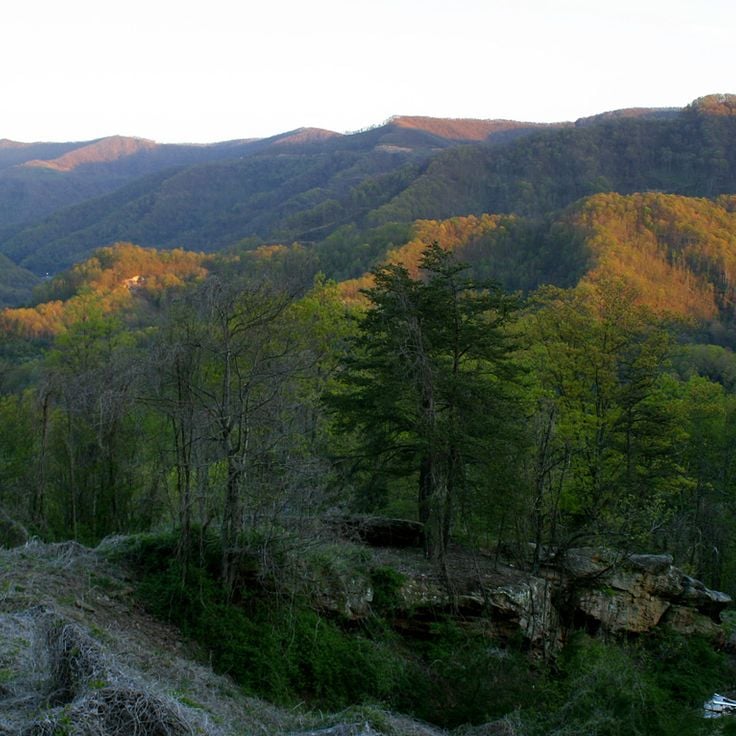
Black Mountain is a notable natural site within Kentucky's collection of natural areas and historical places. This mountain reaches the highest point in the state at 4,145 feet. Dense pine forests blanket the slopes, with marked trails that invite visitors to explore the terrain. Black Mountain showcases the state's natural diversity alongside cave systems, Civil War battlefields, and other historical sites.
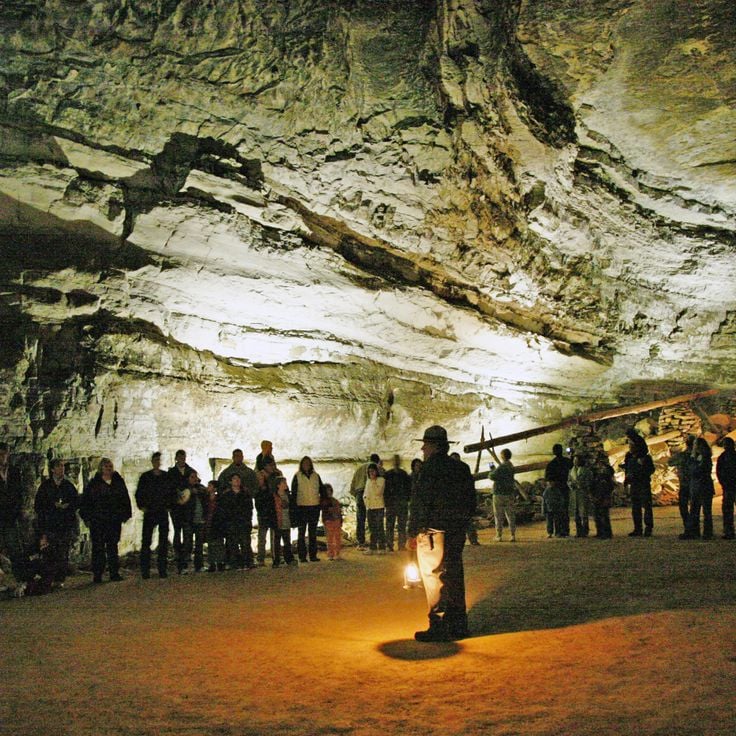
This underground network of limestone caves extends 420 miles across multiple levels. The caves contain vertical shafts, subterranean rivers and mineral deposits. Mammoth Cave demonstrates Kentucky's natural diversity, which stands alongside the state's historical sites such as the Civil War battlefields at Perryville and Mill Springs.
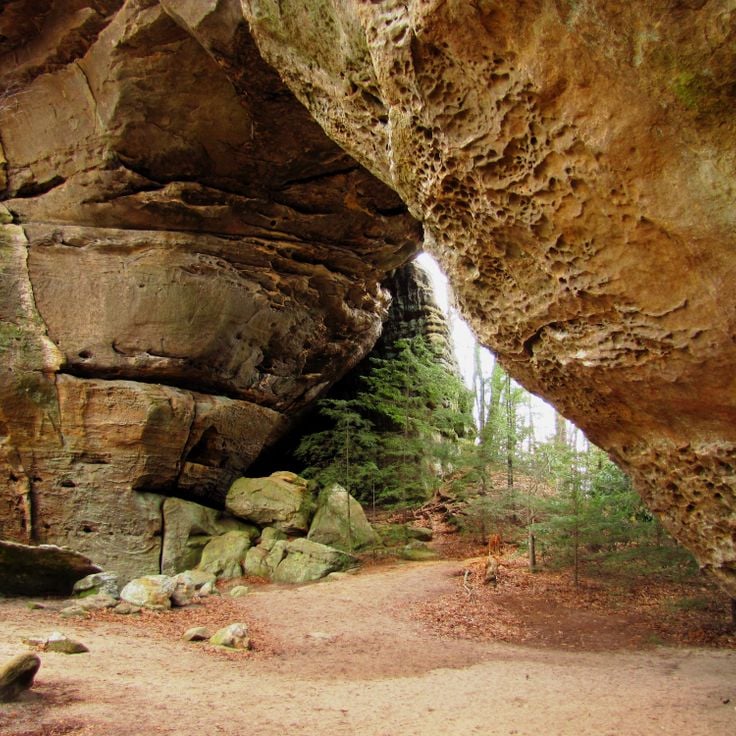
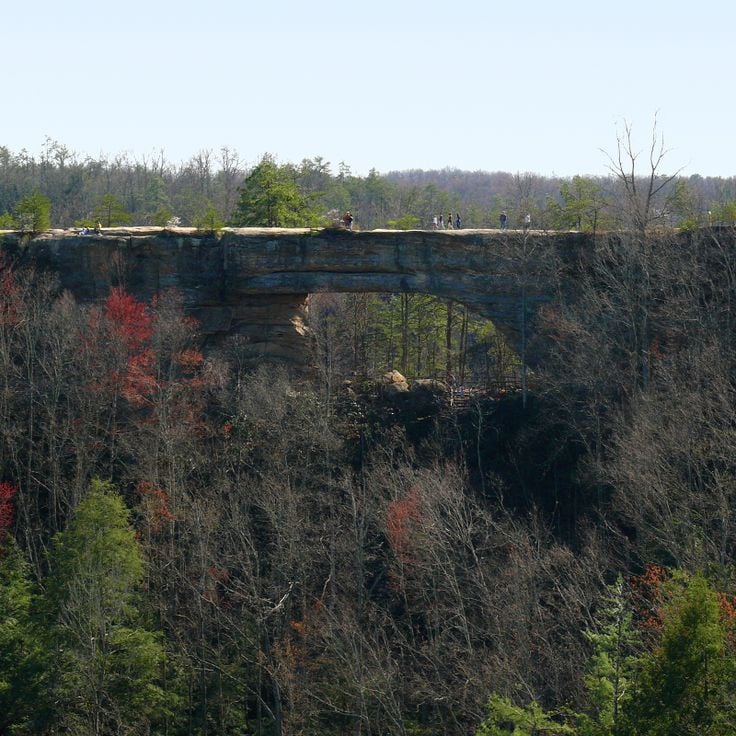
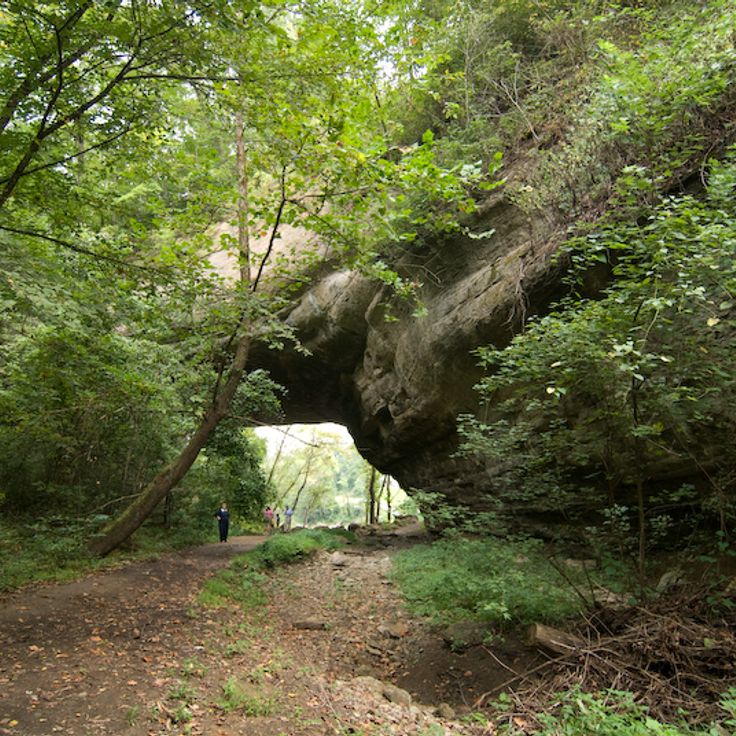
Natural Bridge State Park displays the geological formations that characterize Kentucky's natural heritage. A sandstone arch rises 78 feet high and extends 65 feet wide above the forest floor. The park fits within the state's combination of natural areas and historical places, offering visitors a chance to walk through woodland scenery. The forest contains 20 miles of marked hiking trails that connect different areas of the park.
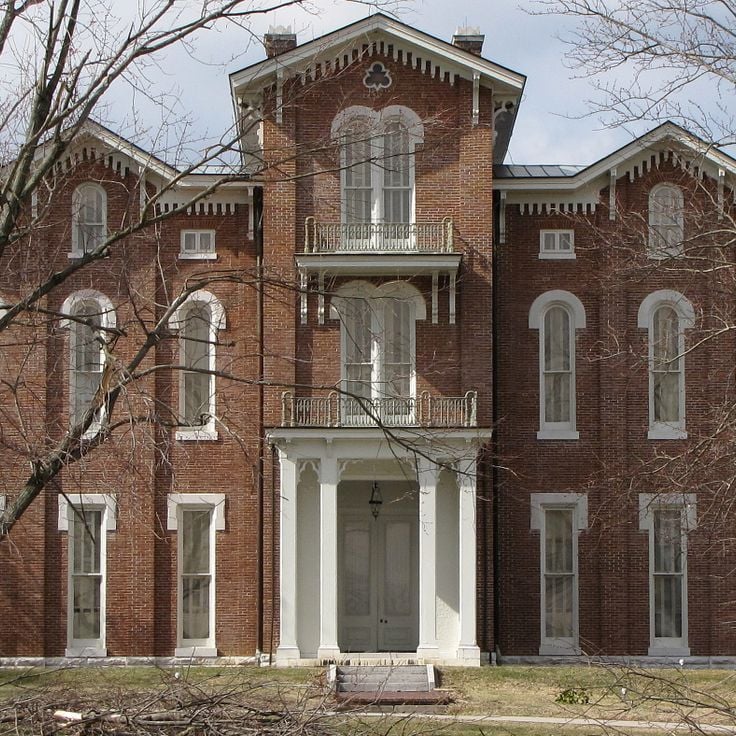
White Hall Historic Site in Madison County is part of Kentucky's collection of natural areas and historical places. This Italian Renaissance villa was built in 1799 and has 44 rooms. The owner, Cassius Clay, founded a newspaper that opposed slavery. The house shows the architecture and history of the region.
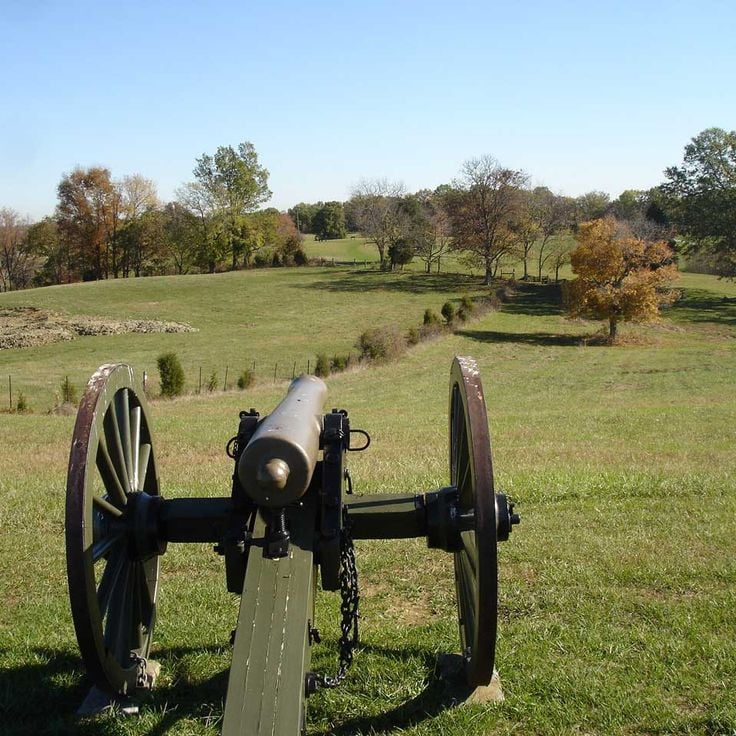
Perryville Battlefield is a 745-acre site where the largest Civil War battle in Kentucky took place on October 8, 1862. Around 7,600 soldiers lost their lives here. This field shows the war history of Kentucky and stands among the state's historical sites that, along with cave systems, colonial structures, and rock formations, help visitors understand the region's cultural heritage.
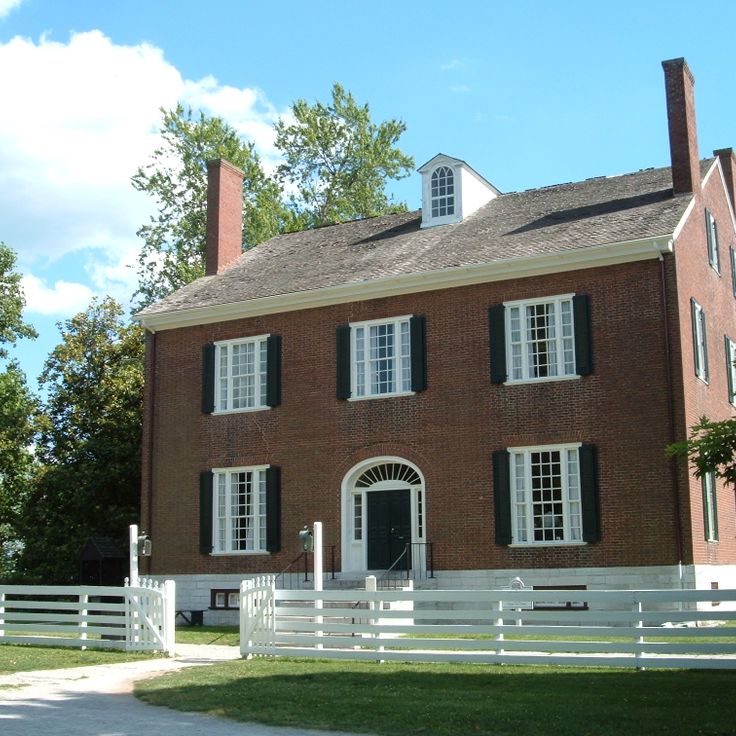
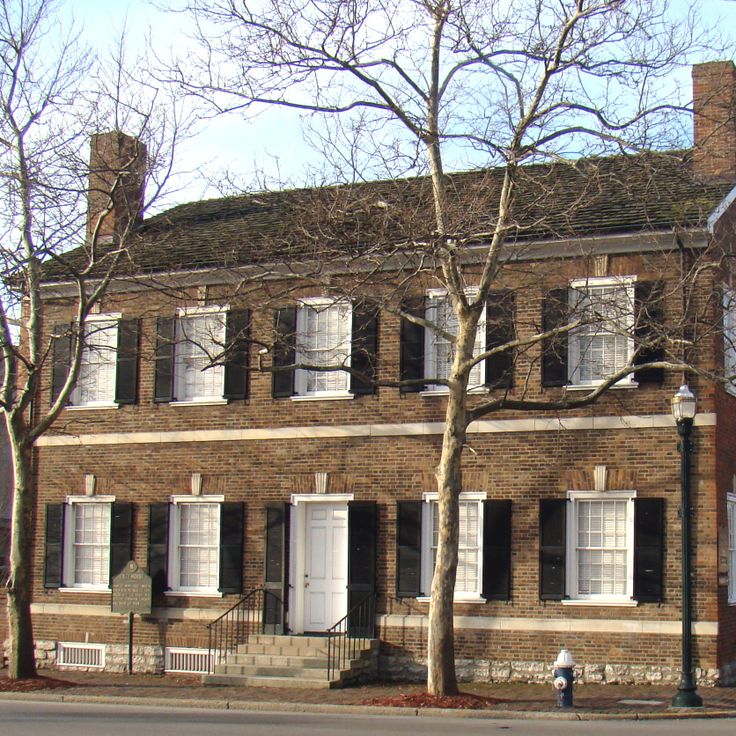
The Mary Todd Lincoln House is a Georgian brick dwelling built in 1806 in Fayette County. Its rooms hold furniture and personal belongings from the years when Mary Todd Lincoln lived here, from her childhood until 1839. This home connects everyday life in early 19th-century Kentucky to the story of a woman who would later become the wife of President Abraham Lincoln.
The Great American Dollhouse Museum in Boyle County displays 200 miniature buildings and scenes that tell the story of American life across time. The exhibits show how people lived from Native American settlements through contemporary neighborhoods, connecting visitors to the daily lives and environments that shaped the nation's communities.
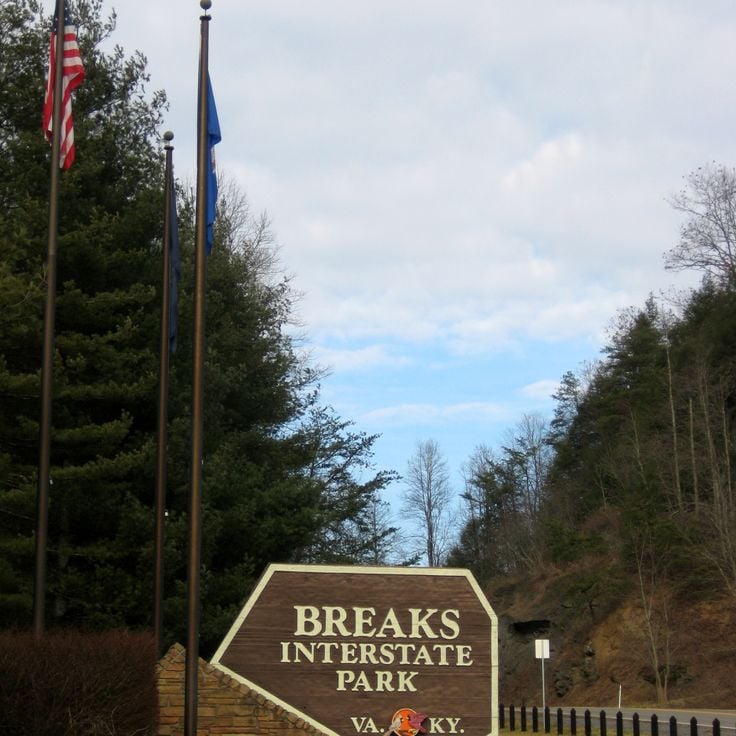
Breaks Interstate Park in Pike County, Kentucky, displays a canyon with sheer rock walls and the Russell Fork River flowing below. This park is part of Kentucky's collection of natural areas and historical places that show the state's geological features. Visitors can explore the landscape where rivers have carved through rock formations over time, creating dramatic terrain for hiking and outdoor activities.
Waverly Hills Sanatorium represents Kentucky's medical history during the tuberculosis outbreak. The hospital operated from 1910 to 1961 with 400 patient beds, serving as a medical center when the disease was widespread. It shows how institutions like this one cared for patients and stands alongside the state's natural areas and historical sites.
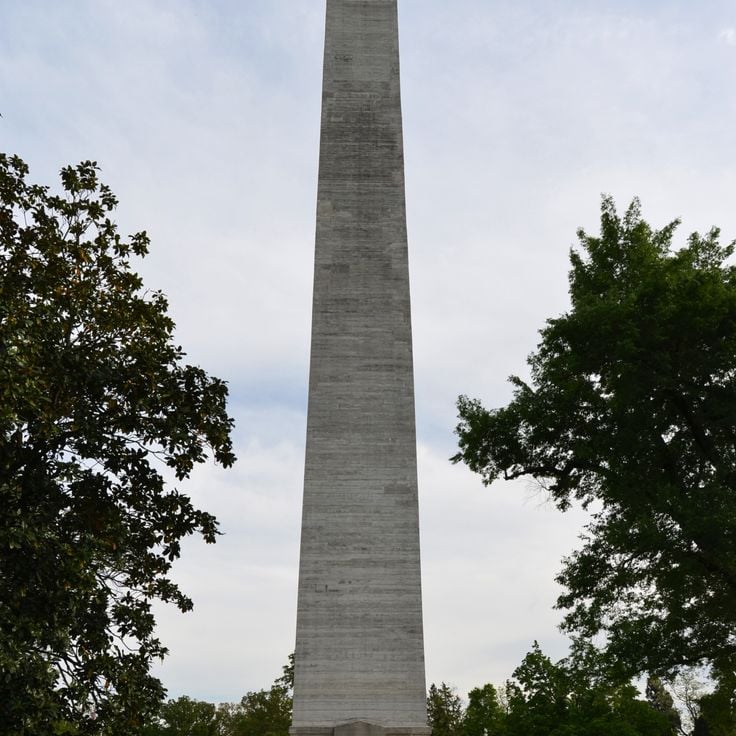
The Jefferson Davis Monument State Historic Site in Todd County marks a significant place in American history. This concrete obelisk reaches 351 feet in height and was completed in 1917, honoring the birthplace of Jefferson Davis. The site connects to Kentucky's broader story of preserving both natural areas and historical landmarks.
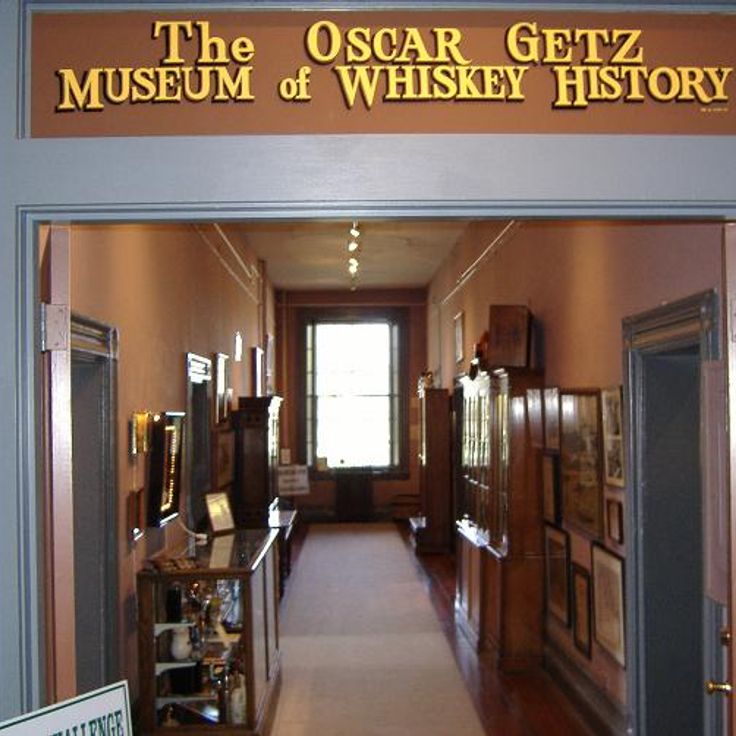
The Oscar Getz Museum of Whiskey History displays bottles, documents, advertising materials, and artifacts documenting American whiskey production from the 1700s through the 1970s. As part of Kentucky's collection of natural areas and historical sites, this museum contributes to the state's cultural heritage by recording the craftsmanship and development of an important American industry.
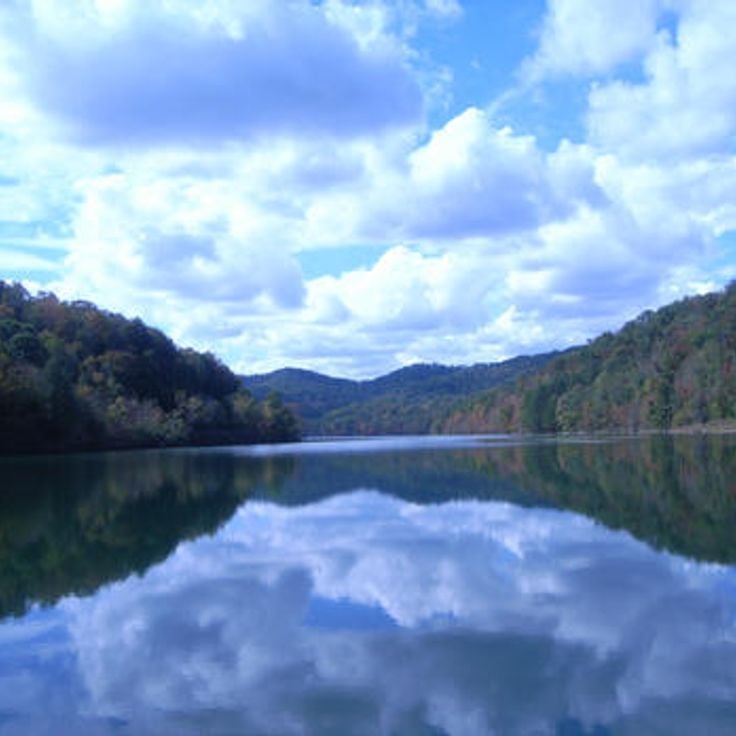
This park is part of Kentucky's natural areas and is defined by a 5,795-acre lake. The lake offers boat ramps, camping sites, and swimming areas. The park also features several miles of hiking trails through forests. Visitors can enjoy water activities or explore the surrounding nature on foot.
This park reflects Kentucky's character. Like other sites across the state between cave systems and Civil War battlefields, Jenny Wiley State Resort Park brings together natural surroundings and human activity. The facility sits along Dewey Lake with a lodge of 49 rooms, a restaurant, a conference center, and a marina. Visitors can pursue outdoor recreation while experiencing the landscape that defines the region.
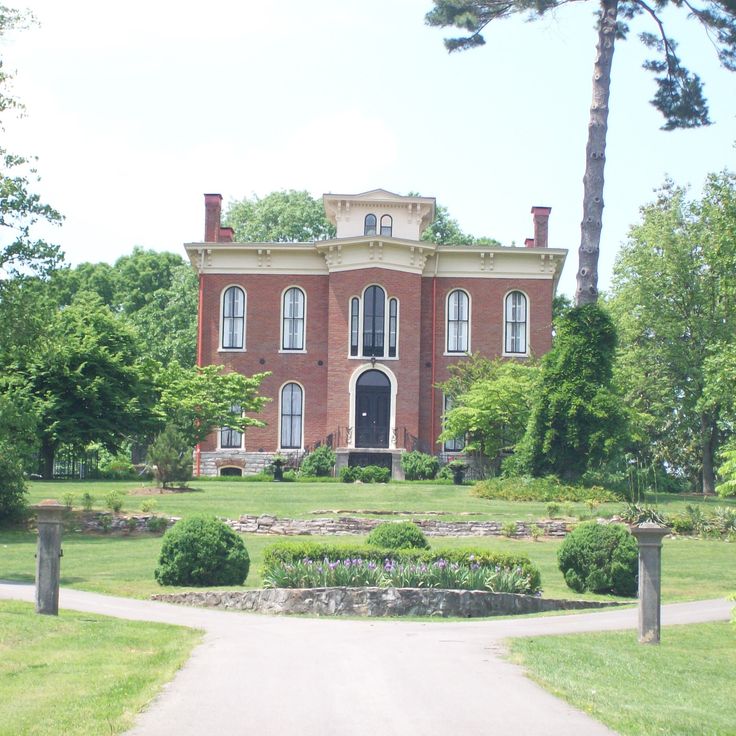
Riverview at Hobson Grove is an Italianate mansion built between 1862 and 1872 in Bowling Green. The house displays period furnishings from the Civil War era and offers exhibits about local Civil War history. This mansion serves as a window into Kentucky's past, showing how people lived during one of the nation's most turbulent times.
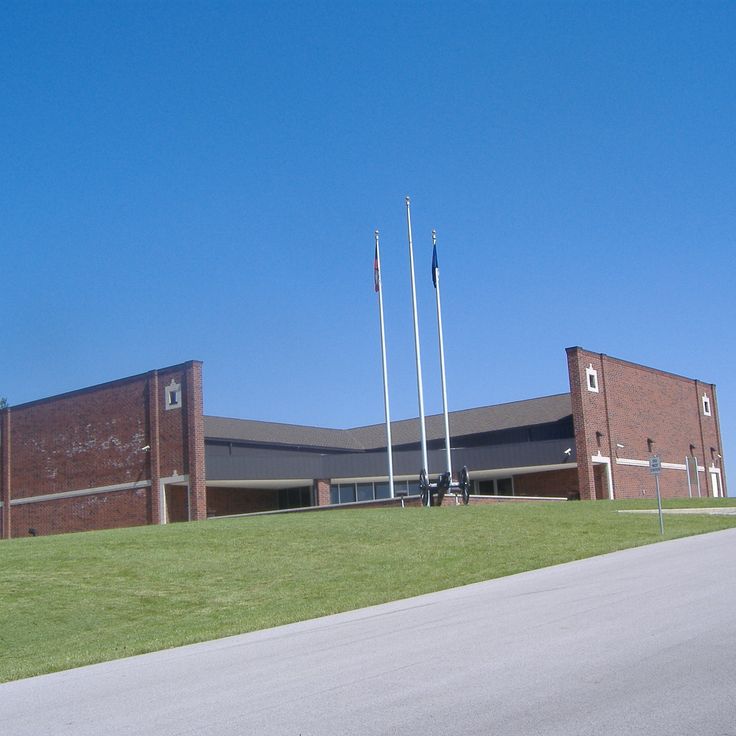
Mill Springs Battlefield National Monument preserves the site of a significant Civil War battle in Kentucky. The monument includes a visitor center with Civil War exhibits, walking trails marked throughout the battlefield, and a historic military cemetery. This place tells the story of how the state was divided during the war and shaped by the conflict.
The Frazier History Museum displays weapons, military equipment, and historical objects from Europe and America spanning from the 12th to the 20th century. It connects to Kentucky's collection of natural areas and historical places that together tell the story of the state's past, from colonial times through the Civil War era.
Constitution Square Historic Site in Danville is a key location in Kentucky's history. The square contains reconstructed 18th-century buildings, including the first post office west of the Appalachian Mountains and the county courthouse. This site reflects Kentucky's combination of natural areas and historical places that tell the story of the state's past.
Blue Licks Battlefield State Resort Park marks an important location from Kentucky's post-Revolutionary War era. The park features a museum about the 1782 battle, a nature trail across the battlefield, and an obelisk memorial. This site connects Kentucky's natural landscape with its military history, fitting into the broader story of the state's cave systems and battlefields.
Vent Haven Museum holds more than 900 ventriloquist figures, photographs, props, and playbills that document the history of ventriloquism from the 1800s onward. This collection shows how this form of performance art developed and shaped American entertainment over generations.
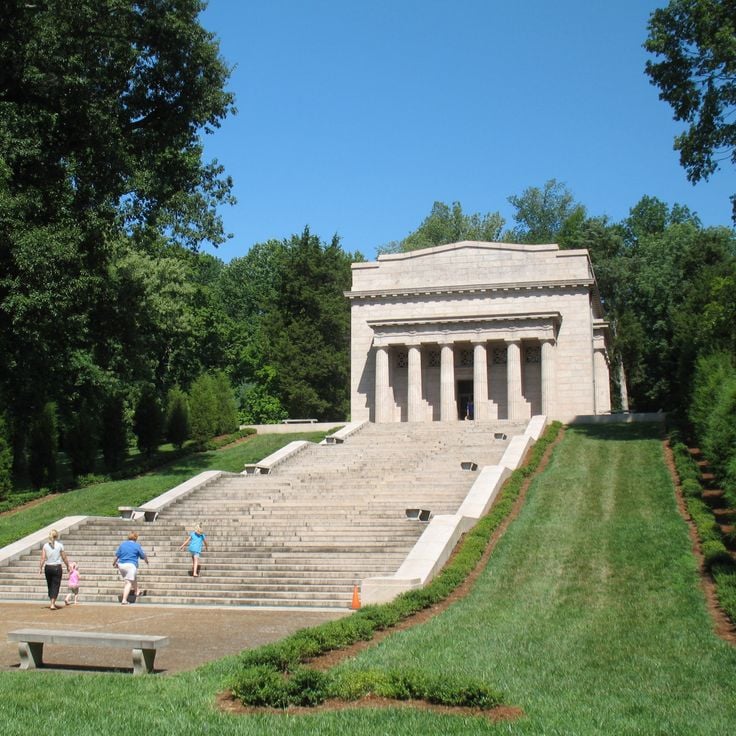
This national park in Hodgenville preserves the land where Abraham Lincoln lived until age two. The park features a memorial building with 56 steps and a reconstruction cabin. The site connects to Kentucky's broader heritage of preserving natural areas and historical places, offering visitors a look at the early years of one of America's most significant presidents.
Camp Nelson Heritage National Monument is a former military site in Kentucky that represents the state's blend of natural areas and historical places. From 1863 to 1865, the site trained approximately 10,000 African American soldiers during the Civil War and provided shelter for their families. The monument preserves this important chapter of military and social history.
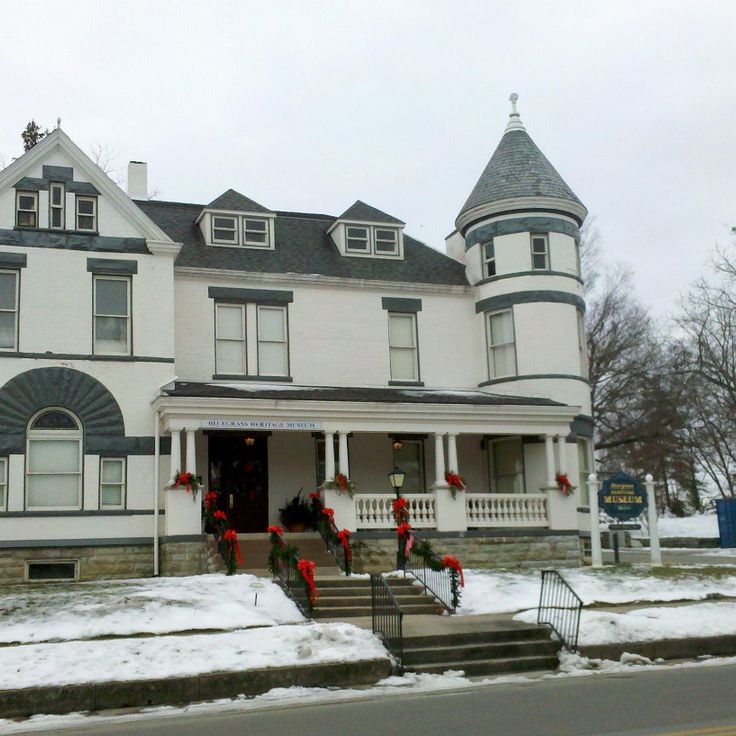
The Bluegrass Heritage Museum is housed in an 1895 building and displays regional artifacts, medical equipment, Civil War items and agricultural tools from Kentucky's past. The museum contributes to the preservation of the state's cultural heritage, which also encompasses cave systems, Civil War battlefields and rock formations.
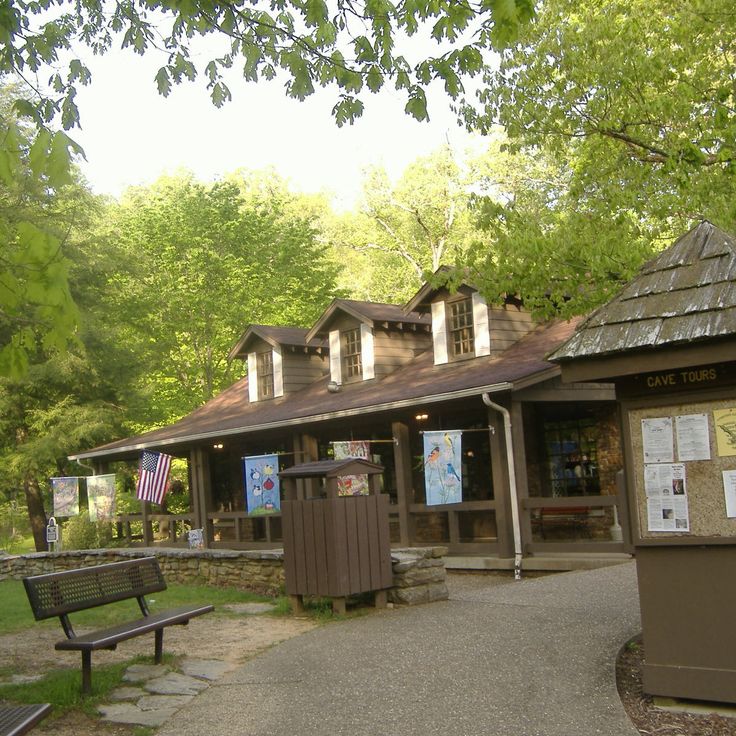
Carter Caves State Resort Park in Carter County represents Kentucky's natural heritage through its cave systems. The park spans 2,000 acres and features limestone formations at various depths. Visitors can traverse the underground passages with expert guidance through multiple chambers, experiencing the geological wonders that shape the state's landscape.
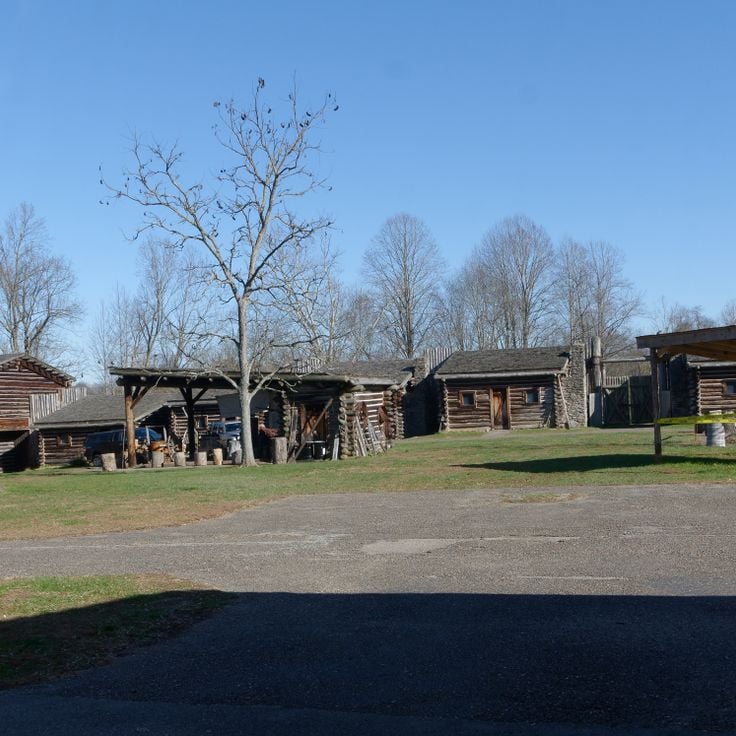
Fort Boonesborough State Park is a reconstructed settlement with an 18th-century blockhouse that shows how early pioneers lived. Performers demonstrate traditional crafts and explain the daily routines of early settlers. This site connects to Kentucky's combination of natural areas and historical places, reflecting the state's cultural heritage.
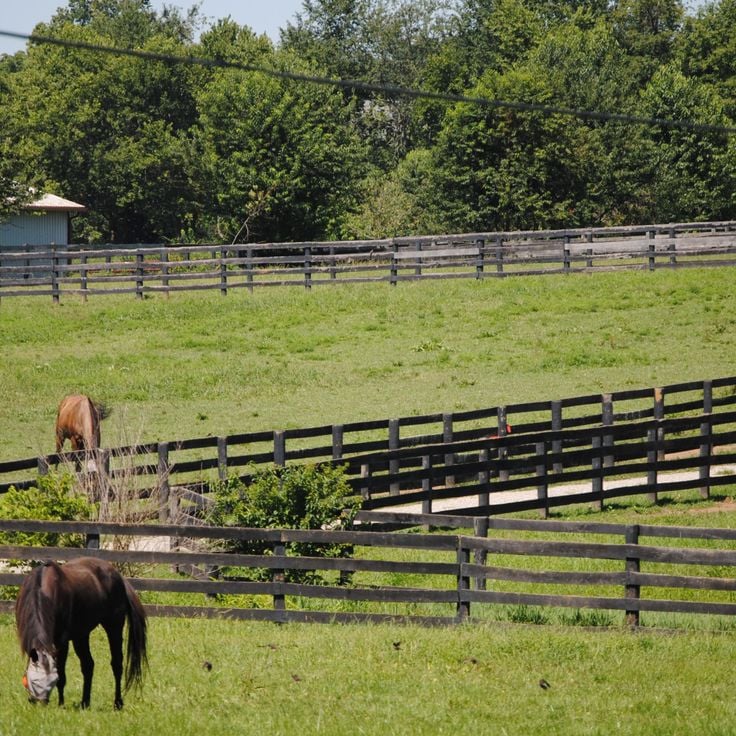
Old Friends Thoroughbred Retirement Farm fits into Kentucky's mix of natural areas and historical places. The farm covers 236 acres and provides home to over 100 former racing horses. The site shows how people care for animals and build community with them. Visitors can take tours to learn about the daily work of caring for horses.
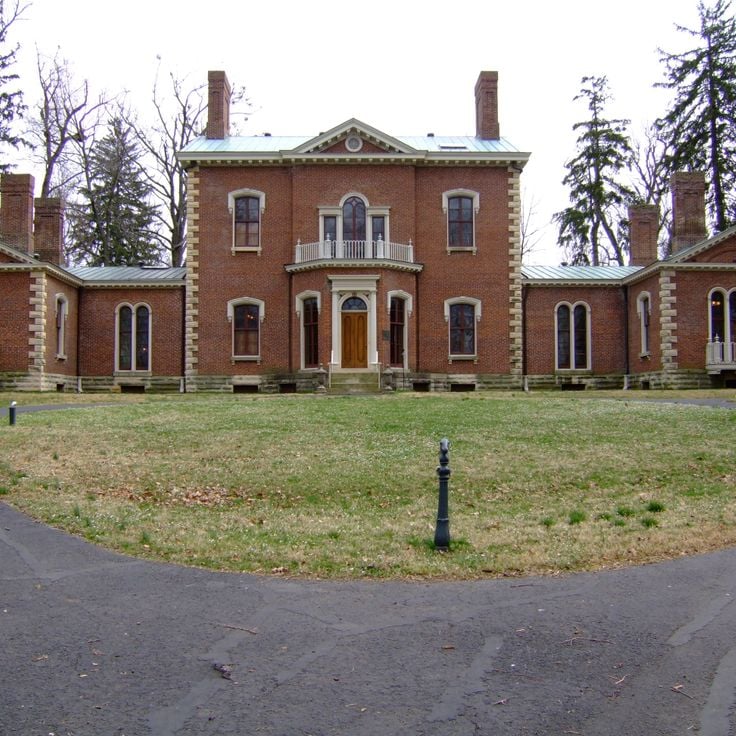
Ashland – The Henry Clay Estate represents the architectural and cultural heritage of Kentucky as a site featuring historical structures and political significance. This mansion displays Georgian architecture and period furnishings from the 1800s while housing an important collection of political papers. The grounds include gardens and offer visitors insight into the life and times of a prominent 19th-century political figure.
Creelsboro Rock Arch is a limestone formation that cuts through rock layers near Lake Cumberland. This geological structure demonstrates the natural features of Kentucky, which alongside historical sites like Civil War battlefields and cave systems form part of the state's cultural and natural heritage.
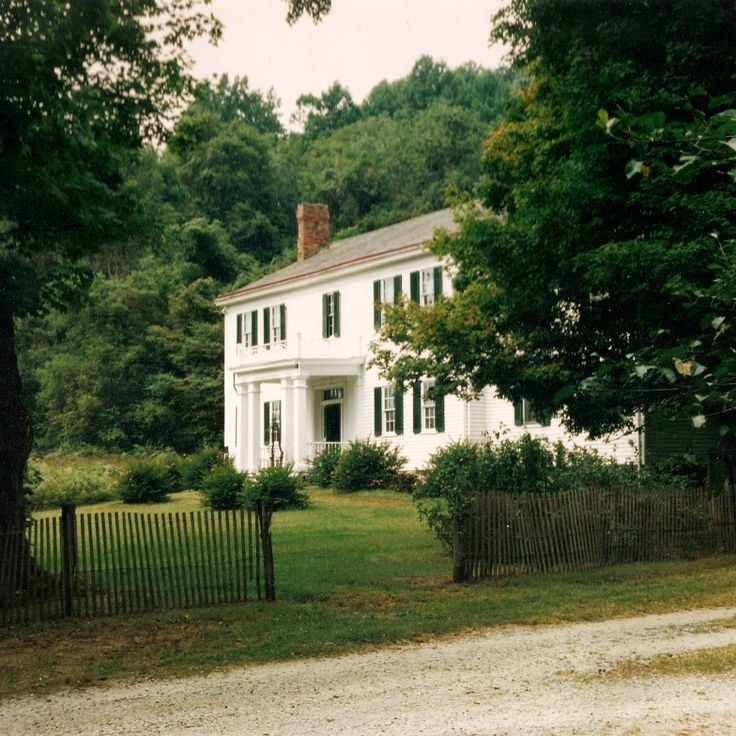
Dinsmore Farm Museum showcases an 1842 farmhouse as part of Kentucky's collection of natural areas and historical sites. The building displays period furniture, agricultural tools, and documents that chronicle five generations who lived and worked on this property. The site tells the story of rural life in the state.
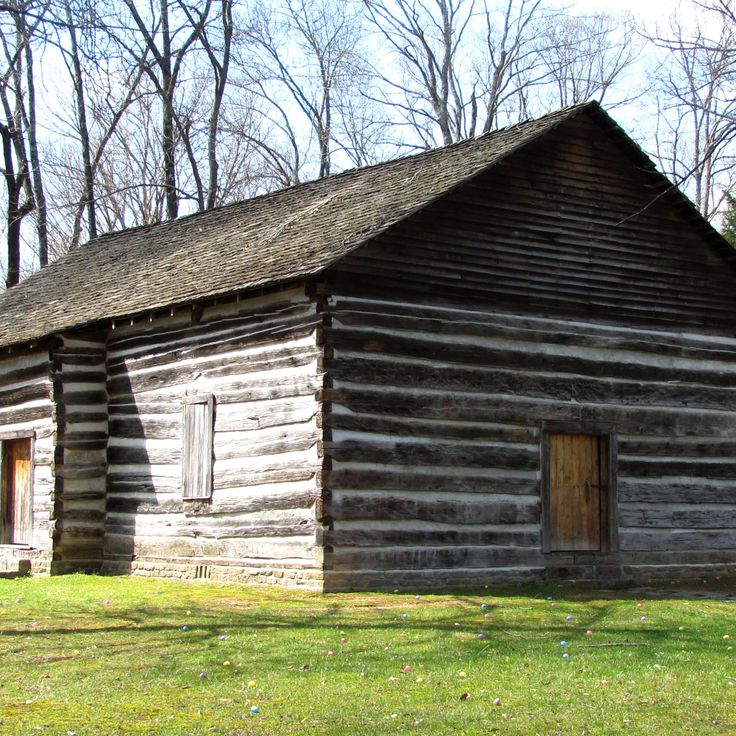
This religious structure from 1804 represents Kentucky's cultural heritage through its distinctive form and design. The twelve-sided shape and three separate doors reflect deliberate architectural choices that incorporate religious meaning into the building. The Mulkey Meeting House stands as a reminder of the period when Kentucky's natural areas and historical sites worked together to shape the state's identity.
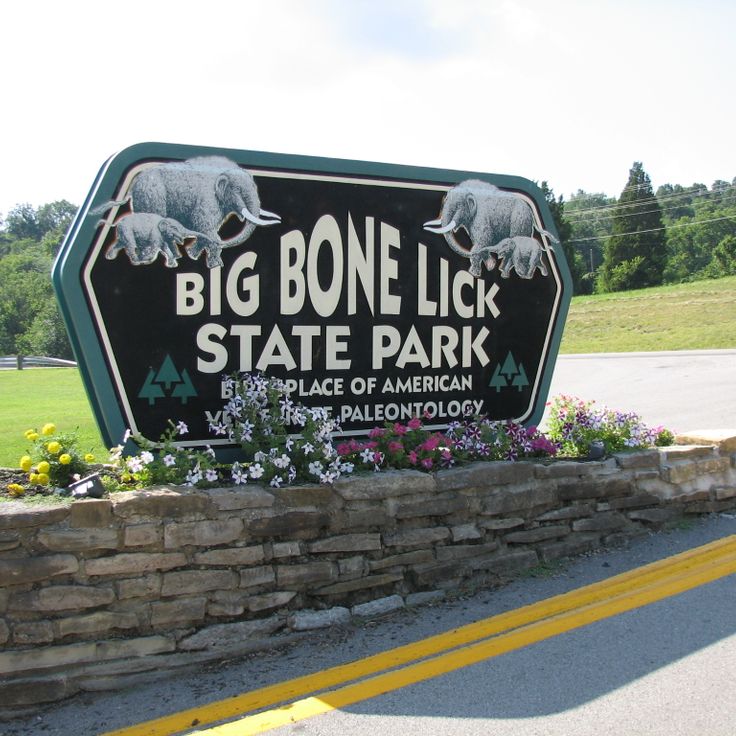
The Salt Springs Museum represents a paleontological site within Kentucky's collection of natural areas and historical places. This museum displays fossils of ice age animals that were drawn to the mineral springs and documents the geological history of the region.
Cumberland Falls is a waterfall in Whitley County, Kentucky, that stands as a natural feature among the state's collection of natural areas and historical sites. The water cascades over a 68-foot rock face and spans 125 feet across the Cumberland River. The mist created by the falling water produces visible lunar rainbows during full moons, a rare occurrence that draws visitors to this location.
Red River Gorge is a natural area in Powell County, Kentucky that represents the state's geological heritage. The gorge contains over 100 stone formations shaped by water and time. Rock walls reach heights of 200 feet, creating a dramatic landscape. A network of about 150 miles of trails winds through the area, allowing visitors to walk among the cliffs and formations. The gorge demonstrates how rivers shape the land over thousands of years and provides habitat for diverse plant and animal life.
Land Between the Lakes is a natural reserve that represents Kentucky's blend of natural areas and historical heritage. Situated on a peninsula between two artificial lakes, this 170,000-acre area is home to herds of bison and elk. The reserve offers visitors the chance to experience wildlife and explore the landscape where nature and human-made features coexist.
The Big South Fork National River cuts through deep canyons of the Cumberland Plateau and forms natural cliffs. This river is part of Kentucky's collection of natural areas and historical places that showcase the state's natural and cultural heritage. The protected area offers hiking trails that let visitors explore the landscape and experience the geological formations that define Kentucky.
Pleasant Hill Shaker Village displays how a religious community lived and worked in the 1800s. The settlement contains 34 original structures built starting in 1805 spread across a large property. The buildings show the Shaker approach to design, craft, and community life. Visitors walk through spaces where people farmed, created furniture and crafts, and lived together according to their beliefs. This place fits within Kentucky's collection of natural areas and historical sites that reveal how communities shaped the landscape and preserved their ways of life.
Lost River Cave in Warren County is a cave system with an underground river that runs for seven miles through limestone formations. This site represents Kentucky's natural heritage and shows the geological diversity of the state. A navigable waterway allows guided boat tours through the interior of the cave.
Black Mountain is a notable natural site within Kentucky's collection of natural areas and historical places. This mountain reaches the highest point in the state at 4,145 feet. Dense pine forests blanket the slopes, with marked trails that invite visitors to explore the terrain. Black Mountain showcases the state's natural diversity alongside cave systems, Civil War battlefields, and other historical sites.
This underground network of limestone caves extends 420 miles across multiple levels. The caves contain vertical shafts, subterranean rivers and mineral deposits. Mammoth Cave demonstrates Kentucky's natural diversity, which stands alongside the state's historical sites such as the Civil War battlefields at Perryville and Mill Springs.
Natural Bridge State Park displays the geological formations that characterize Kentucky's natural heritage. A sandstone arch rises 78 feet high and extends 65 feet wide above the forest floor. The park fits within the state's combination of natural areas and historical places, offering visitors a chance to walk through woodland scenery. The forest contains 20 miles of marked hiking trails that connect different areas of the park.
White Hall Historic Site in Madison County is part of Kentucky's collection of natural areas and historical places. This Italian Renaissance villa was built in 1799 and has 44 rooms. The owner, Cassius Clay, founded a newspaper that opposed slavery. The house shows the architecture and history of the region.
Perryville Battlefield is a 745-acre site where the largest Civil War battle in Kentucky took place on October 8, 1862. Around 7,600 soldiers lost their lives here. This field shows the war history of Kentucky and stands among the state's historical sites that, along with cave systems, colonial structures, and rock formations, help visitors understand the region's cultural heritage.
The Mary Todd Lincoln House is a Georgian brick dwelling built in 1806 in Fayette County. Its rooms hold furniture and personal belongings from the years when Mary Todd Lincoln lived here, from her childhood until 1839. This home connects everyday life in early 19th-century Kentucky to the story of a woman who would later become the wife of President Abraham Lincoln.
The Great American Dollhouse Museum in Boyle County displays 200 miniature buildings and scenes that tell the story of American life across time. The exhibits show how people lived from Native American settlements through contemporary neighborhoods, connecting visitors to the daily lives and environments that shaped the nation's communities.
Breaks Interstate Park in Pike County, Kentucky, displays a canyon with sheer rock walls and the Russell Fork River flowing below. This park is part of Kentucky's collection of natural areas and historical places that show the state's geological features. Visitors can explore the landscape where rivers have carved through rock formations over time, creating dramatic terrain for hiking and outdoor activities.
Waverly Hills Sanatorium represents Kentucky's medical history during the tuberculosis outbreak. The hospital operated from 1910 to 1961 with 400 patient beds, serving as a medical center when the disease was widespread. It shows how institutions like this one cared for patients and stands alongside the state's natural areas and historical sites.
The Jefferson Davis Monument State Historic Site in Todd County marks a significant place in American history. This concrete obelisk reaches 351 feet in height and was completed in 1917, honoring the birthplace of Jefferson Davis. The site connects to Kentucky's broader story of preserving both natural areas and historical landmarks.
The Oscar Getz Museum of Whiskey History displays bottles, documents, advertising materials, and artifacts documenting American whiskey production from the 1700s through the 1970s. As part of Kentucky's collection of natural areas and historical sites, this museum contributes to the state's cultural heritage by recording the craftsmanship and development of an important American industry.
This park is part of Kentucky's natural areas and is defined by a 5,795-acre lake. The lake offers boat ramps, camping sites, and swimming areas. The park also features several miles of hiking trails through forests. Visitors can enjoy water activities or explore the surrounding nature on foot.
This park reflects Kentucky's character. Like other sites across the state between cave systems and Civil War battlefields, Jenny Wiley State Resort Park brings together natural surroundings and human activity. The facility sits along Dewey Lake with a lodge of 49 rooms, a restaurant, a conference center, and a marina. Visitors can pursue outdoor recreation while experiencing the landscape that defines the region.
Riverview at Hobson Grove is an Italianate mansion built between 1862 and 1872 in Bowling Green. The house displays period furnishings from the Civil War era and offers exhibits about local Civil War history. This mansion serves as a window into Kentucky's past, showing how people lived during one of the nation's most turbulent times.
Mill Springs Battlefield National Monument preserves the site of a significant Civil War battle in Kentucky. The monument includes a visitor center with Civil War exhibits, walking trails marked throughout the battlefield, and a historic military cemetery. This place tells the story of how the state was divided during the war and shaped by the conflict.
The Frazier History Museum displays weapons, military equipment, and historical objects from Europe and America spanning from the 12th to the 20th century. It connects to Kentucky's collection of natural areas and historical places that together tell the story of the state's past, from colonial times through the Civil War era.
Constitution Square Historic Site in Danville is a key location in Kentucky's history. The square contains reconstructed 18th-century buildings, including the first post office west of the Appalachian Mountains and the county courthouse. This site reflects Kentucky's combination of natural areas and historical places that tell the story of the state's past.
Blue Licks Battlefield State Resort Park marks an important location from Kentucky's post-Revolutionary War era. The park features a museum about the 1782 battle, a nature trail across the battlefield, and an obelisk memorial. This site connects Kentucky's natural landscape with its military history, fitting into the broader story of the state's cave systems and battlefields.
Vent Haven Museum holds more than 900 ventriloquist figures, photographs, props, and playbills that document the history of ventriloquism from the 1800s onward. This collection shows how this form of performance art developed and shaped American entertainment over generations.
This national park in Hodgenville preserves the land where Abraham Lincoln lived until age two. The park features a memorial building with 56 steps and a reconstruction cabin. The site connects to Kentucky's broader heritage of preserving natural areas and historical places, offering visitors a look at the early years of one of America's most significant presidents.
Camp Nelson Heritage National Monument is a former military site in Kentucky that represents the state's blend of natural areas and historical places. From 1863 to 1865, the site trained approximately 10,000 African American soldiers during the Civil War and provided shelter for their families. The monument preserves this important chapter of military and social history.
The Bluegrass Heritage Museum is housed in an 1895 building and displays regional artifacts, medical equipment, Civil War items and agricultural tools from Kentucky's past. The museum contributes to the preservation of the state's cultural heritage, which also encompasses cave systems, Civil War battlefields and rock formations.
Carter Caves State Resort Park in Carter County represents Kentucky's natural heritage through its cave systems. The park spans 2,000 acres and features limestone formations at various depths. Visitors can traverse the underground passages with expert guidance through multiple chambers, experiencing the geological wonders that shape the state's landscape.
Fort Boonesborough State Park is a reconstructed settlement with an 18th-century blockhouse that shows how early pioneers lived. Performers demonstrate traditional crafts and explain the daily routines of early settlers. This site connects to Kentucky's combination of natural areas and historical places, reflecting the state's cultural heritage.
Old Friends Thoroughbred Retirement Farm fits into Kentucky's mix of natural areas and historical places. The farm covers 236 acres and provides home to over 100 former racing horses. The site shows how people care for animals and build community with them. Visitors can take tours to learn about the daily work of caring for horses.
Ashland – The Henry Clay Estate represents the architectural and cultural heritage of Kentucky as a site featuring historical structures and political significance. This mansion displays Georgian architecture and period furnishings from the 1800s while housing an important collection of political papers. The grounds include gardens and offer visitors insight into the life and times of a prominent 19th-century political figure.
Creelsboro Rock Arch is a limestone formation that cuts through rock layers near Lake Cumberland. This geological structure demonstrates the natural features of Kentucky, which alongside historical sites like Civil War battlefields and cave systems form part of the state's cultural and natural heritage.
Dinsmore Farm Museum showcases an 1842 farmhouse as part of Kentucky's collection of natural areas and historical sites. The building displays period furniture, agricultural tools, and documents that chronicle five generations who lived and worked on this property. The site tells the story of rural life in the state.
This religious structure from 1804 represents Kentucky's cultural heritage through its distinctive form and design. The twelve-sided shape and three separate doors reflect deliberate architectural choices that incorporate religious meaning into the building. The Mulkey Meeting House stands as a reminder of the period when Kentucky's natural areas and historical sites worked together to shape the state's identity.
The Salt Springs Museum represents a paleontological site within Kentucky's collection of natural areas and historical places. This museum displays fossils of ice age animals that were drawn to the mineral springs and documents the geological history of the region.
Cumberland Falls is a waterfall in Whitley County, Kentucky, that stands as a natural feature among the state's collection of natural areas and historical sites. The water cascades over a 68-foot rock face and spans 125 feet across the Cumberland River. The mist created by the falling water produces visible lunar rainbows during full moons, a rare occurrence that draws visitors to this location.
Red River Gorge is a natural area in Powell County, Kentucky that represents the state's geological heritage. The gorge contains over 100 stone formations shaped by water and time. Rock walls reach heights of 200 feet, creating a dramatic landscape. A network of about 150 miles of trails winds through the area, allowing visitors to walk among the cliffs and formations. The gorge demonstrates how rivers shape the land over thousands of years and provides habitat for diverse plant and animal life.
Land Between the Lakes is a natural reserve that represents Kentucky's blend of natural areas and historical heritage. Situated on a peninsula between two artificial lakes, this 170,000-acre area is home to herds of bison and elk. The reserve offers visitors the chance to experience wildlife and explore the landscape where nature and human-made features coexist.
The Big South Fork National River cuts through deep canyons of the Cumberland Plateau and forms natural cliffs. This river is part of Kentucky's collection of natural areas and historical places that showcase the state's natural and cultural heritage. The protected area offers hiking trails that let visitors explore the landscape and experience the geological formations that define Kentucky.
Pleasant Hill Shaker Village displays how a religious community lived and worked in the 1800s. The settlement contains 34 original structures built starting in 1805 spread across a large property. The buildings show the Shaker approach to design, craft, and community life. Visitors walk through spaces where people farmed, created furniture and crafts, and lived together according to their beliefs. This place fits within Kentucky's collection of natural areas and historical sites that reveal how communities shaped the landscape and preserved their ways of life.
Lost River Cave in Warren County is a cave system with an underground river that runs for seven miles through limestone formations. This site represents Kentucky's natural heritage and shows the geological diversity of the state. A navigable waterway allows guided boat tours through the interior of the cave.
Black Mountain is a notable natural site within Kentucky's collection of natural areas and historical places. This mountain reaches the highest point in the state at 4,145 feet. Dense pine forests blanket the slopes, with marked trails that invite visitors to explore the terrain. Black Mountain showcases the state's natural diversity alongside cave systems, Civil War battlefields, and other historical sites.
This underground network of limestone caves extends 420 miles across multiple levels. The caves contain vertical shafts, subterranean rivers and mineral deposits. Mammoth Cave demonstrates Kentucky's natural diversity, which stands alongside the state's historical sites such as the Civil War battlefields at Perryville and Mill Springs.
Natural Bridge State Park displays the geological formations that characterize Kentucky's natural heritage. A sandstone arch rises 78 feet high and extends 65 feet wide above the forest floor. The park fits within the state's combination of natural areas and historical places, offering visitors a chance to walk through woodland scenery. The forest contains 20 miles of marked hiking trails that connect different areas of the park.
White Hall Historic Site in Madison County is part of Kentucky's collection of natural areas and historical places. This Italian Renaissance villa was built in 1799 and has 44 rooms. The owner, Cassius Clay, founded a newspaper that opposed slavery. The house shows the architecture and history of the region.
Perryville Battlefield is a 745-acre site where the largest Civil War battle in Kentucky took place on October 8, 1862. Around 7,600 soldiers lost their lives here. This field shows the war history of Kentucky and stands among the state's historical sites that, along with cave systems, colonial structures, and rock formations, help visitors understand the region's cultural heritage.
The Mary Todd Lincoln House is a Georgian brick dwelling built in 1806 in Fayette County. Its rooms hold furniture and personal belongings from the years when Mary Todd Lincoln lived here, from her childhood until 1839. This home connects everyday life in early 19th-century Kentucky to the story of a woman who would later become the wife of President Abraham Lincoln.
The Great American Dollhouse Museum in Boyle County displays 200 miniature buildings and scenes that tell the story of American life across time. The exhibits show how people lived from Native American settlements through contemporary neighborhoods, connecting visitors to the daily lives and environments that shaped the nation's communities.
Breaks Interstate Park in Pike County, Kentucky, displays a canyon with sheer rock walls and the Russell Fork River flowing below. This park is part of Kentucky's collection of natural areas and historical places that show the state's geological features. Visitors can explore the landscape where rivers have carved through rock formations over time, creating dramatic terrain for hiking and outdoor activities.
Waverly Hills Sanatorium represents Kentucky's medical history during the tuberculosis outbreak. The hospital operated from 1910 to 1961 with 400 patient beds, serving as a medical center when the disease was widespread. It shows how institutions like this one cared for patients and stands alongside the state's natural areas and historical sites.
The Jefferson Davis Monument State Historic Site in Todd County marks a significant place in American history. This concrete obelisk reaches 351 feet in height and was completed in 1917, honoring the birthplace of Jefferson Davis. The site connects to Kentucky's broader story of preserving both natural areas and historical landmarks.
The Oscar Getz Museum of Whiskey History displays bottles, documents, advertising materials, and artifacts documenting American whiskey production from the 1700s through the 1970s. As part of Kentucky's collection of natural areas and historical sites, this museum contributes to the state's cultural heritage by recording the craftsmanship and development of an important American industry.
This park is part of Kentucky's natural areas and is defined by a 5,795-acre lake. The lake offers boat ramps, camping sites, and swimming areas. The park also features several miles of hiking trails through forests. Visitors can enjoy water activities or explore the surrounding nature on foot.
This park reflects Kentucky's character. Like other sites across the state between cave systems and Civil War battlefields, Jenny Wiley State Resort Park brings together natural surroundings and human activity. The facility sits along Dewey Lake with a lodge of 49 rooms, a restaurant, a conference center, and a marina. Visitors can pursue outdoor recreation while experiencing the landscape that defines the region.
Riverview at Hobson Grove is an Italianate mansion built between 1862 and 1872 in Bowling Green. The house displays period furnishings from the Civil War era and offers exhibits about local Civil War history. This mansion serves as a window into Kentucky's past, showing how people lived during one of the nation's most turbulent times.
Mill Springs Battlefield National Monument preserves the site of a significant Civil War battle in Kentucky. The monument includes a visitor center with Civil War exhibits, walking trails marked throughout the battlefield, and a historic military cemetery. This place tells the story of how the state was divided during the war and shaped by the conflict.
The Frazier History Museum displays weapons, military equipment, and historical objects from Europe and America spanning from the 12th to the 20th century. It connects to Kentucky's collection of natural areas and historical places that together tell the story of the state's past, from colonial times through the Civil War era.
Constitution Square Historic Site in Danville is a key location in Kentucky's history. The square contains reconstructed 18th-century buildings, including the first post office west of the Appalachian Mountains and the county courthouse. This site reflects Kentucky's combination of natural areas and historical places that tell the story of the state's past.
Blue Licks Battlefield State Resort Park marks an important location from Kentucky's post-Revolutionary War era. The park features a museum about the 1782 battle, a nature trail across the battlefield, and an obelisk memorial. This site connects Kentucky's natural landscape with its military history, fitting into the broader story of the state's cave systems and battlefields.
Vent Haven Museum holds more than 900 ventriloquist figures, photographs, props, and playbills that document the history of ventriloquism from the 1800s onward. This collection shows how this form of performance art developed and shaped American entertainment over generations.
This national park in Hodgenville preserves the land where Abraham Lincoln lived until age two. The park features a memorial building with 56 steps and a reconstruction cabin. The site connects to Kentucky's broader heritage of preserving natural areas and historical places, offering visitors a look at the early years of one of America's most significant presidents.
Camp Nelson Heritage National Monument is a former military site in Kentucky that represents the state's blend of natural areas and historical places. From 1863 to 1865, the site trained approximately 10,000 African American soldiers during the Civil War and provided shelter for their families. The monument preserves this important chapter of military and social history.
The Bluegrass Heritage Museum is housed in an 1895 building and displays regional artifacts, medical equipment, Civil War items and agricultural tools from Kentucky's past. The museum contributes to the preservation of the state's cultural heritage, which also encompasses cave systems, Civil War battlefields and rock formations.
Carter Caves State Resort Park in Carter County represents Kentucky's natural heritage through its cave systems. The park spans 2,000 acres and features limestone formations at various depths. Visitors can traverse the underground passages with expert guidance through multiple chambers, experiencing the geological wonders that shape the state's landscape.
Fort Boonesborough State Park is a reconstructed settlement with an 18th-century blockhouse that shows how early pioneers lived. Performers demonstrate traditional crafts and explain the daily routines of early settlers. This site connects to Kentucky's combination of natural areas and historical places, reflecting the state's cultural heritage.
Old Friends Thoroughbred Retirement Farm fits into Kentucky's mix of natural areas and historical places. The farm covers 236 acres and provides home to over 100 former racing horses. The site shows how people care for animals and build community with them. Visitors can take tours to learn about the daily work of caring for horses.
Ashland – The Henry Clay Estate represents the architectural and cultural heritage of Kentucky as a site featuring historical structures and political significance. This mansion displays Georgian architecture and period furnishings from the 1800s while housing an important collection of political papers. The grounds include gardens and offer visitors insight into the life and times of a prominent 19th-century political figure.
Creelsboro Rock Arch is a limestone formation that cuts through rock layers near Lake Cumberland. This geological structure demonstrates the natural features of Kentucky, which alongside historical sites like Civil War battlefields and cave systems form part of the state's cultural and natural heritage.
Dinsmore Farm Museum showcases an 1842 farmhouse as part of Kentucky's collection of natural areas and historical sites. The building displays period furniture, agricultural tools, and documents that chronicle five generations who lived and worked on this property. The site tells the story of rural life in the state.
This religious structure from 1804 represents Kentucky's cultural heritage through its distinctive form and design. The twelve-sided shape and three separate doors reflect deliberate architectural choices that incorporate religious meaning into the building. The Mulkey Meeting House stands as a reminder of the period when Kentucky's natural areas and historical sites worked together to shape the state's identity.
The Salt Springs Museum represents a paleontological site within Kentucky's collection of natural areas and historical places. This museum displays fossils of ice age animals that were drawn to the mineral springs and documents the geological history of the region.