Chicago is explored as a mosaic of neighborhoods, parks, and towers, each telling a part of its story. The city reveals itself through reflections on Lake Michigan, glass facades rising above the river, and museums among the richest in the United States. The journey takes you from a public garden resembling an art gallery to a platform attached to a tower, then to a shopping avenue with architecture competing with storefronts. Cultural centers, iconic stadiums, and ethnic neighborhoods add further dimensions to this urban landscape. Here is a selection of places that show Chicago as it is lived, amidst height, culture, and daily energy.
Chicago, USA
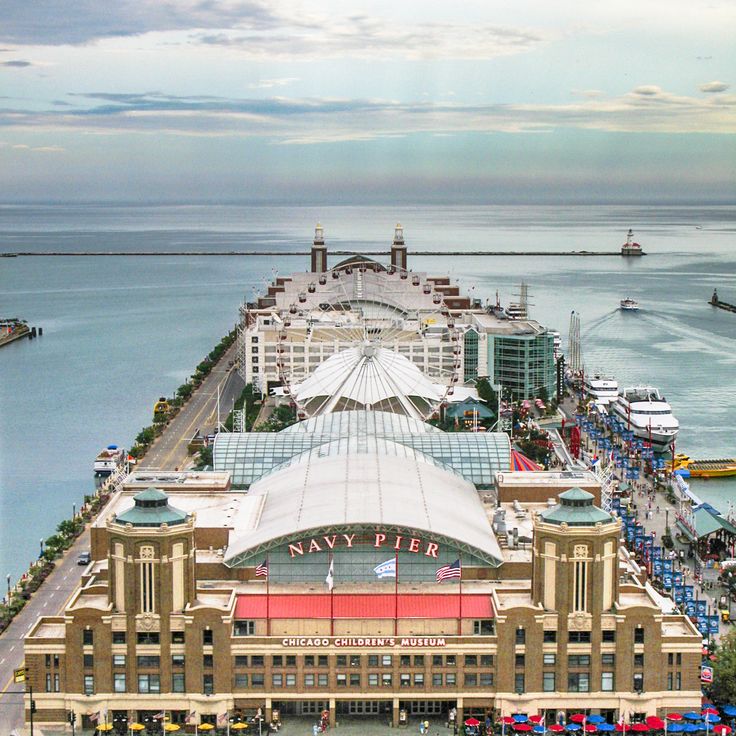
Leisure complex situated on Lake Michigan. The site includes a sixty-meter Ferris wheel, dining areas, shops, and a lively pier hosting concerts and seasonal events.
Chicago, USA
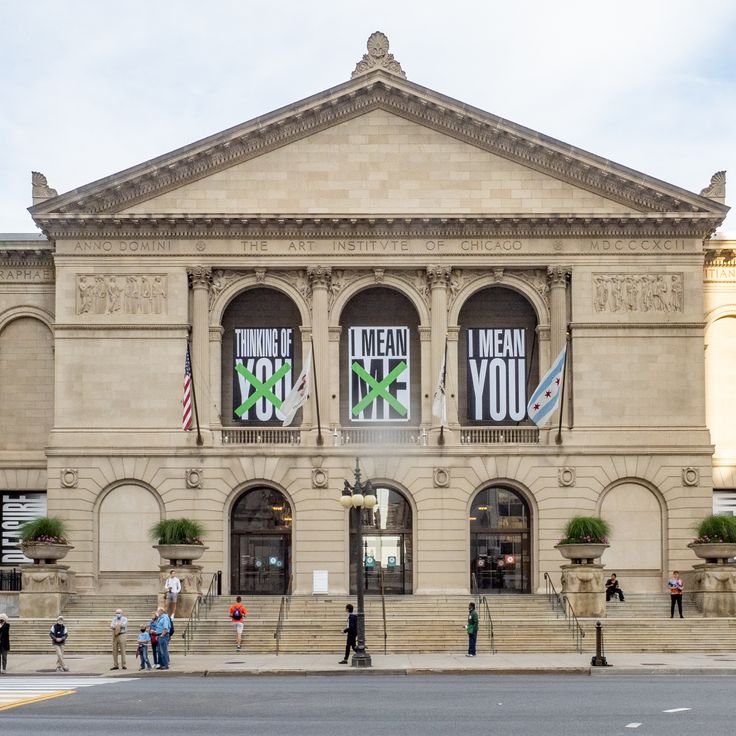
Major museum displaying over three hundred thousand works. It features prominent impressionist collections, American masterworks, and collections ranging from Antiquity to modern movements.
Chicago, USA
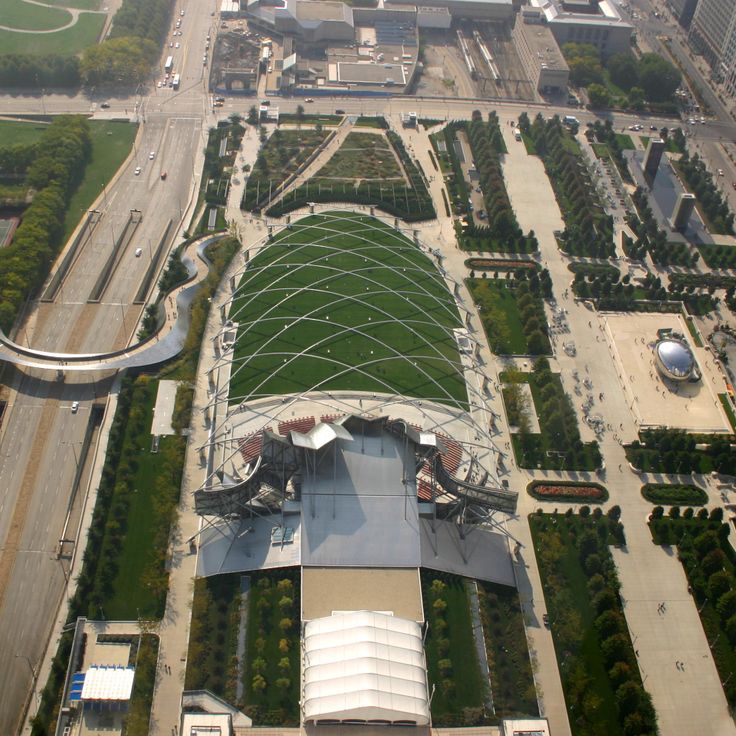
Large public space in the city center. The park features the Cloud Gate sculpture, well-maintained gardens, a concert pavilion, and several art installations that serve as meeting points for visitors.
Chicago, USA
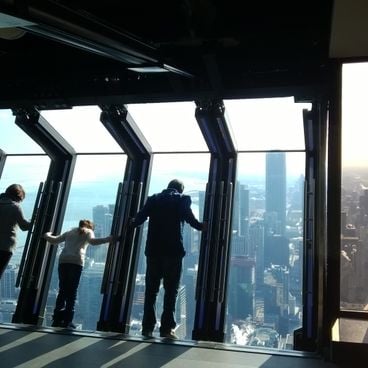
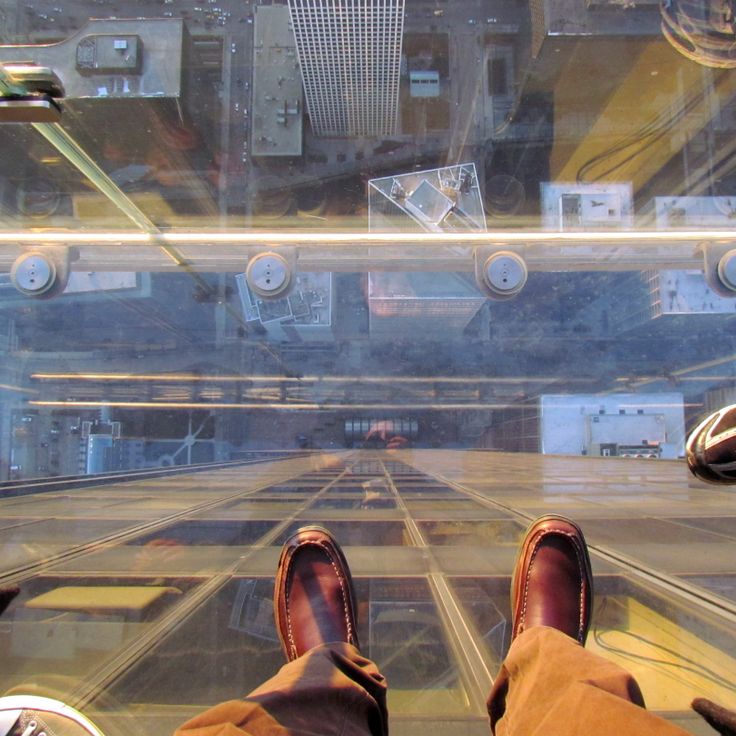
Platform located on the 103rd floor. Suspended glass boxes allow visitors to step out over the void to observe the city and the lake shores in a circular panorama.
Chicago, USA
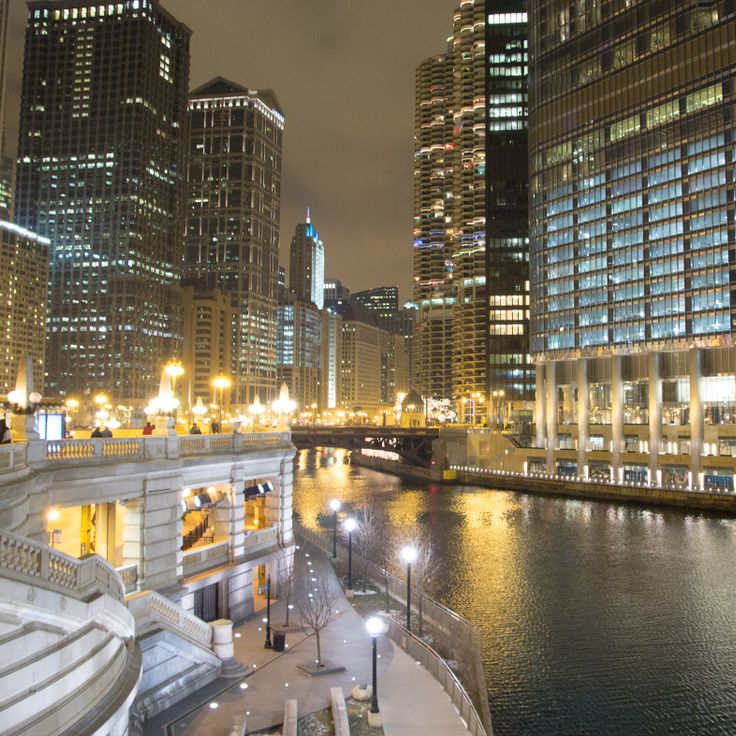
A developed path of two and a half kilometers along the river. Restaurants, terraces, and boarding points line the route to explore the city from the water.
Chicago, USA
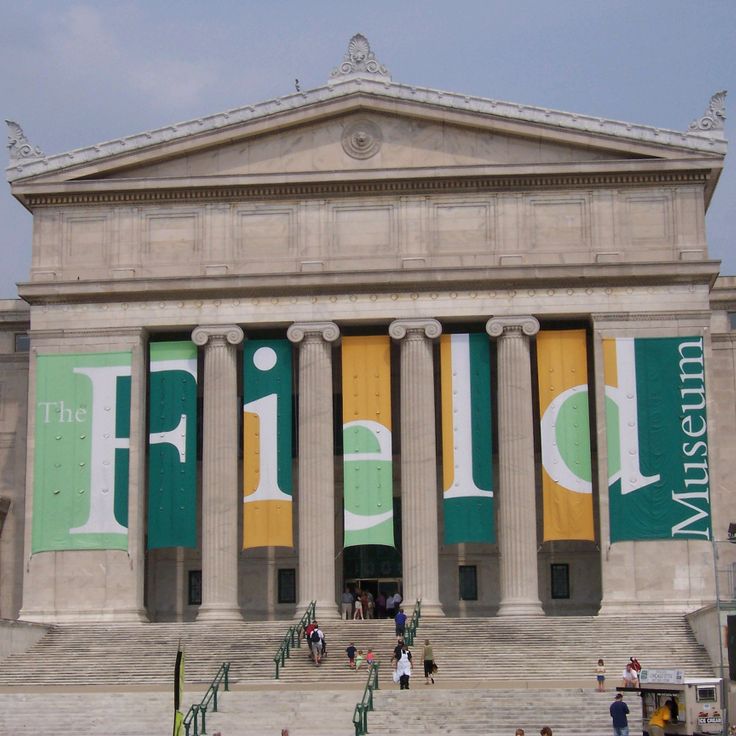
Natural history museum housing over forty million specimens. Dinosaur fossils, Egyptian mummies, and objects from cultures around the world make up an exceptional collection.
Chicago, USA
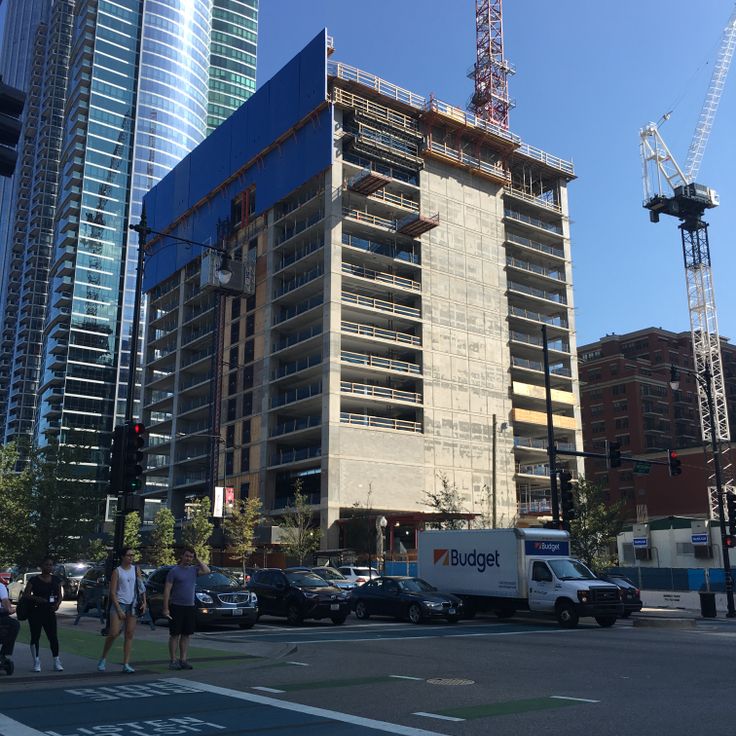
Large urban park covering 130 hectares bordering the city center. It features the Buckingham Fountain, gardens, and areas designated for public events and festivals.
Chicago, USA
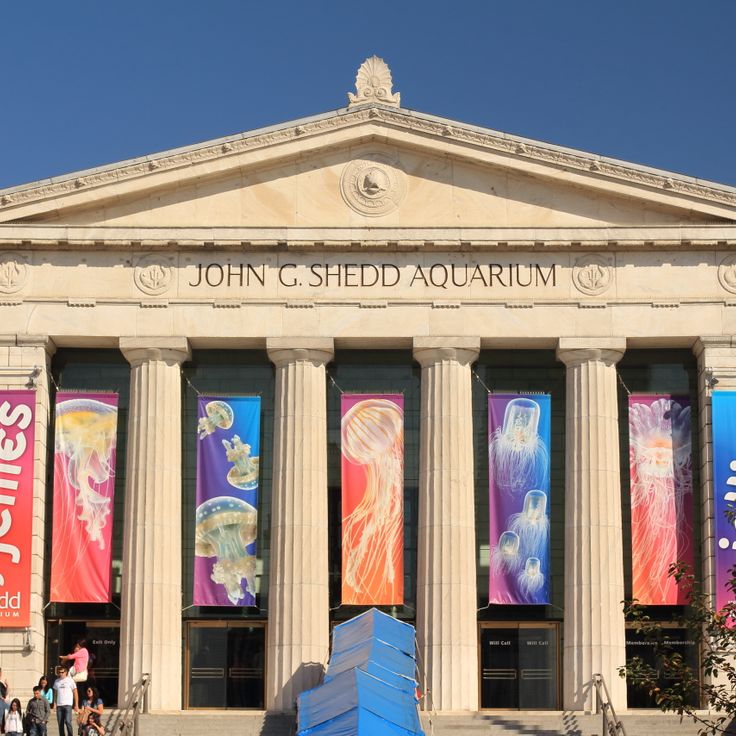
Aquarium established in 1930. The tanks house marine mammals, tropical fish, and other species displayed in nearly nineteen million liters of water.
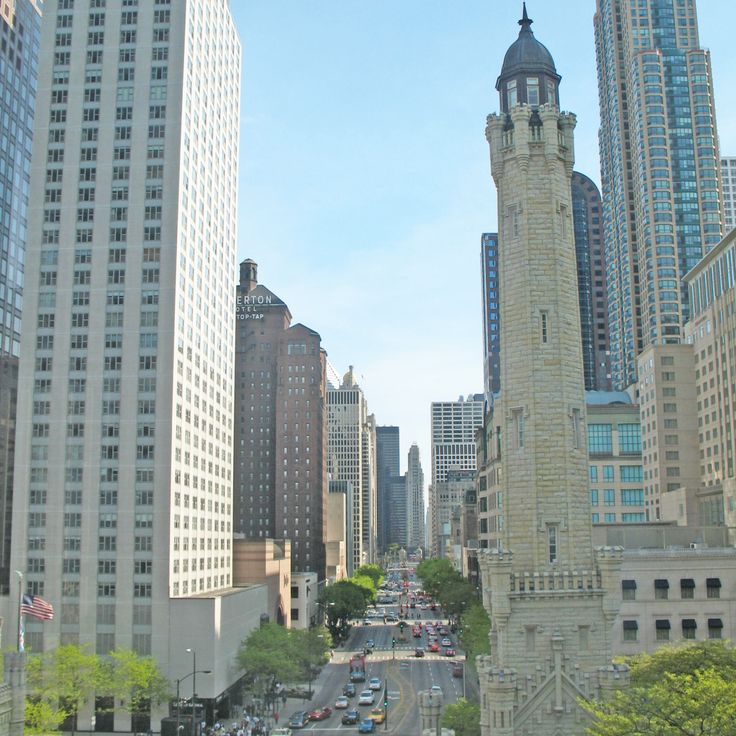
Chicago, USA
Highly frequented shopping district. Shops, restaurants, and landmark buildings line thirteen blocks along one of Chicago's most well-known avenues.

Chicago, USA
Free zoo founded in 1868. It hosts more than two hundred species, an educational farm, and year-round educational programs.
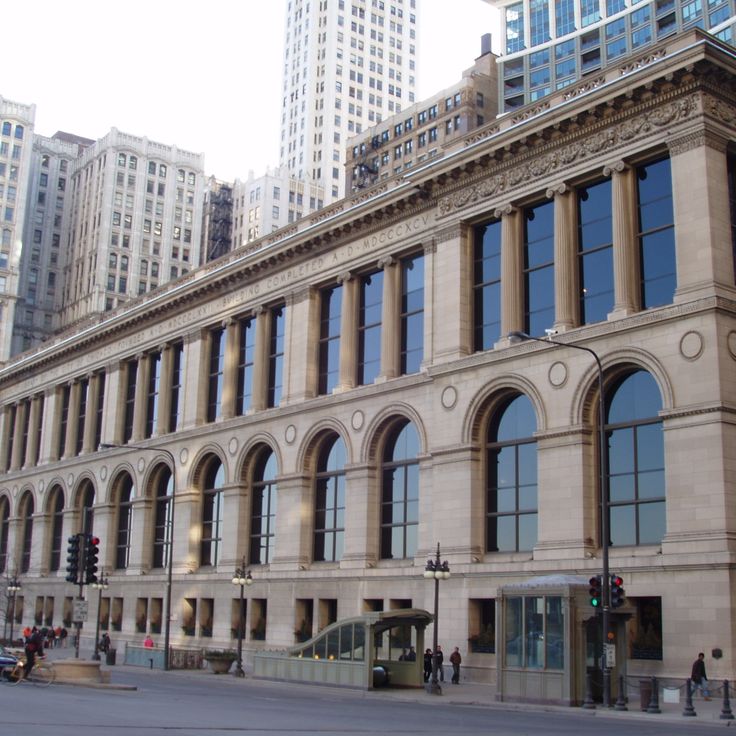
Chicago, USA
Building from 1897. Its two stained glass domes host exhibitions, concerts, and free events accessible to everyone.
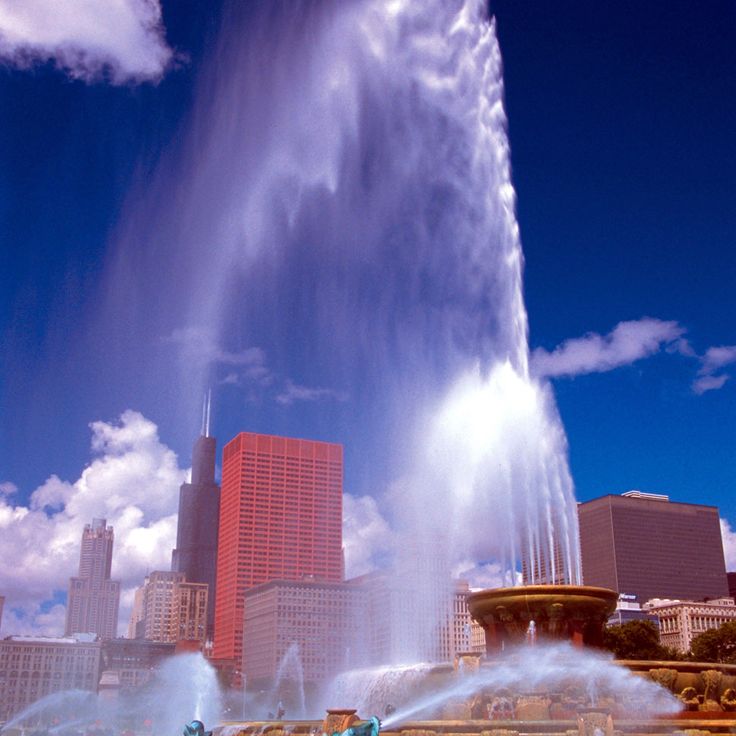
Chicago, USA
Landmark fountain from 1927. Its two hundred jets project light displays in the evening in Grant Park, becoming a regular gathering spot.
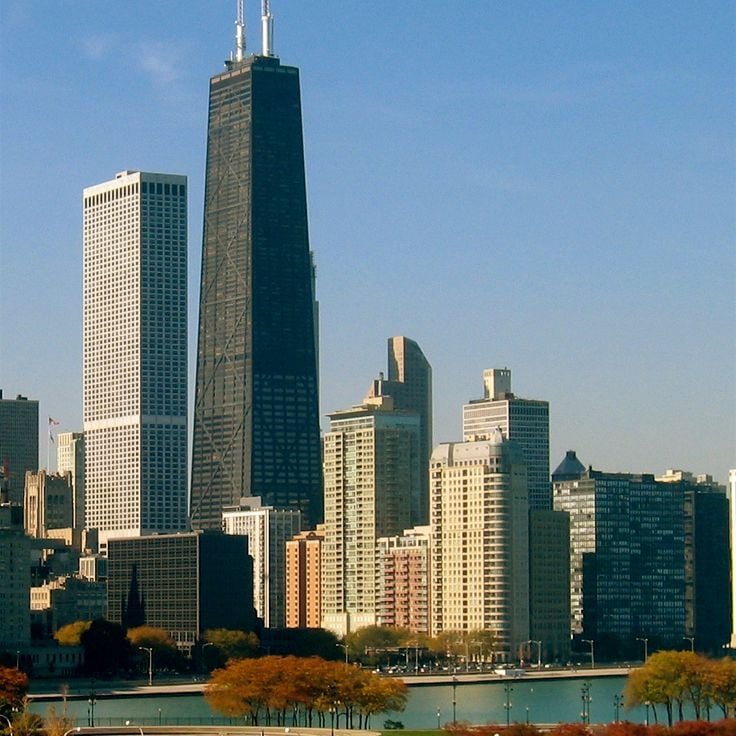
Chicago, USA
Black skyscraper measuring three hundred forty-four meters. The platform on the ninety-fourth floor provides an unobstructed view of the city and the lake.
Chicago, USA
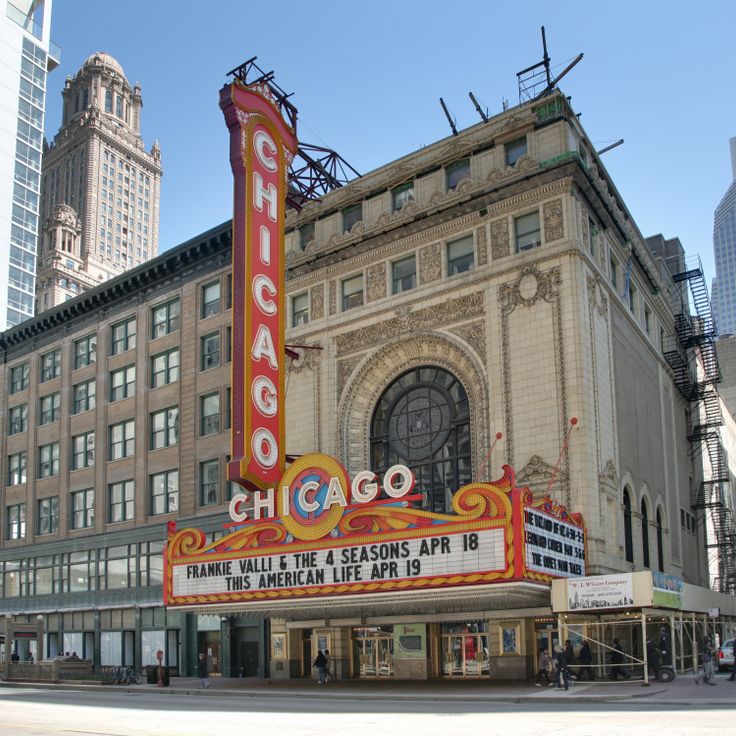
Historic hall from 1921 with a capacity of over three thousand people. The venue hosts concerts, shows, and screenings in the city center.
Chicago, USA
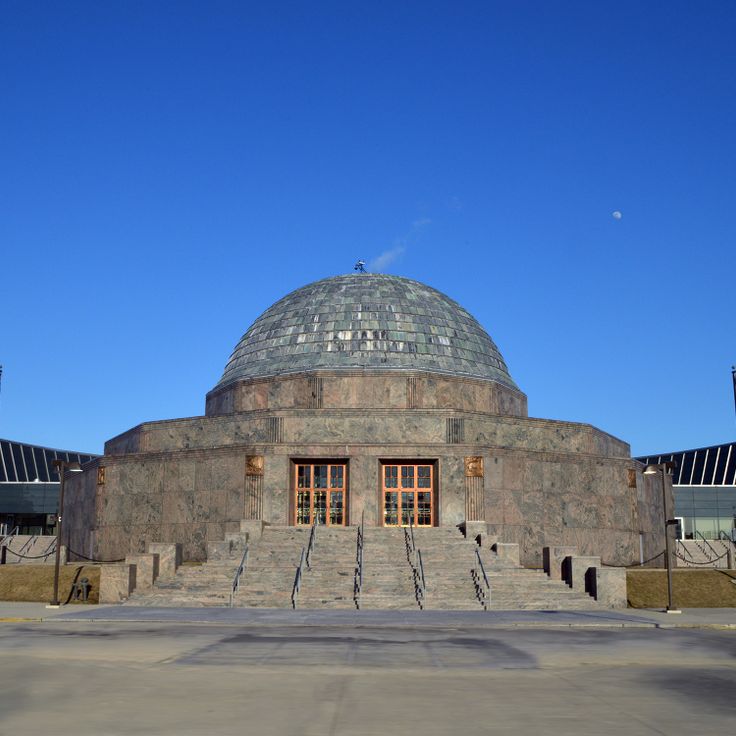
Established in 1930. Astronomical instruments, meteorites, and digital representations of the night sky make up the main exhibits.
Chicago, USA
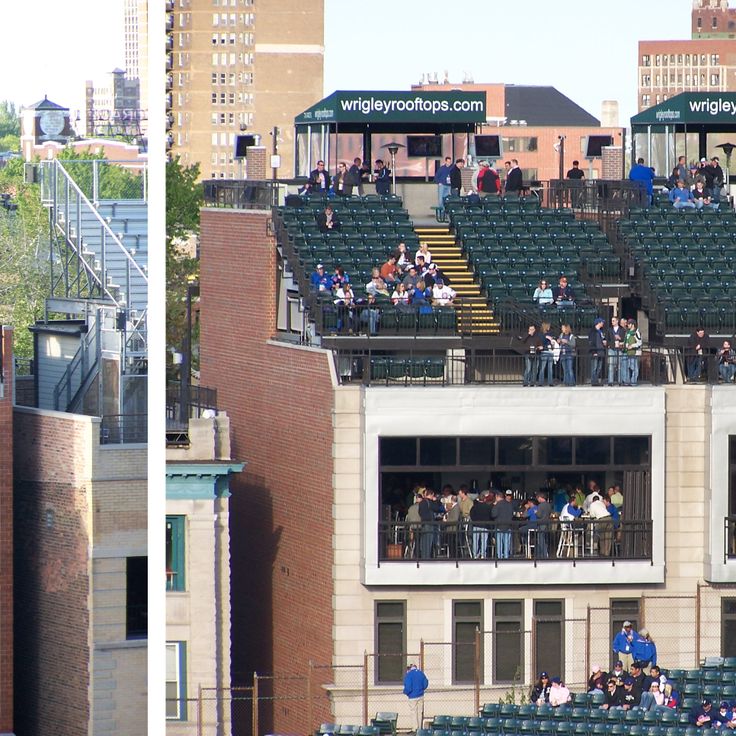
Baseball stadium opened in 1914. It hosts forty-one thousand spectators and features a manual scoreboard that has become a symbol of the arena.
Chicago, USA
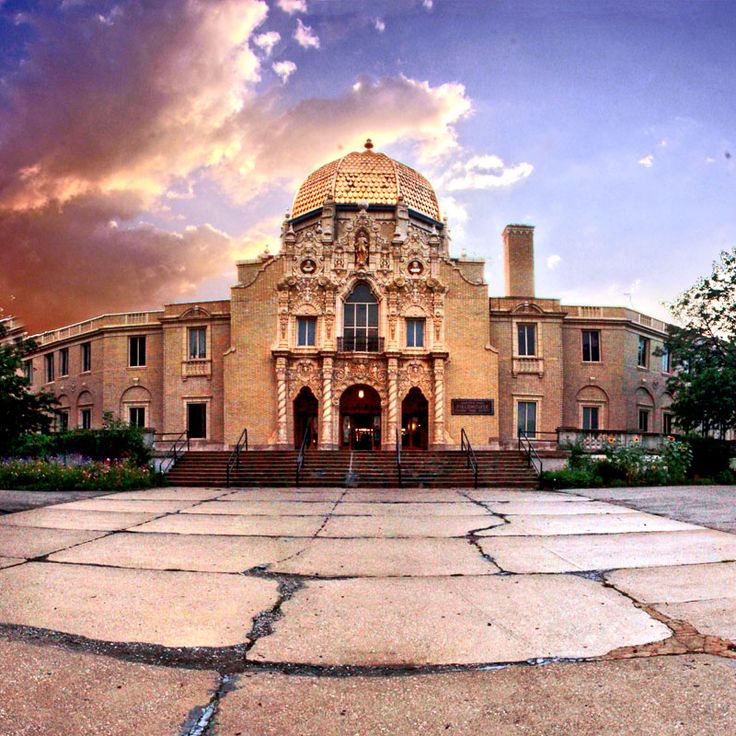
Large horticultural complex comprising eight indoor gardens. Over two thousand species grow under glass domes spanning eighteen thousand square meters.
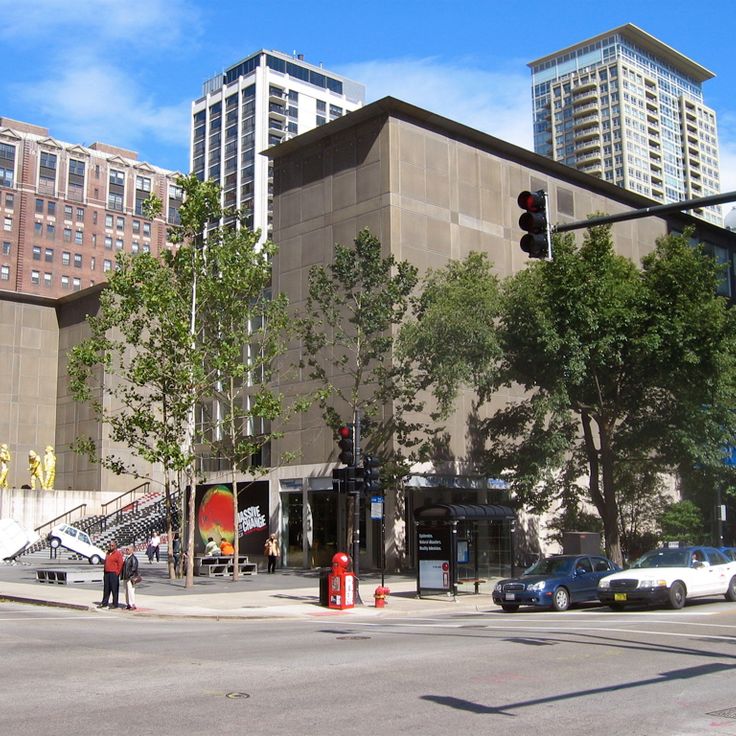
Chicago, USA
Institution dedicated to international creation since 1945. The modern building inaugurated in 1996 presents a collection of two thousand five hundred works.
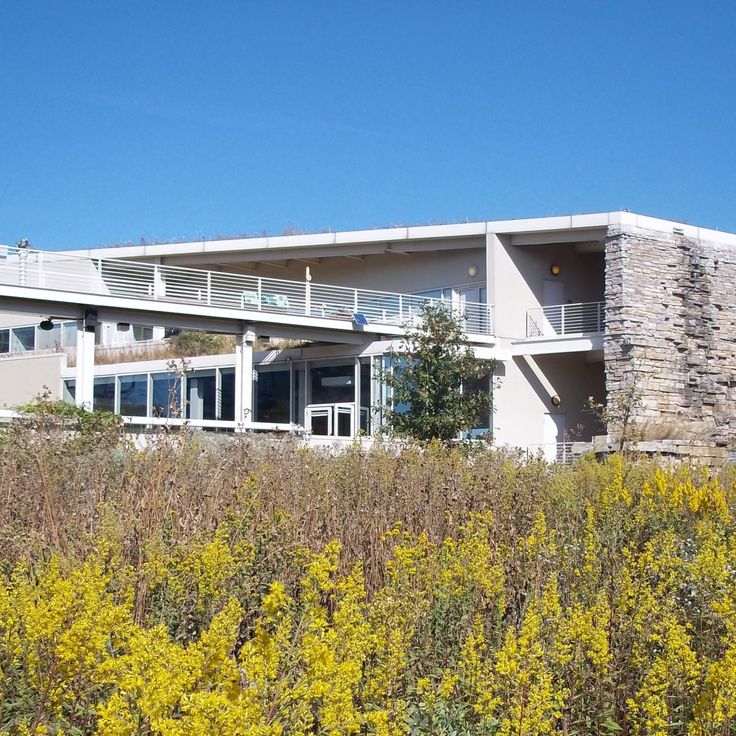
Chicago, USA
Museum dedicated to Illinois nature. Visitors explore interactive exhibits and a large greenhouse where hundreds of butterflies fly.
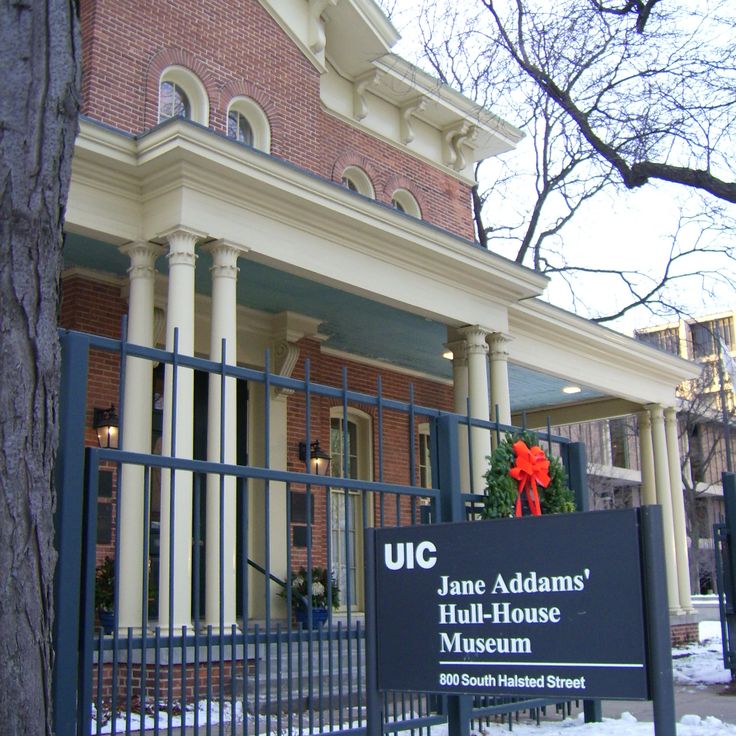
Chicago, USA
Place depicting Jane Addams' activities. Furniture, photos, and documents from the era illustrate the development of social work in the early twentieth century.
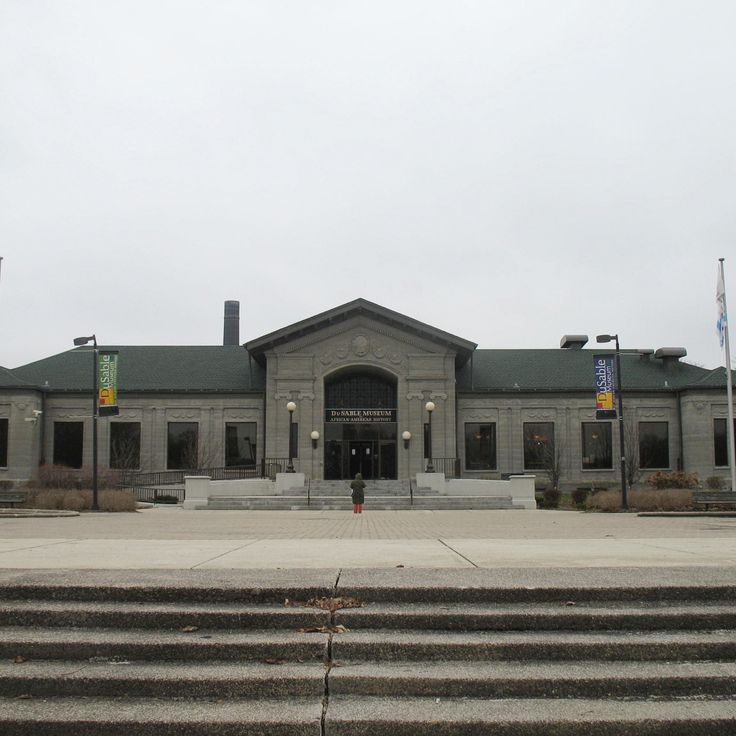
Chicago, USA
Institution dedicated to the history and culture of African Americans. Paintings, documents, and objects illustrate the contributions of Black communities in the United States.
Chicago, USA
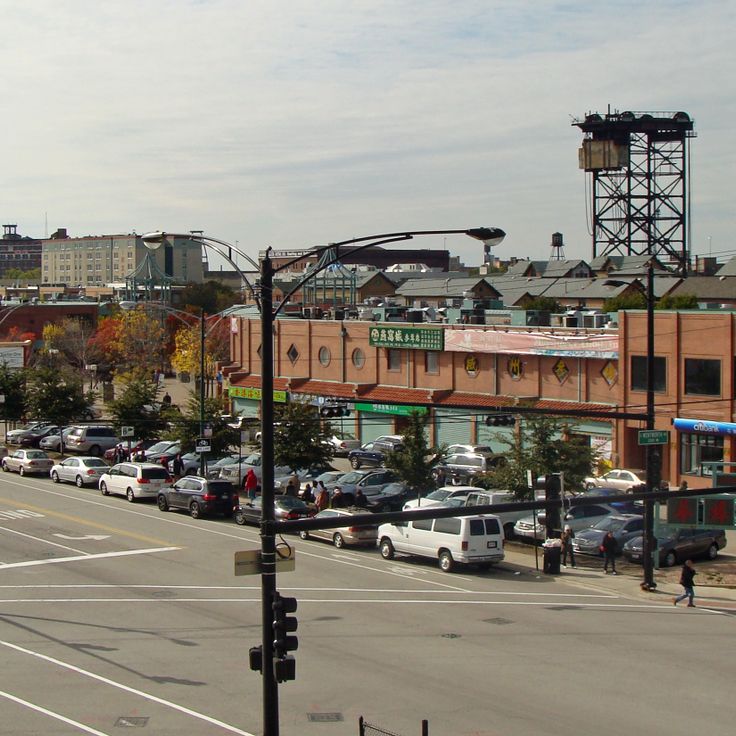
Shopping center in Chinatown. Traditional restaurants, shops, and decor inspired by classical architecture are arranged around a large plaza.
Chicago, USA
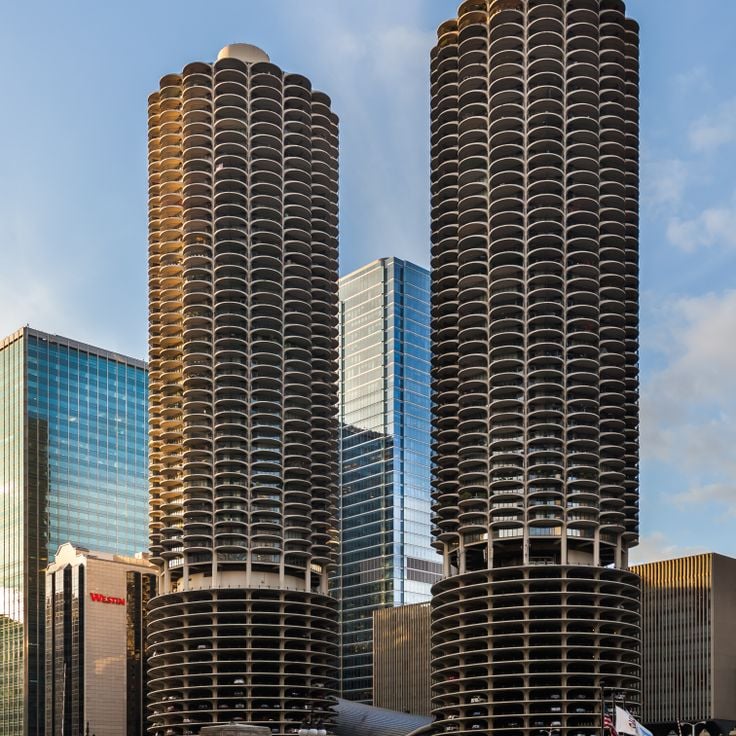
Two circular towers built in 1964. Their distinctive outline has become an architectural landmark on the shores of the Chicago River.
Chicago, USA
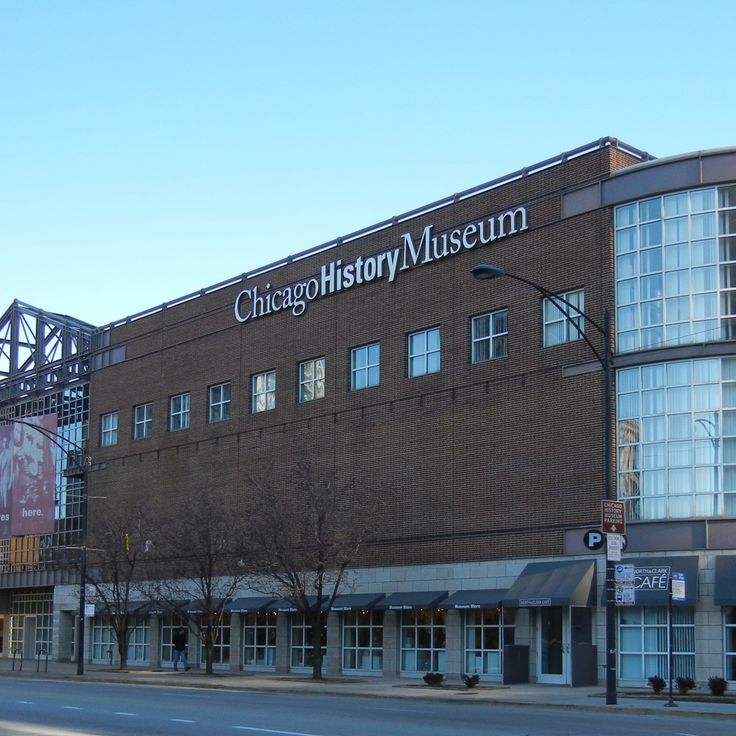
Museum that traces the city's development. Items, archives, and exhibitions tell the story of Chicago from its beginnings to the present day.
Chicago, USA
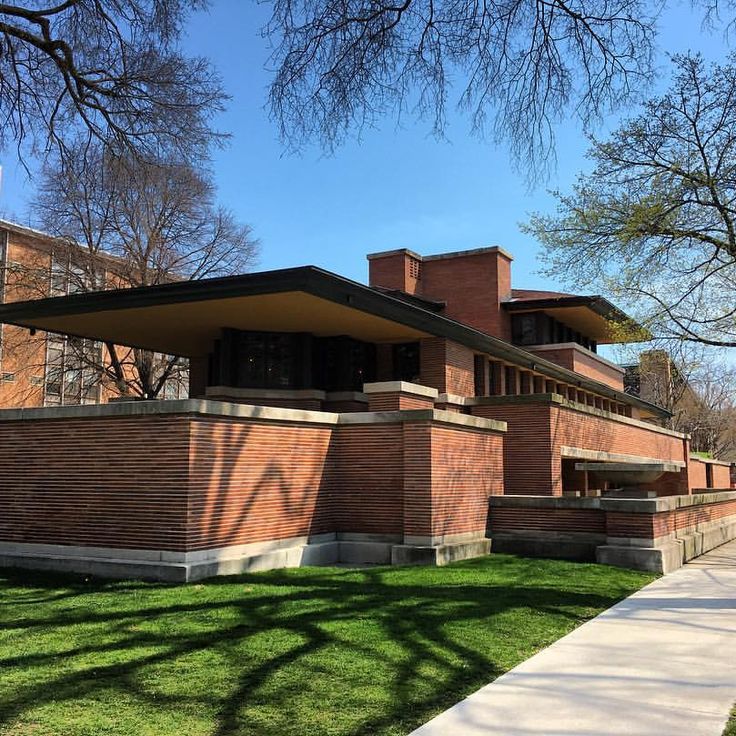
Residence designed by Frank Lloyd Wright in 1910. The building exemplifies the Prairie School style with its horizontal lines and open interior layout.
Chicago, USA
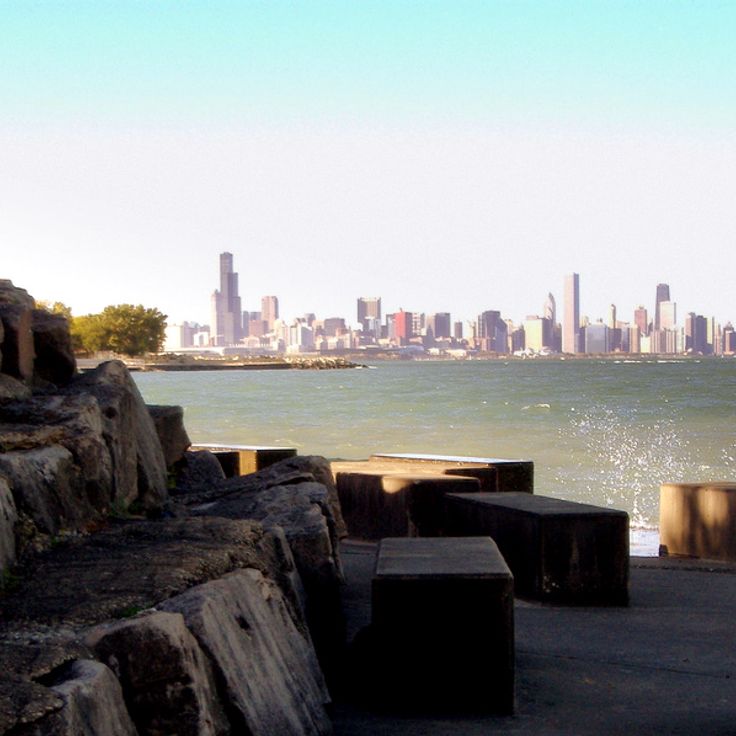
Green area along the lakeshore. The observation points provide views of the skyline, and the stone features date back to the 1930s.
Chicago, USA
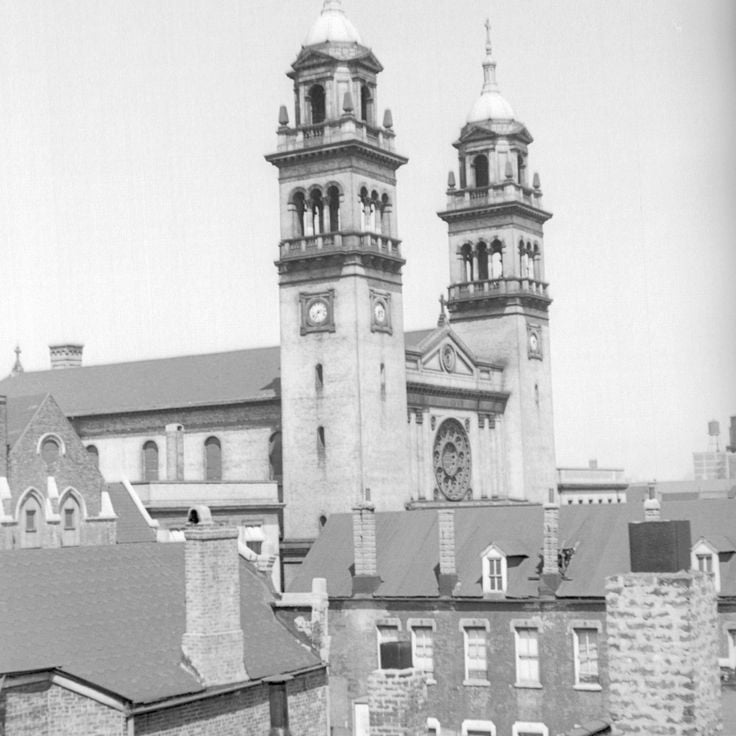
Lively neighborhood characterized by Mexican culture. Murals, Latin restaurants, and small shops make up its core identity.

Chicago, USA
Restored theater from 1892. It hosts concerts, performances, and various cultural events in a preserved historic setting.
Chicago, USA
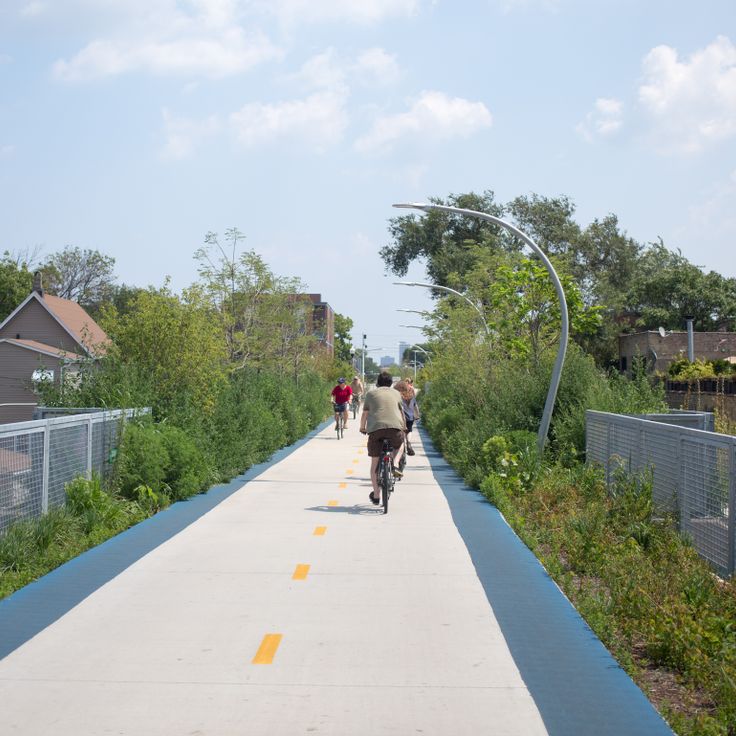
An old railway converted into a landscaped path over more than four kilometers. Cyclists, walkers, and residents use it as an urban promenade space.
Chicago, USA
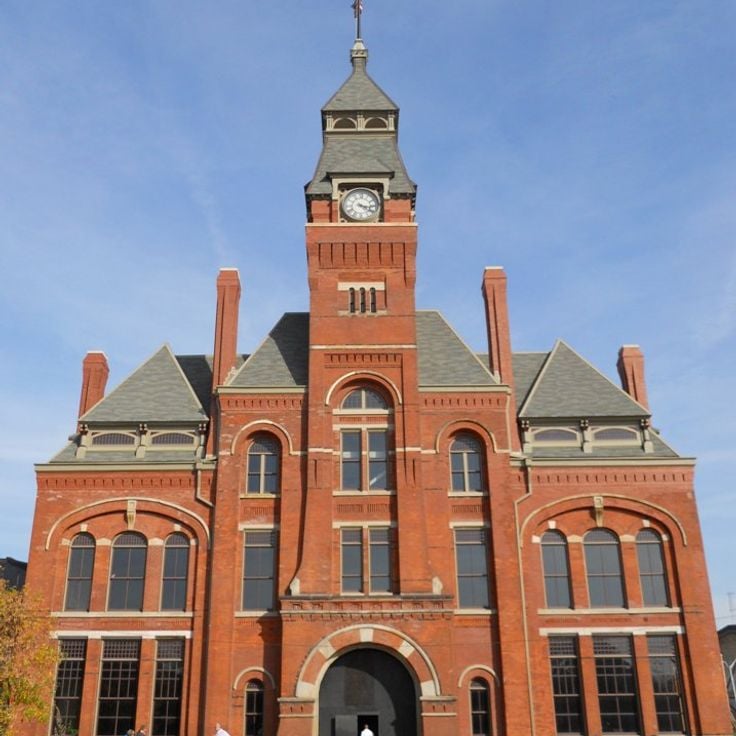
Historic district with industrial buildings and workers' housing from the nineteenth century. The site illustrates industrial history and the beginnings of the American labor movement.