These destinations push travelers to the edges of height for views they won't forget.
Sometimes architecture and nature combine to offer unusual experiences. These places let you see the world from special viewpoints. Each location shows a different way to experience height, whether through modern structures or natural spots.
You might visit TILT Chicago, a platform that tilts above the city from the 94th floor, or Trolltunga in Norway, a rocky ridge sticking out 700 meters above Lake Ringedalsvatnet. In China, the Zhangjiajie glass bridge spans 430 meters between two cliffs, while in Ecuador, you can swing in front of the Tungurahua volcano on the Baños swing. Other sites include the Skywalk at the Grand Canyon in Arizona, the Royal Gorge suspension bridge in Colorado, and the hanging temple in Datong. These places show the variety of options for visitors.
They are for travelers who want different feelings and to see views from unusual spots. Some sites need good fitness, while others are open to everyone. It is a good idea to check access conditions and to think about your comfort with heights before planning your visit.
These destinations push travelers to the edges of height for views they won't forget.
Sometimes architecture and nature combine to offer unusual experiences. These places let you see the world from special viewpoints. Each location shows a different way to experience height, whether through modern structures or natural spots.
You might visit TILT Chicago, a platform that tilts above the city from the 94th floor, or Trolltunga in Norway, a rocky ridge sticking out 700 meters above Lake Ringedalsvatnet. In China, the Zhangjiajie glass bridge spans 430 meters between two cliffs, while in Ecuador, you can swing in front of the Tungurahua volcano on the Baños swing. Other sites include the Skywalk at the Grand Canyon in Arizona, the Royal Gorge suspension bridge in Colorado, and the hanging temple in Datong. These places show the variety of options for visitors.
They are for travelers who want different feelings and to see views from unusual spots. Some sites need good fitness, while others are open to everyone. It is a good idea to check access conditions and to think about your comfort with heights before planning your visit.
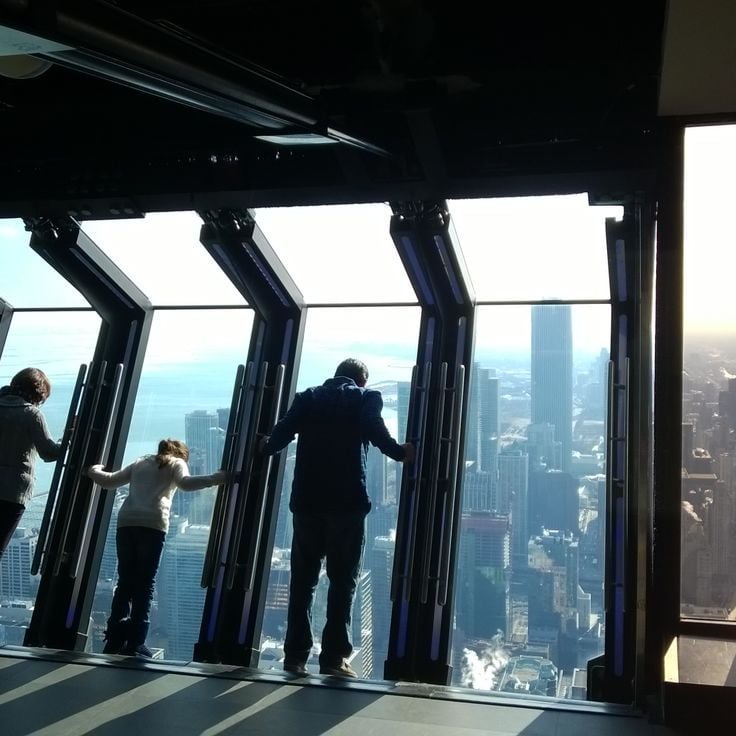
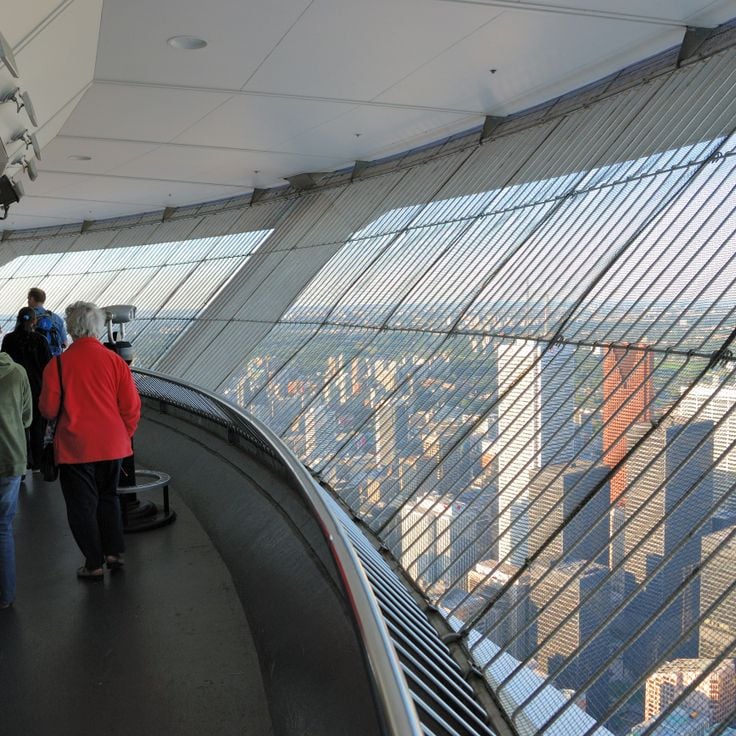
This glass platform at 360 Chicago Observatory tilts outward from the 94th floor, providing a direct view down to the city streets and Lake Michigan from more than 1000 feet (about 300 meters) above. TILT Chicago represents one of the urban observation platforms that uses mechanical installation to offer a different perspective on the cityscape. The platform tilts forward in a controlled manner, positioning visitors at an angle of roughly 30 degrees above the metropolitan area. The experience combines architectural engineering with an unobstructed view of the metropolis along the shores of Lake Michigan.
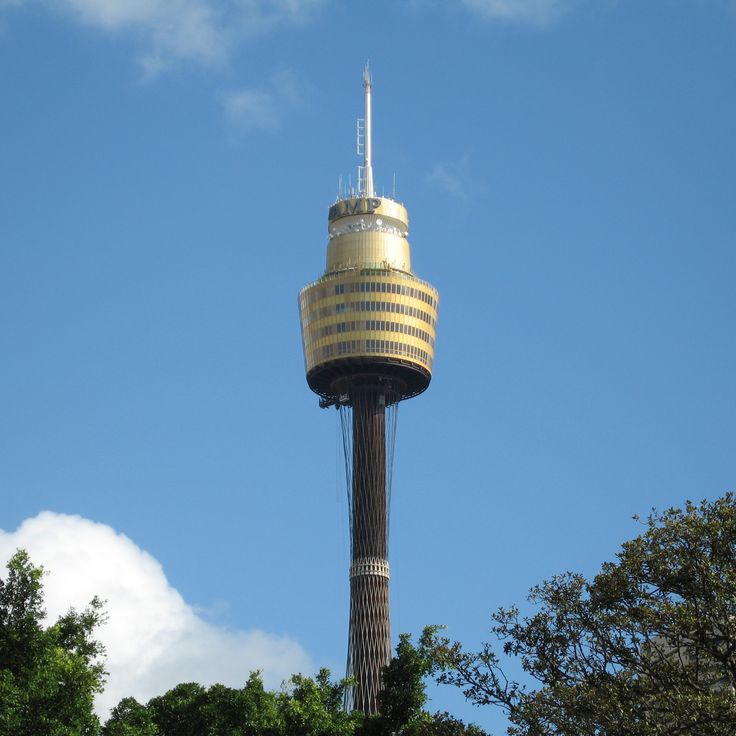
The Sydney Tower Eye features an observation platform at 880 feet (268 meters) high, from which visitors can view the harbor, city districts, and surrounding hills. This television tower in the business district allows experiencing Sydney from an elevated position and ranks among the city's tall structures that provide various perspectives on the urban landscape. The platform is accessible to all visitors and requires no particular physical fitness.
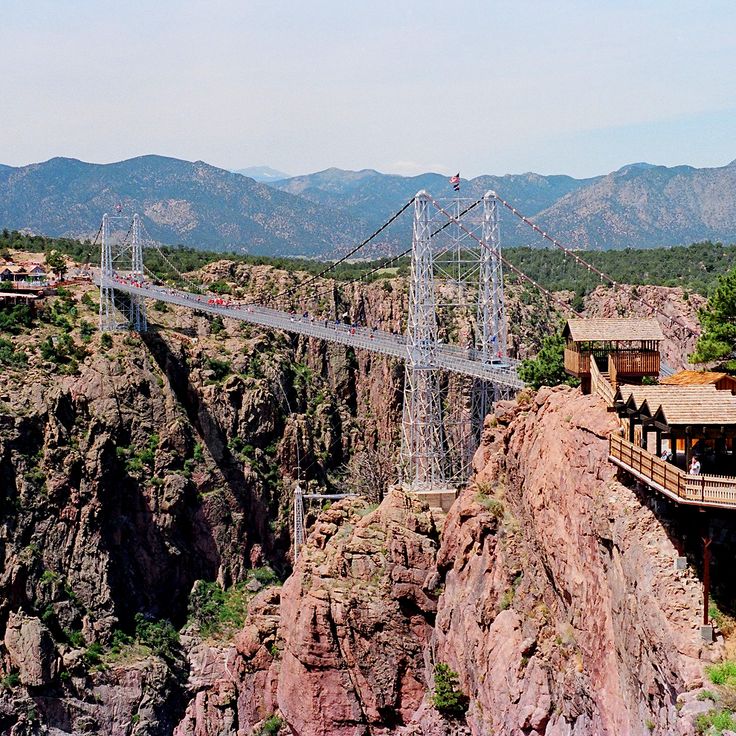
The Royal Gorge Bridge spans the Arkansas River at a height of 955 feet (291 meters), ranking among the highest suspension bridges in the world. This 1,260-foot (384-meter) structure was completed in 1929 and connects the steep rock walls of the Royal Gorge canyon in Colorado. The site is located within a park that features additional attractions including an aerial tramway across the gorge and observation points. The bridge provides views of the canyon and river extending far below the deck. As part of this collection of elevated locations, the Royal Gorge Bridge offers a perspective from considerable height above a natural geological formation.
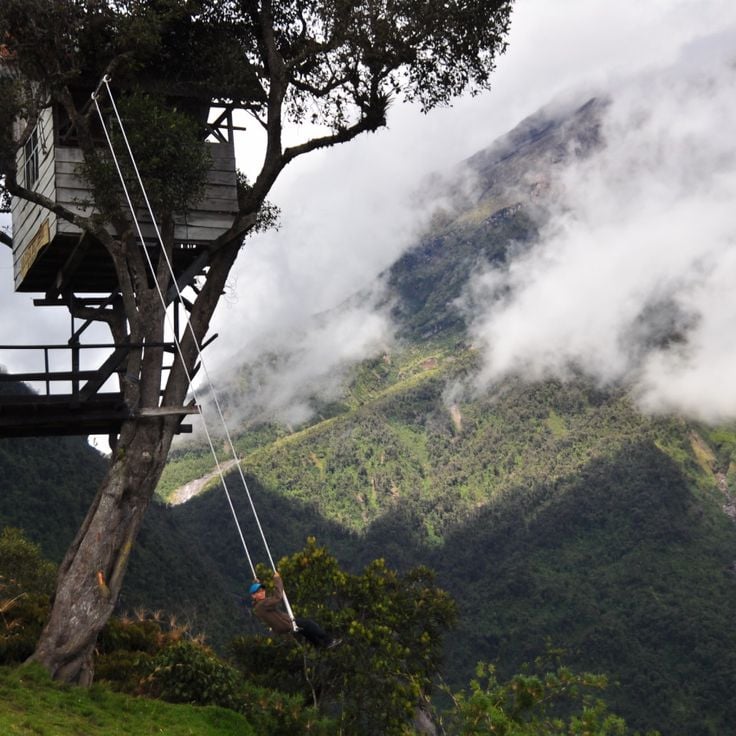
This swing in Baños offers a direct view of the active Tungurahua volcano, located a few miles from the town. The swing sits at an elevation of about 8,500 feet (2,600 meters) and allows visitors to swing out over the abyss while observing the valley and the smoking volcano. The installation is part of a treehouse structure and provides an unusual perspective on the surrounding landscape.
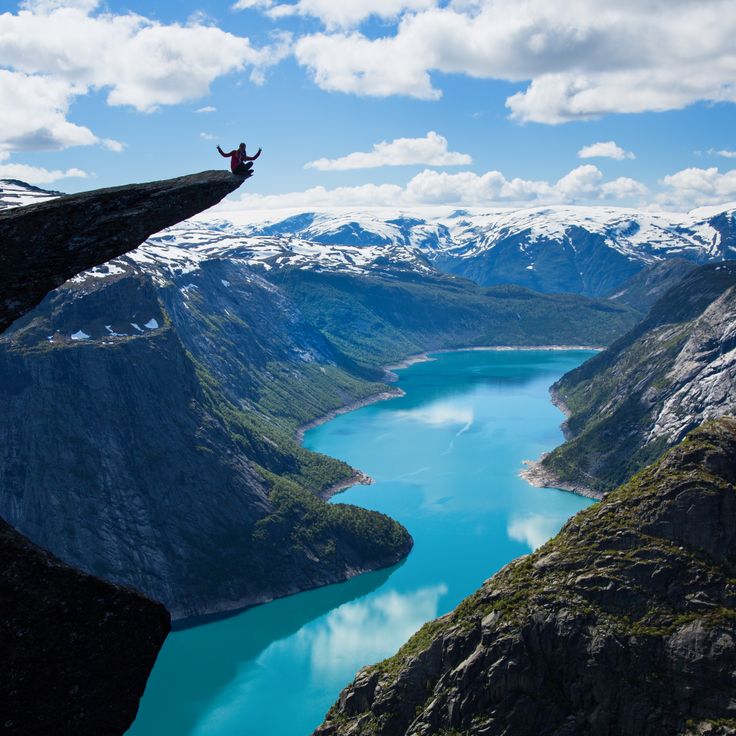
Trolltunga is a horizontal rock formation that extends at a height of 2300 feet (700 meters) above Lake Ringedalsvatnet. This geological formation protrudes roughly 33 feet (10 meters) from the mountain face and provides a direct view of the fjord lake and surrounding mountains. Access to Trolltunga requires a hike of approximately 17 miles (28 kilometers) round trip, taking between 10 and 12 hours depending on fitness level, with an elevation gain of around 2600 feet (800 meters). The formation is part of this collection of elevated sites as it offers an exposed vantage point at considerable height.
The CN Tower EdgeWalk takes place at 1,170 feet (356 meters) above ground on a platform that encircles the main deck of the tower. Participants move along a 5-foot-wide (1.5-meter) platform on the exterior of the structure, secured by a harness system connected to a fixed rail. The route provides views of Lake Ontario, downtown Toronto, and the surrounding area.
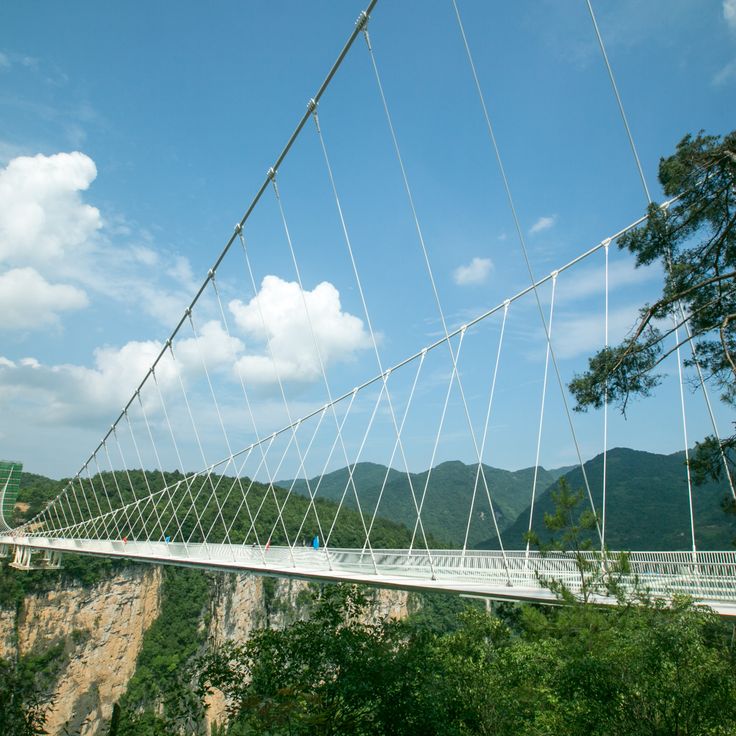
This pedestrian bridge with a transparent glass floor extends 430 meters (1,410 feet) between two rock walls in the national park and stands 980 feet (300 meters) above the floor of the Zhangjiajie canyon. The Zhangjiajie Glass Bridge allows visitors to look directly down into the depths below and provides views of the region's characteristic sandstone pillars.
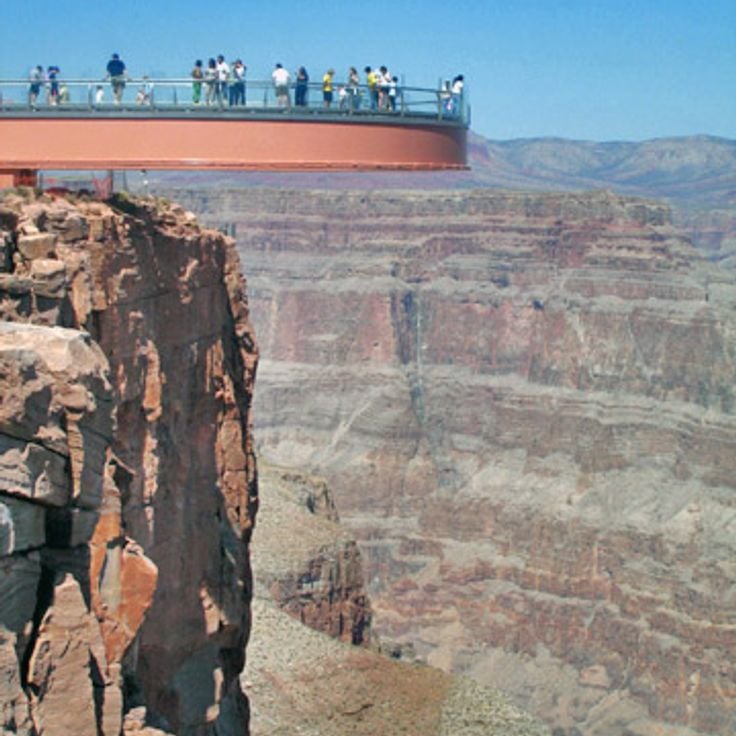
The Grand Canyon Skywalk is a horseshoe-shaped observation platform with a transparent glass floor that extends 4000 feet (1220 meters) above the Colorado River. The structure provides visitors with a direct view into the depths of the canyon and the surrounding rock formations. Located on the western rim of the Grand Canyon, the Skywalk adds to this collection through its modern architectural approach to experiencing one of North America's most significant geological features.
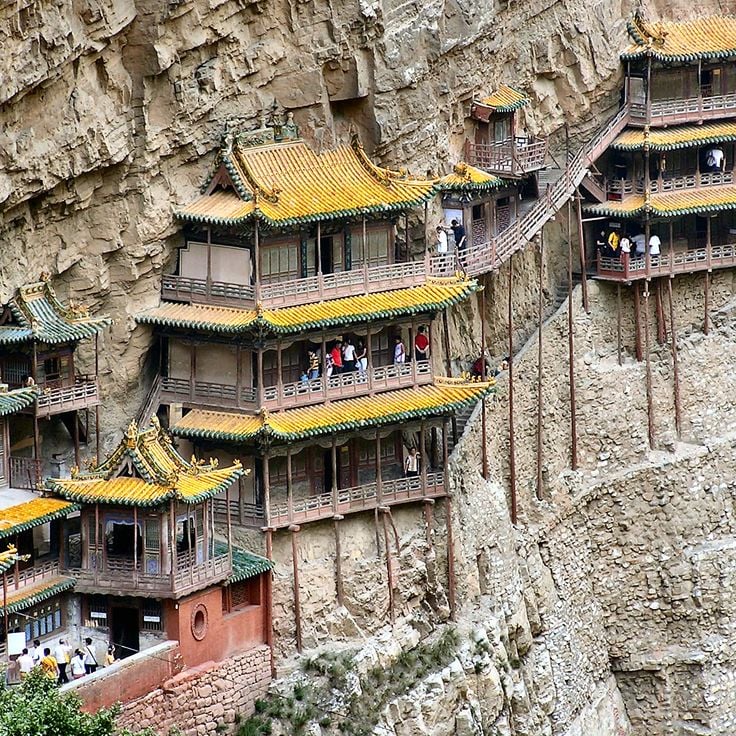
Xuankong Temple was built over 1500 years ago into a cliff face on Mount Hengshan and rests on wooden beams anchored into the rock. This construction combines architectural precision with a striking location 246 feet (75 meters) above the valley floor. The temple has served as a place of worship for centuries and attracts visitors who seek to experience this engineering feat and the views of the surrounding mountains. The wooden pillars support the weight of the various halls and pavilions, which are connected by narrow staircases and walkways. This site demonstrates the connection between human construction and natural rock formations.
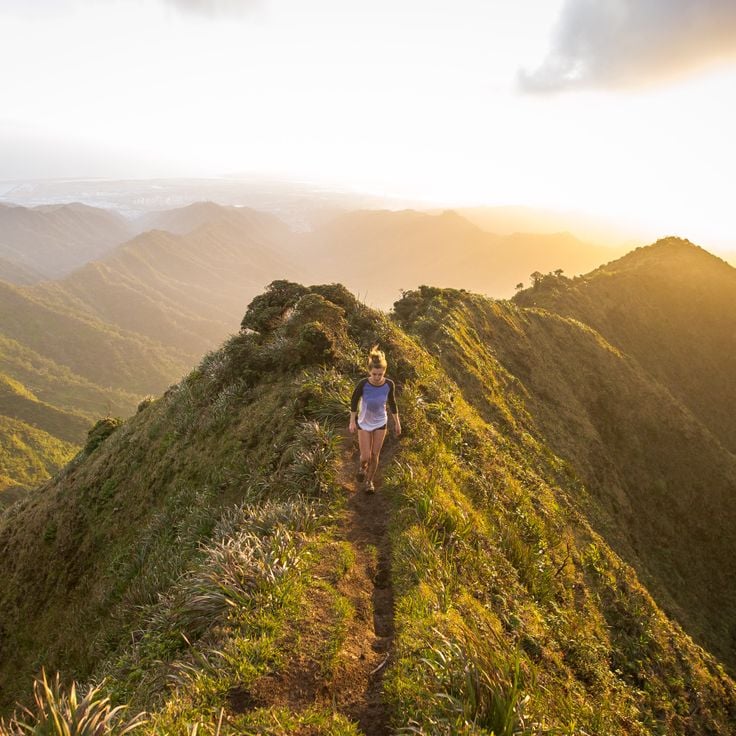
The Haiku Stairs on Oahu comprise 3922 steps that ascend the steep cliffs of the Koolau mountain range. This collection presents places where architecture and nature combine to create extraordinary experiences. The stairs were originally built during World War II to access a radio station and climb approximately 850 meters (2790 feet) in elevation over a distance of about 850 meters (2790 feet) from Haiku Valley to the summit. The ascent provides views over the northeast coast of Oahu, the Koolau Mountains, and the Pacific Ocean. The metal structure follows the ridgeline and navigates steep sections and narrow ridges.
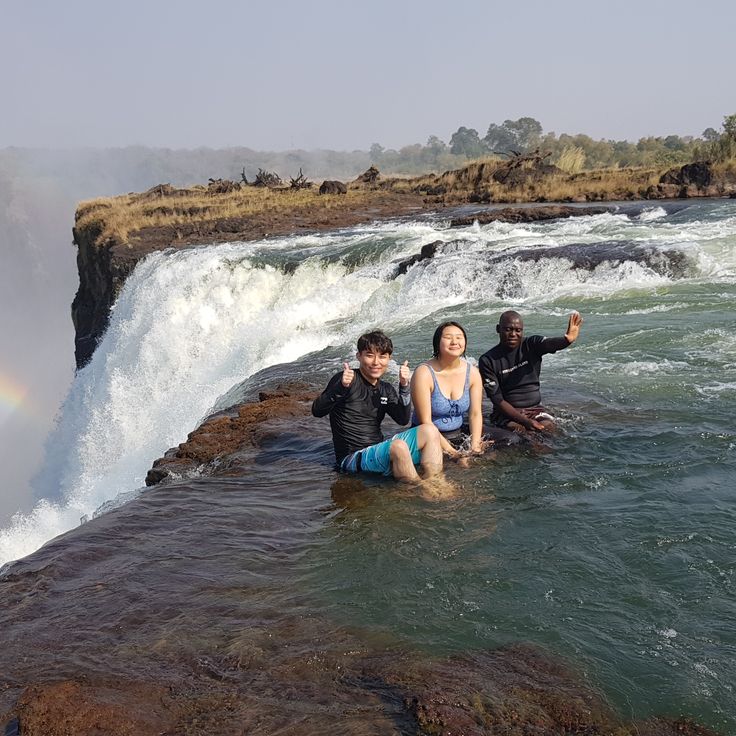
Devil's Pool is a natural rock basin at the edge of Victoria Falls on Livingstone Island that allows visitors to swim up to the precipice of the falls during the dry season from September to December. The pool forms due to a natural rock barrier that holds back the water just before it plunges 355 feet (108 meters) down. Visitors reach the site through a guided walk across the island followed by a jump into the Zambezi River waters. The activity requires adequate swimming ability and is offered when water levels are low and currents are reduced.
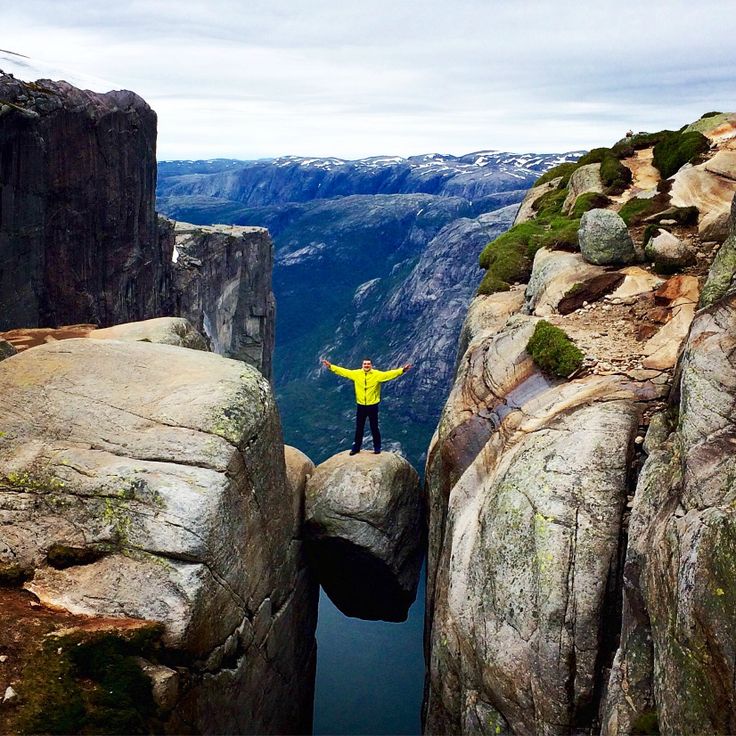
Kjeragbolten is a boulder roughly five cubic meters in size lodged between two cliff faces on Kjerag mountain. The boulder sits approximately 1000 meters (3300 feet) above Lysefjorden, creating a natural viewing platform. Hikers can reach the boulder and stand on it, with nothing but open space between them and the fjord water below. The hike to Kjeragbolten takes several hours and passes through steep terrain with sections requiring chains. Access is only possible during summer months when the trail is free of snow.
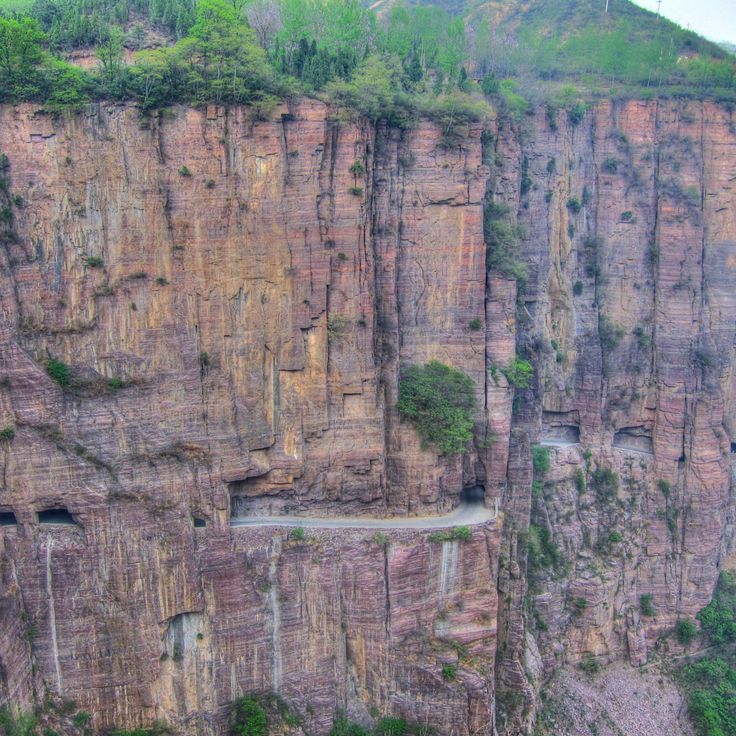
The Guoliang Tunnel Road was carved by hand through the rock face of the Taihang Mountains by villagers. This roughly 0.7-mile (1.2-kilometer) tunnel was created between 1972 and 1977 and features several openings cut into the rock that provide light and views into the valley below. The mountain road connects the once-isolated village of Guoliang to the outside world and runs through a near-vertical cliff face at an elevation of more than 3300 feet (1000 meters). This construction demonstrates human perseverance and offers visitors insight into engineering under extreme conditions, along with views of the rugged Taihang Mountains.
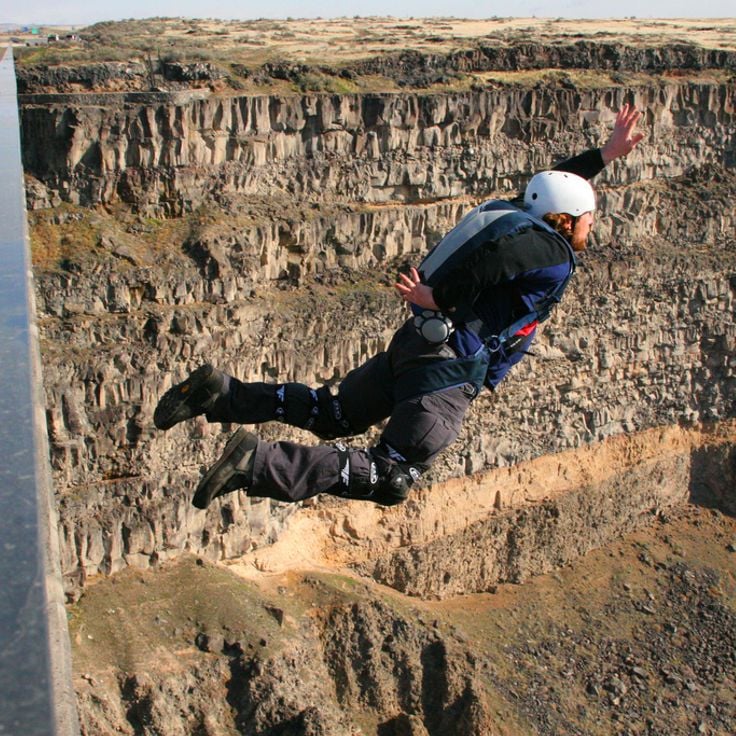
The Perrine Bridge spans the Snake River Canyon at a height of 490 feet (148 meters) and stands as one of the few locations worldwide where BASE jumping is permitted year-round without prior authorization. This collection presents sites where architecture and nature combine to create exceptional altitude experiences. The bridge connects both sides of Twin Falls and provides jumpers with direct access to the launch point. The landing area is located at the riverbank below the bridge. In addition to jumpers, the site attracts observers who watch the activity from the bridge walkway.
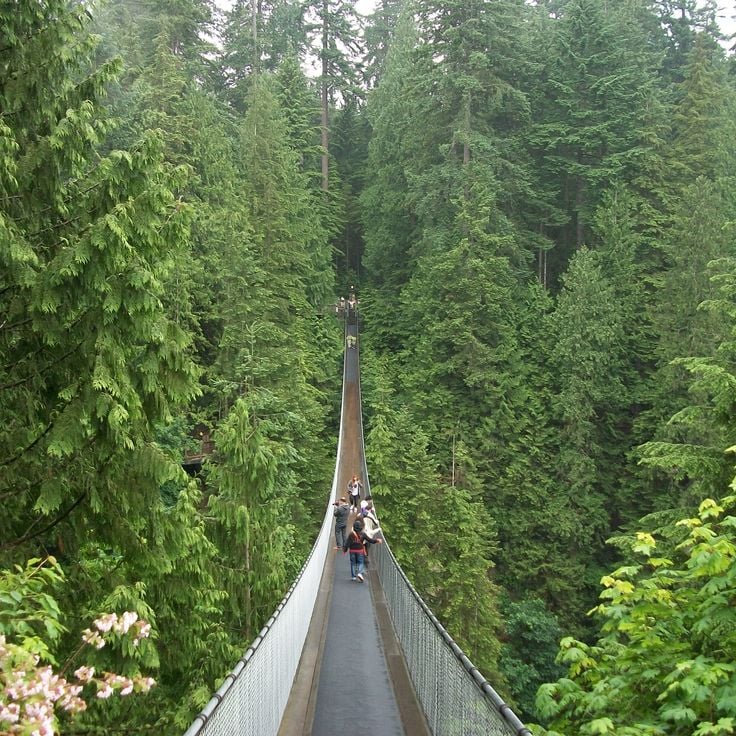
The Capilano Suspension Bridge extends 137 meters in length and crosses the Capilano River at a height of 70 meters (230 feet) within a coastal rainforest. This bridge provides visitors with the opportunity to experience the dense vegetation and the riverbed from an elevated perspective. The structure connects two sides of a forested canyon and offers views into the ecosystem of the temperate rainforest. In addition to the main bridge, the site includes further walkways through the tree canopy. This construction represents one of the examples of elevated observation points that combine natural environments with architectural solutions.
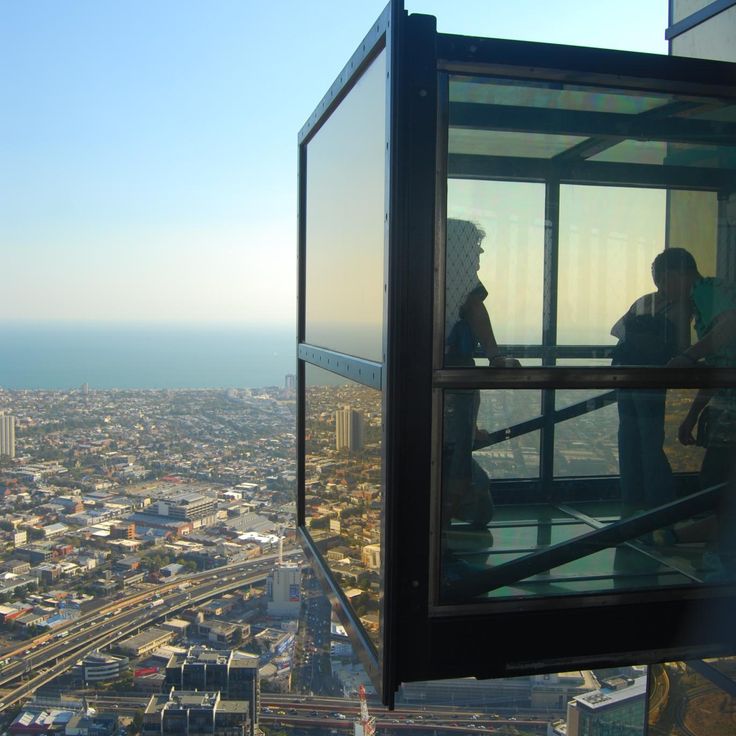
The Eureka Skydeck sits on the 88th floor of the Eureka Tower and offers a 360-degree view of Melbourne from 935 feet (285 meters) high. The Edge is a glass cube that extends 10 feet (3 meters) out from the building, suspending visitors 975 feet (297 meters) above the city. The cube's floor starts opaque and then becomes transparent, allowing visitors to look directly down at the streets below. This installation is part of the collection of observation platforms that provide unusual perspectives on urban and natural landscapes.
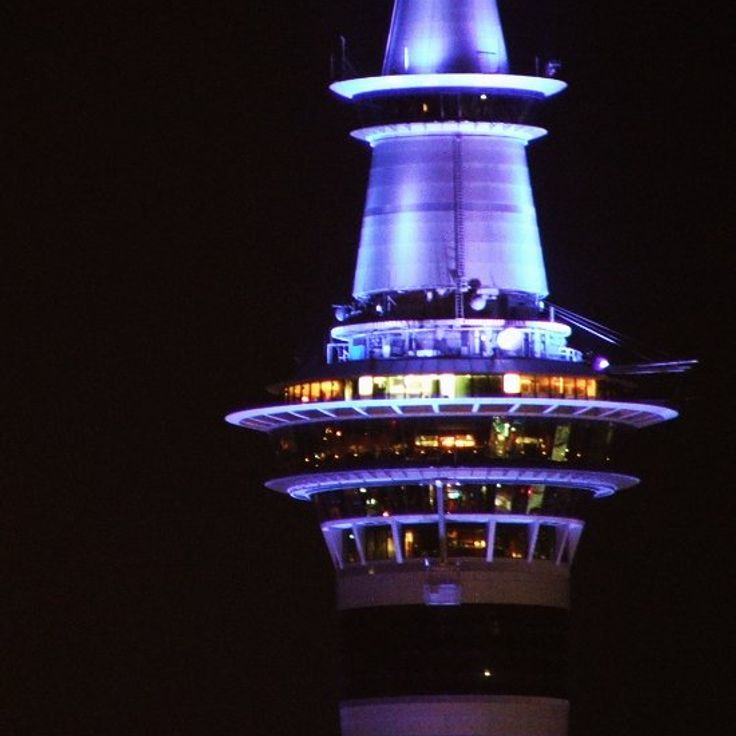
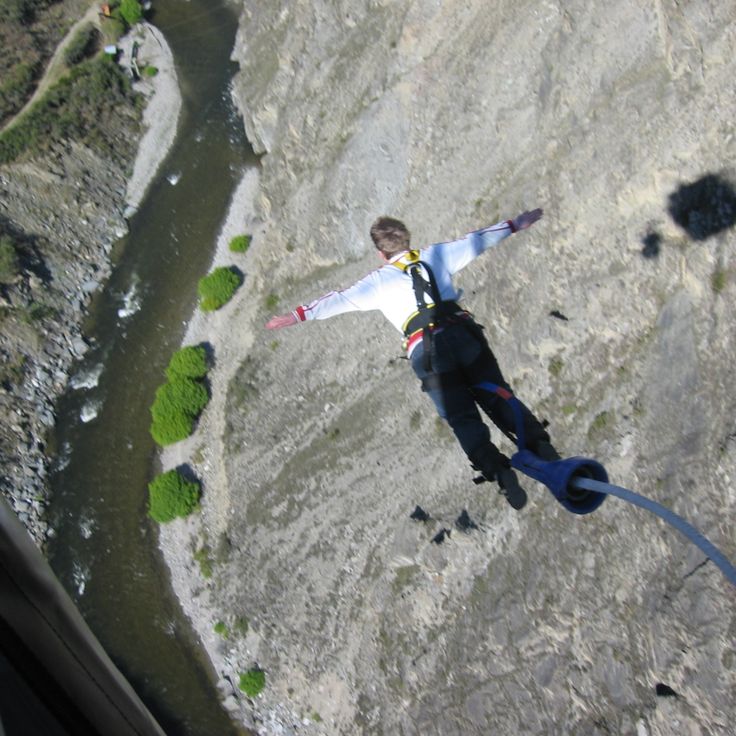
The Sky Tower Auckland rises 328 feet (100 meters) and offers exterior platform courses and bungee jumping from 630 feet (192 meters). This television tower provides views over Auckland and the Hauraki Gulf. The facility includes a glass-floored observation deck at 722 feet (220 meters) and an exterior walkway with safety systems. Visitors can choose from several activities, including the SkyWalk, which circles the tower's exterior, or the SkyJump, a cable-controlled descent. The installation combines telecommunications infrastructure with recreational offerings and demonstrates how technical structures can be adapted for different high-altitude experiences.
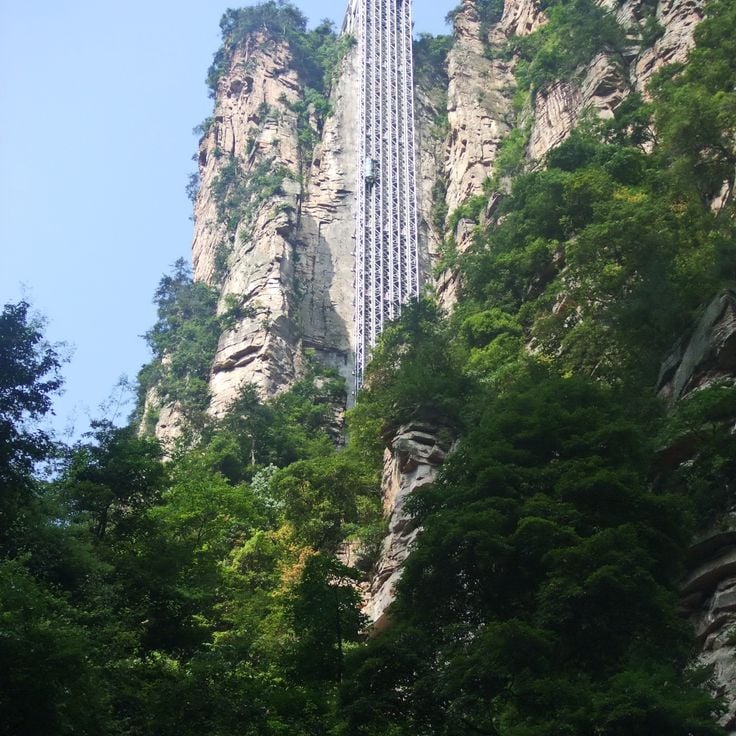
The Bailong Elevator is a glass exterior lift attached to a cliff face in the Wulingyuan region. Rising 1,070 feet (326 meters), it transports visitors from the valley floor to the summit platform in less than two minutes. The installation provides access to the sandstone formations of Zhangjiajie National Park and offers views of the surrounding rock pillars during ascent. This elevator connects the valley with higher elevation trails and serves as an alternative to several hours of hiking.
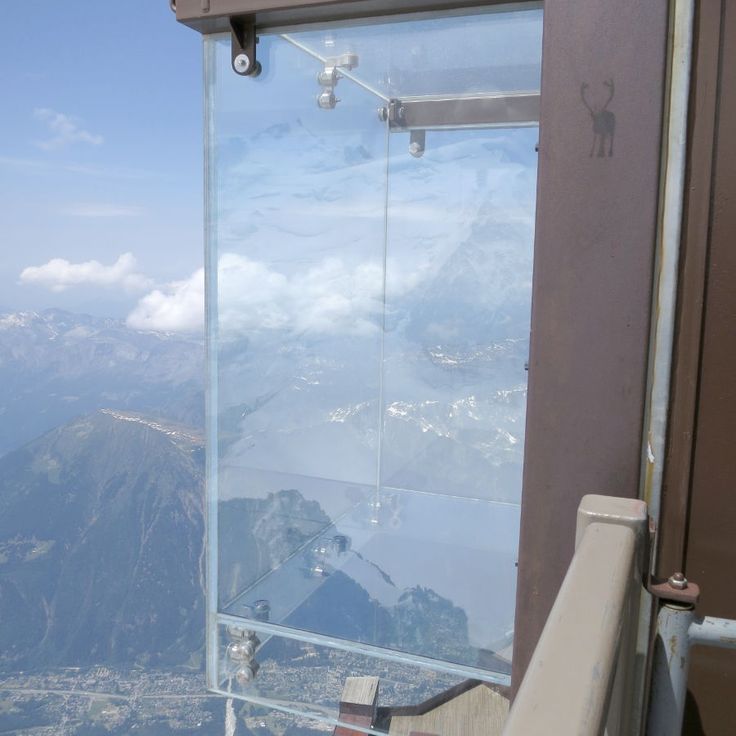
The Pas dans le Vide is a glass platform at 12,605 feet (3,842 meters) on the Aiguille du Midi, providing direct views of Mont Blanc and surrounding glaciers. The structure extends outward from the rock face with a glass floor offering views down more than 3,280 feet (1,000 meters) to the ice fields below. This installation combines modern architecture with the alpine environment of Chamonix and represents one of several observation points offering different perspectives on the high mountain landscape of the French Alps. Access is via cable car to the Aiguille du Midi, from where multiple viewing platforms are available.
The Nevis Balancier swings above a canyon in an arc spanning 300 meters (985 feet). This installation is located in a remote area and provides views of the surrounding mountains and the Nevis River. Access is by cable car to the launch platform. The swing reaches speeds of approximately 120 kilometers per hour (75 miles per hour) and includes a freefall of around 70 meters (230 feet). This structure combines engineering with the natural topography of the region and is among the options for visitors seeking height-based activities.
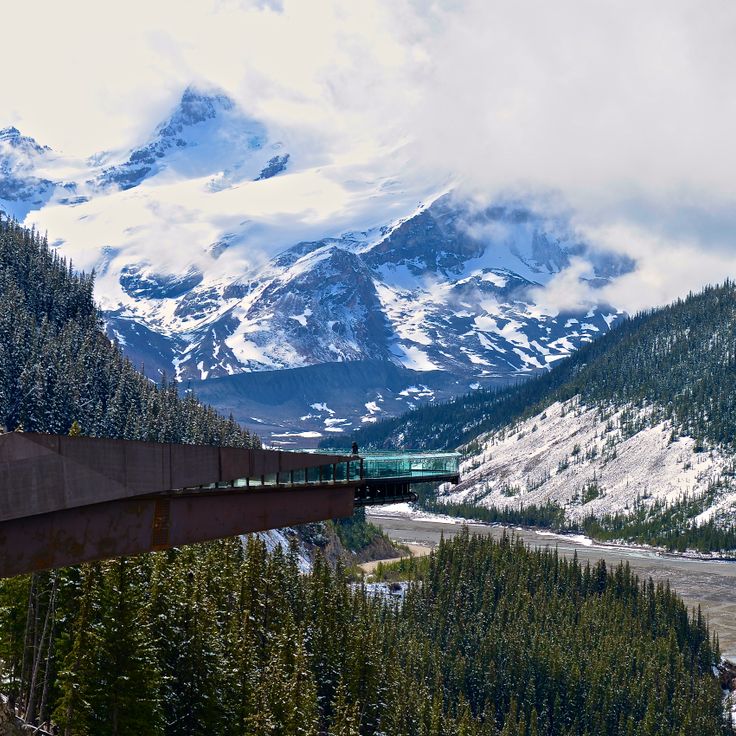
The Glacier Skywalk is a glass-floored observation platform in Jasper National Park that provides views over the Sunwapta Valley and surrounding glaciers. This installation sits approximately 920 feet (280 meters) above the valley floor and extends as a cantilevered structure over the cliff edge. The platform is part of the Columbia Icefield Discovery Centre and sits along the Icefields Parkway. From here, visitors can observe the mountain ranges of the Canadian Rockies and the glacial landscape while standing on transparent glass.
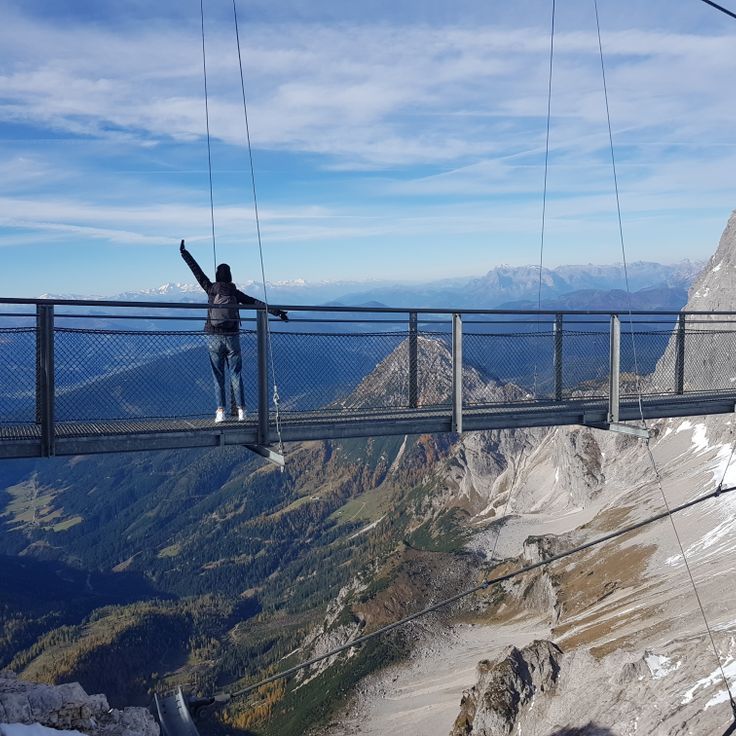
This installation at the Dachstein features a suspension bridge and fourteen glass steps positioned 1,300 feet (400 meters) above the valley, providing direct views into the depths below. The Stairway to Nothingness is among the observation platforms in the Schladming-Dachstein region, where visitors can experience various architectural structures that connect with the alpine environment. This facility offers views of the surrounding peaks and valleys of Styria.
The Langkawi Sky Bridge is a 410-foot pedestrian bridge that follows a curved path above the rainforest canopy, supported by a single pylon. This structure sits on Mount Mat Cincang at roughly 2,170 feet above sea level and provides views over the forested mountains and the Andaman Sea. Access to the bridge is via the Langkawi Cable Car, which travels from the Oriental Village to the mountaintop station. The curved design of the bridge offers different perspectives on the surrounding landscape and allows visitors to experience the elevation from various positions. The design combines structural engineering with the opportunity to walk above the vegetation while observing the topography of Langkawi Island.
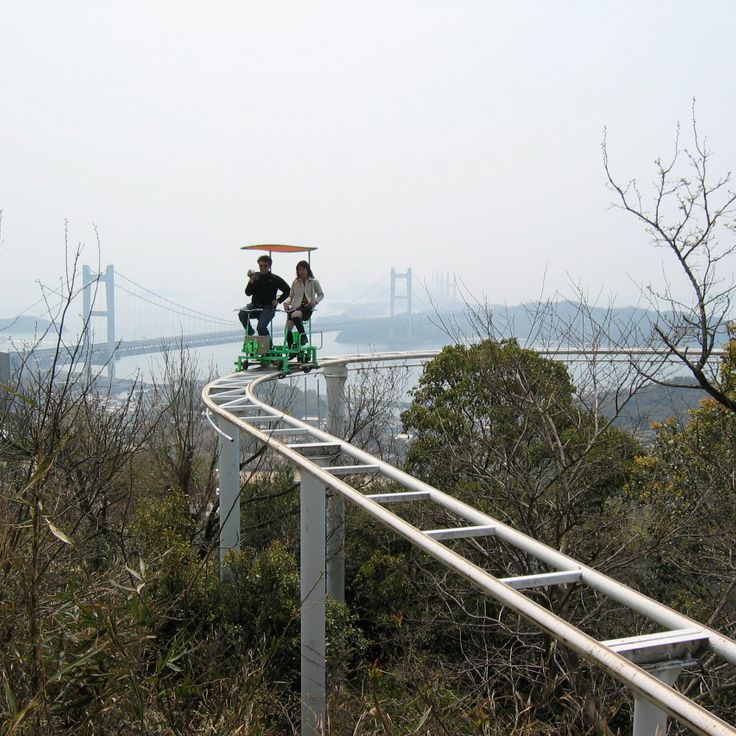
The SkyCycle at Washuzan Highland amusement park is an elevated course powered by pedaling that follows rails along the mountainside. The ride provides views of the Seto Inland Sea from an elevated position. As part of an amusement park, this attraction combines physical activity with the opportunity to observe the coastal landscape from an unusual vantage point. The SkyCycle allows visitors to experience height and views in an active way while traveling along the mountain slope.
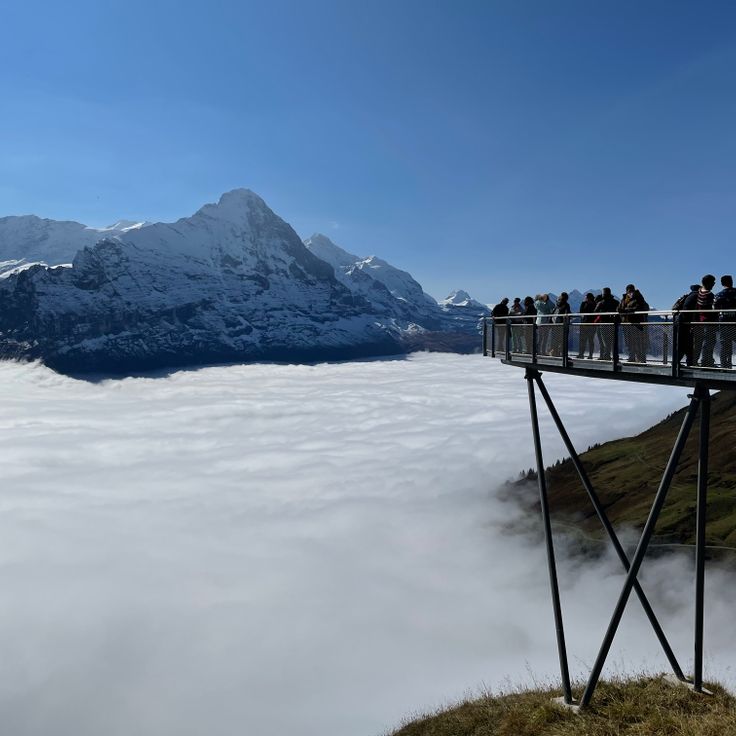
The First Cliff Walk de Tissot connects two viewpoints at First above Grindelwald through a secured mountain path and a 130-foot suspension bridge at an elevation of approximately 7,100 feet above sea level. The walkway follows the cliff face and provides views of the Bernese Alps, including Eiger, Mönch, and Jungfrau. Sections with metal grates and glass panels allow visitors to see the depth beneath the pathway. The installation is accessible after a cable car ride from the valley and concludes at a platform extending over the drop.
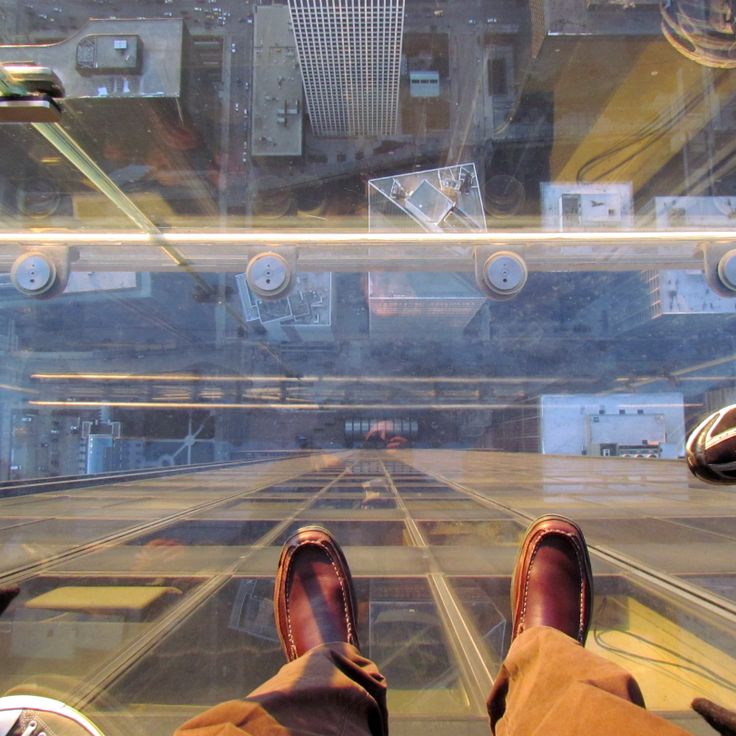
The Ledge at Willis Tower is a glass observation platform that extends 4 feet (1.2 meters) from the 103rd floor of the building and provides views from 1350 feet (412 meters) above ground. This installation allows visitors to observe Chicago from an elevated position, with a transparent floor offering direct sight lines to the streets below. The platform is part of the Skydeck attraction and represents a contemporary approach to height-based architecture. Access is provided by elevators that reach the observation deck in 60 seconds. Willis Tower, formerly known as Sears Tower, is one of the tallest buildings in Chicago and offers panoramic views of the city and Lake Michigan beyond the Ledge itself.
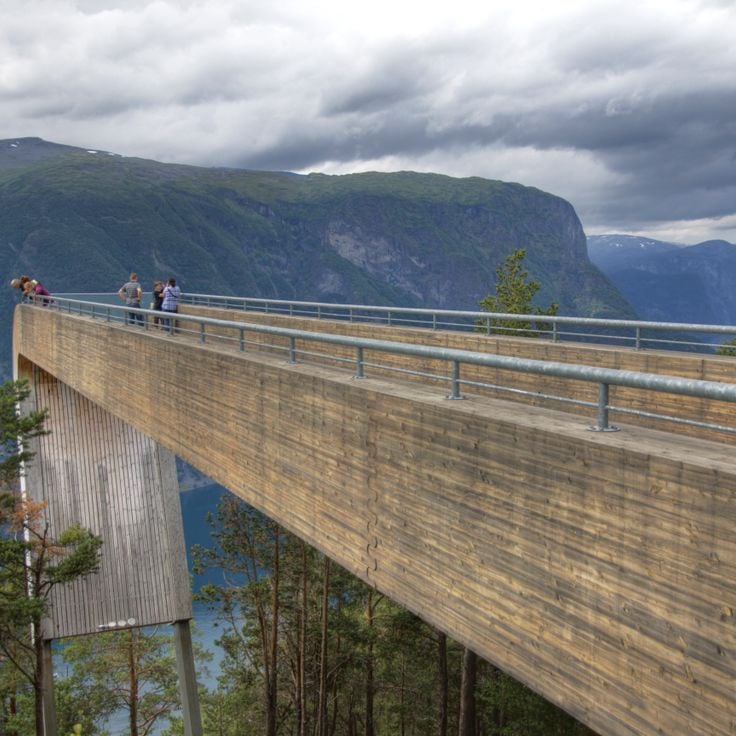
The Aurland Lookout rises 2,000 feet (600 meters) above the Aurlandsfjord in western Norway, offering views across the waterway and surrounding mountains. Designed by Norwegian architects Todd Saunders and Tommie Wilhelmsen in 2006, the platform extends 98 feet (30 meters) from the cliff face, with a curved form constructed from steel, wood, and glass. Its partially glazed floor allows visitors to look directly down onto the valley beneath them. The road to the lookout is part of the Aurlandsfjellet mountain route and remains open from June to October, closing during winter due to snow. The viewpoint is accessible via a short walk from the parking area and attracts travelers seeking to observe fjord landscapes from an elevated position.
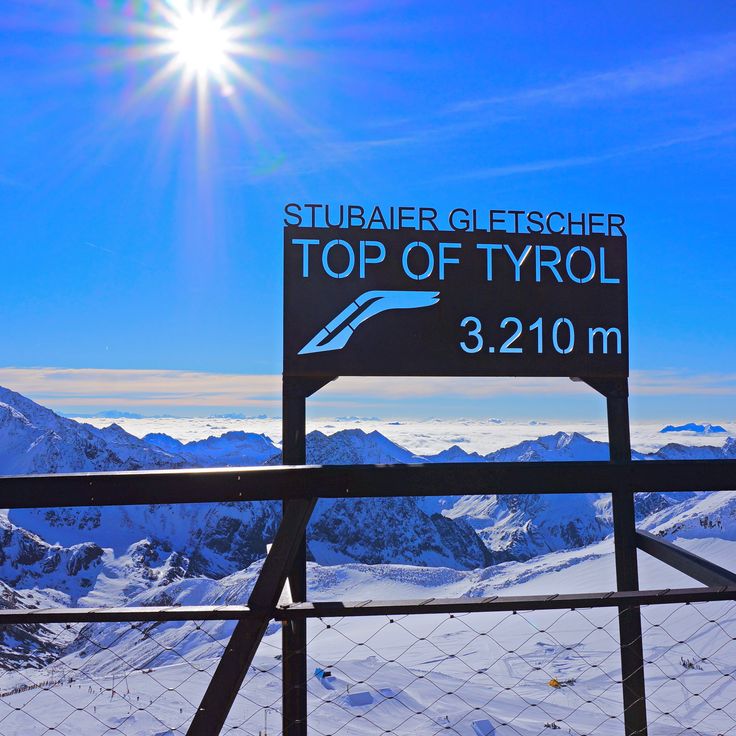
The Summit of Tyrol sits at 10,530 feet (3,210 meters) above sea level on the Stubai Glacier and provides an observation platform with views across the Stubai Alps. From this elevated position, visitors can survey the surrounding peaks and glacier surfaces. The platform is part of the ski area and accessible by cable car. This location combines the high-altitude experience with the alpine landscape and fits into the collection of places that offer varied perspectives from considerable heights.
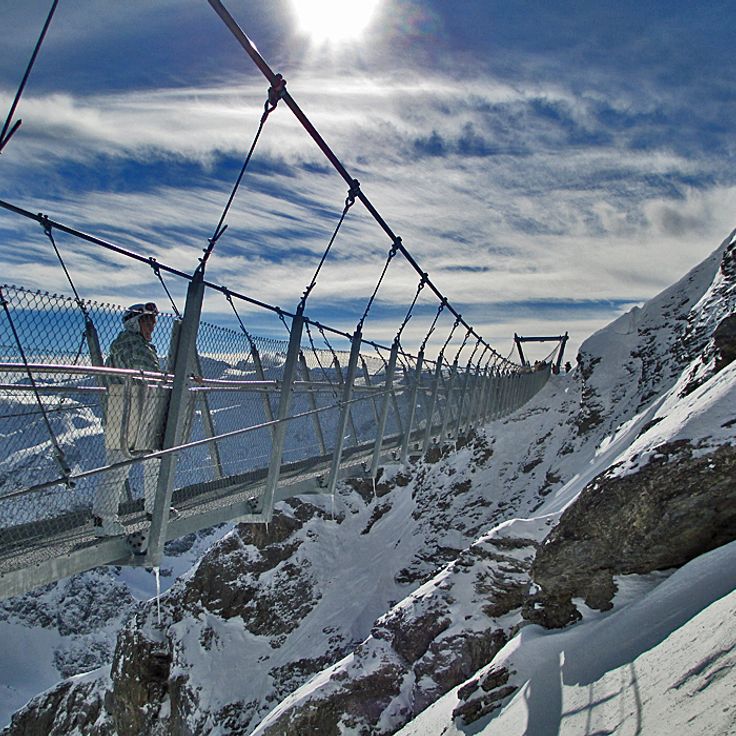
Titlis Cliff Walk connects two rock faces at an elevation of 9,974 feet (3,041 meters) and allows visitors to walk above the void. From this footbridge, surrounding glaciers and Alpine peaks are visible. Access is via the upper station of the Titlis cable car. The structure spans approximately 330 feet (100 meters) and provides views into several valleys and across glaciated slopes. Visitors move along a narrow bridge that crosses over rocky terrain. Weather can change quickly, and temperatures remain cool even during summer months.
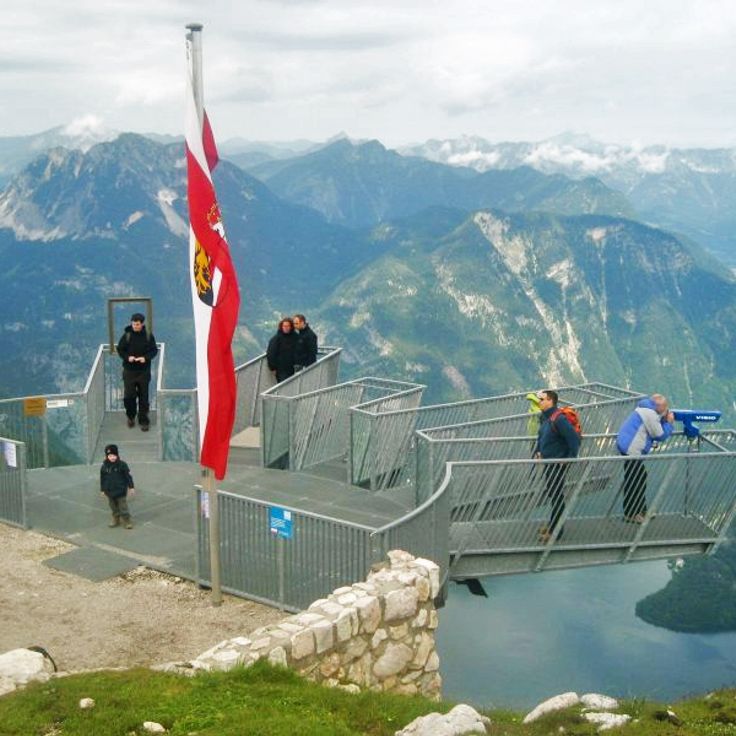
This observation platform extends over a drop of 1,300 feet (400 meters) and offers direct views of the Dachstein massif and Lake Hallstatt. The 5 Fingers platform consists of five finger-shaped walkways that project from a rock face in different directions. Each walkway features a different floor construction, including glass sections that provide downward views. From here, visitors can observe the surrounding mountain formations and the valley with its lake below. The platform is part of this collection of elevated sites that offer different perspectives on the landscape.
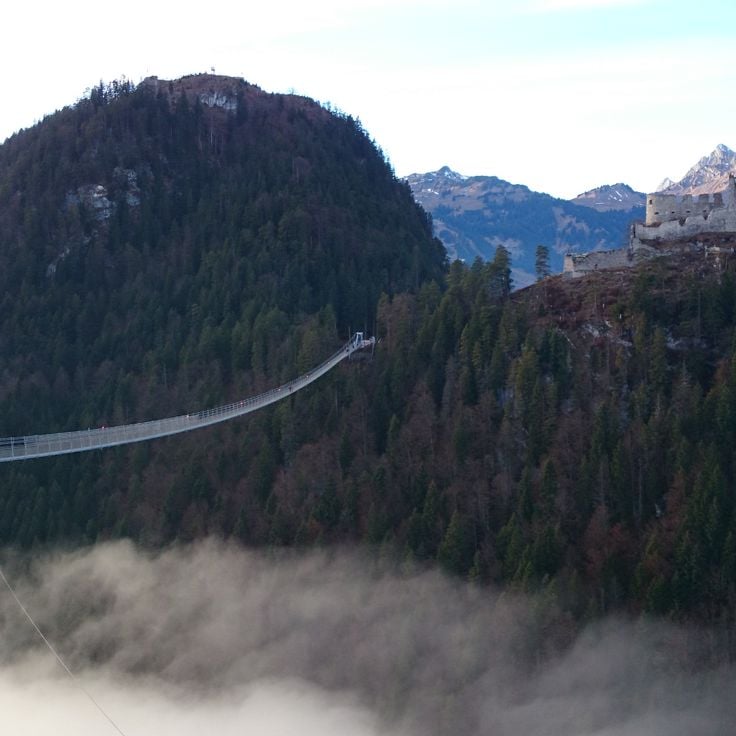
This pedestrian suspension bridge connects the ruins of Ehrenberg to Fort Claudia, spanning 406 meters (1,332 feet) across the valley at a height of 114 meters (374 feet). Highline179 provides views of the surrounding mountains and historic fortifications during the crossing. The bridge allows visitors to access both historic sites through a modern structure that has been in operation since 2014. Crossing requires no special physical condition, though a tolerance for heights is necessary.
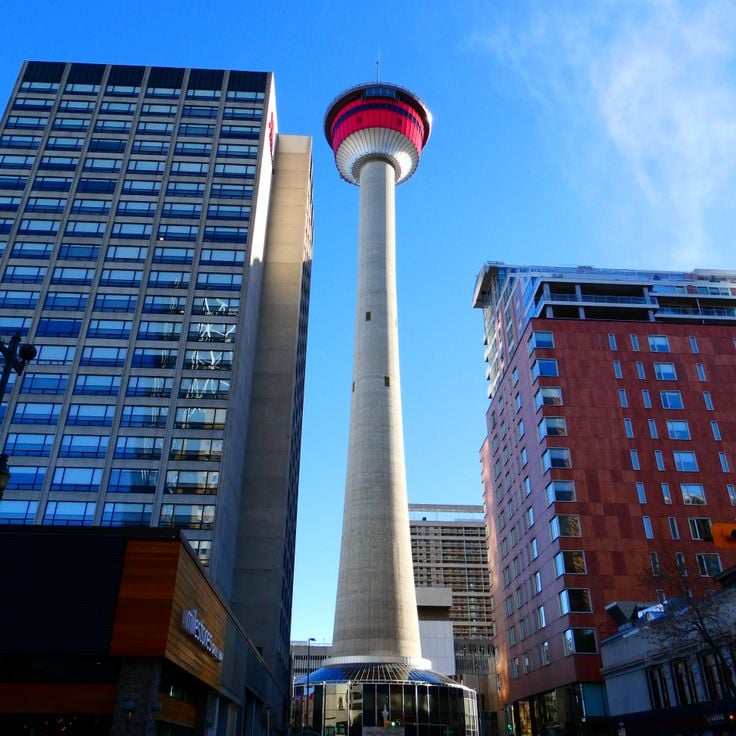
The Calgary Tower is an observation tower in Downtown Calgary. It is part of a collection of places around the world that offer extraordinary experiences at great heights. From the tower's viewing platform, visitors can look out over the city and the surrounding landscape. The tower demonstrates how modern architecture allows people to see the world from unusual vantage points.
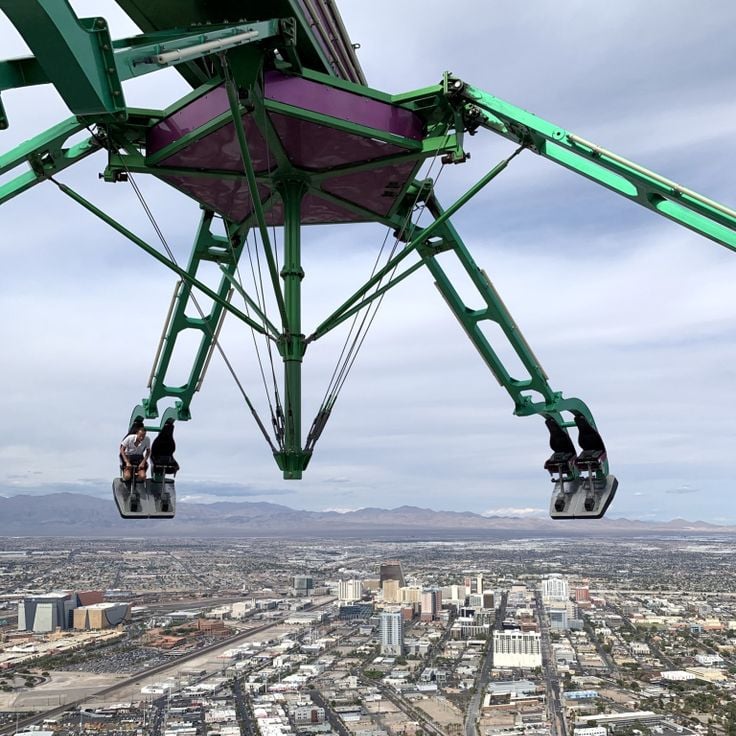
The Stratosphere Tower reaches a height of 1150 feet (350 meters) and hosts several high-altitude rides. The Big Shot propels passengers upward at over 50 feet per second (15 meters per second), while the X-Scream extends participants beyond the edge of the tower. The SkyJump offers a controlled descent from 855 feet (260 meters) above Las Vegas, combining freefall with a cable system. These attractions allow visitors to experience the city from different perspectives and provide varying intensity levels for different visitor types.
This glass platform at 360 Chicago Observatory tilts outward from the 94th floor, providing a direct view down to the city streets and Lake Michigan from more than 1000 feet (about 300 meters) above. TILT Chicago represents one of the urban observation platforms that uses mechanical installation to offer a different perspective on the cityscape. The platform tilts forward in a controlled manner, positioning visitors at an angle of roughly 30 degrees above the metropolitan area. The experience combines architectural engineering with an unobstructed view of the metropolis along the shores of Lake Michigan.
The Sydney Tower Eye features an observation platform at 880 feet (268 meters) high, from which visitors can view the harbor, city districts, and surrounding hills. This television tower in the business district allows experiencing Sydney from an elevated position and ranks among the city's tall structures that provide various perspectives on the urban landscape. The platform is accessible to all visitors and requires no particular physical fitness.
The Royal Gorge Bridge spans the Arkansas River at a height of 955 feet (291 meters), ranking among the highest suspension bridges in the world. This 1,260-foot (384-meter) structure was completed in 1929 and connects the steep rock walls of the Royal Gorge canyon in Colorado. The site is located within a park that features additional attractions including an aerial tramway across the gorge and observation points. The bridge provides views of the canyon and river extending far below the deck. As part of this collection of elevated locations, the Royal Gorge Bridge offers a perspective from considerable height above a natural geological formation.
This swing in Baños offers a direct view of the active Tungurahua volcano, located a few miles from the town. The swing sits at an elevation of about 8,500 feet (2,600 meters) and allows visitors to swing out over the abyss while observing the valley and the smoking volcano. The installation is part of a treehouse structure and provides an unusual perspective on the surrounding landscape.
Trolltunga is a horizontal rock formation that extends at a height of 2300 feet (700 meters) above Lake Ringedalsvatnet. This geological formation protrudes roughly 33 feet (10 meters) from the mountain face and provides a direct view of the fjord lake and surrounding mountains. Access to Trolltunga requires a hike of approximately 17 miles (28 kilometers) round trip, taking between 10 and 12 hours depending on fitness level, with an elevation gain of around 2600 feet (800 meters). The formation is part of this collection of elevated sites as it offers an exposed vantage point at considerable height.
The CN Tower EdgeWalk takes place at 1,170 feet (356 meters) above ground on a platform that encircles the main deck of the tower. Participants move along a 5-foot-wide (1.5-meter) platform on the exterior of the structure, secured by a harness system connected to a fixed rail. The route provides views of Lake Ontario, downtown Toronto, and the surrounding area.
This pedestrian bridge with a transparent glass floor extends 430 meters (1,410 feet) between two rock walls in the national park and stands 980 feet (300 meters) above the floor of the Zhangjiajie canyon. The Zhangjiajie Glass Bridge allows visitors to look directly down into the depths below and provides views of the region's characteristic sandstone pillars.
The Grand Canyon Skywalk is a horseshoe-shaped observation platform with a transparent glass floor that extends 4000 feet (1220 meters) above the Colorado River. The structure provides visitors with a direct view into the depths of the canyon and the surrounding rock formations. Located on the western rim of the Grand Canyon, the Skywalk adds to this collection through its modern architectural approach to experiencing one of North America's most significant geological features.
Xuankong Temple was built over 1500 years ago into a cliff face on Mount Hengshan and rests on wooden beams anchored into the rock. This construction combines architectural precision with a striking location 246 feet (75 meters) above the valley floor. The temple has served as a place of worship for centuries and attracts visitors who seek to experience this engineering feat and the views of the surrounding mountains. The wooden pillars support the weight of the various halls and pavilions, which are connected by narrow staircases and walkways. This site demonstrates the connection between human construction and natural rock formations.
The Haiku Stairs on Oahu comprise 3922 steps that ascend the steep cliffs of the Koolau mountain range. This collection presents places where architecture and nature combine to create extraordinary experiences. The stairs were originally built during World War II to access a radio station and climb approximately 850 meters (2790 feet) in elevation over a distance of about 850 meters (2790 feet) from Haiku Valley to the summit. The ascent provides views over the northeast coast of Oahu, the Koolau Mountains, and the Pacific Ocean. The metal structure follows the ridgeline and navigates steep sections and narrow ridges.
Devil's Pool is a natural rock basin at the edge of Victoria Falls on Livingstone Island that allows visitors to swim up to the precipice of the falls during the dry season from September to December. The pool forms due to a natural rock barrier that holds back the water just before it plunges 355 feet (108 meters) down. Visitors reach the site through a guided walk across the island followed by a jump into the Zambezi River waters. The activity requires adequate swimming ability and is offered when water levels are low and currents are reduced.
Kjeragbolten is a boulder roughly five cubic meters in size lodged between two cliff faces on Kjerag mountain. The boulder sits approximately 1000 meters (3300 feet) above Lysefjorden, creating a natural viewing platform. Hikers can reach the boulder and stand on it, with nothing but open space between them and the fjord water below. The hike to Kjeragbolten takes several hours and passes through steep terrain with sections requiring chains. Access is only possible during summer months when the trail is free of snow.
The Guoliang Tunnel Road was carved by hand through the rock face of the Taihang Mountains by villagers. This roughly 0.7-mile (1.2-kilometer) tunnel was created between 1972 and 1977 and features several openings cut into the rock that provide light and views into the valley below. The mountain road connects the once-isolated village of Guoliang to the outside world and runs through a near-vertical cliff face at an elevation of more than 3300 feet (1000 meters). This construction demonstrates human perseverance and offers visitors insight into engineering under extreme conditions, along with views of the rugged Taihang Mountains.
The Perrine Bridge spans the Snake River Canyon at a height of 490 feet (148 meters) and stands as one of the few locations worldwide where BASE jumping is permitted year-round without prior authorization. This collection presents sites where architecture and nature combine to create exceptional altitude experiences. The bridge connects both sides of Twin Falls and provides jumpers with direct access to the launch point. The landing area is located at the riverbank below the bridge. In addition to jumpers, the site attracts observers who watch the activity from the bridge walkway.
The Capilano Suspension Bridge extends 137 meters in length and crosses the Capilano River at a height of 70 meters (230 feet) within a coastal rainforest. This bridge provides visitors with the opportunity to experience the dense vegetation and the riverbed from an elevated perspective. The structure connects two sides of a forested canyon and offers views into the ecosystem of the temperate rainforest. In addition to the main bridge, the site includes further walkways through the tree canopy. This construction represents one of the examples of elevated observation points that combine natural environments with architectural solutions.
The Eureka Skydeck sits on the 88th floor of the Eureka Tower and offers a 360-degree view of Melbourne from 935 feet (285 meters) high. The Edge is a glass cube that extends 10 feet (3 meters) out from the building, suspending visitors 975 feet (297 meters) above the city. The cube's floor starts opaque and then becomes transparent, allowing visitors to look directly down at the streets below. This installation is part of the collection of observation platforms that provide unusual perspectives on urban and natural landscapes.
The Sky Tower Auckland rises 328 feet (100 meters) and offers exterior platform courses and bungee jumping from 630 feet (192 meters). This television tower provides views over Auckland and the Hauraki Gulf. The facility includes a glass-floored observation deck at 722 feet (220 meters) and an exterior walkway with safety systems. Visitors can choose from several activities, including the SkyWalk, which circles the tower's exterior, or the SkyJump, a cable-controlled descent. The installation combines telecommunications infrastructure with recreational offerings and demonstrates how technical structures can be adapted for different high-altitude experiences.
The Bailong Elevator is a glass exterior lift attached to a cliff face in the Wulingyuan region. Rising 1,070 feet (326 meters), it transports visitors from the valley floor to the summit platform in less than two minutes. The installation provides access to the sandstone formations of Zhangjiajie National Park and offers views of the surrounding rock pillars during ascent. This elevator connects the valley with higher elevation trails and serves as an alternative to several hours of hiking.
The Pas dans le Vide is a glass platform at 12,605 feet (3,842 meters) on the Aiguille du Midi, providing direct views of Mont Blanc and surrounding glaciers. The structure extends outward from the rock face with a glass floor offering views down more than 3,280 feet (1,000 meters) to the ice fields below. This installation combines modern architecture with the alpine environment of Chamonix and represents one of several observation points offering different perspectives on the high mountain landscape of the French Alps. Access is via cable car to the Aiguille du Midi, from where multiple viewing platforms are available.
The Nevis Balancier swings above a canyon in an arc spanning 300 meters (985 feet). This installation is located in a remote area and provides views of the surrounding mountains and the Nevis River. Access is by cable car to the launch platform. The swing reaches speeds of approximately 120 kilometers per hour (75 miles per hour) and includes a freefall of around 70 meters (230 feet). This structure combines engineering with the natural topography of the region and is among the options for visitors seeking height-based activities.
The Glacier Skywalk is a glass-floored observation platform in Jasper National Park that provides views over the Sunwapta Valley and surrounding glaciers. This installation sits approximately 920 feet (280 meters) above the valley floor and extends as a cantilevered structure over the cliff edge. The platform is part of the Columbia Icefield Discovery Centre and sits along the Icefields Parkway. From here, visitors can observe the mountain ranges of the Canadian Rockies and the glacial landscape while standing on transparent glass.
This installation at the Dachstein features a suspension bridge and fourteen glass steps positioned 1,300 feet (400 meters) above the valley, providing direct views into the depths below. The Stairway to Nothingness is among the observation platforms in the Schladming-Dachstein region, where visitors can experience various architectural structures that connect with the alpine environment. This facility offers views of the surrounding peaks and valleys of Styria.
The Langkawi Sky Bridge is a 410-foot pedestrian bridge that follows a curved path above the rainforest canopy, supported by a single pylon. This structure sits on Mount Mat Cincang at roughly 2,170 feet above sea level and provides views over the forested mountains and the Andaman Sea. Access to the bridge is via the Langkawi Cable Car, which travels from the Oriental Village to the mountaintop station. The curved design of the bridge offers different perspectives on the surrounding landscape and allows visitors to experience the elevation from various positions. The design combines structural engineering with the opportunity to walk above the vegetation while observing the topography of Langkawi Island.
The SkyCycle at Washuzan Highland amusement park is an elevated course powered by pedaling that follows rails along the mountainside. The ride provides views of the Seto Inland Sea from an elevated position. As part of an amusement park, this attraction combines physical activity with the opportunity to observe the coastal landscape from an unusual vantage point. The SkyCycle allows visitors to experience height and views in an active way while traveling along the mountain slope.
The First Cliff Walk de Tissot connects two viewpoints at First above Grindelwald through a secured mountain path and a 130-foot suspension bridge at an elevation of approximately 7,100 feet above sea level. The walkway follows the cliff face and provides views of the Bernese Alps, including Eiger, Mönch, and Jungfrau. Sections with metal grates and glass panels allow visitors to see the depth beneath the pathway. The installation is accessible after a cable car ride from the valley and concludes at a platform extending over the drop.
The Ledge at Willis Tower is a glass observation platform that extends 4 feet (1.2 meters) from the 103rd floor of the building and provides views from 1350 feet (412 meters) above ground. This installation allows visitors to observe Chicago from an elevated position, with a transparent floor offering direct sight lines to the streets below. The platform is part of the Skydeck attraction and represents a contemporary approach to height-based architecture. Access is provided by elevators that reach the observation deck in 60 seconds. Willis Tower, formerly known as Sears Tower, is one of the tallest buildings in Chicago and offers panoramic views of the city and Lake Michigan beyond the Ledge itself.
The Aurland Lookout rises 2,000 feet (600 meters) above the Aurlandsfjord in western Norway, offering views across the waterway and surrounding mountains. Designed by Norwegian architects Todd Saunders and Tommie Wilhelmsen in 2006, the platform extends 98 feet (30 meters) from the cliff face, with a curved form constructed from steel, wood, and glass. Its partially glazed floor allows visitors to look directly down onto the valley beneath them. The road to the lookout is part of the Aurlandsfjellet mountain route and remains open from June to October, closing during winter due to snow. The viewpoint is accessible via a short walk from the parking area and attracts travelers seeking to observe fjord landscapes from an elevated position.
The Summit of Tyrol sits at 10,530 feet (3,210 meters) above sea level on the Stubai Glacier and provides an observation platform with views across the Stubai Alps. From this elevated position, visitors can survey the surrounding peaks and glacier surfaces. The platform is part of the ski area and accessible by cable car. This location combines the high-altitude experience with the alpine landscape and fits into the collection of places that offer varied perspectives from considerable heights.
Titlis Cliff Walk connects two rock faces at an elevation of 9,974 feet (3,041 meters) and allows visitors to walk above the void. From this footbridge, surrounding glaciers and Alpine peaks are visible. Access is via the upper station of the Titlis cable car. The structure spans approximately 330 feet (100 meters) and provides views into several valleys and across glaciated slopes. Visitors move along a narrow bridge that crosses over rocky terrain. Weather can change quickly, and temperatures remain cool even during summer months.
This observation platform extends over a drop of 1,300 feet (400 meters) and offers direct views of the Dachstein massif and Lake Hallstatt. The 5 Fingers platform consists of five finger-shaped walkways that project from a rock face in different directions. Each walkway features a different floor construction, including glass sections that provide downward views. From here, visitors can observe the surrounding mountain formations and the valley with its lake below. The platform is part of this collection of elevated sites that offer different perspectives on the landscape.
This pedestrian suspension bridge connects the ruins of Ehrenberg to Fort Claudia, spanning 406 meters (1,332 feet) across the valley at a height of 114 meters (374 feet). Highline179 provides views of the surrounding mountains and historic fortifications during the crossing. The bridge allows visitors to access both historic sites through a modern structure that has been in operation since 2014. Crossing requires no special physical condition, though a tolerance for heights is necessary.
The Calgary Tower is an observation tower in Downtown Calgary. It is part of a collection of places around the world that offer extraordinary experiences at great heights. From the tower's viewing platform, visitors can look out over the city and the surrounding landscape. The tower demonstrates how modern architecture allows people to see the world from unusual vantage points.
The Stratosphere Tower reaches a height of 1150 feet (350 meters) and hosts several high-altitude rides. The Big Shot propels passengers upward at over 50 feet per second (15 meters per second), while the X-Scream extends participants beyond the edge of the tower. The SkyJump offers a controlled descent from 855 feet (260 meters) above Las Vegas, combining freefall with a cable system. These attractions allow visitors to experience the city from different perspectives and provide varying intensity levels for different visitor types.
This glass platform at 360 Chicago Observatory tilts outward from the 94th floor, providing a direct view down to the city streets and Lake Michigan from more than 1000 feet (about 300 meters) above. TILT Chicago represents one of the urban observation platforms that uses mechanical installation to offer a different perspective on the cityscape. The platform tilts forward in a controlled manner, positioning visitors at an angle of roughly 30 degrees above the metropolitan area. The experience combines architectural engineering with an unobstructed view of the metropolis along the shores of Lake Michigan.
The Sydney Tower Eye features an observation platform at 880 feet (268 meters) high, from which visitors can view the harbor, city districts, and surrounding hills. This television tower in the business district allows experiencing Sydney from an elevated position and ranks among the city's tall structures that provide various perspectives on the urban landscape. The platform is accessible to all visitors and requires no particular physical fitness.
The Royal Gorge Bridge spans the Arkansas River at a height of 955 feet (291 meters), ranking among the highest suspension bridges in the world. This 1,260-foot (384-meter) structure was completed in 1929 and connects the steep rock walls of the Royal Gorge canyon in Colorado. The site is located within a park that features additional attractions including an aerial tramway across the gorge and observation points. The bridge provides views of the canyon and river extending far below the deck. As part of this collection of elevated locations, the Royal Gorge Bridge offers a perspective from considerable height above a natural geological formation.
This swing in Baños offers a direct view of the active Tungurahua volcano, located a few miles from the town. The swing sits at an elevation of about 8,500 feet (2,600 meters) and allows visitors to swing out over the abyss while observing the valley and the smoking volcano. The installation is part of a treehouse structure and provides an unusual perspective on the surrounding landscape.
Trolltunga is a horizontal rock formation that extends at a height of 2300 feet (700 meters) above Lake Ringedalsvatnet. This geological formation protrudes roughly 33 feet (10 meters) from the mountain face and provides a direct view of the fjord lake and surrounding mountains. Access to Trolltunga requires a hike of approximately 17 miles (28 kilometers) round trip, taking between 10 and 12 hours depending on fitness level, with an elevation gain of around 2600 feet (800 meters). The formation is part of this collection of elevated sites as it offers an exposed vantage point at considerable height.
The CN Tower EdgeWalk takes place at 1,170 feet (356 meters) above ground on a platform that encircles the main deck of the tower. Participants move along a 5-foot-wide (1.5-meter) platform on the exterior of the structure, secured by a harness system connected to a fixed rail. The route provides views of Lake Ontario, downtown Toronto, and the surrounding area.
This pedestrian bridge with a transparent glass floor extends 430 meters (1,410 feet) between two rock walls in the national park and stands 980 feet (300 meters) above the floor of the Zhangjiajie canyon. The Zhangjiajie Glass Bridge allows visitors to look directly down into the depths below and provides views of the region's characteristic sandstone pillars.
The Grand Canyon Skywalk is a horseshoe-shaped observation platform with a transparent glass floor that extends 4000 feet (1220 meters) above the Colorado River. The structure provides visitors with a direct view into the depths of the canyon and the surrounding rock formations. Located on the western rim of the Grand Canyon, the Skywalk adds to this collection through its modern architectural approach to experiencing one of North America's most significant geological features.
Xuankong Temple was built over 1500 years ago into a cliff face on Mount Hengshan and rests on wooden beams anchored into the rock. This construction combines architectural precision with a striking location 246 feet (75 meters) above the valley floor. The temple has served as a place of worship for centuries and attracts visitors who seek to experience this engineering feat and the views of the surrounding mountains. The wooden pillars support the weight of the various halls and pavilions, which are connected by narrow staircases and walkways. This site demonstrates the connection between human construction and natural rock formations.
The Haiku Stairs on Oahu comprise 3922 steps that ascend the steep cliffs of the Koolau mountain range. This collection presents places where architecture and nature combine to create extraordinary experiences. The stairs were originally built during World War II to access a radio station and climb approximately 850 meters (2790 feet) in elevation over a distance of about 850 meters (2790 feet) from Haiku Valley to the summit. The ascent provides views over the northeast coast of Oahu, the Koolau Mountains, and the Pacific Ocean. The metal structure follows the ridgeline and navigates steep sections and narrow ridges.
Devil's Pool is a natural rock basin at the edge of Victoria Falls on Livingstone Island that allows visitors to swim up to the precipice of the falls during the dry season from September to December. The pool forms due to a natural rock barrier that holds back the water just before it plunges 355 feet (108 meters) down. Visitors reach the site through a guided walk across the island followed by a jump into the Zambezi River waters. The activity requires adequate swimming ability and is offered when water levels are low and currents are reduced.
Kjeragbolten is a boulder roughly five cubic meters in size lodged between two cliff faces on Kjerag mountain. The boulder sits approximately 1000 meters (3300 feet) above Lysefjorden, creating a natural viewing platform. Hikers can reach the boulder and stand on it, with nothing but open space between them and the fjord water below. The hike to Kjeragbolten takes several hours and passes through steep terrain with sections requiring chains. Access is only possible during summer months when the trail is free of snow.
The Guoliang Tunnel Road was carved by hand through the rock face of the Taihang Mountains by villagers. This roughly 0.7-mile (1.2-kilometer) tunnel was created between 1972 and 1977 and features several openings cut into the rock that provide light and views into the valley below. The mountain road connects the once-isolated village of Guoliang to the outside world and runs through a near-vertical cliff face at an elevation of more than 3300 feet (1000 meters). This construction demonstrates human perseverance and offers visitors insight into engineering under extreme conditions, along with views of the rugged Taihang Mountains.
The Perrine Bridge spans the Snake River Canyon at a height of 490 feet (148 meters) and stands as one of the few locations worldwide where BASE jumping is permitted year-round without prior authorization. This collection presents sites where architecture and nature combine to create exceptional altitude experiences. The bridge connects both sides of Twin Falls and provides jumpers with direct access to the launch point. The landing area is located at the riverbank below the bridge. In addition to jumpers, the site attracts observers who watch the activity from the bridge walkway.
The Capilano Suspension Bridge extends 137 meters in length and crosses the Capilano River at a height of 70 meters (230 feet) within a coastal rainforest. This bridge provides visitors with the opportunity to experience the dense vegetation and the riverbed from an elevated perspective. The structure connects two sides of a forested canyon and offers views into the ecosystem of the temperate rainforest. In addition to the main bridge, the site includes further walkways through the tree canopy. This construction represents one of the examples of elevated observation points that combine natural environments with architectural solutions.
The Eureka Skydeck sits on the 88th floor of the Eureka Tower and offers a 360-degree view of Melbourne from 935 feet (285 meters) high. The Edge is a glass cube that extends 10 feet (3 meters) out from the building, suspending visitors 975 feet (297 meters) above the city. The cube's floor starts opaque and then becomes transparent, allowing visitors to look directly down at the streets below. This installation is part of the collection of observation platforms that provide unusual perspectives on urban and natural landscapes.
The Sky Tower Auckland rises 328 feet (100 meters) and offers exterior platform courses and bungee jumping from 630 feet (192 meters). This television tower provides views over Auckland and the Hauraki Gulf. The facility includes a glass-floored observation deck at 722 feet (220 meters) and an exterior walkway with safety systems. Visitors can choose from several activities, including the SkyWalk, which circles the tower's exterior, or the SkyJump, a cable-controlled descent. The installation combines telecommunications infrastructure with recreational offerings and demonstrates how technical structures can be adapted for different high-altitude experiences.
The Bailong Elevator is a glass exterior lift attached to a cliff face in the Wulingyuan region. Rising 1,070 feet (326 meters), it transports visitors from the valley floor to the summit platform in less than two minutes. The installation provides access to the sandstone formations of Zhangjiajie National Park and offers views of the surrounding rock pillars during ascent. This elevator connects the valley with higher elevation trails and serves as an alternative to several hours of hiking.
The Pas dans le Vide is a glass platform at 12,605 feet (3,842 meters) on the Aiguille du Midi, providing direct views of Mont Blanc and surrounding glaciers. The structure extends outward from the rock face with a glass floor offering views down more than 3,280 feet (1,000 meters) to the ice fields below. This installation combines modern architecture with the alpine environment of Chamonix and represents one of several observation points offering different perspectives on the high mountain landscape of the French Alps. Access is via cable car to the Aiguille du Midi, from where multiple viewing platforms are available.
The Nevis Balancier swings above a canyon in an arc spanning 300 meters (985 feet). This installation is located in a remote area and provides views of the surrounding mountains and the Nevis River. Access is by cable car to the launch platform. The swing reaches speeds of approximately 120 kilometers per hour (75 miles per hour) and includes a freefall of around 70 meters (230 feet). This structure combines engineering with the natural topography of the region and is among the options for visitors seeking height-based activities.
The Glacier Skywalk is a glass-floored observation platform in Jasper National Park that provides views over the Sunwapta Valley and surrounding glaciers. This installation sits approximately 920 feet (280 meters) above the valley floor and extends as a cantilevered structure over the cliff edge. The platform is part of the Columbia Icefield Discovery Centre and sits along the Icefields Parkway. From here, visitors can observe the mountain ranges of the Canadian Rockies and the glacial landscape while standing on transparent glass.
This installation at the Dachstein features a suspension bridge and fourteen glass steps positioned 1,300 feet (400 meters) above the valley, providing direct views into the depths below. The Stairway to Nothingness is among the observation platforms in the Schladming-Dachstein region, where visitors can experience various architectural structures that connect with the alpine environment. This facility offers views of the surrounding peaks and valleys of Styria.
The Langkawi Sky Bridge is a 410-foot pedestrian bridge that follows a curved path above the rainforest canopy, supported by a single pylon. This structure sits on Mount Mat Cincang at roughly 2,170 feet above sea level and provides views over the forested mountains and the Andaman Sea. Access to the bridge is via the Langkawi Cable Car, which travels from the Oriental Village to the mountaintop station. The curved design of the bridge offers different perspectives on the surrounding landscape and allows visitors to experience the elevation from various positions. The design combines structural engineering with the opportunity to walk above the vegetation while observing the topography of Langkawi Island.
The SkyCycle at Washuzan Highland amusement park is an elevated course powered by pedaling that follows rails along the mountainside. The ride provides views of the Seto Inland Sea from an elevated position. As part of an amusement park, this attraction combines physical activity with the opportunity to observe the coastal landscape from an unusual vantage point. The SkyCycle allows visitors to experience height and views in an active way while traveling along the mountain slope.
The First Cliff Walk de Tissot connects two viewpoints at First above Grindelwald through a secured mountain path and a 130-foot suspension bridge at an elevation of approximately 7,100 feet above sea level. The walkway follows the cliff face and provides views of the Bernese Alps, including Eiger, Mönch, and Jungfrau. Sections with metal grates and glass panels allow visitors to see the depth beneath the pathway. The installation is accessible after a cable car ride from the valley and concludes at a platform extending over the drop.
The Ledge at Willis Tower is a glass observation platform that extends 4 feet (1.2 meters) from the 103rd floor of the building and provides views from 1350 feet (412 meters) above ground. This installation allows visitors to observe Chicago from an elevated position, with a transparent floor offering direct sight lines to the streets below. The platform is part of the Skydeck attraction and represents a contemporary approach to height-based architecture. Access is provided by elevators that reach the observation deck in 60 seconds. Willis Tower, formerly known as Sears Tower, is one of the tallest buildings in Chicago and offers panoramic views of the city and Lake Michigan beyond the Ledge itself.
The Aurland Lookout rises 2,000 feet (600 meters) above the Aurlandsfjord in western Norway, offering views across the waterway and surrounding mountains. Designed by Norwegian architects Todd Saunders and Tommie Wilhelmsen in 2006, the platform extends 98 feet (30 meters) from the cliff face, with a curved form constructed from steel, wood, and glass. Its partially glazed floor allows visitors to look directly down onto the valley beneath them. The road to the lookout is part of the Aurlandsfjellet mountain route and remains open from June to October, closing during winter due to snow. The viewpoint is accessible via a short walk from the parking area and attracts travelers seeking to observe fjord landscapes from an elevated position.
The Summit of Tyrol sits at 10,530 feet (3,210 meters) above sea level on the Stubai Glacier and provides an observation platform with views across the Stubai Alps. From this elevated position, visitors can survey the surrounding peaks and glacier surfaces. The platform is part of the ski area and accessible by cable car. This location combines the high-altitude experience with the alpine landscape and fits into the collection of places that offer varied perspectives from considerable heights.
Titlis Cliff Walk connects two rock faces at an elevation of 9,974 feet (3,041 meters) and allows visitors to walk above the void. From this footbridge, surrounding glaciers and Alpine peaks are visible. Access is via the upper station of the Titlis cable car. The structure spans approximately 330 feet (100 meters) and provides views into several valleys and across glaciated slopes. Visitors move along a narrow bridge that crosses over rocky terrain. Weather can change quickly, and temperatures remain cool even during summer months.
This observation platform extends over a drop of 1,300 feet (400 meters) and offers direct views of the Dachstein massif and Lake Hallstatt. The 5 Fingers platform consists of five finger-shaped walkways that project from a rock face in different directions. Each walkway features a different floor construction, including glass sections that provide downward views. From here, visitors can observe the surrounding mountain formations and the valley with its lake below. The platform is part of this collection of elevated sites that offer different perspectives on the landscape.
This pedestrian suspension bridge connects the ruins of Ehrenberg to Fort Claudia, spanning 406 meters (1,332 feet) across the valley at a height of 114 meters (374 feet). Highline179 provides views of the surrounding mountains and historic fortifications during the crossing. The bridge allows visitors to access both historic sites through a modern structure that has been in operation since 2014. Crossing requires no special physical condition, though a tolerance for heights is necessary.
The Calgary Tower is an observation tower in Downtown Calgary. It is part of a collection of places around the world that offer extraordinary experiences at great heights. From the tower's viewing platform, visitors can look out over the city and the surrounding landscape. The tower demonstrates how modern architecture allows people to see the world from unusual vantage points.
The Stratosphere Tower reaches a height of 1150 feet (350 meters) and hosts several high-altitude rides. The Big Shot propels passengers upward at over 50 feet per second (15 meters per second), while the X-Scream extends participants beyond the edge of the tower. The SkyJump offers a controlled descent from 855 feet (260 meters) above Las Vegas, combining freefall with a cable system. These attractions allow visitors to experience the city from different perspectives and provide varying intensity levels for different visitor types.
Each of these places tells a different story: a dance with the void, a meeting between human and rock, or a view that changes how we see the world. These experiences stay in memory long after you return to the ground. Walk through these sites at your own pace and feel what it is like to walk between sky and earth.