See the monuments around you in AROpen chests in the app
Around Us is built for your phone — point your camera at the streets and discover the monuments and places around you in augmented reality.Around Us is built for your phone — chests unlock when you walk, explore and capture nearby places.
Inverness is a place where history and nature sit side by side. Medieval castles stand on the cliffs above the river, while ancient stone circles hidden in the countryside tell stories from thousands of years ago. You can walk through the city center and find Victorian buildings, churches, and markets all within reach of each other. Just beyond the city, you'll find Loch Ness stretching through the glens, forests reaching up into the Cairngorms, and quiet spots where you can watch wildlife or follow paths along the river islands.
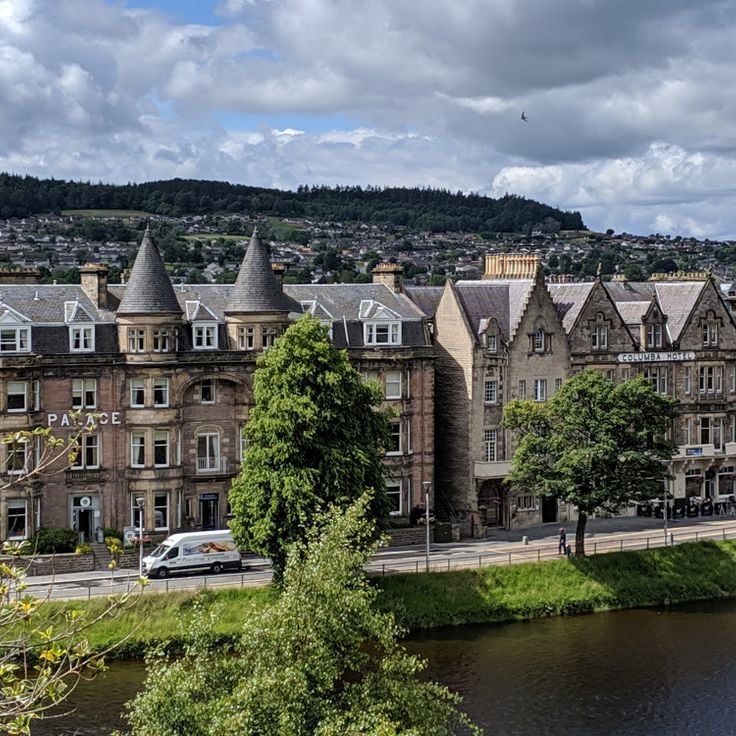
The region holds layers of Scottish history. You can visit the ruins of Urquhart Castle on the loch shore, explore the Bronze Age burial chambers at Clava Cairns, or stand on Culloden Battlefield where one of Britain's last major battles took place. Fort George remains one of the most complete 18th-century military fortresses you can walk through. In the city itself, Victorian architecture lines the streets, with the cathedral and castle both commanding views from high ground.
For visitors, the mix of places to explore makes Inverness feel like a crossroads of different worlds. You can spend an afternoon in museums and galleries, catch a performance at a modern theater, or venture out to wild countryside within minutes. The landscape itself draws people—whether for boat trips on the loch, hiking trails, or simply the feeling of being in the Highlands.
Inverness is a place where history and nature sit side by side. Medieval castles stand on the cliffs above the river, while ancient stone circles hidden in the countryside tell stories from thousands of years ago. You can walk through the city center and find Victorian buildings, churches, and markets all within reach of each other. Just beyond the city, you'll find Loch Ness stretching through the glens, forests reaching up into the Cairngorms, and quiet spots where you can watch wildlife or follow paths along the river islands.
The region holds layers of Scottish history. You can visit the ruins of Urquhart Castle on the loch shore, explore the Bronze Age burial chambers at Clava Cairns, or stand on Culloden Battlefield where one of Britain's last major battles took place. Fort George remains one of the most complete 18th-century military fortresses you can walk through. In the city itself, Victorian architecture lines the streets, with the cathedral and castle both commanding views from high ground.
For visitors, the mix of places to explore makes Inverness feel like a crossroads of different worlds. You can spend an afternoon in museums and galleries, catch a performance at a modern theater, or venture out to wild countryside within minutes. The landscape itself draws people—whether for boat trips on the loch, hiking trails, or simply the feeling of being in the Highlands.
Loch Ness is a large freshwater lake that extends through the Great Glen, forming a centerpiece of the Inverness tourist landscape. The water is deep and dark, with steep mountains rising from its shores and dense forests backing the shoreline. Visitors can take boat tours to explore the length of the loch or visit the Loch Ness Centre to learn about the lake's natural and human history. The surrounding landscape of glens, woodlands, and hillsides is characteristic of the Scottish Highlands.
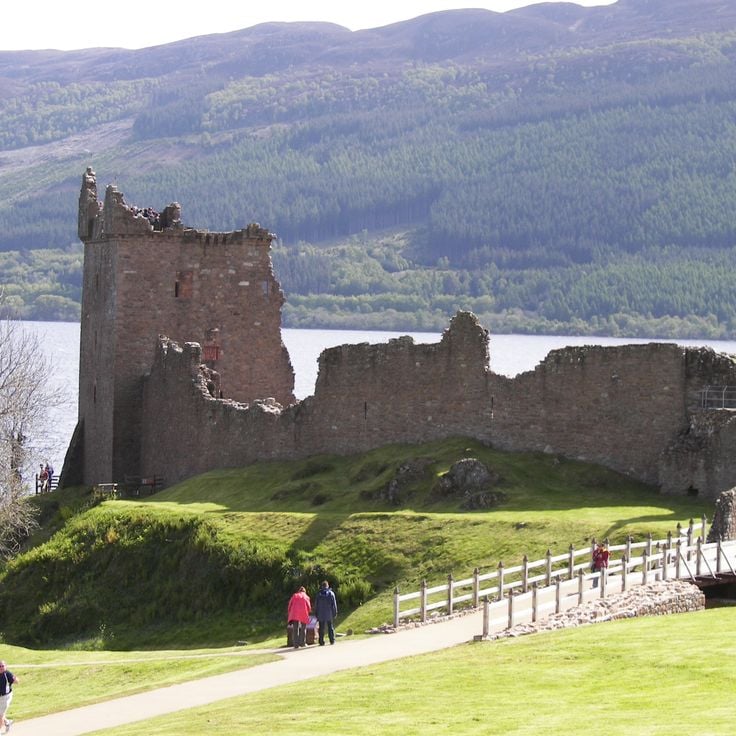
Urquhart Castle is a medieval fortress from the 13th century situated on the western shore of Loch Ness. Within the collection of tourist sites and monuments in Inverness, this castle represents a key point of Scottish history, with stone ruins that include a tower house and great hall. The location offers views across the loch and serves as a window into the region's past.
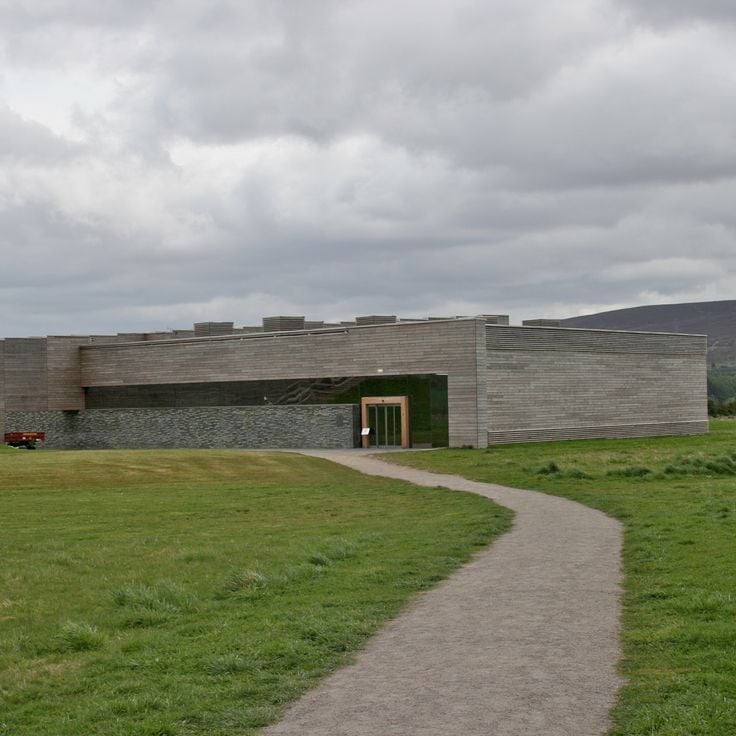
Culloden Battlefield is where one of Britain's last major battles took place in 1746 on Culloden Moor. This historical site marks a turning point in Scotland's past and connects to Inverness' broader story, a region where medieval castles, ancient stone circles, and military remains layer together to tell the tale of the Highlands. The visitor center displays artifacts and exhibits about the Jacobite Rising, helping visitors understand the battle and its impact on the people and landscape of the region.
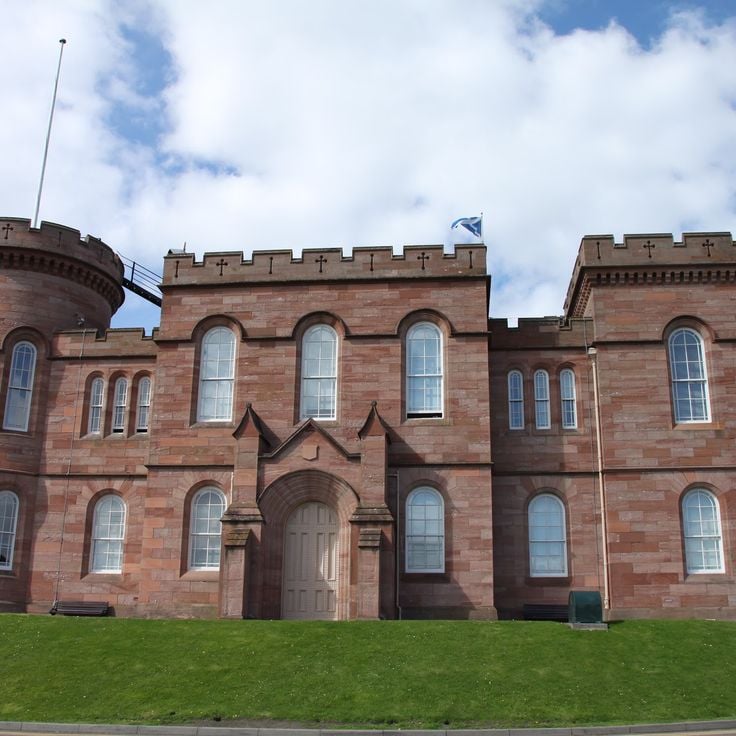
Inverness Castle stands in this collection of tourist sites and monuments as a product of Victorian-era construction. Built in 1836 from red sandstone on a cliff above the River Ness, this castle dominates the city from its elevated position. Today it houses the Inverness Sheriff Court and judicial offices. Its hilltop location makes it a focal point in the city skyline, bridging historical importance with contemporary civic function.
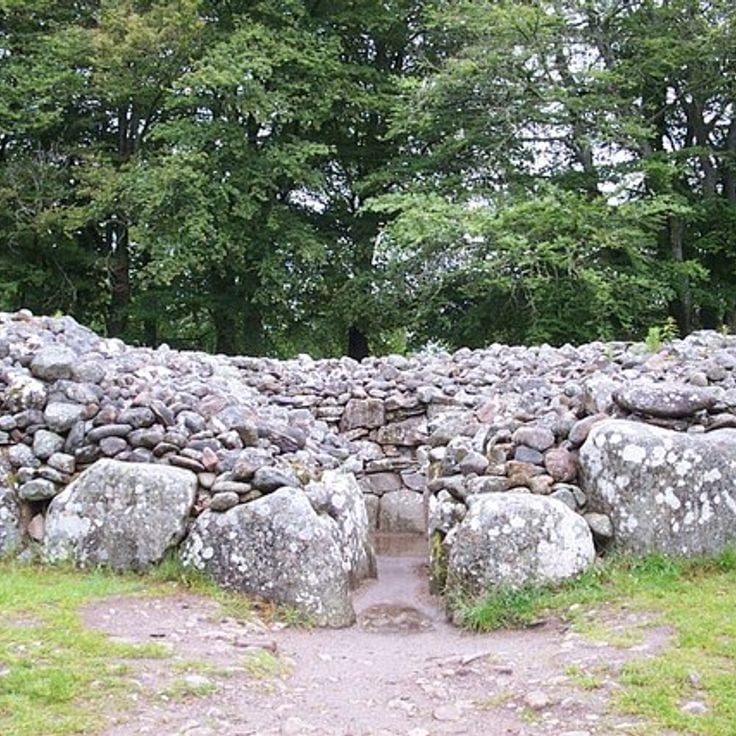
Clava Cairns is a Bronze Age site built around 2000 BCE, located in the countryside near Inverness where history layers the landscape. The site contains three burial chambers arranged in circles, surrounded by standing stones aligned with the winter solstice. This is one of the region's oldest places, showing how people thousands of years ago marked important moments and honored their dead. Walking among the stones, you can sense the care they took in placing each one, and notice how the site connects to the seasonal changes of the Highlands.
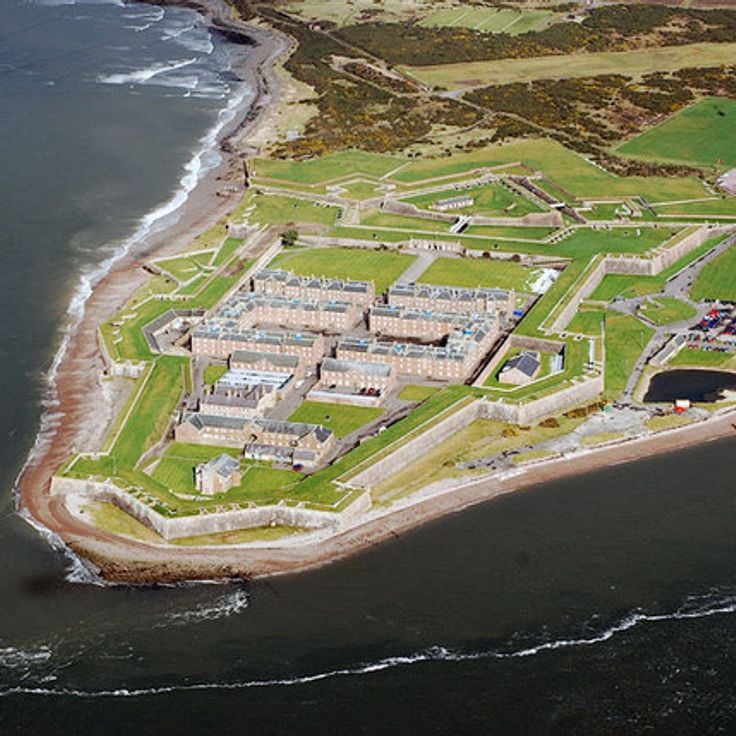
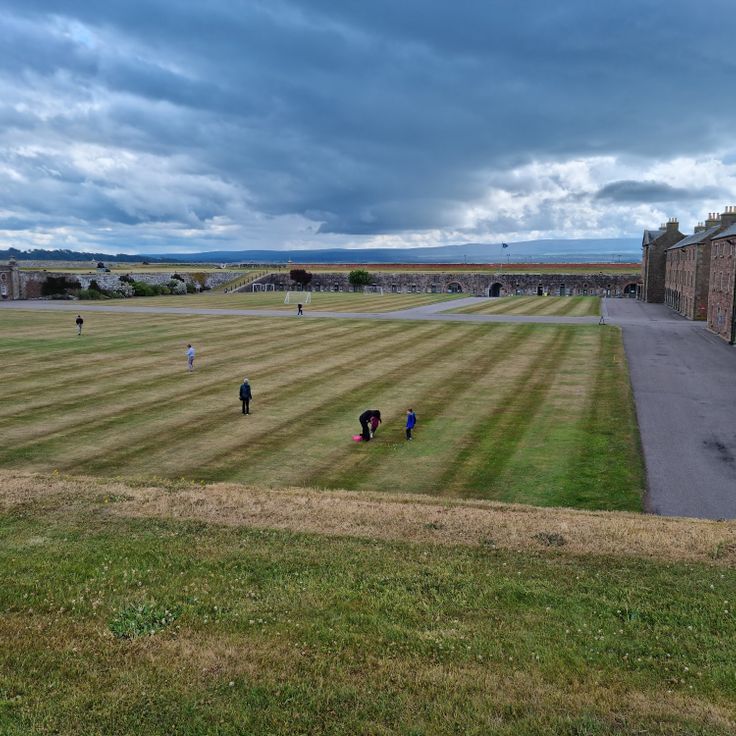
Fort George is a military fortress built in 1769 following the Battle of Culloden. The fort shows how the British sought to control the Highlands after this decisive victory. Walking through it, you see the original barracks, gun emplacements, and earthwork defenses still standing as they were built hundreds of years ago. The fort sits on a peninsula overlooking the Moray Firth and remains one of the most complete 18th-century military fortresses you can explore in Britain. Visitors can walk the narrow passages, see old weapons, and understand how soldiers lived and worked here.
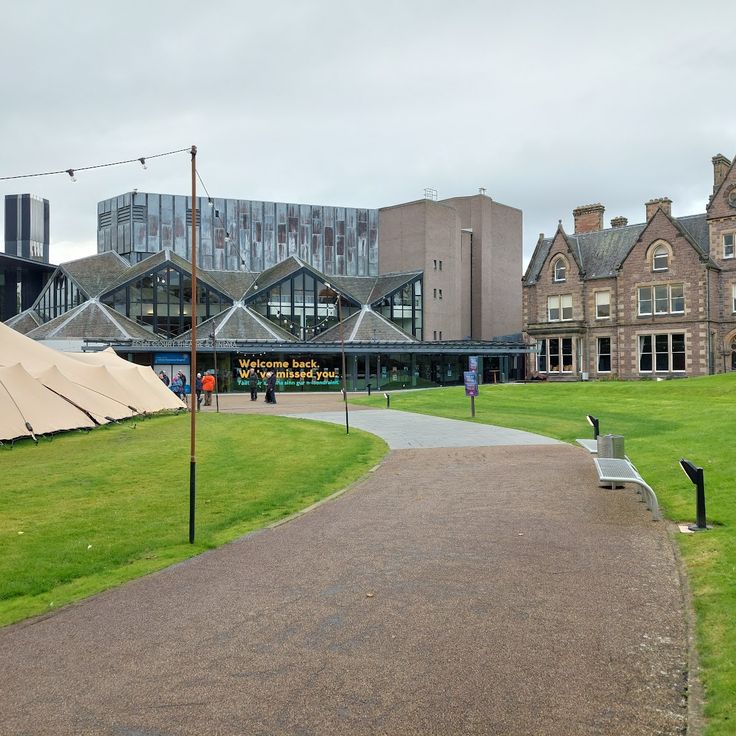
Eden Court Theatre & Cinema is a modern cultural center in Inverness that opened in 1976. It features two theaters, two cinema screens, and multiple studios for performing arts and exhibitions. As part of Inverness's diverse cultural landscape, it offers visitors a place to catch performances and films, adding to the city's creative energy.
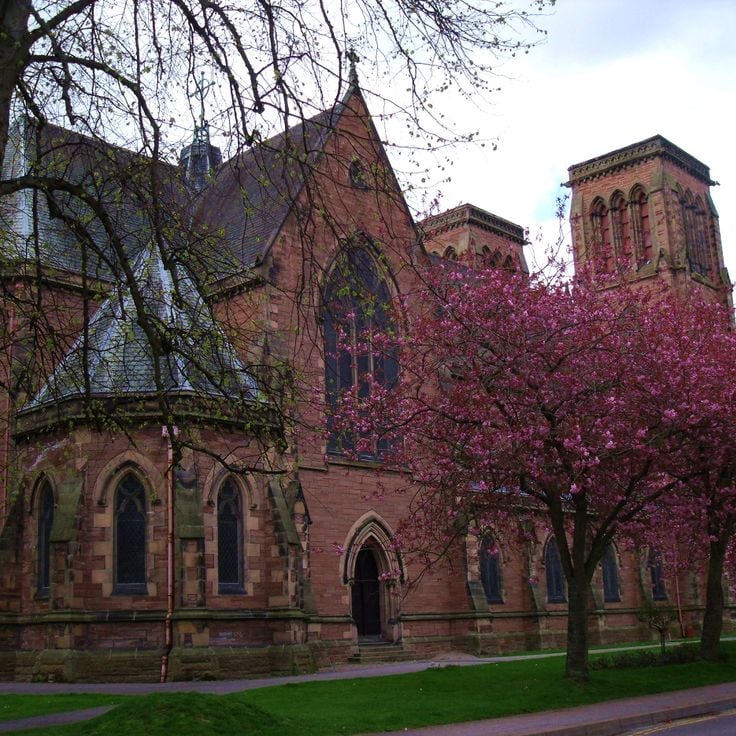
Inverness Cathedral is a Victorian Gothic building completed in 1869, designed by architect Alexander Ross. It stands as one of the city's important landmarks, rising from high ground with views across Inverness. The cathedral features striking red stone walls and contains notable stained glass windows. As part of Inverness's layered history, this building represents the Victorian architecture that lines the city streets, sitting alongside medieval and ancient sites that make the region a crossroads of different historical periods.
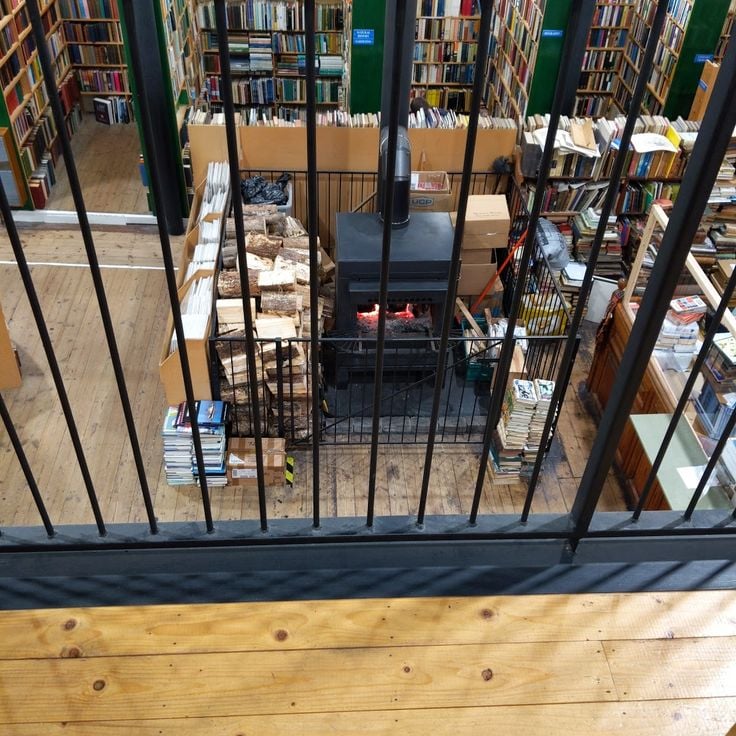
This circular stone building in Inverness was once a Gaelic church from 1793 and now houses thousands of books arranged on wooden shelves across two floors. It serves as a distinctive landmark in the city's cultural scene, where visitors can browse an extensive collection of second-hand books in a setting that blends the building's historical past with its present life.
This cultural center displays local geology, archeology, and history collections, alongside rotating art exhibitions on the upper floor gallery. The Inverness Museum and Art Gallery offers an overview of the region's Scottish heritage, from ancient artifacts to Victorian-era pieces, providing context for understanding the historical depth of this Highland town.
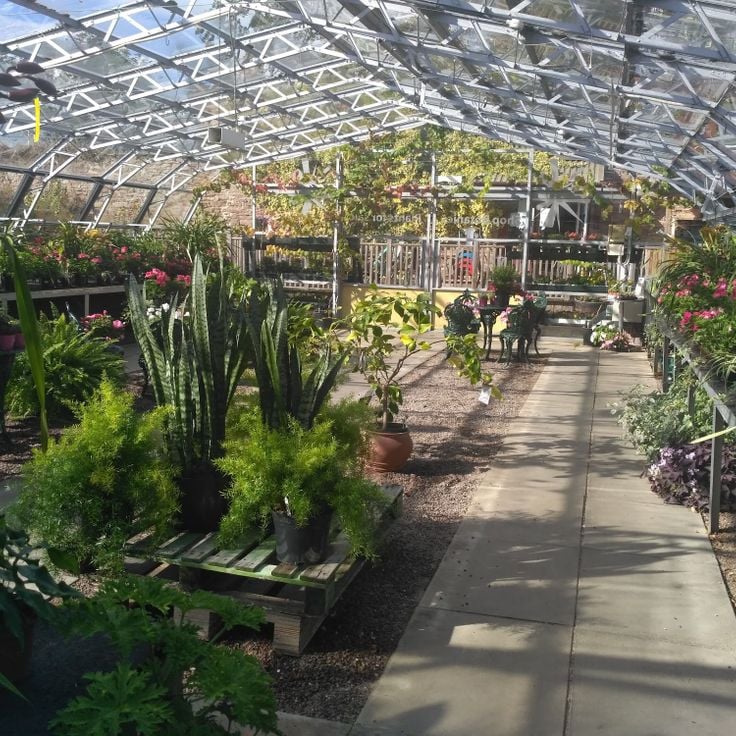
The Inverness Botanic Gardens provide a space where plants from around the world grow alongside local species. Greenhouses shelter tropical plants and a cactus collection in controlled conditions. The grounds feature formal gardens filled with seasonal flowers and landscaped areas showcasing plants native to Scotland. This garden complements the historical sites and natural landscape that define Inverness, offering a quiet setting for walking and learning about plant life.
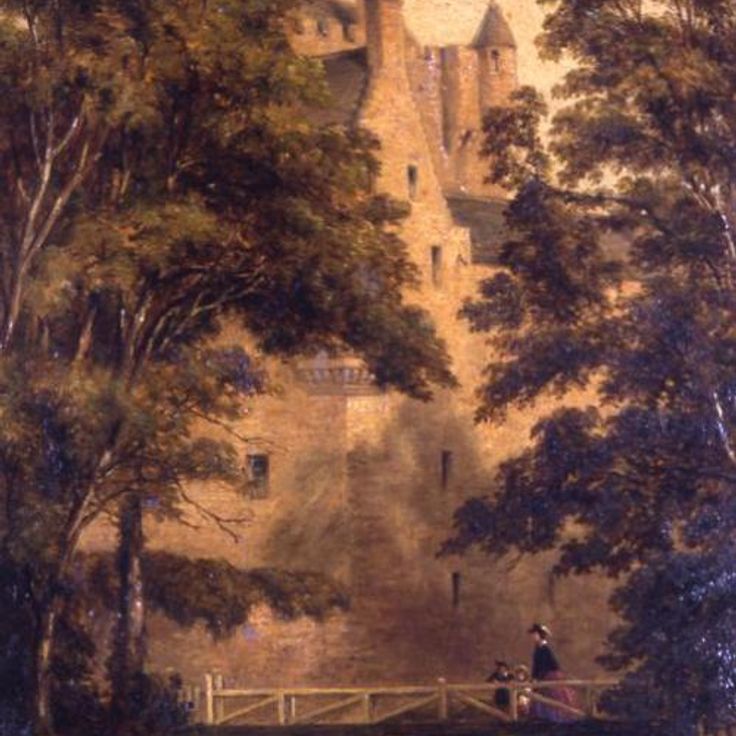
Cawdor Castle is a 14th-century tower house that forms part of the medieval heritage surrounding Inverness. The castle displays period furniture, tapestries, and gardens that reflect different centuries of Scottish life. It is known for its historical connection to Shakespeare's Macbeth, which draws visitors interested in both literature and Scottish history. Located near Nairn, this castle sits outside the main city and offers insight into how Scottish nobility lived during the medieval period.
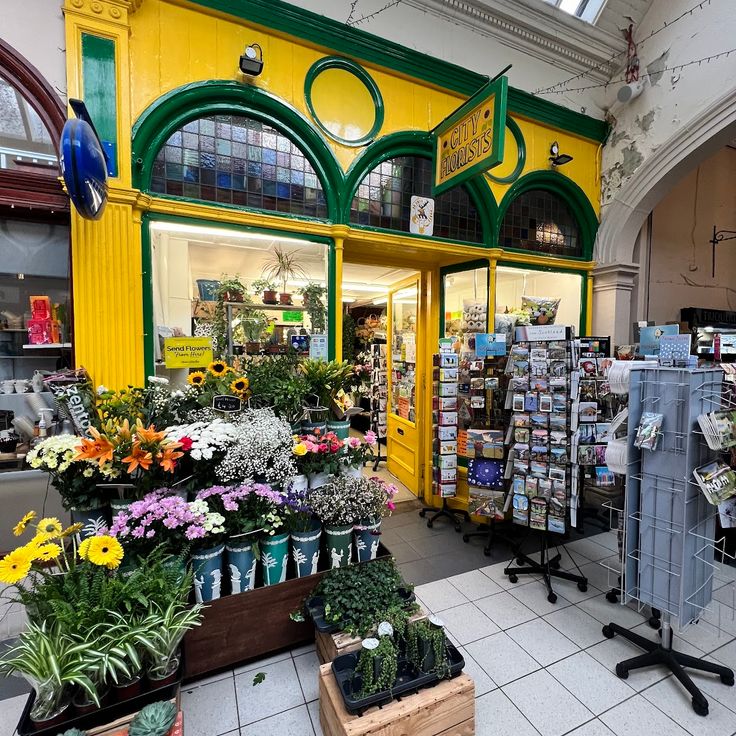
The Victorian Market in Inverness is an indoor shopping venue built in 1870 that sits within the city's layered past. The market holds independent retailers, specialty food stores, and local artisan shops selling Scottish products and traditional goods. As part of Inverness, a place where history and nature meet side by side, this venue offers a window into the daily life and commerce of the Victorian era.
The Highlanders' Museum at Fort George tells the story of Highland regiments from the 1700s to the present day. The collection displays uniforms, weapons, medals, and documents that show what life was like for soldiers and the battles they fought. Set within one of the most complete 18th-century military fortresses in Britain, the museum gives you a direct connection to the military history of the Highlands.
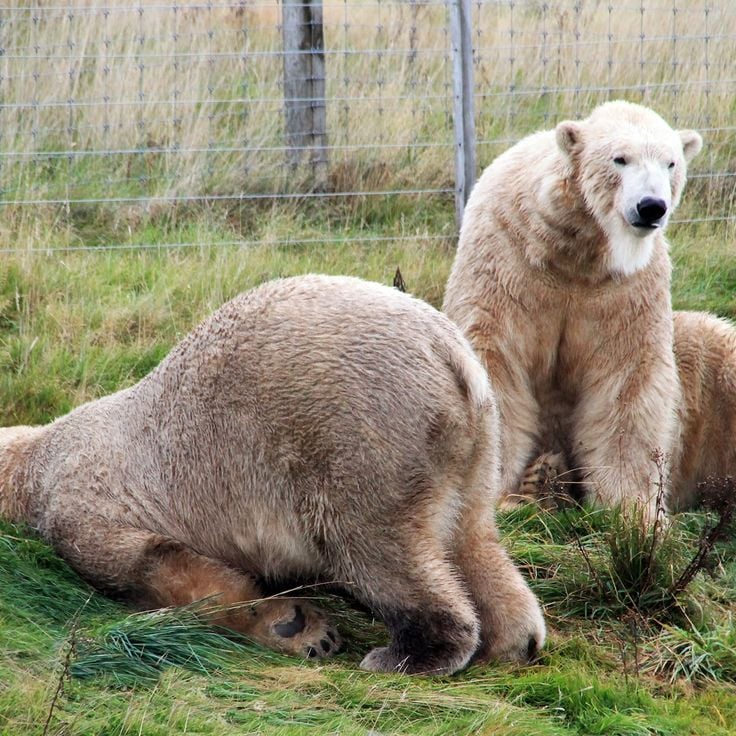
The RZSS Highland Wildlife Park houses Scottish animals and endangered species from mountain regions around the world. Red deer, wildcats, and snow leopards live here among other creatures. The park focuses on conservation and teaching visitors about wildlife. You can see the animals in spaces designed to reflect their natural homes. Set in the Scottish Highlands landscape, the park gives you a chance to observe wild creatures up close and learn how they are being protected.
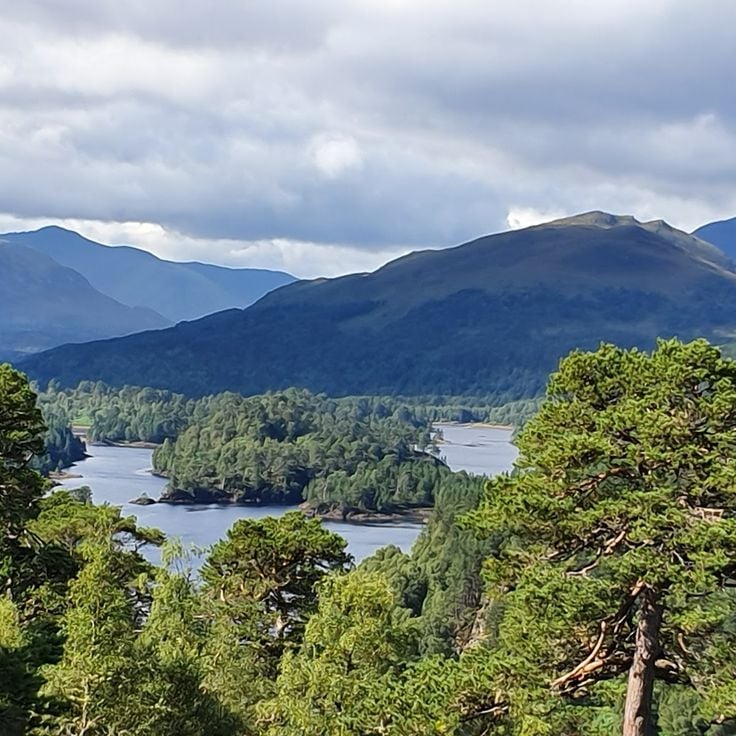
Glen Affric is a national nature reserve in the Scottish Highlands where ancient pine forests stand among mountains and lakes. This valley holds one of the last remaining woodlands from thousands of years ago, with trails that lead visitors through wild country. You can walk the paths on foot to see the landscape up close or look for wildlife that lives here. The place feels remote and untouched, offering a sense of stepping into Scotland's natural past while being within reach of the city.
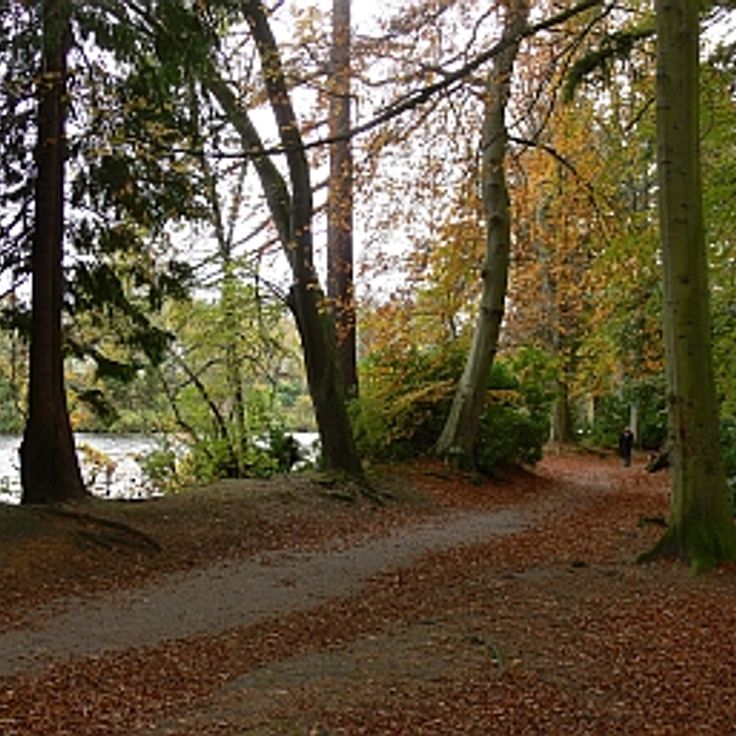
Ness Islands sits in the River Ness as a collection of natural islands linked by Victorian footbridges. These islands form a green space filled with trees and walking paths in the heart of Inverness. As a significant feature of the city, Ness Islands shows how nature and people share this landscape. You can walk the winding paths between the islands, watch birds, and enjoy the quiet flow of the river.
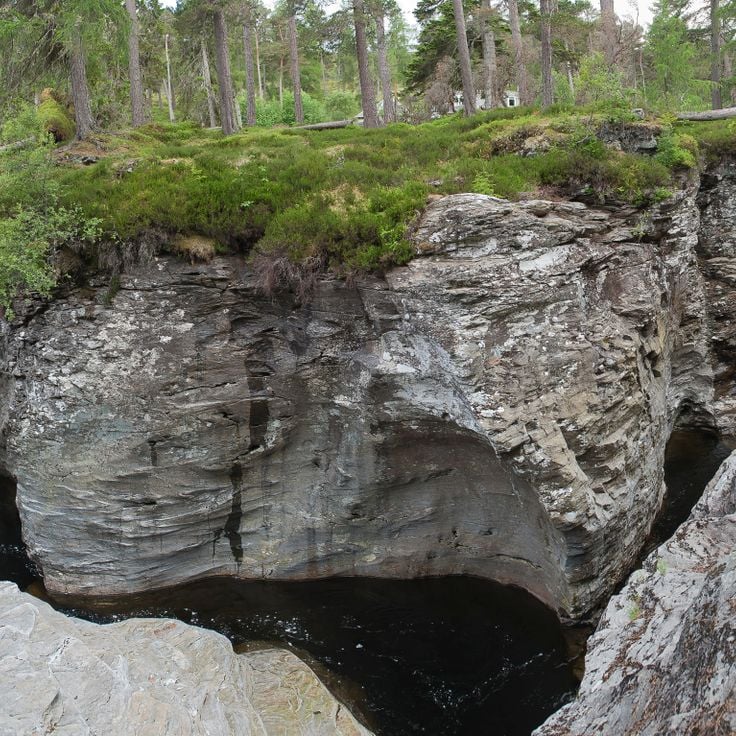
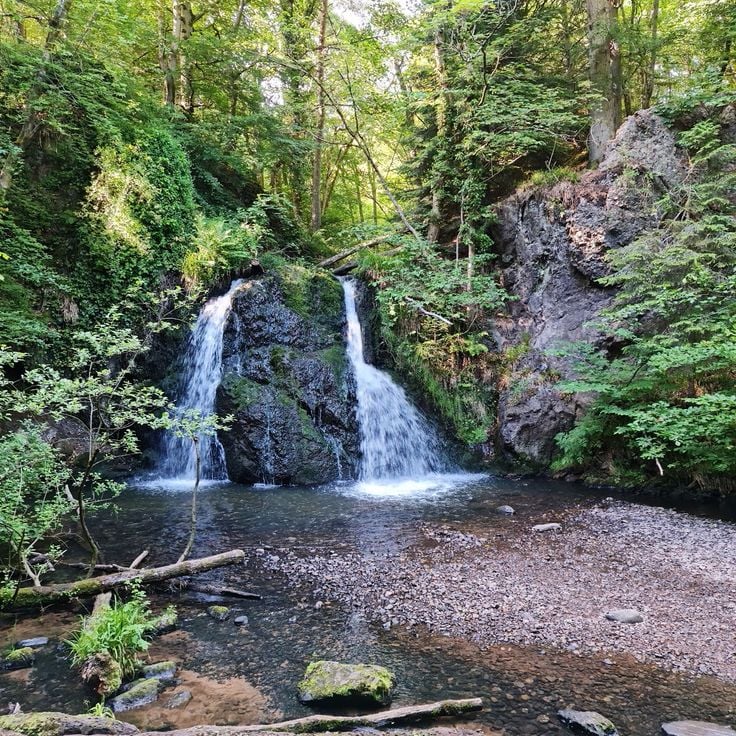
This waterfall in a forest near Rosemarkie is part of the tourist sites and monuments in the Inverness region, where history and nature sit side by side. The water drops between black rock walls into clear pools, with marked paths leading through the woodland. The site showcases the natural landscape of the Highlands that draws visitors who enjoy hiking or exploring the countryside.
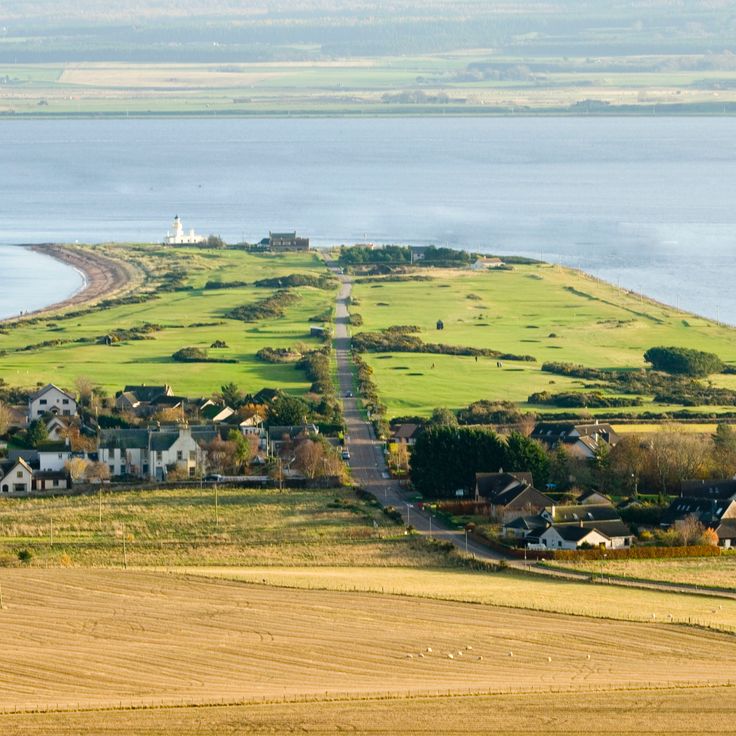
Chanonry Point is a peninsula near Fortrose where bottlenose dolphins swim close to shore. A lighthouse stands on this stretch of land, and visitors can watch the dolphins from a viewing area, especially during salmon migration periods. The point is part of the Inverness region where history and nature sit side by side. You can watch wildlife where the Highlands meet the sea.
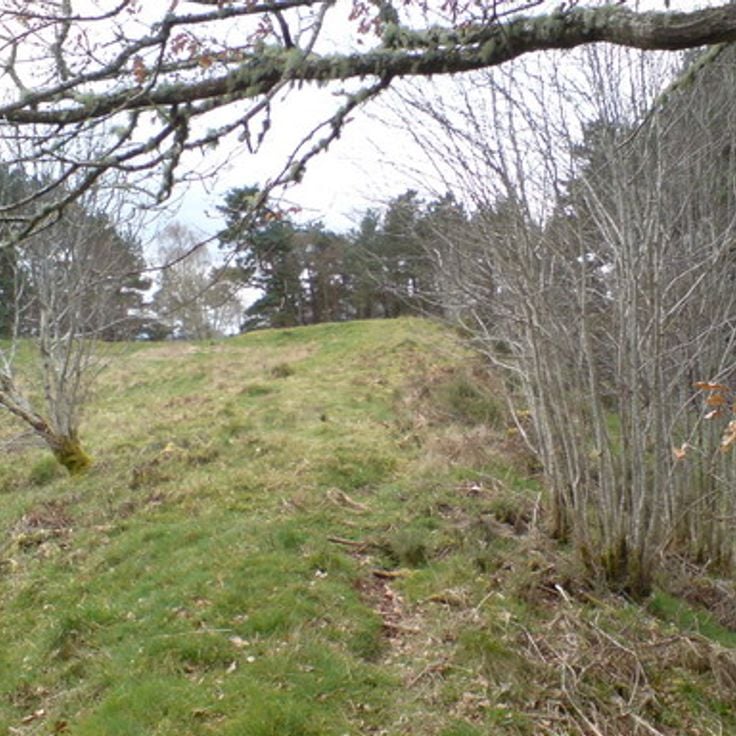
Craig Phadrig is an Iron Age hilltop fortification included in this collection of tourist sites and monuments in Inverness. The site preserves stone walls from ancient times. Forest paths climb to the summit, where views stretch across Inverness and the Moray Firth. From this height, you can see the landscape that surrounds the city and understand why this location held such importance.
The Groam House Museum in Rosemarkie displays Pictish carved stones from the 8th century and regional archaeological finds from the medieval period. This museum fits into the larger story of Inverness, where history and nature sit side by side, with medieval castles standing on cliffs above the river and ancient stone circles hidden in the countryside. Visitors can explore how the local landscape was shaped through different periods and gain insight into the Highlands' layered past.
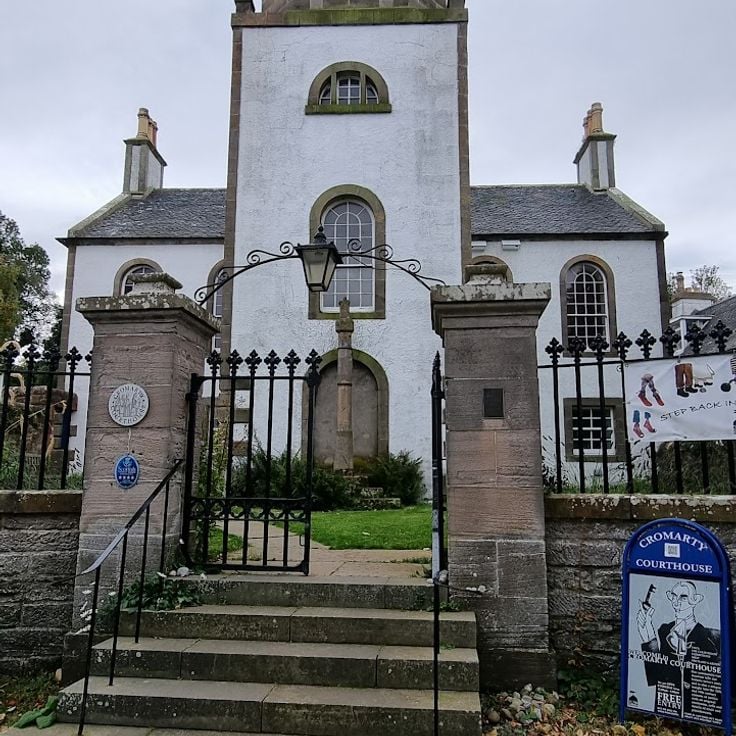
The Cromarty Courthouse Museum is a former judicial building from 1773 located in Cromarty. It displays artifacts and documents about the history of the Black Isle and the maritime heritage of Cromarty Firth. This museum is part of the tourist sites and monuments in Inverness, offering insights into the regional history and maritime culture of this Scottish area.
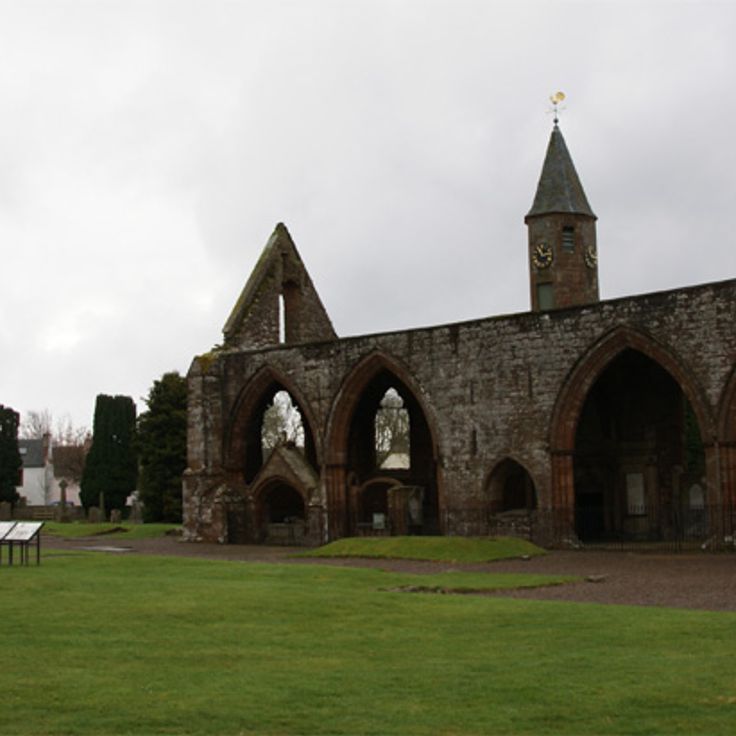
Fortrose Cathedral is a 13th-century ruin built from red sandstone that stands as one of the region's historical monuments. The stone walls display ornate architectural features and detailed carvings that reflect the craftsmanship of the medieval period. The site sits within maintained garden grounds, offering visitors a quiet place to walk and observe the remains of this religious building. As part of Inverness's collection of historical sites, Fortrose Cathedral connects to the layers of Scottish history that span from medieval times through the centuries.
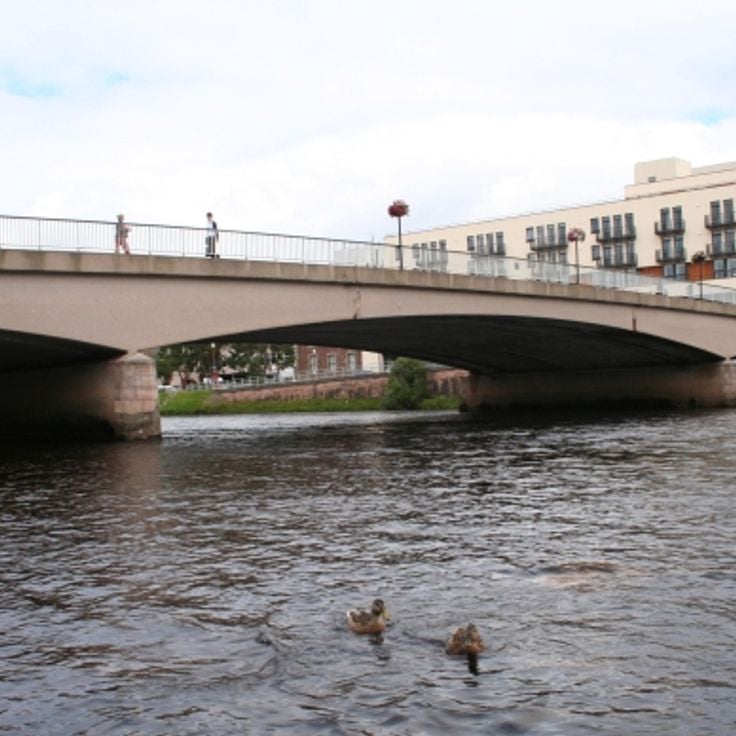
Ness Bridge is a modern road bridge built in 1961 that connects the heart of Inverness. It spans the River Ness, joining the east and west banks at the center of the city. This bridge sits within a region where history and nature exist side by side—from medieval castles overlooking river cliffs to ancient stone circles scattered through the countryside. For visitors, Inverness offers a place where Victorian buildings line the streets and the wild Highlands lie just minutes away.
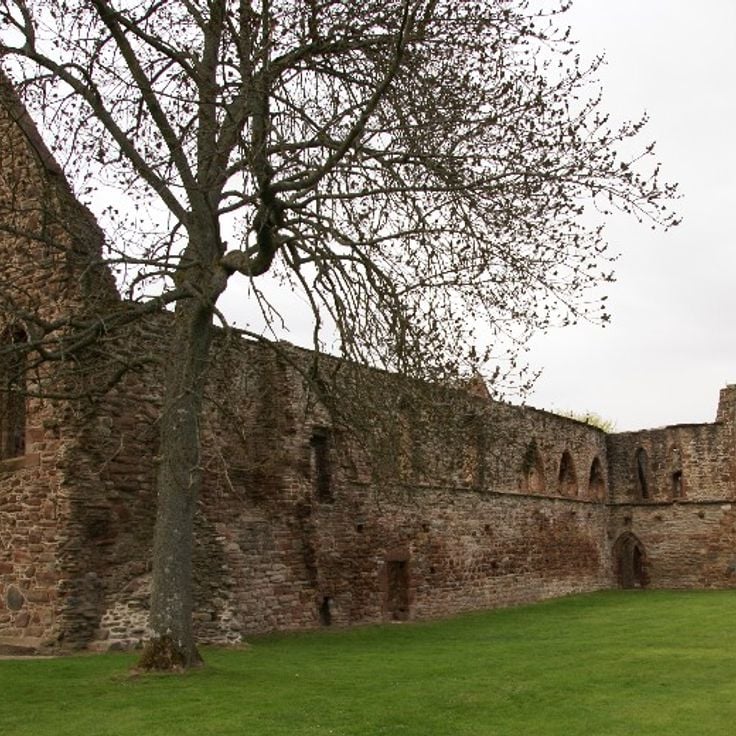
Beauly Priory is a monastic ruin founded in 1230 and part of Inverness's historical landscape. The stone remains show Gothic architectural styles from the medieval period. You can see what survives of the cloister walls and burial grounds where monks and local people were laid to rest. Walking through this site gives you a sense of the religious life that once centered on this place, connecting you to centuries of Scottish history.
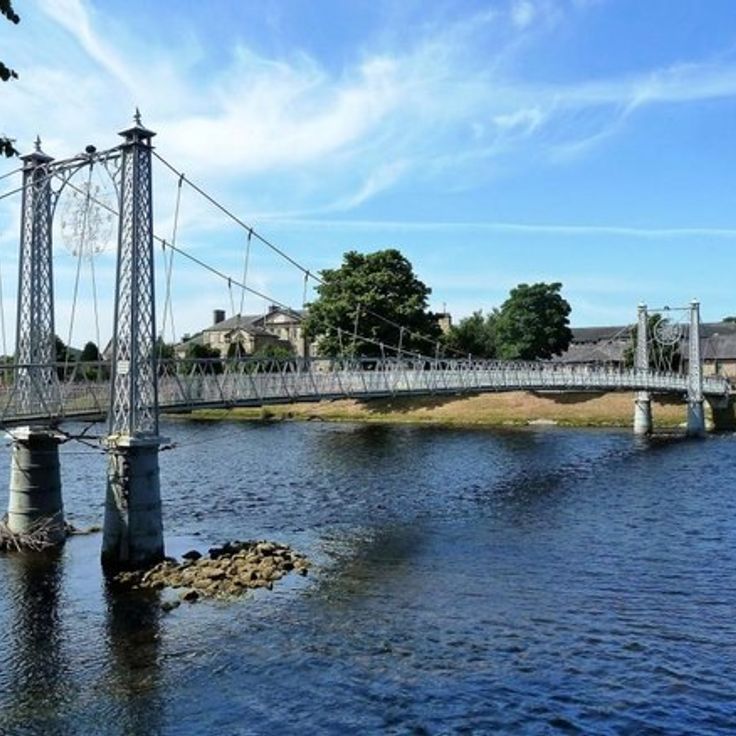
The Infirmary Bridge is a pedestrian suspension bridge that crosses the River Ness in Inverness and has connected the city since 1880. This bridge represents one of the ways Inverness brings history and nature together: it allows people to move between the city center and the natural spaces along the river, offering a direct crossing that has served locals and travelers for more than a century. The structure moves noticeably when people walk across it, giving it a distinct character. The bridge stands as part of the city's infrastructure that enables exploration of the riverbanks and surrounding landscape that defines the Highlands experience.
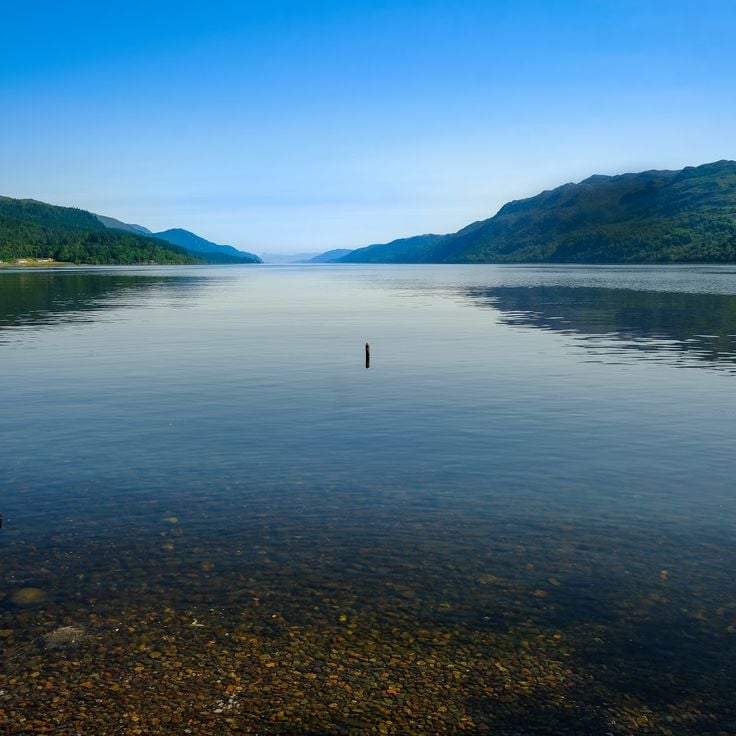
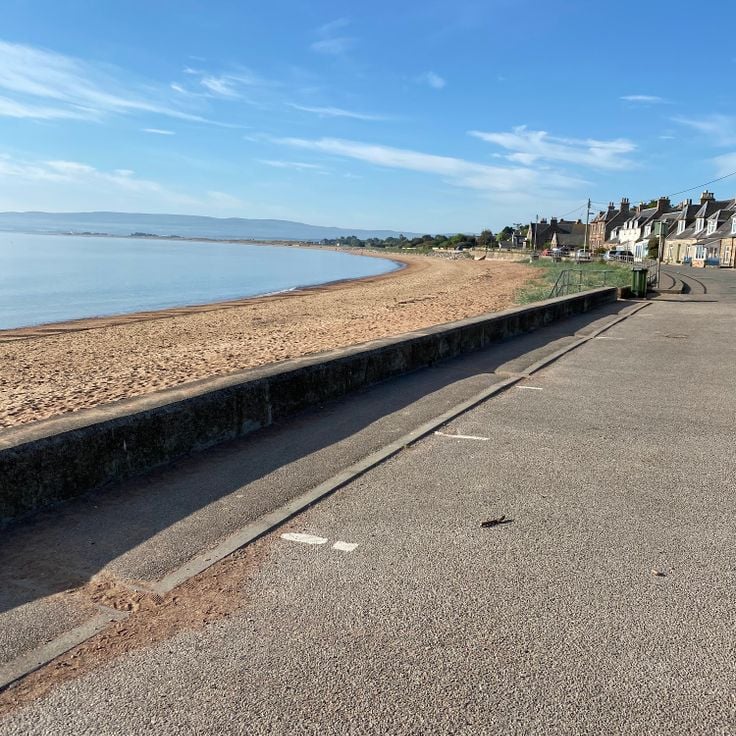
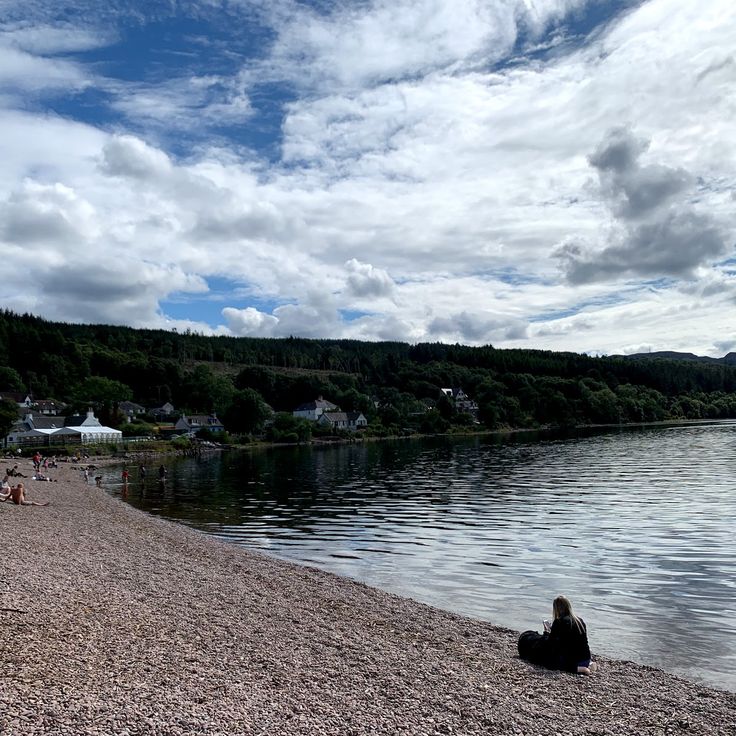
Dores Beach is part of this collection of places where history and nature sit side by side. This pebble beach lies on the southern shore of Loch Ness and offers visitors an open view across the water. From this vantage point, you can see the length of the loch stretching out, with hills and forests rising beyond. The beach is a quiet spot to take in the Highland landscape and watch the water and wildlife.
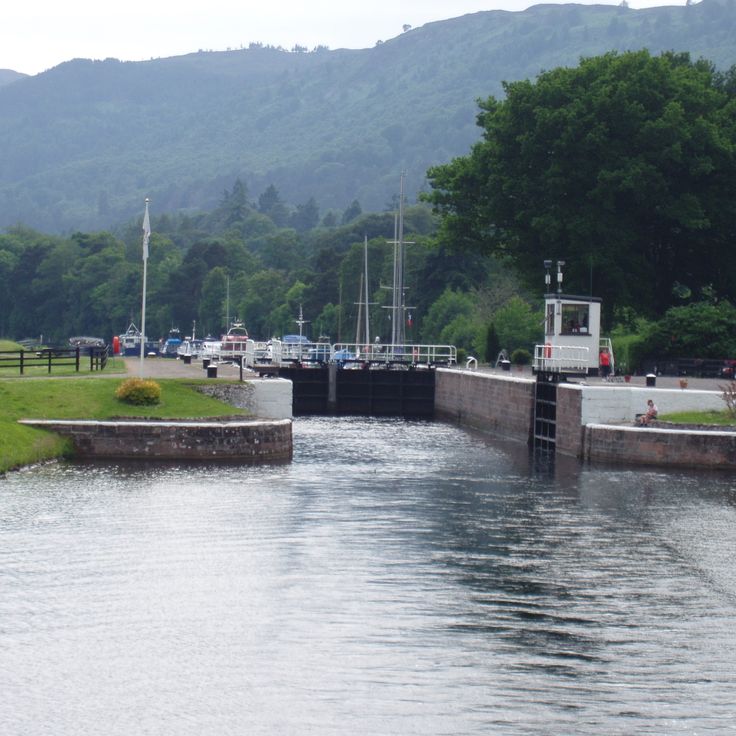
The Caledonian Canal is a waterway that connects eastern and western Scotland through natural lochs and human-made channels. Built between 1803 and 1822, this canal cuts through the Highlands and links different bodies of water together. For visitors to Inverness, the canal offers a place to walk along, watch boats pass through, and understand how people here worked with their landscape 200 years ago. The banks are green and quiet, and you can trace the history of Scottish shipping along its length.
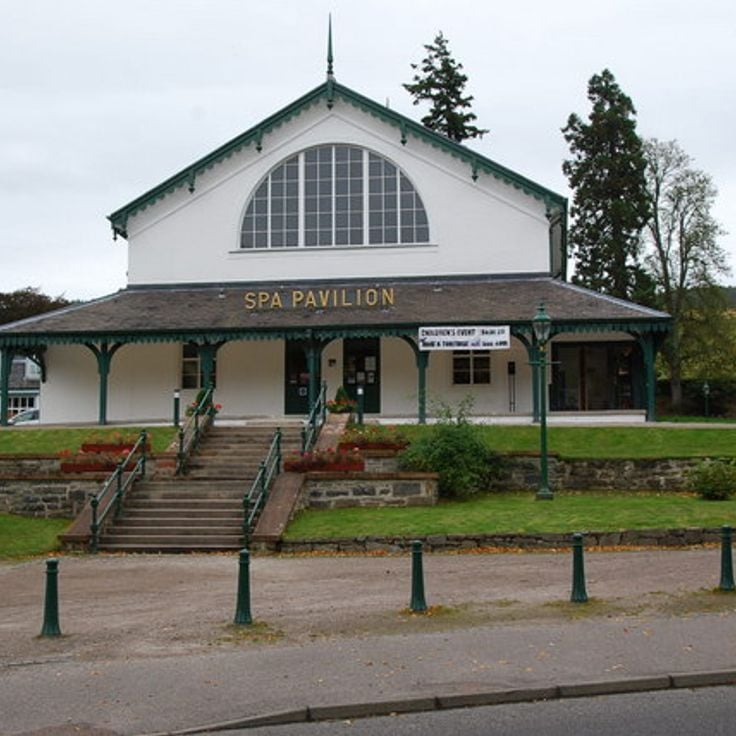
The Strathpeffer Pavilion is a Victorian building constructed in 1881 that sits in a former spa town and functions as a community gathering place today. Here you'll find music performances and social events happening regularly throughout the year. The building reflects the architecture of the era when Strathpeffer drew visitors seeking the healing properties of its mineral springs. The Pavilion remains an active venue where local people gather and where the heritage of the town comes alive through events and performances.
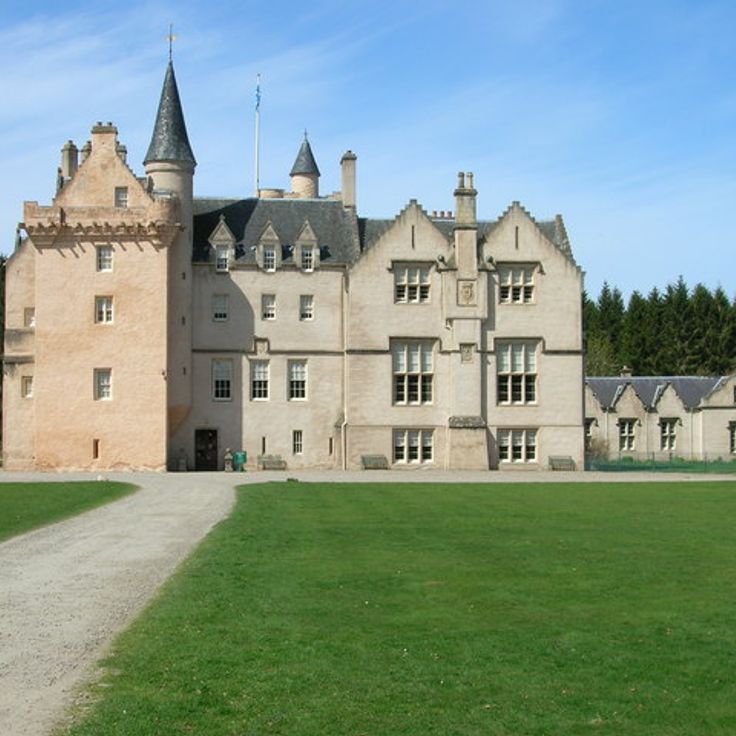
Brodie Castle is a 16th-century fortress located in Forres, part of the Inverness region where history and nature sit side by side. The castle contains art collections, period furniture, and decorated ceilings that show how people lived in different times. The estate surrounding it features landscaped gardens filled with daffodil fields. Visitors can walk through the rooms to see how the castle was furnished and decorated, then explore the grounds.
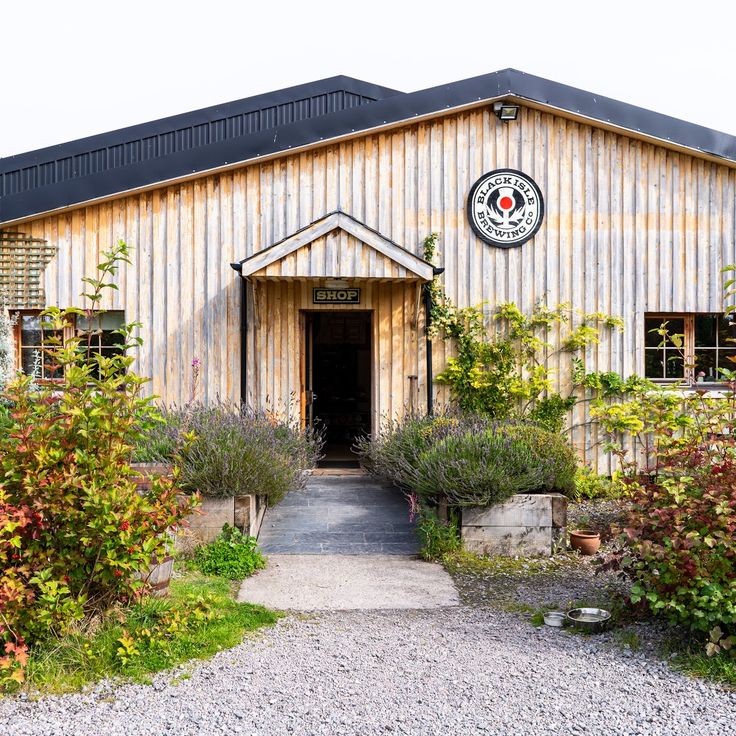
The Black Isle Brewery is a farm-based brewery in this collection of tourist sites and monuments in Inverness. It produces organic beers using local barley and water from the region. Visitors can tour the production facilities and taste different beer varieties.
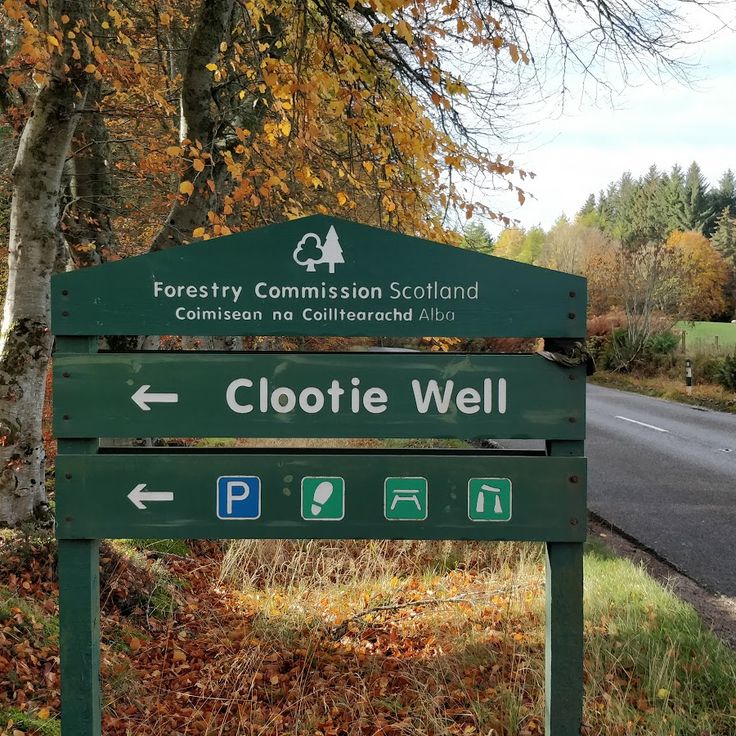
The Clootie Well at Munlochy is a Celtic sacred spring where visitors tie cloth strips to the surrounding trees as offerings. According to local tradition, these gifts are meant to bring healing and good fortune. This site shows how ancient beliefs continue to shape the landscape of Inverness, drawing people who seek connection to Scotland's spiritual past.
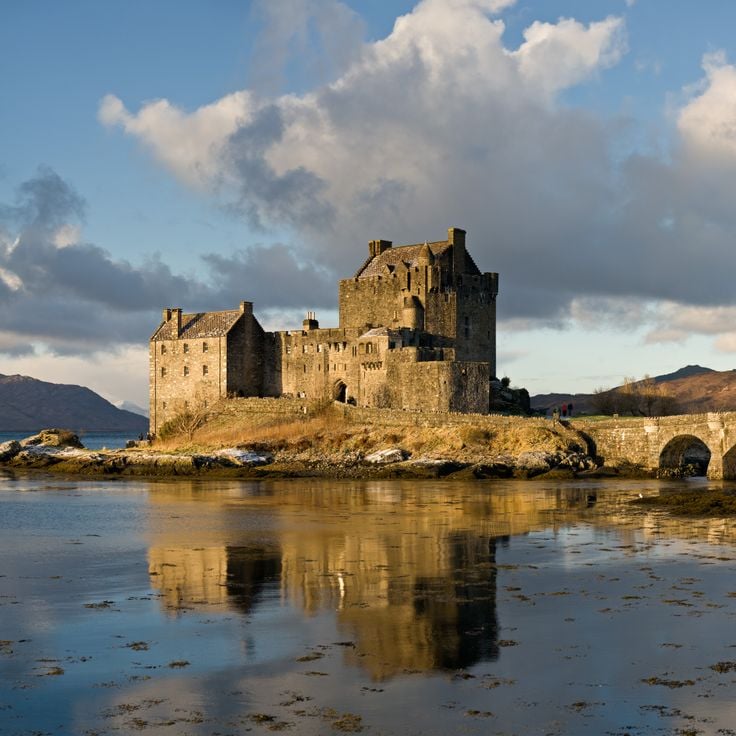
Eilean Donan Castle is a medieval fortress built in the 13th century on a small tidal island, connected to the mainland by a stone bridge. This castle is part of Inverness's rich collection of historical sites, where medieval strongholds stand alongside ancient landscapes. Visitors can walk across the bridge to reach the castle and explore its rooms while taking in views of the surrounding glens and water. The fortress tells the story of Scotland's past and remains one of the region's most visited monuments.
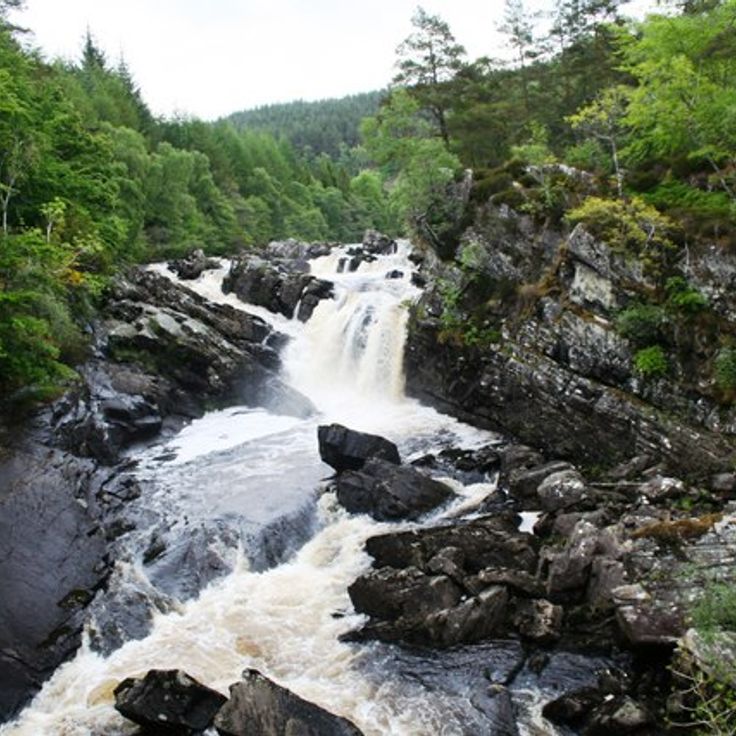
Rogie Falls is a natural waterfall on the Black Water River where visitors walk through forest paths and can watch from a suspension bridge as salmon leap upstream. This site fits within the collection of tourist sites and monuments in Inverness as it represents the natural landscape that sits alongside the region's history. Here the river and forest combine to create a place where you can experience the wildlife of the Scottish Highlands.
The Cairngorms National Park lies in the Scottish Highlands and forms part of the varied landscapes surrounding Inverness. This national park spans granite mountains, pine forests and moorlands that shelter red deer, mountain hares and golden eagles. The park shows the wild nature that visitors can reach within minutes of the city, combining open countryside with walking trails and opportunities to watch wildlife.
Loch Ness is a large freshwater lake that extends through the Great Glen, forming a centerpiece of the Inverness tourist landscape. The water is deep and dark, with steep mountains rising from its shores and dense forests backing the shoreline. Visitors can take boat tours to explore the length of the loch or visit the Loch Ness Centre to learn about the lake's natural and human history. The surrounding landscape of glens, woodlands, and hillsides is characteristic of the Scottish Highlands.
Urquhart Castle is a medieval fortress from the 13th century situated on the western shore of Loch Ness. Within the collection of tourist sites and monuments in Inverness, this castle represents a key point of Scottish history, with stone ruins that include a tower house and great hall. The location offers views across the loch and serves as a window into the region's past.
Culloden Battlefield is where one of Britain's last major battles took place in 1746 on Culloden Moor. This historical site marks a turning point in Scotland's past and connects to Inverness' broader story, a region where medieval castles, ancient stone circles, and military remains layer together to tell the tale of the Highlands. The visitor center displays artifacts and exhibits about the Jacobite Rising, helping visitors understand the battle and its impact on the people and landscape of the region.
Inverness Castle stands in this collection of tourist sites and monuments as a product of Victorian-era construction. Built in 1836 from red sandstone on a cliff above the River Ness, this castle dominates the city from its elevated position. Today it houses the Inverness Sheriff Court and judicial offices. Its hilltop location makes it a focal point in the city skyline, bridging historical importance with contemporary civic function.
Clava Cairns is a Bronze Age site built around 2000 BCE, located in the countryside near Inverness where history layers the landscape. The site contains three burial chambers arranged in circles, surrounded by standing stones aligned with the winter solstice. This is one of the region's oldest places, showing how people thousands of years ago marked important moments and honored their dead. Walking among the stones, you can sense the care they took in placing each one, and notice how the site connects to the seasonal changes of the Highlands.
Fort George is a military fortress built in 1769 following the Battle of Culloden. The fort shows how the British sought to control the Highlands after this decisive victory. Walking through it, you see the original barracks, gun emplacements, and earthwork defenses still standing as they were built hundreds of years ago. The fort sits on a peninsula overlooking the Moray Firth and remains one of the most complete 18th-century military fortresses you can explore in Britain. Visitors can walk the narrow passages, see old weapons, and understand how soldiers lived and worked here.
Eden Court Theatre & Cinema is a modern cultural center in Inverness that opened in 1976. It features two theaters, two cinema screens, and multiple studios for performing arts and exhibitions. As part of Inverness's diverse cultural landscape, it offers visitors a place to catch performances and films, adding to the city's creative energy.
Inverness Cathedral is a Victorian Gothic building completed in 1869, designed by architect Alexander Ross. It stands as one of the city's important landmarks, rising from high ground with views across Inverness. The cathedral features striking red stone walls and contains notable stained glass windows. As part of Inverness's layered history, this building represents the Victorian architecture that lines the city streets, sitting alongside medieval and ancient sites that make the region a crossroads of different historical periods.
This circular stone building in Inverness was once a Gaelic church from 1793 and now houses thousands of books arranged on wooden shelves across two floors. It serves as a distinctive landmark in the city's cultural scene, where visitors can browse an extensive collection of second-hand books in a setting that blends the building's historical past with its present life.
This cultural center displays local geology, archeology, and history collections, alongside rotating art exhibitions on the upper floor gallery. The Inverness Museum and Art Gallery offers an overview of the region's Scottish heritage, from ancient artifacts to Victorian-era pieces, providing context for understanding the historical depth of this Highland town.
The Inverness Botanic Gardens provide a space where plants from around the world grow alongside local species. Greenhouses shelter tropical plants and a cactus collection in controlled conditions. The grounds feature formal gardens filled with seasonal flowers and landscaped areas showcasing plants native to Scotland. This garden complements the historical sites and natural landscape that define Inverness, offering a quiet setting for walking and learning about plant life.
Cawdor Castle is a 14th-century tower house that forms part of the medieval heritage surrounding Inverness. The castle displays period furniture, tapestries, and gardens that reflect different centuries of Scottish life. It is known for its historical connection to Shakespeare's Macbeth, which draws visitors interested in both literature and Scottish history. Located near Nairn, this castle sits outside the main city and offers insight into how Scottish nobility lived during the medieval period.
The Victorian Market in Inverness is an indoor shopping venue built in 1870 that sits within the city's layered past. The market holds independent retailers, specialty food stores, and local artisan shops selling Scottish products and traditional goods. As part of Inverness, a place where history and nature meet side by side, this venue offers a window into the daily life and commerce of the Victorian era.
The Highlanders' Museum at Fort George tells the story of Highland regiments from the 1700s to the present day. The collection displays uniforms, weapons, medals, and documents that show what life was like for soldiers and the battles they fought. Set within one of the most complete 18th-century military fortresses in Britain, the museum gives you a direct connection to the military history of the Highlands.
The RZSS Highland Wildlife Park houses Scottish animals and endangered species from mountain regions around the world. Red deer, wildcats, and snow leopards live here among other creatures. The park focuses on conservation and teaching visitors about wildlife. You can see the animals in spaces designed to reflect their natural homes. Set in the Scottish Highlands landscape, the park gives you a chance to observe wild creatures up close and learn how they are being protected.
Glen Affric is a national nature reserve in the Scottish Highlands where ancient pine forests stand among mountains and lakes. This valley holds one of the last remaining woodlands from thousands of years ago, with trails that lead visitors through wild country. You can walk the paths on foot to see the landscape up close or look for wildlife that lives here. The place feels remote and untouched, offering a sense of stepping into Scotland's natural past while being within reach of the city.
Ness Islands sits in the River Ness as a collection of natural islands linked by Victorian footbridges. These islands form a green space filled with trees and walking paths in the heart of Inverness. As a significant feature of the city, Ness Islands shows how nature and people share this landscape. You can walk the winding paths between the islands, watch birds, and enjoy the quiet flow of the river.
This waterfall in a forest near Rosemarkie is part of the tourist sites and monuments in the Inverness region, where history and nature sit side by side. The water drops between black rock walls into clear pools, with marked paths leading through the woodland. The site showcases the natural landscape of the Highlands that draws visitors who enjoy hiking or exploring the countryside.
Chanonry Point is a peninsula near Fortrose where bottlenose dolphins swim close to shore. A lighthouse stands on this stretch of land, and visitors can watch the dolphins from a viewing area, especially during salmon migration periods. The point is part of the Inverness region where history and nature sit side by side. You can watch wildlife where the Highlands meet the sea.
Craig Phadrig is an Iron Age hilltop fortification included in this collection of tourist sites and monuments in Inverness. The site preserves stone walls from ancient times. Forest paths climb to the summit, where views stretch across Inverness and the Moray Firth. From this height, you can see the landscape that surrounds the city and understand why this location held such importance.
The Groam House Museum in Rosemarkie displays Pictish carved stones from the 8th century and regional archaeological finds from the medieval period. This museum fits into the larger story of Inverness, where history and nature sit side by side, with medieval castles standing on cliffs above the river and ancient stone circles hidden in the countryside. Visitors can explore how the local landscape was shaped through different periods and gain insight into the Highlands' layered past.
The Cromarty Courthouse Museum is a former judicial building from 1773 located in Cromarty. It displays artifacts and documents about the history of the Black Isle and the maritime heritage of Cromarty Firth. This museum is part of the tourist sites and monuments in Inverness, offering insights into the regional history and maritime culture of this Scottish area.
Fortrose Cathedral is a 13th-century ruin built from red sandstone that stands as one of the region's historical monuments. The stone walls display ornate architectural features and detailed carvings that reflect the craftsmanship of the medieval period. The site sits within maintained garden grounds, offering visitors a quiet place to walk and observe the remains of this religious building. As part of Inverness's collection of historical sites, Fortrose Cathedral connects to the layers of Scottish history that span from medieval times through the centuries.
Ness Bridge is a modern road bridge built in 1961 that connects the heart of Inverness. It spans the River Ness, joining the east and west banks at the center of the city. This bridge sits within a region where history and nature exist side by side—from medieval castles overlooking river cliffs to ancient stone circles scattered through the countryside. For visitors, Inverness offers a place where Victorian buildings line the streets and the wild Highlands lie just minutes away.
Beauly Priory is a monastic ruin founded in 1230 and part of Inverness's historical landscape. The stone remains show Gothic architectural styles from the medieval period. You can see what survives of the cloister walls and burial grounds where monks and local people were laid to rest. Walking through this site gives you a sense of the religious life that once centered on this place, connecting you to centuries of Scottish history.
The Infirmary Bridge is a pedestrian suspension bridge that crosses the River Ness in Inverness and has connected the city since 1880. This bridge represents one of the ways Inverness brings history and nature together: it allows people to move between the city center and the natural spaces along the river, offering a direct crossing that has served locals and travelers for more than a century. The structure moves noticeably when people walk across it, giving it a distinct character. The bridge stands as part of the city's infrastructure that enables exploration of the riverbanks and surrounding landscape that defines the Highlands experience.
Dores Beach is part of this collection of places where history and nature sit side by side. This pebble beach lies on the southern shore of Loch Ness and offers visitors an open view across the water. From this vantage point, you can see the length of the loch stretching out, with hills and forests rising beyond. The beach is a quiet spot to take in the Highland landscape and watch the water and wildlife.
The Caledonian Canal is a waterway that connects eastern and western Scotland through natural lochs and human-made channels. Built between 1803 and 1822, this canal cuts through the Highlands and links different bodies of water together. For visitors to Inverness, the canal offers a place to walk along, watch boats pass through, and understand how people here worked with their landscape 200 years ago. The banks are green and quiet, and you can trace the history of Scottish shipping along its length.
The Strathpeffer Pavilion is a Victorian building constructed in 1881 that sits in a former spa town and functions as a community gathering place today. Here you'll find music performances and social events happening regularly throughout the year. The building reflects the architecture of the era when Strathpeffer drew visitors seeking the healing properties of its mineral springs. The Pavilion remains an active venue where local people gather and where the heritage of the town comes alive through events and performances.
Brodie Castle is a 16th-century fortress located in Forres, part of the Inverness region where history and nature sit side by side. The castle contains art collections, period furniture, and decorated ceilings that show how people lived in different times. The estate surrounding it features landscaped gardens filled with daffodil fields. Visitors can walk through the rooms to see how the castle was furnished and decorated, then explore the grounds.
The Black Isle Brewery is a farm-based brewery in this collection of tourist sites and monuments in Inverness. It produces organic beers using local barley and water from the region. Visitors can tour the production facilities and taste different beer varieties.
The Clootie Well at Munlochy is a Celtic sacred spring where visitors tie cloth strips to the surrounding trees as offerings. According to local tradition, these gifts are meant to bring healing and good fortune. This site shows how ancient beliefs continue to shape the landscape of Inverness, drawing people who seek connection to Scotland's spiritual past.
Eilean Donan Castle is a medieval fortress built in the 13th century on a small tidal island, connected to the mainland by a stone bridge. This castle is part of Inverness's rich collection of historical sites, where medieval strongholds stand alongside ancient landscapes. Visitors can walk across the bridge to reach the castle and explore its rooms while taking in views of the surrounding glens and water. The fortress tells the story of Scotland's past and remains one of the region's most visited monuments.
Rogie Falls is a natural waterfall on the Black Water River where visitors walk through forest paths and can watch from a suspension bridge as salmon leap upstream. This site fits within the collection of tourist sites and monuments in Inverness as it represents the natural landscape that sits alongside the region's history. Here the river and forest combine to create a place where you can experience the wildlife of the Scottish Highlands.
The Cairngorms National Park lies in the Scottish Highlands and forms part of the varied landscapes surrounding Inverness. This national park spans granite mountains, pine forests and moorlands that shelter red deer, mountain hares and golden eagles. The park shows the wild nature that visitors can reach within minutes of the city, combining open countryside with walking trails and opportunities to watch wildlife.
Loch Ness is a large freshwater lake that extends through the Great Glen, forming a centerpiece of the Inverness tourist landscape. The water is deep and dark, with steep mountains rising from its shores and dense forests backing the shoreline. Visitors can take boat tours to explore the length of the loch or visit the Loch Ness Centre to learn about the lake's natural and human history. The surrounding landscape of glens, woodlands, and hillsides is characteristic of the Scottish Highlands.
Urquhart Castle is a medieval fortress from the 13th century situated on the western shore of Loch Ness. Within the collection of tourist sites and monuments in Inverness, this castle represents a key point of Scottish history, with stone ruins that include a tower house and great hall. The location offers views across the loch and serves as a window into the region's past.
Culloden Battlefield is where one of Britain's last major battles took place in 1746 on Culloden Moor. This historical site marks a turning point in Scotland's past and connects to Inverness' broader story, a region where medieval castles, ancient stone circles, and military remains layer together to tell the tale of the Highlands. The visitor center displays artifacts and exhibits about the Jacobite Rising, helping visitors understand the battle and its impact on the people and landscape of the region.
Inverness Castle stands in this collection of tourist sites and monuments as a product of Victorian-era construction. Built in 1836 from red sandstone on a cliff above the River Ness, this castle dominates the city from its elevated position. Today it houses the Inverness Sheriff Court and judicial offices. Its hilltop location makes it a focal point in the city skyline, bridging historical importance with contemporary civic function.
Clava Cairns is a Bronze Age site built around 2000 BCE, located in the countryside near Inverness where history layers the landscape. The site contains three burial chambers arranged in circles, surrounded by standing stones aligned with the winter solstice. This is one of the region's oldest places, showing how people thousands of years ago marked important moments and honored their dead. Walking among the stones, you can sense the care they took in placing each one, and notice how the site connects to the seasonal changes of the Highlands.
Fort George is a military fortress built in 1769 following the Battle of Culloden. The fort shows how the British sought to control the Highlands after this decisive victory. Walking through it, you see the original barracks, gun emplacements, and earthwork defenses still standing as they were built hundreds of years ago. The fort sits on a peninsula overlooking the Moray Firth and remains one of the most complete 18th-century military fortresses you can explore in Britain. Visitors can walk the narrow passages, see old weapons, and understand how soldiers lived and worked here.
Eden Court Theatre & Cinema is a modern cultural center in Inverness that opened in 1976. It features two theaters, two cinema screens, and multiple studios for performing arts and exhibitions. As part of Inverness's diverse cultural landscape, it offers visitors a place to catch performances and films, adding to the city's creative energy.
Inverness Cathedral is a Victorian Gothic building completed in 1869, designed by architect Alexander Ross. It stands as one of the city's important landmarks, rising from high ground with views across Inverness. The cathedral features striking red stone walls and contains notable stained glass windows. As part of Inverness's layered history, this building represents the Victorian architecture that lines the city streets, sitting alongside medieval and ancient sites that make the region a crossroads of different historical periods.
This circular stone building in Inverness was once a Gaelic church from 1793 and now houses thousands of books arranged on wooden shelves across two floors. It serves as a distinctive landmark in the city's cultural scene, where visitors can browse an extensive collection of second-hand books in a setting that blends the building's historical past with its present life.
This cultural center displays local geology, archeology, and history collections, alongside rotating art exhibitions on the upper floor gallery. The Inverness Museum and Art Gallery offers an overview of the region's Scottish heritage, from ancient artifacts to Victorian-era pieces, providing context for understanding the historical depth of this Highland town.
The Inverness Botanic Gardens provide a space where plants from around the world grow alongside local species. Greenhouses shelter tropical plants and a cactus collection in controlled conditions. The grounds feature formal gardens filled with seasonal flowers and landscaped areas showcasing plants native to Scotland. This garden complements the historical sites and natural landscape that define Inverness, offering a quiet setting for walking and learning about plant life.
Cawdor Castle is a 14th-century tower house that forms part of the medieval heritage surrounding Inverness. The castle displays period furniture, tapestries, and gardens that reflect different centuries of Scottish life. It is known for its historical connection to Shakespeare's Macbeth, which draws visitors interested in both literature and Scottish history. Located near Nairn, this castle sits outside the main city and offers insight into how Scottish nobility lived during the medieval period.
The Victorian Market in Inverness is an indoor shopping venue built in 1870 that sits within the city's layered past. The market holds independent retailers, specialty food stores, and local artisan shops selling Scottish products and traditional goods. As part of Inverness, a place where history and nature meet side by side, this venue offers a window into the daily life and commerce of the Victorian era.
The Highlanders' Museum at Fort George tells the story of Highland regiments from the 1700s to the present day. The collection displays uniforms, weapons, medals, and documents that show what life was like for soldiers and the battles they fought. Set within one of the most complete 18th-century military fortresses in Britain, the museum gives you a direct connection to the military history of the Highlands.
The RZSS Highland Wildlife Park houses Scottish animals and endangered species from mountain regions around the world. Red deer, wildcats, and snow leopards live here among other creatures. The park focuses on conservation and teaching visitors about wildlife. You can see the animals in spaces designed to reflect their natural homes. Set in the Scottish Highlands landscape, the park gives you a chance to observe wild creatures up close and learn how they are being protected.
Glen Affric is a national nature reserve in the Scottish Highlands where ancient pine forests stand among mountains and lakes. This valley holds one of the last remaining woodlands from thousands of years ago, with trails that lead visitors through wild country. You can walk the paths on foot to see the landscape up close or look for wildlife that lives here. The place feels remote and untouched, offering a sense of stepping into Scotland's natural past while being within reach of the city.
Ness Islands sits in the River Ness as a collection of natural islands linked by Victorian footbridges. These islands form a green space filled with trees and walking paths in the heart of Inverness. As a significant feature of the city, Ness Islands shows how nature and people share this landscape. You can walk the winding paths between the islands, watch birds, and enjoy the quiet flow of the river.
This waterfall in a forest near Rosemarkie is part of the tourist sites and monuments in the Inverness region, where history and nature sit side by side. The water drops between black rock walls into clear pools, with marked paths leading through the woodland. The site showcases the natural landscape of the Highlands that draws visitors who enjoy hiking or exploring the countryside.
Chanonry Point is a peninsula near Fortrose where bottlenose dolphins swim close to shore. A lighthouse stands on this stretch of land, and visitors can watch the dolphins from a viewing area, especially during salmon migration periods. The point is part of the Inverness region where history and nature sit side by side. You can watch wildlife where the Highlands meet the sea.
Craig Phadrig is an Iron Age hilltop fortification included in this collection of tourist sites and monuments in Inverness. The site preserves stone walls from ancient times. Forest paths climb to the summit, where views stretch across Inverness and the Moray Firth. From this height, you can see the landscape that surrounds the city and understand why this location held such importance.
The Groam House Museum in Rosemarkie displays Pictish carved stones from the 8th century and regional archaeological finds from the medieval period. This museum fits into the larger story of Inverness, where history and nature sit side by side, with medieval castles standing on cliffs above the river and ancient stone circles hidden in the countryside. Visitors can explore how the local landscape was shaped through different periods and gain insight into the Highlands' layered past.
The Cromarty Courthouse Museum is a former judicial building from 1773 located in Cromarty. It displays artifacts and documents about the history of the Black Isle and the maritime heritage of Cromarty Firth. This museum is part of the tourist sites and monuments in Inverness, offering insights into the regional history and maritime culture of this Scottish area.
Fortrose Cathedral is a 13th-century ruin built from red sandstone that stands as one of the region's historical monuments. The stone walls display ornate architectural features and detailed carvings that reflect the craftsmanship of the medieval period. The site sits within maintained garden grounds, offering visitors a quiet place to walk and observe the remains of this religious building. As part of Inverness's collection of historical sites, Fortrose Cathedral connects to the layers of Scottish history that span from medieval times through the centuries.
Ness Bridge is a modern road bridge built in 1961 that connects the heart of Inverness. It spans the River Ness, joining the east and west banks at the center of the city. This bridge sits within a region where history and nature exist side by side—from medieval castles overlooking river cliffs to ancient stone circles scattered through the countryside. For visitors, Inverness offers a place where Victorian buildings line the streets and the wild Highlands lie just minutes away.
Beauly Priory is a monastic ruin founded in 1230 and part of Inverness's historical landscape. The stone remains show Gothic architectural styles from the medieval period. You can see what survives of the cloister walls and burial grounds where monks and local people were laid to rest. Walking through this site gives you a sense of the religious life that once centered on this place, connecting you to centuries of Scottish history.
The Infirmary Bridge is a pedestrian suspension bridge that crosses the River Ness in Inverness and has connected the city since 1880. This bridge represents one of the ways Inverness brings history and nature together: it allows people to move between the city center and the natural spaces along the river, offering a direct crossing that has served locals and travelers for more than a century. The structure moves noticeably when people walk across it, giving it a distinct character. The bridge stands as part of the city's infrastructure that enables exploration of the riverbanks and surrounding landscape that defines the Highlands experience.
Dores Beach is part of this collection of places where history and nature sit side by side. This pebble beach lies on the southern shore of Loch Ness and offers visitors an open view across the water. From this vantage point, you can see the length of the loch stretching out, with hills and forests rising beyond. The beach is a quiet spot to take in the Highland landscape and watch the water and wildlife.
The Caledonian Canal is a waterway that connects eastern and western Scotland through natural lochs and human-made channels. Built between 1803 and 1822, this canal cuts through the Highlands and links different bodies of water together. For visitors to Inverness, the canal offers a place to walk along, watch boats pass through, and understand how people here worked with their landscape 200 years ago. The banks are green and quiet, and you can trace the history of Scottish shipping along its length.
The Strathpeffer Pavilion is a Victorian building constructed in 1881 that sits in a former spa town and functions as a community gathering place today. Here you'll find music performances and social events happening regularly throughout the year. The building reflects the architecture of the era when Strathpeffer drew visitors seeking the healing properties of its mineral springs. The Pavilion remains an active venue where local people gather and where the heritage of the town comes alive through events and performances.
Brodie Castle is a 16th-century fortress located in Forres, part of the Inverness region where history and nature sit side by side. The castle contains art collections, period furniture, and decorated ceilings that show how people lived in different times. The estate surrounding it features landscaped gardens filled with daffodil fields. Visitors can walk through the rooms to see how the castle was furnished and decorated, then explore the grounds.
The Black Isle Brewery is a farm-based brewery in this collection of tourist sites and monuments in Inverness. It produces organic beers using local barley and water from the region. Visitors can tour the production facilities and taste different beer varieties.
The Clootie Well at Munlochy is a Celtic sacred spring where visitors tie cloth strips to the surrounding trees as offerings. According to local tradition, these gifts are meant to bring healing and good fortune. This site shows how ancient beliefs continue to shape the landscape of Inverness, drawing people who seek connection to Scotland's spiritual past.
Eilean Donan Castle is a medieval fortress built in the 13th century on a small tidal island, connected to the mainland by a stone bridge. This castle is part of Inverness's rich collection of historical sites, where medieval strongholds stand alongside ancient landscapes. Visitors can walk across the bridge to reach the castle and explore its rooms while taking in views of the surrounding glens and water. The fortress tells the story of Scotland's past and remains one of the region's most visited monuments.
Rogie Falls is a natural waterfall on the Black Water River where visitors walk through forest paths and can watch from a suspension bridge as salmon leap upstream. This site fits within the collection of tourist sites and monuments in Inverness as it represents the natural landscape that sits alongside the region's history. Here the river and forest combine to create a place where you can experience the wildlife of the Scottish Highlands.
The Cairngorms National Park lies in the Scottish Highlands and forms part of the varied landscapes surrounding Inverness. This national park spans granite mountains, pine forests and moorlands that shelter red deer, mountain hares and golden eagles. The park shows the wild nature that visitors can reach within minutes of the city, combining open countryside with walking trails and opportunities to watch wildlife.