Loch Ness, Freshwater lake in Highland, Scotland
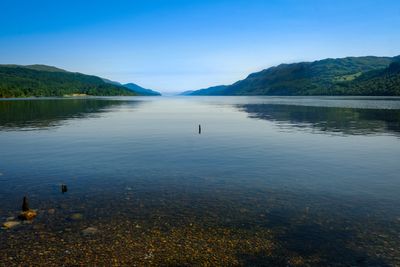
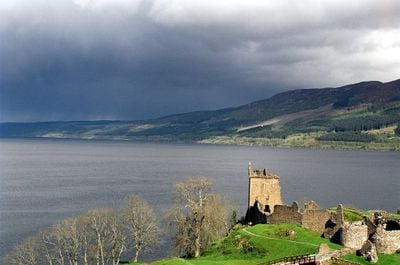
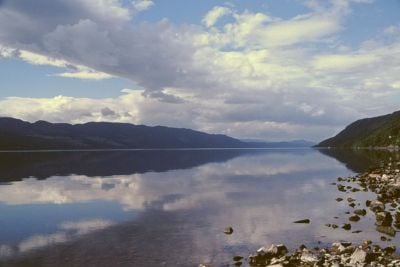
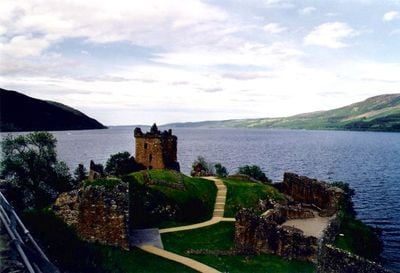
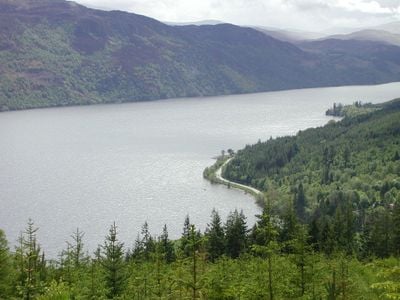
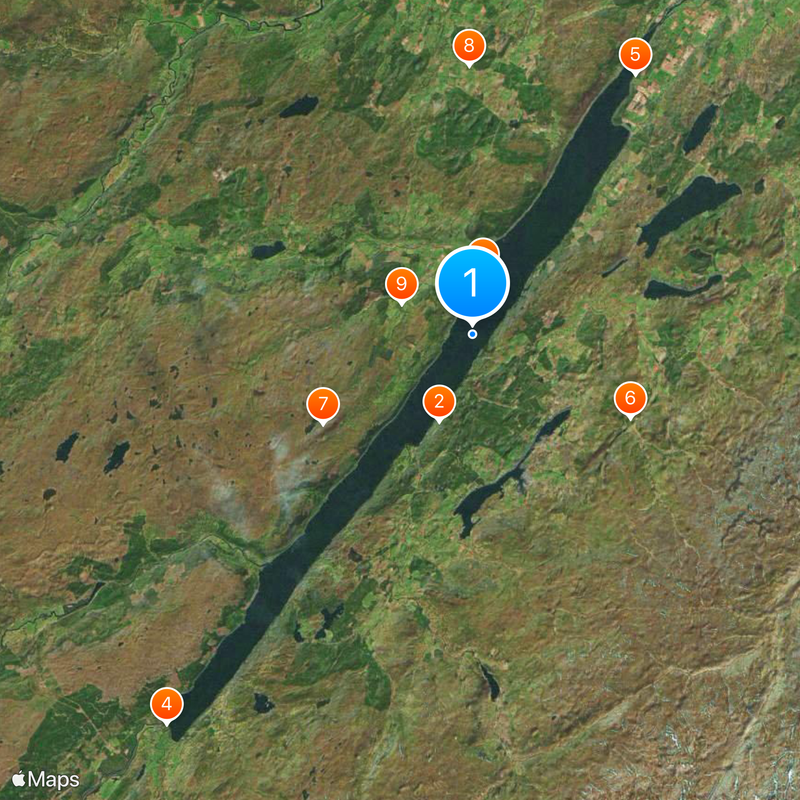
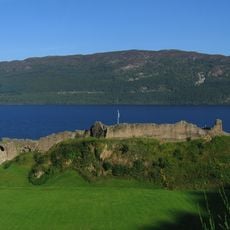
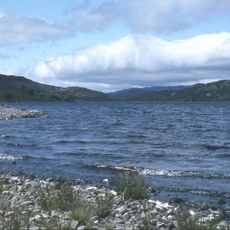
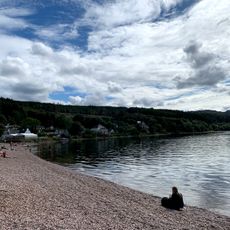
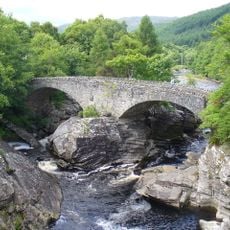
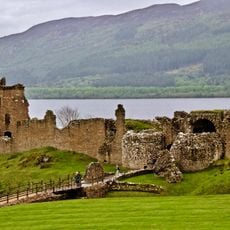
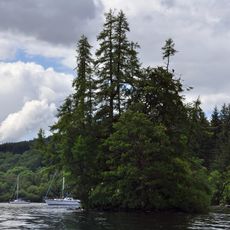
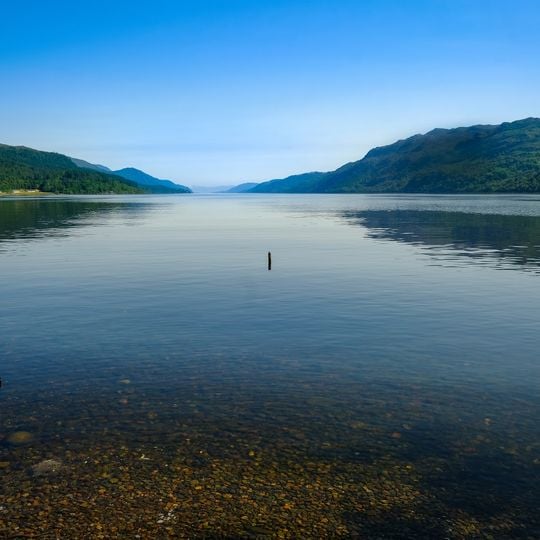
Loch Ness stretches 37 kilometers through the Great Glen and holds the largest volume of fresh water among all Scottish lakes. The narrow shape follows a geological fault, and the dark water reflects the surrounding hills and wooded slopes along both shores.
Engineer Thomas Telford incorporated the water into the Caledonian Canal system, completed in 1822 and linking Scotland's east coast with the west. Before this connection, the water served for centuries as a natural boundary and transport route for surrounding communities.
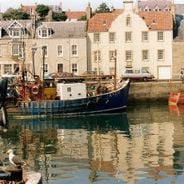
Communities along the shore welcome visitors searching for signs of a creature that has become part of local identity since the early 20th century. Fishermen and boat operators share their own accounts of encounters on the water, and some residents view the legend with humor while others take it seriously.
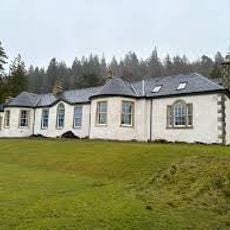
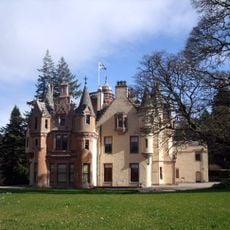
Several villages along the shore offer starting points for exploring, and smaller roads follow the banks with pull-off spots for views. The Loch Ness Centre in Drumnadrochit presents exhibitions about geology, wildlife, and research conducted over centuries.
Depth reaches 230 meters, and high peat content from surrounding soil keeps underwater visibility sharply limited. These conditions make any systematic survey of the bottom difficult and contribute to the atmosphere of mystery.
The community of curious travelers
AroundUs brings together thousands of curated places, local tips, and hidden gems, enriched daily by 90,868 contributors worldwide.