See the monuments around you in AROpen chests in the app
Around Us is built for your phone — point your camera at the streets and discover the monuments and places around you in augmented reality.Around Us is built for your phone — chests unlock when you walk, explore and capture nearby places.
Scotland offers photographers a wide range of landscapes and historical sites. This collection includes coastal formations like Bow Fiddle Rock and Sandwood Bay, medieval fortresses such as Edinburgh Castle and Stirling Castle, and mountains and glens like Glencoe and the Cairngorms. On the Isle of Skye you can find the Fairy Pools and Neist Point Lighthouse, while Glenfinnan Viaduct is known for its stone arches. Within Edinburgh itself are Arthur's Seat, an extinct volcano, Calton Hill with its monuments, and Dean Village, an old milling settlement by the water. The Kelpies near Falkirk are modern steel horse sculptures. Loch Ness stretches through the Highlands, and Eilean Donan Castle sits on a small island on the west coast. Along the shoreline are ruins like Dunnottar Castle on a rocky headland and Tantallon Castle overlooking the sea. Smaller places like Culross and Pittenweem show traditional architecture and harbors. The Clava Cairns are prehistoric burial sites near Inverness. On the northern coast is Smoo Cave, a cavern partly carved by the sea. Each location has its own light conditions and changes appearance with the seasons, from long summer evenings to low winter sun.
Scotland offers photographers a wide range of landscapes and historical sites. This collection includes coastal formations like Bow Fiddle Rock and Sandwood Bay, medieval fortresses such as Edinburgh Castle and Stirling Castle, and mountains and glens like Glencoe and the Cairngorms. On the Isle of Skye you can find the Fairy Pools and Neist Point Lighthouse, while Glenfinnan Viaduct is known for its stone arches. Within Edinburgh itself are Arthur's Seat, an extinct volcano, Calton Hill with its monuments, and Dean Village, an old milling settlement by the water. The Kelpies near Falkirk are modern steel horse sculptures. Loch Ness stretches through the Highlands, and Eilean Donan Castle sits on a small island on the west coast. Along the shoreline are ruins like Dunnottar Castle on a rocky headland and Tantallon Castle overlooking the sea. Smaller places like Culross and Pittenweem show traditional architecture and harbors. The Clava Cairns are prehistoric burial sites near Inverness. On the northern coast is Smoo Cave, a cavern partly carved by the sea. Each location has its own light conditions and changes appearance with the seasons, from long summer evenings to low winter sun.
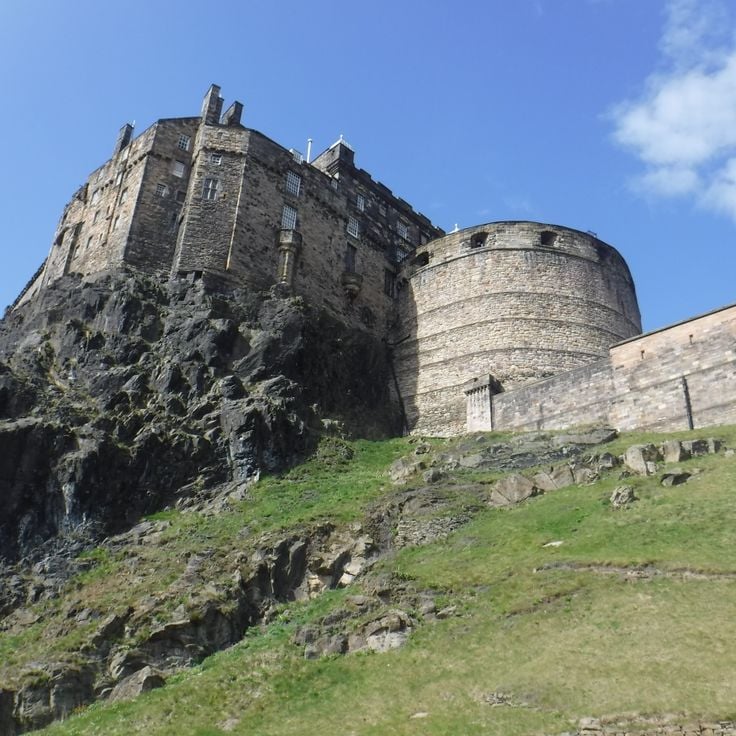
This castle rises on an extinct volcano above the city and has been fortified since the 12th century. The walls enclose the Scottish Crown Jewels and the Stone of Destiny. For Instagram photography, Edinburgh Castle offers views across the Old Town, medieval architecture and changing light over the basalt rock. The fortress shows different building styles from several centuries and sits centrally above the streets of the capital.
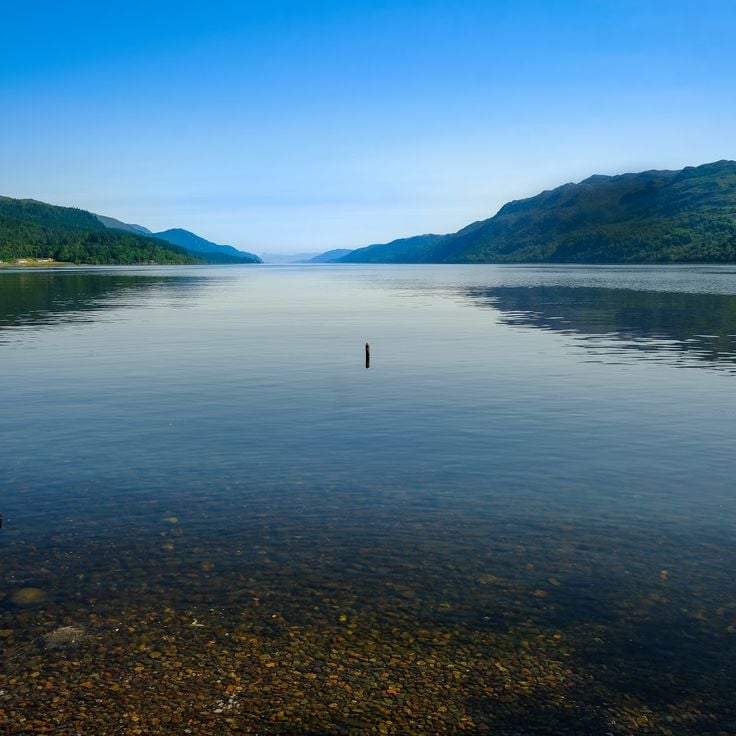
Loch Ness is a large freshwater lake in the Scottish Highlands, running through several valleys. The dark water and steep slopes along the shores create a serious mood, especially when mist drifts across the surface. Ruins of old castles stand at certain points on the shore, and small villages lie along the road that follows the lake. This lake is deep, and the water often appears black or dark blue. In the morning and evening, the colors of the sky and water change quickly, offering different possibilities for photography. Woods cover parts of the slopes, while other sections are bare and rocky.
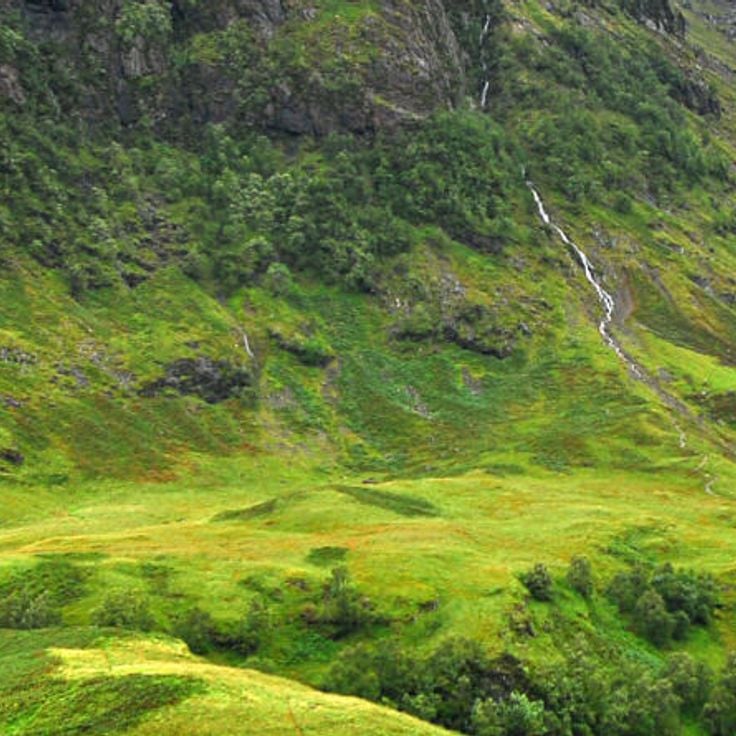
This valley was shaped by glaciers and shows steep mountain slopes where waterfalls drop between alpine vegetation. Glencoe is a place for photographers who want to capture Scottish landscapes in changing light. In winter, snow often covers the peaks, while the valley floor turns green in summer. Mist frequently moves through the gorges and gives photographs a particular mood.
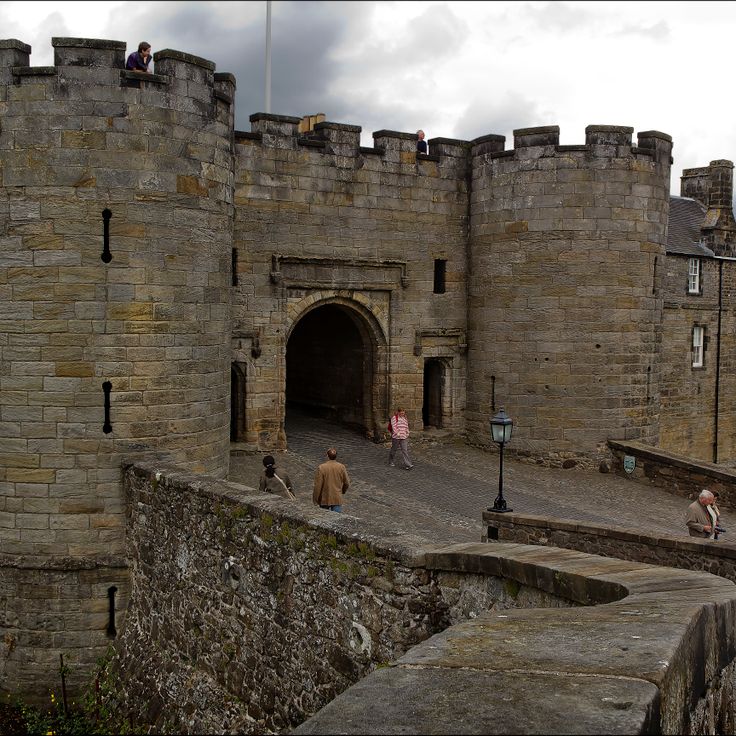
Stirling Castle served as royal residence from the 15th century onward and hosted several coronation ceremonies. The fortress sits on a rock above the town and offers views over the surrounding countryside. Inside the courtyard stand buildings from different periods, including the great hall and royal apartments. The site displays Renaissance and medieval architecture. For Instagram photography, the contrast between stone walls, towers and the landscape beyond works well. Light changes throughout the day and across seasons. From the ramparts you can see as far as the hills of the Highlands.
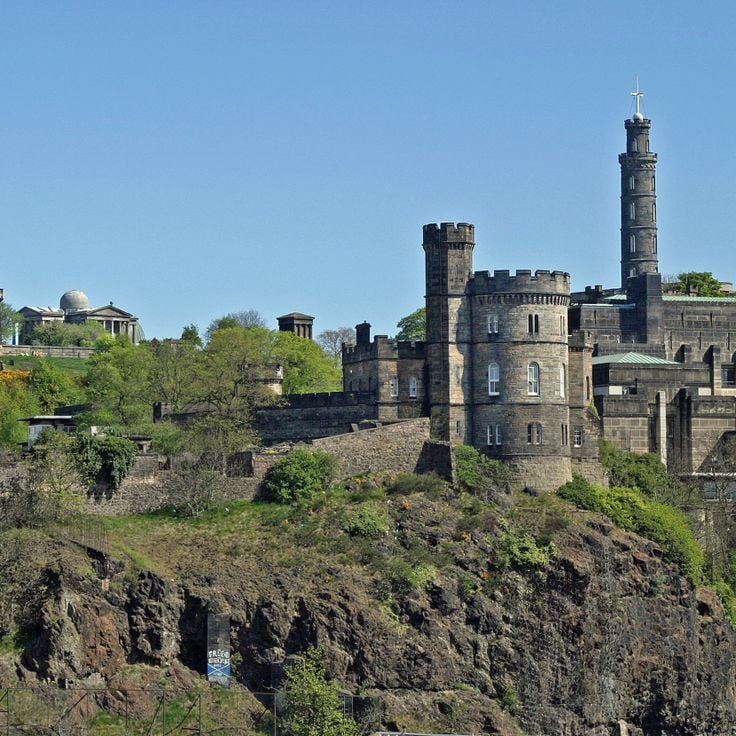
Calton Hill rises above Edinburgh and offers views across the city, the bay and the surrounding hills. Several structures from the 18th and 19th centuries stand on the summit, including the National Monument and Nelson Tower. The site combines open green space with historic buildings and serves as a viewpoint over the old town, the castle and the harbor. Those visiting for photography find changing light across the city and clear sightlines in all directions. The hill is accessible on foot and is often visited at sunrise and sunset.
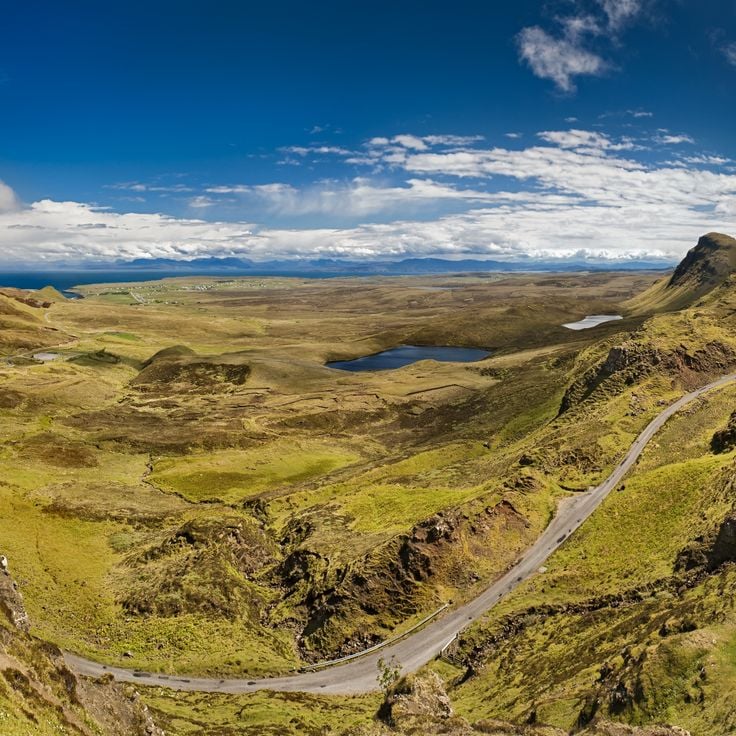
The Isle of Skye offers rock formations, waterfalls, old castles and traditional villages with thatched houses. For this Instagram photography collection of Scottish locations, the island provides different subjects through changing light and throughout the year. The terrain ranges from coastal sections to hillsides that shift with different weather conditions.
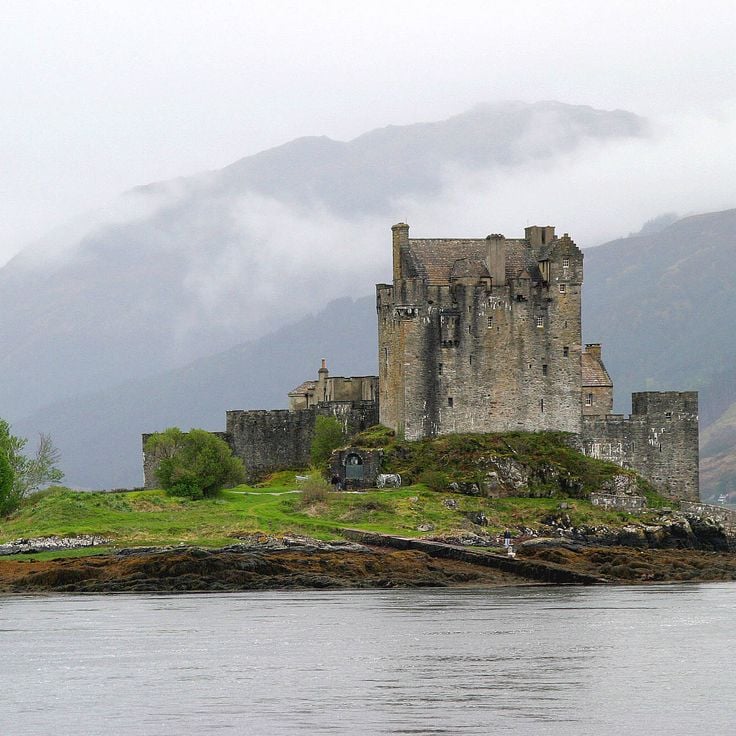
This 13th century castle combines Scottish history with landscape photography. Eilean Donan Castle stands on a small island connected to the mainland by a stone bridge. The position between three lakes creates changing light throughout the day. Photographers find different angles from the bridge, from the shoreline and from higher points nearby. The stone walls and towers provide clear shapes for compositions, especially at sunrise and sunset.
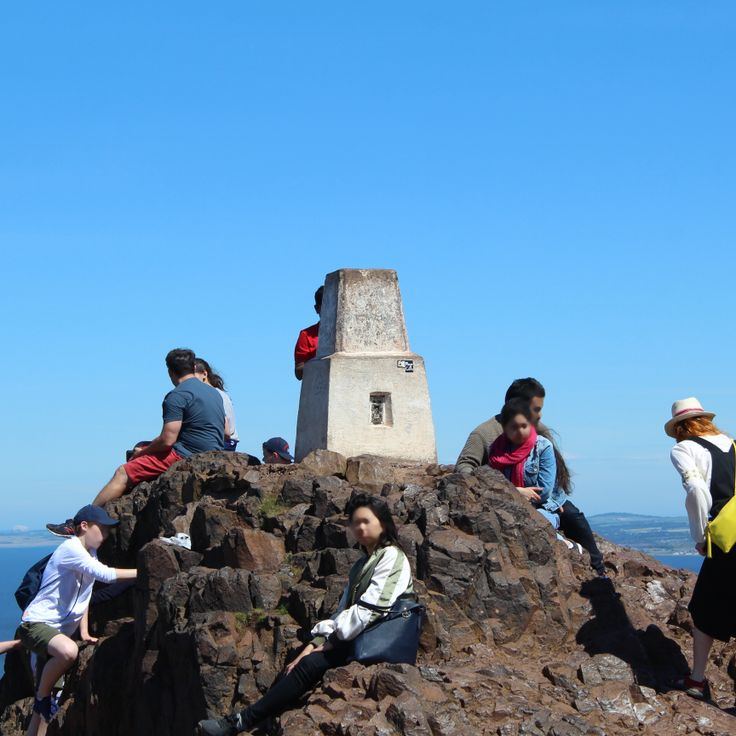
This 251-meter volcanic peak sits in central Edinburgh and offers several hiking trails that wind through grassland and rocky terrain. From the summit, you see the Old Town, the Georgian quarters, the harbor at Leith, and the sea beyond. On clear days, the view reaches the hills of Fife. The climb takes about half an hour and works well for sunrise or sunset photos, when light washes the city and the water in warm tones.
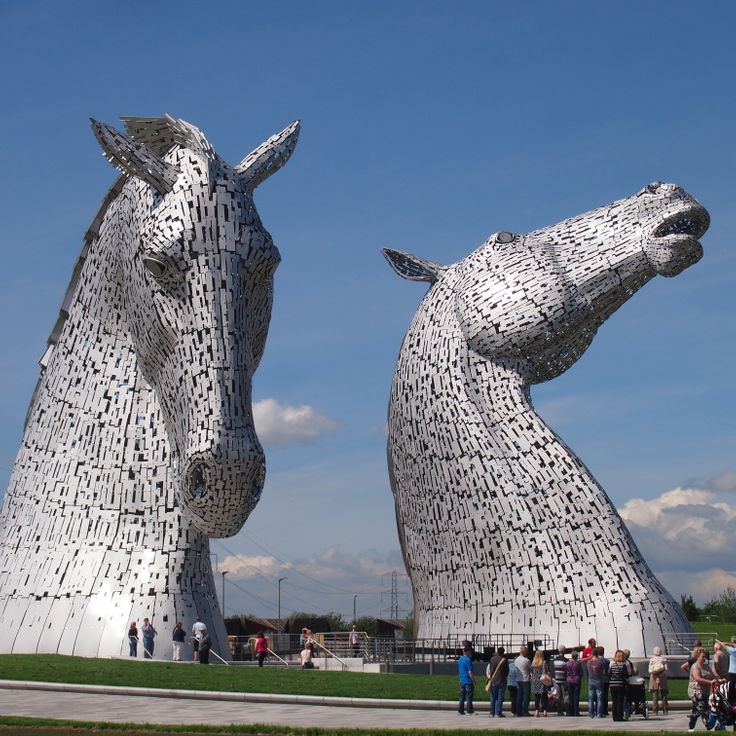
The Kelpies are two steel horse sculptures standing 30 meters tall (98 feet) beside the Forth and Clyde Canal. They recall Scotland's industrial past and the working horses that once pulled barges along the canals. For Instagram photography, these sculptures offer bold shapes against changing skies. At sunset, they cast long shadows over the water. The surrounding land is flat and open, allowing views and photos from many angles.
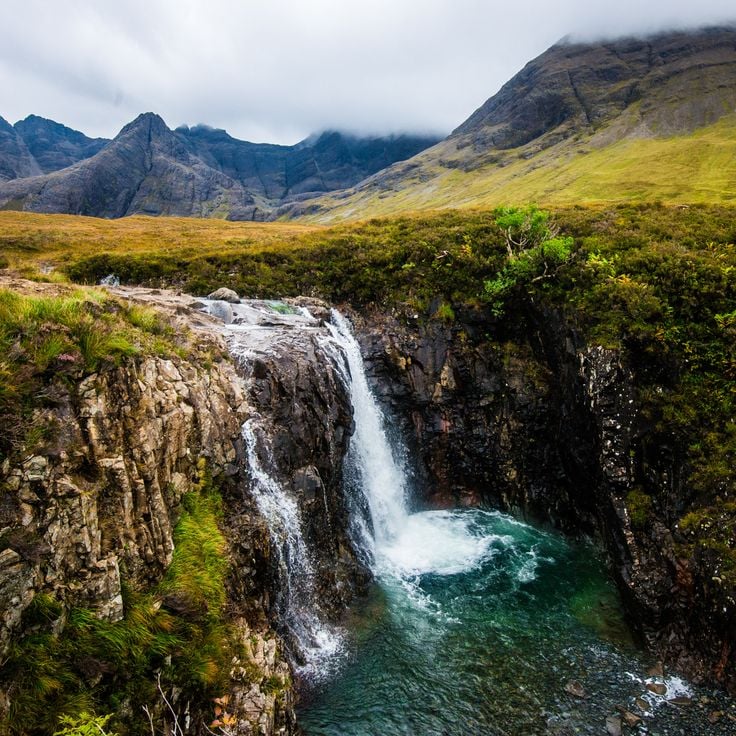
These natural pools at the foot of the Cuillin Mountains are fed by the River Brittle and show turquoise water flowing over rock formations. The Fairy Pools sit in open moorland where light on the water and surrounding slopes creates changing tones throughout the day. Photographers find subjects here with clear streams, dark rock and mountain backgrounds, especially under overcast skies or after rainfall when the water appears at its clearest.
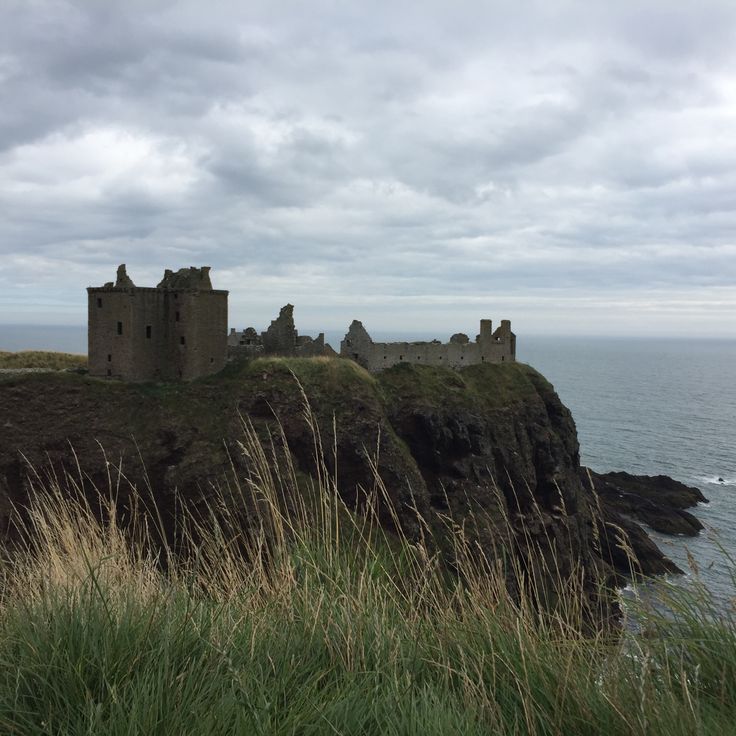
This castle stands south of Stonehaven on a narrow headland jutting into the sea. The ruins date from the 15th century and rise more than 160 feet (50 meters) above the water. Waves crash against steep cliffs while gulls circle the old stone walls. A sloping path leads down from the mainland to the promontory, then climbs back up to the entrance. Changing light creates opportunities for photos with fog, sunrise or shifting cloud formations over the North Atlantic.
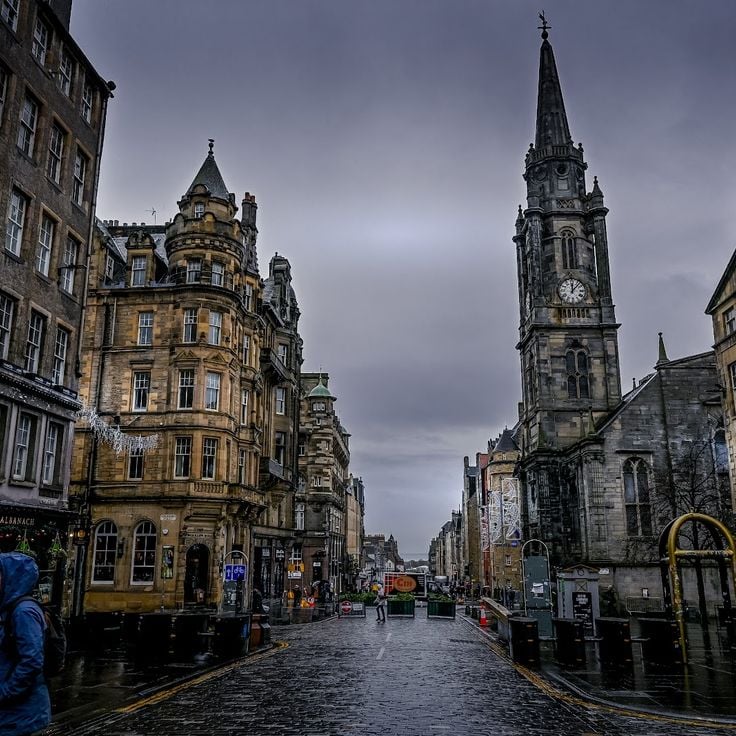
The Royal Mile is the old main street connecting Edinburgh Castle with Holyrood Palace. This route lies in the historic center and shows buildings from different centuries. Shops, museums and churches line the street. For Instagram photography, this street offers different subjects: the medieval architecture, the narrow lanes, the towers and the views toward the surrounding hills. Light changes with the time of day and illuminates the facades differently.
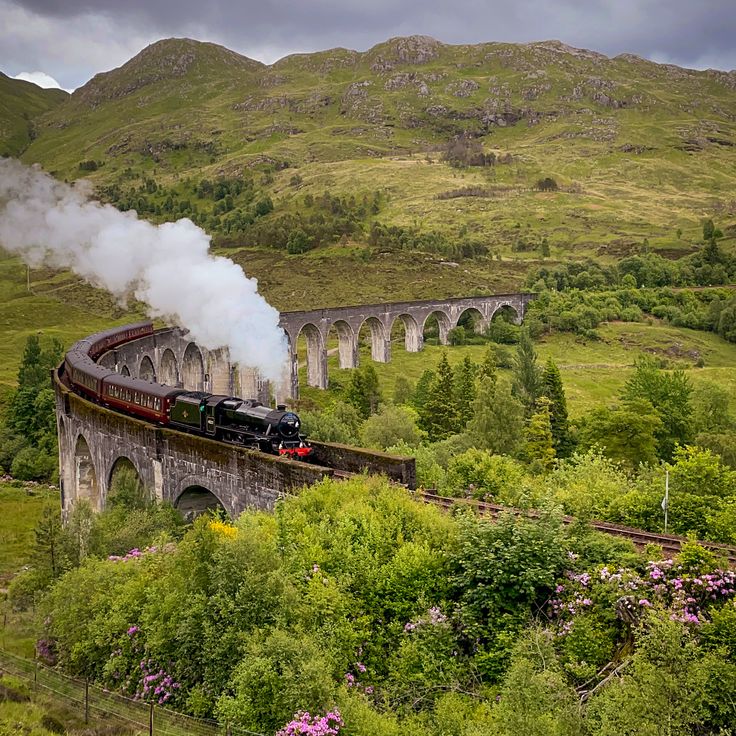
This railway viaduct from 1901 crosses the Glenfinnan Valley and showcases Victorian engineering in a glen surrounded by hills. It gained international recognition through its appearances in the Harry Potter films. Steam trains regularly pass over this 21-arch bridge, creating dramatic photo moments. The combination of historical railway architecture and Scottish landscape makes this viaduct a popular subject for Instagram photographers capturing Scotland's varied scenery and historic structures. The structure stands about 30 meters (100 feet) tall at its highest point and stretches roughly 380 meters (1,247 feet) across the valley.
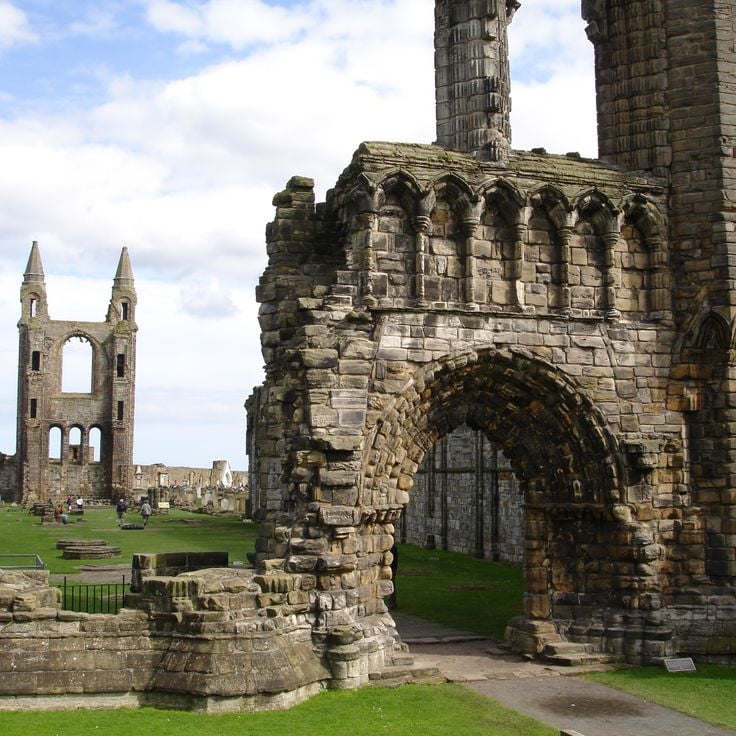
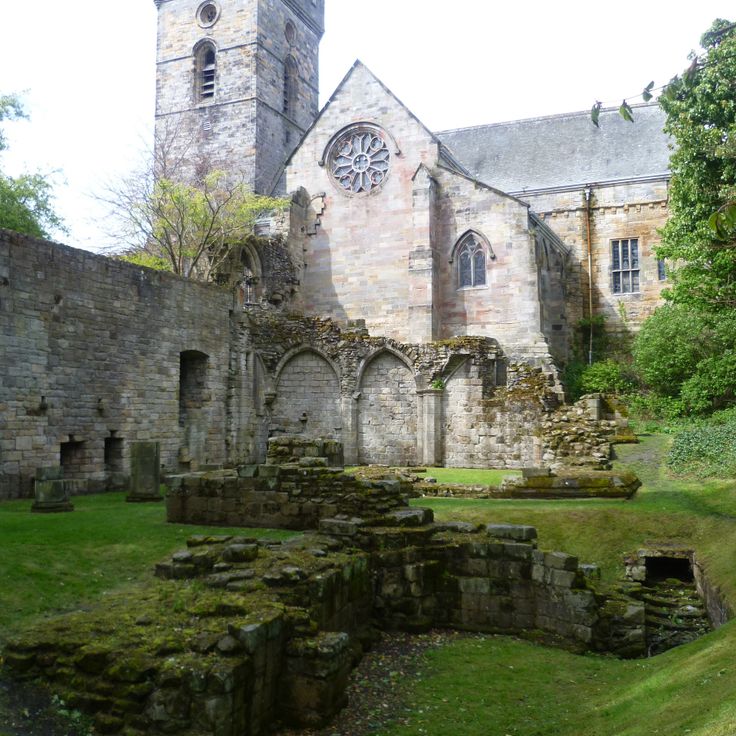
This medieval cathedral from the 12th century was once the largest church in Scotland. The stone walls still stand today and offer insight into the religious life of past centuries. The ruins lie near the coast and show Gothic arches, towers and cloisters. Light shifts throughout the day and illuminates the old stones in different ways, which suits photographs taken at various times.
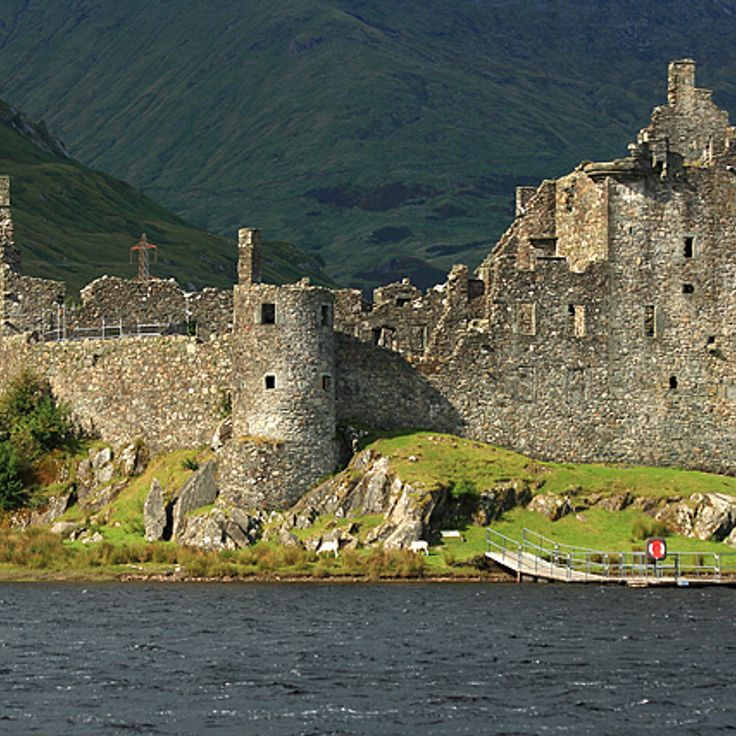
This 15th-century castle stands on a rocky peninsula at the northern end of Loch Awe and offers interesting subjects for Instagram photography with reflections in the water. Kilchurn Castle presents a historical structure that can be photographed in different lighting conditions and seasons. The combination of ruins, loch and mountainous surroundings creates changing compositions.
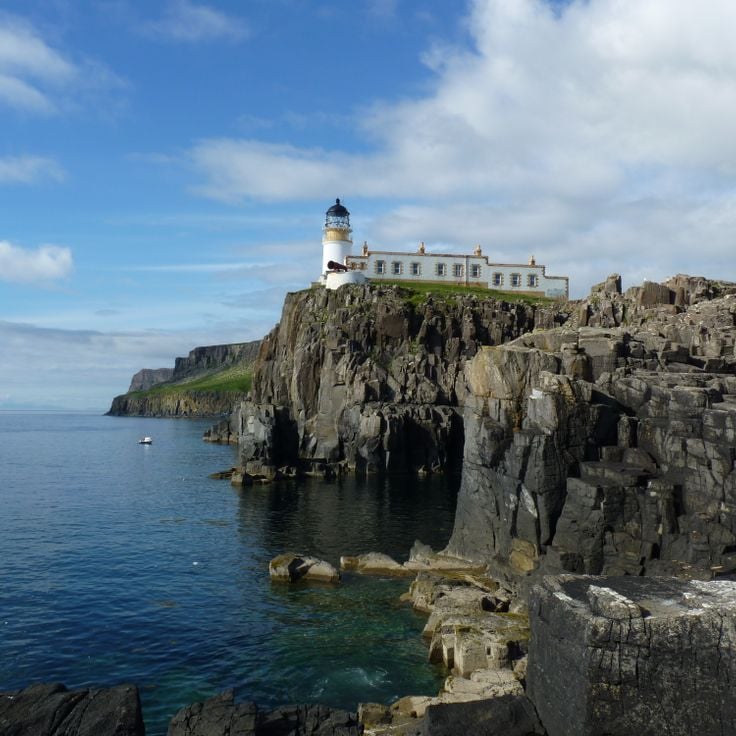
This lighthouse built in 1909 stands on a cliff on the western coast of Isle of Skye and offers views of the Atlantic. Neist Point Lighthouse is one of the subjects that makes Scotland's coastal landscape accessible for photography. A path leads down to the headland where the white structure stands out against the ocean. Light changes with weather and season, giving the scene a different appearance each time.
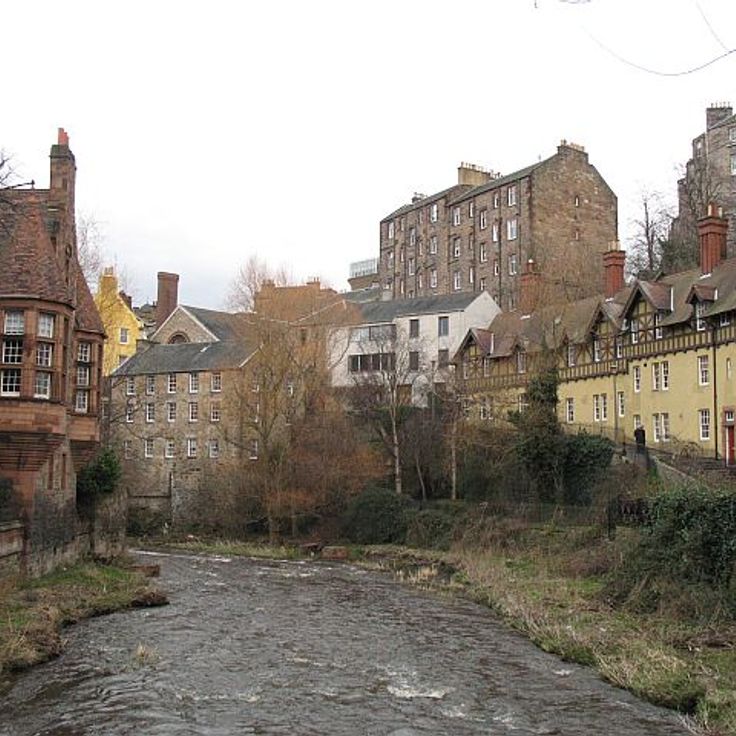
Dean Village is a 12th-century neighborhood along the Water of Leith river in Edinburgh. The old water mills and medieval buildings sit just minutes from the city center. Stone bridges and riverside paths create calm photo opportunities throughout the day. This historic settlement shows the connection between medieval past and modern Edinburgh.
This park covers peaks, forests and lakes across the Scottish Highlands. Trails lead through open moorland and pine woods, past streams and rock faces. In winter, snow often settles on higher ground, while summer and autumn bring different colors and light. Photo opportunities appear along valleys, by water and on ridges where views open over the land.
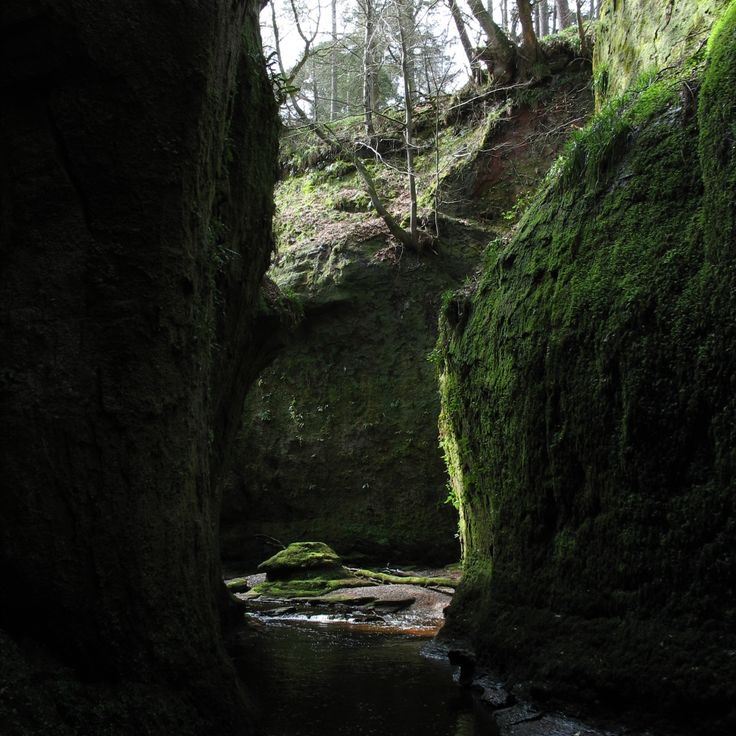
This narrow gorge of red sandstone sits in Stirlingshire. The walls reach a depth of around 70 feet and are covered with green moss. A stone path runs along the bottom through the tight passage. Finnich Glen offers interesting contrasts for Instagram photography between the red rock and the green vegetation. Natural light changes throughout the day and creates different moods in the gorge. The site belongs to Scottish landscapes with a marked geological formation.
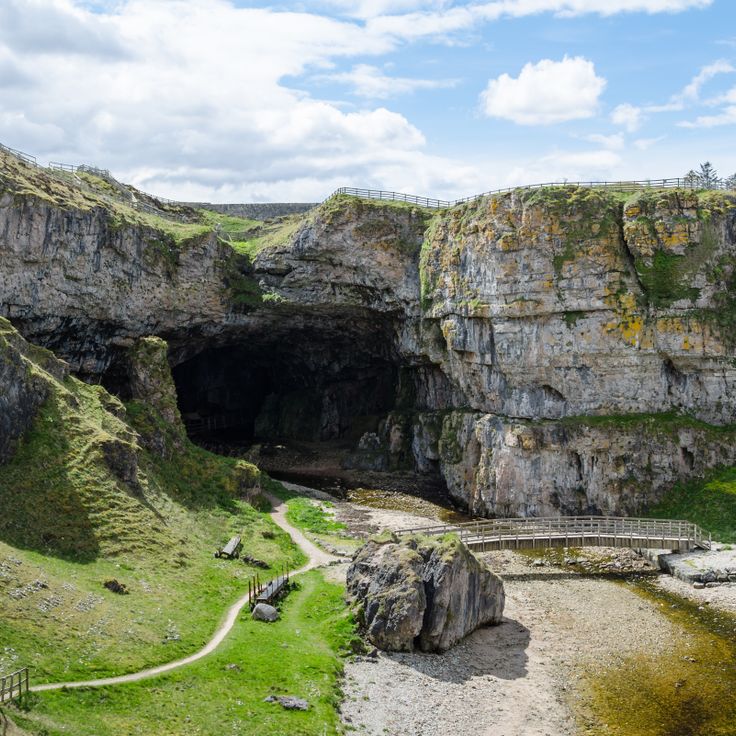
This cave sits in a remote coastal area of the Scottish Highlands. The entrance opens about 20 meters (65 feet) high toward the sea, and the interior consists of three chambers formed by limestone. An underground waterfall connects fresh water from inland with seawater, creating unusual lighting conditions. The cave offers different angles for photography, especially with changing daylight. The contrast between dark rock and water makes this location interesting for Scottish landscape shots.
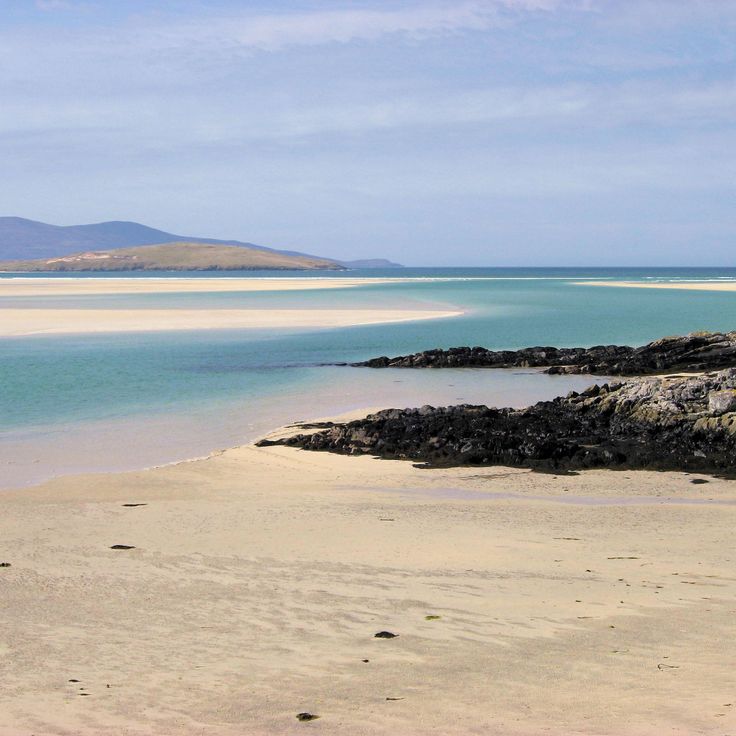
This beach sits on Harris in the Outer Hebrides and shows white sand meeting light blue water. Green hills frame the bay and create changing light conditions suited for photography. The clear water shifts its color with the tides and weather. The long stretch of sand offers open views across the surrounding landscape, making Luskentyre Beach a suitable subject for capturing the Scottish coast in different seasons.
This village in Fife preserves its 17th century appearance with cobblestone streets and stone houses. The narrow lanes lead to an old market cross in the center. Culross offers photographers perspectives on historic architecture and details from the time when trade and crafts flourished here. The pastel facades and narrow passages between buildings create compositions in soft morning or late afternoon light.
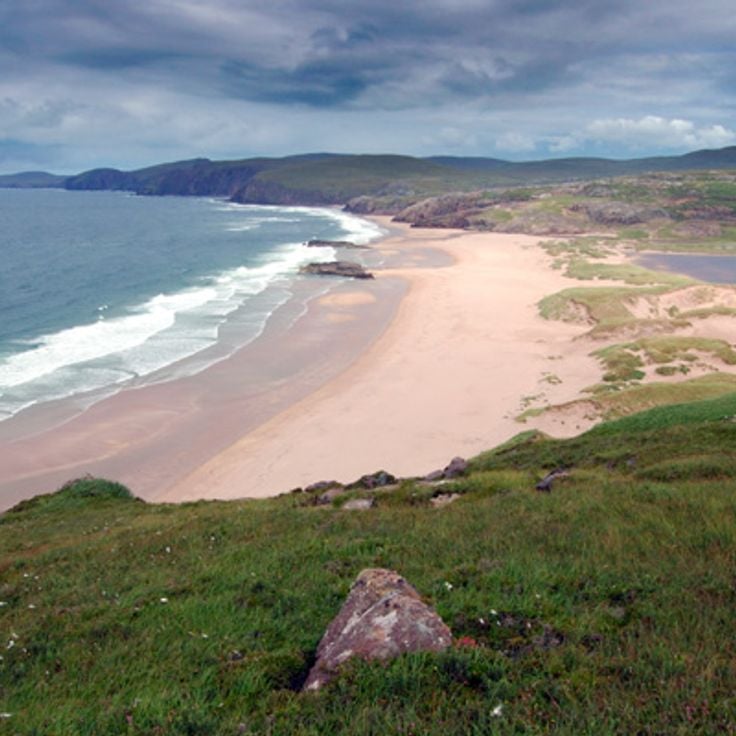
Sandwood Bay sits at the edge of the far northwest Highlands on a stretch of coastline reached only on foot. This beach requires a walk of about 4 miles (6 kilometers) across moorland. Grass-covered dunes roll down to pale sand. A tall sea stack rises from the water near the shore and appears in many photographs taken here for Instagram. The approach takes roughly an hour and a half and ends at an empty beach facing the Atlantic. Wind and shifting clouds change the light frequently. Many photographers visit in summer for long evenings or in autumn when weather turns more dramatic. The remoteness makes Sandwood Bay a popular location for outdoor photography in Scotland.
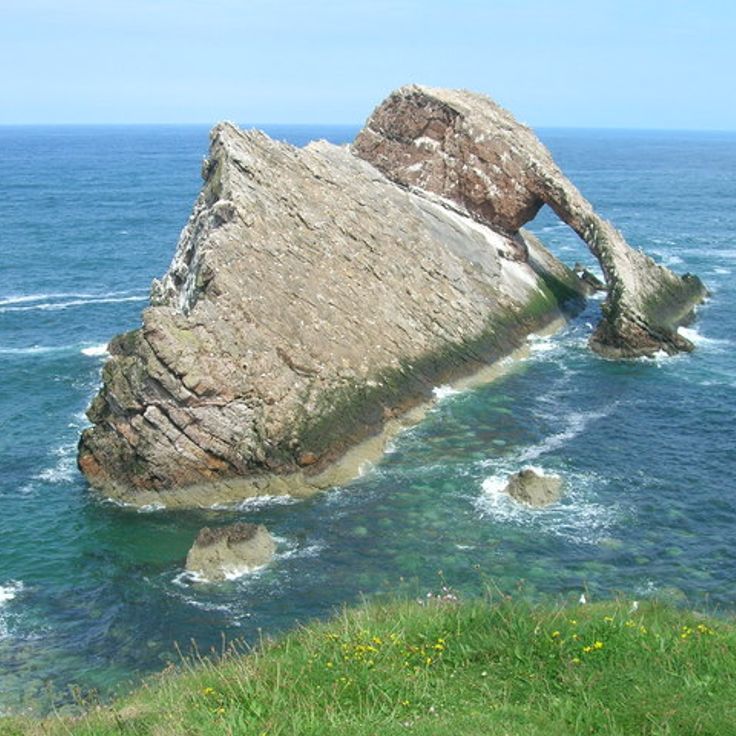
This natural quartzite arch rises from the sea in the shape of a fiddle bow. Bow Fiddle Rock provides opportunities for capturing the Scottish coastline with waves breaking against the stone. Low tide and different light conditions create varied perspectives. The location offers views of the Moray Firth coastline and the rock formation shaped by water over thousands of years.
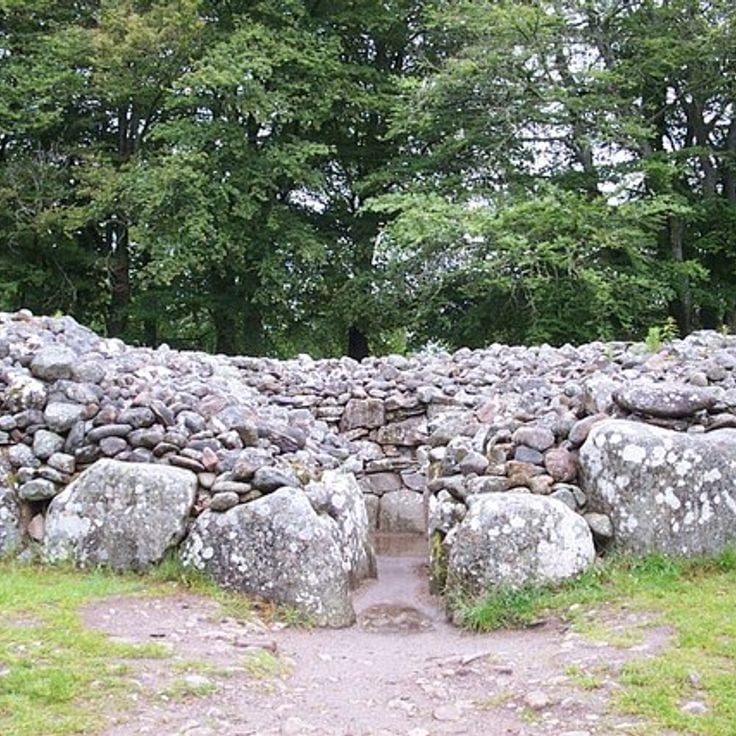
This Bronze Age burial site near Inverness features circular stone arrangements with three large cairns built around 2000 BCE. The Clava Cairns contain standing stones, passages and chambers surrounded by trees, which can be photographed when the sun is low.
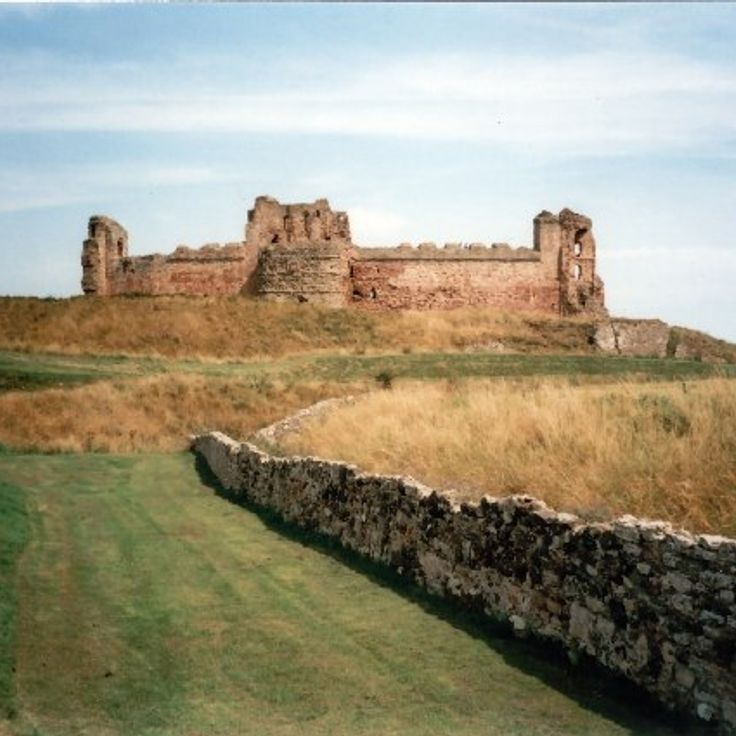
This 14th-century fortress stands on a clifftop above the sea. The red sandstone walls form a strong contrast with the water and sky. From the courtyard, you can see through the ruins to the coastline. At sunset, the stone glows in warm tones, and when fog rolls in, Tantallon Castle feels like a place from another time. Waves break directly below the walls.
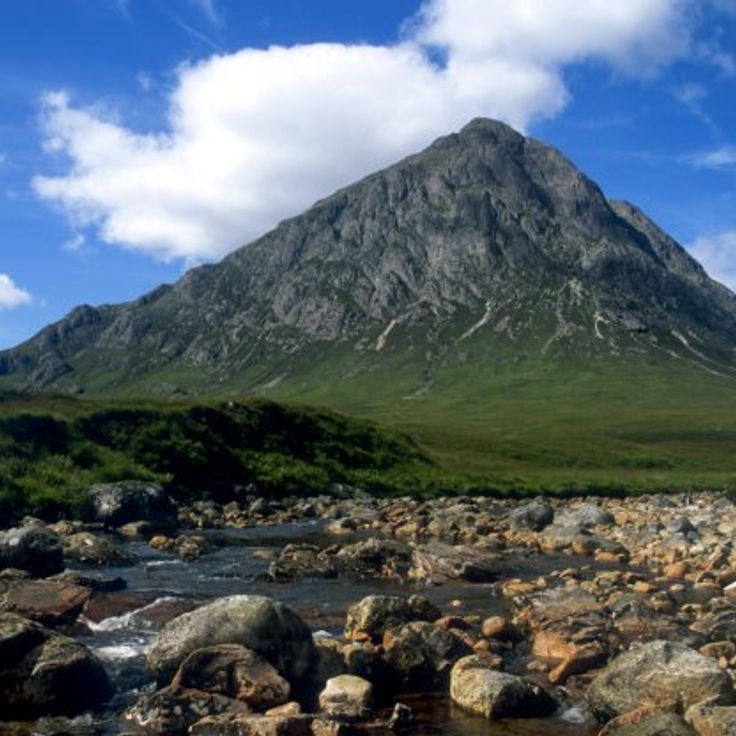
Buachaille Etive Mor rises to 3353 feet (1022 meters) and shows a clear pyramid shape. The mountain stands at the entrance to Glen Coe and photographs well in changing light. Morning mist and clouds often move around the summit. The A82 road passes nearby and offers several pull-offs with views of the north face. In winter, snow covers the upper slopes. The shape of the mountain stands out from the surrounding landscape and can be recognized from different angles. This mountain scenery represents one of the classic subjects for photography in Scotland.
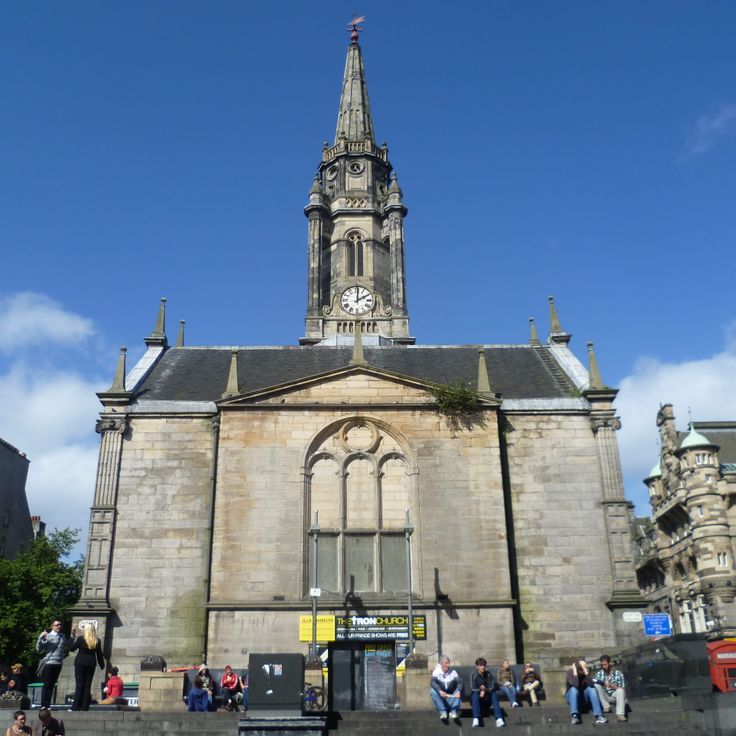
This former 17th-century church now houses local vendors and craft makers. Tron Kirk Market offers a backdrop for photography where historical architecture meets contemporary activity. Stone walls and arches from the old church frame market stalls and handmade goods. The building sits directly on the Royal Mile, connecting religious history with everyday life in Edinburgh today.
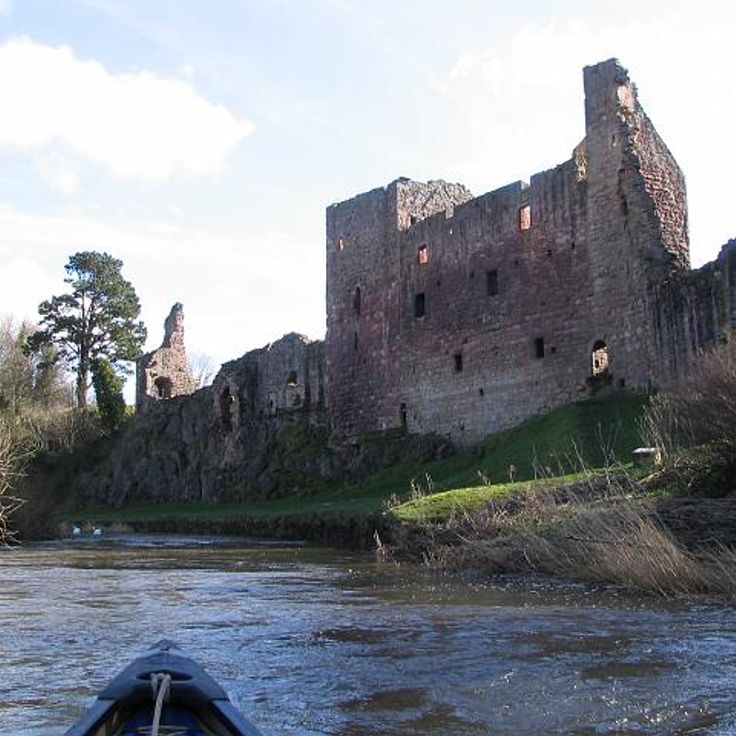
The stone walls of this fortification rise along the River Tyne. Hailes Castle dates from the 13th century and its defensive towers show medieval building techniques. The ruins preserve thick stone walls, vaulted passageways and a square keep. From the riverbank, the scene creates a quiet setting among green fields. The castle provides photo opportunities in changing daylight, suitable for Instagram posts of Scottish locations. At sunset, the stones glow in warm tones.
Loch Lomond and The Trossachs National Park, Scotland
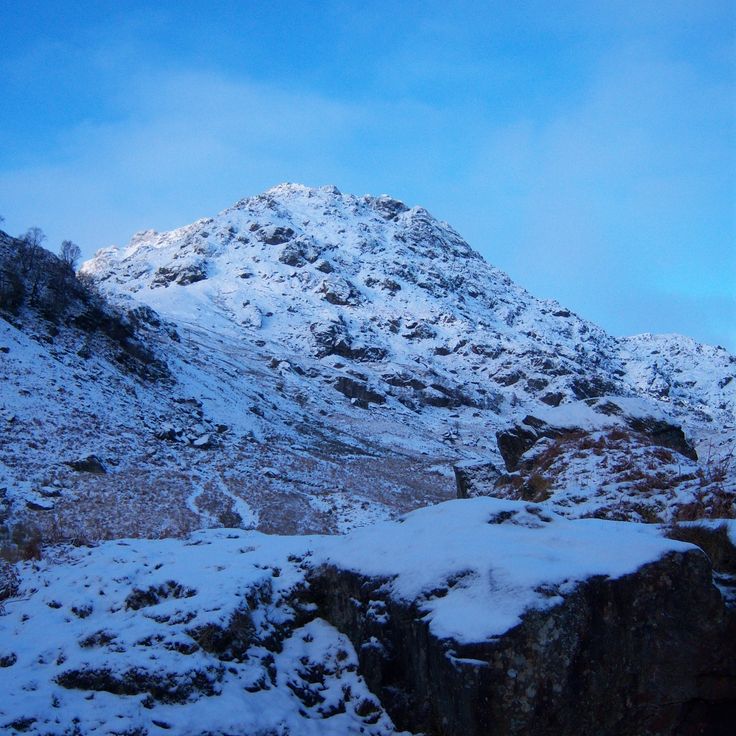
This mountain rises to 454 meters and offers views across lakes and surrounding peaks. The climb passes through pine forests and between rock formations. On clear days the view extends far across the highlands, while morning and evening light shifts across the landscape and creates different photographic opportunities. Ben A'an is one of the smaller summits in this region and can be reached within a few hours, making it a popular choice for hikers and photographers.
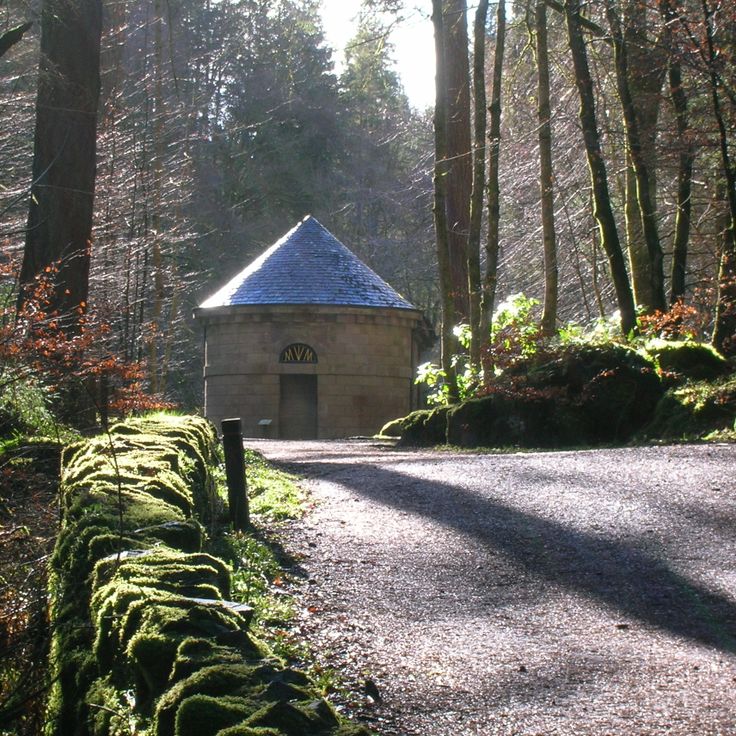
This forest area leads through tall Douglas fir trees to the Black Linn waterfall and Ossian's Hall, a viewing structure from the 18th century. The paths follow the river between rocks and trees, and the water drops over several levels into a basin. In autumn the leaves turn color, in spring moss grows on the stones. The place works for shots in changing light, when mist moves through the trees or when sun hits the water surface.
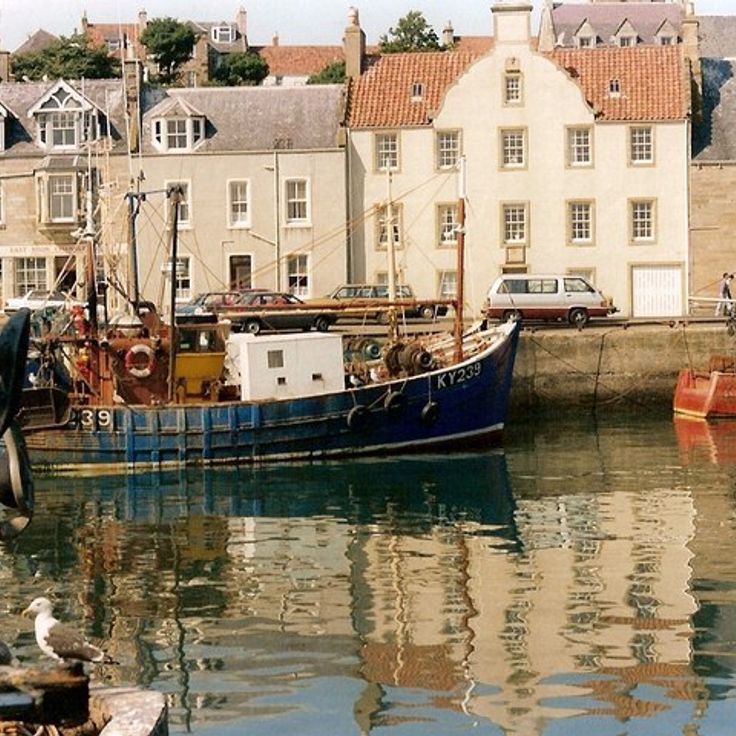
Pittenweem is a working fishing harbor on the coast of Fife. Boats return daily with fresh catch. Stone houses from the 17th century line the quayside. Traditional fishermen's cottages form narrow lanes above the harbor. The light changes with the tides and offers different subjects for Instagram photography. At dawn or sunset, this place provides shots of working boats, old house fronts and the traces of a community that has lived from the sea for centuries.
This castle rises on an extinct volcano above the city and has been fortified since the 12th century. The walls enclose the Scottish Crown Jewels and the Stone of Destiny. For Instagram photography, Edinburgh Castle offers views across the Old Town, medieval architecture and changing light over the basalt rock. The fortress shows different building styles from several centuries and sits centrally above the streets of the capital.
Loch Ness is a large freshwater lake in the Scottish Highlands, running through several valleys. The dark water and steep slopes along the shores create a serious mood, especially when mist drifts across the surface. Ruins of old castles stand at certain points on the shore, and small villages lie along the road that follows the lake. This lake is deep, and the water often appears black or dark blue. In the morning and evening, the colors of the sky and water change quickly, offering different possibilities for photography. Woods cover parts of the slopes, while other sections are bare and rocky.
This valley was shaped by glaciers and shows steep mountain slopes where waterfalls drop between alpine vegetation. Glencoe is a place for photographers who want to capture Scottish landscapes in changing light. In winter, snow often covers the peaks, while the valley floor turns green in summer. Mist frequently moves through the gorges and gives photographs a particular mood.
Stirling Castle served as royal residence from the 15th century onward and hosted several coronation ceremonies. The fortress sits on a rock above the town and offers views over the surrounding countryside. Inside the courtyard stand buildings from different periods, including the great hall and royal apartments. The site displays Renaissance and medieval architecture. For Instagram photography, the contrast between stone walls, towers and the landscape beyond works well. Light changes throughout the day and across seasons. From the ramparts you can see as far as the hills of the Highlands.
Calton Hill rises above Edinburgh and offers views across the city, the bay and the surrounding hills. Several structures from the 18th and 19th centuries stand on the summit, including the National Monument and Nelson Tower. The site combines open green space with historic buildings and serves as a viewpoint over the old town, the castle and the harbor. Those visiting for photography find changing light across the city and clear sightlines in all directions. The hill is accessible on foot and is often visited at sunrise and sunset.
The Isle of Skye offers rock formations, waterfalls, old castles and traditional villages with thatched houses. For this Instagram photography collection of Scottish locations, the island provides different subjects through changing light and throughout the year. The terrain ranges from coastal sections to hillsides that shift with different weather conditions.
This 13th century castle combines Scottish history with landscape photography. Eilean Donan Castle stands on a small island connected to the mainland by a stone bridge. The position between three lakes creates changing light throughout the day. Photographers find different angles from the bridge, from the shoreline and from higher points nearby. The stone walls and towers provide clear shapes for compositions, especially at sunrise and sunset.
This 251-meter volcanic peak sits in central Edinburgh and offers several hiking trails that wind through grassland and rocky terrain. From the summit, you see the Old Town, the Georgian quarters, the harbor at Leith, and the sea beyond. On clear days, the view reaches the hills of Fife. The climb takes about half an hour and works well for sunrise or sunset photos, when light washes the city and the water in warm tones.
The Kelpies are two steel horse sculptures standing 30 meters tall (98 feet) beside the Forth and Clyde Canal. They recall Scotland's industrial past and the working horses that once pulled barges along the canals. For Instagram photography, these sculptures offer bold shapes against changing skies. At sunset, they cast long shadows over the water. The surrounding land is flat and open, allowing views and photos from many angles.
These natural pools at the foot of the Cuillin Mountains are fed by the River Brittle and show turquoise water flowing over rock formations. The Fairy Pools sit in open moorland where light on the water and surrounding slopes creates changing tones throughout the day. Photographers find subjects here with clear streams, dark rock and mountain backgrounds, especially under overcast skies or after rainfall when the water appears at its clearest.
This castle stands south of Stonehaven on a narrow headland jutting into the sea. The ruins date from the 15th century and rise more than 160 feet (50 meters) above the water. Waves crash against steep cliffs while gulls circle the old stone walls. A sloping path leads down from the mainland to the promontory, then climbs back up to the entrance. Changing light creates opportunities for photos with fog, sunrise or shifting cloud formations over the North Atlantic.
The Royal Mile is the old main street connecting Edinburgh Castle with Holyrood Palace. This route lies in the historic center and shows buildings from different centuries. Shops, museums and churches line the street. For Instagram photography, this street offers different subjects: the medieval architecture, the narrow lanes, the towers and the views toward the surrounding hills. Light changes with the time of day and illuminates the facades differently.
This railway viaduct from 1901 crosses the Glenfinnan Valley and showcases Victorian engineering in a glen surrounded by hills. It gained international recognition through its appearances in the Harry Potter films. Steam trains regularly pass over this 21-arch bridge, creating dramatic photo moments. The combination of historical railway architecture and Scottish landscape makes this viaduct a popular subject for Instagram photographers capturing Scotland's varied scenery and historic structures. The structure stands about 30 meters (100 feet) tall at its highest point and stretches roughly 380 meters (1,247 feet) across the valley.
This medieval cathedral from the 12th century was once the largest church in Scotland. The stone walls still stand today and offer insight into the religious life of past centuries. The ruins lie near the coast and show Gothic arches, towers and cloisters. Light shifts throughout the day and illuminates the old stones in different ways, which suits photographs taken at various times.
This 15th-century castle stands on a rocky peninsula at the northern end of Loch Awe and offers interesting subjects for Instagram photography with reflections in the water. Kilchurn Castle presents a historical structure that can be photographed in different lighting conditions and seasons. The combination of ruins, loch and mountainous surroundings creates changing compositions.
This lighthouse built in 1909 stands on a cliff on the western coast of Isle of Skye and offers views of the Atlantic. Neist Point Lighthouse is one of the subjects that makes Scotland's coastal landscape accessible for photography. A path leads down to the headland where the white structure stands out against the ocean. Light changes with weather and season, giving the scene a different appearance each time.
Dean Village is a 12th-century neighborhood along the Water of Leith river in Edinburgh. The old water mills and medieval buildings sit just minutes from the city center. Stone bridges and riverside paths create calm photo opportunities throughout the day. This historic settlement shows the connection between medieval past and modern Edinburgh.
This park covers peaks, forests and lakes across the Scottish Highlands. Trails lead through open moorland and pine woods, past streams and rock faces. In winter, snow often settles on higher ground, while summer and autumn bring different colors and light. Photo opportunities appear along valleys, by water and on ridges where views open over the land.
This narrow gorge of red sandstone sits in Stirlingshire. The walls reach a depth of around 70 feet and are covered with green moss. A stone path runs along the bottom through the tight passage. Finnich Glen offers interesting contrasts for Instagram photography between the red rock and the green vegetation. Natural light changes throughout the day and creates different moods in the gorge. The site belongs to Scottish landscapes with a marked geological formation.
This cave sits in a remote coastal area of the Scottish Highlands. The entrance opens about 20 meters (65 feet) high toward the sea, and the interior consists of three chambers formed by limestone. An underground waterfall connects fresh water from inland with seawater, creating unusual lighting conditions. The cave offers different angles for photography, especially with changing daylight. The contrast between dark rock and water makes this location interesting for Scottish landscape shots.
This beach sits on Harris in the Outer Hebrides and shows white sand meeting light blue water. Green hills frame the bay and create changing light conditions suited for photography. The clear water shifts its color with the tides and weather. The long stretch of sand offers open views across the surrounding landscape, making Luskentyre Beach a suitable subject for capturing the Scottish coast in different seasons.
This village in Fife preserves its 17th century appearance with cobblestone streets and stone houses. The narrow lanes lead to an old market cross in the center. Culross offers photographers perspectives on historic architecture and details from the time when trade and crafts flourished here. The pastel facades and narrow passages between buildings create compositions in soft morning or late afternoon light.
Sandwood Bay sits at the edge of the far northwest Highlands on a stretch of coastline reached only on foot. This beach requires a walk of about 4 miles (6 kilometers) across moorland. Grass-covered dunes roll down to pale sand. A tall sea stack rises from the water near the shore and appears in many photographs taken here for Instagram. The approach takes roughly an hour and a half and ends at an empty beach facing the Atlantic. Wind and shifting clouds change the light frequently. Many photographers visit in summer for long evenings or in autumn when weather turns more dramatic. The remoteness makes Sandwood Bay a popular location for outdoor photography in Scotland.
This natural quartzite arch rises from the sea in the shape of a fiddle bow. Bow Fiddle Rock provides opportunities for capturing the Scottish coastline with waves breaking against the stone. Low tide and different light conditions create varied perspectives. The location offers views of the Moray Firth coastline and the rock formation shaped by water over thousands of years.
This Bronze Age burial site near Inverness features circular stone arrangements with three large cairns built around 2000 BCE. The Clava Cairns contain standing stones, passages and chambers surrounded by trees, which can be photographed when the sun is low.
This 14th-century fortress stands on a clifftop above the sea. The red sandstone walls form a strong contrast with the water and sky. From the courtyard, you can see through the ruins to the coastline. At sunset, the stone glows in warm tones, and when fog rolls in, Tantallon Castle feels like a place from another time. Waves break directly below the walls.
Buachaille Etive Mor rises to 3353 feet (1022 meters) and shows a clear pyramid shape. The mountain stands at the entrance to Glen Coe and photographs well in changing light. Morning mist and clouds often move around the summit. The A82 road passes nearby and offers several pull-offs with views of the north face. In winter, snow covers the upper slopes. The shape of the mountain stands out from the surrounding landscape and can be recognized from different angles. This mountain scenery represents one of the classic subjects for photography in Scotland.
This former 17th-century church now houses local vendors and craft makers. Tron Kirk Market offers a backdrop for photography where historical architecture meets contemporary activity. Stone walls and arches from the old church frame market stalls and handmade goods. The building sits directly on the Royal Mile, connecting religious history with everyday life in Edinburgh today.
The stone walls of this fortification rise along the River Tyne. Hailes Castle dates from the 13th century and its defensive towers show medieval building techniques. The ruins preserve thick stone walls, vaulted passageways and a square keep. From the riverbank, the scene creates a quiet setting among green fields. The castle provides photo opportunities in changing daylight, suitable for Instagram posts of Scottish locations. At sunset, the stones glow in warm tones.
Loch Lomond and The Trossachs National Park, Scotland
This mountain rises to 454 meters and offers views across lakes and surrounding peaks. The climb passes through pine forests and between rock formations. On clear days the view extends far across the highlands, while morning and evening light shifts across the landscape and creates different photographic opportunities. Ben A'an is one of the smaller summits in this region and can be reached within a few hours, making it a popular choice for hikers and photographers.
This forest area leads through tall Douglas fir trees to the Black Linn waterfall and Ossian's Hall, a viewing structure from the 18th century. The paths follow the river between rocks and trees, and the water drops over several levels into a basin. In autumn the leaves turn color, in spring moss grows on the stones. The place works for shots in changing light, when mist moves through the trees or when sun hits the water surface.
Pittenweem is a working fishing harbor on the coast of Fife. Boats return daily with fresh catch. Stone houses from the 17th century line the quayside. Traditional fishermen's cottages form narrow lanes above the harbor. The light changes with the tides and offers different subjects for Instagram photography. At dawn or sunset, this place provides shots of working boats, old house fronts and the traces of a community that has lived from the sea for centuries.
This castle rises on an extinct volcano above the city and has been fortified since the 12th century. The walls enclose the Scottish Crown Jewels and the Stone of Destiny. For Instagram photography, Edinburgh Castle offers views across the Old Town, medieval architecture and changing light over the basalt rock. The fortress shows different building styles from several centuries and sits centrally above the streets of the capital.
Loch Ness is a large freshwater lake in the Scottish Highlands, running through several valleys. The dark water and steep slopes along the shores create a serious mood, especially when mist drifts across the surface. Ruins of old castles stand at certain points on the shore, and small villages lie along the road that follows the lake. This lake is deep, and the water often appears black or dark blue. In the morning and evening, the colors of the sky and water change quickly, offering different possibilities for photography. Woods cover parts of the slopes, while other sections are bare and rocky.
This valley was shaped by glaciers and shows steep mountain slopes where waterfalls drop between alpine vegetation. Glencoe is a place for photographers who want to capture Scottish landscapes in changing light. In winter, snow often covers the peaks, while the valley floor turns green in summer. Mist frequently moves through the gorges and gives photographs a particular mood.
Stirling Castle served as royal residence from the 15th century onward and hosted several coronation ceremonies. The fortress sits on a rock above the town and offers views over the surrounding countryside. Inside the courtyard stand buildings from different periods, including the great hall and royal apartments. The site displays Renaissance and medieval architecture. For Instagram photography, the contrast between stone walls, towers and the landscape beyond works well. Light changes throughout the day and across seasons. From the ramparts you can see as far as the hills of the Highlands.
Calton Hill rises above Edinburgh and offers views across the city, the bay and the surrounding hills. Several structures from the 18th and 19th centuries stand on the summit, including the National Monument and Nelson Tower. The site combines open green space with historic buildings and serves as a viewpoint over the old town, the castle and the harbor. Those visiting for photography find changing light across the city and clear sightlines in all directions. The hill is accessible on foot and is often visited at sunrise and sunset.
The Isle of Skye offers rock formations, waterfalls, old castles and traditional villages with thatched houses. For this Instagram photography collection of Scottish locations, the island provides different subjects through changing light and throughout the year. The terrain ranges from coastal sections to hillsides that shift with different weather conditions.
This 13th century castle combines Scottish history with landscape photography. Eilean Donan Castle stands on a small island connected to the mainland by a stone bridge. The position between three lakes creates changing light throughout the day. Photographers find different angles from the bridge, from the shoreline and from higher points nearby. The stone walls and towers provide clear shapes for compositions, especially at sunrise and sunset.
This 251-meter volcanic peak sits in central Edinburgh and offers several hiking trails that wind through grassland and rocky terrain. From the summit, you see the Old Town, the Georgian quarters, the harbor at Leith, and the sea beyond. On clear days, the view reaches the hills of Fife. The climb takes about half an hour and works well for sunrise or sunset photos, when light washes the city and the water in warm tones.
The Kelpies are two steel horse sculptures standing 30 meters tall (98 feet) beside the Forth and Clyde Canal. They recall Scotland's industrial past and the working horses that once pulled barges along the canals. For Instagram photography, these sculptures offer bold shapes against changing skies. At sunset, they cast long shadows over the water. The surrounding land is flat and open, allowing views and photos from many angles.
These natural pools at the foot of the Cuillin Mountains are fed by the River Brittle and show turquoise water flowing over rock formations. The Fairy Pools sit in open moorland where light on the water and surrounding slopes creates changing tones throughout the day. Photographers find subjects here with clear streams, dark rock and mountain backgrounds, especially under overcast skies or after rainfall when the water appears at its clearest.
This castle stands south of Stonehaven on a narrow headland jutting into the sea. The ruins date from the 15th century and rise more than 160 feet (50 meters) above the water. Waves crash against steep cliffs while gulls circle the old stone walls. A sloping path leads down from the mainland to the promontory, then climbs back up to the entrance. Changing light creates opportunities for photos with fog, sunrise or shifting cloud formations over the North Atlantic.
The Royal Mile is the old main street connecting Edinburgh Castle with Holyrood Palace. This route lies in the historic center and shows buildings from different centuries. Shops, museums and churches line the street. For Instagram photography, this street offers different subjects: the medieval architecture, the narrow lanes, the towers and the views toward the surrounding hills. Light changes with the time of day and illuminates the facades differently.
This railway viaduct from 1901 crosses the Glenfinnan Valley and showcases Victorian engineering in a glen surrounded by hills. It gained international recognition through its appearances in the Harry Potter films. Steam trains regularly pass over this 21-arch bridge, creating dramatic photo moments. The combination of historical railway architecture and Scottish landscape makes this viaduct a popular subject for Instagram photographers capturing Scotland's varied scenery and historic structures. The structure stands about 30 meters (100 feet) tall at its highest point and stretches roughly 380 meters (1,247 feet) across the valley.
This medieval cathedral from the 12th century was once the largest church in Scotland. The stone walls still stand today and offer insight into the religious life of past centuries. The ruins lie near the coast and show Gothic arches, towers and cloisters. Light shifts throughout the day and illuminates the old stones in different ways, which suits photographs taken at various times.
This 15th-century castle stands on a rocky peninsula at the northern end of Loch Awe and offers interesting subjects for Instagram photography with reflections in the water. Kilchurn Castle presents a historical structure that can be photographed in different lighting conditions and seasons. The combination of ruins, loch and mountainous surroundings creates changing compositions.
This lighthouse built in 1909 stands on a cliff on the western coast of Isle of Skye and offers views of the Atlantic. Neist Point Lighthouse is one of the subjects that makes Scotland's coastal landscape accessible for photography. A path leads down to the headland where the white structure stands out against the ocean. Light changes with weather and season, giving the scene a different appearance each time.
Dean Village is a 12th-century neighborhood along the Water of Leith river in Edinburgh. The old water mills and medieval buildings sit just minutes from the city center. Stone bridges and riverside paths create calm photo opportunities throughout the day. This historic settlement shows the connection between medieval past and modern Edinburgh.
This park covers peaks, forests and lakes across the Scottish Highlands. Trails lead through open moorland and pine woods, past streams and rock faces. In winter, snow often settles on higher ground, while summer and autumn bring different colors and light. Photo opportunities appear along valleys, by water and on ridges where views open over the land.
This narrow gorge of red sandstone sits in Stirlingshire. The walls reach a depth of around 70 feet and are covered with green moss. A stone path runs along the bottom through the tight passage. Finnich Glen offers interesting contrasts for Instagram photography between the red rock and the green vegetation. Natural light changes throughout the day and creates different moods in the gorge. The site belongs to Scottish landscapes with a marked geological formation.
This cave sits in a remote coastal area of the Scottish Highlands. The entrance opens about 20 meters (65 feet) high toward the sea, and the interior consists of three chambers formed by limestone. An underground waterfall connects fresh water from inland with seawater, creating unusual lighting conditions. The cave offers different angles for photography, especially with changing daylight. The contrast between dark rock and water makes this location interesting for Scottish landscape shots.
This beach sits on Harris in the Outer Hebrides and shows white sand meeting light blue water. Green hills frame the bay and create changing light conditions suited for photography. The clear water shifts its color with the tides and weather. The long stretch of sand offers open views across the surrounding landscape, making Luskentyre Beach a suitable subject for capturing the Scottish coast in different seasons.
This village in Fife preserves its 17th century appearance with cobblestone streets and stone houses. The narrow lanes lead to an old market cross in the center. Culross offers photographers perspectives on historic architecture and details from the time when trade and crafts flourished here. The pastel facades and narrow passages between buildings create compositions in soft morning or late afternoon light.
Sandwood Bay sits at the edge of the far northwest Highlands on a stretch of coastline reached only on foot. This beach requires a walk of about 4 miles (6 kilometers) across moorland. Grass-covered dunes roll down to pale sand. A tall sea stack rises from the water near the shore and appears in many photographs taken here for Instagram. The approach takes roughly an hour and a half and ends at an empty beach facing the Atlantic. Wind and shifting clouds change the light frequently. Many photographers visit in summer for long evenings or in autumn when weather turns more dramatic. The remoteness makes Sandwood Bay a popular location for outdoor photography in Scotland.
This natural quartzite arch rises from the sea in the shape of a fiddle bow. Bow Fiddle Rock provides opportunities for capturing the Scottish coastline with waves breaking against the stone. Low tide and different light conditions create varied perspectives. The location offers views of the Moray Firth coastline and the rock formation shaped by water over thousands of years.
This Bronze Age burial site near Inverness features circular stone arrangements with three large cairns built around 2000 BCE. The Clava Cairns contain standing stones, passages and chambers surrounded by trees, which can be photographed when the sun is low.
This 14th-century fortress stands on a clifftop above the sea. The red sandstone walls form a strong contrast with the water and sky. From the courtyard, you can see through the ruins to the coastline. At sunset, the stone glows in warm tones, and when fog rolls in, Tantallon Castle feels like a place from another time. Waves break directly below the walls.
Buachaille Etive Mor rises to 3353 feet (1022 meters) and shows a clear pyramid shape. The mountain stands at the entrance to Glen Coe and photographs well in changing light. Morning mist and clouds often move around the summit. The A82 road passes nearby and offers several pull-offs with views of the north face. In winter, snow covers the upper slopes. The shape of the mountain stands out from the surrounding landscape and can be recognized from different angles. This mountain scenery represents one of the classic subjects for photography in Scotland.
This former 17th-century church now houses local vendors and craft makers. Tron Kirk Market offers a backdrop for photography where historical architecture meets contemporary activity. Stone walls and arches from the old church frame market stalls and handmade goods. The building sits directly on the Royal Mile, connecting religious history with everyday life in Edinburgh today.
The stone walls of this fortification rise along the River Tyne. Hailes Castle dates from the 13th century and its defensive towers show medieval building techniques. The ruins preserve thick stone walls, vaulted passageways and a square keep. From the riverbank, the scene creates a quiet setting among green fields. The castle provides photo opportunities in changing daylight, suitable for Instagram posts of Scottish locations. At sunset, the stones glow in warm tones.
Loch Lomond and The Trossachs National Park, Scotland
This mountain rises to 454 meters and offers views across lakes and surrounding peaks. The climb passes through pine forests and between rock formations. On clear days the view extends far across the highlands, while morning and evening light shifts across the landscape and creates different photographic opportunities. Ben A'an is one of the smaller summits in this region and can be reached within a few hours, making it a popular choice for hikers and photographers.
This forest area leads through tall Douglas fir trees to the Black Linn waterfall and Ossian's Hall, a viewing structure from the 18th century. The paths follow the river between rocks and trees, and the water drops over several levels into a basin. In autumn the leaves turn color, in spring moss grows on the stones. The place works for shots in changing light, when mist moves through the trees or when sun hits the water surface.
Pittenweem is a working fishing harbor on the coast of Fife. Boats return daily with fresh catch. Stone houses from the 17th century line the quayside. Traditional fishermen's cottages form narrow lanes above the harbor. The light changes with the tides and offers different subjects for Instagram photography. At dawn or sunset, this place provides shots of working boats, old house fronts and the traces of a community that has lived from the sea for centuries.