See the monuments around you in AROpen chests in the app
Around Us is built for your phone — point your camera at the streets and discover the monuments and places around you in augmented reality.Around Us is built for your phone — chests unlock when you walk, explore and capture nearby places.
From castle ramparts to remote lighthouses, Scotland offers passages through landscapes shaped by time and geology.
Scotland offers visitors a wide range of historical sites and natural landscapes. This collection moves through castles that have watched over towns and valleys for centuries, through moorlands and mountains in the Highlands, along lochs, and to coastlines where the sea meets rock. It also includes museums, gardens, and places connected to the country's past.
Among the sites are Edinburgh Castle and Stirling Castle, two fortresses that rise above their cities. Loch Ness draws people who want to see the water and the hills around it. Eilean Donan Castle sits on a small island, surrounded by water and peaks. The Isle of Skye presents rough terrain such as the Cuillin Hills. Glen Coe is a valley enclosed by steep slopes. In Glasgow, the cathedral and Kelvingrove Art Gallery invite exploration. The Royal Botanic Garden in Edinburgh provides calm within the city. The collection also takes in engineering works like the Falkirk Wheel and the Forth Bridge, and remote spots such as Ardnamurchan Lighthouse and Luskentyre Beach (about 1 mile or 1.6 kilometers long).
From castle ramparts to remote lighthouses, Scotland offers passages through landscapes shaped by time and geology.
Scotland offers visitors a wide range of historical sites and natural landscapes. This collection moves through castles that have watched over towns and valleys for centuries, through moorlands and mountains in the Highlands, along lochs, and to coastlines where the sea meets rock. It also includes museums, gardens, and places connected to the country's past.
Among the sites are Edinburgh Castle and Stirling Castle, two fortresses that rise above their cities. Loch Ness draws people who want to see the water and the hills around it. Eilean Donan Castle sits on a small island, surrounded by water and peaks. The Isle of Skye presents rough terrain such as the Cuillin Hills. Glen Coe is a valley enclosed by steep slopes. In Glasgow, the cathedral and Kelvingrove Art Gallery invite exploration. The Royal Botanic Garden in Edinburgh provides calm within the city. The collection also takes in engineering works like the Falkirk Wheel and the Forth Bridge, and remote spots such as Ardnamurchan Lighthouse and Luskentyre Beach (about 1 mile or 1.6 kilometers long).
Stirling Castle rises on a volcanic rock above the town of Stirling and has been a central place in Scottish history for centuries. Its medieval courtyards, Renaissance buildings, and halls where Scottish royalty once lived tell a story that can still be felt as you walk through its gateways and open courtyards. From its walls, you can look far out over the surrounding fields and hills.
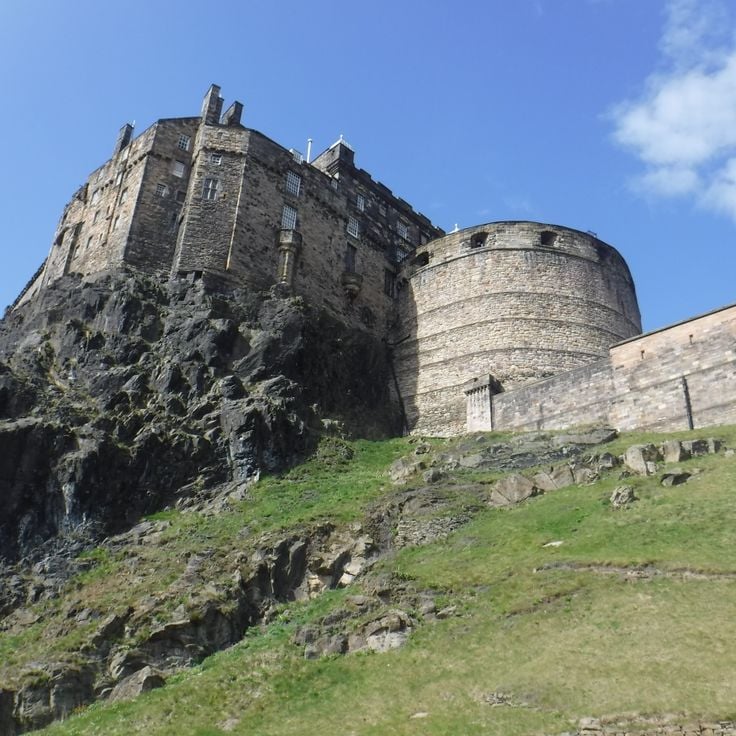
Edinburgh Castle stands on an extinct volcanic hill and has shaped the city's skyline for centuries. The fortress served at different times as a royal residence, a military stronghold, and a prison. The walls surround buildings from many periods, including St. Margaret's Chapel from the 12th century, the oldest surviving structure in the Scottish capital. From the battlements, you can see the Old Town, Princes Street Gardens, and the hills around the city. Inside are the Scottish Crown Jewels, the Stone of Destiny, and exhibitions on military history. Every day at 1 p.m. a cannon is fired, a tradition that has continued since the 19th century. Edinburgh Castle sits at the heart of Scottish history and is a natural starting point for understanding how this country developed over time.
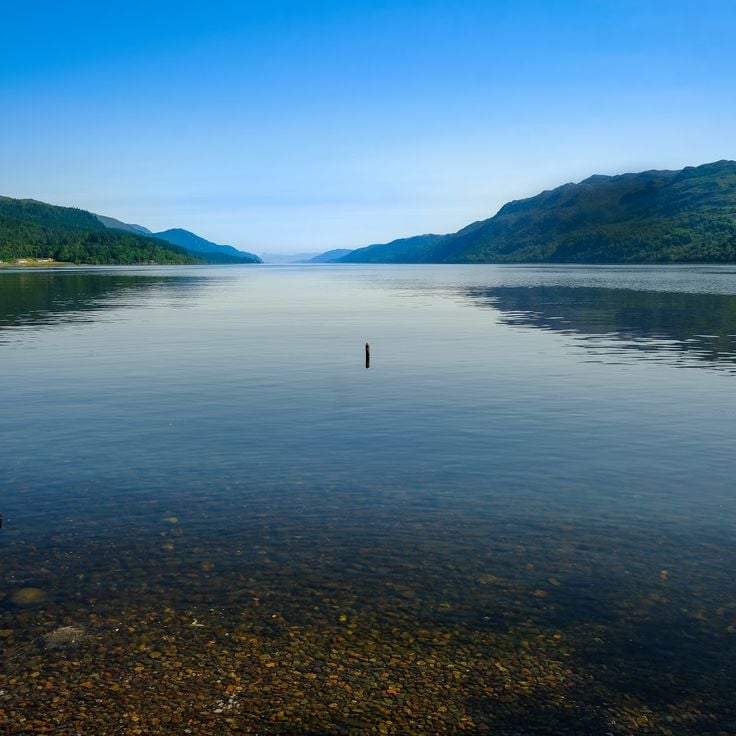
Loch Ness lies in the Scottish Highlands and forms part of the Great Glen, a tectonic fault line that cuts across the land from coast to coast. The lake is long and deep, its water dark and cloudy, with visibility reaching only a few yards (meters) below the surface. Along one shore stand the ruins of Urquhart Castle, a medieval fortress overlooking the water. The surrounding land is open, framed by steep, wooded slopes. Many visitors come because of the legend of Nessie, a creature said to have lived in the depths for centuries. The tale has never been proven, yet it remains very much alive. This collection follows the shores of Loch Ness, where nature, history, and myth meet.
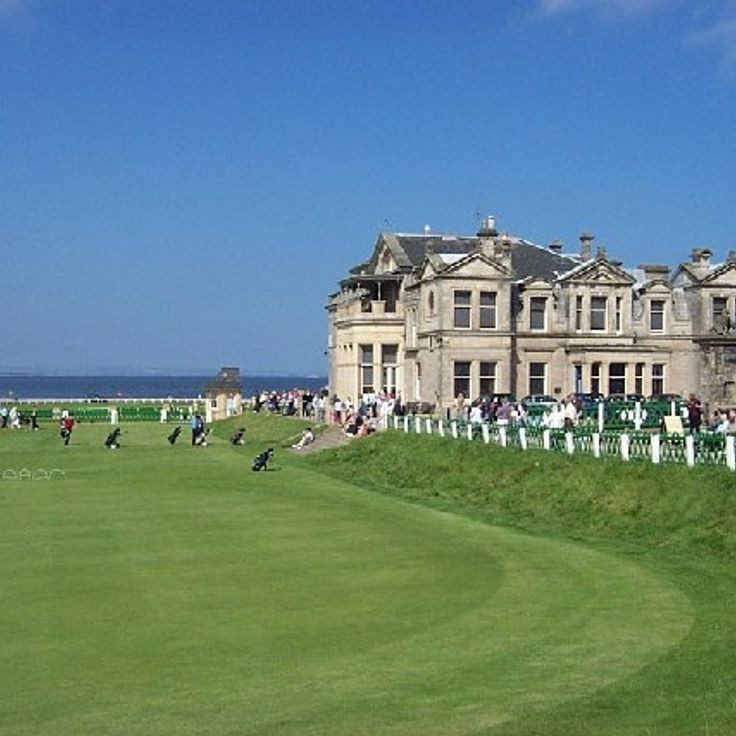
St Andrews Old Course is widely regarded as the home of golf, with a history going back more than 600 years. It sits right along the Fife coast, where the sea wind sweeps across the fairways and shapes every round. The famous bunkers, the open greens, and the shifting light over the water make this a place unlike any other on the golfing circuit. Around the course, the town of St Andrews rises with its old stone buildings, giving the whole area a strong sense of the past. Visitors walk the same turf that players have crossed for centuries.
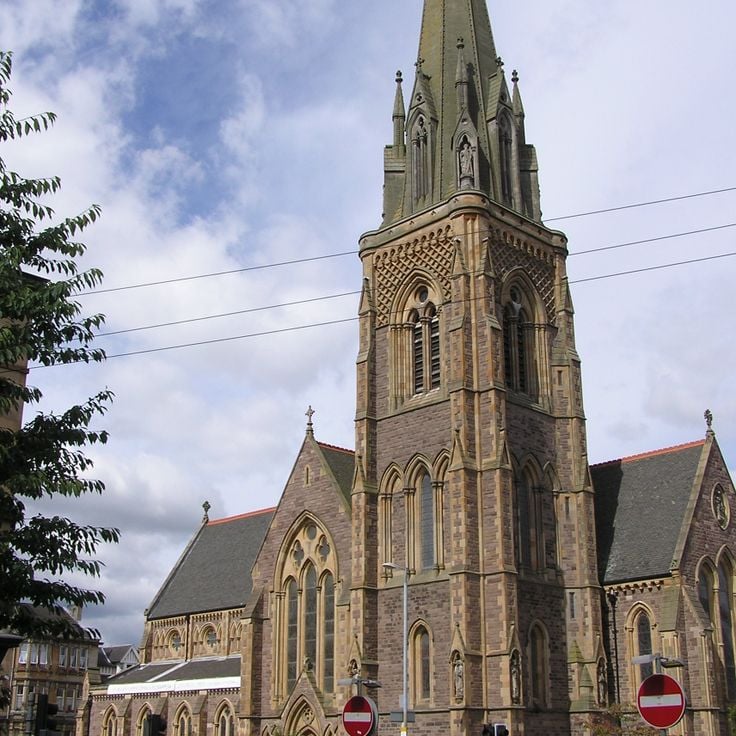
Glasgow Cathedral is one of the oldest buildings in the city and has stood here since the Middle Ages without ever being destroyed. Inside, Gothic arches rise toward high vaults, and stained glass windows send colored light across the stone floor. The crypt beneath the main hall holds old graves, and the air down there feels cool and still. Outside, ancient gravestones stand on a hill that looks out over the city around it.
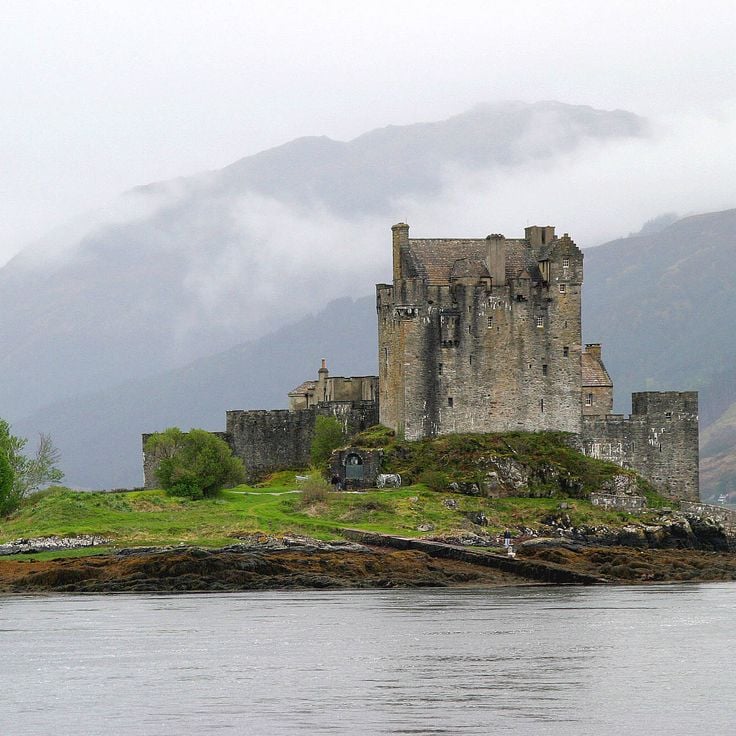
Eilean Donan Castle stands on a small island near Dornie, at the point where three lochs meet. Built in the 13th century, destroyed in the 18th, and rebuilt in the early 20th century, the castle draws visitors from across Scotland and beyond. A stone bridge leads inside, where rooms, battlements, and a courtyard can be explored. The setting, with water on all sides and mountains rising nearby, makes it one of the most visited stops in the Highlands.
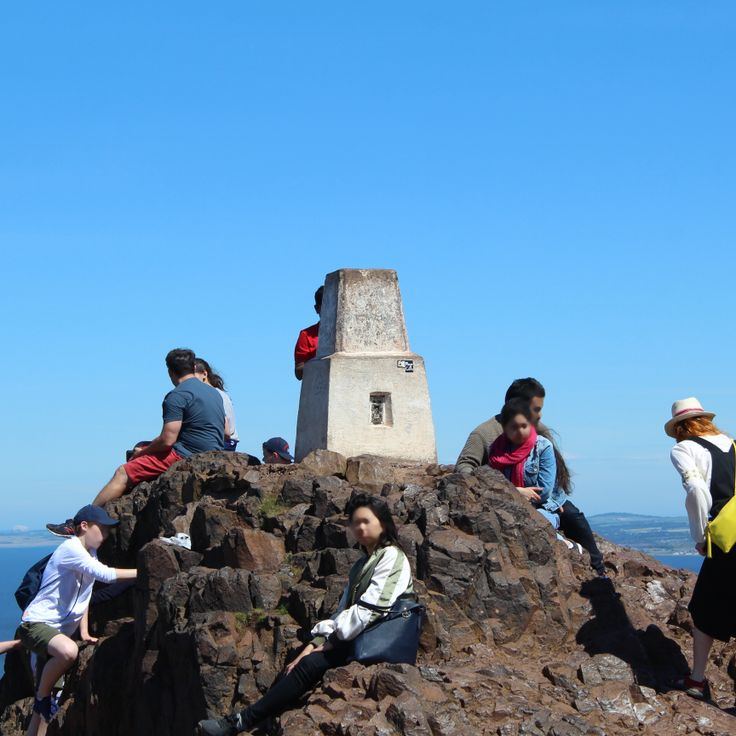
Arthur's Seat is an ancient hill that rises in the middle of Edinburgh, offering views over the city, the bay, and the surrounding countryside. It is one of the natural heights of the Scottish capital and draws people who want to see the cityscape from above. The climb takes you through green slopes and past rock formations that date back to earlier geological ages. From the top you can see the roofs of the old town, the wide bay, and the distant mountains.
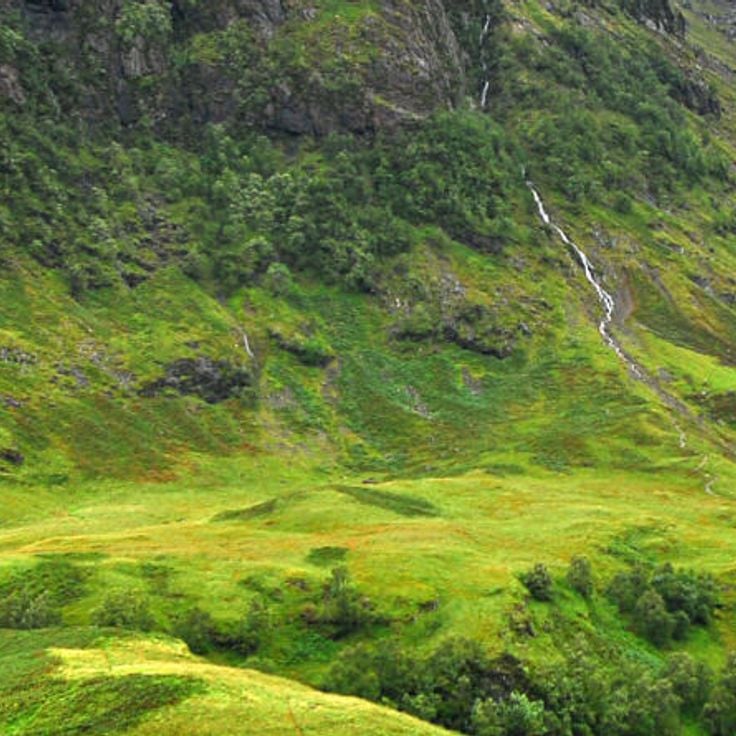
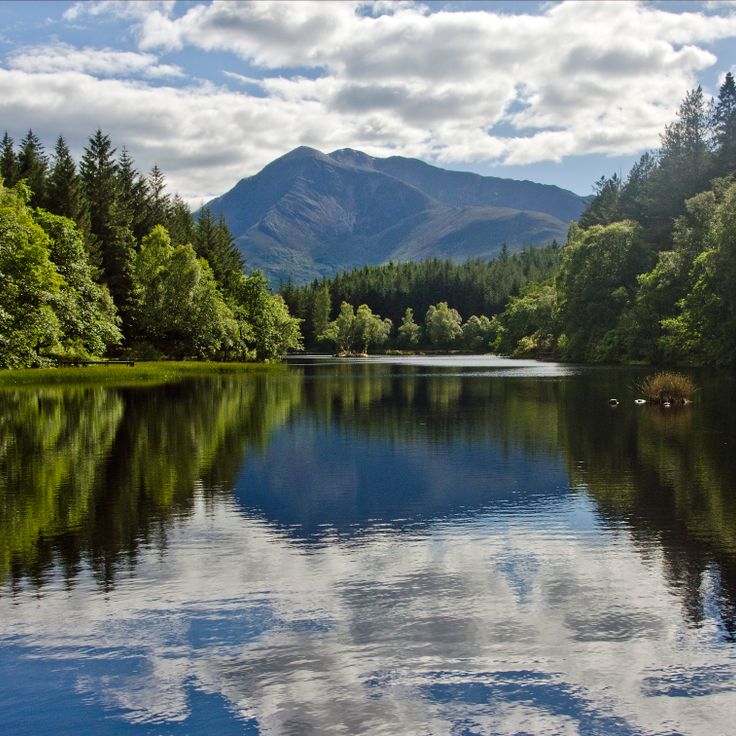
This valley lies in the highlands of Scotland and is among the most recognized landscapes in the region. Glen Coe stretches between high mountains that rise steeply and frame the valley. The floor is covered with grasses and heather, while streams flow through the low ground. Mist often drifts through the ravines and gives the area a changing light. Walkers follow paths that wind through the terrain and pause to take in views of the peaks. The history of the place is marked by events that are still remembered today. In winter, snow often covers the heights, while in summer the green of the vegetation dominates. Glen Coe is a place where visitors experience Scottish nature in its full expanse.
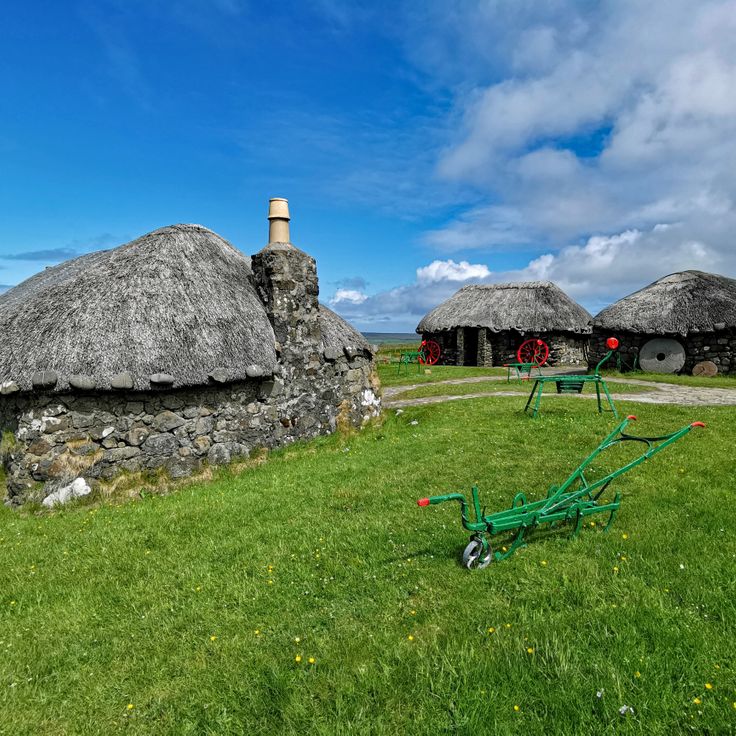
The Skye Museum of Island Life is an open-air museum on the Isle of Skye that brings the past of the Highlands close. It shows thatched blackhouses from the 19th century, where crofters and fishermen once lived. Inside, you find tools, furniture, and everyday objects still in place. The museum sits in an open setting near the sea, and walking through it gives a clear sense of how hard and simple daily life was in the Scottish Highlands before mechanization arrived.
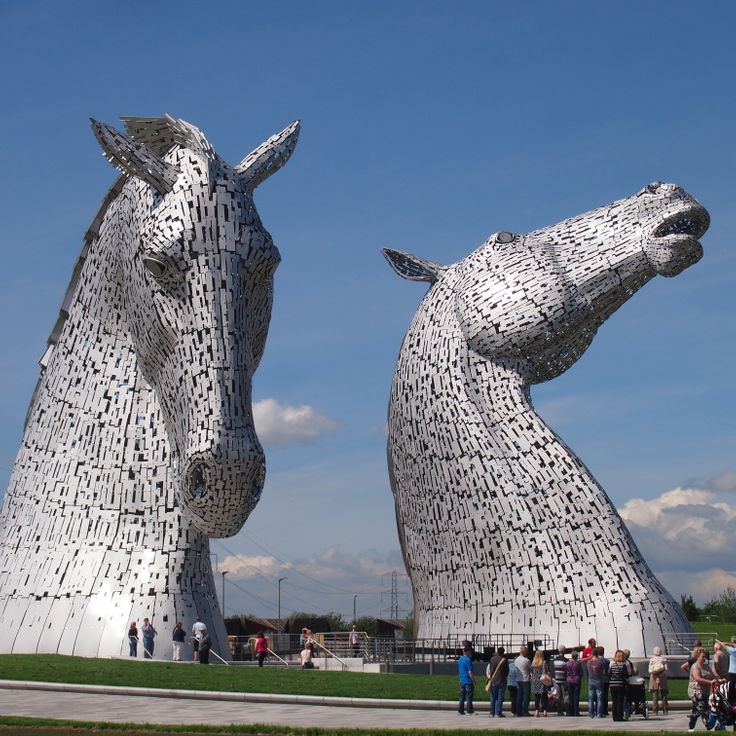
These sculptures rise above the Forth and Clyde Canal in Falkirk, built from massive steel plates. They show horse heads, recalling the working animals that once pulled barges through Scottish canals. The design also draws on stories about water horses, mythical creatures from old tales told across the region. Visitors can walk around the grassy site, laid out with paths, and view the construction from different angles. At night, colored lights illuminate the surfaces. The area sits near a motorway and is surrounded by practical parking spaces. The visitor center explains how the sculptures came to be and what they mean for Scotland's industrial past. These sculptures feature in a collection that highlights notable historical and natural sites across Scotland.
Cairngorms National Park sits at the heart of the Scottish Highlands and is one of the largest protected areas in Britain. The land shifts between rocky peaks, old pine forests, moorlands, and river valleys. Snow covers the high plateaus in winter, and heather blooms in the glens in summer. Reindeer roam freely, and eagles circle above. The villages are small, and the roads wind through wide plains and deep valleys under a sky that changes often.
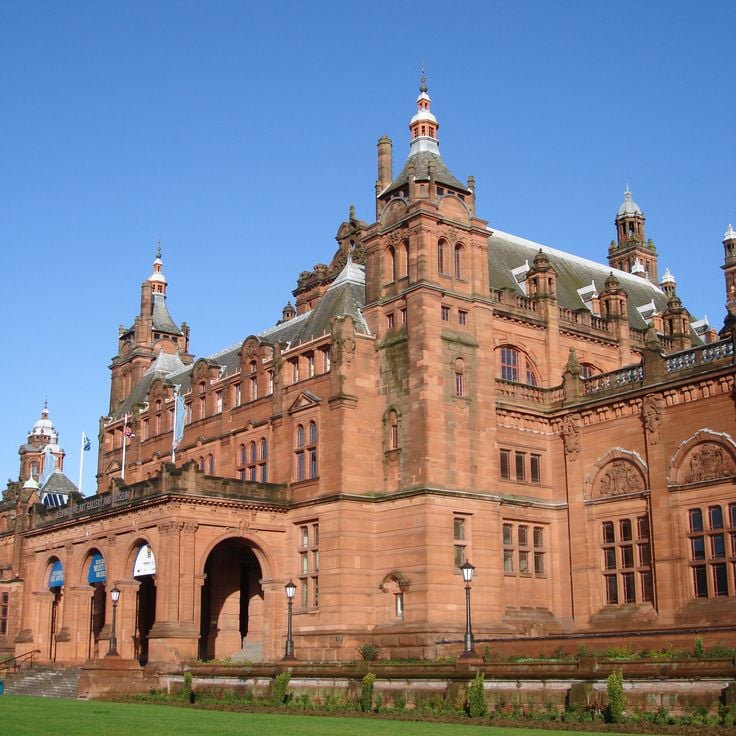
This gallery holds a large collection of paintings, sculptures and historical objects in Glasgow. The red sandstone building dates from the early 20th century and stands in a public park. Inside, visitors find works by Scottish and European artists, natural history displays and arms from different periods. The main hall, with its high ceiling and columns, forms the center of the museum. Many local people visit on weekends with their families, and entry is free.
This village sits between the high mountains of the western Highlands and serves as a starting point for walks into the surrounding valleys. Glencoe Village consists of individual houses, small lodgings, and a few shops spread along the main road. The stone construction of the buildings fits into the rough landscape. From here, the steep slopes and jagged peaks surrounding the glen are visible. The place is used by visitors heading into the mountains or stopping on the way to the coast. The area around this village carries traces of past conflicts and is shaped by its history.
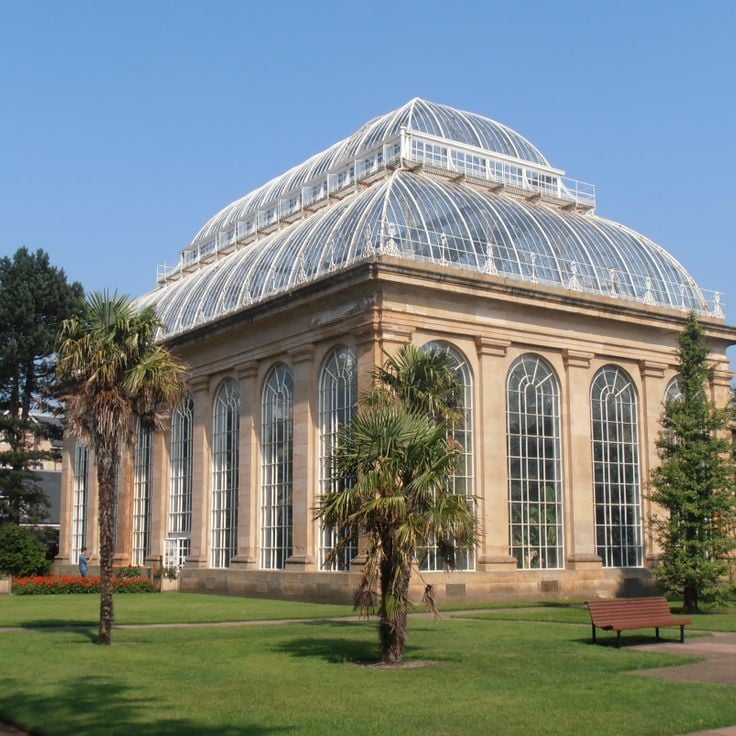
The Royal Botanic Garden Edinburgh sits at the edge of the city, covering gentle slopes with old trees, glasshouses, and well-kept paths. This garden holds plants from every climate zone on Earth, from tropical ferns to alpine flowers. The glasshouses shelter delicate species, while the outdoor areas give people space to walk at their own pace. On sunny days, visitors sit on the lawns or follow the paths through the different sections. The garden connects scientific research with open public access, showing how plants are gathered, studied, and cared for over time.
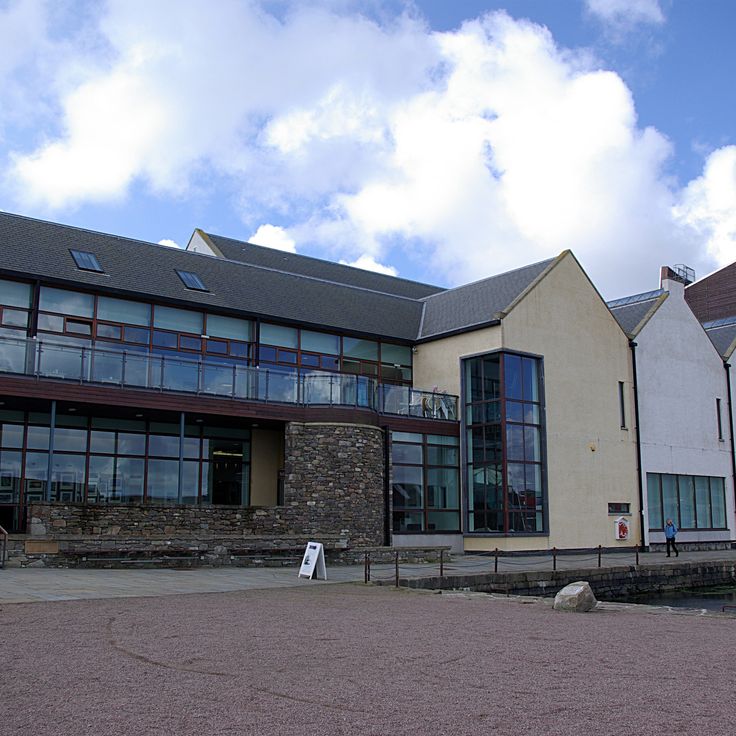
The Shetland Museum and Archives stands in Lerwick, right by the water, with views over the harbor. Its collection traces the story of these islands from the first Stone Age settlements to the present day. Tools, textiles, fishing gear, and everyday objects show how islanders lived across the centuries. One section is devoted to the close ties between Shetland, Scandinavia, and mainland Scotland. This museum forms part of a journey through Scotland's history, showing how life took shape at the edge of the North Atlantic.
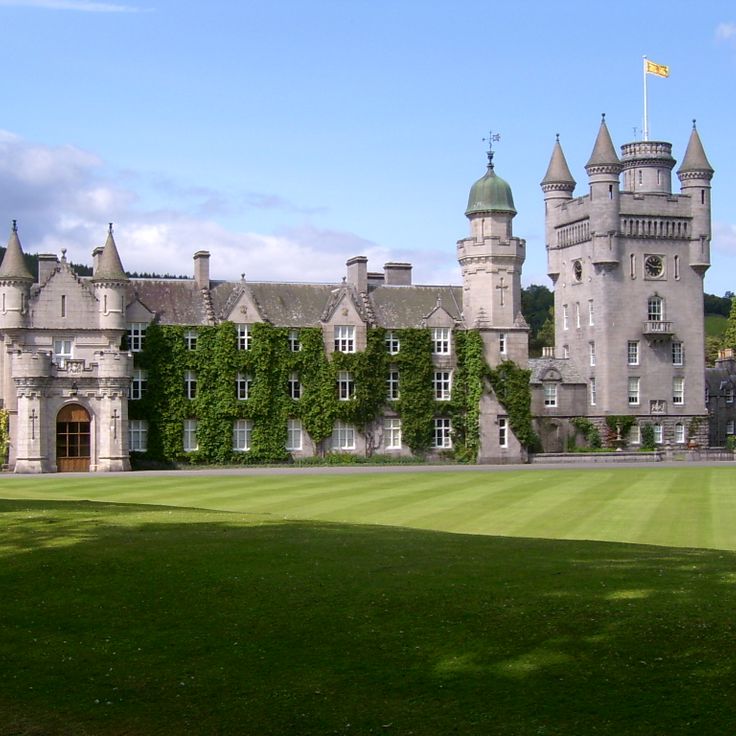
This castle in the Deeside valley serves as the royal family's summer residence. Balmoral Castle was built in the mid-19th century in the Scottish baronial style and sits among wide forests and gardens. The pale granite towers shape its appearance. When the royal family is away, visitors can tour the ballrooms and gardens. The surrounding woods invite walks and exploration.
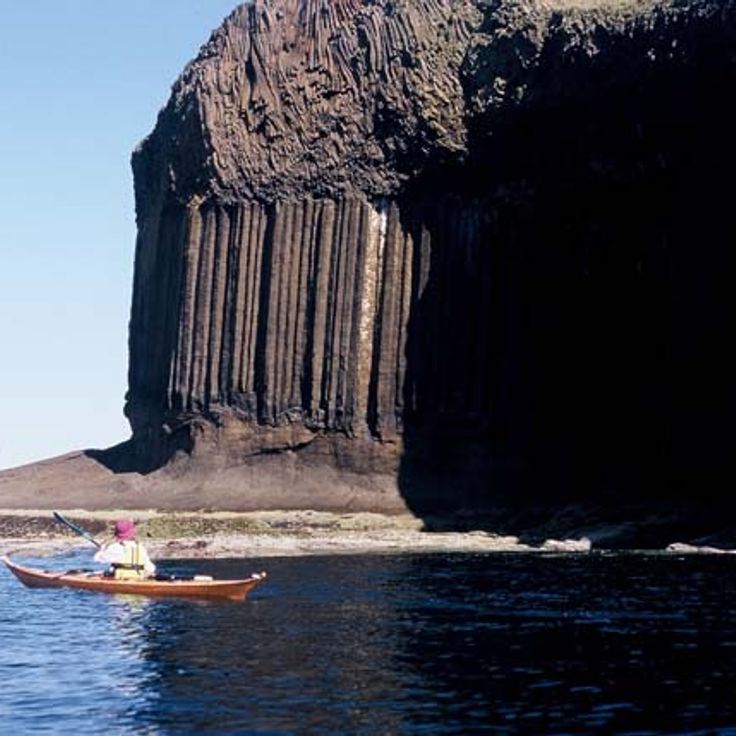
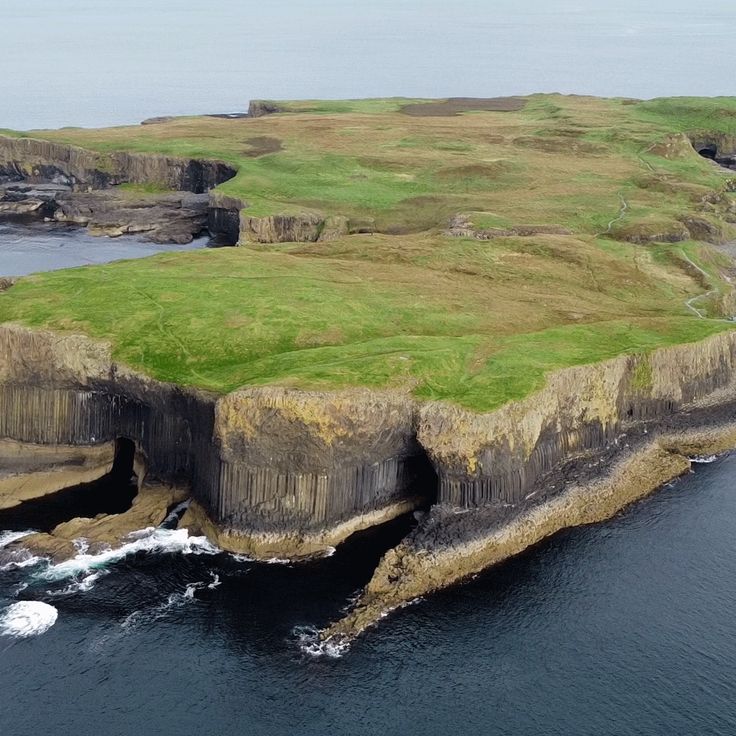
Fingal's Cave sits on the uninhabited island of Staffa off Scotland's west coast. The cave formed from hexagonal basalt columns of volcanic origin, shaped by erosion over a very long time. When the tide rises, seawater enters and the column structure produces natural acoustic effects. In the 19th century, artists and composers visited the cave, which brought it wider attention. Access is by boat only, and when the sea is calm, visitors can walk along a natural basalt causeway at the entrance.
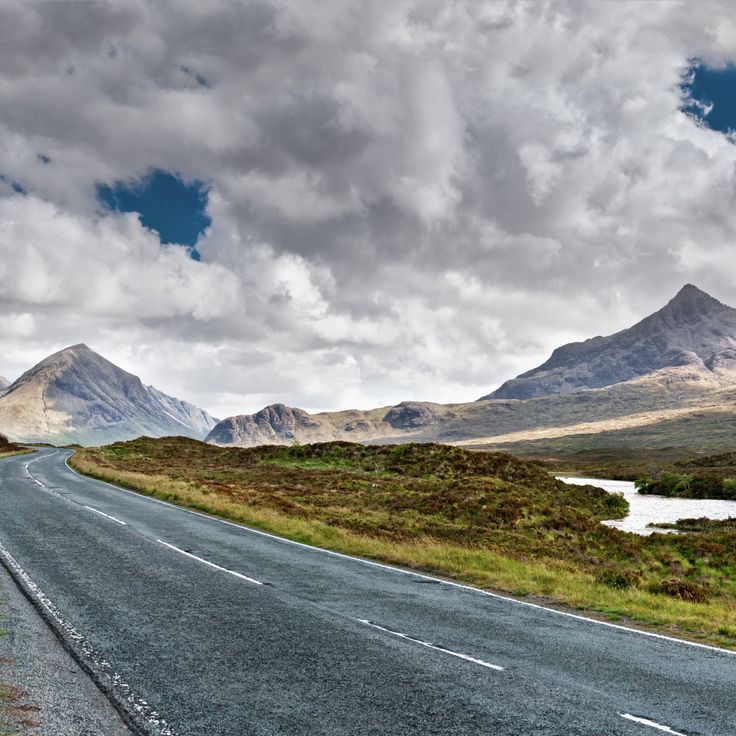
The Cuillin Hills rise sharply on the Isle of Skye, formed from dark volcanic rock that catches the light in unexpected ways. The ridges are sharp and the slopes steep, drawing hikers and climbers from across Britain. On clear days, the summits open up wide views over the sea and the islands beyond. Mist often rolls through the valleys quickly, changing how the whole place feels within minutes. The Cuillin Hills are among the most demanding walking destinations in Scotland, and a natural landmark of this collection.
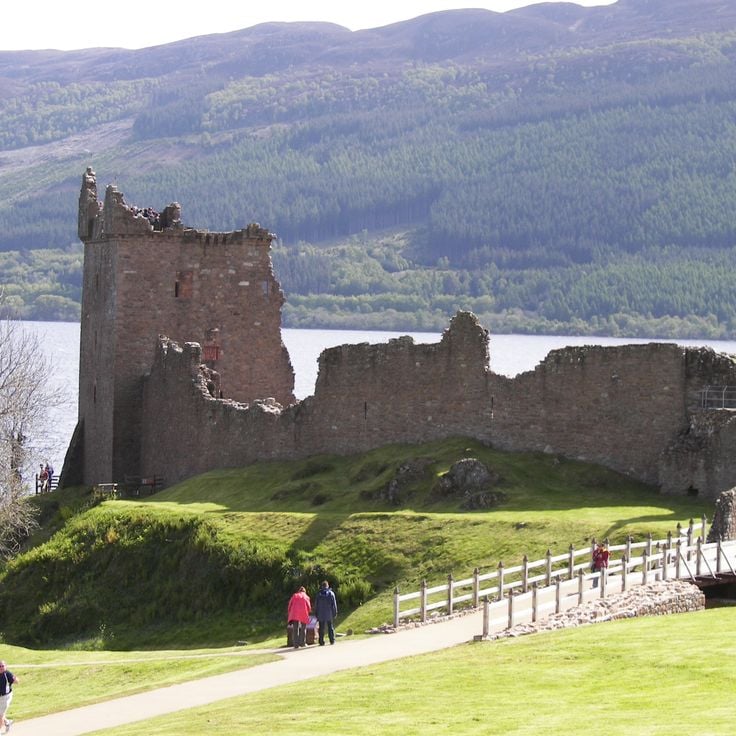
The ruins of this castle sit on the shore of Loch Ness and show remains of walls, towers, and courtyards that are several centuries old. Urquhart Castle once served as a strategic point in the Scottish Highlands. Today, visitors can walk through the site, look at the stone structures, and take in the view over the water. The surrounding area is green and hilly, with the loch stretching into the distance. On some days you see mist over the water or boats passing by. The place gives a sense of history and landscape that together create a quiet, open feeling.
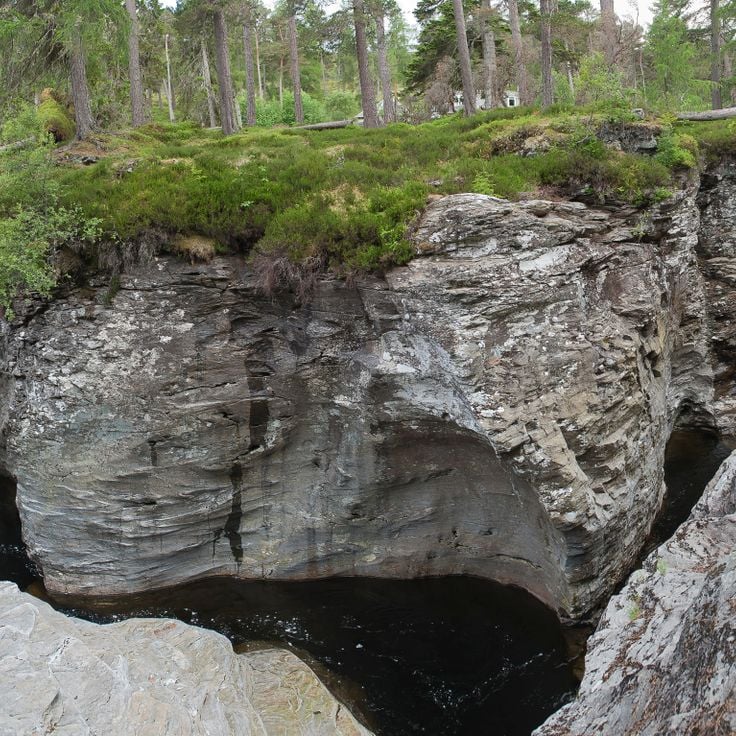
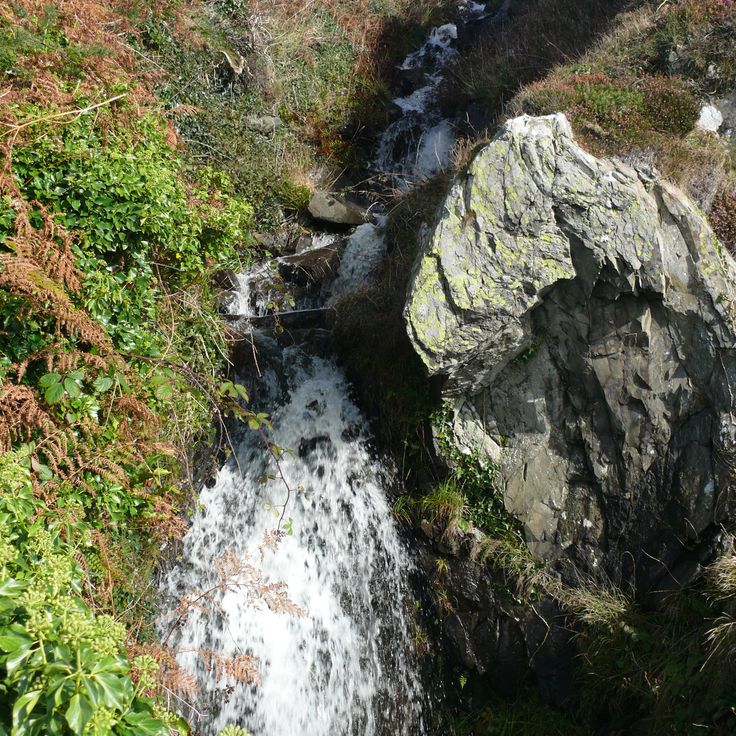
This waterfall tumbles over freestanding rocks and is surrounded by trees. Grey Mare's Tail sits in a wooded ravine near Moffat and ranks among Scotland's higher waterfalls. The water drops roughly 200 feet (60 meters). A steep path climbs to Loch Skeen, a small mountain tarn above the fall. The area is rough and often windy, yet in summer wildflowers bloom on the slopes.
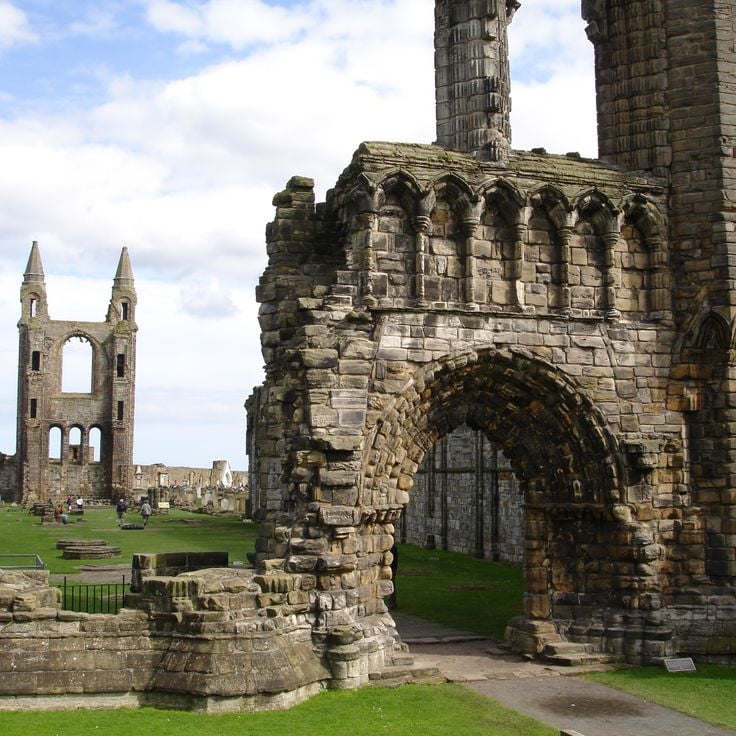
St Andrews Cathedral was once the largest church in Scotland. Today only the ruins remain, but the stone arches and standing walls show how large the building once was. For centuries, bishops led religious life in Scotland from this place. The remains stand close to the coast, where wind passes through the open window frames. Walking among the old foundations, visitors can picture what the cathedral looked like when it was still whole.
The Isle of Staffa lies off the west coast of Scotland and is part of a collection exploring the country's landscapes and historic sites. The island is known for its hexagonal basalt columns, shaped by volcanic activity millions of years ago. It can only be reached by boat. Once there, visitors can walk along the rock formations while waves break against the cliffs. Water echoes through the caves, and seabirds nest in the cracks of the rock.
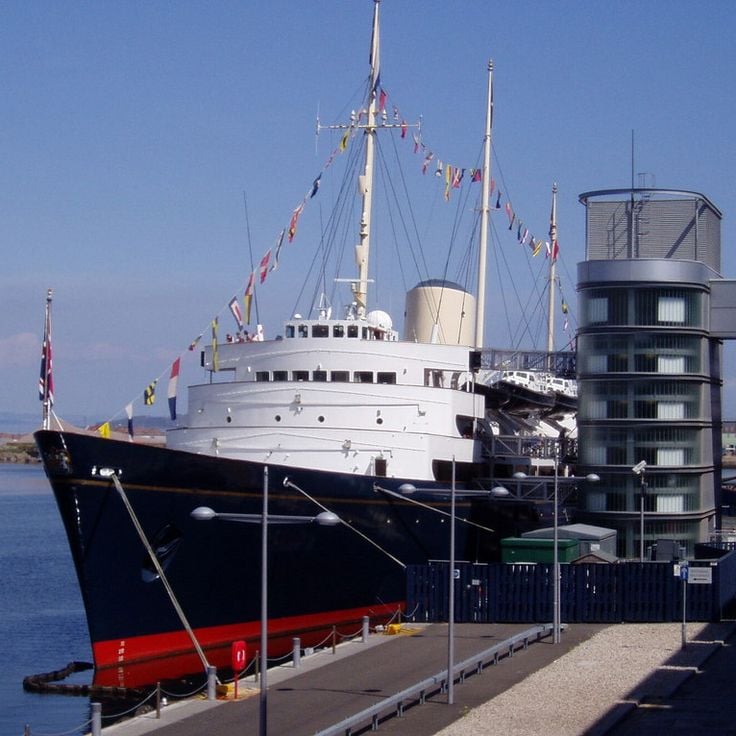
This former yacht of the British Royal Family rests as a floating museum in the port of Edinburgh. The five decks show the private rooms and official halls where the royal family traveled for decades. Visitors walk through the sleeping cabins, the dining room with a set table, and the bridge. Many personal items remain in place. The ship sailed over one million nautical miles and was used during state visits and family journeys. Today you see onboard how life at sea looked for the royals and their crew.
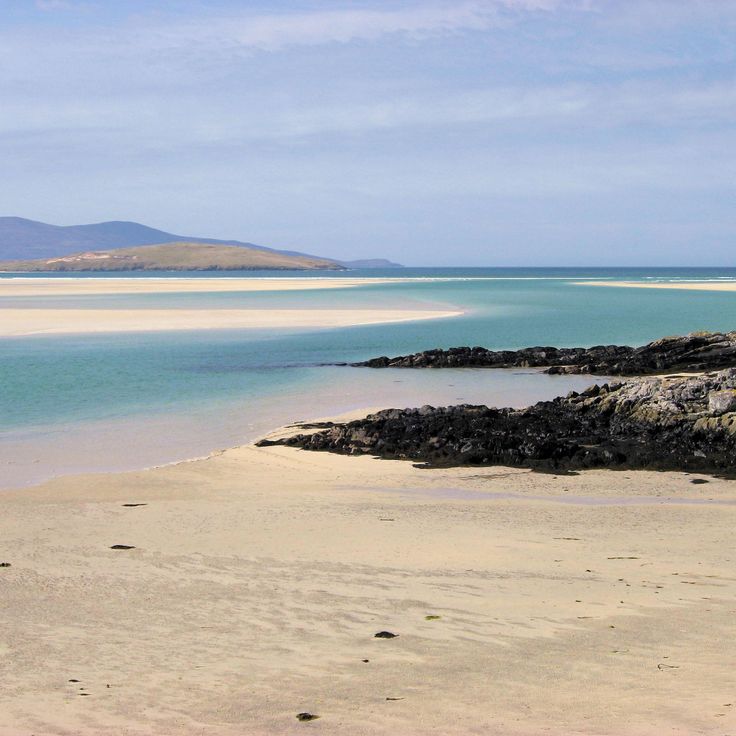
This long stretch of sand lies on the western coast of the Isle of Harris in the Outer Hebrides. Luskentyre Beach is one of the most recognized coastal spots in Scotland, fitting naturally into this collection of Scottish natural sites. The water shifts through shades of turquoise, while the pale sand reveals wide flats at low tide. Low dunes border the shore, with gentle hills rising behind them. Wind often blows strongly from the Atlantic, and the light changes with every shift in weather. Visitors come here to walk along the shore, to hike, or simply to take in the open space. The area remains thinly populated, and you rarely encounter many people, even during warmer months.
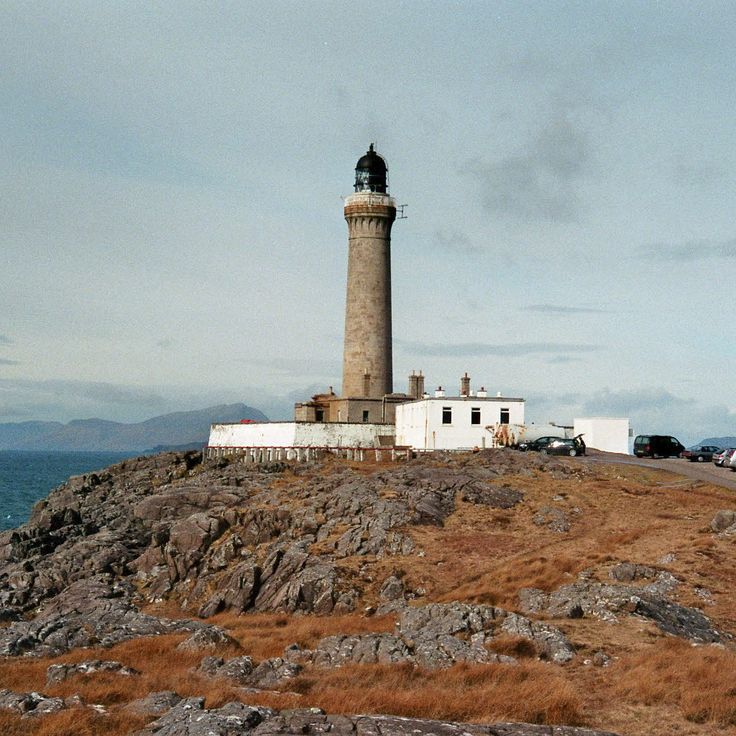
Ardnamurchan Lighthouse marks the most western point of the UK mainland and belongs to a collection that follows Scotland through historical sites and natural landscapes. The structure from the nineteenth century stands on a rocky peninsula reaching into the Atlantic, surrounded by open land shaped by wind and sea. From here you see only water, sky, and sometimes islands in the distance. The ground is bare, with low plants and stones worn by weather. For travelers, this place is the end of the road and the start of another world where nature rules.
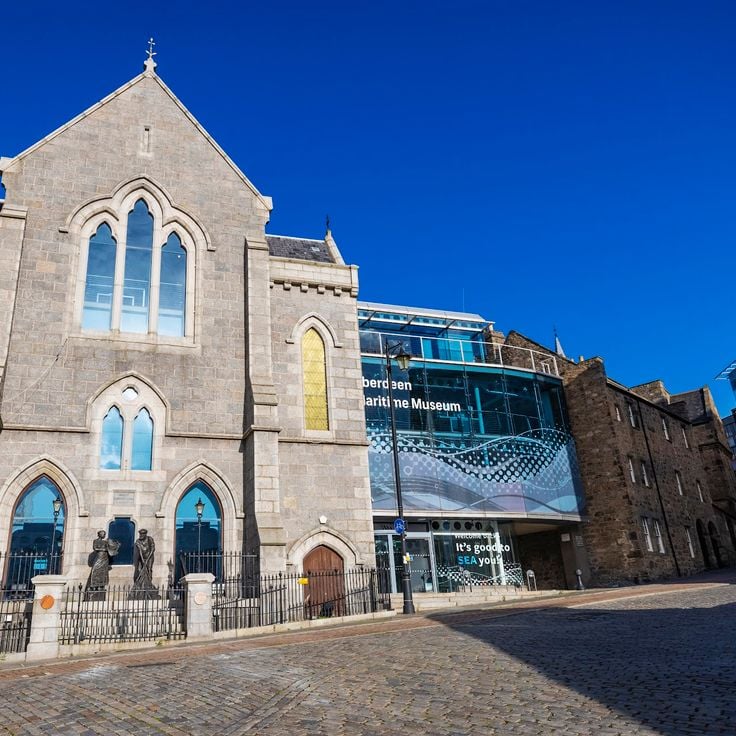
The Aberdeen Maritime Museum stands near the harbor and tells the story of how the sea shaped life in this city. It covers shipbuilding traditions, fishing communities, and the rise of the North Sea oil industry. The displays include old navigation tools, ship models, and replicas of offshore platforms. Visitors get a clear sense of how generations of fishermen and workers built Aberdeen's identity, and how modern industries took root along the Scottish coast.
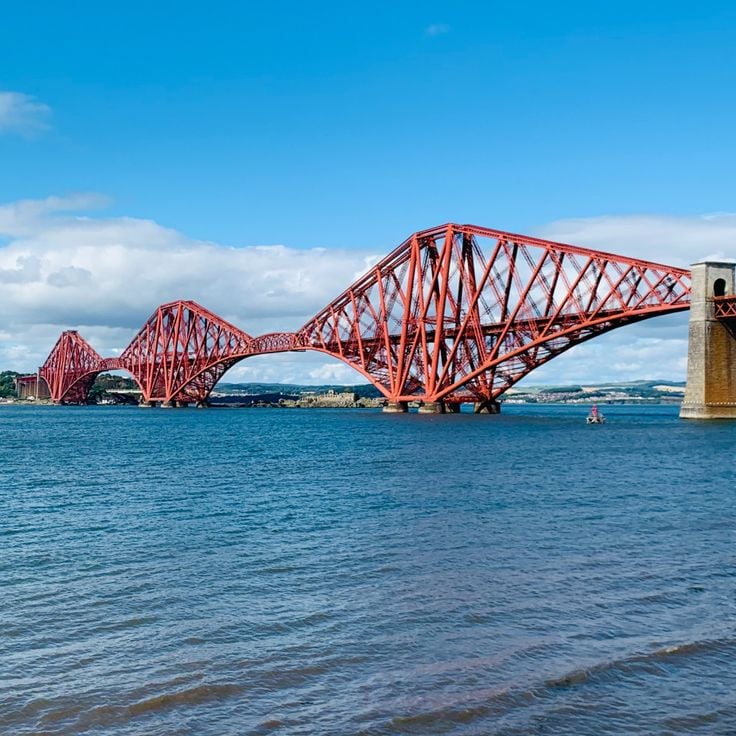
This railway bridge connects the towns along the Firth of Forth and stands as a testament to 19th-century engineering. The red steel structure rises above the water, and its three large cantilever sections shape the coastline's silhouette. Trains cross it daily while walkers and cyclists use the nearby paths. In clear weather the metal reflects in the water, and in fog the bridge almost disappears entirely. The structure extends over 1.5 miles (2.5 kilometers) and links Edinburgh with Fife. This bridge demonstrates Scotland's technical development and remains a working part of the transport network.
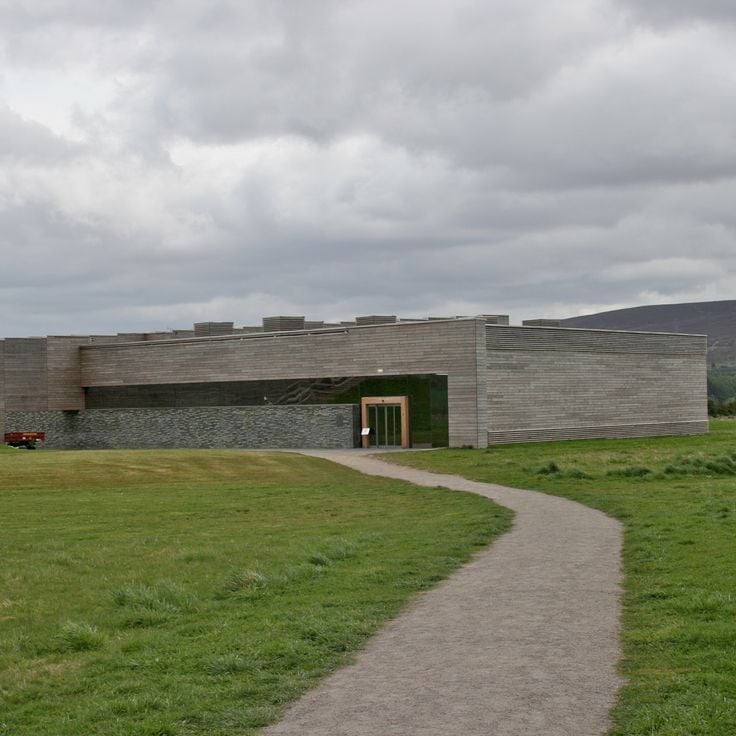
Culloden Battlefield lies near Inverness and marks the site of the last major battle fought on British soil in 1746. Here the Jacobite Rising came to an end when the forces supporting the Stuart claim to the throne were defeated by government troops. Memorial stones now stand across the open moorland for the fallen clans. A visitor center explains the events of that day, when hopes for the restoration of the Stuart dynasty were finally crushed. Walking across the field, visitors notice the wide landscape and the stillness that defines this place.
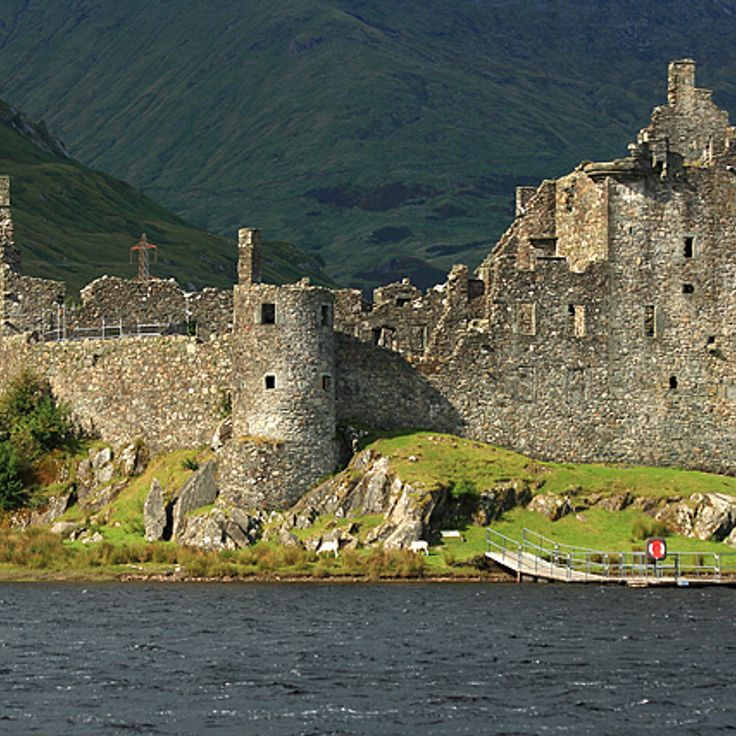
Kilchurn Castle, built in the 15th century, stands as a ruin on the shore of Loch Awe in the Scottish Highlands. This castle once served as a fortress and residence for the Campbells of Glenorchy. Today the stone walls, towers and courtyards remain open to visitors, offering a glimpse into the lives of a medieval noble family. The location directly on the water makes the place especially impressive, particularly when the surrounding mountains reflect in the lake.
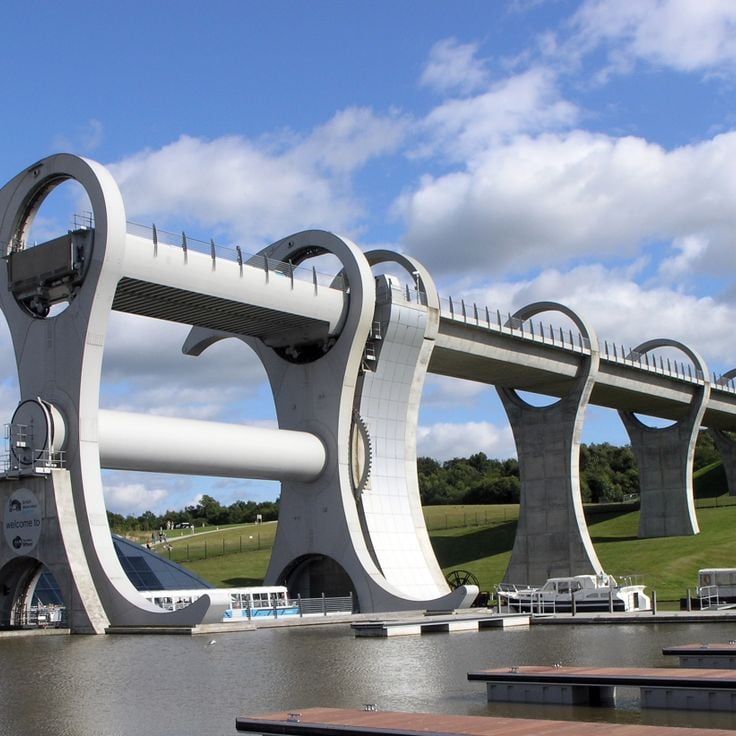
The Falkirk Wheel stands in the town of Falkirk in central Scotland and connects two canals separated by a height difference of about 79 feet (24 meters). This boat lift was built in the early 21st century and allows vessels to move between the Forth and Clyde Canal and the Union Canal. The structure rotates like a wheel, lifting boats inside gondolas upward or lowering them down. Visitors can watch the mechanics in action and walk along the towpaths beside the water. The Falkirk Wheel shows how engineering and waterways come together in Scotland's canal history.
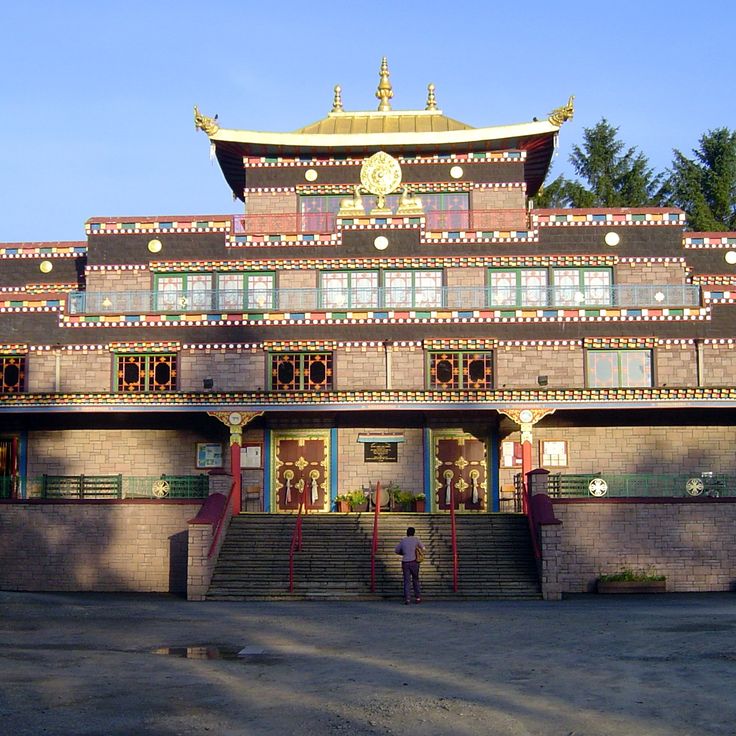
Samye Ling Monastery was founded in 1967 and became the first Tibetan Buddhist centre in the Western world. It sits in a valley in southern Scotland, surrounded by soft hills. Colourful prayer flags move in the breeze, prayer wheels turn slowly, and the smell of incense drifts through the air. The temples follow traditional Tibetan design, with golden roofs and painted wooden beams. Monks in dark red robes walk between the buildings. A peace garden with statues and small water features offers a quiet spot for reflection. The centre runs meditation courses and has accommodation for those on retreat.
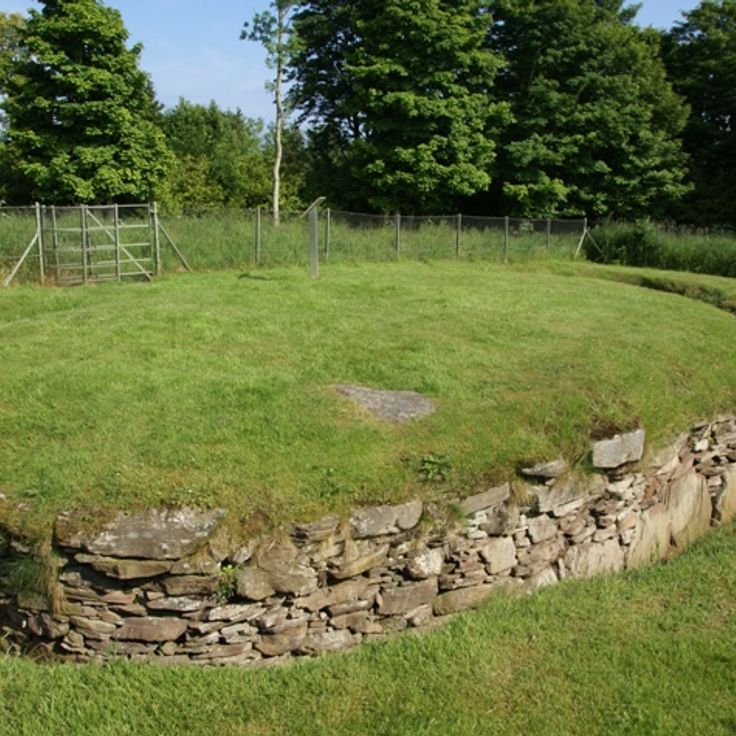
The Fromulus Pit is an underground structure in Aberdeenshire, built by the Picts. It sits hidden beneath the surface and shows how early people in Scotland shaped their living spaces. Stone walls and passages point to the skill of those who built them and to a need for shelter and protection. Walking down into this space means entering a chamber that had no daylight for generations, and that now forms part of Scotland's long history of ancient sites.
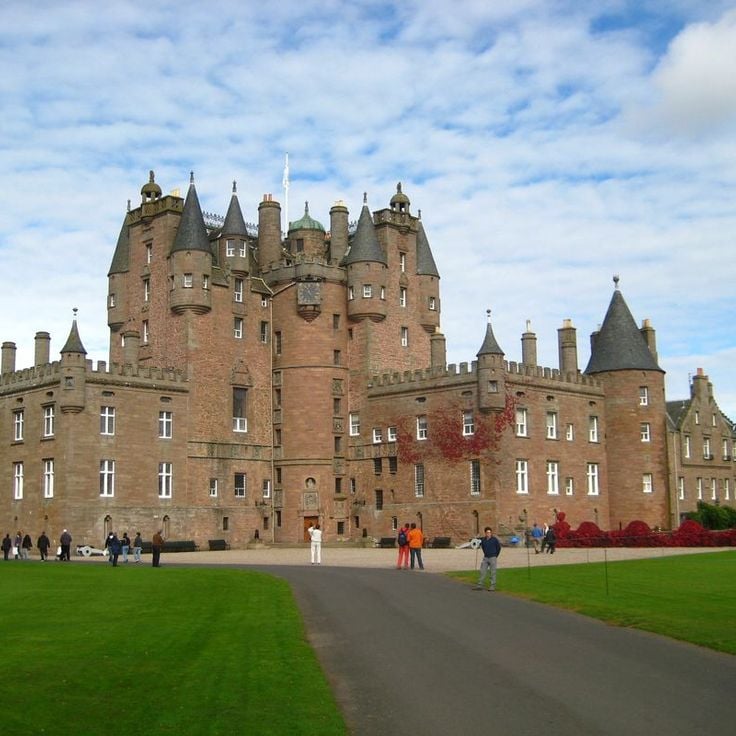
Glamis Castle was the childhood home of the Queen Mother and is one of the most storied estates in Scotland. The castle shows towers and thick walls from many centuries, from medieval foundations to later additions. The rooms hold old furniture, paintings, and tapestries that tell the story of Scottish noble families. Glamis Castle sits within tended gardens and old trees that give the estate a gentle character. Visitors walk through long corridors and halls where the history of the Bowes-Lyon family can be felt.
Stirling Castle rises on a volcanic rock above the town of Stirling and has been a central place in Scottish history for centuries. Its medieval courtyards, Renaissance buildings, and halls where Scottish royalty once lived tell a story that can still be felt as you walk through its gateways and open courtyards. From its walls, you can look far out over the surrounding fields and hills.
Edinburgh Castle stands on an extinct volcanic hill and has shaped the city's skyline for centuries. The fortress served at different times as a royal residence, a military stronghold, and a prison. The walls surround buildings from many periods, including St. Margaret's Chapel from the 12th century, the oldest surviving structure in the Scottish capital. From the battlements, you can see the Old Town, Princes Street Gardens, and the hills around the city. Inside are the Scottish Crown Jewels, the Stone of Destiny, and exhibitions on military history. Every day at 1 p.m. a cannon is fired, a tradition that has continued since the 19th century. Edinburgh Castle sits at the heart of Scottish history and is a natural starting point for understanding how this country developed over time.
Loch Ness lies in the Scottish Highlands and forms part of the Great Glen, a tectonic fault line that cuts across the land from coast to coast. The lake is long and deep, its water dark and cloudy, with visibility reaching only a few yards (meters) below the surface. Along one shore stand the ruins of Urquhart Castle, a medieval fortress overlooking the water. The surrounding land is open, framed by steep, wooded slopes. Many visitors come because of the legend of Nessie, a creature said to have lived in the depths for centuries. The tale has never been proven, yet it remains very much alive. This collection follows the shores of Loch Ness, where nature, history, and myth meet.
St Andrews Old Course is widely regarded as the home of golf, with a history going back more than 600 years. It sits right along the Fife coast, where the sea wind sweeps across the fairways and shapes every round. The famous bunkers, the open greens, and the shifting light over the water make this a place unlike any other on the golfing circuit. Around the course, the town of St Andrews rises with its old stone buildings, giving the whole area a strong sense of the past. Visitors walk the same turf that players have crossed for centuries.
Glasgow Cathedral is one of the oldest buildings in the city and has stood here since the Middle Ages without ever being destroyed. Inside, Gothic arches rise toward high vaults, and stained glass windows send colored light across the stone floor. The crypt beneath the main hall holds old graves, and the air down there feels cool and still. Outside, ancient gravestones stand on a hill that looks out over the city around it.
Eilean Donan Castle stands on a small island near Dornie, at the point where three lochs meet. Built in the 13th century, destroyed in the 18th, and rebuilt in the early 20th century, the castle draws visitors from across Scotland and beyond. A stone bridge leads inside, where rooms, battlements, and a courtyard can be explored. The setting, with water on all sides and mountains rising nearby, makes it one of the most visited stops in the Highlands.
Arthur's Seat is an ancient hill that rises in the middle of Edinburgh, offering views over the city, the bay, and the surrounding countryside. It is one of the natural heights of the Scottish capital and draws people who want to see the cityscape from above. The climb takes you through green slopes and past rock formations that date back to earlier geological ages. From the top you can see the roofs of the old town, the wide bay, and the distant mountains.
This valley lies in the highlands of Scotland and is among the most recognized landscapes in the region. Glen Coe stretches between high mountains that rise steeply and frame the valley. The floor is covered with grasses and heather, while streams flow through the low ground. Mist often drifts through the ravines and gives the area a changing light. Walkers follow paths that wind through the terrain and pause to take in views of the peaks. The history of the place is marked by events that are still remembered today. In winter, snow often covers the heights, while in summer the green of the vegetation dominates. Glen Coe is a place where visitors experience Scottish nature in its full expanse.
The Skye Museum of Island Life is an open-air museum on the Isle of Skye that brings the past of the Highlands close. It shows thatched blackhouses from the 19th century, where crofters and fishermen once lived. Inside, you find tools, furniture, and everyday objects still in place. The museum sits in an open setting near the sea, and walking through it gives a clear sense of how hard and simple daily life was in the Scottish Highlands before mechanization arrived.
These sculptures rise above the Forth and Clyde Canal in Falkirk, built from massive steel plates. They show horse heads, recalling the working animals that once pulled barges through Scottish canals. The design also draws on stories about water horses, mythical creatures from old tales told across the region. Visitors can walk around the grassy site, laid out with paths, and view the construction from different angles. At night, colored lights illuminate the surfaces. The area sits near a motorway and is surrounded by practical parking spaces. The visitor center explains how the sculptures came to be and what they mean for Scotland's industrial past. These sculptures feature in a collection that highlights notable historical and natural sites across Scotland.
Cairngorms National Park sits at the heart of the Scottish Highlands and is one of the largest protected areas in Britain. The land shifts between rocky peaks, old pine forests, moorlands, and river valleys. Snow covers the high plateaus in winter, and heather blooms in the glens in summer. Reindeer roam freely, and eagles circle above. The villages are small, and the roads wind through wide plains and deep valleys under a sky that changes often.
This gallery holds a large collection of paintings, sculptures and historical objects in Glasgow. The red sandstone building dates from the early 20th century and stands in a public park. Inside, visitors find works by Scottish and European artists, natural history displays and arms from different periods. The main hall, with its high ceiling and columns, forms the center of the museum. Many local people visit on weekends with their families, and entry is free.
This village sits between the high mountains of the western Highlands and serves as a starting point for walks into the surrounding valleys. Glencoe Village consists of individual houses, small lodgings, and a few shops spread along the main road. The stone construction of the buildings fits into the rough landscape. From here, the steep slopes and jagged peaks surrounding the glen are visible. The place is used by visitors heading into the mountains or stopping on the way to the coast. The area around this village carries traces of past conflicts and is shaped by its history.
The Royal Botanic Garden Edinburgh sits at the edge of the city, covering gentle slopes with old trees, glasshouses, and well-kept paths. This garden holds plants from every climate zone on Earth, from tropical ferns to alpine flowers. The glasshouses shelter delicate species, while the outdoor areas give people space to walk at their own pace. On sunny days, visitors sit on the lawns or follow the paths through the different sections. The garden connects scientific research with open public access, showing how plants are gathered, studied, and cared for over time.
The Shetland Museum and Archives stands in Lerwick, right by the water, with views over the harbor. Its collection traces the story of these islands from the first Stone Age settlements to the present day. Tools, textiles, fishing gear, and everyday objects show how islanders lived across the centuries. One section is devoted to the close ties between Shetland, Scandinavia, and mainland Scotland. This museum forms part of a journey through Scotland's history, showing how life took shape at the edge of the North Atlantic.
This castle in the Deeside valley serves as the royal family's summer residence. Balmoral Castle was built in the mid-19th century in the Scottish baronial style and sits among wide forests and gardens. The pale granite towers shape its appearance. When the royal family is away, visitors can tour the ballrooms and gardens. The surrounding woods invite walks and exploration.
Fingal's Cave sits on the uninhabited island of Staffa off Scotland's west coast. The cave formed from hexagonal basalt columns of volcanic origin, shaped by erosion over a very long time. When the tide rises, seawater enters and the column structure produces natural acoustic effects. In the 19th century, artists and composers visited the cave, which brought it wider attention. Access is by boat only, and when the sea is calm, visitors can walk along a natural basalt causeway at the entrance.
The Cuillin Hills rise sharply on the Isle of Skye, formed from dark volcanic rock that catches the light in unexpected ways. The ridges are sharp and the slopes steep, drawing hikers and climbers from across Britain. On clear days, the summits open up wide views over the sea and the islands beyond. Mist often rolls through the valleys quickly, changing how the whole place feels within minutes. The Cuillin Hills are among the most demanding walking destinations in Scotland, and a natural landmark of this collection.
The ruins of this castle sit on the shore of Loch Ness and show remains of walls, towers, and courtyards that are several centuries old. Urquhart Castle once served as a strategic point in the Scottish Highlands. Today, visitors can walk through the site, look at the stone structures, and take in the view over the water. The surrounding area is green and hilly, with the loch stretching into the distance. On some days you see mist over the water or boats passing by. The place gives a sense of history and landscape that together create a quiet, open feeling.
This waterfall tumbles over freestanding rocks and is surrounded by trees. Grey Mare's Tail sits in a wooded ravine near Moffat and ranks among Scotland's higher waterfalls. The water drops roughly 200 feet (60 meters). A steep path climbs to Loch Skeen, a small mountain tarn above the fall. The area is rough and often windy, yet in summer wildflowers bloom on the slopes.
St Andrews Cathedral was once the largest church in Scotland. Today only the ruins remain, but the stone arches and standing walls show how large the building once was. For centuries, bishops led religious life in Scotland from this place. The remains stand close to the coast, where wind passes through the open window frames. Walking among the old foundations, visitors can picture what the cathedral looked like when it was still whole.
The Isle of Staffa lies off the west coast of Scotland and is part of a collection exploring the country's landscapes and historic sites. The island is known for its hexagonal basalt columns, shaped by volcanic activity millions of years ago. It can only be reached by boat. Once there, visitors can walk along the rock formations while waves break against the cliffs. Water echoes through the caves, and seabirds nest in the cracks of the rock.
This former yacht of the British Royal Family rests as a floating museum in the port of Edinburgh. The five decks show the private rooms and official halls where the royal family traveled for decades. Visitors walk through the sleeping cabins, the dining room with a set table, and the bridge. Many personal items remain in place. The ship sailed over one million nautical miles and was used during state visits and family journeys. Today you see onboard how life at sea looked for the royals and their crew.
This long stretch of sand lies on the western coast of the Isle of Harris in the Outer Hebrides. Luskentyre Beach is one of the most recognized coastal spots in Scotland, fitting naturally into this collection of Scottish natural sites. The water shifts through shades of turquoise, while the pale sand reveals wide flats at low tide. Low dunes border the shore, with gentle hills rising behind them. Wind often blows strongly from the Atlantic, and the light changes with every shift in weather. Visitors come here to walk along the shore, to hike, or simply to take in the open space. The area remains thinly populated, and you rarely encounter many people, even during warmer months.
Ardnamurchan Lighthouse marks the most western point of the UK mainland and belongs to a collection that follows Scotland through historical sites and natural landscapes. The structure from the nineteenth century stands on a rocky peninsula reaching into the Atlantic, surrounded by open land shaped by wind and sea. From here you see only water, sky, and sometimes islands in the distance. The ground is bare, with low plants and stones worn by weather. For travelers, this place is the end of the road and the start of another world where nature rules.
The Aberdeen Maritime Museum stands near the harbor and tells the story of how the sea shaped life in this city. It covers shipbuilding traditions, fishing communities, and the rise of the North Sea oil industry. The displays include old navigation tools, ship models, and replicas of offshore platforms. Visitors get a clear sense of how generations of fishermen and workers built Aberdeen's identity, and how modern industries took root along the Scottish coast.
This railway bridge connects the towns along the Firth of Forth and stands as a testament to 19th-century engineering. The red steel structure rises above the water, and its three large cantilever sections shape the coastline's silhouette. Trains cross it daily while walkers and cyclists use the nearby paths. In clear weather the metal reflects in the water, and in fog the bridge almost disappears entirely. The structure extends over 1.5 miles (2.5 kilometers) and links Edinburgh with Fife. This bridge demonstrates Scotland's technical development and remains a working part of the transport network.
Culloden Battlefield lies near Inverness and marks the site of the last major battle fought on British soil in 1746. Here the Jacobite Rising came to an end when the forces supporting the Stuart claim to the throne were defeated by government troops. Memorial stones now stand across the open moorland for the fallen clans. A visitor center explains the events of that day, when hopes for the restoration of the Stuart dynasty were finally crushed. Walking across the field, visitors notice the wide landscape and the stillness that defines this place.
Kilchurn Castle, built in the 15th century, stands as a ruin on the shore of Loch Awe in the Scottish Highlands. This castle once served as a fortress and residence for the Campbells of Glenorchy. Today the stone walls, towers and courtyards remain open to visitors, offering a glimpse into the lives of a medieval noble family. The location directly on the water makes the place especially impressive, particularly when the surrounding mountains reflect in the lake.
The Falkirk Wheel stands in the town of Falkirk in central Scotland and connects two canals separated by a height difference of about 79 feet (24 meters). This boat lift was built in the early 21st century and allows vessels to move between the Forth and Clyde Canal and the Union Canal. The structure rotates like a wheel, lifting boats inside gondolas upward or lowering them down. Visitors can watch the mechanics in action and walk along the towpaths beside the water. The Falkirk Wheel shows how engineering and waterways come together in Scotland's canal history.
Samye Ling Monastery was founded in 1967 and became the first Tibetan Buddhist centre in the Western world. It sits in a valley in southern Scotland, surrounded by soft hills. Colourful prayer flags move in the breeze, prayer wheels turn slowly, and the smell of incense drifts through the air. The temples follow traditional Tibetan design, with golden roofs and painted wooden beams. Monks in dark red robes walk between the buildings. A peace garden with statues and small water features offers a quiet spot for reflection. The centre runs meditation courses and has accommodation for those on retreat.
The Fromulus Pit is an underground structure in Aberdeenshire, built by the Picts. It sits hidden beneath the surface and shows how early people in Scotland shaped their living spaces. Stone walls and passages point to the skill of those who built them and to a need for shelter and protection. Walking down into this space means entering a chamber that had no daylight for generations, and that now forms part of Scotland's long history of ancient sites.
Glamis Castle was the childhood home of the Queen Mother and is one of the most storied estates in Scotland. The castle shows towers and thick walls from many centuries, from medieval foundations to later additions. The rooms hold old furniture, paintings, and tapestries that tell the story of Scottish noble families. Glamis Castle sits within tended gardens and old trees that give the estate a gentle character. Visitors walk through long corridors and halls where the history of the Bowes-Lyon family can be felt.
Stirling Castle rises on a volcanic rock above the town of Stirling and has been a central place in Scottish history for centuries. Its medieval courtyards, Renaissance buildings, and halls where Scottish royalty once lived tell a story that can still be felt as you walk through its gateways and open courtyards. From its walls, you can look far out over the surrounding fields and hills.
Edinburgh Castle stands on an extinct volcanic hill and has shaped the city's skyline for centuries. The fortress served at different times as a royal residence, a military stronghold, and a prison. The walls surround buildings from many periods, including St. Margaret's Chapel from the 12th century, the oldest surviving structure in the Scottish capital. From the battlements, you can see the Old Town, Princes Street Gardens, and the hills around the city. Inside are the Scottish Crown Jewels, the Stone of Destiny, and exhibitions on military history. Every day at 1 p.m. a cannon is fired, a tradition that has continued since the 19th century. Edinburgh Castle sits at the heart of Scottish history and is a natural starting point for understanding how this country developed over time.
Loch Ness lies in the Scottish Highlands and forms part of the Great Glen, a tectonic fault line that cuts across the land from coast to coast. The lake is long and deep, its water dark and cloudy, with visibility reaching only a few yards (meters) below the surface. Along one shore stand the ruins of Urquhart Castle, a medieval fortress overlooking the water. The surrounding land is open, framed by steep, wooded slopes. Many visitors come because of the legend of Nessie, a creature said to have lived in the depths for centuries. The tale has never been proven, yet it remains very much alive. This collection follows the shores of Loch Ness, where nature, history, and myth meet.
St Andrews Old Course is widely regarded as the home of golf, with a history going back more than 600 years. It sits right along the Fife coast, where the sea wind sweeps across the fairways and shapes every round. The famous bunkers, the open greens, and the shifting light over the water make this a place unlike any other on the golfing circuit. Around the course, the town of St Andrews rises with its old stone buildings, giving the whole area a strong sense of the past. Visitors walk the same turf that players have crossed for centuries.
Glasgow Cathedral is one of the oldest buildings in the city and has stood here since the Middle Ages without ever being destroyed. Inside, Gothic arches rise toward high vaults, and stained glass windows send colored light across the stone floor. The crypt beneath the main hall holds old graves, and the air down there feels cool and still. Outside, ancient gravestones stand on a hill that looks out over the city around it.
Eilean Donan Castle stands on a small island near Dornie, at the point where three lochs meet. Built in the 13th century, destroyed in the 18th, and rebuilt in the early 20th century, the castle draws visitors from across Scotland and beyond. A stone bridge leads inside, where rooms, battlements, and a courtyard can be explored. The setting, with water on all sides and mountains rising nearby, makes it one of the most visited stops in the Highlands.
Arthur's Seat is an ancient hill that rises in the middle of Edinburgh, offering views over the city, the bay, and the surrounding countryside. It is one of the natural heights of the Scottish capital and draws people who want to see the cityscape from above. The climb takes you through green slopes and past rock formations that date back to earlier geological ages. From the top you can see the roofs of the old town, the wide bay, and the distant mountains.
This valley lies in the highlands of Scotland and is among the most recognized landscapes in the region. Glen Coe stretches between high mountains that rise steeply and frame the valley. The floor is covered with grasses and heather, while streams flow through the low ground. Mist often drifts through the ravines and gives the area a changing light. Walkers follow paths that wind through the terrain and pause to take in views of the peaks. The history of the place is marked by events that are still remembered today. In winter, snow often covers the heights, while in summer the green of the vegetation dominates. Glen Coe is a place where visitors experience Scottish nature in its full expanse.
The Skye Museum of Island Life is an open-air museum on the Isle of Skye that brings the past of the Highlands close. It shows thatched blackhouses from the 19th century, where crofters and fishermen once lived. Inside, you find tools, furniture, and everyday objects still in place. The museum sits in an open setting near the sea, and walking through it gives a clear sense of how hard and simple daily life was in the Scottish Highlands before mechanization arrived.
These sculptures rise above the Forth and Clyde Canal in Falkirk, built from massive steel plates. They show horse heads, recalling the working animals that once pulled barges through Scottish canals. The design also draws on stories about water horses, mythical creatures from old tales told across the region. Visitors can walk around the grassy site, laid out with paths, and view the construction from different angles. At night, colored lights illuminate the surfaces. The area sits near a motorway and is surrounded by practical parking spaces. The visitor center explains how the sculptures came to be and what they mean for Scotland's industrial past. These sculptures feature in a collection that highlights notable historical and natural sites across Scotland.
Cairngorms National Park sits at the heart of the Scottish Highlands and is one of the largest protected areas in Britain. The land shifts between rocky peaks, old pine forests, moorlands, and river valleys. Snow covers the high plateaus in winter, and heather blooms in the glens in summer. Reindeer roam freely, and eagles circle above. The villages are small, and the roads wind through wide plains and deep valleys under a sky that changes often.
This gallery holds a large collection of paintings, sculptures and historical objects in Glasgow. The red sandstone building dates from the early 20th century and stands in a public park. Inside, visitors find works by Scottish and European artists, natural history displays and arms from different periods. The main hall, with its high ceiling and columns, forms the center of the museum. Many local people visit on weekends with their families, and entry is free.
This village sits between the high mountains of the western Highlands and serves as a starting point for walks into the surrounding valleys. Glencoe Village consists of individual houses, small lodgings, and a few shops spread along the main road. The stone construction of the buildings fits into the rough landscape. From here, the steep slopes and jagged peaks surrounding the glen are visible. The place is used by visitors heading into the mountains or stopping on the way to the coast. The area around this village carries traces of past conflicts and is shaped by its history.
The Royal Botanic Garden Edinburgh sits at the edge of the city, covering gentle slopes with old trees, glasshouses, and well-kept paths. This garden holds plants from every climate zone on Earth, from tropical ferns to alpine flowers. The glasshouses shelter delicate species, while the outdoor areas give people space to walk at their own pace. On sunny days, visitors sit on the lawns or follow the paths through the different sections. The garden connects scientific research with open public access, showing how plants are gathered, studied, and cared for over time.
The Shetland Museum and Archives stands in Lerwick, right by the water, with views over the harbor. Its collection traces the story of these islands from the first Stone Age settlements to the present day. Tools, textiles, fishing gear, and everyday objects show how islanders lived across the centuries. One section is devoted to the close ties between Shetland, Scandinavia, and mainland Scotland. This museum forms part of a journey through Scotland's history, showing how life took shape at the edge of the North Atlantic.
This castle in the Deeside valley serves as the royal family's summer residence. Balmoral Castle was built in the mid-19th century in the Scottish baronial style and sits among wide forests and gardens. The pale granite towers shape its appearance. When the royal family is away, visitors can tour the ballrooms and gardens. The surrounding woods invite walks and exploration.
Fingal's Cave sits on the uninhabited island of Staffa off Scotland's west coast. The cave formed from hexagonal basalt columns of volcanic origin, shaped by erosion over a very long time. When the tide rises, seawater enters and the column structure produces natural acoustic effects. In the 19th century, artists and composers visited the cave, which brought it wider attention. Access is by boat only, and when the sea is calm, visitors can walk along a natural basalt causeway at the entrance.
The Cuillin Hills rise sharply on the Isle of Skye, formed from dark volcanic rock that catches the light in unexpected ways. The ridges are sharp and the slopes steep, drawing hikers and climbers from across Britain. On clear days, the summits open up wide views over the sea and the islands beyond. Mist often rolls through the valleys quickly, changing how the whole place feels within minutes. The Cuillin Hills are among the most demanding walking destinations in Scotland, and a natural landmark of this collection.
The ruins of this castle sit on the shore of Loch Ness and show remains of walls, towers, and courtyards that are several centuries old. Urquhart Castle once served as a strategic point in the Scottish Highlands. Today, visitors can walk through the site, look at the stone structures, and take in the view over the water. The surrounding area is green and hilly, with the loch stretching into the distance. On some days you see mist over the water or boats passing by. The place gives a sense of history and landscape that together create a quiet, open feeling.
This waterfall tumbles over freestanding rocks and is surrounded by trees. Grey Mare's Tail sits in a wooded ravine near Moffat and ranks among Scotland's higher waterfalls. The water drops roughly 200 feet (60 meters). A steep path climbs to Loch Skeen, a small mountain tarn above the fall. The area is rough and often windy, yet in summer wildflowers bloom on the slopes.
St Andrews Cathedral was once the largest church in Scotland. Today only the ruins remain, but the stone arches and standing walls show how large the building once was. For centuries, bishops led religious life in Scotland from this place. The remains stand close to the coast, where wind passes through the open window frames. Walking among the old foundations, visitors can picture what the cathedral looked like when it was still whole.
The Isle of Staffa lies off the west coast of Scotland and is part of a collection exploring the country's landscapes and historic sites. The island is known for its hexagonal basalt columns, shaped by volcanic activity millions of years ago. It can only be reached by boat. Once there, visitors can walk along the rock formations while waves break against the cliffs. Water echoes through the caves, and seabirds nest in the cracks of the rock.
This former yacht of the British Royal Family rests as a floating museum in the port of Edinburgh. The five decks show the private rooms and official halls where the royal family traveled for decades. Visitors walk through the sleeping cabins, the dining room with a set table, and the bridge. Many personal items remain in place. The ship sailed over one million nautical miles and was used during state visits and family journeys. Today you see onboard how life at sea looked for the royals and their crew.
This long stretch of sand lies on the western coast of the Isle of Harris in the Outer Hebrides. Luskentyre Beach is one of the most recognized coastal spots in Scotland, fitting naturally into this collection of Scottish natural sites. The water shifts through shades of turquoise, while the pale sand reveals wide flats at low tide. Low dunes border the shore, with gentle hills rising behind them. Wind often blows strongly from the Atlantic, and the light changes with every shift in weather. Visitors come here to walk along the shore, to hike, or simply to take in the open space. The area remains thinly populated, and you rarely encounter many people, even during warmer months.
Ardnamurchan Lighthouse marks the most western point of the UK mainland and belongs to a collection that follows Scotland through historical sites and natural landscapes. The structure from the nineteenth century stands on a rocky peninsula reaching into the Atlantic, surrounded by open land shaped by wind and sea. From here you see only water, sky, and sometimes islands in the distance. The ground is bare, with low plants and stones worn by weather. For travelers, this place is the end of the road and the start of another world where nature rules.
The Aberdeen Maritime Museum stands near the harbor and tells the story of how the sea shaped life in this city. It covers shipbuilding traditions, fishing communities, and the rise of the North Sea oil industry. The displays include old navigation tools, ship models, and replicas of offshore platforms. Visitors get a clear sense of how generations of fishermen and workers built Aberdeen's identity, and how modern industries took root along the Scottish coast.
This railway bridge connects the towns along the Firth of Forth and stands as a testament to 19th-century engineering. The red steel structure rises above the water, and its three large cantilever sections shape the coastline's silhouette. Trains cross it daily while walkers and cyclists use the nearby paths. In clear weather the metal reflects in the water, and in fog the bridge almost disappears entirely. The structure extends over 1.5 miles (2.5 kilometers) and links Edinburgh with Fife. This bridge demonstrates Scotland's technical development and remains a working part of the transport network.
Culloden Battlefield lies near Inverness and marks the site of the last major battle fought on British soil in 1746. Here the Jacobite Rising came to an end when the forces supporting the Stuart claim to the throne were defeated by government troops. Memorial stones now stand across the open moorland for the fallen clans. A visitor center explains the events of that day, when hopes for the restoration of the Stuart dynasty were finally crushed. Walking across the field, visitors notice the wide landscape and the stillness that defines this place.
Kilchurn Castle, built in the 15th century, stands as a ruin on the shore of Loch Awe in the Scottish Highlands. This castle once served as a fortress and residence for the Campbells of Glenorchy. Today the stone walls, towers and courtyards remain open to visitors, offering a glimpse into the lives of a medieval noble family. The location directly on the water makes the place especially impressive, particularly when the surrounding mountains reflect in the lake.
The Falkirk Wheel stands in the town of Falkirk in central Scotland and connects two canals separated by a height difference of about 79 feet (24 meters). This boat lift was built in the early 21st century and allows vessels to move between the Forth and Clyde Canal and the Union Canal. The structure rotates like a wheel, lifting boats inside gondolas upward or lowering them down. Visitors can watch the mechanics in action and walk along the towpaths beside the water. The Falkirk Wheel shows how engineering and waterways come together in Scotland's canal history.
Samye Ling Monastery was founded in 1967 and became the first Tibetan Buddhist centre in the Western world. It sits in a valley in southern Scotland, surrounded by soft hills. Colourful prayer flags move in the breeze, prayer wheels turn slowly, and the smell of incense drifts through the air. The temples follow traditional Tibetan design, with golden roofs and painted wooden beams. Monks in dark red robes walk between the buildings. A peace garden with statues and small water features offers a quiet spot for reflection. The centre runs meditation courses and has accommodation for those on retreat.
The Fromulus Pit is an underground structure in Aberdeenshire, built by the Picts. It sits hidden beneath the surface and shows how early people in Scotland shaped their living spaces. Stone walls and passages point to the skill of those who built them and to a need for shelter and protection. Walking down into this space means entering a chamber that had no daylight for generations, and that now forms part of Scotland's long history of ancient sites.
Glamis Castle was the childhood home of the Queen Mother and is one of the most storied estates in Scotland. The castle shows towers and thick walls from many centuries, from medieval foundations to later additions. The rooms hold old furniture, paintings, and tapestries that tell the story of Scottish noble families. Glamis Castle sits within tended gardens and old trees that give the estate a gentle character. Visitors walk through long corridors and halls where the history of the Bowes-Lyon family can be felt.
Take your time at smaller sites like Urquhart Castle or Fingal's Cave rather than rushing through major attractions. These places reveal themselves slowly, and sitting quietly for a while often brings more understanding than hurrying between landmarks.