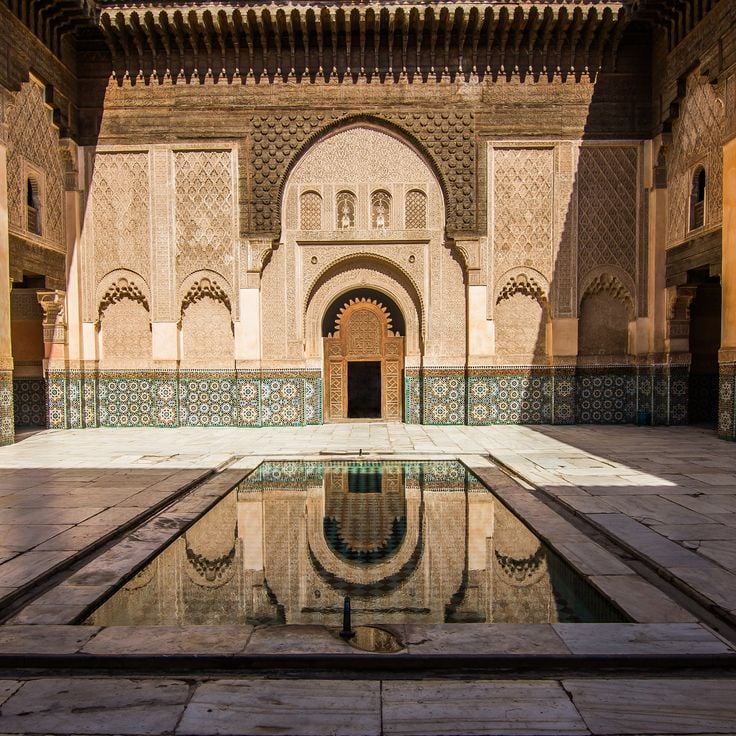
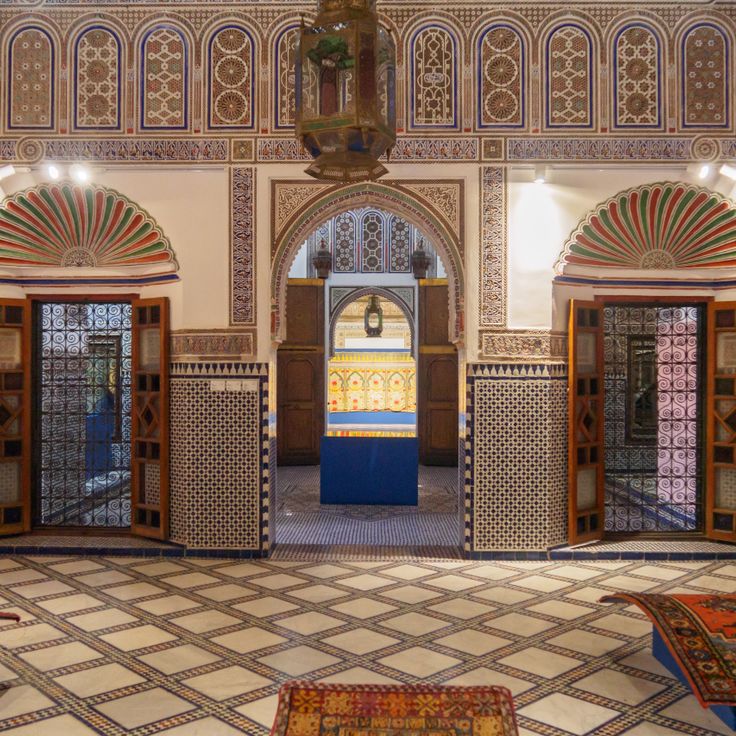
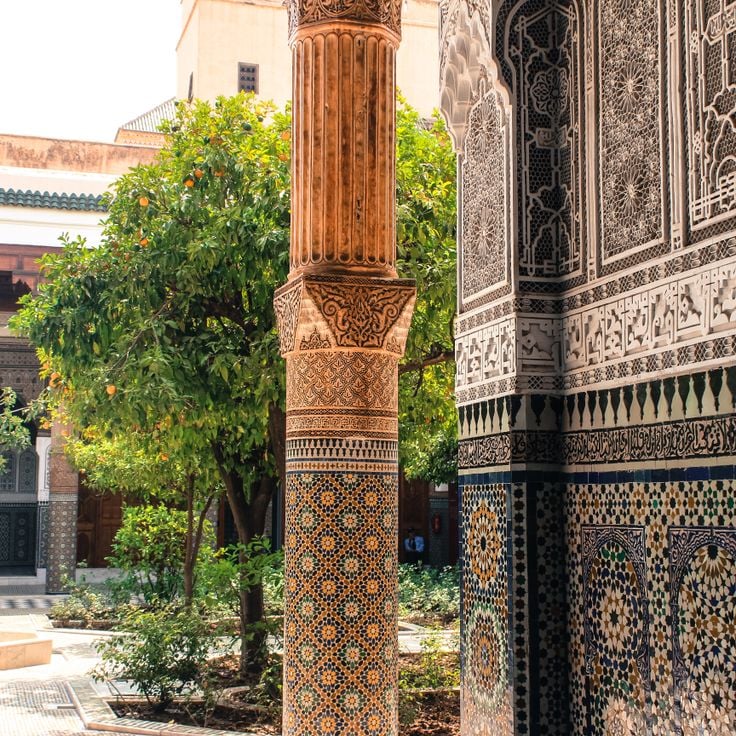
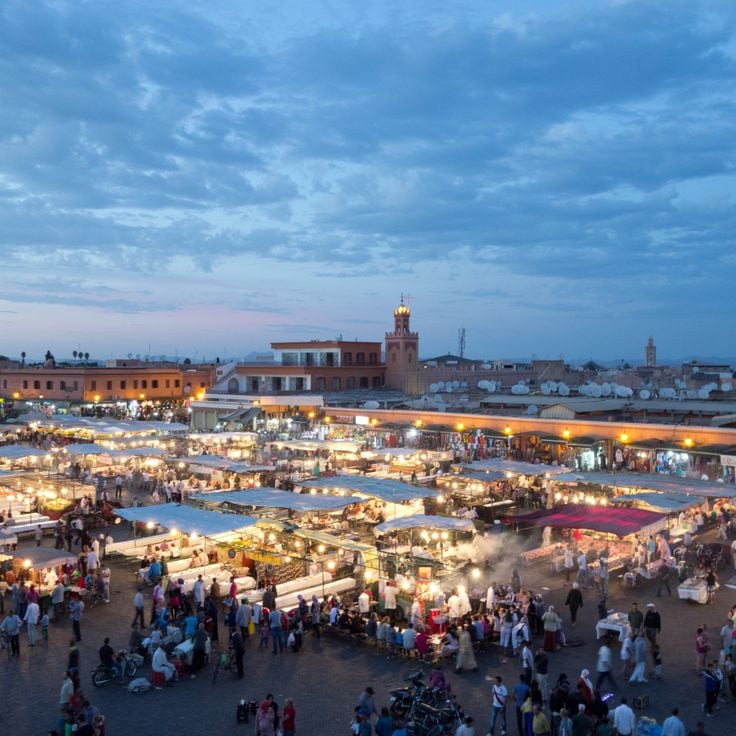
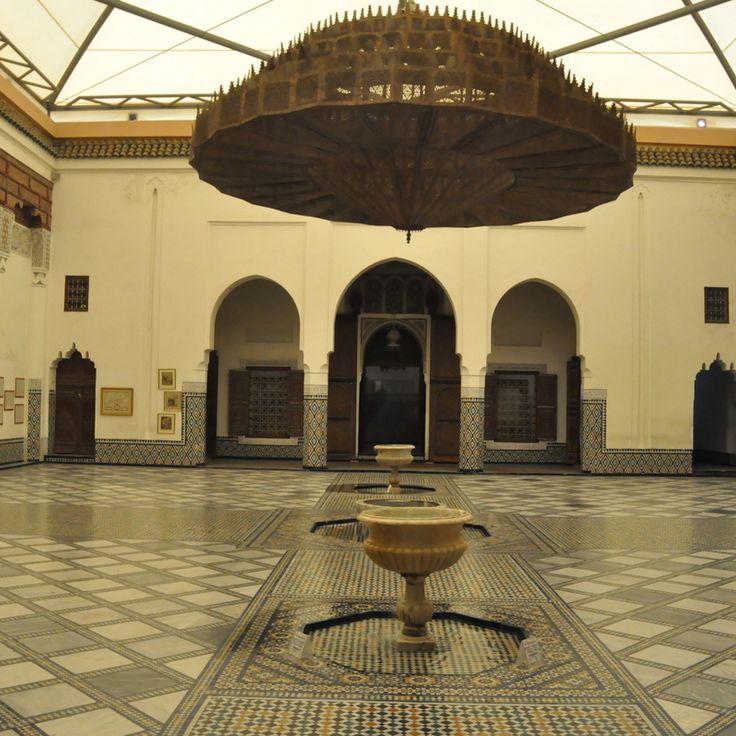
In Marrakech, the courtyards of the old palaces and the buzzing of the markets tell two sides of the same city.
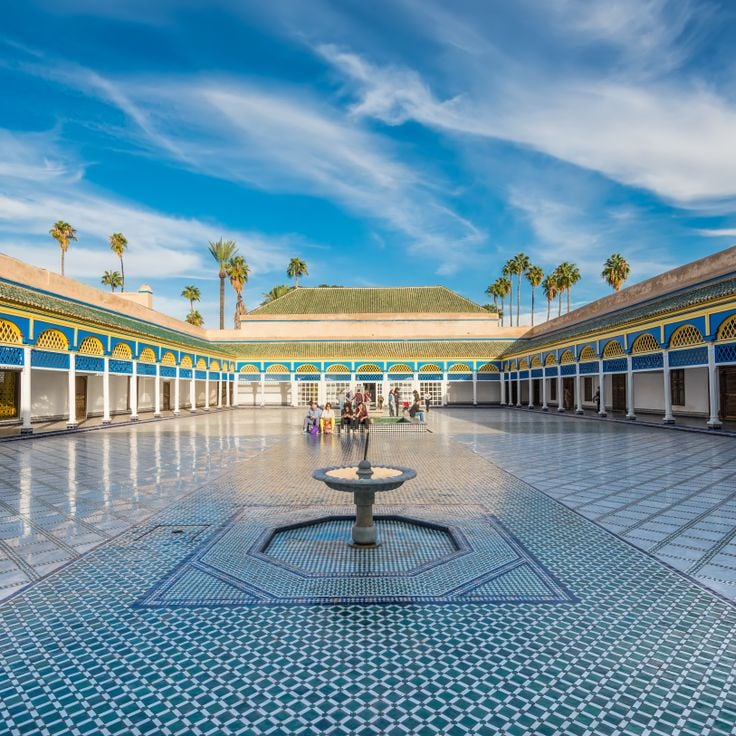
Marrakech has served as a cultural hub for centuries, blending architectural styles from different periods and influences. The city holds important palaces such as Bahia and El Badi, which reveal the craftsmanship and design principles of past eras through their courtyards and decorative details. The Koutoubia Mosque and Ben Youssef Madrasa stand as key religious and educational landmarks that continue to shape the city's character today.The medina forms the beating heart of old Marrakech, with its winding streets, bustling souks, and squares where daily life unfolds. Jamaa el Fna is where music, dance, and storytelling create a dynamic public space. Gardens like Jardin Majorelle and Menara offer peaceful settings with water features and planted paths that contrast with the energy of the city. Several museums preserve examples of Moroccan craftsmanship, photography, and textiles for visitors to explore. Beyond the ancient walls, modern neighborhoods like Guéliz offer shops and dining options. The surrounding landscape, including Toubkal National Park in the mountains, provides natural scenery and hiking opportunities. This route connects these diverse locations and shows how Marrakech works as a living city where history and contemporary life coexist.
In Marrakech, the courtyards of the old palaces and the buzzing of the markets tell two sides of the same city.
Marrakech has served as a cultural hub for centuries, blending architectural styles from different periods and influences. The city holds important palaces such as Bahia and El Badi, which reveal the craftsmanship and design principles of past eras through their courtyards and decorative details. The Koutoubia Mosque and Ben Youssef Madrasa stand as key religious and educational landmarks that continue to shape the city's character today.The medina forms the beating heart of old Marrakech, with its winding streets, bustling souks, and squares where daily life unfolds. Jamaa el Fna is where music, dance, and storytelling create a dynamic public space. Gardens like Jardin Majorelle and Menara offer peaceful settings with water features and planted paths that contrast with the energy of the city. Several museums preserve examples of Moroccan craftsmanship, photography, and textiles for visitors to explore. Beyond the ancient walls, modern neighborhoods like Guéliz offer shops and dining options. The surrounding landscape, including Toubkal National Park in the mountains, provides natural scenery and hiking opportunities. This route connects these diverse locations and shows how Marrakech works as a living city where history and contemporary life coexist.
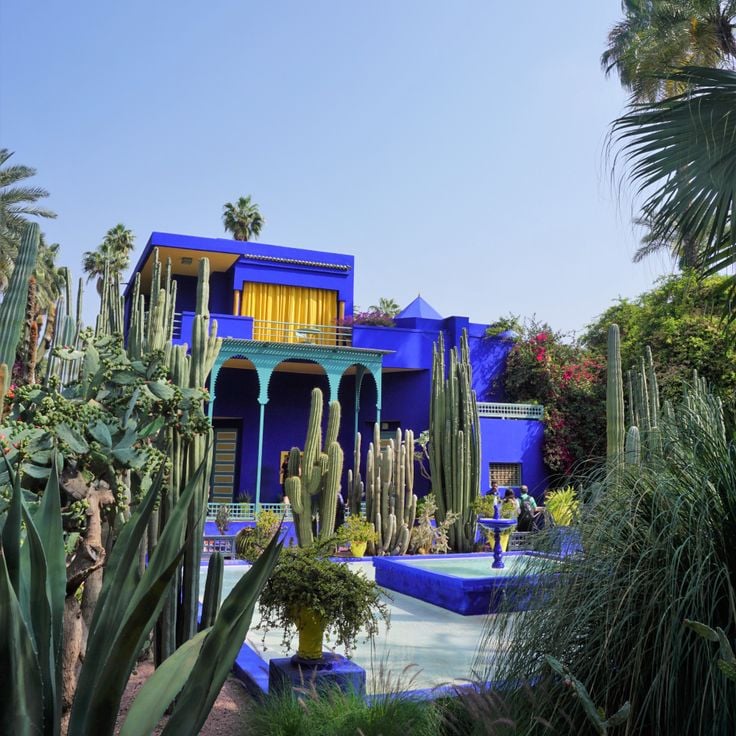
The Jardin Majorelle sits in the Guéliz neighborhood and displays a collection of cacti, palms and bamboo from different regions. French painter Jacques Majorelle created the garden in the 1920s and painted the buildings in a deep cobalt blue later named after him. Yves Saint Laurent and Pierre Bergé bought the property in 1980 and restored the grounds. A small museum in one of the blue pavilions shows textiles and objects from North Africa. The paths lead through dense vegetation, past water basins where the blue color of the walls reflects in the water.
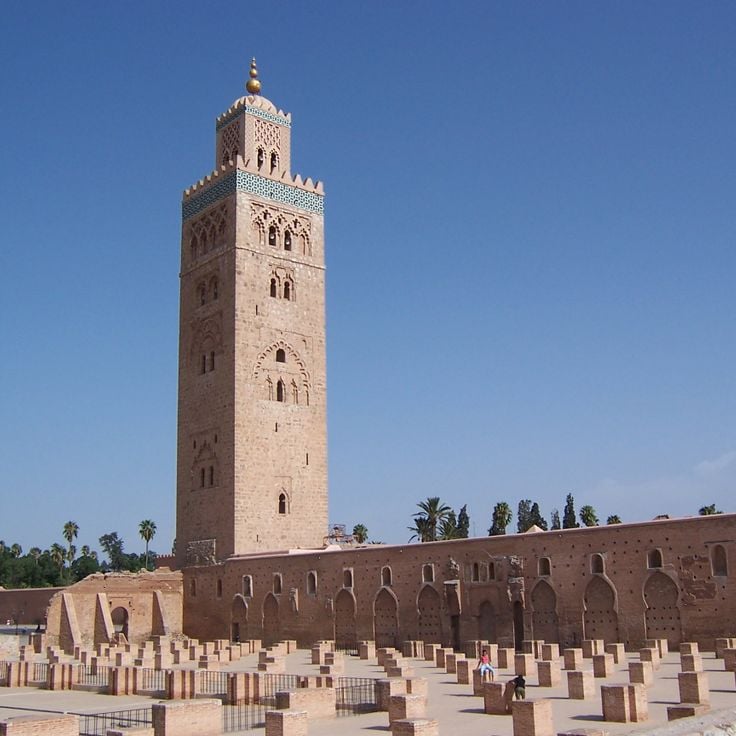
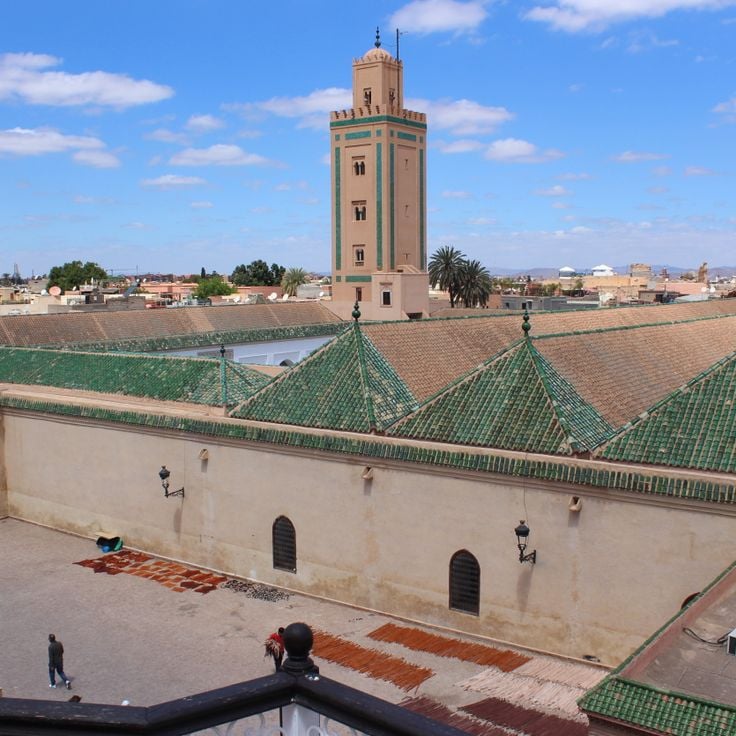
The Koutoubia Mosque was built in the 12th century and is visible across the city through its minaret rising 226 feet (69 meters) above the ground. The facade carries Moorish patterns and stonework typical of that period. The structure belongs to the oldest buildings in town and shows the architecture of the Almohad dynasty. From outside, you see the reddish brown stone blocks and the arches at the openings. The minaret served as a model for other towers in the region. The mosque is surrounded by an open square where locals and travelers gather and take in the view of the building.
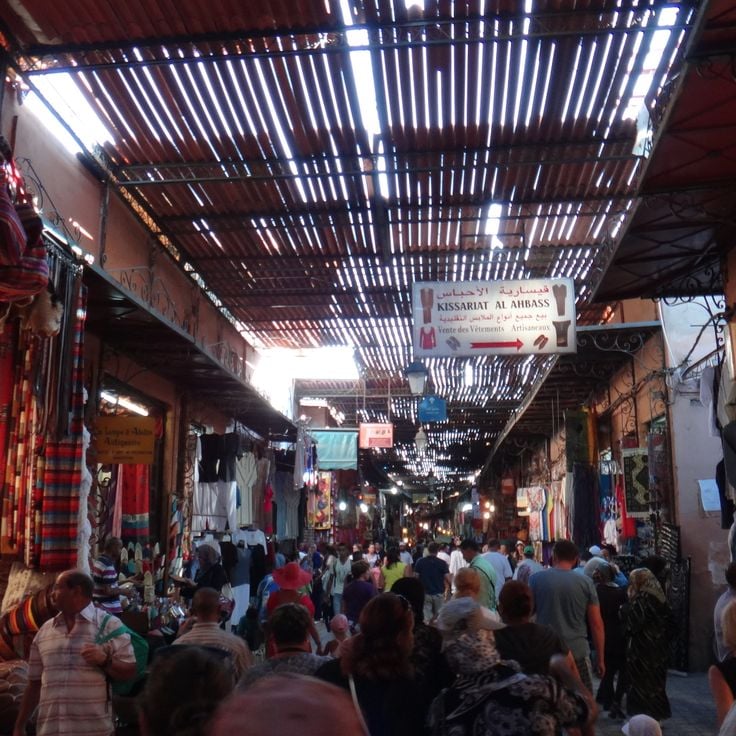
This old town from the 11th century spreads behind its walls and gathers workshops, mosques and market lanes. Narrow streets connect residential areas with places where blacksmiths, tanners and carpenters work. You walk through shaded passages, past open shops selling spices, fabrics and metalwork. The Bahia Palace and the Ben Youssef Madrasa sit within this network of alleys that have kept the same layout for centuries. In the evening, residents gather in small squares while the smell of street food drifts through the air.
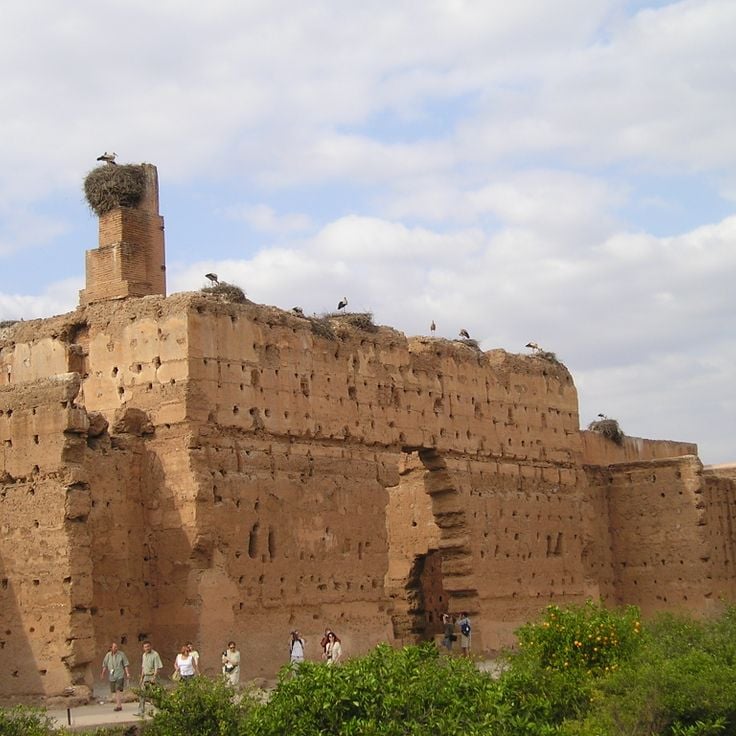
The Palais El Badi was built in the 16th century and now stands as one of the great historical sites of Marrakech. The large courtyards are crossed by rectangular water basins that once marked the rhythm of the entire complex. Traces of the original decorations remain on the walls: fragments of stucco, pieces of ceramic tiles, and grooves that show how the surfaces were once adorned. From the roof, you can see the full scale of the complex and the rooftops of the medina beyond. Storks nest on the crests of the walls, and the sounds of the city drift into the open courtyards on the wind.
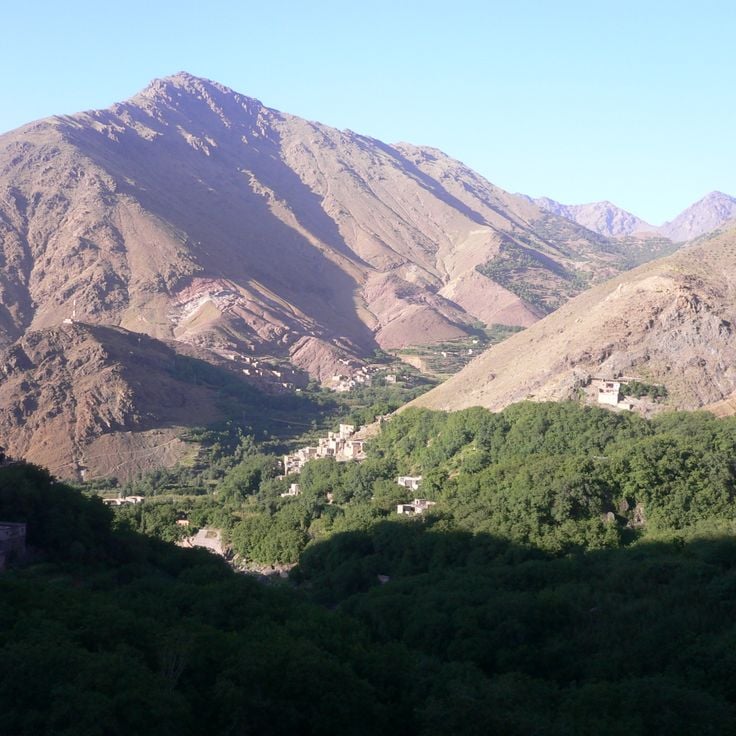
Toubkal National Park covers a mountain range with peaks rising above 13,000 feet (4,000 meters), including Jebel Toubkal, the highest mountain in North Africa. The landscape shifts between steep rock faces, deep valleys, and mountain slopes where Berber villages cling to the hillsides. Trails wind through juniper forests and along mountain streams to the starting points for climbs. In summer, hikers come up from the plains to escape the heat, while in winter snow covers the higher elevations. Villages offer simple lodging and serve as bases for treks that last several days into the mountains.
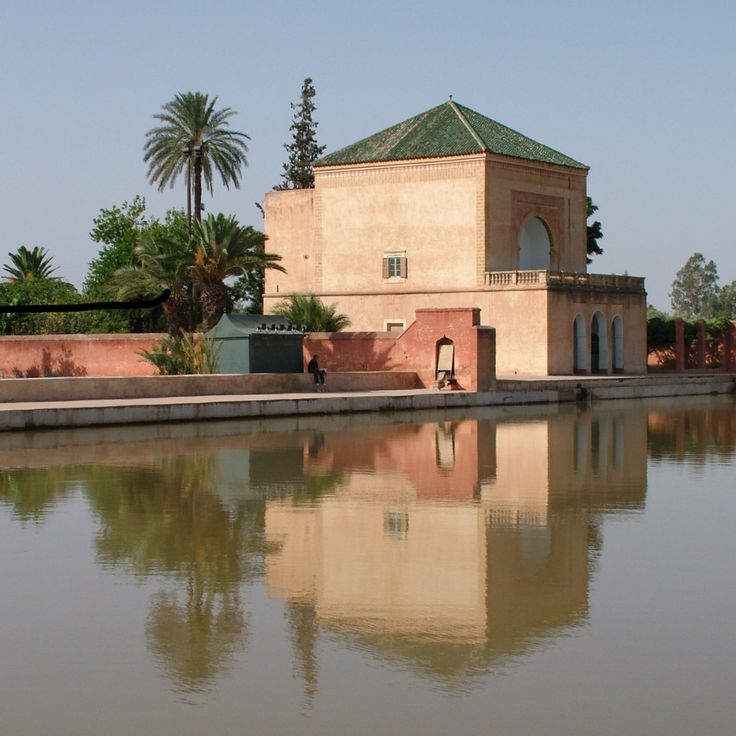
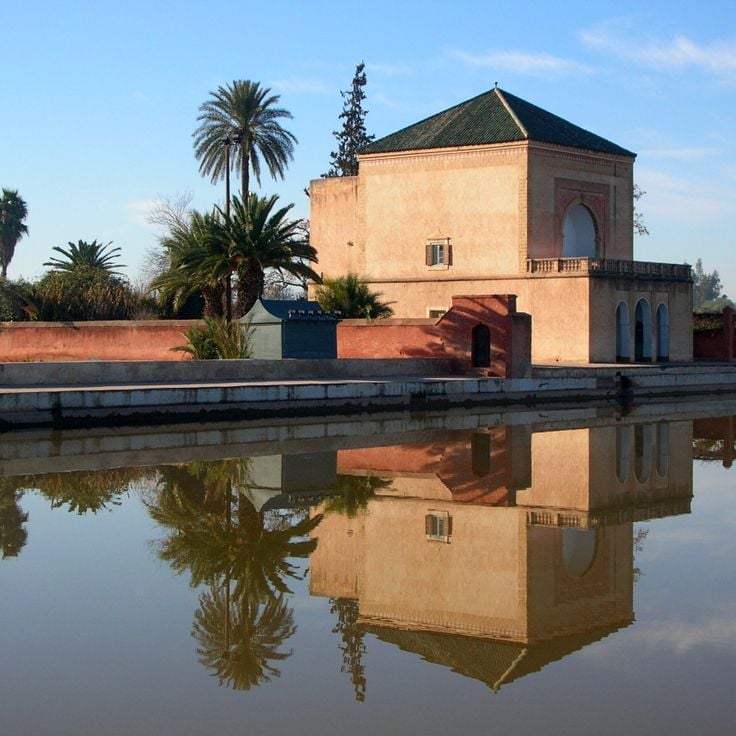
The Jardins de la Ménara are historic gardens from the 12th century, among the oldest green spaces in Marrakech. The large rectangular water reservoir is surrounded by olive groves and once supplied water to the royal gardens. The pavilion with its green tile roof was built in the 19th century and offers a view of the Atlas Mountains in the background. These gardens demonstrate traditional Moroccan horticulture and are still visited by locals who come here to walk and rest in the shade of the trees. The irrigation system dates back to the Almohad period and still functions according to ancient principles.
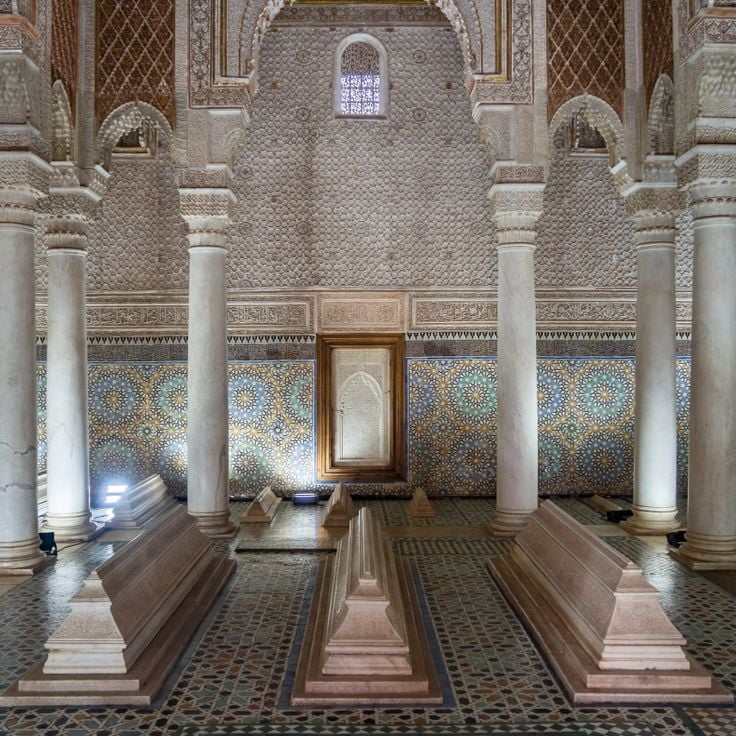
The burial site gathers marble columns, cedarwood carvings and stucco decorations. About 60 members of the Saadian dynasty, who ruled Marrakech between the 16th and 17th centuries, rest there. The complex remained closed for several centuries until its rediscovery in the early 20th century. The tombs occupy two main pavilions, surrounded by a garden with rose beds. The walls display geometric patterns and calligraphy. Light enters through narrow openings and highlights the carved details.
This theological school from the 16th century displays cedarwood carvings and wall surfaces covered in geometric patterns made from glazed tiles. The inner courtyards are decorated with Arabic script reproducing verses from the Quran. The upper level holds rooms where students lived until the 20th century. The architecture combines North African traditions with Moorish elements from Andalusia, similar to other buildings around the city.
The Musée Dar Si Saïd presents Moroccan crafts in a 19th-century palace within the medina. The collection includes carpets from different regions of the country, woodwork with carved patterns, jewelry, and traditional clothing. You walk through courtyards with mosaics, reception halls with painted ceilings, and gardens with lemon trees. The palace was built for a minister of the sultan and later served as a residence before becoming a museum. The exhibited objects come from the Atlas mountains, from Fez, and from southern Morocco.
This early 20th-century palace now displays ceramics, everyday objects, and traditional crafts from various regions of Morocco. The rooms are decorated with carved wooden ceilings and stuccowork. In the courtyard, lemon trees and fountains provide shade and a place to rest. The collection includes rugs, jewelry, and historical garments. Visitors can walk through the rooms and see how the building looked before restoration and how it serves as a museum today.
The Jamaâ El Fna is a central square in the heart of the medina, serving as a gathering place since the 11th century. During the day, vendors sell spices, fresh orange juice, and nuts, while musicians, storytellers, and acrobats spread across the square as evening approaches. Food sellers prepare grilled meat, soups, and Moroccan dishes in their open kitchens, with smoke rising into the air. Visitors sit on simple benches, surrounded by people of all ages. The square changes with the time of day: morning calm, afternoon movement, evening activity. The Koutoubia Mosque rises nearby, its minaret visible from different points. The Jamaâ El Fna forms a lively center of Marrakech, where everyday life and tradition intersect.
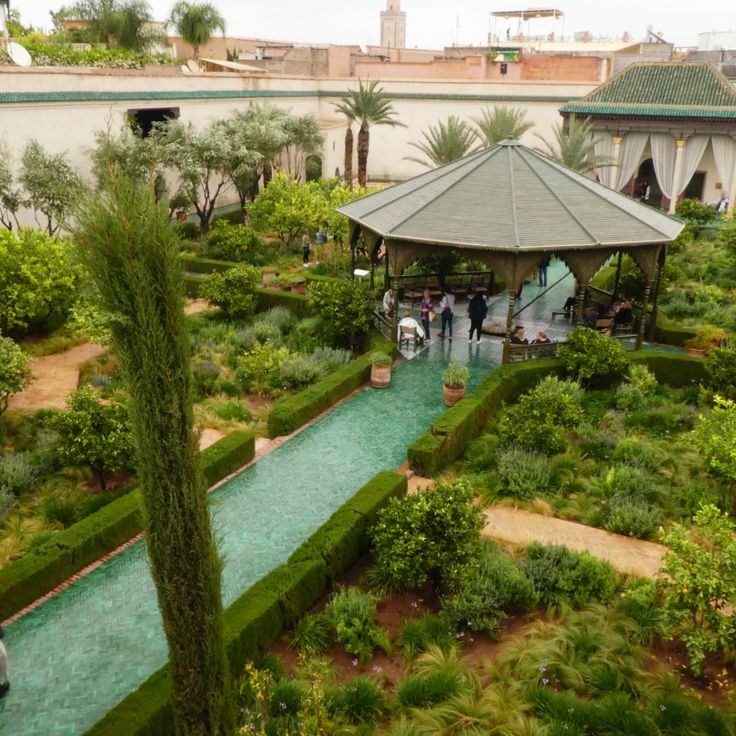
This restored 19th-century palace demonstrates Islamic garden design with geometric water channels and Mediterranean plants. The Jardin Secret sits in the medina of Marrakech and belongs to the places reflecting how the city evolved over the centuries. The palace introduces techniques of Moroccan horticulture, where water flows through rectangular basins and vegetation follows traditional patterns. The grounds include two garden areas: an exotic garden with plants from different climates and an Islamic garden following classical principles. The palace architecture shows 19th-century decoration techniques with carved wooden elements and painted ceilings that recall how historical residences in Marrakech were built.
This traditional market square sits in the heart of the medina and gathers vendors who sell spices, dried herbs, teas and natural remedies from the region. Rahba Kedima preserves the feeling of an old trading place where locals meet to stock up on supplies. The stalls display pyramids of ground saffron, cumin and cinnamon next to bundles of mint and verbena. You also find argan oil, rose petals and products used in traditional medicine. The square combines commercial activity with practices that go back centuries and fits into the history of Marrakech souks, which have welcomed merchants and travelers since medieval times.
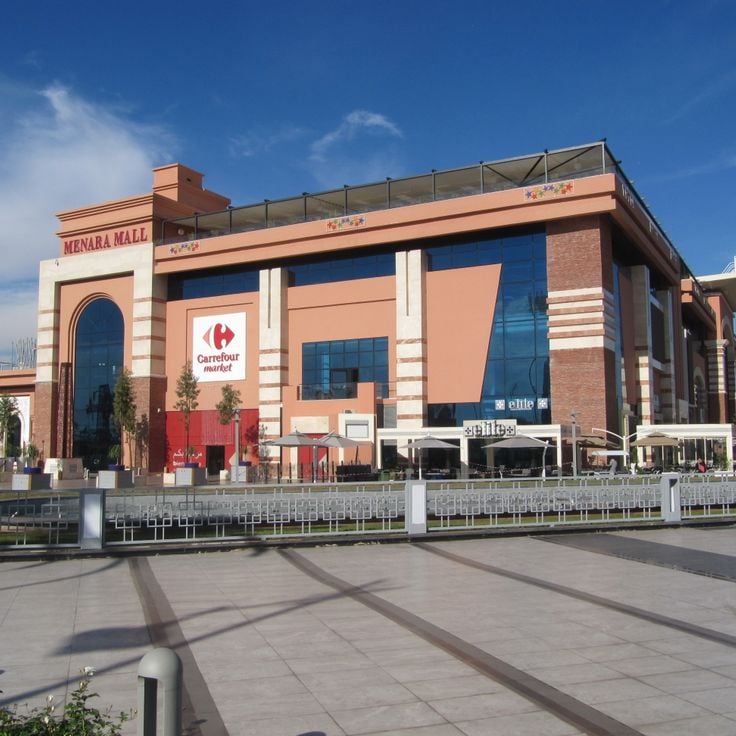
The Morocco Mall is a modern shopping center with more than 350 stores spread across five floors, and a large aquarium at the center of the complex. The place shows a contemporary side of Marrakech, far from the historic medina, and draws both locals and travelers looking for international brands or an air-conditioned space to browse. The walkways are frequented daily by families, teenagers and visitors who wander between shops, restaurants and cafes. The central aquarium offers a break from shopping and is often watched by children. The atmosphere is calm and orderly, with wide passages and cool lighting that contrast sharply with the busy souks.
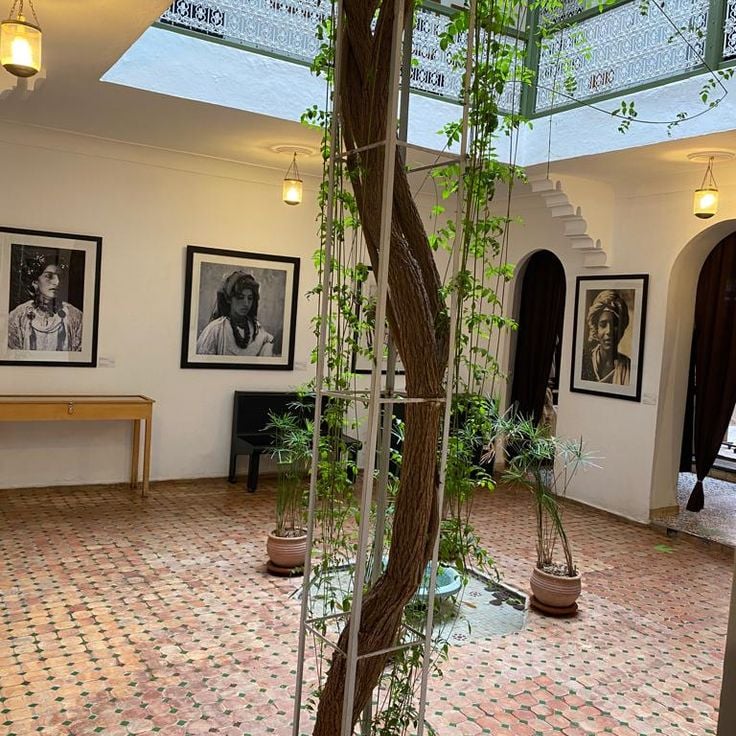
This house focuses on Maghreb photography taken between 1870 and 1950 and displays around 4,500 historical images of Morocco. The collection documents daily life, landscapes, and architecture across several decades. The photographs come from travelers, researchers, and professional photographers who visited Morocco at different times. The Maison de la Photographie organizes rotating exhibitions inside a traditional riad and offers views over the surrounding rooftops of the old town from its terrace. Besides black and white prints, the collection includes early color prints and postcards from the colonial period, offering insight into Morocco before independence.
These royal gardens from the 12th century stretch across a large area with fruit trees, olive groves and old water basins. The Jardins Agdal were created under the Almohad dynasty and served the royal family as agricultural grounds and a retreat. You walk between orange trees, lemon trees and pomegranate trees that grow in regular rows. The irrigation basins collect water from the mountains and distribute it through a system of channels. On certain days the gardens open to visitors who can discover the calm between the trees and the traditional irrigation system.
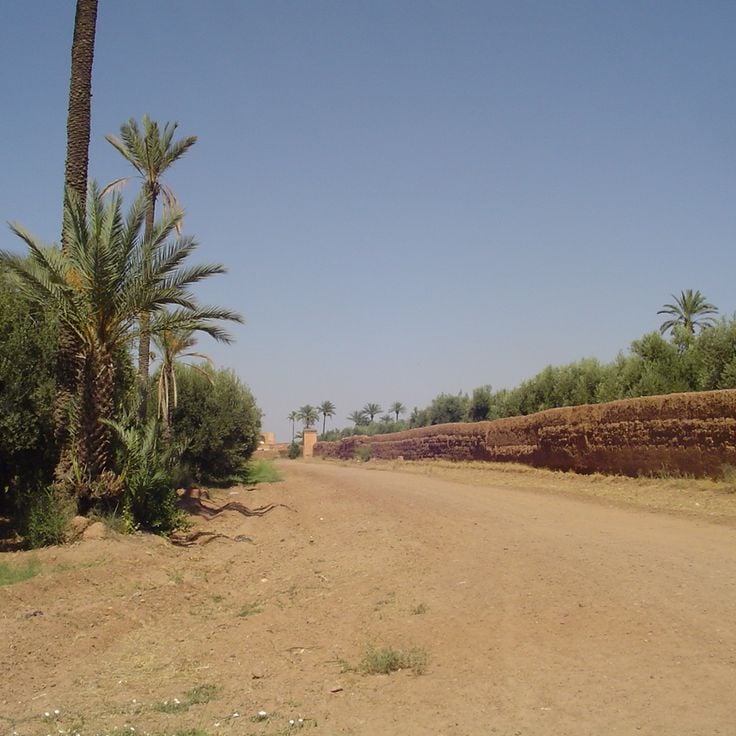
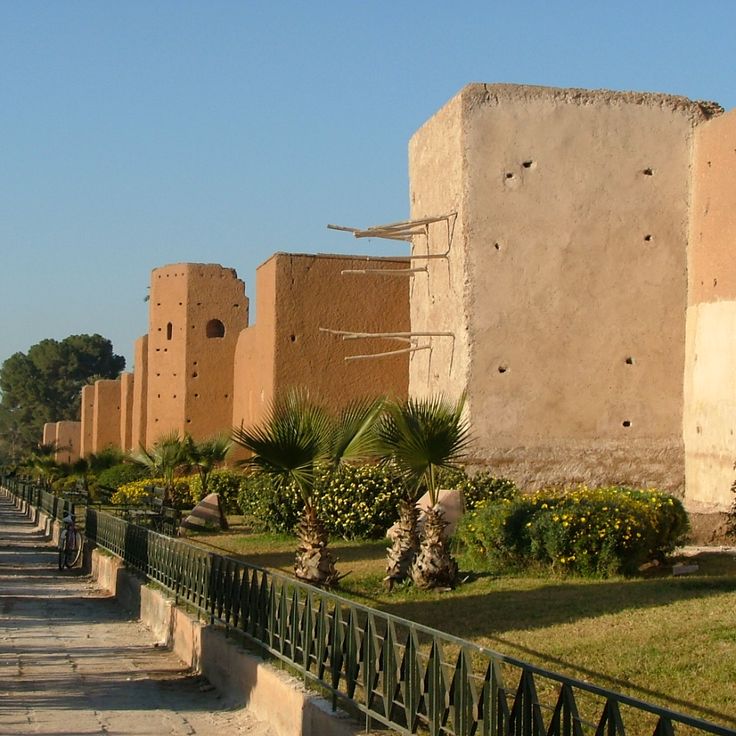
The fortification walls from the 12th century surround the medina and run for several miles through the city. The reddish rammed-earth masonry forms a boundary between the old quarters and the newer parts of town. You enter the center through several gates built at different times. Some gates are plain, others carry decorations in brick and stucco. The walls undergo regular renewal as the earth weathers over time. In some places you can see the layers added during various restorations.
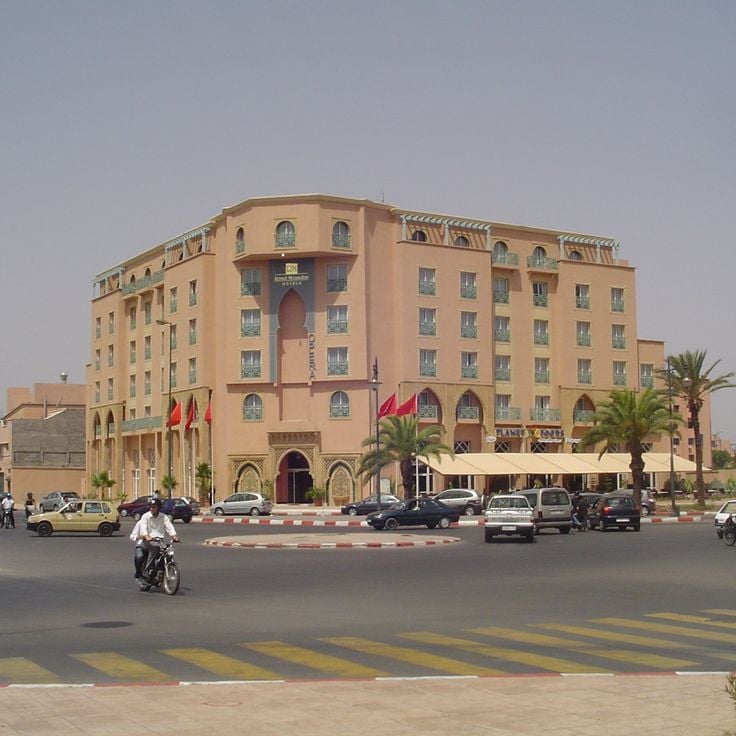
This part of town grew during the French protectorate and offers a different rhythm from the old city. Wide streets lined with palms run through Guéliz, where buildings from the 1930s stand alongside newer shops, restaurants and art galleries. The area shows how Marrakesh expanded beyond the medina walls in the 20th century. Architecture follows French models of that era, with straight avenues and open facades. You find cafés with terraces, stores selling clothes and household goods, and spaces where residents and visitors move about without the narrow passages of the traditional quarters.
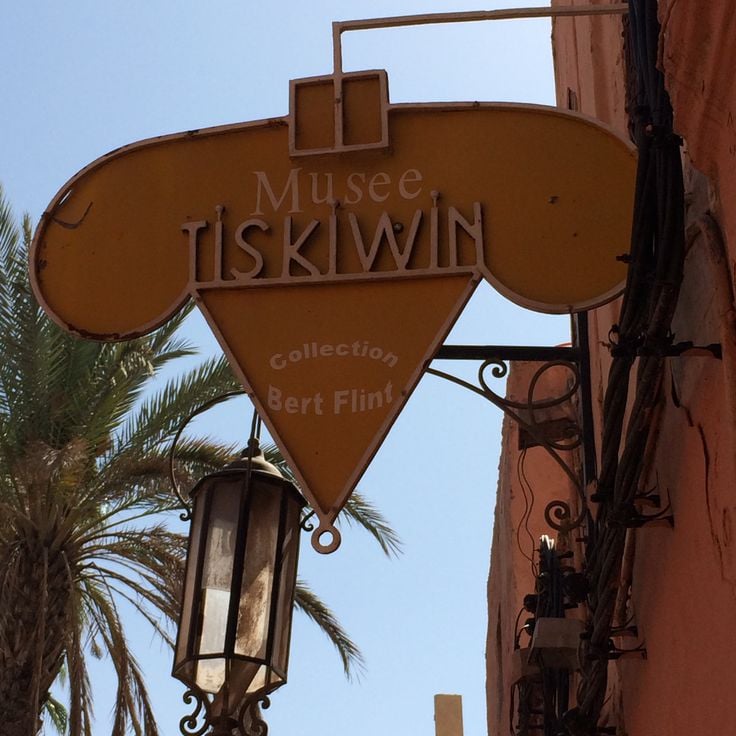
The Musée Tiskiwin brings together objects from North Africa and the trade routes of the Sahara. The collection shows textiles, jewelry, pottery and tools from different regions of Morocco and the Sahel. The rooms follow a route from Marrakech to Timbuktu and arrange items by origin. You see saddle blankets, weapons, musical instruments and household goods that reflect daily life and the relations between settled and nomadic communities. This museum occupies an old house in the medina and was set up by a Dutch collector who gathered objects over 40 years.
Dar Bellarj was once a medical facility for storks and now serves as a center for Moroccan art, crafts, and cultural programs. Located in the medina, this building keeps its original purpose alive in its name - bellarj means stork in Arabic. Rooms around a central courtyard display rotating exhibitions by contemporary artists from Morocco and host workshops for traditional crafts like weaving, pottery, and woodcarving. Visitors can watch artisans at work and learn about techniques passed down through generations.
This 12th-century mosque features Arab columns, geometric mosaics, and a large courtyard with a prayer hall. The building belongs to the early religious sites that shaped medieval Marrakesh. The layout follows classic patterns of Islamic architecture, with inner courtyards for gatherings and decorated rooms for prayer.
This private foundation brings together modern art from Morocco and other countries in a former manufacturing facility. The Fondation Montresso organizes rotating exhibitions in large rooms where visitors can view paintings, sculptures and contemporary installations. Beside the galleries there are studios where artists work on their projects. You can walk through the exhibition spaces and discover different artistic approaches. The building shows industrial architecture from the 20th century with high ceilings and natural light. The foundation also organizes events and meetings with artists. This place connects the production of new works with the presentation of completed pieces.
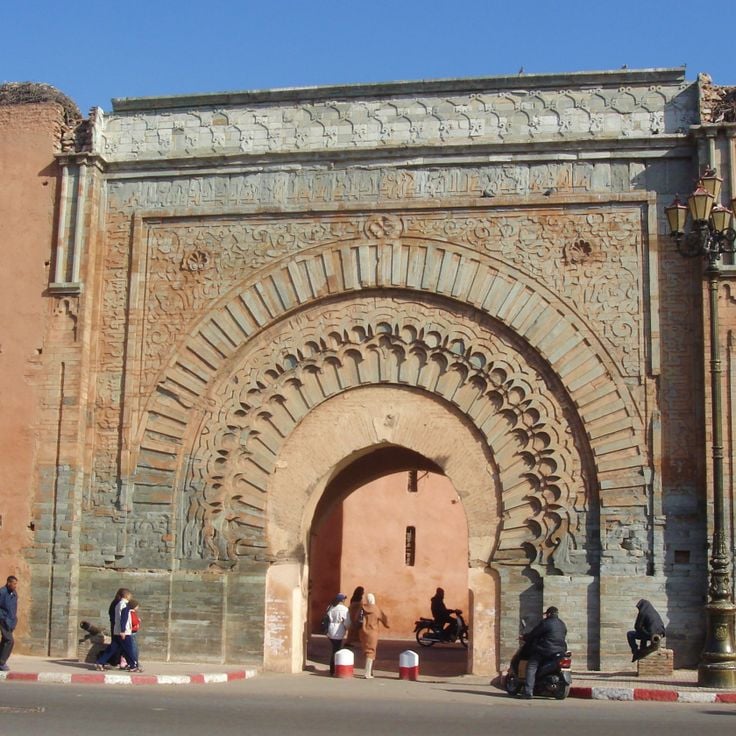
This gate from the 12th century stands south of the Koutoubia Mosque and once led to the royal kasbah. Bab Agnaou was built from reddish sandstone and shows Quranic verses in Kufic script on its façade. The archway is surrounded by carved bands that emphasize the traditional masonry. Corner columns frame the passage, while the upper section is decorated with geometric patterns. This gate was a main entrance to the palace area in medieval times and illustrates the building style of the Almohad period in Marrakech.
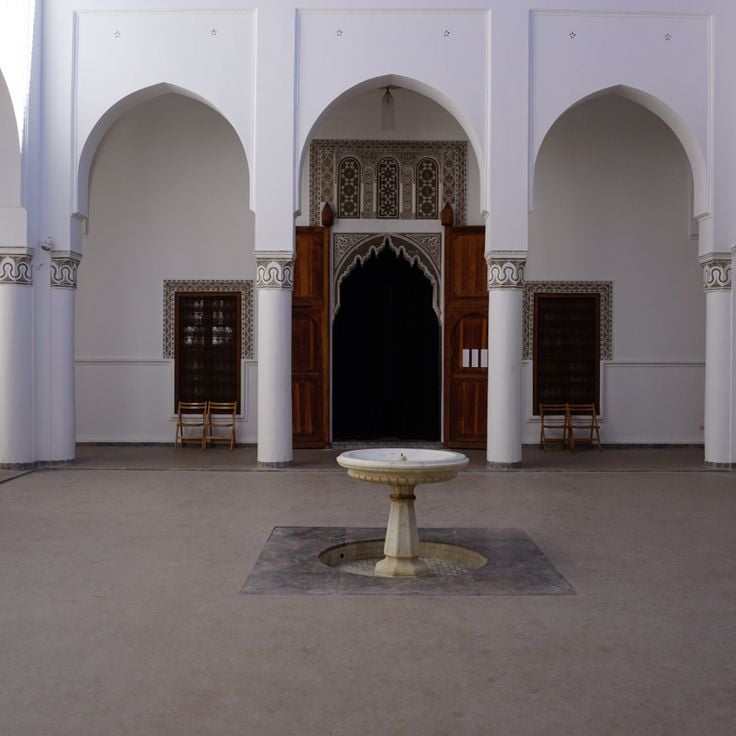
The Musée de Marrakech sits inside a 19th-century palace. The central courtyard lies beneath a glass roof, and the rooms display collections of ceramics, woodwork, old coins and traditional garments. The walls carry calligraphy and geometric patterns. Visitors see everyday objects, carpets, jewelry and historical documents. Temporary exhibits add to the permanent collection and introduce different periods of the city.
This palace was built in the 19th century for a minister of the Sultan. Its rooms display geometric mosaics made from painted tiles and ceilings of cedar wood crafted in the city's workshops. The courtyards open onto gardens planted with orange trees. You walk through rooms of different sizes, some designed for receiving guests, others for family life. The walls are covered with stucco work that combines plant motifs and calligraphic inscriptions.
The Jardin Majorelle sits in the Guéliz neighborhood and displays a collection of cacti, palms and bamboo from different regions. French painter Jacques Majorelle created the garden in the 1920s and painted the buildings in a deep cobalt blue later named after him. Yves Saint Laurent and Pierre Bergé bought the property in 1980 and restored the grounds. A small museum in one of the blue pavilions shows textiles and objects from North Africa. The paths lead through dense vegetation, past water basins where the blue color of the walls reflects in the water.
The Koutoubia Mosque was built in the 12th century and is visible across the city through its minaret rising 226 feet (69 meters) above the ground. The facade carries Moorish patterns and stonework typical of that period. The structure belongs to the oldest buildings in town and shows the architecture of the Almohad dynasty. From outside, you see the reddish brown stone blocks and the arches at the openings. The minaret served as a model for other towers in the region. The mosque is surrounded by an open square where locals and travelers gather and take in the view of the building.
This old town from the 11th century spreads behind its walls and gathers workshops, mosques and market lanes. Narrow streets connect residential areas with places where blacksmiths, tanners and carpenters work. You walk through shaded passages, past open shops selling spices, fabrics and metalwork. The Bahia Palace and the Ben Youssef Madrasa sit within this network of alleys that have kept the same layout for centuries. In the evening, residents gather in small squares while the smell of street food drifts through the air.
The Palais El Badi was built in the 16th century and now stands as one of the great historical sites of Marrakech. The large courtyards are crossed by rectangular water basins that once marked the rhythm of the entire complex. Traces of the original decorations remain on the walls: fragments of stucco, pieces of ceramic tiles, and grooves that show how the surfaces were once adorned. From the roof, you can see the full scale of the complex and the rooftops of the medina beyond. Storks nest on the crests of the walls, and the sounds of the city drift into the open courtyards on the wind.
Toubkal National Park covers a mountain range with peaks rising above 13,000 feet (4,000 meters), including Jebel Toubkal, the highest mountain in North Africa. The landscape shifts between steep rock faces, deep valleys, and mountain slopes where Berber villages cling to the hillsides. Trails wind through juniper forests and along mountain streams to the starting points for climbs. In summer, hikers come up from the plains to escape the heat, while in winter snow covers the higher elevations. Villages offer simple lodging and serve as bases for treks that last several days into the mountains.
The Jardins de la Ménara are historic gardens from the 12th century, among the oldest green spaces in Marrakech. The large rectangular water reservoir is surrounded by olive groves and once supplied water to the royal gardens. The pavilion with its green tile roof was built in the 19th century and offers a view of the Atlas Mountains in the background. These gardens demonstrate traditional Moroccan horticulture and are still visited by locals who come here to walk and rest in the shade of the trees. The irrigation system dates back to the Almohad period and still functions according to ancient principles.
The burial site gathers marble columns, cedarwood carvings and stucco decorations. About 60 members of the Saadian dynasty, who ruled Marrakech between the 16th and 17th centuries, rest there. The complex remained closed for several centuries until its rediscovery in the early 20th century. The tombs occupy two main pavilions, surrounded by a garden with rose beds. The walls display geometric patterns and calligraphy. Light enters through narrow openings and highlights the carved details.
This theological school from the 16th century displays cedarwood carvings and wall surfaces covered in geometric patterns made from glazed tiles. The inner courtyards are decorated with Arabic script reproducing verses from the Quran. The upper level holds rooms where students lived until the 20th century. The architecture combines North African traditions with Moorish elements from Andalusia, similar to other buildings around the city.
The Musée Dar Si Saïd presents Moroccan crafts in a 19th-century palace within the medina. The collection includes carpets from different regions of the country, woodwork with carved patterns, jewelry, and traditional clothing. You walk through courtyards with mosaics, reception halls with painted ceilings, and gardens with lemon trees. The palace was built for a minister of the sultan and later served as a residence before becoming a museum. The exhibited objects come from the Atlas mountains, from Fez, and from southern Morocco.
This early 20th-century palace now displays ceramics, everyday objects, and traditional crafts from various regions of Morocco. The rooms are decorated with carved wooden ceilings and stuccowork. In the courtyard, lemon trees and fountains provide shade and a place to rest. The collection includes rugs, jewelry, and historical garments. Visitors can walk through the rooms and see how the building looked before restoration and how it serves as a museum today.
The Jamaâ El Fna is a central square in the heart of the medina, serving as a gathering place since the 11th century. During the day, vendors sell spices, fresh orange juice, and nuts, while musicians, storytellers, and acrobats spread across the square as evening approaches. Food sellers prepare grilled meat, soups, and Moroccan dishes in their open kitchens, with smoke rising into the air. Visitors sit on simple benches, surrounded by people of all ages. The square changes with the time of day: morning calm, afternoon movement, evening activity. The Koutoubia Mosque rises nearby, its minaret visible from different points. The Jamaâ El Fna forms a lively center of Marrakech, where everyday life and tradition intersect.
This restored 19th-century palace demonstrates Islamic garden design with geometric water channels and Mediterranean plants. The Jardin Secret sits in the medina of Marrakech and belongs to the places reflecting how the city evolved over the centuries. The palace introduces techniques of Moroccan horticulture, where water flows through rectangular basins and vegetation follows traditional patterns. The grounds include two garden areas: an exotic garden with plants from different climates and an Islamic garden following classical principles. The palace architecture shows 19th-century decoration techniques with carved wooden elements and painted ceilings that recall how historical residences in Marrakech were built.
This traditional market square sits in the heart of the medina and gathers vendors who sell spices, dried herbs, teas and natural remedies from the region. Rahba Kedima preserves the feeling of an old trading place where locals meet to stock up on supplies. The stalls display pyramids of ground saffron, cumin and cinnamon next to bundles of mint and verbena. You also find argan oil, rose petals and products used in traditional medicine. The square combines commercial activity with practices that go back centuries and fits into the history of Marrakech souks, which have welcomed merchants and travelers since medieval times.
The Morocco Mall is a modern shopping center with more than 350 stores spread across five floors, and a large aquarium at the center of the complex. The place shows a contemporary side of Marrakech, far from the historic medina, and draws both locals and travelers looking for international brands or an air-conditioned space to browse. The walkways are frequented daily by families, teenagers and visitors who wander between shops, restaurants and cafes. The central aquarium offers a break from shopping and is often watched by children. The atmosphere is calm and orderly, with wide passages and cool lighting that contrast sharply with the busy souks.
This house focuses on Maghreb photography taken between 1870 and 1950 and displays around 4,500 historical images of Morocco. The collection documents daily life, landscapes, and architecture across several decades. The photographs come from travelers, researchers, and professional photographers who visited Morocco at different times. The Maison de la Photographie organizes rotating exhibitions inside a traditional riad and offers views over the surrounding rooftops of the old town from its terrace. Besides black and white prints, the collection includes early color prints and postcards from the colonial period, offering insight into Morocco before independence.
These royal gardens from the 12th century stretch across a large area with fruit trees, olive groves and old water basins. The Jardins Agdal were created under the Almohad dynasty and served the royal family as agricultural grounds and a retreat. You walk between orange trees, lemon trees and pomegranate trees that grow in regular rows. The irrigation basins collect water from the mountains and distribute it through a system of channels. On certain days the gardens open to visitors who can discover the calm between the trees and the traditional irrigation system.
The fortification walls from the 12th century surround the medina and run for several miles through the city. The reddish rammed-earth masonry forms a boundary between the old quarters and the newer parts of town. You enter the center through several gates built at different times. Some gates are plain, others carry decorations in brick and stucco. The walls undergo regular renewal as the earth weathers over time. In some places you can see the layers added during various restorations.
This part of town grew during the French protectorate and offers a different rhythm from the old city. Wide streets lined with palms run through Guéliz, where buildings from the 1930s stand alongside newer shops, restaurants and art galleries. The area shows how Marrakesh expanded beyond the medina walls in the 20th century. Architecture follows French models of that era, with straight avenues and open facades. You find cafés with terraces, stores selling clothes and household goods, and spaces where residents and visitors move about without the narrow passages of the traditional quarters.
The Musée Tiskiwin brings together objects from North Africa and the trade routes of the Sahara. The collection shows textiles, jewelry, pottery and tools from different regions of Morocco and the Sahel. The rooms follow a route from Marrakech to Timbuktu and arrange items by origin. You see saddle blankets, weapons, musical instruments and household goods that reflect daily life and the relations between settled and nomadic communities. This museum occupies an old house in the medina and was set up by a Dutch collector who gathered objects over 40 years.
Dar Bellarj was once a medical facility for storks and now serves as a center for Moroccan art, crafts, and cultural programs. Located in the medina, this building keeps its original purpose alive in its name - bellarj means stork in Arabic. Rooms around a central courtyard display rotating exhibitions by contemporary artists from Morocco and host workshops for traditional crafts like weaving, pottery, and woodcarving. Visitors can watch artisans at work and learn about techniques passed down through generations.
This 12th-century mosque features Arab columns, geometric mosaics, and a large courtyard with a prayer hall. The building belongs to the early religious sites that shaped medieval Marrakesh. The layout follows classic patterns of Islamic architecture, with inner courtyards for gatherings and decorated rooms for prayer.
This private foundation brings together modern art from Morocco and other countries in a former manufacturing facility. The Fondation Montresso organizes rotating exhibitions in large rooms where visitors can view paintings, sculptures and contemporary installations. Beside the galleries there are studios where artists work on their projects. You can walk through the exhibition spaces and discover different artistic approaches. The building shows industrial architecture from the 20th century with high ceilings and natural light. The foundation also organizes events and meetings with artists. This place connects the production of new works with the presentation of completed pieces.
This gate from the 12th century stands south of the Koutoubia Mosque and once led to the royal kasbah. Bab Agnaou was built from reddish sandstone and shows Quranic verses in Kufic script on its façade. The archway is surrounded by carved bands that emphasize the traditional masonry. Corner columns frame the passage, while the upper section is decorated with geometric patterns. This gate was a main entrance to the palace area in medieval times and illustrates the building style of the Almohad period in Marrakech.
The Musée de Marrakech sits inside a 19th-century palace. The central courtyard lies beneath a glass roof, and the rooms display collections of ceramics, woodwork, old coins and traditional garments. The walls carry calligraphy and geometric patterns. Visitors see everyday objects, carpets, jewelry and historical documents. Temporary exhibits add to the permanent collection and introduce different periods of the city.
This palace was built in the 19th century for a minister of the Sultan. Its rooms display geometric mosaics made from painted tiles and ceilings of cedar wood crafted in the city's workshops. The courtyards open onto gardens planted with orange trees. You walk through rooms of different sizes, some designed for receiving guests, others for family life. The walls are covered with stucco work that combines plant motifs and calligraphic inscriptions.
The Jardin Majorelle sits in the Guéliz neighborhood and displays a collection of cacti, palms and bamboo from different regions. French painter Jacques Majorelle created the garden in the 1920s and painted the buildings in a deep cobalt blue later named after him. Yves Saint Laurent and Pierre Bergé bought the property in 1980 and restored the grounds. A small museum in one of the blue pavilions shows textiles and objects from North Africa. The paths lead through dense vegetation, past water basins where the blue color of the walls reflects in the water.
The Koutoubia Mosque was built in the 12th century and is visible across the city through its minaret rising 226 feet (69 meters) above the ground. The facade carries Moorish patterns and stonework typical of that period. The structure belongs to the oldest buildings in town and shows the architecture of the Almohad dynasty. From outside, you see the reddish brown stone blocks and the arches at the openings. The minaret served as a model for other towers in the region. The mosque is surrounded by an open square where locals and travelers gather and take in the view of the building.
This old town from the 11th century spreads behind its walls and gathers workshops, mosques and market lanes. Narrow streets connect residential areas with places where blacksmiths, tanners and carpenters work. You walk through shaded passages, past open shops selling spices, fabrics and metalwork. The Bahia Palace and the Ben Youssef Madrasa sit within this network of alleys that have kept the same layout for centuries. In the evening, residents gather in small squares while the smell of street food drifts through the air.
The Palais El Badi was built in the 16th century and now stands as one of the great historical sites of Marrakech. The large courtyards are crossed by rectangular water basins that once marked the rhythm of the entire complex. Traces of the original decorations remain on the walls: fragments of stucco, pieces of ceramic tiles, and grooves that show how the surfaces were once adorned. From the roof, you can see the full scale of the complex and the rooftops of the medina beyond. Storks nest on the crests of the walls, and the sounds of the city drift into the open courtyards on the wind.
Toubkal National Park covers a mountain range with peaks rising above 13,000 feet (4,000 meters), including Jebel Toubkal, the highest mountain in North Africa. The landscape shifts between steep rock faces, deep valleys, and mountain slopes where Berber villages cling to the hillsides. Trails wind through juniper forests and along mountain streams to the starting points for climbs. In summer, hikers come up from the plains to escape the heat, while in winter snow covers the higher elevations. Villages offer simple lodging and serve as bases for treks that last several days into the mountains.
The Jardins de la Ménara are historic gardens from the 12th century, among the oldest green spaces in Marrakech. The large rectangular water reservoir is surrounded by olive groves and once supplied water to the royal gardens. The pavilion with its green tile roof was built in the 19th century and offers a view of the Atlas Mountains in the background. These gardens demonstrate traditional Moroccan horticulture and are still visited by locals who come here to walk and rest in the shade of the trees. The irrigation system dates back to the Almohad period and still functions according to ancient principles.
The burial site gathers marble columns, cedarwood carvings and stucco decorations. About 60 members of the Saadian dynasty, who ruled Marrakech between the 16th and 17th centuries, rest there. The complex remained closed for several centuries until its rediscovery in the early 20th century. The tombs occupy two main pavilions, surrounded by a garden with rose beds. The walls display geometric patterns and calligraphy. Light enters through narrow openings and highlights the carved details.
This theological school from the 16th century displays cedarwood carvings and wall surfaces covered in geometric patterns made from glazed tiles. The inner courtyards are decorated with Arabic script reproducing verses from the Quran. The upper level holds rooms where students lived until the 20th century. The architecture combines North African traditions with Moorish elements from Andalusia, similar to other buildings around the city.
The Musée Dar Si Saïd presents Moroccan crafts in a 19th-century palace within the medina. The collection includes carpets from different regions of the country, woodwork with carved patterns, jewelry, and traditional clothing. You walk through courtyards with mosaics, reception halls with painted ceilings, and gardens with lemon trees. The palace was built for a minister of the sultan and later served as a residence before becoming a museum. The exhibited objects come from the Atlas mountains, from Fez, and from southern Morocco.
This early 20th-century palace now displays ceramics, everyday objects, and traditional crafts from various regions of Morocco. The rooms are decorated with carved wooden ceilings and stuccowork. In the courtyard, lemon trees and fountains provide shade and a place to rest. The collection includes rugs, jewelry, and historical garments. Visitors can walk through the rooms and see how the building looked before restoration and how it serves as a museum today.
The Jamaâ El Fna is a central square in the heart of the medina, serving as a gathering place since the 11th century. During the day, vendors sell spices, fresh orange juice, and nuts, while musicians, storytellers, and acrobats spread across the square as evening approaches. Food sellers prepare grilled meat, soups, and Moroccan dishes in their open kitchens, with smoke rising into the air. Visitors sit on simple benches, surrounded by people of all ages. The square changes with the time of day: morning calm, afternoon movement, evening activity. The Koutoubia Mosque rises nearby, its minaret visible from different points. The Jamaâ El Fna forms a lively center of Marrakech, where everyday life and tradition intersect.
This restored 19th-century palace demonstrates Islamic garden design with geometric water channels and Mediterranean plants. The Jardin Secret sits in the medina of Marrakech and belongs to the places reflecting how the city evolved over the centuries. The palace introduces techniques of Moroccan horticulture, where water flows through rectangular basins and vegetation follows traditional patterns. The grounds include two garden areas: an exotic garden with plants from different climates and an Islamic garden following classical principles. The palace architecture shows 19th-century decoration techniques with carved wooden elements and painted ceilings that recall how historical residences in Marrakech were built.
This traditional market square sits in the heart of the medina and gathers vendors who sell spices, dried herbs, teas and natural remedies from the region. Rahba Kedima preserves the feeling of an old trading place where locals meet to stock up on supplies. The stalls display pyramids of ground saffron, cumin and cinnamon next to bundles of mint and verbena. You also find argan oil, rose petals and products used in traditional medicine. The square combines commercial activity with practices that go back centuries and fits into the history of Marrakech souks, which have welcomed merchants and travelers since medieval times.
The Morocco Mall is a modern shopping center with more than 350 stores spread across five floors, and a large aquarium at the center of the complex. The place shows a contemporary side of Marrakech, far from the historic medina, and draws both locals and travelers looking for international brands or an air-conditioned space to browse. The walkways are frequented daily by families, teenagers and visitors who wander between shops, restaurants and cafes. The central aquarium offers a break from shopping and is often watched by children. The atmosphere is calm and orderly, with wide passages and cool lighting that contrast sharply with the busy souks.
This house focuses on Maghreb photography taken between 1870 and 1950 and displays around 4,500 historical images of Morocco. The collection documents daily life, landscapes, and architecture across several decades. The photographs come from travelers, researchers, and professional photographers who visited Morocco at different times. The Maison de la Photographie organizes rotating exhibitions inside a traditional riad and offers views over the surrounding rooftops of the old town from its terrace. Besides black and white prints, the collection includes early color prints and postcards from the colonial period, offering insight into Morocco before independence.
These royal gardens from the 12th century stretch across a large area with fruit trees, olive groves and old water basins. The Jardins Agdal were created under the Almohad dynasty and served the royal family as agricultural grounds and a retreat. You walk between orange trees, lemon trees and pomegranate trees that grow in regular rows. The irrigation basins collect water from the mountains and distribute it through a system of channels. On certain days the gardens open to visitors who can discover the calm between the trees and the traditional irrigation system.
The fortification walls from the 12th century surround the medina and run for several miles through the city. The reddish rammed-earth masonry forms a boundary between the old quarters and the newer parts of town. You enter the center through several gates built at different times. Some gates are plain, others carry decorations in brick and stucco. The walls undergo regular renewal as the earth weathers over time. In some places you can see the layers added during various restorations.
This part of town grew during the French protectorate and offers a different rhythm from the old city. Wide streets lined with palms run through Guéliz, where buildings from the 1930s stand alongside newer shops, restaurants and art galleries. The area shows how Marrakesh expanded beyond the medina walls in the 20th century. Architecture follows French models of that era, with straight avenues and open facades. You find cafés with terraces, stores selling clothes and household goods, and spaces where residents and visitors move about without the narrow passages of the traditional quarters.
The Musée Tiskiwin brings together objects from North Africa and the trade routes of the Sahara. The collection shows textiles, jewelry, pottery and tools from different regions of Morocco and the Sahel. The rooms follow a route from Marrakech to Timbuktu and arrange items by origin. You see saddle blankets, weapons, musical instruments and household goods that reflect daily life and the relations between settled and nomadic communities. This museum occupies an old house in the medina and was set up by a Dutch collector who gathered objects over 40 years.
Dar Bellarj was once a medical facility for storks and now serves as a center for Moroccan art, crafts, and cultural programs. Located in the medina, this building keeps its original purpose alive in its name - bellarj means stork in Arabic. Rooms around a central courtyard display rotating exhibitions by contemporary artists from Morocco and host workshops for traditional crafts like weaving, pottery, and woodcarving. Visitors can watch artisans at work and learn about techniques passed down through generations.
This 12th-century mosque features Arab columns, geometric mosaics, and a large courtyard with a prayer hall. The building belongs to the early religious sites that shaped medieval Marrakesh. The layout follows classic patterns of Islamic architecture, with inner courtyards for gatherings and decorated rooms for prayer.
This private foundation brings together modern art from Morocco and other countries in a former manufacturing facility. The Fondation Montresso organizes rotating exhibitions in large rooms where visitors can view paintings, sculptures and contemporary installations. Beside the galleries there are studios where artists work on their projects. You can walk through the exhibition spaces and discover different artistic approaches. The building shows industrial architecture from the 20th century with high ceilings and natural light. The foundation also organizes events and meetings with artists. This place connects the production of new works with the presentation of completed pieces.
This gate from the 12th century stands south of the Koutoubia Mosque and once led to the royal kasbah. Bab Agnaou was built from reddish sandstone and shows Quranic verses in Kufic script on its façade. The archway is surrounded by carved bands that emphasize the traditional masonry. Corner columns frame the passage, while the upper section is decorated with geometric patterns. This gate was a main entrance to the palace area in medieval times and illustrates the building style of the Almohad period in Marrakech.
The Musée de Marrakech sits inside a 19th-century palace. The central courtyard lies beneath a glass roof, and the rooms display collections of ceramics, woodwork, old coins and traditional garments. The walls carry calligraphy and geometric patterns. Visitors see everyday objects, carpets, jewelry and historical documents. Temporary exhibits add to the permanent collection and introduce different periods of the city.
This palace was built in the 19th century for a minister of the Sultan. Its rooms display geometric mosaics made from painted tiles and ceilings of cedar wood crafted in the city's workshops. The courtyards open onto gardens planted with orange trees. You walk through rooms of different sizes, some designed for receiving guests, others for family life. The walls are covered with stucco work that combines plant motifs and calligraphic inscriptions.
If you feel tired of the city, the Jardin Majorelle offers a real break. The blue colors and plants create their own world. Tip: come late in the afternoon when the tourist groups leave so you can breathe easily.