See the monuments around you in AROpen chests in the app
Around Us is built for your phone — point your camera at the streets and discover the monuments and places around you in augmented reality.Around Us is built for your phone — chests unlock when you walk, explore and capture nearby places.
Between the wooden houses of the Middle Ages and the spires of its cathedral, Rouen reveals centuries of Norman history that can be read at every corner.
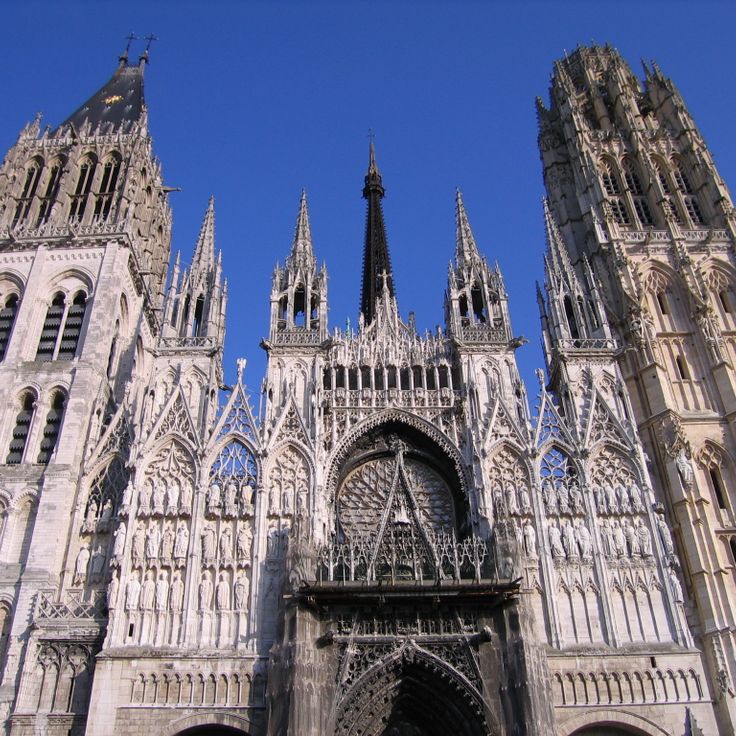
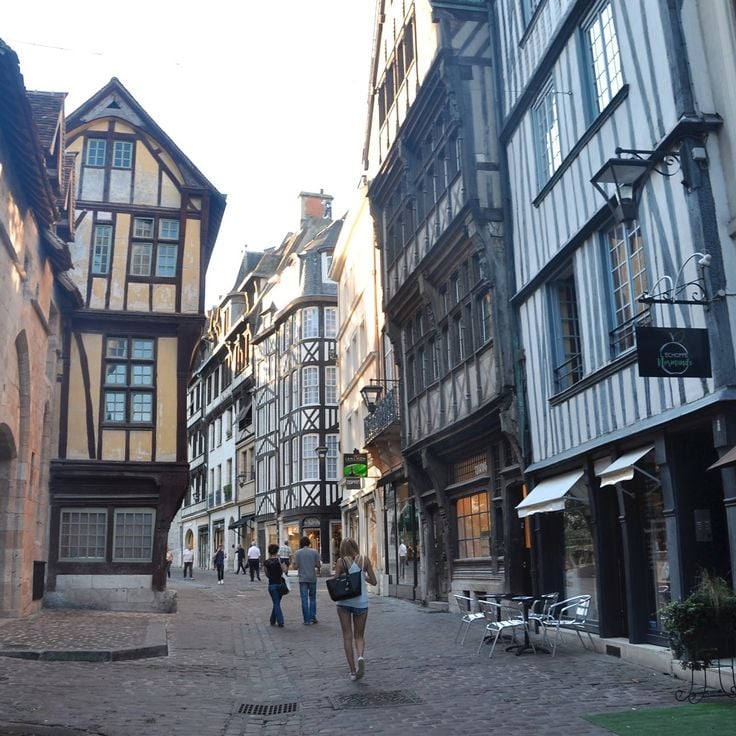
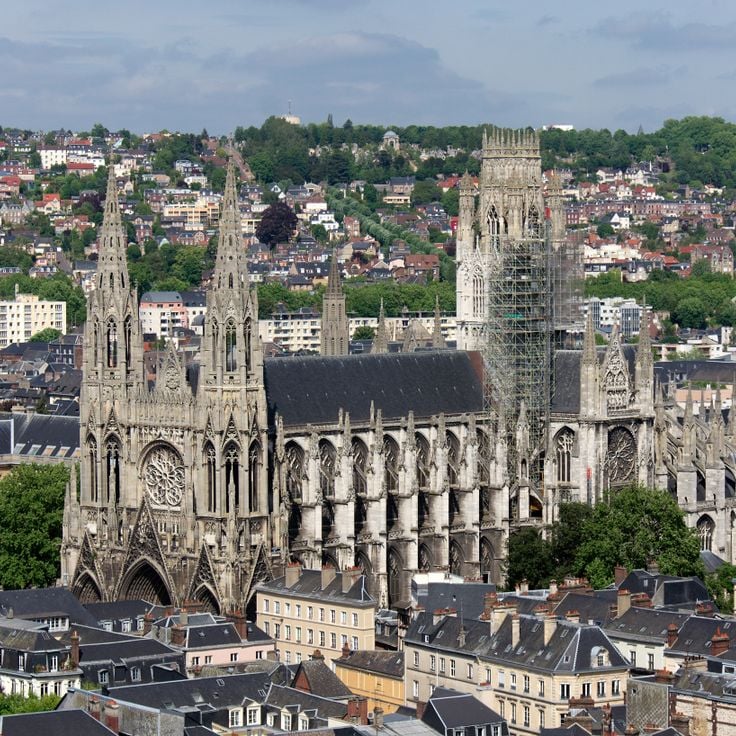
The city of Rouen tells its history through its buildings and public spaces. In the city center, the Notre-Dame Cathedral stands tall with detailed Gothic facades and an astronomical clock that has fascinated visitors for centuries. Around it, the small streets of the old town show houses with visible wooden walls, built following local traditions, like Saint-Maclou Church with its detailed cloister. Each corner of the street shows a different time in the city's life, from medieval homes to the changes the city has gone through.
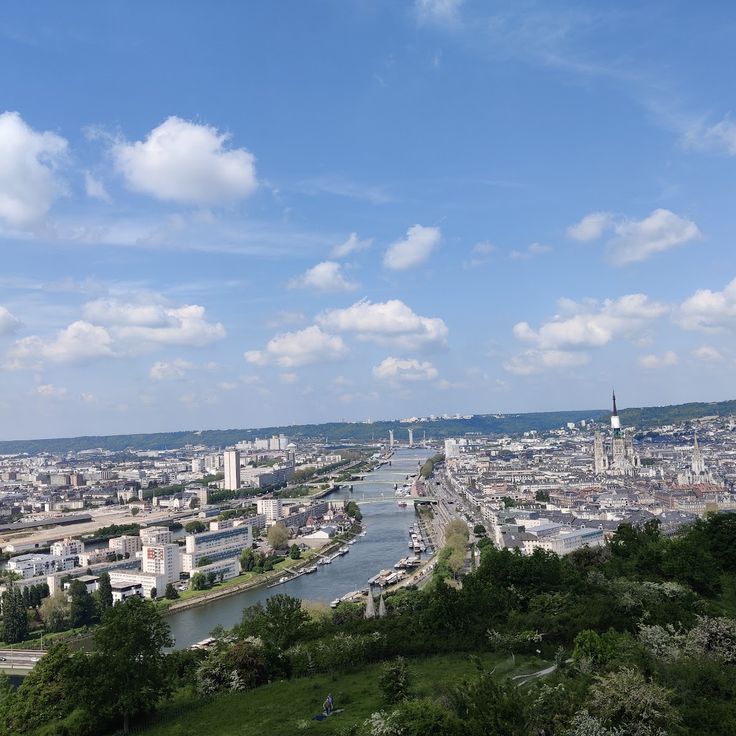
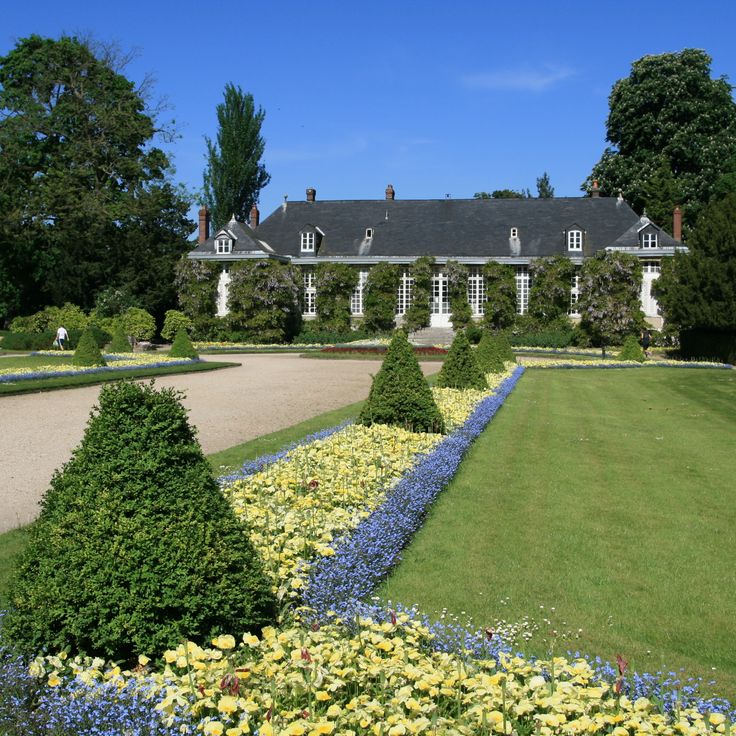
The museums in Rouen keep collections that show the local past. There, you can see blacksmith-made objects, evidence of the region’s maritime history, and natural science collections that reveal the curiosity of past centuries. These places give a good break to learn how the Normans shaped their surroundings. The botanical garden is a quiet place for a walk among the plants, and the Sainte-Catherine hill offers views of the roofs and towers of the city.
Between the wooden houses of the Middle Ages and the spires of its cathedral, Rouen reveals centuries of Norman history that can be read at every corner.
The city of Rouen tells its history through its buildings and public spaces. In the city center, the Notre-Dame Cathedral stands tall with detailed Gothic facades and an astronomical clock that has fascinated visitors for centuries. Around it, the small streets of the old town show houses with visible wooden walls, built following local traditions, like Saint-Maclou Church with its detailed cloister. Each corner of the street shows a different time in the city's life, from medieval homes to the changes the city has gone through.
The museums in Rouen keep collections that show the local past. There, you can see blacksmith-made objects, evidence of the region’s maritime history, and natural science collections that reveal the curiosity of past centuries. These places give a good break to learn how the Normans shaped their surroundings. The botanical garden is a quiet place for a walk among the plants, and the Sainte-Catherine hill offers views of the roofs and towers of the city.
Rouen's Notre-Dame Cathedral displays the skill of Gothic architecture with its pointed arches, ribbed vaults, and flying buttresses that support the stone walls. Painter Claude Monet captured this building between 1892 and 1894, painting it at different times of day to show how light transforms the stone facades. The structure tells the story of centuries of specialized craftsmanship and how builders improved their techniques over time.
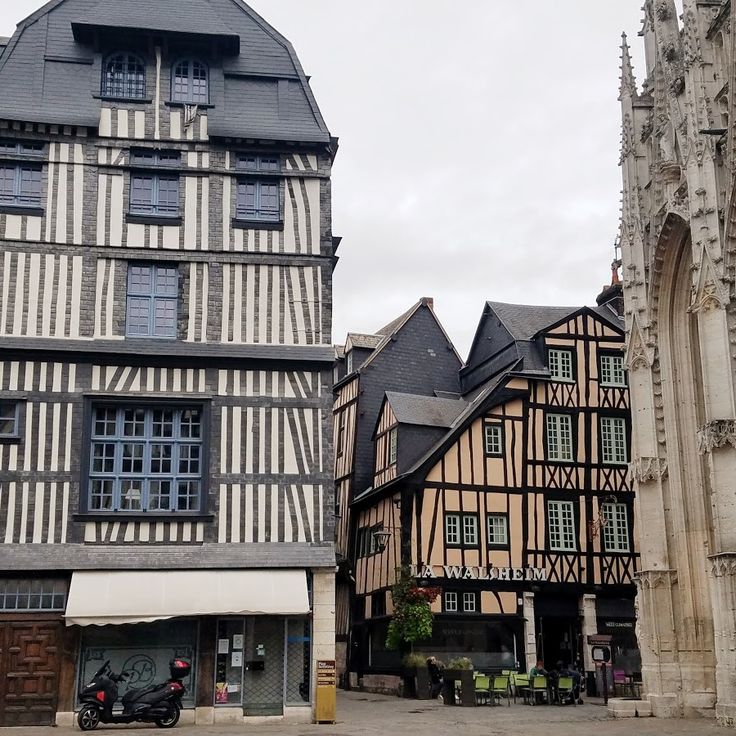
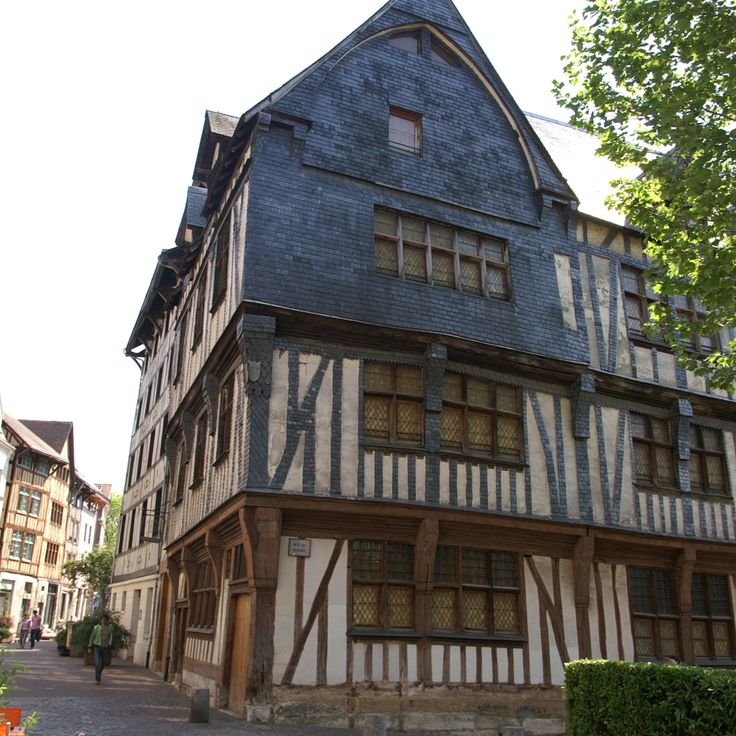
Old Rouen is a medieval quarter from the 13th century that shows how people in Normandy lived several centuries ago. Paved alleys wind between houses whose white walls are crossed by dark wooden beams. This way of building was common in the region and continues to shape how the quarter looks today. Walking through these streets, you see how craftspeople built their homes and how families organized their lives around public spaces. Every corner reveals something about medieval city life, from the practical ways houses were constructed to how neighbors shared common areas.
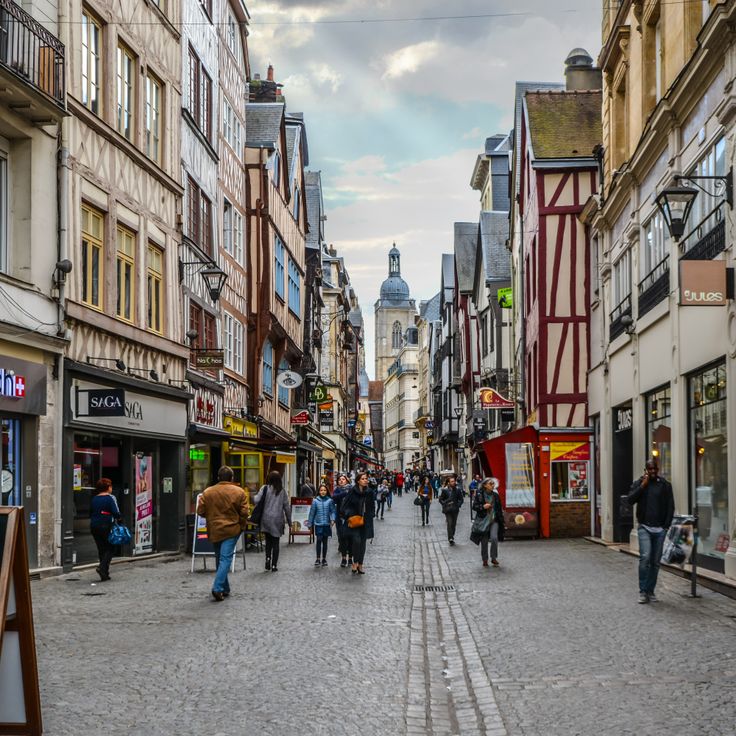
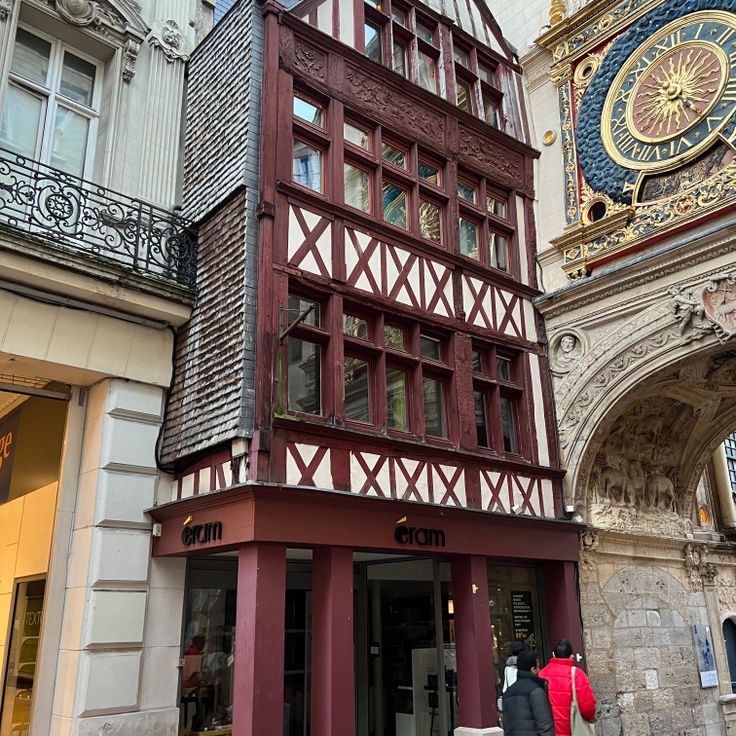
This pedestrian street at the heart of Rouen is a medieval zone surrounded by historic architecture from different periods. Above the street rises a Renaissance arch that carries the astronomical clock. It has been known for centuries for its accuracy and design. The clock's mechanism shows the craftsmanship of artisans from past times and attracts those interested in how cities measured time. The neighboring buildings with wooden frames and stone facades reveal practical building methods used in Normandy. Walking here, you notice the different layers of history that shaped this regional capital.
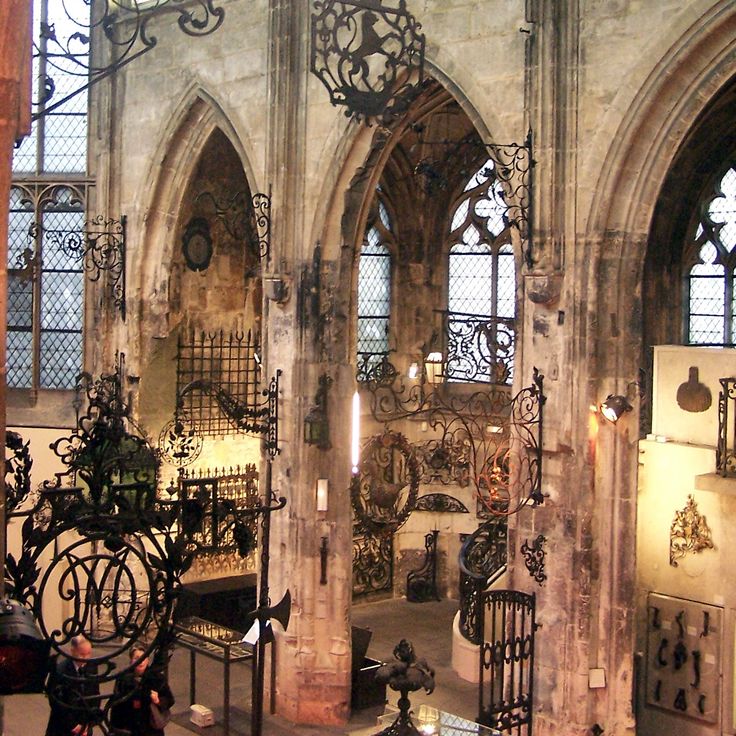
The Musée Le Secq des Tournelles in Rouen holds a substantial collection of wrought iron objects. Visitors can see guild signs, locks, and decorative pieces displayed inside a 15th-century Gothic church. These works reveal the skill of Norman craftsmen across centuries, showing how they transformed iron into both functional and beautiful forms. Each object tells a story of craftsmanship and creativity passed down through generations. The Gothic building itself provides the perfect setting to appreciate these metalwork treasures.
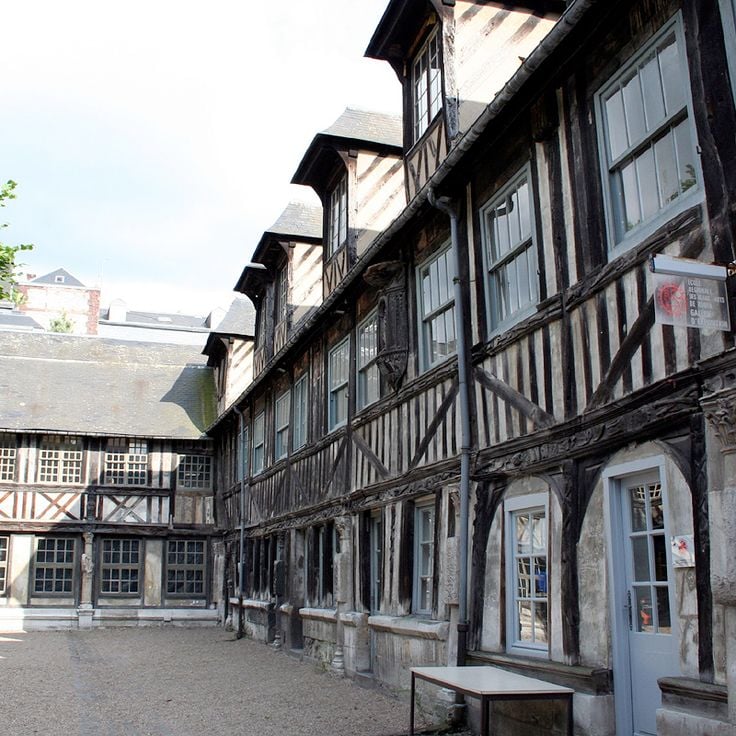
The Aître Saint-Maclou in this collection represents the medieval past of Rouen in its original form. This 16th century cemetery courtyard preserves memories of past times with its wood-decorated galleries adorned with skulls and crossed bones. Today, art students use the space, giving it new life while its historical features remain intact.
The Gros-Horloge is a 14th century astronomical clock at the heart of Rouen. It displays not only the time but also the movement of stars and planets. The clock rests on a Renaissance arch that spans a pedestrian street in the city center, connecting the old town with its timber-framed houses and medieval alleyways. It shows the technical skill of the Gothic period and the curiosity of the people who shaped Rouen.
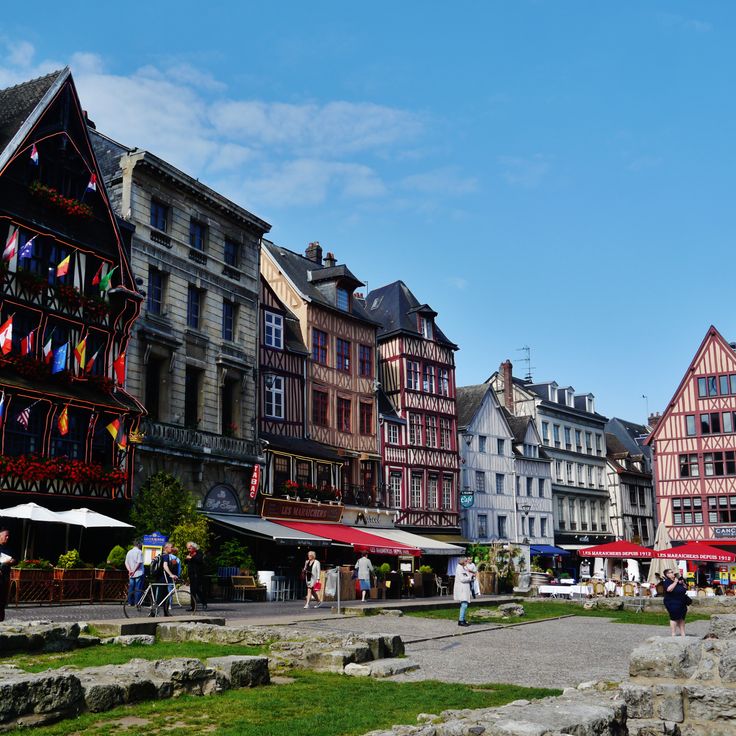
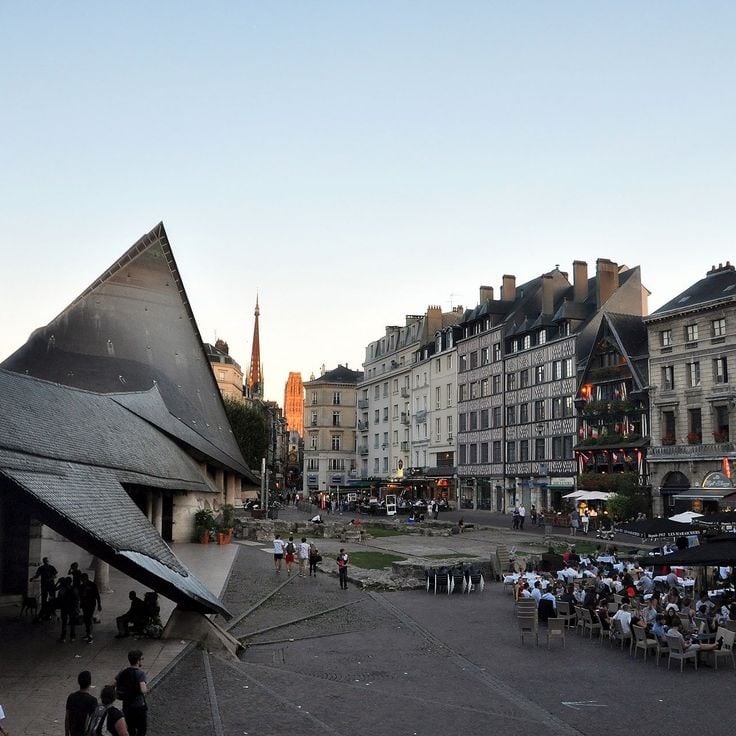
The Place du Vieux-Marche is where Rouen shows its connection to the past. Medieval timber-framed houses line the square, displaying the building style that shaped Normandy. This square was the stage for important moments in history and remains a gathering place where people come to dine, shop, and spend their time. A modern church stands on the square, its stained glass windows fitting into the surrounding architecture. Restaurants and shops invite visitors to stop and explore, and the layout shows how this city has brought old and new elements together into one working space.
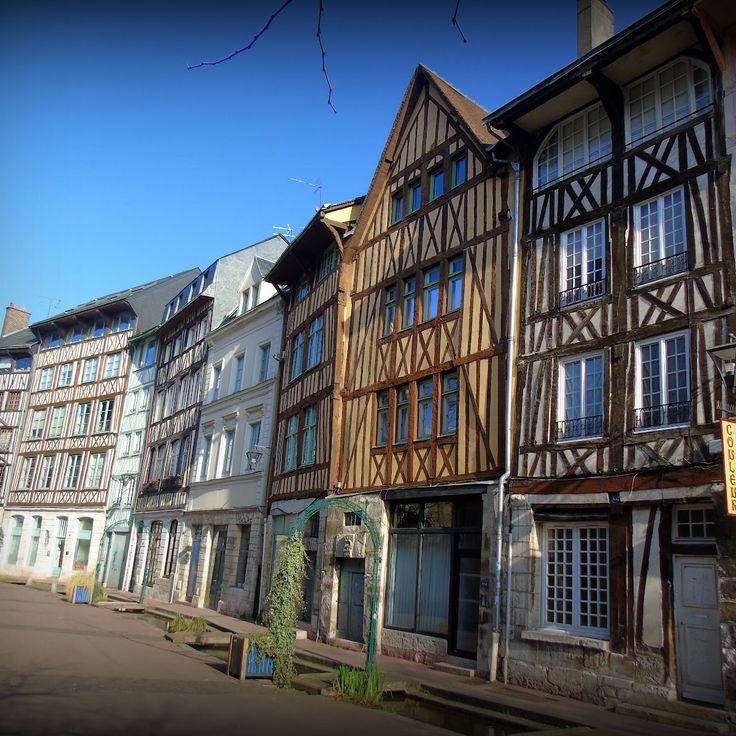
Rue Eau-de-Robec in Rouen is a medieval street in the old city center, lined by a small canal that runs alongside it. Stone buildings, former mills, and half-timbered houses border the water, reflecting the craftsmanship and trade that defined Normandy. Walking along this street reveals how water and architecture shaped daily life in the city. The buildings show the hands of the artisans and merchants who lived and worked here across the centuries.
Rue Saint-Romain is a medieval street in Rouen that connects the cathedral to Place de la Haute Vieille Tour. The street is lined with stone and half-timbered houses that shelter independent shops. Walking through this street, you discover the character of old Rouen, with its narrow passages and carefully worked facades. Every corner reveals a different period in the city's history, from medieval buildings to later transformations.
Côte Sainte-Catherine rises above Rouen and offers wide views over the Seine, the Cathedral, and the Norman countryside. From this vantage point, you can see how the medieval city spreads beneath you, with its rooftops, bell towers, and churches, and the winding streets lined with timber-framed houses. The panorama shows why Rouen holds importance as a trading center, positioned between the river and the hills in a natural location that has shaped its history for centuries.
The Botanical Garden of Rouen invites visitors to walk among trees and between flower beds. This garden displays medicinal plants, roses in many colors, and alpine plants from the mountains. Each plant carries a label with its name and origin, helping visitors understand nature better. The garden offers a quiet break from city life and shows how people have studied and collected plants over the centuries.
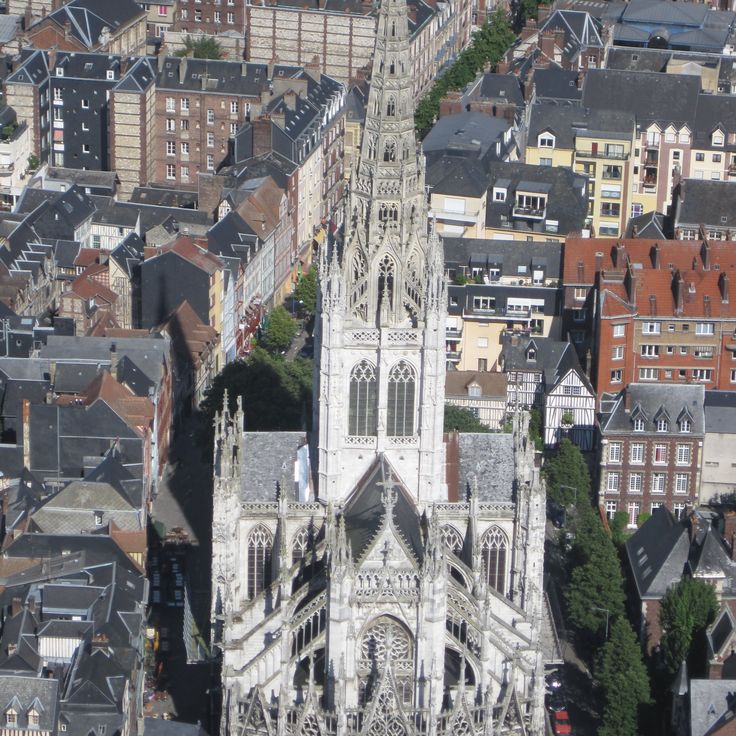
Saint-Maclou Church in Rouen was built between 1437 and 1521 and displays the beauty of Gothic architecture. Its stone facades are finely carved, and the wooden doors show Renaissance elements that contrast with the older parts of the building. This church stands in the heart of medieval Rouen and tells the story of Normandy through its architecture. The cloister stands out for its carefully crafted details and is important for understanding the city's religious past.
The Abbatiale Saint-Ouen in Rouen is a Gothic church from the 14th century that displays the architectural traditions of Normandy through its large rose windows and carefully worked details. Inside, you will find a remarkable organ and medieval stained glass windows that fill the spaces with colored light. This building tells the story of the religious and artistic power that shaped Rouen during the Middle Ages and remains visible today.
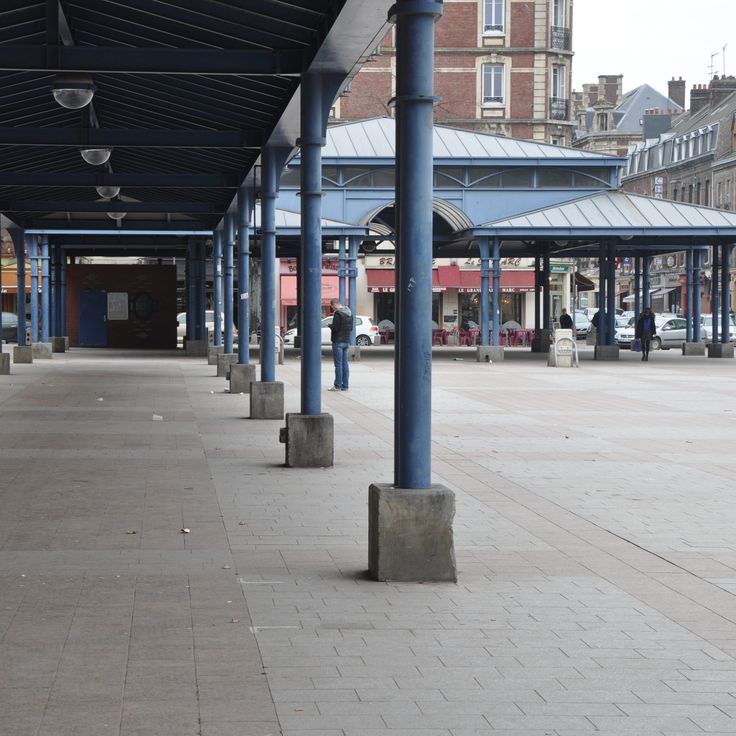
Place Saint-Marc in Rouen is an outdoor market established in 1859 that gives rhythm to the city's commercial life. Vendors offer vintage items, furniture, antiques, and regional products on Fridays and weekends. This market shows how Rouen has kept its trading traditions alive and how the city continues to thrive through this exchange. The square sits in the medieval center and connects history to the everyday life of Normandy.
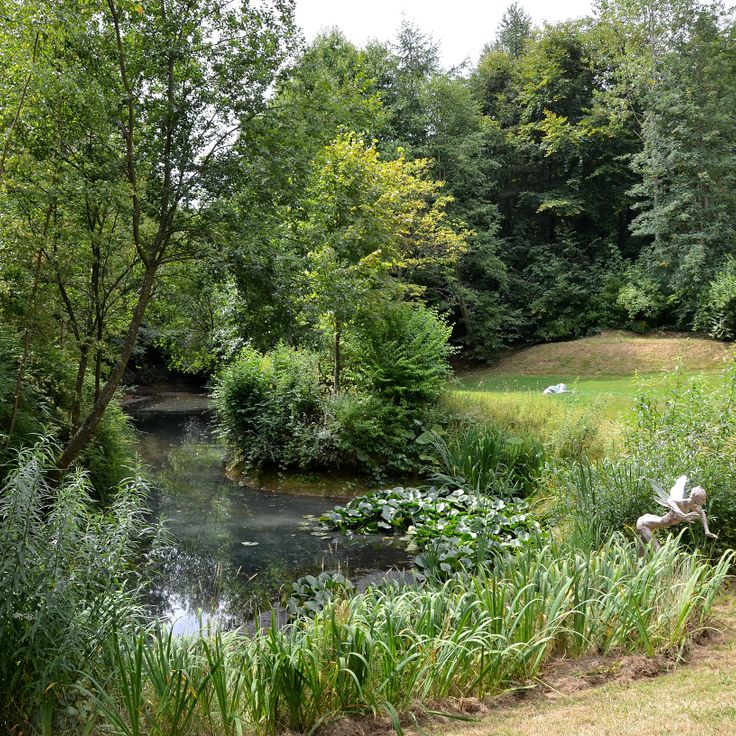
In the Sculptor Jean-Marc de Pas Gardens at Rouen, bronze and stone sculptures stand among trees and flower beds. Paths wind through meadows and green spaces that invite visitors to walk and explore. The artist's works blend into the landscape, creating spots to pause and look around. Visitors can roam the grounds and experience how the sculptures engage with the surrounding nature. This private garden adds contemporary artistic practice to Rouen's medieval and cultural heritage.
This museum in Rouen tells the story of education in France through a large collection of documents and school objects from the 16th century to today. You discover school desks, pens, inkwells, chalkboards, and books that show how children learned in different periods. The collection shows the evolution of teaching methods and materials used in the classroom. Walking through the rooms, you understand how school changed over the centuries and how past generations experienced their lives as students.
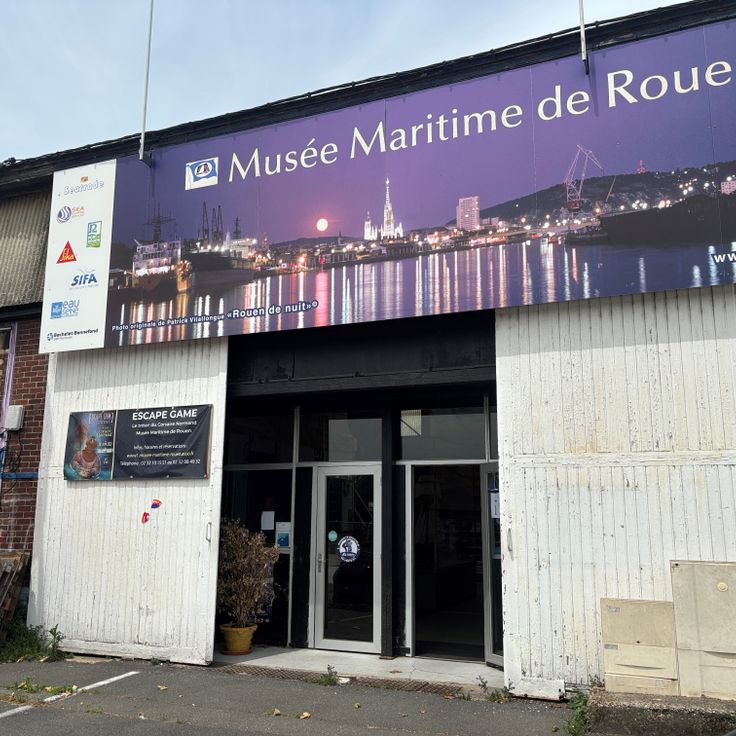
This museum in Rouen tells the story of river navigation and the port on the Seine. On display are ship models, maps, navigation tools, and equipment from different periods. The collections show how this port shaped the region's economy and the role water transport played in the city's life.
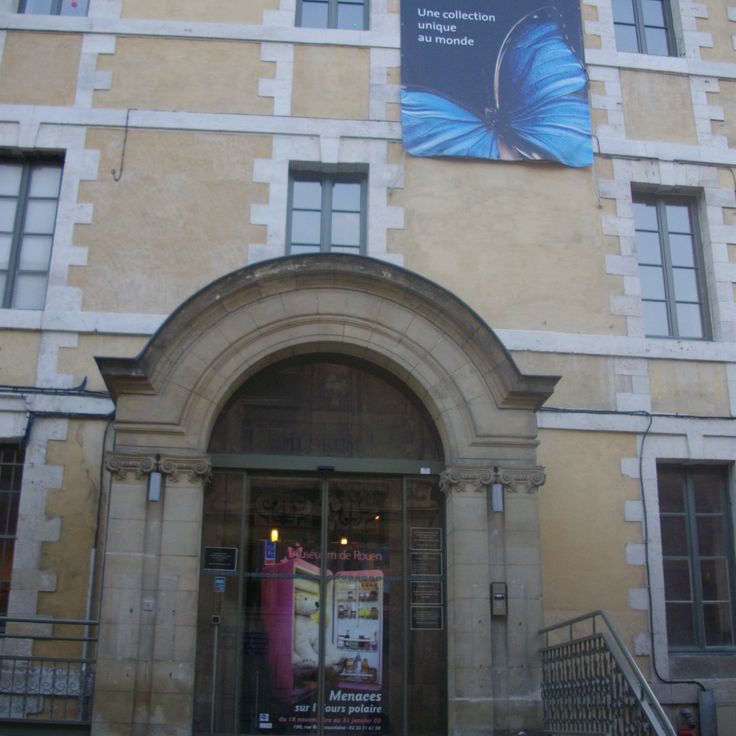
The Natural History Museum of Rouen houses collections of minerals, fossils, plant specimens, and zoological objects that reveal centuries of scientific research. The museum shows the curiosity and knowledge of past generations about the natural world. These collections tell stories of exploration and the human desire to understand life and earth. Visitors discover objects that spark questions and invite reflection.
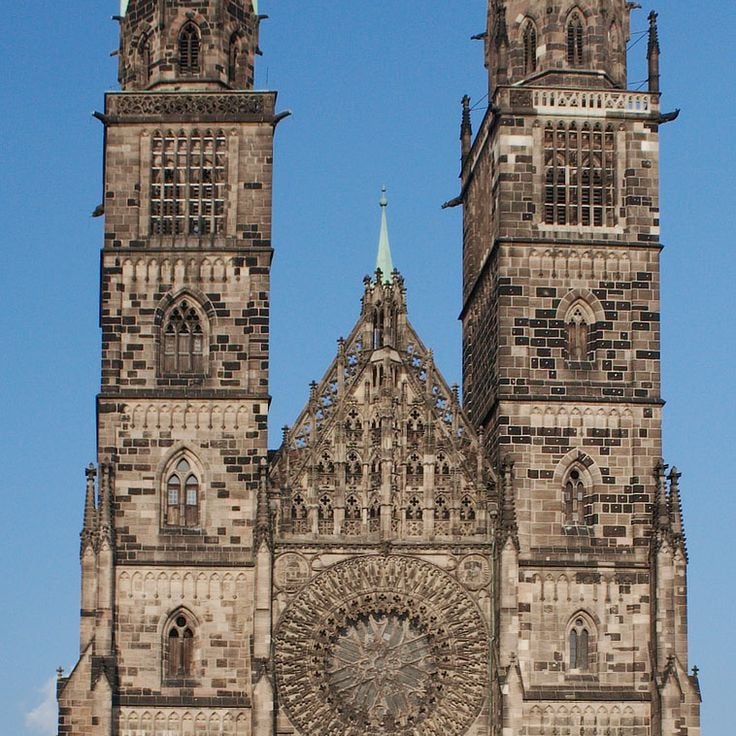
Saint-Laurent Church in Rouen represents the religious architecture that defines the city. With its Gothic elements and the changes it underwent over the centuries, this church shows how Rouen developed through different periods. It stands as one of the buildings that preserve Normandy's medieval heritage and tells the story of the city in stone. Visitors can see the craftsmanship that went into the decoration and structure of the building.
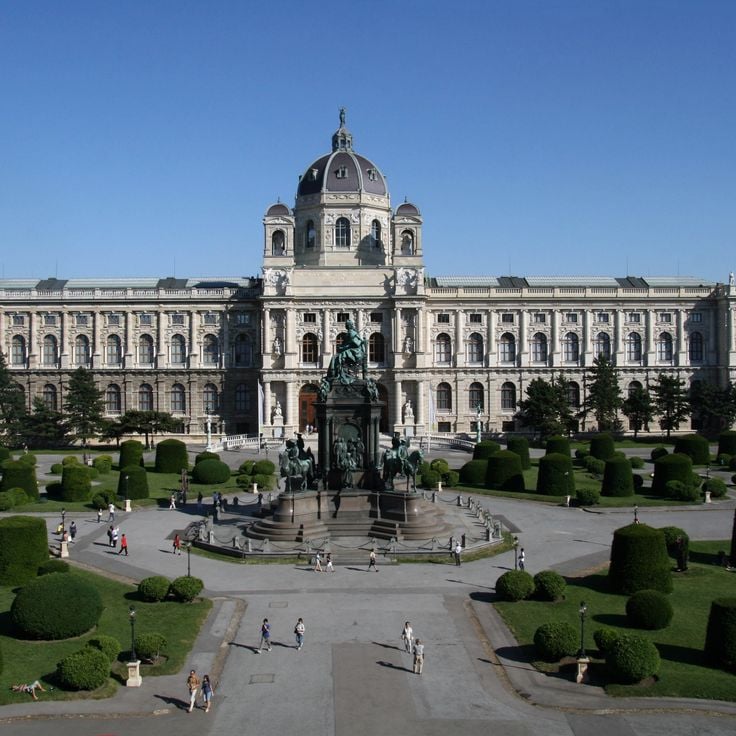
The Museum of Art and History in Rouen holds collections that show the local history and artistic practices of the region across the centuries. Visitors discover paintings, sculptures, and objects that reveal how artists and craftspeople responded to their times. The collections tell the story of Normandy's cultural development and the different periods that have shaped the city.
The Church of Sainte-Jeanne-d'Arc stands on the Old Market Square of Rouen and is a modern Catholic place of worship in the historic center of the city. Located where daily life in Rouen unfolds, the church sits surrounded by medieval buildings with visible timber-frame structures and narrow streets that recall centuries long past. It complements other religious sites in the city, such as Notre-Dame Cathedral with its detailed Gothic facades and astronomical clock, and the nearby Church of Saint-Maclou with its ornate cloister. Together, these buildings help visitors understand how the city wove its spiritual and civic life across different periods.
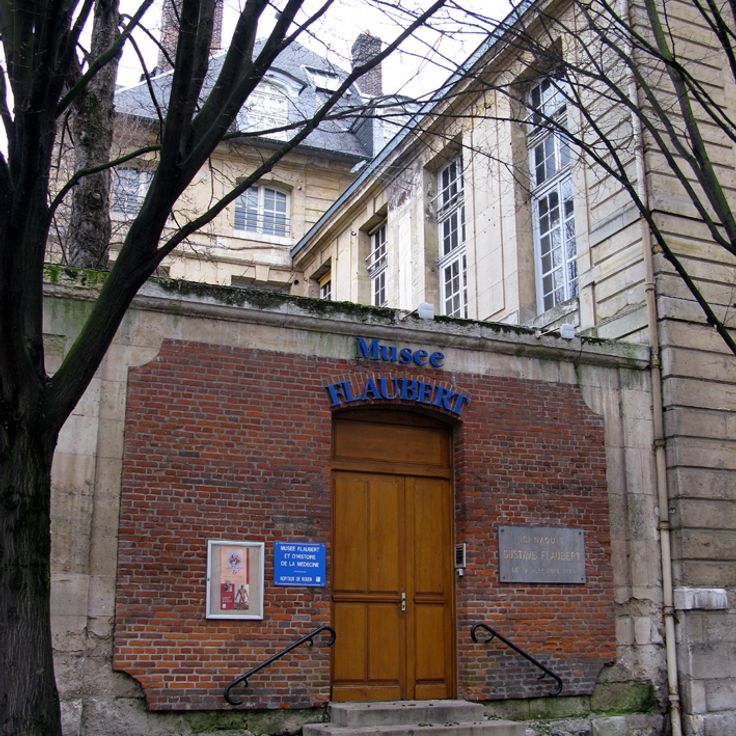
The Flaubert Museum in Rouen tells the story of writer Gustave Flaubert through his life and work. Inside this house, visitors find personal belongings, handwritten manuscripts, and documents that reveal Flaubert's time in the city. The museum shows how the writer lived and worked, and how Rouen shaped his writing.
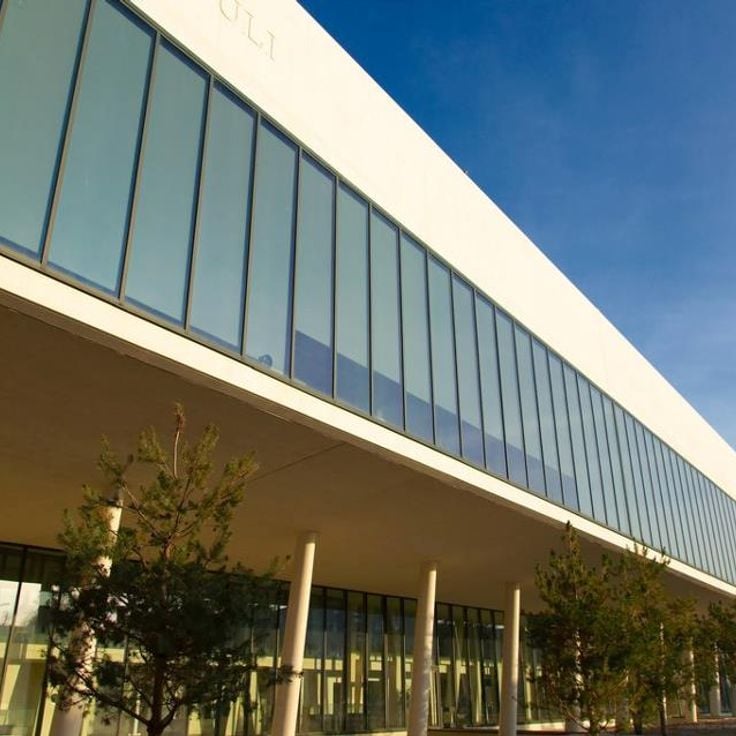
The municipal library of Rouen holds collections of books, documents, and resources in a historic building that tell the story of the region and its literary traditions. It is a place to read and learn, where visitors and residents can access valuable materials that preserve the cultural heritage of Normandy. The library serves as an important gathering point in the heart of Rouen and shows how knowledge and curiosity have been nurtured in this city over centuries.
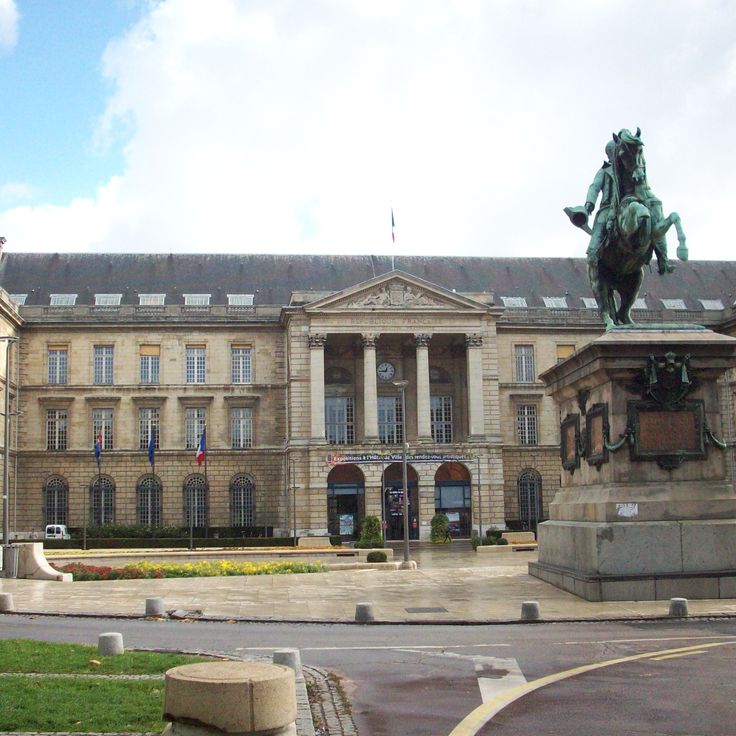
The Hôtel de Ville of Rouen is an administrative building that shows the civil architecture of the city. It serves as the seat of judicial institutions and reflects the political importance of Normandy, which developed over centuries. The building stands in the heart of the medieval city and tells the story of Rouen's role as a regional center of power.
The fountains in the square before Rouen's cathedral are ornamental water features that define this central public space. They show how the city has shaped its most important squares and give the area in front of the Gothic cathedral its own character. These fountains are part of Rouen's urban history and contribute to the feel of the square, where visitors and residents gather. They illustrate the care the city has taken in designing its public spaces.
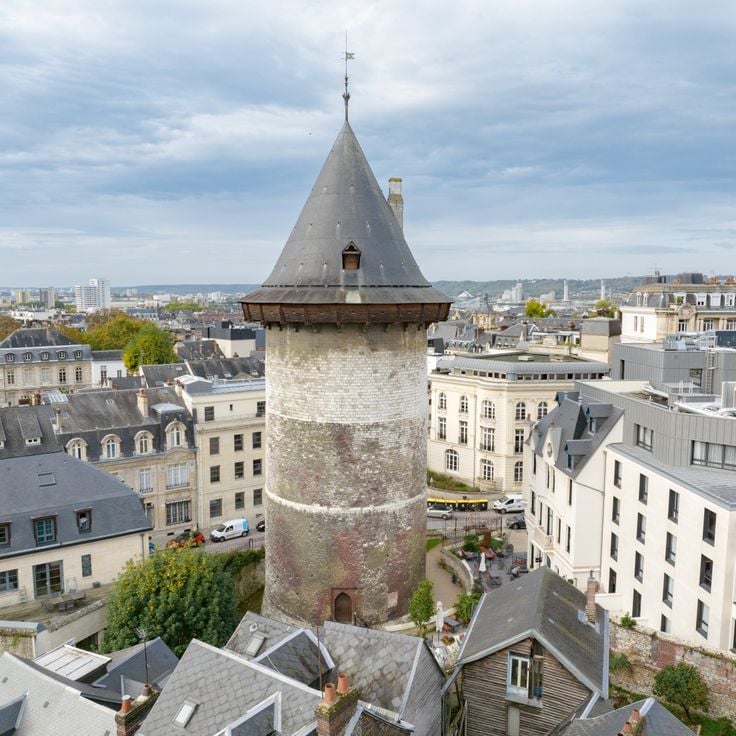
The Donjon of Rouen is a medieval fortress tower and one of the defining structures of Norman defensive architecture. Jeanne d'Arc was imprisoned within these stone walls in 1431 before her execution. The tower displays the building techniques of that era and marks Rouen's history as a fortified city during the Middle Ages. Visitors can walk through thick walls and narrow chambers that reveal how the tower once served as a center of power and confinement during a pivotal moment in the region's past.
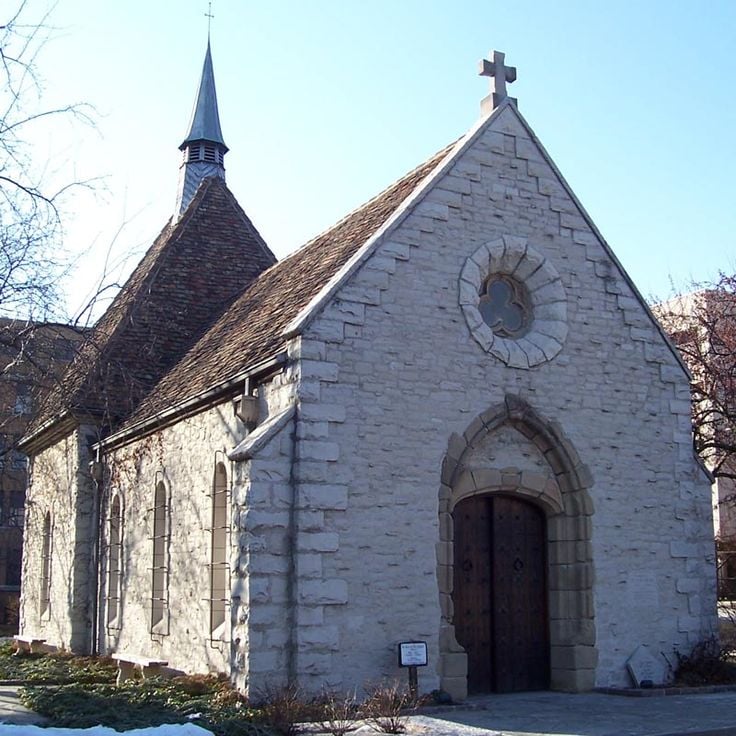
This chapel in Rouen honors the memory of Jeanne d'Arc. It stands on the site where she was executed in 1431. The building serves as a place of prayer and remembrance. Visitors come here to connect with this important figure in French history. The chapel shows how Rouen preserves and honors this woman who played a role during the Hundred Years' War.
The Seine riverbanks in Rouen are central spaces where you can watch boats passing by and understand the river's importance for trade and city life. These riverside areas show how the Norman people connected their city with the water. You see boats of different sizes moving past, and the banks invite you to walk and pause. The waterside spaces connect the medieval lanes of the old town with modern Rouen, creating a natural link between history and present day.
Rouen's Notre-Dame Cathedral displays the skill of Gothic architecture with its pointed arches, ribbed vaults, and flying buttresses that support the stone walls. Painter Claude Monet captured this building between 1892 and 1894, painting it at different times of day to show how light transforms the stone facades. The structure tells the story of centuries of specialized craftsmanship and how builders improved their techniques over time.
Old Rouen is a medieval quarter from the 13th century that shows how people in Normandy lived several centuries ago. Paved alleys wind between houses whose white walls are crossed by dark wooden beams. This way of building was common in the region and continues to shape how the quarter looks today. Walking through these streets, you see how craftspeople built their homes and how families organized their lives around public spaces. Every corner reveals something about medieval city life, from the practical ways houses were constructed to how neighbors shared common areas.
This pedestrian street at the heart of Rouen is a medieval zone surrounded by historic architecture from different periods. Above the street rises a Renaissance arch that carries the astronomical clock. It has been known for centuries for its accuracy and design. The clock's mechanism shows the craftsmanship of artisans from past times and attracts those interested in how cities measured time. The neighboring buildings with wooden frames and stone facades reveal practical building methods used in Normandy. Walking here, you notice the different layers of history that shaped this regional capital.
The Musée Le Secq des Tournelles in Rouen holds a substantial collection of wrought iron objects. Visitors can see guild signs, locks, and decorative pieces displayed inside a 15th-century Gothic church. These works reveal the skill of Norman craftsmen across centuries, showing how they transformed iron into both functional and beautiful forms. Each object tells a story of craftsmanship and creativity passed down through generations. The Gothic building itself provides the perfect setting to appreciate these metalwork treasures.
The Aître Saint-Maclou in this collection represents the medieval past of Rouen in its original form. This 16th century cemetery courtyard preserves memories of past times with its wood-decorated galleries adorned with skulls and crossed bones. Today, art students use the space, giving it new life while its historical features remain intact.
The Gros-Horloge is a 14th century astronomical clock at the heart of Rouen. It displays not only the time but also the movement of stars and planets. The clock rests on a Renaissance arch that spans a pedestrian street in the city center, connecting the old town with its timber-framed houses and medieval alleyways. It shows the technical skill of the Gothic period and the curiosity of the people who shaped Rouen.
The Place du Vieux-Marche is where Rouen shows its connection to the past. Medieval timber-framed houses line the square, displaying the building style that shaped Normandy. This square was the stage for important moments in history and remains a gathering place where people come to dine, shop, and spend their time. A modern church stands on the square, its stained glass windows fitting into the surrounding architecture. Restaurants and shops invite visitors to stop and explore, and the layout shows how this city has brought old and new elements together into one working space.
Rue Eau-de-Robec in Rouen is a medieval street in the old city center, lined by a small canal that runs alongside it. Stone buildings, former mills, and half-timbered houses border the water, reflecting the craftsmanship and trade that defined Normandy. Walking along this street reveals how water and architecture shaped daily life in the city. The buildings show the hands of the artisans and merchants who lived and worked here across the centuries.
Rue Saint-Romain is a medieval street in Rouen that connects the cathedral to Place de la Haute Vieille Tour. The street is lined with stone and half-timbered houses that shelter independent shops. Walking through this street, you discover the character of old Rouen, with its narrow passages and carefully worked facades. Every corner reveals a different period in the city's history, from medieval buildings to later transformations.
Côte Sainte-Catherine rises above Rouen and offers wide views over the Seine, the Cathedral, and the Norman countryside. From this vantage point, you can see how the medieval city spreads beneath you, with its rooftops, bell towers, and churches, and the winding streets lined with timber-framed houses. The panorama shows why Rouen holds importance as a trading center, positioned between the river and the hills in a natural location that has shaped its history for centuries.
The Botanical Garden of Rouen invites visitors to walk among trees and between flower beds. This garden displays medicinal plants, roses in many colors, and alpine plants from the mountains. Each plant carries a label with its name and origin, helping visitors understand nature better. The garden offers a quiet break from city life and shows how people have studied and collected plants over the centuries.
Saint-Maclou Church in Rouen was built between 1437 and 1521 and displays the beauty of Gothic architecture. Its stone facades are finely carved, and the wooden doors show Renaissance elements that contrast with the older parts of the building. This church stands in the heart of medieval Rouen and tells the story of Normandy through its architecture. The cloister stands out for its carefully crafted details and is important for understanding the city's religious past.
The Abbatiale Saint-Ouen in Rouen is a Gothic church from the 14th century that displays the architectural traditions of Normandy through its large rose windows and carefully worked details. Inside, you will find a remarkable organ and medieval stained glass windows that fill the spaces with colored light. This building tells the story of the religious and artistic power that shaped Rouen during the Middle Ages and remains visible today.
Place Saint-Marc in Rouen is an outdoor market established in 1859 that gives rhythm to the city's commercial life. Vendors offer vintage items, furniture, antiques, and regional products on Fridays and weekends. This market shows how Rouen has kept its trading traditions alive and how the city continues to thrive through this exchange. The square sits in the medieval center and connects history to the everyday life of Normandy.
In the Sculptor Jean-Marc de Pas Gardens at Rouen, bronze and stone sculptures stand among trees and flower beds. Paths wind through meadows and green spaces that invite visitors to walk and explore. The artist's works blend into the landscape, creating spots to pause and look around. Visitors can roam the grounds and experience how the sculptures engage with the surrounding nature. This private garden adds contemporary artistic practice to Rouen's medieval and cultural heritage.
This museum in Rouen tells the story of education in France through a large collection of documents and school objects from the 16th century to today. You discover school desks, pens, inkwells, chalkboards, and books that show how children learned in different periods. The collection shows the evolution of teaching methods and materials used in the classroom. Walking through the rooms, you understand how school changed over the centuries and how past generations experienced their lives as students.
This museum in Rouen tells the story of river navigation and the port on the Seine. On display are ship models, maps, navigation tools, and equipment from different periods. The collections show how this port shaped the region's economy and the role water transport played in the city's life.
The Natural History Museum of Rouen houses collections of minerals, fossils, plant specimens, and zoological objects that reveal centuries of scientific research. The museum shows the curiosity and knowledge of past generations about the natural world. These collections tell stories of exploration and the human desire to understand life and earth. Visitors discover objects that spark questions and invite reflection.
Saint-Laurent Church in Rouen represents the religious architecture that defines the city. With its Gothic elements and the changes it underwent over the centuries, this church shows how Rouen developed through different periods. It stands as one of the buildings that preserve Normandy's medieval heritage and tells the story of the city in stone. Visitors can see the craftsmanship that went into the decoration and structure of the building.
The Museum of Art and History in Rouen holds collections that show the local history and artistic practices of the region across the centuries. Visitors discover paintings, sculptures, and objects that reveal how artists and craftspeople responded to their times. The collections tell the story of Normandy's cultural development and the different periods that have shaped the city.
The Church of Sainte-Jeanne-d'Arc stands on the Old Market Square of Rouen and is a modern Catholic place of worship in the historic center of the city. Located where daily life in Rouen unfolds, the church sits surrounded by medieval buildings with visible timber-frame structures and narrow streets that recall centuries long past. It complements other religious sites in the city, such as Notre-Dame Cathedral with its detailed Gothic facades and astronomical clock, and the nearby Church of Saint-Maclou with its ornate cloister. Together, these buildings help visitors understand how the city wove its spiritual and civic life across different periods.
The Flaubert Museum in Rouen tells the story of writer Gustave Flaubert through his life and work. Inside this house, visitors find personal belongings, handwritten manuscripts, and documents that reveal Flaubert's time in the city. The museum shows how the writer lived and worked, and how Rouen shaped his writing.
The municipal library of Rouen holds collections of books, documents, and resources in a historic building that tell the story of the region and its literary traditions. It is a place to read and learn, where visitors and residents can access valuable materials that preserve the cultural heritage of Normandy. The library serves as an important gathering point in the heart of Rouen and shows how knowledge and curiosity have been nurtured in this city over centuries.
The Hôtel de Ville of Rouen is an administrative building that shows the civil architecture of the city. It serves as the seat of judicial institutions and reflects the political importance of Normandy, which developed over centuries. The building stands in the heart of the medieval city and tells the story of Rouen's role as a regional center of power.
The fountains in the square before Rouen's cathedral are ornamental water features that define this central public space. They show how the city has shaped its most important squares and give the area in front of the Gothic cathedral its own character. These fountains are part of Rouen's urban history and contribute to the feel of the square, where visitors and residents gather. They illustrate the care the city has taken in designing its public spaces.
The Donjon of Rouen is a medieval fortress tower and one of the defining structures of Norman defensive architecture. Jeanne d'Arc was imprisoned within these stone walls in 1431 before her execution. The tower displays the building techniques of that era and marks Rouen's history as a fortified city during the Middle Ages. Visitors can walk through thick walls and narrow chambers that reveal how the tower once served as a center of power and confinement during a pivotal moment in the region's past.
This chapel in Rouen honors the memory of Jeanne d'Arc. It stands on the site where she was executed in 1431. The building serves as a place of prayer and remembrance. Visitors come here to connect with this important figure in French history. The chapel shows how Rouen preserves and honors this woman who played a role during the Hundred Years' War.
The Seine riverbanks in Rouen are central spaces where you can watch boats passing by and understand the river's importance for trade and city life. These riverside areas show how the Norman people connected their city with the water. You see boats of different sizes moving past, and the banks invite you to walk and pause. The waterside spaces connect the medieval lanes of the old town with modern Rouen, creating a natural link between history and present day.
Rouen's Notre-Dame Cathedral displays the skill of Gothic architecture with its pointed arches, ribbed vaults, and flying buttresses that support the stone walls. Painter Claude Monet captured this building between 1892 and 1894, painting it at different times of day to show how light transforms the stone facades. The structure tells the story of centuries of specialized craftsmanship and how builders improved their techniques over time.
Old Rouen is a medieval quarter from the 13th century that shows how people in Normandy lived several centuries ago. Paved alleys wind between houses whose white walls are crossed by dark wooden beams. This way of building was common in the region and continues to shape how the quarter looks today. Walking through these streets, you see how craftspeople built their homes and how families organized their lives around public spaces. Every corner reveals something about medieval city life, from the practical ways houses were constructed to how neighbors shared common areas.
This pedestrian street at the heart of Rouen is a medieval zone surrounded by historic architecture from different periods. Above the street rises a Renaissance arch that carries the astronomical clock. It has been known for centuries for its accuracy and design. The clock's mechanism shows the craftsmanship of artisans from past times and attracts those interested in how cities measured time. The neighboring buildings with wooden frames and stone facades reveal practical building methods used in Normandy. Walking here, you notice the different layers of history that shaped this regional capital.
The Musée Le Secq des Tournelles in Rouen holds a substantial collection of wrought iron objects. Visitors can see guild signs, locks, and decorative pieces displayed inside a 15th-century Gothic church. These works reveal the skill of Norman craftsmen across centuries, showing how they transformed iron into both functional and beautiful forms. Each object tells a story of craftsmanship and creativity passed down through generations. The Gothic building itself provides the perfect setting to appreciate these metalwork treasures.
The Aître Saint-Maclou in this collection represents the medieval past of Rouen in its original form. This 16th century cemetery courtyard preserves memories of past times with its wood-decorated galleries adorned with skulls and crossed bones. Today, art students use the space, giving it new life while its historical features remain intact.
The Gros-Horloge is a 14th century astronomical clock at the heart of Rouen. It displays not only the time but also the movement of stars and planets. The clock rests on a Renaissance arch that spans a pedestrian street in the city center, connecting the old town with its timber-framed houses and medieval alleyways. It shows the technical skill of the Gothic period and the curiosity of the people who shaped Rouen.
The Place du Vieux-Marche is where Rouen shows its connection to the past. Medieval timber-framed houses line the square, displaying the building style that shaped Normandy. This square was the stage for important moments in history and remains a gathering place where people come to dine, shop, and spend their time. A modern church stands on the square, its stained glass windows fitting into the surrounding architecture. Restaurants and shops invite visitors to stop and explore, and the layout shows how this city has brought old and new elements together into one working space.
Rue Eau-de-Robec in Rouen is a medieval street in the old city center, lined by a small canal that runs alongside it. Stone buildings, former mills, and half-timbered houses border the water, reflecting the craftsmanship and trade that defined Normandy. Walking along this street reveals how water and architecture shaped daily life in the city. The buildings show the hands of the artisans and merchants who lived and worked here across the centuries.
Rue Saint-Romain is a medieval street in Rouen that connects the cathedral to Place de la Haute Vieille Tour. The street is lined with stone and half-timbered houses that shelter independent shops. Walking through this street, you discover the character of old Rouen, with its narrow passages and carefully worked facades. Every corner reveals a different period in the city's history, from medieval buildings to later transformations.
Côte Sainte-Catherine rises above Rouen and offers wide views over the Seine, the Cathedral, and the Norman countryside. From this vantage point, you can see how the medieval city spreads beneath you, with its rooftops, bell towers, and churches, and the winding streets lined with timber-framed houses. The panorama shows why Rouen holds importance as a trading center, positioned between the river and the hills in a natural location that has shaped its history for centuries.
The Botanical Garden of Rouen invites visitors to walk among trees and between flower beds. This garden displays medicinal plants, roses in many colors, and alpine plants from the mountains. Each plant carries a label with its name and origin, helping visitors understand nature better. The garden offers a quiet break from city life and shows how people have studied and collected plants over the centuries.
Saint-Maclou Church in Rouen was built between 1437 and 1521 and displays the beauty of Gothic architecture. Its stone facades are finely carved, and the wooden doors show Renaissance elements that contrast with the older parts of the building. This church stands in the heart of medieval Rouen and tells the story of Normandy through its architecture. The cloister stands out for its carefully crafted details and is important for understanding the city's religious past.
The Abbatiale Saint-Ouen in Rouen is a Gothic church from the 14th century that displays the architectural traditions of Normandy through its large rose windows and carefully worked details. Inside, you will find a remarkable organ and medieval stained glass windows that fill the spaces with colored light. This building tells the story of the religious and artistic power that shaped Rouen during the Middle Ages and remains visible today.
Place Saint-Marc in Rouen is an outdoor market established in 1859 that gives rhythm to the city's commercial life. Vendors offer vintage items, furniture, antiques, and regional products on Fridays and weekends. This market shows how Rouen has kept its trading traditions alive and how the city continues to thrive through this exchange. The square sits in the medieval center and connects history to the everyday life of Normandy.
In the Sculptor Jean-Marc de Pas Gardens at Rouen, bronze and stone sculptures stand among trees and flower beds. Paths wind through meadows and green spaces that invite visitors to walk and explore. The artist's works blend into the landscape, creating spots to pause and look around. Visitors can roam the grounds and experience how the sculptures engage with the surrounding nature. This private garden adds contemporary artistic practice to Rouen's medieval and cultural heritage.
This museum in Rouen tells the story of education in France through a large collection of documents and school objects from the 16th century to today. You discover school desks, pens, inkwells, chalkboards, and books that show how children learned in different periods. The collection shows the evolution of teaching methods and materials used in the classroom. Walking through the rooms, you understand how school changed over the centuries and how past generations experienced their lives as students.
This museum in Rouen tells the story of river navigation and the port on the Seine. On display are ship models, maps, navigation tools, and equipment from different periods. The collections show how this port shaped the region's economy and the role water transport played in the city's life.
The Natural History Museum of Rouen houses collections of minerals, fossils, plant specimens, and zoological objects that reveal centuries of scientific research. The museum shows the curiosity and knowledge of past generations about the natural world. These collections tell stories of exploration and the human desire to understand life and earth. Visitors discover objects that spark questions and invite reflection.
Saint-Laurent Church in Rouen represents the religious architecture that defines the city. With its Gothic elements and the changes it underwent over the centuries, this church shows how Rouen developed through different periods. It stands as one of the buildings that preserve Normandy's medieval heritage and tells the story of the city in stone. Visitors can see the craftsmanship that went into the decoration and structure of the building.
The Museum of Art and History in Rouen holds collections that show the local history and artistic practices of the region across the centuries. Visitors discover paintings, sculptures, and objects that reveal how artists and craftspeople responded to their times. The collections tell the story of Normandy's cultural development and the different periods that have shaped the city.
The Church of Sainte-Jeanne-d'Arc stands on the Old Market Square of Rouen and is a modern Catholic place of worship in the historic center of the city. Located where daily life in Rouen unfolds, the church sits surrounded by medieval buildings with visible timber-frame structures and narrow streets that recall centuries long past. It complements other religious sites in the city, such as Notre-Dame Cathedral with its detailed Gothic facades and astronomical clock, and the nearby Church of Saint-Maclou with its ornate cloister. Together, these buildings help visitors understand how the city wove its spiritual and civic life across different periods.
The Flaubert Museum in Rouen tells the story of writer Gustave Flaubert through his life and work. Inside this house, visitors find personal belongings, handwritten manuscripts, and documents that reveal Flaubert's time in the city. The museum shows how the writer lived and worked, and how Rouen shaped his writing.
The municipal library of Rouen holds collections of books, documents, and resources in a historic building that tell the story of the region and its literary traditions. It is a place to read and learn, where visitors and residents can access valuable materials that preserve the cultural heritage of Normandy. The library serves as an important gathering point in the heart of Rouen and shows how knowledge and curiosity have been nurtured in this city over centuries.
The Hôtel de Ville of Rouen is an administrative building that shows the civil architecture of the city. It serves as the seat of judicial institutions and reflects the political importance of Normandy, which developed over centuries. The building stands in the heart of the medieval city and tells the story of Rouen's role as a regional center of power.
The fountains in the square before Rouen's cathedral are ornamental water features that define this central public space. They show how the city has shaped its most important squares and give the area in front of the Gothic cathedral its own character. These fountains are part of Rouen's urban history and contribute to the feel of the square, where visitors and residents gather. They illustrate the care the city has taken in designing its public spaces.
The Donjon of Rouen is a medieval fortress tower and one of the defining structures of Norman defensive architecture. Jeanne d'Arc was imprisoned within these stone walls in 1431 before her execution. The tower displays the building techniques of that era and marks Rouen's history as a fortified city during the Middle Ages. Visitors can walk through thick walls and narrow chambers that reveal how the tower once served as a center of power and confinement during a pivotal moment in the region's past.
This chapel in Rouen honors the memory of Jeanne d'Arc. It stands on the site where she was executed in 1431. The building serves as a place of prayer and remembrance. Visitors come here to connect with this important figure in French history. The chapel shows how Rouen preserves and honors this woman who played a role during the Hundred Years' War.
The Seine riverbanks in Rouen are central spaces where you can watch boats passing by and understand the river's importance for trade and city life. These riverside areas show how the Norman people connected their city with the water. You see boats of different sizes moving past, and the banks invite you to walk and pause. The waterside spaces connect the medieval lanes of the old town with modern Rouen, creating a natural link between history and present day.
Rouen is best explored on foot. Take your time to look up at the sculptures, open the doors of the museums, and stop at the stalls. The city invites a slow walk where each turn can show a sign from the past or a moment of today. Spend an afternoon wandering its streets and see what you discover.