Omaha and Nebraska offer art and history museums, natural parks, architectural structures, and historical sites. Visitors can explore the Henry Doorly Zoo, Joslyn Art Museum, historic districts of the Old Market, Bob Kerrey Bridge over the Missouri, and public gardens. The area also features geological formations like Chimney Rock and Scotts Bluff Monument, as well as modern cultural centers such as the Kiewit Luminarium and the Holland Center.
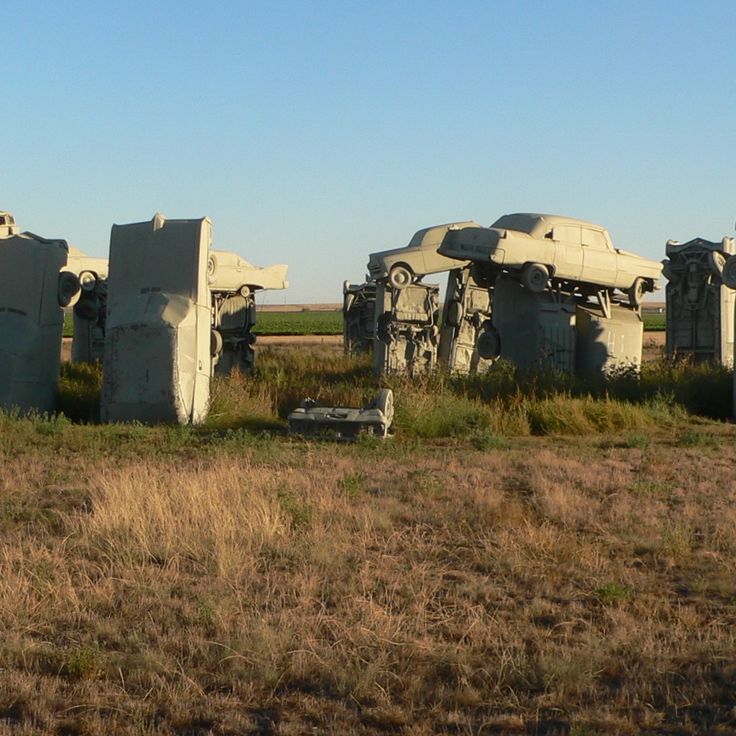
Alliance, Nebraska
Outdoor artistic structure built with 39 vintage automobiles painted gray, forming a circle with a diameter of 29 meters.
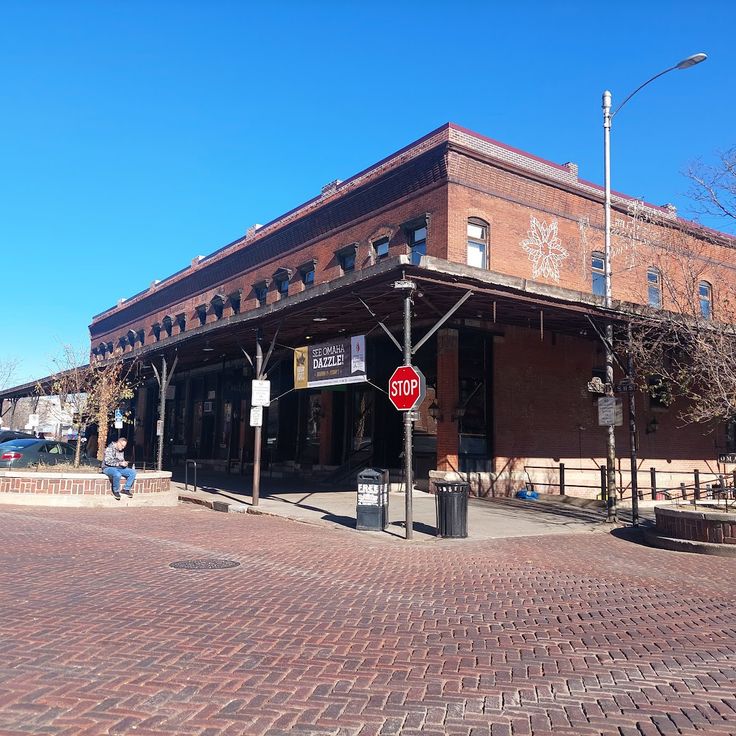
Omaha, Nebraska
Shopping and cultural center established in 19th-century warehouses. The cobblestone streets are lined with galleries, shops, and restaurants.
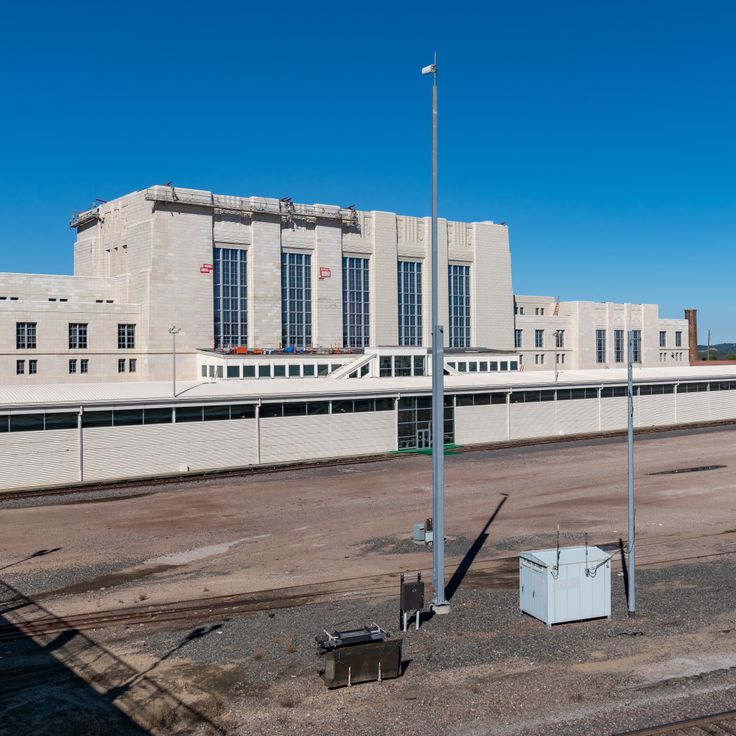
Omaha, Nebraska
Housed in a 1931 train station, this museum offers exhibits on Nebraska's history and the railroad.
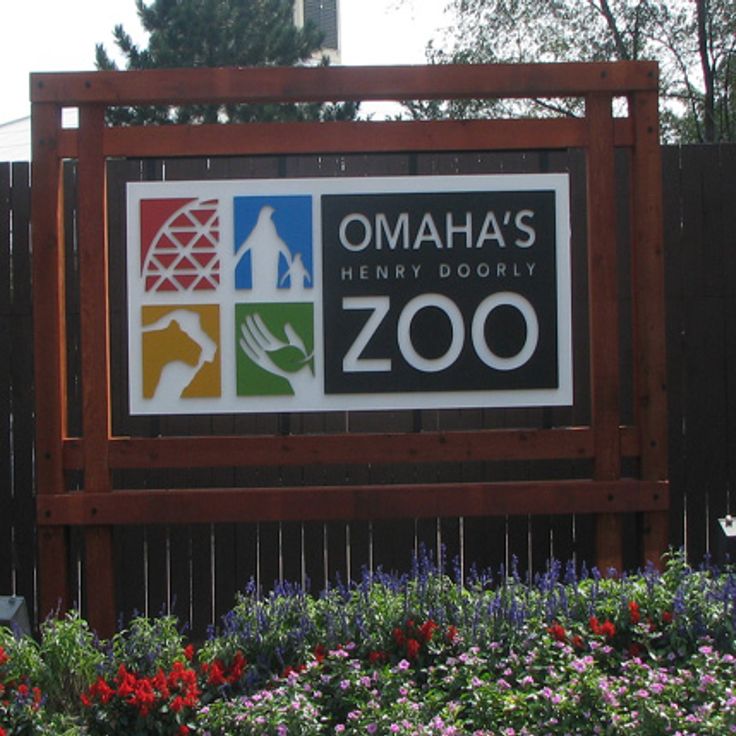
Omaha, Nebraska
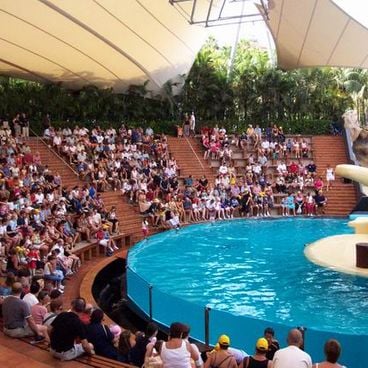
Spanning 52 hectares, this zoo houses 17,000 animals across 962 species in recreated natural habitats.
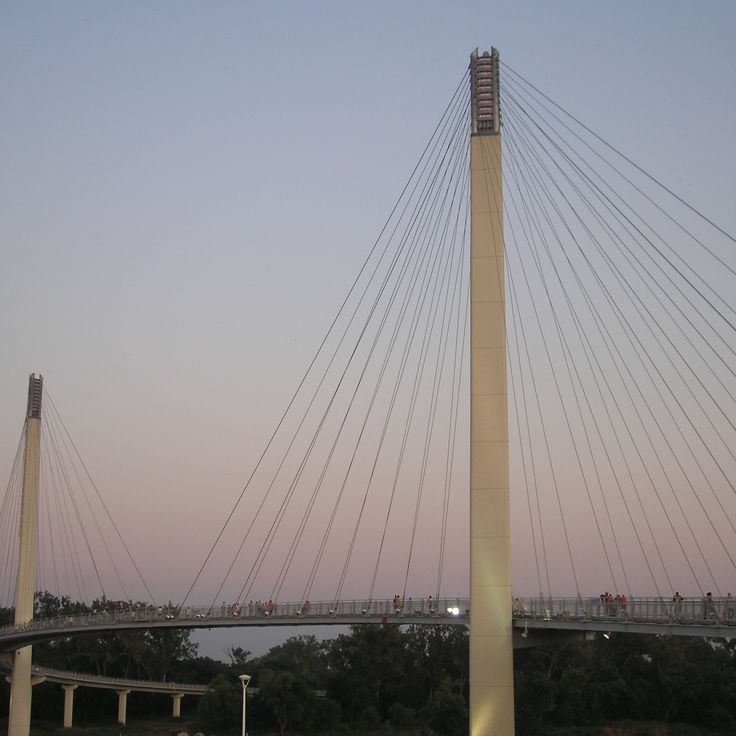
Omaha, Nebraska
A 915-meter walkway connecting Nebraska to Iowa, used by pedestrians and cyclists to cross the Missouri River.
Omaha, Nebraska
Underground green space downtown featuring sculptures, lawns, fountains, and various seasonal planting areas.
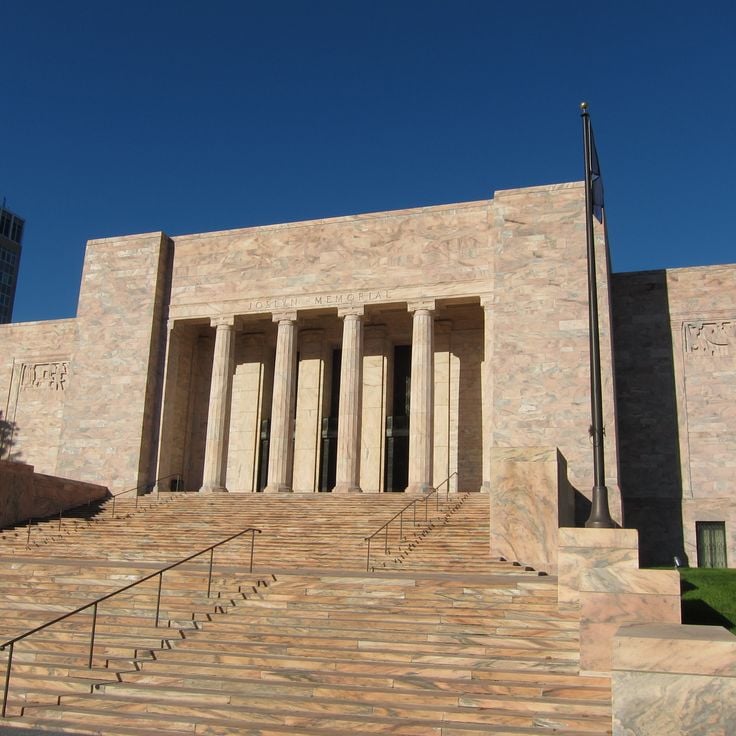
Omaha, Nebraska
Museum institution in an Art Deco building from 1931 displaying European and American art from the 19th and 20th centuries.
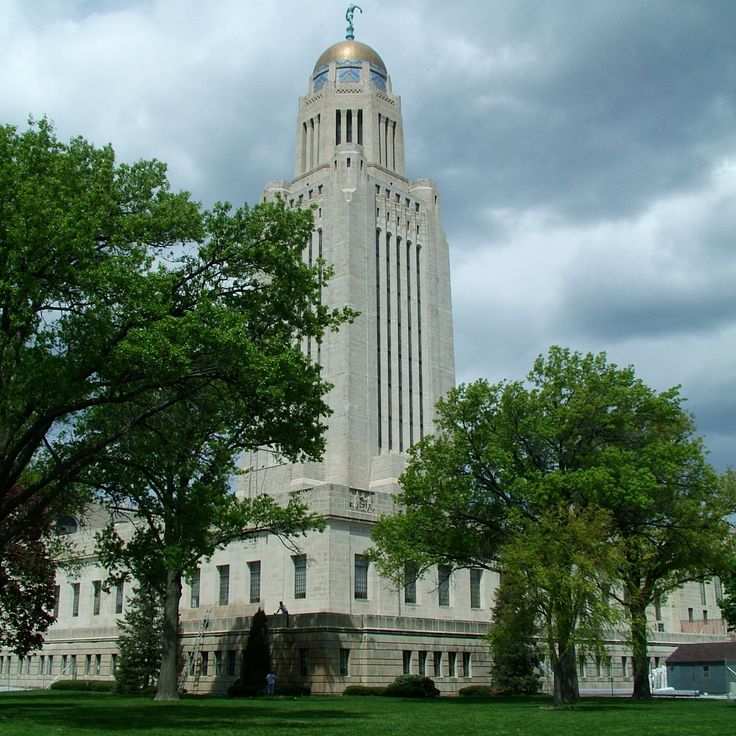
Lincoln, Nebraska
Government building constructed between 1922 and 1932, with a central tower 120 meters tall, housing the three branches of state government.
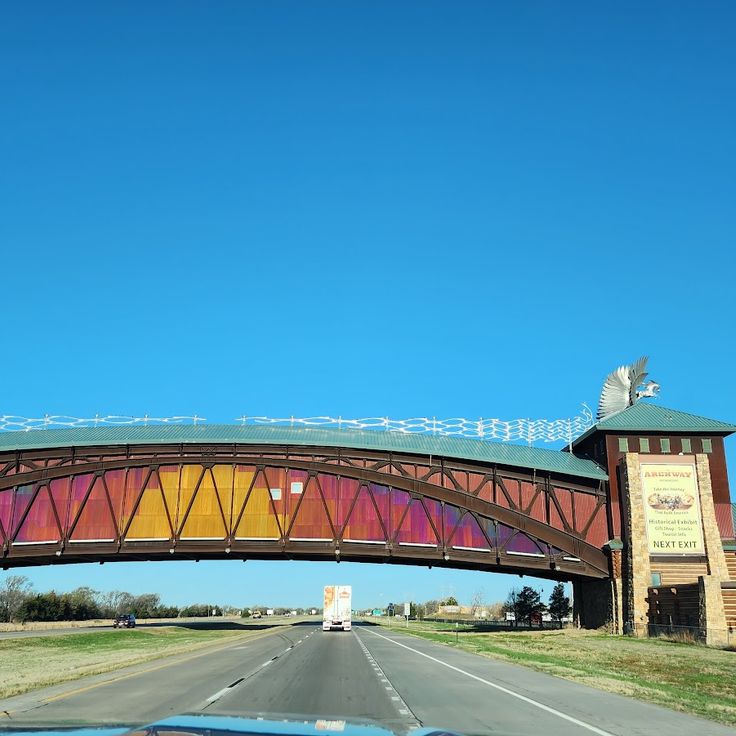
Kearney, Nebraska
Monument built over Interstate 80 presenting the history of westward migrations through exhibits and reenactments.
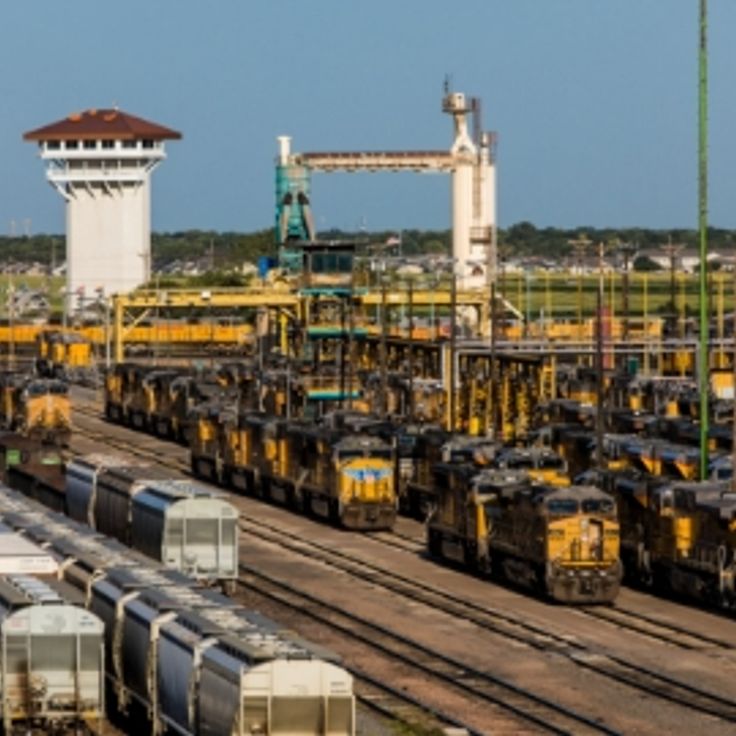
North Platte, Nebraska
30-meter observation tower offering views of the largest rail yard in the world, with an interpretation center on rail history.
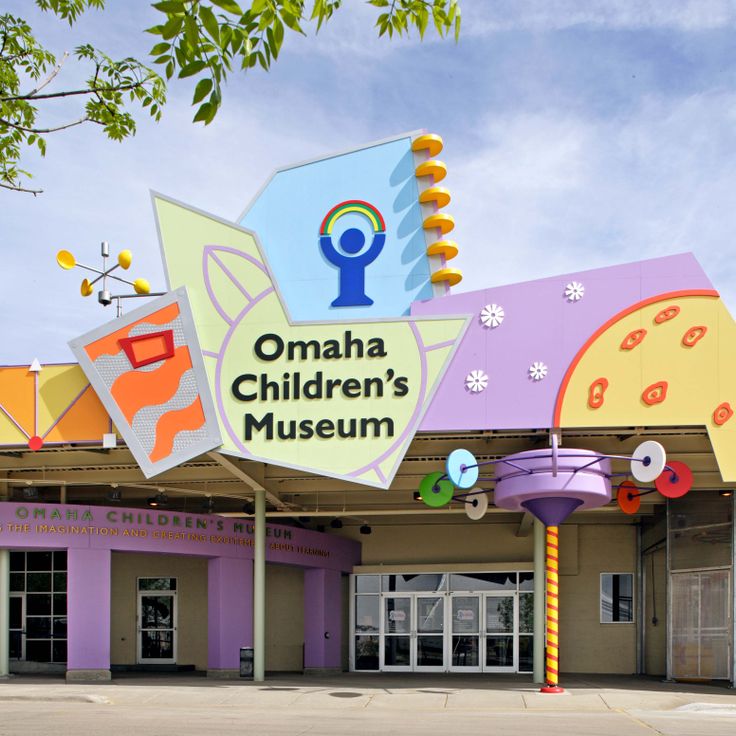
Omaha, Nebraska
Educational center offering hands-on exhibits and activities for children, with sections on science, technology, and the arts.
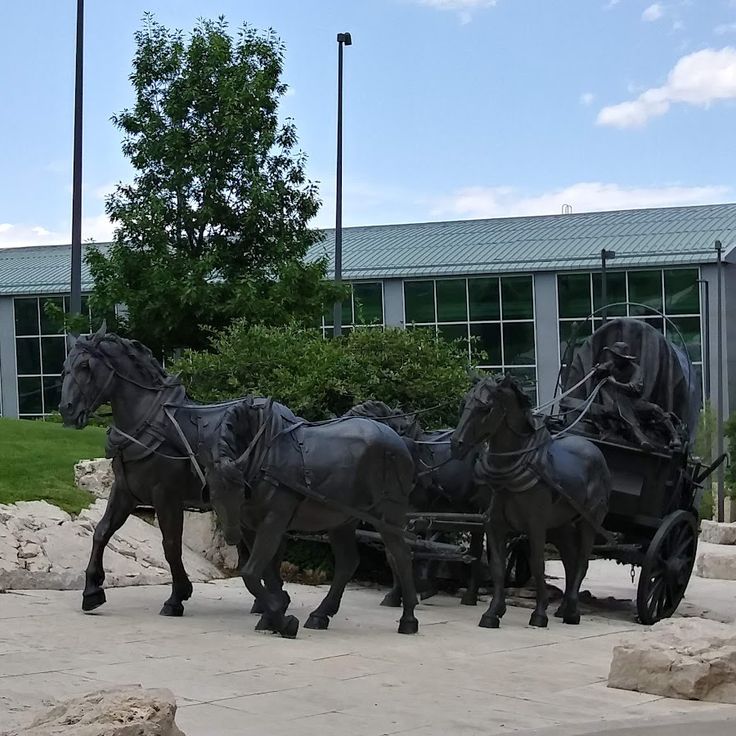
Omaha, Nebraska
Public space adorned with life-size bronze sculptures depicting a pioneer wagon train crossing the Nebraska plains in the 19th century.
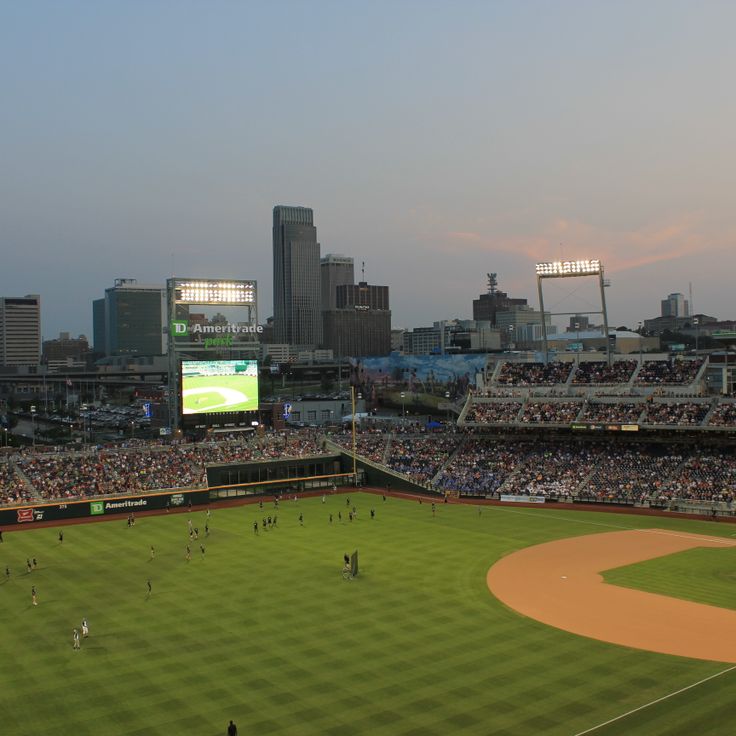
Omaha, Nebraska
Baseball facility seating 24,000, located in Omaha's business district. The stadium hosts national collegiate tournaments.
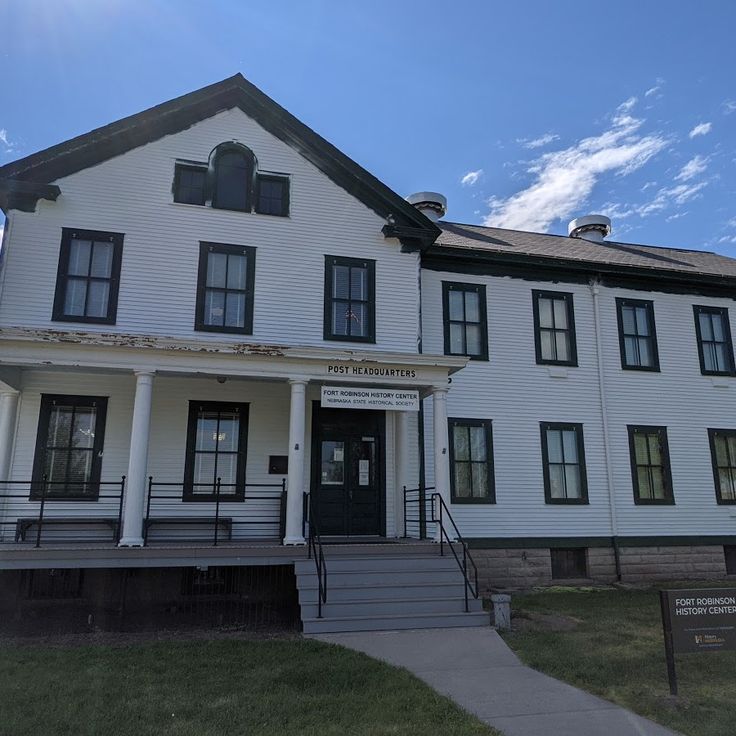
Crawford, Nebraska
Former military post of 9,000 hectares transformed into a natural park. The site includes 19th-century army buildings and hiking trails.
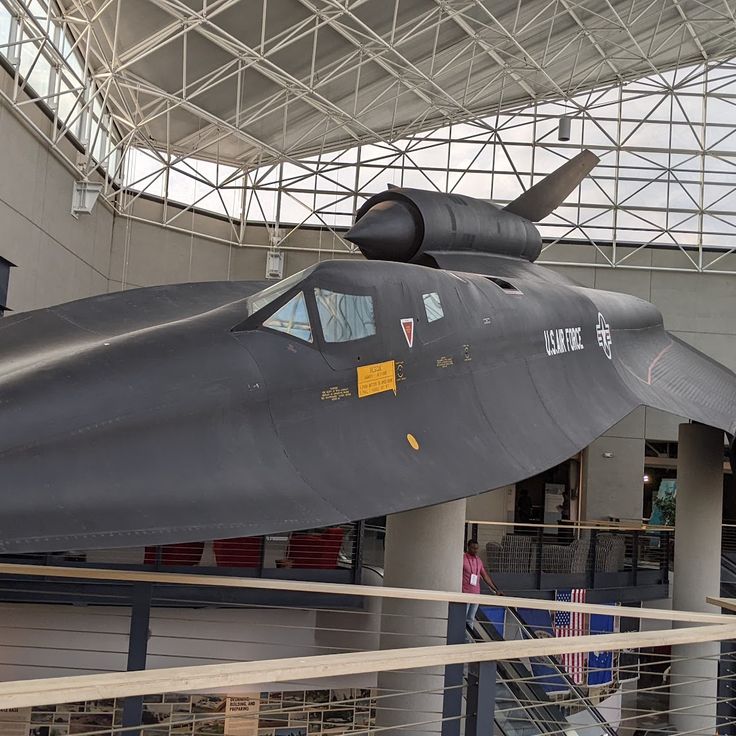
Ashland, Nebraska
Educational center exhibiting 30 military aircraft, ballistic missiles, and space capsules. The museum also offers planetarium sessions.
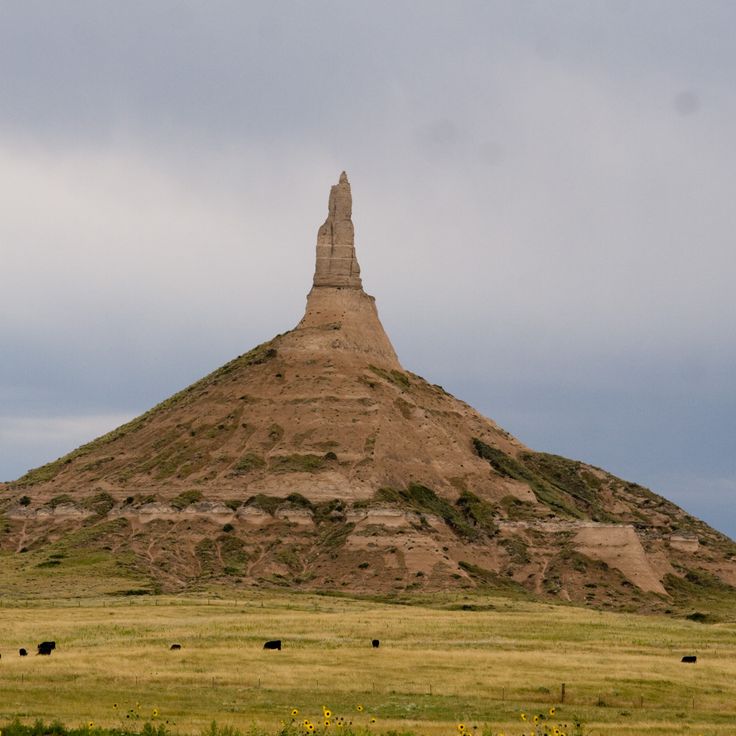
Bayard, Nebraska
Natural pillar made of sandstone and clay measuring 146 meters in height. This geological landmark guided pioneers on the Oregon Trail in the 19th century.
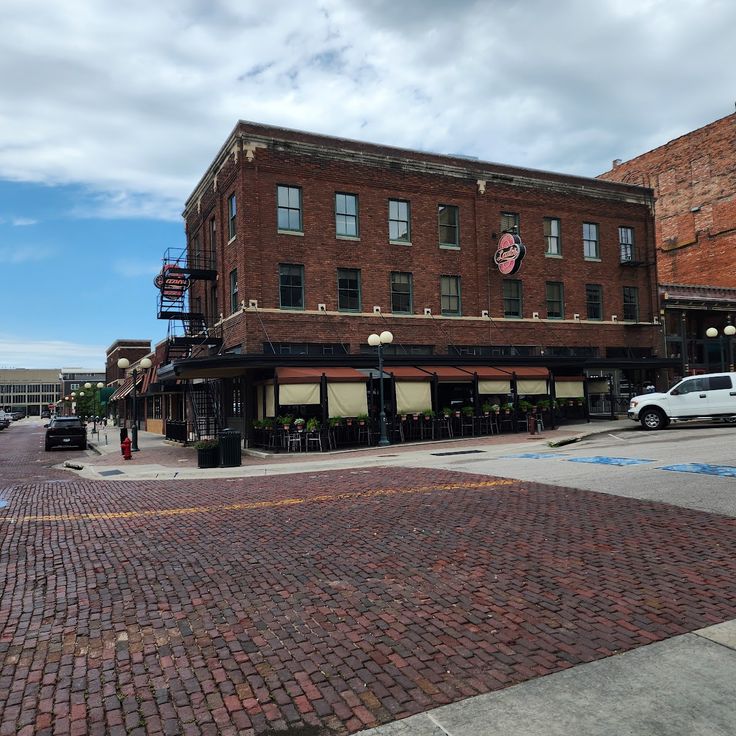
Lincoln, Nebraska
Commercial district located in downtown Lincoln comprising buildings from the 1880s, shops, and cafes.
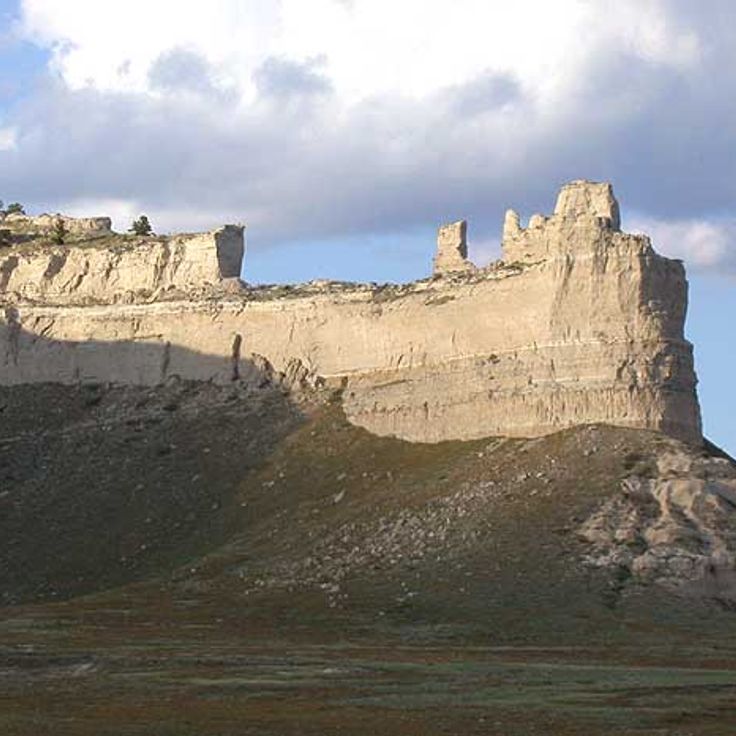
Scotts Bluff County, Nebraska
240-meter-high geological formation featuring hiking trails and an interpretive center on pioneer history.
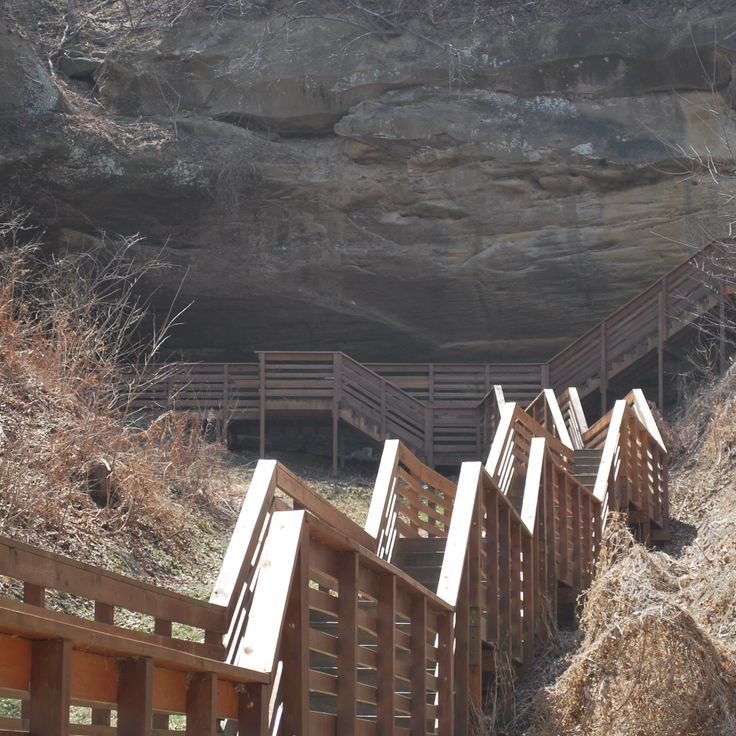
Nemaha County, Nebraska
Natural reserve spanning 1,300 hectares along the Missouri River showcasing Native American petroglyphs and recreational areas.
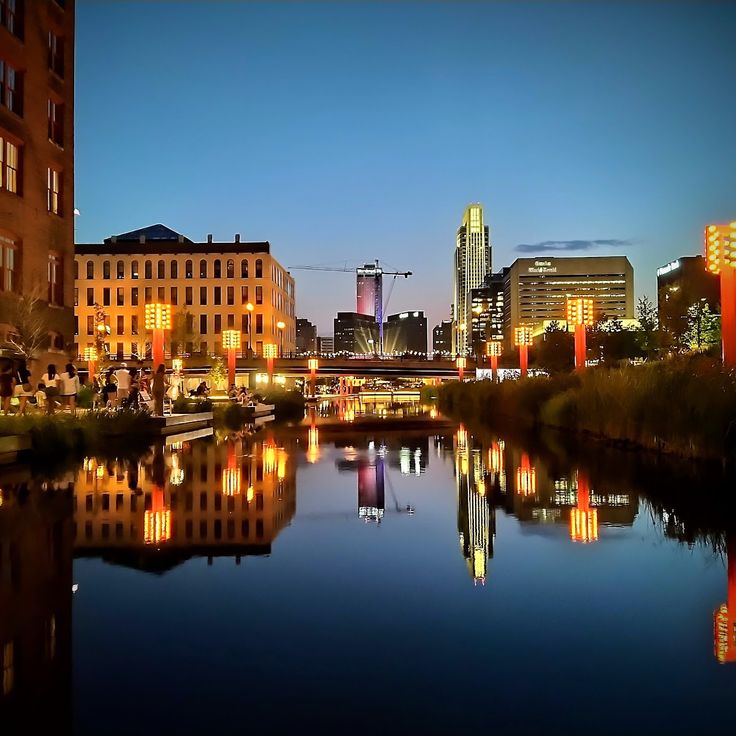
Omaha, Nebraska
300-hectare urban development area including the Gene Leahy Mall, Heartland of America Park, and Lewis and Clark Landing.
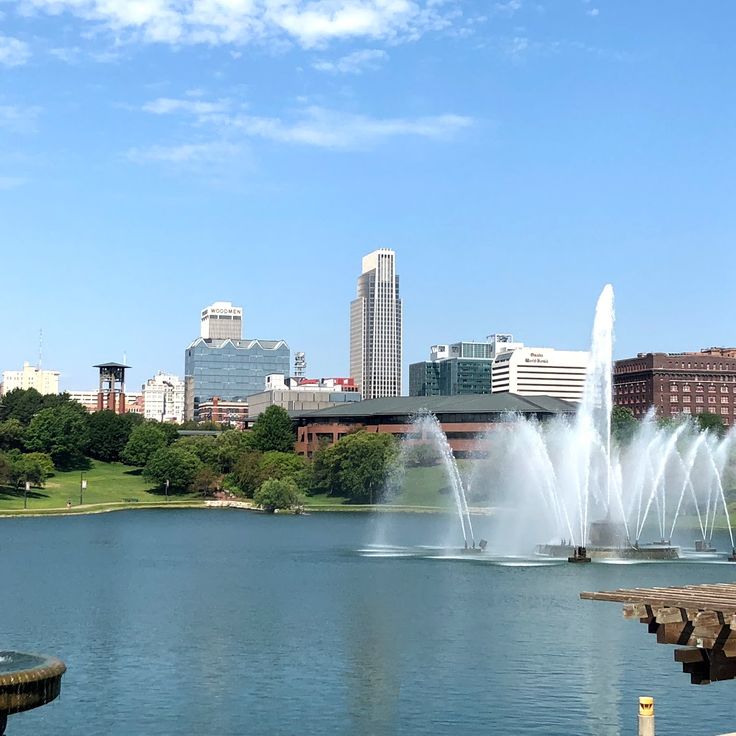
Omaha, Nebraska
Public area by the lakeside featuring fountains, pedestrian bridges, and paved walking paths. The park has a central illuminated fountain.
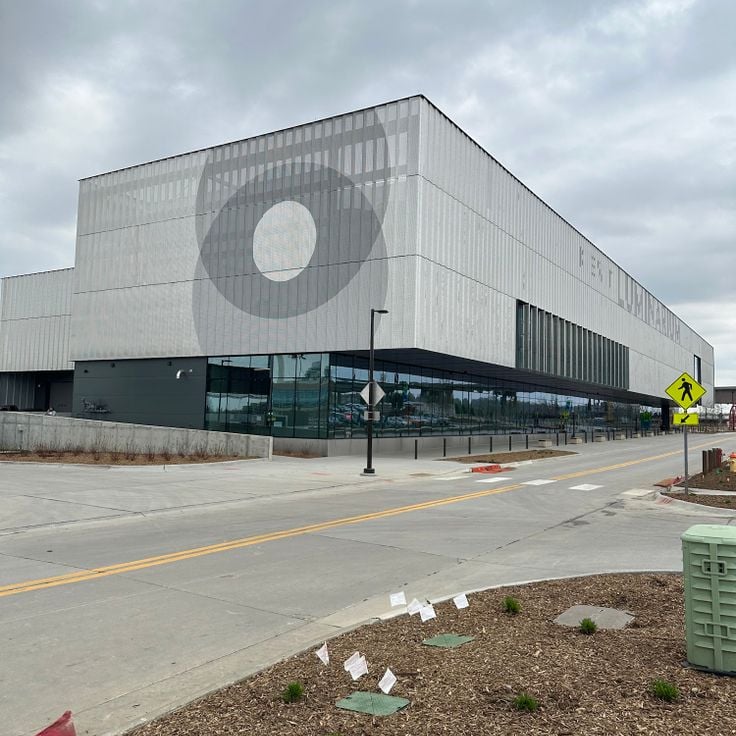
Omaha, Nebraska
Science discovery center with 100 practical installations demonstrating the principles of physics, mathematics, and technology. Visitors engage in experiments.
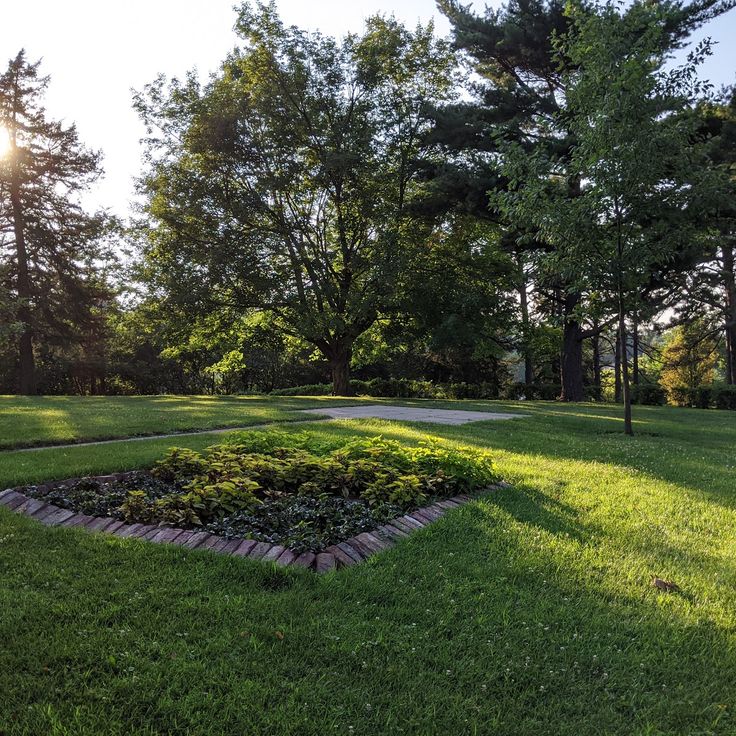
Omaha, Nebraska
Municipal park of 4 hectares featuring seasonal flowerbeds, century-old trees, benches, and walking paths.
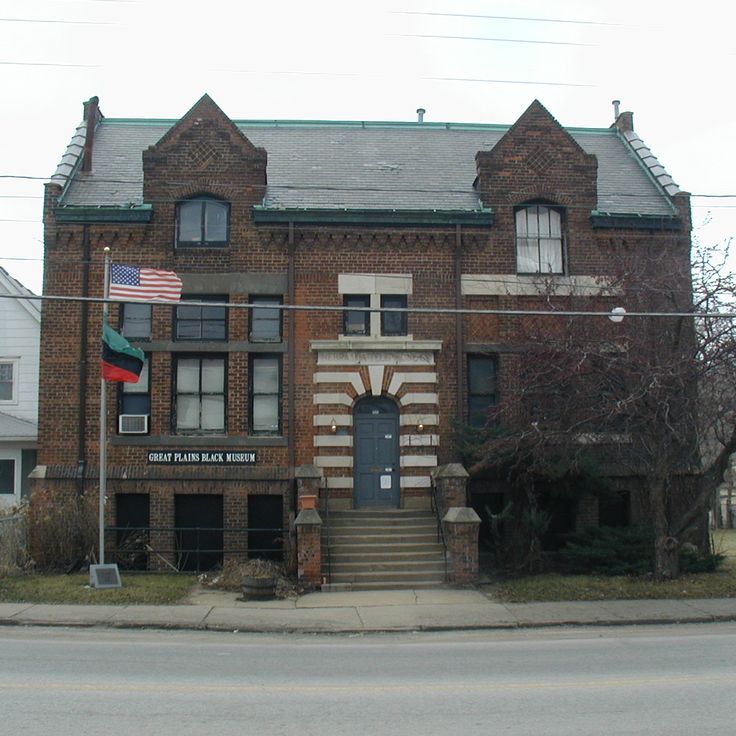
Omaha, Nebraska
Cultural institution showcasing documents, photographs, and artifacts on the lives of African-American communities in the Midwest since the 19th century.
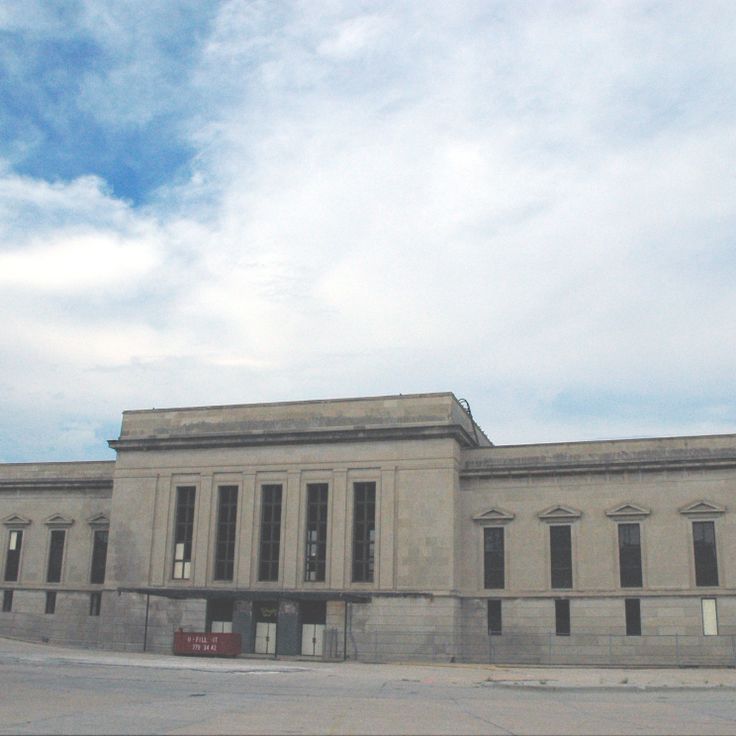
Omaha, Nebraska
Railway station dating back to 1898, built with white limestone, featuring a large central clock and decorated ceilings.
Omaha, Nebraska
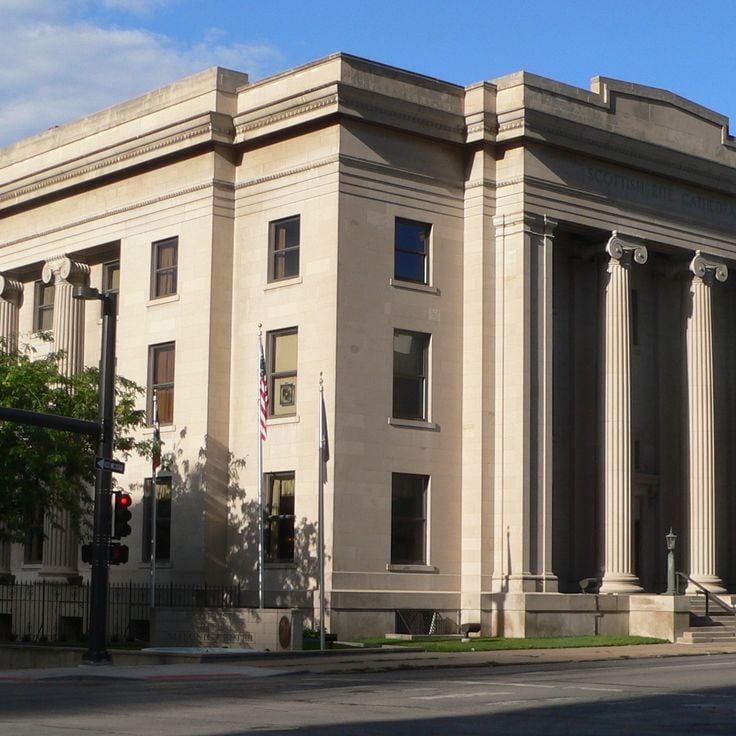
Masonic monument from 1914 with pink granite columns, ceremonial halls, and an 800-seat theater.
Omaha, Nebraska
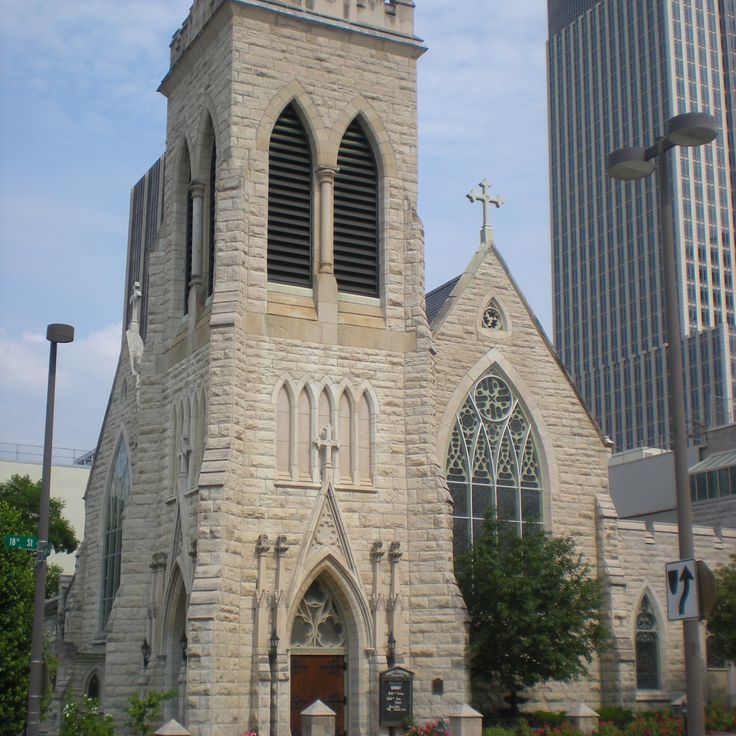
Episcopal cathedral from 1883 with external flying buttresses, stained glass windows, and a vaulted oak ceiling.
Omaha, Nebraska
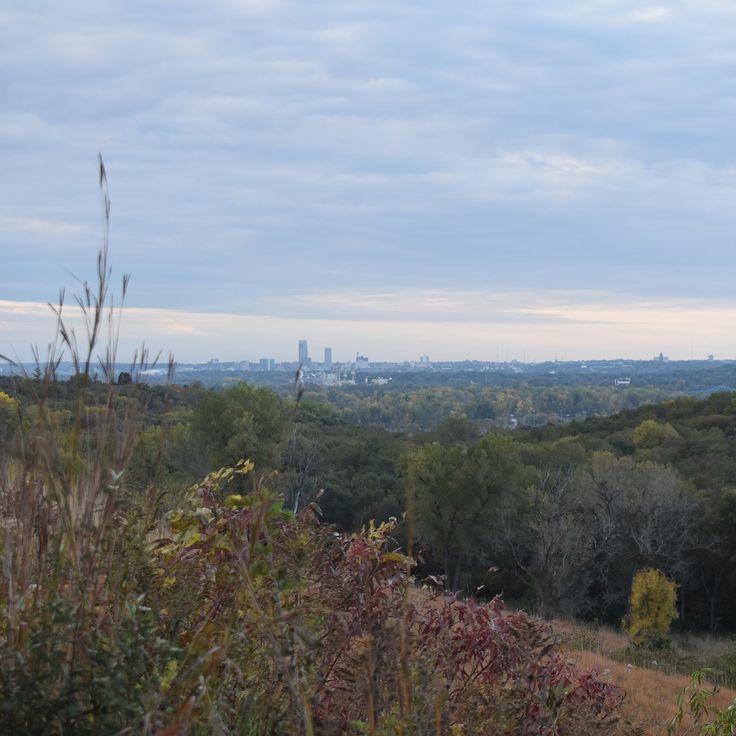
Natural area of 680 hectares featuring hiking trails, a bird observation center, and educational programs.
Omaha, Nebraska
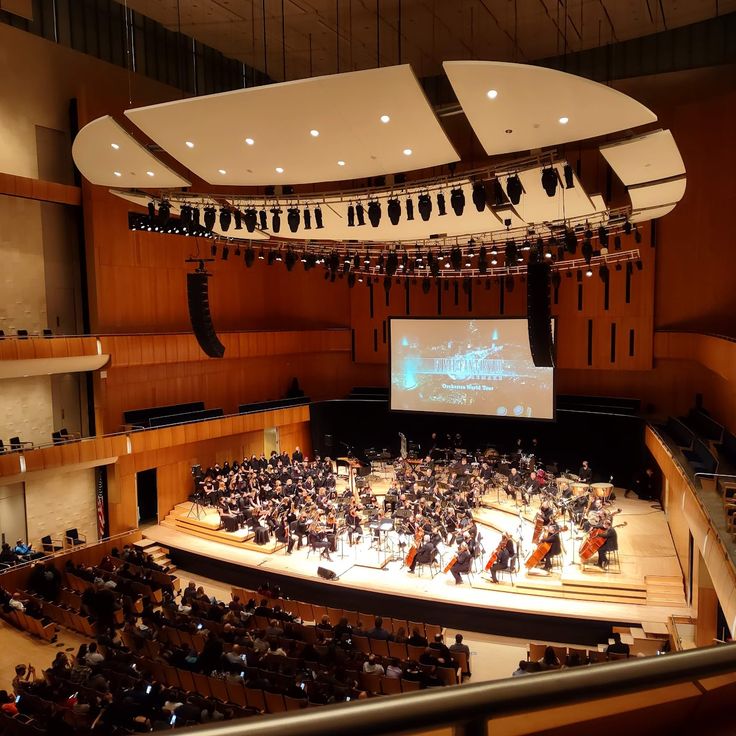
Performance hall built in 2005 with 2,000 seats. Orchestras, music groups, and dance companies regularly perform here.
Omaha, Nebraska
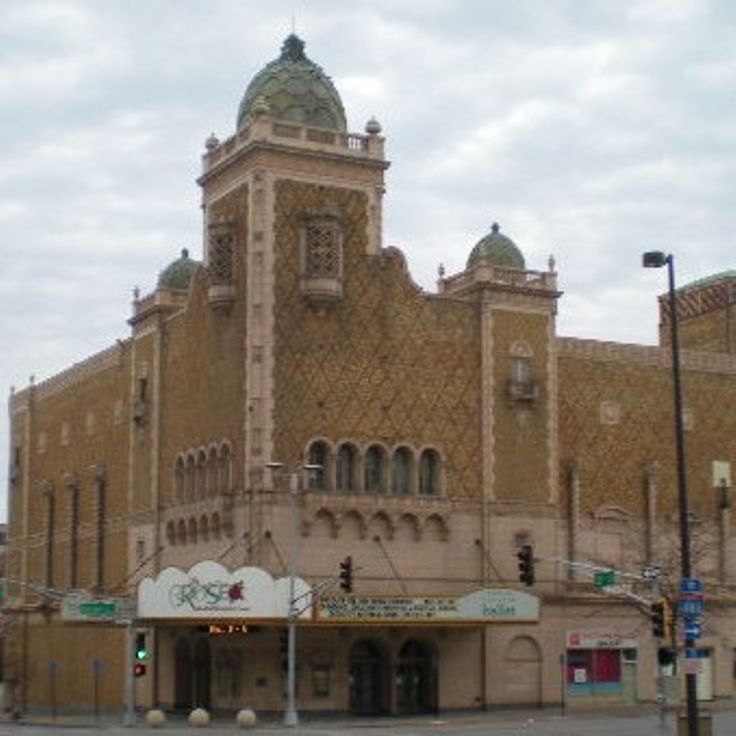
Built in 1927, this 900-seat theater offers performances of theater, puppetry, and musicals intended for children.
Omaha, Nebraska
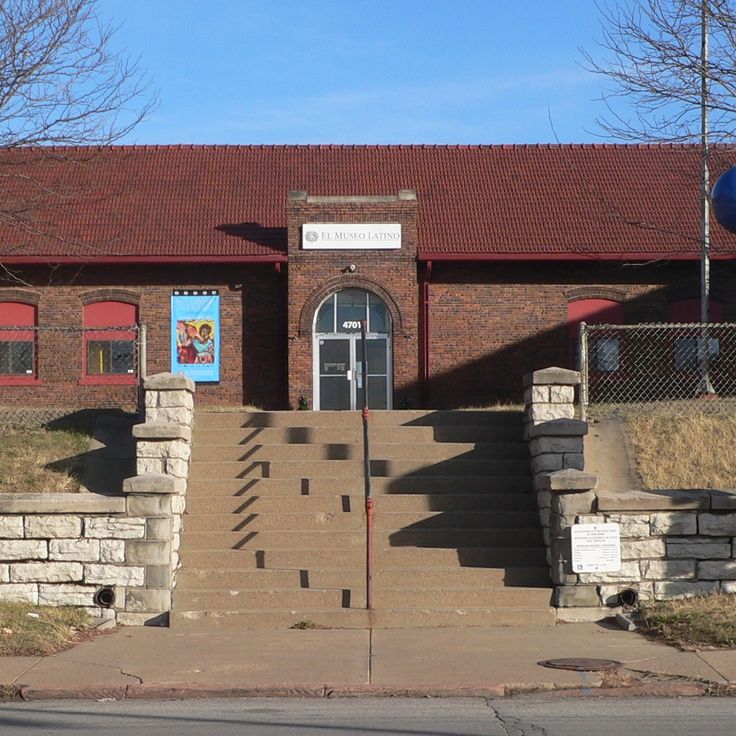
Museum founded in 1993 that displays paintings, sculptures, and artifacts illustrating Latino-American culture and traditions in the Midwest.
Omaha, Nebraska
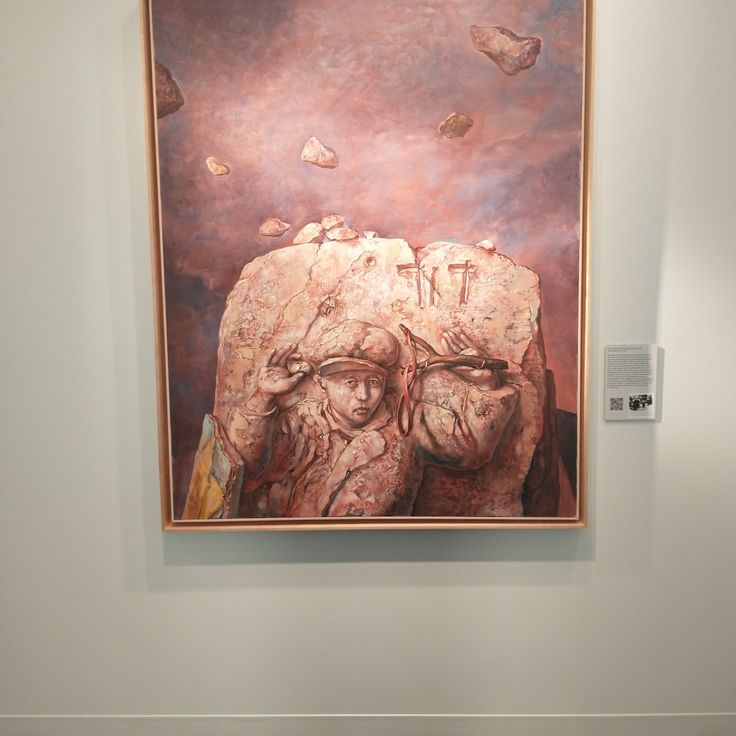
Museum space opened in 2021 displaying over 500 paintings and drawings by artist Samuel Bak on the theme of World War II.