See the monuments around you in AROpen chests in the app
Around Us is built for your phone — point your camera at the streets and discover the monuments and places around you in augmented reality.Around Us is built for your phone — chests unlock when you walk, explore and capture nearby places.
Museums and parks of Nebraska: attractions in Omaha, historic and geological sites
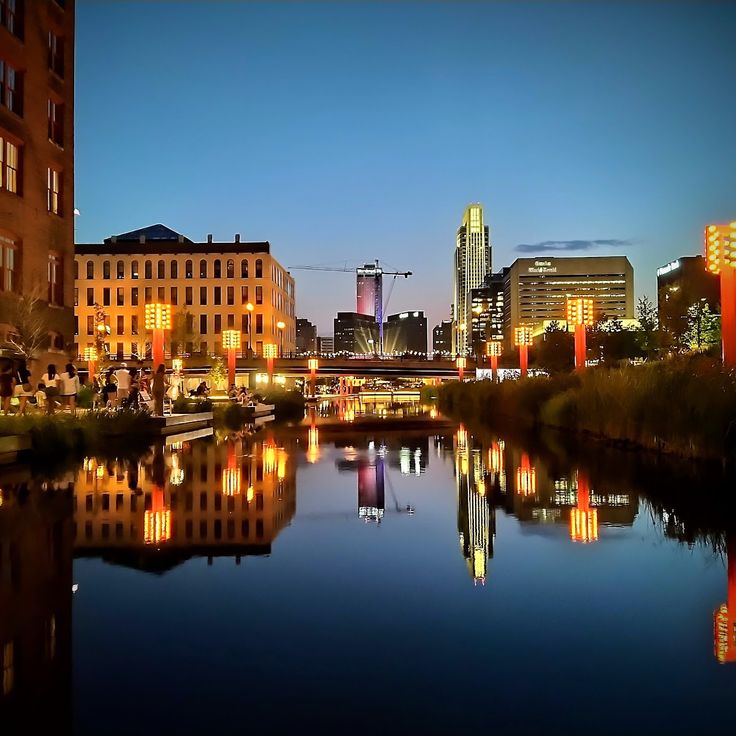
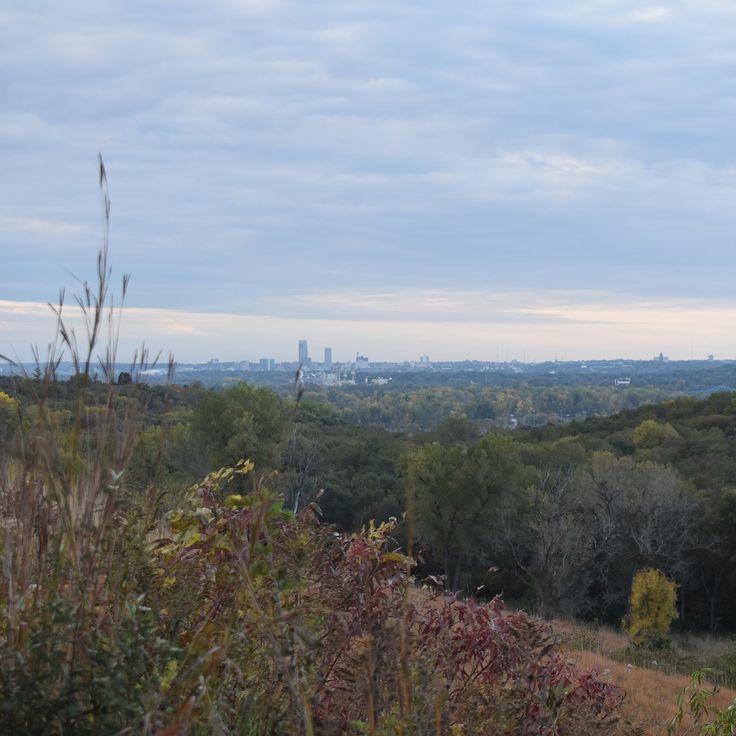
Omaha and Nebraska offer a rich place for those who like to learn about history, art, and nature. In Omaha, you will find good museums like the Joslyn Art Museum, inviting green spaces, and the Henry Doorly Zoo where animals live in settings close to their natural home. The Old Market takes you back in time with its old buildings and small paths. The Bob Kerrey Bridge offers views of the Missouri River and links Omaha to Council Bluffs. The city has public gardens that create quiet spots for strolling.
As you go away from Omaha, the land shows landscapes and sites that tell the story of the early settlers. In Kearney, the Great Platte River Road Archway stands over flat lands and tells the story of travelers from the 1800s. Further on, in North Platte, the Golden Spike Tower marks an important part of American railroad history. In Alliance, you will see Carhenge, an unusual sculpture made from old cars stacked together, which sparks curiosity. The Scotts Bluff Monument and the Chimney Rock are impressive rock formations that show millions of years of natural history.
Whether you want to visit galleries, walk outside, or see something different, Nebraska offers many kinds of experiences. The land invites visitors to explore at their own pace, without rushing.
Museums and parks of Nebraska: attractions in Omaha, historic and geological sites
Omaha and Nebraska offer a rich place for those who like to learn about history, art, and nature. In Omaha, you will find good museums like the Joslyn Art Museum, inviting green spaces, and the Henry Doorly Zoo where animals live in settings close to their natural home. The Old Market takes you back in time with its old buildings and small paths. The Bob Kerrey Bridge offers views of the Missouri River and links Omaha to Council Bluffs. The city has public gardens that create quiet spots for strolling.
As you go away from Omaha, the land shows landscapes and sites that tell the story of the early settlers. In Kearney, the Great Platte River Road Archway stands over flat lands and tells the story of travelers from the 1800s. Further on, in North Platte, the Golden Spike Tower marks an important part of American railroad history. In Alliance, you will see Carhenge, an unusual sculpture made from old cars stacked together, which sparks curiosity. The Scotts Bluff Monument and the Chimney Rock are impressive rock formations that show millions of years of natural history.
Whether you want to visit galleries, walk outside, or see something different, Nebraska offers many kinds of experiences. The land invites visitors to explore at their own pace, without rushing.
Carhenge in Alliance is an outdoor art installation made from 39 vintage automobiles arranged in a circular formation and painted gray. Created in the 1980s, this structure sits on the Nebraska plains and draws visitors curious about unconventional art. The circle measures about 95 feet (29 meters) across and resembles the famous stone monument, but built with cars instead. People come to walk around it, take photographs, and experience this quirky creation that breaks up the flat landscape.
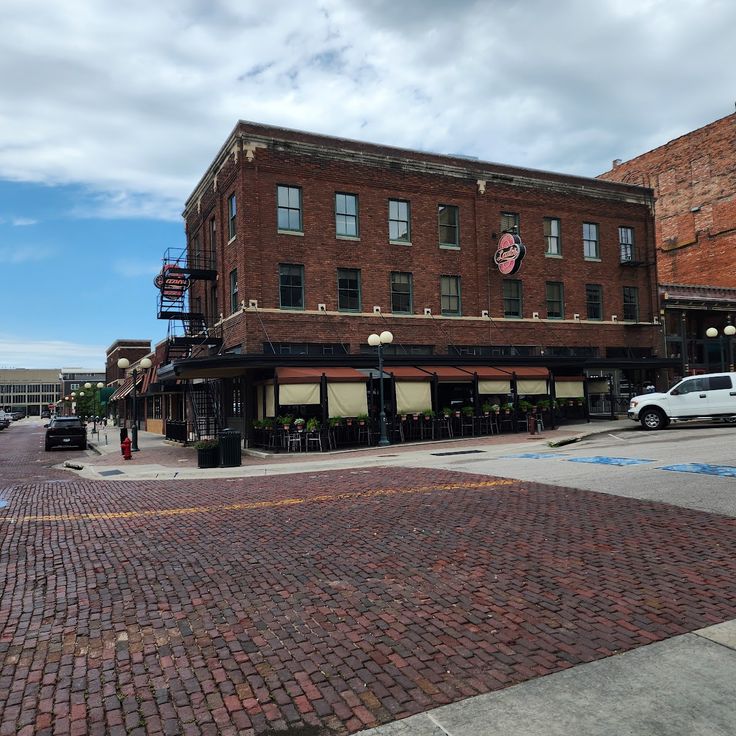
The Vieux Marché in Omaha is a commercial and cultural center housed in renovated 19th century warehouses. Cobblestone streets wind between galleries, shops, and restaurants that reflect the character of an earlier era. The narrow alleyways invite visitors to walk and explore at a slow pace, offering a sense of how life unfolded in Omaha generations ago. Here, history and contemporary activity exist side by side.
Located in a 1931 train station in Omaha, the Durham Museum displays exhibits about Nebraska's history and railroad heritage. The museum connects the state's past with the story of rail transportation, offering visitors a look into how trains shaped the region's development.
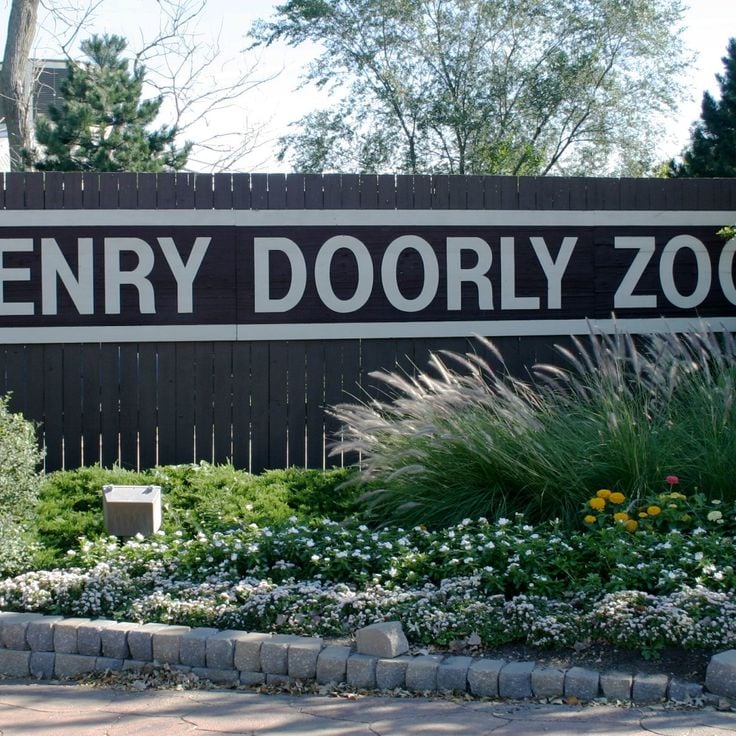
Henry Doorly Zoo spans 52 hectares and houses around 17000 animals from over 900 species. The zoo is known for recreating natural habitats where visitors can observe animals in settings that closely resemble their native environments. Walking through the grounds, you encounter different regions - from savannas to rainforests - each designed to reflect the ecosystems where these animals live. The zoo combines education with animal care, giving visitors a sense of the world's biological diversity. Families and nature lovers find here a place to connect with wildlife and learn about conservation.
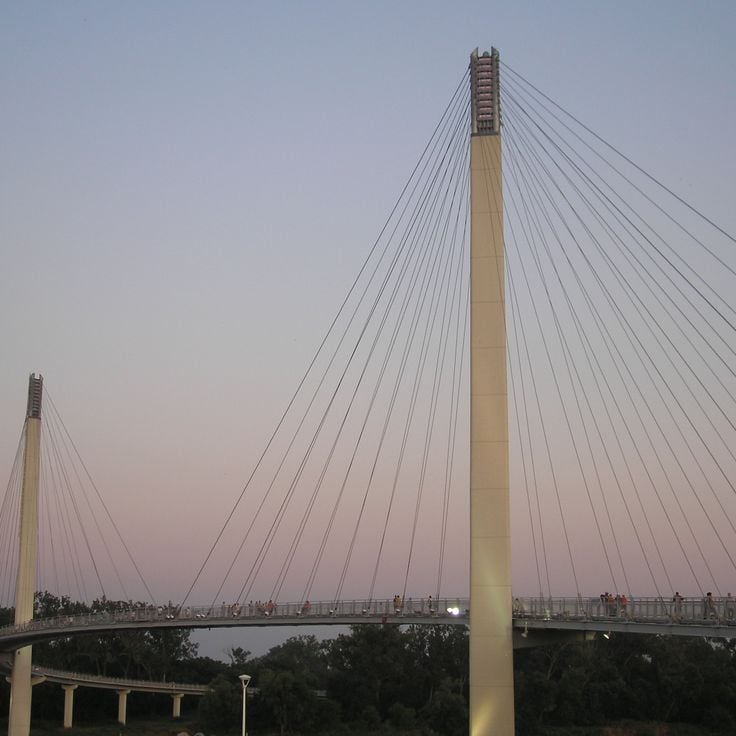
The Bob Kerrey Pedestrian Bridge in Omaha is a 915-meter span that connects Nebraska to Iowa across the Missouri River. Built for pedestrians and cyclists, this bridge offers views of the river and the surrounding landscape. It is a popular spot for walking and cycling, especially on pleasant days. The bridge represents the connection between the two states and their shared history. From here, you can see how the landscape changes along the river's banks.
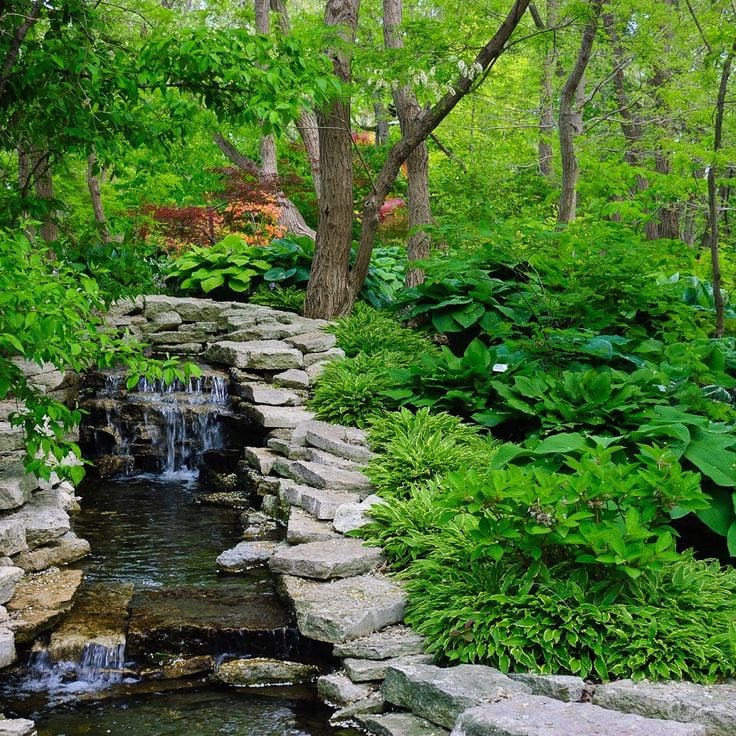
The Sunken Gardens in Omaha are a green space carved beneath the city center. You will find sculptures, lawns, fountains, and areas planted with seasonal flowers and plants. It is a place to walk through and rest, where art and nature come together in this underground setting.
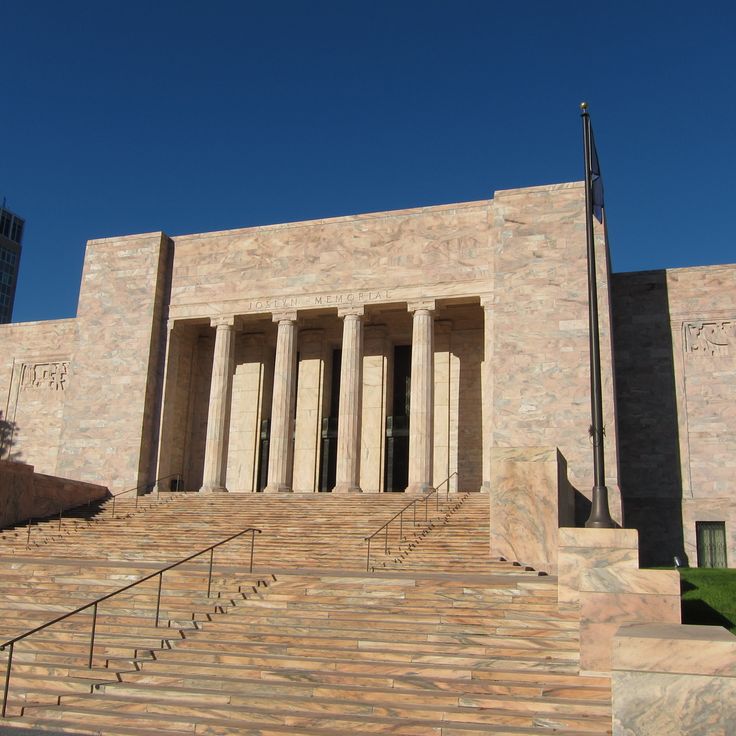
The Joslyn Art Museum in Omaha occupies a striking Art Deco building constructed in 1931. Inside, you will find European and American artworks spanning the 19th and 20th centuries. The collection includes paintings, sculptures, and other artistic forms from different periods and creators. The building itself is an architectural achievement that complements the art displayed within.
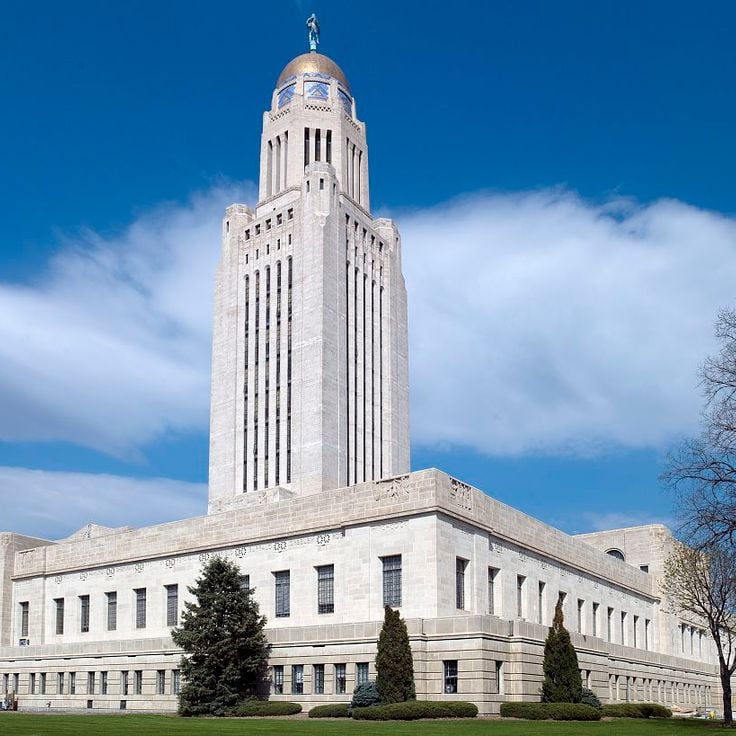
The Nebraska State Capitol is a government building in Lincoln constructed between 1922 and 1932. It features a striking central tower standing 120 meters (394 feet) tall and houses the three branches of state government. The building reflects the architectural style of its era and stands as a symbol of Nebraska's state administration.
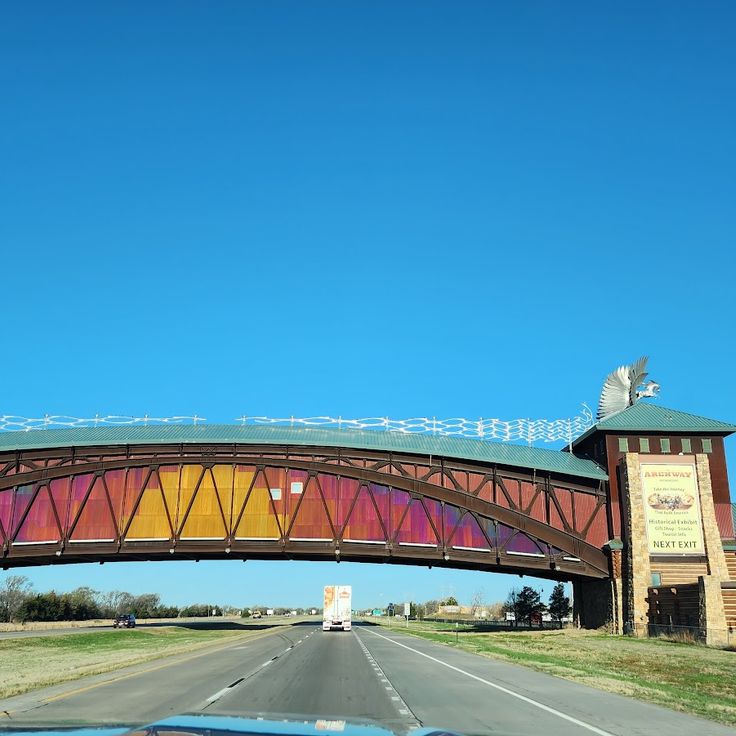
The Great Platte River Road Archway Monument in Kearney stands above Interstate 80 and tells the story of westward migration in America. Through exhibits and reconstructions, this monument shows how pioneers and settlers traveled through this region. Visitors can learn about the experiences of these travelers and understand the role this location played in American settlement history. The monument provides insight into the different routes and paths people used during the 1800s to reach the West.
The Golden Spike Tower in North Platte is an observation tower that lets visitors look out over one of the world's largest railroad classification yards. The tower houses an interpretation center that tells the story of railroads and their role in shaping the American West. From the top, you can watch the complex network of tracks and the daily work of a modern rail yard.
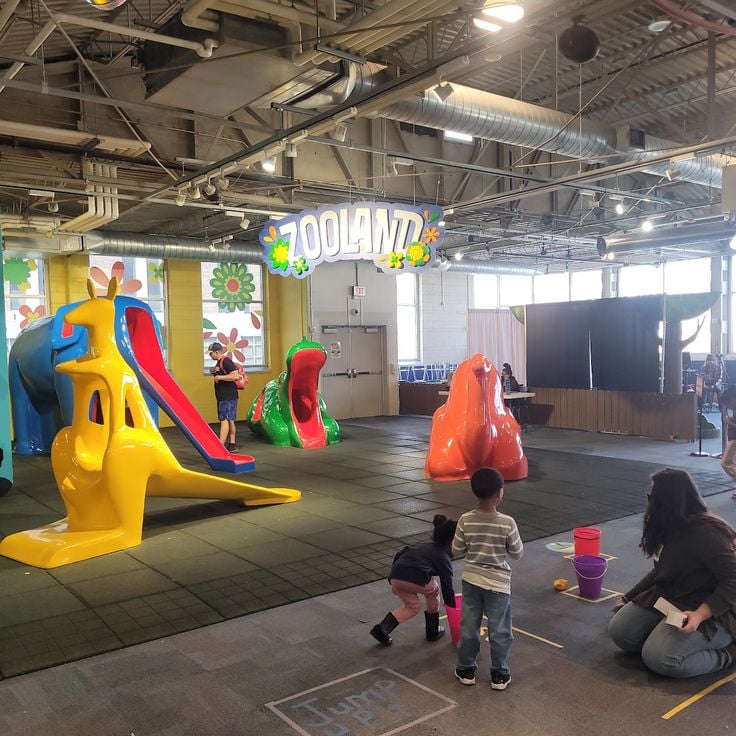
The Omaha Children's Museum is an educational center where children learn through hands-on exploration and interactive exhibits. Young visitors discover concepts in science, technology, and the arts by touching, building, and experimenting. The museum creates spaces where kids can follow their own curiosity and learn naturally through play.
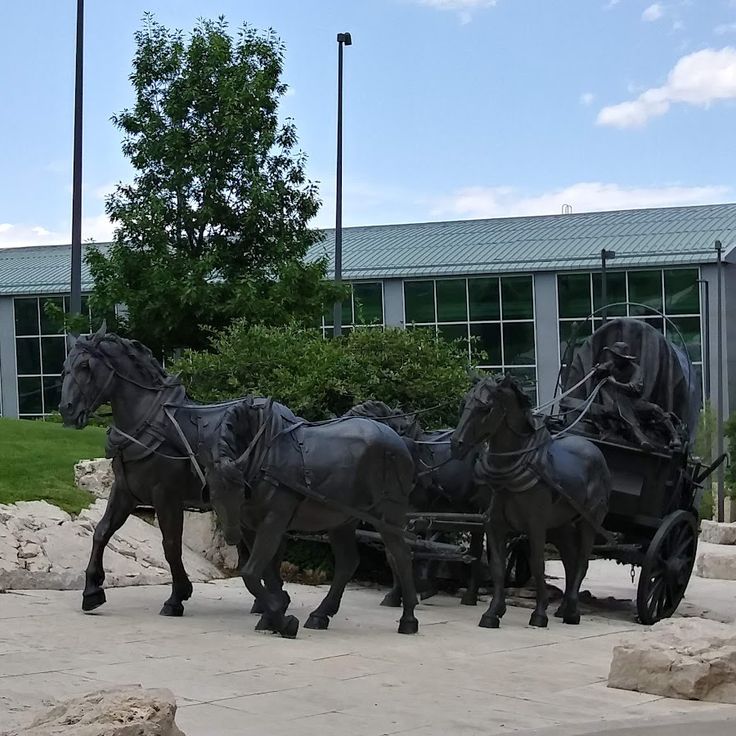
Pioneer Courage Park in Omaha features life-size bronze sculptures depicting a pioneer caravan crossing the Nebraska plains during the 19th century. These sculptures tell the story of the travelers who journeyed westward through this region. The park provides a place to walk and reflect on the pioneers who passed through these lands.
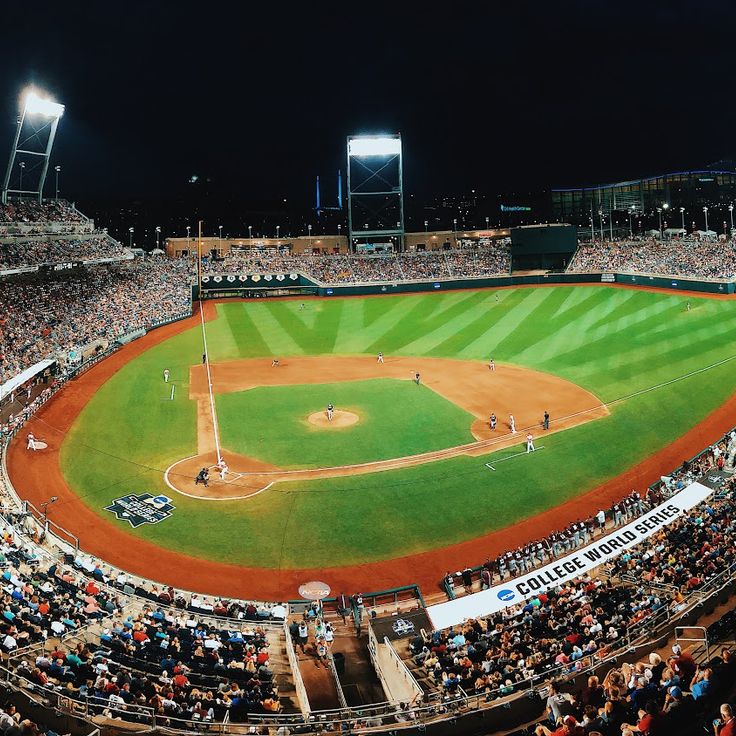
Charles Schwab Terrain is a modern baseball stadium in Omaha's business district with a capacity of about 24,000 seats. The stadium hosts national college baseball tournaments and draws sports fans from across the region. The facility shows the city's commitment to athletics and offers a place where visitors can watch baseball games live. With its central location, the stadium connects the energy of sports with proximity to other Omaha attractions.
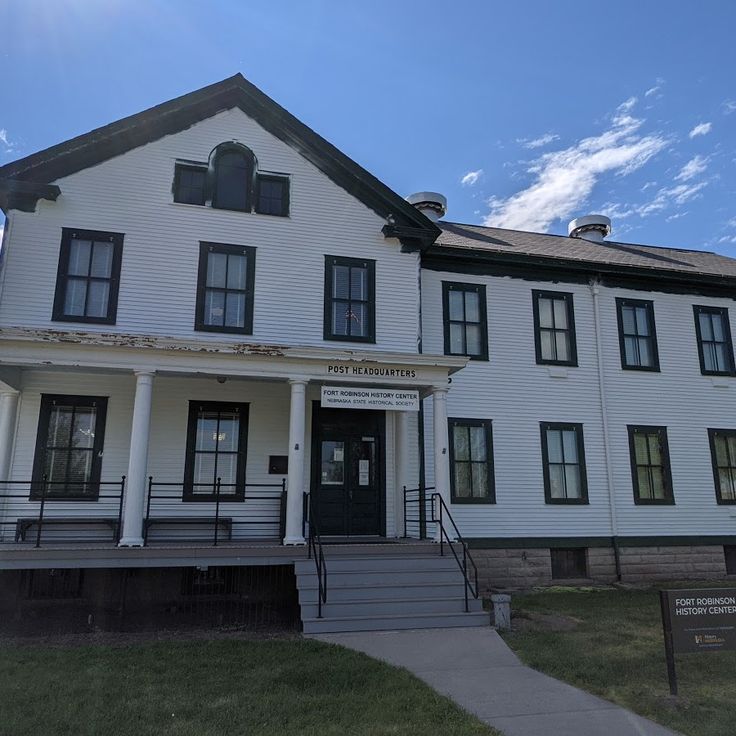
Fort Robinson State Park is a former military post spanning 9000 hectares that has been transformed into a natural park. The site preserves 19th century army buildings and features hiking trails throughout the grounds. Visitors can walk among the historic structures and experience the Nebraska landscape on foot.
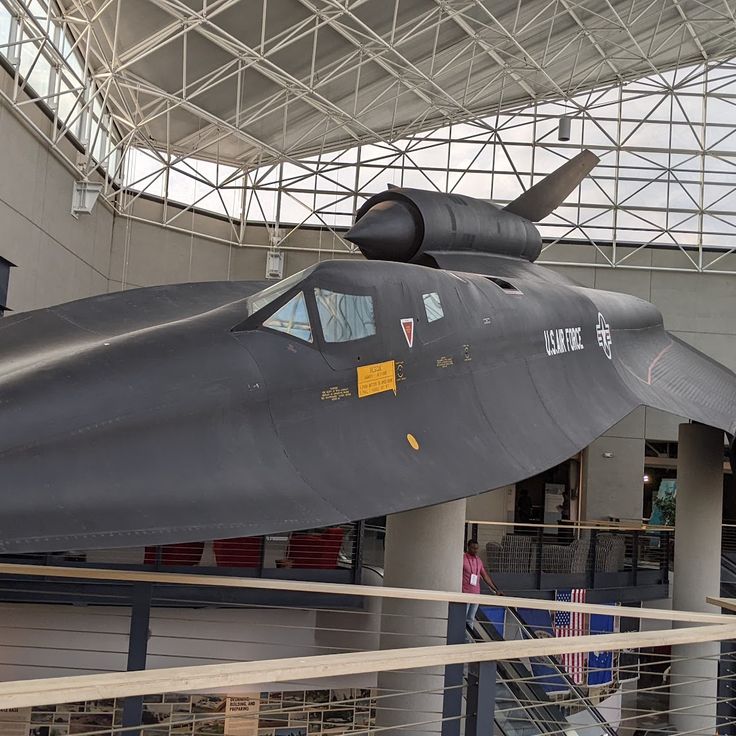
The Strategic Air and Space Museum in Ashland displays 30 military aircraft, ballistic missiles, and space capsules. This educational center lets visitors explore the history of aviation and space exploration through its collections. The museum also features planetarium shows that help explain the science behind space travel and celestial objects.
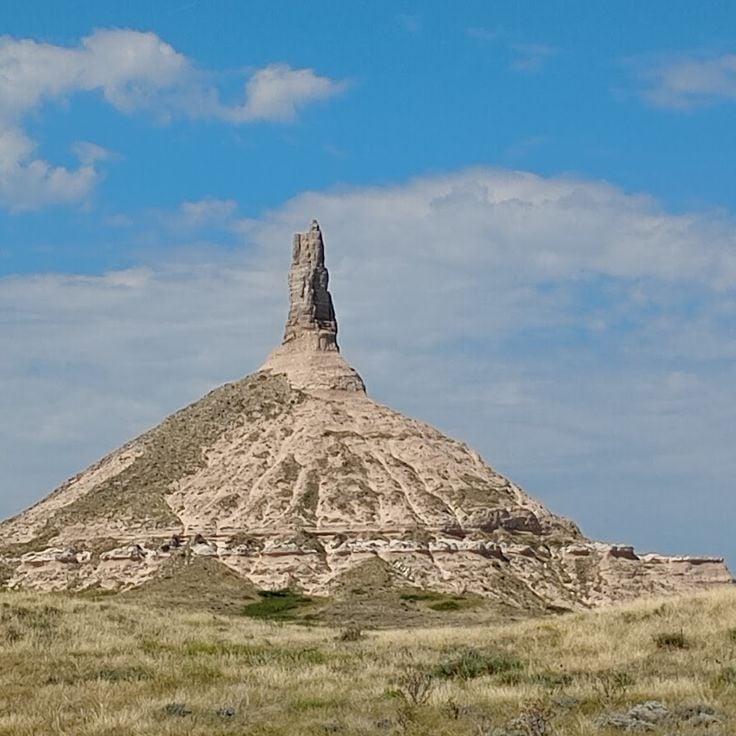
Chimney Rock near Bayard is a natural sandstone and clay pillar rising about 146 meters above the landscape. This landmark played a vital role in guiding travelers westward during the 19th century. Pioneers spotted this distinctive formation from great distances and used it to navigate along the trails. The rock tells a story of millions of years of geological change and remains a powerful connection to the region's past.
The Haymarket district in Lincoln is a former commercial hub with buildings from the 1880s that now house shops and cafes. This historic area shows how Lincoln developed as a trading center and gives visitors a window into the architecture and daily life of earlier decades. The streets retain the look of a typical American commercial town from the 19th century.
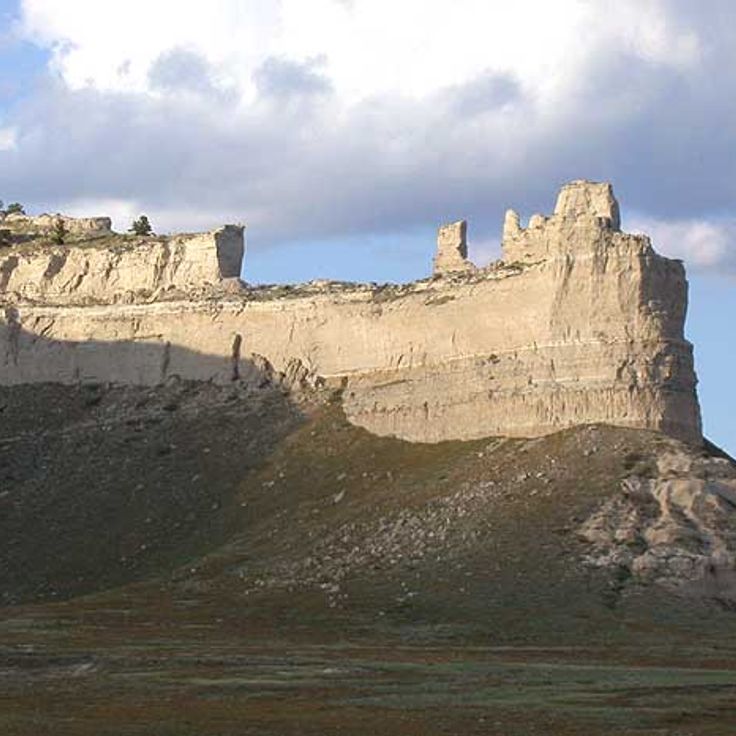
Scotts Bluff National Monument is a striking geological formation in Nebraska that rises 240 meters (787 feet) above the surrounding landscape. This landmark reveals the natural history of the region over millions of years. Visitors can use hiking trails to explore the formation and see views across the wide plains from the top. An interpretive center at the site tells the stories of pioneers who passed through this area in the 19th century. The monument brings together natural history with the stories of the people who traveled through this land.
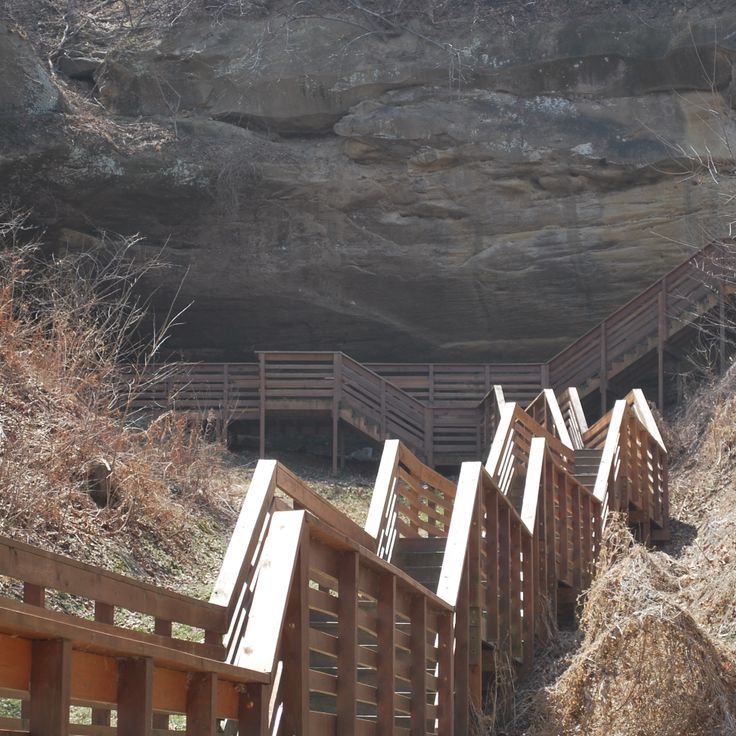
Indian Cave State Park is a large natural area along the Missouri River featuring rock carvings made by Native Americans long ago. The park covers extensive woodlands and provides walking trails and recreational spaces by the water. The caves with their historical carvings tell stories about the region's past and draw visitors interested in early history. This is a place where nature and human history meet.
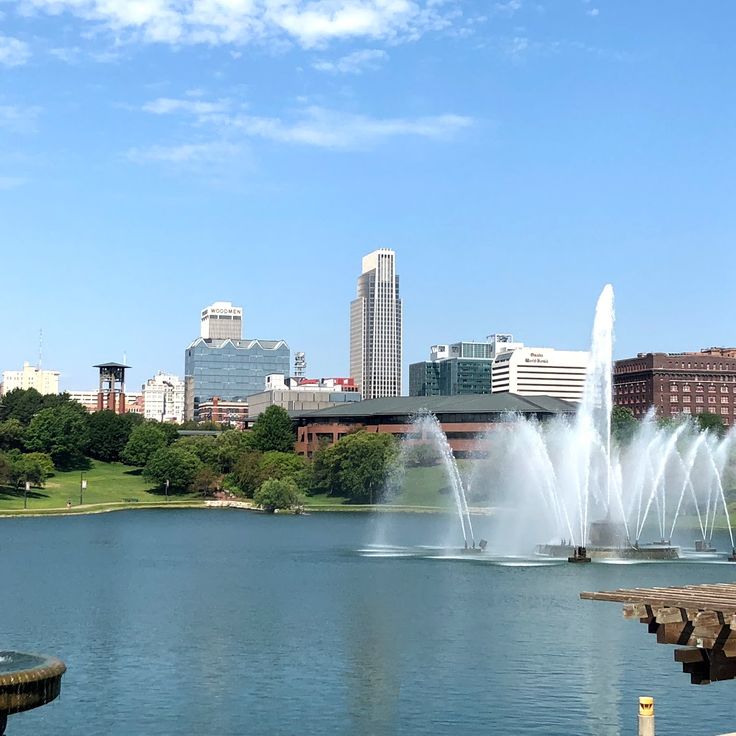
RiverFront in Omaha is a large area along the Missouri River that brings together green spaces, pathways, and public gathering spots. Here you will find the Gene Leahy Mall with its open lawns, the Heartland of America Park featuring lakes and plantings, and the Lewis and Clark Landing, which tells the story of the famous expedition. The grounds invite walking, biking, and relaxing while enjoying views of the river and city skyline.
Heartland of America Park in Omaha is a public waterfront space where fountains and pedestrian bridges create inviting paths for walking. The park features an illuminated central fountain and paved walkways that encourage visitors to linger. This location offers a quiet refuge within the city and reflects Omaha's commitment to green spaces where both visitors and residents can find rest and enjoyment.
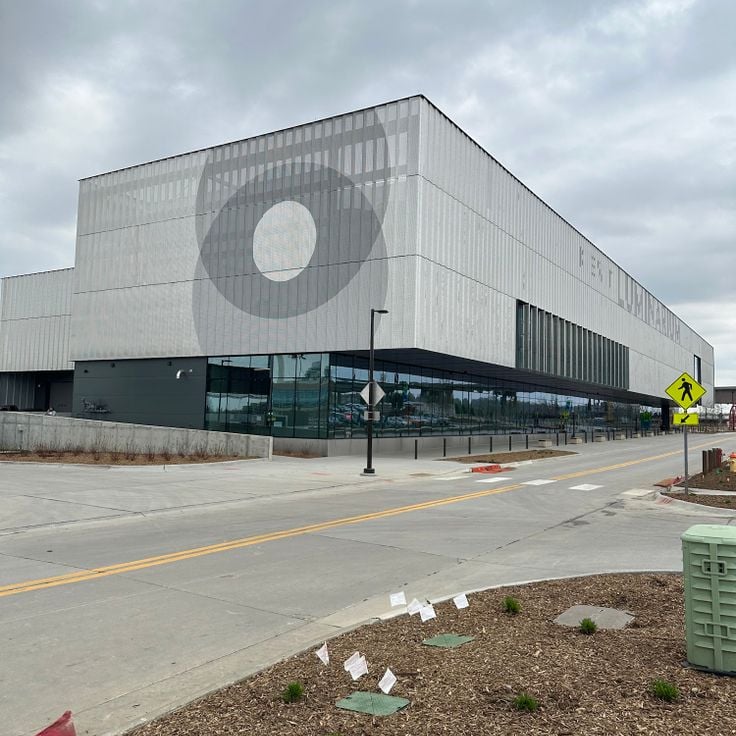
The Kiewit Luminarium in Omaha is a science discovery center with over 100 hands-on installations. You can manipulate experiments to learn about physics, mathematics, and technology. The facility encourages active learning as you explore scientific principles through direct engagement and experimentation.
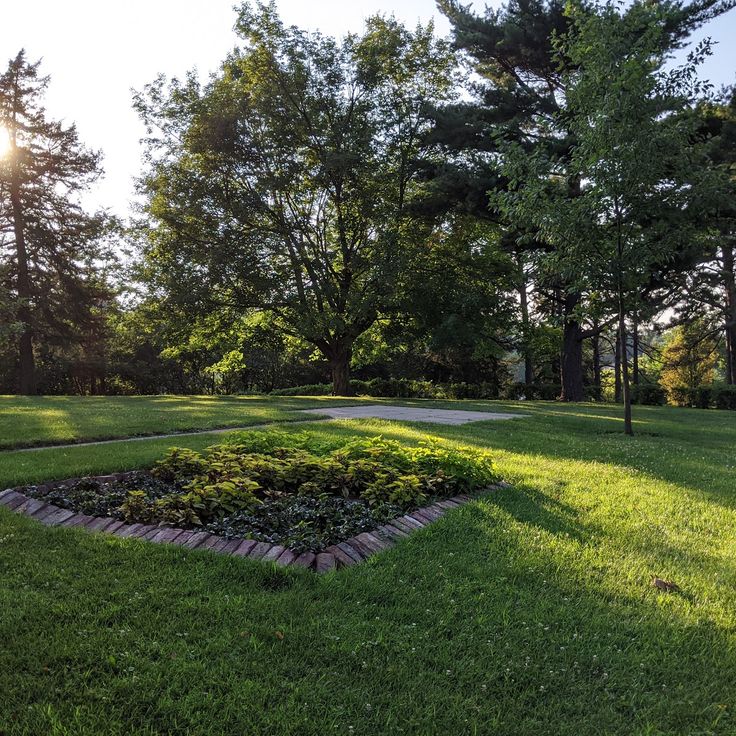
Mount Vernon Gardens in Omaha is a public park where seasonal flower beds display color throughout the year. Mature trees provide shade along the paths, and benches are scattered throughout for visitors to rest. It is a place where you can walk at your own pace and enjoy the quiet surroundings.
The Great Plains Museum in Omaha documents the history of African American communities in the Midwest from the 19th century to today. Through documents, photographs, and objects, this museum tells the stories of the experiences, struggles, and contributions of these communities. It offers a window into the lives and culture of people who shaped this region.
The Burlington Station in Omaha is a railroad building from 1898, constructed with white limestone. The structure stands out for its large central clock and decorated ceilings. The station shows the architecture of a time when railroads were the backbone of American transportation. Visitors can admire the craftsmanship of the stonework and the details of the interior, which speak to the importance of this place in Omaha's history.
The Scottish Rite Temple in Omaha is a Masonic building built in 1914. The structure stands out with its pink granite columns and houses impressive ceremonial rooms. Inside, a theater with 800 seats hosts various events and gatherings. The temple showcases the craftsmanship of early 20th-century architecture and reflects the importance of Freemasonry in Omaha's history.
Trinity Church in Omaha is an Episcopal cathedral built in 1883. It features external flying buttresses, colorful stained glass windows, and a vaulted ceiling made of oak wood. The building shows the religious architecture of that era and welcomes visitors to explore its crafted details.
Fontenelle Forest is a natural area in Omaha where visitors can walk on trails through wooded landscapes. The forest offers a bird observation center where you can watch native species in their habitat. Educational programs run regularly, making it a place where you can learn about the local ecosystem and spend time outdoors.
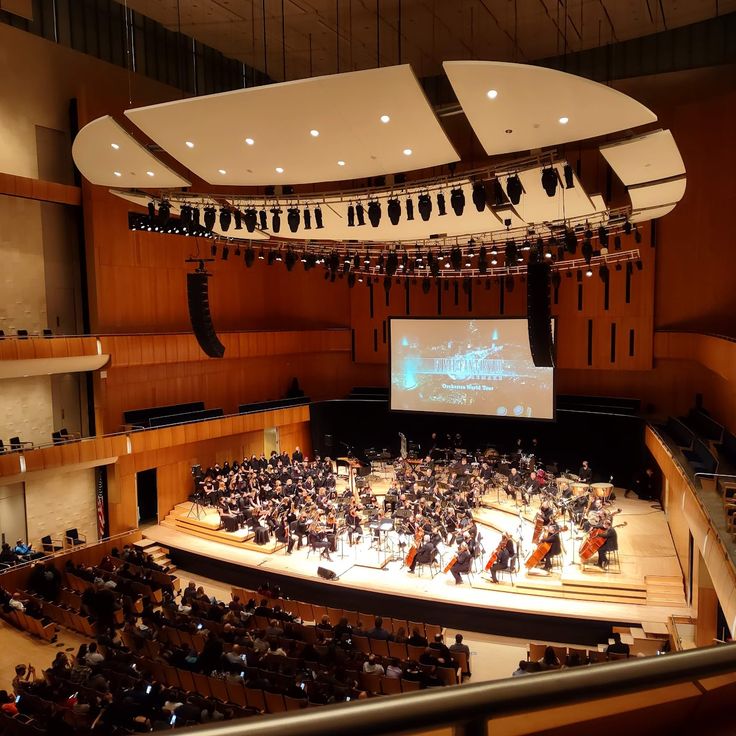
The Holland Center for the Performing Arts is a modern venue in Omaha built in 2005 with 2000 seats. Orchestras, musical groups, and dance companies perform here regularly. This center is part of Omaha's cultural offerings alongside attractions like the Joslyn Art Museum and Henry Doorly Zoo. Visitors find a varied program of theater productions and musical performances at this hall.
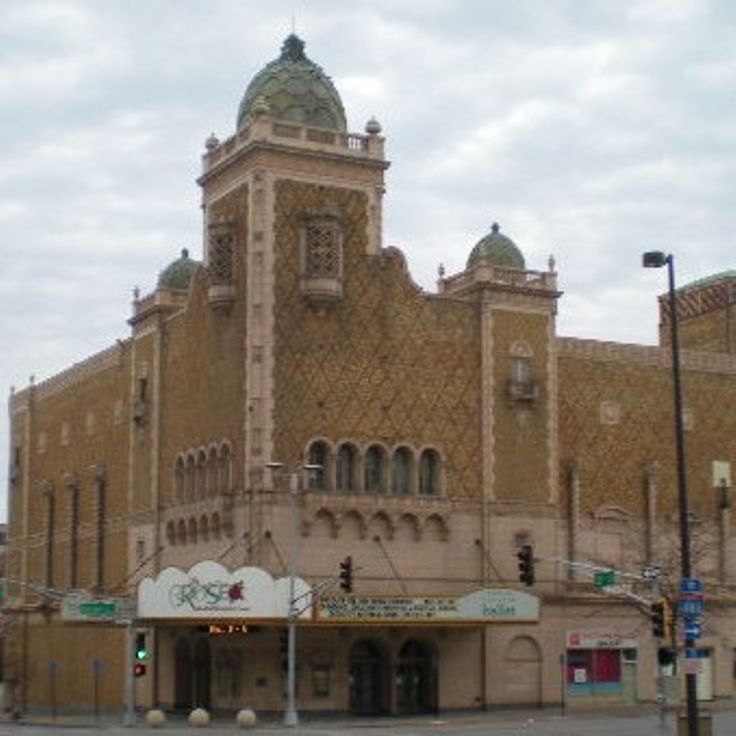
Built in 1927, the Rose Theatre is a 900-seat venue dedicated to children's theater, puppet shows, and musicals. It provides a warm setting where young audiences can watch stories unfold on stage. This theater remains an important part of Omaha's cultural life, inviting families to experience performances that spark imagination and joy.
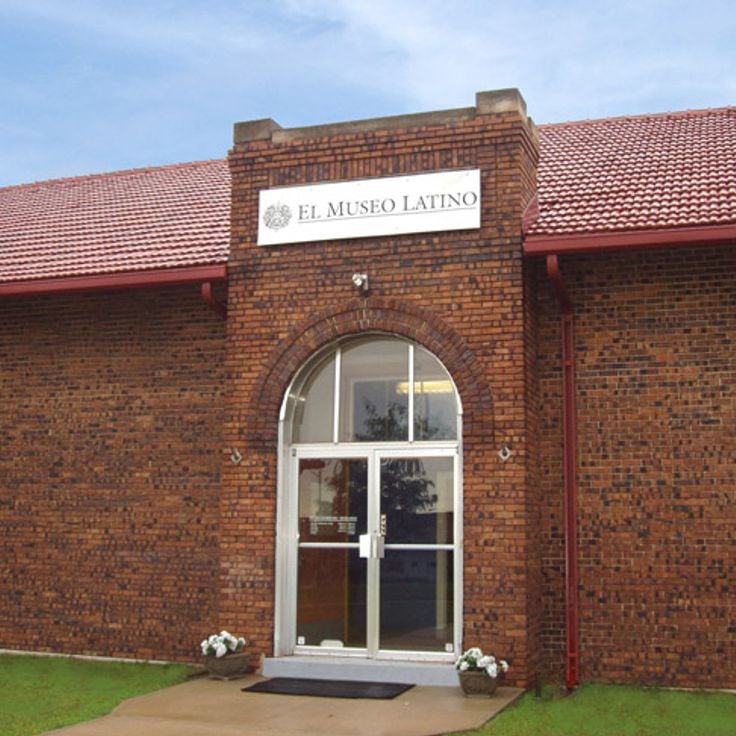
El Latino Museum in Omaha tells the story of Latin American culture and tradition in the Midwest. Founded in 1993, the museum displays paintings, sculptures, and artifacts that reflect the history and life of Latin American communities in this region. The exhibitions offer insights into the diverse artistic expressions and crafts that come from Latin America and how they have shaped the cultural landscape of Nebraska.
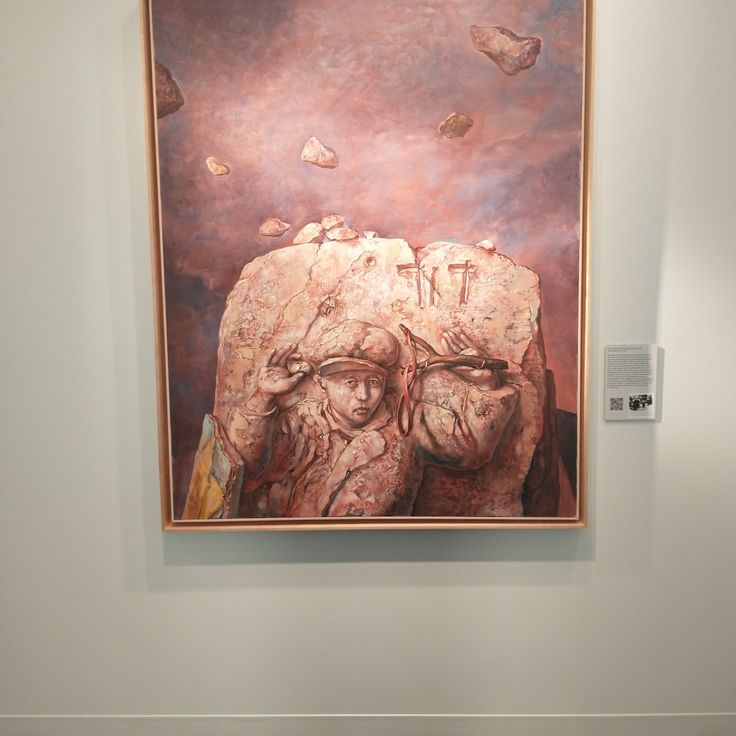
The Samuel Bak Museum in Omaha displays over 500 paintings and drawings by artist Samuel Bak exploring themes of the Second World War. Opened in 2021, this museum provides a space to discover the artistic vision of a painter who lived through this historical period. The collection allows visitors to see how one artist responded to and interpreted the events of that era. The museum adds to Omaha's cultural offerings alongside other museums and art spaces in the city.
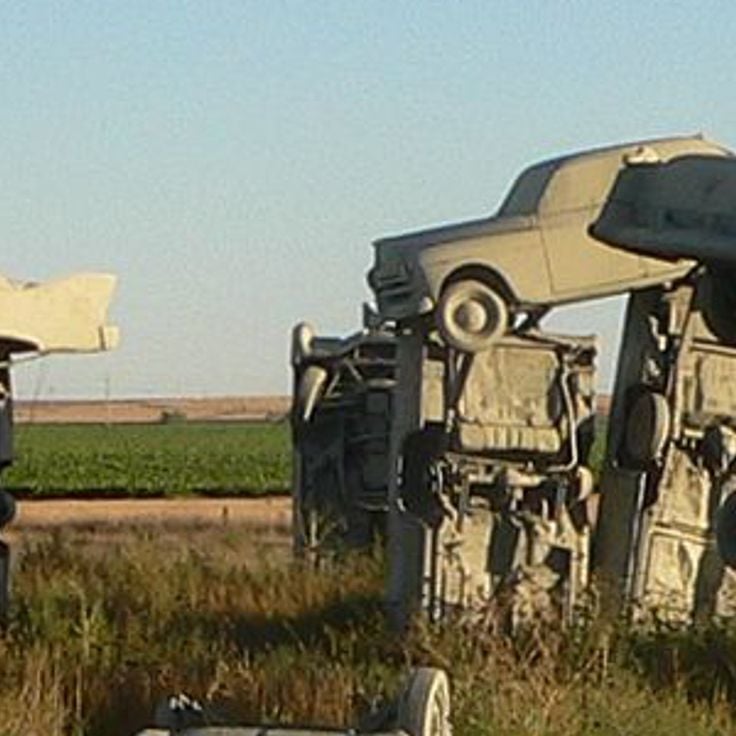
Carhenge in Alliance is an outdoor art installation made from 39 vintage automobiles arranged in a circular formation and painted gray. Created in the 1980s, this structure sits on the Nebraska plains and draws visitors curious about unconventional art. The circle measures about 95 feet (29 meters) across and resembles the famous stone monument, but built with cars instead. People come to walk around it, take photographs, and experience this quirky creation that breaks up the flat landscape.
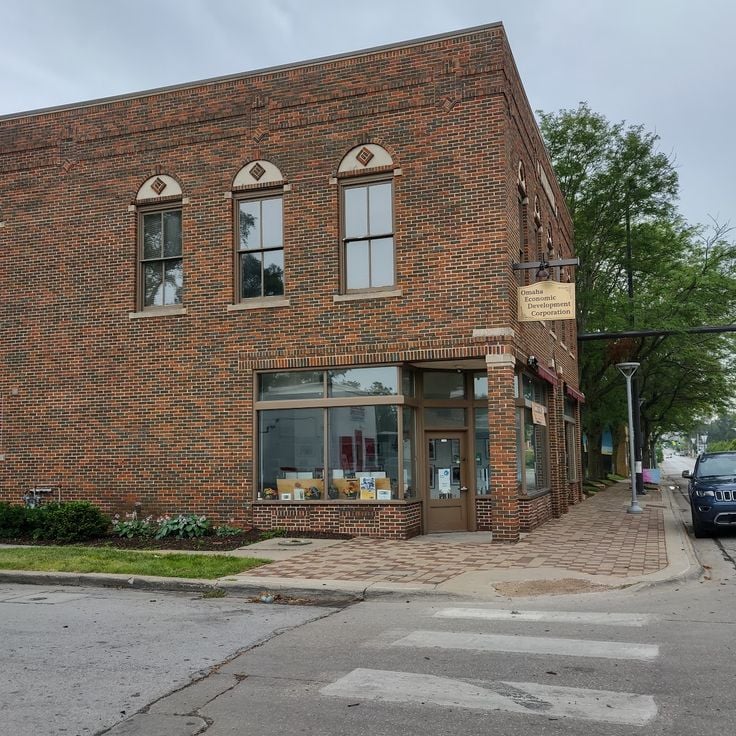
The Vieux Marché in Omaha is a commercial and cultural center housed in renovated 19th century warehouses. Cobblestone streets wind between galleries, shops, and restaurants that reflect the character of an earlier era. The narrow alleyways invite visitors to walk and explore at a slow pace, offering a sense of how life unfolded in Omaha generations ago. Here, history and contemporary activity exist side by side.
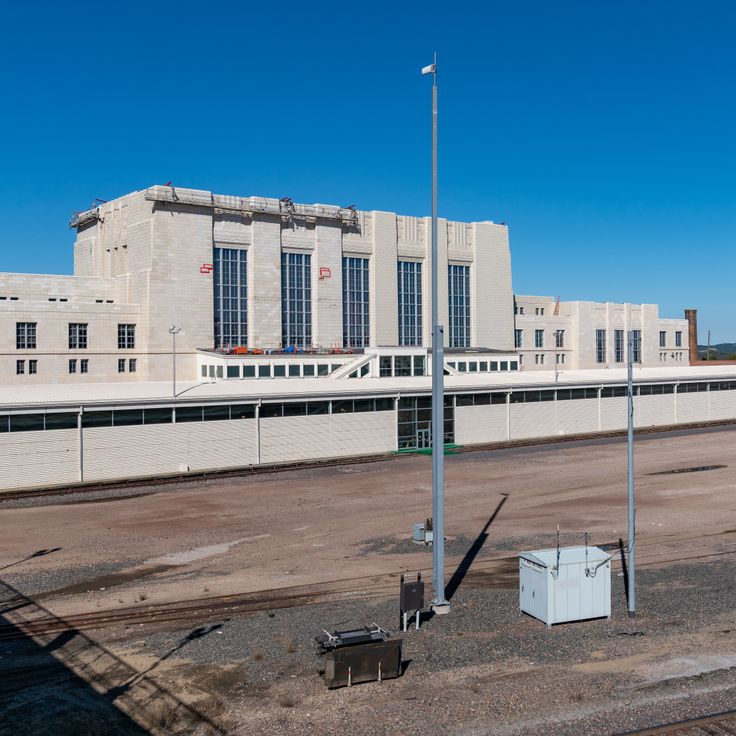
Located in a 1931 train station in Omaha, the Durham Museum displays exhibits about Nebraska's history and railroad heritage. The museum connects the state's past with the story of rail transportation, offering visitors a look into how trains shaped the region's development.
Henry Doorly Zoo spans 52 hectares and houses around 17000 animals from over 900 species. The zoo is known for recreating natural habitats where visitors can observe animals in settings that closely resemble their native environments. Walking through the grounds, you encounter different regions - from savannas to rainforests - each designed to reflect the ecosystems where these animals live. The zoo combines education with animal care, giving visitors a sense of the world's biological diversity. Families and nature lovers find here a place to connect with wildlife and learn about conservation.
The Bob Kerrey Pedestrian Bridge in Omaha is a 915-meter span that connects Nebraska to Iowa across the Missouri River. Built for pedestrians and cyclists, this bridge offers views of the river and the surrounding landscape. It is a popular spot for walking and cycling, especially on pleasant days. The bridge represents the connection between the two states and their shared history. From here, you can see how the landscape changes along the river's banks.
The Sunken Gardens in Omaha are a green space carved beneath the city center. You will find sculptures, lawns, fountains, and areas planted with seasonal flowers and plants. It is a place to walk through and rest, where art and nature come together in this underground setting.
The Joslyn Art Museum in Omaha occupies a striking Art Deco building constructed in 1931. Inside, you will find European and American artworks spanning the 19th and 20th centuries. The collection includes paintings, sculptures, and other artistic forms from different periods and creators. The building itself is an architectural achievement that complements the art displayed within.
The Nebraska State Capitol is a government building in Lincoln constructed between 1922 and 1932. It features a striking central tower standing 120 meters (394 feet) tall and houses the three branches of state government. The building reflects the architectural style of its era and stands as a symbol of Nebraska's state administration.
The Great Platte River Road Archway Monument in Kearney stands above Interstate 80 and tells the story of westward migration in America. Through exhibits and reconstructions, this monument shows how pioneers and settlers traveled through this region. Visitors can learn about the experiences of these travelers and understand the role this location played in American settlement history. The monument provides insight into the different routes and paths people used during the 1800s to reach the West.
The Golden Spike Tower in North Platte is an observation tower that lets visitors look out over one of the world's largest railroad classification yards. The tower houses an interpretation center that tells the story of railroads and their role in shaping the American West. From the top, you can watch the complex network of tracks and the daily work of a modern rail yard.
The Omaha Children's Museum is an educational center where children learn through hands-on exploration and interactive exhibits. Young visitors discover concepts in science, technology, and the arts by touching, building, and experimenting. The museum creates spaces where kids can follow their own curiosity and learn naturally through play.
Pioneer Courage Park in Omaha features life-size bronze sculptures depicting a pioneer caravan crossing the Nebraska plains during the 19th century. These sculptures tell the story of the travelers who journeyed westward through this region. The park provides a place to walk and reflect on the pioneers who passed through these lands.
Charles Schwab Terrain is a modern baseball stadium in Omaha's business district with a capacity of about 24,000 seats. The stadium hosts national college baseball tournaments and draws sports fans from across the region. The facility shows the city's commitment to athletics and offers a place where visitors can watch baseball games live. With its central location, the stadium connects the energy of sports with proximity to other Omaha attractions.
Fort Robinson State Park is a former military post spanning 9000 hectares that has been transformed into a natural park. The site preserves 19th century army buildings and features hiking trails throughout the grounds. Visitors can walk among the historic structures and experience the Nebraska landscape on foot.
The Strategic Air and Space Museum in Ashland displays 30 military aircraft, ballistic missiles, and space capsules. This educational center lets visitors explore the history of aviation and space exploration through its collections. The museum also features planetarium shows that help explain the science behind space travel and celestial objects.
Chimney Rock near Bayard is a natural sandstone and clay pillar rising about 146 meters above the landscape. This landmark played a vital role in guiding travelers westward during the 19th century. Pioneers spotted this distinctive formation from great distances and used it to navigate along the trails. The rock tells a story of millions of years of geological change and remains a powerful connection to the region's past.
The Haymarket district in Lincoln is a former commercial hub with buildings from the 1880s that now house shops and cafes. This historic area shows how Lincoln developed as a trading center and gives visitors a window into the architecture and daily life of earlier decades. The streets retain the look of a typical American commercial town from the 19th century.
Scotts Bluff National Monument is a striking geological formation in Nebraska that rises 240 meters (787 feet) above the surrounding landscape. This landmark reveals the natural history of the region over millions of years. Visitors can use hiking trails to explore the formation and see views across the wide plains from the top. An interpretive center at the site tells the stories of pioneers who passed through this area in the 19th century. The monument brings together natural history with the stories of the people who traveled through this land.
Indian Cave State Park is a large natural area along the Missouri River featuring rock carvings made by Native Americans long ago. The park covers extensive woodlands and provides walking trails and recreational spaces by the water. The caves with their historical carvings tell stories about the region's past and draw visitors interested in early history. This is a place where nature and human history meet.
RiverFront in Omaha is a large area along the Missouri River that brings together green spaces, pathways, and public gathering spots. Here you will find the Gene Leahy Mall with its open lawns, the Heartland of America Park featuring lakes and plantings, and the Lewis and Clark Landing, which tells the story of the famous expedition. The grounds invite walking, biking, and relaxing while enjoying views of the river and city skyline.
Heartland of America Park in Omaha is a public waterfront space where fountains and pedestrian bridges create inviting paths for walking. The park features an illuminated central fountain and paved walkways that encourage visitors to linger. This location offers a quiet refuge within the city and reflects Omaha's commitment to green spaces where both visitors and residents can find rest and enjoyment.
The Kiewit Luminarium in Omaha is a science discovery center with over 100 hands-on installations. You can manipulate experiments to learn about physics, mathematics, and technology. The facility encourages active learning as you explore scientific principles through direct engagement and experimentation.
Mount Vernon Gardens in Omaha is a public park where seasonal flower beds display color throughout the year. Mature trees provide shade along the paths, and benches are scattered throughout for visitors to rest. It is a place where you can walk at your own pace and enjoy the quiet surroundings.
The Great Plains Museum in Omaha documents the history of African American communities in the Midwest from the 19th century to today. Through documents, photographs, and objects, this museum tells the stories of the experiences, struggles, and contributions of these communities. It offers a window into the lives and culture of people who shaped this region.
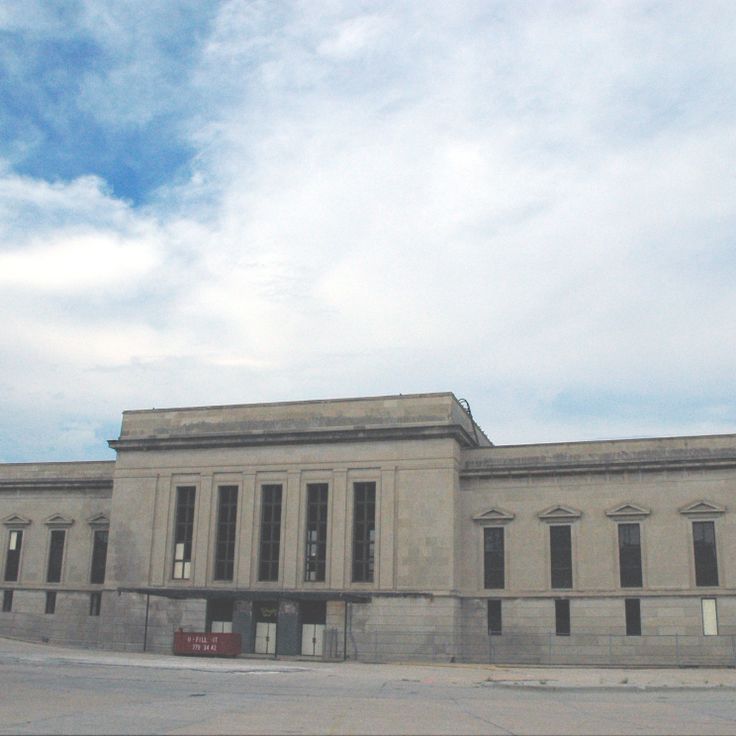
The Burlington Station in Omaha is a railroad building from 1898, constructed with white limestone. The structure stands out for its large central clock and decorated ceilings. The station shows the architecture of a time when railroads were the backbone of American transportation. Visitors can admire the craftsmanship of the stonework and the details of the interior, which speak to the importance of this place in Omaha's history.
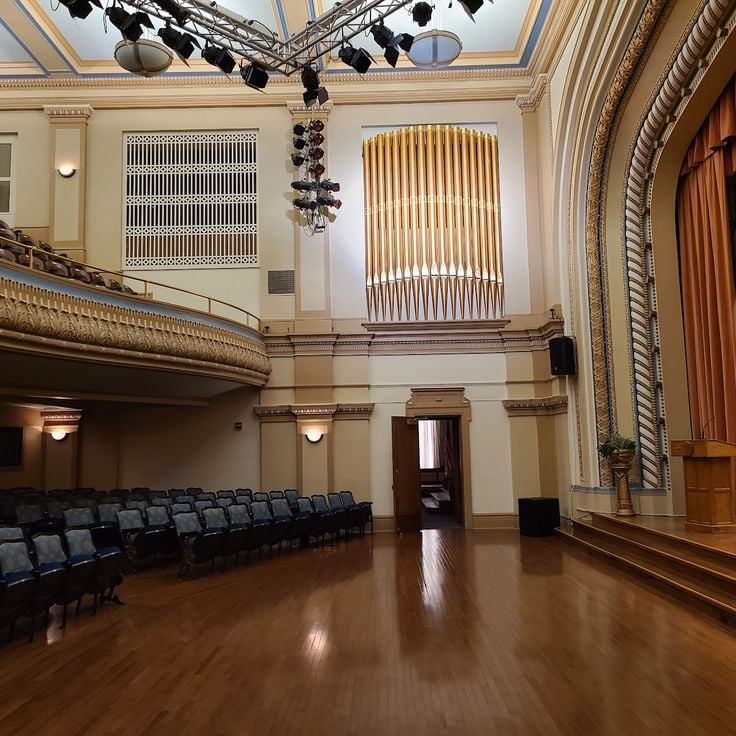
The Scottish Rite Temple in Omaha is a Masonic building built in 1914. The structure stands out with its pink granite columns and houses impressive ceremonial rooms. Inside, a theater with 800 seats hosts various events and gatherings. The temple showcases the craftsmanship of early 20th-century architecture and reflects the importance of Freemasonry in Omaha's history.
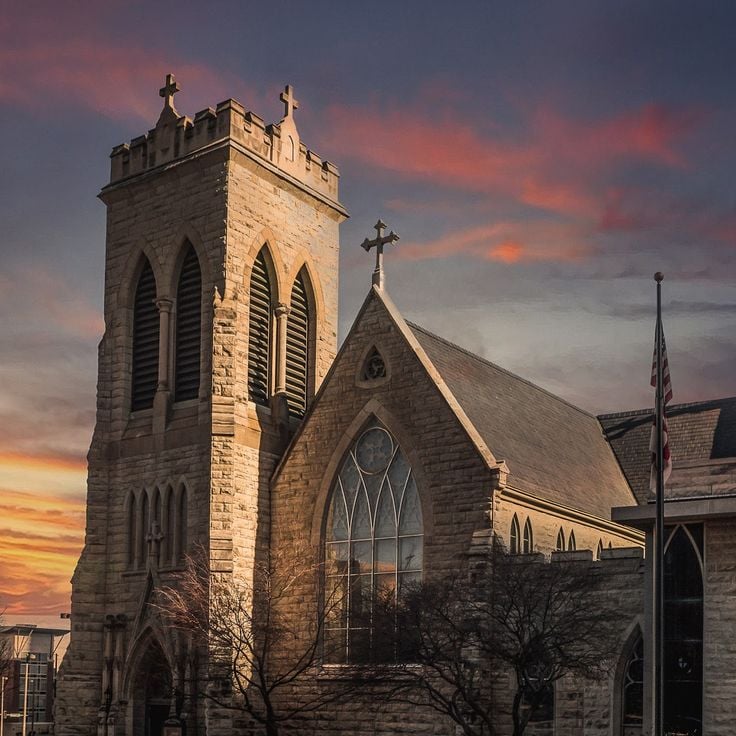
Trinity Church in Omaha is an Episcopal cathedral built in 1883. It features external flying buttresses, colorful stained glass windows, and a vaulted ceiling made of oak wood. The building shows the religious architecture of that era and welcomes visitors to explore its crafted details.
Fontenelle Forest is a natural area in Omaha where visitors can walk on trails through wooded landscapes. The forest offers a bird observation center where you can watch native species in their habitat. Educational programs run regularly, making it a place where you can learn about the local ecosystem and spend time outdoors.
The Holland Center for the Performing Arts is a modern venue in Omaha built in 2005 with 2000 seats. Orchestras, musical groups, and dance companies perform here regularly. This center is part of Omaha's cultural offerings alongside attractions like the Joslyn Art Museum and Henry Doorly Zoo. Visitors find a varied program of theater productions and musical performances at this hall.
Built in 1927, the Rose Theatre is a 900-seat venue dedicated to children's theater, puppet shows, and musicals. It provides a warm setting where young audiences can watch stories unfold on stage. This theater remains an important part of Omaha's cultural life, inviting families to experience performances that spark imagination and joy.
El Latino Museum in Omaha tells the story of Latin American culture and tradition in the Midwest. Founded in 1993, the museum displays paintings, sculptures, and artifacts that reflect the history and life of Latin American communities in this region. The exhibitions offer insights into the diverse artistic expressions and crafts that come from Latin America and how they have shaped the cultural landscape of Nebraska.
The Samuel Bak Museum in Omaha displays over 500 paintings and drawings by artist Samuel Bak exploring themes of the Second World War. Opened in 2021, this museum provides a space to discover the artistic vision of a painter who lived through this historical period. The collection allows visitors to see how one artist responded to and interpreted the events of that era. The museum adds to Omaha's cultural offerings alongside other museums and art spaces in the city.
Carhenge in Alliance is an outdoor art installation made from 39 vintage automobiles arranged in a circular formation and painted gray. Created in the 1980s, this structure sits on the Nebraska plains and draws visitors curious about unconventional art. The circle measures about 95 feet (29 meters) across and resembles the famous stone monument, but built with cars instead. People come to walk around it, take photographs, and experience this quirky creation that breaks up the flat landscape.
The Vieux Marché in Omaha is a commercial and cultural center housed in renovated 19th century warehouses. Cobblestone streets wind between galleries, shops, and restaurants that reflect the character of an earlier era. The narrow alleyways invite visitors to walk and explore at a slow pace, offering a sense of how life unfolded in Omaha generations ago. Here, history and contemporary activity exist side by side.
Located in a 1931 train station in Omaha, the Durham Museum displays exhibits about Nebraska's history and railroad heritage. The museum connects the state's past with the story of rail transportation, offering visitors a look into how trains shaped the region's development.
Henry Doorly Zoo spans 52 hectares and houses around 17000 animals from over 900 species. The zoo is known for recreating natural habitats where visitors can observe animals in settings that closely resemble their native environments. Walking through the grounds, you encounter different regions - from savannas to rainforests - each designed to reflect the ecosystems where these animals live. The zoo combines education with animal care, giving visitors a sense of the world's biological diversity. Families and nature lovers find here a place to connect with wildlife and learn about conservation.
The Bob Kerrey Pedestrian Bridge in Omaha is a 915-meter span that connects Nebraska to Iowa across the Missouri River. Built for pedestrians and cyclists, this bridge offers views of the river and the surrounding landscape. It is a popular spot for walking and cycling, especially on pleasant days. The bridge represents the connection between the two states and their shared history. From here, you can see how the landscape changes along the river's banks.
The Sunken Gardens in Omaha are a green space carved beneath the city center. You will find sculptures, lawns, fountains, and areas planted with seasonal flowers and plants. It is a place to walk through and rest, where art and nature come together in this underground setting.
The Joslyn Art Museum in Omaha occupies a striking Art Deco building constructed in 1931. Inside, you will find European and American artworks spanning the 19th and 20th centuries. The collection includes paintings, sculptures, and other artistic forms from different periods and creators. The building itself is an architectural achievement that complements the art displayed within.
The Nebraska State Capitol is a government building in Lincoln constructed between 1922 and 1932. It features a striking central tower standing 120 meters (394 feet) tall and houses the three branches of state government. The building reflects the architectural style of its era and stands as a symbol of Nebraska's state administration.
The Great Platte River Road Archway Monument in Kearney stands above Interstate 80 and tells the story of westward migration in America. Through exhibits and reconstructions, this monument shows how pioneers and settlers traveled through this region. Visitors can learn about the experiences of these travelers and understand the role this location played in American settlement history. The monument provides insight into the different routes and paths people used during the 1800s to reach the West.
The Golden Spike Tower in North Platte is an observation tower that lets visitors look out over one of the world's largest railroad classification yards. The tower houses an interpretation center that tells the story of railroads and their role in shaping the American West. From the top, you can watch the complex network of tracks and the daily work of a modern rail yard.
The Omaha Children's Museum is an educational center where children learn through hands-on exploration and interactive exhibits. Young visitors discover concepts in science, technology, and the arts by touching, building, and experimenting. The museum creates spaces where kids can follow their own curiosity and learn naturally through play.
Pioneer Courage Park in Omaha features life-size bronze sculptures depicting a pioneer caravan crossing the Nebraska plains during the 19th century. These sculptures tell the story of the travelers who journeyed westward through this region. The park provides a place to walk and reflect on the pioneers who passed through these lands.
Charles Schwab Terrain is a modern baseball stadium in Omaha's business district with a capacity of about 24,000 seats. The stadium hosts national college baseball tournaments and draws sports fans from across the region. The facility shows the city's commitment to athletics and offers a place where visitors can watch baseball games live. With its central location, the stadium connects the energy of sports with proximity to other Omaha attractions.
Fort Robinson State Park is a former military post spanning 9000 hectares that has been transformed into a natural park. The site preserves 19th century army buildings and features hiking trails throughout the grounds. Visitors can walk among the historic structures and experience the Nebraska landscape on foot.
The Strategic Air and Space Museum in Ashland displays 30 military aircraft, ballistic missiles, and space capsules. This educational center lets visitors explore the history of aviation and space exploration through its collections. The museum also features planetarium shows that help explain the science behind space travel and celestial objects.
Chimney Rock near Bayard is a natural sandstone and clay pillar rising about 146 meters above the landscape. This landmark played a vital role in guiding travelers westward during the 19th century. Pioneers spotted this distinctive formation from great distances and used it to navigate along the trails. The rock tells a story of millions of years of geological change and remains a powerful connection to the region's past.
The Haymarket district in Lincoln is a former commercial hub with buildings from the 1880s that now house shops and cafes. This historic area shows how Lincoln developed as a trading center and gives visitors a window into the architecture and daily life of earlier decades. The streets retain the look of a typical American commercial town from the 19th century.
Scotts Bluff National Monument is a striking geological formation in Nebraska that rises 240 meters (787 feet) above the surrounding landscape. This landmark reveals the natural history of the region over millions of years. Visitors can use hiking trails to explore the formation and see views across the wide plains from the top. An interpretive center at the site tells the stories of pioneers who passed through this area in the 19th century. The monument brings together natural history with the stories of the people who traveled through this land.
Indian Cave State Park is a large natural area along the Missouri River featuring rock carvings made by Native Americans long ago. The park covers extensive woodlands and provides walking trails and recreational spaces by the water. The caves with their historical carvings tell stories about the region's past and draw visitors interested in early history. This is a place where nature and human history meet.
RiverFront in Omaha is a large area along the Missouri River that brings together green spaces, pathways, and public gathering spots. Here you will find the Gene Leahy Mall with its open lawns, the Heartland of America Park featuring lakes and plantings, and the Lewis and Clark Landing, which tells the story of the famous expedition. The grounds invite walking, biking, and relaxing while enjoying views of the river and city skyline.
Heartland of America Park in Omaha is a public waterfront space where fountains and pedestrian bridges create inviting paths for walking. The park features an illuminated central fountain and paved walkways that encourage visitors to linger. This location offers a quiet refuge within the city and reflects Omaha's commitment to green spaces where both visitors and residents can find rest and enjoyment.
The Kiewit Luminarium in Omaha is a science discovery center with over 100 hands-on installations. You can manipulate experiments to learn about physics, mathematics, and technology. The facility encourages active learning as you explore scientific principles through direct engagement and experimentation.
Mount Vernon Gardens in Omaha is a public park where seasonal flower beds display color throughout the year. Mature trees provide shade along the paths, and benches are scattered throughout for visitors to rest. It is a place where you can walk at your own pace and enjoy the quiet surroundings.
The Great Plains Museum in Omaha documents the history of African American communities in the Midwest from the 19th century to today. Through documents, photographs, and objects, this museum tells the stories of the experiences, struggles, and contributions of these communities. It offers a window into the lives and culture of people who shaped this region.
The Burlington Station in Omaha is a railroad building from 1898, constructed with white limestone. The structure stands out for its large central clock and decorated ceilings. The station shows the architecture of a time when railroads were the backbone of American transportation. Visitors can admire the craftsmanship of the stonework and the details of the interior, which speak to the importance of this place in Omaha's history.
The Scottish Rite Temple in Omaha is a Masonic building built in 1914. The structure stands out with its pink granite columns and houses impressive ceremonial rooms. Inside, a theater with 800 seats hosts various events and gatherings. The temple showcases the craftsmanship of early 20th-century architecture and reflects the importance of Freemasonry in Omaha's history.
Trinity Church in Omaha is an Episcopal cathedral built in 1883. It features external flying buttresses, colorful stained glass windows, and a vaulted ceiling made of oak wood. The building shows the religious architecture of that era and welcomes visitors to explore its crafted details.
Fontenelle Forest is a natural area in Omaha where visitors can walk on trails through wooded landscapes. The forest offers a bird observation center where you can watch native species in their habitat. Educational programs run regularly, making it a place where you can learn about the local ecosystem and spend time outdoors.
The Holland Center for the Performing Arts is a modern venue in Omaha built in 2005 with 2000 seats. Orchestras, musical groups, and dance companies perform here regularly. This center is part of Omaha's cultural offerings alongside attractions like the Joslyn Art Museum and Henry Doorly Zoo. Visitors find a varied program of theater productions and musical performances at this hall.
Built in 1927, the Rose Theatre is a 900-seat venue dedicated to children's theater, puppet shows, and musicals. It provides a warm setting where young audiences can watch stories unfold on stage. This theater remains an important part of Omaha's cultural life, inviting families to experience performances that spark imagination and joy.
El Latino Museum in Omaha tells the story of Latin American culture and tradition in the Midwest. Founded in 1993, the museum displays paintings, sculptures, and artifacts that reflect the history and life of Latin American communities in this region. The exhibitions offer insights into the diverse artistic expressions and crafts that come from Latin America and how they have shaped the cultural landscape of Nebraska.
The Samuel Bak Museum in Omaha displays over 500 paintings and drawings by artist Samuel Bak exploring themes of the Second World War. Opened in 2021, this museum provides a space to discover the artistic vision of a painter who lived through this historical period. The collection allows visitors to see how one artist responded to and interpreted the events of that era. The museum adds to Omaha's cultural offerings alongside other museums and art spaces in the city.