See the monuments around you in AROpen chests in the app
Around Us is built for your phone — point your camera at the streets and discover the monuments and places around you in augmented reality.Around Us is built for your phone — chests unlock when you walk, explore and capture nearby places.
Liberia sits on the West African coast, a country of dense rainforests, old mountains, and places that tell the story of its particular past. Visitors find national parks like Sapo and Gola, where chimpanzees and rare birds live in forests largely untouched by roads. Mount Wuteve and the Nimba Mountains offer walks through green landscapes, while waterfalls like Kpatawee drop into the forest shade. Along the coast, beaches like Ce Ce Beach and the surfer town of Robertsport with its old Cape Mount Lighthouse draw people looking for waves and quiet. Lakes such as Lake Piso and Blue Lake show the country's calmer side. In the capital Monrovia, Providence Island and the National Museum recall the founding of Liberia by freed slaves from America. The crumbling Ducor Hotel rises above the city, a reminder of boom and decline. Religious buildings like the Sacred Heart Cathedral and the Central Mosque of Matadi reflect the mix of faiths in the country. Markets like Waterside buzz with trade and conversation, while art studios like Nyamee show local creativity at work.
Liberia sits on the West African coast, a country of dense rainforests, old mountains, and places that tell the story of its particular past. Visitors find national parks like Sapo and Gola, where chimpanzees and rare birds live in forests largely untouched by roads. Mount Wuteve and the Nimba Mountains offer walks through green landscapes, while waterfalls like Kpatawee drop into the forest shade. Along the coast, beaches like Ce Ce Beach and the surfer town of Robertsport with its old Cape Mount Lighthouse draw people looking for waves and quiet. Lakes such as Lake Piso and Blue Lake show the country's calmer side. In the capital Monrovia, Providence Island and the National Museum recall the founding of Liberia by freed slaves from America. The crumbling Ducor Hotel rises above the city, a reminder of boom and decline. Religious buildings like the Sacred Heart Cathedral and the Central Mosque of Matadi reflect the mix of faiths in the country. Markets like Waterside buzz with trade and conversation, while art studios like Nyamee show local creativity at work.
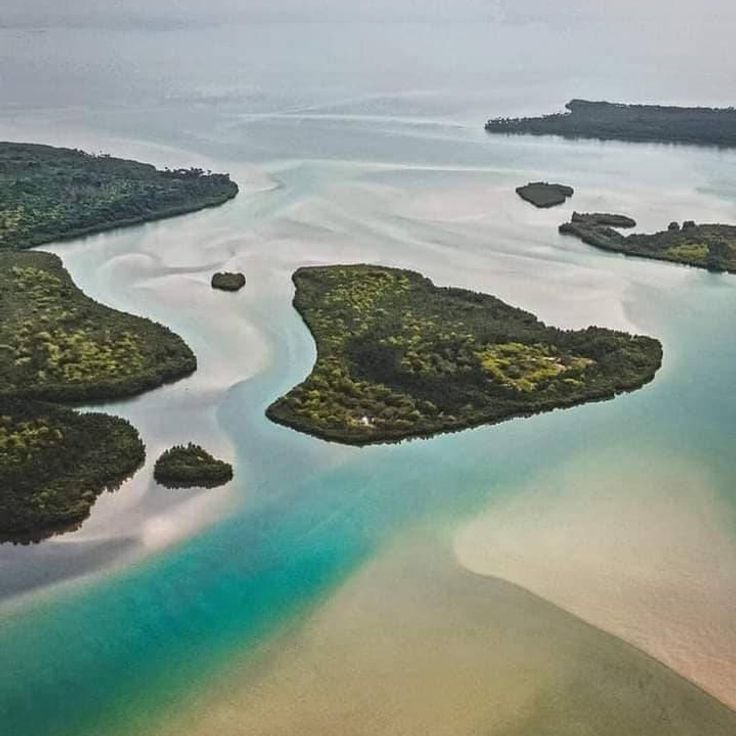
This lake lies close to the Atlantic coast and forms one of the larger lagoons in the area. The brackish water supports fish populations and attracts migratory birds during seasonal movements. Fishermen live along the shores and the landscape mixes open water with stretches of mangrove. The lake is accessible by unpaved roads and remains a quiet spot away from the usual routes through Liberia.
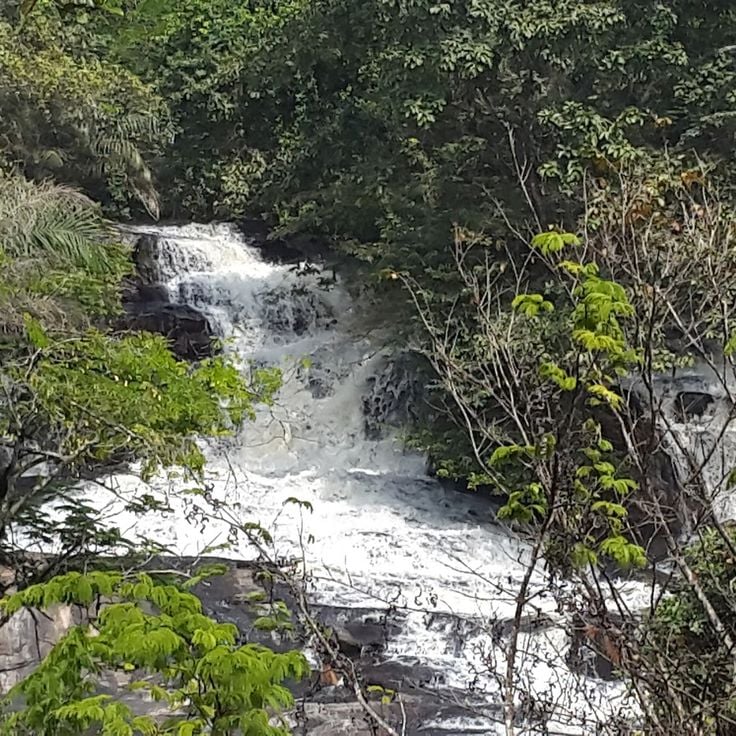
This waterfall in the Liberian rainforest drops about 100 meters over three levels. The Kpatawee Waterfall sits away from most travel routes and shows a side of Liberia that few visitors know. The path leads through thick forest, where the ground is often wet and slippery. Water falls over rock slabs covered with moss and ferns. During the dry season the stream narrows, but in the rainy months it swells and the fall grows louder. At the base the water gathers in a shallow pool before flowing onward.
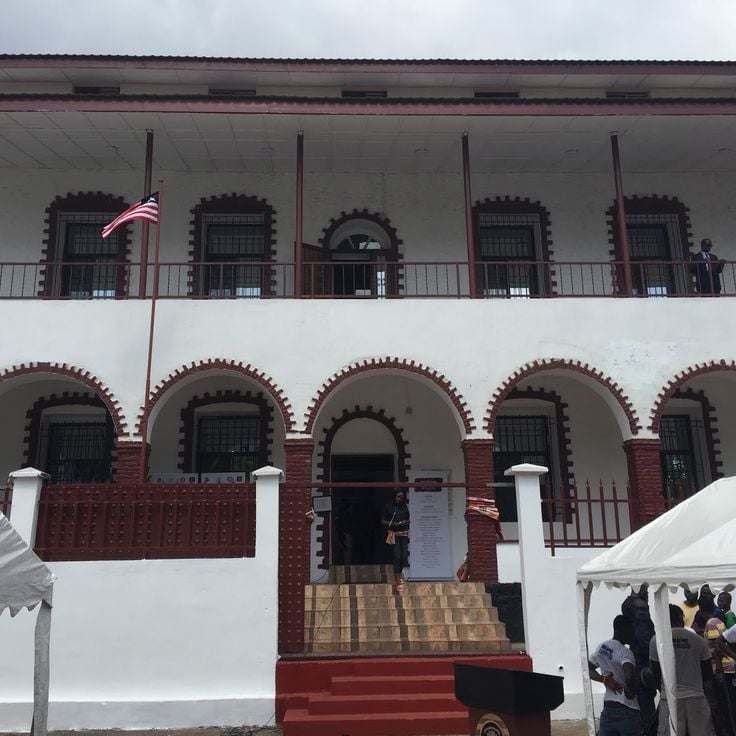
The National Museum of Liberia holds objects that span different periods of the country's history. Here you will find traditional tools, masks from various regions, and documents that record events since the founding of the state in 1847. The collections offer insight into local craftsmanship, religious practices, and historical turning points. Located in Monrovia, this museum serves as a place where visitors can learn more about Liberia's development and the diversity of its communities.
Gola National Park protects dense rainforest where elephants, chimpanzees, and more than 200 species of birds live. Green vegetation covers gentle hills and low valleys. Narrow trails wind through thick growth where leaves rustle and distant animal calls echo. Morning mist hangs between the trees, and the air smells of damp earth. Local guides know the hidden paths and explain the signs of the forest. This park offers a chance to experience an intact rainforest landscape where wild animals still roam freely through their natural habitat.
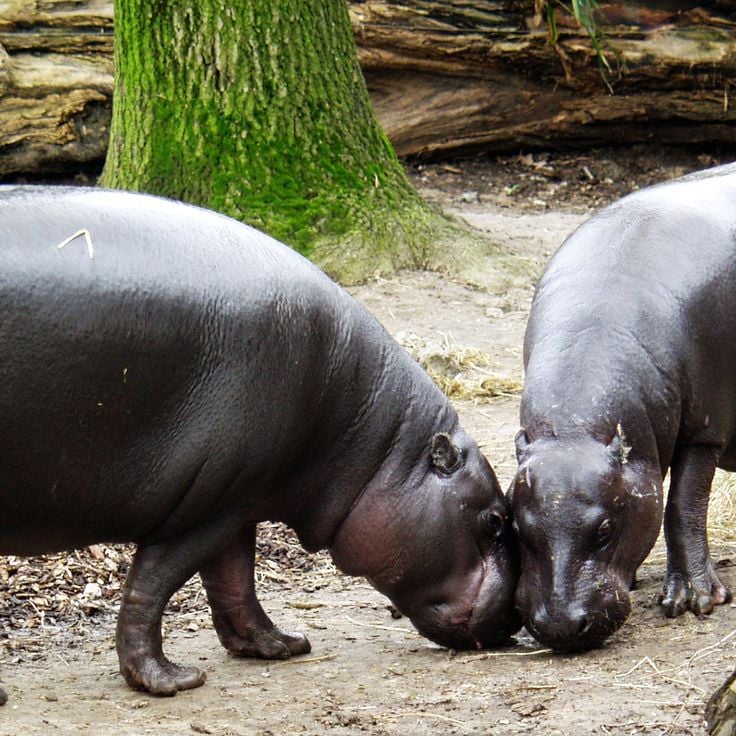
Sapo National Park protects dense rainforest where elephants, pygmy hippos, and chimpanzees move through thick vegetation. Narrow trails wind beneath tall trees, and birdsong echoes from the canopy above. Humidity hangs over the forest floor while rivers cut through the undergrowth. Visitors walk carefully, often with guides who read animal tracks and watch for movement in the branches. This park preserves one of the last large forest areas in West Africa, offering glimpses into ecosystems that have become rare elsewhere in the region.
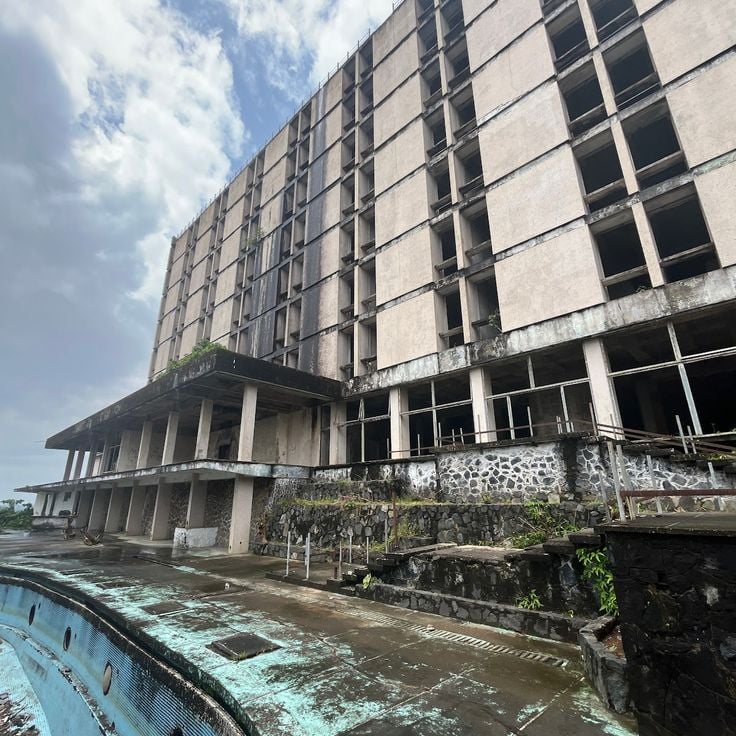
The Ducor Hotel sits on a hill above Monrovia and stands as a reminder of earlier times. This five-story building opened in 1960 and served as the country's first international hotel. Since the civil war began in 1989, the property has remained empty. Today the abandoned hotel shows the marks of Liberia's history and offers wide views over the city and coastline.
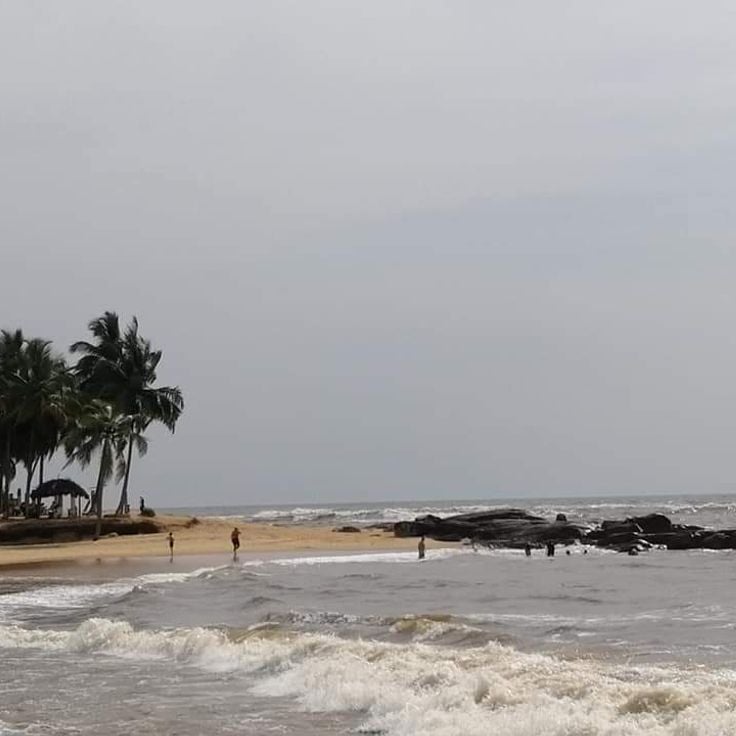
This beach stretches along the Atlantic coast as a sandy shore where local fishermen work daily. During the dry season, the waters become calmer and people come here to swim. Fishing boats rest on the sand, and nets are spread out to dry in the sun. The surrounding area remains natural and undeveloped, with coconut palms growing near the waterline. Visitors find a simple coastal setting without commercial facilities. The rhythm of life here follows the tides and the fishing schedule.
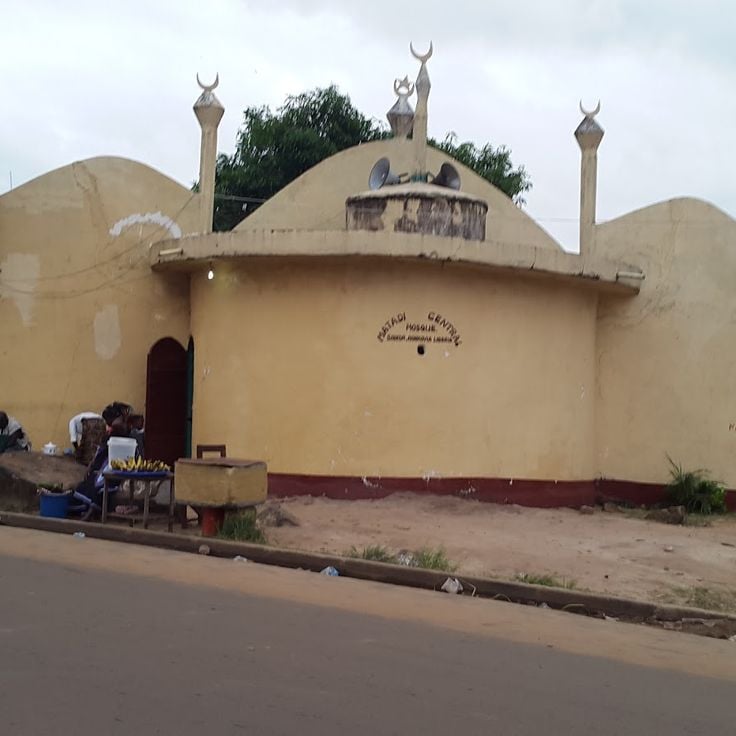
This mosque was built in the 1960s and serves as a gathering place for the Muslim community of Matadi. The prayer hall holds up to 500 people. Five times each day, people come here for prayer. The mosque stands in the heart of the city and is one of the important religious sites in Liberia. Visitors notice the quiet within the walls and the rhythm of daily life shaped by prayer times. The architecture reflects the period when it was built and shows local elements from the region.
This farm opens its doors to visitors and shows the cultivation of local fruits and vegetables. You can observe traditional farming methods still used in Liberia. The fields lie in a quiet rural area where life moves at a slower pace and people remain closely connected to the land. Wulki Farms gives travelers the chance to see everyday agricultural life and understand how food is produced in this region.
This island marks the spot where African-American settlers first arrived in Liberia in 1822 and established a community. Providence Island preserves remains from this founding period, including old structures and historical traces of the first settlement. The island sits off the coast of Monrovia and recalls the beginnings of Liberian history, when freed slaves from the United States came here to start a new life. Visitors can experience the quiet surroundings and learn about the early years of colonization.
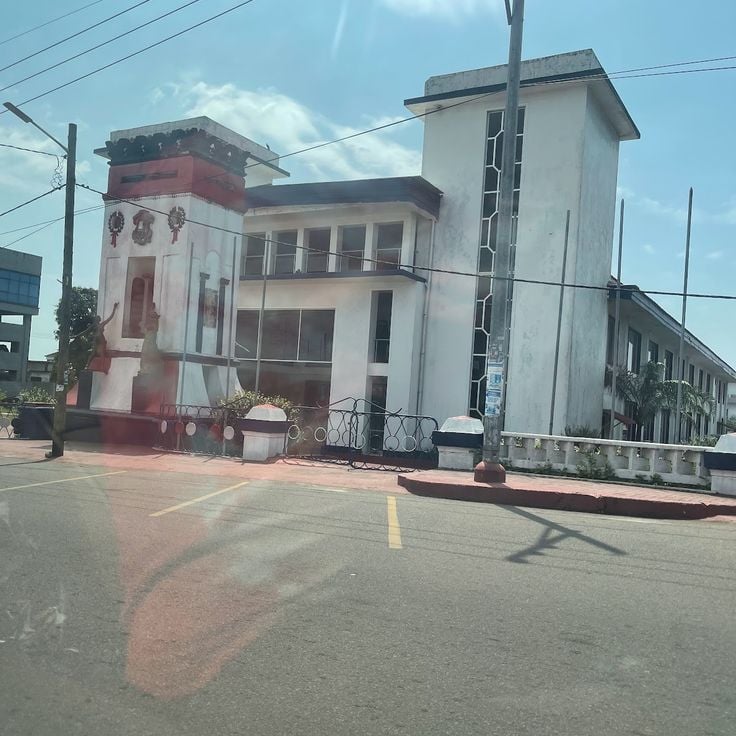
This pavilion was built in 1947 to celebrate one hundred years of Liberian independence. The building serves as an exhibition hall and archive, preserving documents and objects related to the country's history. Visitors find information about Liberia's founding and the development of the nation since its independence in the 19th century. The Centennial Pavilion stands in Monrovia and belongs to the historically important sites of the capital.
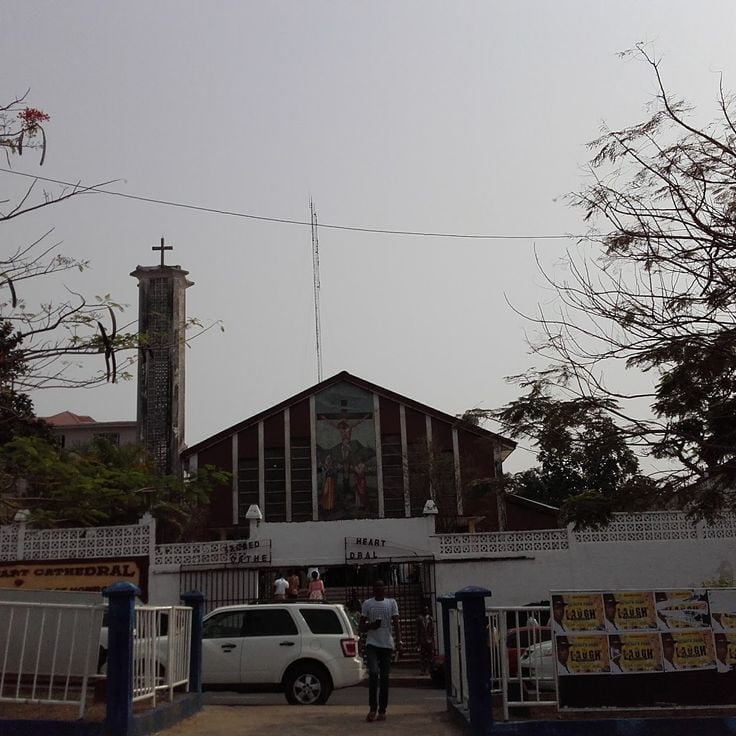
This cathedral was built in 1929 and serves as the center of the Archdiocese of Monrovia. The church stands in the heart of the city and acts as a gathering place for the Catholic community. The building combines European elements with local materials. The facade features arches and towers that recall the colonial period. Inside, services are held regularly. The cathedral has witnessed different periods of Liberian history and remains a reference point for worshippers and visitors wanting to learn more about religious life in Monrovia.
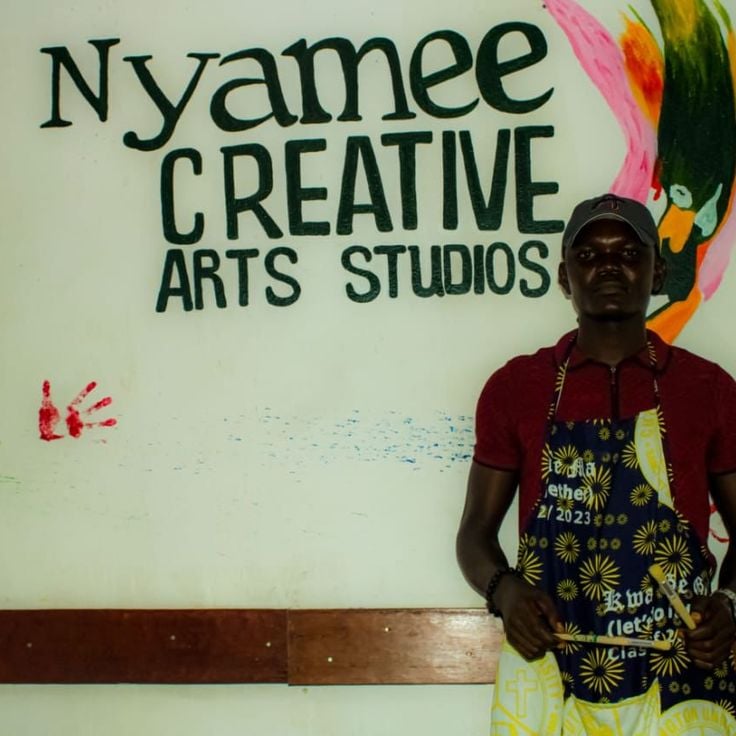
This studio displays Liberian paintings, sculptures, and crafts in its exhibition rooms. Local artists offer creative workshops to visitors, teaching traditional and contemporary techniques. The rooms serve as a meeting point for creators and as a place where travelers can get to know the local art scene. The works reflect the cultural heritage and present-day life of Liberia.
Greenville sits at the mouth of the Sinoe River and serves as an important port for timber export in Sinoe County. The city connects economic activity with coastal life along Liberia's Atlantic shore. Ships dock here to load timber from the interior, while fishing boats navigate the river and ocean waters. Streets show the everyday rhythm of a port town where trade and maritime traditions shape daily life.
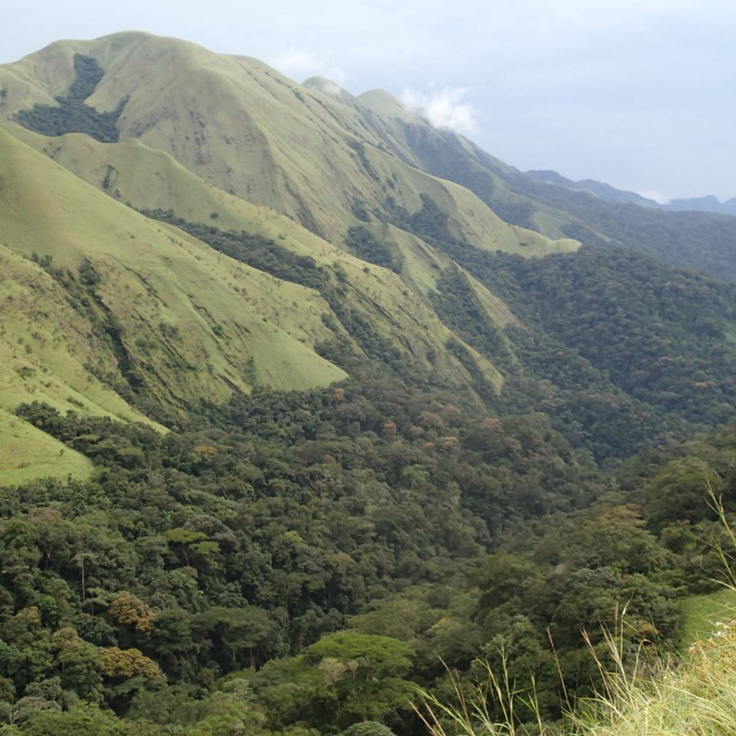
The Nimba Mountains stretch along the border and rise to about 1750 meters (5740 feet). The heavily forested slopes shelter more than 2000 plant species and many animals, including rare primates and birds. Mist often hangs between the trees, and narrow trails wind through the damp greenery. Villages sit scattered at the foot of the mountains, and local people farm and gather from the forest. The terrain is steep and the climb demanding, but the woods feel untouched and quiet.
This maritime lighthouse was built in 1903 from stone and metal, standing along the Liberian coast. It reaches a height of about 28 meters (92 feet) and served as a navigation point for ships along the waters off Robertsport. The structure combines practical function with the history of seafaring in West Africa. From here, the view opens onto the Atlantic and the surrounding coastal stretches, where fishermen and travelers have found orientation for over a century.
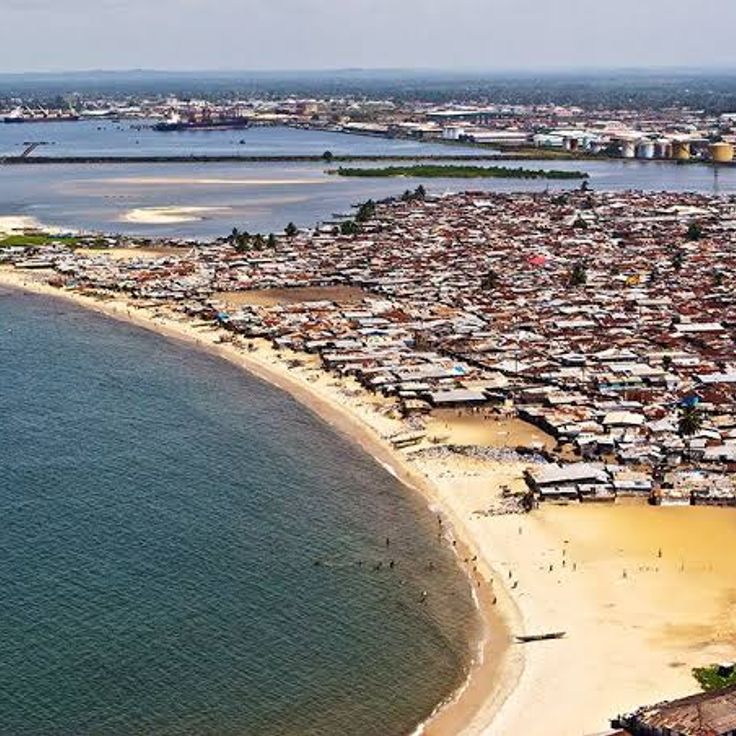
Robertsport sits on the Atlantic coast in Grand Cape Mount County. This town has a long white sandy beach and a traditional fishing port. Fishermen return with their catches each morning. The ocean is often rough. Waves draw surfers from different countries. Locals dry fish in the sun and repair nets along the shore.
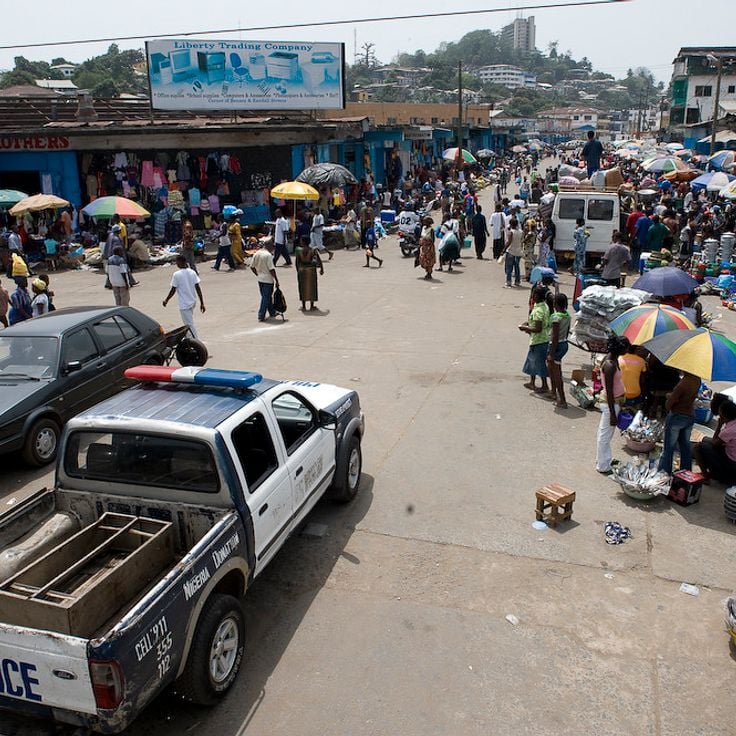
The Waterside Market sits in the center of Monrovia and is one of the main trading markets in Liberia. Vendors here sell local products, fabrics, clothing, and handmade items. Activity begins early in the morning when stalls are set up and continues into the afternoon. Visitors can walk through narrow passages between the stalls and observe the daily life of the city. The atmosphere is lively, with many people bargaining and talking to each other. The architecture is simple, with makeshift roofs and tarps that provide shelter from sun and rain. This market gives a direct view into the commerce and everyday exchanges that shape Monrovia.
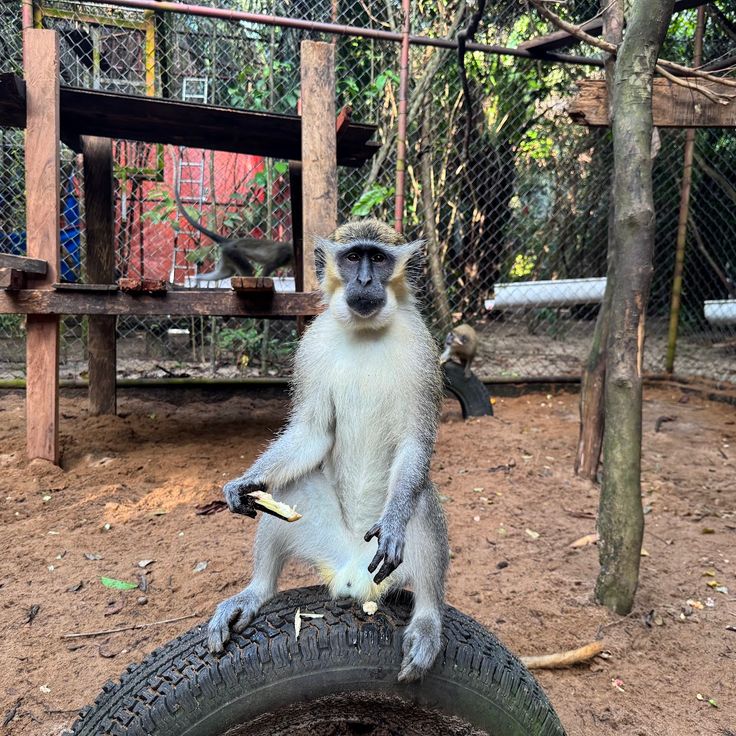
This sanctuary covers 400 hectares (about 1000 acres) and serves as a rehabilitation center for injured and orphaned wildlife. Libassa Sanctuary cares for animals that would not survive without human help and prepares them for return to their natural habitat. Visitors can watch caretakers working with chimpanzees, reptiles and other species. The center sits in a forested area where animals live in large enclosures and gradually relearn independence. The work here focuses on care, medical treatment and training so the animals can later be released back into the wild.
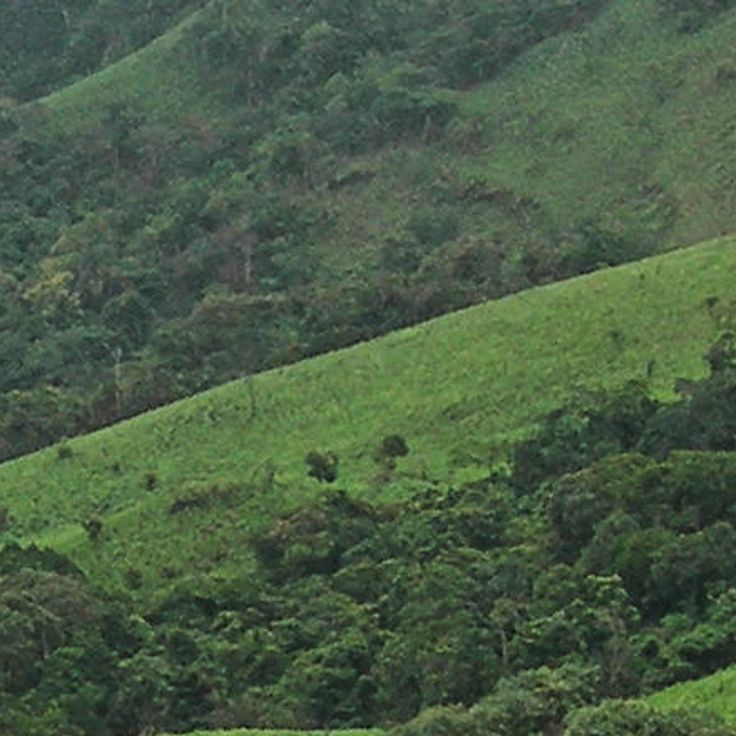
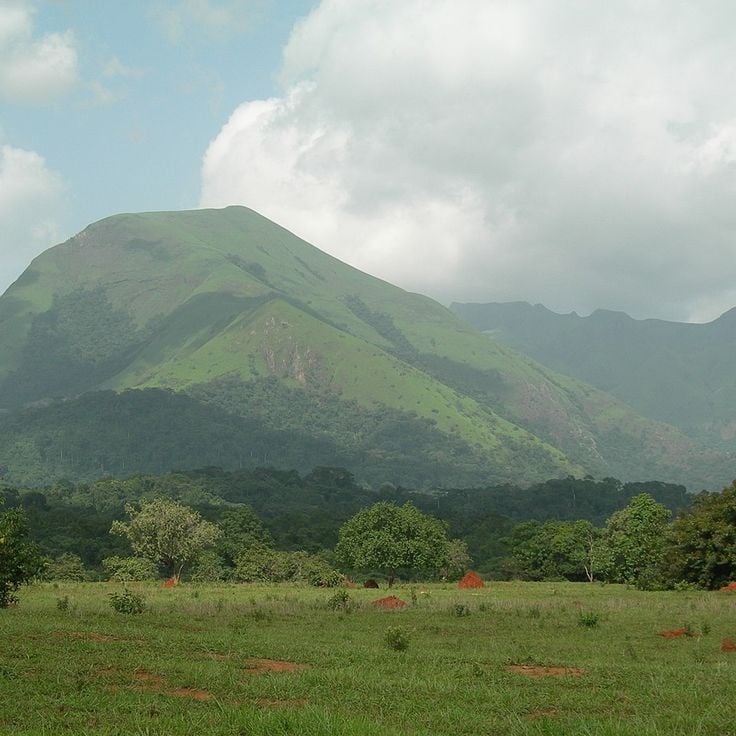
This mountain stands at 4,724 feet (1,440 meters) and is the highest point in Liberia, making it one of the main natural sites in the country. The summit sits within a forested region and offers views over the surrounding woodlands. The area is remote and difficult to reach, which makes Mount Wuteve a destination for hikers looking to explore isolated locations in West Africa. The vegetation consists mainly of tropical rainforest covering the slopes.
This temple stands in central Monrovia and was built in 1867. The building shows the colonial architectural style of its time and served as the seat of the Grand Lodge of Liberia. Its facade and structure recall the early history of the country, when European and American influences shaped the capital. Walking through the streets, you notice the solid construction and proportions typical of public buildings from that era. The temple is one of the few remaining witnesses from the 19th century in Monrovia.
This natural lake sits about an hour's drive from Monrovia. The water draws different bird species that come to feed or rest along the shores. The Blue Lake offers a quiet place away from the city where visitors can watch nature and listen to the sounds of birds. The surrounding area is green and the water often mirrors the sky.
This nature reserve sits on the border between Liberia, Guinea, and Côte d'Ivoire and is protected as a UNESCO World Heritage site. The slopes of Mount Nimba rise above the rainforest and shelter rare animals such as viviparous toads and chimpanzees. Hikers find cloud forests, open grasslands, and rock formations that rise hundreds of feet (several hundred meters) high. The reserve protects plant life found nowhere else on Earth.
This lake lies close to the Atlantic coast and forms one of the larger lagoons in the area. The brackish water supports fish populations and attracts migratory birds during seasonal movements. Fishermen live along the shores and the landscape mixes open water with stretches of mangrove. The lake is accessible by unpaved roads and remains a quiet spot away from the usual routes through Liberia.
This waterfall in the Liberian rainforest drops about 100 meters over three levels. The Kpatawee Waterfall sits away from most travel routes and shows a side of Liberia that few visitors know. The path leads through thick forest, where the ground is often wet and slippery. Water falls over rock slabs covered with moss and ferns. During the dry season the stream narrows, but in the rainy months it swells and the fall grows louder. At the base the water gathers in a shallow pool before flowing onward.
The National Museum of Liberia holds objects that span different periods of the country's history. Here you will find traditional tools, masks from various regions, and documents that record events since the founding of the state in 1847. The collections offer insight into local craftsmanship, religious practices, and historical turning points. Located in Monrovia, this museum serves as a place where visitors can learn more about Liberia's development and the diversity of its communities.
Gola National Park protects dense rainforest where elephants, chimpanzees, and more than 200 species of birds live. Green vegetation covers gentle hills and low valleys. Narrow trails wind through thick growth where leaves rustle and distant animal calls echo. Morning mist hangs between the trees, and the air smells of damp earth. Local guides know the hidden paths and explain the signs of the forest. This park offers a chance to experience an intact rainforest landscape where wild animals still roam freely through their natural habitat.
Sapo National Park protects dense rainforest where elephants, pygmy hippos, and chimpanzees move through thick vegetation. Narrow trails wind beneath tall trees, and birdsong echoes from the canopy above. Humidity hangs over the forest floor while rivers cut through the undergrowth. Visitors walk carefully, often with guides who read animal tracks and watch for movement in the branches. This park preserves one of the last large forest areas in West Africa, offering glimpses into ecosystems that have become rare elsewhere in the region.
The Ducor Hotel sits on a hill above Monrovia and stands as a reminder of earlier times. This five-story building opened in 1960 and served as the country's first international hotel. Since the civil war began in 1989, the property has remained empty. Today the abandoned hotel shows the marks of Liberia's history and offers wide views over the city and coastline.
This beach stretches along the Atlantic coast as a sandy shore where local fishermen work daily. During the dry season, the waters become calmer and people come here to swim. Fishing boats rest on the sand, and nets are spread out to dry in the sun. The surrounding area remains natural and undeveloped, with coconut palms growing near the waterline. Visitors find a simple coastal setting without commercial facilities. The rhythm of life here follows the tides and the fishing schedule.
This mosque was built in the 1960s and serves as a gathering place for the Muslim community of Matadi. The prayer hall holds up to 500 people. Five times each day, people come here for prayer. The mosque stands in the heart of the city and is one of the important religious sites in Liberia. Visitors notice the quiet within the walls and the rhythm of daily life shaped by prayer times. The architecture reflects the period when it was built and shows local elements from the region.
This farm opens its doors to visitors and shows the cultivation of local fruits and vegetables. You can observe traditional farming methods still used in Liberia. The fields lie in a quiet rural area where life moves at a slower pace and people remain closely connected to the land. Wulki Farms gives travelers the chance to see everyday agricultural life and understand how food is produced in this region.
This island marks the spot where African-American settlers first arrived in Liberia in 1822 and established a community. Providence Island preserves remains from this founding period, including old structures and historical traces of the first settlement. The island sits off the coast of Monrovia and recalls the beginnings of Liberian history, when freed slaves from the United States came here to start a new life. Visitors can experience the quiet surroundings and learn about the early years of colonization.
This pavilion was built in 1947 to celebrate one hundred years of Liberian independence. The building serves as an exhibition hall and archive, preserving documents and objects related to the country's history. Visitors find information about Liberia's founding and the development of the nation since its independence in the 19th century. The Centennial Pavilion stands in Monrovia and belongs to the historically important sites of the capital.
This cathedral was built in 1929 and serves as the center of the Archdiocese of Monrovia. The church stands in the heart of the city and acts as a gathering place for the Catholic community. The building combines European elements with local materials. The facade features arches and towers that recall the colonial period. Inside, services are held regularly. The cathedral has witnessed different periods of Liberian history and remains a reference point for worshippers and visitors wanting to learn more about religious life in Monrovia.
This studio displays Liberian paintings, sculptures, and crafts in its exhibition rooms. Local artists offer creative workshops to visitors, teaching traditional and contemporary techniques. The rooms serve as a meeting point for creators and as a place where travelers can get to know the local art scene. The works reflect the cultural heritage and present-day life of Liberia.
Greenville sits at the mouth of the Sinoe River and serves as an important port for timber export in Sinoe County. The city connects economic activity with coastal life along Liberia's Atlantic shore. Ships dock here to load timber from the interior, while fishing boats navigate the river and ocean waters. Streets show the everyday rhythm of a port town where trade and maritime traditions shape daily life.
The Nimba Mountains stretch along the border and rise to about 1750 meters (5740 feet). The heavily forested slopes shelter more than 2000 plant species and many animals, including rare primates and birds. Mist often hangs between the trees, and narrow trails wind through the damp greenery. Villages sit scattered at the foot of the mountains, and local people farm and gather from the forest. The terrain is steep and the climb demanding, but the woods feel untouched and quiet.
This maritime lighthouse was built in 1903 from stone and metal, standing along the Liberian coast. It reaches a height of about 28 meters (92 feet) and served as a navigation point for ships along the waters off Robertsport. The structure combines practical function with the history of seafaring in West Africa. From here, the view opens onto the Atlantic and the surrounding coastal stretches, where fishermen and travelers have found orientation for over a century.
Robertsport sits on the Atlantic coast in Grand Cape Mount County. This town has a long white sandy beach and a traditional fishing port. Fishermen return with their catches each morning. The ocean is often rough. Waves draw surfers from different countries. Locals dry fish in the sun and repair nets along the shore.
The Waterside Market sits in the center of Monrovia and is one of the main trading markets in Liberia. Vendors here sell local products, fabrics, clothing, and handmade items. Activity begins early in the morning when stalls are set up and continues into the afternoon. Visitors can walk through narrow passages between the stalls and observe the daily life of the city. The atmosphere is lively, with many people bargaining and talking to each other. The architecture is simple, with makeshift roofs and tarps that provide shelter from sun and rain. This market gives a direct view into the commerce and everyday exchanges that shape Monrovia.
This sanctuary covers 400 hectares (about 1000 acres) and serves as a rehabilitation center for injured and orphaned wildlife. Libassa Sanctuary cares for animals that would not survive without human help and prepares them for return to their natural habitat. Visitors can watch caretakers working with chimpanzees, reptiles and other species. The center sits in a forested area where animals live in large enclosures and gradually relearn independence. The work here focuses on care, medical treatment and training so the animals can later be released back into the wild.
This mountain stands at 4,724 feet (1,440 meters) and is the highest point in Liberia, making it one of the main natural sites in the country. The summit sits within a forested region and offers views over the surrounding woodlands. The area is remote and difficult to reach, which makes Mount Wuteve a destination for hikers looking to explore isolated locations in West Africa. The vegetation consists mainly of tropical rainforest covering the slopes.
This temple stands in central Monrovia and was built in 1867. The building shows the colonial architectural style of its time and served as the seat of the Grand Lodge of Liberia. Its facade and structure recall the early history of the country, when European and American influences shaped the capital. Walking through the streets, you notice the solid construction and proportions typical of public buildings from that era. The temple is one of the few remaining witnesses from the 19th century in Monrovia.
This natural lake sits about an hour's drive from Monrovia. The water draws different bird species that come to feed or rest along the shores. The Blue Lake offers a quiet place away from the city where visitors can watch nature and listen to the sounds of birds. The surrounding area is green and the water often mirrors the sky.
This nature reserve sits on the border between Liberia, Guinea, and Côte d'Ivoire and is protected as a UNESCO World Heritage site. The slopes of Mount Nimba rise above the rainforest and shelter rare animals such as viviparous toads and chimpanzees. Hikers find cloud forests, open grasslands, and rock formations that rise hundreds of feet (several hundred meters) high. The reserve protects plant life found nowhere else on Earth.
This lake lies close to the Atlantic coast and forms one of the larger lagoons in the area. The brackish water supports fish populations and attracts migratory birds during seasonal movements. Fishermen live along the shores and the landscape mixes open water with stretches of mangrove. The lake is accessible by unpaved roads and remains a quiet spot away from the usual routes through Liberia.
This waterfall in the Liberian rainforest drops about 100 meters over three levels. The Kpatawee Waterfall sits away from most travel routes and shows a side of Liberia that few visitors know. The path leads through thick forest, where the ground is often wet and slippery. Water falls over rock slabs covered with moss and ferns. During the dry season the stream narrows, but in the rainy months it swells and the fall grows louder. At the base the water gathers in a shallow pool before flowing onward.
The National Museum of Liberia holds objects that span different periods of the country's history. Here you will find traditional tools, masks from various regions, and documents that record events since the founding of the state in 1847. The collections offer insight into local craftsmanship, religious practices, and historical turning points. Located in Monrovia, this museum serves as a place where visitors can learn more about Liberia's development and the diversity of its communities.
Gola National Park protects dense rainforest where elephants, chimpanzees, and more than 200 species of birds live. Green vegetation covers gentle hills and low valleys. Narrow trails wind through thick growth where leaves rustle and distant animal calls echo. Morning mist hangs between the trees, and the air smells of damp earth. Local guides know the hidden paths and explain the signs of the forest. This park offers a chance to experience an intact rainforest landscape where wild animals still roam freely through their natural habitat.
Sapo National Park protects dense rainforest where elephants, pygmy hippos, and chimpanzees move through thick vegetation. Narrow trails wind beneath tall trees, and birdsong echoes from the canopy above. Humidity hangs over the forest floor while rivers cut through the undergrowth. Visitors walk carefully, often with guides who read animal tracks and watch for movement in the branches. This park preserves one of the last large forest areas in West Africa, offering glimpses into ecosystems that have become rare elsewhere in the region.
The Ducor Hotel sits on a hill above Monrovia and stands as a reminder of earlier times. This five-story building opened in 1960 and served as the country's first international hotel. Since the civil war began in 1989, the property has remained empty. Today the abandoned hotel shows the marks of Liberia's history and offers wide views over the city and coastline.
This beach stretches along the Atlantic coast as a sandy shore where local fishermen work daily. During the dry season, the waters become calmer and people come here to swim. Fishing boats rest on the sand, and nets are spread out to dry in the sun. The surrounding area remains natural and undeveloped, with coconut palms growing near the waterline. Visitors find a simple coastal setting without commercial facilities. The rhythm of life here follows the tides and the fishing schedule.
This mosque was built in the 1960s and serves as a gathering place for the Muslim community of Matadi. The prayer hall holds up to 500 people. Five times each day, people come here for prayer. The mosque stands in the heart of the city and is one of the important religious sites in Liberia. Visitors notice the quiet within the walls and the rhythm of daily life shaped by prayer times. The architecture reflects the period when it was built and shows local elements from the region.
This farm opens its doors to visitors and shows the cultivation of local fruits and vegetables. You can observe traditional farming methods still used in Liberia. The fields lie in a quiet rural area where life moves at a slower pace and people remain closely connected to the land. Wulki Farms gives travelers the chance to see everyday agricultural life and understand how food is produced in this region.
This island marks the spot where African-American settlers first arrived in Liberia in 1822 and established a community. Providence Island preserves remains from this founding period, including old structures and historical traces of the first settlement. The island sits off the coast of Monrovia and recalls the beginnings of Liberian history, when freed slaves from the United States came here to start a new life. Visitors can experience the quiet surroundings and learn about the early years of colonization.
This pavilion was built in 1947 to celebrate one hundred years of Liberian independence. The building serves as an exhibition hall and archive, preserving documents and objects related to the country's history. Visitors find information about Liberia's founding and the development of the nation since its independence in the 19th century. The Centennial Pavilion stands in Monrovia and belongs to the historically important sites of the capital.
This cathedral was built in 1929 and serves as the center of the Archdiocese of Monrovia. The church stands in the heart of the city and acts as a gathering place for the Catholic community. The building combines European elements with local materials. The facade features arches and towers that recall the colonial period. Inside, services are held regularly. The cathedral has witnessed different periods of Liberian history and remains a reference point for worshippers and visitors wanting to learn more about religious life in Monrovia.
This studio displays Liberian paintings, sculptures, and crafts in its exhibition rooms. Local artists offer creative workshops to visitors, teaching traditional and contemporary techniques. The rooms serve as a meeting point for creators and as a place where travelers can get to know the local art scene. The works reflect the cultural heritage and present-day life of Liberia.
Greenville sits at the mouth of the Sinoe River and serves as an important port for timber export in Sinoe County. The city connects economic activity with coastal life along Liberia's Atlantic shore. Ships dock here to load timber from the interior, while fishing boats navigate the river and ocean waters. Streets show the everyday rhythm of a port town where trade and maritime traditions shape daily life.
The Nimba Mountains stretch along the border and rise to about 1750 meters (5740 feet). The heavily forested slopes shelter more than 2000 plant species and many animals, including rare primates and birds. Mist often hangs between the trees, and narrow trails wind through the damp greenery. Villages sit scattered at the foot of the mountains, and local people farm and gather from the forest. The terrain is steep and the climb demanding, but the woods feel untouched and quiet.
This maritime lighthouse was built in 1903 from stone and metal, standing along the Liberian coast. It reaches a height of about 28 meters (92 feet) and served as a navigation point for ships along the waters off Robertsport. The structure combines practical function with the history of seafaring in West Africa. From here, the view opens onto the Atlantic and the surrounding coastal stretches, where fishermen and travelers have found orientation for over a century.
Robertsport sits on the Atlantic coast in Grand Cape Mount County. This town has a long white sandy beach and a traditional fishing port. Fishermen return with their catches each morning. The ocean is often rough. Waves draw surfers from different countries. Locals dry fish in the sun and repair nets along the shore.
The Waterside Market sits in the center of Monrovia and is one of the main trading markets in Liberia. Vendors here sell local products, fabrics, clothing, and handmade items. Activity begins early in the morning when stalls are set up and continues into the afternoon. Visitors can walk through narrow passages between the stalls and observe the daily life of the city. The atmosphere is lively, with many people bargaining and talking to each other. The architecture is simple, with makeshift roofs and tarps that provide shelter from sun and rain. This market gives a direct view into the commerce and everyday exchanges that shape Monrovia.
This sanctuary covers 400 hectares (about 1000 acres) and serves as a rehabilitation center for injured and orphaned wildlife. Libassa Sanctuary cares for animals that would not survive without human help and prepares them for return to their natural habitat. Visitors can watch caretakers working with chimpanzees, reptiles and other species. The center sits in a forested area where animals live in large enclosures and gradually relearn independence. The work here focuses on care, medical treatment and training so the animals can later be released back into the wild.
This mountain stands at 4,724 feet (1,440 meters) and is the highest point in Liberia, making it one of the main natural sites in the country. The summit sits within a forested region and offers views over the surrounding woodlands. The area is remote and difficult to reach, which makes Mount Wuteve a destination for hikers looking to explore isolated locations in West Africa. The vegetation consists mainly of tropical rainforest covering the slopes.
This temple stands in central Monrovia and was built in 1867. The building shows the colonial architectural style of its time and served as the seat of the Grand Lodge of Liberia. Its facade and structure recall the early history of the country, when European and American influences shaped the capital. Walking through the streets, you notice the solid construction and proportions typical of public buildings from that era. The temple is one of the few remaining witnesses from the 19th century in Monrovia.
This natural lake sits about an hour's drive from Monrovia. The water draws different bird species that come to feed or rest along the shores. The Blue Lake offers a quiet place away from the city where visitors can watch nature and listen to the sounds of birds. The surrounding area is green and the water often mirrors the sky.
This nature reserve sits on the border between Liberia, Guinea, and Côte d'Ivoire and is protected as a UNESCO World Heritage site. The slopes of Mount Nimba rise above the rainforest and shelter rare animals such as viviparous toads and chimpanzees. Hikers find cloud forests, open grasslands, and rock formations that rise hundreds of feet (several hundred meters) high. The reserve protects plant life found nowhere else on Earth.