See the monuments around you in AROpen chests in the app
Around Us is built for your phone — point your camera at the streets and discover the monuments and places around you in augmented reality.Around Us is built for your phone — chests unlock when you walk, explore and capture nearby places.
Guinea offers travelers a mix of natural wonders and cultural landmarks. You can visit Mount Nimba, a mountain that reaches high into the sky and is home to rare wildlife, or explore the Los Islands with their beaches and forests near the coast. The country is dotted with waterfalls where water cascades from rocky cliffs into pools below, inviting you to swim and cool off. In the capital city of Conakry, religious buildings stand as architectural landmarks. The Grand Mosque, with its white walls and four towers, dominates the city skyline, while the Sainte-Marie Cathedral blends different building styles in its design. Museums throughout the country showcase traditional crafts, musical instruments, and objects that tell the story of Guinean life and heritage. Beyond these formal attractions, daily life unfolds in bustling markets where vendors sell textiles, spices, and local goods, and along Atlantic beaches where fishermen work with their wooden boats. Whether you seek nature, history, or the rhythm of local communities, Guinea provides varied experiences across its landscape.
Guinea offers travelers a mix of natural wonders and cultural landmarks. You can visit Mount Nimba, a mountain that reaches high into the sky and is home to rare wildlife, or explore the Los Islands with their beaches and forests near the coast. The country is dotted with waterfalls where water cascades from rocky cliffs into pools below, inviting you to swim and cool off. In the capital city of Conakry, religious buildings stand as architectural landmarks. The Grand Mosque, with its white walls and four towers, dominates the city skyline, while the Sainte-Marie Cathedral blends different building styles in its design. Museums throughout the country showcase traditional crafts, musical instruments, and objects that tell the story of Guinean life and heritage. Beyond these formal attractions, daily life unfolds in bustling markets where vendors sell textiles, spices, and local goods, and along Atlantic beaches where fishermen work with their wooden boats. Whether you seek nature, history, or the rhythm of local communities, Guinea provides varied experiences across its landscape.
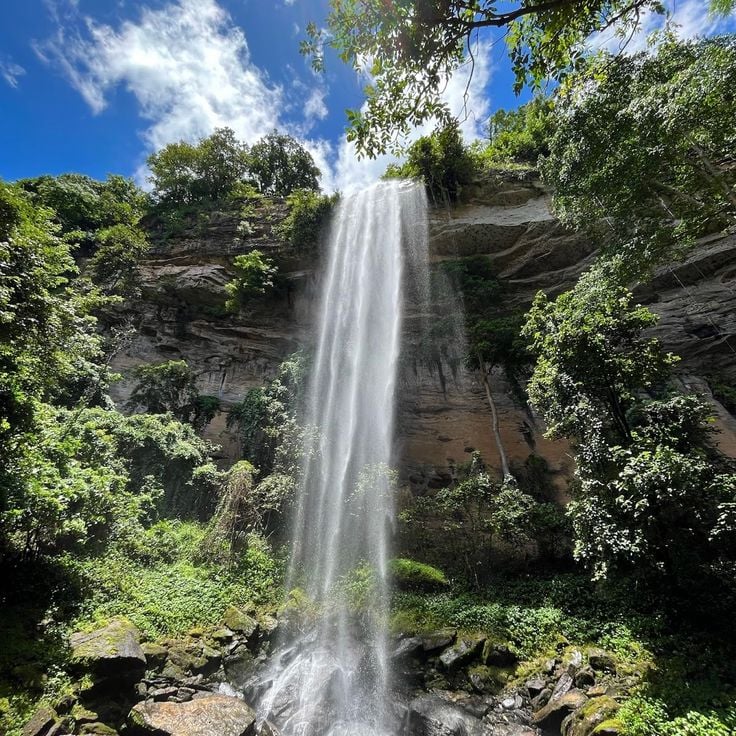
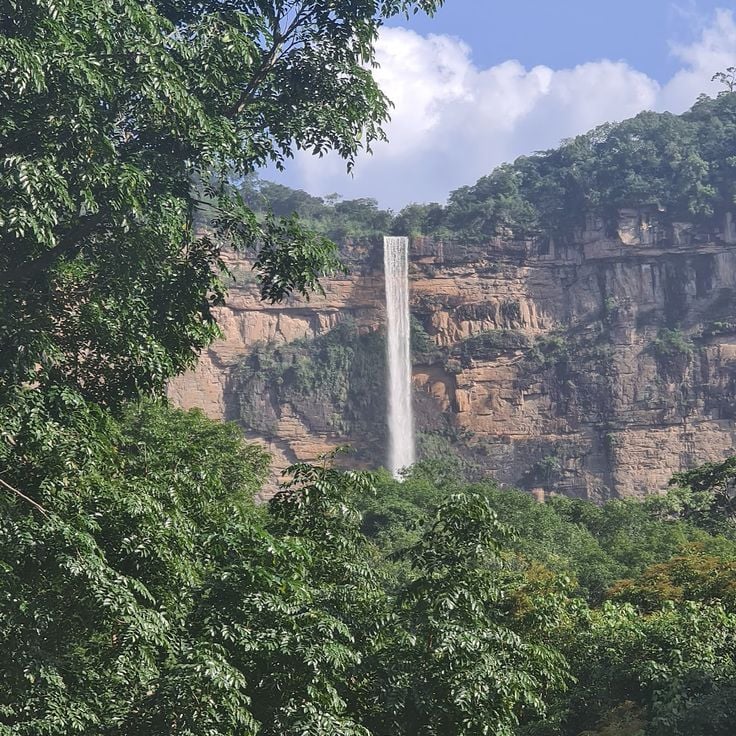
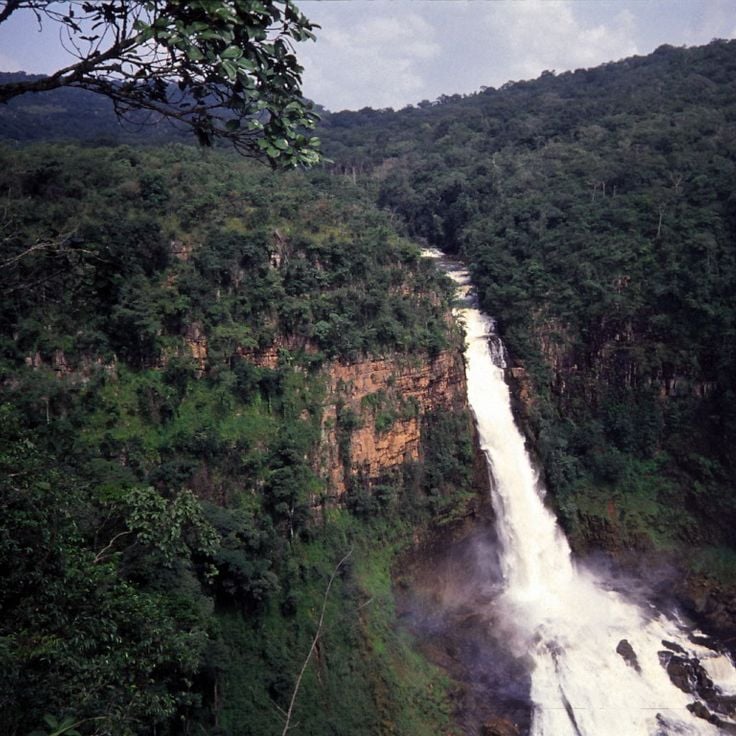
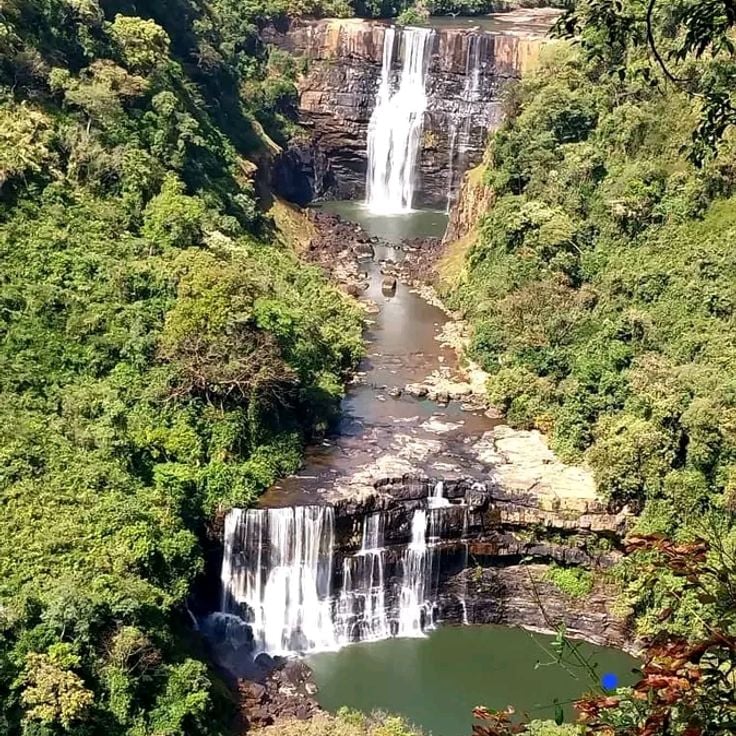
The Veil of the Bride is a natural waterfall in Guinea where water cascades from a height of 80 meters onto granite rocks, forming a basin for swimming. This waterfall is part of the country's water features that invite travelers to cool off in the pools below the rocky cliffs. The site shows the natural character of Guinea, where water falls dramatically from high cliffs and creates a refreshing place to swim.
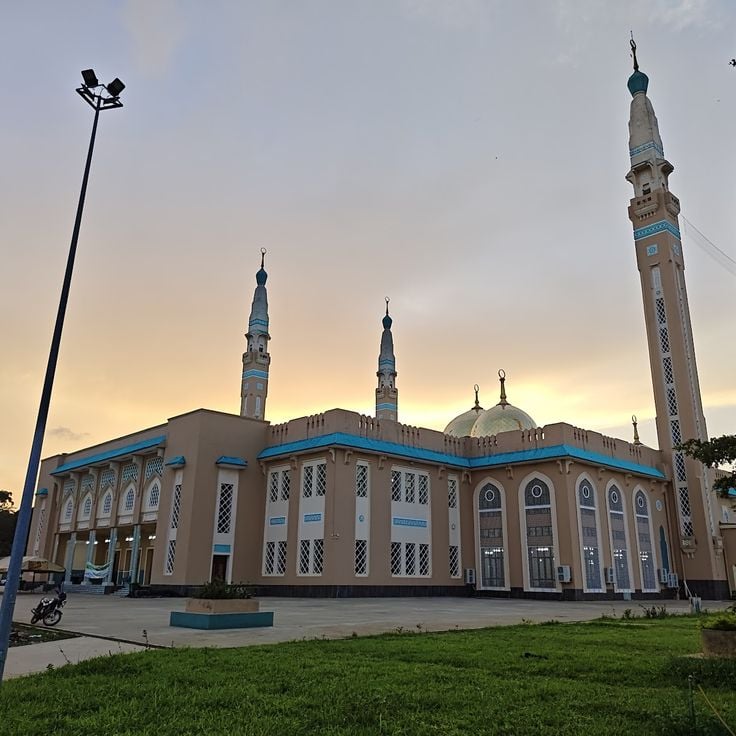
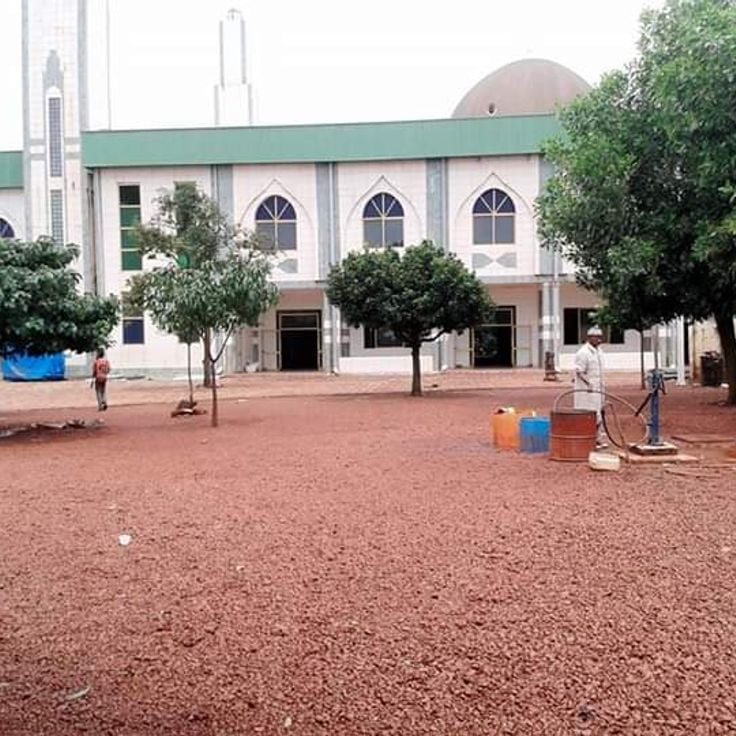
The Grand Mosque of Conakry is the central place of worship in the city, built in 1982. This mosque features white walls and four minarets that define the city skyline. It stands as an important religious and architectural landmark where you can observe the spiritual life of the community and appreciate the design that reflects Guinea's cultural identity.
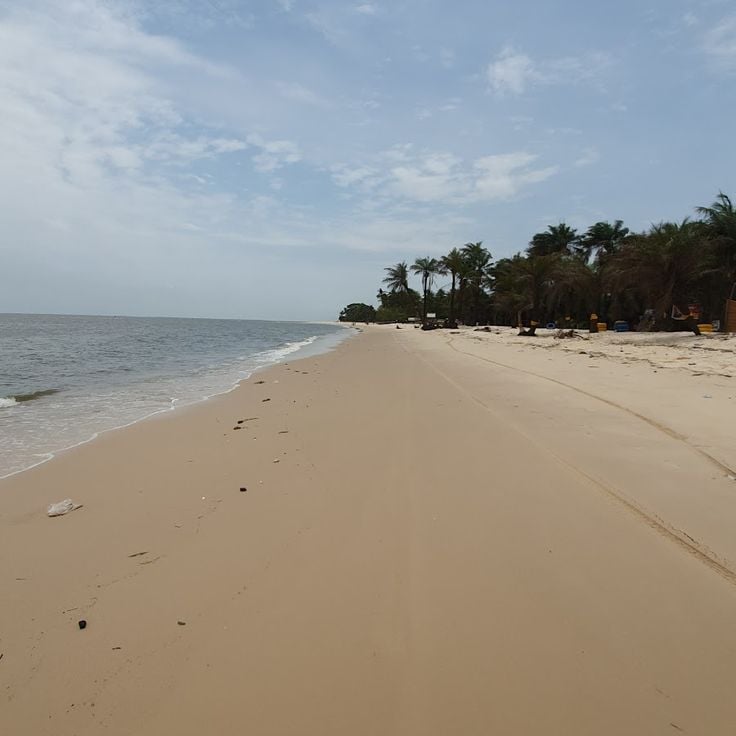
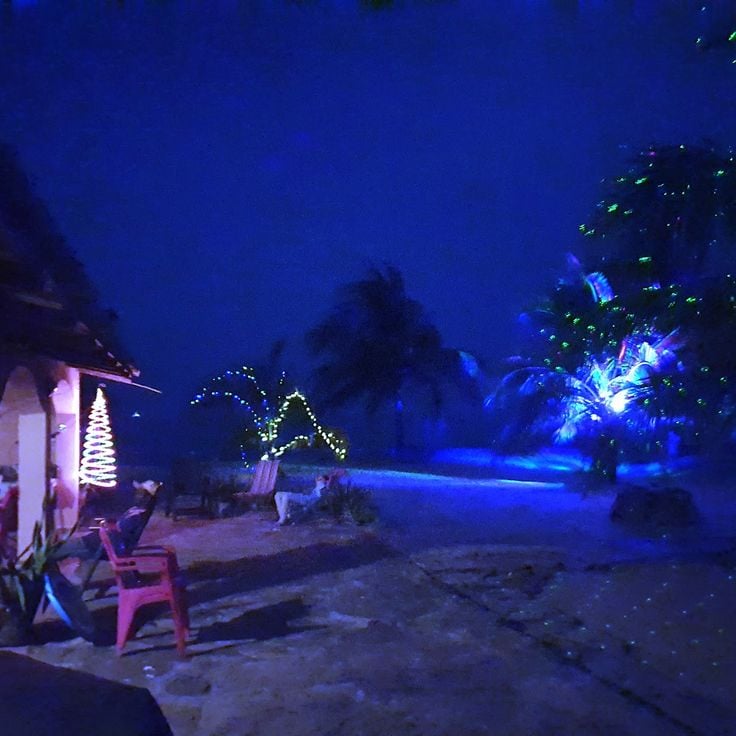
Tayaki Beach is a coastal destination in Guinea with white sand lined by palm trees along the Atlantic. Local fishermen moor their wooden boats here between sea outings, making it a place where you can watch daily fishing activities and see how communities work with the ocean. The beach offers a view of ordinary life along Guinea's shoreline.
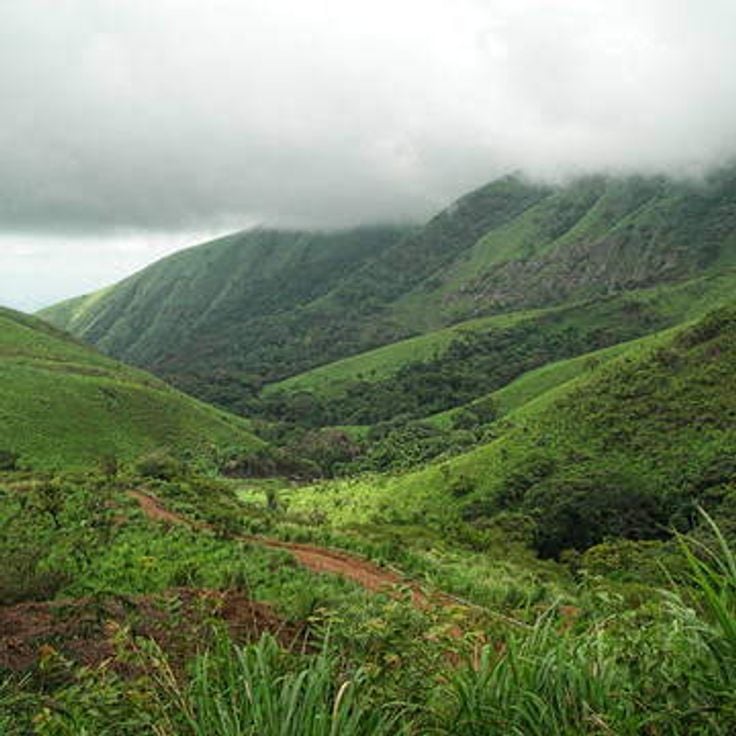
Mount Nimba is a mountain massif in Guinea that rises to 1752 meters in height. This mountain is home to rare animal species such as the Nimba toad. Mount Nimba is one of Guinea's natural wonders and offers visitors the chance to experience nature and discover the distinctive wildlife found in this high-altitude environment.
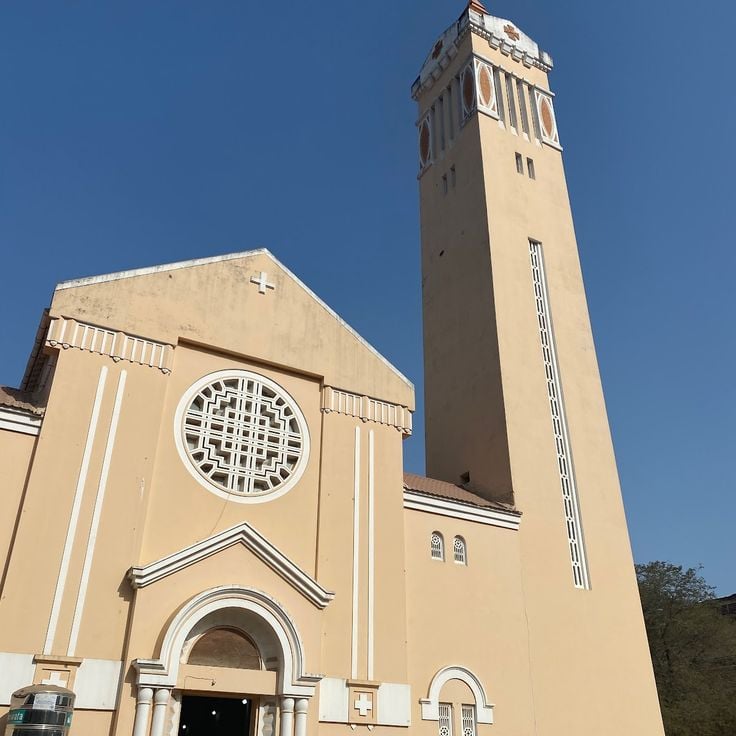
This cathedral stands at the heart of Conakry and was built in 1930. Its building brings together Roman style elements with African patterns and motifs. The Sainte-Marie Cathedral is one of the architectural landmarks of Guinea's capital city, showing how different building styles come together in a single structure. You can visit this church to admire the architecture and learn more about the religious history of the city.
The Soumba Waterfalls are among the natural wonders that make Guinea a destination for travelers seeking water, greenery, and outdoor discovery. Located in Dubréka, these waterfalls channel water down a height of 25 meters into a natural basin surrounded by tropical forest. Situated roughly 45 kilometers from Conakry, this site invites visitors to swim, cool off, and experience the living landscape that defines much of the country's natural appeal.
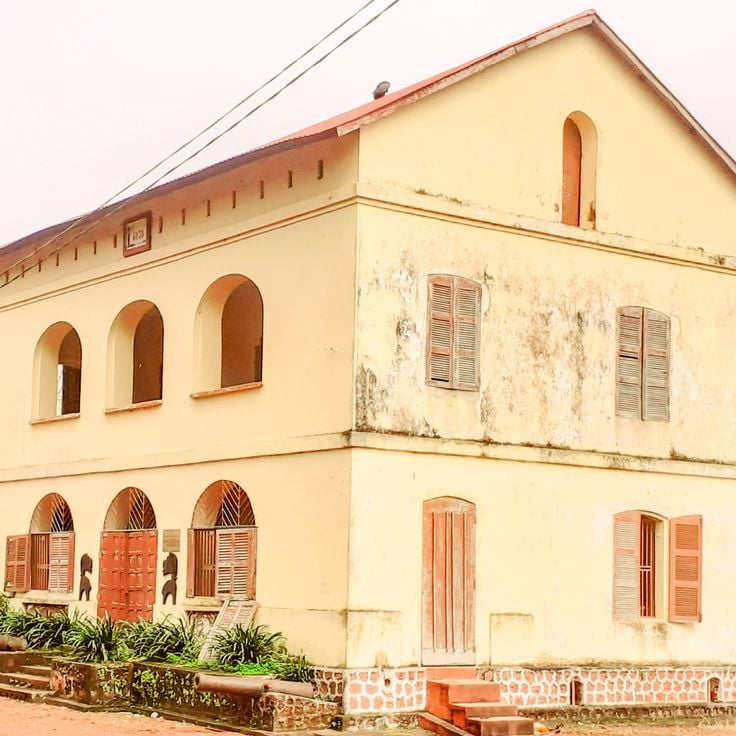
The National Museum in Conakry houses ethnographic objects, traditional musical instruments, and African art from different regions of Guinea. Founded in 1960, it stands as a cultural institution that documents the history and life of Guinean people. Visitors discover crafts and artifacts that reveal the local traditions and cultural diversity of Guinea.
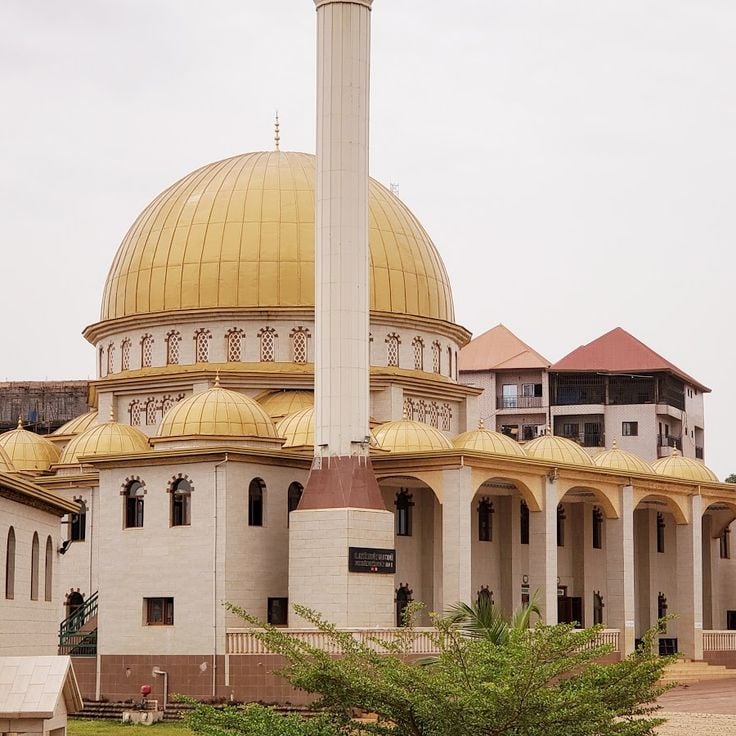
The Turkish Mosque of Koloma in Conakry is a place of worship that opened in 2015. Two minarets reach high into the city skyline. Inside, it can hold thousands of worshippers and includes a school for studying the Quran. The building stands as a religious landmark in the capital, offering a space for prayer and learning within Conakry's communities.
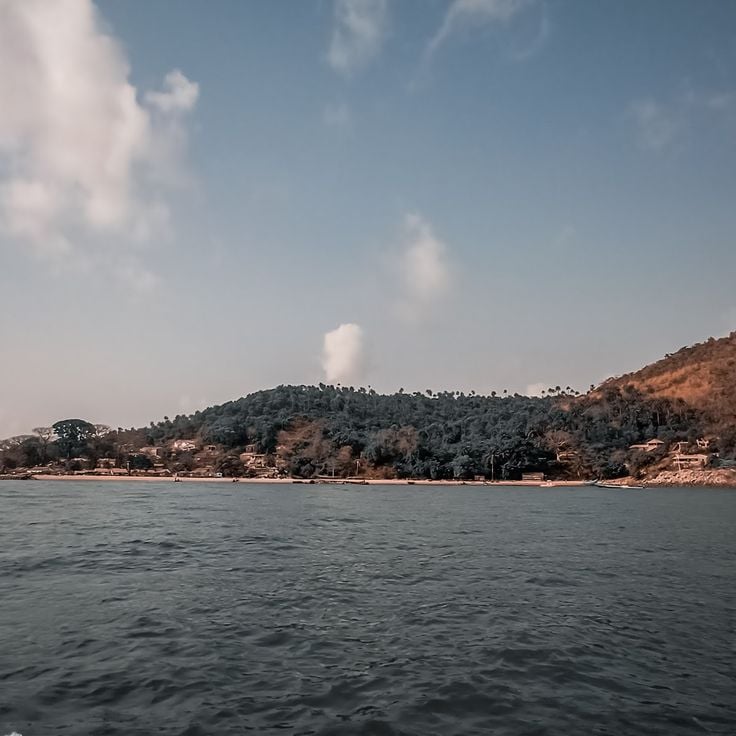
The Los Islands form a group of islands near the coast of Conakry in Guinea. They include islands such as Tamara, Kassa, and Room, characterized by beaches and forests. These islands are part of Guinea's varied offerings, which include natural wonders alongside cultural sites and historical structures. Visitors can explore the coastal environment here and observe the daily work of local fishermen who operate their wooden boats on the Atlantic.
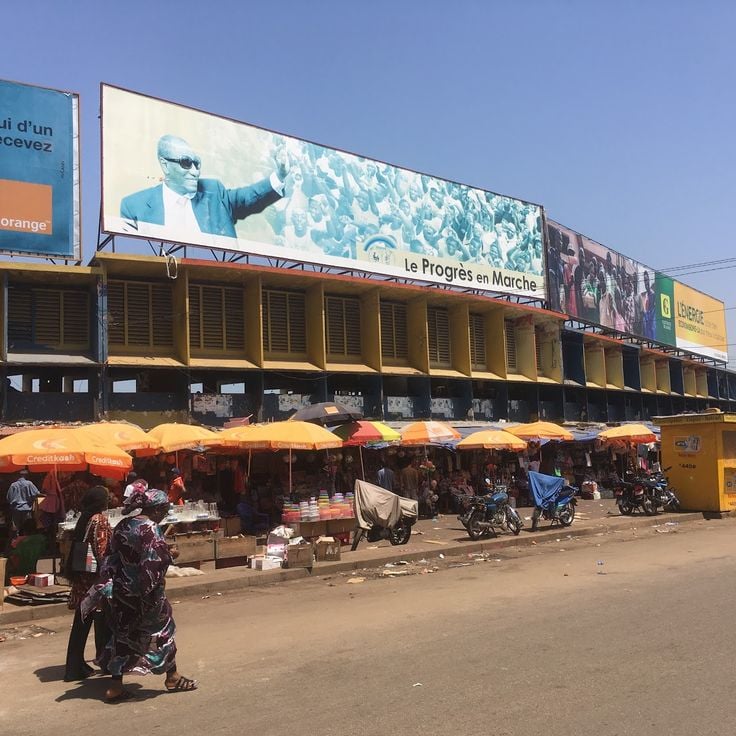
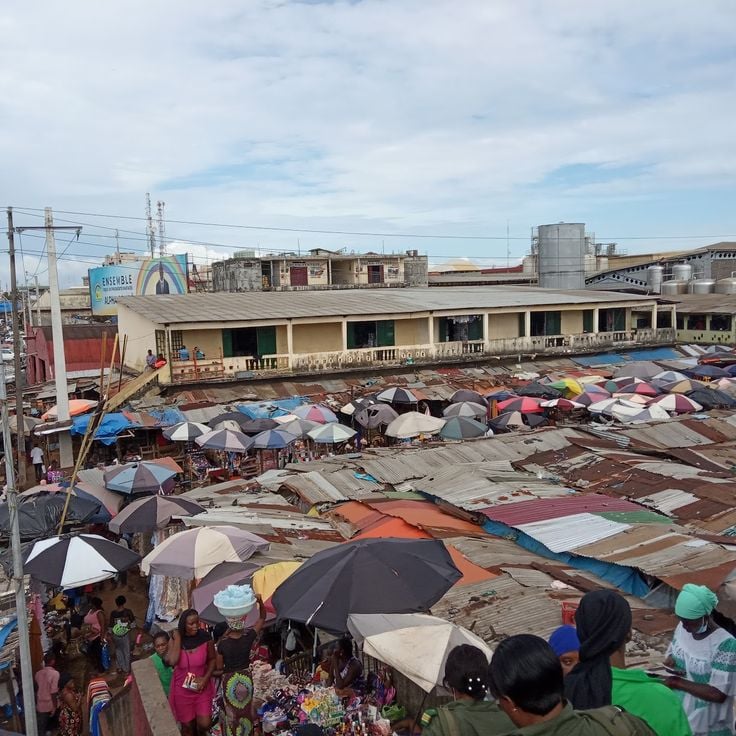
Niger Market is a large covered marketplace in central Conakry where daily trade brings together vendors selling local products, textiles, handcrafted goods, and spices. As one of Guinea's varied attractions, this market offers travelers a direct look at how locals shop and work, showing the rhythm of commerce that defines the city's everyday life.
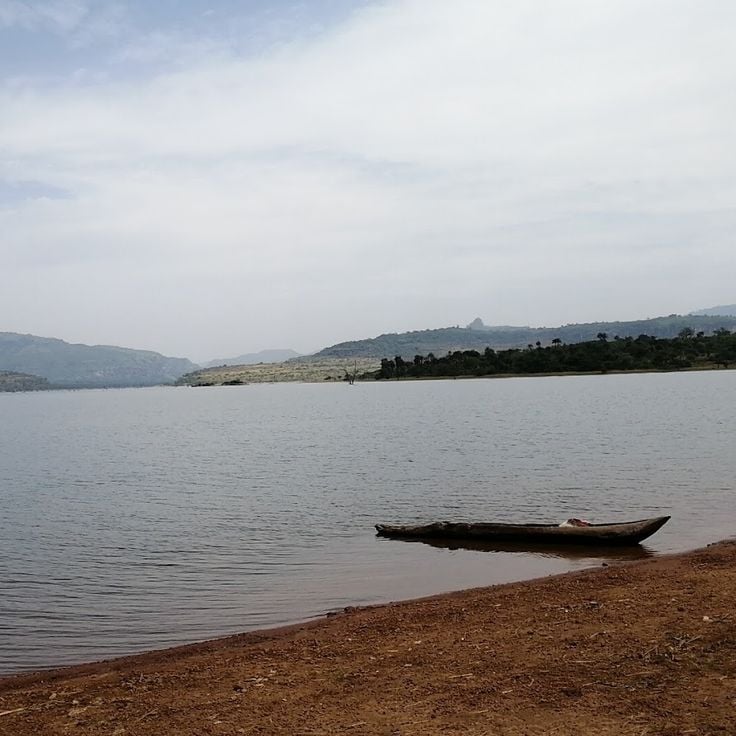
Samaya Lake is a natural body of water in Guinea, surrounded by hills and vegetation. The lake is home to aquatic birds that make their nests and find food here. Villagers from nearby communities fish in these waters regularly, making the lake an important part of their daily lives. This place shows how nature and local livelihoods connect in Guinea.
Ditinn Falls is an 80-meter waterfall located in the Fouta-Djalon massif near Dalaba. Water plunges down a rocky cliff surrounded by tropical vegetation. This waterfall is part of Guinea's natural wonders and invites visitors to experience the power of flowing water and swim in the pools below the cascade.
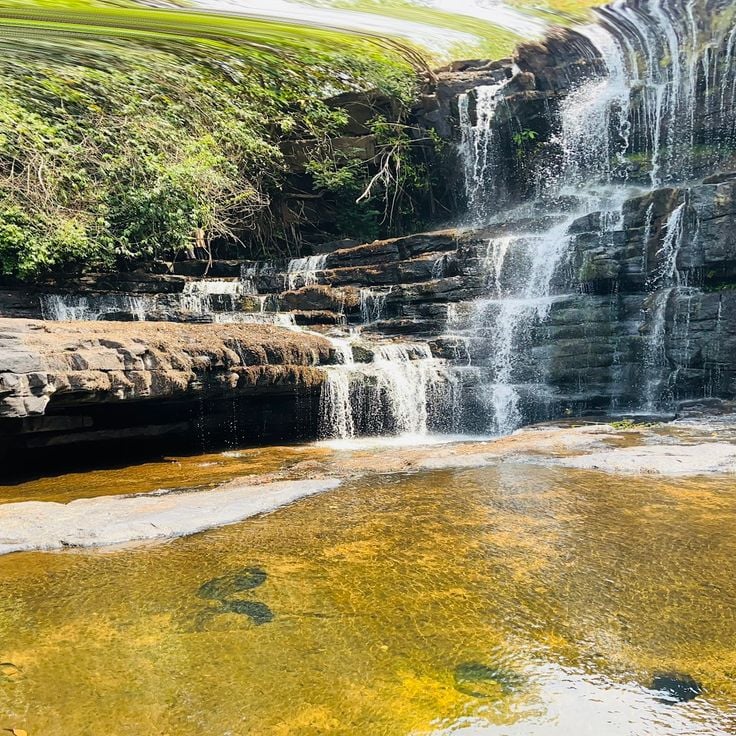
Salaa Falls is a geological formation in Guinea where water cascades over several rock levels, creating natural pools below. Visitors come here to swim and cool off in the fresh water, surrounded by the sound and movement of falling water. These falls represent one of Guinea's natural wonders that draws travelers seeking outdoor experiences and connection with the land.
The Botanical Garden preserves local and exotic plant species arranged for the study and observation of Guinean flora. This place offers a quiet space to discover Guinea's natural diversity and the relationship between people and plants, complementing other sites across the country that show history, culture, and nature.
The Boké Museum is a cultural institution displaying objects and documents that trace the history of the Boké region and its local traditions. Within Guinea's offerings of varied experiences, where museums throughout the country showcase traditional crafts, musical instruments, and objects that tell the story of Guinean life, this museum provides insights into the regional identity and heritage of the Boké community.
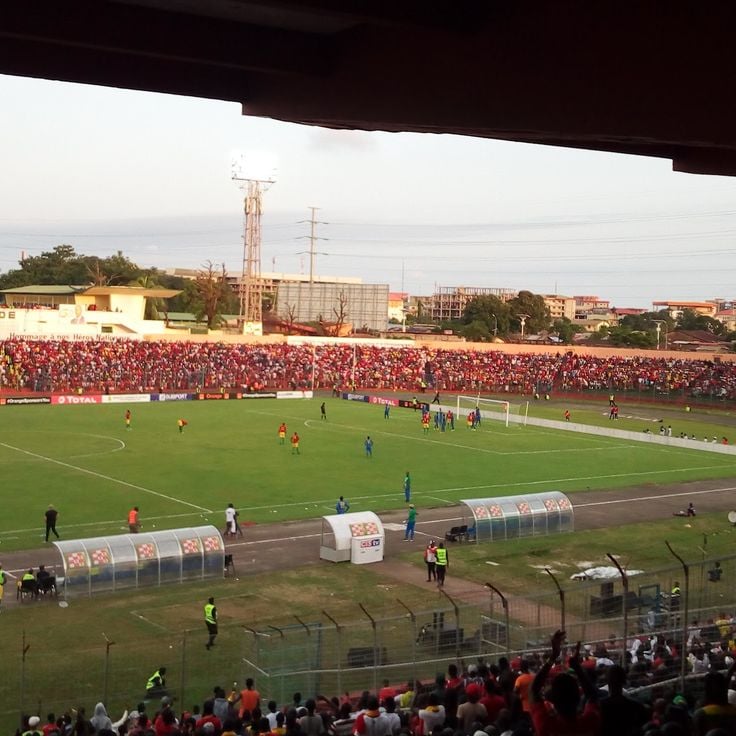
The September 28 Stadium is a national sports facility in the capital city of Conakry. Built to hold 25,000 spectators, it serves as the home for football matches and sporting events that bring the community together. The stadium stands as a gathering place where fans cheer for their teams and local athletes compete, forming part of the everyday life and spirit of the capital.
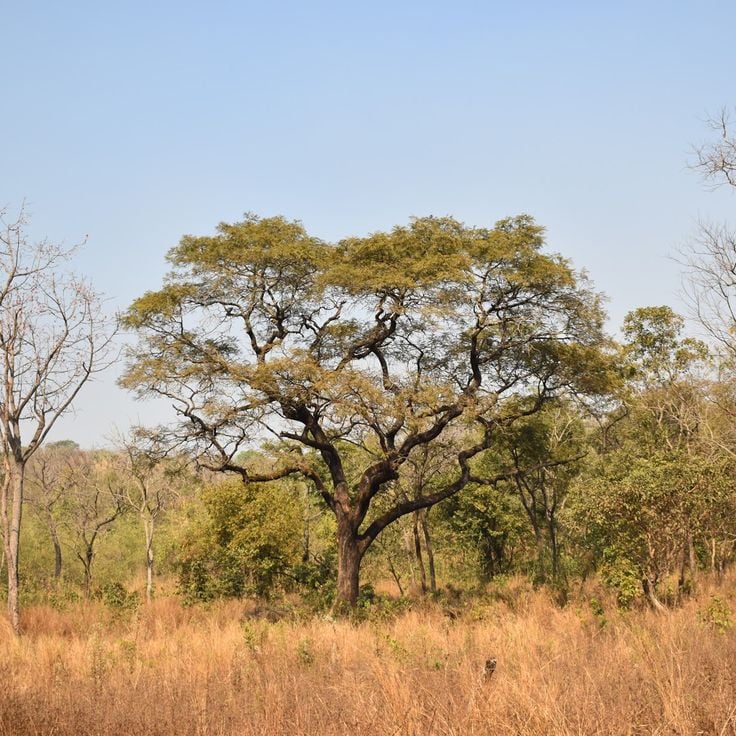
Haut Niger National Park is one of the major natural reserves featured in this collection of Guinean sites. Established in 1997, the park protects savannah and forest habitats where elephants, hippopotamuses, crocodiles, and chimpanzees roam freely. Visitors can walk through these landscapes and observe wildlife in their natural environment, experiencing the country's ecological richness.
Cape Verga is a coastal peninsula on Guinea's shoreline, bordered by sandy beaches. The calm waters allow diving and swimming throughout the year. This place offers a glimpse into Guinea's natural landscape and how coastal communities interact with the sea in their daily lives.
The Ziama Massif is a large reserve in Guinea covered with dense forests where you can discover animals and plants found nowhere else. Walking through this protected area, you encounter the rich natural life that makes Guinea a destination for those seeking to experience untouched landscapes and rare wildlife in their natural home.
Kambadaga Falls is a natural multi-tiered waterfall that flows over granite rock steps, forming natural basins below. This waterfall fits perfectly within Guinea's offerings of natural wonders, where water cascades from rocky cliffs into pools below, inviting you to swim and cool off. The falls showcase the raw beauty of the landscape and provide a place where you can experience nature as it exists in the region.
The Fouta Djallon Mosque is a religious monument built in the 19th century in Sudanese architectural style. It serves as the main spiritual center of this mountainous region and reflects the deep religious traditions of the local community. The building embodies the cultural and spiritual roots of Labé and contributes to Guinea's rich historical heritage.
Madina Market is the largest covered market in West Africa and a place where daily life in Guinea unfolds. Here you can find fabrics, spices, fruits, and handmade goods sold by local vendors. The market shows how people in Conakry shop, work, and interact with one another. It is a space full of colors, sounds, and smells that gives you a sense of the city's rhythm and how locals go about their day.
The Kaloum Peninsula is the administrative and commercial hub of Conakry. It houses the port, government ministries, and main institutions of the capital. Walking through this peninsula, you see the rhythm of city life, with officials, traders, and workers moving between offices, markets, and the waterfront. The port brings energy and activity, with ships and boats moving in and out. This area reflects how the city functions and connects to the wider world.
The Veil of the Bride is a natural waterfall in Guinea where water cascades from a height of 80 meters onto granite rocks, forming a basin for swimming. This waterfall is part of the country's water features that invite travelers to cool off in the pools below the rocky cliffs. The site shows the natural character of Guinea, where water falls dramatically from high cliffs and creates a refreshing place to swim.
The Grand Mosque of Conakry is the central place of worship in the city, built in 1982. This mosque features white walls and four minarets that define the city skyline. It stands as an important religious and architectural landmark where you can observe the spiritual life of the community and appreciate the design that reflects Guinea's cultural identity.
Tayaki Beach is a coastal destination in Guinea with white sand lined by palm trees along the Atlantic. Local fishermen moor their wooden boats here between sea outings, making it a place where you can watch daily fishing activities and see how communities work with the ocean. The beach offers a view of ordinary life along Guinea's shoreline.
Mount Nimba is a mountain massif in Guinea that rises to 1752 meters in height. This mountain is home to rare animal species such as the Nimba toad. Mount Nimba is one of Guinea's natural wonders and offers visitors the chance to experience nature and discover the distinctive wildlife found in this high-altitude environment.
This cathedral stands at the heart of Conakry and was built in 1930. Its building brings together Roman style elements with African patterns and motifs. The Sainte-Marie Cathedral is one of the architectural landmarks of Guinea's capital city, showing how different building styles come together in a single structure. You can visit this church to admire the architecture and learn more about the religious history of the city.
The Soumba Waterfalls are among the natural wonders that make Guinea a destination for travelers seeking water, greenery, and outdoor discovery. Located in Dubréka, these waterfalls channel water down a height of 25 meters into a natural basin surrounded by tropical forest. Situated roughly 45 kilometers from Conakry, this site invites visitors to swim, cool off, and experience the living landscape that defines much of the country's natural appeal.
The National Museum in Conakry houses ethnographic objects, traditional musical instruments, and African art from different regions of Guinea. Founded in 1960, it stands as a cultural institution that documents the history and life of Guinean people. Visitors discover crafts and artifacts that reveal the local traditions and cultural diversity of Guinea.
The Turkish Mosque of Koloma in Conakry is a place of worship that opened in 2015. Two minarets reach high into the city skyline. Inside, it can hold thousands of worshippers and includes a school for studying the Quran. The building stands as a religious landmark in the capital, offering a space for prayer and learning within Conakry's communities.
The Los Islands form a group of islands near the coast of Conakry in Guinea. They include islands such as Tamara, Kassa, and Room, characterized by beaches and forests. These islands are part of Guinea's varied offerings, which include natural wonders alongside cultural sites and historical structures. Visitors can explore the coastal environment here and observe the daily work of local fishermen who operate their wooden boats on the Atlantic.
Niger Market is a large covered marketplace in central Conakry where daily trade brings together vendors selling local products, textiles, handcrafted goods, and spices. As one of Guinea's varied attractions, this market offers travelers a direct look at how locals shop and work, showing the rhythm of commerce that defines the city's everyday life.
Samaya Lake is a natural body of water in Guinea, surrounded by hills and vegetation. The lake is home to aquatic birds that make their nests and find food here. Villagers from nearby communities fish in these waters regularly, making the lake an important part of their daily lives. This place shows how nature and local livelihoods connect in Guinea.
Ditinn Falls is an 80-meter waterfall located in the Fouta-Djalon massif near Dalaba. Water plunges down a rocky cliff surrounded by tropical vegetation. This waterfall is part of Guinea's natural wonders and invites visitors to experience the power of flowing water and swim in the pools below the cascade.
Salaa Falls is a geological formation in Guinea where water cascades over several rock levels, creating natural pools below. Visitors come here to swim and cool off in the fresh water, surrounded by the sound and movement of falling water. These falls represent one of Guinea's natural wonders that draws travelers seeking outdoor experiences and connection with the land.
The Botanical Garden preserves local and exotic plant species arranged for the study and observation of Guinean flora. This place offers a quiet space to discover Guinea's natural diversity and the relationship between people and plants, complementing other sites across the country that show history, culture, and nature.
The Boké Museum is a cultural institution displaying objects and documents that trace the history of the Boké region and its local traditions. Within Guinea's offerings of varied experiences, where museums throughout the country showcase traditional crafts, musical instruments, and objects that tell the story of Guinean life, this museum provides insights into the regional identity and heritage of the Boké community.
The September 28 Stadium is a national sports facility in the capital city of Conakry. Built to hold 25,000 spectators, it serves as the home for football matches and sporting events that bring the community together. The stadium stands as a gathering place where fans cheer for their teams and local athletes compete, forming part of the everyday life and spirit of the capital.
Haut Niger National Park is one of the major natural reserves featured in this collection of Guinean sites. Established in 1997, the park protects savannah and forest habitats where elephants, hippopotamuses, crocodiles, and chimpanzees roam freely. Visitors can walk through these landscapes and observe wildlife in their natural environment, experiencing the country's ecological richness.
Cape Verga is a coastal peninsula on Guinea's shoreline, bordered by sandy beaches. The calm waters allow diving and swimming throughout the year. This place offers a glimpse into Guinea's natural landscape and how coastal communities interact with the sea in their daily lives.
The Ziama Massif is a large reserve in Guinea covered with dense forests where you can discover animals and plants found nowhere else. Walking through this protected area, you encounter the rich natural life that makes Guinea a destination for those seeking to experience untouched landscapes and rare wildlife in their natural home.
Kambadaga Falls is a natural multi-tiered waterfall that flows over granite rock steps, forming natural basins below. This waterfall fits perfectly within Guinea's offerings of natural wonders, where water cascades from rocky cliffs into pools below, inviting you to swim and cool off. The falls showcase the raw beauty of the landscape and provide a place where you can experience nature as it exists in the region.
The Fouta Djallon Mosque is a religious monument built in the 19th century in Sudanese architectural style. It serves as the main spiritual center of this mountainous region and reflects the deep religious traditions of the local community. The building embodies the cultural and spiritual roots of Labé and contributes to Guinea's rich historical heritage.
Madina Market is the largest covered market in West Africa and a place where daily life in Guinea unfolds. Here you can find fabrics, spices, fruits, and handmade goods sold by local vendors. The market shows how people in Conakry shop, work, and interact with one another. It is a space full of colors, sounds, and smells that gives you a sense of the city's rhythm and how locals go about their day.
The Kaloum Peninsula is the administrative and commercial hub of Conakry. It houses the port, government ministries, and main institutions of the capital. Walking through this peninsula, you see the rhythm of city life, with officials, traders, and workers moving between offices, markets, and the waterfront. The port brings energy and activity, with ships and boats moving in and out. This area reflects how the city functions and connects to the wider world.
The Veil of the Bride is a natural waterfall in Guinea where water cascades from a height of 80 meters onto granite rocks, forming a basin for swimming. This waterfall is part of the country's water features that invite travelers to cool off in the pools below the rocky cliffs. The site shows the natural character of Guinea, where water falls dramatically from high cliffs and creates a refreshing place to swim.
The Grand Mosque of Conakry is the central place of worship in the city, built in 1982. This mosque features white walls and four minarets that define the city skyline. It stands as an important religious and architectural landmark where you can observe the spiritual life of the community and appreciate the design that reflects Guinea's cultural identity.
Tayaki Beach is a coastal destination in Guinea with white sand lined by palm trees along the Atlantic. Local fishermen moor their wooden boats here between sea outings, making it a place where you can watch daily fishing activities and see how communities work with the ocean. The beach offers a view of ordinary life along Guinea's shoreline.
Mount Nimba is a mountain massif in Guinea that rises to 1752 meters in height. This mountain is home to rare animal species such as the Nimba toad. Mount Nimba is one of Guinea's natural wonders and offers visitors the chance to experience nature and discover the distinctive wildlife found in this high-altitude environment.
This cathedral stands at the heart of Conakry and was built in 1930. Its building brings together Roman style elements with African patterns and motifs. The Sainte-Marie Cathedral is one of the architectural landmarks of Guinea's capital city, showing how different building styles come together in a single structure. You can visit this church to admire the architecture and learn more about the religious history of the city.
The Soumba Waterfalls are among the natural wonders that make Guinea a destination for travelers seeking water, greenery, and outdoor discovery. Located in Dubréka, these waterfalls channel water down a height of 25 meters into a natural basin surrounded by tropical forest. Situated roughly 45 kilometers from Conakry, this site invites visitors to swim, cool off, and experience the living landscape that defines much of the country's natural appeal.
The National Museum in Conakry houses ethnographic objects, traditional musical instruments, and African art from different regions of Guinea. Founded in 1960, it stands as a cultural institution that documents the history and life of Guinean people. Visitors discover crafts and artifacts that reveal the local traditions and cultural diversity of Guinea.
The Turkish Mosque of Koloma in Conakry is a place of worship that opened in 2015. Two minarets reach high into the city skyline. Inside, it can hold thousands of worshippers and includes a school for studying the Quran. The building stands as a religious landmark in the capital, offering a space for prayer and learning within Conakry's communities.
The Los Islands form a group of islands near the coast of Conakry in Guinea. They include islands such as Tamara, Kassa, and Room, characterized by beaches and forests. These islands are part of Guinea's varied offerings, which include natural wonders alongside cultural sites and historical structures. Visitors can explore the coastal environment here and observe the daily work of local fishermen who operate their wooden boats on the Atlantic.
Niger Market is a large covered marketplace in central Conakry where daily trade brings together vendors selling local products, textiles, handcrafted goods, and spices. As one of Guinea's varied attractions, this market offers travelers a direct look at how locals shop and work, showing the rhythm of commerce that defines the city's everyday life.
Samaya Lake is a natural body of water in Guinea, surrounded by hills and vegetation. The lake is home to aquatic birds that make their nests and find food here. Villagers from nearby communities fish in these waters regularly, making the lake an important part of their daily lives. This place shows how nature and local livelihoods connect in Guinea.
Ditinn Falls is an 80-meter waterfall located in the Fouta-Djalon massif near Dalaba. Water plunges down a rocky cliff surrounded by tropical vegetation. This waterfall is part of Guinea's natural wonders and invites visitors to experience the power of flowing water and swim in the pools below the cascade.
Salaa Falls is a geological formation in Guinea where water cascades over several rock levels, creating natural pools below. Visitors come here to swim and cool off in the fresh water, surrounded by the sound and movement of falling water. These falls represent one of Guinea's natural wonders that draws travelers seeking outdoor experiences and connection with the land.
The Botanical Garden preserves local and exotic plant species arranged for the study and observation of Guinean flora. This place offers a quiet space to discover Guinea's natural diversity and the relationship between people and plants, complementing other sites across the country that show history, culture, and nature.
The Boké Museum is a cultural institution displaying objects and documents that trace the history of the Boké region and its local traditions. Within Guinea's offerings of varied experiences, where museums throughout the country showcase traditional crafts, musical instruments, and objects that tell the story of Guinean life, this museum provides insights into the regional identity and heritage of the Boké community.
The September 28 Stadium is a national sports facility in the capital city of Conakry. Built to hold 25,000 spectators, it serves as the home for football matches and sporting events that bring the community together. The stadium stands as a gathering place where fans cheer for their teams and local athletes compete, forming part of the everyday life and spirit of the capital.
Haut Niger National Park is one of the major natural reserves featured in this collection of Guinean sites. Established in 1997, the park protects savannah and forest habitats where elephants, hippopotamuses, crocodiles, and chimpanzees roam freely. Visitors can walk through these landscapes and observe wildlife in their natural environment, experiencing the country's ecological richness.
Cape Verga is a coastal peninsula on Guinea's shoreline, bordered by sandy beaches. The calm waters allow diving and swimming throughout the year. This place offers a glimpse into Guinea's natural landscape and how coastal communities interact with the sea in their daily lives.
The Ziama Massif is a large reserve in Guinea covered with dense forests where you can discover animals and plants found nowhere else. Walking through this protected area, you encounter the rich natural life that makes Guinea a destination for those seeking to experience untouched landscapes and rare wildlife in their natural home.
Kambadaga Falls is a natural multi-tiered waterfall that flows over granite rock steps, forming natural basins below. This waterfall fits perfectly within Guinea's offerings of natural wonders, where water cascades from rocky cliffs into pools below, inviting you to swim and cool off. The falls showcase the raw beauty of the landscape and provide a place where you can experience nature as it exists in the region.
The Fouta Djallon Mosque is a religious monument built in the 19th century in Sudanese architectural style. It serves as the main spiritual center of this mountainous region and reflects the deep religious traditions of the local community. The building embodies the cultural and spiritual roots of Labé and contributes to Guinea's rich historical heritage.
Madina Market is the largest covered market in West Africa and a place where daily life in Guinea unfolds. Here you can find fabrics, spices, fruits, and handmade goods sold by local vendors. The market shows how people in Conakry shop, work, and interact with one another. It is a space full of colors, sounds, and smells that gives you a sense of the city's rhythm and how locals go about their day.
The Kaloum Peninsula is the administrative and commercial hub of Conakry. It houses the port, government ministries, and main institutions of the capital. Walking through this peninsula, you see the rhythm of city life, with officials, traders, and workers moving between offices, markets, and the waterfront. The port brings energy and activity, with ships and boats moving in and out. This area reflects how the city functions and connects to the wider world.