See the monuments around you in AROpen chests in the app
Around Us is built for your phone — point your camera at the streets and discover the monuments and places around you in augmented reality.Around Us is built for your phone — chests unlock when you walk, explore and capture nearby places.
Vannes is a medieval town in Brittany with fortifications dating from the 13th century, including preserved walls, fortified gates, and towers. Saint-Pierre Cathedral, originally built in the 13th century and later modified, stands in the heart of the old town surrounded by half-timbered houses and cobbled streets. The Musée de la Cohue displays collections of regional art and history, while the Musée d'Histoire et d'Archéologie presents artifacts from Gaulish and Roman periods. The marina connects the town to the Gulf of Morbihan, a protected bay with more than 40 islands.
Historic sites include the 14th-century Château de l'Hermine, once a ducal residence, and several religious buildings such as Église Saint-Patern. The Porte Saint-Vincent, a 17th-century city gate, leads to the center with squares like Place Henri IV and Place Gambetta. The Marché des Lices, a weekly market, takes place in the old town. Beyond the walls lie the Marais de Séné nature reserve with salt marshes and birdwatching stations, and Branféré animal park about 12 miles (20 km) away. Conleau beach provides access to the gulf, and boat tours by Vedettes du Golfe depart from the harbor.
Vannes is a medieval town in Brittany with fortifications dating from the 13th century, including preserved walls, fortified gates, and towers. Saint-Pierre Cathedral, originally built in the 13th century and later modified, stands in the heart of the old town surrounded by half-timbered houses and cobbled streets. The Musée de la Cohue displays collections of regional art and history, while the Musée d'Histoire et d'Archéologie presents artifacts from Gaulish and Roman periods. The marina connects the town to the Gulf of Morbihan, a protected bay with more than 40 islands.
Historic sites include the 14th-century Château de l'Hermine, once a ducal residence, and several religious buildings such as Église Saint-Patern. The Porte Saint-Vincent, a 17th-century city gate, leads to the center with squares like Place Henri IV and Place Gambetta. The Marché des Lices, a weekly market, takes place in the old town. Beyond the walls lie the Marais de Séné nature reserve with salt marshes and birdwatching stations, and Branféré animal park about 12 miles (20 km) away. Conleau beach provides access to the gulf, and boat tours by Vedettes du Golfe depart from the harbor.
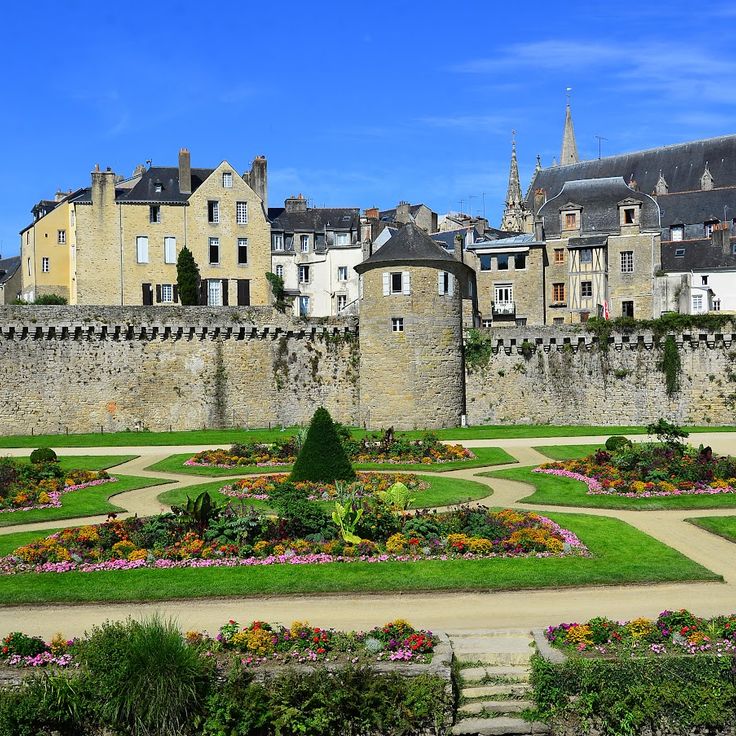
These medieval fortifications from the 13th century surround the historic center of Vannes with several watchtowers and monumental gates. The walls extend roughly 1.2 miles (2 kilometers) and connect structures from different construction periods. Visitors can walk sections of the rampart along the Promenade de la Garenne, which provides a route through the different defensive levels. The complex includes the Tour du Connétable, a polygonal tower from the 15th century, as well as the Porte Prison and Porte Saint-Vincent as main entrances to the old town.
The Saint-Pierre Cathedral is a Roman Catholic cathedral in Vannes, built between the 13th and 18th centuries. It combines Gothic and Renaissance architectural styles with a monumental western facade. Inside, several chapels dedicated to different saints contain religious artworks from various periods. Construction spanned five centuries, which explains the architectural diversity of the building. The cathedral serves as the seat of the Diocese of Vannes and remains an active place of Catholic worship. It stands in the historic center of the city, surrounded by medieval timber-framed houses and near the 13th-century ramparts.
The Musée de la Cohue occupies a former medieval market hall in central Vannes and now houses collections of fine art spanning four centuries. The museum displays paintings and sculptures from the 17th through the 20th century, including works by Breton artists and French painters representing various movements and periods. The collection documents regional artistic development and provides context for understanding how art evolved in Brittany and France from the Baroque era through modern times.
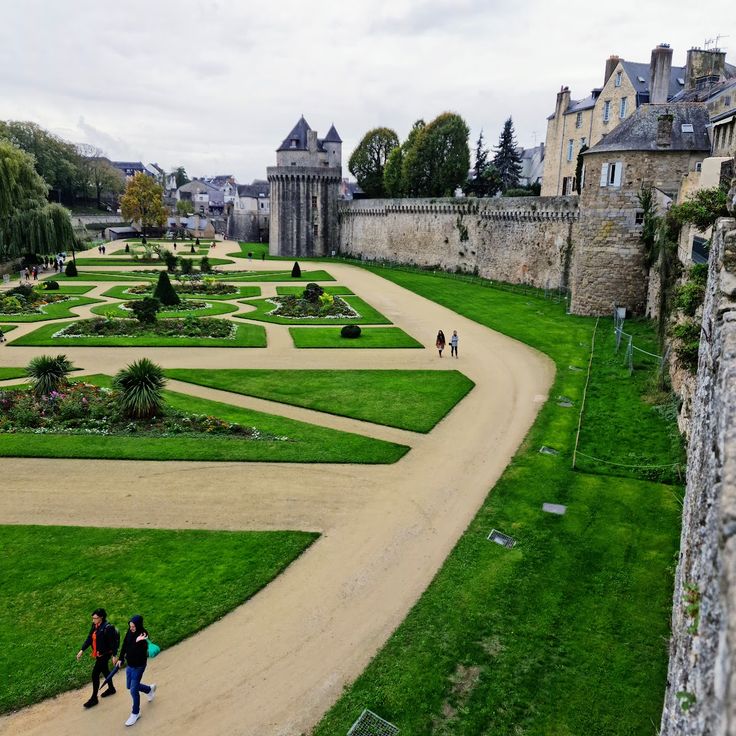
The Jardin des Remparts runs along the city walls of Vannes for roughly 820 feet (250 meters) and was laid out during the 19th century. This public garden connects the medieval fortifications with flower beds and mature trees, some more than a century old. The grounds provide walking paths between the defensive structures and offer views of various sections of the historic ramparts. The garden serves as a green space within the old town and demonstrates the integration of landscaping with the fortified urban fabric.
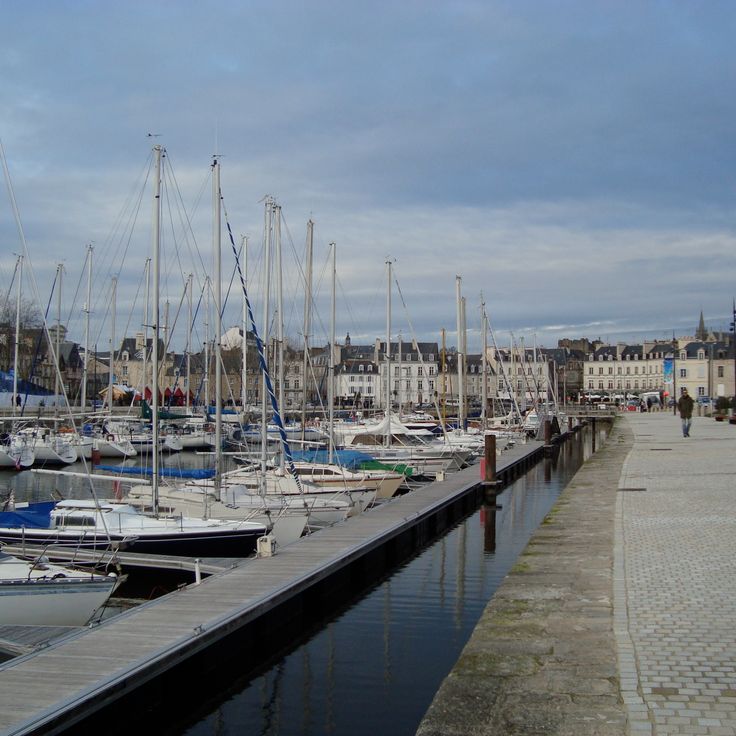
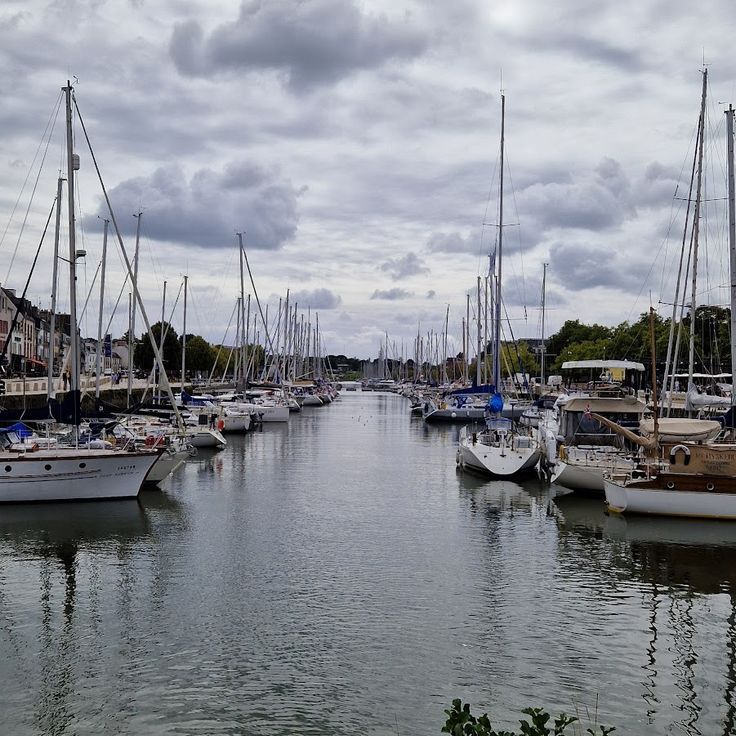
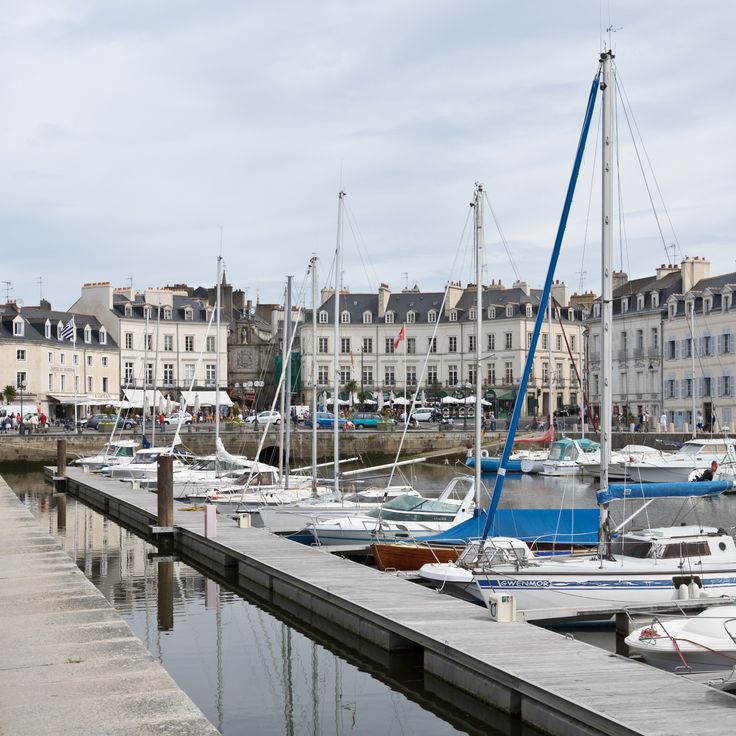
The Port of Vannes sits in the city center and serves as a mooring facility for private pleasure craft. The harbor basin is lined with pontoons where sailboats and motorboats tie up. Several restaurants and cafés with outdoor seating areas line the quays, offering direct views of the water. The port connects the historic old town to the Gulf of Morbihan via the Marle River. The facility has been renovated over recent decades and provides around 400 berths for boats of varying sizes.
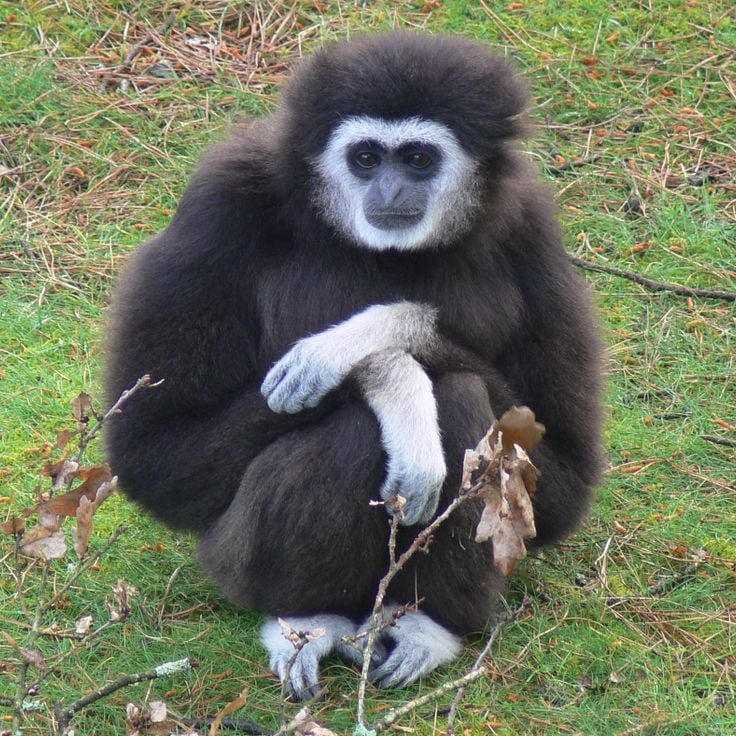
The Parc animalier de Branféré houses around 1,200 animals from 150 different species across grounds that feature mature trees and botanical gardens. Located about 12 miles (20 kilometers) northeast of Vannes, this park presents mammals, birds and reptiles from several continents. The site covers 110 acres (45 hectares) and combines animal habitats with landscaped grounds. Visitors follow marked paths between enclosures and planted areas. Established in the mid-20th century, the park ranks among the established animal parks in Brittany.
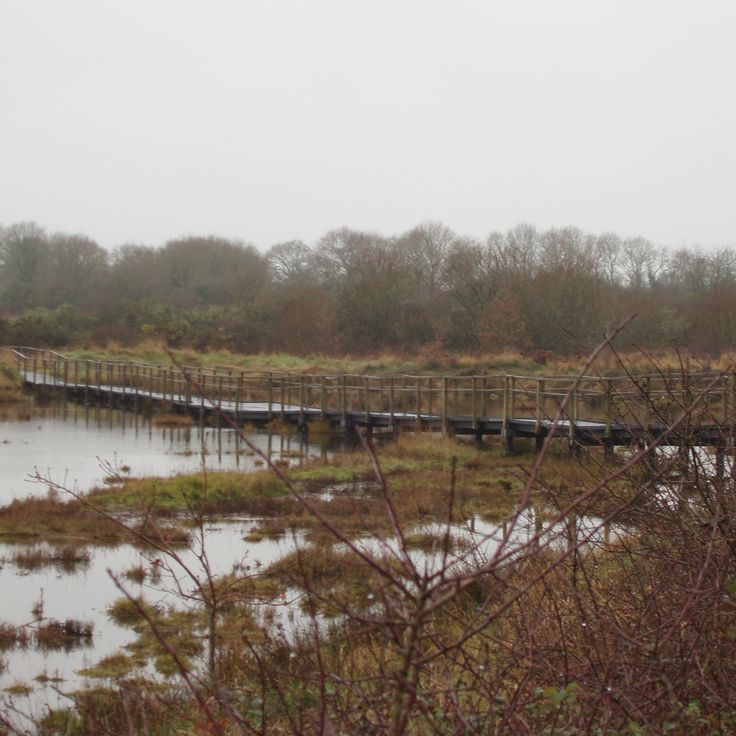
The Séné Nature Reserve encompasses protected wetlands south of Vannes, featuring developed walking trails, several bird observation stations and active salt marshes. The area serves as habitat for numerous water and migratory birds, including spoonbills, avocets and various duck species. This roughly 1,300-acre reserve offers guided walks through different habitats such as salt meadows, reed beds and mudflats. The nature center provides information about local ecosystems and organizes educational programs for visitors of all ages.
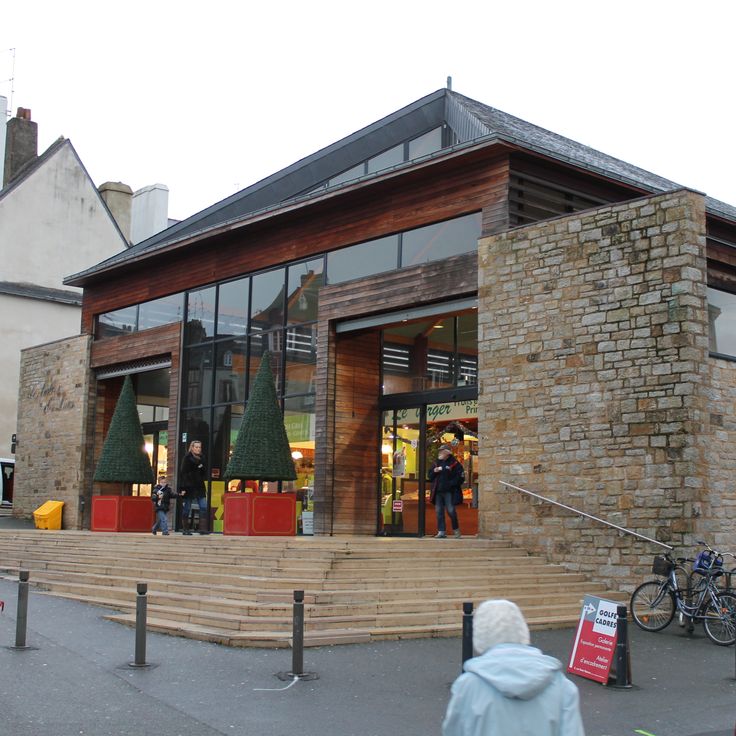
This market in the historic center dates to the 17th century and ranks among the most significant in Brittany. Vendors set up twice weekly under the covered halls and across the cobbled square, selling regional produce, fish from local ports, vegetables, cheese, bread and craft goods. The selection includes Breton specialties such as crêpes, kouign-amann and cider, along with seasonal products from the surrounding countryside.
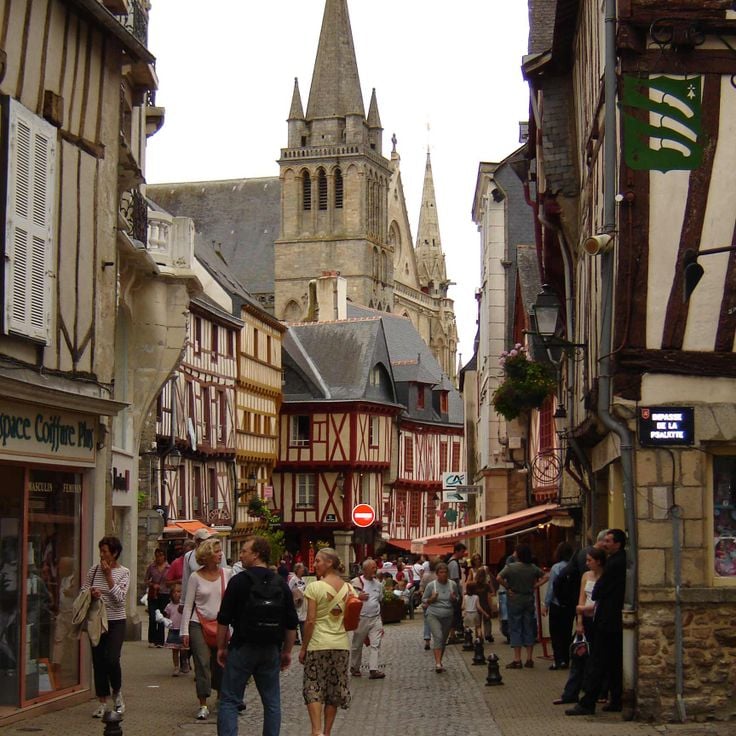
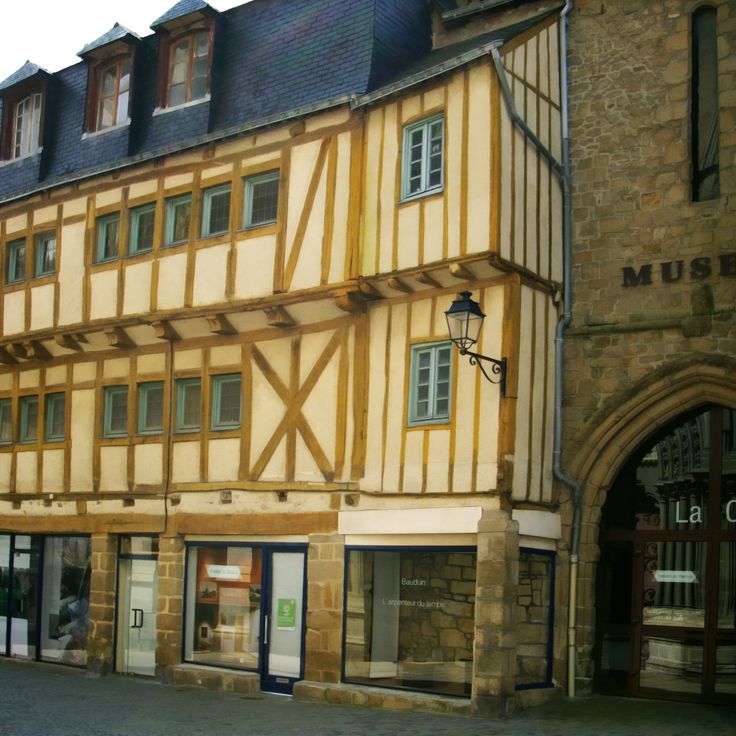
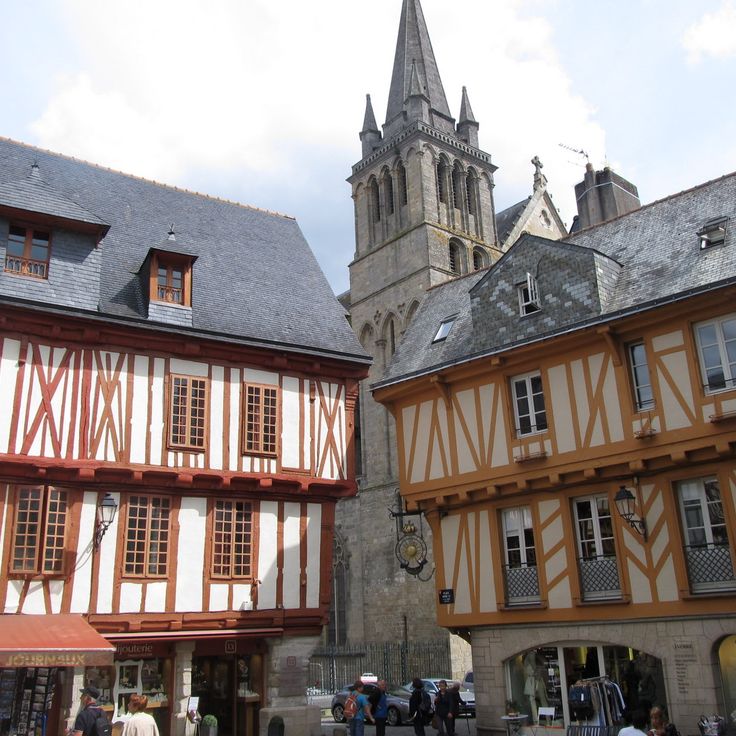
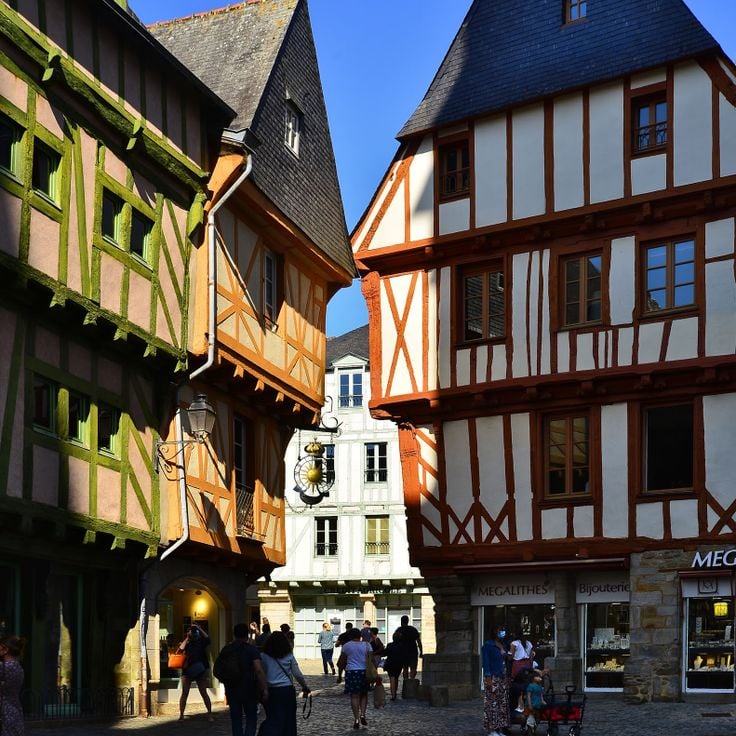
These half-timbered houses from the 15th and 16th centuries form a significant part of the medieval architectural fabric of Vannes. The structures display the exposed wooden framing characteristic of traditional Breton construction along their facades. Most of these buildings cluster in the old town, particularly around Place Henri IV and along Rue Saint-Salomon. The timber frame construction combines vertical posts with horizontal beams, with the spaces between filled with wattle and daub. Many houses feature overhanging upper floors that created additional living space while protecting the ground floors below from rain. The surviving examples document late Gothic and Renaissance urban residential architecture in Brittany.
The Festival d'Arvor takes place each August and presents Breton dances, music and traditional costumes. The event includes singing and dancing competitions that structure the multi-day program. Participants wear historical costumes from different regions of Brittany. The festival regularly attracts folklore groups from across France and abroad. Performances take place on multiple stages in the old town and in public squares.
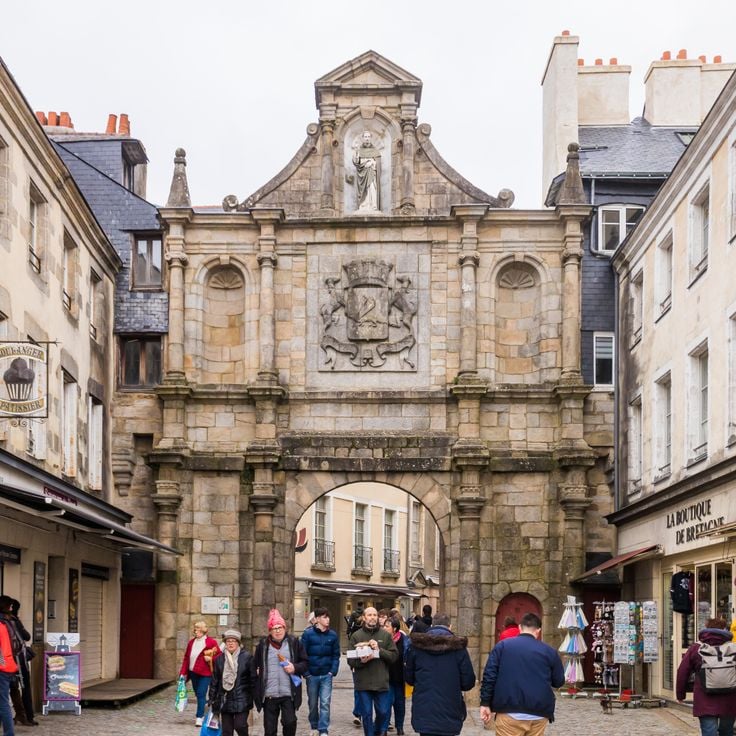
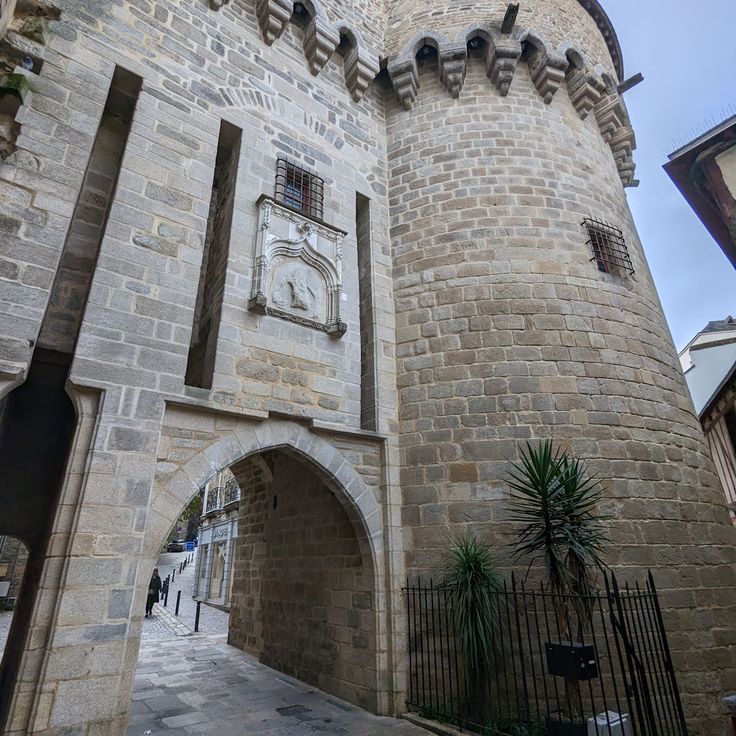
The Porte Saint-Vincent serves as the main entrance to Vannes' medieval fortifications. Standing 62 feet (19 meters) tall, this gate was built in 1624 to replace an earlier structure. The gate connects the old town with the harbor district and marks the southern boundary of the historic city walls. Visitors pass through this entrance when accessing the medieval center with its half-timbered houses and cathedral. The 17th-century Baroque architectural elements remain visible on the facade.
This medieval market square in the heart of the old town dates from the 14th century and is framed by timber houses. Place Valencia now serves as a meeting point with restaurants and shops housed in the historic buildings. The square sits near the Saint-Pierre Cathedral and ranks among the central points during a walk through Vannes. The architecture of the surrounding houses shows typical Breton construction methods with visible timber beams and plastered facades. Place Valencia connects commercial functions with the city's historical heritage.
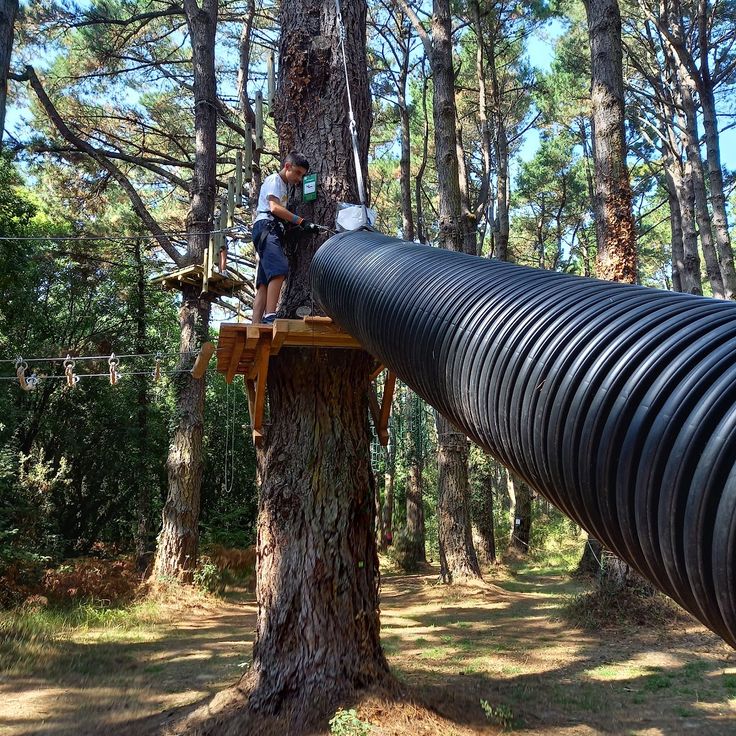
Celt'Aventures is an outdoor recreation center on the outskirts of Vannes that focuses on tree-based climbing activities. The facility offers several courses at varying heights and difficulty levels, from beginner routes for younger visitors to more demanding courses featuring zip lines and obstacles at greater elevations. The courses are set within a wooded area and combine elements such as suspended bridges, cargo nets and platforms between trees. Equipment and safety briefings are provided on site, and the activities accommodate families and groups seeking physical challenges in a natural setting.
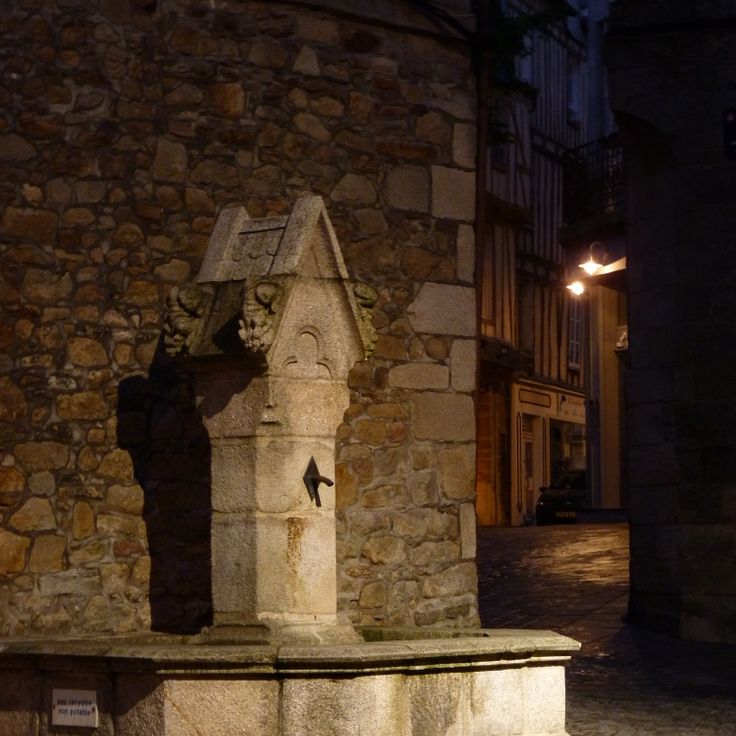
This 16th-century square sits in the historic center of Vannes, surrounded by half-timbered houses. A granite fountain stands at its center. Place Henri IV connects several medieval streets and serves as one of the old town's main public spaces. The buildings around the square display typical Breton architecture with exposed timber frames and slate roofs. The fountain dates from the 17th century and once provided drinking water to local residents.
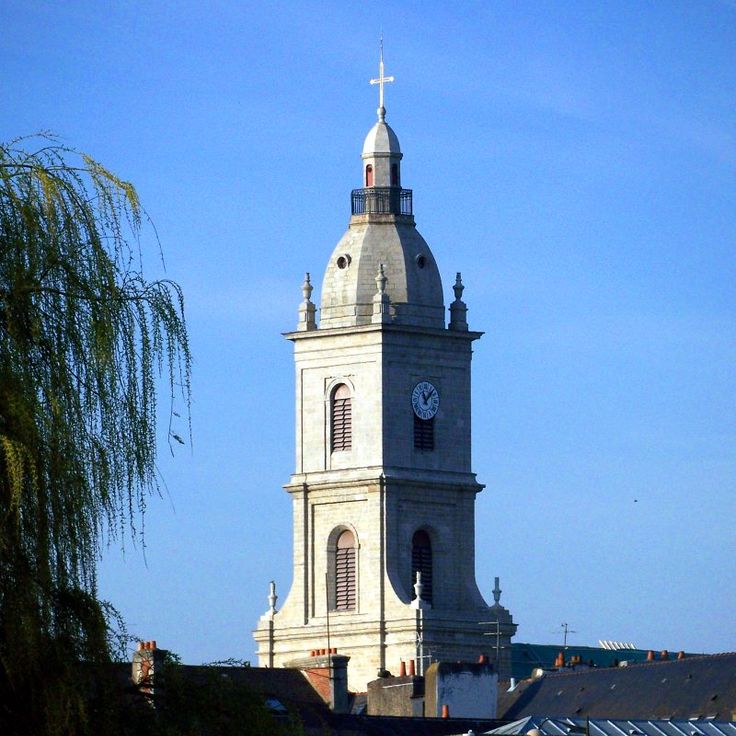
This 16th century church is dedicated to Saint Patern, the first bishop of Vannes. The building features baroque furnishings and colored stained glass windows that characterize the interior of the place of worship. The Église Saint-Patern belongs to the city's religious heritage and reflects the history of the diocese that has existed in Brittany since early Christianity.
The Porte Prison stands in the historic center of Vannes as a 14th century fortified gate built into the medieval city walls. For several centuries, this gate served as a prison, which explains its name. The architecture combines defensive features with the solid construction typical of military installations from this period. Visitors can view the structure from the outside and understand its role in the city's defensive history. The gate sits near the Saint-Pierre Cathedral and other preserved medieval buildings.
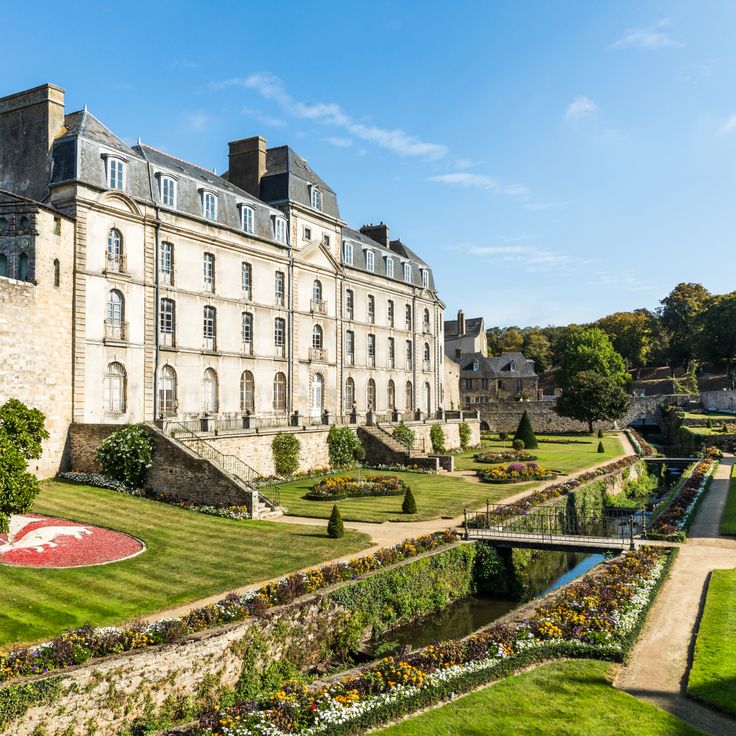
The Château de l'Hermine sits against the medieval walls of Vannes and originally served as a ducal residence built in 1380. The name references the heraldic symbol of the Breton dukes, the ermine. Today the building houses reception halls for municipal events and public gardens that extend along the preserved fortifications. The complex connects the military history of the city with its administrative role as a historic center of power in Brittany. Visitors can freely explore the exterior grounds and gain insight into the urban development of a medieval ducal city.
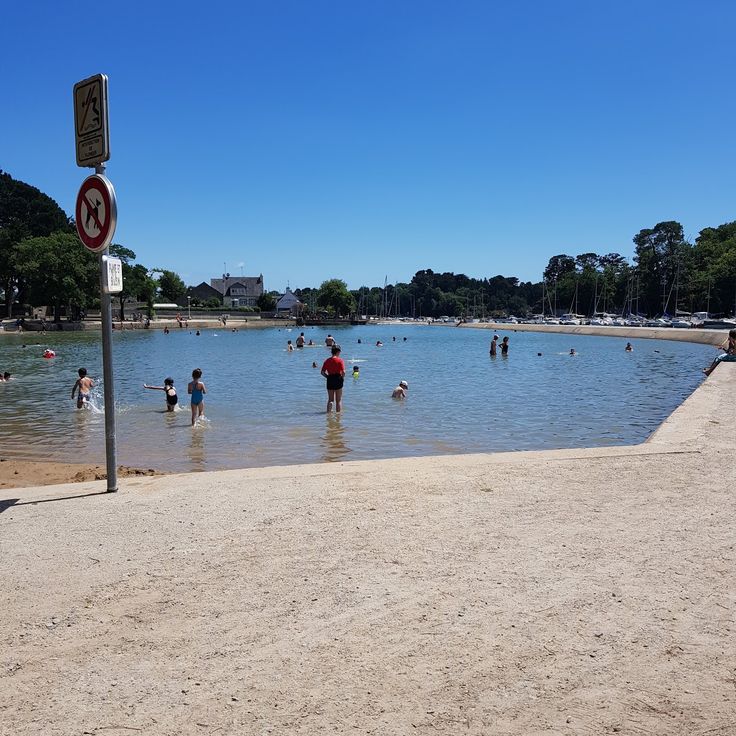
This beach facility features a public seawater pool and a supervised swimming area during summer months. Conleau Beach offers various water sports activities and sits on the Gulf of Morbihan south of central Vannes. The facility includes restroom facilities, a parking area and an adjoining coastal path that allows for waterfront walks. The seawater pool fills naturally at high tide and remains usable at low tide.
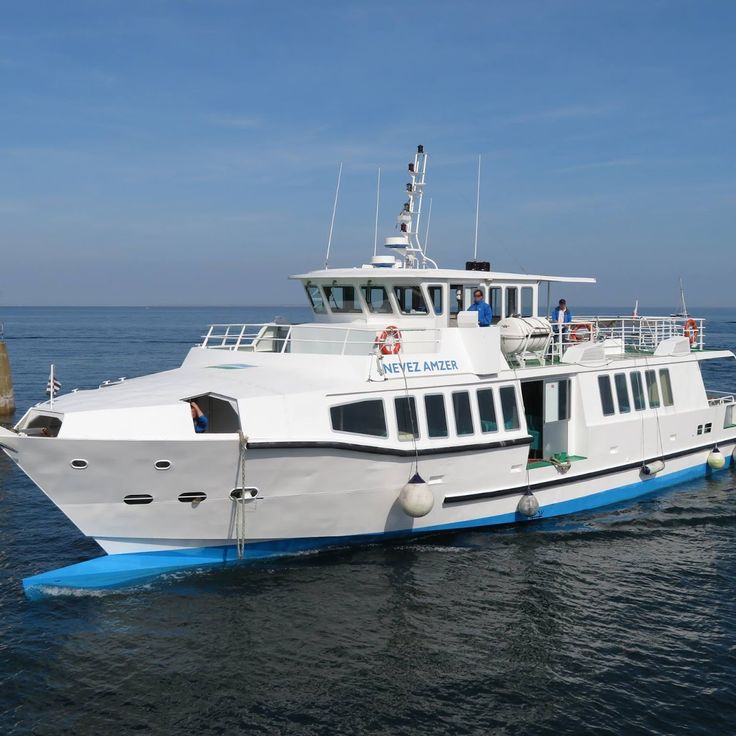
This ferry service connects the port of Vannes to Île d'Arz with regular departures across the Gulf of Morbihan. The crossing takes approximately 30 minutes and allows visitors to reach the island while observing the coastal landscape and numerous small islands of the gulf from the water. The boats operate year-round with increased frequency during summer months, serving both day trippers and island residents.
The historic center of Vannes preserves its medieval layout with half-timbered houses from the 15th and 16th centuries, cobblestone streets and Saint-Pierre Cathedral. The 13th-century ramparts encircle this quarter, which contains shops, restaurants and historic buildings including the Cohue Museum. Visitors can walk through the pedestrian zones between Place Henri IV and Place des Lices while exploring the preserved architecture of the old town.
This museum preserves archaeological finds from the region and displays a permanent collection spanning from the Neolithic period to the Gallo-Roman era. The exhibited objects document the long settlement history of the Vannes area and include tools, pottery, coins and burial goods. The museum occupies a historic building in the old town and complements the understanding of the city's medieval and modern monuments by revealing its ancient roots.
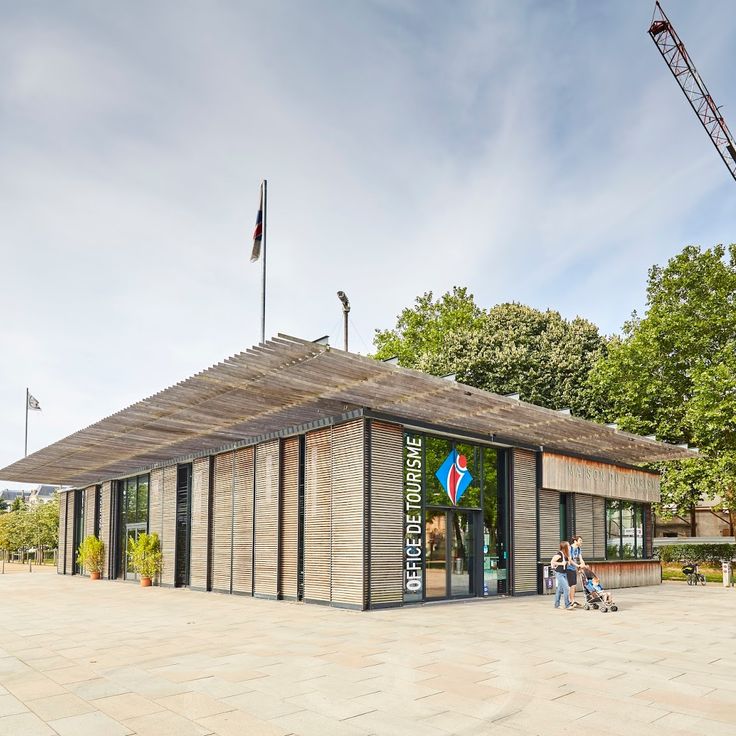
The tourist office Golfe du Morbihan Vannes Tourisme provides visitors with city maps and comprehensive documentation about the region. Staff members offer information about monuments, events and activities throughout the area. The center serves as a starting point for planning visits to the medieval quarters, fortifications and nearby natural sites such as the Marais de Séné. Travelers can obtain practical details about opening hours, guided tours and local events, along with recommendations for dining and accommodation.
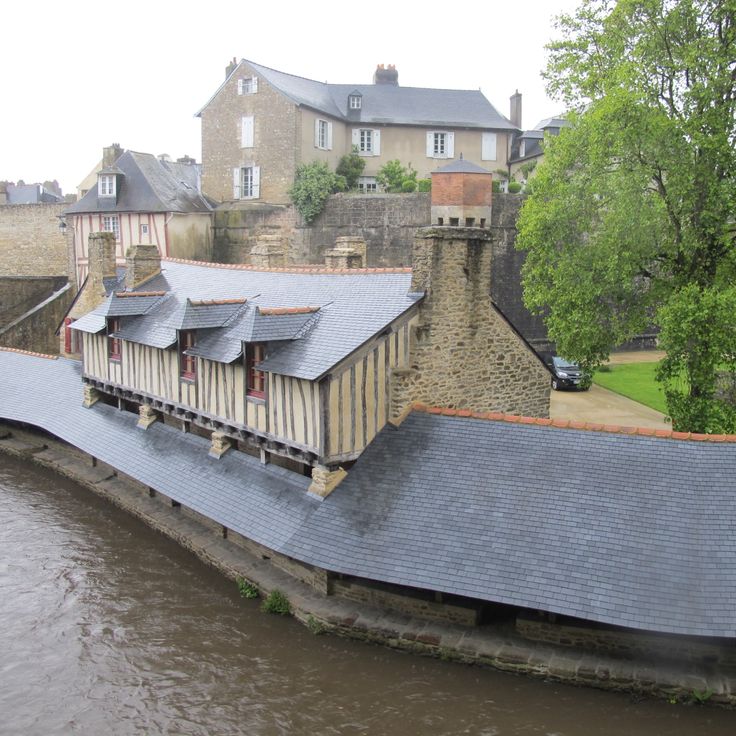
This municipal washhouse from the 19th century served Vannes residents for laundry washing. The central basin receives water from a natural spring and illustrates the practical water management of the town during that period. The structure belongs to the preserved public facilities that document daily life in Vannes before mechanization.
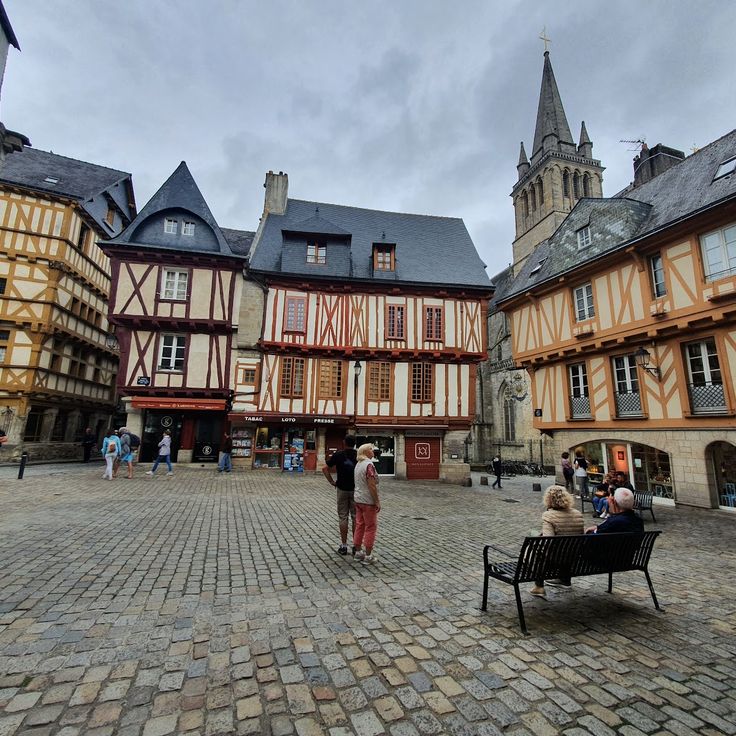
This urban square in the historic center of Vannes is lined with 16th-century half-timbered houses and has the Saint-Pierre Cathedral as its central feature. Place Saint-Pierre serves as a natural gathering point in the old town quarter, surrounded by shops and restaurants housed in preserved medieval buildings. The square connects various sections of the city center and provides direct access to the cathedral, which has served as the religious center of the city since the 13th century.
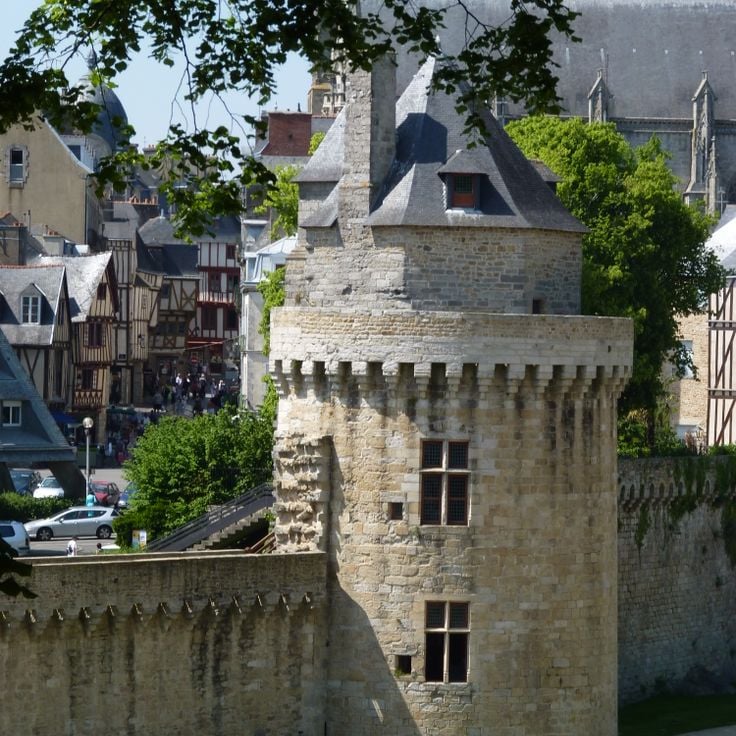
This medieval granite tower rises as part of the city walls of Vannes and displays typical elements of medieval military architecture. The tower features arrow slits and an observation platform that once served strategic functions. The massive stone structure documents the defensive construction techniques of Breton fortifications and now offers visitors insight into the city's historical defensive architecture.
This central square in Vannes connects the old town to the marina district. Place Gambetta was laid out in the 19th century and now serves as a commercial hub with shops, restaurants and cafés. The square provides direct views of the pleasure port and offers access to the waterfront promenade. It functions as a transition point between the medieval city center with its half-timbered houses and the modern harbor area, making it a practical starting point for exploring both parts of Vannes.
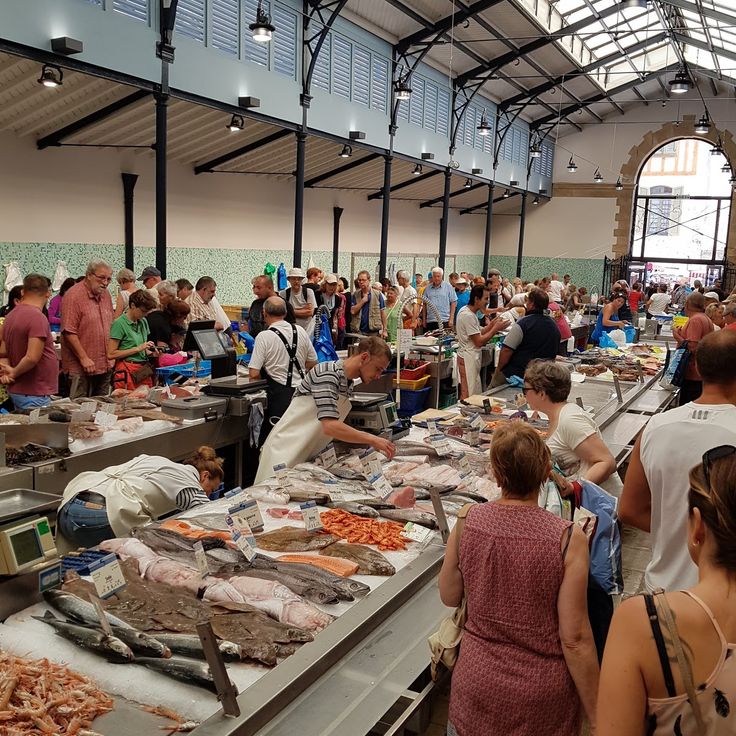
This historic market hall in central Vannes has served for centuries as the primary trading point for fresh fish and seafood from the region. The building dates from the 19th century and continues to host fishermen and merchants daily, who offer their catch directly from the Gulf of Morbihan. The architecture combines functional design with traditional features of Breton market buildings, while the atmosphere reflects the close connection between Vannes and its maritime economy.
The Vincin Farm is a working sheep farm that offers guided tours for school groups and families on a regular basis. Visitors learn about animal husbandry, pasture management and the daily operations of the farm. Located within the Vannes city limits, the facility provides an opportunity to observe agricultural practices in Brittany at close range.
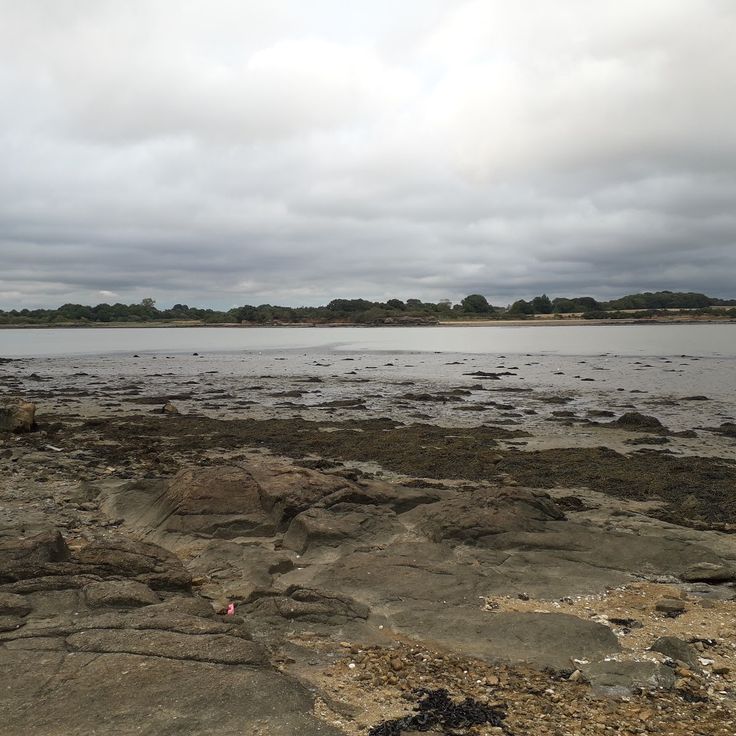
The Pointe des Émigres covers 30 hectares of natural terrain with wooded areas, meadows and marshland along the Gulf of Morbihan. The site provides walking trails through varied habitats, offering views of the coastal landscape and the transitions between land and sea. Located at the eastern edge of Vannes, this natural space serves as an access point to the ecological features of the region while providing practical orientation for exploring the gulf surroundings.
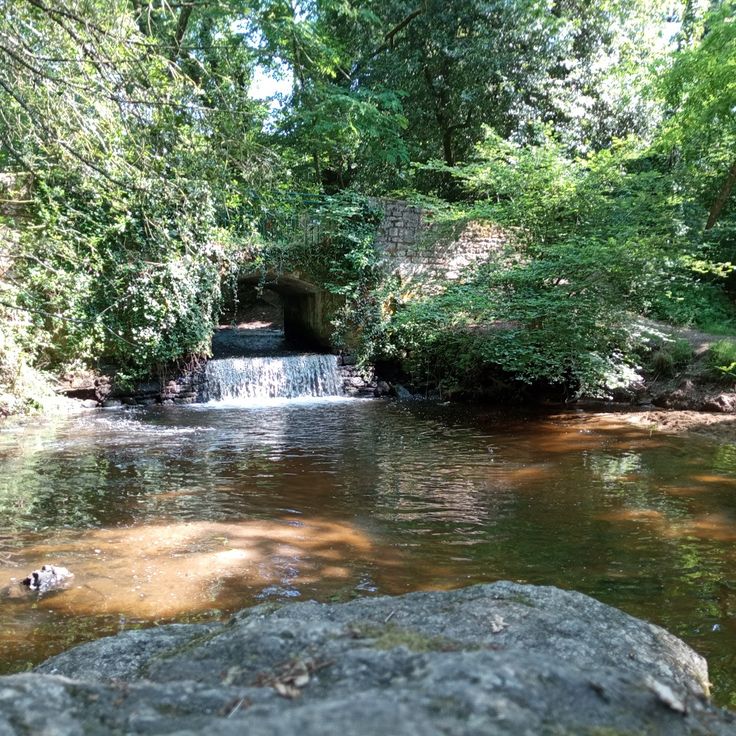
This 17.5-acre (7.5-hectare) green space in the Ménimur neighborhood offers walking paths along a stream. The site serves as a local recreation area for Vannes residents and features maintained trails winding through meadows and wooded sections. The Kermesquel stream runs through the grounds, creating a wetland habitat for native plants and wildlife. The zone connects residential neighborhoods with natural areas and is used for walks and light outdoor activities.
These medieval fortifications from the 13th century surround the historic center of Vannes with several watchtowers and monumental gates. The walls extend roughly 1.2 miles (2 kilometers) and connect structures from different construction periods. Visitors can walk sections of the rampart along the Promenade de la Garenne, which provides a route through the different defensive levels. The complex includes the Tour du Connétable, a polygonal tower from the 15th century, as well as the Porte Prison and Porte Saint-Vincent as main entrances to the old town.
The Saint-Pierre Cathedral is a Roman Catholic cathedral in Vannes, built between the 13th and 18th centuries. It combines Gothic and Renaissance architectural styles with a monumental western facade. Inside, several chapels dedicated to different saints contain religious artworks from various periods. Construction spanned five centuries, which explains the architectural diversity of the building. The cathedral serves as the seat of the Diocese of Vannes and remains an active place of Catholic worship. It stands in the historic center of the city, surrounded by medieval timber-framed houses and near the 13th-century ramparts.
The Musée de la Cohue occupies a former medieval market hall in central Vannes and now houses collections of fine art spanning four centuries. The museum displays paintings and sculptures from the 17th through the 20th century, including works by Breton artists and French painters representing various movements and periods. The collection documents regional artistic development and provides context for understanding how art evolved in Brittany and France from the Baroque era through modern times.
The Jardin des Remparts runs along the city walls of Vannes for roughly 820 feet (250 meters) and was laid out during the 19th century. This public garden connects the medieval fortifications with flower beds and mature trees, some more than a century old. The grounds provide walking paths between the defensive structures and offer views of various sections of the historic ramparts. The garden serves as a green space within the old town and demonstrates the integration of landscaping with the fortified urban fabric.
The Port of Vannes sits in the city center and serves as a mooring facility for private pleasure craft. The harbor basin is lined with pontoons where sailboats and motorboats tie up. Several restaurants and cafés with outdoor seating areas line the quays, offering direct views of the water. The port connects the historic old town to the Gulf of Morbihan via the Marle River. The facility has been renovated over recent decades and provides around 400 berths for boats of varying sizes.
The Parc animalier de Branféré houses around 1,200 animals from 150 different species across grounds that feature mature trees and botanical gardens. Located about 12 miles (20 kilometers) northeast of Vannes, this park presents mammals, birds and reptiles from several continents. The site covers 110 acres (45 hectares) and combines animal habitats with landscaped grounds. Visitors follow marked paths between enclosures and planted areas. Established in the mid-20th century, the park ranks among the established animal parks in Brittany.
The Séné Nature Reserve encompasses protected wetlands south of Vannes, featuring developed walking trails, several bird observation stations and active salt marshes. The area serves as habitat for numerous water and migratory birds, including spoonbills, avocets and various duck species. This roughly 1,300-acre reserve offers guided walks through different habitats such as salt meadows, reed beds and mudflats. The nature center provides information about local ecosystems and organizes educational programs for visitors of all ages.
This market in the historic center dates to the 17th century and ranks among the most significant in Brittany. Vendors set up twice weekly under the covered halls and across the cobbled square, selling regional produce, fish from local ports, vegetables, cheese, bread and craft goods. The selection includes Breton specialties such as crêpes, kouign-amann and cider, along with seasonal products from the surrounding countryside.
These half-timbered houses from the 15th and 16th centuries form a significant part of the medieval architectural fabric of Vannes. The structures display the exposed wooden framing characteristic of traditional Breton construction along their facades. Most of these buildings cluster in the old town, particularly around Place Henri IV and along Rue Saint-Salomon. The timber frame construction combines vertical posts with horizontal beams, with the spaces between filled with wattle and daub. Many houses feature overhanging upper floors that created additional living space while protecting the ground floors below from rain. The surviving examples document late Gothic and Renaissance urban residential architecture in Brittany.
The Festival d'Arvor takes place each August and presents Breton dances, music and traditional costumes. The event includes singing and dancing competitions that structure the multi-day program. Participants wear historical costumes from different regions of Brittany. The festival regularly attracts folklore groups from across France and abroad. Performances take place on multiple stages in the old town and in public squares.
The Porte Saint-Vincent serves as the main entrance to Vannes' medieval fortifications. Standing 62 feet (19 meters) tall, this gate was built in 1624 to replace an earlier structure. The gate connects the old town with the harbor district and marks the southern boundary of the historic city walls. Visitors pass through this entrance when accessing the medieval center with its half-timbered houses and cathedral. The 17th-century Baroque architectural elements remain visible on the facade.
This medieval market square in the heart of the old town dates from the 14th century and is framed by timber houses. Place Valencia now serves as a meeting point with restaurants and shops housed in the historic buildings. The square sits near the Saint-Pierre Cathedral and ranks among the central points during a walk through Vannes. The architecture of the surrounding houses shows typical Breton construction methods with visible timber beams and plastered facades. Place Valencia connects commercial functions with the city's historical heritage.
Celt'Aventures is an outdoor recreation center on the outskirts of Vannes that focuses on tree-based climbing activities. The facility offers several courses at varying heights and difficulty levels, from beginner routes for younger visitors to more demanding courses featuring zip lines and obstacles at greater elevations. The courses are set within a wooded area and combine elements such as suspended bridges, cargo nets and platforms between trees. Equipment and safety briefings are provided on site, and the activities accommodate families and groups seeking physical challenges in a natural setting.
This 16th-century square sits in the historic center of Vannes, surrounded by half-timbered houses. A granite fountain stands at its center. Place Henri IV connects several medieval streets and serves as one of the old town's main public spaces. The buildings around the square display typical Breton architecture with exposed timber frames and slate roofs. The fountain dates from the 17th century and once provided drinking water to local residents.
This 16th century church is dedicated to Saint Patern, the first bishop of Vannes. The building features baroque furnishings and colored stained glass windows that characterize the interior of the place of worship. The Église Saint-Patern belongs to the city's religious heritage and reflects the history of the diocese that has existed in Brittany since early Christianity.
The Porte Prison stands in the historic center of Vannes as a 14th century fortified gate built into the medieval city walls. For several centuries, this gate served as a prison, which explains its name. The architecture combines defensive features with the solid construction typical of military installations from this period. Visitors can view the structure from the outside and understand its role in the city's defensive history. The gate sits near the Saint-Pierre Cathedral and other preserved medieval buildings.
The Château de l'Hermine sits against the medieval walls of Vannes and originally served as a ducal residence built in 1380. The name references the heraldic symbol of the Breton dukes, the ermine. Today the building houses reception halls for municipal events and public gardens that extend along the preserved fortifications. The complex connects the military history of the city with its administrative role as a historic center of power in Brittany. Visitors can freely explore the exterior grounds and gain insight into the urban development of a medieval ducal city.
This beach facility features a public seawater pool and a supervised swimming area during summer months. Conleau Beach offers various water sports activities and sits on the Gulf of Morbihan south of central Vannes. The facility includes restroom facilities, a parking area and an adjoining coastal path that allows for waterfront walks. The seawater pool fills naturally at high tide and remains usable at low tide.
This ferry service connects the port of Vannes to Île d'Arz with regular departures across the Gulf of Morbihan. The crossing takes approximately 30 minutes and allows visitors to reach the island while observing the coastal landscape and numerous small islands of the gulf from the water. The boats operate year-round with increased frequency during summer months, serving both day trippers and island residents.
The historic center of Vannes preserves its medieval layout with half-timbered houses from the 15th and 16th centuries, cobblestone streets and Saint-Pierre Cathedral. The 13th-century ramparts encircle this quarter, which contains shops, restaurants and historic buildings including the Cohue Museum. Visitors can walk through the pedestrian zones between Place Henri IV and Place des Lices while exploring the preserved architecture of the old town.
This museum preserves archaeological finds from the region and displays a permanent collection spanning from the Neolithic period to the Gallo-Roman era. The exhibited objects document the long settlement history of the Vannes area and include tools, pottery, coins and burial goods. The museum occupies a historic building in the old town and complements the understanding of the city's medieval and modern monuments by revealing its ancient roots.
The tourist office Golfe du Morbihan Vannes Tourisme provides visitors with city maps and comprehensive documentation about the region. Staff members offer information about monuments, events and activities throughout the area. The center serves as a starting point for planning visits to the medieval quarters, fortifications and nearby natural sites such as the Marais de Séné. Travelers can obtain practical details about opening hours, guided tours and local events, along with recommendations for dining and accommodation.
This municipal washhouse from the 19th century served Vannes residents for laundry washing. The central basin receives water from a natural spring and illustrates the practical water management of the town during that period. The structure belongs to the preserved public facilities that document daily life in Vannes before mechanization.
This urban square in the historic center of Vannes is lined with 16th-century half-timbered houses and has the Saint-Pierre Cathedral as its central feature. Place Saint-Pierre serves as a natural gathering point in the old town quarter, surrounded by shops and restaurants housed in preserved medieval buildings. The square connects various sections of the city center and provides direct access to the cathedral, which has served as the religious center of the city since the 13th century.
This medieval granite tower rises as part of the city walls of Vannes and displays typical elements of medieval military architecture. The tower features arrow slits and an observation platform that once served strategic functions. The massive stone structure documents the defensive construction techniques of Breton fortifications and now offers visitors insight into the city's historical defensive architecture.
This central square in Vannes connects the old town to the marina district. Place Gambetta was laid out in the 19th century and now serves as a commercial hub with shops, restaurants and cafés. The square provides direct views of the pleasure port and offers access to the waterfront promenade. It functions as a transition point between the medieval city center with its half-timbered houses and the modern harbor area, making it a practical starting point for exploring both parts of Vannes.
This historic market hall in central Vannes has served for centuries as the primary trading point for fresh fish and seafood from the region. The building dates from the 19th century and continues to host fishermen and merchants daily, who offer their catch directly from the Gulf of Morbihan. The architecture combines functional design with traditional features of Breton market buildings, while the atmosphere reflects the close connection between Vannes and its maritime economy.
The Vincin Farm is a working sheep farm that offers guided tours for school groups and families on a regular basis. Visitors learn about animal husbandry, pasture management and the daily operations of the farm. Located within the Vannes city limits, the facility provides an opportunity to observe agricultural practices in Brittany at close range.
The Pointe des Émigres covers 30 hectares of natural terrain with wooded areas, meadows and marshland along the Gulf of Morbihan. The site provides walking trails through varied habitats, offering views of the coastal landscape and the transitions between land and sea. Located at the eastern edge of Vannes, this natural space serves as an access point to the ecological features of the region while providing practical orientation for exploring the gulf surroundings.
This 17.5-acre (7.5-hectare) green space in the Ménimur neighborhood offers walking paths along a stream. The site serves as a local recreation area for Vannes residents and features maintained trails winding through meadows and wooded sections. The Kermesquel stream runs through the grounds, creating a wetland habitat for native plants and wildlife. The zone connects residential neighborhoods with natural areas and is used for walks and light outdoor activities.
These medieval fortifications from the 13th century surround the historic center of Vannes with several watchtowers and monumental gates. The walls extend roughly 1.2 miles (2 kilometers) and connect structures from different construction periods. Visitors can walk sections of the rampart along the Promenade de la Garenne, which provides a route through the different defensive levels. The complex includes the Tour du Connétable, a polygonal tower from the 15th century, as well as the Porte Prison and Porte Saint-Vincent as main entrances to the old town.
The Saint-Pierre Cathedral is a Roman Catholic cathedral in Vannes, built between the 13th and 18th centuries. It combines Gothic and Renaissance architectural styles with a monumental western facade. Inside, several chapels dedicated to different saints contain religious artworks from various periods. Construction spanned five centuries, which explains the architectural diversity of the building. The cathedral serves as the seat of the Diocese of Vannes and remains an active place of Catholic worship. It stands in the historic center of the city, surrounded by medieval timber-framed houses and near the 13th-century ramparts.
The Musée de la Cohue occupies a former medieval market hall in central Vannes and now houses collections of fine art spanning four centuries. The museum displays paintings and sculptures from the 17th through the 20th century, including works by Breton artists and French painters representing various movements and periods. The collection documents regional artistic development and provides context for understanding how art evolved in Brittany and France from the Baroque era through modern times.
The Jardin des Remparts runs along the city walls of Vannes for roughly 820 feet (250 meters) and was laid out during the 19th century. This public garden connects the medieval fortifications with flower beds and mature trees, some more than a century old. The grounds provide walking paths between the defensive structures and offer views of various sections of the historic ramparts. The garden serves as a green space within the old town and demonstrates the integration of landscaping with the fortified urban fabric.
The Port of Vannes sits in the city center and serves as a mooring facility for private pleasure craft. The harbor basin is lined with pontoons where sailboats and motorboats tie up. Several restaurants and cafés with outdoor seating areas line the quays, offering direct views of the water. The port connects the historic old town to the Gulf of Morbihan via the Marle River. The facility has been renovated over recent decades and provides around 400 berths for boats of varying sizes.
The Parc animalier de Branféré houses around 1,200 animals from 150 different species across grounds that feature mature trees and botanical gardens. Located about 12 miles (20 kilometers) northeast of Vannes, this park presents mammals, birds and reptiles from several continents. The site covers 110 acres (45 hectares) and combines animal habitats with landscaped grounds. Visitors follow marked paths between enclosures and planted areas. Established in the mid-20th century, the park ranks among the established animal parks in Brittany.
The Séné Nature Reserve encompasses protected wetlands south of Vannes, featuring developed walking trails, several bird observation stations and active salt marshes. The area serves as habitat for numerous water and migratory birds, including spoonbills, avocets and various duck species. This roughly 1,300-acre reserve offers guided walks through different habitats such as salt meadows, reed beds and mudflats. The nature center provides information about local ecosystems and organizes educational programs for visitors of all ages.
This market in the historic center dates to the 17th century and ranks among the most significant in Brittany. Vendors set up twice weekly under the covered halls and across the cobbled square, selling regional produce, fish from local ports, vegetables, cheese, bread and craft goods. The selection includes Breton specialties such as crêpes, kouign-amann and cider, along with seasonal products from the surrounding countryside.
These half-timbered houses from the 15th and 16th centuries form a significant part of the medieval architectural fabric of Vannes. The structures display the exposed wooden framing characteristic of traditional Breton construction along their facades. Most of these buildings cluster in the old town, particularly around Place Henri IV and along Rue Saint-Salomon. The timber frame construction combines vertical posts with horizontal beams, with the spaces between filled with wattle and daub. Many houses feature overhanging upper floors that created additional living space while protecting the ground floors below from rain. The surviving examples document late Gothic and Renaissance urban residential architecture in Brittany.
The Festival d'Arvor takes place each August and presents Breton dances, music and traditional costumes. The event includes singing and dancing competitions that structure the multi-day program. Participants wear historical costumes from different regions of Brittany. The festival regularly attracts folklore groups from across France and abroad. Performances take place on multiple stages in the old town and in public squares.
The Porte Saint-Vincent serves as the main entrance to Vannes' medieval fortifications. Standing 62 feet (19 meters) tall, this gate was built in 1624 to replace an earlier structure. The gate connects the old town with the harbor district and marks the southern boundary of the historic city walls. Visitors pass through this entrance when accessing the medieval center with its half-timbered houses and cathedral. The 17th-century Baroque architectural elements remain visible on the facade.
This medieval market square in the heart of the old town dates from the 14th century and is framed by timber houses. Place Valencia now serves as a meeting point with restaurants and shops housed in the historic buildings. The square sits near the Saint-Pierre Cathedral and ranks among the central points during a walk through Vannes. The architecture of the surrounding houses shows typical Breton construction methods with visible timber beams and plastered facades. Place Valencia connects commercial functions with the city's historical heritage.
Celt'Aventures is an outdoor recreation center on the outskirts of Vannes that focuses on tree-based climbing activities. The facility offers several courses at varying heights and difficulty levels, from beginner routes for younger visitors to more demanding courses featuring zip lines and obstacles at greater elevations. The courses are set within a wooded area and combine elements such as suspended bridges, cargo nets and platforms between trees. Equipment and safety briefings are provided on site, and the activities accommodate families and groups seeking physical challenges in a natural setting.
This 16th-century square sits in the historic center of Vannes, surrounded by half-timbered houses. A granite fountain stands at its center. Place Henri IV connects several medieval streets and serves as one of the old town's main public spaces. The buildings around the square display typical Breton architecture with exposed timber frames and slate roofs. The fountain dates from the 17th century and once provided drinking water to local residents.
This 16th century church is dedicated to Saint Patern, the first bishop of Vannes. The building features baroque furnishings and colored stained glass windows that characterize the interior of the place of worship. The Église Saint-Patern belongs to the city's religious heritage and reflects the history of the diocese that has existed in Brittany since early Christianity.
The Porte Prison stands in the historic center of Vannes as a 14th century fortified gate built into the medieval city walls. For several centuries, this gate served as a prison, which explains its name. The architecture combines defensive features with the solid construction typical of military installations from this period. Visitors can view the structure from the outside and understand its role in the city's defensive history. The gate sits near the Saint-Pierre Cathedral and other preserved medieval buildings.
The Château de l'Hermine sits against the medieval walls of Vannes and originally served as a ducal residence built in 1380. The name references the heraldic symbol of the Breton dukes, the ermine. Today the building houses reception halls for municipal events and public gardens that extend along the preserved fortifications. The complex connects the military history of the city with its administrative role as a historic center of power in Brittany. Visitors can freely explore the exterior grounds and gain insight into the urban development of a medieval ducal city.
This beach facility features a public seawater pool and a supervised swimming area during summer months. Conleau Beach offers various water sports activities and sits on the Gulf of Morbihan south of central Vannes. The facility includes restroom facilities, a parking area and an adjoining coastal path that allows for waterfront walks. The seawater pool fills naturally at high tide and remains usable at low tide.
This ferry service connects the port of Vannes to Île d'Arz with regular departures across the Gulf of Morbihan. The crossing takes approximately 30 minutes and allows visitors to reach the island while observing the coastal landscape and numerous small islands of the gulf from the water. The boats operate year-round with increased frequency during summer months, serving both day trippers and island residents.
The historic center of Vannes preserves its medieval layout with half-timbered houses from the 15th and 16th centuries, cobblestone streets and Saint-Pierre Cathedral. The 13th-century ramparts encircle this quarter, which contains shops, restaurants and historic buildings including the Cohue Museum. Visitors can walk through the pedestrian zones between Place Henri IV and Place des Lices while exploring the preserved architecture of the old town.
This museum preserves archaeological finds from the region and displays a permanent collection spanning from the Neolithic period to the Gallo-Roman era. The exhibited objects document the long settlement history of the Vannes area and include tools, pottery, coins and burial goods. The museum occupies a historic building in the old town and complements the understanding of the city's medieval and modern monuments by revealing its ancient roots.
The tourist office Golfe du Morbihan Vannes Tourisme provides visitors with city maps and comprehensive documentation about the region. Staff members offer information about monuments, events and activities throughout the area. The center serves as a starting point for planning visits to the medieval quarters, fortifications and nearby natural sites such as the Marais de Séné. Travelers can obtain practical details about opening hours, guided tours and local events, along with recommendations for dining and accommodation.
This municipal washhouse from the 19th century served Vannes residents for laundry washing. The central basin receives water from a natural spring and illustrates the practical water management of the town during that period. The structure belongs to the preserved public facilities that document daily life in Vannes before mechanization.
This urban square in the historic center of Vannes is lined with 16th-century half-timbered houses and has the Saint-Pierre Cathedral as its central feature. Place Saint-Pierre serves as a natural gathering point in the old town quarter, surrounded by shops and restaurants housed in preserved medieval buildings. The square connects various sections of the city center and provides direct access to the cathedral, which has served as the religious center of the city since the 13th century.
This medieval granite tower rises as part of the city walls of Vannes and displays typical elements of medieval military architecture. The tower features arrow slits and an observation platform that once served strategic functions. The massive stone structure documents the defensive construction techniques of Breton fortifications and now offers visitors insight into the city's historical defensive architecture.
This central square in Vannes connects the old town to the marina district. Place Gambetta was laid out in the 19th century and now serves as a commercial hub with shops, restaurants and cafés. The square provides direct views of the pleasure port and offers access to the waterfront promenade. It functions as a transition point between the medieval city center with its half-timbered houses and the modern harbor area, making it a practical starting point for exploring both parts of Vannes.
This historic market hall in central Vannes has served for centuries as the primary trading point for fresh fish and seafood from the region. The building dates from the 19th century and continues to host fishermen and merchants daily, who offer their catch directly from the Gulf of Morbihan. The architecture combines functional design with traditional features of Breton market buildings, while the atmosphere reflects the close connection between Vannes and its maritime economy.
The Vincin Farm is a working sheep farm that offers guided tours for school groups and families on a regular basis. Visitors learn about animal husbandry, pasture management and the daily operations of the farm. Located within the Vannes city limits, the facility provides an opportunity to observe agricultural practices in Brittany at close range.
The Pointe des Émigres covers 30 hectares of natural terrain with wooded areas, meadows and marshland along the Gulf of Morbihan. The site provides walking trails through varied habitats, offering views of the coastal landscape and the transitions between land and sea. Located at the eastern edge of Vannes, this natural space serves as an access point to the ecological features of the region while providing practical orientation for exploring the gulf surroundings.
This 17.5-acre (7.5-hectare) green space in the Ménimur neighborhood offers walking paths along a stream. The site serves as a local recreation area for Vannes residents and features maintained trails winding through meadows and wooded sections. The Kermesquel stream runs through the grounds, creating a wetland habitat for native plants and wildlife. The zone connects residential neighborhoods with natural areas and is used for walks and light outdoor activities.