Urban art transforms global cities into open-air galleries, where walls serve as canvases for artistic expression. From Miami to Berlin, from São Paulo to New Delhi, murals and graffiti redefine public spaces and encourage visitors to explore neighborhoods dedicated to this form of contemporary art. These works, often large-scale, reflect social, political, and cultural concerns while enriching residents' daily lives. In Miami, Wynwood district has established itself as an international reference with 7,500 square meters of walls painted by artists from sixteen countries. Berlin, a city shaped by history, features the East Side Gallery, where 1.3 kilometers of the former Wall display 105 murals by artists from twenty-one countries. In São Paulo, Beco do Batman in Vila Madalena offers a colorful route through alleys filled with evolving artworks. New Delhi also has Lodhi Colony, where large murals by international artists interact with local architecture. These locations allow an understanding of urban art's diversity and vibrancy.
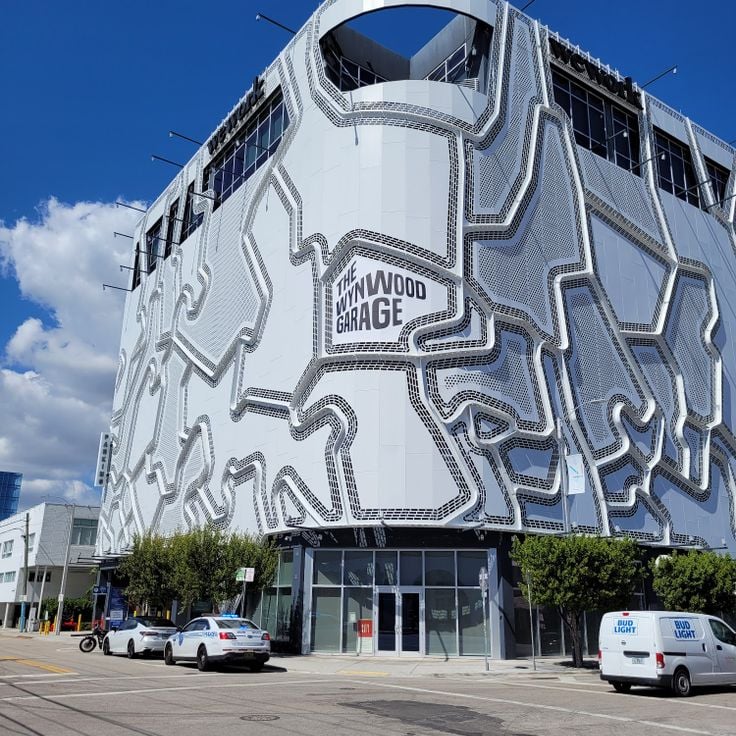
Miami, United States
The Wynwood Art District features over 50 murals spanning 7,500 square meters, created by artists from 16 countries. This neighbourhood has become a major centre for contemporary street art, showcasing works by established and emerging artists from across different continents.
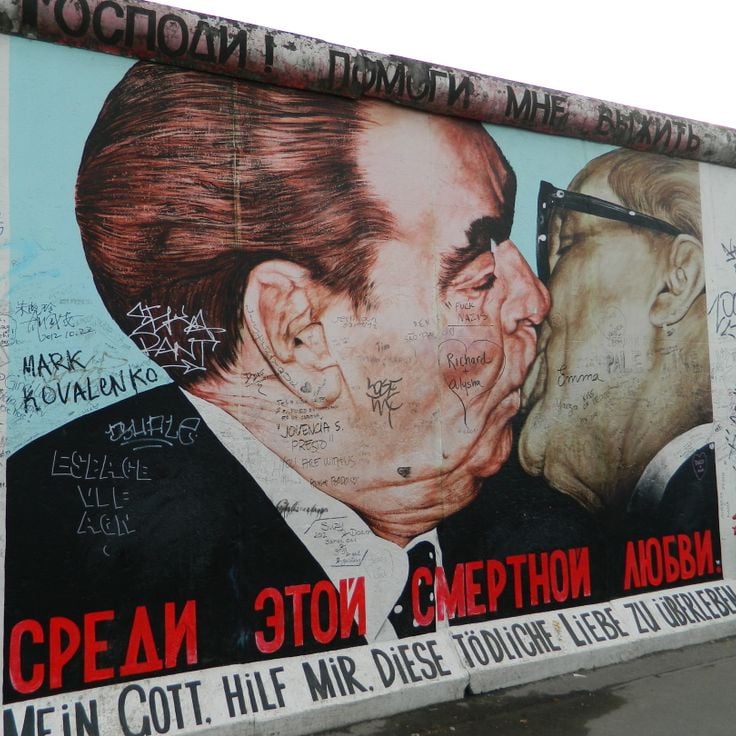
Berlin, Germany
The gallery extends 1.3 kilometers along Mühlenstraße and displays 105 murals created between February and September 1990 by artists from 21 countries. This open-air gallery uses the eastern side of the former border strip as a canvas and documents the political and social transformations following the fall of the Wall. The works address themes such as freedom, hope, and reconciliation, forming one of the longest permanent public art projects today.
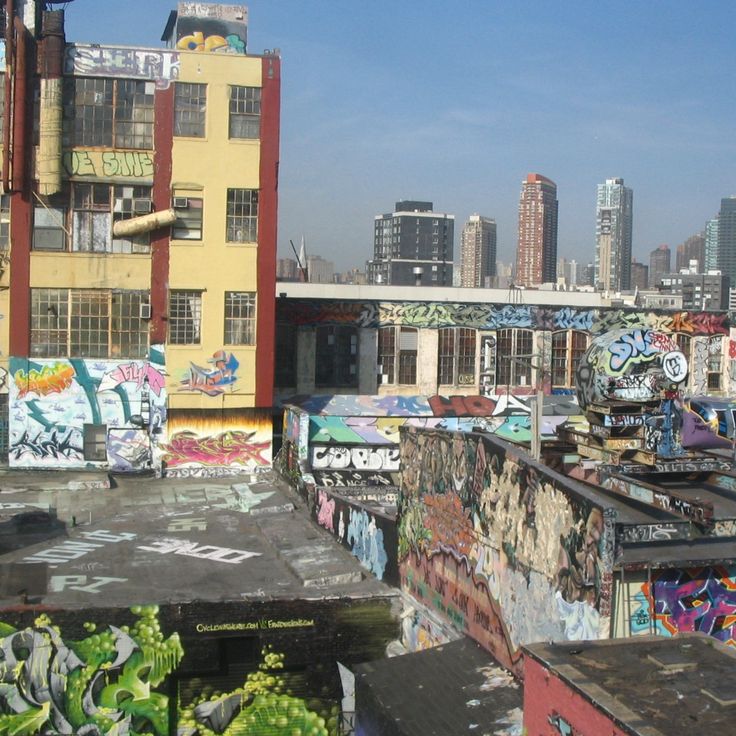
New York, United States
The Queens Art Center was a former industrial building in New York that provided 18,600 square meters of wall space for urban art. This temporary art center offered street artists and graffiti artists a legal space to create large-scale murals. The building was demolished in 2013, after serving as an important location for contemporary urban art.
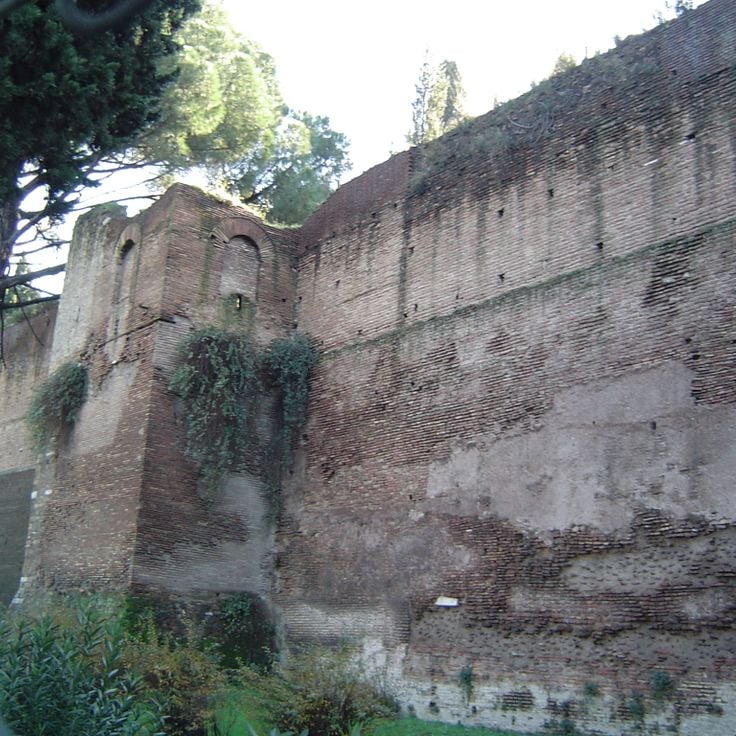
Rome, Italy
The Musée d'Art Urbain de Rome showcases a program of 30 murals created across different neighborhoods of the Italian capital. These works were produced by European and Roman artists, transforming public facades into exhibition spaces for contemporary street art.
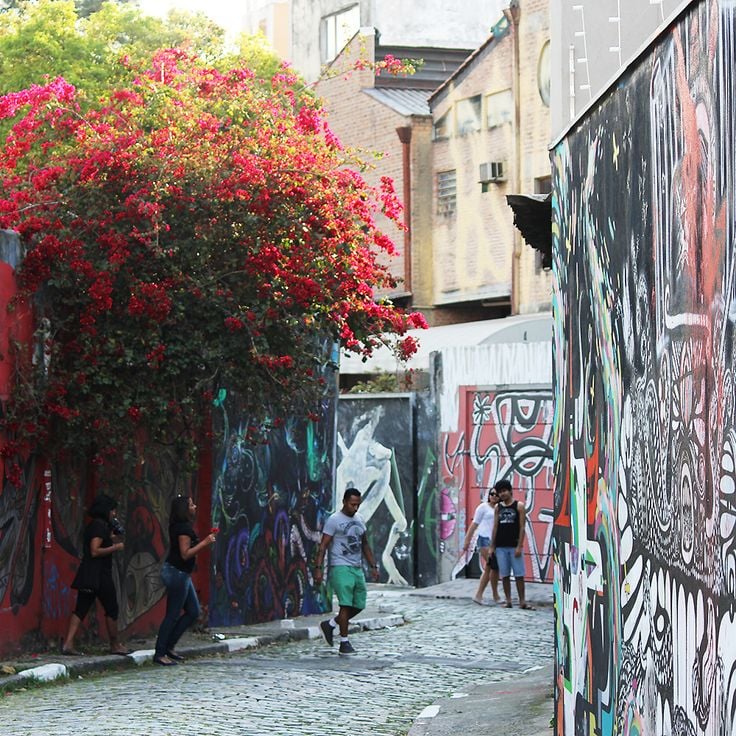
São Paulo, Brazil
Beco do Batman refers to a collection of alleyways in the Vila Madalena neighborhood where walls are entirely covered with graffiti and murals. Artists from around the world regularly repaint these surfaces, causing the street art to change continuously. The name originates from an early Batman graffiti that appeared on one of the walls.
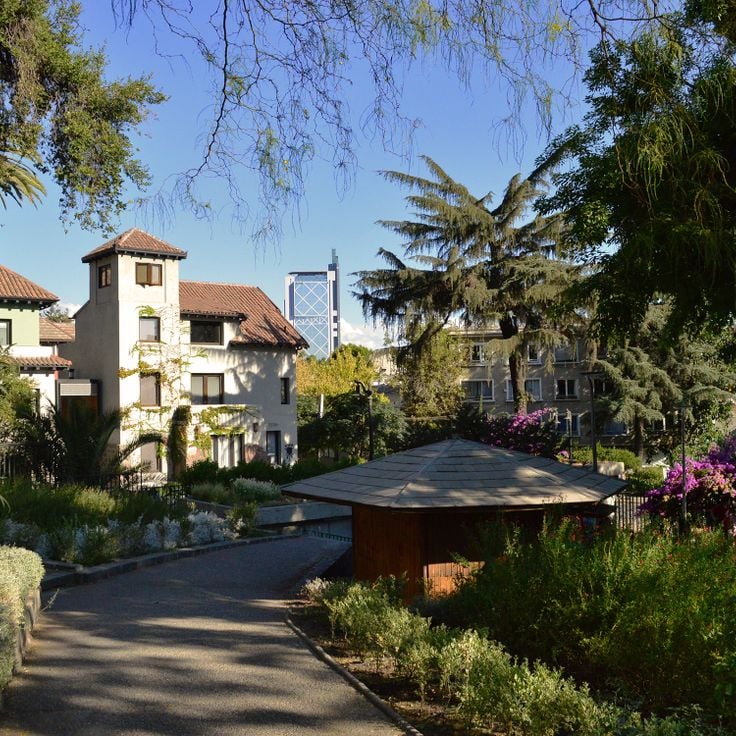
Santiago, Chile
The murals of Bellavista transform the streets of this neighborhood into an open gallery. Local and international artists have decorated building walls with works addressing social themes, political messages, and cultural identity. Located at the foot of Cerro San Cristóbal, the area attracts visitors who walk through the alleys to discover the colorful compositions.
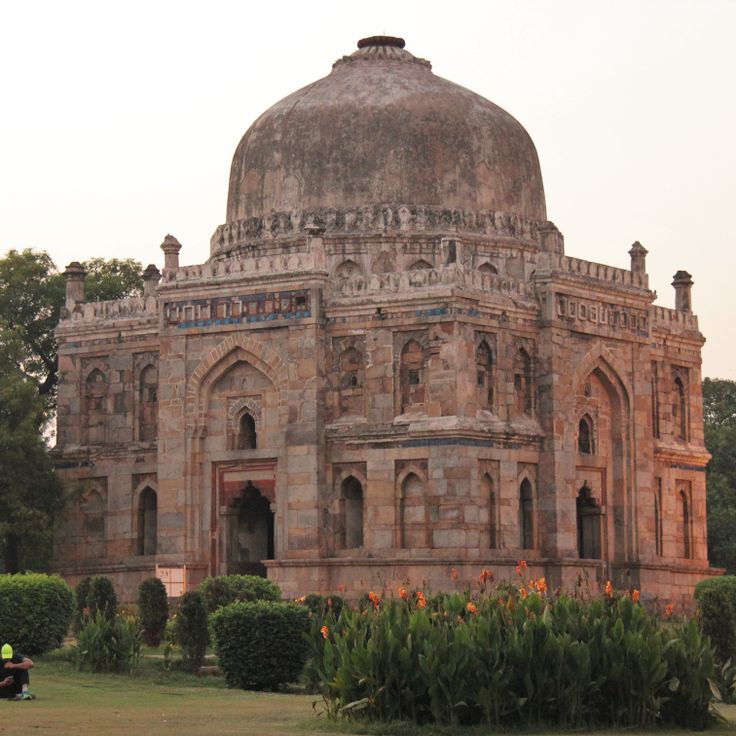
New Delhi, India
This residential neighbourhood in New Delhi has transformed into an open-air gallery since 2016. Lodhi Colony hosts monumental murals created by international artists as part of the Lodhi Art District project. Building facades serve as canvases for colourful and graphic creations that span multiple storeys, transforming urban architecture into a publicly accessible space for contemporary artistic expression.
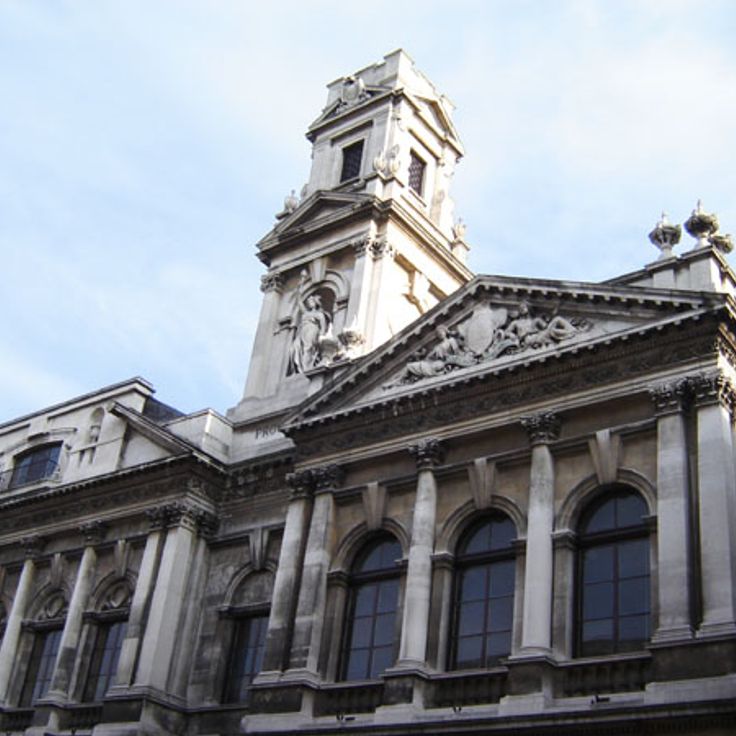
London, United Kingdom
Shoreditch is a district in East London that has become a major center for street art. The walls along Brick Lane and surrounding streets display works by local and international artists. The graffiti, murals, and stencil pieces change regularly and reflect current social and political themes. Numerous galleries and creative spaces are located throughout this neighborhood.
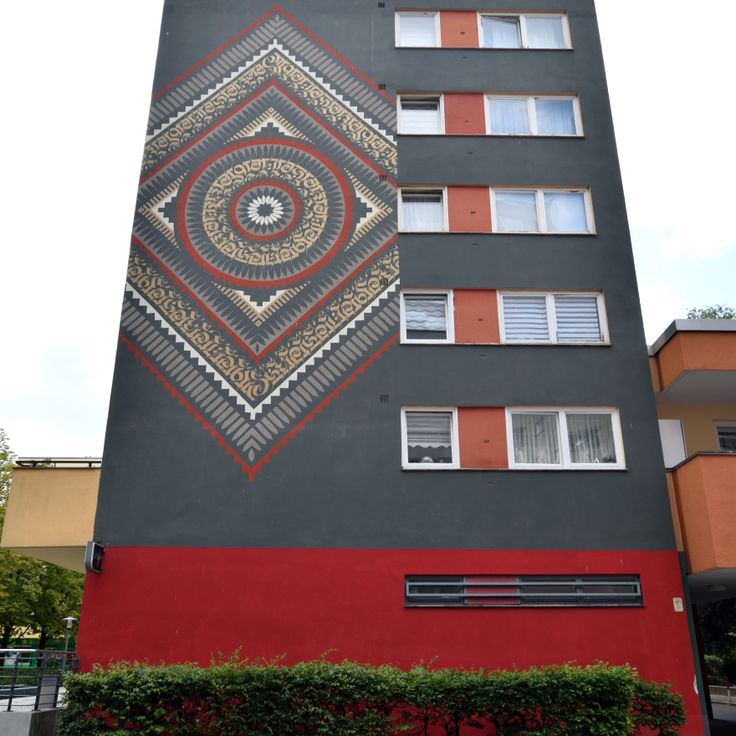
Berlin, Germany
The Kreuzberg murals reflect the political and social history of this Berlin neighborhood. These works cover the facades of residential buildings and former industrial structures, addressing themes of resistance, immigration and alternative movements. The district preserves frescoes from the 1980s alongside contemporary creations by local and international artists.
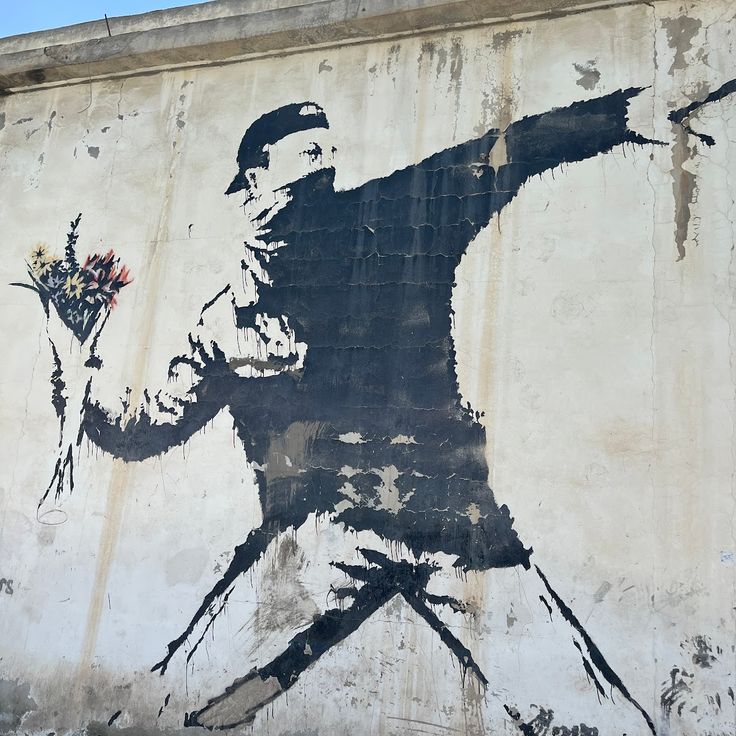
Bethlehem, Palestine
This separation barrier constructed in 2002 extends over several kilometers and displays numerous works created by international street artists. Banksy has painted several murals here since 2005, including a girl lifted by balloons and soldiers searching a donkey. JR has installed large-format photographic portraits as part of his Face 2 Face project. Swoon has also left her characteristic wheat-paste collages depicting human figures.
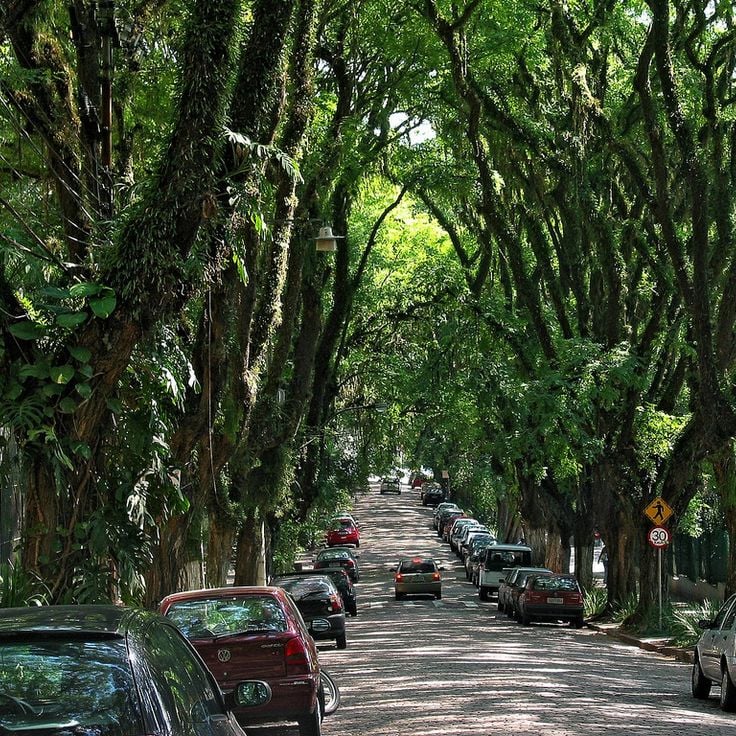
Porto Alegre, Brazil
Rua Gonçalo de Carvalho spans three city blocks in the Independência neighborhood and is covered by over one hundred tipuana trees that form a natural green tunnel. Protected by residents and environmental activists, this street was declared botanical heritage in 2005. The symmetrically planted trees date back to the 1930s and create a continuous canopy over the roadway.
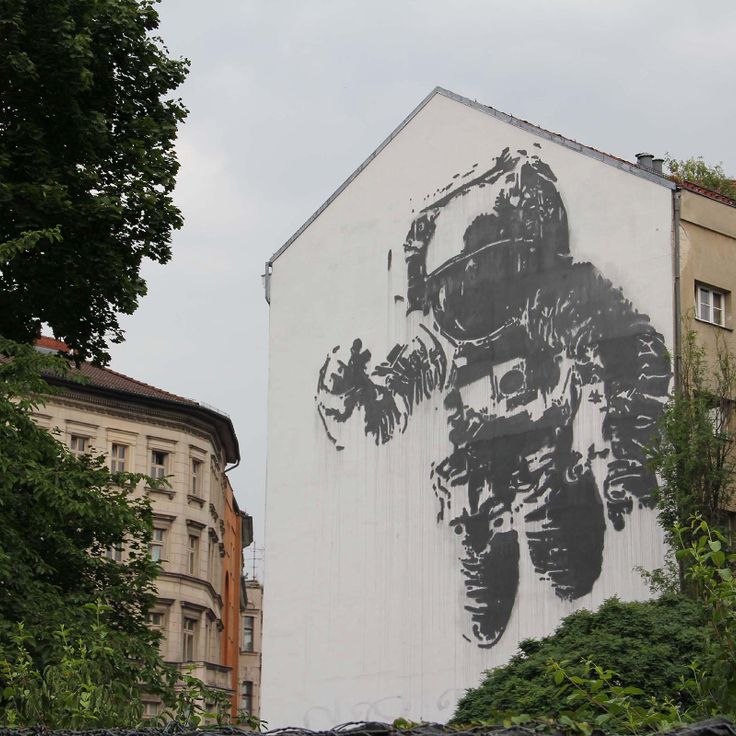
Berlin, Germany
Kreuzberg is a Berlin district with an active street art scene. The neighborhood hosted several large-scale murals by Italian artist Blu, created in 2014 and painted over by the artist himself in 2016. The area continues to display numerous graffiti and wall paintings by various international artists.
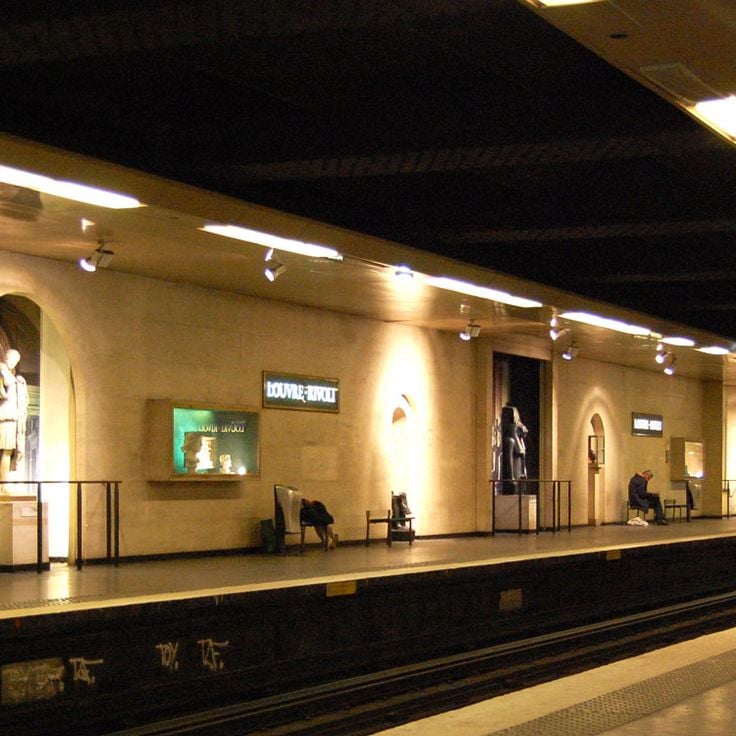
Paris, France
Louvre-Rivoli station was vandalized in 1991 by Oeno and VEP, who covered its walls with graffiti during a nighttime action. This illegal intervention in the Paris metro marked the history of French graffiti and remains a notable example of radical urban art from the 1990s.
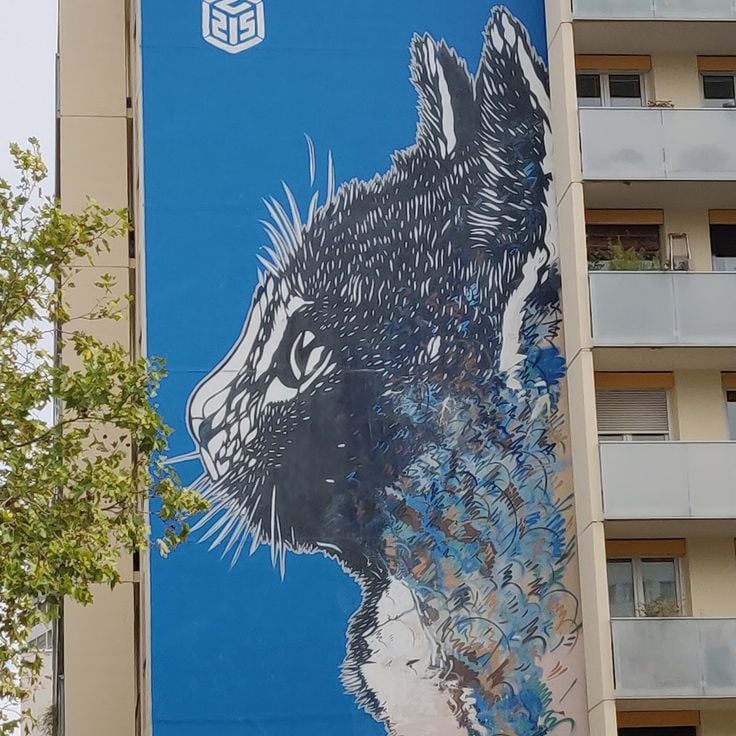
Paris, France
Boulevard Vincent Auriol is located in the 13th arrondissement of Paris. This thoroughfare hosted a monumental mural depicting Marianne in 2019, created by American artist Shepard Fairey. The work was vandalized in 2020. The boulevard serves as a location to observe the evolution of Parisian street art and its transformations over time.
Similar collections
Street art and wall paintings in cities worldwide
Monuments of Brazil: colonial architecture, contemporary museums, and natural sites
Natural tree tunnels and arched pathways worldwide
Miami attractions: beaches, Art Deco district, Everglades National Park
