Baton Rouge keeps Louisiana's history alive through its art deco buildings, old plantations, and museums that tell stories of the area's past.
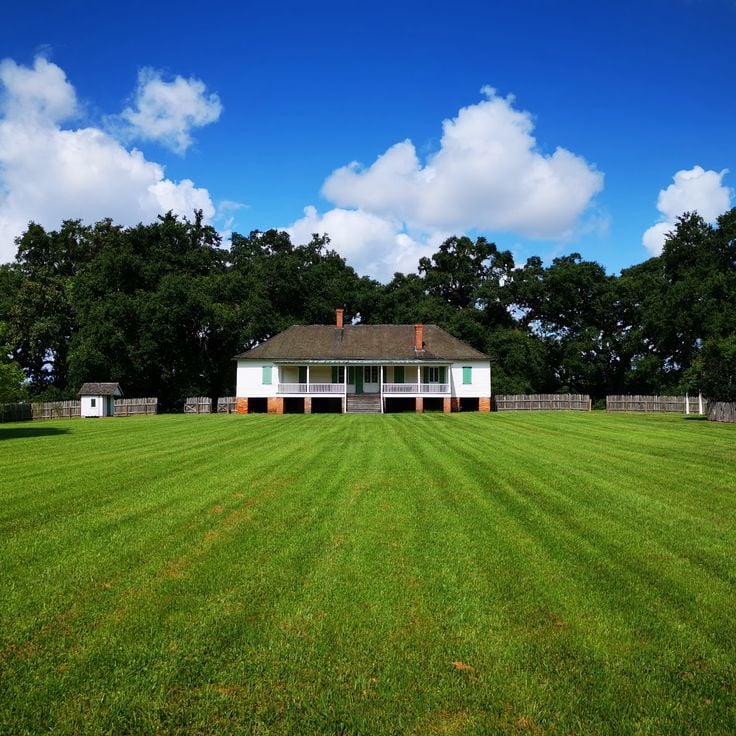
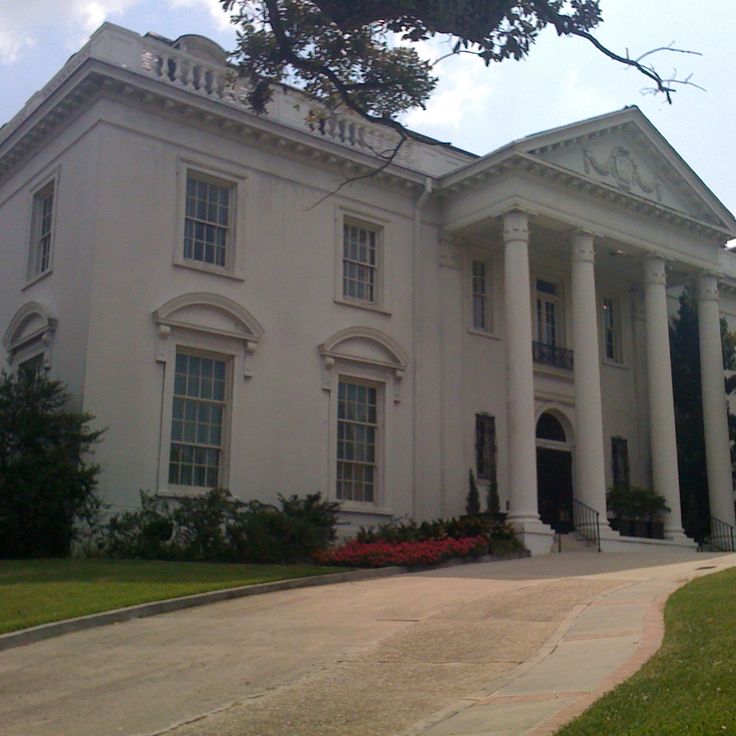
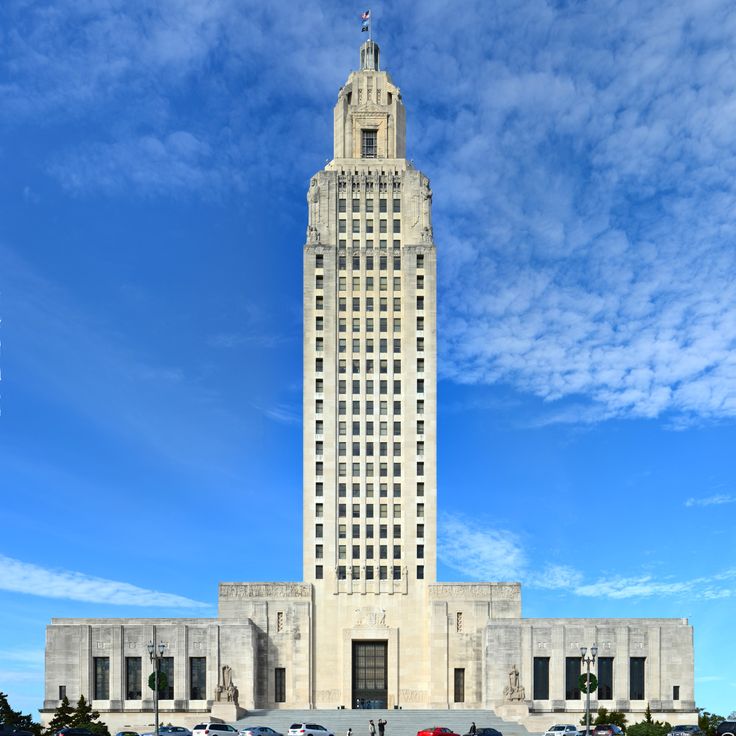
Baton Rouge preserves its history through several sites that showcase Louisiana's development. The State Capitol building, an art deco structure from 1932, towers over downtown at 140 meters high and offers a view of the Mississippi River and its surroundings from its observation deck. Nearby, the Former Governor's Residence from 1850 exemplifies Southern colonial architecture with its white columns, while the Magnolia Mound Plantation, established in 1791, reconstructs the life of French cotton planters.
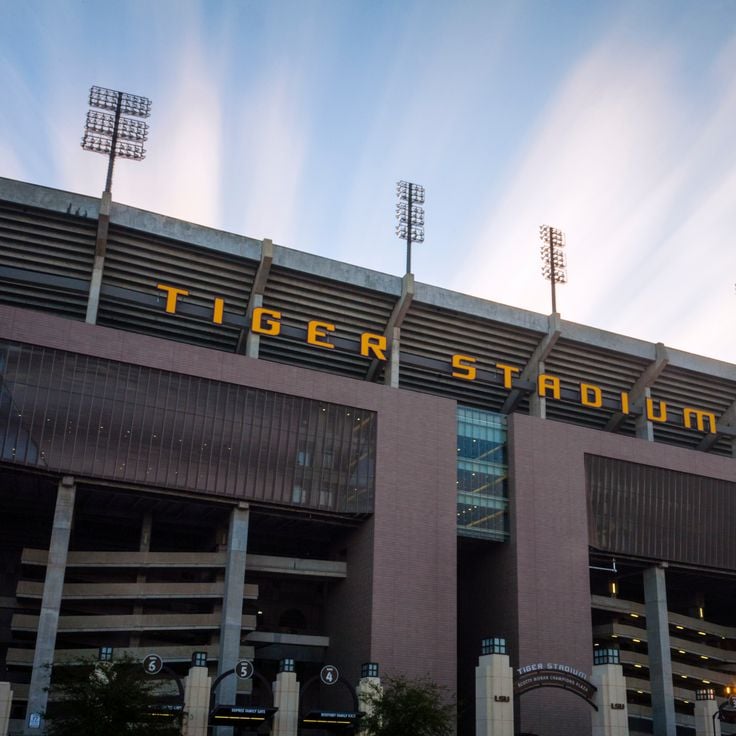
The city’s museums document different aspects of regional history. The LSU Rural Life Museum houses artifacts and documents on Louisiana's farming techniques from the 18th to the 20th century. The USS Kidd, a World War II destroyer moored on the Mississippi, exhibits collections on American naval history. Louisiana State University's campus features the LSU Tiger Stadium, built in 1924 and capable of holding over 100,000 spectators. The city also has natural areas such as the Bluebonnet Marsh Nature Center with its 43 hectares of marsh accessible via trails, as well as a zoo with 800 animals across 200 species.
Baton Rouge keeps Louisiana's history alive through its art deco buildings, old plantations, and museums that tell stories of the area's past.
Baton Rouge preserves its history through several sites that showcase Louisiana's development. The State Capitol building, an art deco structure from 1932, towers over downtown at 140 meters high and offers a view of the Mississippi River and its surroundings from its observation deck. Nearby, the Former Governor's Residence from 1850 exemplifies Southern colonial architecture with its white columns, while the Magnolia Mound Plantation, established in 1791, reconstructs the life of French cotton planters.
The city’s museums document different aspects of regional history. The LSU Rural Life Museum houses artifacts and documents on Louisiana's farming techniques from the 18th to the 20th century. The USS Kidd, a World War II destroyer moored on the Mississippi, exhibits collections on American naval history. Louisiana State University's campus features the LSU Tiger Stadium, built in 1924 and capable of holding over 100,000 spectators. The city also has natural areas such as the Bluebonnet Marsh Nature Center with its 43 hectares of marsh accessible via trails, as well as a zoo with 800 animals across 200 species.
This residence was built in 1850 in the colonial architectural style of the American South. The building features white Doric columns and wraparound porches on two levels. The residence served as the official home of Louisiana governors until 1963. Today it houses exhibitions on Louisiana history and the development of the region during the 19th and 20th centuries. The interior rooms display furniture and decorative elements from various periods of state history.
The Louisiana State Capitol was built in 1932 and serves as the seat of the state legislature and administration. Rising 140 meters in height, this building is the tallest state capitol in the United States. The architectural style combines classical proportions with geometric Art Deco elements. An observation deck on the 27th floor provides views over Baton Rouge and the Mississippi River. The grounds include pathways and commemorative monuments. The interior features marble from different regions, bronze ornaments, and historical representations of Louisiana's past.
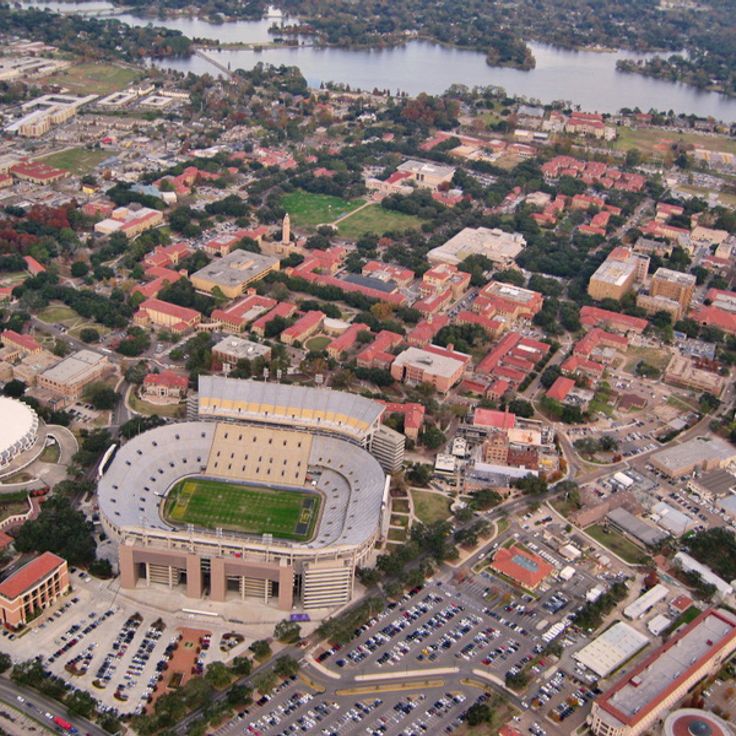
LSU Tiger Stadium is located on the Louisiana State University campus and has served as the home venue for the university's football team since 1924. The facility was originally built with a capacity of 12,000 seats and has been expanded through several phases to reach 102,321 seats. The stadium hosts the Tigers' home games during the college football season in the Southeastern Conference and ranks among the largest sports venues in the United States.
The USS Kidd is a Fletcher-class destroyer moored on the Mississippi River and converted into a naval museum. Commissioned in 1943, the ship participated in World War II and the Korean War. Visitors can explore the bridge, engine rooms, officer cabins, and weapon systems. The museum presents exhibits on the history of the U.S. Navy, warship technology, and life aboard a destroyer. Nicknamed the "Pirate of the Pacific," the USS Kidd is one of the best-preserved Fletcher-class destroyers.
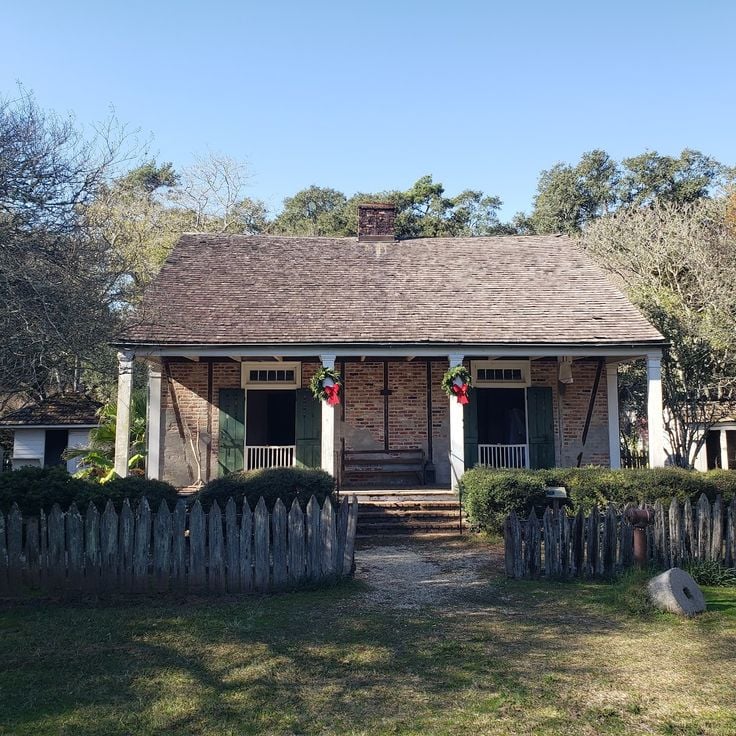
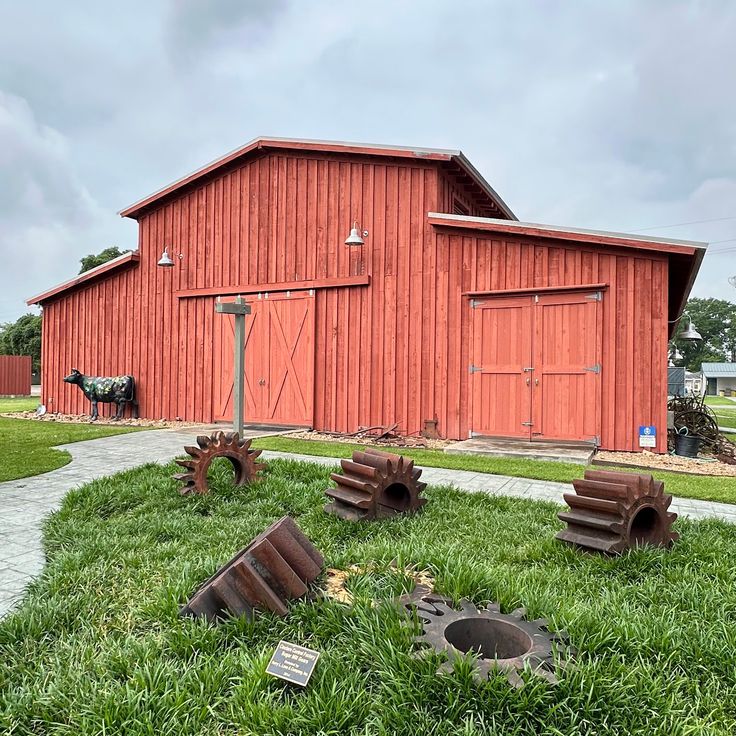
The LSU Rural Life Museum documents Louisiana's agricultural heritage from the 18th to the 20th century. The collections feature farming techniques, tools and equipment used by rural communities in the region. The museum displays historic buildings relocated from different parts of the state, including farmhouses, barns and workers' cabins. The exhibits present agricultural machinery, household items and personal objects from daily life in rural Louisiana. Visitors can explore outdoor installations and indoor galleries that trace the evolution of farming practices and rural traditions.
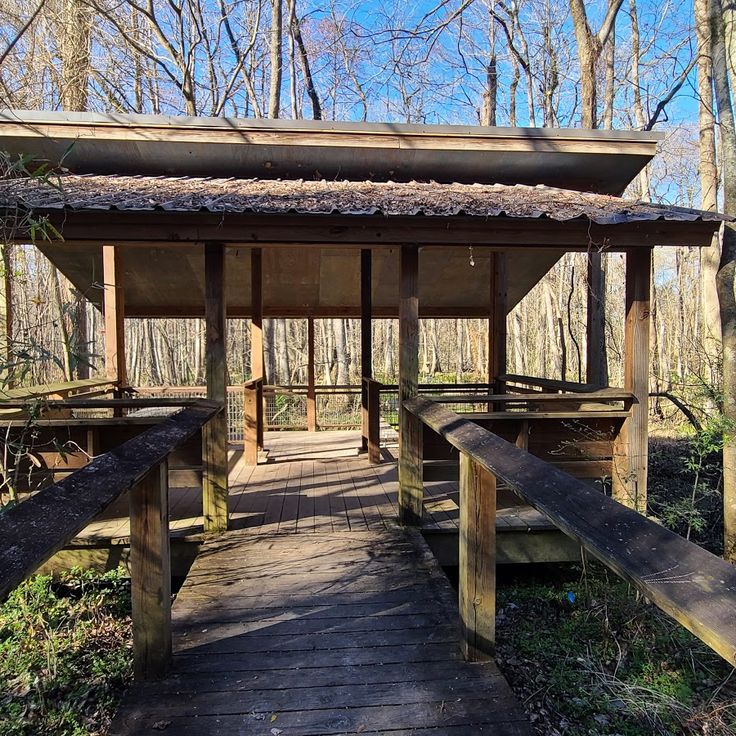
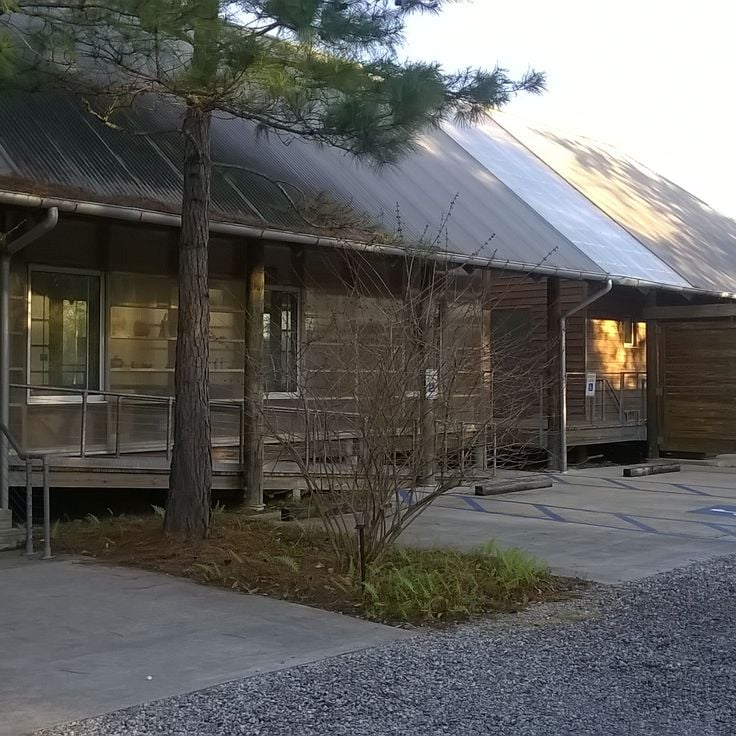
The Bluebonnet Swamp Nature Center spans 43 hectares in Baton Rouge and protects the swamp habitats of the Gulf Coast region. This center features several trails through hardwood swamps and wetlands, along with an educational building housing exhibits on local ecology. Visitors can observe native reptiles, amphibians and aquatic birds. The center organizes educational programs for schools and the general public.
The Capitol Museum occupies rooms within Louisiana's historic government building and documents the political development of the state since the 19th century. The exhibition spaces display original charters, photographs of governors, legislative documents, and personal items of political officials. This museum explains the role of Baton Rouge as the capital and presents collections on administrative history, social movements, and the cultural development of the region.
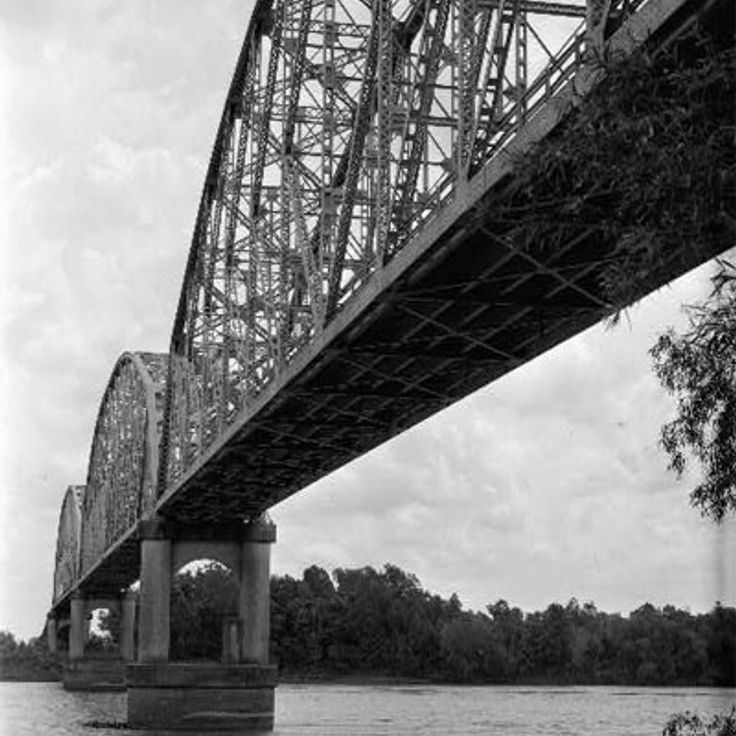
The Atchafalaya Basin Bridge extends over 5.5 kilometers between Morgan City and Baton Rouge. Completed in 1973, this bridge crosses the largest delta marsh system in the United States. From the roadway, motorists can observe the wetlands with their cypress trees, swamp forests, and waterways. The structure consists of numerous concrete pillars that traverse the basin and support Interstate 10 traffic.
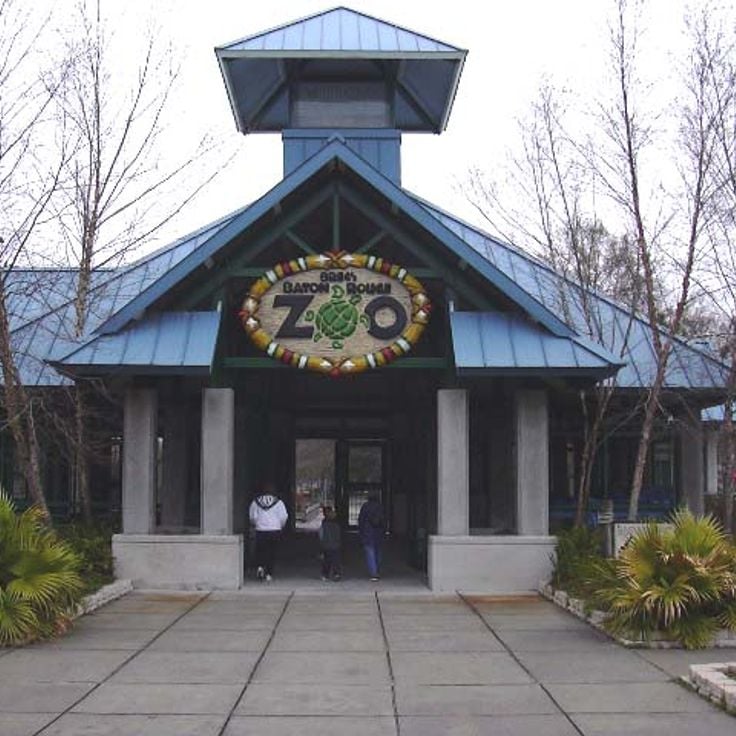
The Baton Rouge Zoo opened in 1970 and houses over 800 animals from 200 different species. The facility spans a wooded area and features enclosures that recreate various habitats. The zoo conducts educational programs on wildlife conservation and raises visitor awareness about protecting endangered species. Animal groups represented include mammals, birds, reptiles, and amphibians from different continents.
The Louisiana Art and Science Museum was founded in 1962 and occupies a historic railway station building along the Mississippi River. This institution combines art galleries with scientific exhibitions and a planetarium under one roof. Visitors can explore contemporary and traditional art collections alongside interactive presentations dedicated to natural sciences. The museum regularly offers educational programs and workshops designed for children and families. Permanent exhibitions include Egyptian artifacts and rotating art presentations.
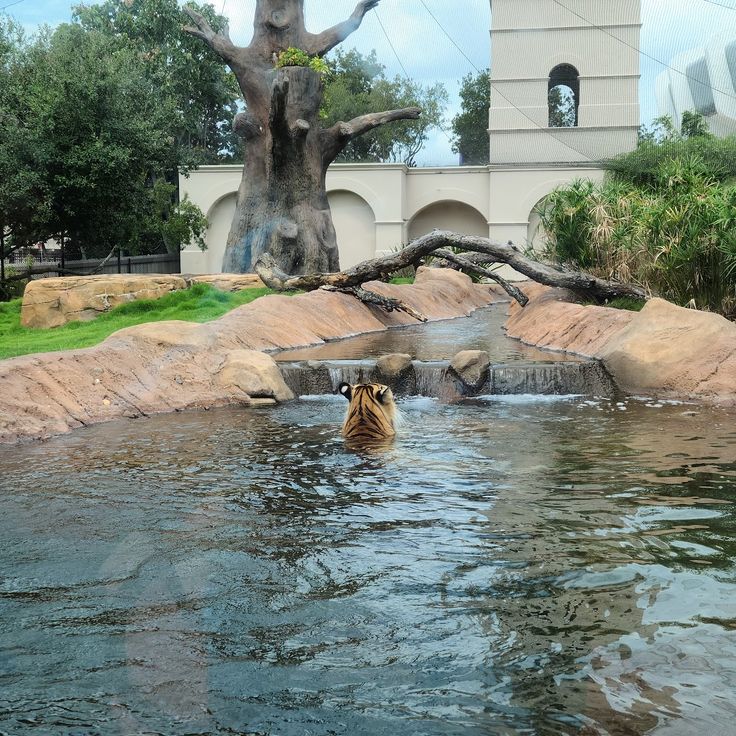
Mike the Tiger's Habitat is located on the Louisiana State University campus and houses the living Bengal tiger that serves as the university's official mascot. The facility spans 1,400 square meters and includes natural features such as rocks, waterfalls, and a pool that provide a suitable environment for the animal. The enclosure features observation areas with glass walls allowing visitors to view the tiger up close. The tiger mascot tradition at LSU began in 1936, and the current facility was inaugurated in 2005.
Louisiana State University was founded in 1860 and spans 100 hectares along the Mississippi River. The campus includes 250 buildings among century-old oak trees and hosts over 30,000 students. The university library holds five million documents. Tiger Stadium can accommodate 102,000 spectators during football games. The campus houses several research centers, including the Center for Computation and Technology, as well as agricultural experimental stations.
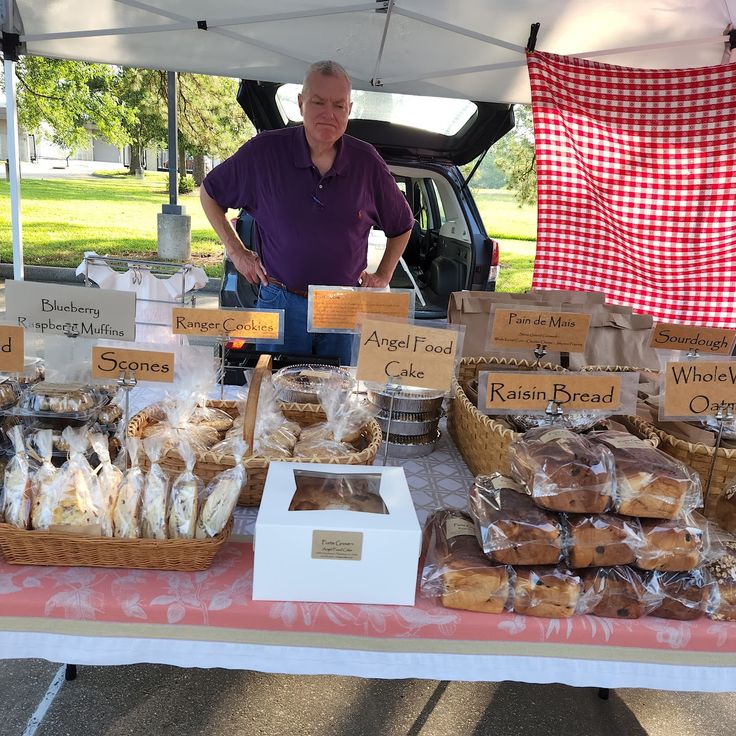
The Red Stick Farmers Market takes place every Saturday morning in Baton Rouge and brings together farmers and producers from the region. This market offers fresh vegetables, seasonal fruits, homemade baked goods and items from local artisans. Visitors also find regional specialties, honey, jams and handcrafted products from Louisiana.
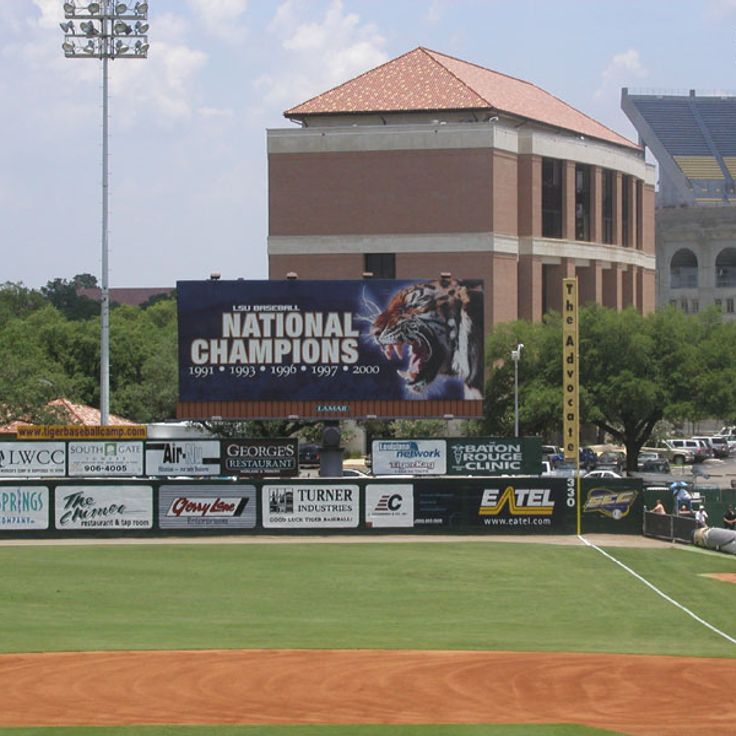
Alex Box Stadium serves as the home venue for Louisiana State University's baseball team. The facility is named after former LSU coach Alex Box and accommodates 10,000 spectators. The stadium features training facilities, locker rooms, and spectator amenities that meet collegiate baseball requirements. The sports venue is located on the university campus in Baton Rouge.
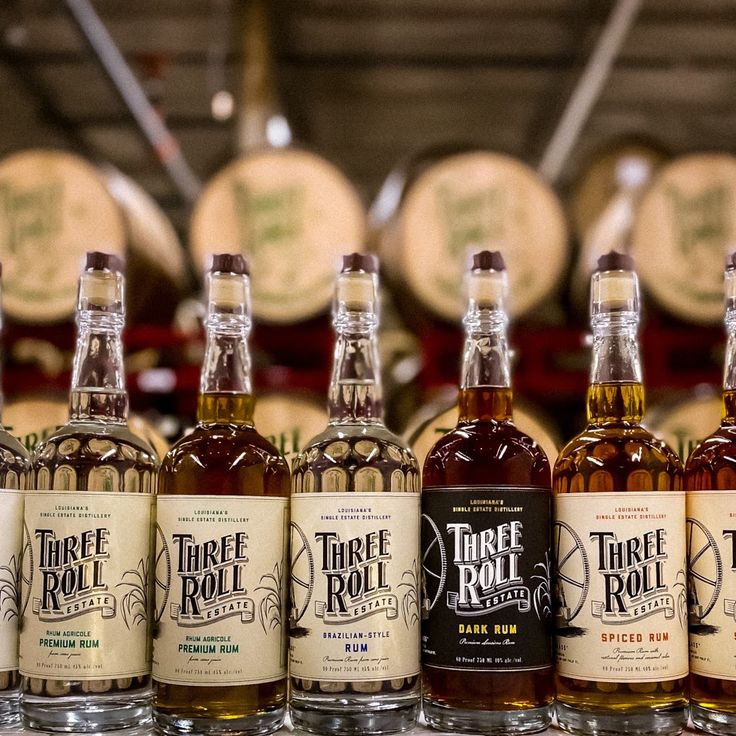
Oxbow Distillery produces craft rum in a converted industrial building along the Mississippi River. The facility offers tours through the production process, where visitors can observe the different stages of distillation. The distillery uses local ingredients and traditional methods to create various rum varieties. In the tasting room, guests can sample the finished products and learn about the history of rum-making in Louisiana.
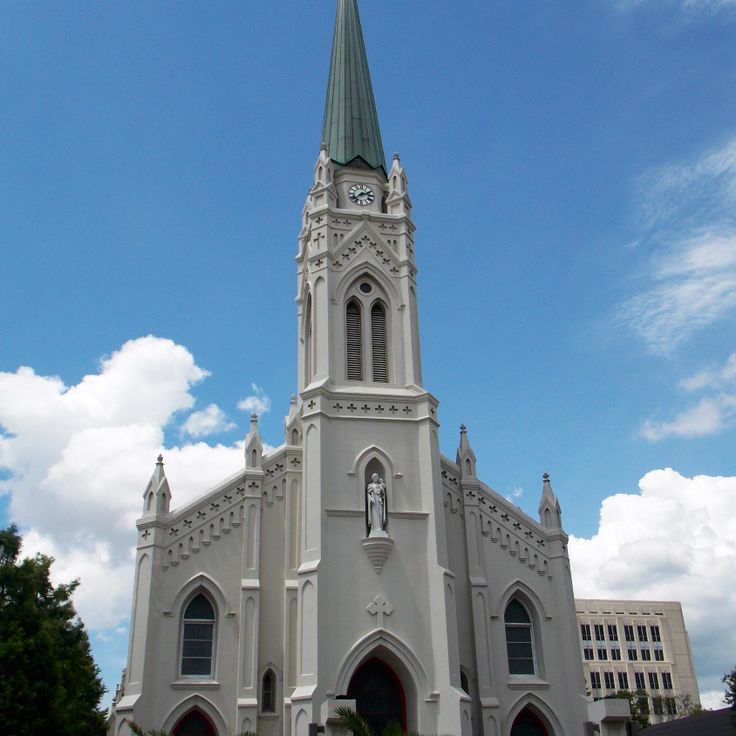
Saint Joseph Cathedral was built in 1853 to serve as the seat of the Catholic Diocese of Baton Rouge. The building features Neo-Gothic architectural elements including pointed arches, buttresses, and a slender bell tower. Stained glass windows depicting biblical scenes fill the interior with colored light. The cathedral has functioned as the main church of the regional Catholic community since its consecration and hosts religious services and ceremonies on a regular basis.
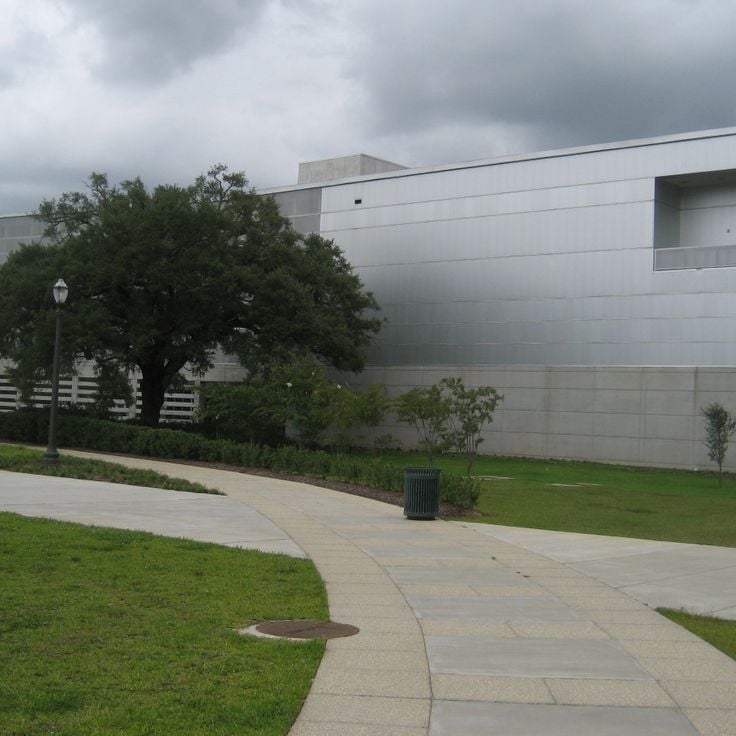
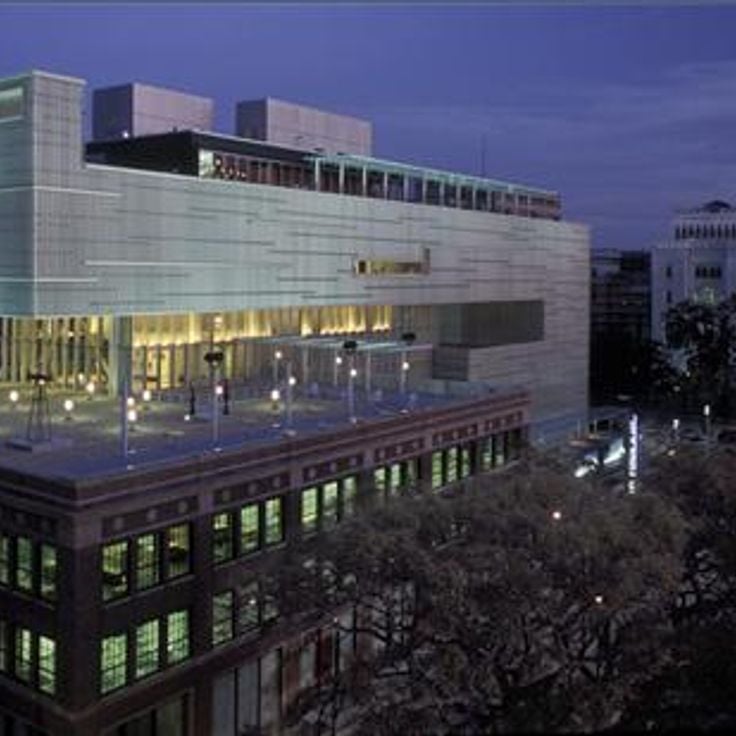
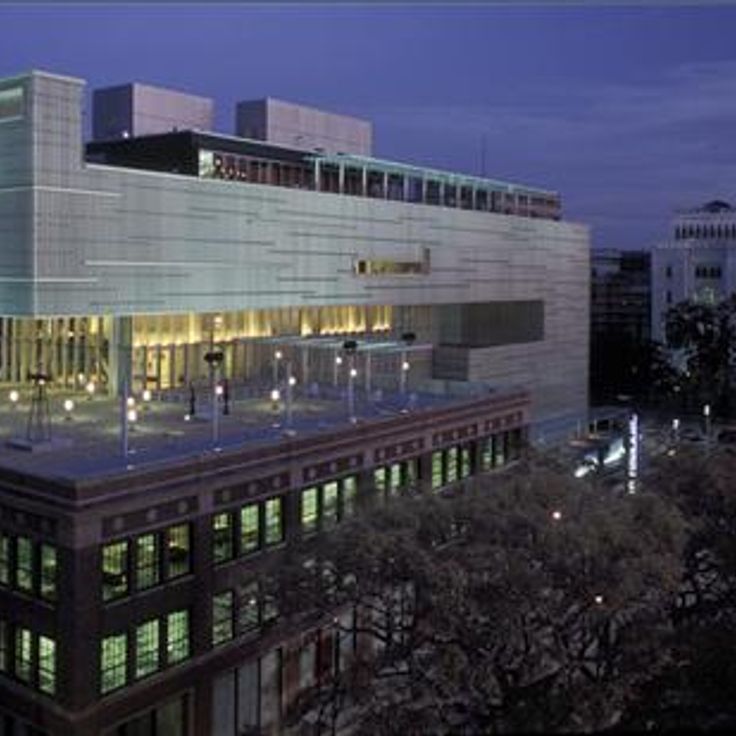
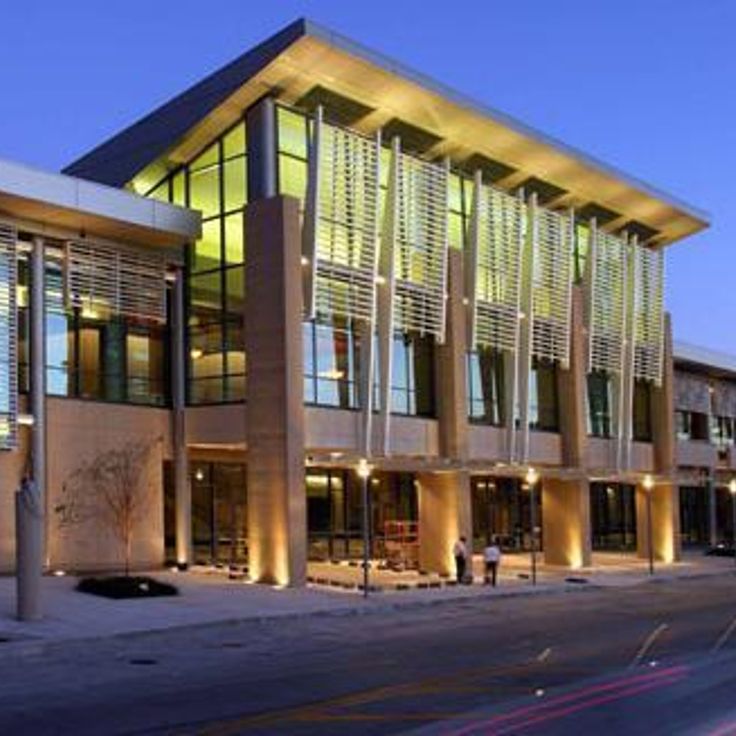
The Shaw Center for the Arts is a multi-story cultural complex located in downtown Baton Rouge. The building houses the Manship Theatre, a 325-seat venue for theatrical performances and small concerts, as well as a main hall that accommodates 2,000 spectators for symphony concerts, ballet performances, and touring productions. The upper floors are dedicated to contemporary art galleries and temporary exhibitions. The center serves as a performance venue for local theater companies and offers regular cultural programming.
The West Baton Rouge Parish Museum documents the history of the region west of the Mississippi River. This institution presents collections on sugarcane production, slavery, and the development of rural communities in Louisiana. The museum includes historical buildings such as a sugarcane plantation and a traditional nineteenth-century residence. Temporary exhibitions address local social history, agriculture, and crafts.
The Arsenal Museum occupies an 1838 building and presents Louisiana's military history. The collection includes uniforms, weapons, and military equipment from different periods. The historic arsenal originally served as an armory before being converted into a museum. The exhibited pieces document Louisiana's role in various conflicts throughout American history.
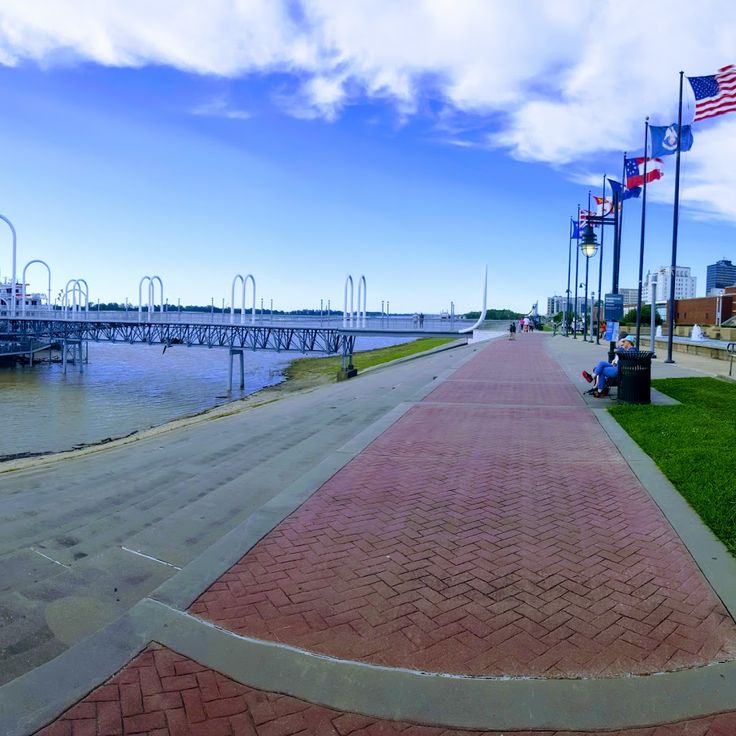
Riverfront Plaza extends along the Mississippi River in downtown Baton Rouge. This public space features pedestrian walkways, green areas, and rest zones offering direct views of the river. Visitors can observe river traffic, including cargo ships and excursion boats navigating the Mississippi. The plaza serves as a starting point for riverside walks and connects different sections of the downtown area.
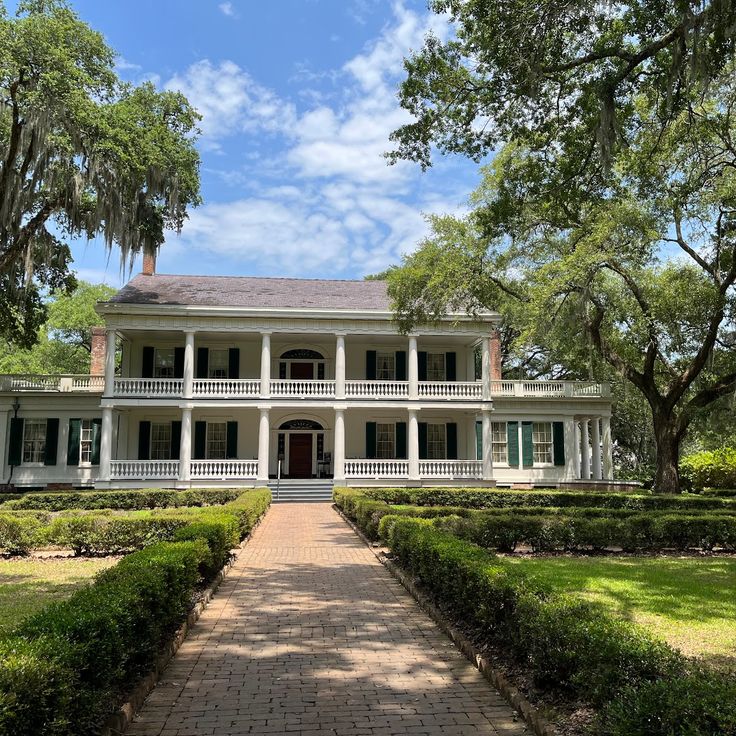
Rosedown Plantation was established in 1835 and preserves the architecture and lifestyle of Southern planters on a 46-hectare estate. The main house, built in neoclassical style, contains original furniture, paintings and personal belongings of the Turnbull family, who lived here for four generations. The 19th-century French gardens include century-old oaks, camellias, azaleas and symmetrical pathways designed after French and English models. Guided tours of the interior rooms reveal daily life on a cotton plantation, including the working conditions of the enslaved people who created the estate's wealth.
Spanish Town Road crosses the oldest residential district of Baton Rouge, preserving the architectural identity of the 19th century. The street is lined with Creole cottages and Victorian houses, whose colorful facades have been restored over the years. The district developed from 1805, when Spanish settlers established themselves along this axis. The residences display various architectural styles, ranging from simple wooden constructions to buildings adorned with wrought iron balconies. Today, residents regularly organize events to maintain the historical character of the place.
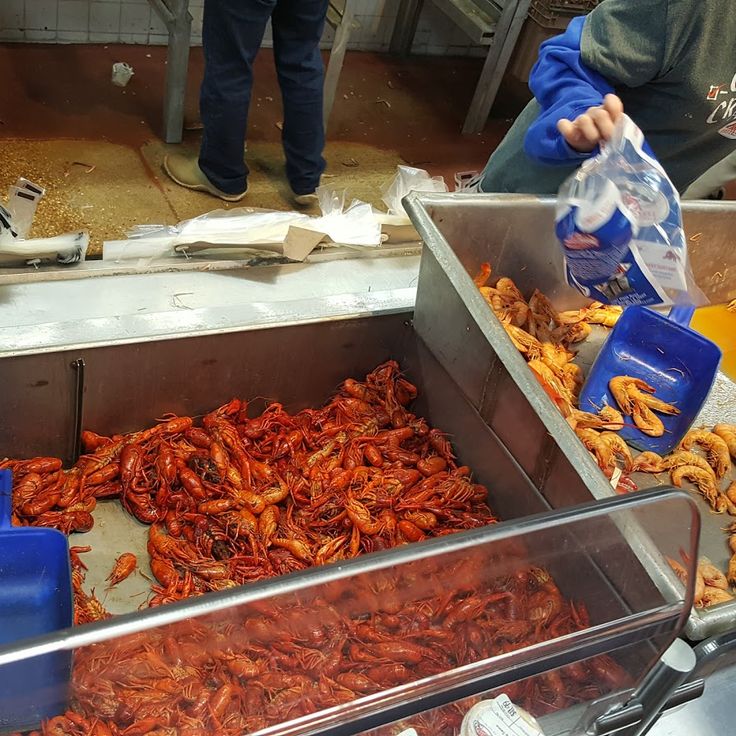
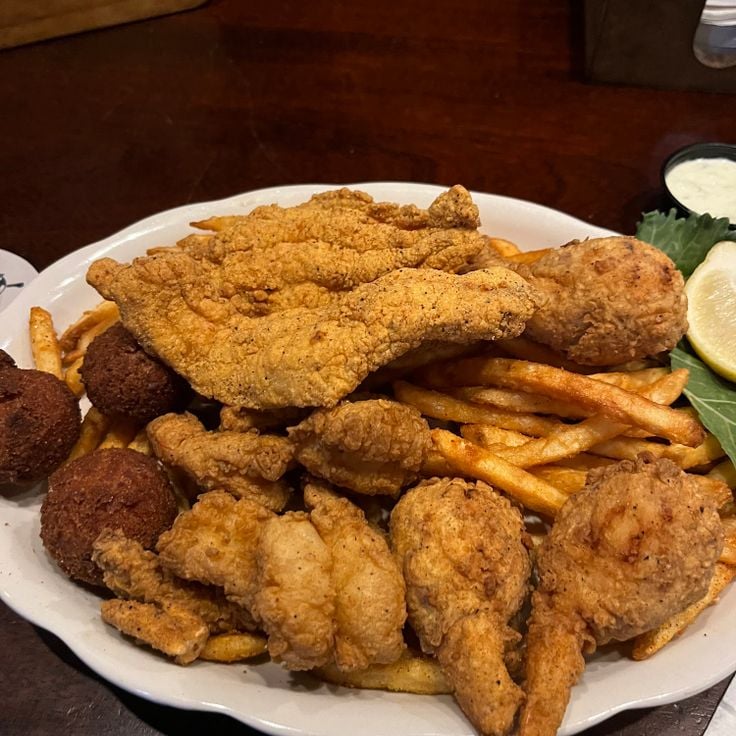
This market occupies a large commercial space and offers fresh seafood from the Gulf of Mexico daily. Tony's sells crabs, shrimp, oysters, fish and alligator meat, as well as prepared dishes to go. The menu includes traditional Cajun specialties such as gumbo, étouffée, jambalaya and fried seafood platters. The establishment has a dining area where customers can eat on site, as well as a section dedicated to frozen products and spice blends.
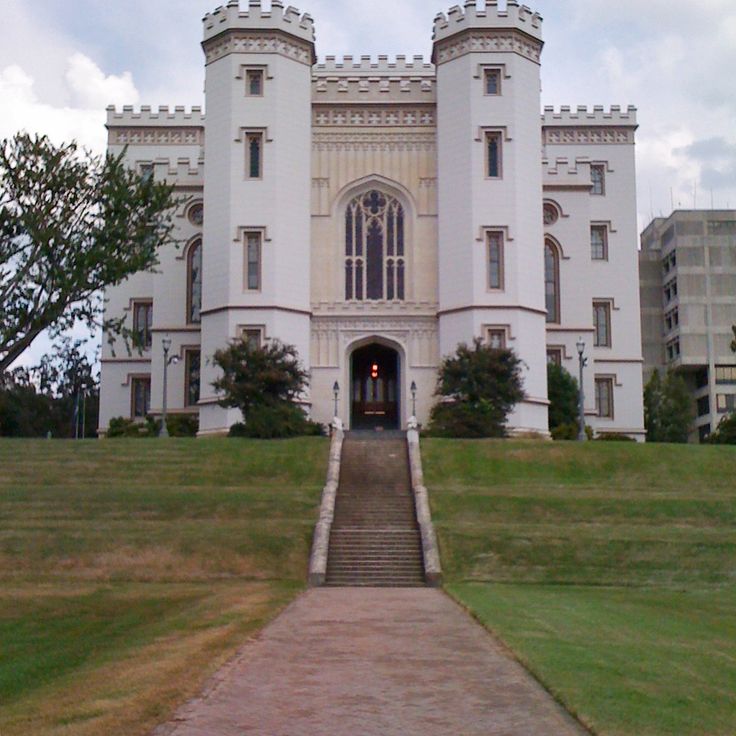
The Old Louisiana State Capitol was built in 1847 in the Gothic Revival style and served as the seat of state government until 1932. This building is characterized by its towers, stained glass windows, and cast iron spiral staircase. After extensive restoration, this structure now houses a museum that traces Louisiana's political history. The exhibitions present legislative processes, major political events, and the state's role during the Civil War. The edifice is listed on the National Register of Historic Places and stands on the banks of the Mississippi River.
The Chimes restaurant is located near Louisiana State University and has been serving Cajun and Creole cuisine since its opening. The menu features regional specialties such as gumbo, jambalaya, po-boys, and fried seafood. The beer selection includes over 60 draft choices from various countries. The restaurant has multiple dining rooms and an outdoor patio. Students, families, and local residents frequent this establishment for casual meals.
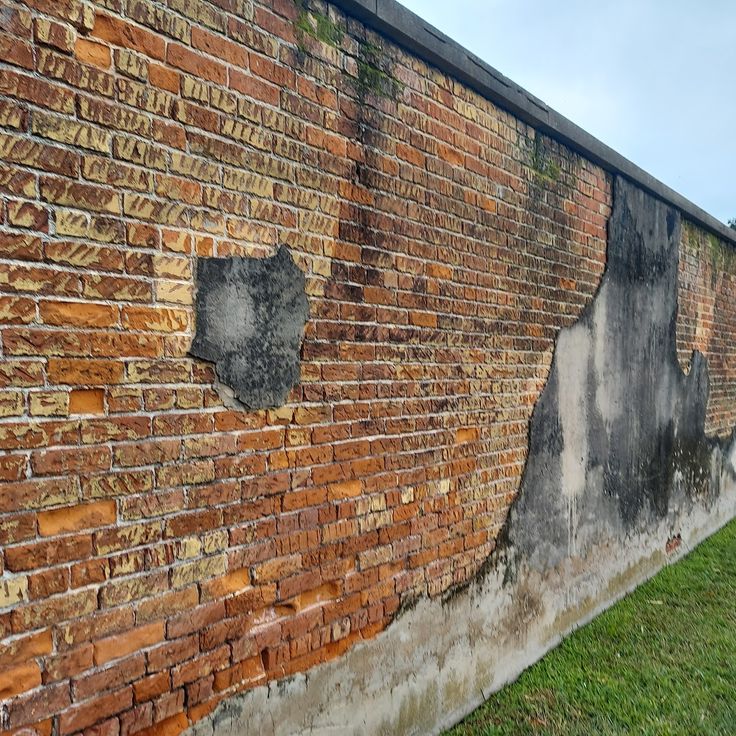
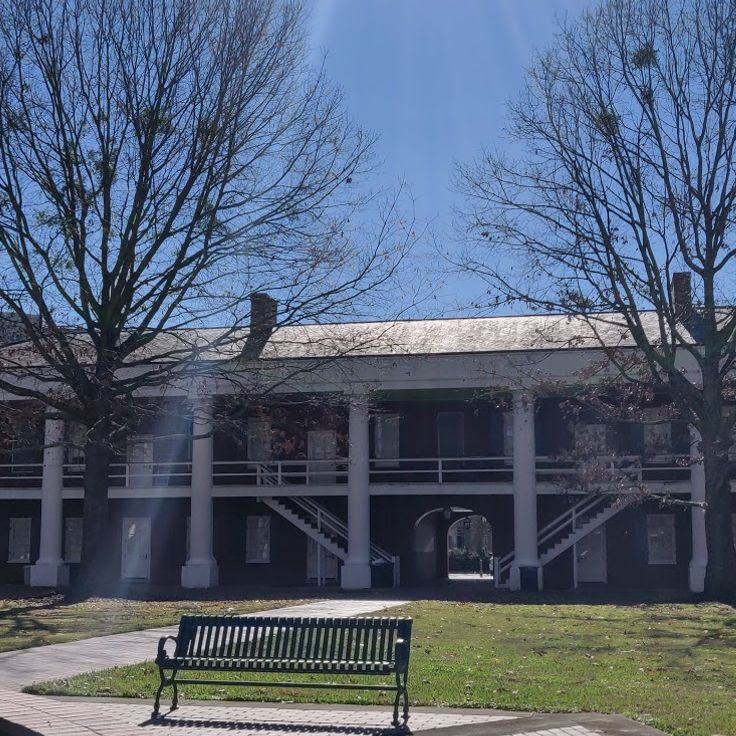
These barracks were constructed on the grounds of the Louisiana State Capitol and served successively as garrison for Spanish, French, British, and American forces. The military complex documents the changing sovereignty in Louisiana between the 18th and 19th centuries. The pentagonal layout of the facility led to the designation Pentagon Barracks. The preserved brick buildings date primarily from the period between 1819 and 1824. Today, the barracks complex houses residential apartments and the Louisiana State Museum.
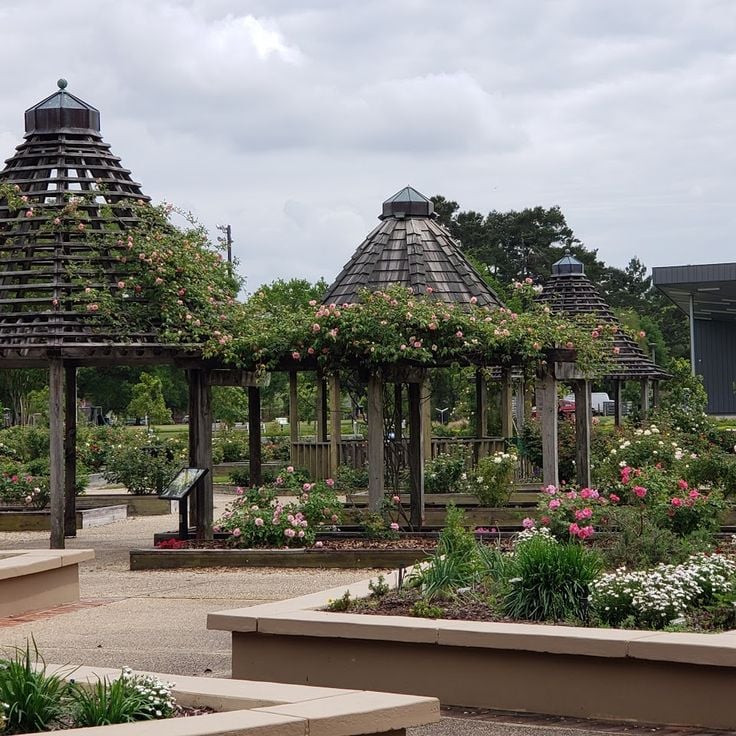
Independence Botanic Garden is managed by the City of Baton Rouge and features collections of Louisiana native plants along with seasonal flower beds. The gardens include themed sections, among them a rose garden and areas dedicated to tropical species. This municipal facility serves as an educational resource for visitors interested in regional flora and horticultural practices. The site offers walking trails through different botanical zones representative of the local ecosystem.
The River Center Entertainment Complex is located in downtown Baton Rouge along the Mississippi River. This multipurpose facility includes 6,500 square meters of exhibition space, a ballroom for social events, and a theater with several hundred seats. The center hosts approximately 500 events annually, including trade shows, conventions, concerts, and sporting events. The complex serves as an important gathering place for the local community and attracts visitors from throughout the region.
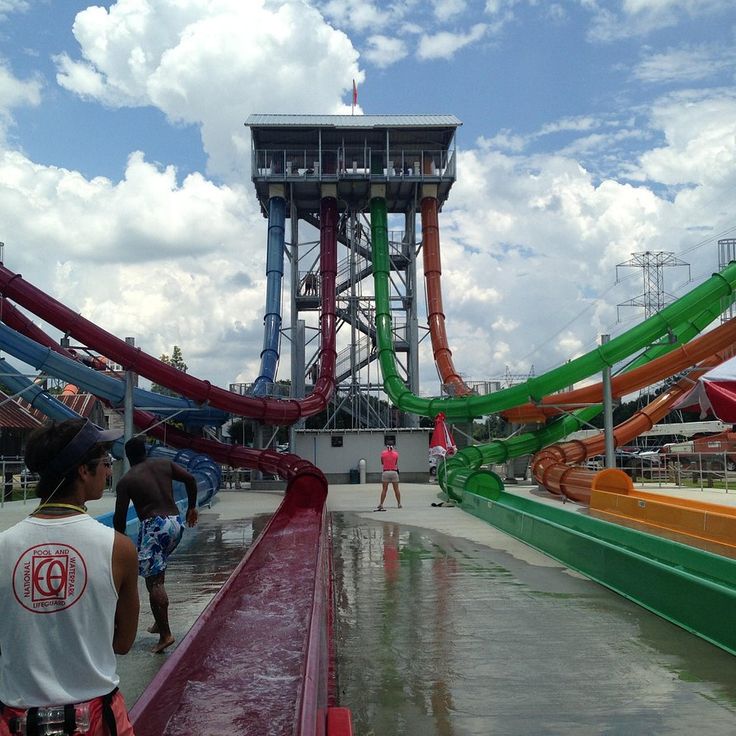
Blue Bayou Water Park spans several hectares and offers 20 different water attractions for families and visitors of all ages. The facilities include an artificial river, several wave pools, and five large water slides with varying difficulty levels. Amenities include rest areas, changing rooms, and food service points. The park is located in Baton Rouge and operates during the warm weather months.
The Hilltop Arboretum LSU was donated to Louisiana State University in 1981 and serves as an outdoor classroom for botanical education. This facility maintains an extensive collection of plant species native to Louisiana and the southeastern United States. Students and researchers use the grounds for practical courses in botany, ecology, and landscape design. The arboretum spans several hectares and offers walking trails through different habitats. Visitors can observe the diversity of regional flora in its natural environment.
Magnolia Mound Plantation was established in 1791 as a French colonial agricultural operation. The main house displays Creole architecture with raised construction and a surrounding gallery. Preserved outbuildings include a detached kitchen, an office, and slave quarters. The interior features period furniture and household items from the late 18th and early 19th centuries. The estate operated as a cotton and indigo plantation. Guided tours explain the economic systems of plantation agriculture and the living conditions of enslaved people who worked on the property.
This residence was built in 1850 in the colonial architectural style of the American South. The building features white Doric columns and wraparound porches on two levels. The residence served as the official home of Louisiana governors until 1963. Today it houses exhibitions on Louisiana history and the development of the region during the 19th and 20th centuries. The interior rooms display furniture and decorative elements from various periods of state history.
The Louisiana State Capitol was built in 1932 and serves as the seat of the state legislature and administration. Rising 140 meters in height, this building is the tallest state capitol in the United States. The architectural style combines classical proportions with geometric Art Deco elements. An observation deck on the 27th floor provides views over Baton Rouge and the Mississippi River. The grounds include pathways and commemorative monuments. The interior features marble from different regions, bronze ornaments, and historical representations of Louisiana's past.
LSU Tiger Stadium is located on the Louisiana State University campus and has served as the home venue for the university's football team since 1924. The facility was originally built with a capacity of 12,000 seats and has been expanded through several phases to reach 102,321 seats. The stadium hosts the Tigers' home games during the college football season in the Southeastern Conference and ranks among the largest sports venues in the United States.
The USS Kidd is a Fletcher-class destroyer moored on the Mississippi River and converted into a naval museum. Commissioned in 1943, the ship participated in World War II and the Korean War. Visitors can explore the bridge, engine rooms, officer cabins, and weapon systems. The museum presents exhibits on the history of the U.S. Navy, warship technology, and life aboard a destroyer. Nicknamed the "Pirate of the Pacific," the USS Kidd is one of the best-preserved Fletcher-class destroyers.
The LSU Rural Life Museum documents Louisiana's agricultural heritage from the 18th to the 20th century. The collections feature farming techniques, tools and equipment used by rural communities in the region. The museum displays historic buildings relocated from different parts of the state, including farmhouses, barns and workers' cabins. The exhibits present agricultural machinery, household items and personal objects from daily life in rural Louisiana. Visitors can explore outdoor installations and indoor galleries that trace the evolution of farming practices and rural traditions.
The Bluebonnet Swamp Nature Center spans 43 hectares in Baton Rouge and protects the swamp habitats of the Gulf Coast region. This center features several trails through hardwood swamps and wetlands, along with an educational building housing exhibits on local ecology. Visitors can observe native reptiles, amphibians and aquatic birds. The center organizes educational programs for schools and the general public.
The Capitol Museum occupies rooms within Louisiana's historic government building and documents the political development of the state since the 19th century. The exhibition spaces display original charters, photographs of governors, legislative documents, and personal items of political officials. This museum explains the role of Baton Rouge as the capital and presents collections on administrative history, social movements, and the cultural development of the region.
The Atchafalaya Basin Bridge extends over 5.5 kilometers between Morgan City and Baton Rouge. Completed in 1973, this bridge crosses the largest delta marsh system in the United States. From the roadway, motorists can observe the wetlands with their cypress trees, swamp forests, and waterways. The structure consists of numerous concrete pillars that traverse the basin and support Interstate 10 traffic.
The Baton Rouge Zoo opened in 1970 and houses over 800 animals from 200 different species. The facility spans a wooded area and features enclosures that recreate various habitats. The zoo conducts educational programs on wildlife conservation and raises visitor awareness about protecting endangered species. Animal groups represented include mammals, birds, reptiles, and amphibians from different continents.
The Louisiana Art and Science Museum was founded in 1962 and occupies a historic railway station building along the Mississippi River. This institution combines art galleries with scientific exhibitions and a planetarium under one roof. Visitors can explore contemporary and traditional art collections alongside interactive presentations dedicated to natural sciences. The museum regularly offers educational programs and workshops designed for children and families. Permanent exhibitions include Egyptian artifacts and rotating art presentations.
Mike the Tiger's Habitat is located on the Louisiana State University campus and houses the living Bengal tiger that serves as the university's official mascot. The facility spans 1,400 square meters and includes natural features such as rocks, waterfalls, and a pool that provide a suitable environment for the animal. The enclosure features observation areas with glass walls allowing visitors to view the tiger up close. The tiger mascot tradition at LSU began in 1936, and the current facility was inaugurated in 2005.
Louisiana State University was founded in 1860 and spans 100 hectares along the Mississippi River. The campus includes 250 buildings among century-old oak trees and hosts over 30,000 students. The university library holds five million documents. Tiger Stadium can accommodate 102,000 spectators during football games. The campus houses several research centers, including the Center for Computation and Technology, as well as agricultural experimental stations.
The Red Stick Farmers Market takes place every Saturday morning in Baton Rouge and brings together farmers and producers from the region. This market offers fresh vegetables, seasonal fruits, homemade baked goods and items from local artisans. Visitors also find regional specialties, honey, jams and handcrafted products from Louisiana.
Alex Box Stadium serves as the home venue for Louisiana State University's baseball team. The facility is named after former LSU coach Alex Box and accommodates 10,000 spectators. The stadium features training facilities, locker rooms, and spectator amenities that meet collegiate baseball requirements. The sports venue is located on the university campus in Baton Rouge.
Oxbow Distillery produces craft rum in a converted industrial building along the Mississippi River. The facility offers tours through the production process, where visitors can observe the different stages of distillation. The distillery uses local ingredients and traditional methods to create various rum varieties. In the tasting room, guests can sample the finished products and learn about the history of rum-making in Louisiana.
Saint Joseph Cathedral was built in 1853 to serve as the seat of the Catholic Diocese of Baton Rouge. The building features Neo-Gothic architectural elements including pointed arches, buttresses, and a slender bell tower. Stained glass windows depicting biblical scenes fill the interior with colored light. The cathedral has functioned as the main church of the regional Catholic community since its consecration and hosts religious services and ceremonies on a regular basis.
The Shaw Center for the Arts is a multi-story cultural complex located in downtown Baton Rouge. The building houses the Manship Theatre, a 325-seat venue for theatrical performances and small concerts, as well as a main hall that accommodates 2,000 spectators for symphony concerts, ballet performances, and touring productions. The upper floors are dedicated to contemporary art galleries and temporary exhibitions. The center serves as a performance venue for local theater companies and offers regular cultural programming.
The West Baton Rouge Parish Museum documents the history of the region west of the Mississippi River. This institution presents collections on sugarcane production, slavery, and the development of rural communities in Louisiana. The museum includes historical buildings such as a sugarcane plantation and a traditional nineteenth-century residence. Temporary exhibitions address local social history, agriculture, and crafts.
The Arsenal Museum occupies an 1838 building and presents Louisiana's military history. The collection includes uniforms, weapons, and military equipment from different periods. The historic arsenal originally served as an armory before being converted into a museum. The exhibited pieces document Louisiana's role in various conflicts throughout American history.
Riverfront Plaza extends along the Mississippi River in downtown Baton Rouge. This public space features pedestrian walkways, green areas, and rest zones offering direct views of the river. Visitors can observe river traffic, including cargo ships and excursion boats navigating the Mississippi. The plaza serves as a starting point for riverside walks and connects different sections of the downtown area.
Rosedown Plantation was established in 1835 and preserves the architecture and lifestyle of Southern planters on a 46-hectare estate. The main house, built in neoclassical style, contains original furniture, paintings and personal belongings of the Turnbull family, who lived here for four generations. The 19th-century French gardens include century-old oaks, camellias, azaleas and symmetrical pathways designed after French and English models. Guided tours of the interior rooms reveal daily life on a cotton plantation, including the working conditions of the enslaved people who created the estate's wealth.
Spanish Town Road crosses the oldest residential district of Baton Rouge, preserving the architectural identity of the 19th century. The street is lined with Creole cottages and Victorian houses, whose colorful facades have been restored over the years. The district developed from 1805, when Spanish settlers established themselves along this axis. The residences display various architectural styles, ranging from simple wooden constructions to buildings adorned with wrought iron balconies. Today, residents regularly organize events to maintain the historical character of the place.
This market occupies a large commercial space and offers fresh seafood from the Gulf of Mexico daily. Tony's sells crabs, shrimp, oysters, fish and alligator meat, as well as prepared dishes to go. The menu includes traditional Cajun specialties such as gumbo, étouffée, jambalaya and fried seafood platters. The establishment has a dining area where customers can eat on site, as well as a section dedicated to frozen products and spice blends.
The Old Louisiana State Capitol was built in 1847 in the Gothic Revival style and served as the seat of state government until 1932. This building is characterized by its towers, stained glass windows, and cast iron spiral staircase. After extensive restoration, this structure now houses a museum that traces Louisiana's political history. The exhibitions present legislative processes, major political events, and the state's role during the Civil War. The edifice is listed on the National Register of Historic Places and stands on the banks of the Mississippi River.
The Chimes restaurant is located near Louisiana State University and has been serving Cajun and Creole cuisine since its opening. The menu features regional specialties such as gumbo, jambalaya, po-boys, and fried seafood. The beer selection includes over 60 draft choices from various countries. The restaurant has multiple dining rooms and an outdoor patio. Students, families, and local residents frequent this establishment for casual meals.
These barracks were constructed on the grounds of the Louisiana State Capitol and served successively as garrison for Spanish, French, British, and American forces. The military complex documents the changing sovereignty in Louisiana between the 18th and 19th centuries. The pentagonal layout of the facility led to the designation Pentagon Barracks. The preserved brick buildings date primarily from the period between 1819 and 1824. Today, the barracks complex houses residential apartments and the Louisiana State Museum.
Independence Botanic Garden is managed by the City of Baton Rouge and features collections of Louisiana native plants along with seasonal flower beds. The gardens include themed sections, among them a rose garden and areas dedicated to tropical species. This municipal facility serves as an educational resource for visitors interested in regional flora and horticultural practices. The site offers walking trails through different botanical zones representative of the local ecosystem.
The River Center Entertainment Complex is located in downtown Baton Rouge along the Mississippi River. This multipurpose facility includes 6,500 square meters of exhibition space, a ballroom for social events, and a theater with several hundred seats. The center hosts approximately 500 events annually, including trade shows, conventions, concerts, and sporting events. The complex serves as an important gathering place for the local community and attracts visitors from throughout the region.
Blue Bayou Water Park spans several hectares and offers 20 different water attractions for families and visitors of all ages. The facilities include an artificial river, several wave pools, and five large water slides with varying difficulty levels. Amenities include rest areas, changing rooms, and food service points. The park is located in Baton Rouge and operates during the warm weather months.
The Hilltop Arboretum LSU was donated to Louisiana State University in 1981 and serves as an outdoor classroom for botanical education. This facility maintains an extensive collection of plant species native to Louisiana and the southeastern United States. Students and researchers use the grounds for practical courses in botany, ecology, and landscape design. The arboretum spans several hectares and offers walking trails through different habitats. Visitors can observe the diversity of regional flora in its natural environment.
Magnolia Mound Plantation was established in 1791 as a French colonial agricultural operation. The main house displays Creole architecture with raised construction and a surrounding gallery. Preserved outbuildings include a detached kitchen, an office, and slave quarters. The interior features period furniture and household items from the late 18th and early 19th centuries. The estate operated as a cotton and indigo plantation. Guided tours explain the economic systems of plantation agriculture and the living conditions of enslaved people who worked on the property.
This residence was built in 1850 in the colonial architectural style of the American South. The building features white Doric columns and wraparound porches on two levels. The residence served as the official home of Louisiana governors until 1963. Today it houses exhibitions on Louisiana history and the development of the region during the 19th and 20th centuries. The interior rooms display furniture and decorative elements from various periods of state history.
The Louisiana State Capitol was built in 1932 and serves as the seat of the state legislature and administration. Rising 140 meters in height, this building is the tallest state capitol in the United States. The architectural style combines classical proportions with geometric Art Deco elements. An observation deck on the 27th floor provides views over Baton Rouge and the Mississippi River. The grounds include pathways and commemorative monuments. The interior features marble from different regions, bronze ornaments, and historical representations of Louisiana's past.
LSU Tiger Stadium is located on the Louisiana State University campus and has served as the home venue for the university's football team since 1924. The facility was originally built with a capacity of 12,000 seats and has been expanded through several phases to reach 102,321 seats. The stadium hosts the Tigers' home games during the college football season in the Southeastern Conference and ranks among the largest sports venues in the United States.
The USS Kidd is a Fletcher-class destroyer moored on the Mississippi River and converted into a naval museum. Commissioned in 1943, the ship participated in World War II and the Korean War. Visitors can explore the bridge, engine rooms, officer cabins, and weapon systems. The museum presents exhibits on the history of the U.S. Navy, warship technology, and life aboard a destroyer. Nicknamed the "Pirate of the Pacific," the USS Kidd is one of the best-preserved Fletcher-class destroyers.
The LSU Rural Life Museum documents Louisiana's agricultural heritage from the 18th to the 20th century. The collections feature farming techniques, tools and equipment used by rural communities in the region. The museum displays historic buildings relocated from different parts of the state, including farmhouses, barns and workers' cabins. The exhibits present agricultural machinery, household items and personal objects from daily life in rural Louisiana. Visitors can explore outdoor installations and indoor galleries that trace the evolution of farming practices and rural traditions.
The Bluebonnet Swamp Nature Center spans 43 hectares in Baton Rouge and protects the swamp habitats of the Gulf Coast region. This center features several trails through hardwood swamps and wetlands, along with an educational building housing exhibits on local ecology. Visitors can observe native reptiles, amphibians and aquatic birds. The center organizes educational programs for schools and the general public.
The Capitol Museum occupies rooms within Louisiana's historic government building and documents the political development of the state since the 19th century. The exhibition spaces display original charters, photographs of governors, legislative documents, and personal items of political officials. This museum explains the role of Baton Rouge as the capital and presents collections on administrative history, social movements, and the cultural development of the region.
The Atchafalaya Basin Bridge extends over 5.5 kilometers between Morgan City and Baton Rouge. Completed in 1973, this bridge crosses the largest delta marsh system in the United States. From the roadway, motorists can observe the wetlands with their cypress trees, swamp forests, and waterways. The structure consists of numerous concrete pillars that traverse the basin and support Interstate 10 traffic.
The Baton Rouge Zoo opened in 1970 and houses over 800 animals from 200 different species. The facility spans a wooded area and features enclosures that recreate various habitats. The zoo conducts educational programs on wildlife conservation and raises visitor awareness about protecting endangered species. Animal groups represented include mammals, birds, reptiles, and amphibians from different continents.
The Louisiana Art and Science Museum was founded in 1962 and occupies a historic railway station building along the Mississippi River. This institution combines art galleries with scientific exhibitions and a planetarium under one roof. Visitors can explore contemporary and traditional art collections alongside interactive presentations dedicated to natural sciences. The museum regularly offers educational programs and workshops designed for children and families. Permanent exhibitions include Egyptian artifacts and rotating art presentations.
Mike the Tiger's Habitat is located on the Louisiana State University campus and houses the living Bengal tiger that serves as the university's official mascot. The facility spans 1,400 square meters and includes natural features such as rocks, waterfalls, and a pool that provide a suitable environment for the animal. The enclosure features observation areas with glass walls allowing visitors to view the tiger up close. The tiger mascot tradition at LSU began in 1936, and the current facility was inaugurated in 2005.
Louisiana State University was founded in 1860 and spans 100 hectares along the Mississippi River. The campus includes 250 buildings among century-old oak trees and hosts over 30,000 students. The university library holds five million documents. Tiger Stadium can accommodate 102,000 spectators during football games. The campus houses several research centers, including the Center for Computation and Technology, as well as agricultural experimental stations.
The Red Stick Farmers Market takes place every Saturday morning in Baton Rouge and brings together farmers and producers from the region. This market offers fresh vegetables, seasonal fruits, homemade baked goods and items from local artisans. Visitors also find regional specialties, honey, jams and handcrafted products from Louisiana.
Alex Box Stadium serves as the home venue for Louisiana State University's baseball team. The facility is named after former LSU coach Alex Box and accommodates 10,000 spectators. The stadium features training facilities, locker rooms, and spectator amenities that meet collegiate baseball requirements. The sports venue is located on the university campus in Baton Rouge.
Oxbow Distillery produces craft rum in a converted industrial building along the Mississippi River. The facility offers tours through the production process, where visitors can observe the different stages of distillation. The distillery uses local ingredients and traditional methods to create various rum varieties. In the tasting room, guests can sample the finished products and learn about the history of rum-making in Louisiana.
Saint Joseph Cathedral was built in 1853 to serve as the seat of the Catholic Diocese of Baton Rouge. The building features Neo-Gothic architectural elements including pointed arches, buttresses, and a slender bell tower. Stained glass windows depicting biblical scenes fill the interior with colored light. The cathedral has functioned as the main church of the regional Catholic community since its consecration and hosts religious services and ceremonies on a regular basis.
The Shaw Center for the Arts is a multi-story cultural complex located in downtown Baton Rouge. The building houses the Manship Theatre, a 325-seat venue for theatrical performances and small concerts, as well as a main hall that accommodates 2,000 spectators for symphony concerts, ballet performances, and touring productions. The upper floors are dedicated to contemporary art galleries and temporary exhibitions. The center serves as a performance venue for local theater companies and offers regular cultural programming.
The West Baton Rouge Parish Museum documents the history of the region west of the Mississippi River. This institution presents collections on sugarcane production, slavery, and the development of rural communities in Louisiana. The museum includes historical buildings such as a sugarcane plantation and a traditional nineteenth-century residence. Temporary exhibitions address local social history, agriculture, and crafts.
The Arsenal Museum occupies an 1838 building and presents Louisiana's military history. The collection includes uniforms, weapons, and military equipment from different periods. The historic arsenal originally served as an armory before being converted into a museum. The exhibited pieces document Louisiana's role in various conflicts throughout American history.
Riverfront Plaza extends along the Mississippi River in downtown Baton Rouge. This public space features pedestrian walkways, green areas, and rest zones offering direct views of the river. Visitors can observe river traffic, including cargo ships and excursion boats navigating the Mississippi. The plaza serves as a starting point for riverside walks and connects different sections of the downtown area.
Rosedown Plantation was established in 1835 and preserves the architecture and lifestyle of Southern planters on a 46-hectare estate. The main house, built in neoclassical style, contains original furniture, paintings and personal belongings of the Turnbull family, who lived here for four generations. The 19th-century French gardens include century-old oaks, camellias, azaleas and symmetrical pathways designed after French and English models. Guided tours of the interior rooms reveal daily life on a cotton plantation, including the working conditions of the enslaved people who created the estate's wealth.
Spanish Town Road crosses the oldest residential district of Baton Rouge, preserving the architectural identity of the 19th century. The street is lined with Creole cottages and Victorian houses, whose colorful facades have been restored over the years. The district developed from 1805, when Spanish settlers established themselves along this axis. The residences display various architectural styles, ranging from simple wooden constructions to buildings adorned with wrought iron balconies. Today, residents regularly organize events to maintain the historical character of the place.
This market occupies a large commercial space and offers fresh seafood from the Gulf of Mexico daily. Tony's sells crabs, shrimp, oysters, fish and alligator meat, as well as prepared dishes to go. The menu includes traditional Cajun specialties such as gumbo, étouffée, jambalaya and fried seafood platters. The establishment has a dining area where customers can eat on site, as well as a section dedicated to frozen products and spice blends.
The Old Louisiana State Capitol was built in 1847 in the Gothic Revival style and served as the seat of state government until 1932. This building is characterized by its towers, stained glass windows, and cast iron spiral staircase. After extensive restoration, this structure now houses a museum that traces Louisiana's political history. The exhibitions present legislative processes, major political events, and the state's role during the Civil War. The edifice is listed on the National Register of Historic Places and stands on the banks of the Mississippi River.
The Chimes restaurant is located near Louisiana State University and has been serving Cajun and Creole cuisine since its opening. The menu features regional specialties such as gumbo, jambalaya, po-boys, and fried seafood. The beer selection includes over 60 draft choices from various countries. The restaurant has multiple dining rooms and an outdoor patio. Students, families, and local residents frequent this establishment for casual meals.
These barracks were constructed on the grounds of the Louisiana State Capitol and served successively as garrison for Spanish, French, British, and American forces. The military complex documents the changing sovereignty in Louisiana between the 18th and 19th centuries. The pentagonal layout of the facility led to the designation Pentagon Barracks. The preserved brick buildings date primarily from the period between 1819 and 1824. Today, the barracks complex houses residential apartments and the Louisiana State Museum.
Independence Botanic Garden is managed by the City of Baton Rouge and features collections of Louisiana native plants along with seasonal flower beds. The gardens include themed sections, among them a rose garden and areas dedicated to tropical species. This municipal facility serves as an educational resource for visitors interested in regional flora and horticultural practices. The site offers walking trails through different botanical zones representative of the local ecosystem.
The River Center Entertainment Complex is located in downtown Baton Rouge along the Mississippi River. This multipurpose facility includes 6,500 square meters of exhibition space, a ballroom for social events, and a theater with several hundred seats. The center hosts approximately 500 events annually, including trade shows, conventions, concerts, and sporting events. The complex serves as an important gathering place for the local community and attracts visitors from throughout the region.
Blue Bayou Water Park spans several hectares and offers 20 different water attractions for families and visitors of all ages. The facilities include an artificial river, several wave pools, and five large water slides with varying difficulty levels. Amenities include rest areas, changing rooms, and food service points. The park is located in Baton Rouge and operates during the warm weather months.
The Hilltop Arboretum LSU was donated to Louisiana State University in 1981 and serves as an outdoor classroom for botanical education. This facility maintains an extensive collection of plant species native to Louisiana and the southeastern United States. Students and researchers use the grounds for practical courses in botany, ecology, and landscape design. The arboretum spans several hectares and offers walking trails through different habitats. Visitors can observe the diversity of regional flora in its natural environment.
Magnolia Mound Plantation was established in 1791 as a French colonial agricultural operation. The main house displays Creole architecture with raised construction and a surrounding gallery. Preserved outbuildings include a detached kitchen, an office, and slave quarters. The interior features period furniture and household items from the late 18th and early 19th centuries. The estate operated as a cotton and indigo plantation. Guided tours explain the economic systems of plantation agriculture and the living conditions of enslaved people who worked on the property.
The museums in Baton Rouge are often less crowded than in New Orleans, so you may find fewer people and a better experience. The Rural Life Museum is especially quiet during the week. Check the hours before visiting because some close on Monday or Tuesday. Bring comfortable shoes for walking between sites in downtown.