This selection showcases the monuments, historical buildings, and natural spaces of Boise, Idaho's capital. Discover the Old Penitentiary from 1872, the Capitol with its sandstone dome, and parks like Kathryn Albertson with its wildlife viewing areas. The city also includes cultural institutions such as the Basque Museum, the 1927 Egyptian Art Deco Theater, and natural spaces like the 40 km trail along the Boise River.
Boise, Idaho
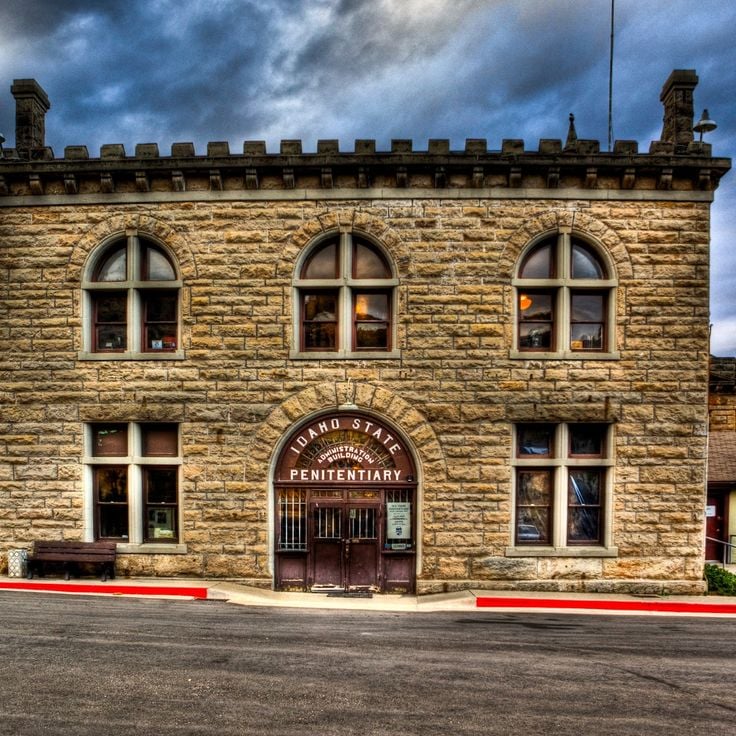
This 1872 prison presents Idaho’s incarceration history through its buildings, cells, and detention areas. Visitors can explore the original penitentiary facilities.
Boise, Idaho
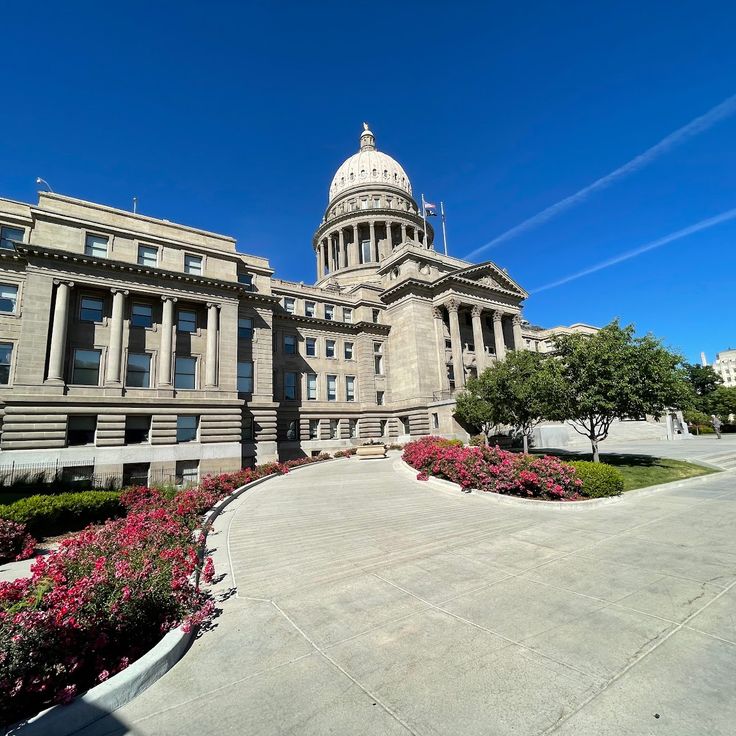
The seat of Idaho's government, built in 1920, includes a sandstone dome, landscaped gardens, and rooms decorated with marble and wood paneling.
Boise, Idaho
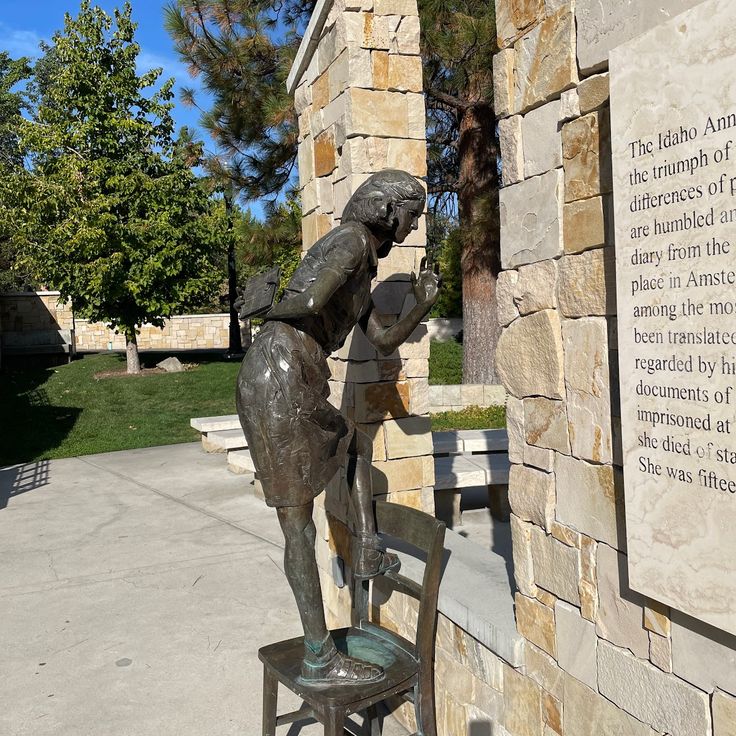
This educational park features sculptures, informational panels, and engraved quotes commemorating Anne Frank and highlighting human rights.
Boise, Idaho
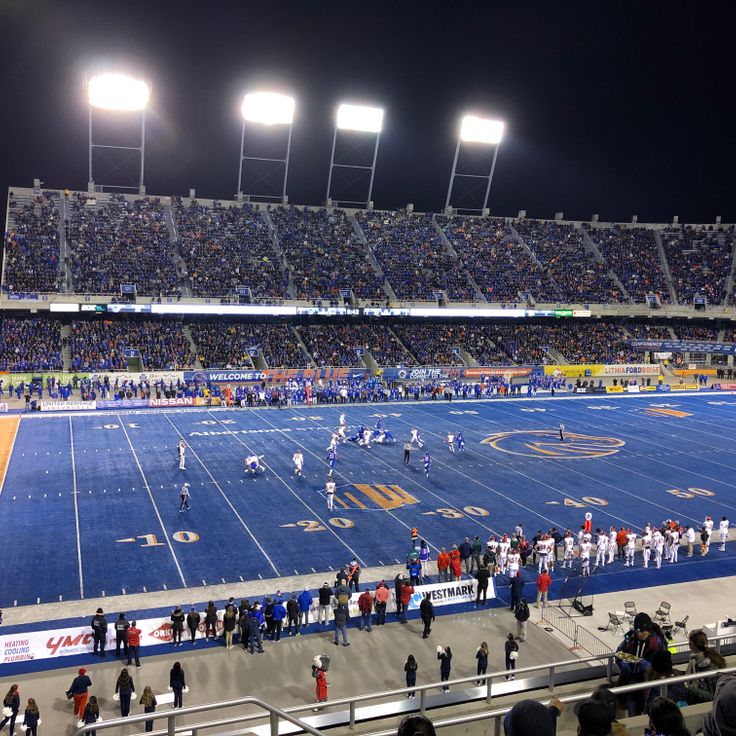
This sports facility at Boise State University hosts college football games and is known for its blue turf.
Boise, Idaho
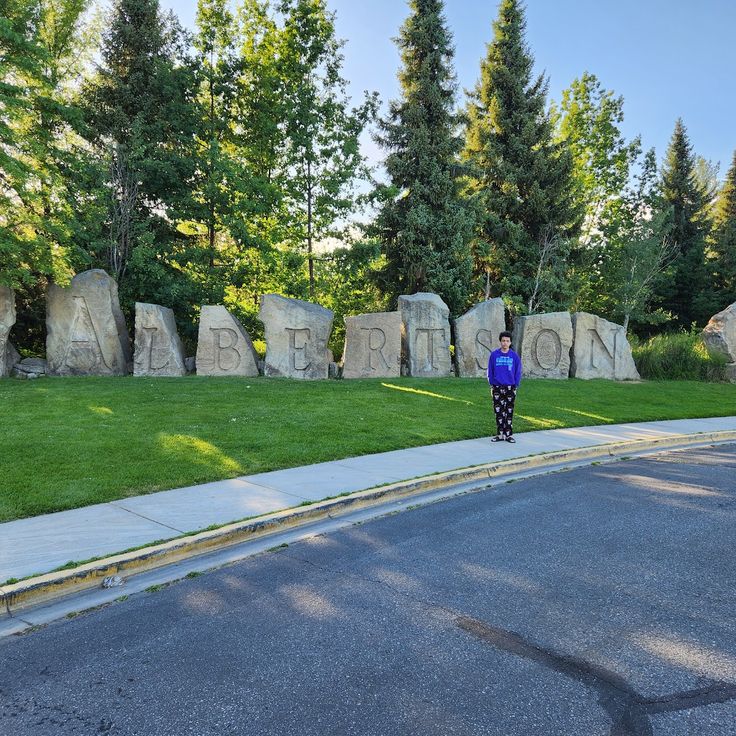
A 16-hectare natural park with paved paths, ponds, and observation areas for waterfowl and other local wildlife.
Boise, Idaho
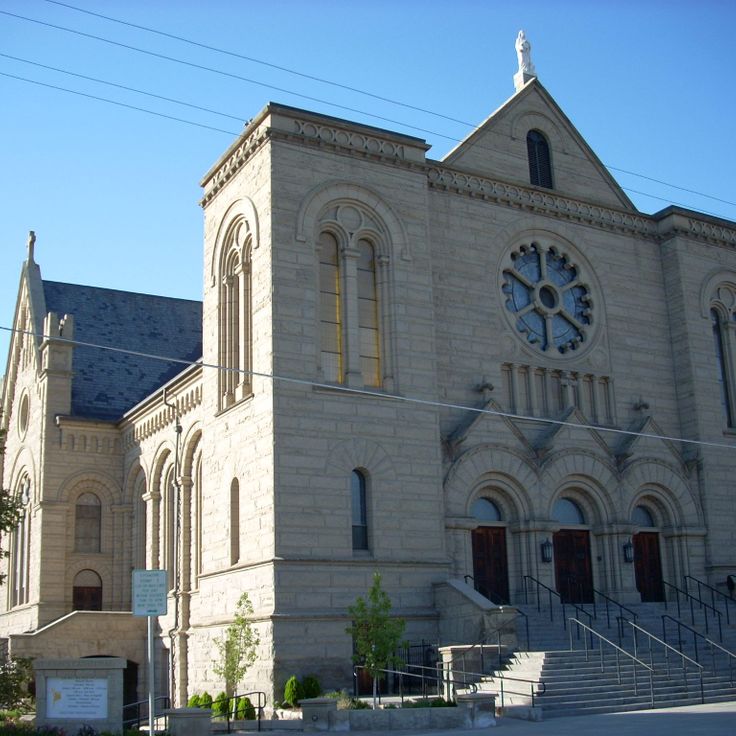
Religious building constructed in 1876 featuring neo-Gothic architecture, colorful stained-glass windows, and a still-functioning historic organ.
Boise, Idaho
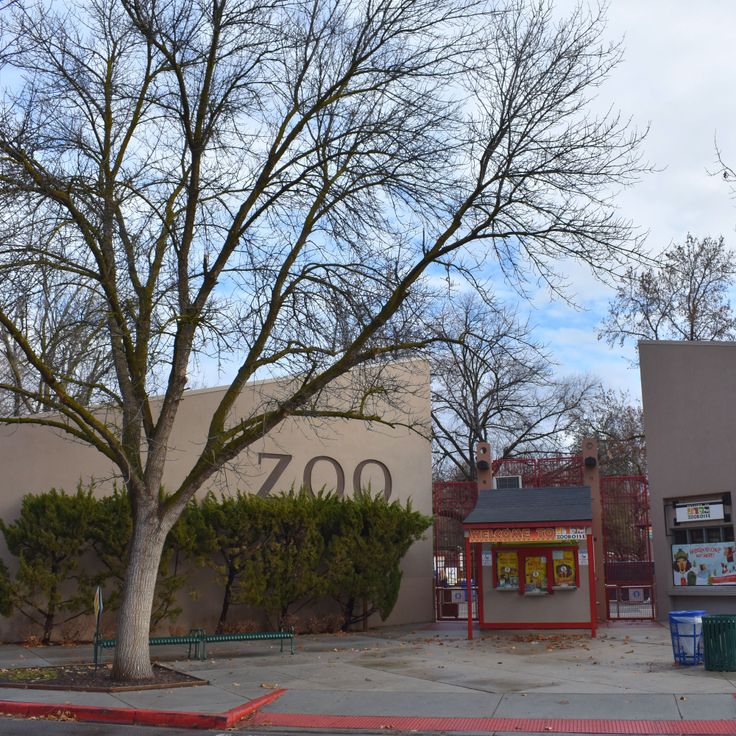
Animal center showcasing over 200 species with educational programs and animal enrichment activities throughout the year.
Boise, Idaho
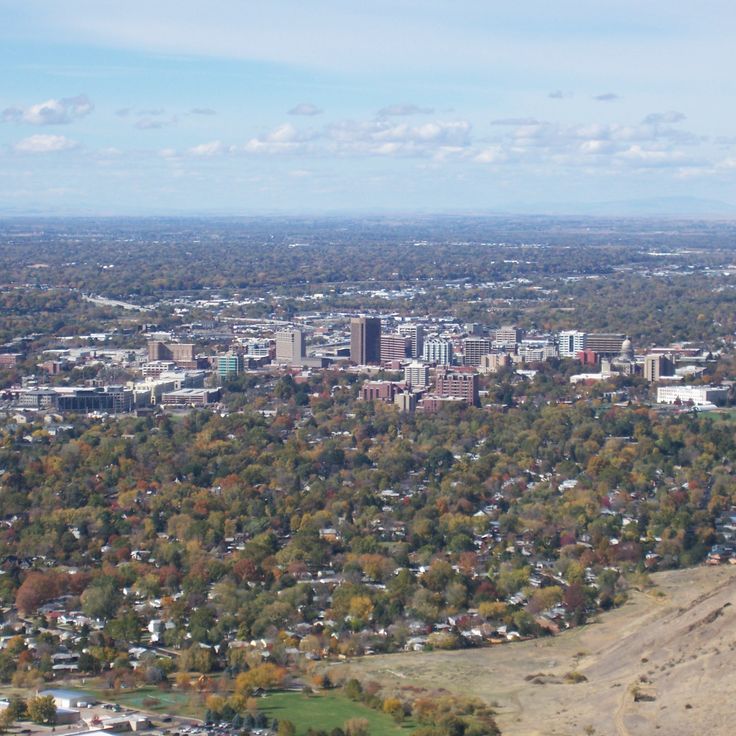
Botanical space with collections of native and exotic plants, a greenhouse, a learning center, and horticultural educational programs.
Boise, Idaho
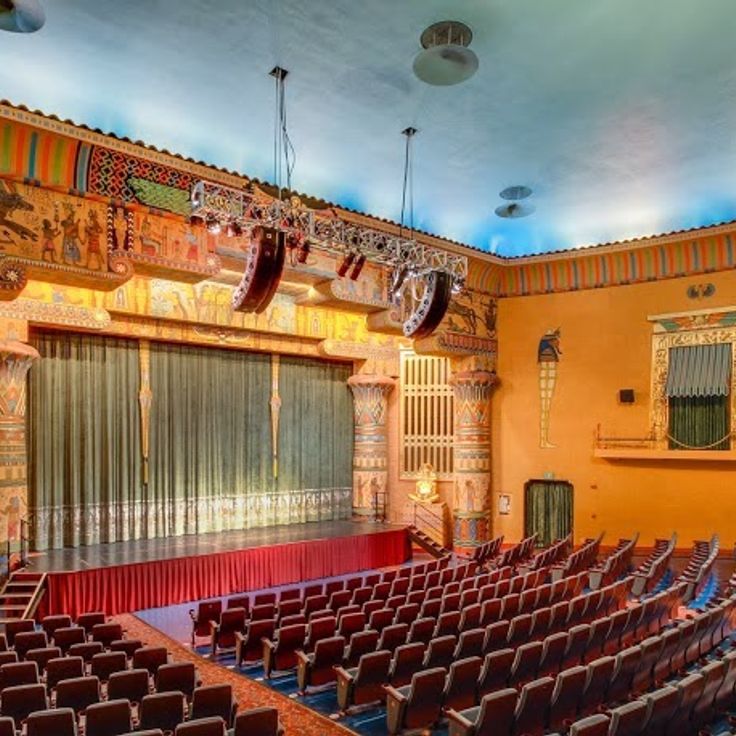
Cinema built in 1927 with architecture that combines Egyptian and Art Deco styles, featuring characteristic motifs and ornaments.
Boise, Idaho
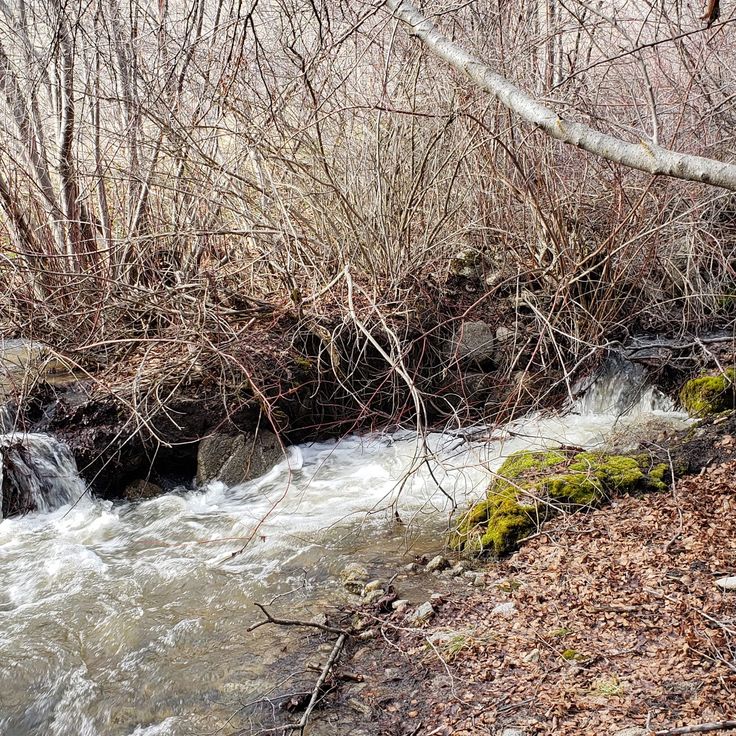
A 40-kilometer paved path along the river, accessible to pedestrians and cyclists, crossing several parks and natural areas.
Boise, Idaho
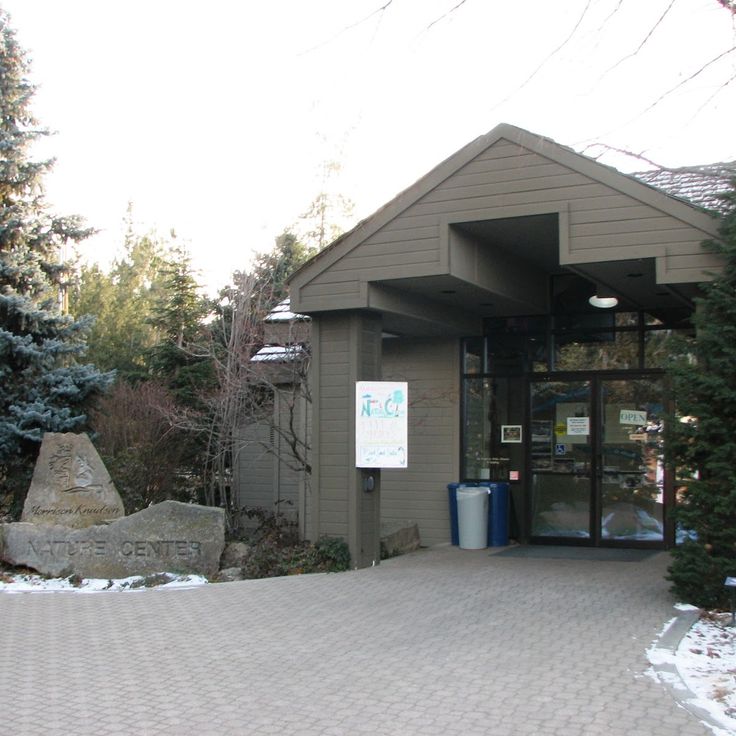
Educational center dedicated to local nature with interpretive trails and displays on regional animals and plants.
Boise, Idaho
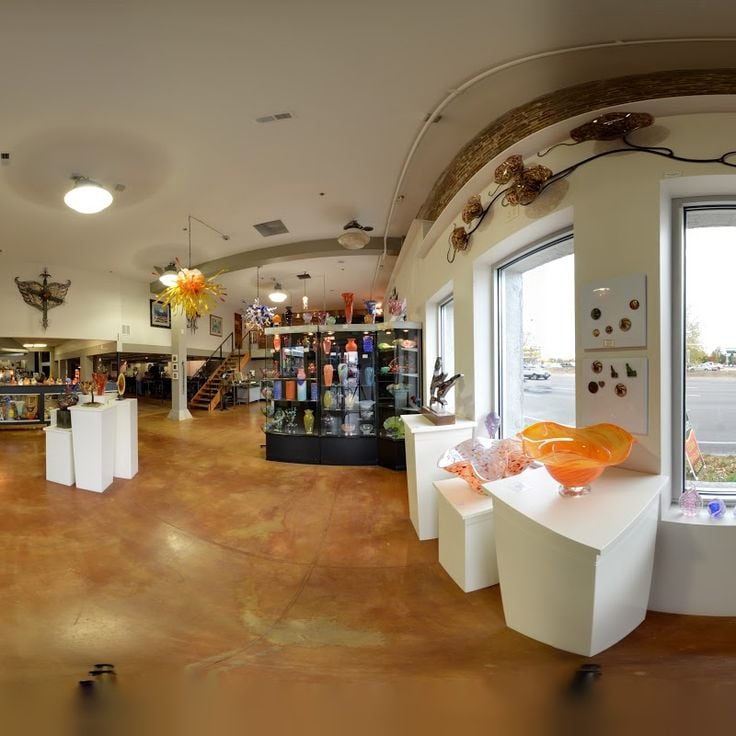
Glassblowing studio where artisans create glass pieces before the public, with an exhibition gallery.
Boise, Idaho
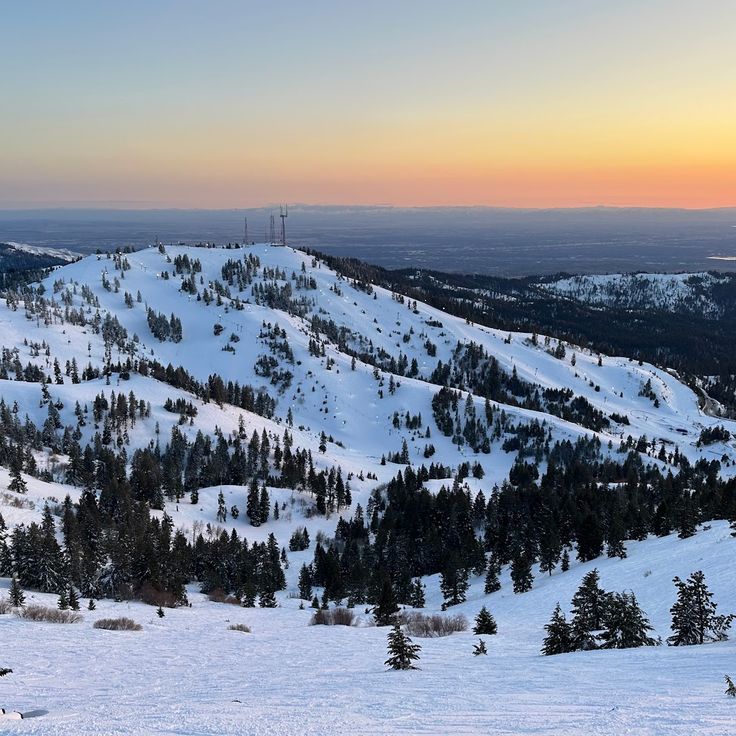
Mountain resort offering 10 chairlifts, 82 runs for alpine skiing and snowboarding, as well as cross-country ski trails.
Boise, Idaho
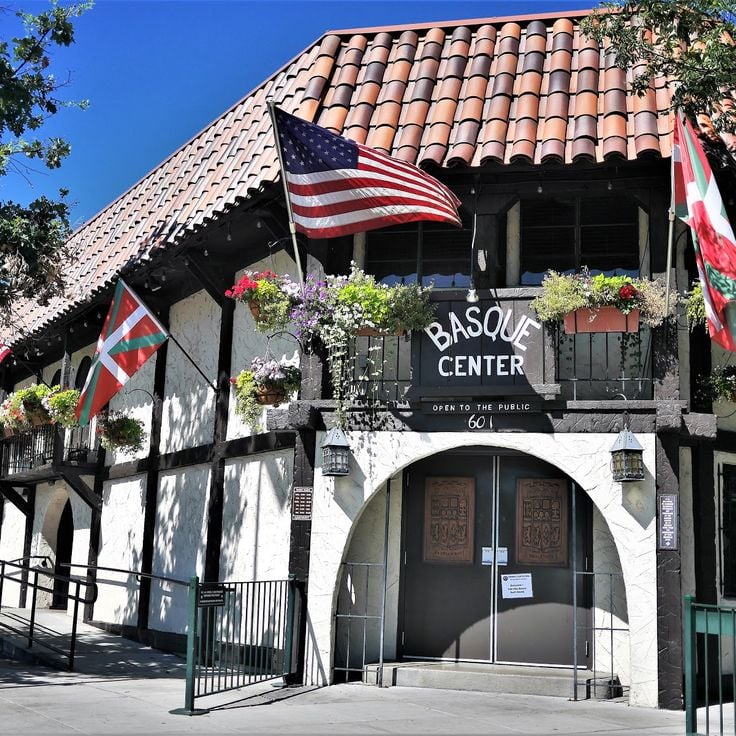
Institution dedicated to Idaho's Basque community, exhibiting traditional objects, costumes, and historical documents since 1985.
Boise, Idaho
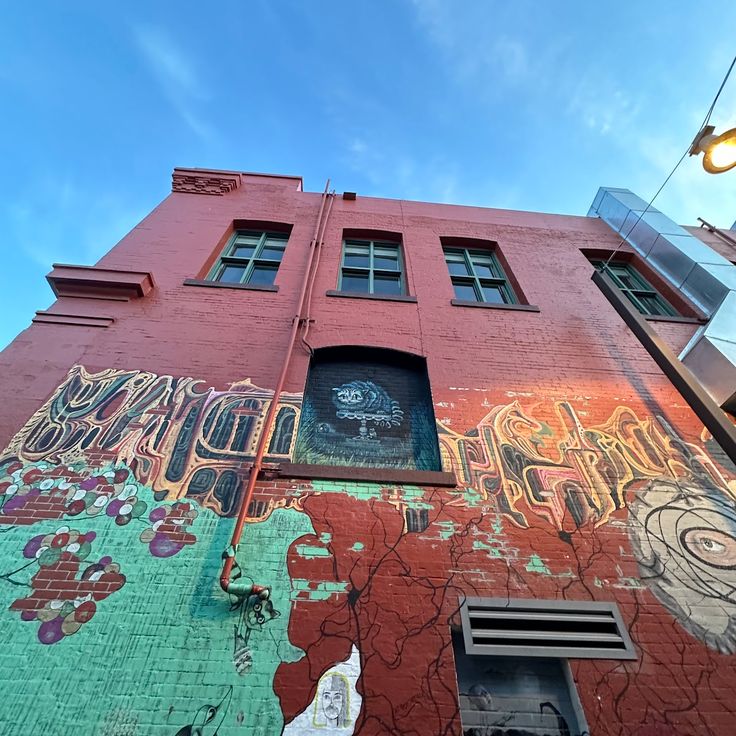
Collection of contemporary murals and street art displayed in a downtown alley, created by local artists since 2002.
Boise, Idaho
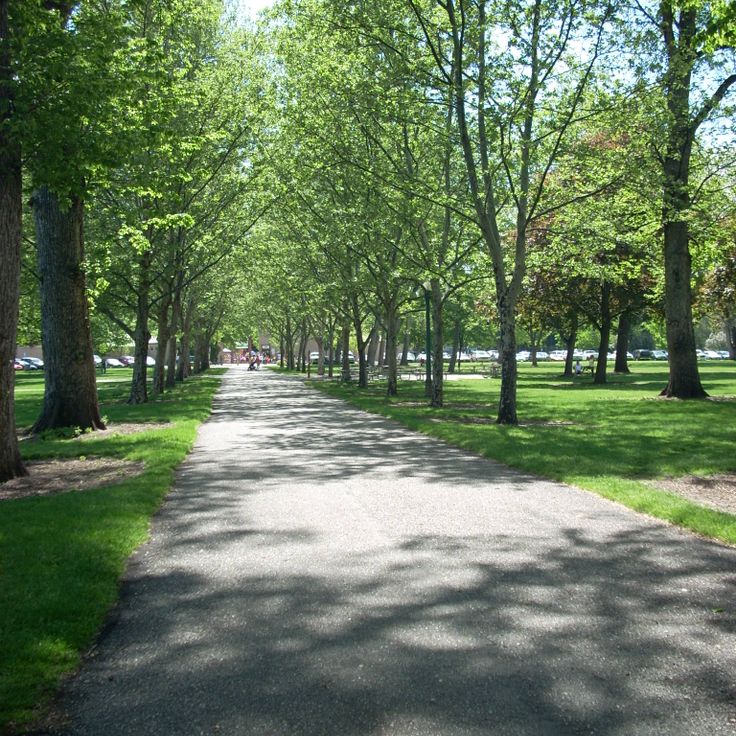
A 36-hectare green space including a rose garden, botanical garden, tennis courts, and trails along the Boise River.
Boise, Idaho
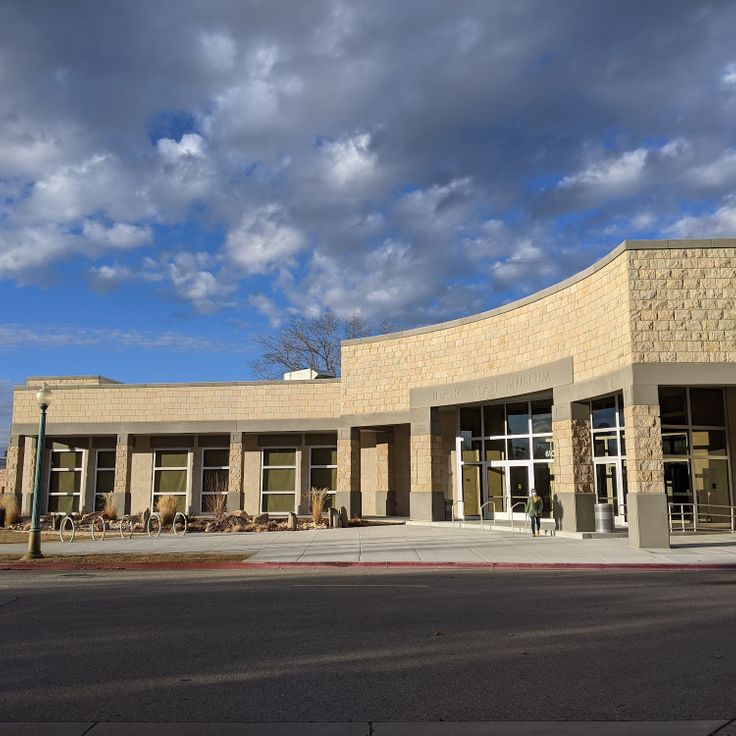
The permanent collection traces the state's development from its early inhabitants to settlers, including local geological and ethnographic artifacts.
Boise, Idaho
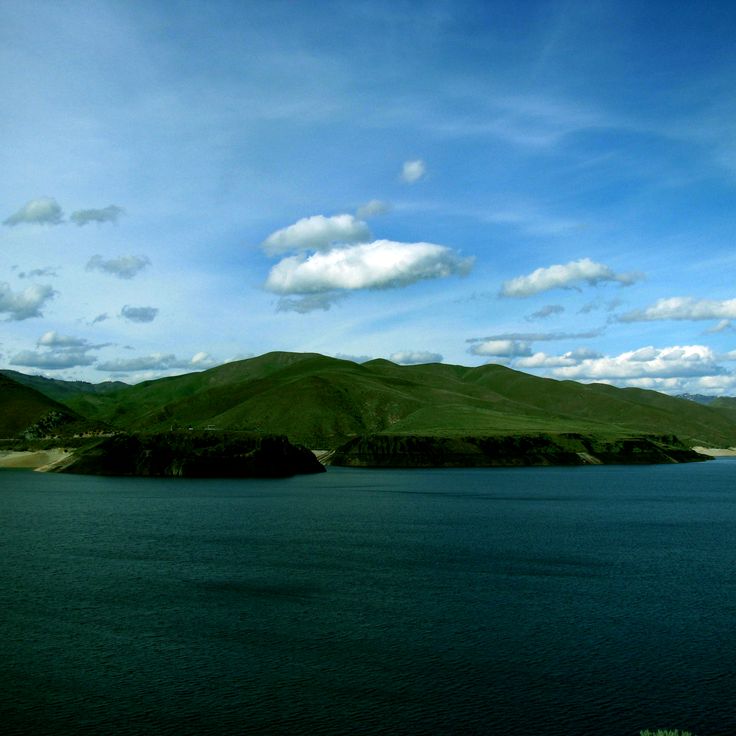
A natural space covering 1000 hectares with a lake, hiking trails, picnic tables, and wildlife observation points.
Boise, Idaho
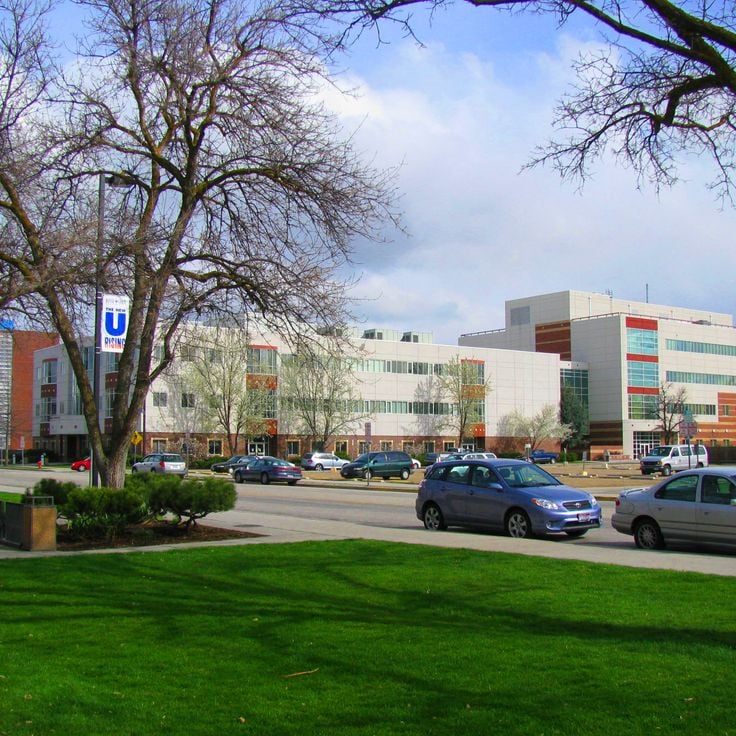
Higher education institution founded in 1932, hosting over 25,000 students on a 70-hectare campus in downtown Boise.
Boise, Idaho
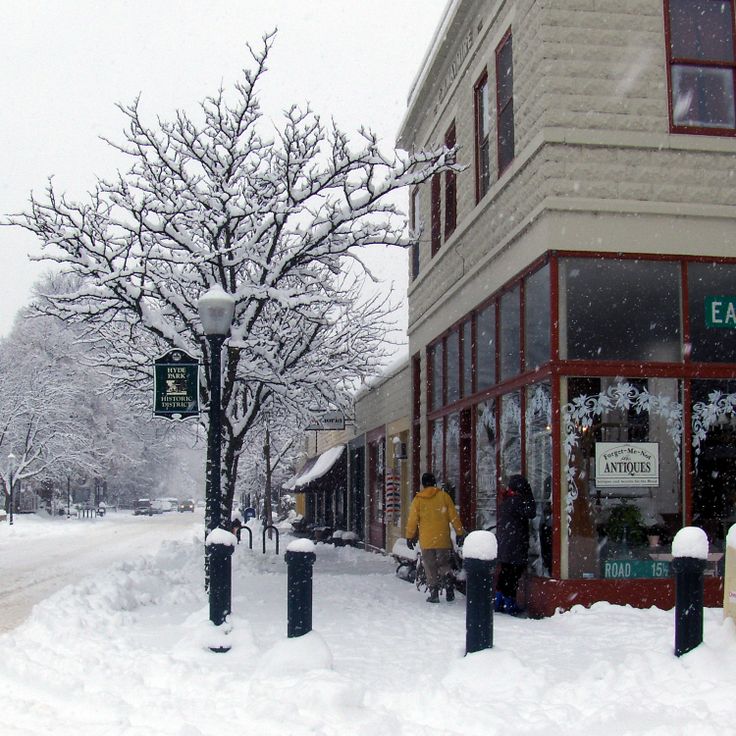
Early 20th-century residential section with Victorian houses, independent shops, restaurants, and cafes.
Boise, Idaho
An 11-hectare natural area featuring hiking trails, a picnic area, and a hill offering views of Boise.
Boise, Idaho
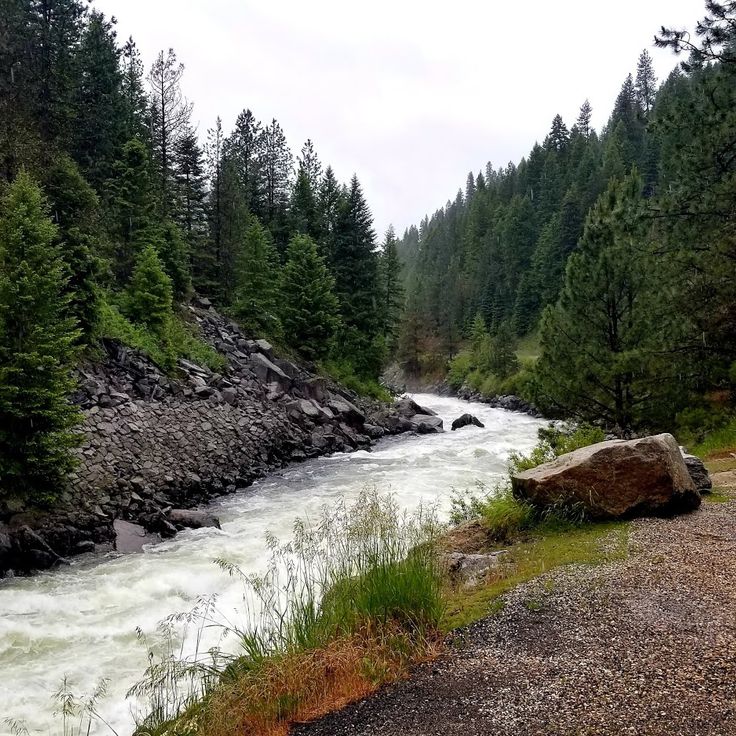
Protected natural area covering 10,000 square kilometers with hiking trails, camping zones, and wildlife observation points.
Boise, Idaho
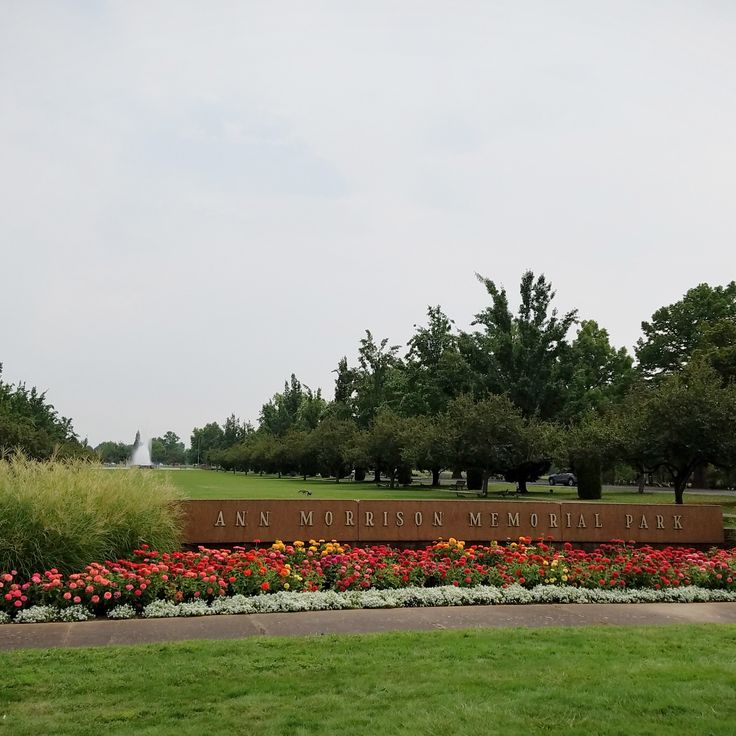
Public park spanning 60 hectares with sports fields, a central fountain, playgrounds, and picnic zones.
Boise, Idaho
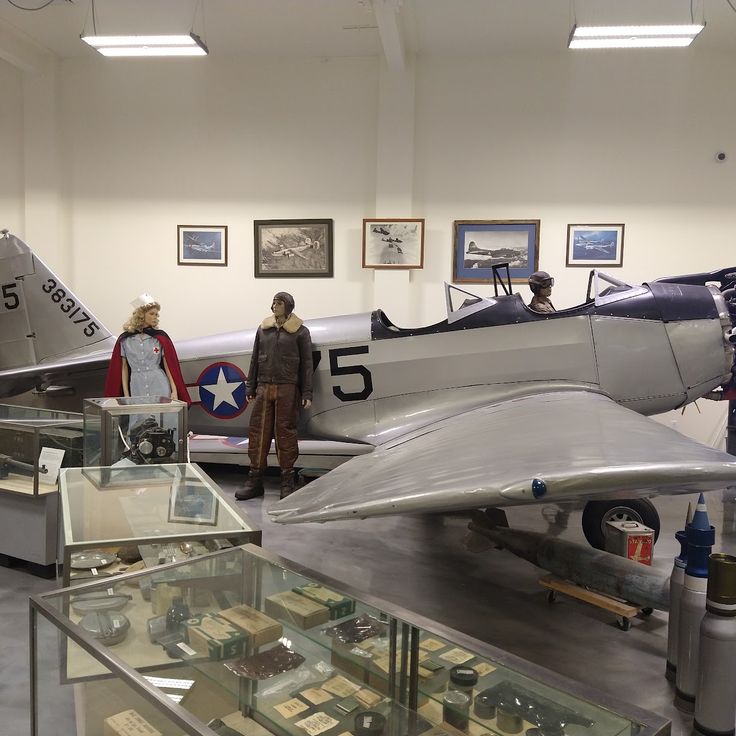
Collection of military items, uniforms, and vehicles portraying Idaho's military forces history from the 19th century to present day.
Boise, Idaho
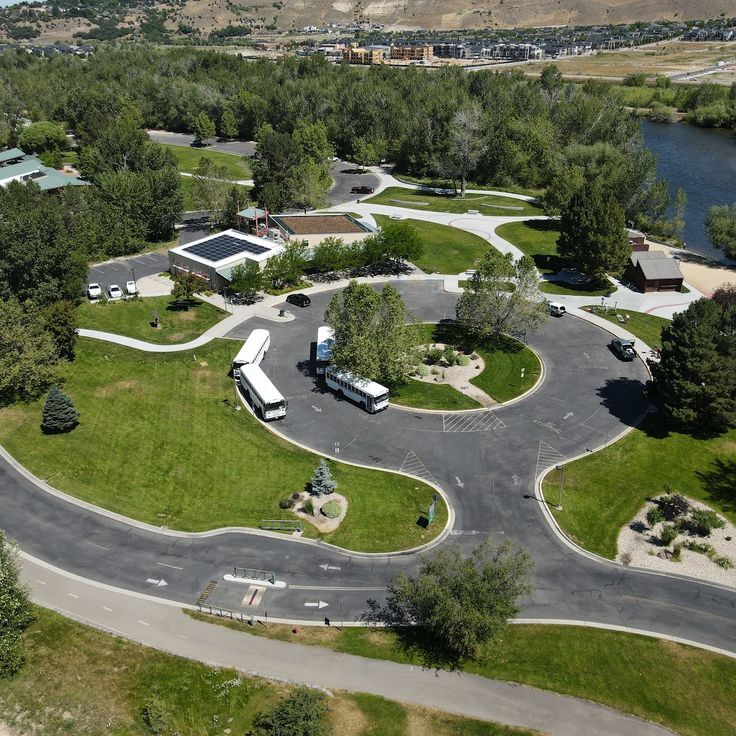
A 12-hectare green space along the Boise River, offering footpaths, picnic areas, and a boat launch ramp.
Boise, Idaho
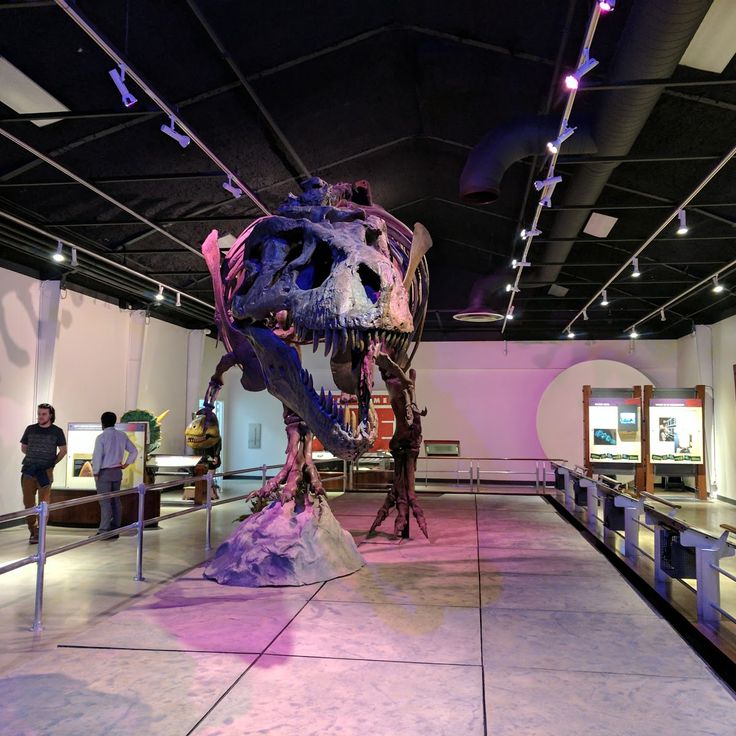
Science museum featuring hands-on exhibits on Idaho's geology, fauna, and flora, with a planetarium and educational laboratory.
Boise, Idaho
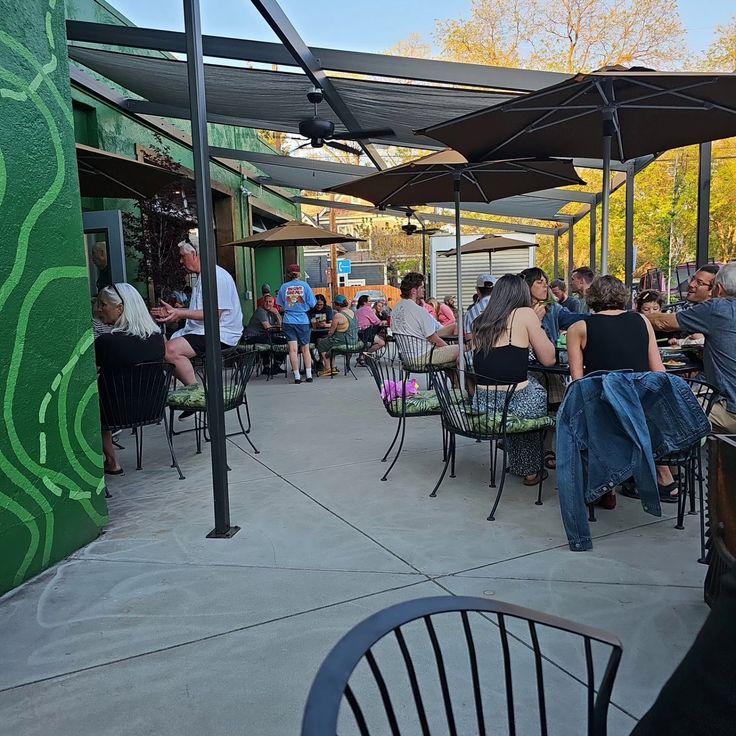
Local beer production established in 1992, offering guided tours of the brewing process and a tasting room with 12 different beers.
Boise, Idaho
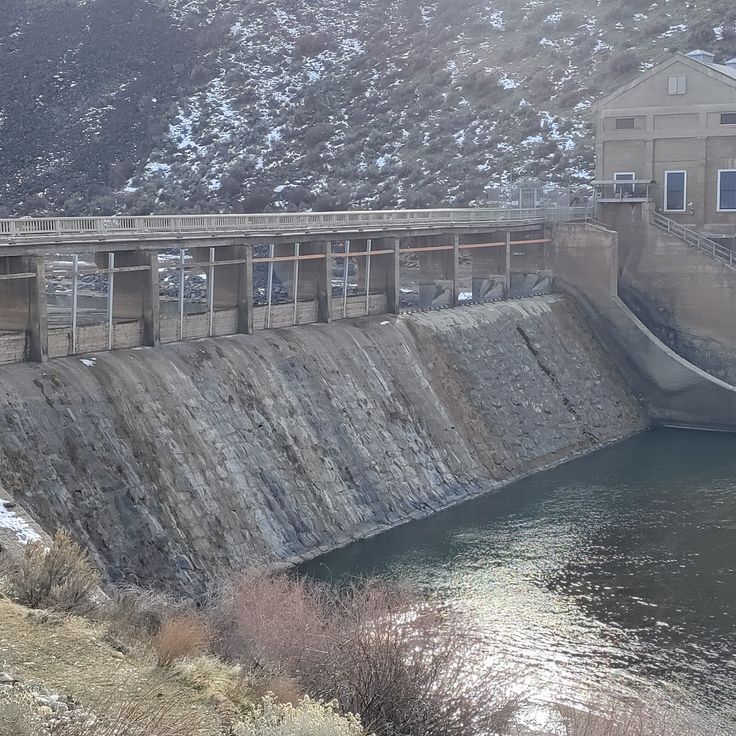
Infrastructure constructed in 1908 on the Boise River, controlling water flow for agricultural irrigation and electricity production in the valley.