See the monuments around you in AROpen chests in the app
Around Us is built for your phone — point your camera at the streets and discover the monuments and places around you in augmented reality.Around Us is built for your phone — chests unlock when you walk, explore and capture nearby places.
Basilicata is a region in southern Italy where nature and history are woven together in unexpected ways. You can walk through cave houses carved into rock thousands of years ago, explore medieval castles perched on hillsides, and hike through protected nature reserves. The landscape shows layers of time: Roman structures still standing, underground caves shaped by water over millennia, and villages that people left behind long ago. Matera is the heart of this story. Its Sassi district is famous for its cave dwellings, where families once lived directly carved into the rock. These homes have thick stone walls that keep the interiors cool in summer and warm in winter. Walking through the narrow streets, you see how ingeniously people adapted to the landscape. Beyond the cities, Pollino National Park stretches across the mountains with rare pine forests and stunning views. Throughout Basilicata, you can visit underground sanctuaries decorated with religious art, climb through abbey ruins from medieval times, and see how the land itself tells stories of people who lived here centuries ago. From the dramatic badlands with their strange rock formations to the hidden grottos beneath the earth, Basilicata shows you a part of Italy that feels far from the crowded tourist routes. The region invites you to discover its natural wonders and historical layers at your own pace.
Basilicata is a region in southern Italy where nature and history are woven together in unexpected ways. You can walk through cave houses carved into rock thousands of years ago, explore medieval castles perched on hillsides, and hike through protected nature reserves. The landscape shows layers of time: Roman structures still standing, underground caves shaped by water over millennia, and villages that people left behind long ago. Matera is the heart of this story. Its Sassi district is famous for its cave dwellings, where families once lived directly carved into the rock. These homes have thick stone walls that keep the interiors cool in summer and warm in winter. Walking through the narrow streets, you see how ingeniously people adapted to the landscape. Beyond the cities, Pollino National Park stretches across the mountains with rare pine forests and stunning views. Throughout Basilicata, you can visit underground sanctuaries decorated with religious art, climb through abbey ruins from medieval times, and see how the land itself tells stories of people who lived here centuries ago. From the dramatic badlands with their strange rock formations to the hidden grottos beneath the earth, Basilicata shows you a part of Italy that feels far from the crowded tourist routes. The region invites you to discover its natural wonders and historical layers at your own pace.
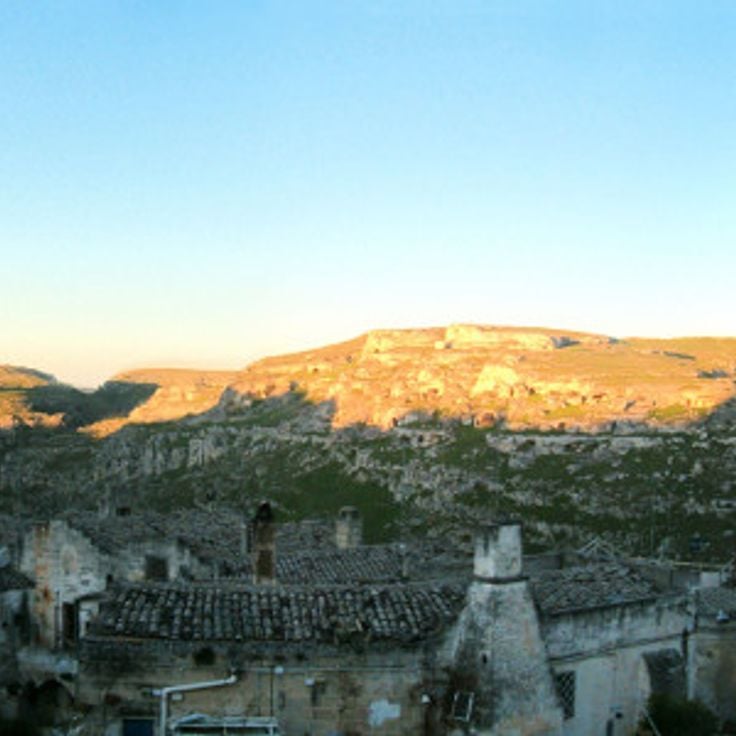
The Sassi di Matera represents a key chapter in Basilicata's story of how humans shaped life from the land itself. These cave dwellings were carved directly into tufa rock and served as homes for families across centuries. The thick stone walls maintain cool interiors during hot summers and retain warmth through cold winters. Walking through the narrow streets reveals how ingeniously residents adapted their lives to the rocky landscape, turning stone into shelter.
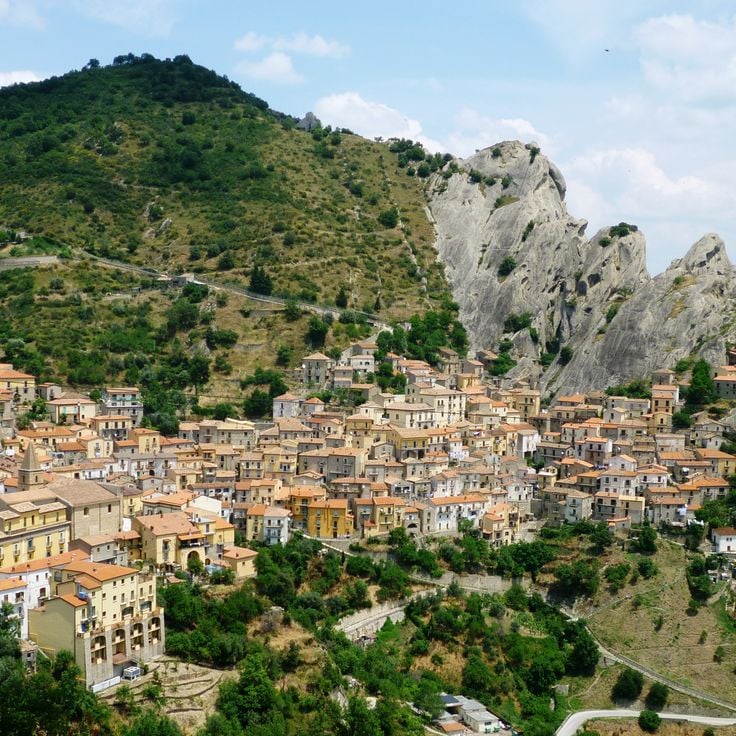
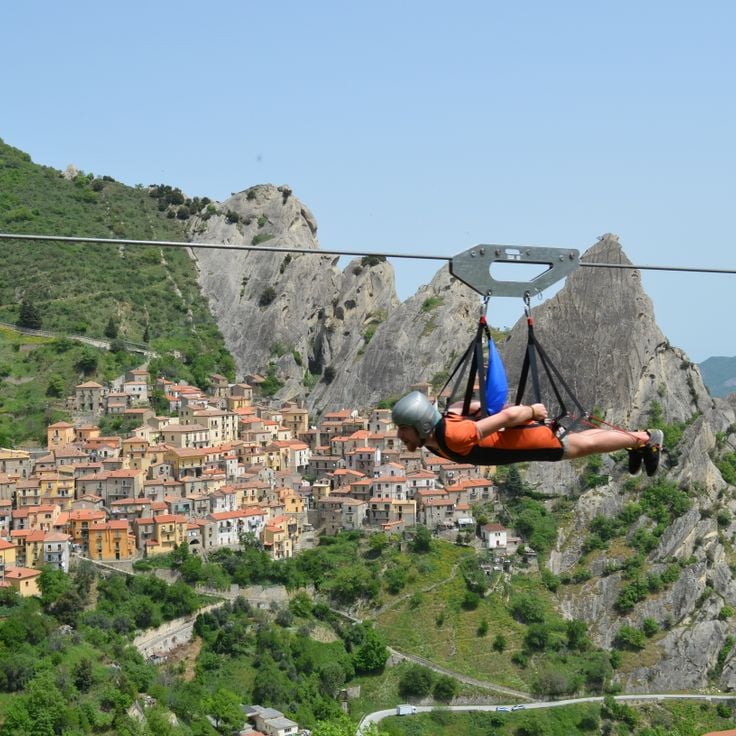
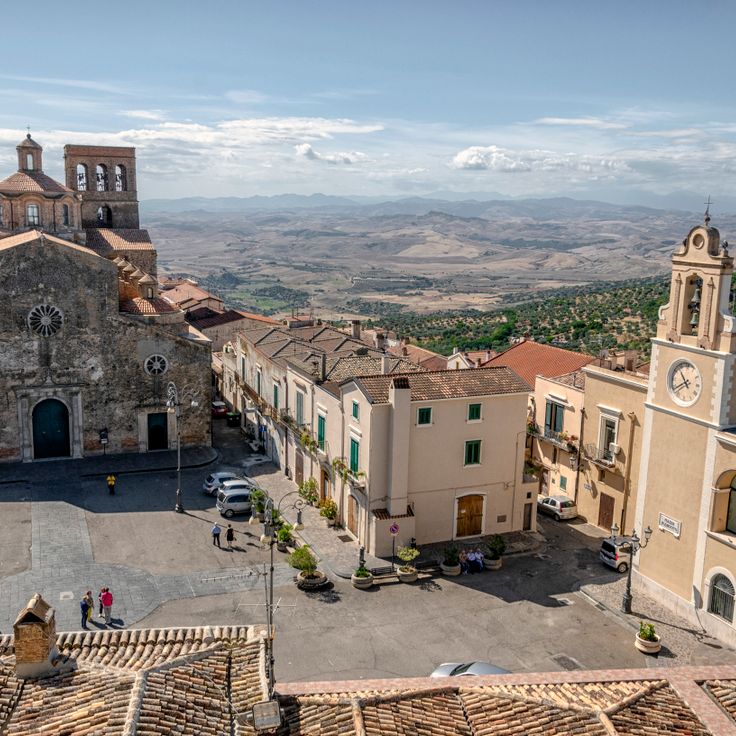
The village of Castelmezzano sits at 750 meters elevation between the peaks of the Southern Dolomites, where stone houses follow the shape of the mountain itself. This settlement exemplifies how people in Basilicata adapted ingeniously to their landscape, building homes that work with the natural terrain rather than against it. Walking through its streets shows how mountain life shaped both architecture and daily routines over centuries.
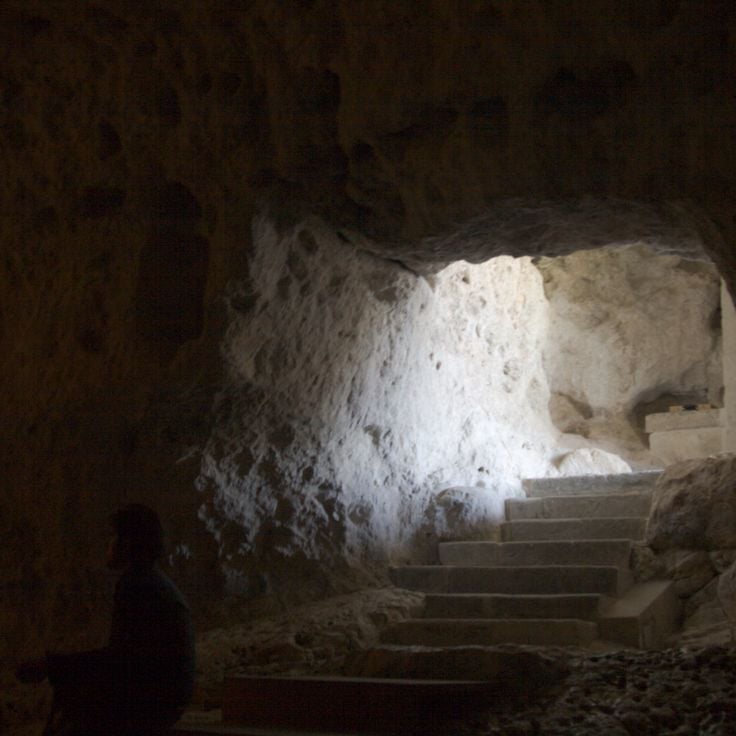
This 9th century cave church is part of the layered history that runs through Basilicata. The crypt sits carved directly into the rock, holding Byzantine frescoes on its walls. The paintings show biblical scenes rendered in bright colors. Walking through this underground sanctuary, visitors see how early Christians adapted the landscape itself into a place of worship, much like the cave dwellers of Matera later carved their homes from the same stone. The colored images on the rock walls tell biblical stories and reveal how faith and land were woven together in this region.
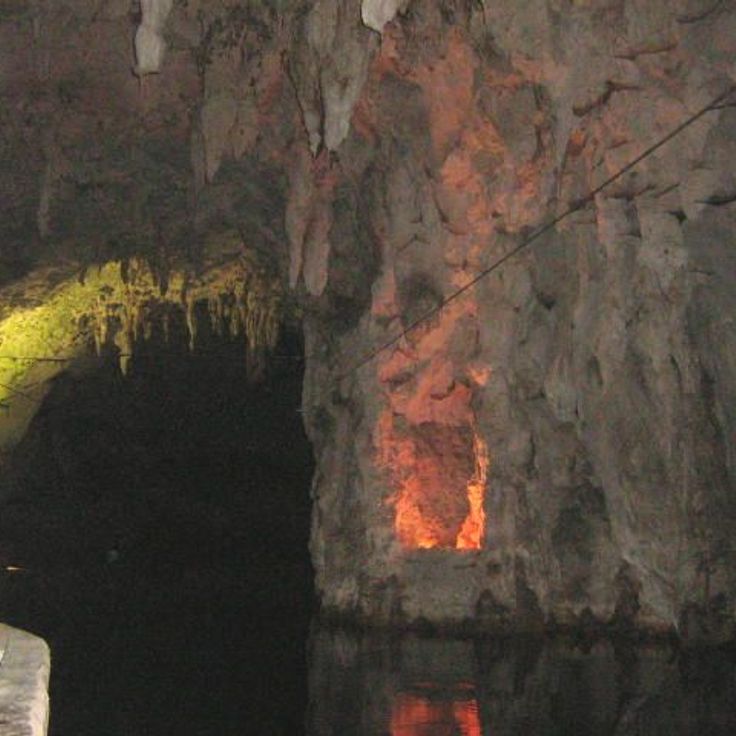
The Pertosa Caves are limestone formations that extend underground for several kilometers and are part of the natural wonders found throughout Basilicata. A subterranean river called the Negro flows through the caves, and visitors explore the caverns by boat to witness the sculpted rock formations created by water over millennia. These caves reveal how geological forces shaped the land beneath the surface, adding another layer to the region's story of earth and time. They represent the hidden natural world that makes Basilicata distinct from other parts of Italy.
The Flight of the Angel is a zip line connecting two mountain villages in Basilicata and demonstrates how the region blends its ancient past with modern experiences. This 1452 meter line stretches between Castelmezzano and Pietrapertosa across deep ravines, allowing visitors to experience the region's dramatic mountain landscape from a completely new perspective. Riders can reach speeds of up to 120 kilometers per hour while suspended between the peaks. The experience connects the land's historical layers with contemporary adventure.
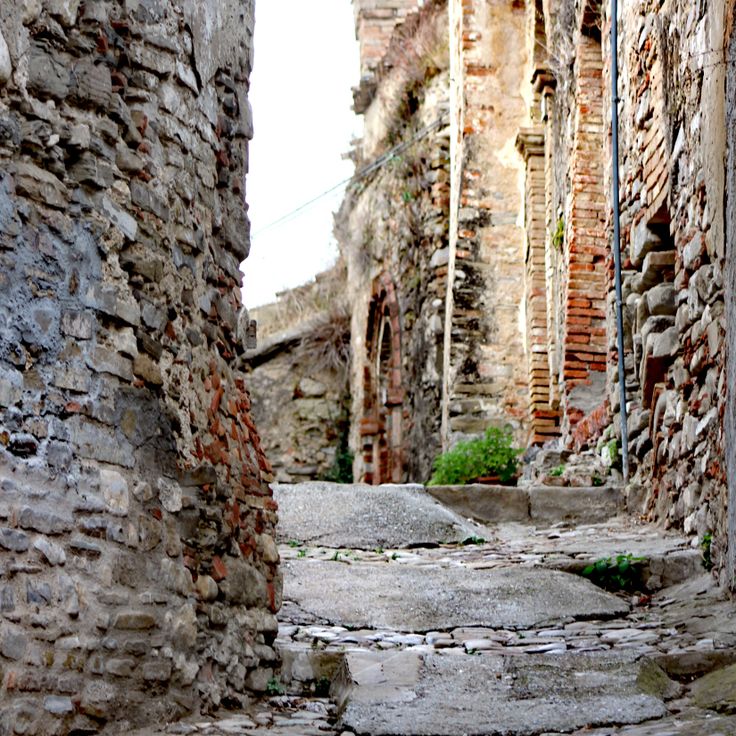
The Rabatana of Tursi is a medieval district from the 9th century that contributes to the story of Basilicata's layered history. This neighborhood shows how people built their homes from stone and organized their streets in close quarters. The Church of Santa Maria Maggiore anchors the district, serving as a gathering place for the community. Walking through the narrow alleys, you see the practical way residents adapted their living spaces to the hillside terrain and created shelter within the tight urban fabric.
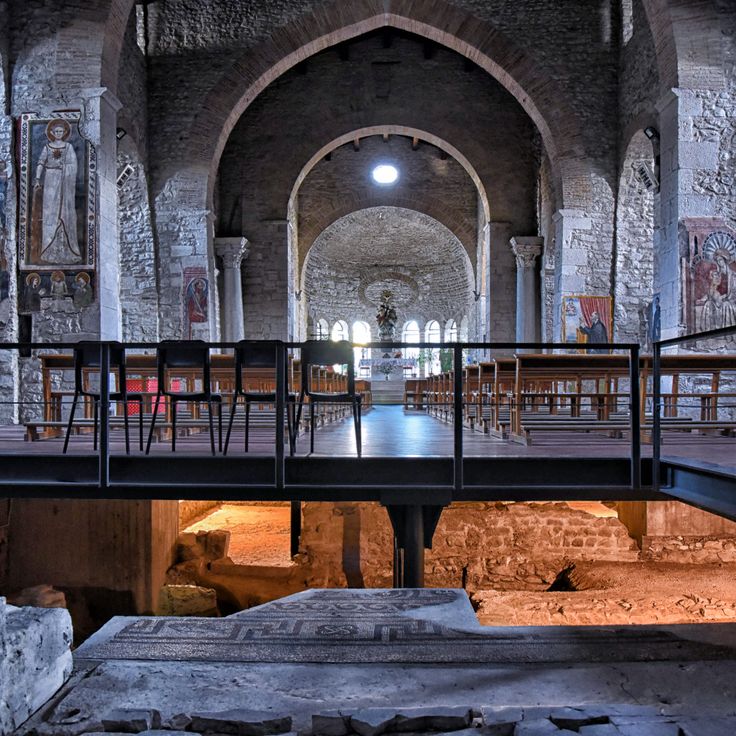
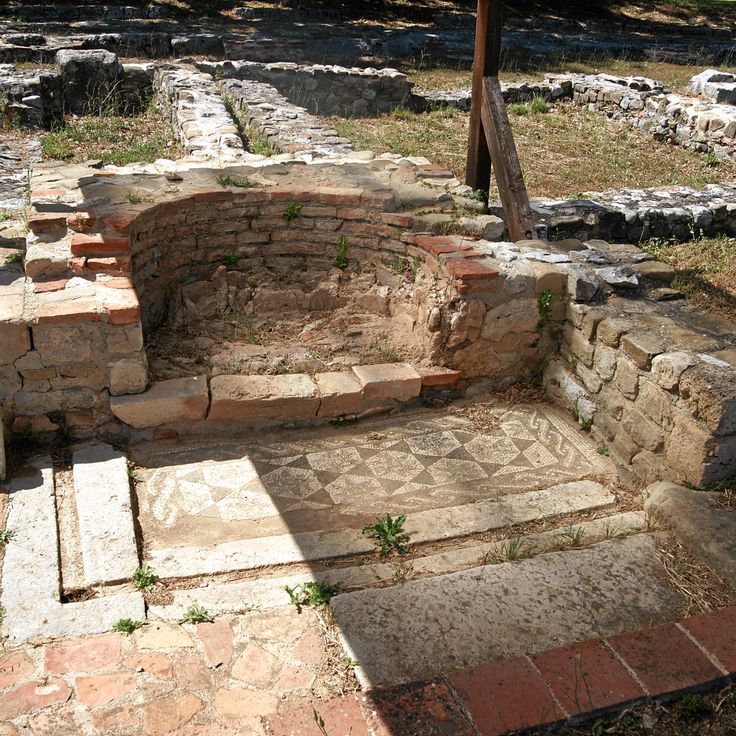
Venosa Abbey in Venosa is part of Basilicata's layered history. The complex brings together two different periods: a Romanesque church from the 12th century and a Roman bath with mosaics from the 1st century. As you walk through the ruins, you see how different eras sit side by side. The church shows the craftsmanship of the Middle Ages, while the Roman mosaics tell the story of a much older life. At this place, you can directly experience how people lived on the same land across centuries.
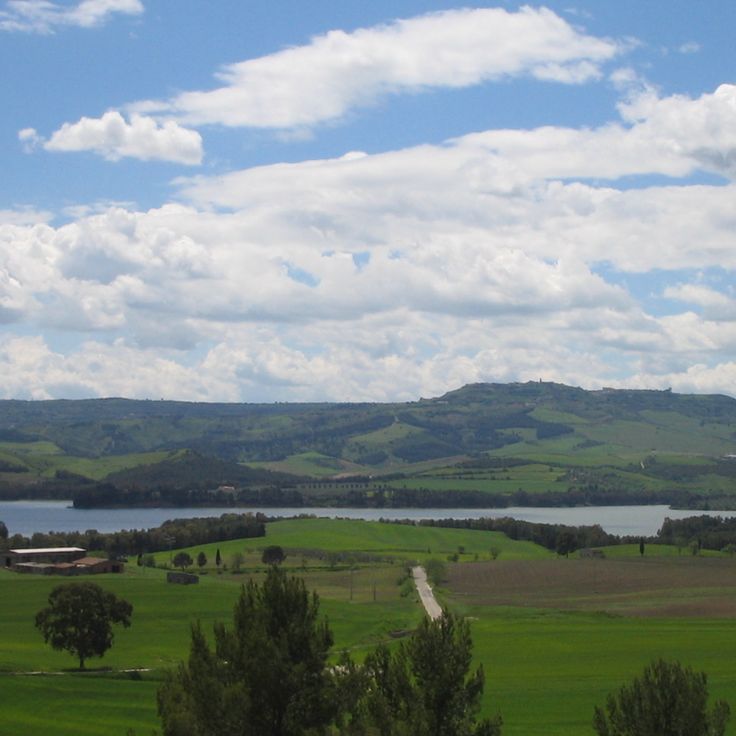
This protected area is part of the region where nature and history weave together in unexpected ways. San Giuliano Regional Reserve covers a large expanse and hosts numerous bird species along with an artificial lake that supplies water to the area. Here you can explore the natural side of Basilicata and see how the landscape itself tells stories of people who lived here centuries ago. The reserve offers walking paths and opportunities to watch birds in their natural setting, making it an important place for those interested in nature.
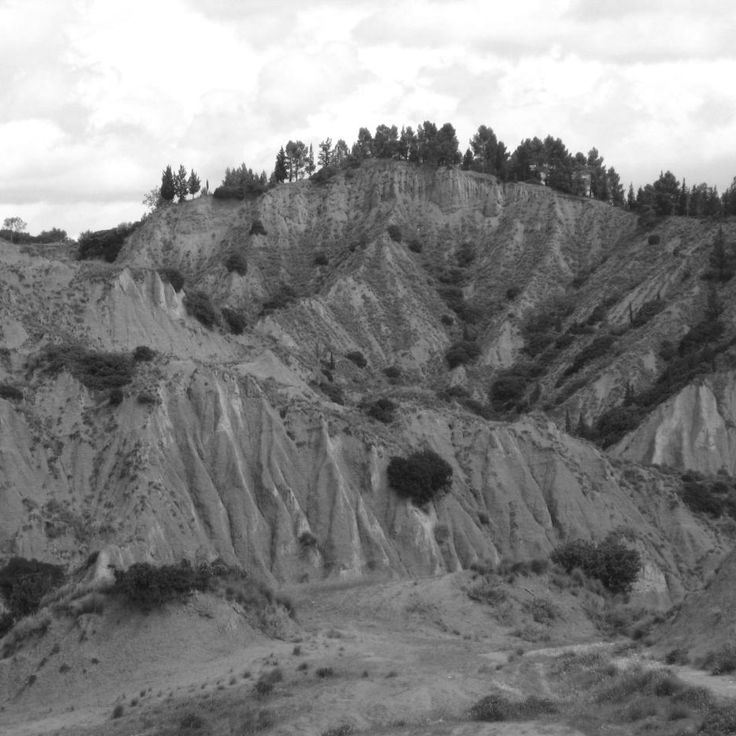
The Aliano Badlands are part of Basilicata's geological story, where earth and time work together to create remarkable landscapes. Clay formations here have been carved by water and wind into deep ravines and unusual rock shapes. Walking through this area shows you how slowly erosion reshapes the land, creating formations that look almost otherworldly. These badlands fit into the larger picture of the region, where nature displays its power alongside the human settlements and historical sites that make Basilicata distinctive.
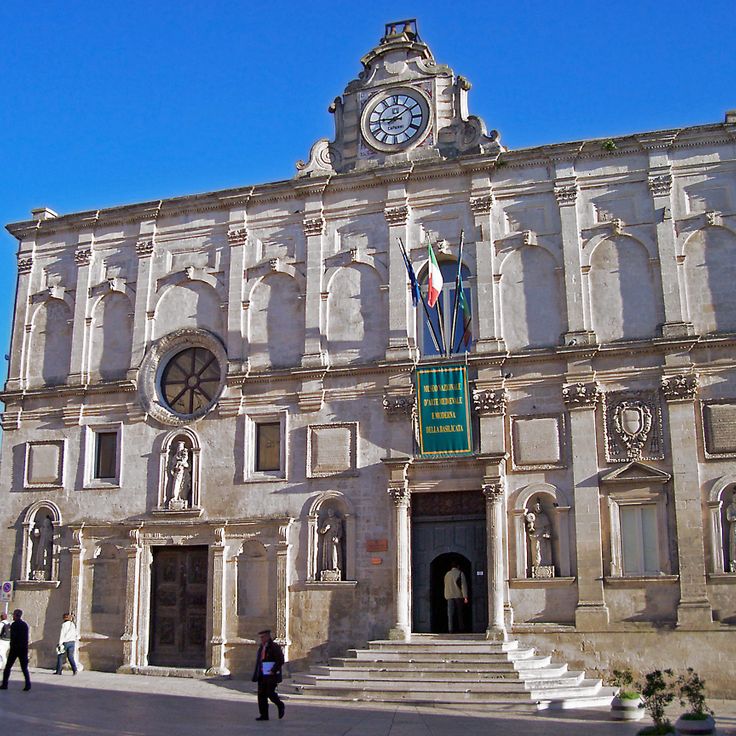
Palazzo Lanfranchi in Matera houses a collection of regional art spanning from medieval times to the present day. Built in the 17th century, this palace offers a window into the artistic life of Basilicata's inhabitants across centuries. Within the context of the region's natural and historical sites, the palace shows how people expressed themselves creatively while living in this distinctive landscape. The artworks here reflect the cultural development of communities that shaped this part of southern Italy.
This park is a natural centerpiece of Basilicata, spanning forests and mountains that shelter over 1,500 plant species. Loricate Pines grow here in their native habitat, defining the landscape with their distinctive shapes. Hikers find steep trails, deep valleys, and high plateaus with expansive views. The park demonstrates how nature has evolved over millennia and offers insight into the ecological diversity that makes the region special.
The Archaeological Park of Grumentum offers a direct connection to the Roman past embedded in Basilicata's history. You can walk on Roman roads that once carried traders and travelers, examine the remains of thermal baths where daily life unfolded 2000 years ago, and explore a theater and amphitheater that reveal how this Roman community gathered and entertained itself. This excavation site fits into Basilicata's larger story, where ancient structures coexist with medieval ruins and the natural landscape. The park lets you stand on the actual ground where Romans lived, worked, and built their civilization in southern Italy.
Ferrandina Old Town is part of Basilicata's layered history of human settlement and adaptation. Medieval streets wind through stone residential buildings with balconies and courtyards that have remained intact since the 15th century. Walking through these narrow lanes, you see how families organized their homes around shared spaces and adapted to life in this hilly region. The town shows the everyday reality of medieval life in southern Italy.
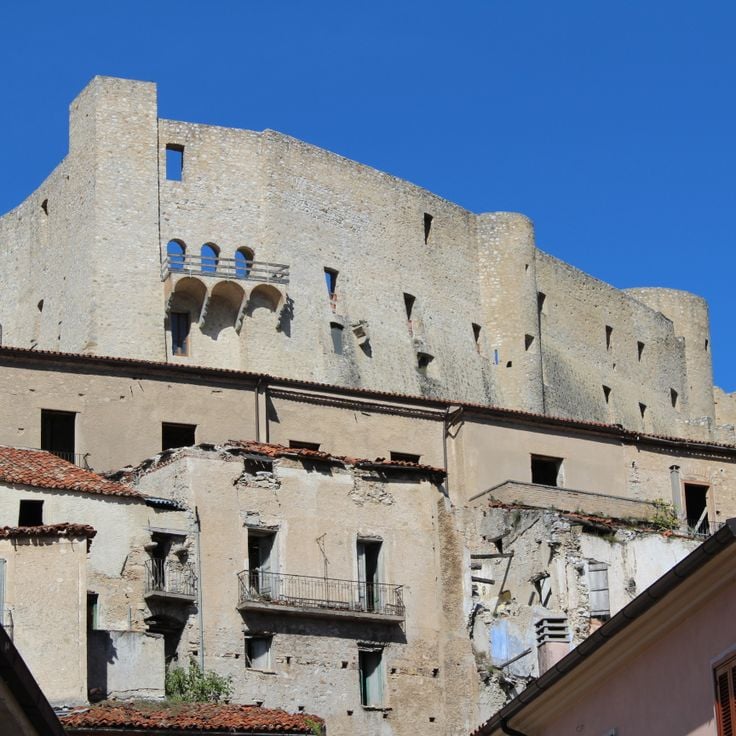
Brienza Castle stands on a hill displaying 13th-century Norman defensive architecture with high walls and watchtowers. It is part of the historical layers of Basilicata, where medieval castles perch on hillsides and tell the region's story. From this fortress, you can see a landscape that reflects centuries of human settlement and adaptation to the natural environment.
Craco is an abandoned village within this region, left behind in 1963 after a series of landslides destroyed its foundation. The stone buildings and medieval castle remain standing among the clay hills, offering a glimpse into how nature reshapes human settlements. Walking through this place shows how the land itself tells stories of people who once lived here and how communities can be transformed by the forces of the earth.
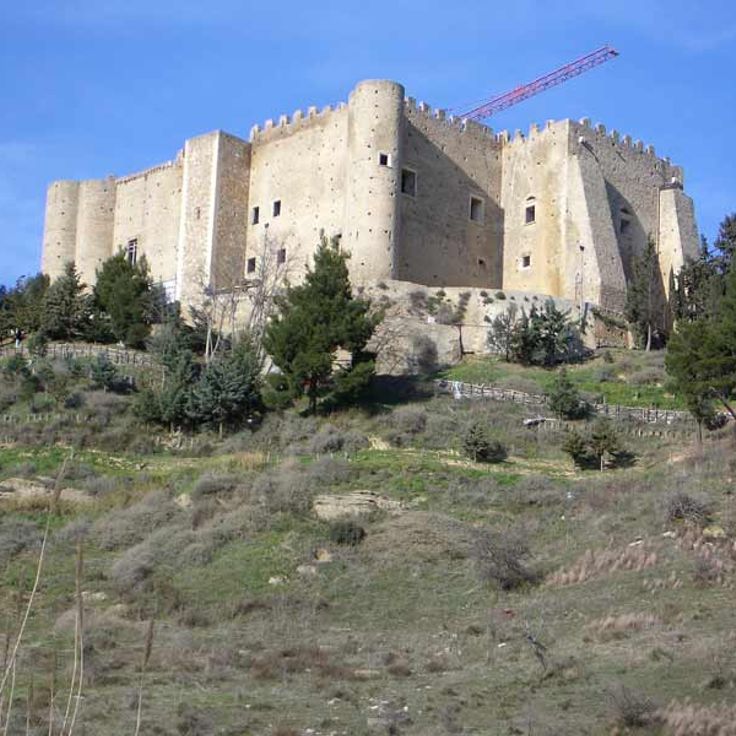
Malconsiglio Castle is a medieval fortress in Miglionico that fits into the story of Basilicata, where nature and history are woven together in unexpected ways. The castle dates from the 8th century and became the site of a rebellion against King Ferdinand I of Naples in 1485. It sits on a hillside and shows how fortresses once controlled the landscape. Today you can explore the ruins and see how people lived here centuries ago.
The Sassi di Matera represents a key chapter in Basilicata's story of how humans shaped life from the land itself. These cave dwellings were carved directly into tufa rock and served as homes for families across centuries. The thick stone walls maintain cool interiors during hot summers and retain warmth through cold winters. Walking through the narrow streets reveals how ingeniously residents adapted their lives to the rocky landscape, turning stone into shelter.
The village of Castelmezzano sits at 750 meters elevation between the peaks of the Southern Dolomites, where stone houses follow the shape of the mountain itself. This settlement exemplifies how people in Basilicata adapted ingeniously to their landscape, building homes that work with the natural terrain rather than against it. Walking through its streets shows how mountain life shaped both architecture and daily routines over centuries.
This 9th century cave church is part of the layered history that runs through Basilicata. The crypt sits carved directly into the rock, holding Byzantine frescoes on its walls. The paintings show biblical scenes rendered in bright colors. Walking through this underground sanctuary, visitors see how early Christians adapted the landscape itself into a place of worship, much like the cave dwellers of Matera later carved their homes from the same stone. The colored images on the rock walls tell biblical stories and reveal how faith and land were woven together in this region.
The Pertosa Caves are limestone formations that extend underground for several kilometers and are part of the natural wonders found throughout Basilicata. A subterranean river called the Negro flows through the caves, and visitors explore the caverns by boat to witness the sculpted rock formations created by water over millennia. These caves reveal how geological forces shaped the land beneath the surface, adding another layer to the region's story of earth and time. They represent the hidden natural world that makes Basilicata distinct from other parts of Italy.
The Flight of the Angel is a zip line connecting two mountain villages in Basilicata and demonstrates how the region blends its ancient past with modern experiences. This 1452 meter line stretches between Castelmezzano and Pietrapertosa across deep ravines, allowing visitors to experience the region's dramatic mountain landscape from a completely new perspective. Riders can reach speeds of up to 120 kilometers per hour while suspended between the peaks. The experience connects the land's historical layers with contemporary adventure.
The Rabatana of Tursi is a medieval district from the 9th century that contributes to the story of Basilicata's layered history. This neighborhood shows how people built their homes from stone and organized their streets in close quarters. The Church of Santa Maria Maggiore anchors the district, serving as a gathering place for the community. Walking through the narrow alleys, you see the practical way residents adapted their living spaces to the hillside terrain and created shelter within the tight urban fabric.
Venosa Abbey in Venosa is part of Basilicata's layered history. The complex brings together two different periods: a Romanesque church from the 12th century and a Roman bath with mosaics from the 1st century. As you walk through the ruins, you see how different eras sit side by side. The church shows the craftsmanship of the Middle Ages, while the Roman mosaics tell the story of a much older life. At this place, you can directly experience how people lived on the same land across centuries.
This protected area is part of the region where nature and history weave together in unexpected ways. San Giuliano Regional Reserve covers a large expanse and hosts numerous bird species along with an artificial lake that supplies water to the area. Here you can explore the natural side of Basilicata and see how the landscape itself tells stories of people who lived here centuries ago. The reserve offers walking paths and opportunities to watch birds in their natural setting, making it an important place for those interested in nature.
The Aliano Badlands are part of Basilicata's geological story, where earth and time work together to create remarkable landscapes. Clay formations here have been carved by water and wind into deep ravines and unusual rock shapes. Walking through this area shows you how slowly erosion reshapes the land, creating formations that look almost otherworldly. These badlands fit into the larger picture of the region, where nature displays its power alongside the human settlements and historical sites that make Basilicata distinctive.
Palazzo Lanfranchi in Matera houses a collection of regional art spanning from medieval times to the present day. Built in the 17th century, this palace offers a window into the artistic life of Basilicata's inhabitants across centuries. Within the context of the region's natural and historical sites, the palace shows how people expressed themselves creatively while living in this distinctive landscape. The artworks here reflect the cultural development of communities that shaped this part of southern Italy.
This park is a natural centerpiece of Basilicata, spanning forests and mountains that shelter over 1,500 plant species. Loricate Pines grow here in their native habitat, defining the landscape with their distinctive shapes. Hikers find steep trails, deep valleys, and high plateaus with expansive views. The park demonstrates how nature has evolved over millennia and offers insight into the ecological diversity that makes the region special.
The Archaeological Park of Grumentum offers a direct connection to the Roman past embedded in Basilicata's history. You can walk on Roman roads that once carried traders and travelers, examine the remains of thermal baths where daily life unfolded 2000 years ago, and explore a theater and amphitheater that reveal how this Roman community gathered and entertained itself. This excavation site fits into Basilicata's larger story, where ancient structures coexist with medieval ruins and the natural landscape. The park lets you stand on the actual ground where Romans lived, worked, and built their civilization in southern Italy.
Ferrandina Old Town is part of Basilicata's layered history of human settlement and adaptation. Medieval streets wind through stone residential buildings with balconies and courtyards that have remained intact since the 15th century. Walking through these narrow lanes, you see how families organized their homes around shared spaces and adapted to life in this hilly region. The town shows the everyday reality of medieval life in southern Italy.
Brienza Castle stands on a hill displaying 13th-century Norman defensive architecture with high walls and watchtowers. It is part of the historical layers of Basilicata, where medieval castles perch on hillsides and tell the region's story. From this fortress, you can see a landscape that reflects centuries of human settlement and adaptation to the natural environment.
Craco is an abandoned village within this region, left behind in 1963 after a series of landslides destroyed its foundation. The stone buildings and medieval castle remain standing among the clay hills, offering a glimpse into how nature reshapes human settlements. Walking through this place shows how the land itself tells stories of people who once lived here and how communities can be transformed by the forces of the earth.
Malconsiglio Castle is a medieval fortress in Miglionico that fits into the story of Basilicata, where nature and history are woven together in unexpected ways. The castle dates from the 8th century and became the site of a rebellion against King Ferdinand I of Naples in 1485. It sits on a hillside and shows how fortresses once controlled the landscape. Today you can explore the ruins and see how people lived here centuries ago.
The Sassi di Matera represents a key chapter in Basilicata's story of how humans shaped life from the land itself. These cave dwellings were carved directly into tufa rock and served as homes for families across centuries. The thick stone walls maintain cool interiors during hot summers and retain warmth through cold winters. Walking through the narrow streets reveals how ingeniously residents adapted their lives to the rocky landscape, turning stone into shelter.
The village of Castelmezzano sits at 750 meters elevation between the peaks of the Southern Dolomites, where stone houses follow the shape of the mountain itself. This settlement exemplifies how people in Basilicata adapted ingeniously to their landscape, building homes that work with the natural terrain rather than against it. Walking through its streets shows how mountain life shaped both architecture and daily routines over centuries.
This 9th century cave church is part of the layered history that runs through Basilicata. The crypt sits carved directly into the rock, holding Byzantine frescoes on its walls. The paintings show biblical scenes rendered in bright colors. Walking through this underground sanctuary, visitors see how early Christians adapted the landscape itself into a place of worship, much like the cave dwellers of Matera later carved their homes from the same stone. The colored images on the rock walls tell biblical stories and reveal how faith and land were woven together in this region.
The Pertosa Caves are limestone formations that extend underground for several kilometers and are part of the natural wonders found throughout Basilicata. A subterranean river called the Negro flows through the caves, and visitors explore the caverns by boat to witness the sculpted rock formations created by water over millennia. These caves reveal how geological forces shaped the land beneath the surface, adding another layer to the region's story of earth and time. They represent the hidden natural world that makes Basilicata distinct from other parts of Italy.
The Flight of the Angel is a zip line connecting two mountain villages in Basilicata and demonstrates how the region blends its ancient past with modern experiences. This 1452 meter line stretches between Castelmezzano and Pietrapertosa across deep ravines, allowing visitors to experience the region's dramatic mountain landscape from a completely new perspective. Riders can reach speeds of up to 120 kilometers per hour while suspended between the peaks. The experience connects the land's historical layers with contemporary adventure.
The Rabatana of Tursi is a medieval district from the 9th century that contributes to the story of Basilicata's layered history. This neighborhood shows how people built their homes from stone and organized their streets in close quarters. The Church of Santa Maria Maggiore anchors the district, serving as a gathering place for the community. Walking through the narrow alleys, you see the practical way residents adapted their living spaces to the hillside terrain and created shelter within the tight urban fabric.
Venosa Abbey in Venosa is part of Basilicata's layered history. The complex brings together two different periods: a Romanesque church from the 12th century and a Roman bath with mosaics from the 1st century. As you walk through the ruins, you see how different eras sit side by side. The church shows the craftsmanship of the Middle Ages, while the Roman mosaics tell the story of a much older life. At this place, you can directly experience how people lived on the same land across centuries.
This protected area is part of the region where nature and history weave together in unexpected ways. San Giuliano Regional Reserve covers a large expanse and hosts numerous bird species along with an artificial lake that supplies water to the area. Here you can explore the natural side of Basilicata and see how the landscape itself tells stories of people who lived here centuries ago. The reserve offers walking paths and opportunities to watch birds in their natural setting, making it an important place for those interested in nature.
The Aliano Badlands are part of Basilicata's geological story, where earth and time work together to create remarkable landscapes. Clay formations here have been carved by water and wind into deep ravines and unusual rock shapes. Walking through this area shows you how slowly erosion reshapes the land, creating formations that look almost otherworldly. These badlands fit into the larger picture of the region, where nature displays its power alongside the human settlements and historical sites that make Basilicata distinctive.
Palazzo Lanfranchi in Matera houses a collection of regional art spanning from medieval times to the present day. Built in the 17th century, this palace offers a window into the artistic life of Basilicata's inhabitants across centuries. Within the context of the region's natural and historical sites, the palace shows how people expressed themselves creatively while living in this distinctive landscape. The artworks here reflect the cultural development of communities that shaped this part of southern Italy.
This park is a natural centerpiece of Basilicata, spanning forests and mountains that shelter over 1,500 plant species. Loricate Pines grow here in their native habitat, defining the landscape with their distinctive shapes. Hikers find steep trails, deep valleys, and high plateaus with expansive views. The park demonstrates how nature has evolved over millennia and offers insight into the ecological diversity that makes the region special.
The Archaeological Park of Grumentum offers a direct connection to the Roman past embedded in Basilicata's history. You can walk on Roman roads that once carried traders and travelers, examine the remains of thermal baths where daily life unfolded 2000 years ago, and explore a theater and amphitheater that reveal how this Roman community gathered and entertained itself. This excavation site fits into Basilicata's larger story, where ancient structures coexist with medieval ruins and the natural landscape. The park lets you stand on the actual ground where Romans lived, worked, and built their civilization in southern Italy.
Ferrandina Old Town is part of Basilicata's layered history of human settlement and adaptation. Medieval streets wind through stone residential buildings with balconies and courtyards that have remained intact since the 15th century. Walking through these narrow lanes, you see how families organized their homes around shared spaces and adapted to life in this hilly region. The town shows the everyday reality of medieval life in southern Italy.
Brienza Castle stands on a hill displaying 13th-century Norman defensive architecture with high walls and watchtowers. It is part of the historical layers of Basilicata, where medieval castles perch on hillsides and tell the region's story. From this fortress, you can see a landscape that reflects centuries of human settlement and adaptation to the natural environment.
Craco is an abandoned village within this region, left behind in 1963 after a series of landslides destroyed its foundation. The stone buildings and medieval castle remain standing among the clay hills, offering a glimpse into how nature reshapes human settlements. Walking through this place shows how the land itself tells stories of people who once lived here and how communities can be transformed by the forces of the earth.
Malconsiglio Castle is a medieval fortress in Miglionico that fits into the story of Basilicata, where nature and history are woven together in unexpected ways. The castle dates from the 8th century and became the site of a rebellion against King Ferdinand I of Naples in 1485. It sits on a hillside and shows how fortresses once controlled the landscape. Today you can explore the ruins and see how people lived here centuries ago.