See the monuments around you in AROpen chests in the app
Around Us is built for your phone — point your camera at the streets and discover the monuments and places around you in augmented reality.Around Us is built for your phone — chests unlock when you walk, explore and capture nearby places.
Newcastle upon Tyne: cultural visits, stadiums, and monuments in northern England
Newcastle upon Tyne and its neighbor Gateshead form a lively urban area in the northeast of England, where industrial history meets contemporary creation. The city retains traces of its medieval past with Castle Keep, a 12th-century fortress, while Grey's Monument reflects 19th-century political reforms. The Victoria Tunnel showcases the period when Newcastle was a major coal industry hub. For culture enthusiasts, the Great North Museum houses archaeological and natural history collections, the Theatre Royal has offered various performances since 1837, and BALTIC provides a space for contemporary art in an old grain mill.
The two banks of the Tyne River offer contrasting experiences. In Newcastle, St James' Park has hosted local football matches for over a century, and Fenwick department store continues a 140-year-old shopping tradition. across the river in Gateshead, the Sage Gateshead offers musical programming in a modern building from 2004, and the Angel of the North, a large steel sculpture visible from the highway, has become a recognizable landmark of the region. This destination combines industrial heritage, Georgian architecture, and recent cultural projects.
Newcastle upon Tyne: cultural visits, stadiums, and monuments in northern England
Newcastle upon Tyne and its neighbor Gateshead form a lively urban area in the northeast of England, where industrial history meets contemporary creation. The city retains traces of its medieval past with Castle Keep, a 12th-century fortress, while Grey's Monument reflects 19th-century political reforms. The Victoria Tunnel showcases the period when Newcastle was a major coal industry hub. For culture enthusiasts, the Great North Museum houses archaeological and natural history collections, the Theatre Royal has offered various performances since 1837, and BALTIC provides a space for contemporary art in an old grain mill.
The two banks of the Tyne River offer contrasting experiences. In Newcastle, St James' Park has hosted local football matches for over a century, and Fenwick department store continues a 140-year-old shopping tradition. across the river in Gateshead, the Sage Gateshead offers musical programming in a modern building from 2004, and the Angel of the North, a large steel sculpture visible from the highway, has become a recognizable landmark of the region. This destination combines industrial heritage, Georgian architecture, and recent cultural projects.
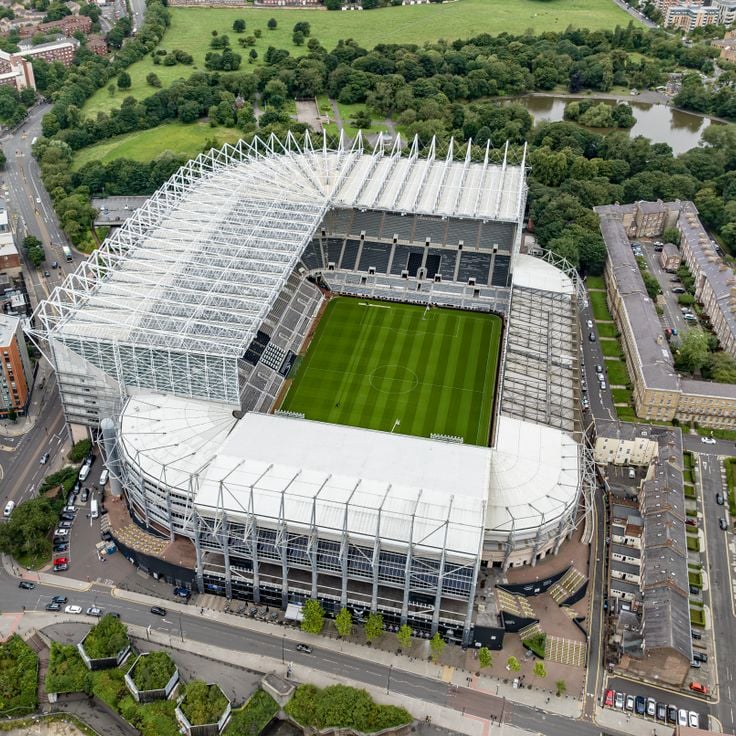
St James' Park, home stadium of Newcastle United FC, stands in central Newcastle upon Tyne as a key element of this collection exploring the city's cultural landscape and sporting heritage. Built in 1892, the stadium holds approximately 52,000 spectators and ranks among England's most traditional sporting venues. It forms part of Newcastle's identity alongside museums, galleries, and the region's industrial past.
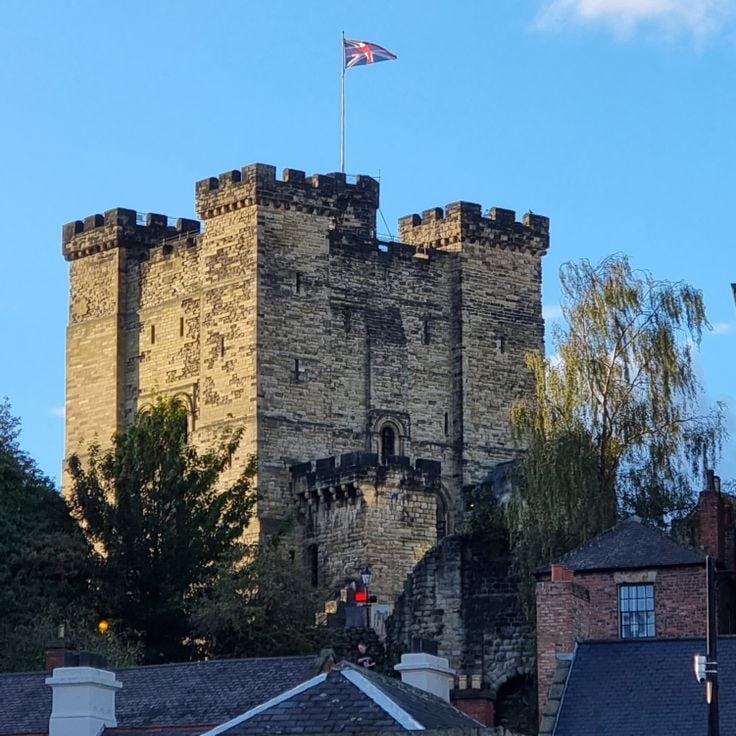
The Castle Keep stands as the oldest part of Newcastle's medieval past. This Norman fortress was built between 1168 and 1178 from stone, with thick walls that once protected the region. The four-story tower served as both a royal residence and military stronghold, showing how fortified buildings were constructed in 12th-century England. Within this collection celebrating Newcastle's cultural sites and industrial heritage, the Castle Keep represents the city's historical foundations.
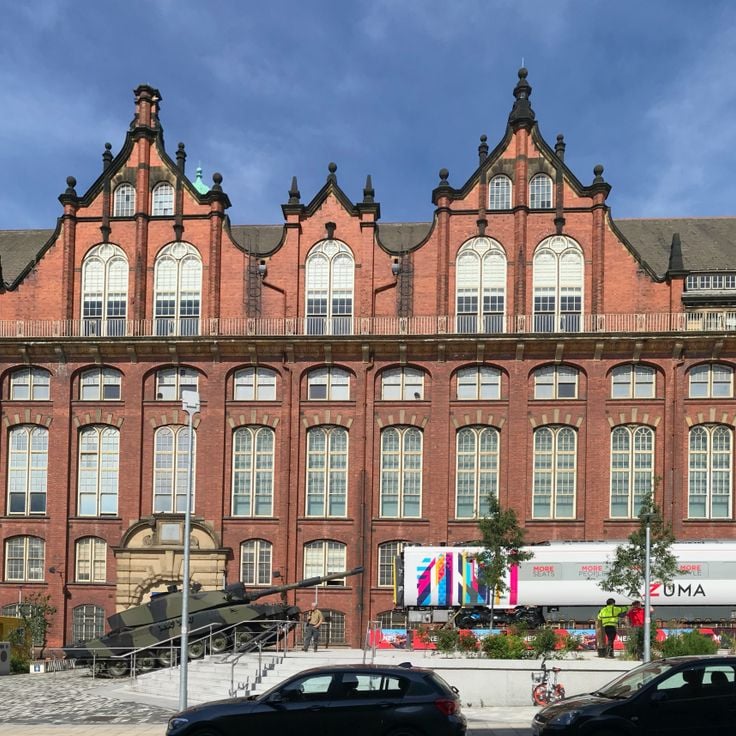
The Great North Museum in this collection of cultural venues showcases fossils, Egyptian mummies, and objects from Greek and Roman civilizations. The museum's collections include taxidermy specimens and provide insight into natural history and archaeological discoveries.
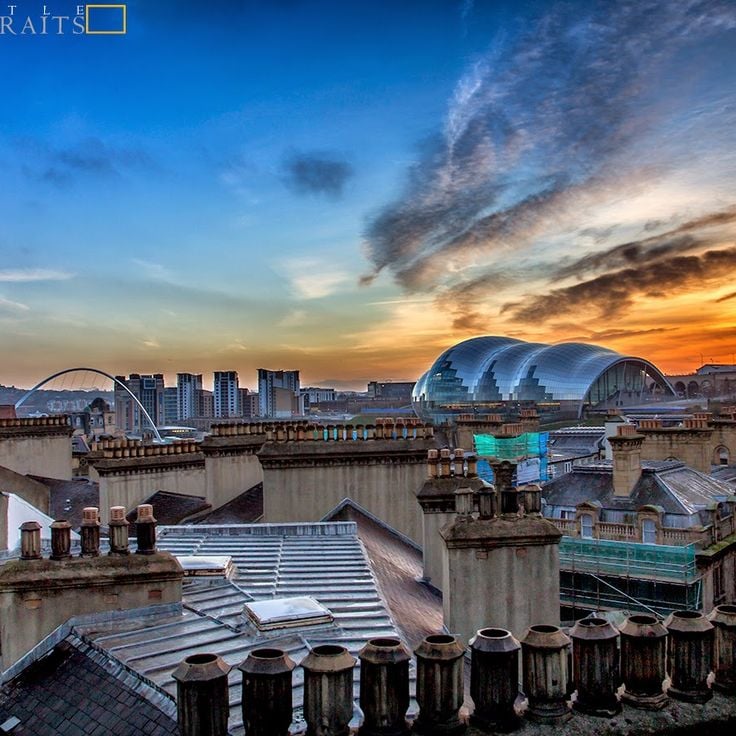
The Sage Gateshead is a music centre on the southern bank of the River Tyne that contributes to the cultural variety of this industrial northern region. Opened in 2004, the venue presents different musical performances and programmes. The building features a curved glass and steel structure designed by architect Norman Foster, sitting alongside other contemporary cultural spaces like BALTIC as part of Newcastle and Gateshead's ongoing cultural development.
The Angel of the North is a monumental steel sculpture by artist Antony Gormley, erected in 1998. This figure in Gateshead reaches 20 meters in height, with outstretched wings extending 54 meters across and visible from the A1 motorway. Within this collection exploring Newcastle and Gateshead's cultural landscape, the Angel of the North embodies the region's contemporary artistic voice and has become a recognizable regional landmark.
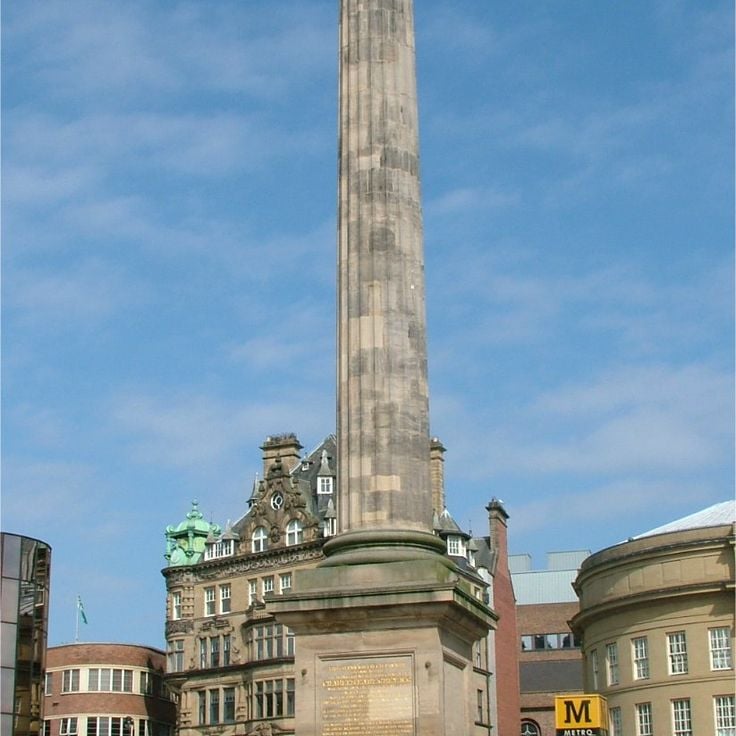
This monument is a 40-meter granite column erected in 1838 in the center of Newcastle upon Tyne. It honors Charles Grey, the second Earl Grey and British Prime Minister, who championed the 1832 electoral reform. The column is topped with a statue of the statesman and serves as a central landmark in the city center. In this urban area where industrial history meets contemporary creativity, Grey's Monument stands as a testament to 19th-century political reform alongside medieval structures like Castle Keep and modern cultural projects.
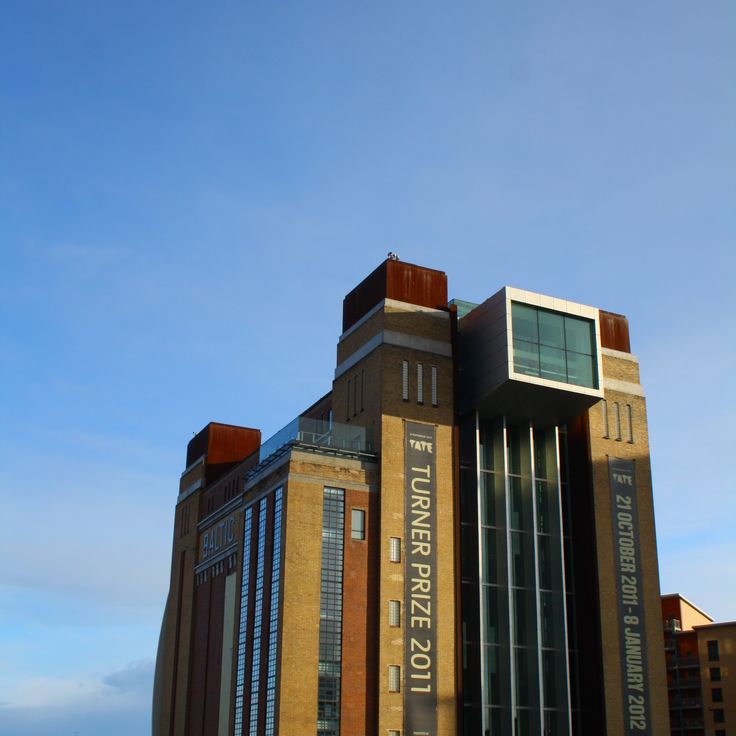
The BALTIC Centre for Contemporary Art in Gateshead occupies a former grain silo built in 1950 and converted in 2002. This six-storey building on the south bank of the Tyne presents rotating exhibitions featuring international and British artists. The gallery includes multiple exhibition spaces, a rooftop viewing platform and a restaurant overlooking the river.
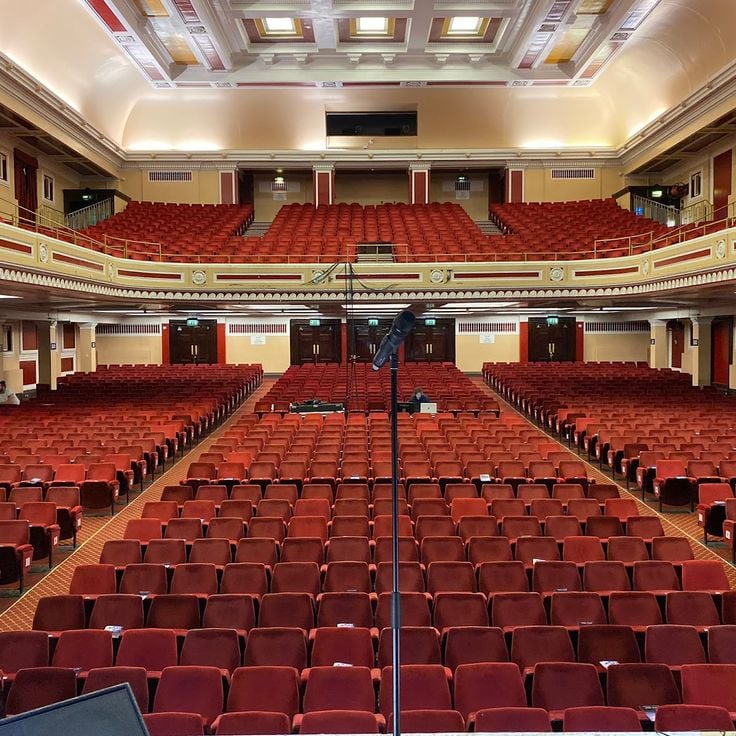
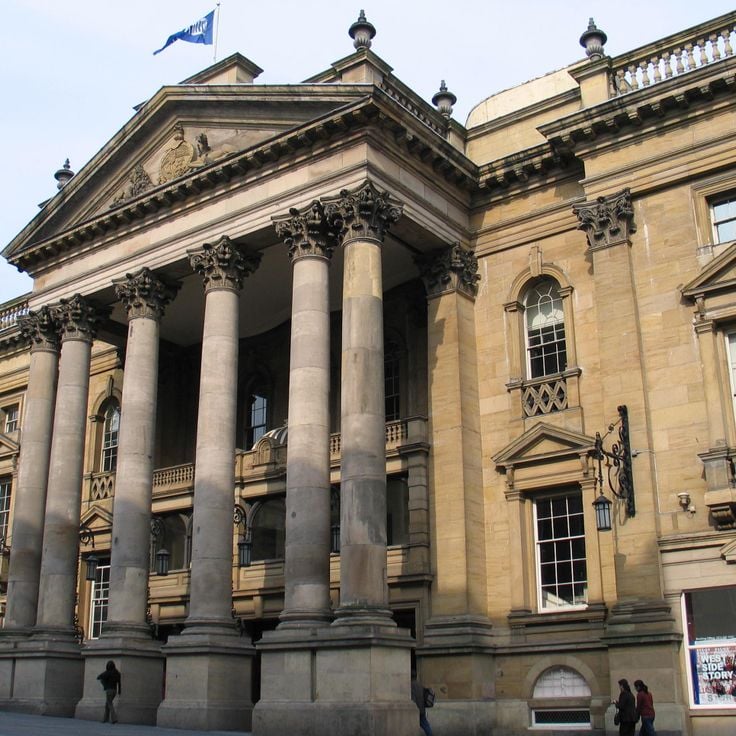
The Theatre Royal in Newcastle upon Tyne is a cultural venue that opened in 1837 and holds Grade I listed status. This theater presents a range of performances including operas, ballets, and theatrical productions. The auditorium seats 1,300 people and continues to be an important part of the city's cultural life, offering both classical and contemporary shows.
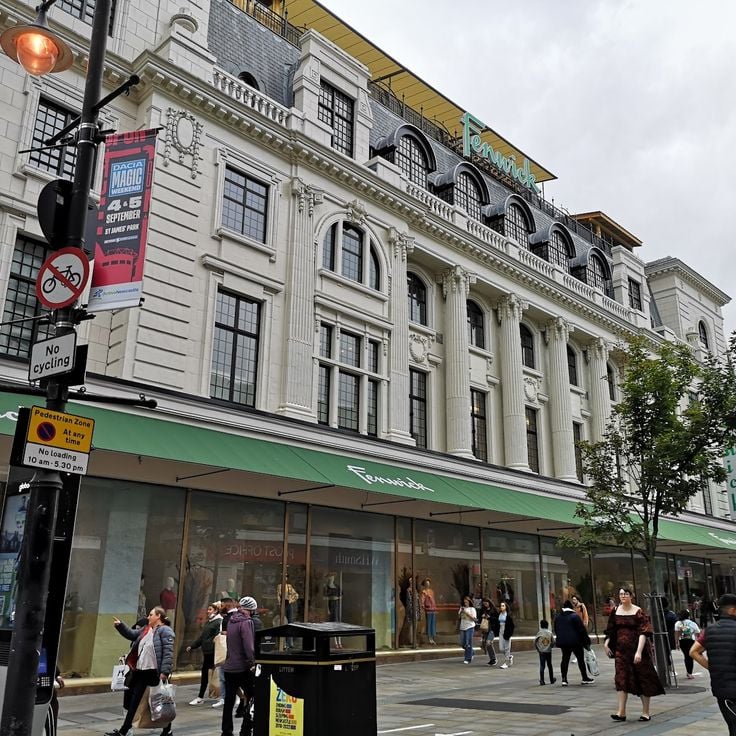
Fenwick is a department store in this collection of cultural sites and monuments in Newcastle that has operated in the city center since 1882. The building is located within the Eldon Square shopping complex and spans five retail floors. The store features departments for women's and men's fashion, cosmetics, perfumeries, household goods, as well as several restaurants and cafés for visitors.
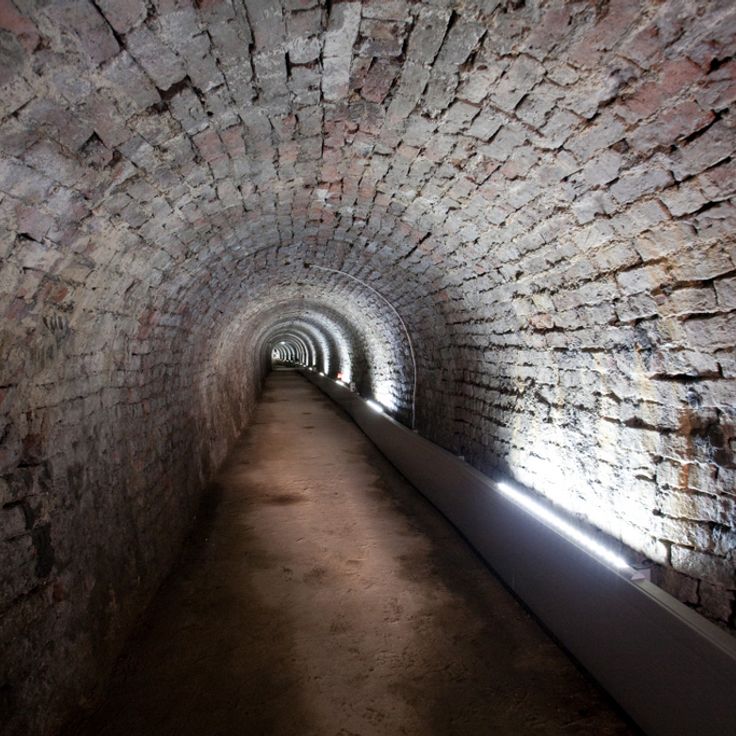
The Victoria Tunnel is an underground transport route built between 1842 and 1860 to carry coal from mines to the River Tyne. In this collection about Newcastle upon Tyne and its cultural history, this tunnel represents a key example of the city's industrial past. Running beneath the city, it enabled direct transport of coal to the port. During the Second World War, it served as an air raid shelter for local residents. Today, visitors can explore sections of the tunnel through guided tours.
The Biscuit Factory is a contemporary art gallery in this northern English cultural region, housed in a former Victorian biscuit factory. The building spans multiple floors and hosts rotating exhibitions showcasing works by artists from the region and beyond. Painting, sculpture, and photography are all displayed within this converted industrial space.
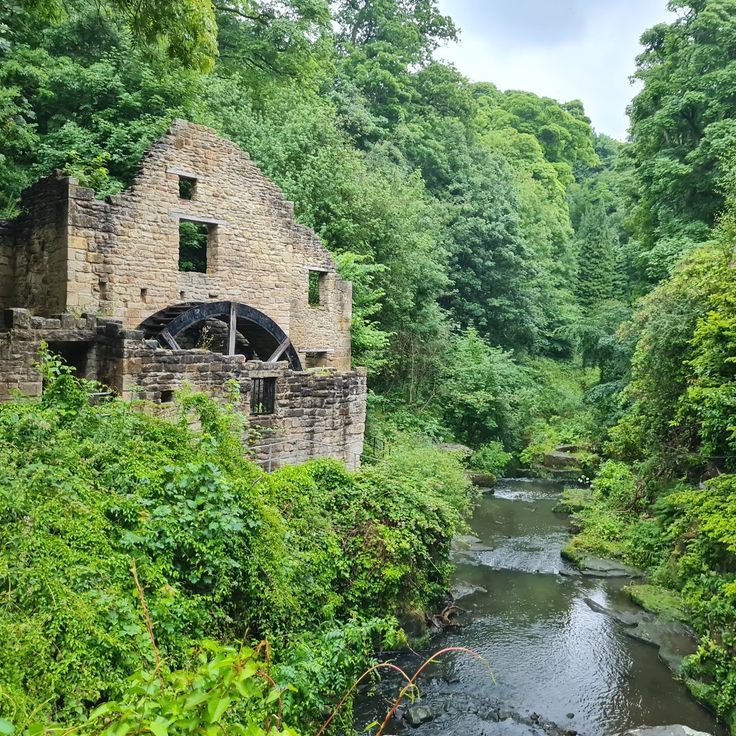
Jesmond Dene is a public park in Newcastle upon Tyne that stretches along the Ouseburn, offering walking paths through wooded terrain, several stone bridges from the 19th century, and the remains of an old watermill. The park features an area with domestic animals where children can observe goats, chickens and other creatures. The grounds were laid out in the 19th century by Lord Armstrong and donated to the city. This space provides a natural retreat within the urban area that complements Newcastle's cultural and industrial heritage.
The Discovery Museum presents the industrial history of Newcastle upon Tyne through its collections on shipbuilding, transport, and regional technical developments. The exhibitions display machines, vehicles, and objects that document the economic and social history of the city. Within this collection of cultural visits, stadiums, and monuments in northern England, the Discovery Museum offers insight into the past that shaped Newcastle.
The Tyne Bridge is a green steel arch that opened in 1928 and connects Newcastle with Gateshead across the River Tyne. This bridge sits at the heart of the region's identity, standing as a reminder of the engineering skill from the industrial era. From the bridge, visitors can see the contrasting character of both cities along the river. It serves as a key link between the cultural and sporting attractions on each bank.
The Centre for Life Science in Newcastle upon Tyne is a science museum that fits naturally into the city's cultural landscape, where industrial heritage and contemporary creation meet. The museum features laboratories, a planetarium, and permanent exhibitions where visitors can participate in experiments and demonstrations across various thematic areas. It complements other cultural institutions in the city such as the Great North Museum and BALTIC, making Newcastle an appealing destination for those interested in science and learning.
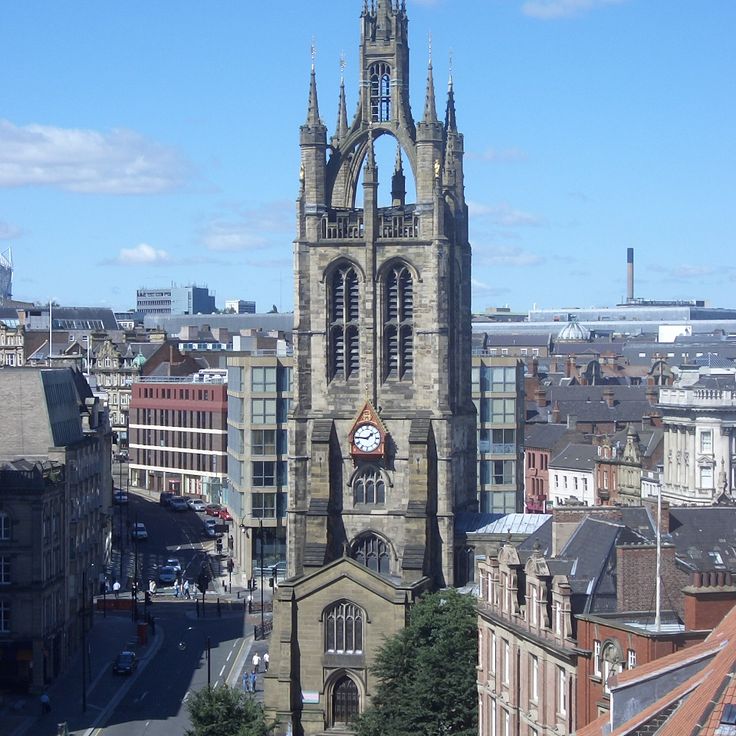
Saint Nicholas Cathedral in Newcastle upon Tyne was constructed in the 14th century and serves as an Anglican place of worship. The building features a Gothic nave with ornate pillars. The 60-meter spire dominates the Newcastle upon Tyne skyline and can be seen from numerous points across the city. This cathedral stands as an important witness to the medieval past of a city that bridges industrial heritage and contemporary culture.
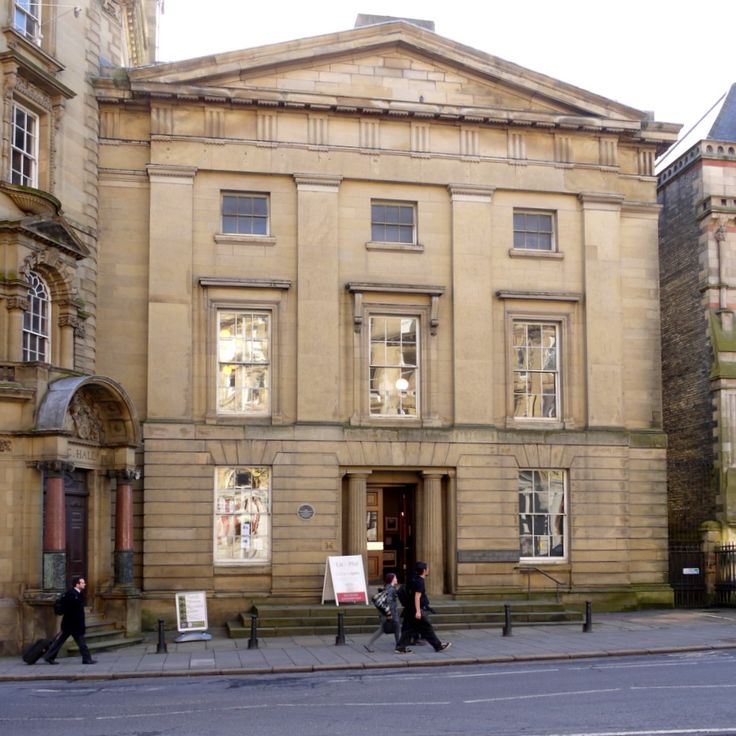
The Literary and Philosophical Society shapes Newcastle's cultural offerings and reflects the city's intellectual history. Founded in 1793, this independent library houses around 160,000 books and provides reading areas and event spaces for lectures and discussions. The building was the first in England to be equipped with electric lighting, blending historical works with contemporary publications within its premises.
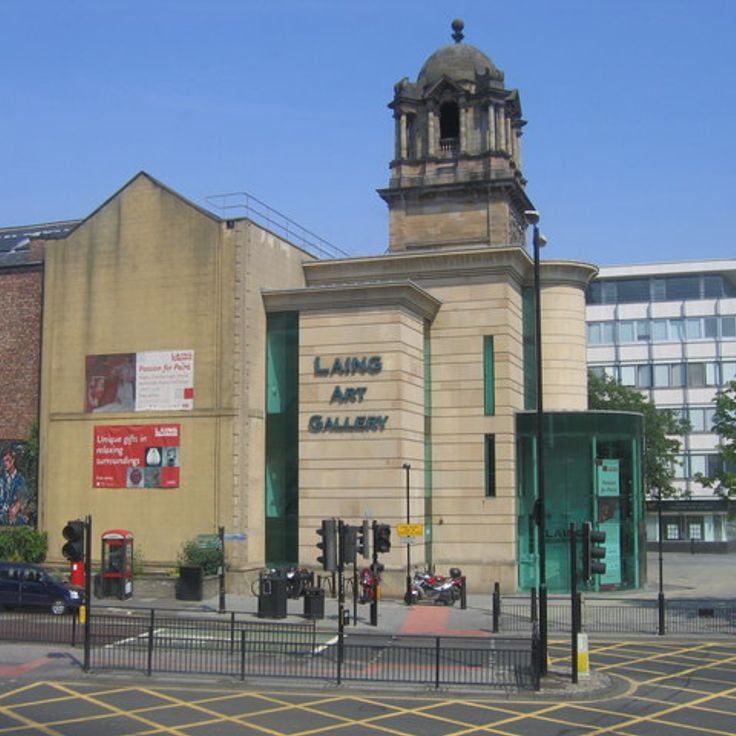
The Laing Art Gallery in Newcastle upon Tyne is an art museum that opened in 1904 as a municipal collection. The building displays British paintings from the 18th to the 20th century and holds an extensive collection of ceramics from Northeast England. The exhibition rooms present works by artists from different periods of British art history and fit naturally into this city's cultural landscape, which blends its industrial past with contemporary cultural projects.
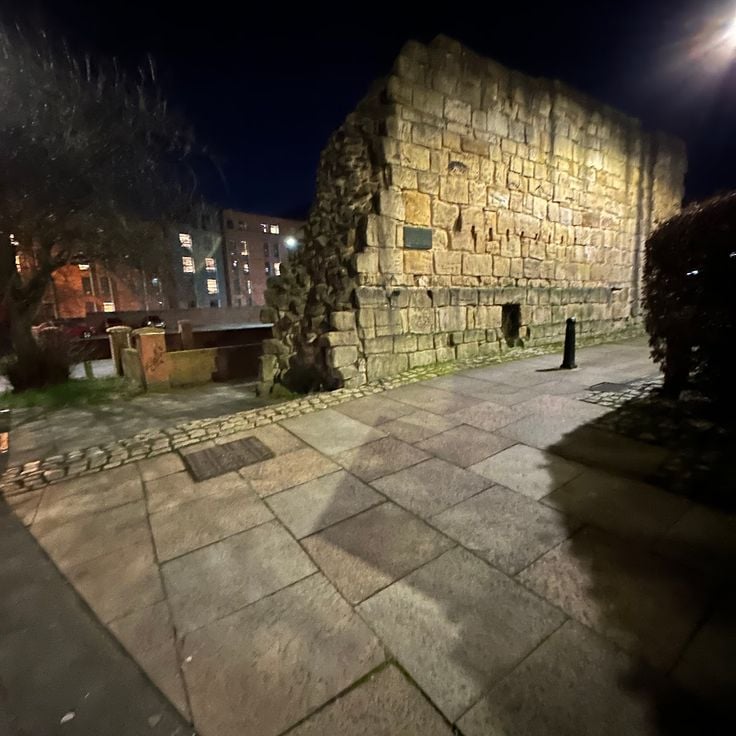
The City Walls of Newcastle were built between 1280 and 1370 to defend the town against attacks from Scotland. These medieval fortifications originally enclosed the settlement in a complete defensive ring and demonstrate the military construction techniques of the 13th and 14th centuries. Several sections of the original walls are preserved today at various locations throughout the city center, offering insight into how Newcastle developed as a protected trading post during the Middle Ages.
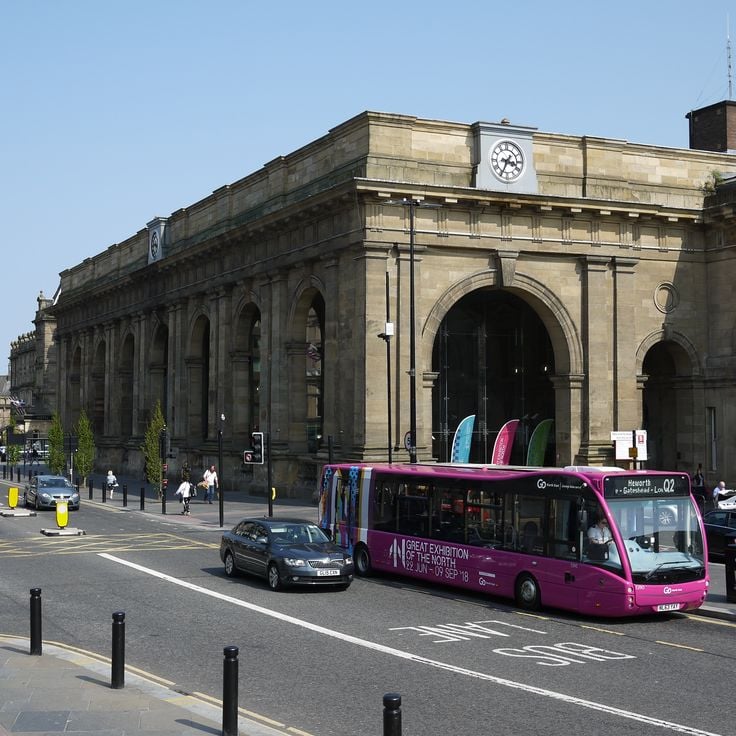
Newcastle Central Station is a historic railway station opened in 1850 that reflects the industrial heritage of Newcastle upon Tyne. With its Victorian architecture, stone facade, and large glass roof, it serves as a major transport hub connecting Newcastle to London, Edinburgh, and cities across Great Britain. The station functions as both a working transport center and a testament to the era when Newcastle was a significant industrial city.
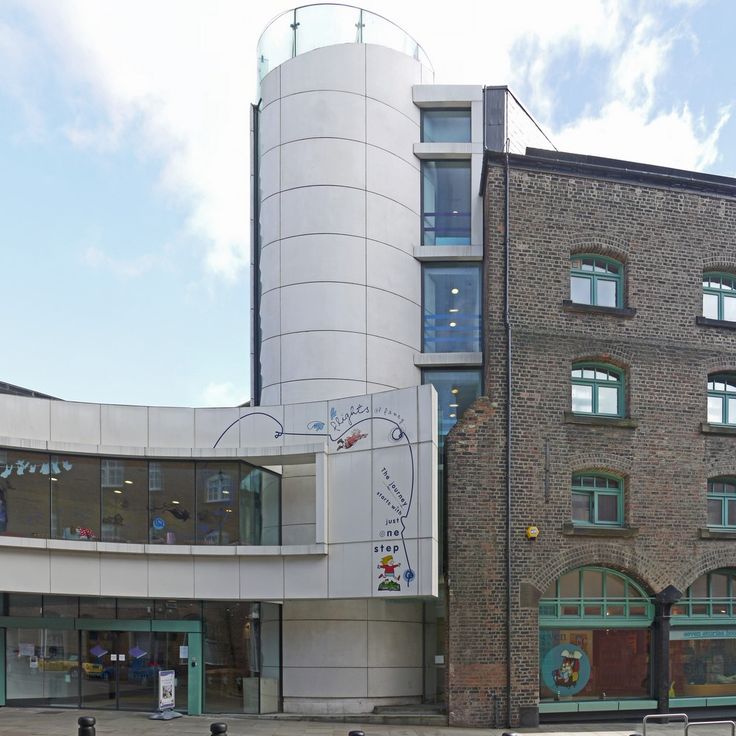
Seven Stories is a museum dedicated to children's literature in Newcastle upon Tyne, housed in a converted Victorian warehouse. It displays original manuscripts, illustrations and personal items from British authors such as Roald Dahl and Enid Blyton. The museum features multiple floors of exhibition spaces, a library and activity areas where children can read, play and take part in workshops. The collection traces the history of British children's literature from the 19th century to today.
The Grainger Market, a central gathering place in Newcastle, opened in 1835 and remains an active trading hub within the broader cultural landscape of Newcastle upon Tyne, where industrial heritage meets contemporary art and architecture. This covered market fills an entire neoclassical building made of local sandstone and contains over 100 stalls selling food, clothing, books, and various goods. The architecture was designed by John Dobson and Richard Grainger, who reshaped the city center during the 19th century. The market operates Monday through Saturday and serves as an important commercial meeting point for local residents.
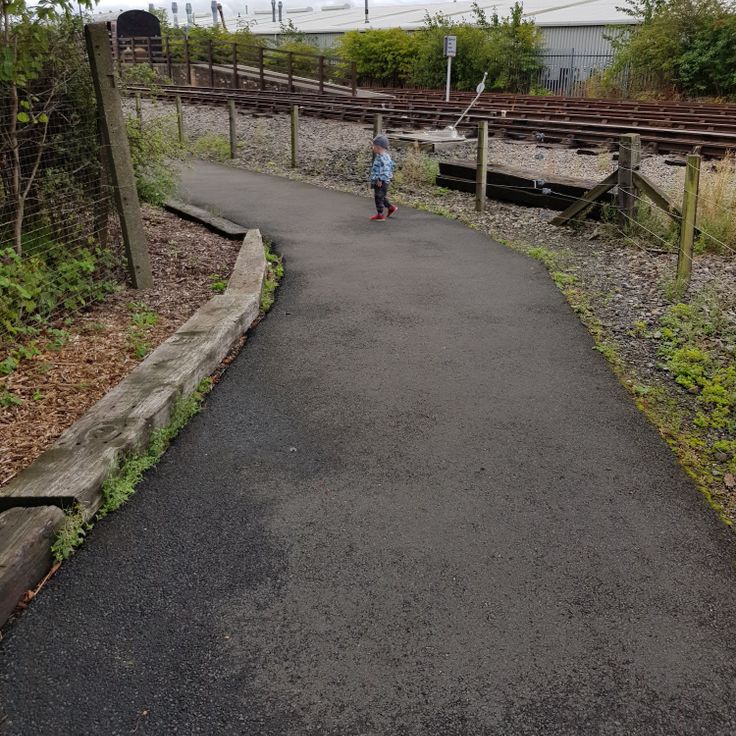
The Stephenson Steam Railway is a railway museum in Newcastle upon Tyne that showcases working steam locomotives and historic carriages from different periods. The exhibitions document the technical development of railways in northeast England since the 19th century and honour the region's heritage as the birthplace of modern railways. This museum connects directly to Newcastle's industrial past, where the city thrived as a coal trading centre and railways played a crucial role in shaping the region.
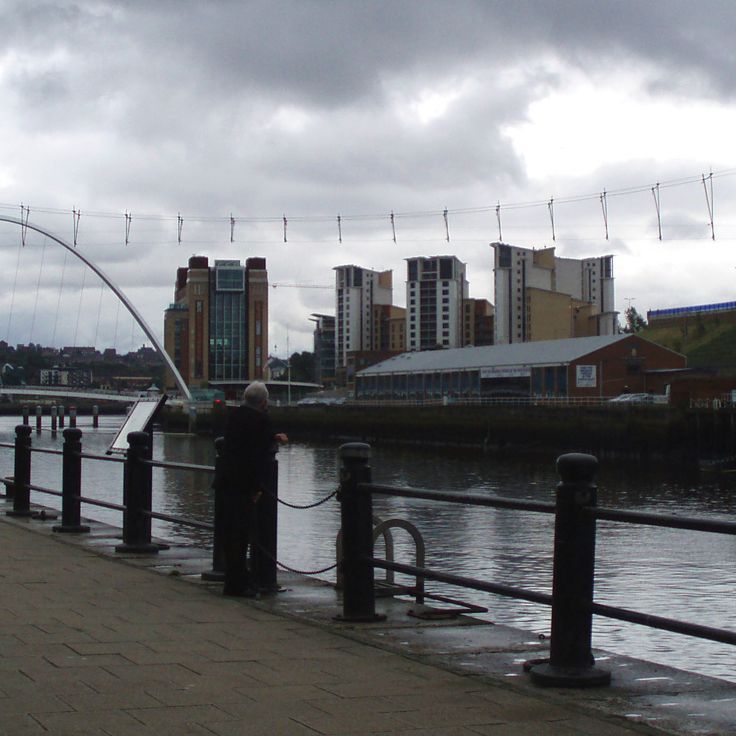
NewcastleGateshead is the metropolitan area spanning both banks of the River Tyne in northern England. The two cities of Newcastle upon Tyne and Gateshead are connected by seven bridges, including the Millennium Bridge with its distinctive tilting mechanism and the Tyne Bridge from 1928. In this collection focused on cultural visits, stadiums, and monuments, NewcastleGateshead appears as a place where medieval fortresses like Castle Keep meet Georgian architecture, while museums, theatres, and concert halls showcase contemporary and historical works. The area preserves traces of its past as a major coal-mining center and combines industrial heritage with modern cultural venues such as BALTIC and the Sage Gateshead.
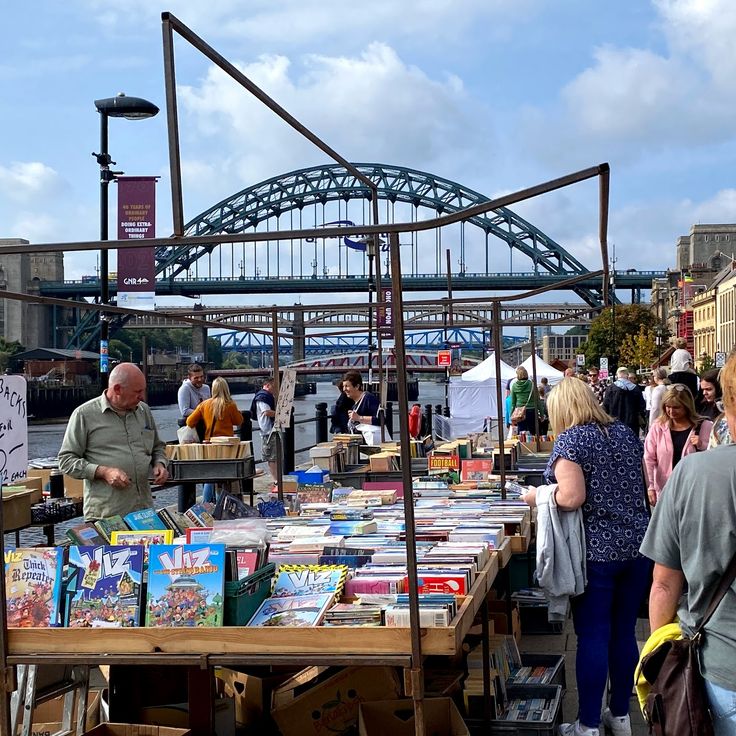
The Quayside Sunday Market in Newcastle upon Tyne takes place every Sunday along the River Tyne banks and has operated since 1736. Traders offer regional food, handcrafted goods, clothing, jewelry, and antiques. This market brings together locals and visitors who stroll and browse the stalls along the historic quayside.
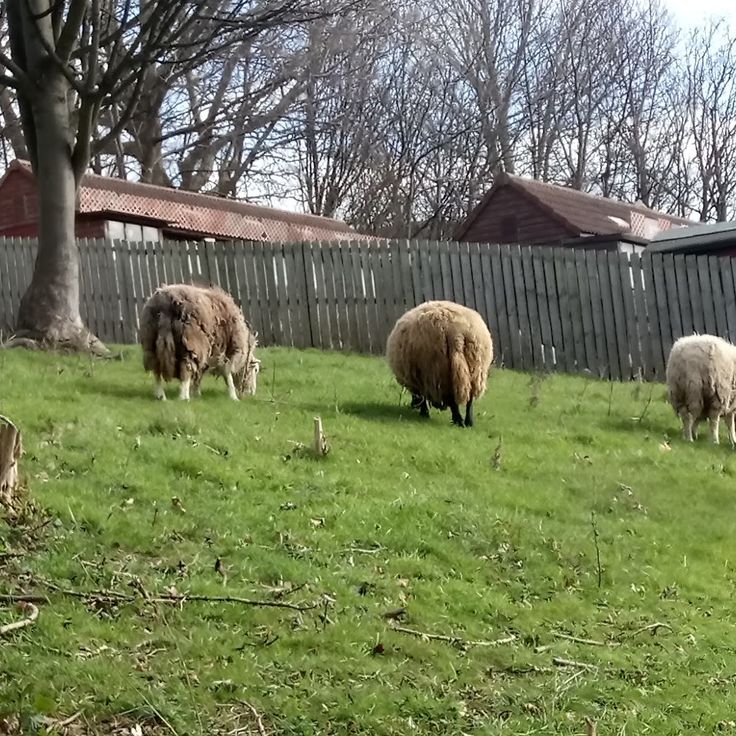
Ouseburn Farm is a community project established in 1976 that adds a rural dimension to Newcastle's cultural landscape in northern England. The farm features gardens and various livestock including sheep, goats, pigs, and poultry. Visitors can participate in educational programs and hands-on activities where children and families learn about animal care and sustainable agriculture.
The O2 City Hall is an Art Deco concert hall with 2,135 seats, built in 1927. This venue offers a diverse program of concerts, musical performances, and shows throughout the year, covering various genres. The building stands as one of the city's major cultural venues and regularly hosts national and international artists. In Newcastle upon Tyne, where industrial history meets contemporary culture, the O2 City Hall represents a gathering place where local and international performers take the stage.
St James' Park, home stadium of Newcastle United FC, stands in central Newcastle upon Tyne as a key element of this collection exploring the city's cultural landscape and sporting heritage. Built in 1892, the stadium holds approximately 52,000 spectators and ranks among England's most traditional sporting venues. It forms part of Newcastle's identity alongside museums, galleries, and the region's industrial past.
The Castle Keep stands as the oldest part of Newcastle's medieval past. This Norman fortress was built between 1168 and 1178 from stone, with thick walls that once protected the region. The four-story tower served as both a royal residence and military stronghold, showing how fortified buildings were constructed in 12th-century England. Within this collection celebrating Newcastle's cultural sites and industrial heritage, the Castle Keep represents the city's historical foundations.
The Great North Museum in this collection of cultural venues showcases fossils, Egyptian mummies, and objects from Greek and Roman civilizations. The museum's collections include taxidermy specimens and provide insight into natural history and archaeological discoveries.
The Sage Gateshead is a music centre on the southern bank of the River Tyne that contributes to the cultural variety of this industrial northern region. Opened in 2004, the venue presents different musical performances and programmes. The building features a curved glass and steel structure designed by architect Norman Foster, sitting alongside other contemporary cultural spaces like BALTIC as part of Newcastle and Gateshead's ongoing cultural development.
The Angel of the North is a monumental steel sculpture by artist Antony Gormley, erected in 1998. This figure in Gateshead reaches 20 meters in height, with outstretched wings extending 54 meters across and visible from the A1 motorway. Within this collection exploring Newcastle and Gateshead's cultural landscape, the Angel of the North embodies the region's contemporary artistic voice and has become a recognizable regional landmark.
This monument is a 40-meter granite column erected in 1838 in the center of Newcastle upon Tyne. It honors Charles Grey, the second Earl Grey and British Prime Minister, who championed the 1832 electoral reform. The column is topped with a statue of the statesman and serves as a central landmark in the city center. In this urban area where industrial history meets contemporary creativity, Grey's Monument stands as a testament to 19th-century political reform alongside medieval structures like Castle Keep and modern cultural projects.
The BALTIC Centre for Contemporary Art in Gateshead occupies a former grain silo built in 1950 and converted in 2002. This six-storey building on the south bank of the Tyne presents rotating exhibitions featuring international and British artists. The gallery includes multiple exhibition spaces, a rooftop viewing platform and a restaurant overlooking the river.
The Theatre Royal in Newcastle upon Tyne is a cultural venue that opened in 1837 and holds Grade I listed status. This theater presents a range of performances including operas, ballets, and theatrical productions. The auditorium seats 1,300 people and continues to be an important part of the city's cultural life, offering both classical and contemporary shows.
Fenwick is a department store in this collection of cultural sites and monuments in Newcastle that has operated in the city center since 1882. The building is located within the Eldon Square shopping complex and spans five retail floors. The store features departments for women's and men's fashion, cosmetics, perfumeries, household goods, as well as several restaurants and cafés for visitors.
The Victoria Tunnel is an underground transport route built between 1842 and 1860 to carry coal from mines to the River Tyne. In this collection about Newcastle upon Tyne and its cultural history, this tunnel represents a key example of the city's industrial past. Running beneath the city, it enabled direct transport of coal to the port. During the Second World War, it served as an air raid shelter for local residents. Today, visitors can explore sections of the tunnel through guided tours.
The Biscuit Factory is a contemporary art gallery in this northern English cultural region, housed in a former Victorian biscuit factory. The building spans multiple floors and hosts rotating exhibitions showcasing works by artists from the region and beyond. Painting, sculpture, and photography are all displayed within this converted industrial space.
Jesmond Dene is a public park in Newcastle upon Tyne that stretches along the Ouseburn, offering walking paths through wooded terrain, several stone bridges from the 19th century, and the remains of an old watermill. The park features an area with domestic animals where children can observe goats, chickens and other creatures. The grounds were laid out in the 19th century by Lord Armstrong and donated to the city. This space provides a natural retreat within the urban area that complements Newcastle's cultural and industrial heritage.
The Discovery Museum presents the industrial history of Newcastle upon Tyne through its collections on shipbuilding, transport, and regional technical developments. The exhibitions display machines, vehicles, and objects that document the economic and social history of the city. Within this collection of cultural visits, stadiums, and monuments in northern England, the Discovery Museum offers insight into the past that shaped Newcastle.
The Tyne Bridge is a green steel arch that opened in 1928 and connects Newcastle with Gateshead across the River Tyne. This bridge sits at the heart of the region's identity, standing as a reminder of the engineering skill from the industrial era. From the bridge, visitors can see the contrasting character of both cities along the river. It serves as a key link between the cultural and sporting attractions on each bank.
The Centre for Life Science in Newcastle upon Tyne is a science museum that fits naturally into the city's cultural landscape, where industrial heritage and contemporary creation meet. The museum features laboratories, a planetarium, and permanent exhibitions where visitors can participate in experiments and demonstrations across various thematic areas. It complements other cultural institutions in the city such as the Great North Museum and BALTIC, making Newcastle an appealing destination for those interested in science and learning.
Saint Nicholas Cathedral in Newcastle upon Tyne was constructed in the 14th century and serves as an Anglican place of worship. The building features a Gothic nave with ornate pillars. The 60-meter spire dominates the Newcastle upon Tyne skyline and can be seen from numerous points across the city. This cathedral stands as an important witness to the medieval past of a city that bridges industrial heritage and contemporary culture.
The Literary and Philosophical Society shapes Newcastle's cultural offerings and reflects the city's intellectual history. Founded in 1793, this independent library houses around 160,000 books and provides reading areas and event spaces for lectures and discussions. The building was the first in England to be equipped with electric lighting, blending historical works with contemporary publications within its premises.
The Laing Art Gallery in Newcastle upon Tyne is an art museum that opened in 1904 as a municipal collection. The building displays British paintings from the 18th to the 20th century and holds an extensive collection of ceramics from Northeast England. The exhibition rooms present works by artists from different periods of British art history and fit naturally into this city's cultural landscape, which blends its industrial past with contemporary cultural projects.
The City Walls of Newcastle were built between 1280 and 1370 to defend the town against attacks from Scotland. These medieval fortifications originally enclosed the settlement in a complete defensive ring and demonstrate the military construction techniques of the 13th and 14th centuries. Several sections of the original walls are preserved today at various locations throughout the city center, offering insight into how Newcastle developed as a protected trading post during the Middle Ages.
Newcastle Central Station is a historic railway station opened in 1850 that reflects the industrial heritage of Newcastle upon Tyne. With its Victorian architecture, stone facade, and large glass roof, it serves as a major transport hub connecting Newcastle to London, Edinburgh, and cities across Great Britain. The station functions as both a working transport center and a testament to the era when Newcastle was a significant industrial city.
Seven Stories is a museum dedicated to children's literature in Newcastle upon Tyne, housed in a converted Victorian warehouse. It displays original manuscripts, illustrations and personal items from British authors such as Roald Dahl and Enid Blyton. The museum features multiple floors of exhibition spaces, a library and activity areas where children can read, play and take part in workshops. The collection traces the history of British children's literature from the 19th century to today.
The Grainger Market, a central gathering place in Newcastle, opened in 1835 and remains an active trading hub within the broader cultural landscape of Newcastle upon Tyne, where industrial heritage meets contemporary art and architecture. This covered market fills an entire neoclassical building made of local sandstone and contains over 100 stalls selling food, clothing, books, and various goods. The architecture was designed by John Dobson and Richard Grainger, who reshaped the city center during the 19th century. The market operates Monday through Saturday and serves as an important commercial meeting point for local residents.
The Stephenson Steam Railway is a railway museum in Newcastle upon Tyne that showcases working steam locomotives and historic carriages from different periods. The exhibitions document the technical development of railways in northeast England since the 19th century and honour the region's heritage as the birthplace of modern railways. This museum connects directly to Newcastle's industrial past, where the city thrived as a coal trading centre and railways played a crucial role in shaping the region.
NewcastleGateshead is the metropolitan area spanning both banks of the River Tyne in northern England. The two cities of Newcastle upon Tyne and Gateshead are connected by seven bridges, including the Millennium Bridge with its distinctive tilting mechanism and the Tyne Bridge from 1928. In this collection focused on cultural visits, stadiums, and monuments, NewcastleGateshead appears as a place where medieval fortresses like Castle Keep meet Georgian architecture, while museums, theatres, and concert halls showcase contemporary and historical works. The area preserves traces of its past as a major coal-mining center and combines industrial heritage with modern cultural venues such as BALTIC and the Sage Gateshead.
The Quayside Sunday Market in Newcastle upon Tyne takes place every Sunday along the River Tyne banks and has operated since 1736. Traders offer regional food, handcrafted goods, clothing, jewelry, and antiques. This market brings together locals and visitors who stroll and browse the stalls along the historic quayside.
Ouseburn Farm is a community project established in 1976 that adds a rural dimension to Newcastle's cultural landscape in northern England. The farm features gardens and various livestock including sheep, goats, pigs, and poultry. Visitors can participate in educational programs and hands-on activities where children and families learn about animal care and sustainable agriculture.
The O2 City Hall is an Art Deco concert hall with 2,135 seats, built in 1927. This venue offers a diverse program of concerts, musical performances, and shows throughout the year, covering various genres. The building stands as one of the city's major cultural venues and regularly hosts national and international artists. In Newcastle upon Tyne, where industrial history meets contemporary culture, the O2 City Hall represents a gathering place where local and international performers take the stage.
St James' Park, home stadium of Newcastle United FC, stands in central Newcastle upon Tyne as a key element of this collection exploring the city's cultural landscape and sporting heritage. Built in 1892, the stadium holds approximately 52,000 spectators and ranks among England's most traditional sporting venues. It forms part of Newcastle's identity alongside museums, galleries, and the region's industrial past.
The Castle Keep stands as the oldest part of Newcastle's medieval past. This Norman fortress was built between 1168 and 1178 from stone, with thick walls that once protected the region. The four-story tower served as both a royal residence and military stronghold, showing how fortified buildings were constructed in 12th-century England. Within this collection celebrating Newcastle's cultural sites and industrial heritage, the Castle Keep represents the city's historical foundations.
The Great North Museum in this collection of cultural venues showcases fossils, Egyptian mummies, and objects from Greek and Roman civilizations. The museum's collections include taxidermy specimens and provide insight into natural history and archaeological discoveries.
The Sage Gateshead is a music centre on the southern bank of the River Tyne that contributes to the cultural variety of this industrial northern region. Opened in 2004, the venue presents different musical performances and programmes. The building features a curved glass and steel structure designed by architect Norman Foster, sitting alongside other contemporary cultural spaces like BALTIC as part of Newcastle and Gateshead's ongoing cultural development.
The Angel of the North is a monumental steel sculpture by artist Antony Gormley, erected in 1998. This figure in Gateshead reaches 20 meters in height, with outstretched wings extending 54 meters across and visible from the A1 motorway. Within this collection exploring Newcastle and Gateshead's cultural landscape, the Angel of the North embodies the region's contemporary artistic voice and has become a recognizable regional landmark.
This monument is a 40-meter granite column erected in 1838 in the center of Newcastle upon Tyne. It honors Charles Grey, the second Earl Grey and British Prime Minister, who championed the 1832 electoral reform. The column is topped with a statue of the statesman and serves as a central landmark in the city center. In this urban area where industrial history meets contemporary creativity, Grey's Monument stands as a testament to 19th-century political reform alongside medieval structures like Castle Keep and modern cultural projects.
The BALTIC Centre for Contemporary Art in Gateshead occupies a former grain silo built in 1950 and converted in 2002. This six-storey building on the south bank of the Tyne presents rotating exhibitions featuring international and British artists. The gallery includes multiple exhibition spaces, a rooftop viewing platform and a restaurant overlooking the river.
The Theatre Royal in Newcastle upon Tyne is a cultural venue that opened in 1837 and holds Grade I listed status. This theater presents a range of performances including operas, ballets, and theatrical productions. The auditorium seats 1,300 people and continues to be an important part of the city's cultural life, offering both classical and contemporary shows.
Fenwick is a department store in this collection of cultural sites and monuments in Newcastle that has operated in the city center since 1882. The building is located within the Eldon Square shopping complex and spans five retail floors. The store features departments for women's and men's fashion, cosmetics, perfumeries, household goods, as well as several restaurants and cafés for visitors.
The Victoria Tunnel is an underground transport route built between 1842 and 1860 to carry coal from mines to the River Tyne. In this collection about Newcastle upon Tyne and its cultural history, this tunnel represents a key example of the city's industrial past. Running beneath the city, it enabled direct transport of coal to the port. During the Second World War, it served as an air raid shelter for local residents. Today, visitors can explore sections of the tunnel through guided tours.
The Biscuit Factory is a contemporary art gallery in this northern English cultural region, housed in a former Victorian biscuit factory. The building spans multiple floors and hosts rotating exhibitions showcasing works by artists from the region and beyond. Painting, sculpture, and photography are all displayed within this converted industrial space.
Jesmond Dene is a public park in Newcastle upon Tyne that stretches along the Ouseburn, offering walking paths through wooded terrain, several stone bridges from the 19th century, and the remains of an old watermill. The park features an area with domestic animals where children can observe goats, chickens and other creatures. The grounds were laid out in the 19th century by Lord Armstrong and donated to the city. This space provides a natural retreat within the urban area that complements Newcastle's cultural and industrial heritage.
The Discovery Museum presents the industrial history of Newcastle upon Tyne through its collections on shipbuilding, transport, and regional technical developments. The exhibitions display machines, vehicles, and objects that document the economic and social history of the city. Within this collection of cultural visits, stadiums, and monuments in northern England, the Discovery Museum offers insight into the past that shaped Newcastle.
The Tyne Bridge is a green steel arch that opened in 1928 and connects Newcastle with Gateshead across the River Tyne. This bridge sits at the heart of the region's identity, standing as a reminder of the engineering skill from the industrial era. From the bridge, visitors can see the contrasting character of both cities along the river. It serves as a key link between the cultural and sporting attractions on each bank.
The Centre for Life Science in Newcastle upon Tyne is a science museum that fits naturally into the city's cultural landscape, where industrial heritage and contemporary creation meet. The museum features laboratories, a planetarium, and permanent exhibitions where visitors can participate in experiments and demonstrations across various thematic areas. It complements other cultural institutions in the city such as the Great North Museum and BALTIC, making Newcastle an appealing destination for those interested in science and learning.
Saint Nicholas Cathedral in Newcastle upon Tyne was constructed in the 14th century and serves as an Anglican place of worship. The building features a Gothic nave with ornate pillars. The 60-meter spire dominates the Newcastle upon Tyne skyline and can be seen from numerous points across the city. This cathedral stands as an important witness to the medieval past of a city that bridges industrial heritage and contemporary culture.
The Literary and Philosophical Society shapes Newcastle's cultural offerings and reflects the city's intellectual history. Founded in 1793, this independent library houses around 160,000 books and provides reading areas and event spaces for lectures and discussions. The building was the first in England to be equipped with electric lighting, blending historical works with contemporary publications within its premises.
The Laing Art Gallery in Newcastle upon Tyne is an art museum that opened in 1904 as a municipal collection. The building displays British paintings from the 18th to the 20th century and holds an extensive collection of ceramics from Northeast England. The exhibition rooms present works by artists from different periods of British art history and fit naturally into this city's cultural landscape, which blends its industrial past with contemporary cultural projects.
The City Walls of Newcastle were built between 1280 and 1370 to defend the town against attacks from Scotland. These medieval fortifications originally enclosed the settlement in a complete defensive ring and demonstrate the military construction techniques of the 13th and 14th centuries. Several sections of the original walls are preserved today at various locations throughout the city center, offering insight into how Newcastle developed as a protected trading post during the Middle Ages.
Newcastle Central Station is a historic railway station opened in 1850 that reflects the industrial heritage of Newcastle upon Tyne. With its Victorian architecture, stone facade, and large glass roof, it serves as a major transport hub connecting Newcastle to London, Edinburgh, and cities across Great Britain. The station functions as both a working transport center and a testament to the era when Newcastle was a significant industrial city.
Seven Stories is a museum dedicated to children's literature in Newcastle upon Tyne, housed in a converted Victorian warehouse. It displays original manuscripts, illustrations and personal items from British authors such as Roald Dahl and Enid Blyton. The museum features multiple floors of exhibition spaces, a library and activity areas where children can read, play and take part in workshops. The collection traces the history of British children's literature from the 19th century to today.
The Grainger Market, a central gathering place in Newcastle, opened in 1835 and remains an active trading hub within the broader cultural landscape of Newcastle upon Tyne, where industrial heritage meets contemporary art and architecture. This covered market fills an entire neoclassical building made of local sandstone and contains over 100 stalls selling food, clothing, books, and various goods. The architecture was designed by John Dobson and Richard Grainger, who reshaped the city center during the 19th century. The market operates Monday through Saturday and serves as an important commercial meeting point for local residents.
The Stephenson Steam Railway is a railway museum in Newcastle upon Tyne that showcases working steam locomotives and historic carriages from different periods. The exhibitions document the technical development of railways in northeast England since the 19th century and honour the region's heritage as the birthplace of modern railways. This museum connects directly to Newcastle's industrial past, where the city thrived as a coal trading centre and railways played a crucial role in shaping the region.
NewcastleGateshead is the metropolitan area spanning both banks of the River Tyne in northern England. The two cities of Newcastle upon Tyne and Gateshead are connected by seven bridges, including the Millennium Bridge with its distinctive tilting mechanism and the Tyne Bridge from 1928. In this collection focused on cultural visits, stadiums, and monuments, NewcastleGateshead appears as a place where medieval fortresses like Castle Keep meet Georgian architecture, while museums, theatres, and concert halls showcase contemporary and historical works. The area preserves traces of its past as a major coal-mining center and combines industrial heritage with modern cultural venues such as BALTIC and the Sage Gateshead.
The Quayside Sunday Market in Newcastle upon Tyne takes place every Sunday along the River Tyne banks and has operated since 1736. Traders offer regional food, handcrafted goods, clothing, jewelry, and antiques. This market brings together locals and visitors who stroll and browse the stalls along the historic quayside.
Ouseburn Farm is a community project established in 1976 that adds a rural dimension to Newcastle's cultural landscape in northern England. The farm features gardens and various livestock including sheep, goats, pigs, and poultry. Visitors can participate in educational programs and hands-on activities where children and families learn about animal care and sustainable agriculture.
The O2 City Hall is an Art Deco concert hall with 2,135 seats, built in 1927. This venue offers a diverse program of concerts, musical performances, and shows throughout the year, covering various genres. The building stands as one of the city's major cultural venues and regularly hosts national and international artists. In Newcastle upon Tyne, where industrial history meets contemporary culture, the O2 City Hall represents a gathering place where local and international performers take the stage.