See the monuments around you in AROpen chests in the app
Around Us is built for your phone — point your camera at the streets and discover the monuments and places around you in augmented reality.Around Us is built for your phone — chests unlock when you walk, explore and capture nearby places.
Rhode Island appeals to travelers curious about places often left out of main routes. Along the coast, several lighthouses show the area's maritime history: the Beavertail Lighthouse Museum in Jamestown tells the story of sailors through its optical instruments, while the Southeast Lighthouse on Block Island, made of red bricks, has watched over the Atlantic since 1875. In Portsmouth, the Green Animals Topiary Garden features over 80 plant sculptures shaped like animals, one of the oldest such gardens in the United States.
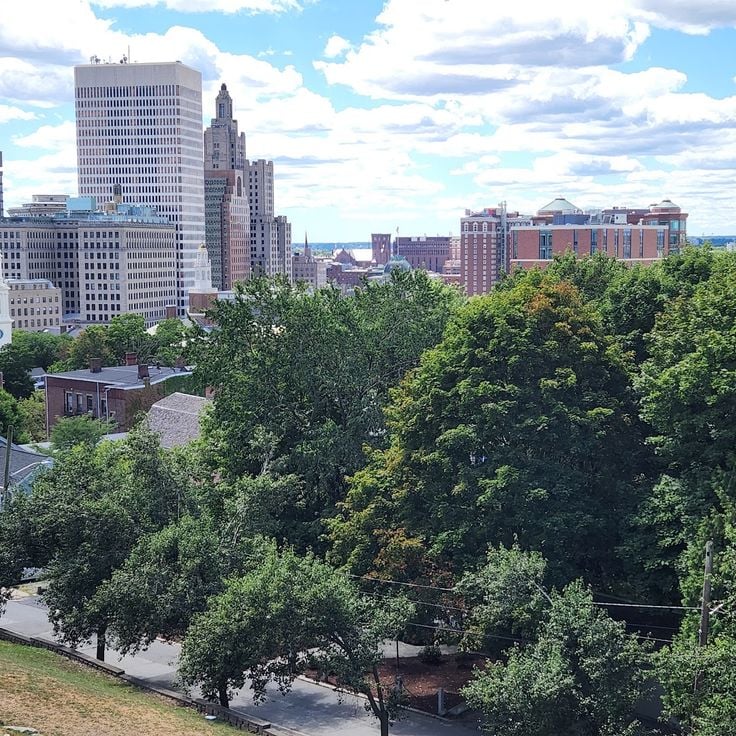
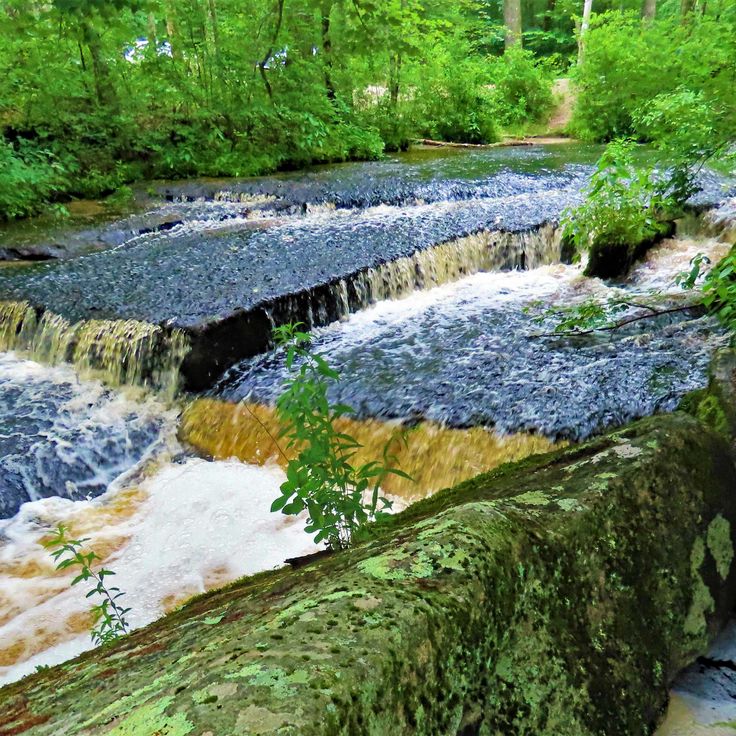
Parks and gardens invite for walks in quiet settings. Wilcox Park in Westerly surrounds a pond lined with old plants, Kinney Azaleas Garden blooms with three hundred kinds of flowers in spring, and Blithewold Estate in Bristol shows a 1908 house with forty-five acres of botanical gardens. For nature lovers, Napatree Point Conservation Area offers 2.4 kilometers of dunes and marshes where migrating birds rest, and Stepstone Falls reveal small cascades in the West Greenwich forest. In Providence, the Armory Arts District uses old 19th-century warehouses turned into sixty galleries and studios. Prospect Terrace offers a nice view of the Capitol and the city rooftops from a hill.
Rhode Island appeals to travelers curious about places often left out of main routes. Along the coast, several lighthouses show the area's maritime history: the Beavertail Lighthouse Museum in Jamestown tells the story of sailors through its optical instruments, while the Southeast Lighthouse on Block Island, made of red bricks, has watched over the Atlantic since 1875. In Portsmouth, the Green Animals Topiary Garden features over 80 plant sculptures shaped like animals, one of the oldest such gardens in the United States.
Parks and gardens invite for walks in quiet settings. Wilcox Park in Westerly surrounds a pond lined with old plants, Kinney Azaleas Garden blooms with three hundred kinds of flowers in spring, and Blithewold Estate in Bristol shows a 1908 house with forty-five acres of botanical gardens. For nature lovers, Napatree Point Conservation Area offers 2.4 kilometers of dunes and marshes where migrating birds rest, and Stepstone Falls reveal small cascades in the West Greenwich forest. In Providence, the Armory Arts District uses old 19th-century warehouses turned into sixty galleries and studios. Prospect Terrace offers a nice view of the Capitol and the city rooftops from a hill.
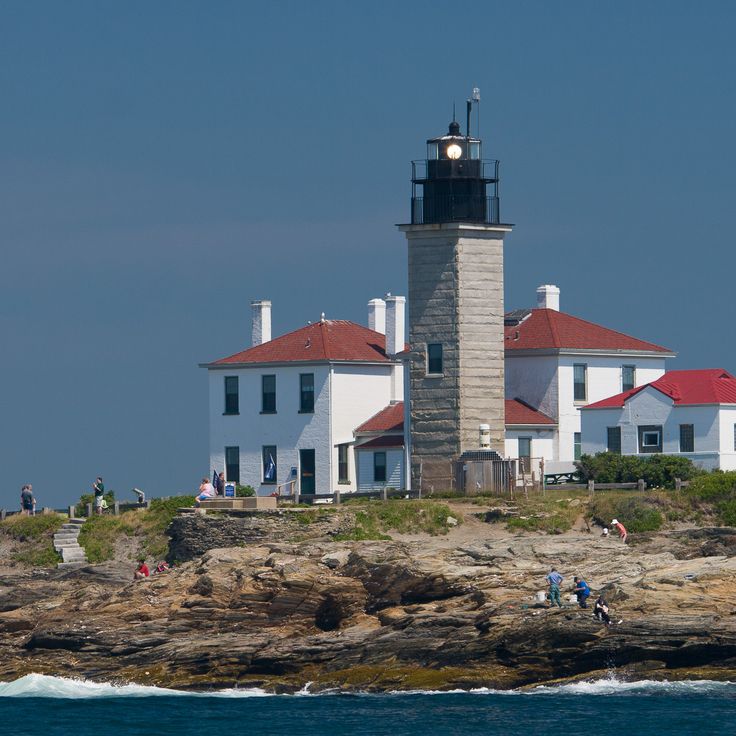
The Beavertail Lighthouse Museum stands at the tip of Jamestown and is part of Rhode Island's unusual attractions that appeal to travelers curious about places often left out of main routes. Inside, the collection displays optical instruments, navigation tools, and records of the lighthouse keepers who worked here. From the rocks outside, you can watch the Atlantic and the shipping lanes. The museum explains how these lights guided sailors and what technology made that possible over the years.
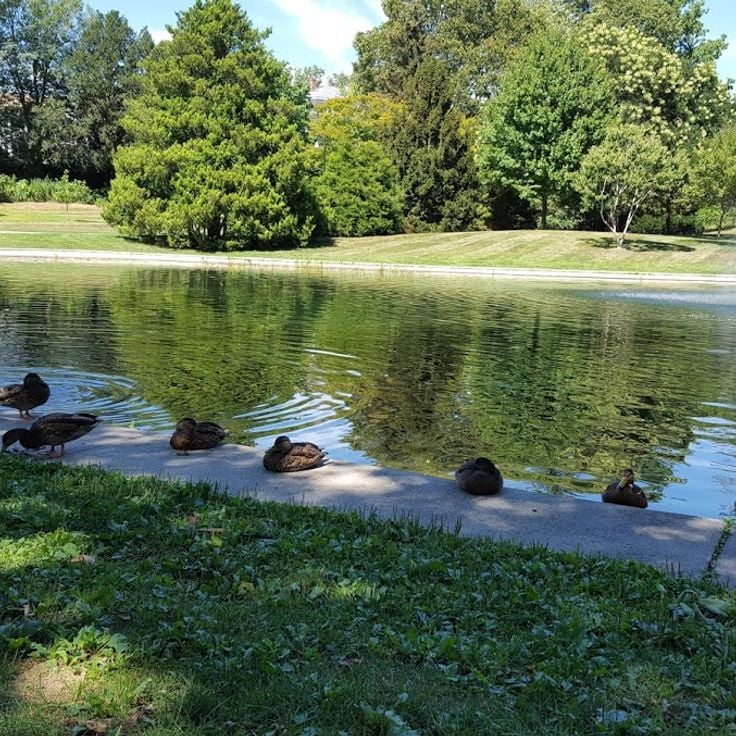
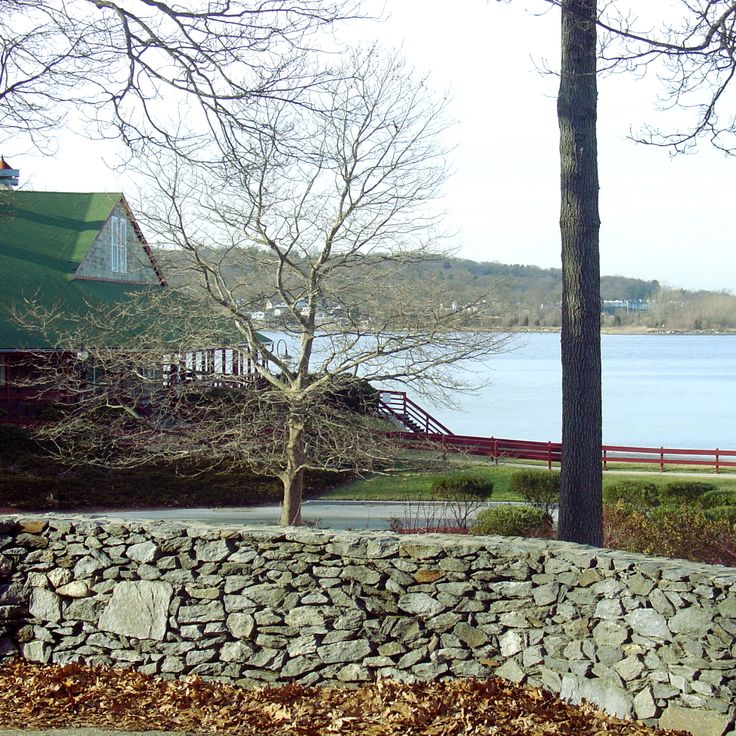
This park covers six acres around a pond lined with native and exotic plants. Old trees, some over a century in age, provide shade along the paths. Visitors come here to walk, sit on benches, or enjoy the quiet setting by the water. The park combines open green spaces with small landscaped garden areas and offers a place to rest away from the bustle of daily life.
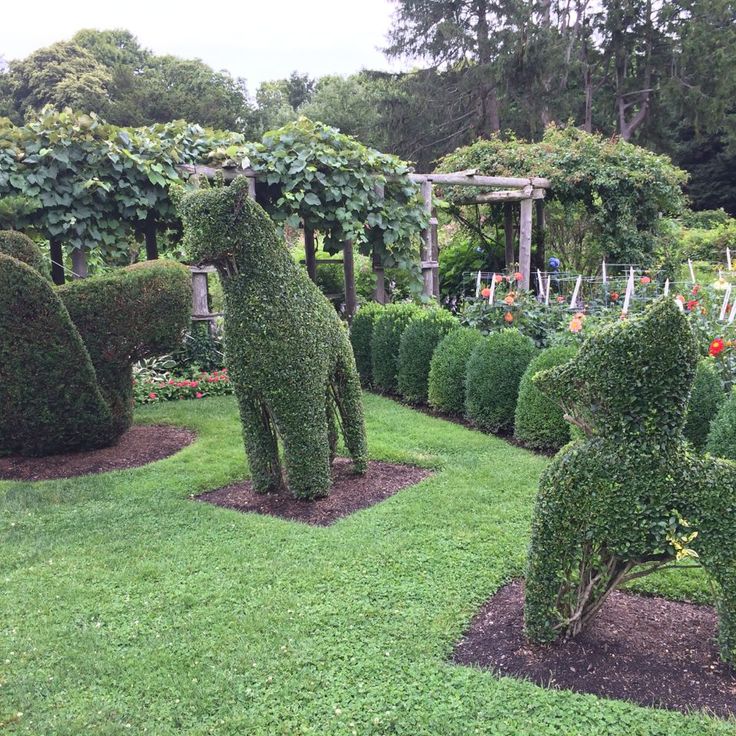
The Green Animals Topiary Garden in Portsmouth is part of a collection of unusual Rhode Island attractions for travelers curious about places beyond typical routes. The garden features over eighty plant sculptures shaped as animals and geometric figures. Since the late 19th century, trimmed boxwoods, yews, and other evergreens have been sculpted into elephants, giraffes, camels, and birds. These figures grow on grounds overlooking Narragansett Bay. Flower beds with dahlias, roses, and seasonal plants spread throughout the garden. A Victorian house from 1872 sits within the grounds and holds a collection of toys and dolls.
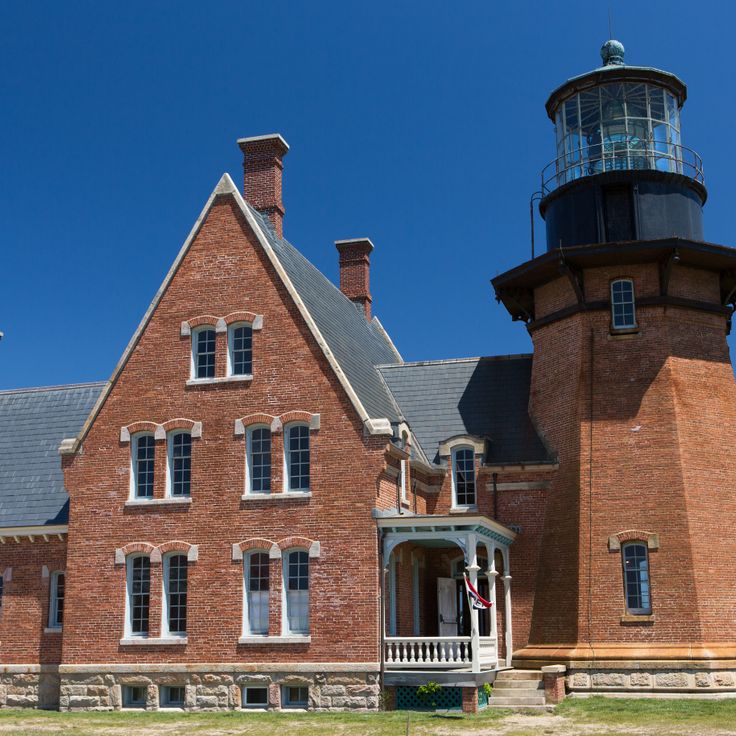
The Block Island Southeast Light is a red brick lighthouse built in 1875 at the top of a cliff. It stands above the Atlantic and offers wide views over the southern coast of the island. The construction follows the coastal safety standards of that period. Visitors can tour the tower and observe the ocean and the rocky shoreline below from the viewing platform. Open grassland surrounds the building, sloping down toward the sea. This lighthouse belongs to the maritime heritage of Rhode Island and complements the series of historic beacons along the Atlantic coast. As part of Rhode Island's less common attractions, it demonstrates the maritime history of this coastal region.
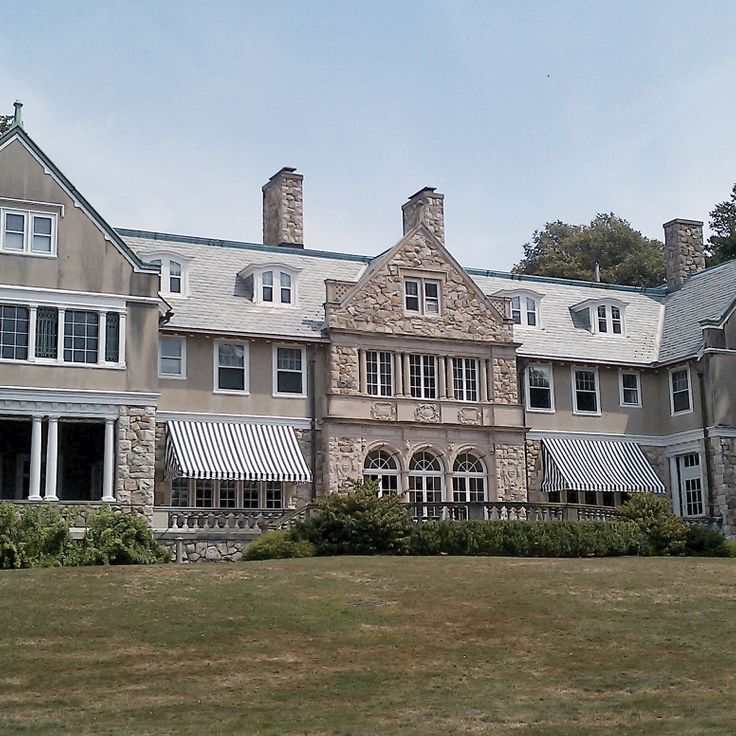
Blithewold Mansion is among Rhode Island's unusual attractions that appeal to travelers curious about destinations beyond standard routes. This 1908 estate pairs a villa with botanical gardens covering forty-five acres. Paths wind through plantings of rare species, past greenhouses and views over Bristol Harbor. The property shows how residential architecture and garden design came together in Rhode Island at the turn of the twentieth century.
The Kinney Azalea Garden, part of Rhode Island's unusual attractions, displays about three hundred varieties of azaleas and rhododendrons that bloom in spring. Visitors walk along narrow paths between flowering shrubs that provide shade and fragrance. This garden is one of the smaller botanical sites in Rhode Island and is maintained by a family. The flowering period lasts several weeks, depending on the plant variety and weather. Those who stroll through the lanes see purple, pink, red, and white blossoms across low beds and taller hedges.
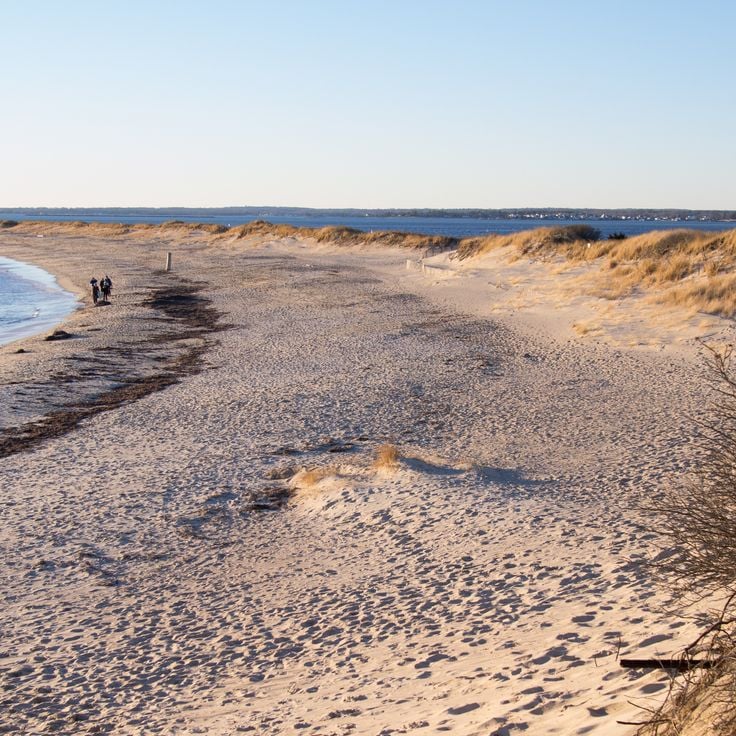
The Napatree Point Conservation Area near Westerly appeals to travelers curious about Rhode Island's less common destinations and interested in observing nature. This coastal space features sand dunes, salt marshes and a quiet beach. Migratory birds stop here during their journeys between Canada and the southern states. In spring and fall, you can often spot plovers and sanderlings near the water. Hikers can walk narrow trails to the peninsula's tip, where rocky outcrops rise above the Atlantic. Plants grow low and thick, shaped by salt and wind. A fort once occupied this location and was destroyed during the 1938 hurricane. Today it is a silent place that encourages observation and leisurely walking. Dogs are not permitted to protect nesting areas.
Prospect Terrace Park is part of Rhode Island's less common attractions, sitting on a hill with open views over the capitol and rooftops of downtown Providence. From the raised ground, the view extends across historic neighborhoods to the river. Benches and paths invite walking, while information panels tell the story of the city. A monument honors Roger Williams, the founder of Rhode Island, whose grave is located here.
This falls fits into the collection of unusual Rhode Island attractions since it draws visitors seeking quiet places away from main routes. Stepstone Falls features small waterfalls formed by natural stone steps in the forest of West Greenwich. Water flows over flat rocks arranged like a staircase, creating calm pools between each level. Several trails follow the stream, and the forest provides shade on warm days. Visitors come here to walk, photograph, and observe nature. The site lies away from busy roads, so usually only the sound of water and birdsong can be heard.
The Armory Arts District occupies former 19th-century warehouses that now house around 60 galleries and studios among the hidden places of Rhode Island featured in this collection. The restored brick buildings spread across several blocks in Providence, bringing together exhibition spaces, artist workshops and event venues. Visitors walk through the corridors discovering paintings, sculptures, ceramics and textile works. Studio doors often stand open, allowing you to watch the creative process. In the evening, openings and performances take place. The district connects the industrial past of Providence with contemporary creativity, forming a space where local and national artists work and exhibit.
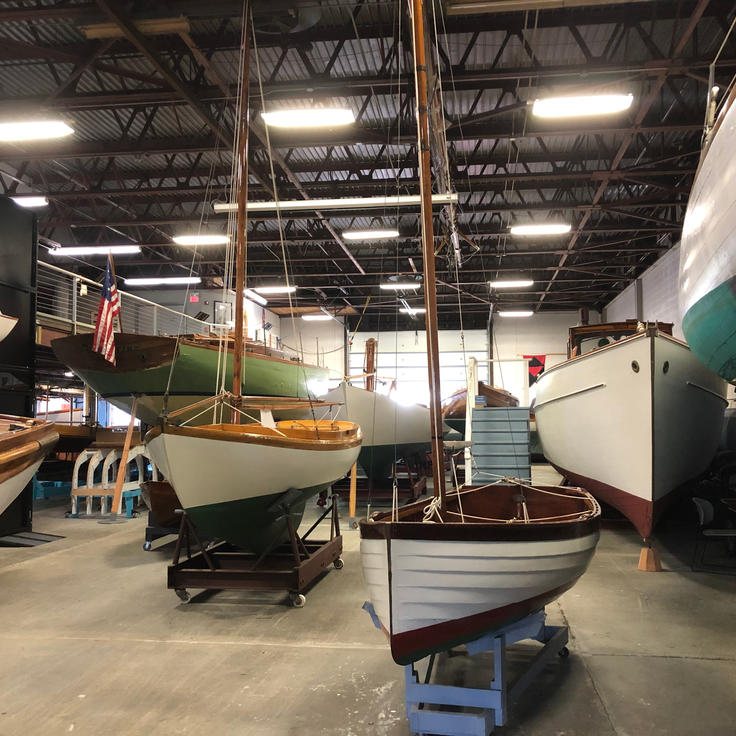
The Herreshoff Marine Museum in Bristol presents the town's shipbuilding tradition through sailboats, models and equipment from several centuries. The exhibits show how navigation technology advanced in this coastal town, which was long one of America's most important boatbuilding centers. Visitors see original yachts, navigation tools and construction drawings that follow the evolution from wooden hulls to modern racing boats. The visit takes you through workshop spaces and exhibition halls where the stories of individual boats connect with the histories of the people who built them.
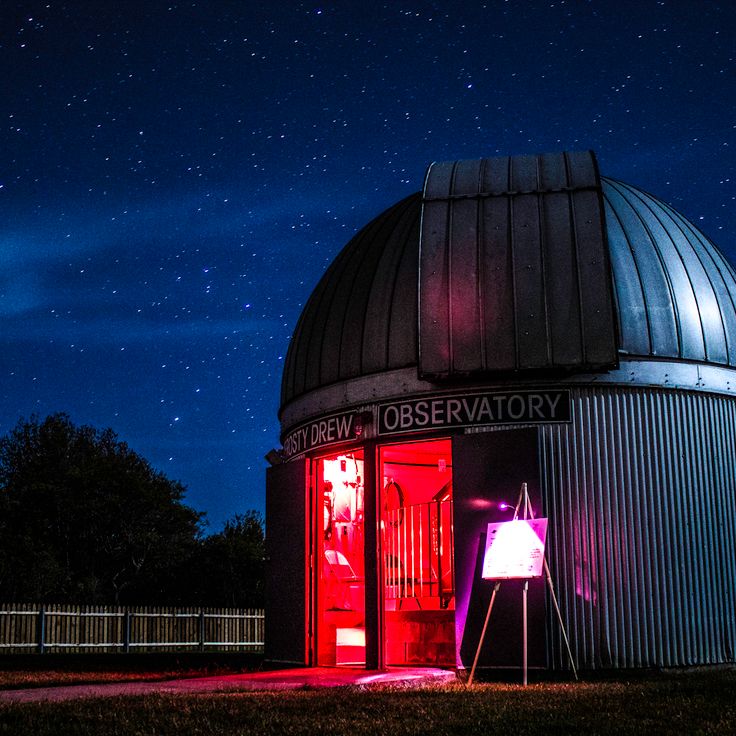
This observatory opens to the public on Friday evenings after dark and offers astronomical observation when the sky is clear. Visitors can view Saturn, Jupiter, lunar craters, and nebulae and star clusters through the telescopes. Volunteer staff guide guests through the night sky and explain the visible objects. Located near the Atlantic, the site benefits from low light pollution, which favors the view of stars and planets. Admission is free, and visits proceed in a calm setting, allowing several observers to take turns at the instruments.
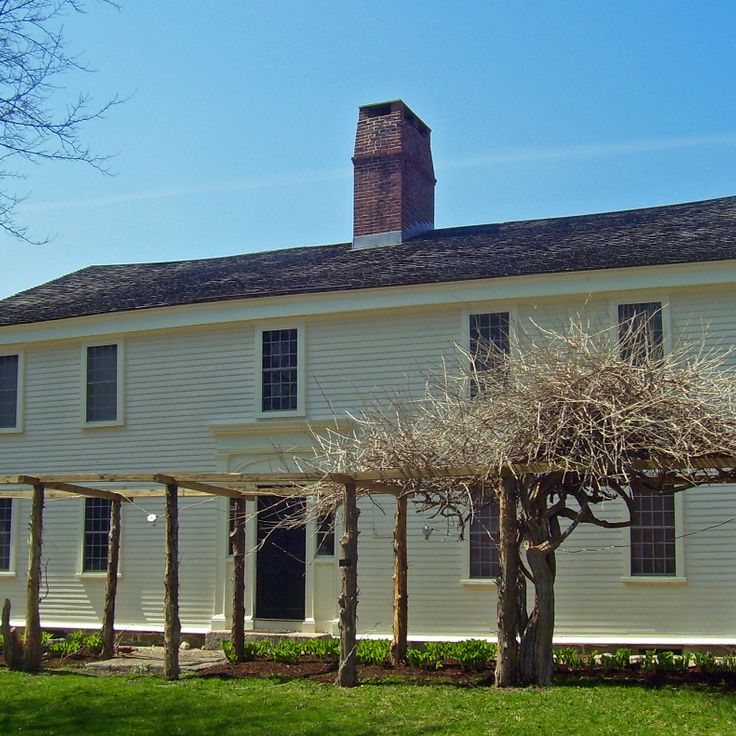
This house from the 1600s shows how people lived during colonial times in Rhode Island. The rooms display everyday objects, tools and documents from the region's founding period. Several exhibition areas explore relationships between European settlers and indigenous peoples, including the Narragansett. The building is among the oldest surviving homes in the state and offers a sense of early construction methods and daily life.
The Goddard Memorial State Park connects wooded hills and sandy beaches along the shore of Greenwich Bay. A golf course winds between old trees, while tennis courts and swimming areas draw families and athletes. Trails lead through dense forests where autumn leaves turn shades of red. In summer, picnic blankets cover the lawns, children play by the water, and joggers use the shaded paths. This park has connected seaside recreation with sports and walks in nature for decades, and remains one of the places that shapes daily life for residents of Warwick.
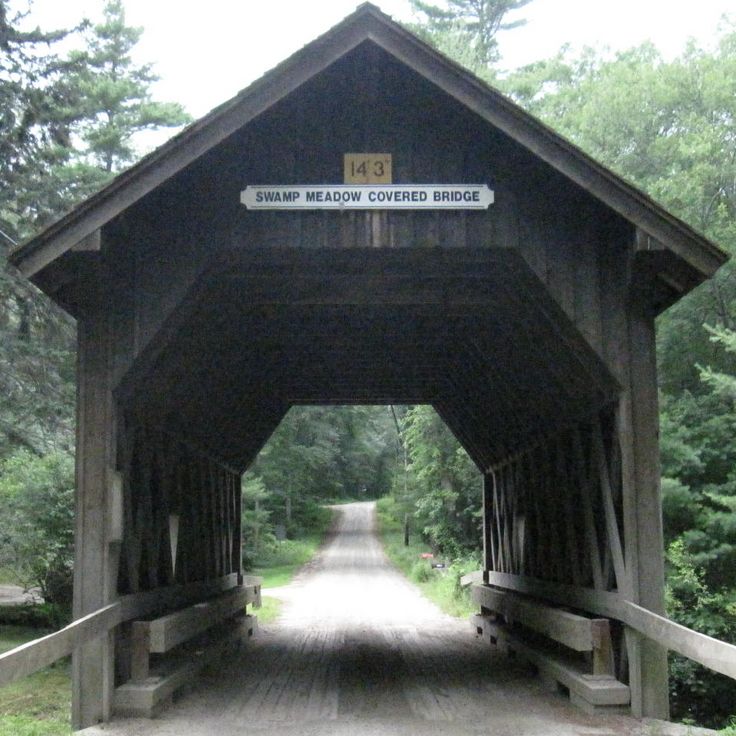
This wooden bridge in Foster preserves carpentry methods from the 19th century in their original form. It represents one of Rhode Island's off-the-beaten-path attractions that many travelers overlook. The structure spans a stream between wooded banks, showing the building techniques of rural bridge makers through its exposed timber trusses and open framework. Rough-sawn lumber connects community traditions to the roads that once linked farms and mills through the forest. Resting on stone abutments over quiet water, it offers a window into the practical craft of an earlier time when woodworkers built such structures to shelter carts and pedestrians from the elements.
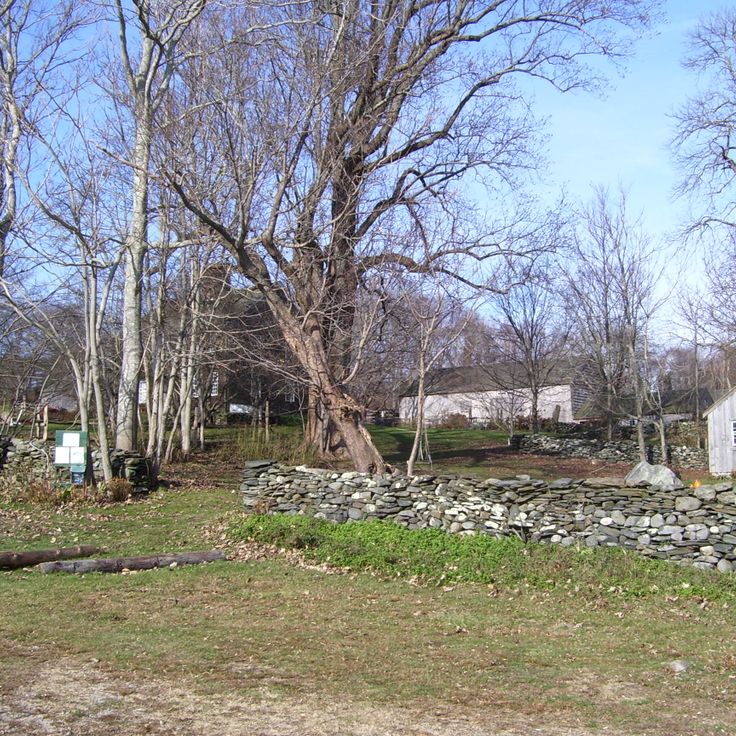
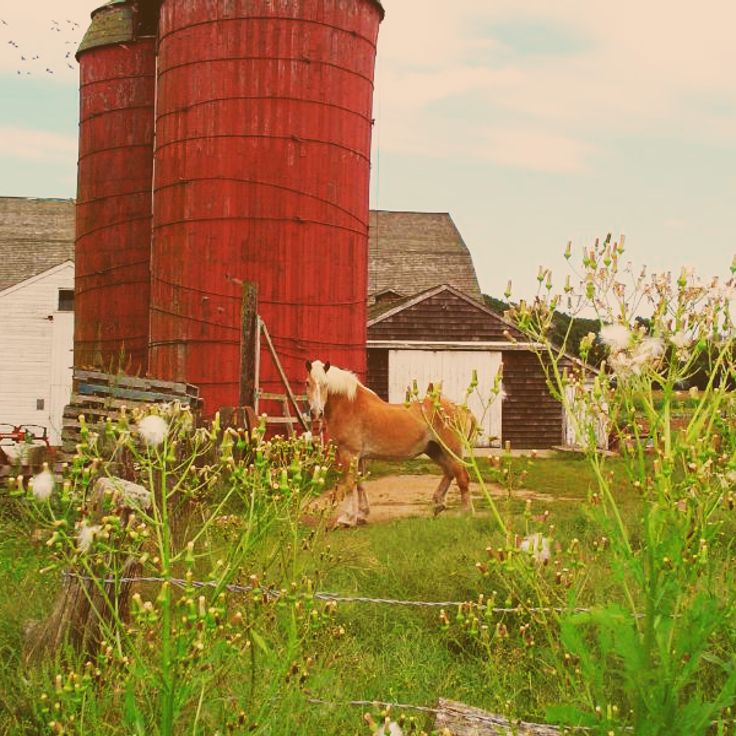
The Watson Farm in Jamestown fits well with this collection of unusual Rhode Island attractions, offering a window into how farming families lived here two centuries ago. Since 1796, families have worked this 107-hectare property. Sheep and cattle graze beside barns, stone walls, and wooden fences that tell of centuries of farming labor. The 18th-century buildings still stand, showing how early American farmhouses were built. Walking through the fields and pastures, visitors encounter the landscape much as the first settlers knew it.
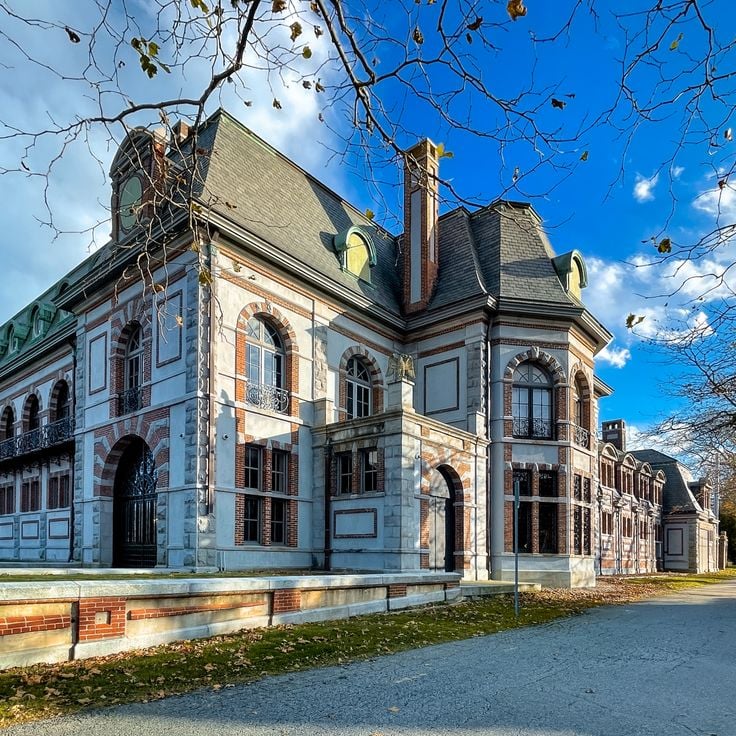
Belcourt of Newport is a residence built in 1894 that combines French Renaissance with Gothic elements. The restored rooms display the varied style of the Belle Époque era in Rhode Island. Its interior and architecture reflect the tastes of wealthy society at the end of the 19th century. This house stands in Newport, where affluent families built their summer homes, and offers insight into the unusual attractions Rhode Island holds for travelers seeking places beyond the main routes.
The Norman Bird Sanctuary in Middletown is a natural preserve covering approximately 325 acres that hosts over three hundred bird species year-round. Several trails wind through open meadows and wooded sections, where visitors can watch migratory and native birds. The paths cross different habitats, from dry fields to wet lowlands, attracting different species depending on the season. Some stretches are quiet walks, others offer viewpoints over water bodies where waterfowl rest. As part of Rhode Island's collection of lesser visited attractions, this sanctuary gives travelers off the usual routes access to local wildlife.
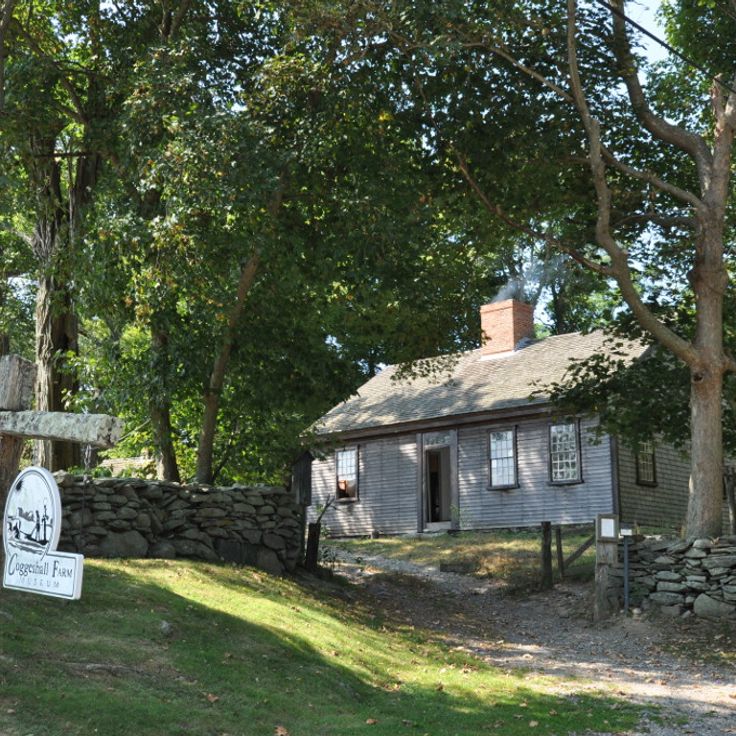
The Coggeshall Farm Museum in Bristol shows a working farm from 1799, giving visitors a sense of how farmers lived and worked on these coastal lands. The fields sit next to salt marshes that shaped farming in this region for centuries. Guests walk through reconstructed barns and outbuildings that recreate the daily routine of that time. Staff members regularly demonstrate old skills such as wool spinning and blacksmithing. Animals including sheep, cattle and chickens live on the grounds, representing the livestock families kept in the late 1700s. Children can watch the animals up close and learn about the tasks farm families handled over 200 years ago. The visit gives a hands-on sense of rural life when Rhode Island's coastal communities depended on crops and the natural resources of the marshes.
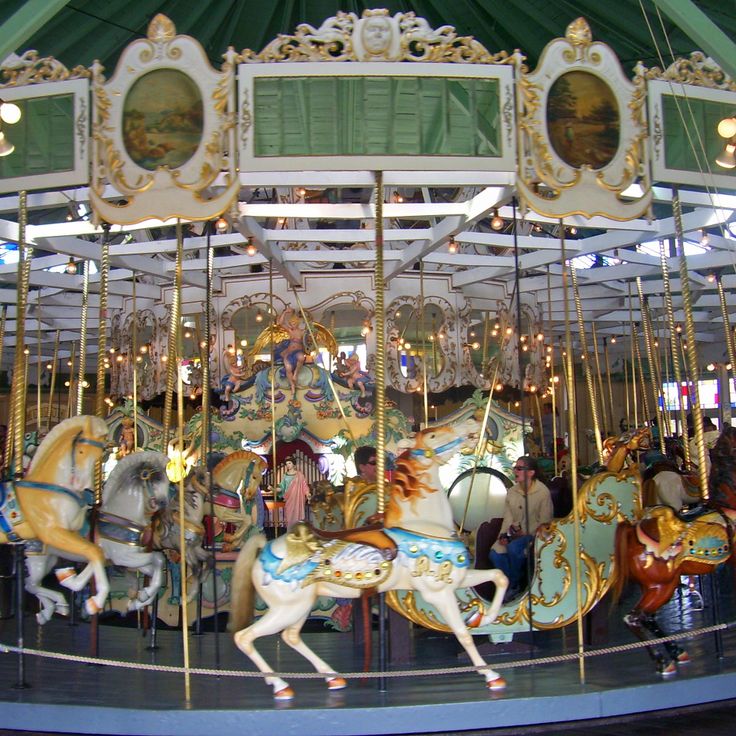
The Looff Carousel at Crescent Park represents the kind of Rhode Island attraction that draws travelers away from main routes. Built in 1895, this carousel displays sixty-two hand-carved wooden horses. It stands as one of the few remaining works by carousel maker Charles I. D. Looff, a pioneer in American amusement park art. The carvings combine detailed ornaments with bold colors. The carousel still turns to the sound of an 1895 military band organ. The open structure allows visitors to see the machinery and turning platform beneath. Families have visited this example of Rhode Island's coastal fairground tradition for more than a century.
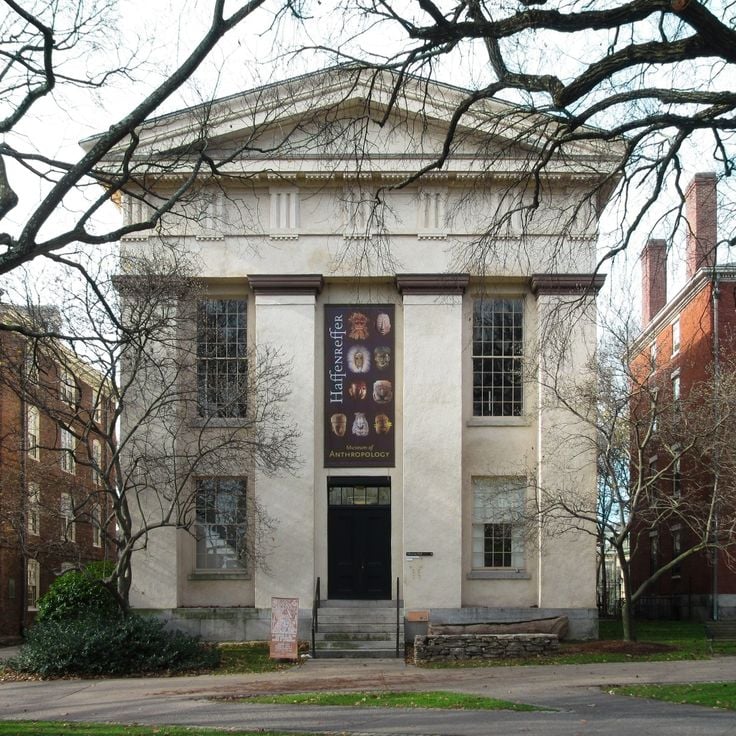
The Haffenreffer Museum of Anthropology in Bristol fits perfectly into a journey through Rhode Island's lesser-known destinations. This university collection houses more than one million objects from indigenous peoples of the Americas and other world regions. Visitors encounter tools, textiles, ceramics, and ceremonial items spanning thousands of years of human history. The exhibitions connect archaeological finds with ethnographic objects, revealing the daily lives, crafts, and spiritual practices of different cultures. Situated on a waterfront university campus, the museum complements the route along the Rhode Island coast, where historic lighthouses and gardens also await exploration.
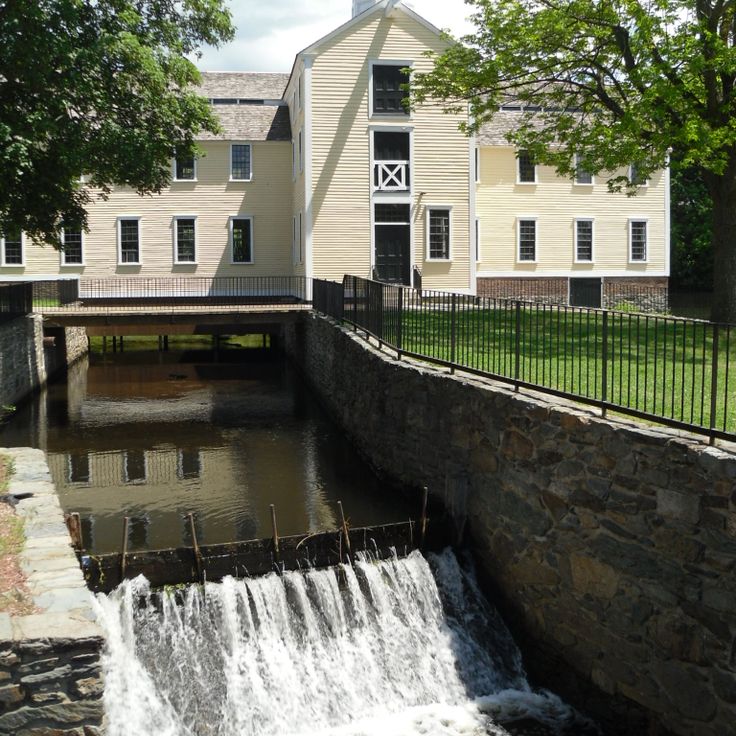
The Old Slater Mill is the first industrial spinning mill in the United States, built in 1793. This site displays original machines and rooms that reveal the lives of early factory workers. Tools, mechanical spindles, and looms show how production shifted from handwork to machines. The complex records how technical innovations from England transformed the economy of the young United States and turned small towns into industrial centers.
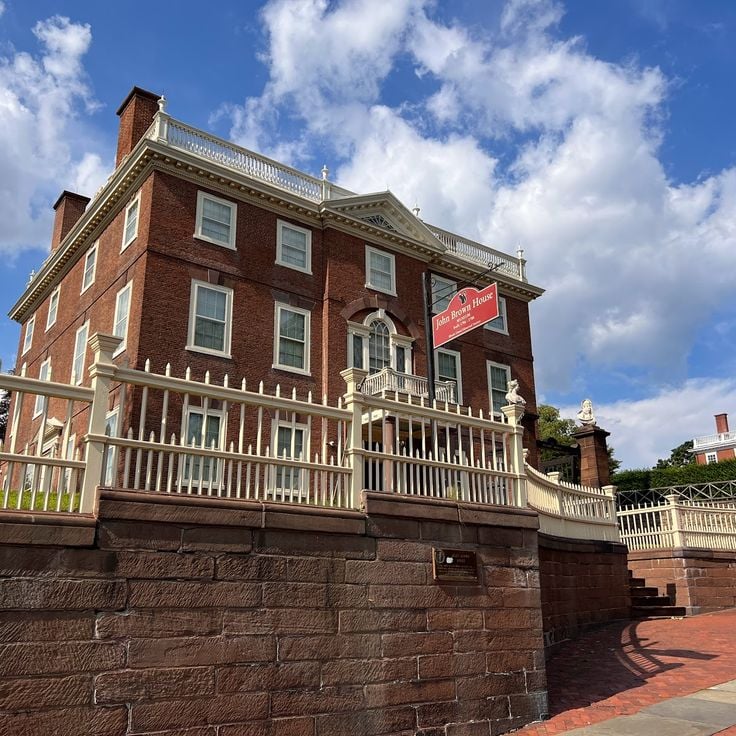
The John Brown House Museum displays furniture, portraits, and family objects in a 1788 building with Georgian architecture. It belongs to this collection of unusual Rhode Island attractions as an example of the state's historic houses that make the daily life of earlier generations tangible.
Snake Den State Park in Johnston offers about 400 hectares of woodland, open fields, and walking trails. An 18th-century wooden farmhouse shows how rural life looked over 200 years ago. Trails wind through dense stands of oak and maple, opening into clearings where afternoon sunlight filters through. Birds nest in the branches, and you might hear woodpeckers tapping in the morning. Families come to hike or picnic, and the park sits close enough to Providence for a short drive. In winter, snow blankets the ground and the forest grows quiet.
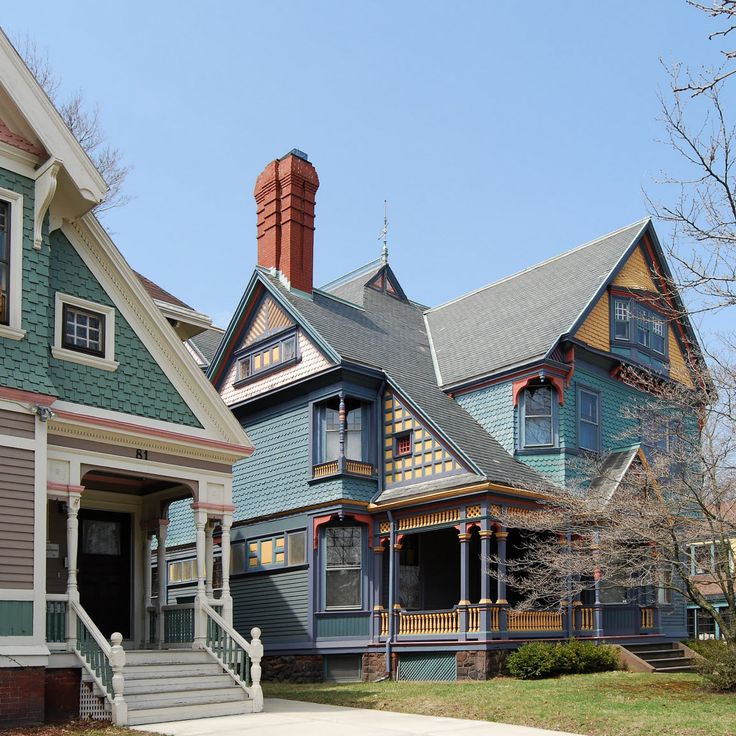
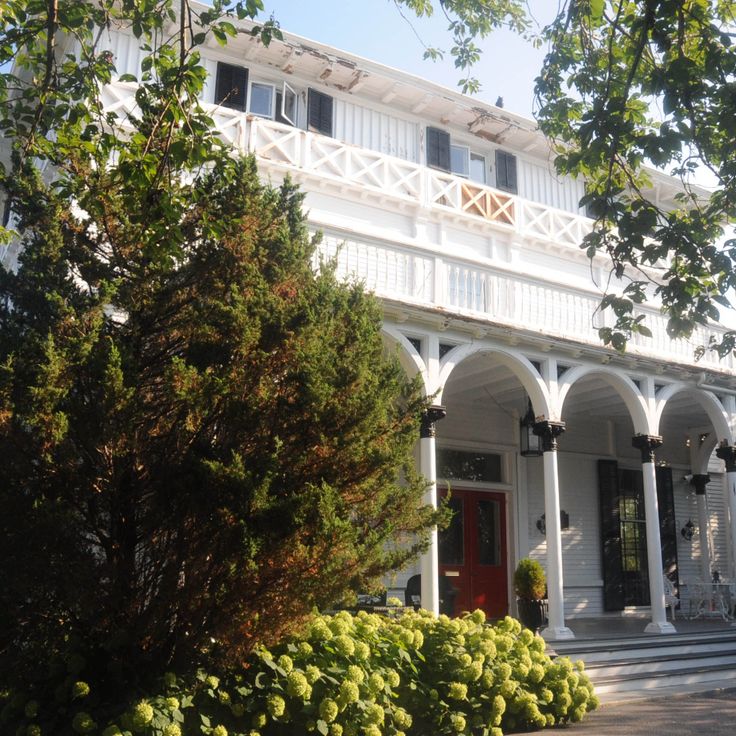
This house appeals to travelers curious about places often left out of main routes in Rhode Island. The Hamilton Hoppin House was built in 1856 in Newport and shows the Victorian taste of its time. Porches wrap around the building, woodwork displays decorative patterns, and gardens complete the property. Those interested in 19th-century architecture will find an example of how wealthy families built and lived during that era.
Market Square fits within this collection of unusual Rhode Island attractions as a historic gathering place in the heart of Providence. The square dates back to 1773 and has served residents and visitors as a meeting spot since its founding. People walk along old cobblestone paths lined with restaurants, small shops, and seasonal market stalls. During spring and summer, outdoor terraces fill with people lingering at cafes or buying fresh produce from local vendors. Red brick buildings recall the colonial past, while the daily activity brings the square to life with constant energy.
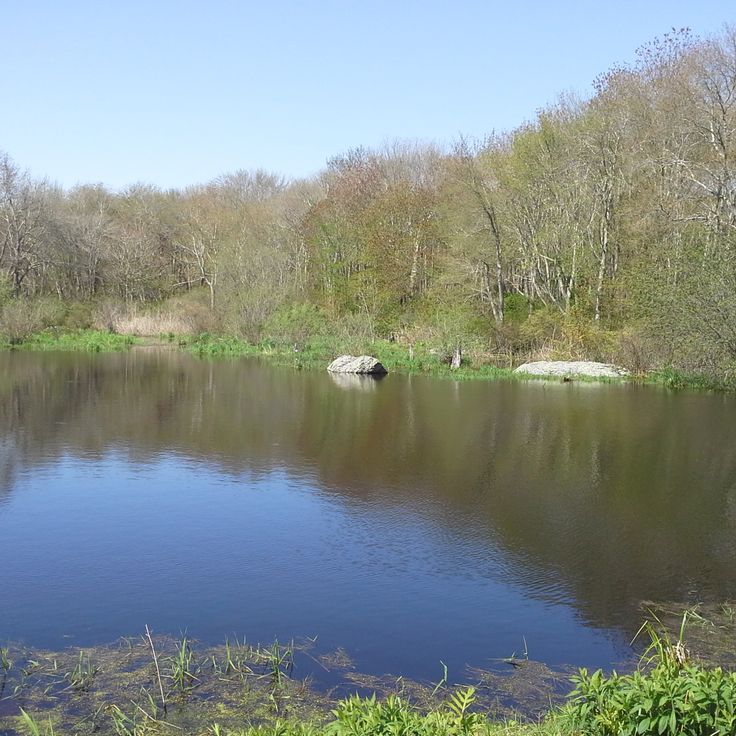
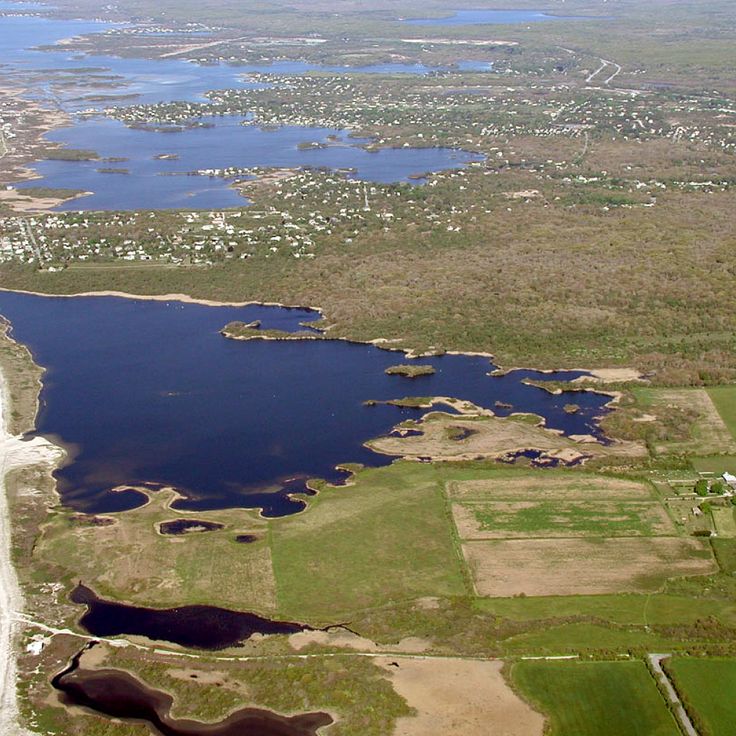
Within Rhode Island's collection of unusual attractions, Trustom Pond National Wildlife Refuge in South Kingstown protects marshes, woodlands, and coastal landscapes stretching south toward the Atlantic. This refuge provides habitat for waterfowl and migratory birds that feed in shallow waters and reed beds. Visitors follow trails through dunes and wetlands offering views of the pond and estuary areas. The refuge remains open year-round with bird species changing according to season. The landscape combines salt marsh with forested sections, creating a setting for nature observation. Trustom Pond itself is a brackish water pond that sits behind a narrow barrier beach, occasionally connecting to the ocean during storms or high tides.
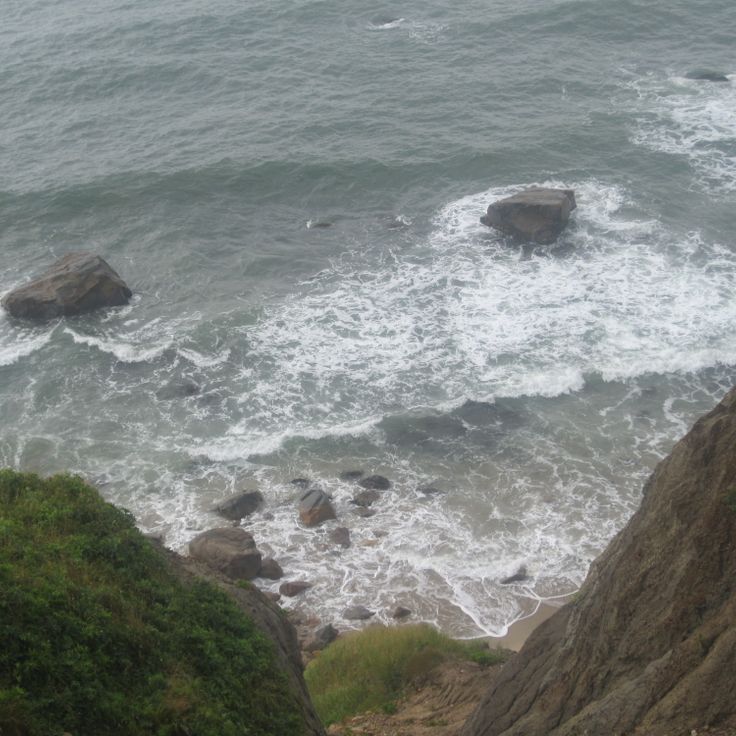
The Mohegan Bluffs on Block Island are part of Rhode Island's collection of places that sit beyond the main tourist routes. These cliff faces drop 45 meters (145 feet) to the southern shore, creating one of the island's most powerful coastline sections. A narrow path runs along the cliff edge through grasses and wildflowers while the Atlantic pounds the rocks below. A wooden staircase of 141 steps descends to a narrow sandy beach where the water stays remarkably cold. These clay cliffs take their name from the Mohegan people, who fought the Niantic here during the 16th century. On clear days, views stretch across the open ocean toward Montauk Point on Long Island. Strong wind blows constantly, the air carries salt, and you hear only the waves.
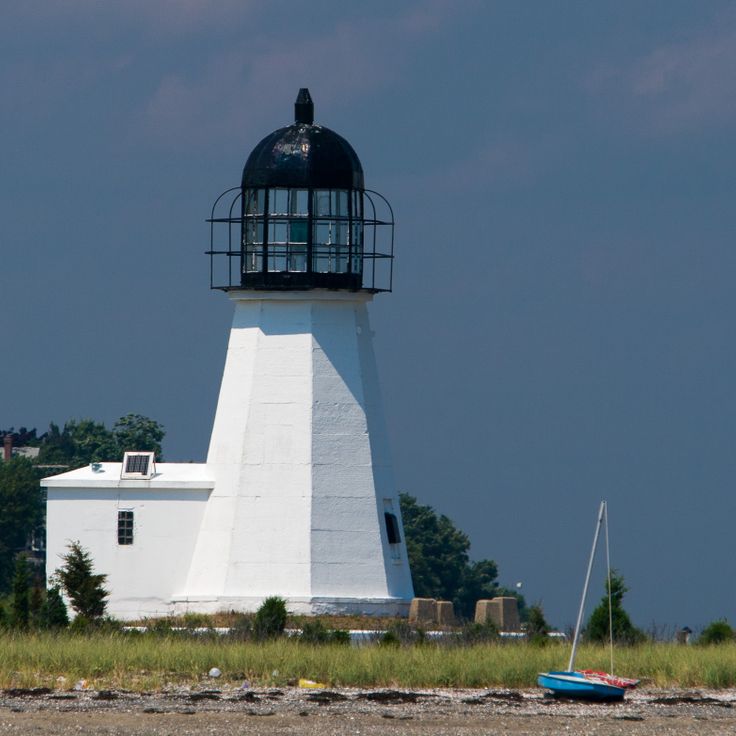
Within Rhode Island's collection of lesser-visited attractions, the Prudence Island Lighthouse stands as a working beacon first lit in 1823. This tower marks one of the oldest navigation points on Narragansett Bay, set apart from main routes and accessible only by ferry. The structure rises above the bay's waterways and wooded shores, offering views across the water. Few buildings and roads surround the site, creating a sense of stepping into maritime history. Visitors typically come to photograph the light reflecting off the water or walk the rocky shoreline, where seabirds find nesting spots and sailboats move through the bay.
The Beavertail Lighthouse Museum stands at the tip of Jamestown and is part of Rhode Island's unusual attractions that appeal to travelers curious about places often left out of main routes. Inside, the collection displays optical instruments, navigation tools, and records of the lighthouse keepers who worked here. From the rocks outside, you can watch the Atlantic and the shipping lanes. The museum explains how these lights guided sailors and what technology made that possible over the years.
This park covers six acres around a pond lined with native and exotic plants. Old trees, some over a century in age, provide shade along the paths. Visitors come here to walk, sit on benches, or enjoy the quiet setting by the water. The park combines open green spaces with small landscaped garden areas and offers a place to rest away from the bustle of daily life.
The Green Animals Topiary Garden in Portsmouth is part of a collection of unusual Rhode Island attractions for travelers curious about places beyond typical routes. The garden features over eighty plant sculptures shaped as animals and geometric figures. Since the late 19th century, trimmed boxwoods, yews, and other evergreens have been sculpted into elephants, giraffes, camels, and birds. These figures grow on grounds overlooking Narragansett Bay. Flower beds with dahlias, roses, and seasonal plants spread throughout the garden. A Victorian house from 1872 sits within the grounds and holds a collection of toys and dolls.
The Block Island Southeast Light is a red brick lighthouse built in 1875 at the top of a cliff. It stands above the Atlantic and offers wide views over the southern coast of the island. The construction follows the coastal safety standards of that period. Visitors can tour the tower and observe the ocean and the rocky shoreline below from the viewing platform. Open grassland surrounds the building, sloping down toward the sea. This lighthouse belongs to the maritime heritage of Rhode Island and complements the series of historic beacons along the Atlantic coast. As part of Rhode Island's less common attractions, it demonstrates the maritime history of this coastal region.
Blithewold Mansion is among Rhode Island's unusual attractions that appeal to travelers curious about destinations beyond standard routes. This 1908 estate pairs a villa with botanical gardens covering forty-five acres. Paths wind through plantings of rare species, past greenhouses and views over Bristol Harbor. The property shows how residential architecture and garden design came together in Rhode Island at the turn of the twentieth century.
The Kinney Azalea Garden, part of Rhode Island's unusual attractions, displays about three hundred varieties of azaleas and rhododendrons that bloom in spring. Visitors walk along narrow paths between flowering shrubs that provide shade and fragrance. This garden is one of the smaller botanical sites in Rhode Island and is maintained by a family. The flowering period lasts several weeks, depending on the plant variety and weather. Those who stroll through the lanes see purple, pink, red, and white blossoms across low beds and taller hedges.
The Napatree Point Conservation Area near Westerly appeals to travelers curious about Rhode Island's less common destinations and interested in observing nature. This coastal space features sand dunes, salt marshes and a quiet beach. Migratory birds stop here during their journeys between Canada and the southern states. In spring and fall, you can often spot plovers and sanderlings near the water. Hikers can walk narrow trails to the peninsula's tip, where rocky outcrops rise above the Atlantic. Plants grow low and thick, shaped by salt and wind. A fort once occupied this location and was destroyed during the 1938 hurricane. Today it is a silent place that encourages observation and leisurely walking. Dogs are not permitted to protect nesting areas.
Prospect Terrace Park is part of Rhode Island's less common attractions, sitting on a hill with open views over the capitol and rooftops of downtown Providence. From the raised ground, the view extends across historic neighborhoods to the river. Benches and paths invite walking, while information panels tell the story of the city. A monument honors Roger Williams, the founder of Rhode Island, whose grave is located here.
This falls fits into the collection of unusual Rhode Island attractions since it draws visitors seeking quiet places away from main routes. Stepstone Falls features small waterfalls formed by natural stone steps in the forest of West Greenwich. Water flows over flat rocks arranged like a staircase, creating calm pools between each level. Several trails follow the stream, and the forest provides shade on warm days. Visitors come here to walk, photograph, and observe nature. The site lies away from busy roads, so usually only the sound of water and birdsong can be heard.
The Armory Arts District occupies former 19th-century warehouses that now house around 60 galleries and studios among the hidden places of Rhode Island featured in this collection. The restored brick buildings spread across several blocks in Providence, bringing together exhibition spaces, artist workshops and event venues. Visitors walk through the corridors discovering paintings, sculptures, ceramics and textile works. Studio doors often stand open, allowing you to watch the creative process. In the evening, openings and performances take place. The district connects the industrial past of Providence with contemporary creativity, forming a space where local and national artists work and exhibit.
The Herreshoff Marine Museum in Bristol presents the town's shipbuilding tradition through sailboats, models and equipment from several centuries. The exhibits show how navigation technology advanced in this coastal town, which was long one of America's most important boatbuilding centers. Visitors see original yachts, navigation tools and construction drawings that follow the evolution from wooden hulls to modern racing boats. The visit takes you through workshop spaces and exhibition halls where the stories of individual boats connect with the histories of the people who built them.
This observatory opens to the public on Friday evenings after dark and offers astronomical observation when the sky is clear. Visitors can view Saturn, Jupiter, lunar craters, and nebulae and star clusters through the telescopes. Volunteer staff guide guests through the night sky and explain the visible objects. Located near the Atlantic, the site benefits from low light pollution, which favors the view of stars and planets. Admission is free, and visits proceed in a calm setting, allowing several observers to take turns at the instruments.
This house from the 1600s shows how people lived during colonial times in Rhode Island. The rooms display everyday objects, tools and documents from the region's founding period. Several exhibition areas explore relationships between European settlers and indigenous peoples, including the Narragansett. The building is among the oldest surviving homes in the state and offers a sense of early construction methods and daily life.
The Goddard Memorial State Park connects wooded hills and sandy beaches along the shore of Greenwich Bay. A golf course winds between old trees, while tennis courts and swimming areas draw families and athletes. Trails lead through dense forests where autumn leaves turn shades of red. In summer, picnic blankets cover the lawns, children play by the water, and joggers use the shaded paths. This park has connected seaside recreation with sports and walks in nature for decades, and remains one of the places that shapes daily life for residents of Warwick.
This wooden bridge in Foster preserves carpentry methods from the 19th century in their original form. It represents one of Rhode Island's off-the-beaten-path attractions that many travelers overlook. The structure spans a stream between wooded banks, showing the building techniques of rural bridge makers through its exposed timber trusses and open framework. Rough-sawn lumber connects community traditions to the roads that once linked farms and mills through the forest. Resting on stone abutments over quiet water, it offers a window into the practical craft of an earlier time when woodworkers built such structures to shelter carts and pedestrians from the elements.
The Watson Farm in Jamestown fits well with this collection of unusual Rhode Island attractions, offering a window into how farming families lived here two centuries ago. Since 1796, families have worked this 107-hectare property. Sheep and cattle graze beside barns, stone walls, and wooden fences that tell of centuries of farming labor. The 18th-century buildings still stand, showing how early American farmhouses were built. Walking through the fields and pastures, visitors encounter the landscape much as the first settlers knew it.
Belcourt of Newport is a residence built in 1894 that combines French Renaissance with Gothic elements. The restored rooms display the varied style of the Belle Époque era in Rhode Island. Its interior and architecture reflect the tastes of wealthy society at the end of the 19th century. This house stands in Newport, where affluent families built their summer homes, and offers insight into the unusual attractions Rhode Island holds for travelers seeking places beyond the main routes.
The Norman Bird Sanctuary in Middletown is a natural preserve covering approximately 325 acres that hosts over three hundred bird species year-round. Several trails wind through open meadows and wooded sections, where visitors can watch migratory and native birds. The paths cross different habitats, from dry fields to wet lowlands, attracting different species depending on the season. Some stretches are quiet walks, others offer viewpoints over water bodies where waterfowl rest. As part of Rhode Island's collection of lesser visited attractions, this sanctuary gives travelers off the usual routes access to local wildlife.
The Coggeshall Farm Museum in Bristol shows a working farm from 1799, giving visitors a sense of how farmers lived and worked on these coastal lands. The fields sit next to salt marshes that shaped farming in this region for centuries. Guests walk through reconstructed barns and outbuildings that recreate the daily routine of that time. Staff members regularly demonstrate old skills such as wool spinning and blacksmithing. Animals including sheep, cattle and chickens live on the grounds, representing the livestock families kept in the late 1700s. Children can watch the animals up close and learn about the tasks farm families handled over 200 years ago. The visit gives a hands-on sense of rural life when Rhode Island's coastal communities depended on crops and the natural resources of the marshes.
The Looff Carousel at Crescent Park represents the kind of Rhode Island attraction that draws travelers away from main routes. Built in 1895, this carousel displays sixty-two hand-carved wooden horses. It stands as one of the few remaining works by carousel maker Charles I. D. Looff, a pioneer in American amusement park art. The carvings combine detailed ornaments with bold colors. The carousel still turns to the sound of an 1895 military band organ. The open structure allows visitors to see the machinery and turning platform beneath. Families have visited this example of Rhode Island's coastal fairground tradition for more than a century.
The Haffenreffer Museum of Anthropology in Bristol fits perfectly into a journey through Rhode Island's lesser-known destinations. This university collection houses more than one million objects from indigenous peoples of the Americas and other world regions. Visitors encounter tools, textiles, ceramics, and ceremonial items spanning thousands of years of human history. The exhibitions connect archaeological finds with ethnographic objects, revealing the daily lives, crafts, and spiritual practices of different cultures. Situated on a waterfront university campus, the museum complements the route along the Rhode Island coast, where historic lighthouses and gardens also await exploration.
The Old Slater Mill is the first industrial spinning mill in the United States, built in 1793. This site displays original machines and rooms that reveal the lives of early factory workers. Tools, mechanical spindles, and looms show how production shifted from handwork to machines. The complex records how technical innovations from England transformed the economy of the young United States and turned small towns into industrial centers.
The John Brown House Museum displays furniture, portraits, and family objects in a 1788 building with Georgian architecture. It belongs to this collection of unusual Rhode Island attractions as an example of the state's historic houses that make the daily life of earlier generations tangible.
Snake Den State Park in Johnston offers about 400 hectares of woodland, open fields, and walking trails. An 18th-century wooden farmhouse shows how rural life looked over 200 years ago. Trails wind through dense stands of oak and maple, opening into clearings where afternoon sunlight filters through. Birds nest in the branches, and you might hear woodpeckers tapping in the morning. Families come to hike or picnic, and the park sits close enough to Providence for a short drive. In winter, snow blankets the ground and the forest grows quiet.
This house appeals to travelers curious about places often left out of main routes in Rhode Island. The Hamilton Hoppin House was built in 1856 in Newport and shows the Victorian taste of its time. Porches wrap around the building, woodwork displays decorative patterns, and gardens complete the property. Those interested in 19th-century architecture will find an example of how wealthy families built and lived during that era.
Market Square fits within this collection of unusual Rhode Island attractions as a historic gathering place in the heart of Providence. The square dates back to 1773 and has served residents and visitors as a meeting spot since its founding. People walk along old cobblestone paths lined with restaurants, small shops, and seasonal market stalls. During spring and summer, outdoor terraces fill with people lingering at cafes or buying fresh produce from local vendors. Red brick buildings recall the colonial past, while the daily activity brings the square to life with constant energy.
Within Rhode Island's collection of unusual attractions, Trustom Pond National Wildlife Refuge in South Kingstown protects marshes, woodlands, and coastal landscapes stretching south toward the Atlantic. This refuge provides habitat for waterfowl and migratory birds that feed in shallow waters and reed beds. Visitors follow trails through dunes and wetlands offering views of the pond and estuary areas. The refuge remains open year-round with bird species changing according to season. The landscape combines salt marsh with forested sections, creating a setting for nature observation. Trustom Pond itself is a brackish water pond that sits behind a narrow barrier beach, occasionally connecting to the ocean during storms or high tides.
The Mohegan Bluffs on Block Island are part of Rhode Island's collection of places that sit beyond the main tourist routes. These cliff faces drop 45 meters (145 feet) to the southern shore, creating one of the island's most powerful coastline sections. A narrow path runs along the cliff edge through grasses and wildflowers while the Atlantic pounds the rocks below. A wooden staircase of 141 steps descends to a narrow sandy beach where the water stays remarkably cold. These clay cliffs take their name from the Mohegan people, who fought the Niantic here during the 16th century. On clear days, views stretch across the open ocean toward Montauk Point on Long Island. Strong wind blows constantly, the air carries salt, and you hear only the waves.
Within Rhode Island's collection of lesser-visited attractions, the Prudence Island Lighthouse stands as a working beacon first lit in 1823. This tower marks one of the oldest navigation points on Narragansett Bay, set apart from main routes and accessible only by ferry. The structure rises above the bay's waterways and wooded shores, offering views across the water. Few buildings and roads surround the site, creating a sense of stepping into maritime history. Visitors typically come to photograph the light reflecting off the water or walk the rocky shoreline, where seabirds find nesting spots and sailboats move through the bay.
The Beavertail Lighthouse Museum stands at the tip of Jamestown and is part of Rhode Island's unusual attractions that appeal to travelers curious about places often left out of main routes. Inside, the collection displays optical instruments, navigation tools, and records of the lighthouse keepers who worked here. From the rocks outside, you can watch the Atlantic and the shipping lanes. The museum explains how these lights guided sailors and what technology made that possible over the years.
This park covers six acres around a pond lined with native and exotic plants. Old trees, some over a century in age, provide shade along the paths. Visitors come here to walk, sit on benches, or enjoy the quiet setting by the water. The park combines open green spaces with small landscaped garden areas and offers a place to rest away from the bustle of daily life.
The Green Animals Topiary Garden in Portsmouth is part of a collection of unusual Rhode Island attractions for travelers curious about places beyond typical routes. The garden features over eighty plant sculptures shaped as animals and geometric figures. Since the late 19th century, trimmed boxwoods, yews, and other evergreens have been sculpted into elephants, giraffes, camels, and birds. These figures grow on grounds overlooking Narragansett Bay. Flower beds with dahlias, roses, and seasonal plants spread throughout the garden. A Victorian house from 1872 sits within the grounds and holds a collection of toys and dolls.
The Block Island Southeast Light is a red brick lighthouse built in 1875 at the top of a cliff. It stands above the Atlantic and offers wide views over the southern coast of the island. The construction follows the coastal safety standards of that period. Visitors can tour the tower and observe the ocean and the rocky shoreline below from the viewing platform. Open grassland surrounds the building, sloping down toward the sea. This lighthouse belongs to the maritime heritage of Rhode Island and complements the series of historic beacons along the Atlantic coast. As part of Rhode Island's less common attractions, it demonstrates the maritime history of this coastal region.
Blithewold Mansion is among Rhode Island's unusual attractions that appeal to travelers curious about destinations beyond standard routes. This 1908 estate pairs a villa with botanical gardens covering forty-five acres. Paths wind through plantings of rare species, past greenhouses and views over Bristol Harbor. The property shows how residential architecture and garden design came together in Rhode Island at the turn of the twentieth century.
The Kinney Azalea Garden, part of Rhode Island's unusual attractions, displays about three hundred varieties of azaleas and rhododendrons that bloom in spring. Visitors walk along narrow paths between flowering shrubs that provide shade and fragrance. This garden is one of the smaller botanical sites in Rhode Island and is maintained by a family. The flowering period lasts several weeks, depending on the plant variety and weather. Those who stroll through the lanes see purple, pink, red, and white blossoms across low beds and taller hedges.
The Napatree Point Conservation Area near Westerly appeals to travelers curious about Rhode Island's less common destinations and interested in observing nature. This coastal space features sand dunes, salt marshes and a quiet beach. Migratory birds stop here during their journeys between Canada and the southern states. In spring and fall, you can often spot plovers and sanderlings near the water. Hikers can walk narrow trails to the peninsula's tip, where rocky outcrops rise above the Atlantic. Plants grow low and thick, shaped by salt and wind. A fort once occupied this location and was destroyed during the 1938 hurricane. Today it is a silent place that encourages observation and leisurely walking. Dogs are not permitted to protect nesting areas.
Prospect Terrace Park is part of Rhode Island's less common attractions, sitting on a hill with open views over the capitol and rooftops of downtown Providence. From the raised ground, the view extends across historic neighborhoods to the river. Benches and paths invite walking, while information panels tell the story of the city. A monument honors Roger Williams, the founder of Rhode Island, whose grave is located here.
This falls fits into the collection of unusual Rhode Island attractions since it draws visitors seeking quiet places away from main routes. Stepstone Falls features small waterfalls formed by natural stone steps in the forest of West Greenwich. Water flows over flat rocks arranged like a staircase, creating calm pools between each level. Several trails follow the stream, and the forest provides shade on warm days. Visitors come here to walk, photograph, and observe nature. The site lies away from busy roads, so usually only the sound of water and birdsong can be heard.
The Armory Arts District occupies former 19th-century warehouses that now house around 60 galleries and studios among the hidden places of Rhode Island featured in this collection. The restored brick buildings spread across several blocks in Providence, bringing together exhibition spaces, artist workshops and event venues. Visitors walk through the corridors discovering paintings, sculptures, ceramics and textile works. Studio doors often stand open, allowing you to watch the creative process. In the evening, openings and performances take place. The district connects the industrial past of Providence with contemporary creativity, forming a space where local and national artists work and exhibit.
The Herreshoff Marine Museum in Bristol presents the town's shipbuilding tradition through sailboats, models and equipment from several centuries. The exhibits show how navigation technology advanced in this coastal town, which was long one of America's most important boatbuilding centers. Visitors see original yachts, navigation tools and construction drawings that follow the evolution from wooden hulls to modern racing boats. The visit takes you through workshop spaces and exhibition halls where the stories of individual boats connect with the histories of the people who built them.
This observatory opens to the public on Friday evenings after dark and offers astronomical observation when the sky is clear. Visitors can view Saturn, Jupiter, lunar craters, and nebulae and star clusters through the telescopes. Volunteer staff guide guests through the night sky and explain the visible objects. Located near the Atlantic, the site benefits from low light pollution, which favors the view of stars and planets. Admission is free, and visits proceed in a calm setting, allowing several observers to take turns at the instruments.
This house from the 1600s shows how people lived during colonial times in Rhode Island. The rooms display everyday objects, tools and documents from the region's founding period. Several exhibition areas explore relationships between European settlers and indigenous peoples, including the Narragansett. The building is among the oldest surviving homes in the state and offers a sense of early construction methods and daily life.
The Goddard Memorial State Park connects wooded hills and sandy beaches along the shore of Greenwich Bay. A golf course winds between old trees, while tennis courts and swimming areas draw families and athletes. Trails lead through dense forests where autumn leaves turn shades of red. In summer, picnic blankets cover the lawns, children play by the water, and joggers use the shaded paths. This park has connected seaside recreation with sports and walks in nature for decades, and remains one of the places that shapes daily life for residents of Warwick.
This wooden bridge in Foster preserves carpentry methods from the 19th century in their original form. It represents one of Rhode Island's off-the-beaten-path attractions that many travelers overlook. The structure spans a stream between wooded banks, showing the building techniques of rural bridge makers through its exposed timber trusses and open framework. Rough-sawn lumber connects community traditions to the roads that once linked farms and mills through the forest. Resting on stone abutments over quiet water, it offers a window into the practical craft of an earlier time when woodworkers built such structures to shelter carts and pedestrians from the elements.
The Watson Farm in Jamestown fits well with this collection of unusual Rhode Island attractions, offering a window into how farming families lived here two centuries ago. Since 1796, families have worked this 107-hectare property. Sheep and cattle graze beside barns, stone walls, and wooden fences that tell of centuries of farming labor. The 18th-century buildings still stand, showing how early American farmhouses were built. Walking through the fields and pastures, visitors encounter the landscape much as the first settlers knew it.
Belcourt of Newport is a residence built in 1894 that combines French Renaissance with Gothic elements. The restored rooms display the varied style of the Belle Époque era in Rhode Island. Its interior and architecture reflect the tastes of wealthy society at the end of the 19th century. This house stands in Newport, where affluent families built their summer homes, and offers insight into the unusual attractions Rhode Island holds for travelers seeking places beyond the main routes.
The Norman Bird Sanctuary in Middletown is a natural preserve covering approximately 325 acres that hosts over three hundred bird species year-round. Several trails wind through open meadows and wooded sections, where visitors can watch migratory and native birds. The paths cross different habitats, from dry fields to wet lowlands, attracting different species depending on the season. Some stretches are quiet walks, others offer viewpoints over water bodies where waterfowl rest. As part of Rhode Island's collection of lesser visited attractions, this sanctuary gives travelers off the usual routes access to local wildlife.
The Coggeshall Farm Museum in Bristol shows a working farm from 1799, giving visitors a sense of how farmers lived and worked on these coastal lands. The fields sit next to salt marshes that shaped farming in this region for centuries. Guests walk through reconstructed barns and outbuildings that recreate the daily routine of that time. Staff members regularly demonstrate old skills such as wool spinning and blacksmithing. Animals including sheep, cattle and chickens live on the grounds, representing the livestock families kept in the late 1700s. Children can watch the animals up close and learn about the tasks farm families handled over 200 years ago. The visit gives a hands-on sense of rural life when Rhode Island's coastal communities depended on crops and the natural resources of the marshes.
The Looff Carousel at Crescent Park represents the kind of Rhode Island attraction that draws travelers away from main routes. Built in 1895, this carousel displays sixty-two hand-carved wooden horses. It stands as one of the few remaining works by carousel maker Charles I. D. Looff, a pioneer in American amusement park art. The carvings combine detailed ornaments with bold colors. The carousel still turns to the sound of an 1895 military band organ. The open structure allows visitors to see the machinery and turning platform beneath. Families have visited this example of Rhode Island's coastal fairground tradition for more than a century.
The Haffenreffer Museum of Anthropology in Bristol fits perfectly into a journey through Rhode Island's lesser-known destinations. This university collection houses more than one million objects from indigenous peoples of the Americas and other world regions. Visitors encounter tools, textiles, ceramics, and ceremonial items spanning thousands of years of human history. The exhibitions connect archaeological finds with ethnographic objects, revealing the daily lives, crafts, and spiritual practices of different cultures. Situated on a waterfront university campus, the museum complements the route along the Rhode Island coast, where historic lighthouses and gardens also await exploration.
The Old Slater Mill is the first industrial spinning mill in the United States, built in 1793. This site displays original machines and rooms that reveal the lives of early factory workers. Tools, mechanical spindles, and looms show how production shifted from handwork to machines. The complex records how technical innovations from England transformed the economy of the young United States and turned small towns into industrial centers.
The John Brown House Museum displays furniture, portraits, and family objects in a 1788 building with Georgian architecture. It belongs to this collection of unusual Rhode Island attractions as an example of the state's historic houses that make the daily life of earlier generations tangible.
Snake Den State Park in Johnston offers about 400 hectares of woodland, open fields, and walking trails. An 18th-century wooden farmhouse shows how rural life looked over 200 years ago. Trails wind through dense stands of oak and maple, opening into clearings where afternoon sunlight filters through. Birds nest in the branches, and you might hear woodpeckers tapping in the morning. Families come to hike or picnic, and the park sits close enough to Providence for a short drive. In winter, snow blankets the ground and the forest grows quiet.
This house appeals to travelers curious about places often left out of main routes in Rhode Island. The Hamilton Hoppin House was built in 1856 in Newport and shows the Victorian taste of its time. Porches wrap around the building, woodwork displays decorative patterns, and gardens complete the property. Those interested in 19th-century architecture will find an example of how wealthy families built and lived during that era.
Market Square fits within this collection of unusual Rhode Island attractions as a historic gathering place in the heart of Providence. The square dates back to 1773 and has served residents and visitors as a meeting spot since its founding. People walk along old cobblestone paths lined with restaurants, small shops, and seasonal market stalls. During spring and summer, outdoor terraces fill with people lingering at cafes or buying fresh produce from local vendors. Red brick buildings recall the colonial past, while the daily activity brings the square to life with constant energy.
Within Rhode Island's collection of unusual attractions, Trustom Pond National Wildlife Refuge in South Kingstown protects marshes, woodlands, and coastal landscapes stretching south toward the Atlantic. This refuge provides habitat for waterfowl and migratory birds that feed in shallow waters and reed beds. Visitors follow trails through dunes and wetlands offering views of the pond and estuary areas. The refuge remains open year-round with bird species changing according to season. The landscape combines salt marsh with forested sections, creating a setting for nature observation. Trustom Pond itself is a brackish water pond that sits behind a narrow barrier beach, occasionally connecting to the ocean during storms or high tides.
The Mohegan Bluffs on Block Island are part of Rhode Island's collection of places that sit beyond the main tourist routes. These cliff faces drop 45 meters (145 feet) to the southern shore, creating one of the island's most powerful coastline sections. A narrow path runs along the cliff edge through grasses and wildflowers while the Atlantic pounds the rocks below. A wooden staircase of 141 steps descends to a narrow sandy beach where the water stays remarkably cold. These clay cliffs take their name from the Mohegan people, who fought the Niantic here during the 16th century. On clear days, views stretch across the open ocean toward Montauk Point on Long Island. Strong wind blows constantly, the air carries salt, and you hear only the waves.
Within Rhode Island's collection of lesser-visited attractions, the Prudence Island Lighthouse stands as a working beacon first lit in 1823. This tower marks one of the oldest navigation points on Narragansett Bay, set apart from main routes and accessible only by ferry. The structure rises above the bay's waterways and wooded shores, offering views across the water. Few buildings and roads surround the site, creating a sense of stepping into maritime history. Visitors typically come to photograph the light reflecting off the water or walk the rocky shoreline, where seabirds find nesting spots and sailboats move through the bay.