See the monuments around you in AROpen chests in the app
Around Us is built for your phone — point your camera at the streets and discover the monuments and places around you in augmented reality.Around Us is built for your phone — chests unlock when you walk, explore and capture nearby places.
Historic sites and natural spaces in Iowa: caves, botanical gardens, historic bridges, museums
Iowa combines outdoor spaces and built history in ways that appeal to different interests. The state has caves and rock formations that draw geology enthusiasts, along with old mills and gardens connected to farming life. Museums here cover transportation history, including trains and trucks, while others focus on heritage brought by Norwegian settlers. State parks feature sandstone ridges and river valleys that shape the landscape.
Walking through Iowa reveals how people shaped this region over generations. Brucemore in Cedar Rapids is a large home that shows how successful families lived in earlier times. Other places tell personal stories: the Grotto of the Redemption in West Bend displays handmade religious art, while the Bily Clocks Museum in Spillville contains intricate wooden clocks. The Matchstick Marvels Center in Gladbrook exhibits detailed models built entirely from wooden sticks. These sites reflect the skills and dedication of people who left their mark on their communities.
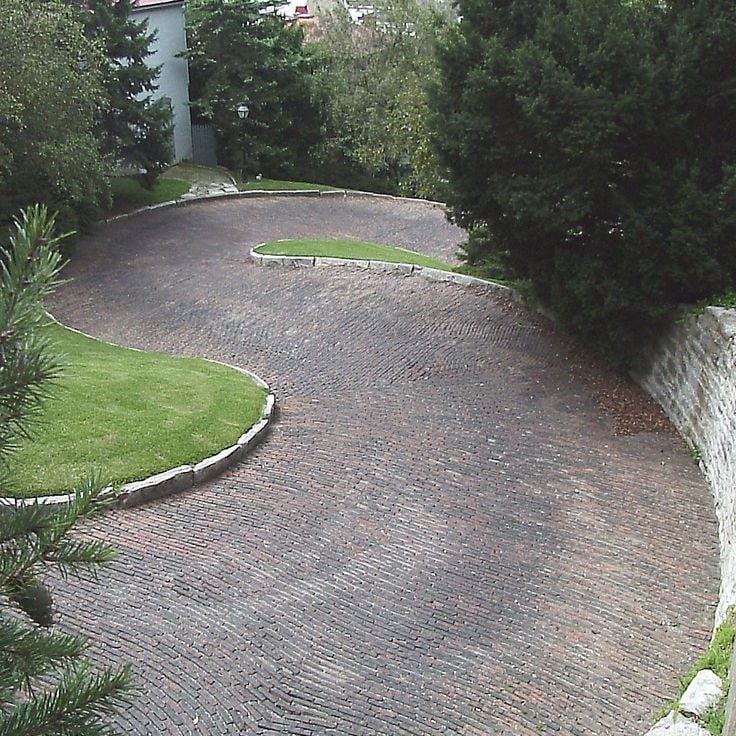
Visitors can hike forest trails in state parks, explore museum collections, or simply drive past century-old buildings and bridges. Snake Alley in Burlington curves in an unusual pattern through town, while restored bridges like the High Trestle Trail Bridge show engineering from the past. Iowa works best when you slow down and notice the small details: how a street bends, how a building looks from inside, how nature fills the spaces between settlements.
Historic sites and natural spaces in Iowa: caves, botanical gardens, historic bridges, museums
Iowa combines outdoor spaces and built history in ways that appeal to different interests. The state has caves and rock formations that draw geology enthusiasts, along with old mills and gardens connected to farming life. Museums here cover transportation history, including trains and trucks, while others focus on heritage brought by Norwegian settlers. State parks feature sandstone ridges and river valleys that shape the landscape.
Walking through Iowa reveals how people shaped this region over generations. Brucemore in Cedar Rapids is a large home that shows how successful families lived in earlier times. Other places tell personal stories: the Grotto of the Redemption in West Bend displays handmade religious art, while the Bily Clocks Museum in Spillville contains intricate wooden clocks. The Matchstick Marvels Center in Gladbrook exhibits detailed models built entirely from wooden sticks. These sites reflect the skills and dedication of people who left their mark on their communities.
Visitors can hike forest trails in state parks, explore museum collections, or simply drive past century-old buildings and bridges. Snake Alley in Burlington curves in an unusual pattern through town, while restored bridges like the High Trestle Trail Bridge show engineering from the past. Iowa works best when you slow down and notice the small details: how a street bends, how a building looks from inside, how nature fills the spaces between settlements.
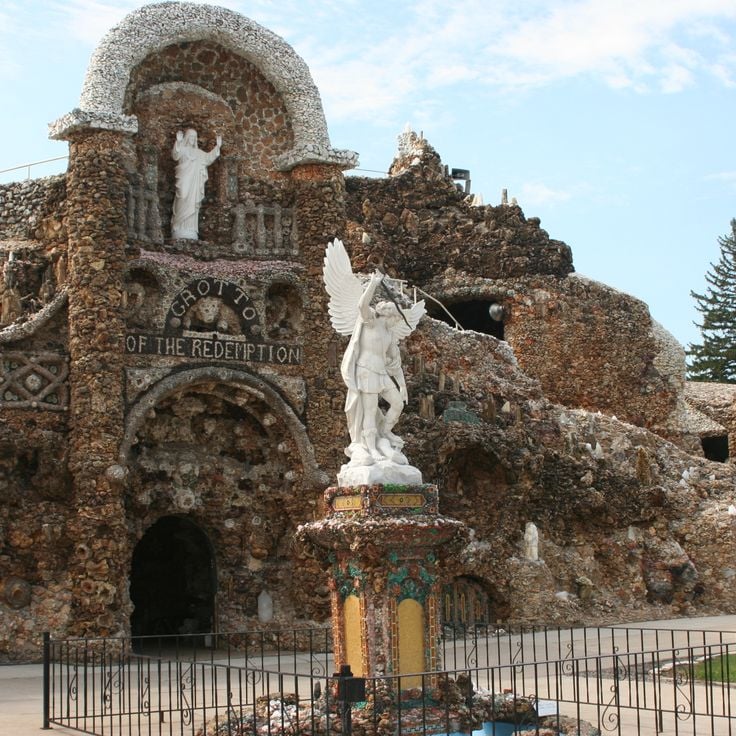
The Grotto of the Redemption in West Bend is a religious site built from nine separate grottos and part of Iowa's collection of historic sites and natural spaces. Each grotto was constructed using minerals, gemstones, and rocks gathered from around the world. The site shows the dedication of one man who spent many years creating this complex structure. Visitors walk through the caves and see the sparkling stones and crystals embedded in the walls. It is a place where nature and religious faith come together in a personal way.
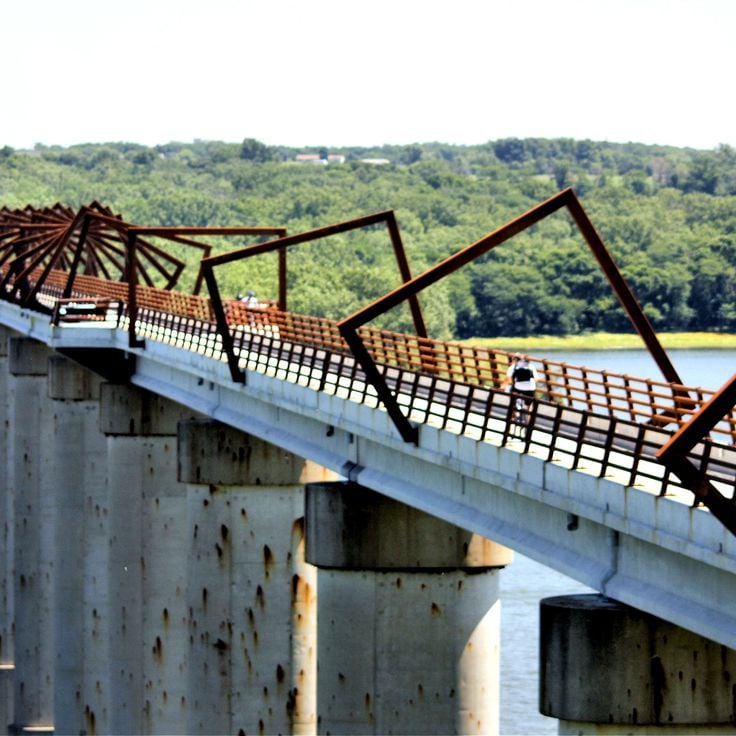
The High Trestle Trail Bridge is a pedestrian bridge that crosses the Des Moines River with commanding height and engineering skill. Standing 40 meters (131 feet) tall with 43 steel frames, it offers walkers a sweeping view of the valley below. Blue LED lights illuminate the steel structure at night, creating a special experience for those who walk or cycle along the trail. This bridge shows the creativity and skill of its builders and represents how Iowa honors both its history and the people who shaped the landscape.
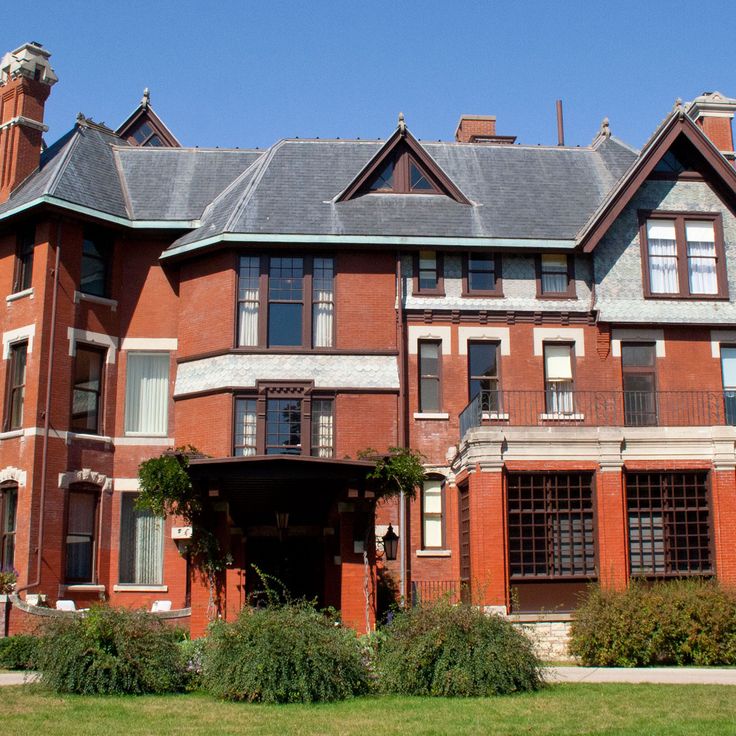
This mansion was built in 1886 and stands as a key example of how prosperous families lived in Iowa during the late 19th century. With 26 rooms, Brucemore in Cedar Rapids tells the story of wealth and success in the region. Visitors can see the architecture and furnishings that reflect the daily life of the upper class. The house sits on spacious grounds and offers insight into a different era of Iowa's past.
Snake Alley in Burlington is an unusual street with five semicircular curves that wind up a hillside. This curved design was created to help horses and wagons navigate the steep slope. Today, visitors can walk or drive along this distinctive route to experience how early infrastructure planning solved practical problems. The street reflects the ingenuity of past generations in working with the natural landscape.
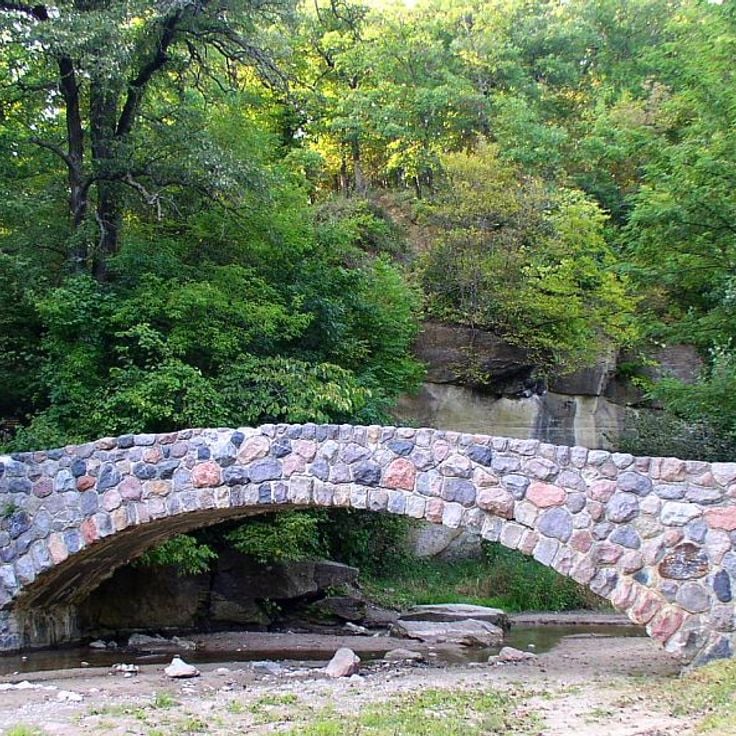
Ledges State Park in Boone County showcases Iowa's natural beauty with steep rock walls and dense woodlands along the Des Moines River. This park is part of Iowa's collection of historic sites and natural spaces where history and nature meet. Visitors can walk trails through sandstone formations and canyons, enjoy viewpoints overlooking the river landscape, and explore the geological story of how water has shaped the land over millions of years.
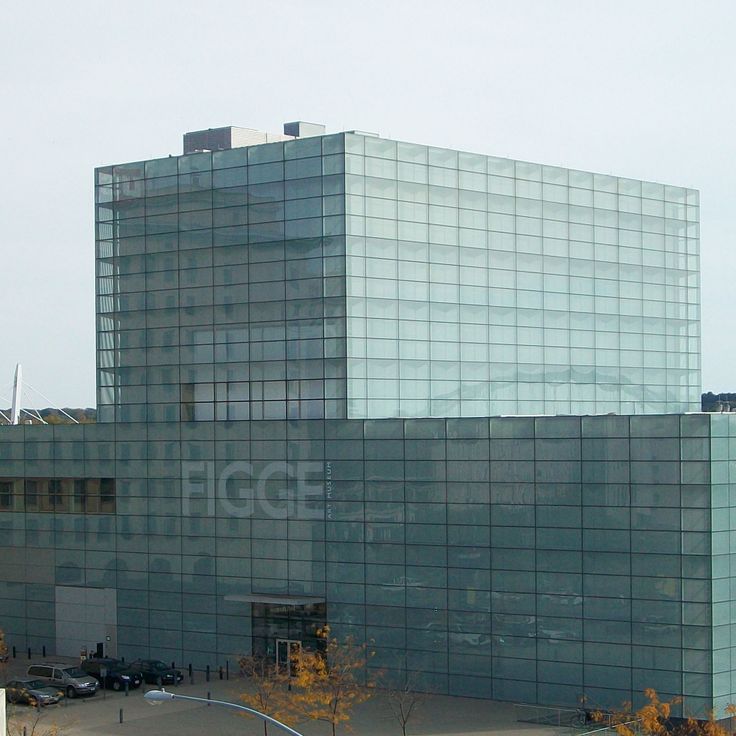
The Figge Art Museum in Davenport belongs to Iowa's collection of cultural places where you can learn about the country's history and creativity. The museum displays American artworks including paintings, sculptures, and photographs. You can explore works from different periods and styles, from early traditions to modern pieces. The museum helps you understand how American art has developed over time.
Backbone State Park in Delaware County spans 920 hectares and offers visitors a range of outdoor activities. The park is shaped by the North Fork of the Maquoketa River, which has carved sandstone bluffs into the landscape. Visitors can hike along 34 kilometers of marked trails, fish in the river, and try rock climbing on the park's natural rock formations. The park draws people who want to explore Iowa's natural environment and geological features. Walking through Backbone State Park shows how water and stone have shaped the land over time.
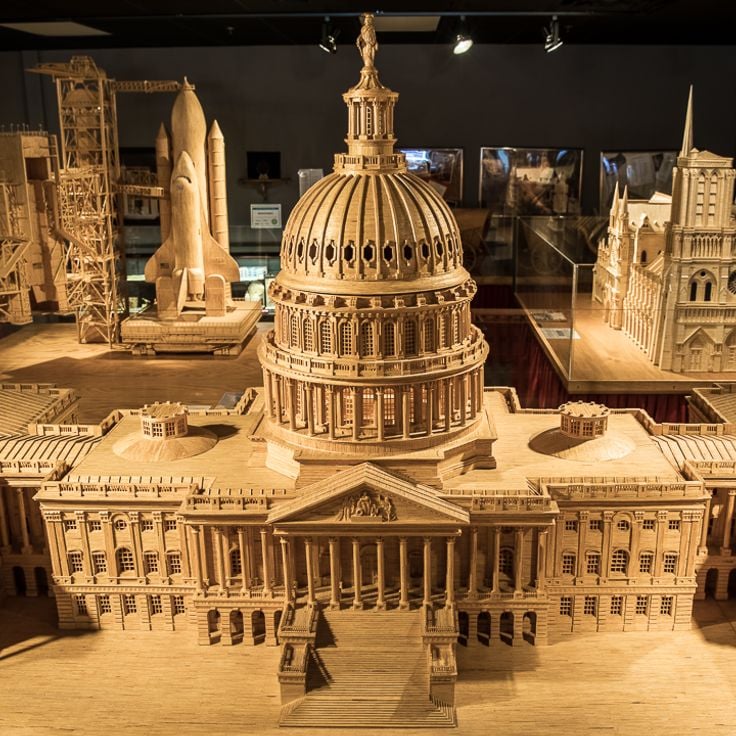
The Matchstick Marvels Center in Gladbrook displays intricate models built entirely from matchsticks. The site showcases the craftsmanship and patience of an artist who transformed these tiny materials into complex structures. Visitors can see how everyday objects like buildings, machines, and vehicles were assembled from thousands of matchsticks. This center represents the creative drive that defines people in Iowa and plays a role in the region's history. It is a place that celebrates handwork and perseverance, showing how local artists channel their interests and surroundings into their creations.
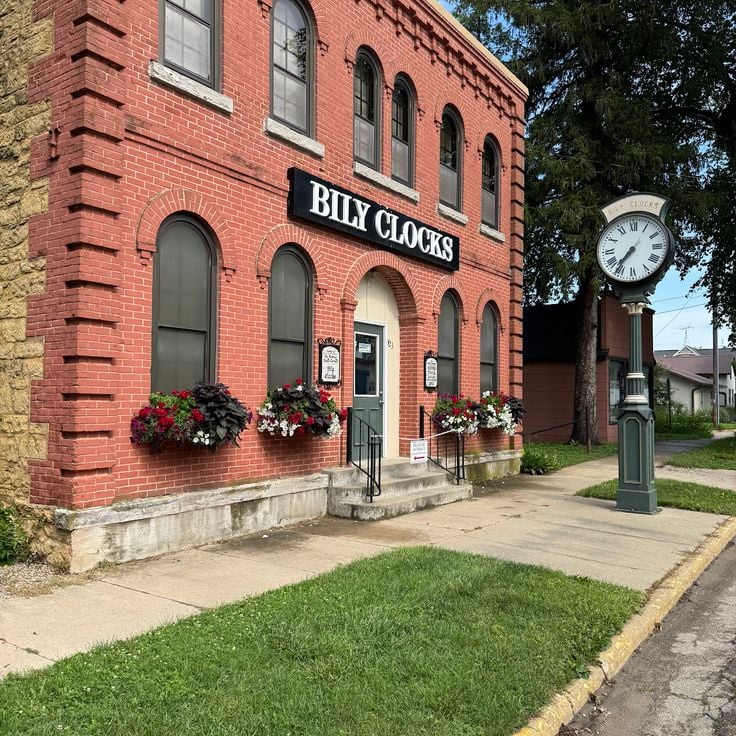
The Bily Clocks Museum in Spillville displays an extraordinary collection of wooden clocks created by brothers Frank and Joseph Bily between 1913 and 1958. Each clock is a work of art featuring detailed hand-carved sculptures that depict historical events. This museum illustrates the creativity and patience of these two craftsmen who lived in this small town. Visitors can see the care taken in every carved detail and understand how the brothers assembled these working masterpieces with great skill. It is a place that shows how handcraft passion and local traditions took shape in Iowa.
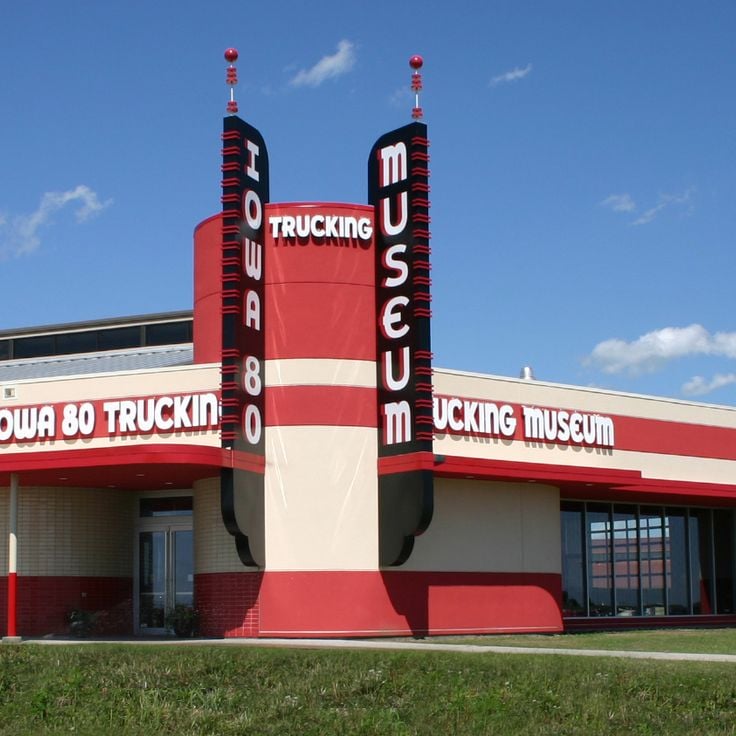
The Iowa 80 Trucking Museum in Walcott adds an important industrial dimension to this collection of historic sites and natural spaces in Iowa. The museum displays classic trucks, engines, and transportation objects that document the history of American freight transport. The exhibits show how trucking evolved over the decades and reveal the lives and work of the drivers who kept goods moving across the country.
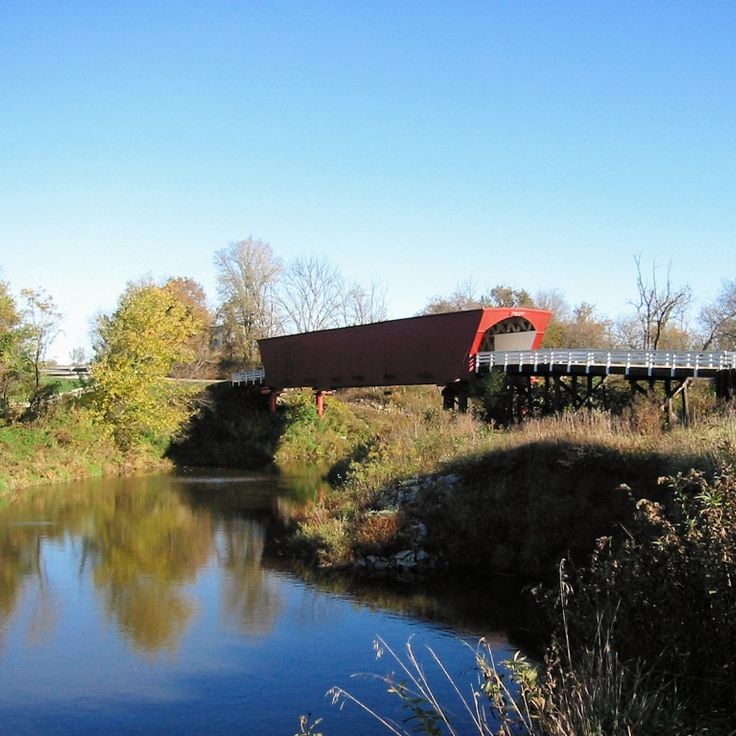
The Roseman Bridge belongs to Iowa's collection of historic sites and natural spaces. This wooden covered bridge was built in 1883 across the Middle River in Winterset and shows the craftsmanship of 19th-century construction. Measuring 32 meters long, it is an example of the historic transportation routes that shaped Iowa. The bridge gained wider recognition through a 1995 film and today draws visitors interested in exploring the state's history.
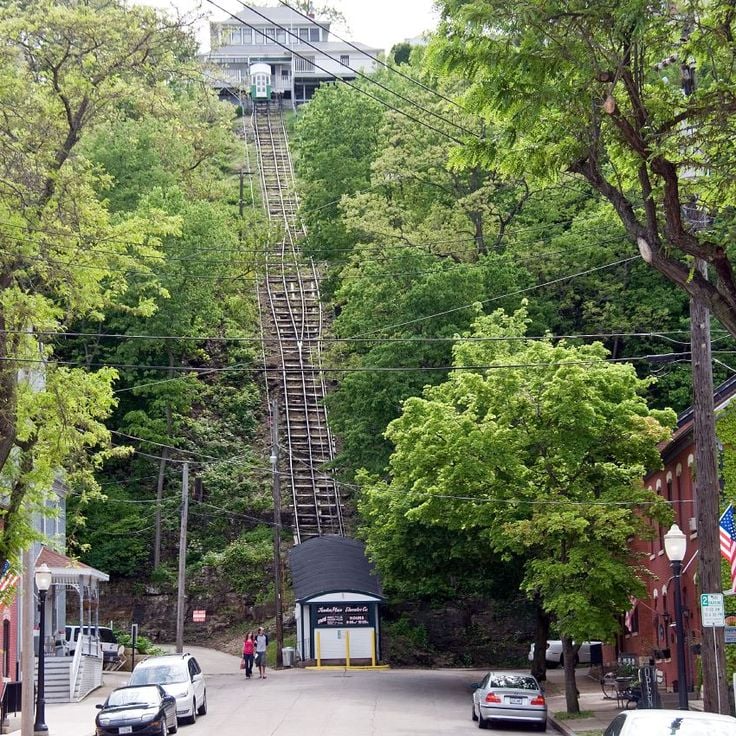
The Fenelon Place Elevator in Dubuque is an inclined mechanical lift that travels one of the steepest grades of any cable railway system in the world. At only 90 meters in length, it connects two levels of the city and offers views of the surrounding area. This engineering accomplishment shows how builders in the past found clever solutions to navigate difficult terrain. The elevator remains a working piece of the city's history and a reminder of human ingenuity in overcoming natural obstacles.
The Reiman Gardens in Ames show how nature and learning come together. This botanical garden features different themed areas where visitors explore plants from various habitats. A butterfly house is a main attraction, where you can watch these insects in their natural setting. The gardens connect Iowa's farming heritage with a focus on horticulture and conservation, making it the largest public garden space in the state. Within this collection of Iowa's historic sites and natural spaces, the gardens demonstrate how the region values both its agricultural past and natural world.
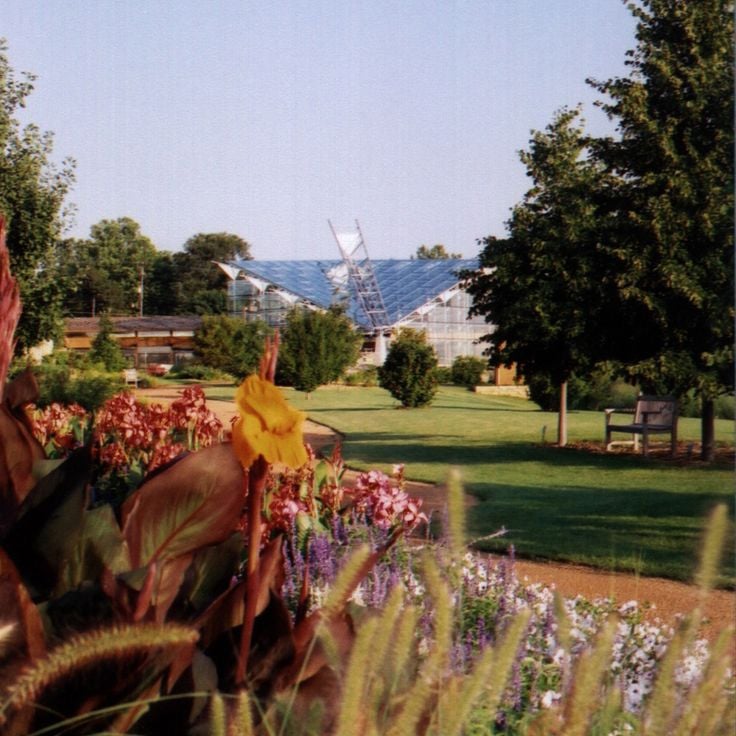
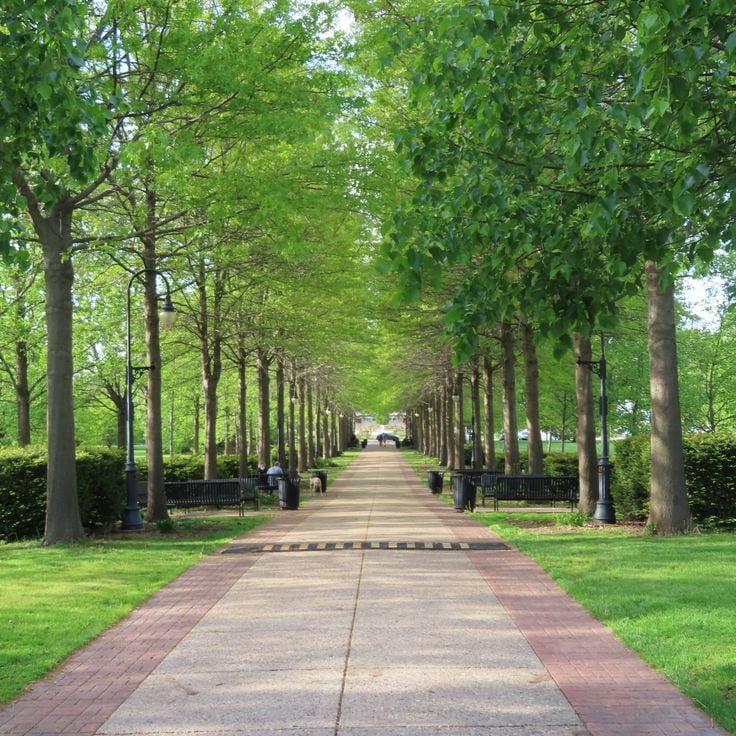
The Vander Veer Botanical Park in Davenport welcomes visitors since 1885 with seasonal flowers, ornamental fountains, and a maintained greenhouse. Mature trees provide shade across the grounds, showing how people have cared for this place over generations. Walking through the park, you see beds of flowers that change throughout the year. This space shows Iowa's long connection to plants and the gardening skills that have shaped the region's heritage.
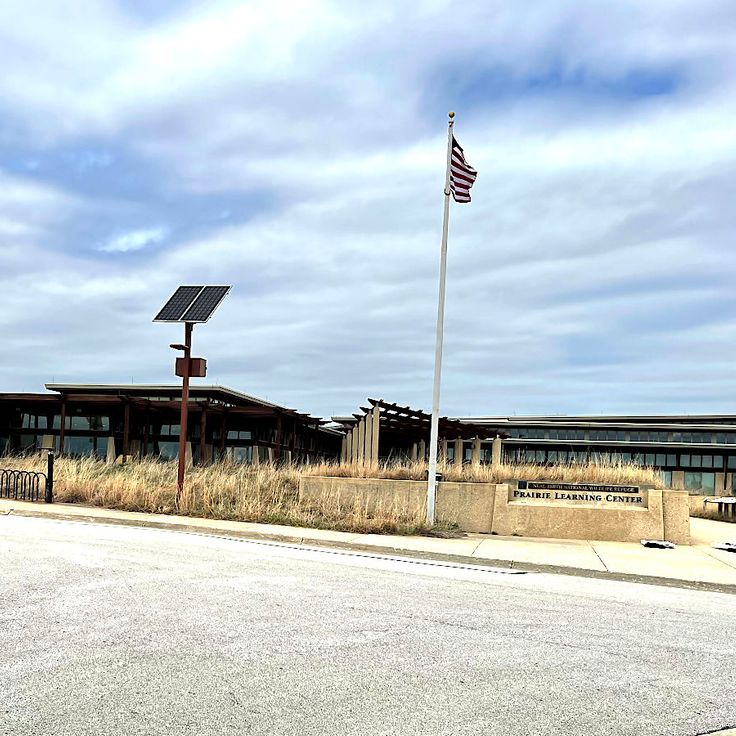
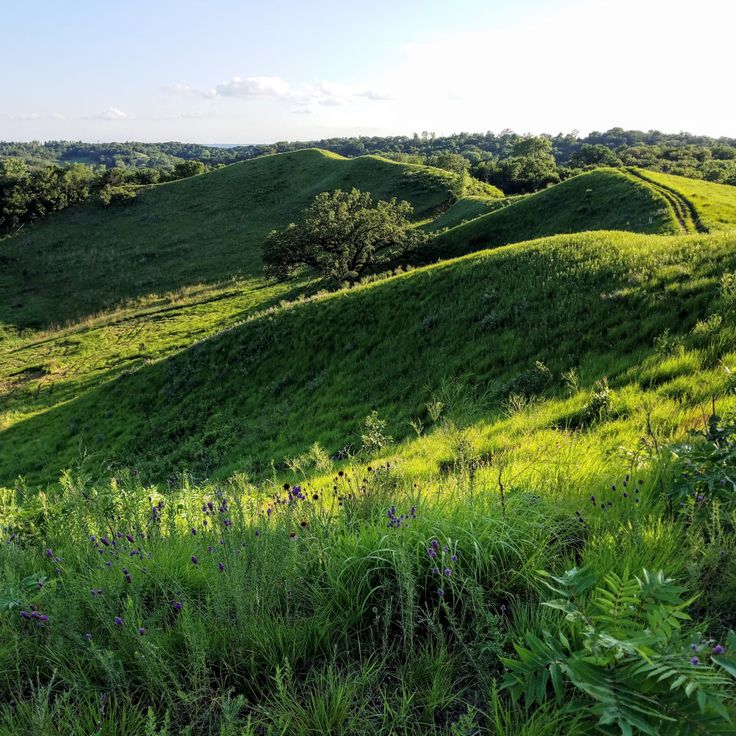
The Neal Smith National Wildlife Refuge in Prairie City protects a large area of prairie landscape that is part of Iowa's natural heritage. Here, bisons and elk roam alongside native plants that have grown in this region for generations. The refuge shows what the land looked like before people settled here and lets visitors walk through this restored ecosystem. Protecting these spaces helps keep Iowa's past and natural character alive.
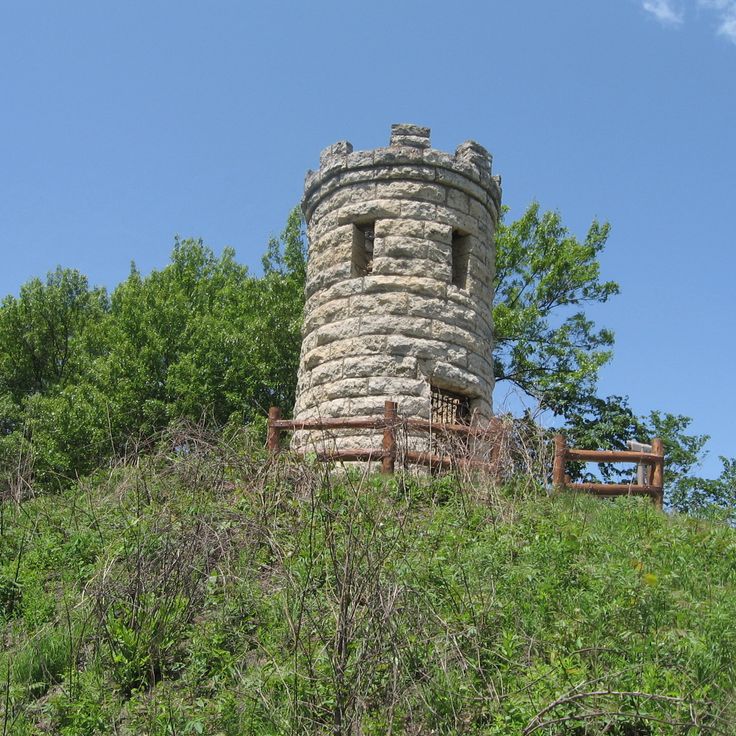
Hitchcock Nature Center in Honey Creek invites visitors to explore the landscape and understand how it formed. The observation tower offers views across the surrounding hills, and trails wind through forests and grasslands. The museum explains the Loess hills and shows how geological forces shaped this part of Iowa. It is a place where you can walk, observe, and learn about nature.
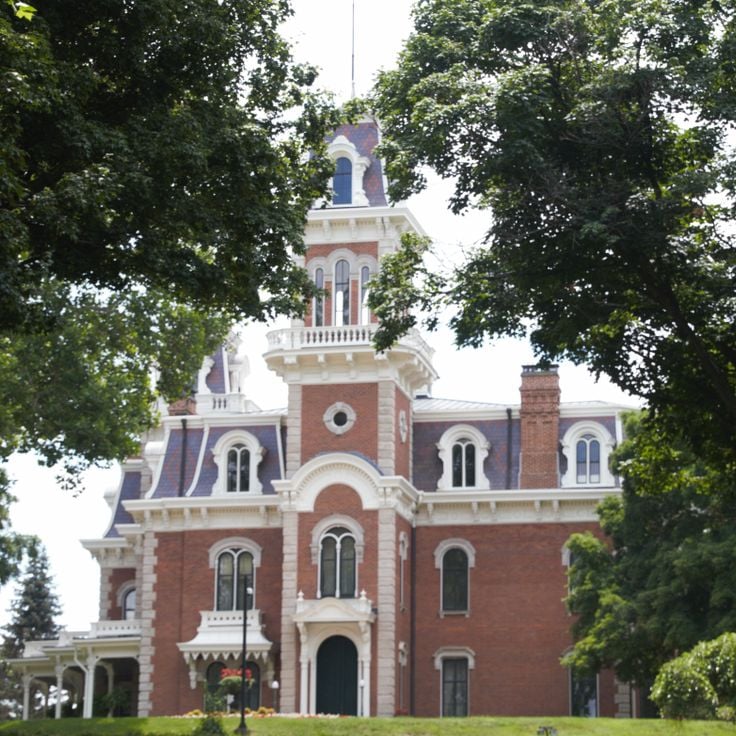
The General Dodge House in Council Bluffs is a Victorian mansion that belongs to Iowa's collection of historic sites showing how prosperous families lived in the region. The 14 restored rooms are furnished with the Dodge family's original furniture and personal belongings, offering visitors a look into the daily life and comfort of an influential family during the 1800s.
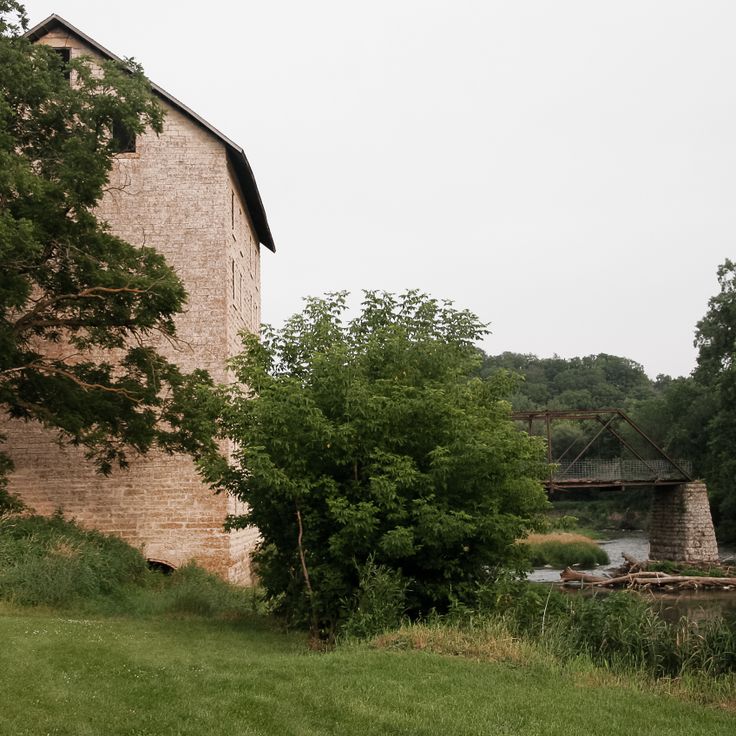
The Motor Mill Historic Site in Elkader is part of Iowa's mix of history and nature. This six-story limestone building complex sits along the Turkey River and once processed grain using the river's power to run its machinery. Visitors can explore the outbuildings and join guided tours that explain how workers lived and labored here. The site reveals how communities in Iowa developed their industries and shaped their landscape during the 1800s.
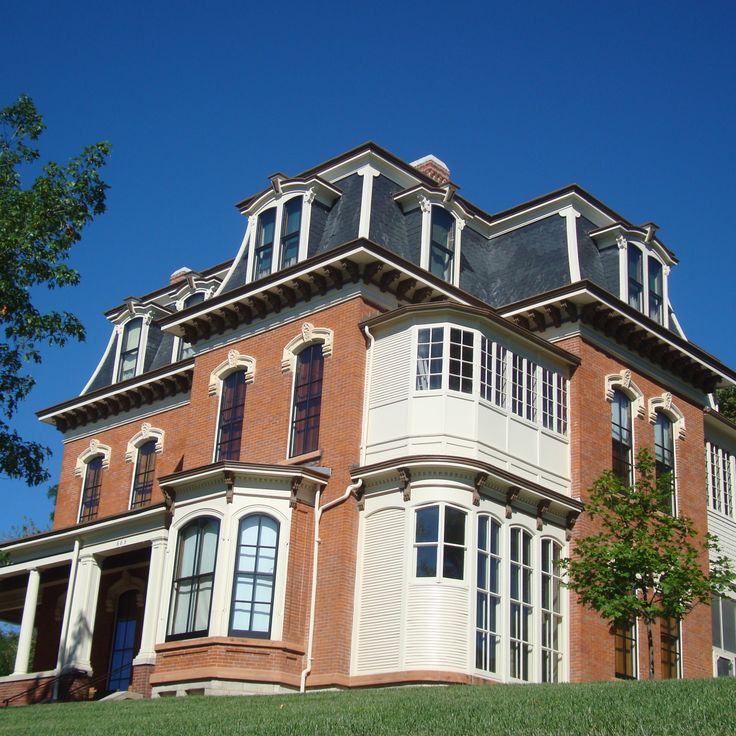
This Second Empire mansion in Des Moines serves as the official residence of Iowa's governor. The building displays the architecture and prosperity of the 19th century. Inside, you find furniture and decorations from that era, reflecting the daily life of wealthy families of the time. The construction documents the history of state leadership and offers insight into the craftsmanship of past generations. As part of Iowa's mix of historical sites and natural spaces, Terrace Hill shows how people of wealth and influence lived in the past.
The Port of Dubuque is part of Iowa's historic sites and natural spaces, showing how the city has maintained its connection to the Mississippi River. This waterfront area brings together local history museums, gaming casinos, and trails along the shore. The museums tell the story of the region's past, while the paths let visitors walk through the landscape and understand how the river shaped Dubuque's growth.
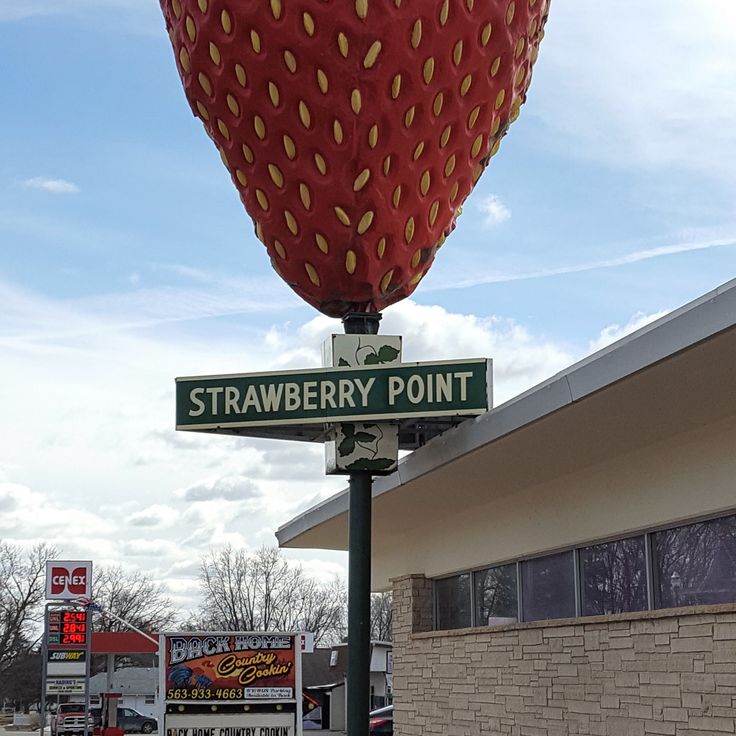
The World's Largest Strawberry is a red metal statue in Strawberry Point that fits into the collection of historic and natural sites across Iowa. This monument honors the agricultural heritage of the region and tells the story of strawberry farming in Iowa. The oversized fruit shows the pride local farmers have in their work and the importance of this crop to the town's economy and identity. Visitors come to see this quirky landmark that celebrates the connection between the community and its farming past.
The Iowa Aviation Museum in Greenfield presents the story of flight in this region and how it shaped local development. Inside, visitors can see historic aircraft, equipment, and documents spanning many decades of aviation history. The displays show different aircraft types and explain the role of Iowa's aircraft makers and pilots in the broader history of aviation. Through these exhibits, you learn how people from this area contributed to the progress of flight technology.
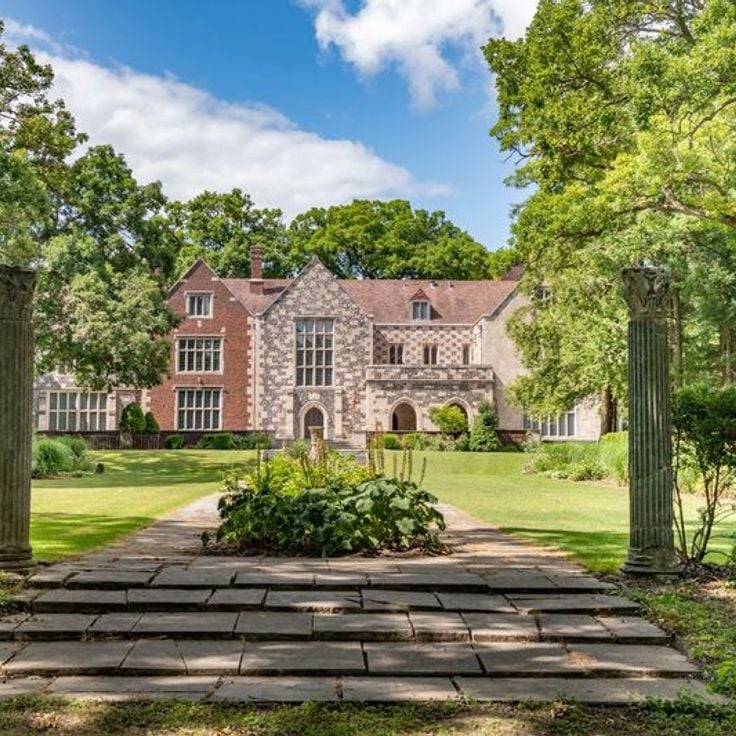
This 1920s mansion in Des Moines shows how wealthy families lived and decorated their homes in the early 20th century. The rooms are filled with artworks and furniture from different periods, reflecting the travels and interests of the owners. The formal French gardens surrounding the house invite visitors to walk through them and offer insight into the gardening practices of that era. Within the context of Iowa's collection of historic sites and natural spaces, Salisbury House demonstrates how history and family passion connect through craftsmanship and design.
The Union Pacific Railroad Museum occupies a 1903 building and displays locomotives, freight cars, and documents about Union Pacific railroad history. This museum shows how railroads shaped the development of the Midwest and what role Council Bluffs played in railroad history. Visitors can see authentic vehicles and original records that document more than a century of railroad operations. The site tells the story of the people who built this transportation network and their daily work.
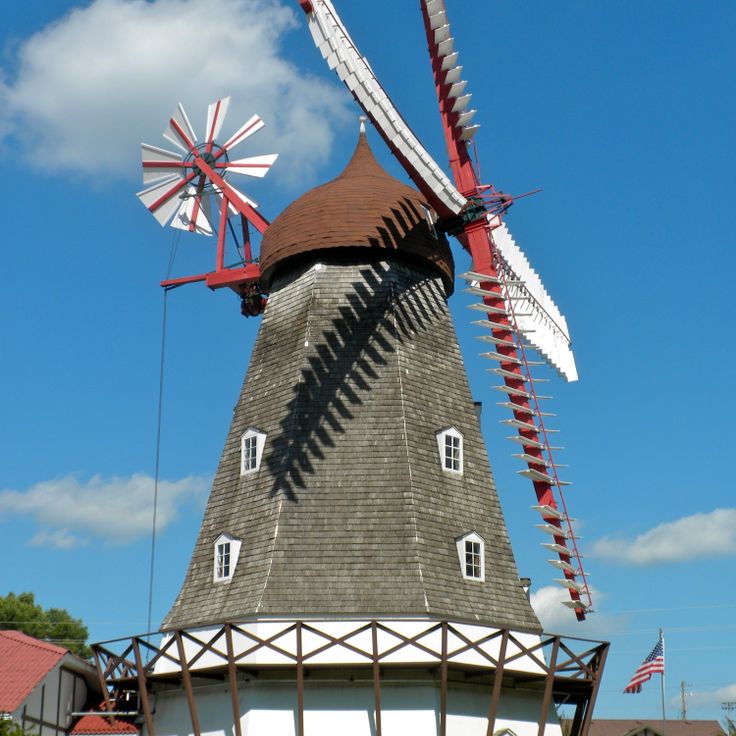
This windmill was originally built in Denmark in 1848 and later brought to Iowa, where it was reconstructed using its original components. As part of Iowa's historic sites, the mill shows how Danish immigrants brought their homeland and craft skills to the new world. The building tells the story of a community that kept its traditions alive while settling in Iowa.
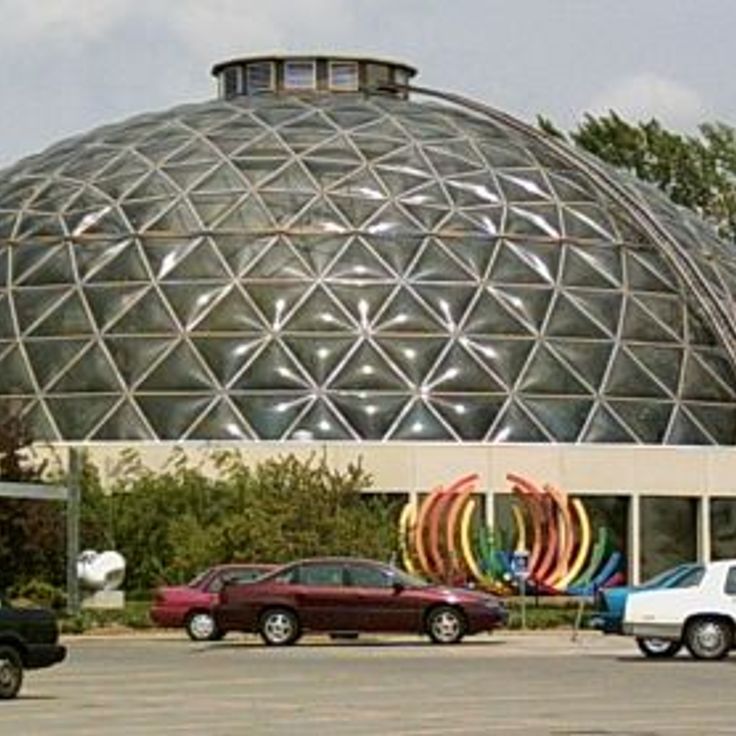
The Greater Des Moines Botanical Garden displays plants from different climates across its grounds. Greenhouses hold tropical species, while exhibition gardens showcase the diversity of plant life. This garden combines nature with learning, allowing visitors to experience plants up close and understand how they grow in various environments. Within this collection of historic sites and natural spaces in Iowa, the garden demonstrates how the region celebrates its farming heritage through cultivation and plant education.
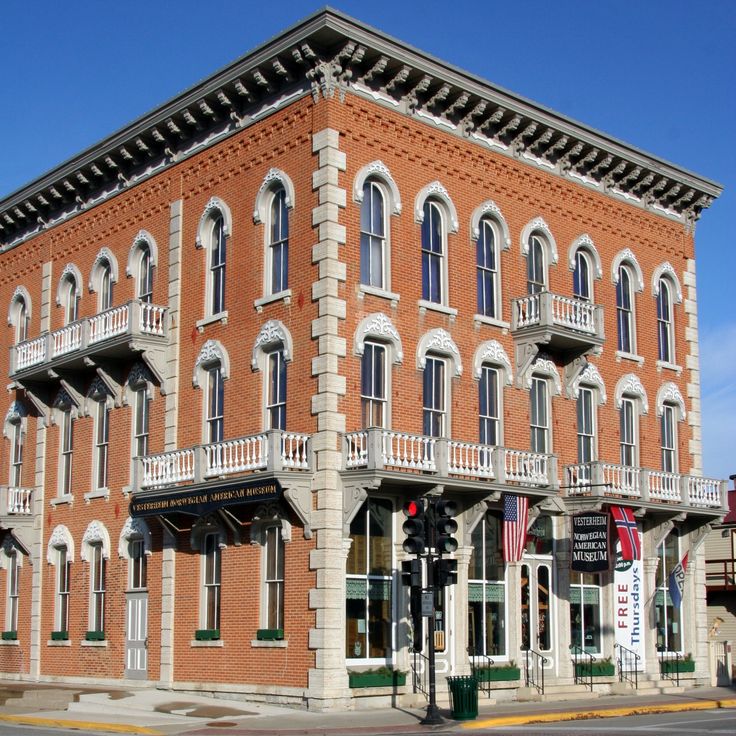
The Vesterheim Norwegian-American Museum in Decorah tells the story of Norwegian immigration to America and stands as a key part of Iowa's collection of historic sites and natural spaces. This museum holds around 33000 objects spread across 16 historic buildings. Visitors can explore the traditions, crafts, and daily life of Norwegian communities who settled here. The collections include furniture, textiles, tools, and personal items passed down through generations. Walking through these buildings, you see how Norwegian families adapted their customs and skills to their new home in Iowa while keeping their heritage alive.
The Grotto of the Redemption in West Bend is a religious site made up of nine caves decorated with minerals, gemstones, and petrified materials. Father Paul Dobberstein built this structure over many decades to illustrate scenes from the Bible. Each grotto tells a story from Christian tradition through its mineral and stone formations. This site shows how one person's faith and determination created something that draws visitors from across the region. It represents the kind of personal creativity and dedication that defines many places across Iowa.
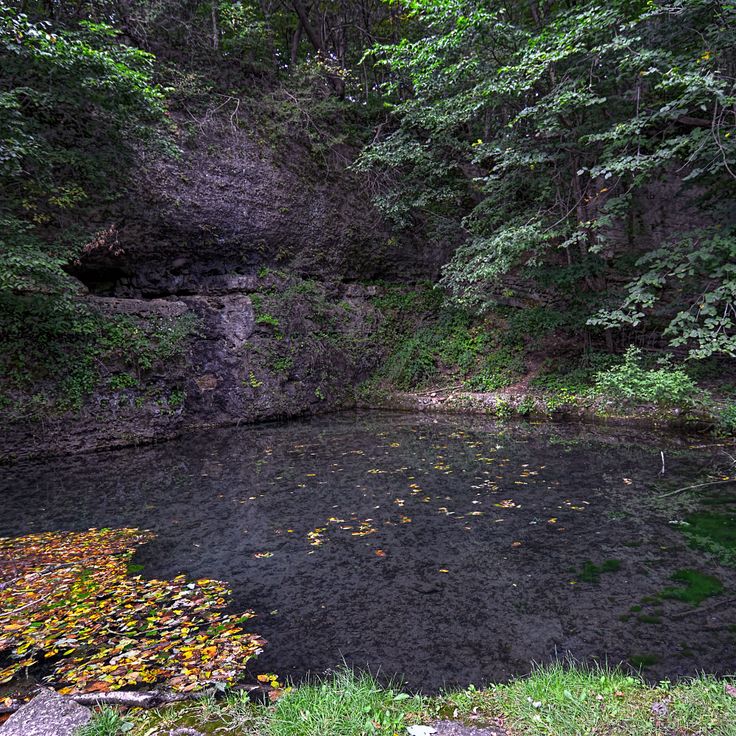
Maquoketa Caves State Park brings together the geological wonders and outdoor exploration that define this Iowa collection. Spanning about 150 acres (61 hectares), the park features more than 13 limestone caves accessible via marked trails. Visitors discover natural bridges, hiking paths of varying difficulty, and towering cliff formations. The caves developed over thousands of years as water gradually dissolved the surrounding stone. Walking through forested areas and between rock formations, you experience the natural sculpting that shaped eastern Iowa's landscape.
The bridges of Madison County in Winterset are six wooden covered structures built between 1870 and 1884 that remain an important part of Iowa's rural heritage. These structures gained widespread recognition through the novel and film The Bridges of Madison County. Each bridge displays the craftsmanship of the 19th century and reflects the engineering methods used by builders of that era. The site offers visitors a view of rural Iowa's history and the importance of these passages to early communities. Today, travelers can visit the bridges and explore the surrounding landscape shaped by the Turkey River.
The Grotto of the Redemption in West Bend is a religious site built from nine separate grottos and part of Iowa's collection of historic sites and natural spaces. Each grotto was constructed using minerals, gemstones, and rocks gathered from around the world. The site shows the dedication of one man who spent many years creating this complex structure. Visitors walk through the caves and see the sparkling stones and crystals embedded in the walls. It is a place where nature and religious faith come together in a personal way.
The High Trestle Trail Bridge is a pedestrian bridge that crosses the Des Moines River with commanding height and engineering skill. Standing 40 meters (131 feet) tall with 43 steel frames, it offers walkers a sweeping view of the valley below. Blue LED lights illuminate the steel structure at night, creating a special experience for those who walk or cycle along the trail. This bridge shows the creativity and skill of its builders and represents how Iowa honors both its history and the people who shaped the landscape.
This mansion was built in 1886 and stands as a key example of how prosperous families lived in Iowa during the late 19th century. With 26 rooms, Brucemore in Cedar Rapids tells the story of wealth and success in the region. Visitors can see the architecture and furnishings that reflect the daily life of the upper class. The house sits on spacious grounds and offers insight into a different era of Iowa's past.
Snake Alley in Burlington is an unusual street with five semicircular curves that wind up a hillside. This curved design was created to help horses and wagons navigate the steep slope. Today, visitors can walk or drive along this distinctive route to experience how early infrastructure planning solved practical problems. The street reflects the ingenuity of past generations in working with the natural landscape.
Ledges State Park in Boone County showcases Iowa's natural beauty with steep rock walls and dense woodlands along the Des Moines River. This park is part of Iowa's collection of historic sites and natural spaces where history and nature meet. Visitors can walk trails through sandstone formations and canyons, enjoy viewpoints overlooking the river landscape, and explore the geological story of how water has shaped the land over millions of years.
The Figge Art Museum in Davenport belongs to Iowa's collection of cultural places where you can learn about the country's history and creativity. The museum displays American artworks including paintings, sculptures, and photographs. You can explore works from different periods and styles, from early traditions to modern pieces. The museum helps you understand how American art has developed over time.
Backbone State Park in Delaware County spans 920 hectares and offers visitors a range of outdoor activities. The park is shaped by the North Fork of the Maquoketa River, which has carved sandstone bluffs into the landscape. Visitors can hike along 34 kilometers of marked trails, fish in the river, and try rock climbing on the park's natural rock formations. The park draws people who want to explore Iowa's natural environment and geological features. Walking through Backbone State Park shows how water and stone have shaped the land over time.
The Matchstick Marvels Center in Gladbrook displays intricate models built entirely from matchsticks. The site showcases the craftsmanship and patience of an artist who transformed these tiny materials into complex structures. Visitors can see how everyday objects like buildings, machines, and vehicles were assembled from thousands of matchsticks. This center represents the creative drive that defines people in Iowa and plays a role in the region's history. It is a place that celebrates handwork and perseverance, showing how local artists channel their interests and surroundings into their creations.
The Bily Clocks Museum in Spillville displays an extraordinary collection of wooden clocks created by brothers Frank and Joseph Bily between 1913 and 1958. Each clock is a work of art featuring detailed hand-carved sculptures that depict historical events. This museum illustrates the creativity and patience of these two craftsmen who lived in this small town. Visitors can see the care taken in every carved detail and understand how the brothers assembled these working masterpieces with great skill. It is a place that shows how handcraft passion and local traditions took shape in Iowa.
The Iowa 80 Trucking Museum in Walcott adds an important industrial dimension to this collection of historic sites and natural spaces in Iowa. The museum displays classic trucks, engines, and transportation objects that document the history of American freight transport. The exhibits show how trucking evolved over the decades and reveal the lives and work of the drivers who kept goods moving across the country.
The Roseman Bridge belongs to Iowa's collection of historic sites and natural spaces. This wooden covered bridge was built in 1883 across the Middle River in Winterset and shows the craftsmanship of 19th-century construction. Measuring 32 meters long, it is an example of the historic transportation routes that shaped Iowa. The bridge gained wider recognition through a 1995 film and today draws visitors interested in exploring the state's history.
The Fenelon Place Elevator in Dubuque is an inclined mechanical lift that travels one of the steepest grades of any cable railway system in the world. At only 90 meters in length, it connects two levels of the city and offers views of the surrounding area. This engineering accomplishment shows how builders in the past found clever solutions to navigate difficult terrain. The elevator remains a working piece of the city's history and a reminder of human ingenuity in overcoming natural obstacles.
The Reiman Gardens in Ames show how nature and learning come together. This botanical garden features different themed areas where visitors explore plants from various habitats. A butterfly house is a main attraction, where you can watch these insects in their natural setting. The gardens connect Iowa's farming heritage with a focus on horticulture and conservation, making it the largest public garden space in the state. Within this collection of Iowa's historic sites and natural spaces, the gardens demonstrate how the region values both its agricultural past and natural world.
The Vander Veer Botanical Park in Davenport welcomes visitors since 1885 with seasonal flowers, ornamental fountains, and a maintained greenhouse. Mature trees provide shade across the grounds, showing how people have cared for this place over generations. Walking through the park, you see beds of flowers that change throughout the year. This space shows Iowa's long connection to plants and the gardening skills that have shaped the region's heritage.
The Neal Smith National Wildlife Refuge in Prairie City protects a large area of prairie landscape that is part of Iowa's natural heritage. Here, bisons and elk roam alongside native plants that have grown in this region for generations. The refuge shows what the land looked like before people settled here and lets visitors walk through this restored ecosystem. Protecting these spaces helps keep Iowa's past and natural character alive.
Hitchcock Nature Center in Honey Creek invites visitors to explore the landscape and understand how it formed. The observation tower offers views across the surrounding hills, and trails wind through forests and grasslands. The museum explains the Loess hills and shows how geological forces shaped this part of Iowa. It is a place where you can walk, observe, and learn about nature.
The General Dodge House in Council Bluffs is a Victorian mansion that belongs to Iowa's collection of historic sites showing how prosperous families lived in the region. The 14 restored rooms are furnished with the Dodge family's original furniture and personal belongings, offering visitors a look into the daily life and comfort of an influential family during the 1800s.
The Motor Mill Historic Site in Elkader is part of Iowa's mix of history and nature. This six-story limestone building complex sits along the Turkey River and once processed grain using the river's power to run its machinery. Visitors can explore the outbuildings and join guided tours that explain how workers lived and labored here. The site reveals how communities in Iowa developed their industries and shaped their landscape during the 1800s.
This Second Empire mansion in Des Moines serves as the official residence of Iowa's governor. The building displays the architecture and prosperity of the 19th century. Inside, you find furniture and decorations from that era, reflecting the daily life of wealthy families of the time. The construction documents the history of state leadership and offers insight into the craftsmanship of past generations. As part of Iowa's mix of historical sites and natural spaces, Terrace Hill shows how people of wealth and influence lived in the past.
The Port of Dubuque is part of Iowa's historic sites and natural spaces, showing how the city has maintained its connection to the Mississippi River. This waterfront area brings together local history museums, gaming casinos, and trails along the shore. The museums tell the story of the region's past, while the paths let visitors walk through the landscape and understand how the river shaped Dubuque's growth.
The World's Largest Strawberry is a red metal statue in Strawberry Point that fits into the collection of historic and natural sites across Iowa. This monument honors the agricultural heritage of the region and tells the story of strawberry farming in Iowa. The oversized fruit shows the pride local farmers have in their work and the importance of this crop to the town's economy and identity. Visitors come to see this quirky landmark that celebrates the connection between the community and its farming past.
The Iowa Aviation Museum in Greenfield presents the story of flight in this region and how it shaped local development. Inside, visitors can see historic aircraft, equipment, and documents spanning many decades of aviation history. The displays show different aircraft types and explain the role of Iowa's aircraft makers and pilots in the broader history of aviation. Through these exhibits, you learn how people from this area contributed to the progress of flight technology.
This 1920s mansion in Des Moines shows how wealthy families lived and decorated their homes in the early 20th century. The rooms are filled with artworks and furniture from different periods, reflecting the travels and interests of the owners. The formal French gardens surrounding the house invite visitors to walk through them and offer insight into the gardening practices of that era. Within the context of Iowa's collection of historic sites and natural spaces, Salisbury House demonstrates how history and family passion connect through craftsmanship and design.
The Union Pacific Railroad Museum occupies a 1903 building and displays locomotives, freight cars, and documents about Union Pacific railroad history. This museum shows how railroads shaped the development of the Midwest and what role Council Bluffs played in railroad history. Visitors can see authentic vehicles and original records that document more than a century of railroad operations. The site tells the story of the people who built this transportation network and their daily work.
This windmill was originally built in Denmark in 1848 and later brought to Iowa, where it was reconstructed using its original components. As part of Iowa's historic sites, the mill shows how Danish immigrants brought their homeland and craft skills to the new world. The building tells the story of a community that kept its traditions alive while settling in Iowa.
The Greater Des Moines Botanical Garden displays plants from different climates across its grounds. Greenhouses hold tropical species, while exhibition gardens showcase the diversity of plant life. This garden combines nature with learning, allowing visitors to experience plants up close and understand how they grow in various environments. Within this collection of historic sites and natural spaces in Iowa, the garden demonstrates how the region celebrates its farming heritage through cultivation and plant education.
The Vesterheim Norwegian-American Museum in Decorah tells the story of Norwegian immigration to America and stands as a key part of Iowa's collection of historic sites and natural spaces. This museum holds around 33000 objects spread across 16 historic buildings. Visitors can explore the traditions, crafts, and daily life of Norwegian communities who settled here. The collections include furniture, textiles, tools, and personal items passed down through generations. Walking through these buildings, you see how Norwegian families adapted their customs and skills to their new home in Iowa while keeping their heritage alive.
The Grotto of the Redemption in West Bend is a religious site made up of nine caves decorated with minerals, gemstones, and petrified materials. Father Paul Dobberstein built this structure over many decades to illustrate scenes from the Bible. Each grotto tells a story from Christian tradition through its mineral and stone formations. This site shows how one person's faith and determination created something that draws visitors from across the region. It represents the kind of personal creativity and dedication that defines many places across Iowa.
Maquoketa Caves State Park brings together the geological wonders and outdoor exploration that define this Iowa collection. Spanning about 150 acres (61 hectares), the park features more than 13 limestone caves accessible via marked trails. Visitors discover natural bridges, hiking paths of varying difficulty, and towering cliff formations. The caves developed over thousands of years as water gradually dissolved the surrounding stone. Walking through forested areas and between rock formations, you experience the natural sculpting that shaped eastern Iowa's landscape.
The bridges of Madison County in Winterset are six wooden covered structures built between 1870 and 1884 that remain an important part of Iowa's rural heritage. These structures gained widespread recognition through the novel and film The Bridges of Madison County. Each bridge displays the craftsmanship of the 19th century and reflects the engineering methods used by builders of that era. The site offers visitors a view of rural Iowa's history and the importance of these passages to early communities. Today, travelers can visit the bridges and explore the surrounding landscape shaped by the Turkey River.
The Grotto of the Redemption in West Bend is a religious site built from nine separate grottos and part of Iowa's collection of historic sites and natural spaces. Each grotto was constructed using minerals, gemstones, and rocks gathered from around the world. The site shows the dedication of one man who spent many years creating this complex structure. Visitors walk through the caves and see the sparkling stones and crystals embedded in the walls. It is a place where nature and religious faith come together in a personal way.
The High Trestle Trail Bridge is a pedestrian bridge that crosses the Des Moines River with commanding height and engineering skill. Standing 40 meters (131 feet) tall with 43 steel frames, it offers walkers a sweeping view of the valley below. Blue LED lights illuminate the steel structure at night, creating a special experience for those who walk or cycle along the trail. This bridge shows the creativity and skill of its builders and represents how Iowa honors both its history and the people who shaped the landscape.
This mansion was built in 1886 and stands as a key example of how prosperous families lived in Iowa during the late 19th century. With 26 rooms, Brucemore in Cedar Rapids tells the story of wealth and success in the region. Visitors can see the architecture and furnishings that reflect the daily life of the upper class. The house sits on spacious grounds and offers insight into a different era of Iowa's past.
Snake Alley in Burlington is an unusual street with five semicircular curves that wind up a hillside. This curved design was created to help horses and wagons navigate the steep slope. Today, visitors can walk or drive along this distinctive route to experience how early infrastructure planning solved practical problems. The street reflects the ingenuity of past generations in working with the natural landscape.
Ledges State Park in Boone County showcases Iowa's natural beauty with steep rock walls and dense woodlands along the Des Moines River. This park is part of Iowa's collection of historic sites and natural spaces where history and nature meet. Visitors can walk trails through sandstone formations and canyons, enjoy viewpoints overlooking the river landscape, and explore the geological story of how water has shaped the land over millions of years.
The Figge Art Museum in Davenport belongs to Iowa's collection of cultural places where you can learn about the country's history and creativity. The museum displays American artworks including paintings, sculptures, and photographs. You can explore works from different periods and styles, from early traditions to modern pieces. The museum helps you understand how American art has developed over time.
Backbone State Park in Delaware County spans 920 hectares and offers visitors a range of outdoor activities. The park is shaped by the North Fork of the Maquoketa River, which has carved sandstone bluffs into the landscape. Visitors can hike along 34 kilometers of marked trails, fish in the river, and try rock climbing on the park's natural rock formations. The park draws people who want to explore Iowa's natural environment and geological features. Walking through Backbone State Park shows how water and stone have shaped the land over time.
The Matchstick Marvels Center in Gladbrook displays intricate models built entirely from matchsticks. The site showcases the craftsmanship and patience of an artist who transformed these tiny materials into complex structures. Visitors can see how everyday objects like buildings, machines, and vehicles were assembled from thousands of matchsticks. This center represents the creative drive that defines people in Iowa and plays a role in the region's history. It is a place that celebrates handwork and perseverance, showing how local artists channel their interests and surroundings into their creations.
The Bily Clocks Museum in Spillville displays an extraordinary collection of wooden clocks created by brothers Frank and Joseph Bily between 1913 and 1958. Each clock is a work of art featuring detailed hand-carved sculptures that depict historical events. This museum illustrates the creativity and patience of these two craftsmen who lived in this small town. Visitors can see the care taken in every carved detail and understand how the brothers assembled these working masterpieces with great skill. It is a place that shows how handcraft passion and local traditions took shape in Iowa.
The Iowa 80 Trucking Museum in Walcott adds an important industrial dimension to this collection of historic sites and natural spaces in Iowa. The museum displays classic trucks, engines, and transportation objects that document the history of American freight transport. The exhibits show how trucking evolved over the decades and reveal the lives and work of the drivers who kept goods moving across the country.
The Roseman Bridge belongs to Iowa's collection of historic sites and natural spaces. This wooden covered bridge was built in 1883 across the Middle River in Winterset and shows the craftsmanship of 19th-century construction. Measuring 32 meters long, it is an example of the historic transportation routes that shaped Iowa. The bridge gained wider recognition through a 1995 film and today draws visitors interested in exploring the state's history.
The Fenelon Place Elevator in Dubuque is an inclined mechanical lift that travels one of the steepest grades of any cable railway system in the world. At only 90 meters in length, it connects two levels of the city and offers views of the surrounding area. This engineering accomplishment shows how builders in the past found clever solutions to navigate difficult terrain. The elevator remains a working piece of the city's history and a reminder of human ingenuity in overcoming natural obstacles.
The Reiman Gardens in Ames show how nature and learning come together. This botanical garden features different themed areas where visitors explore plants from various habitats. A butterfly house is a main attraction, where you can watch these insects in their natural setting. The gardens connect Iowa's farming heritage with a focus on horticulture and conservation, making it the largest public garden space in the state. Within this collection of Iowa's historic sites and natural spaces, the gardens demonstrate how the region values both its agricultural past and natural world.
The Vander Veer Botanical Park in Davenport welcomes visitors since 1885 with seasonal flowers, ornamental fountains, and a maintained greenhouse. Mature trees provide shade across the grounds, showing how people have cared for this place over generations. Walking through the park, you see beds of flowers that change throughout the year. This space shows Iowa's long connection to plants and the gardening skills that have shaped the region's heritage.
The Neal Smith National Wildlife Refuge in Prairie City protects a large area of prairie landscape that is part of Iowa's natural heritage. Here, bisons and elk roam alongside native plants that have grown in this region for generations. The refuge shows what the land looked like before people settled here and lets visitors walk through this restored ecosystem. Protecting these spaces helps keep Iowa's past and natural character alive.
Hitchcock Nature Center in Honey Creek invites visitors to explore the landscape and understand how it formed. The observation tower offers views across the surrounding hills, and trails wind through forests and grasslands. The museum explains the Loess hills and shows how geological forces shaped this part of Iowa. It is a place where you can walk, observe, and learn about nature.
The General Dodge House in Council Bluffs is a Victorian mansion that belongs to Iowa's collection of historic sites showing how prosperous families lived in the region. The 14 restored rooms are furnished with the Dodge family's original furniture and personal belongings, offering visitors a look into the daily life and comfort of an influential family during the 1800s.
The Motor Mill Historic Site in Elkader is part of Iowa's mix of history and nature. This six-story limestone building complex sits along the Turkey River and once processed grain using the river's power to run its machinery. Visitors can explore the outbuildings and join guided tours that explain how workers lived and labored here. The site reveals how communities in Iowa developed their industries and shaped their landscape during the 1800s.
This Second Empire mansion in Des Moines serves as the official residence of Iowa's governor. The building displays the architecture and prosperity of the 19th century. Inside, you find furniture and decorations from that era, reflecting the daily life of wealthy families of the time. The construction documents the history of state leadership and offers insight into the craftsmanship of past generations. As part of Iowa's mix of historical sites and natural spaces, Terrace Hill shows how people of wealth and influence lived in the past.
The Port of Dubuque is part of Iowa's historic sites and natural spaces, showing how the city has maintained its connection to the Mississippi River. This waterfront area brings together local history museums, gaming casinos, and trails along the shore. The museums tell the story of the region's past, while the paths let visitors walk through the landscape and understand how the river shaped Dubuque's growth.
The World's Largest Strawberry is a red metal statue in Strawberry Point that fits into the collection of historic and natural sites across Iowa. This monument honors the agricultural heritage of the region and tells the story of strawberry farming in Iowa. The oversized fruit shows the pride local farmers have in their work and the importance of this crop to the town's economy and identity. Visitors come to see this quirky landmark that celebrates the connection between the community and its farming past.
The Iowa Aviation Museum in Greenfield presents the story of flight in this region and how it shaped local development. Inside, visitors can see historic aircraft, equipment, and documents spanning many decades of aviation history. The displays show different aircraft types and explain the role of Iowa's aircraft makers and pilots in the broader history of aviation. Through these exhibits, you learn how people from this area contributed to the progress of flight technology.
This 1920s mansion in Des Moines shows how wealthy families lived and decorated their homes in the early 20th century. The rooms are filled with artworks and furniture from different periods, reflecting the travels and interests of the owners. The formal French gardens surrounding the house invite visitors to walk through them and offer insight into the gardening practices of that era. Within the context of Iowa's collection of historic sites and natural spaces, Salisbury House demonstrates how history and family passion connect through craftsmanship and design.
The Union Pacific Railroad Museum occupies a 1903 building and displays locomotives, freight cars, and documents about Union Pacific railroad history. This museum shows how railroads shaped the development of the Midwest and what role Council Bluffs played in railroad history. Visitors can see authentic vehicles and original records that document more than a century of railroad operations. The site tells the story of the people who built this transportation network and their daily work.
This windmill was originally built in Denmark in 1848 and later brought to Iowa, where it was reconstructed using its original components. As part of Iowa's historic sites, the mill shows how Danish immigrants brought their homeland and craft skills to the new world. The building tells the story of a community that kept its traditions alive while settling in Iowa.
The Greater Des Moines Botanical Garden displays plants from different climates across its grounds. Greenhouses hold tropical species, while exhibition gardens showcase the diversity of plant life. This garden combines nature with learning, allowing visitors to experience plants up close and understand how they grow in various environments. Within this collection of historic sites and natural spaces in Iowa, the garden demonstrates how the region celebrates its farming heritage through cultivation and plant education.
The Vesterheim Norwegian-American Museum in Decorah tells the story of Norwegian immigration to America and stands as a key part of Iowa's collection of historic sites and natural spaces. This museum holds around 33000 objects spread across 16 historic buildings. Visitors can explore the traditions, crafts, and daily life of Norwegian communities who settled here. The collections include furniture, textiles, tools, and personal items passed down through generations. Walking through these buildings, you see how Norwegian families adapted their customs and skills to their new home in Iowa while keeping their heritage alive.
The Grotto of the Redemption in West Bend is a religious site made up of nine caves decorated with minerals, gemstones, and petrified materials. Father Paul Dobberstein built this structure over many decades to illustrate scenes from the Bible. Each grotto tells a story from Christian tradition through its mineral and stone formations. This site shows how one person's faith and determination created something that draws visitors from across the region. It represents the kind of personal creativity and dedication that defines many places across Iowa.
Maquoketa Caves State Park brings together the geological wonders and outdoor exploration that define this Iowa collection. Spanning about 150 acres (61 hectares), the park features more than 13 limestone caves accessible via marked trails. Visitors discover natural bridges, hiking paths of varying difficulty, and towering cliff formations. The caves developed over thousands of years as water gradually dissolved the surrounding stone. Walking through forested areas and between rock formations, you experience the natural sculpting that shaped eastern Iowa's landscape.
The bridges of Madison County in Winterset are six wooden covered structures built between 1870 and 1884 that remain an important part of Iowa's rural heritage. These structures gained widespread recognition through the novel and film The Bridges of Madison County. Each bridge displays the craftsmanship of the 19th century and reflects the engineering methods used by builders of that era. The site offers visitors a view of rural Iowa's history and the importance of these passages to early communities. Today, travelers can visit the bridges and explore the surrounding landscape shaped by the Turkey River.