Between river, parks, theaters, and farmers' markets, Des Moines offers experiences to enjoy alone or with family.
Des Moines, the capital of Iowa, brings together history, culture, and nature in one city. The State Capitol stands out with its golden dome, while art museums, historical museums, and galleries share the city with botanical gardens, a zoo, and neighborhood parks. The downtown area comes alive with theaters, restaurants, and breweries. Local farmers markets and shops give you a sense of how people here spend their time.
This collection shows where visitors and residents gather. The Des Moines Art Center and State Historical Museum hold works and stories worth seeing. Family spots like Blank Park Zoo and Greater Des Moines Botanical Garden offer different kinds of experience. Parks along the Des Moines River—including Gray's Lake Park and the river trails—are places where you walk and watch the water. The East Village has smaller galleries and shops mixed in with restaurants.
For live entertainment, the Civic Center and theaters host performances and sports. The Pappajohn Sculpture Park lets you walk among artworks outdoors. The Iowa State Fairgrounds, Court Avenue, and the Downtown Farmers' Market show you where the community gathers. Between museums, parks, river trails, and local food and drink spots, Des Moines offers many ways to spend a day or weekend.
Between river, parks, theaters, and farmers' markets, Des Moines offers experiences to enjoy alone or with family.
Des Moines, the capital of Iowa, brings together history, culture, and nature in one city. The State Capitol stands out with its golden dome, while art museums, historical museums, and galleries share the city with botanical gardens, a zoo, and neighborhood parks. The downtown area comes alive with theaters, restaurants, and breweries. Local farmers markets and shops give you a sense of how people here spend their time.
This collection shows where visitors and residents gather. The Des Moines Art Center and State Historical Museum hold works and stories worth seeing. Family spots like Blank Park Zoo and Greater Des Moines Botanical Garden offer different kinds of experience. Parks along the Des Moines River—including Gray's Lake Park and the river trails—are places where you walk and watch the water. The East Village has smaller galleries and shops mixed in with restaurants.
For live entertainment, the Civic Center and theaters host performances and sports. The Pappajohn Sculpture Park lets you walk among artworks outdoors. The Iowa State Fairgrounds, Court Avenue, and the Downtown Farmers' Market show you where the community gathers. Between museums, parks, river trails, and local food and drink spots, Des Moines offers many ways to spend a day or weekend.
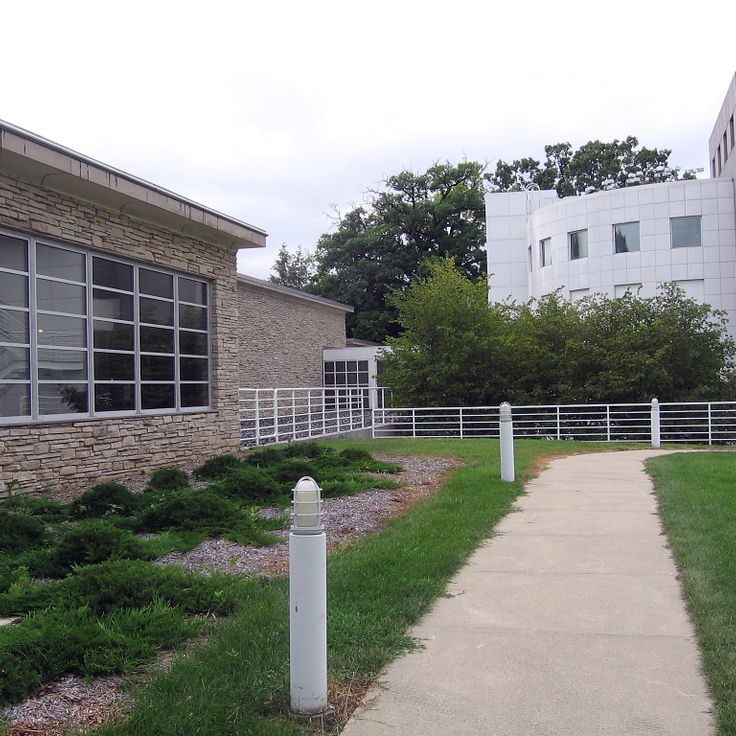
The Des Moines Art Center displays artworks from different periods and styles. The collection features paintings by renowned artists and rotating exhibitions shown throughout the year. This museum is an important place for art lovers in Iowa's capital and offers insight into international art history.
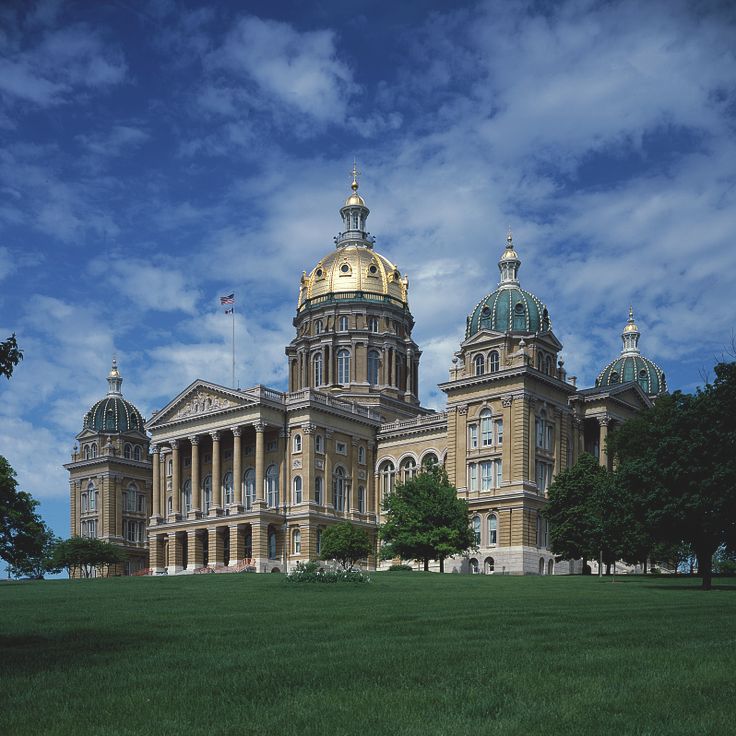
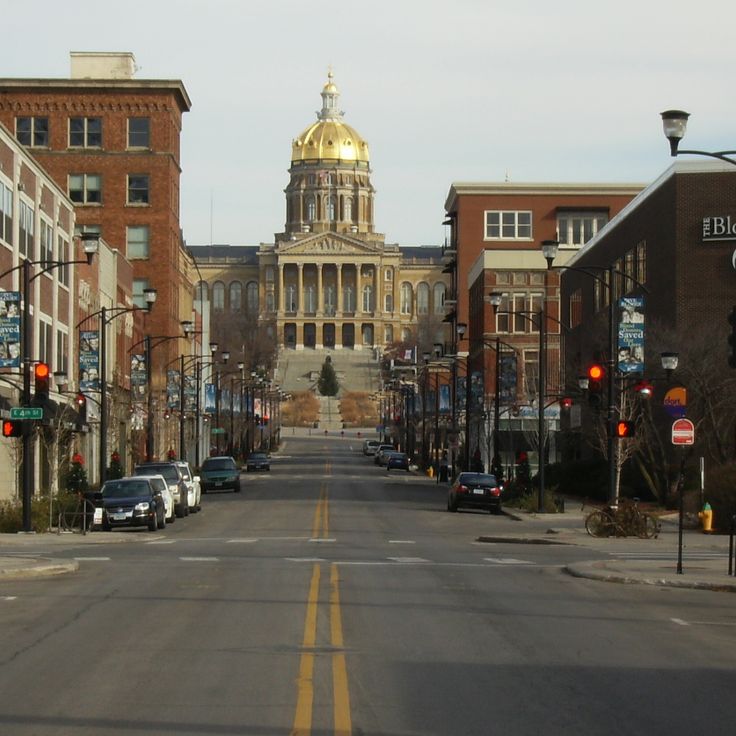
The Iowa State Capitol is the government building of Des Moines, completed in 1871. Its most distinctive feature is the central dome covered in 23-karat gold leaf. Inside, the legislative chambers showcase painted ceilings. This building stands in the heart of downtown, which also contains theaters, stadiums, and trails that run along the river.
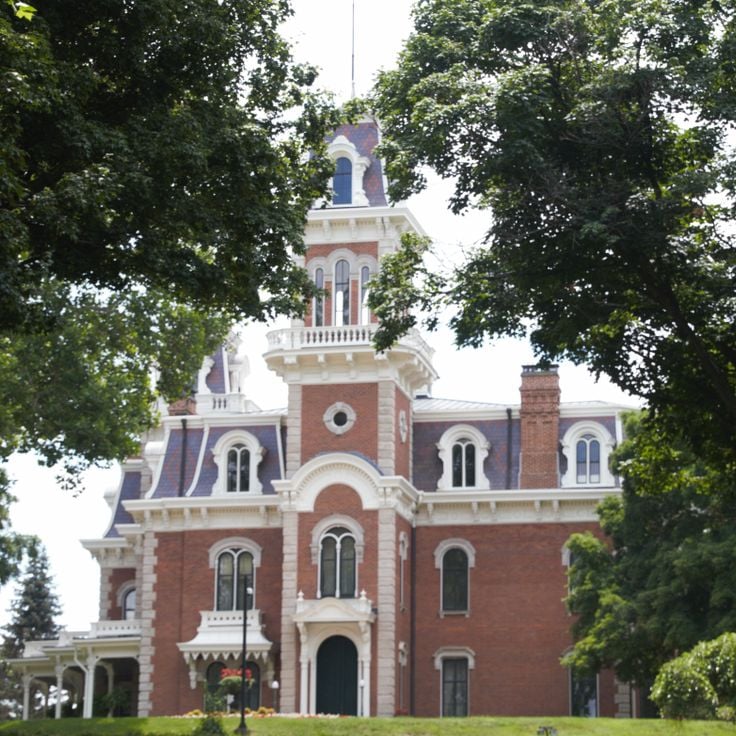
The Hoyt Sherman Place is a theater and art gallery housed in an 1877 mansion built by Major Hoyt Sherman. The building displays period furniture and continues to host regular performances and exhibitions. It serves as a cultural venue in Des Moines, contributing to the city's offerings of museums, galleries, and cultural centers alongside its Capitol, parks, and riverfront trails.
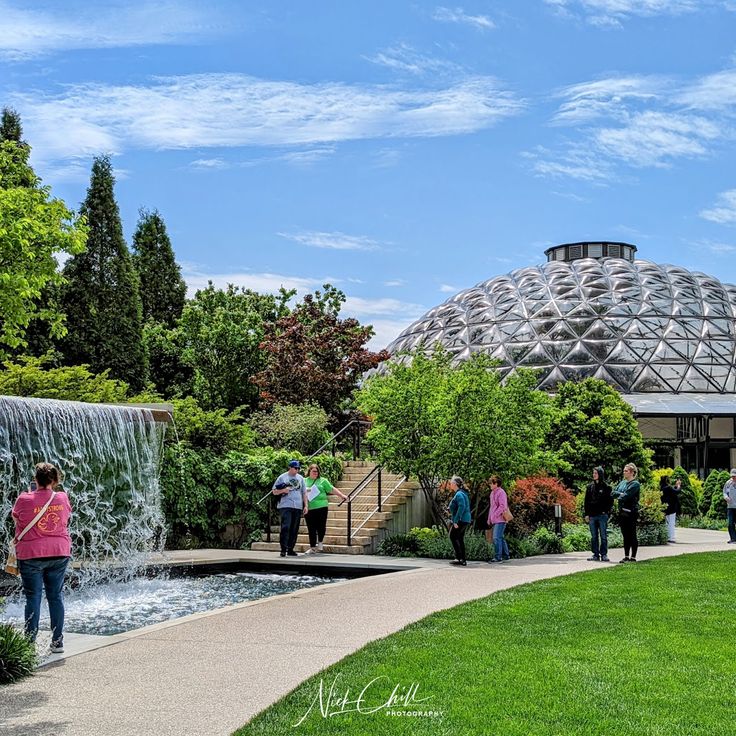
The Greater Des Moines Botanical Garden is a 70-acre park that forms part of the capital's diverse offerings as visitors explore Des Moines and its surrounding areas. Tropical greenhouses, water gardens, and collections of local plants create spaces to wander through. An educational center on the grounds offers activities for people of all ages.
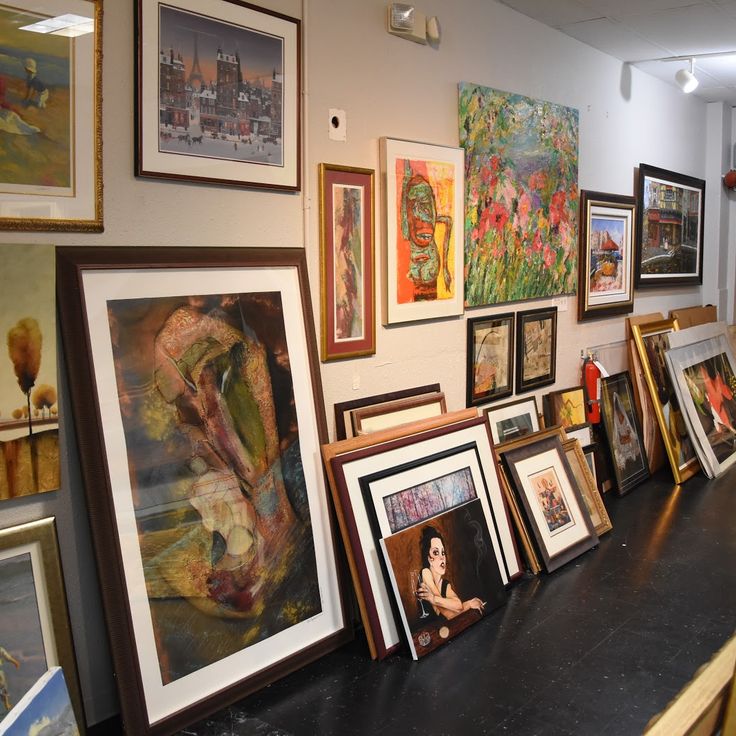
The Kavanaugh Art Gallery is a two-story gallery in West Des Moines displaying contemporary artwork from international artists. As you explore Des Moines and its surrounding areas, you will find this space shows paintings, sculptures, and photographs available for purchase. It complements the art museums and contemporary galleries that define Iowa's capital.
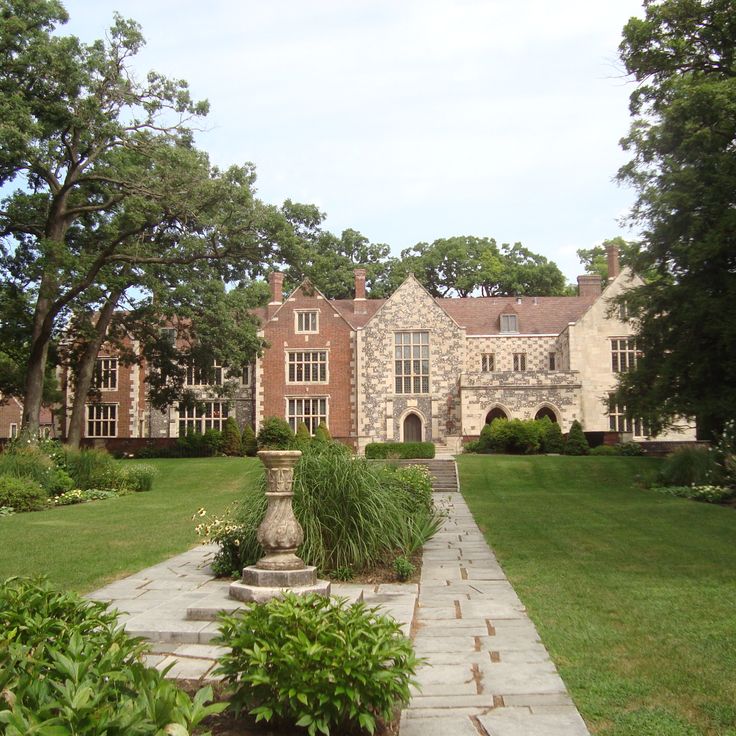
The Salisbury House is a Victorian residence from 1901 and part of Des Moines' cultural offerings. This house retains its original furnishings and provides insight into early 20th century living. The grounds feature flower gardens and mature trees planted over a century ago as part of the capital's network of historic homes and cultural attractions.
The State Historical Museum in Des Moines documents Iowa's history from pre-colonial times to the present day. The museum features exhibits about agriculture, industry, and everyday life. It is part of Des Moines' cultural offerings, which include art and history museums, parks, and historic downtown areas that give visitors insight into the region's past and present.
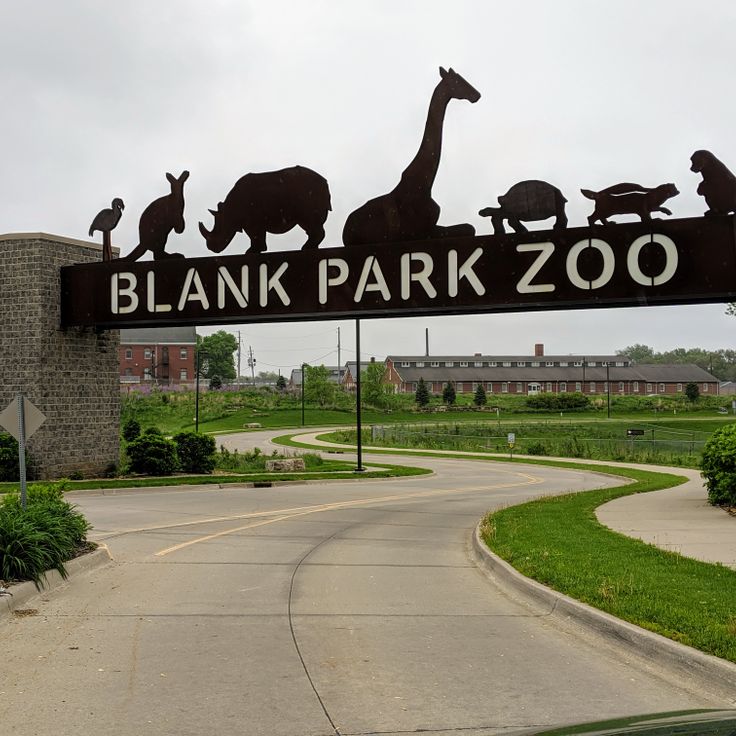
Blank Park Zoo in Des Moines is a 50-acre facility home to over 800 animals, including tigers, lions, giraffes, and penguins. The zoo features a play area for children and serves as part of Iowa's capital, where art museums, botanical gardens, and parks create a variety of ways to spend time outdoors and learn about wildlife.
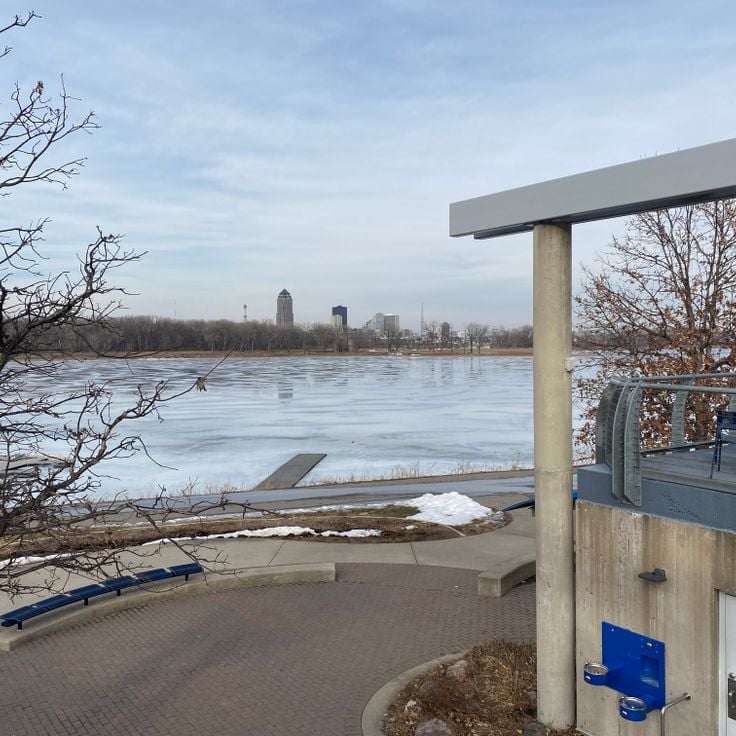
Gray's Lake Park is a public park in Des Moines that serves as one of the city's outdoor spaces for visitors to explore. The park features a lake, paved paths for walking and biking, picnic areas, and a beach. Here, residents and visitors can spend time in nature and experience the landscape that surrounds the capital of Iowa.
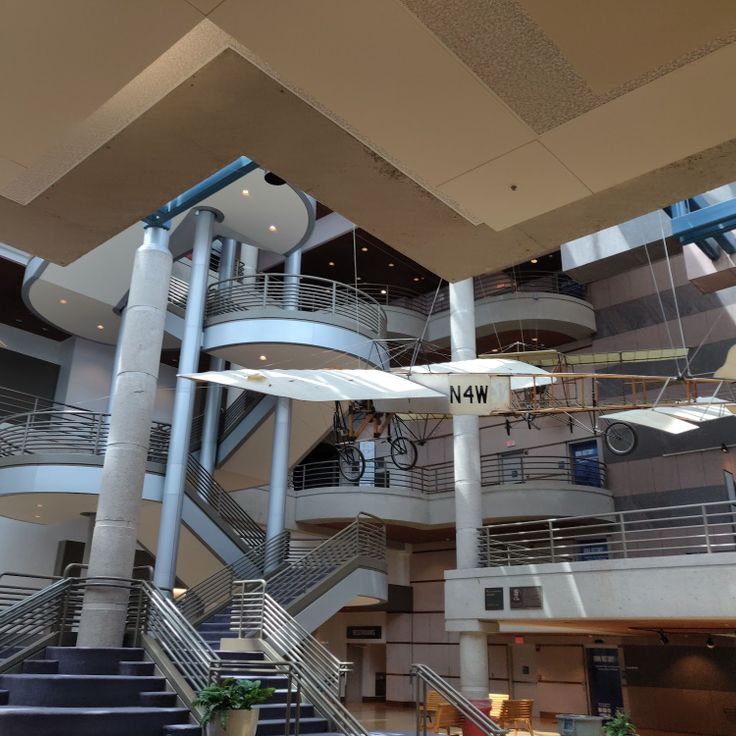
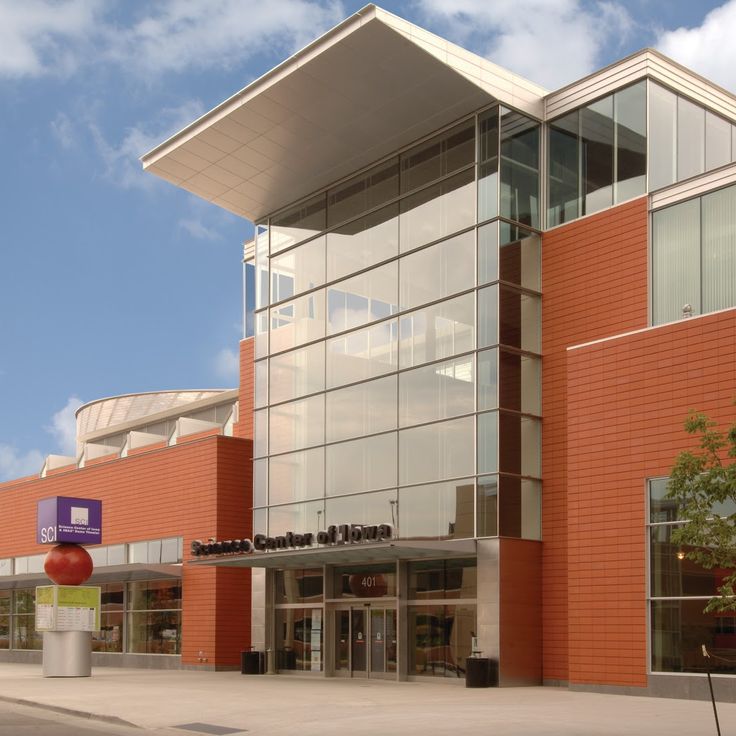
The Science Center of Iowa in Des Moines offers hands-on learning about science and technology for visitors of all ages. The center features interactive exhibits, a planetarium, and an IMAX theater where guests can explore natural and technological phenomena firsthand. This museum complements your visit to Iowa's capital with opportunities to discover how the world works through direct experience.
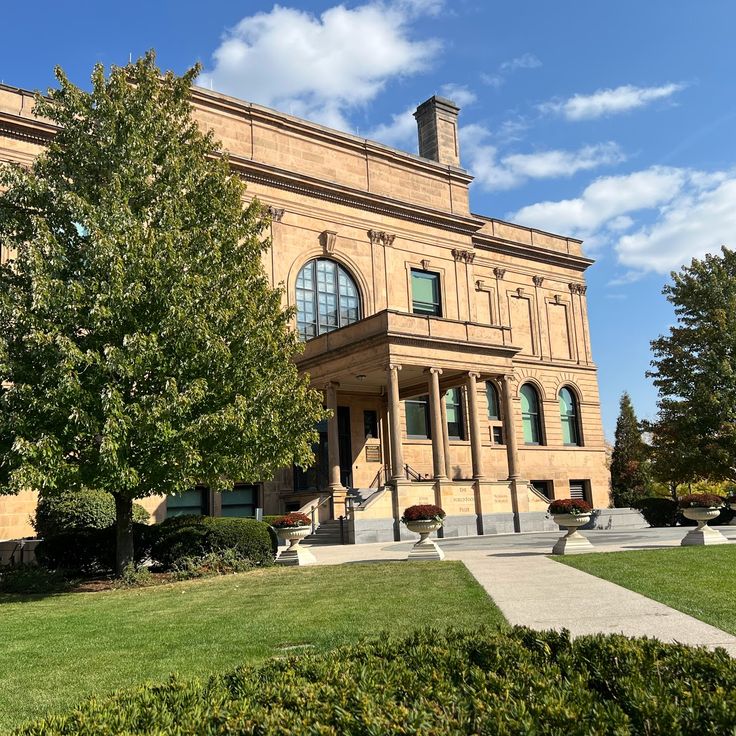
The World Food Prize Hall of Laureates in Des Moines is a museum housed in a 1903 building. It features exhibitions on agriculture, food security, and advancements in global agricultural production. This museum is part of Des Moines' cultural and educational offerings, helping visitors understand the importance of farming and food systems worldwide.
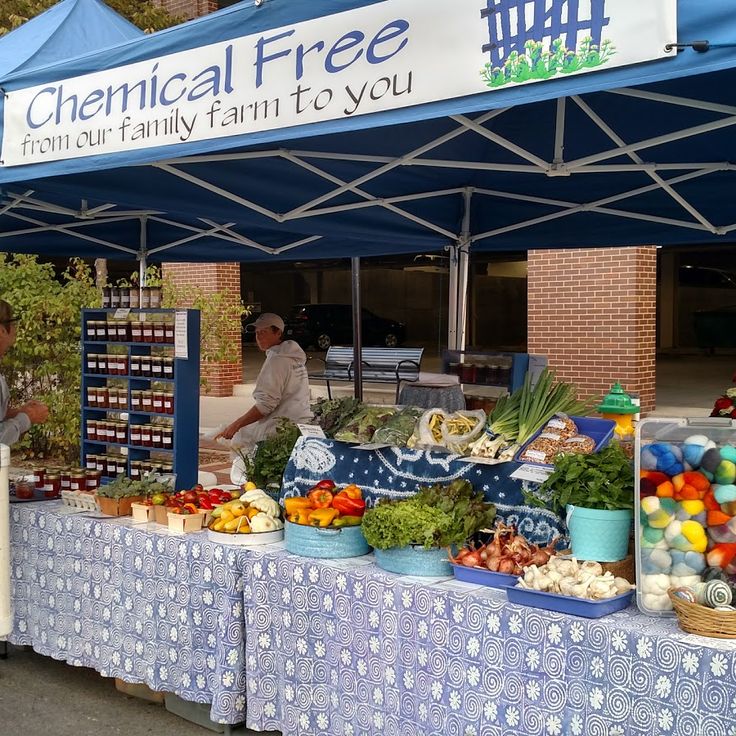
The Downtown Farmers' Market in Des Moines is an outdoor market held from May to October, bringing together over 300 vendors of agricultural products, food, and crafts from Iowa. As part of the cultural life in Iowa's capital, this market offers visitors the chance to discover local produce and explore the range of regional handmade goods and food traditions.
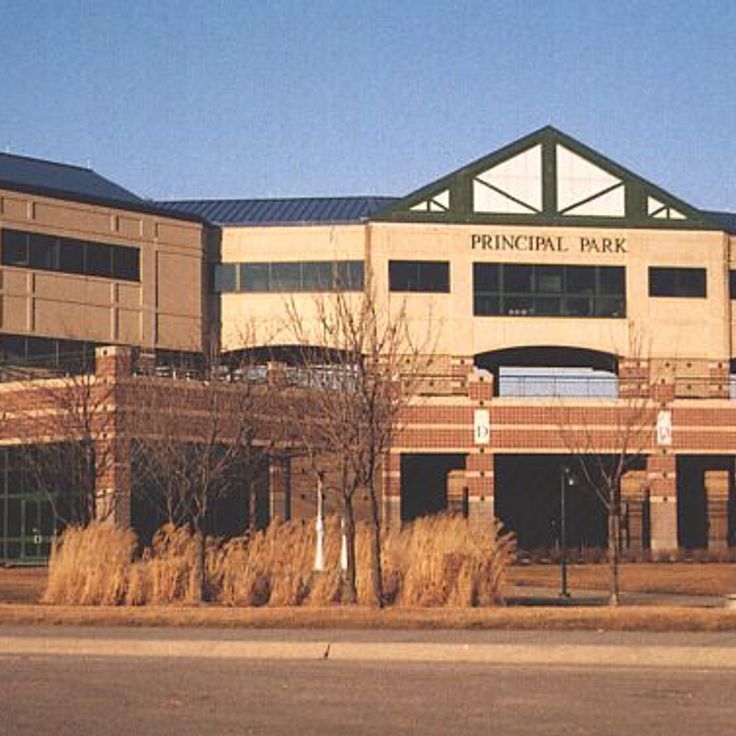
Principal Park is a baseball stadium in Des Moines, home to the Iowa Cubs team. Located where the Des Moines River and Raccoon River meet, this stadium serves as a gathering place for sports fans visiting the capital of Iowa, which also features museums, parks, and cultural venues along its waterways.
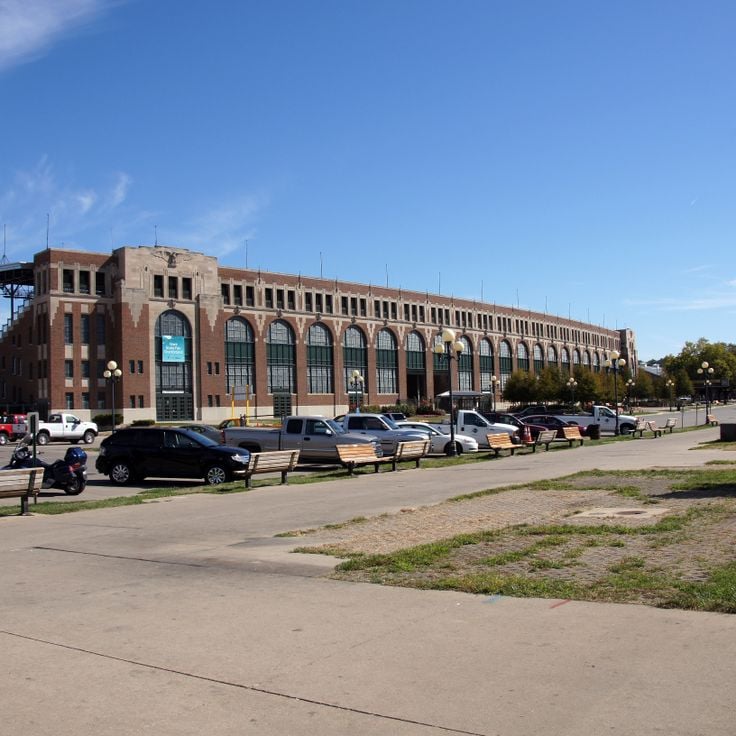
The Iowa State Fairgrounds serve as a central gathering place in Des Moines, hosting exhibitions, trade shows, and public events throughout the year. This 175-acre complex plays an important role in the region's event culture, drawing visitors from across Iowa and beyond for conventions, festivals, and celebrations.
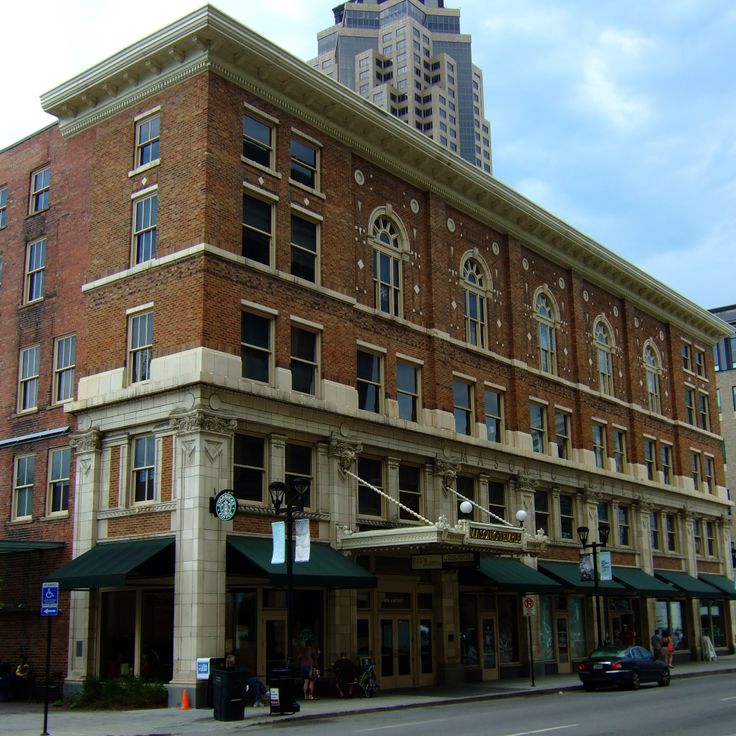
The East Village is a shopping and residential district in downtown Des Moines that serves as a destination when exploring Iowa's capital. The neighborhood features renovated 19th-century buildings housing independent shops, art galleries, and local restaurants that define its character and draw visitors seeking authentic urban exploration.
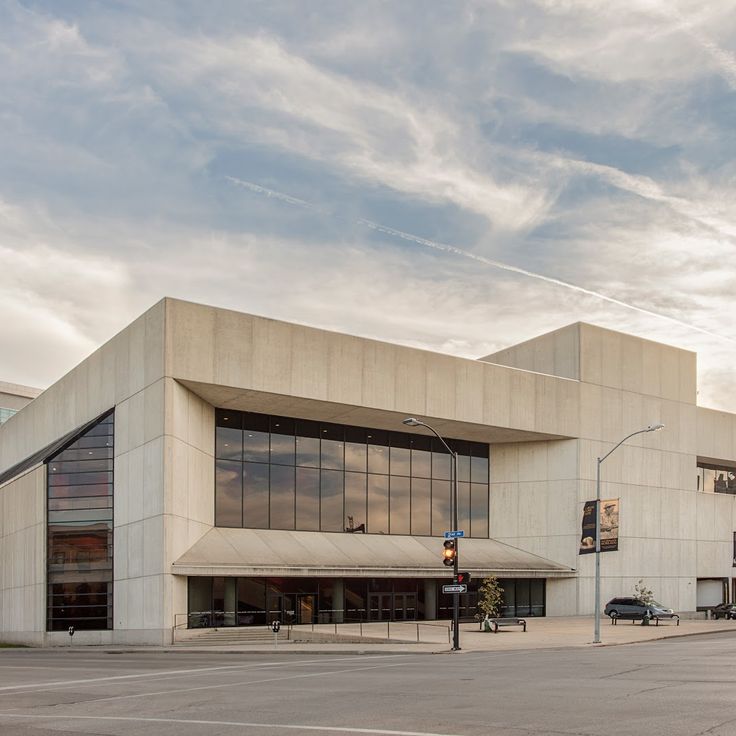
The Des Moines Civic Center is a municipal entertainment venue in Des Moines that hosts shows, plays, exhibitions, and sports events throughout the year. As part of the capital of Iowa's cultural landscape, this center contributes to the region's arts and entertainment scene.
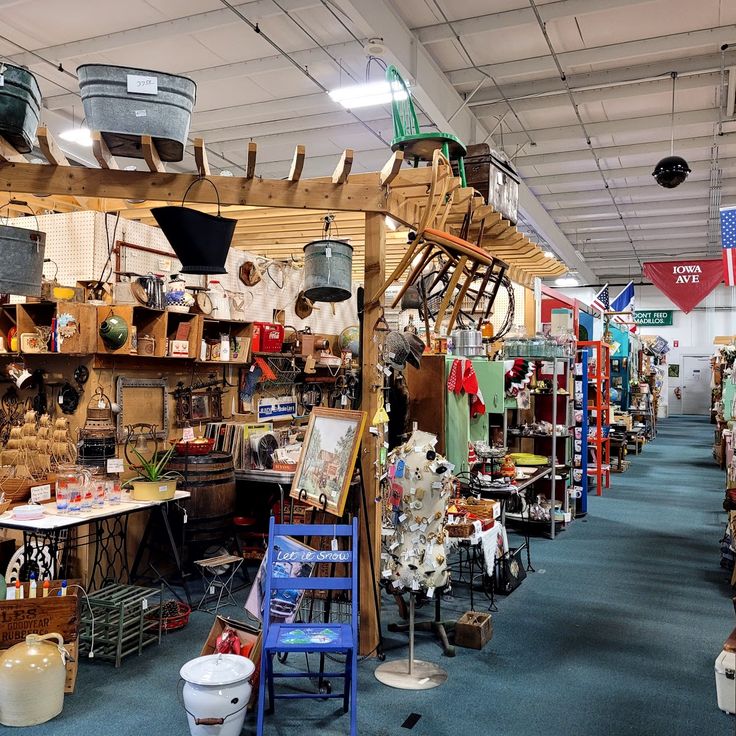
The Brass Armadillo Antique Mall is a large indoor commercial space in Des Moines where over 450 vendors sell antiques, collectibles, and vintage furniture. This place complements your exploration of Iowa's capital, offering a different way to discover the past compared to the formal museums and galleries elsewhere in the city.
The Pappajohn Sculpture Park in Des Moines displays contemporary sculptures by established artists across an open-air setting. Visitors walk among modern artworks and installations in the downtown area, experiencing art as part of the urban landscape. The park complements Des Moines's art museums and galleries, making it a key destination for those exploring the capital's cultural offerings.
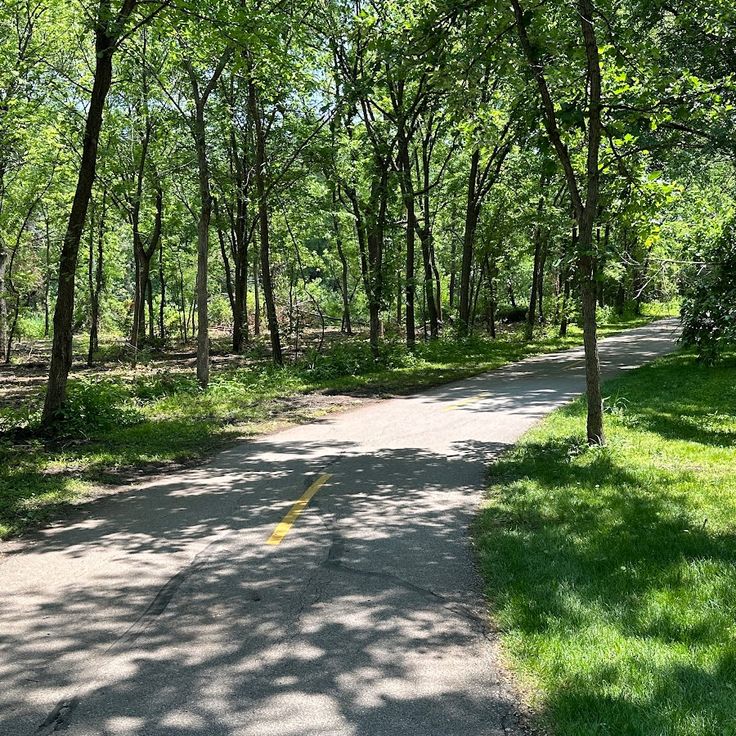
The Clive Greenbelt Trail runs along Walnut Creek through the western neighborhoods of Des Moines, linking parks and residential areas along the way. The path is open to walkers and cyclists alike. It offers a chance to move through green spaces at a slower pace, away from city traffic, in a setting that locals use regularly for their daily walks and bike rides.
This four-story warehouse in Des Moines gathers reclaimed architectural pieces and restored furnishings from older buildings across the region. Walking through the rooms, you will see doors, windows, ornamental details, and furniture that once belonged to historical structures. Each item tells a story from the past. As part of exploring Des Moines and its surrounding areas, this salvage operation connects visitors with the material history of Iowa's buildings and crafts.
Terrace Hill is a mansion built in 1869 on a hilltop in Des Moines and serves as the official residence of Iowa's governor. Within the context of a capital city known for its golden-domed Capitol, museums, and parks, this house welcomes visitors on guided tours through its interiors, offering a look at period architecture and furnishings from the late 1800s.
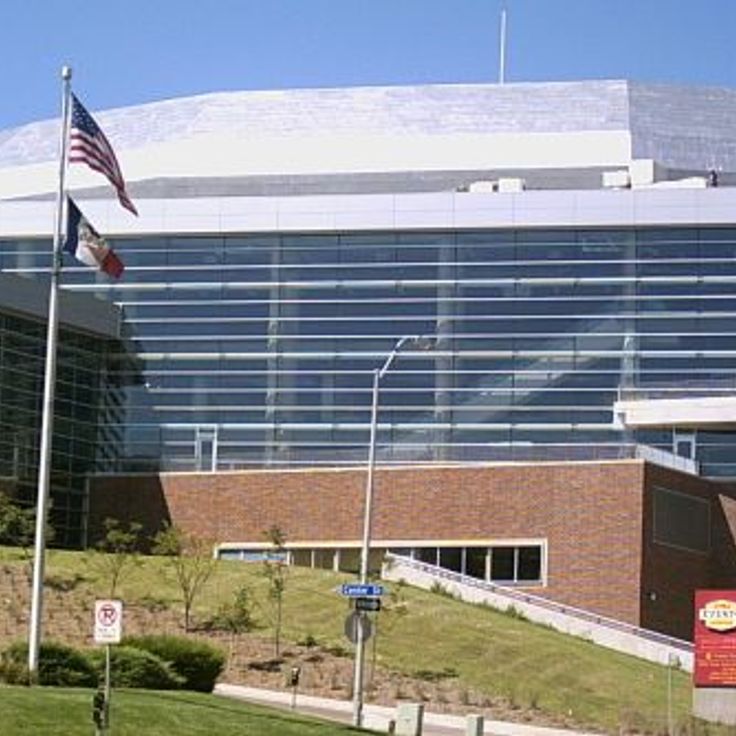
The Wells Fargo Arena in Des Moines is a building with 16000 seats that has hosted hockey and basketball games since 2005, along with concerts. As a key place in the capital of Iowa, this arena is one of the main spots for entertainment where visitors can enjoy sports and music events alongside the city's museums, botanical gardens, and art galleries.
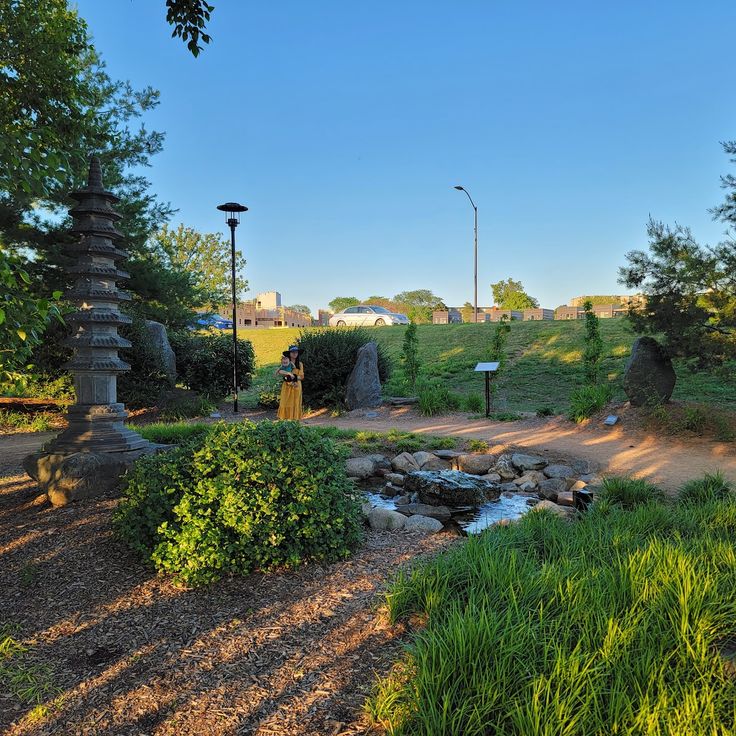
The Robert D. Ray Asian Gardens is a landscaped space in Des Moines that showcases Chinese design elements. The gardens feature a red bridge, a pagoda, stone lanterns, and a koi pond. This garden complements Des Moines' cultural offerings, including museums, botanical gardens, and art galleries.
Court Avenue is a central street in Des Moines that serves as the focal point of the business district. The street features buildings from the early 1900s alongside restaurants and shops, contributing to the heart of the historic downtown where visitors and locals gather to experience the city's character.
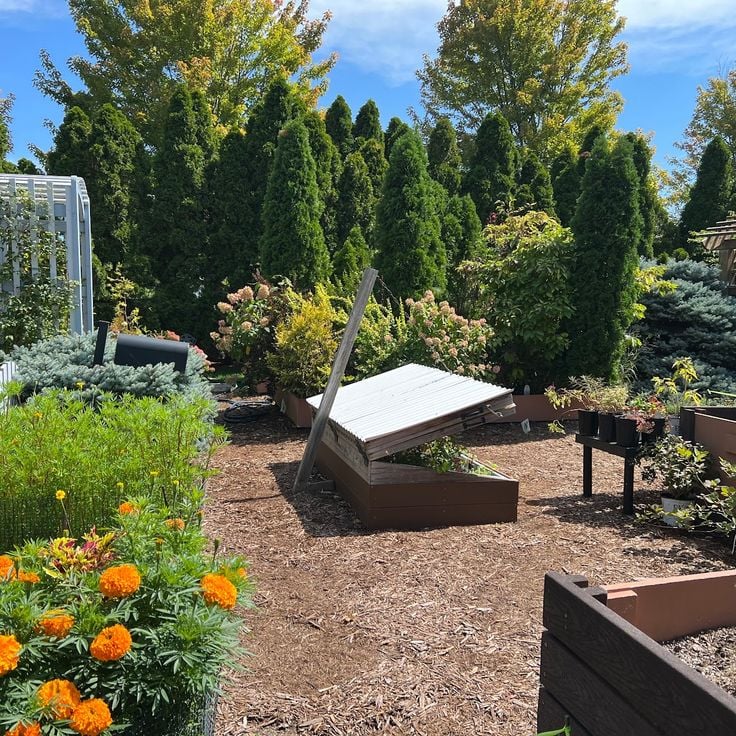
The Better Homes and Gardens Test Garden is a two-acre green space in Des Moines where the magazine tests and photographs flower arrangements for its publications. This garden is part of the cultural and green spaces that define Iowa's capital, where visitors can also explore the golden-domed Capitol, museums, botanical gardens, and urban parks.
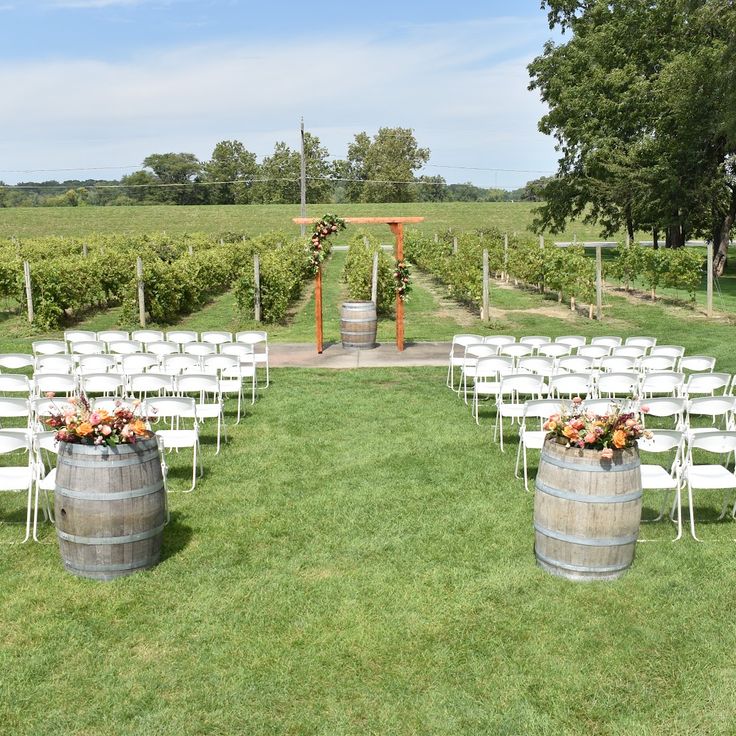
Jasper Winery in Des Moines is a vineyard producing local wines on a two-acre property. The winery has a tasting room where visitors can sample the wines and an event space for gatherings. As part of the broader cultural and agricultural landscape of Des Moines, the winery complements the city's art museums, botanical gardens, parks, and local markets.
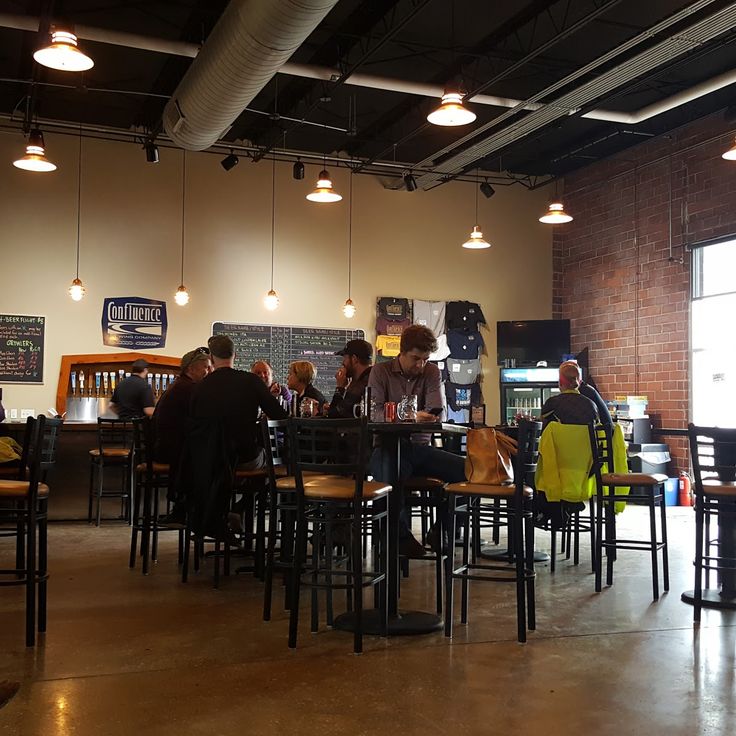
Confluence Brewery is a craft beer producer in Des Moines that adds to what the city offers when heading to Iowa and its surrounding areas. You can taste handcrafted beers, join guided tours, and enjoy drinks on-site in the tasting room. The brewery shows how local craft and culture are alive in Des Moines.
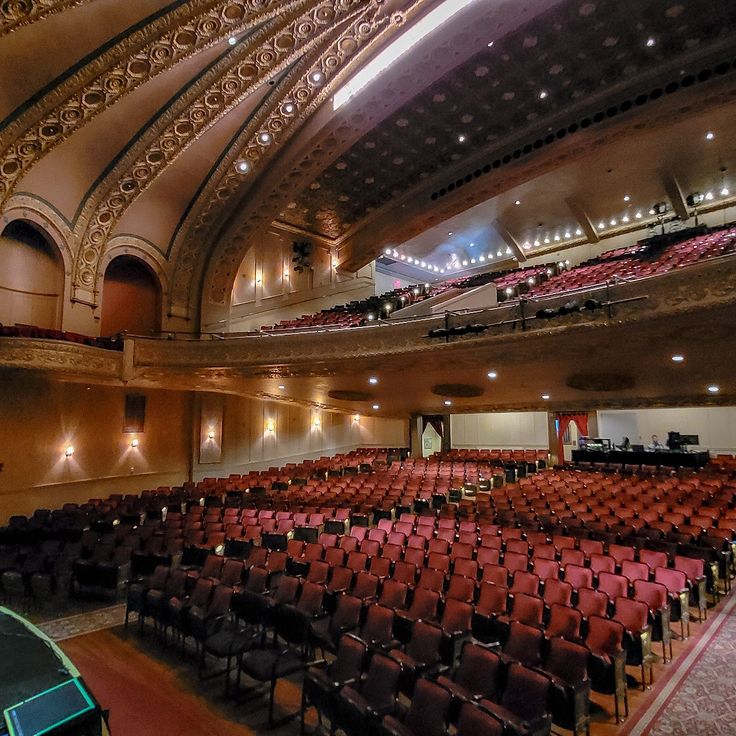
The Temple for the Performing Arts is a cultural center in Des Moines built in 1918 that contributes to the city's arts scene. Throughout the year, it hosts concerts, plays, and lectures for audiences of all kinds. This venue is part of Des Moines' broader cultural offerings, which also include museums, galleries, and theaters that shape the capital of Iowa.
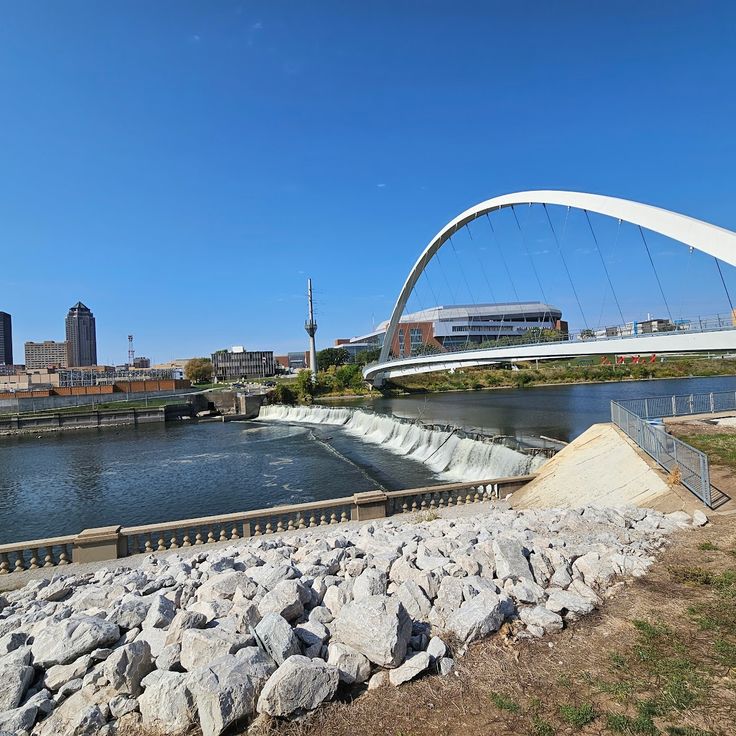
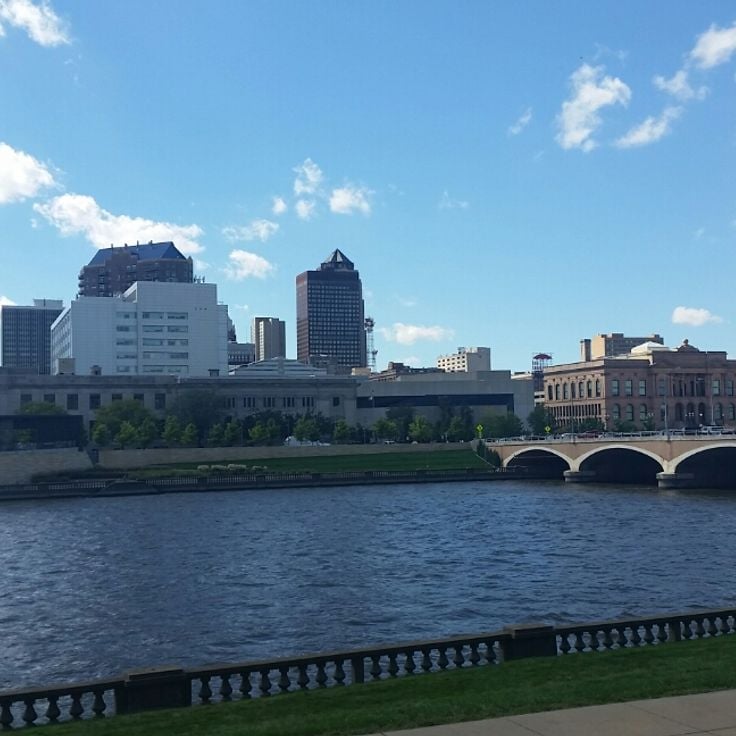
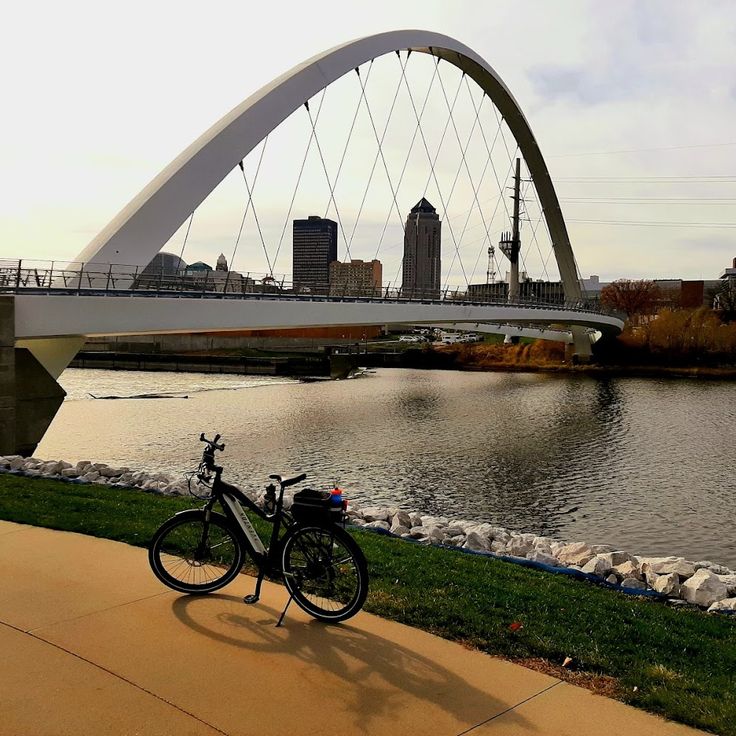
Rotary Riverwalk Park is a recreational area along the water in Des Moines, offering paved paths for biking, benches, and spots to observe the river. It fits naturally into a trip to Iowa, where you can combine outdoor activities with the city's attractions like the golden-domed Capitol, art and history museums, and local cultural centers.
The Saylorville Trail is a 16-mile route through nature for bikes and pedestrians, running along the Des Moines River to the reservoir. As part of Des Moines, this trail offers a retreat from city life and connects you with the local landscape. You can walk or ride through green spaces and enjoy views of water and trees throughout your journey.
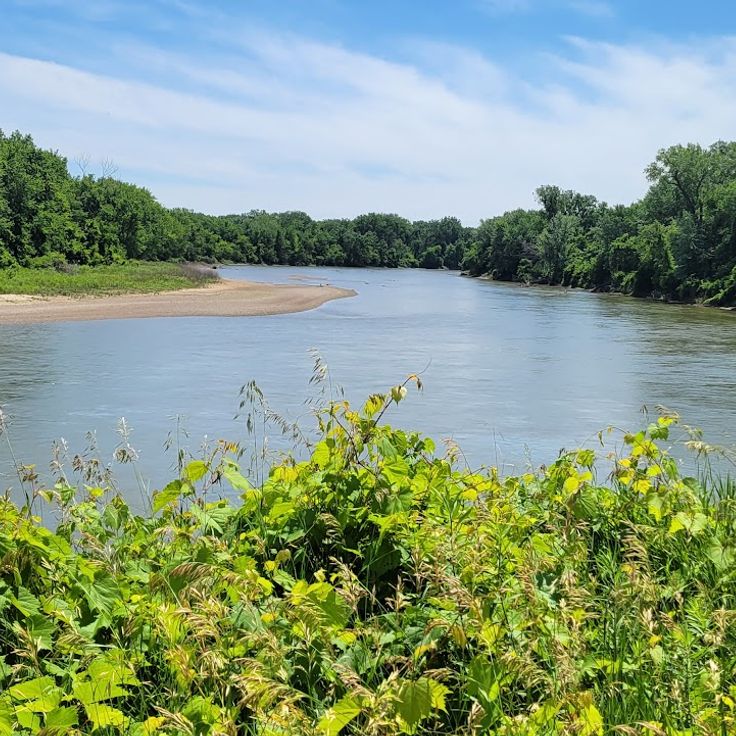
The Des Moines River Trail is a key part of exploring Des Moines and its surrounding areas. This 1.5-mile paved walking path follows the curves and bends of the river, connecting several parks throughout the city. Along the way, you will find spots for watching wildlife and observing nature. The path is flat and easy to walk, making it perfect for a leisurely stroll or light walk through the heart of the capital.
The Des Moines Art Center displays artworks from different periods and styles. The collection features paintings by renowned artists and rotating exhibitions shown throughout the year. This museum is an important place for art lovers in Iowa's capital and offers insight into international art history.
The Iowa State Capitol is the government building of Des Moines, completed in 1871. Its most distinctive feature is the central dome covered in 23-karat gold leaf. Inside, the legislative chambers showcase painted ceilings. This building stands in the heart of downtown, which also contains theaters, stadiums, and trails that run along the river.
The Hoyt Sherman Place is a theater and art gallery housed in an 1877 mansion built by Major Hoyt Sherman. The building displays period furniture and continues to host regular performances and exhibitions. It serves as a cultural venue in Des Moines, contributing to the city's offerings of museums, galleries, and cultural centers alongside its Capitol, parks, and riverfront trails.
The Greater Des Moines Botanical Garden is a 70-acre park that forms part of the capital's diverse offerings as visitors explore Des Moines and its surrounding areas. Tropical greenhouses, water gardens, and collections of local plants create spaces to wander through. An educational center on the grounds offers activities for people of all ages.
The Kavanaugh Art Gallery is a two-story gallery in West Des Moines displaying contemporary artwork from international artists. As you explore Des Moines and its surrounding areas, you will find this space shows paintings, sculptures, and photographs available for purchase. It complements the art museums and contemporary galleries that define Iowa's capital.
The Salisbury House is a Victorian residence from 1901 and part of Des Moines' cultural offerings. This house retains its original furnishings and provides insight into early 20th century living. The grounds feature flower gardens and mature trees planted over a century ago as part of the capital's network of historic homes and cultural attractions.
The State Historical Museum in Des Moines documents Iowa's history from pre-colonial times to the present day. The museum features exhibits about agriculture, industry, and everyday life. It is part of Des Moines' cultural offerings, which include art and history museums, parks, and historic downtown areas that give visitors insight into the region's past and present.
Blank Park Zoo in Des Moines is a 50-acre facility home to over 800 animals, including tigers, lions, giraffes, and penguins. The zoo features a play area for children and serves as part of Iowa's capital, where art museums, botanical gardens, and parks create a variety of ways to spend time outdoors and learn about wildlife.
Gray's Lake Park is a public park in Des Moines that serves as one of the city's outdoor spaces for visitors to explore. The park features a lake, paved paths for walking and biking, picnic areas, and a beach. Here, residents and visitors can spend time in nature and experience the landscape that surrounds the capital of Iowa.
The Science Center of Iowa in Des Moines offers hands-on learning about science and technology for visitors of all ages. The center features interactive exhibits, a planetarium, and an IMAX theater where guests can explore natural and technological phenomena firsthand. This museum complements your visit to Iowa's capital with opportunities to discover how the world works through direct experience.
The World Food Prize Hall of Laureates in Des Moines is a museum housed in a 1903 building. It features exhibitions on agriculture, food security, and advancements in global agricultural production. This museum is part of Des Moines' cultural and educational offerings, helping visitors understand the importance of farming and food systems worldwide.
The Downtown Farmers' Market in Des Moines is an outdoor market held from May to October, bringing together over 300 vendors of agricultural products, food, and crafts from Iowa. As part of the cultural life in Iowa's capital, this market offers visitors the chance to discover local produce and explore the range of regional handmade goods and food traditions.
Principal Park is a baseball stadium in Des Moines, home to the Iowa Cubs team. Located where the Des Moines River and Raccoon River meet, this stadium serves as a gathering place for sports fans visiting the capital of Iowa, which also features museums, parks, and cultural venues along its waterways.
The Iowa State Fairgrounds serve as a central gathering place in Des Moines, hosting exhibitions, trade shows, and public events throughout the year. This 175-acre complex plays an important role in the region's event culture, drawing visitors from across Iowa and beyond for conventions, festivals, and celebrations.
The East Village is a shopping and residential district in downtown Des Moines that serves as a destination when exploring Iowa's capital. The neighborhood features renovated 19th-century buildings housing independent shops, art galleries, and local restaurants that define its character and draw visitors seeking authentic urban exploration.
The Des Moines Civic Center is a municipal entertainment venue in Des Moines that hosts shows, plays, exhibitions, and sports events throughout the year. As part of the capital of Iowa's cultural landscape, this center contributes to the region's arts and entertainment scene.
The Brass Armadillo Antique Mall is a large indoor commercial space in Des Moines where over 450 vendors sell antiques, collectibles, and vintage furniture. This place complements your exploration of Iowa's capital, offering a different way to discover the past compared to the formal museums and galleries elsewhere in the city.
The Pappajohn Sculpture Park in Des Moines displays contemporary sculptures by established artists across an open-air setting. Visitors walk among modern artworks and installations in the downtown area, experiencing art as part of the urban landscape. The park complements Des Moines's art museums and galleries, making it a key destination for those exploring the capital's cultural offerings.
The Clive Greenbelt Trail runs along Walnut Creek through the western neighborhoods of Des Moines, linking parks and residential areas along the way. The path is open to walkers and cyclists alike. It offers a chance to move through green spaces at a slower pace, away from city traffic, in a setting that locals use regularly for their daily walks and bike rides.
This four-story warehouse in Des Moines gathers reclaimed architectural pieces and restored furnishings from older buildings across the region. Walking through the rooms, you will see doors, windows, ornamental details, and furniture that once belonged to historical structures. Each item tells a story from the past. As part of exploring Des Moines and its surrounding areas, this salvage operation connects visitors with the material history of Iowa's buildings and crafts.
Terrace Hill is a mansion built in 1869 on a hilltop in Des Moines and serves as the official residence of Iowa's governor. Within the context of a capital city known for its golden-domed Capitol, museums, and parks, this house welcomes visitors on guided tours through its interiors, offering a look at period architecture and furnishings from the late 1800s.
The Wells Fargo Arena in Des Moines is a building with 16000 seats that has hosted hockey and basketball games since 2005, along with concerts. As a key place in the capital of Iowa, this arena is one of the main spots for entertainment where visitors can enjoy sports and music events alongside the city's museums, botanical gardens, and art galleries.
The Robert D. Ray Asian Gardens is a landscaped space in Des Moines that showcases Chinese design elements. The gardens feature a red bridge, a pagoda, stone lanterns, and a koi pond. This garden complements Des Moines' cultural offerings, including museums, botanical gardens, and art galleries.
Court Avenue is a central street in Des Moines that serves as the focal point of the business district. The street features buildings from the early 1900s alongside restaurants and shops, contributing to the heart of the historic downtown where visitors and locals gather to experience the city's character.
The Better Homes and Gardens Test Garden is a two-acre green space in Des Moines where the magazine tests and photographs flower arrangements for its publications. This garden is part of the cultural and green spaces that define Iowa's capital, where visitors can also explore the golden-domed Capitol, museums, botanical gardens, and urban parks.
Jasper Winery in Des Moines is a vineyard producing local wines on a two-acre property. The winery has a tasting room where visitors can sample the wines and an event space for gatherings. As part of the broader cultural and agricultural landscape of Des Moines, the winery complements the city's art museums, botanical gardens, parks, and local markets.
Confluence Brewery is a craft beer producer in Des Moines that adds to what the city offers when heading to Iowa and its surrounding areas. You can taste handcrafted beers, join guided tours, and enjoy drinks on-site in the tasting room. The brewery shows how local craft and culture are alive in Des Moines.
The Temple for the Performing Arts is a cultural center in Des Moines built in 1918 that contributes to the city's arts scene. Throughout the year, it hosts concerts, plays, and lectures for audiences of all kinds. This venue is part of Des Moines' broader cultural offerings, which also include museums, galleries, and theaters that shape the capital of Iowa.
Rotary Riverwalk Park is a recreational area along the water in Des Moines, offering paved paths for biking, benches, and spots to observe the river. It fits naturally into a trip to Iowa, where you can combine outdoor activities with the city's attractions like the golden-domed Capitol, art and history museums, and local cultural centers.
The Saylorville Trail is a 16-mile route through nature for bikes and pedestrians, running along the Des Moines River to the reservoir. As part of Des Moines, this trail offers a retreat from city life and connects you with the local landscape. You can walk or ride through green spaces and enjoy views of water and trees throughout your journey.
The Des Moines River Trail is a key part of exploring Des Moines and its surrounding areas. This 1.5-mile paved walking path follows the curves and bends of the river, connecting several parks throughout the city. Along the way, you will find spots for watching wildlife and observing nature. The path is flat and easy to walk, making it perfect for a leisurely stroll or light walk through the heart of the capital.
The Des Moines Art Center displays artworks from different periods and styles. The collection features paintings by renowned artists and rotating exhibitions shown throughout the year. This museum is an important place for art lovers in Iowa's capital and offers insight into international art history.
The Iowa State Capitol is the government building of Des Moines, completed in 1871. Its most distinctive feature is the central dome covered in 23-karat gold leaf. Inside, the legislative chambers showcase painted ceilings. This building stands in the heart of downtown, which also contains theaters, stadiums, and trails that run along the river.
The Hoyt Sherman Place is a theater and art gallery housed in an 1877 mansion built by Major Hoyt Sherman. The building displays period furniture and continues to host regular performances and exhibitions. It serves as a cultural venue in Des Moines, contributing to the city's offerings of museums, galleries, and cultural centers alongside its Capitol, parks, and riverfront trails.
The Greater Des Moines Botanical Garden is a 70-acre park that forms part of the capital's diverse offerings as visitors explore Des Moines and its surrounding areas. Tropical greenhouses, water gardens, and collections of local plants create spaces to wander through. An educational center on the grounds offers activities for people of all ages.
The Kavanaugh Art Gallery is a two-story gallery in West Des Moines displaying contemporary artwork from international artists. As you explore Des Moines and its surrounding areas, you will find this space shows paintings, sculptures, and photographs available for purchase. It complements the art museums and contemporary galleries that define Iowa's capital.
The Salisbury House is a Victorian residence from 1901 and part of Des Moines' cultural offerings. This house retains its original furnishings and provides insight into early 20th century living. The grounds feature flower gardens and mature trees planted over a century ago as part of the capital's network of historic homes and cultural attractions.
The State Historical Museum in Des Moines documents Iowa's history from pre-colonial times to the present day. The museum features exhibits about agriculture, industry, and everyday life. It is part of Des Moines' cultural offerings, which include art and history museums, parks, and historic downtown areas that give visitors insight into the region's past and present.
Blank Park Zoo in Des Moines is a 50-acre facility home to over 800 animals, including tigers, lions, giraffes, and penguins. The zoo features a play area for children and serves as part of Iowa's capital, where art museums, botanical gardens, and parks create a variety of ways to spend time outdoors and learn about wildlife.
Gray's Lake Park is a public park in Des Moines that serves as one of the city's outdoor spaces for visitors to explore. The park features a lake, paved paths for walking and biking, picnic areas, and a beach. Here, residents and visitors can spend time in nature and experience the landscape that surrounds the capital of Iowa.
The Science Center of Iowa in Des Moines offers hands-on learning about science and technology for visitors of all ages. The center features interactive exhibits, a planetarium, and an IMAX theater where guests can explore natural and technological phenomena firsthand. This museum complements your visit to Iowa's capital with opportunities to discover how the world works through direct experience.
The World Food Prize Hall of Laureates in Des Moines is a museum housed in a 1903 building. It features exhibitions on agriculture, food security, and advancements in global agricultural production. This museum is part of Des Moines' cultural and educational offerings, helping visitors understand the importance of farming and food systems worldwide.
The Downtown Farmers' Market in Des Moines is an outdoor market held from May to October, bringing together over 300 vendors of agricultural products, food, and crafts from Iowa. As part of the cultural life in Iowa's capital, this market offers visitors the chance to discover local produce and explore the range of regional handmade goods and food traditions.
Principal Park is a baseball stadium in Des Moines, home to the Iowa Cubs team. Located where the Des Moines River and Raccoon River meet, this stadium serves as a gathering place for sports fans visiting the capital of Iowa, which also features museums, parks, and cultural venues along its waterways.
The Iowa State Fairgrounds serve as a central gathering place in Des Moines, hosting exhibitions, trade shows, and public events throughout the year. This 175-acre complex plays an important role in the region's event culture, drawing visitors from across Iowa and beyond for conventions, festivals, and celebrations.
The East Village is a shopping and residential district in downtown Des Moines that serves as a destination when exploring Iowa's capital. The neighborhood features renovated 19th-century buildings housing independent shops, art galleries, and local restaurants that define its character and draw visitors seeking authentic urban exploration.
The Des Moines Civic Center is a municipal entertainment venue in Des Moines that hosts shows, plays, exhibitions, and sports events throughout the year. As part of the capital of Iowa's cultural landscape, this center contributes to the region's arts and entertainment scene.
The Brass Armadillo Antique Mall is a large indoor commercial space in Des Moines where over 450 vendors sell antiques, collectibles, and vintage furniture. This place complements your exploration of Iowa's capital, offering a different way to discover the past compared to the formal museums and galleries elsewhere in the city.
The Pappajohn Sculpture Park in Des Moines displays contemporary sculptures by established artists across an open-air setting. Visitors walk among modern artworks and installations in the downtown area, experiencing art as part of the urban landscape. The park complements Des Moines's art museums and galleries, making it a key destination for those exploring the capital's cultural offerings.
The Clive Greenbelt Trail runs along Walnut Creek through the western neighborhoods of Des Moines, linking parks and residential areas along the way. The path is open to walkers and cyclists alike. It offers a chance to move through green spaces at a slower pace, away from city traffic, in a setting that locals use regularly for their daily walks and bike rides.
This four-story warehouse in Des Moines gathers reclaimed architectural pieces and restored furnishings from older buildings across the region. Walking through the rooms, you will see doors, windows, ornamental details, and furniture that once belonged to historical structures. Each item tells a story from the past. As part of exploring Des Moines and its surrounding areas, this salvage operation connects visitors with the material history of Iowa's buildings and crafts.
Terrace Hill is a mansion built in 1869 on a hilltop in Des Moines and serves as the official residence of Iowa's governor. Within the context of a capital city known for its golden-domed Capitol, museums, and parks, this house welcomes visitors on guided tours through its interiors, offering a look at period architecture and furnishings from the late 1800s.
The Wells Fargo Arena in Des Moines is a building with 16000 seats that has hosted hockey and basketball games since 2005, along with concerts. As a key place in the capital of Iowa, this arena is one of the main spots for entertainment where visitors can enjoy sports and music events alongside the city's museums, botanical gardens, and art galleries.
The Robert D. Ray Asian Gardens is a landscaped space in Des Moines that showcases Chinese design elements. The gardens feature a red bridge, a pagoda, stone lanterns, and a koi pond. This garden complements Des Moines' cultural offerings, including museums, botanical gardens, and art galleries.
Court Avenue is a central street in Des Moines that serves as the focal point of the business district. The street features buildings from the early 1900s alongside restaurants and shops, contributing to the heart of the historic downtown where visitors and locals gather to experience the city's character.
The Better Homes and Gardens Test Garden is a two-acre green space in Des Moines where the magazine tests and photographs flower arrangements for its publications. This garden is part of the cultural and green spaces that define Iowa's capital, where visitors can also explore the golden-domed Capitol, museums, botanical gardens, and urban parks.
Jasper Winery in Des Moines is a vineyard producing local wines on a two-acre property. The winery has a tasting room where visitors can sample the wines and an event space for gatherings. As part of the broader cultural and agricultural landscape of Des Moines, the winery complements the city's art museums, botanical gardens, parks, and local markets.
Confluence Brewery is a craft beer producer in Des Moines that adds to what the city offers when heading to Iowa and its surrounding areas. You can taste handcrafted beers, join guided tours, and enjoy drinks on-site in the tasting room. The brewery shows how local craft and culture are alive in Des Moines.
The Temple for the Performing Arts is a cultural center in Des Moines built in 1918 that contributes to the city's arts scene. Throughout the year, it hosts concerts, plays, and lectures for audiences of all kinds. This venue is part of Des Moines' broader cultural offerings, which also include museums, galleries, and theaters that shape the capital of Iowa.
Rotary Riverwalk Park is a recreational area along the water in Des Moines, offering paved paths for biking, benches, and spots to observe the river. It fits naturally into a trip to Iowa, where you can combine outdoor activities with the city's attractions like the golden-domed Capitol, art and history museums, and local cultural centers.
The Saylorville Trail is a 16-mile route through nature for bikes and pedestrians, running along the Des Moines River to the reservoir. As part of Des Moines, this trail offers a retreat from city life and connects you with the local landscape. You can walk or ride through green spaces and enjoy views of water and trees throughout your journey.
The Des Moines River Trail is a key part of exploring Des Moines and its surrounding areas. This 1.5-mile paved walking path follows the curves and bends of the river, connecting several parks throughout the city. Along the way, you will find spots for watching wildlife and observing nature. The path is flat and easy to walk, making it perfect for a leisurely stroll or light walk through the heart of the capital.
Visit Des Moines at your own pace. If you are short on time, focus on the Capitol and downtown area. For a longer visit, explore the trails along the river and the gardens. Residents like to gather at the farmers' market on Saturday morning, a good chance to see local products and talk with vendors.