The French coastline stretches over more than 3,100 miles and features a notable variety of beaches. From Brittany's granite coasts to Mediterranean coves, including wide Atlantic stretches and Corsican bays with clear waters, each coastal area has its own character. This selection takes you away from crowded seaside resorts to beaches that have maintained their natural state. You will find the wild Piémanson beach in Camargue, accessible only via a dirt road and visited by pink flamingos, the discreet Nonnes beach on the Gironde estuary with its caves carved into the cliffs, or Notre-Dame beach on Porquerolles, considered one of the top spots in the Mediterranean. In Corsica, Saleccia requires an hour of walking or a boat trip to reach, while the Côte des Basques in Biarritz has attracted surfers since the 1950s. Some beaches demand effort to access, others are protected as nature reserves, but all offer a different experience from mass tourism.
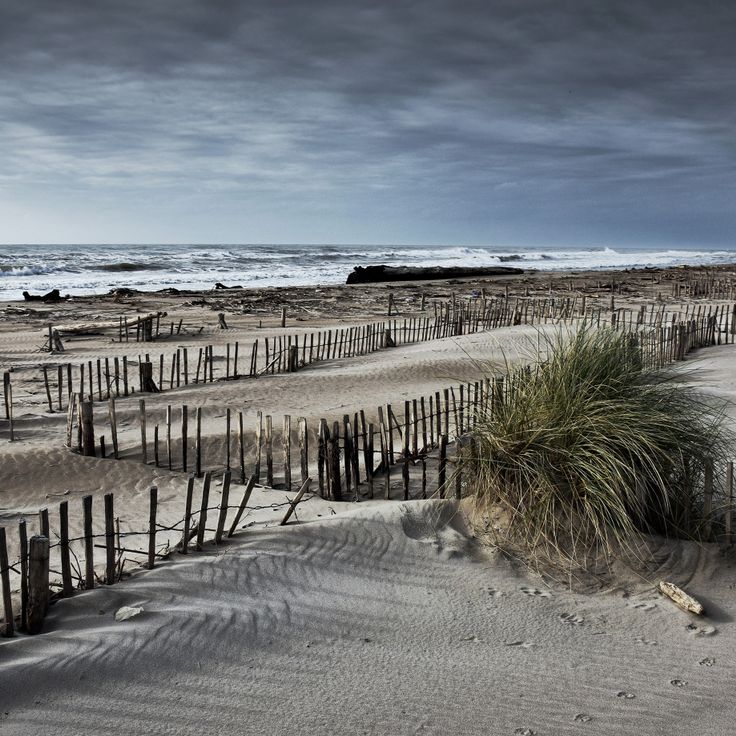
Camargue, France
Plage de PiémansonThis five-mile stretch of Mediterranean coastline in the Camargue requires driving on an unpaved track through salt marshes and dune landscapes to reach it. Plage de Piémanson runs along an undeveloped section of coast where sea lavender and other salt-tolerant plants grow in the dunes. The shallow water is suitable for swimming, while flamingos and other wading birds can often be spotted in the adjacent salt marshes. The remoteness of this beach has made it a retreat for visitors seeking solitude away from established resort areas.
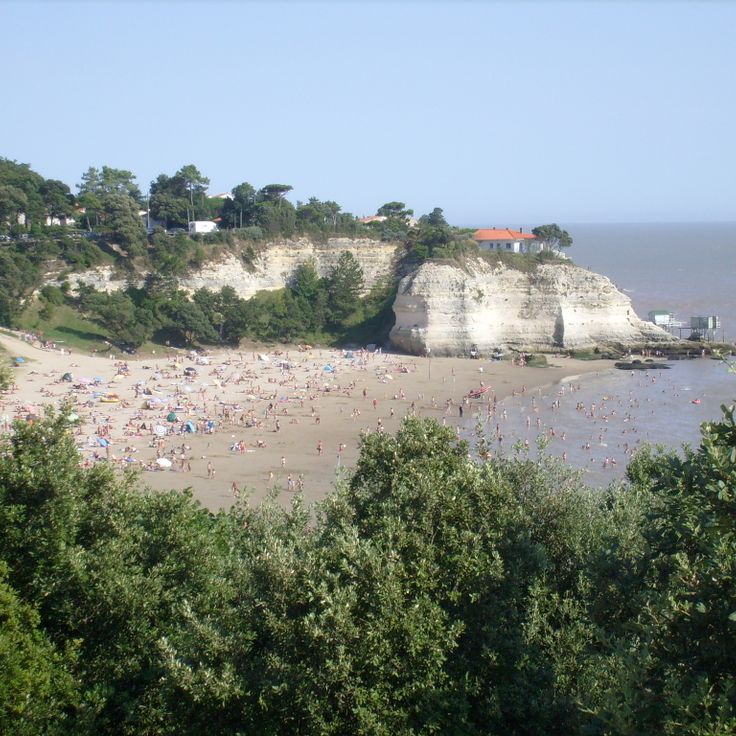
Meschers-sur-Gironde, France
La Plage des NonnesThis beach cove sits on the right bank of the Gironde estuary beneath limestone cliffs that contain caves once inhabited by locals. At low tide the sand extends roughly 1,000 feet (300 meters), revealing tide pools where crabs, mussels and starfish can be observed. La Plage des Nonnes is reached via a steep path from the parking area above the cliffs; the descent takes about ten minutes. The beach faces west and receives afternoon shade from the overhanging rock faces. At high tide the beach area shrinks to just a few yards, while receding water exposes numerous rock fissures and small cave openings that invite exploration.
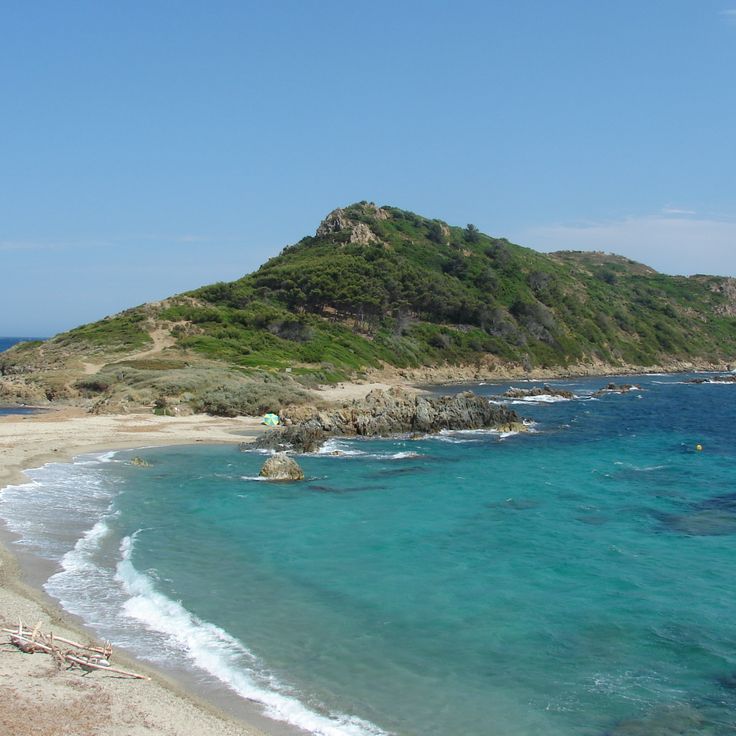
Ramatuelle, France
Cap TaillatThis protected peninsula on the southeastern edge of the Var extends into the Mediterranean between the beaches of Pampelonne and Escalet. The nature reserve preserves Mediterranean vegetation including pines, strawberry trees and heather. A coastal path of about 45 minutes leads from the parking area at Escalet beach to several small coves with fine sand and clear water. Swimmers and snorkelers find calm conditions along the rocky coastline. The terrain drops steeply in places. Vehicle access is restricted during summer months.
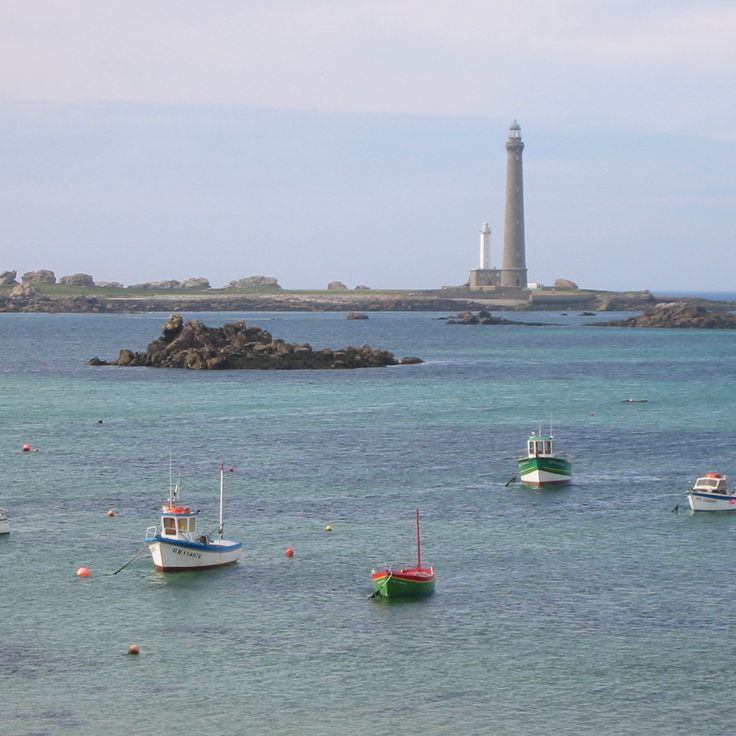
Brittany, France
Île ViergeThis small granite island off the Brittany coast contains a beach accessible only by boat. The waters surrounding Île Vierge support various marine life and seabirds. Reaching the island requires a boat crossing, which naturally limits visitor numbers and helps preserve the natural environment. The island sits in the English Channel and belongs to those remote French coastal locations that have maintained their original character through difficult access.
Biarritz, France
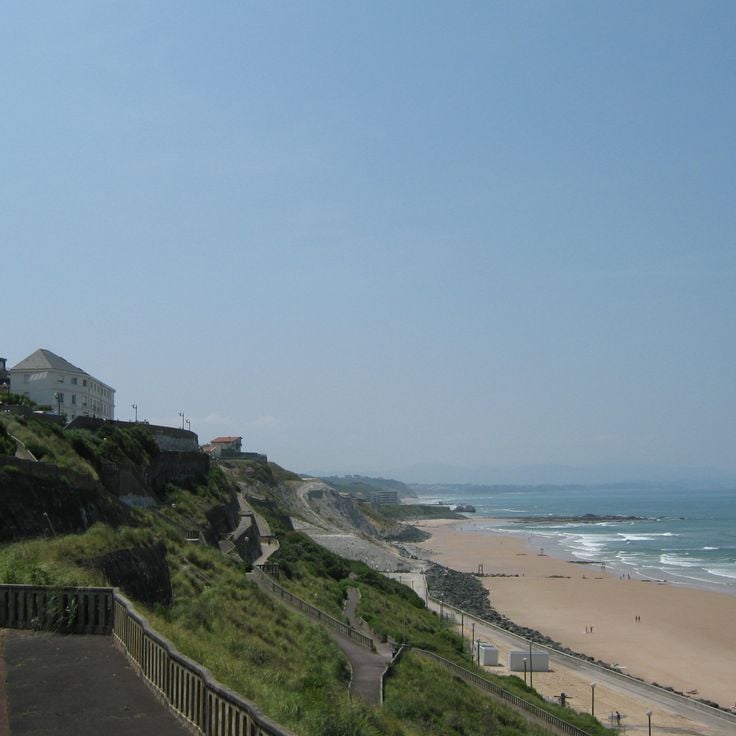
Côte des BasquesThe Côte des Basques sits at the base of high cliffs and has drawn surfers from across Europe since the 1950s. This bay stretches roughly 1 kilometer and delivers consistent waves that attract both beginners and experienced riders. At low tide, a wide sandy beach emerges, while high tide nearly erases it. Rocks at the southern end create sheltered swimming areas. A coastal footpath connects this beach to Biarritz's town center and provides a walk along the Basque coastline. Currents can be strong depending on tides and swell, so swimmers should pay attention to flag signals.
Cap d'Ail, France
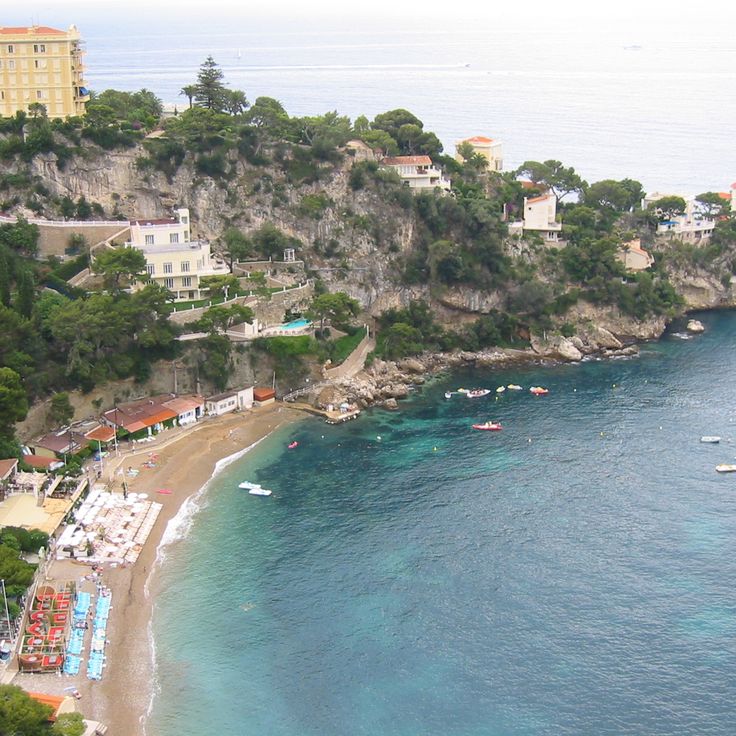
Plage MalaPlage Mala at Cap d'Ail stretches for two hundred meters between Monaco and Nice. This pebble beach with white stones sits in a natural cove along the French Riviera. Access requires descending a stone staircase that leads to the shore. The clear water makes for good snorkeling along the rocky sections. The location between two well-known coastal towns has kept this cove from intensive development. The staircase requires reasonable fitness for the descent and climb back.
Piana, France
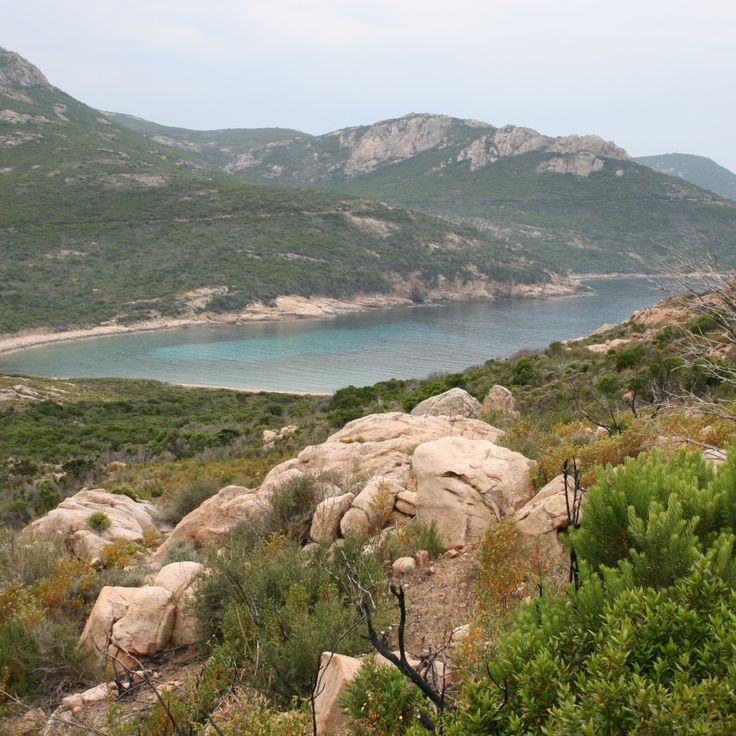
Arone BeachThis 750-yard sand beach lies on Corsica's west coast below the Piana calanche and is framed by red granite rocks. The sand is golden and the water turquoise. Plage d'Arone is reached via a winding road descending from Piana and offers a beach that often remains quiet outside the peak season despite its beauty. Rocks to the north and south define the bay and shelter it from strong winds. A small bar and some lounge chairs are available on the beach, but the setting remains natural. The water deepens gradually and waves are typically moderate.
Bonifacio, France
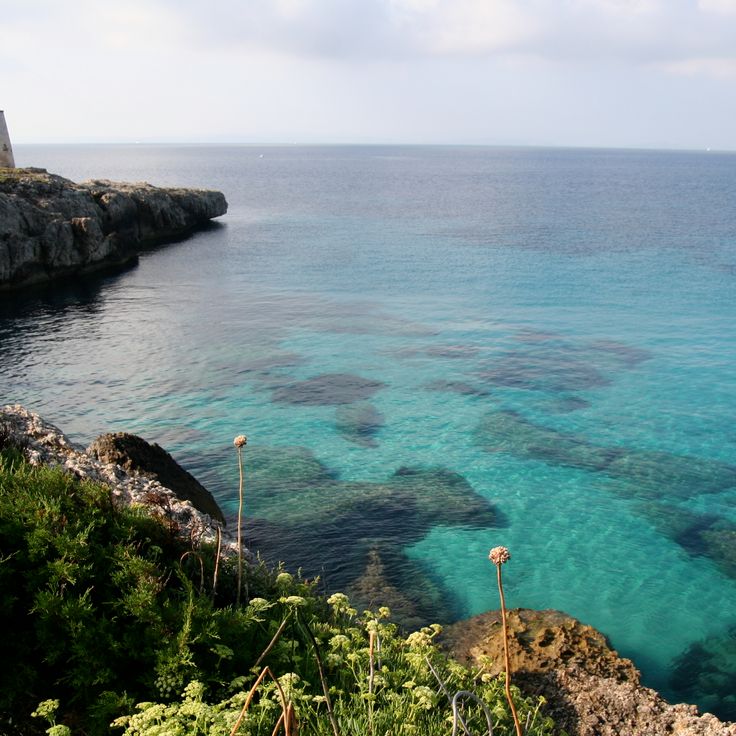
Petit SperonePetit Sperone stretches along a protected bay near Bonifacio, offering white sand and calm waters. Water temperatures reach approximately 75 degrees Fahrenheit (24 degrees Celsius) during summer months. This bay sits away from more heavily visited coastal sections and can be reached via an access road from the main town. The beach draws visitors seeking quiet and clear waters, removed from the larger tourist flows along Corsica's southern coast.
Corsica, France
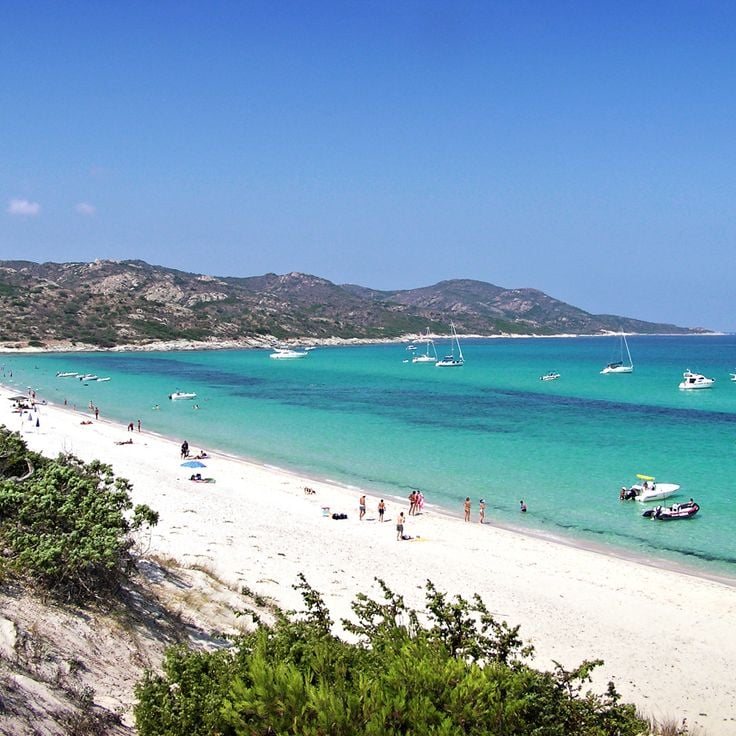
Plage de SalecciaPlage de Saleccia sits on the northwestern coast of Corsica, roughly an hour's walk from the nearest road. Access is either by foot through the maquis scrubland or by boat from Saint-Florent. The beach stretches about 0.6 miles (1 kilometer) and is backed by a low pine forest that provides shade during summer months. The water remains shallow for several yards (meters) from shore, with a gentle gradient. Its remote location has kept this stretch of coastline largely undeveloped. There are no permanent facilities, so visitors need to bring food and drinking water.
Porquerolles, France
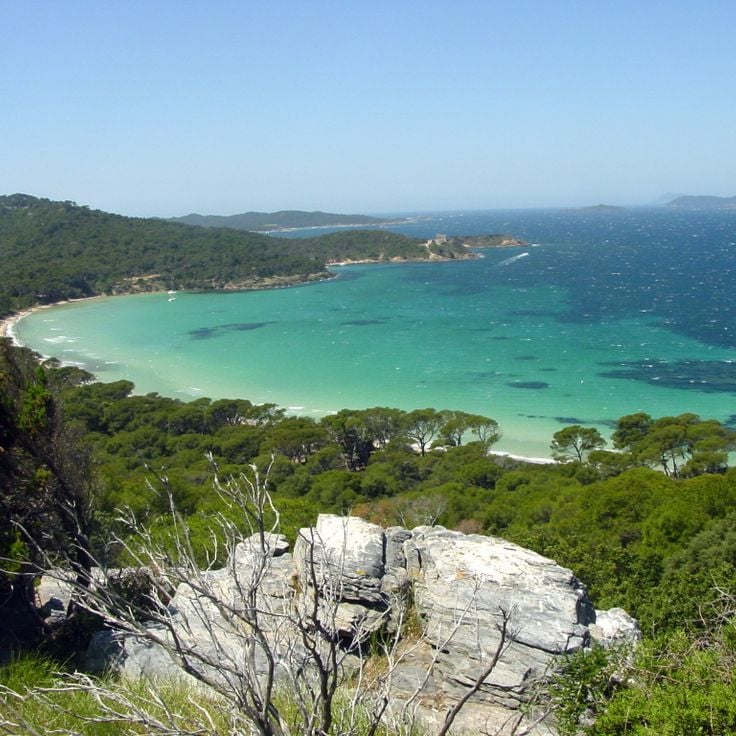
Plage Notre-DameThis beach stretches 800 yards (750 meters) of white sand along Porquerolles' northern coast, bordered by pine and eucalyptus forests that extend to the waterline. Plage Notre-Dame lies approximately 1.5 miles (2.5 kilometers) from the village port, accessible via a paved path through the island's Mediterranean woodland. The turquoise water slopes gently, while Porquerolles' protected status limits development and maintains the natural setting. From June through September, a lifeguard station monitors swimmers; outside these months, swimming is unsupervised. The beach falls within Port-Cros National Park, which enforces environmental protections.
Corse-du-Sud, France
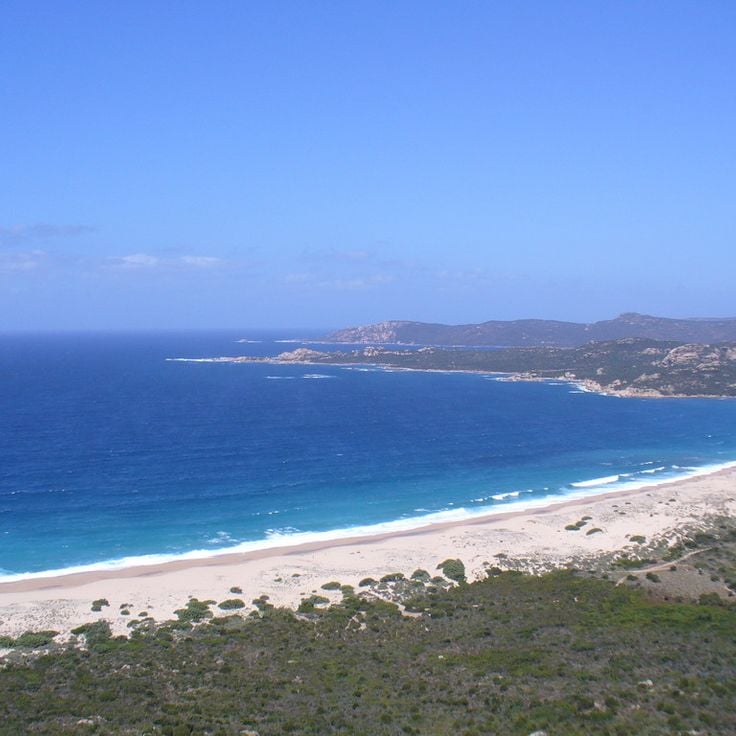
Erbaju BeachThis secluded cove along Corsica's western coast stretches 500 meters (1640 feet) of fine sand framed by granite boulders. The Plage d'Erbaju sits between Ajaccio and Porto and remains accessible only via a challenging track, which has kept mass tourism at bay. The clear water is suitable for swimming and snorkeling, while the surrounding rocks provide natural shade. Access requires a four-wheel-drive vehicle to navigate the steep dirt road.
Saint-Florent, France
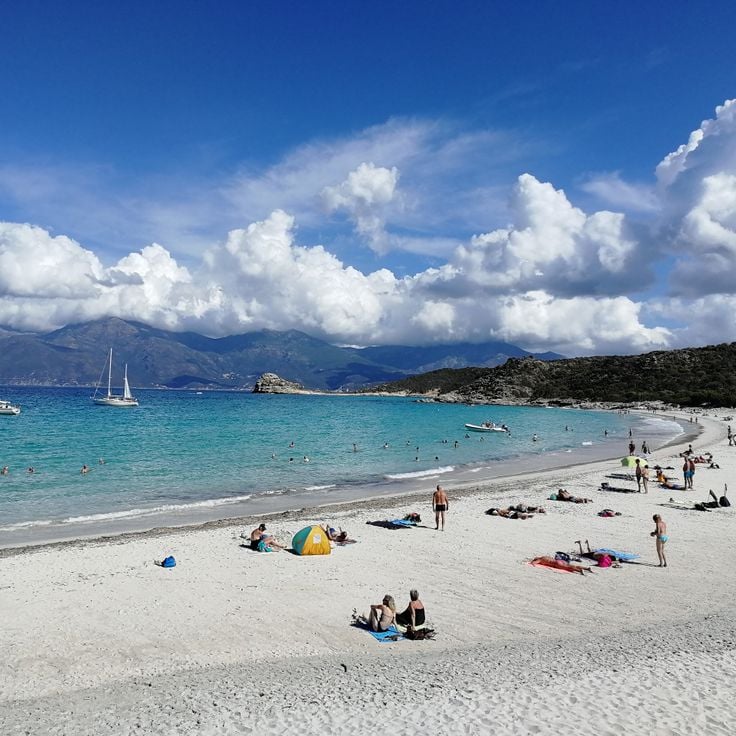
Loto BeachThis bay extends roughly 300 yards along the northern coast of Corsica and sits far from any road access. Plage du Loto can only be reached by boat or via a demanding coastal hiking trail that requires about four hours of walking from the Desert des Agriates. The beach consists of fine sand and is framed by dense Mediterranean scrubland, while the water remains clear and suitable for swimming. No infrastructure on site means visitors must bring all their equipment. The beach belongs among the remote destinations in this collection of French beaches that distinguish themselves through their natural surroundings.
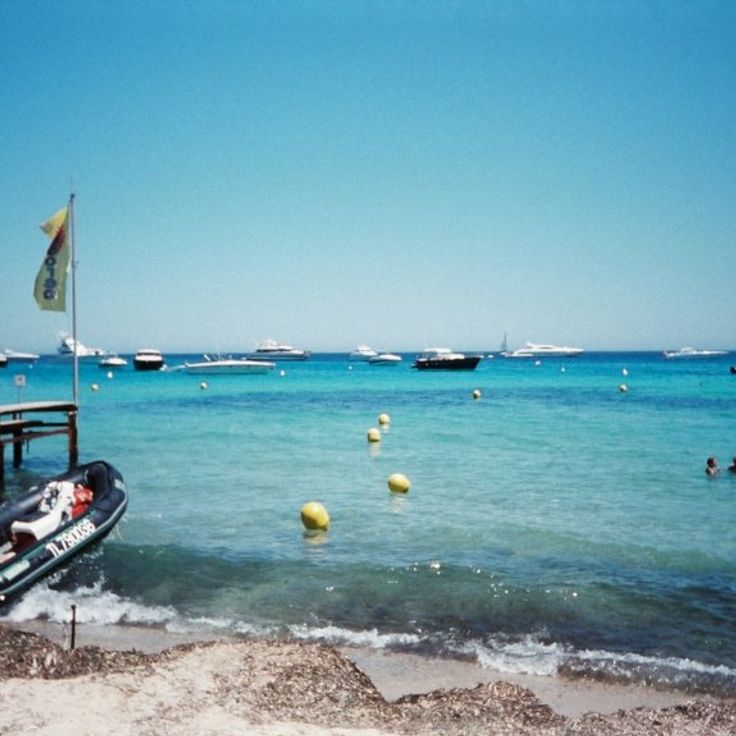
Ramatuelle, France
Pampelonne BeachPampelonne Beach runs for 4.5 miles (7.2 kilometers) along the coast near Saint-Tropez, combining public sections with 27 private beach clubs. While some areas feature restaurants and rows of sun loungers, the northern part of the beach offers open access and less activity. The fine sand has drawn visitors since the 1950s, with the southern sections seeing heavier use. Access is via the Route des Plages from Ramatuelle, and in peak summer the beach fills by mid-morning.
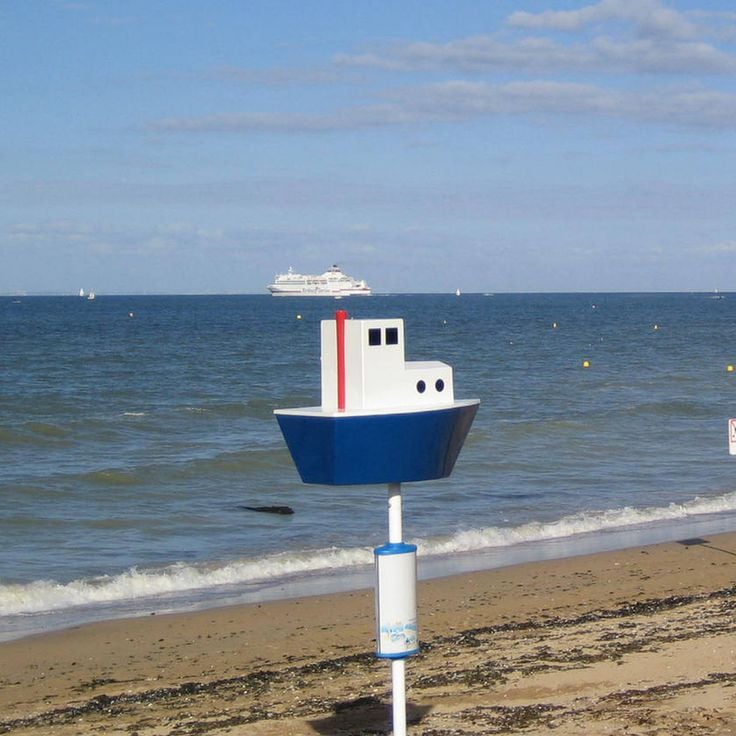
Ouistreham, France
Riva Bella BeachThis Plage de Riva Bella stretches for 4 miles along the Normandy coast and features shallow waters suitable for families with children. The western section hosts several sailing clubs, while the eastern part is designated as a naturist area. The beach sits at the mouth of the Orne River and combines sea access with proximity to the Orne Canal. Tidal differences shape the character of the beach, which becomes significantly wider at low tide. This plage ranks among the less crowded beaches of the Norman coast and attracts mainly local visitors and water sports enthusiasts.
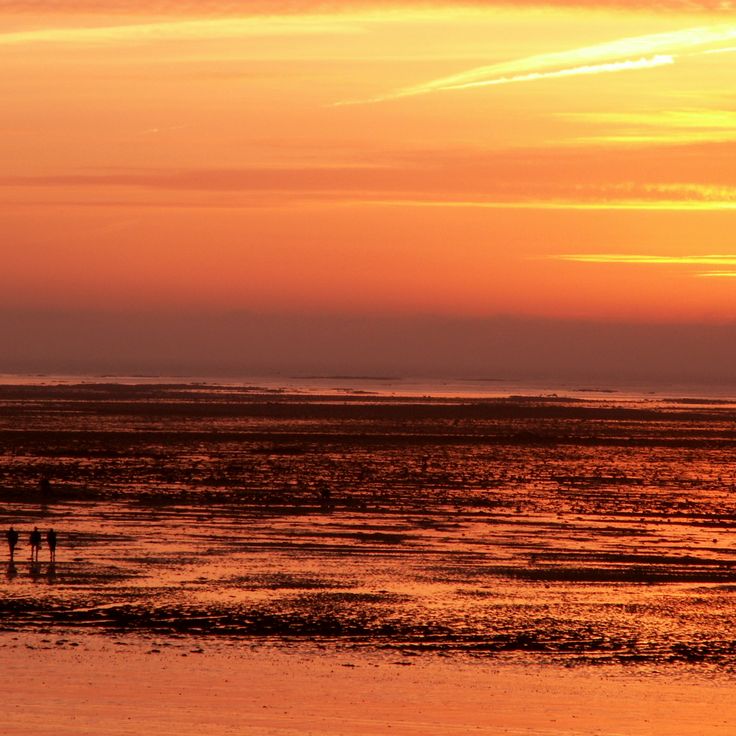
Normandy, France
Agon-Coutainville BeachThis three-mile stretch of Normandy coastline combines fine sand with a row of Belle Époque bathing cabins. The Plage d'Agon-Coutainville extends along a broad bay and has served as a seaside resort since the late 19th century. Colorful cabins line the promenade, while low tide reveals extensive sand flats. The beach sits protected from the strongest English Channel currents and accommodates various water sports. Turn-of-the-century architecture remains well preserved along the waterfront avenue.
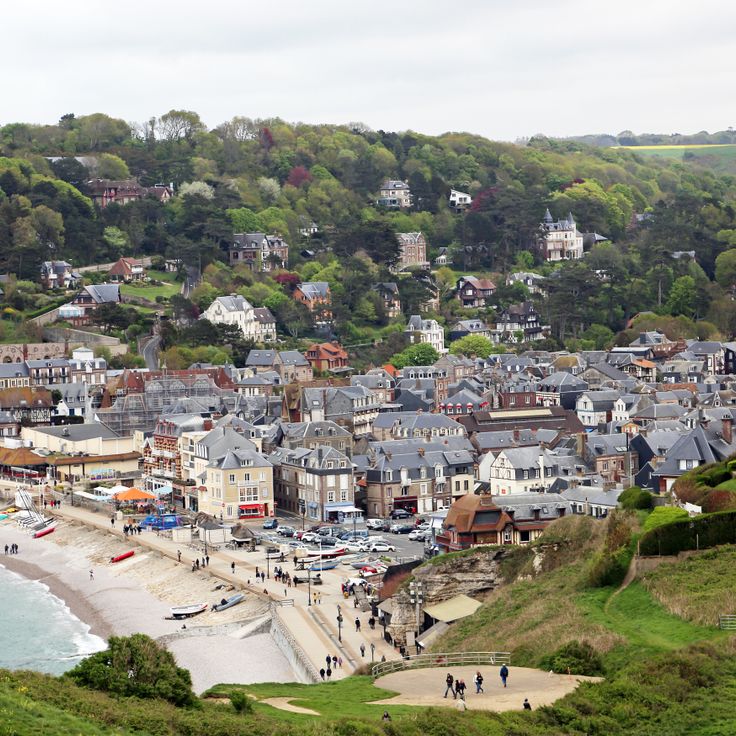
Normandy, France
Etretat CliffsThe chalk cliffs of Étretat rise up to 295 feet (90 meters) above the sea and form three large natural arches along the Normandy coast. While the cliffs themselves are not a beach in the traditional sense, the town's pebble beach lies between the cliffs and provides direct access to this geological ensemble. The three rock arches, Porte d'Amont, Porte d'Aval and Manneporte, were shaped by thousands of years of erosion from wind and waves. The beach is accessible from the town center and attracts visitors looking to explore the chalk formations that Monet and other Impressionists painted. At low tide, you can walk to the Porte d'Aval on foot, while cliff paths offer views of the Norman coastline.
Corsica, France
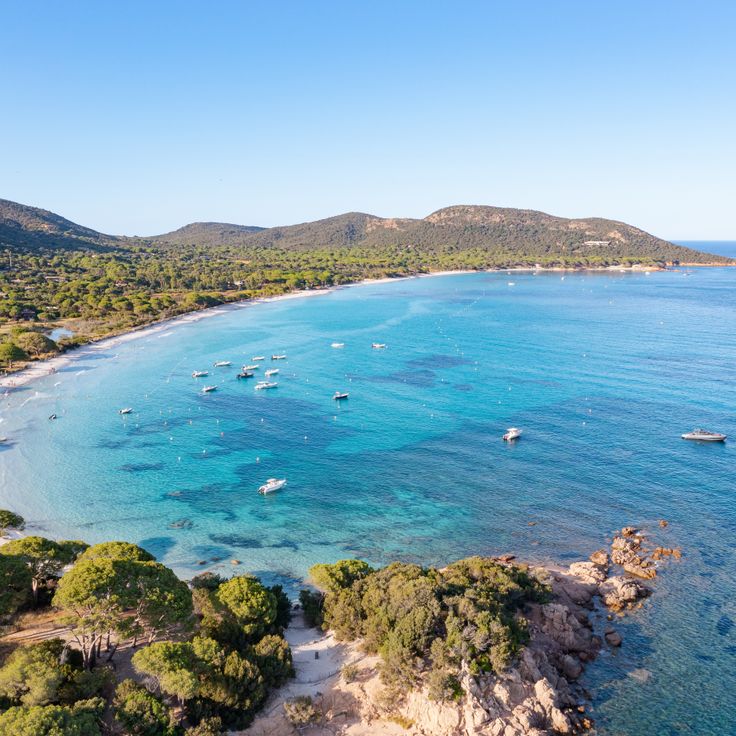
PalombaggiaPalombaggia stretches along the southeastern coast of Corsica, presenting a coastline of pale sand interspersed with granite boulders. The beach extends for roughly one kilometer (0.6 miles), backed by maritime pines and juniper shrubs that reach almost to the waterline. The sea displays various shades of blue and remains shallow for considerable distances from shore. The bay divides into several sections, some separated by the rock formations that characterize this part of the island. A small stream flows into the sea at the northern end of the beach. Several beach bars operate during summer months, offering loungers and refreshments. Parking facilities are located about 200 meters (650 feet) from the shore. The area forms part of the Bouches de Bonifacio nature reserve and is subject to regulations protecting the Mediterranean vegetation.
Camaret-sur-Mer, France
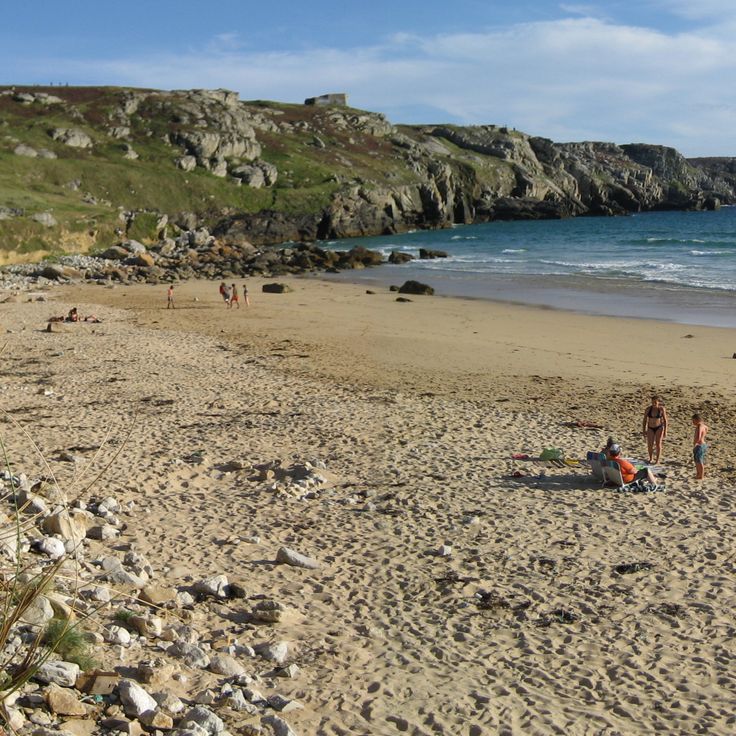
Le Toulinguet BeachThis beach lies on the windswept Crozon Peninsula in Finistère and stretches along a rocky coastline framed by granite and sandstone cliffs. Plage du Toulinguet consists of several interconnected beach sections that reveal larger expanses of sand at low tide. The sea breaks against rock formations that can make swimming difficult during rough conditions. A 19th-century lighthouse stands on the nearby headland and marks the entrance to the Bay of Brest. The beaches are accessible via footpaths from the small hamlet of Toulinguet, located roughly half a mile (about 1 kilometer) from Camaret-sur-Mer. The area forms part of the Armorique Regional Natural Park and offers views of the offshore islands and headlands along the Breton Atlantic coast. Currents can be strong, particularly on outgoing tides.
Brittany, France
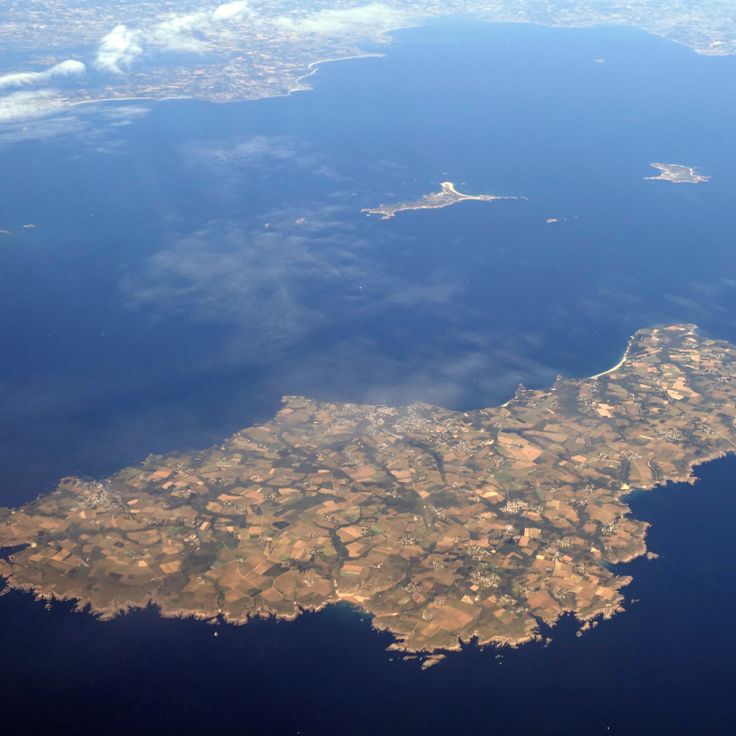
Belle-Ile-en-MerBelle-Île-en-Mer offers 58 beaches along its 52-mile (84-kilometer) coastline and presents a variety of coastal landscapes. The island lies about 9 miles (15 kilometers) off the southern Brittany coast and is accessible by ferry from Quiberon. Beyond the larger beaches such as Donnant on the west coast, popular with surfers, and the sheltered coves in the south, numerous smaller beaches can be reached on foot via coastal walking paths. The island displays typical features of the Breton coast with granite cliffs, hidden coves and fishing villages like Sauzon and Le Palais. The Vauban citadel, built in the 16th century, stands above the main harbor and now serves as a museum.
Côte d'Azur, France
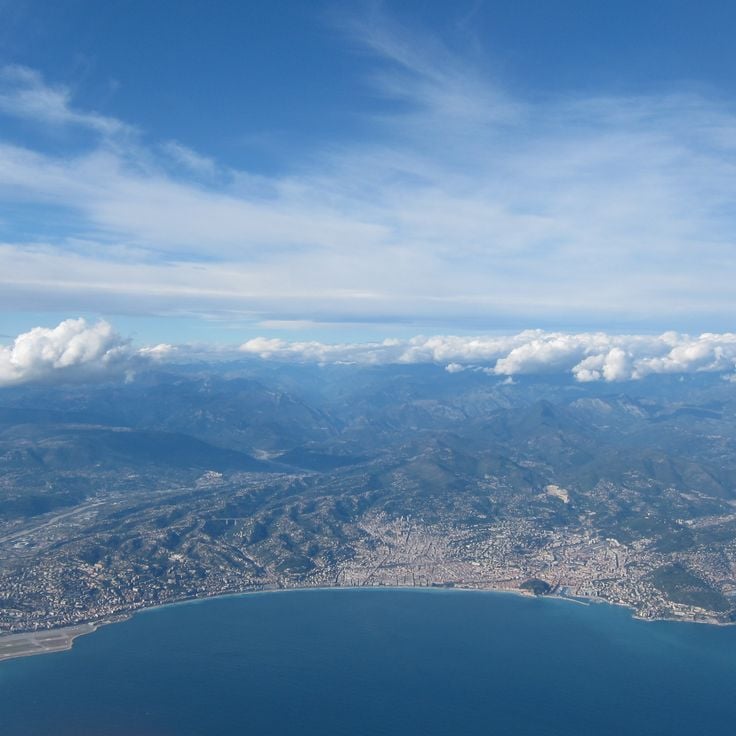
Silent BayThis small bay between Nice and Monaco ranks among the quieter stretches of the Côte d'Azur. The Baie du Silence sits tucked between rock walls, which provides some shelter from wind. The water is typically clear, and surrounding Mediterranean vegetation extends down to the narrow pebble beach. Access is via a steep footpath, which limits visitor numbers. On summer days it can still become busy, though it remains well below the crowds found at larger regional beaches.
Corsica, France
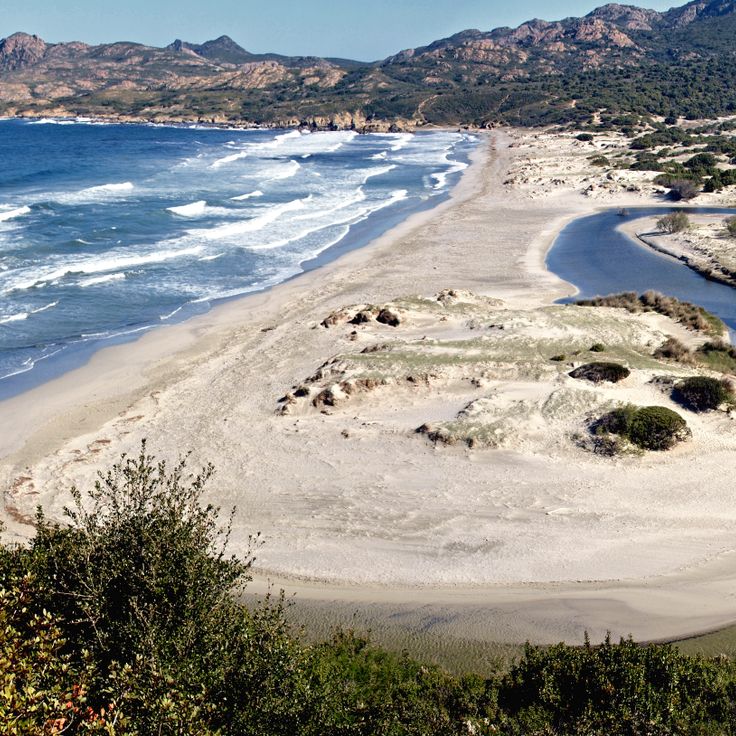
Ostriconi BeachThe Plage d'Ostriconi sits within a protected coastal area in northern Corsica. This beach stretches roughly 500 yards (around 500 meters) along a stretch of shoreline framed by gray rock formations, with Mediterranean scrubland covering the inland slopes. Mastic shrubs and juniper mark the landscape of the Désert des Agriates, a largely uninhabited coastal zone that extends along this section. Access requires a 15-minute walk from the D81 road through the vegetation. Currents can be strong here, particularly when westerly winds blow. No permanent facilities operate at the beach.
Brittany, France
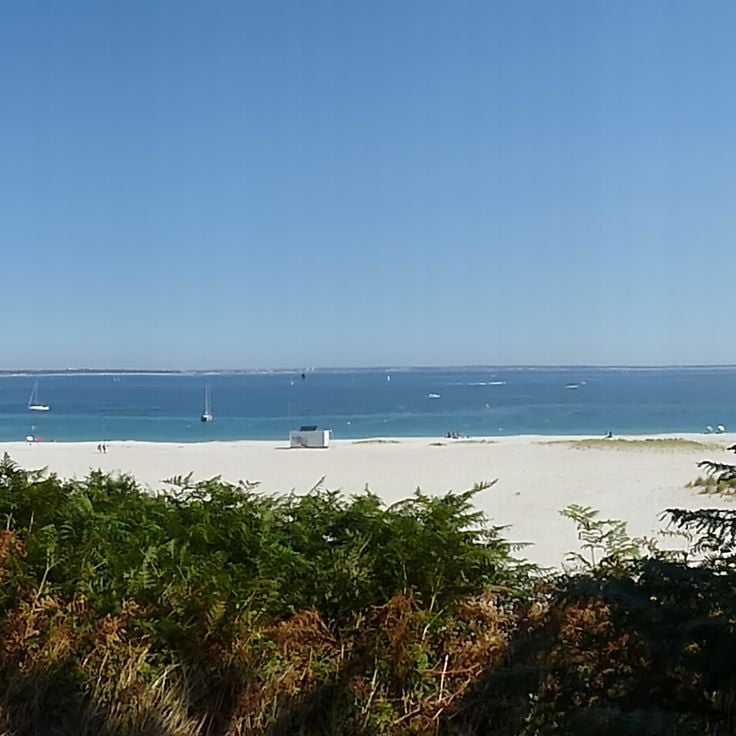
Ile de GroixGroix Island lies 45 minutes by ferry from Lorient and offers more than 30 beaches with varying sand colors and geological formations. The southern coast presents rocky formations and small coves, while the northern side features broader stretches of sand. Les Grands Sables beach is notable for changing its shape and position with tides and ocean currents. Several beaches can be reached on foot or by bicycle through a network of coastal paths that cross the island's 6 square miles (15 square kilometers).
Jersey
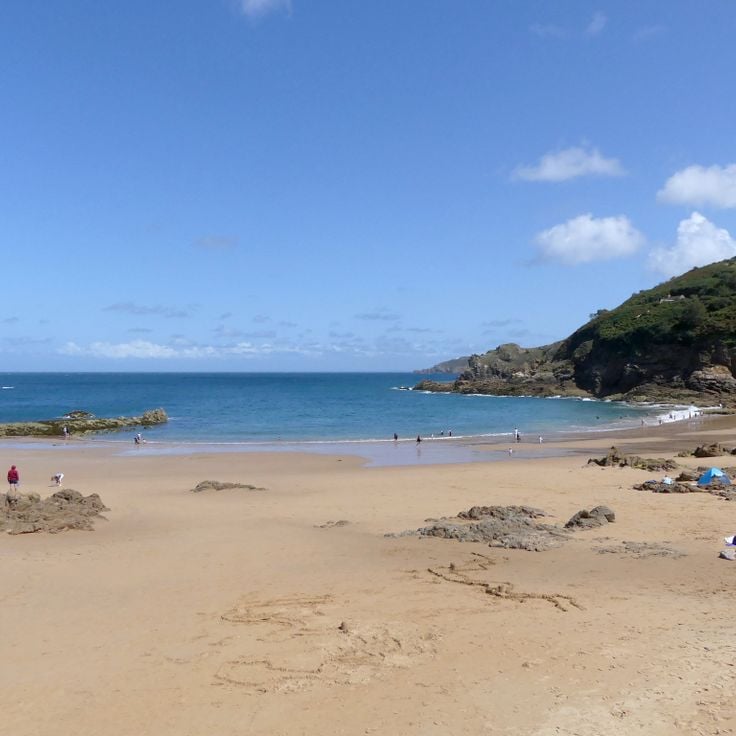
Plage de la Grève de LecqThe Plage de la Grève de Lecq sits on Jersey's northern coast and provides a sandy beach framed by granite rock formations. At low tide, the beach expands considerably, creating space for extended walks along the shore. This less frequented bay has maintained its natural character and contrasts with the island's busier main beaches, while the granite formations are typical of the Channel Islands and give the site its geological character.
Marseille, France
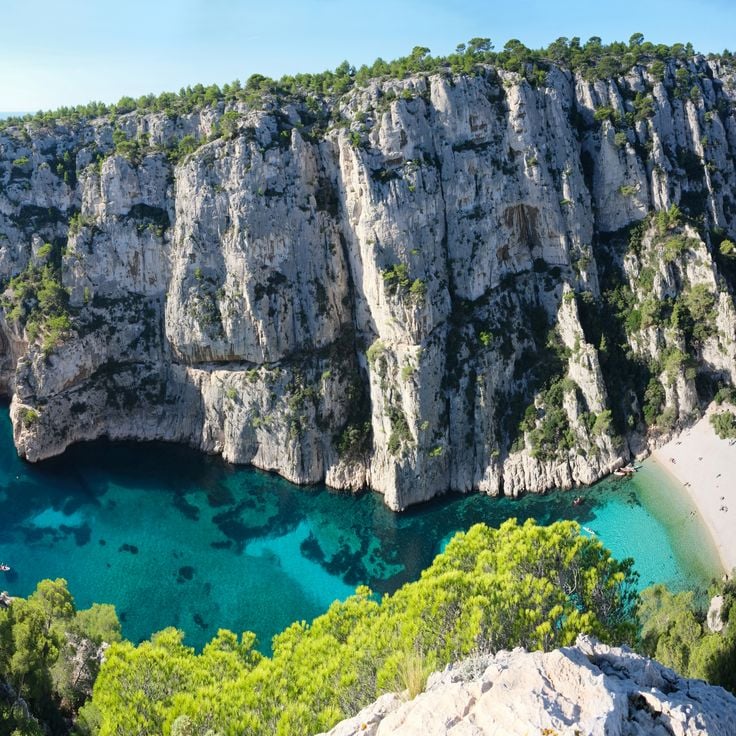
Calanque d'En VauThis calanque embodies the dramatic beauty of the Mediterranean coast between Marseille and Cassis. The inlet sits between white limestone cliffs rising up to 1,300 feet (400 meters), plunging steeply into turquoise water. The beach consists of coarse pebbles, and access requires either a challenging 90-minute hike or arrival by boat. The cliffs offer climbing routes for experienced climbers, while the sheltered position keeps the water calm and clear. This inlet forms part of the Calanques National Park and shows the wild, untouched side of the French Mediterranean coast.
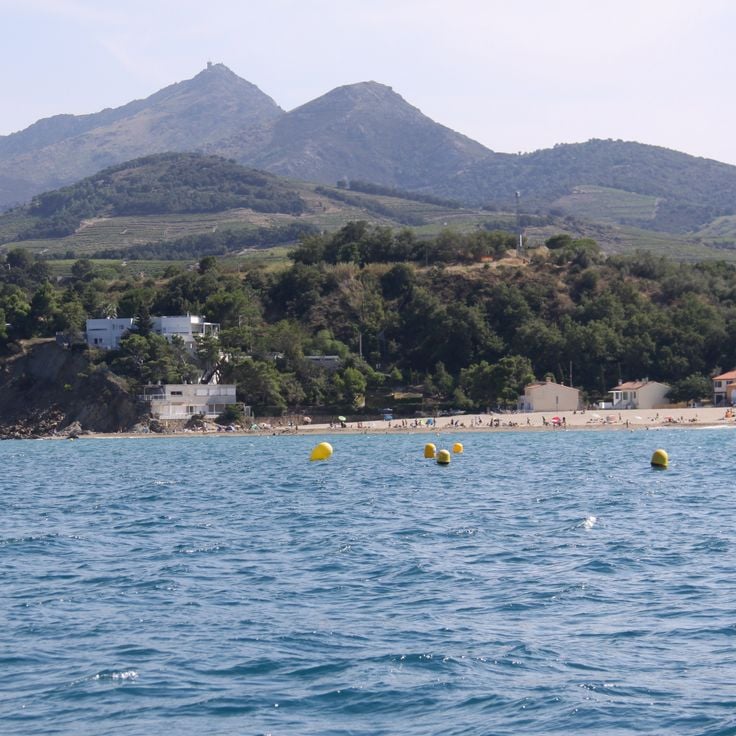
Argeles-sur-Mer, France
Plage du RacouThis sandy beach near Argelès-sur-Mer stretches roughly 1,300 feet (400 meters) along the Catalan coast and sits between rock formations that calm the water. The shallow depth makes Plage du Racou a practical spot for families with children. Lifeguards operate during summer months, and changing cabins are available at the beach. The rocks at either end provide shelter from stronger currents and create calm conditions for swimming. The beach sits somewhat away from the larger resort towns along the Mediterranean coast and draws mostly local visitors.
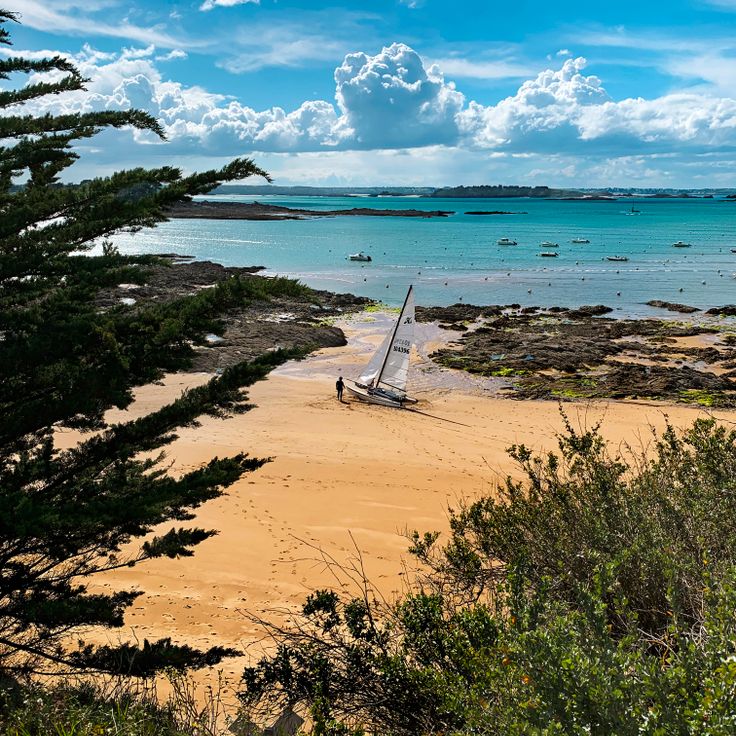
Île de Bréhat, France
Plage des SalinetteSalinettes Beach sits on the western side of Bréhat and displays the characteristic pink granite of the northern Breton coast. At low tide, a path through the rocks leads to this small stretch of sand. The sheltered cove warms faster than the open sea and provides good conditions for swimming. Large rounded granite boulders along the shore create natural pools where marine life can be observed at low water. From the beach, you can see the outlying islands and the tidal current flowing through the channels. Vegetation grows close to the waterline, with wind-shaped pines and gorse. This beach receives few visitors as it sits about thirty minutes on foot from the main harbor and nearly disappears at high tide.