Rostock welcomes you as a city that has kept the marks of its trading past while staying focused on the sea and modern life.
Rostock is a port city on the Baltic Sea with a long history spanning centuries. The old town features Gothic churches such as St. Mary's Church and St. Peter's Church, while well-preserved city walls and the town hall stand as reminders of its prosperous past as a Hanseatic city. The city's maritime heritage is documented in museums that tell the stories of ships, crafts, and life at sea.
Visitors will find plenty to explore: a zoo with animals from different parts of the world, the IGA Park with botanical gardens, and in nearby Warnemünde, beaches, a lighthouse, and an active harbor. Families enjoy leisure parks, trampoline arenas, and interactive museums. Karl's Adventure Village outside Rostock appeals especially to children. The city also has shopping areas such as the New Market with its historic buildings, modern shopping centers, and the Alter Strom in Warnemünde, where restaurants and shops line the waterfront.
Those interested in history can visit museums dedicated to local culture, shipbuilding, and a memorial site of a former prison. Rostock connects the sea, history, and recreation in one place. Walking through the city, you encounter brick buildings, church spires, harbor views, and spaces where locals and visitors move between shops, museums, churches, and parks.
Rostock welcomes you as a city that has kept the marks of its trading past while staying focused on the sea and modern life.
Rostock is a port city on the Baltic Sea with a long history spanning centuries. The old town features Gothic churches such as St. Mary's Church and St. Peter's Church, while well-preserved city walls and the town hall stand as reminders of its prosperous past as a Hanseatic city. The city's maritime heritage is documented in museums that tell the stories of ships, crafts, and life at sea.
Visitors will find plenty to explore: a zoo with animals from different parts of the world, the IGA Park with botanical gardens, and in nearby Warnemünde, beaches, a lighthouse, and an active harbor. Families enjoy leisure parks, trampoline arenas, and interactive museums. Karl's Adventure Village outside Rostock appeals especially to children. The city also has shopping areas such as the New Market with its historic buildings, modern shopping centers, and the Alter Strom in Warnemünde, where restaurants and shops line the waterfront.
Those interested in history can visit museums dedicated to local culture, shipbuilding, and a memorial site of a former prison. Rostock connects the sea, history, and recreation in one place. Walking through the city, you encounter brick buildings, church spires, harbor views, and spaces where locals and visitors move between shops, museums, churches, and parks.
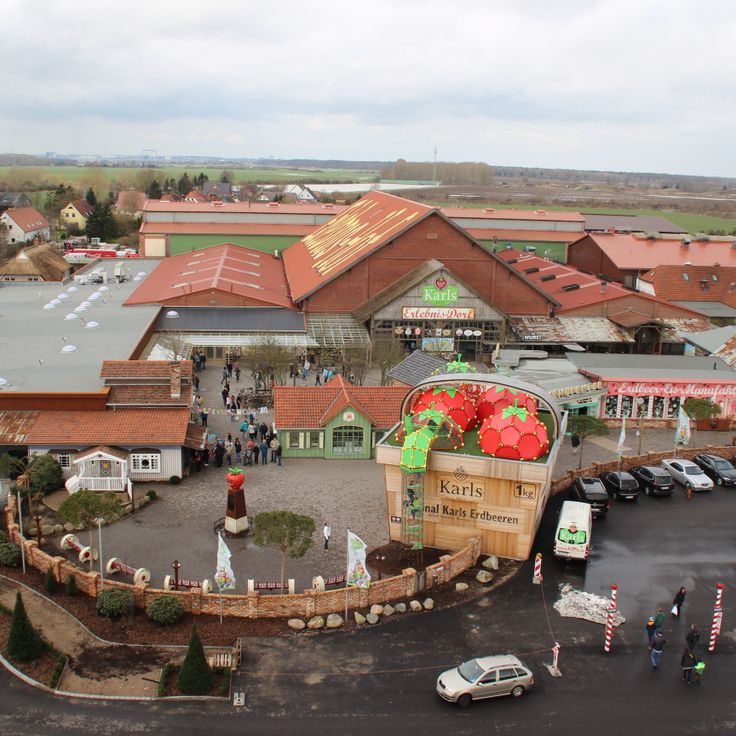
Karl's Adventure Village in Rövershagen is a family theme park featured in this collection of Rostock attractions, dedicated to exploring local history. The park offers interactive exhibitions to discover, a petting farm with domestic animals to touch, and mechanical rides suited for children of all ages.
Rostock Zoo is one of the main attractions in this Baltic Sea coastal city. The zoo is home to more than four thousand animals from around the world and conducts scientific research programs. It actively participates in international wildlife conservation projects and offers visitors the chance to see creatures from different continents.
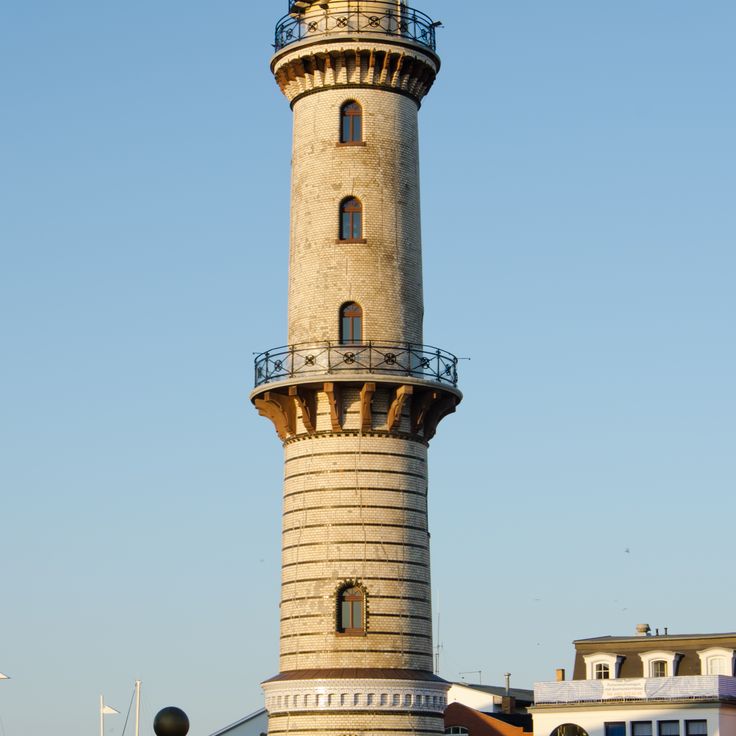
The Warnemünde Lighthouse is a maritime signal tower built in the nineteenth century on the Baltic Sea coast and a key feature in this collection of Rostock's main attractions. The tower houses a navigation museum and offers views of the coastline from its platform. Visitors can learn about seafaring history and enjoy views across the water and shore.
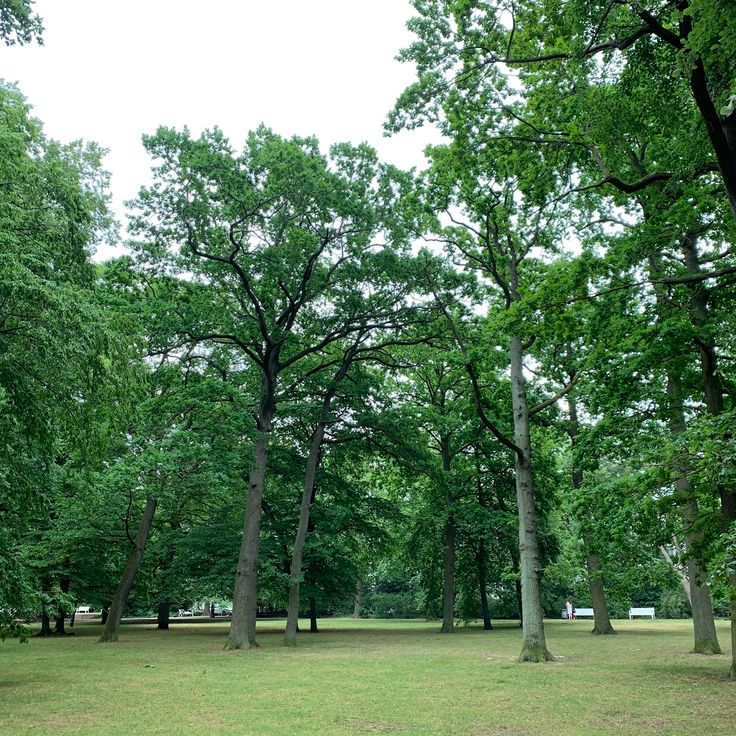
IGA Park is a green space in Rostock where visitors can explore themed botanical gardens with seasonal flower displays. Walking trails wind through the gardens, and family-friendly facilities are available throughout the park. As one of Rostock's key destinations, this place offers a chance to see regional plant diversity and enjoy nature within the city.
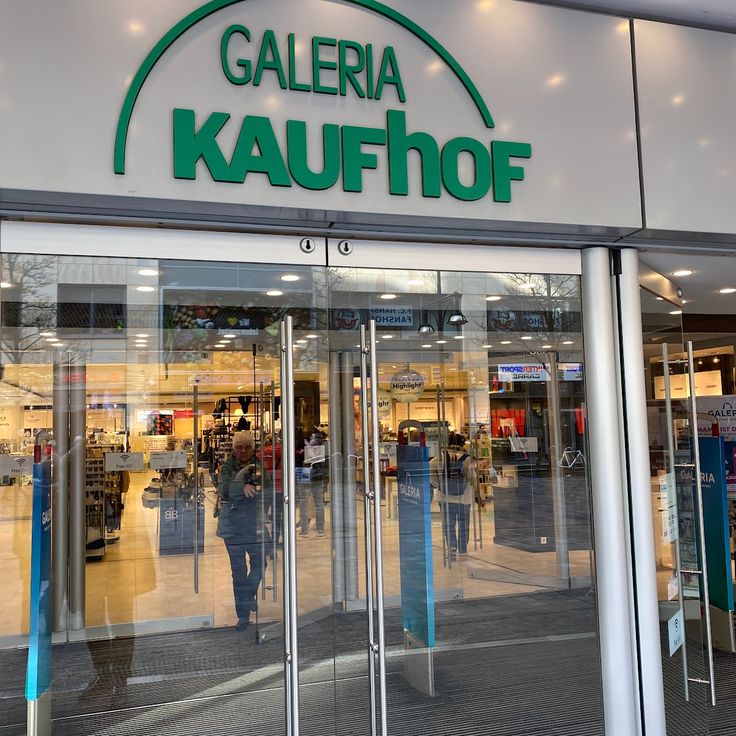
The GALERIA Rostock is a large modern shopping center in the heart of the city and an important stop for visitors exploring this Baltic coast destination. The center houses fashion shops, specialty stores, restaurants, and food courts where you can spend time browsing and eating. It serves as a convenient gathering spot where travelers can take a break from sightseeing or pick up items they need during their stay.
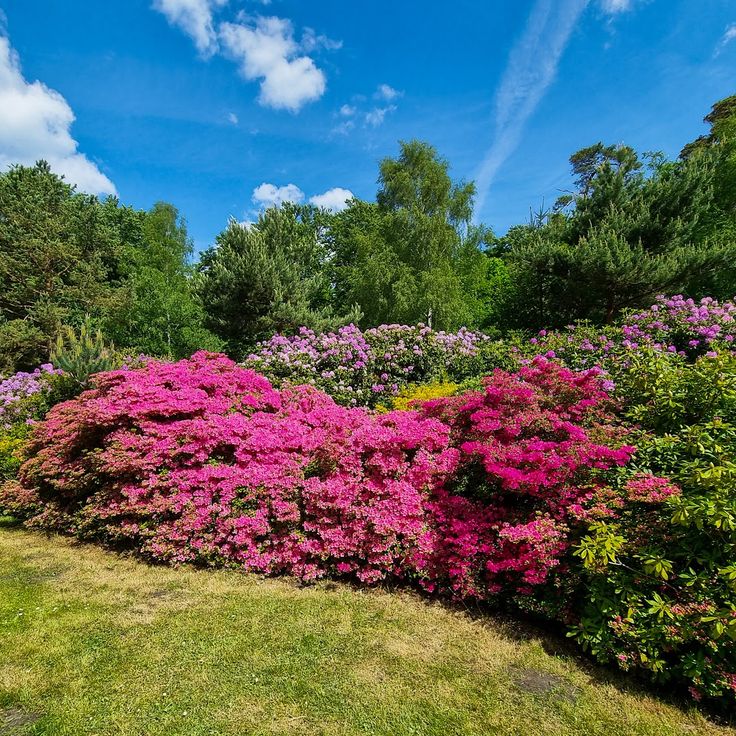
The Rhododendronpark in Graal-Müritz is among the botanical attractions near Rostock, showcasing over 2,500 varieties of rhododendrons and azaleas across 4.5 hectares. Located in this coastal resort town, the park displays flowering plants arranged throughout its pathways. Visitors can walk through and observe the blooming plants in their seasons.
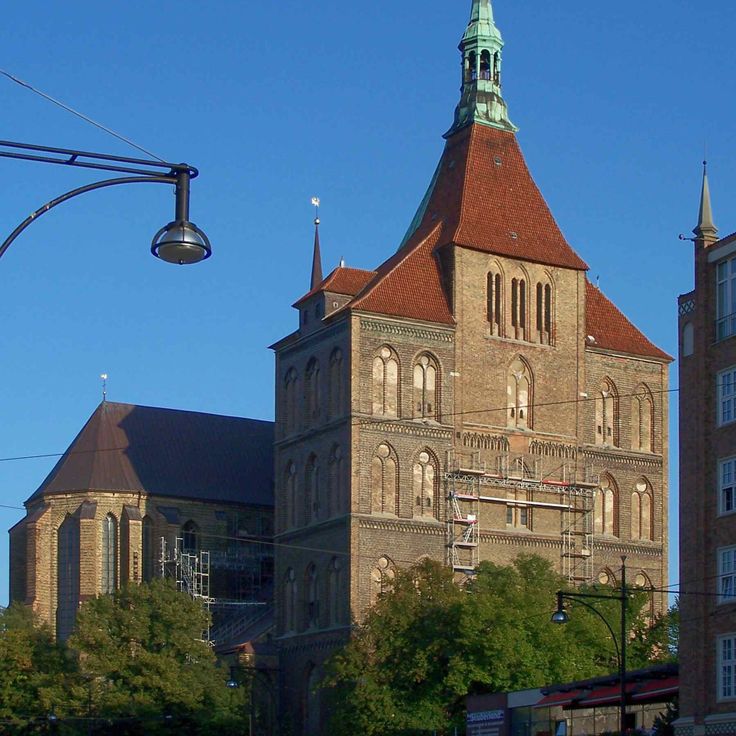
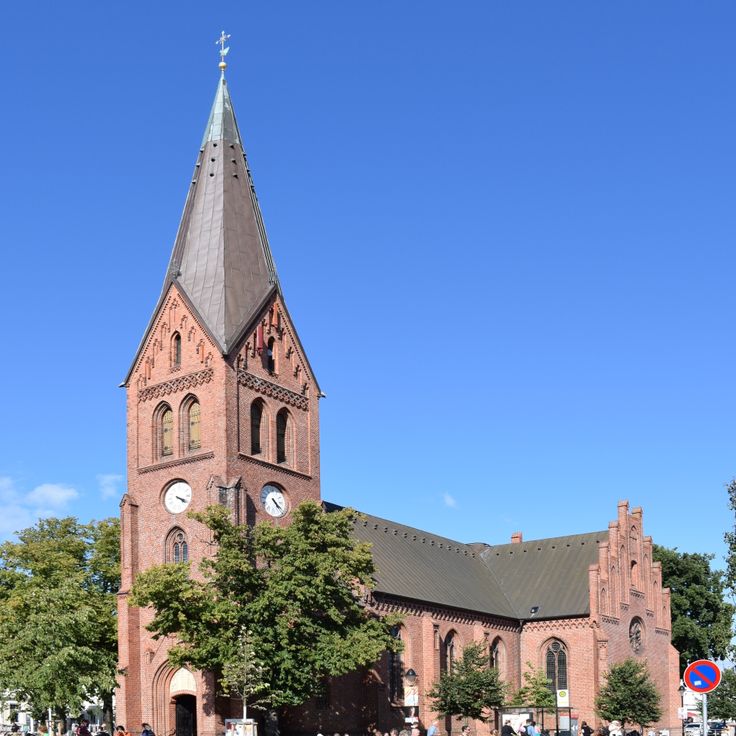
St. Mary's Church is a brick Gothic structure built in the 13th century that stands as a prominent landmark in Rostock. Inside, you will find an astronomical clock dating from 1472 and the largest organ in Mecklenburg-Western Pomerania, featuring 5,500 pipes. The church's towering interior and intricate details reflect the medieval craftsmanship that went into its construction. As a key historical site in this Baltic coastal city, St. Mary's Church offers visitors a window into Rostock's past and remains an active place of worship and cultural significance.
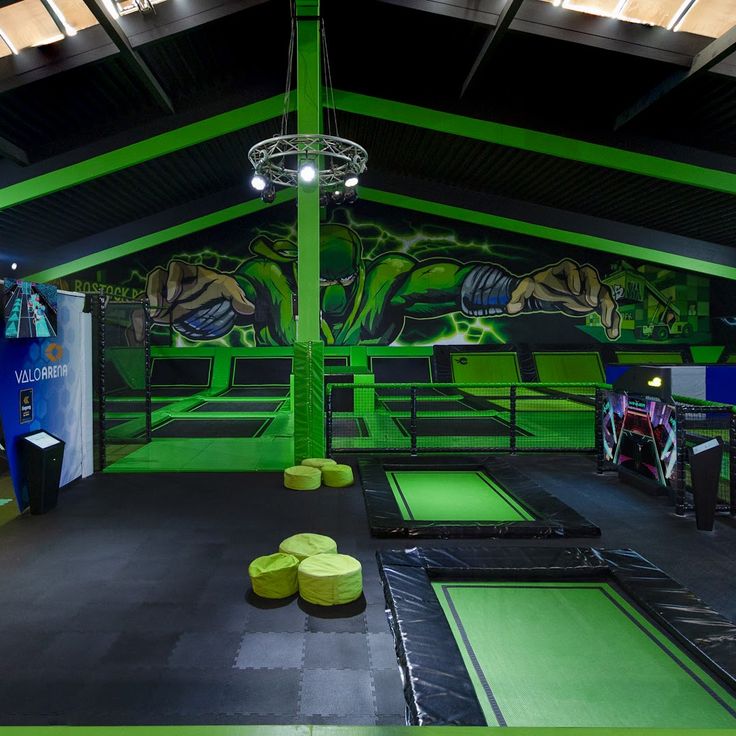
The Flip Out Trampoline Arena Rostock is a recreation center in this Baltic coastal city that offers trampoline zones, ninja warrior obstacle courses, and various physical activities for all ages in a secure environment. It complements the family-friendly attractions of Rostock alongside historical landmarks like St. Mary's Church and the city's parks.
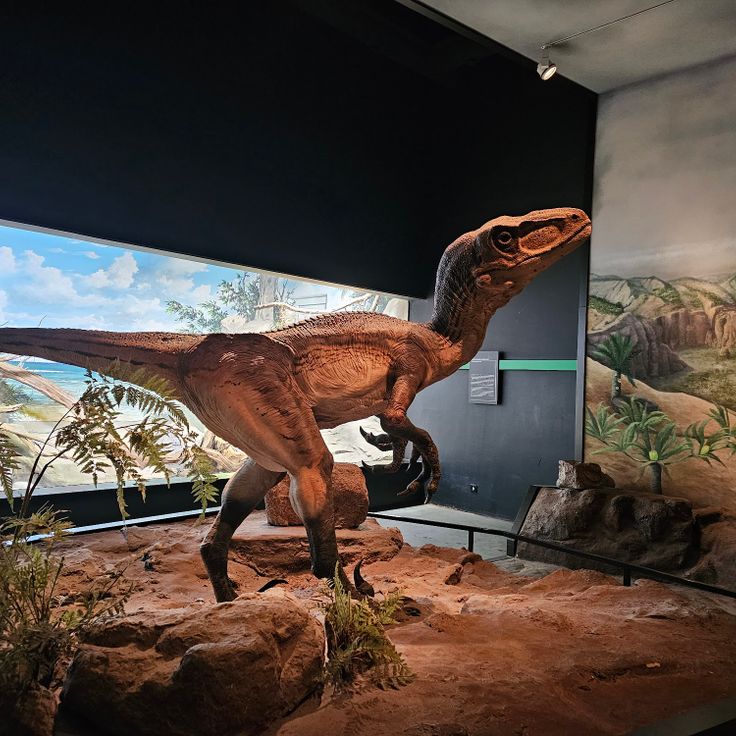
Darwineum Rostock combines a zoological park with a science museum dedicated to Charles Darwin and the evolution of species. Visitors can see different animals in reconstructed habitats while learning about natural selection and adaptation. This center is part of the key sites that make Rostock a compelling destination on the Baltic coast.
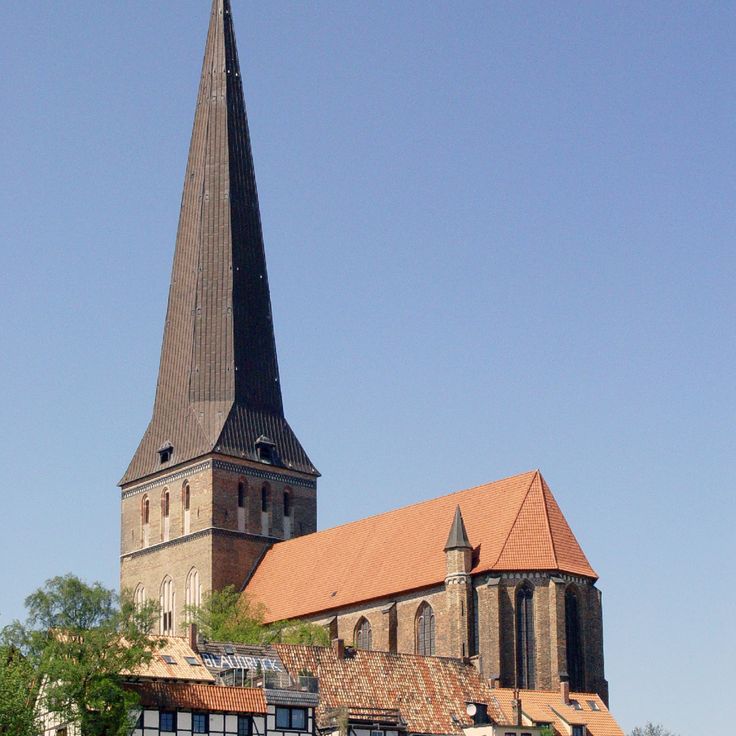
St. Peter's Church is a brick Gothic building from the 13th century located in Rostock, a coastal city on the Baltic Sea. This church stands out among the main historical landmarks that travelers explore when visiting the destination. Its tower provides views over the city and showcases the distinctive style of medieval religious architecture. Inside, visitors can observe the typical features of Gothic sacred art and construction techniques from the Middle Ages. The church remains an important part of Rostock's history and attracts those interested in the city's architectural heritage.
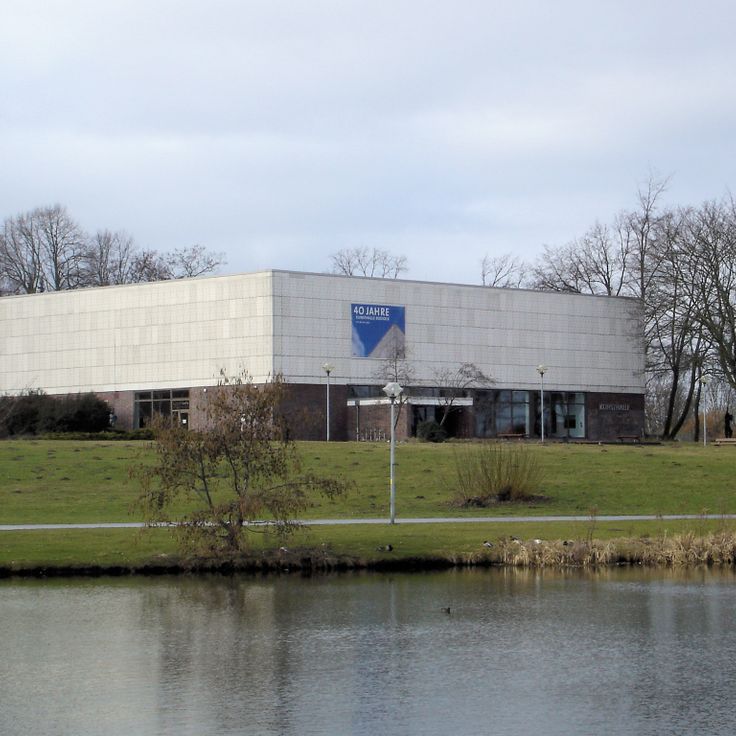
The Rostock Art Gallery is a cultural venue in this Baltic port city that displays contemporary works by local and international artists. The museum offers permanent and temporary exhibitions focused on visual arts. Visitors can explore modern artistic expression and gain insight into the creative scene of this German coastal destination.
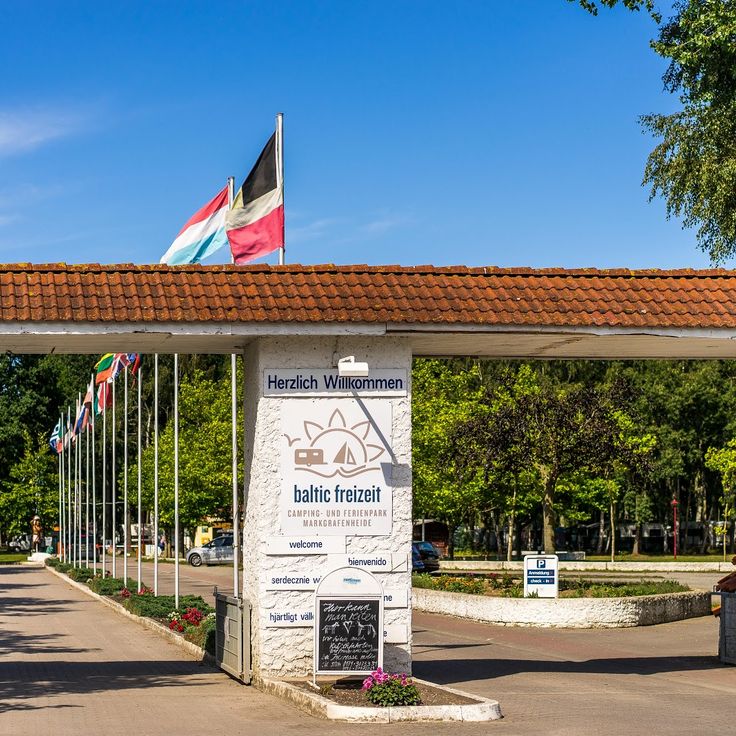
This wellness facility is part of Rostock's tourist attractions, a coastal city on the Baltic Sea. Baltic Leisure GmbH offers massage services, thermal pools, and sauna cabins with direct access to the Baltic coast. Visitors can unwind and enjoy the proximity to the sea.
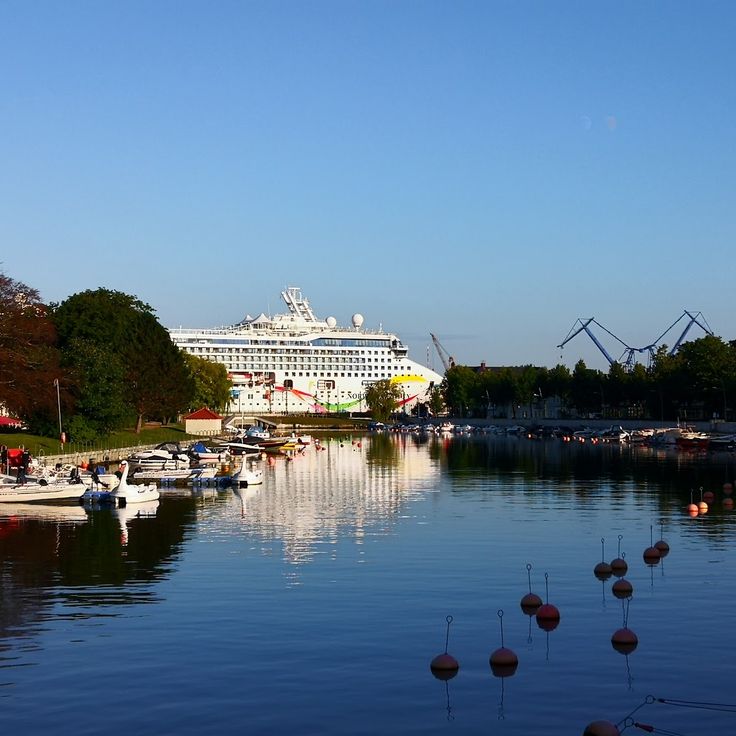
The Alter Strom is an old waterway that runs through the center of Warnemünde, a seaside resort that is part of Rostock. Along its banks you find souvenir shops, café terraces, and fresh fish stalls where you can buy or eat local catches. The waterway reflects how people live in this coastal area and offers a place to experience the maritime character of the region.
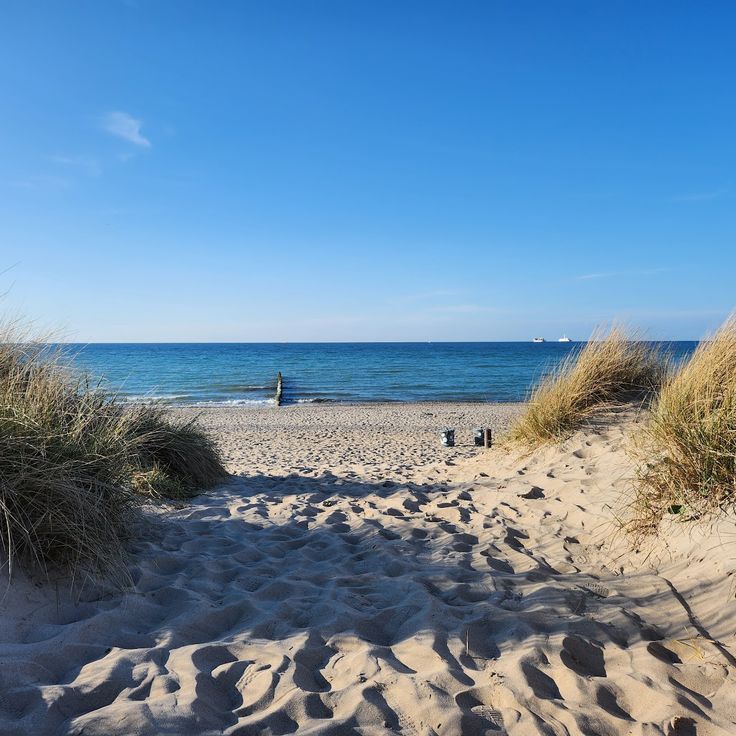
Warnemünde Beach is a wide stretch of white sand along the Baltic Sea coast that extends for several kilometers. As one of Rostock's main attractions, it offers swimming, sailing, and views of maritime traffic. The beach is lined with promenades and small cafés where visitors can watch the activity of the waterfront.
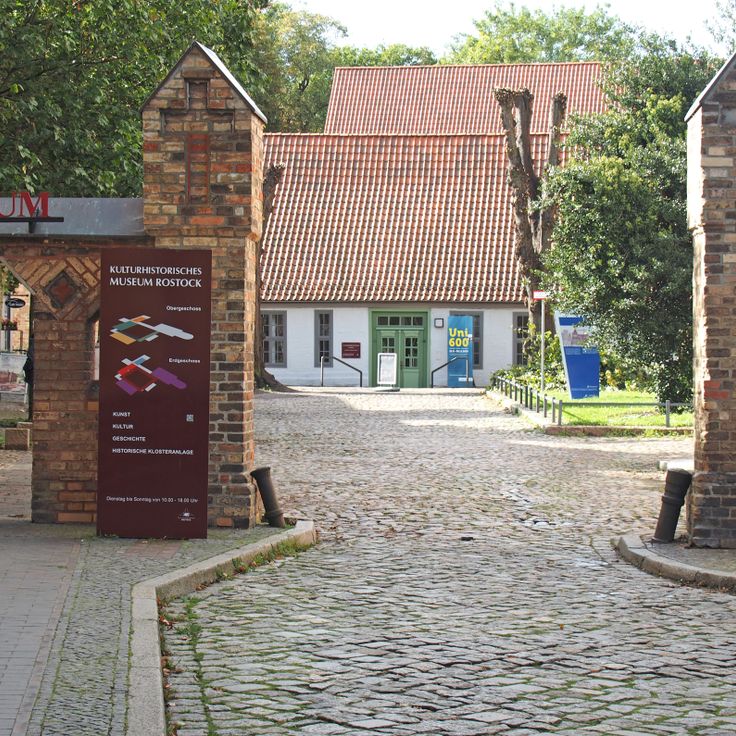
The Historical Cultural Museum displays archaeological, historical, and artistic collections that trace the development of the Mecklenburg-Western Pomerania region across different periods. As an important site in Rostock, it contributes to understanding the history of this Baltic coastal city and complements visits to other historical landmarks like St. Mary's Church.
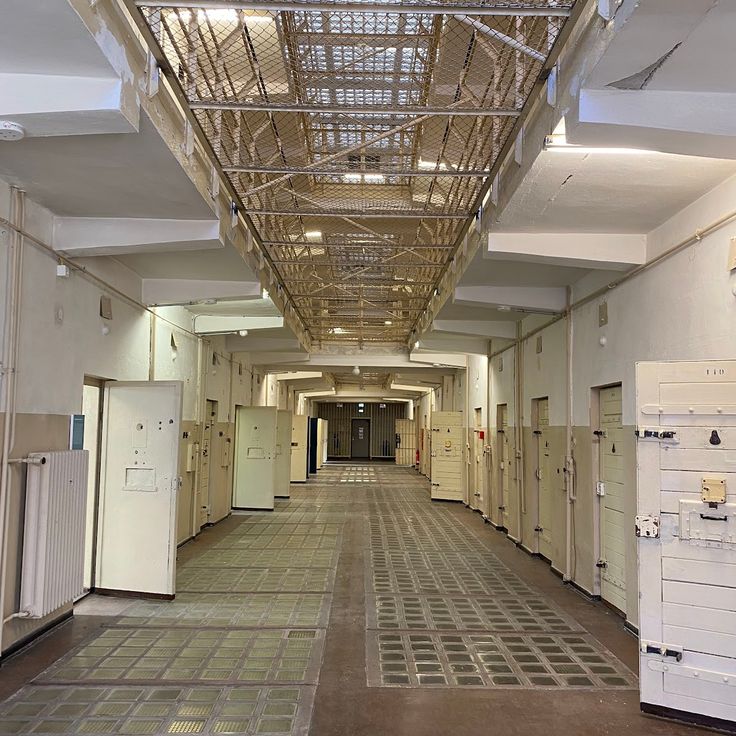
This memorial was once a detention center run by the Stasi, the secret police of East Germany. Today it documents the political repression that took place during the communist era. Visitors can see the cells and learn about the harsh conditions prisoners faced. The site tells the story of those detained for their beliefs and offers insight into this difficult period of German history.
Warnemünde Church is a Protestant religious building from the 14th century in Warnemünde and one of Rostock's main tourist attractions. The structure features a distinctive brick tower that exemplifies Baltic Gothic architecture. Located in the historic fishing district, this church provides visitors with insight into the religious and architectural heritage of this coastal city.
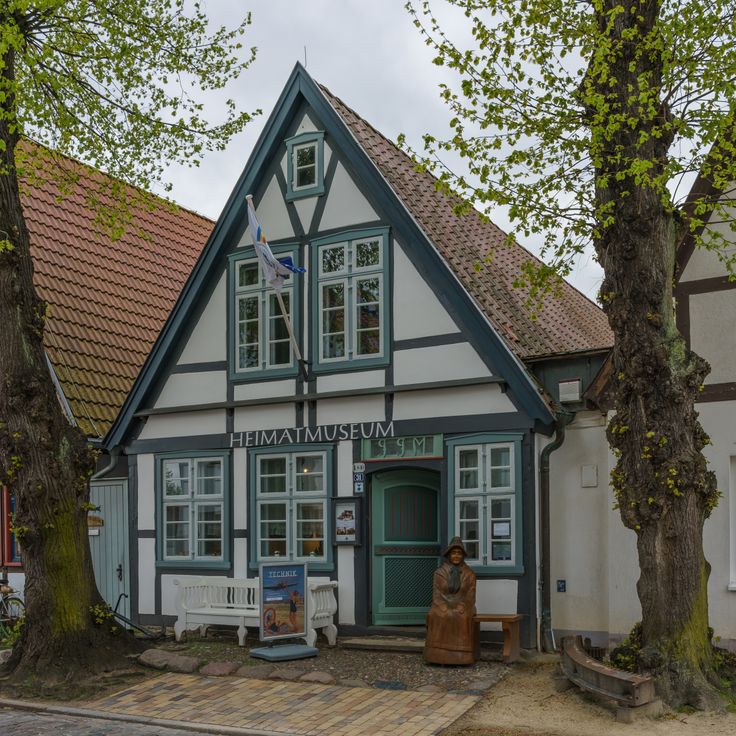
The Warnemünde Local Museum is a cultural institution dedicated to the port history and maritime traditions of this coastal community. It displays nautical objects, fishing equipment, and accounts of life along the shore. As part of Rostock's main tourist attractions, it offers insight into the seafaring past of this Baltic port.
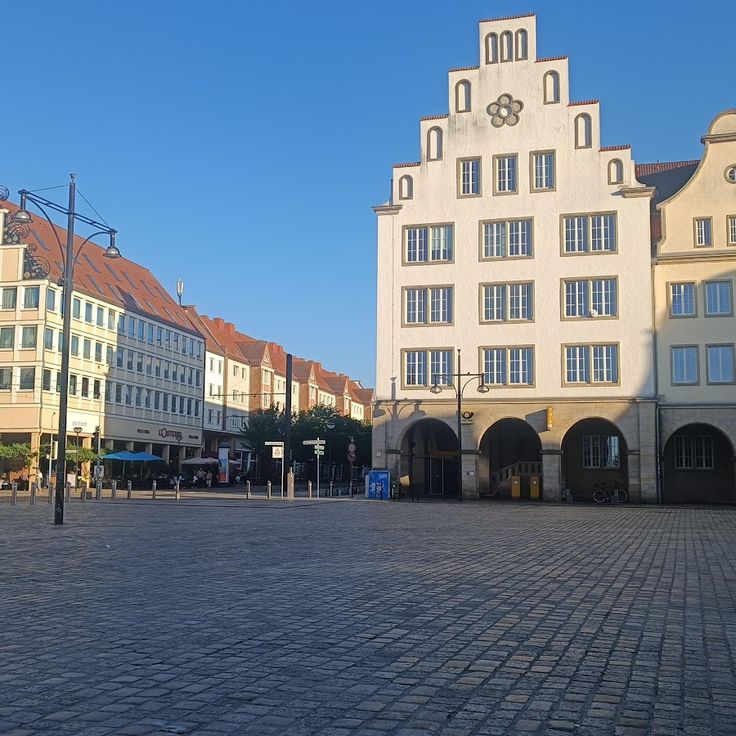
The New Market is the central square in Rostock's old town and an essential place for visitors exploring this coastal German city on the Baltic Sea. The square is surrounded by colorful gabled houses from the Middle Ages and Renaissance that together form an architectural ensemble from the Hanseatic period. The town hall stands here, defining the character of the square. The buildings show how Rostock was an important trading city in earlier centuries.
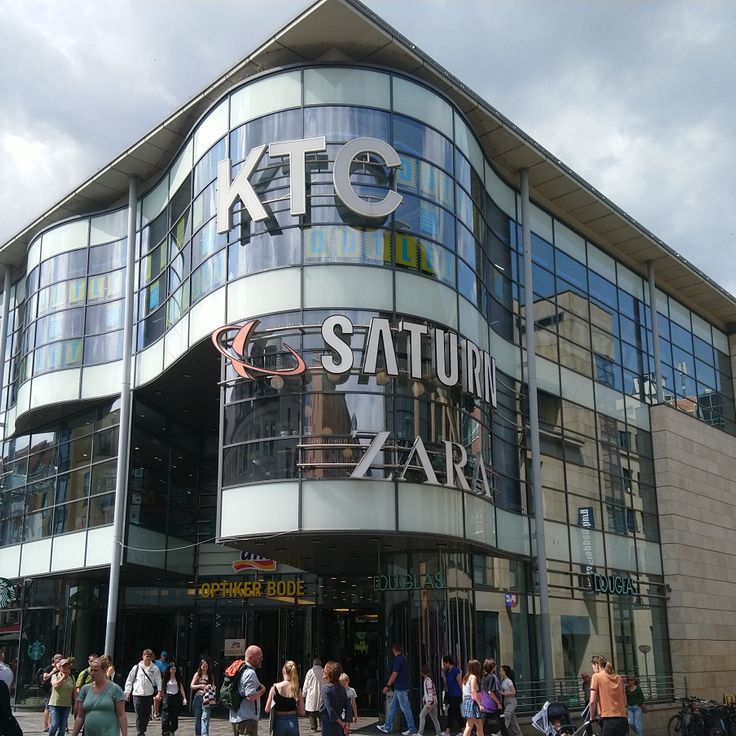
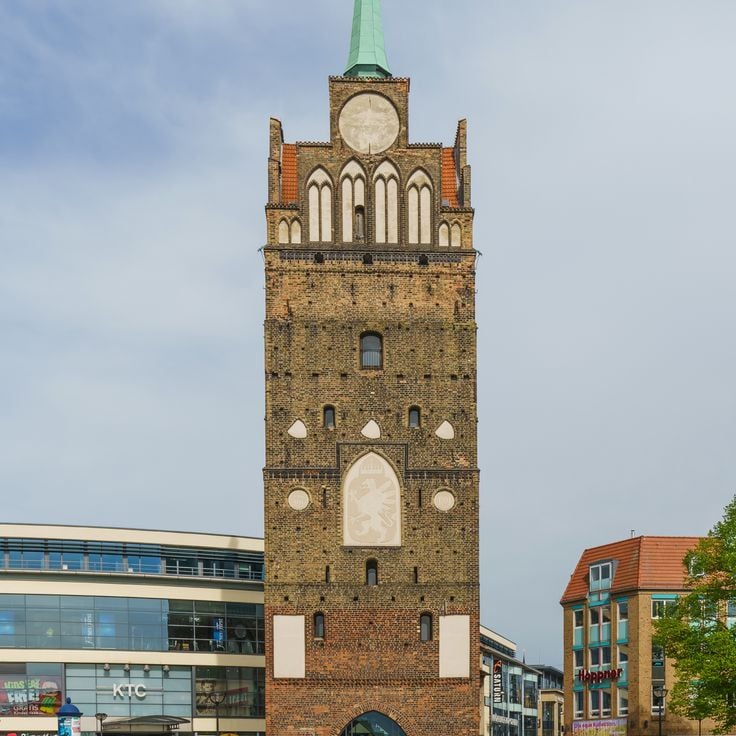
The Kröpeliner Tor Center is a modern shopping complex in Rostock located near the former medieval city gate that once marked the western entrance to the old town. This center features over 60 stores, restaurants, and various services all in one place. It serves as a key destination for visitors exploring the city's retail offerings and shopping traditions while being situated at a historically significant location in this Baltic coastal city.
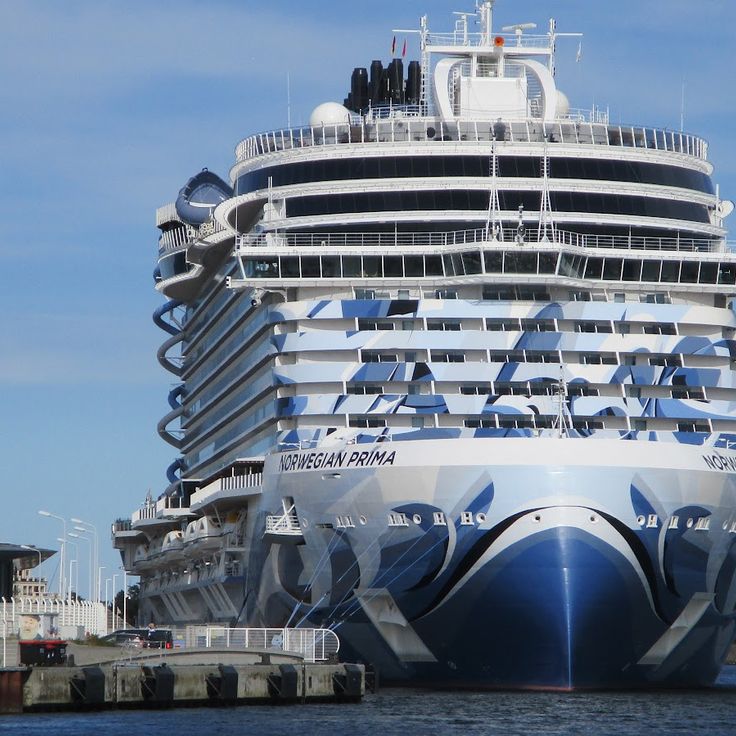
The Warnemünde Piers are two stone structures that extend 500 meters into the Baltic Sea. They are among the main attractions of this coastal city and serve to protect the harbor. Green and red lighthouses stand on the piers, from which you can watch ferries and cruise ships passing through. Visitors can walk along the piers and enjoy views of the sea.
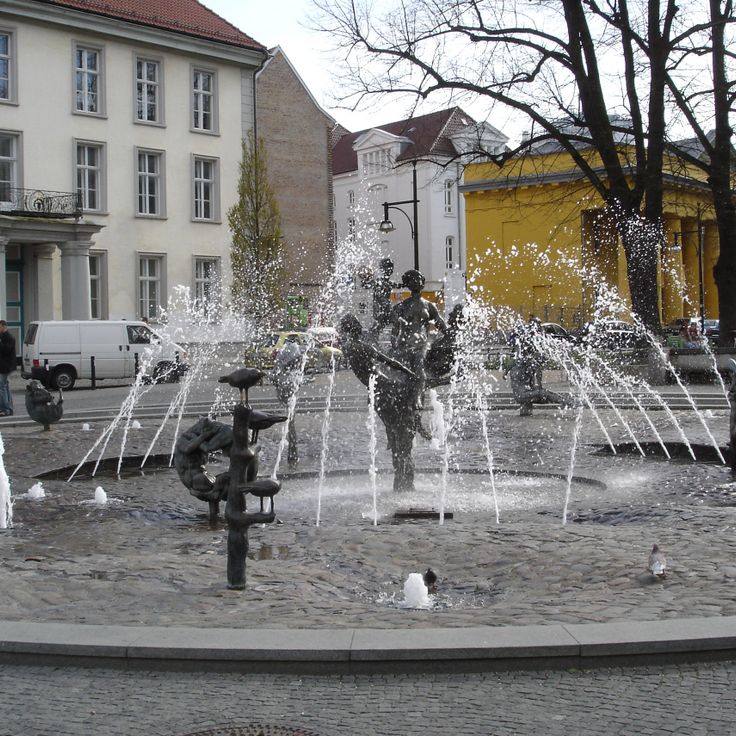
The Joy of Life Fountain stands at University Square and features a bronze sculptural group of 20 figures with water elements. Created by sculptor Jo Jastram and unveiled in 1980, this fountain represents the city's renewal and development. As part of Rostock's main attractions, this work shows the artistic character and transformation of this Baltic coastal city.
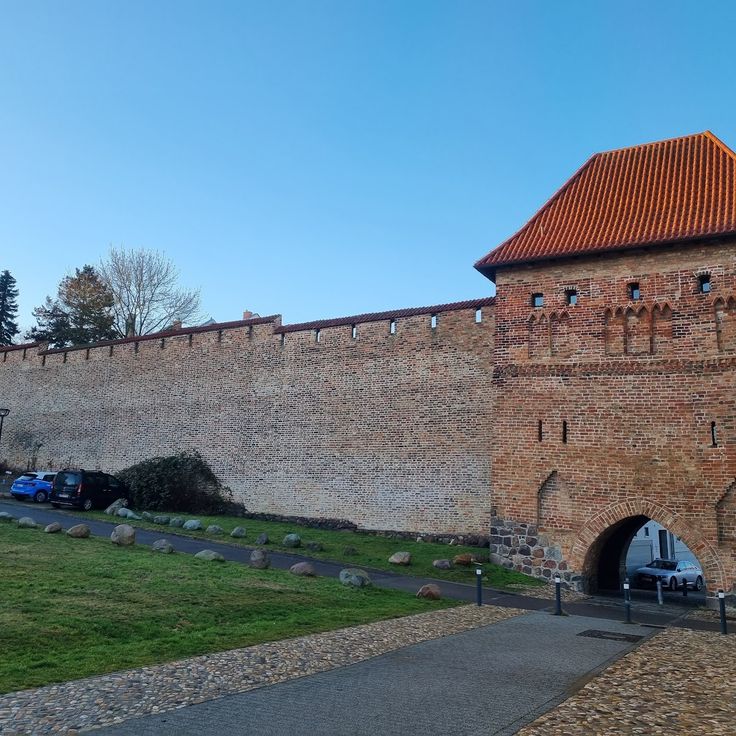
The Rostock City Walls are the remnants of medieval fortifications built to protect this important Hanseatic trading city. Sections of the original wall and defensive towers still stand, dating back to the 13th century and reflecting the city's role as a major Baltic Sea port. Walking along these walls gives visitors a sense of how the city was once enclosed and defended.
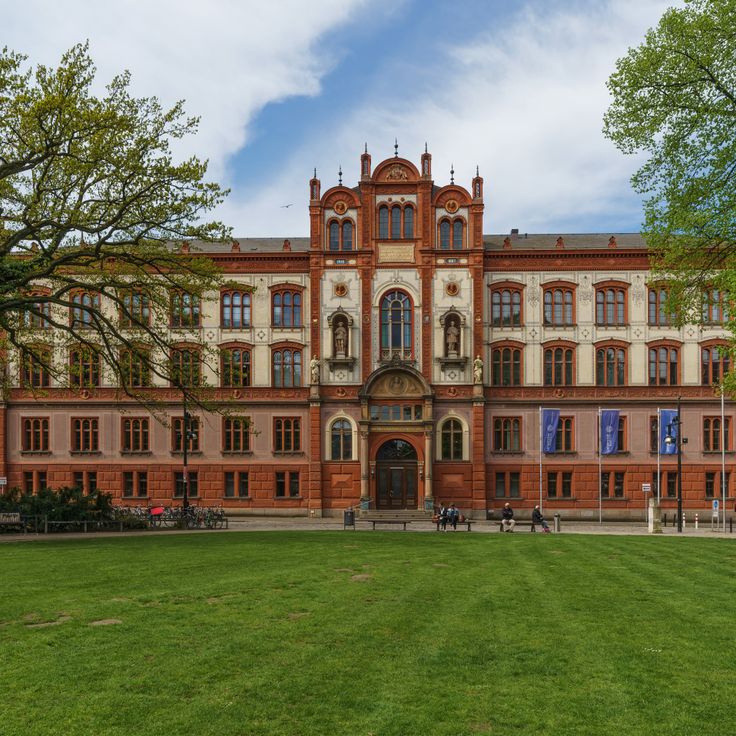
The University of Rostock is one of the oldest universities in Northern Europe, founded in 1419. It shapes this Baltic Sea coastal city as a major educational institution. The campus features traditional academic buildings that reflect centuries of history. This university is part of Rostock's cultural identity and an important place for visitors who want to understand the city's intellectual tradition.
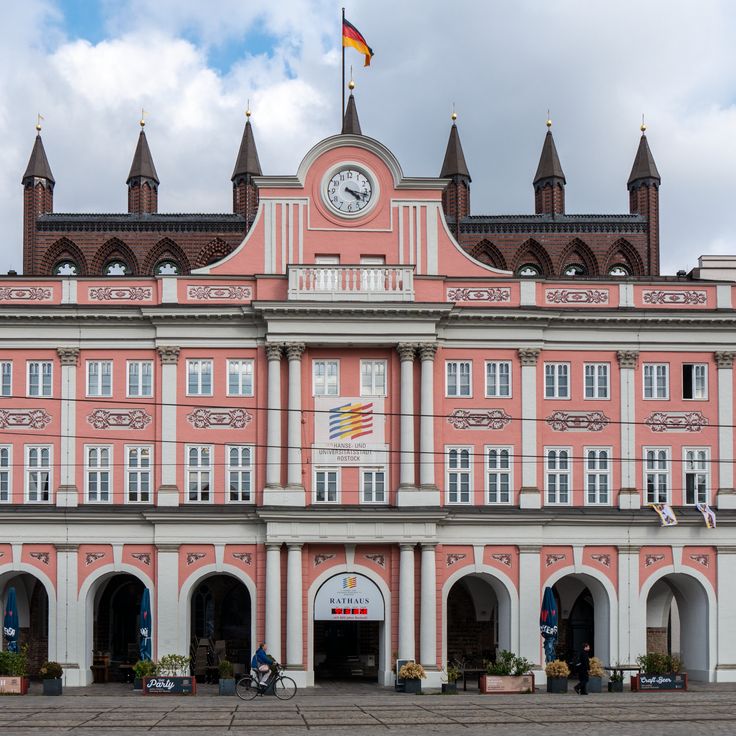
The Rostock Town Hall reflects the long history of this Baltic coastal city. Built in the 13th century, it displays the region's characteristic red-brick architecture. An ornate Baroque façade was added in the 18th century and remains a defining feature today. Inside, the town hall contains an elaborately decorated banquet hall used for important civic events. This building is among the historical landmarks that draw visitors to Rostock who wish to explore the city and its past.
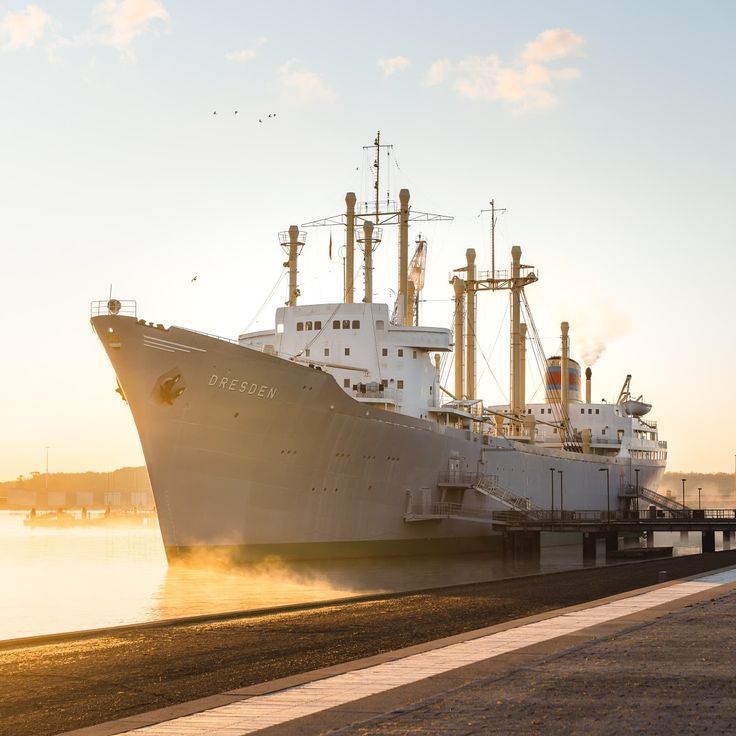
The Stephan Jantzen Icebreaker is a ship from 1967 that now serves as a maritime museum in Rostock. It displays the history of shipping on the Baltic Sea with interactive technical exhibits. Visitors can board the vessel and learn how an icebreaker operated. The museum explains the importance of ships to the region and the workers who served aboard them.
Warnemünde Spa Park is a public space featuring gardens, walking paths, rest areas, and recreational facilities. As part of Rostock's main attractions along the Baltic Sea, this park welcomes both tourists and local visitors to enjoy outdoor activities and relaxation. The park offers a blend of natural surroundings and leisure amenities, making it an integral part of this coastal German city's appeal.
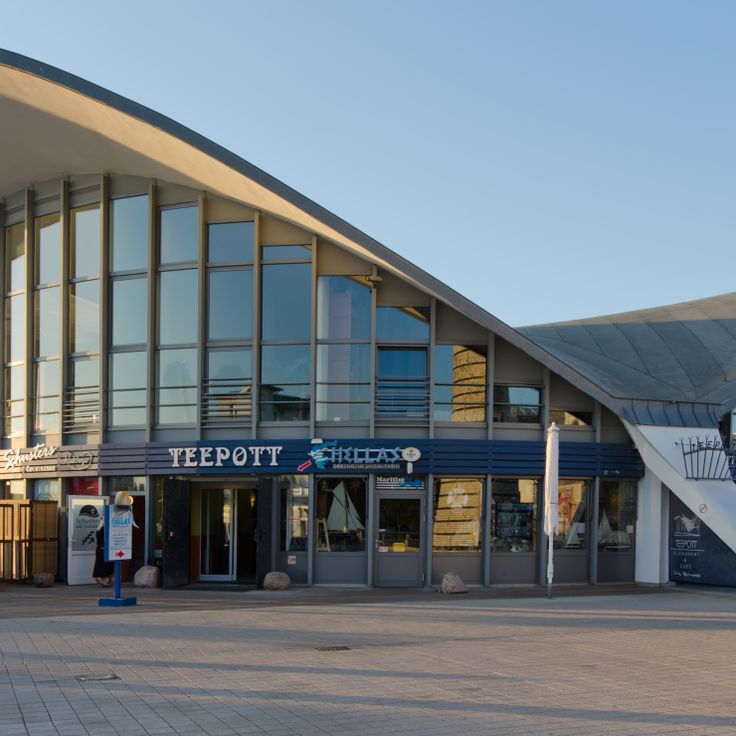
The Teepott is a contemporary architectural structure with a distinctive cylindrical shape in Warnemünde. It houses a restaurant overlooking the Baltic Sea coast and stands as one of this coastal city's modern landmarks. The building catches the eye with its bold design and offers visitors a place to enjoy the view of the water.
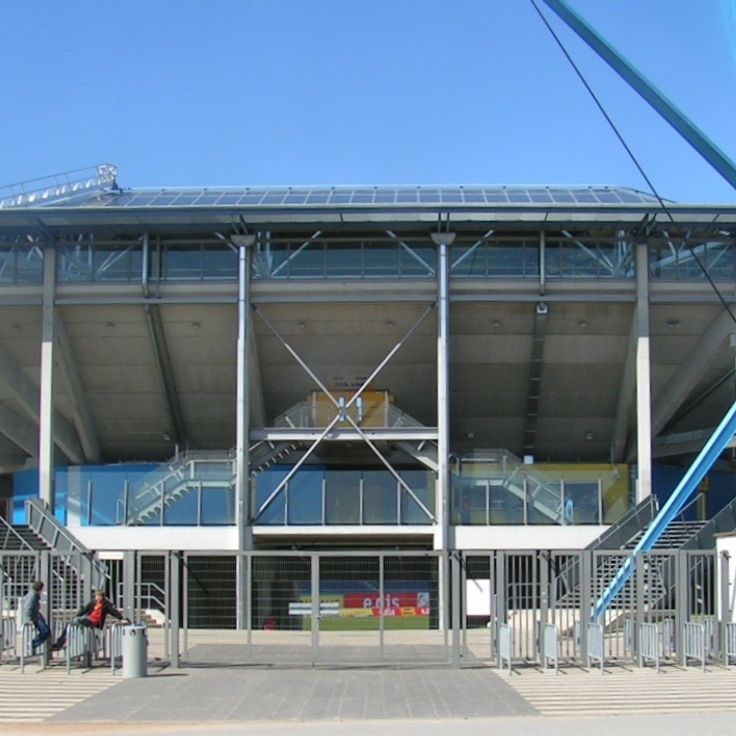
The Baltic Sea Stadium is the home of FC Hansa Rostock football club and a modern sports facility in this Baltic coastal city. Since opening in 2001, the stadium has hosted about 29,000 spectators and serves as a gathering place for sports enthusiasts and visitors wanting to experience the local football culture. The stadium represents contemporary sports infrastructure in Rostock alongside historical landmarks like St. Mary's Church and the Warnemünde lighthouses.
The Stone Gate is an architectural remnant of Rostock's medieval defense system, built in the thirteenth century as part of the original walls of the Hanseatic city. It stands as a tangible link to the time when this coastal port was fortified against attack and served as a crucial trading hub on the Baltic. Walking past this structure, you can sense the weight of centuries and the city's former importance in medieval trade networks.
The Rostock Shipbuilding and Maritime Museum is a cultural institution that tells the story of the city's port history. This museum presents traditional shipbuilding techniques and the development of maritime trade through collections of objects, models, and historical documents. It is an important place to understand Rostock's connection to the sea and its maritime past.
Karl's Adventure Village in Rövershagen is a family theme park featured in this collection of Rostock attractions, dedicated to exploring local history. The park offers interactive exhibitions to discover, a petting farm with domestic animals to touch, and mechanical rides suited for children of all ages.
Rostock Zoo is one of the main attractions in this Baltic Sea coastal city. The zoo is home to more than four thousand animals from around the world and conducts scientific research programs. It actively participates in international wildlife conservation projects and offers visitors the chance to see creatures from different continents.
The Warnemünde Lighthouse is a maritime signal tower built in the nineteenth century on the Baltic Sea coast and a key feature in this collection of Rostock's main attractions. The tower houses a navigation museum and offers views of the coastline from its platform. Visitors can learn about seafaring history and enjoy views across the water and shore.
IGA Park is a green space in Rostock where visitors can explore themed botanical gardens with seasonal flower displays. Walking trails wind through the gardens, and family-friendly facilities are available throughout the park. As one of Rostock's key destinations, this place offers a chance to see regional plant diversity and enjoy nature within the city.
The GALERIA Rostock is a large modern shopping center in the heart of the city and an important stop for visitors exploring this Baltic coast destination. The center houses fashion shops, specialty stores, restaurants, and food courts where you can spend time browsing and eating. It serves as a convenient gathering spot where travelers can take a break from sightseeing or pick up items they need during their stay.
The Rhododendronpark in Graal-Müritz is among the botanical attractions near Rostock, showcasing over 2,500 varieties of rhododendrons and azaleas across 4.5 hectares. Located in this coastal resort town, the park displays flowering plants arranged throughout its pathways. Visitors can walk through and observe the blooming plants in their seasons.
St. Mary's Church is a brick Gothic structure built in the 13th century that stands as a prominent landmark in Rostock. Inside, you will find an astronomical clock dating from 1472 and the largest organ in Mecklenburg-Western Pomerania, featuring 5,500 pipes. The church's towering interior and intricate details reflect the medieval craftsmanship that went into its construction. As a key historical site in this Baltic coastal city, St. Mary's Church offers visitors a window into Rostock's past and remains an active place of worship and cultural significance.
The Flip Out Trampoline Arena Rostock is a recreation center in this Baltic coastal city that offers trampoline zones, ninja warrior obstacle courses, and various physical activities for all ages in a secure environment. It complements the family-friendly attractions of Rostock alongside historical landmarks like St. Mary's Church and the city's parks.
Darwineum Rostock combines a zoological park with a science museum dedicated to Charles Darwin and the evolution of species. Visitors can see different animals in reconstructed habitats while learning about natural selection and adaptation. This center is part of the key sites that make Rostock a compelling destination on the Baltic coast.
St. Peter's Church is a brick Gothic building from the 13th century located in Rostock, a coastal city on the Baltic Sea. This church stands out among the main historical landmarks that travelers explore when visiting the destination. Its tower provides views over the city and showcases the distinctive style of medieval religious architecture. Inside, visitors can observe the typical features of Gothic sacred art and construction techniques from the Middle Ages. The church remains an important part of Rostock's history and attracts those interested in the city's architectural heritage.
The Rostock Art Gallery is a cultural venue in this Baltic port city that displays contemporary works by local and international artists. The museum offers permanent and temporary exhibitions focused on visual arts. Visitors can explore modern artistic expression and gain insight into the creative scene of this German coastal destination.
This wellness facility is part of Rostock's tourist attractions, a coastal city on the Baltic Sea. Baltic Leisure GmbH offers massage services, thermal pools, and sauna cabins with direct access to the Baltic coast. Visitors can unwind and enjoy the proximity to the sea.
The Alter Strom is an old waterway that runs through the center of Warnemünde, a seaside resort that is part of Rostock. Along its banks you find souvenir shops, café terraces, and fresh fish stalls where you can buy or eat local catches. The waterway reflects how people live in this coastal area and offers a place to experience the maritime character of the region.
Warnemünde Beach is a wide stretch of white sand along the Baltic Sea coast that extends for several kilometers. As one of Rostock's main attractions, it offers swimming, sailing, and views of maritime traffic. The beach is lined with promenades and small cafés where visitors can watch the activity of the waterfront.
The Historical Cultural Museum displays archaeological, historical, and artistic collections that trace the development of the Mecklenburg-Western Pomerania region across different periods. As an important site in Rostock, it contributes to understanding the history of this Baltic coastal city and complements visits to other historical landmarks like St. Mary's Church.
This memorial was once a detention center run by the Stasi, the secret police of East Germany. Today it documents the political repression that took place during the communist era. Visitors can see the cells and learn about the harsh conditions prisoners faced. The site tells the story of those detained for their beliefs and offers insight into this difficult period of German history.
Warnemünde Church is a Protestant religious building from the 14th century in Warnemünde and one of Rostock's main tourist attractions. The structure features a distinctive brick tower that exemplifies Baltic Gothic architecture. Located in the historic fishing district, this church provides visitors with insight into the religious and architectural heritage of this coastal city.
The Warnemünde Local Museum is a cultural institution dedicated to the port history and maritime traditions of this coastal community. It displays nautical objects, fishing equipment, and accounts of life along the shore. As part of Rostock's main tourist attractions, it offers insight into the seafaring past of this Baltic port.
The New Market is the central square in Rostock's old town and an essential place for visitors exploring this coastal German city on the Baltic Sea. The square is surrounded by colorful gabled houses from the Middle Ages and Renaissance that together form an architectural ensemble from the Hanseatic period. The town hall stands here, defining the character of the square. The buildings show how Rostock was an important trading city in earlier centuries.
The Kröpeliner Tor Center is a modern shopping complex in Rostock located near the former medieval city gate that once marked the western entrance to the old town. This center features over 60 stores, restaurants, and various services all in one place. It serves as a key destination for visitors exploring the city's retail offerings and shopping traditions while being situated at a historically significant location in this Baltic coastal city.
The Warnemünde Piers are two stone structures that extend 500 meters into the Baltic Sea. They are among the main attractions of this coastal city and serve to protect the harbor. Green and red lighthouses stand on the piers, from which you can watch ferries and cruise ships passing through. Visitors can walk along the piers and enjoy views of the sea.
The Joy of Life Fountain stands at University Square and features a bronze sculptural group of 20 figures with water elements. Created by sculptor Jo Jastram and unveiled in 1980, this fountain represents the city's renewal and development. As part of Rostock's main attractions, this work shows the artistic character and transformation of this Baltic coastal city.
The Rostock City Walls are the remnants of medieval fortifications built to protect this important Hanseatic trading city. Sections of the original wall and defensive towers still stand, dating back to the 13th century and reflecting the city's role as a major Baltic Sea port. Walking along these walls gives visitors a sense of how the city was once enclosed and defended.
The University of Rostock is one of the oldest universities in Northern Europe, founded in 1419. It shapes this Baltic Sea coastal city as a major educational institution. The campus features traditional academic buildings that reflect centuries of history. This university is part of Rostock's cultural identity and an important place for visitors who want to understand the city's intellectual tradition.
The Rostock Town Hall reflects the long history of this Baltic coastal city. Built in the 13th century, it displays the region's characteristic red-brick architecture. An ornate Baroque façade was added in the 18th century and remains a defining feature today. Inside, the town hall contains an elaborately decorated banquet hall used for important civic events. This building is among the historical landmarks that draw visitors to Rostock who wish to explore the city and its past.
The Stephan Jantzen Icebreaker is a ship from 1967 that now serves as a maritime museum in Rostock. It displays the history of shipping on the Baltic Sea with interactive technical exhibits. Visitors can board the vessel and learn how an icebreaker operated. The museum explains the importance of ships to the region and the workers who served aboard them.
Warnemünde Spa Park is a public space featuring gardens, walking paths, rest areas, and recreational facilities. As part of Rostock's main attractions along the Baltic Sea, this park welcomes both tourists and local visitors to enjoy outdoor activities and relaxation. The park offers a blend of natural surroundings and leisure amenities, making it an integral part of this coastal German city's appeal.
The Teepott is a contemporary architectural structure with a distinctive cylindrical shape in Warnemünde. It houses a restaurant overlooking the Baltic Sea coast and stands as one of this coastal city's modern landmarks. The building catches the eye with its bold design and offers visitors a place to enjoy the view of the water.
The Baltic Sea Stadium is the home of FC Hansa Rostock football club and a modern sports facility in this Baltic coastal city. Since opening in 2001, the stadium has hosted about 29,000 spectators and serves as a gathering place for sports enthusiasts and visitors wanting to experience the local football culture. The stadium represents contemporary sports infrastructure in Rostock alongside historical landmarks like St. Mary's Church and the Warnemünde lighthouses.
The Stone Gate is an architectural remnant of Rostock's medieval defense system, built in the thirteenth century as part of the original walls of the Hanseatic city. It stands as a tangible link to the time when this coastal port was fortified against attack and served as a crucial trading hub on the Baltic. Walking past this structure, you can sense the weight of centuries and the city's former importance in medieval trade networks.
The Rostock Shipbuilding and Maritime Museum is a cultural institution that tells the story of the city's port history. This museum presents traditional shipbuilding techniques and the development of maritime trade through collections of objects, models, and historical documents. It is an important place to understand Rostock's connection to the sea and its maritime past.
Karl's Adventure Village in Rövershagen is a family theme park featured in this collection of Rostock attractions, dedicated to exploring local history. The park offers interactive exhibitions to discover, a petting farm with domestic animals to touch, and mechanical rides suited for children of all ages.
Rostock Zoo is one of the main attractions in this Baltic Sea coastal city. The zoo is home to more than four thousand animals from around the world and conducts scientific research programs. It actively participates in international wildlife conservation projects and offers visitors the chance to see creatures from different continents.
The Warnemünde Lighthouse is a maritime signal tower built in the nineteenth century on the Baltic Sea coast and a key feature in this collection of Rostock's main attractions. The tower houses a navigation museum and offers views of the coastline from its platform. Visitors can learn about seafaring history and enjoy views across the water and shore.
IGA Park is a green space in Rostock where visitors can explore themed botanical gardens with seasonal flower displays. Walking trails wind through the gardens, and family-friendly facilities are available throughout the park. As one of Rostock's key destinations, this place offers a chance to see regional plant diversity and enjoy nature within the city.
The GALERIA Rostock is a large modern shopping center in the heart of the city and an important stop for visitors exploring this Baltic coast destination. The center houses fashion shops, specialty stores, restaurants, and food courts where you can spend time browsing and eating. It serves as a convenient gathering spot where travelers can take a break from sightseeing or pick up items they need during their stay.
The Rhododendronpark in Graal-Müritz is among the botanical attractions near Rostock, showcasing over 2,500 varieties of rhododendrons and azaleas across 4.5 hectares. Located in this coastal resort town, the park displays flowering plants arranged throughout its pathways. Visitors can walk through and observe the blooming plants in their seasons.
St. Mary's Church is a brick Gothic structure built in the 13th century that stands as a prominent landmark in Rostock. Inside, you will find an astronomical clock dating from 1472 and the largest organ in Mecklenburg-Western Pomerania, featuring 5,500 pipes. The church's towering interior and intricate details reflect the medieval craftsmanship that went into its construction. As a key historical site in this Baltic coastal city, St. Mary's Church offers visitors a window into Rostock's past and remains an active place of worship and cultural significance.
The Flip Out Trampoline Arena Rostock is a recreation center in this Baltic coastal city that offers trampoline zones, ninja warrior obstacle courses, and various physical activities for all ages in a secure environment. It complements the family-friendly attractions of Rostock alongside historical landmarks like St. Mary's Church and the city's parks.
Darwineum Rostock combines a zoological park with a science museum dedicated to Charles Darwin and the evolution of species. Visitors can see different animals in reconstructed habitats while learning about natural selection and adaptation. This center is part of the key sites that make Rostock a compelling destination on the Baltic coast.
St. Peter's Church is a brick Gothic building from the 13th century located in Rostock, a coastal city on the Baltic Sea. This church stands out among the main historical landmarks that travelers explore when visiting the destination. Its tower provides views over the city and showcases the distinctive style of medieval religious architecture. Inside, visitors can observe the typical features of Gothic sacred art and construction techniques from the Middle Ages. The church remains an important part of Rostock's history and attracts those interested in the city's architectural heritage.
The Rostock Art Gallery is a cultural venue in this Baltic port city that displays contemporary works by local and international artists. The museum offers permanent and temporary exhibitions focused on visual arts. Visitors can explore modern artistic expression and gain insight into the creative scene of this German coastal destination.
This wellness facility is part of Rostock's tourist attractions, a coastal city on the Baltic Sea. Baltic Leisure GmbH offers massage services, thermal pools, and sauna cabins with direct access to the Baltic coast. Visitors can unwind and enjoy the proximity to the sea.
The Alter Strom is an old waterway that runs through the center of Warnemünde, a seaside resort that is part of Rostock. Along its banks you find souvenir shops, café terraces, and fresh fish stalls where you can buy or eat local catches. The waterway reflects how people live in this coastal area and offers a place to experience the maritime character of the region.
Warnemünde Beach is a wide stretch of white sand along the Baltic Sea coast that extends for several kilometers. As one of Rostock's main attractions, it offers swimming, sailing, and views of maritime traffic. The beach is lined with promenades and small cafés where visitors can watch the activity of the waterfront.
The Historical Cultural Museum displays archaeological, historical, and artistic collections that trace the development of the Mecklenburg-Western Pomerania region across different periods. As an important site in Rostock, it contributes to understanding the history of this Baltic coastal city and complements visits to other historical landmarks like St. Mary's Church.
This memorial was once a detention center run by the Stasi, the secret police of East Germany. Today it documents the political repression that took place during the communist era. Visitors can see the cells and learn about the harsh conditions prisoners faced. The site tells the story of those detained for their beliefs and offers insight into this difficult period of German history.
Warnemünde Church is a Protestant religious building from the 14th century in Warnemünde and one of Rostock's main tourist attractions. The structure features a distinctive brick tower that exemplifies Baltic Gothic architecture. Located in the historic fishing district, this church provides visitors with insight into the religious and architectural heritage of this coastal city.
The Warnemünde Local Museum is a cultural institution dedicated to the port history and maritime traditions of this coastal community. It displays nautical objects, fishing equipment, and accounts of life along the shore. As part of Rostock's main tourist attractions, it offers insight into the seafaring past of this Baltic port.
The New Market is the central square in Rostock's old town and an essential place for visitors exploring this coastal German city on the Baltic Sea. The square is surrounded by colorful gabled houses from the Middle Ages and Renaissance that together form an architectural ensemble from the Hanseatic period. The town hall stands here, defining the character of the square. The buildings show how Rostock was an important trading city in earlier centuries.
The Kröpeliner Tor Center is a modern shopping complex in Rostock located near the former medieval city gate that once marked the western entrance to the old town. This center features over 60 stores, restaurants, and various services all in one place. It serves as a key destination for visitors exploring the city's retail offerings and shopping traditions while being situated at a historically significant location in this Baltic coastal city.
The Warnemünde Piers are two stone structures that extend 500 meters into the Baltic Sea. They are among the main attractions of this coastal city and serve to protect the harbor. Green and red lighthouses stand on the piers, from which you can watch ferries and cruise ships passing through. Visitors can walk along the piers and enjoy views of the sea.
The Joy of Life Fountain stands at University Square and features a bronze sculptural group of 20 figures with water elements. Created by sculptor Jo Jastram and unveiled in 1980, this fountain represents the city's renewal and development. As part of Rostock's main attractions, this work shows the artistic character and transformation of this Baltic coastal city.
The Rostock City Walls are the remnants of medieval fortifications built to protect this important Hanseatic trading city. Sections of the original wall and defensive towers still stand, dating back to the 13th century and reflecting the city's role as a major Baltic Sea port. Walking along these walls gives visitors a sense of how the city was once enclosed and defended.
The University of Rostock is one of the oldest universities in Northern Europe, founded in 1419. It shapes this Baltic Sea coastal city as a major educational institution. The campus features traditional academic buildings that reflect centuries of history. This university is part of Rostock's cultural identity and an important place for visitors who want to understand the city's intellectual tradition.
The Rostock Town Hall reflects the long history of this Baltic coastal city. Built in the 13th century, it displays the region's characteristic red-brick architecture. An ornate Baroque façade was added in the 18th century and remains a defining feature today. Inside, the town hall contains an elaborately decorated banquet hall used for important civic events. This building is among the historical landmarks that draw visitors to Rostock who wish to explore the city and its past.
The Stephan Jantzen Icebreaker is a ship from 1967 that now serves as a maritime museum in Rostock. It displays the history of shipping on the Baltic Sea with interactive technical exhibits. Visitors can board the vessel and learn how an icebreaker operated. The museum explains the importance of ships to the region and the workers who served aboard them.
Warnemünde Spa Park is a public space featuring gardens, walking paths, rest areas, and recreational facilities. As part of Rostock's main attractions along the Baltic Sea, this park welcomes both tourists and local visitors to enjoy outdoor activities and relaxation. The park offers a blend of natural surroundings and leisure amenities, making it an integral part of this coastal German city's appeal.
The Teepott is a contemporary architectural structure with a distinctive cylindrical shape in Warnemünde. It houses a restaurant overlooking the Baltic Sea coast and stands as one of this coastal city's modern landmarks. The building catches the eye with its bold design and offers visitors a place to enjoy the view of the water.
The Baltic Sea Stadium is the home of FC Hansa Rostock football club and a modern sports facility in this Baltic coastal city. Since opening in 2001, the stadium has hosted about 29,000 spectators and serves as a gathering place for sports enthusiasts and visitors wanting to experience the local football culture. The stadium represents contemporary sports infrastructure in Rostock alongside historical landmarks like St. Mary's Church and the Warnemünde lighthouses.
The Stone Gate is an architectural remnant of Rostock's medieval defense system, built in the thirteenth century as part of the original walls of the Hanseatic city. It stands as a tangible link to the time when this coastal port was fortified against attack and served as a crucial trading hub on the Baltic. Walking past this structure, you can sense the weight of centuries and the city's former importance in medieval trade networks.
The Rostock Shipbuilding and Maritime Museum is a cultural institution that tells the story of the city's port history. This museum presents traditional shipbuilding techniques and the development of maritime trade through collections of objects, models, and historical documents. It is an important place to understand Rostock's connection to the sea and its maritime past.
Rostock offers, as you have seen in this article, a natural mix of port life, remnants of the past, and entertainment. The city is best explored by strolling at a relaxed pace, letting surprises happen and streets guide you. Come and see for yourself how Rostock blends its history with modern life by the Baltic Sea.