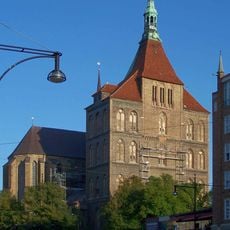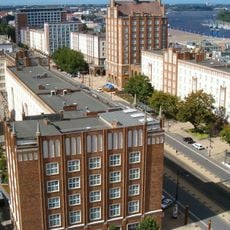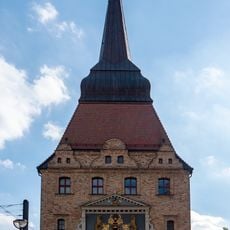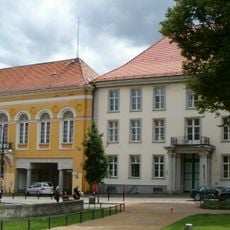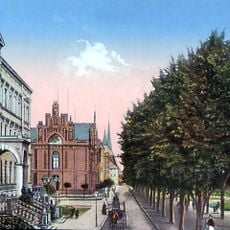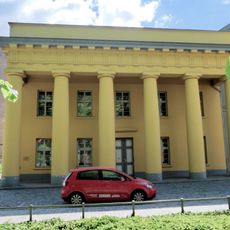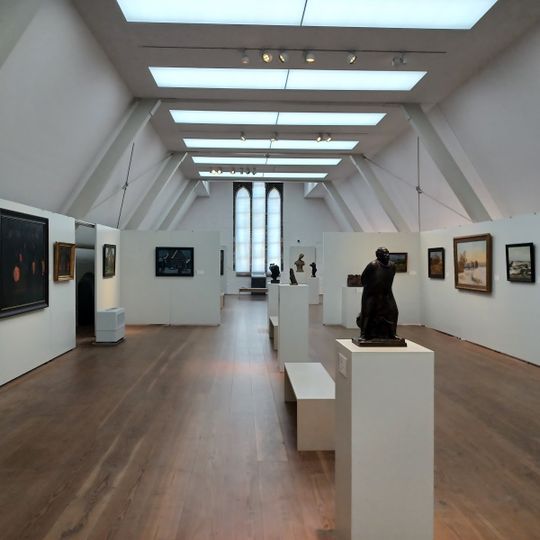
Kulturhistorisches Museum Rostock, Cultural history museum in central Rostock, Germany.
The Kulturhistorisches Museum Rostock is a history museum in the city center that presents collections on archaeology, seafaring, decorative crafts, and regional development. Objects span from prehistoric times to the present and document how this port city evolved.
The museum was founded in 1859 and ranks among the oldest in northern Germany. For more than 160 years, it has preserved the history of this former Hanseatic city.
The museum reflects how Rostock residents lived and worked across centuries, from local crafts to maritime trade connections. The displays show what made this port city important to the broader region.
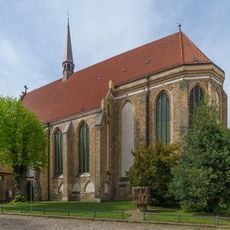
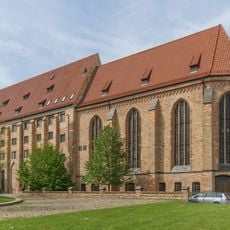
The museum is housed in the Kloster zum Heiligen Kreuz, whose west wing was restored from 1997; the associated monastery church was restored after the convent's renovation and can be visited as part of the museum. The first construction phase opened in 1980 for the 18th Workers' Festival of the GDR, the second followed in 1984. The medieval refectory from around 1480 holds the sacred art collection.
The museum's collection of around 70 Dutch paintings from the 16th to 19th centuries ranks among the most important in northern Germany, with works by Jan Brueghel the Younger, Ludolf Bakhuizen and Salomon van Ruysdael, plus prints after Rembrandt. Most arrived as gifts or bequests at the end of the 19th century; purchases in the 1950s replaced losses from the Second World War.
The community of curious travelers
AroundUs brings together thousands of curated places, local tips, and hidden gems, enriched daily by 93,903 contributors worldwide.