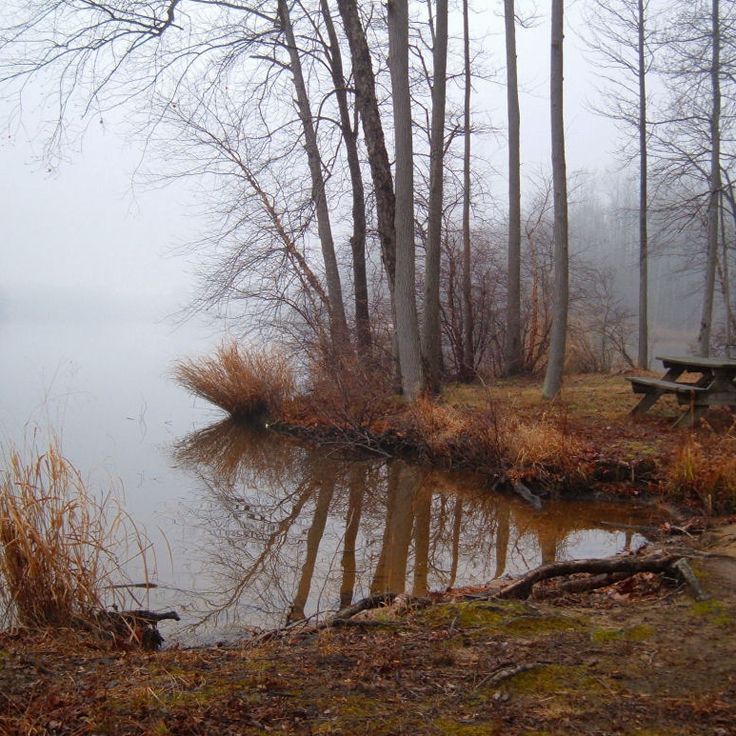
Delaware maintains a network of natural areas, historic sites and cultural institutions distributed across its three counties. In northern New Castle County, visitors find railroad museums, botanical gardens and forested state parks along Brandywine Creek, while the southern Kent and Sussex counties contain extensive coastal refuges, marshlands and Atlantic beaches. The state also preserves colonial-era sites, eighteenth-century plantations and regional history museums.
Natural areas include Bombay Hook and Prime Hook National Wildlife Refuges, which serve as important stopover points for migratory birds, and Cape Henlopen and Delaware Seashore State Parks along the coast. Trap Pond State Park in the interior protects one of the northernmost bald cypress swamp forests in North America. Cultural sites range from the Hagley Museum, which documents early industrial history, to the Wilmington and Western Railroad and smaller institutions such as the Nanticoke Indian Museum and Johnson Victrola Museum. Historic structures include Fort Delaware, wooden covered bridges and the New Castle Court House Museum.
Delaware maintains a network of natural areas, historic sites and cultural institutions distributed across its three counties. In northern New Castle County, visitors find railroad museums, botanical gardens and forested state parks along Brandywine Creek, while the southern Kent and Sussex counties contain extensive coastal refuges, marshlands and Atlantic beaches. The state also preserves colonial-era sites, eighteenth-century plantations and regional history museums.
Natural areas include Bombay Hook and Prime Hook National Wildlife Refuges, which serve as important stopover points for migratory birds, and Cape Henlopen and Delaware Seashore State Parks along the coast. Trap Pond State Park in the interior protects one of the northernmost bald cypress swamp forests in North America. Cultural sites range from the Hagley Museum, which documents early industrial history, to the Wilmington and Western Railroad and smaller institutions such as the Nanticoke Indian Museum and Johnson Victrola Museum. Historic structures include Fort Delaware, wooden covered bridges and the New Castle Court House Museum.
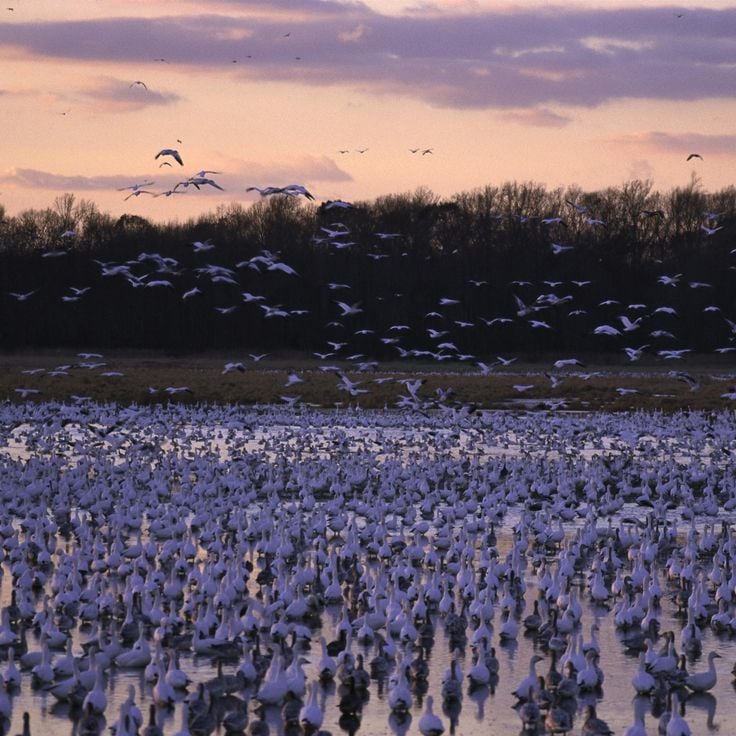
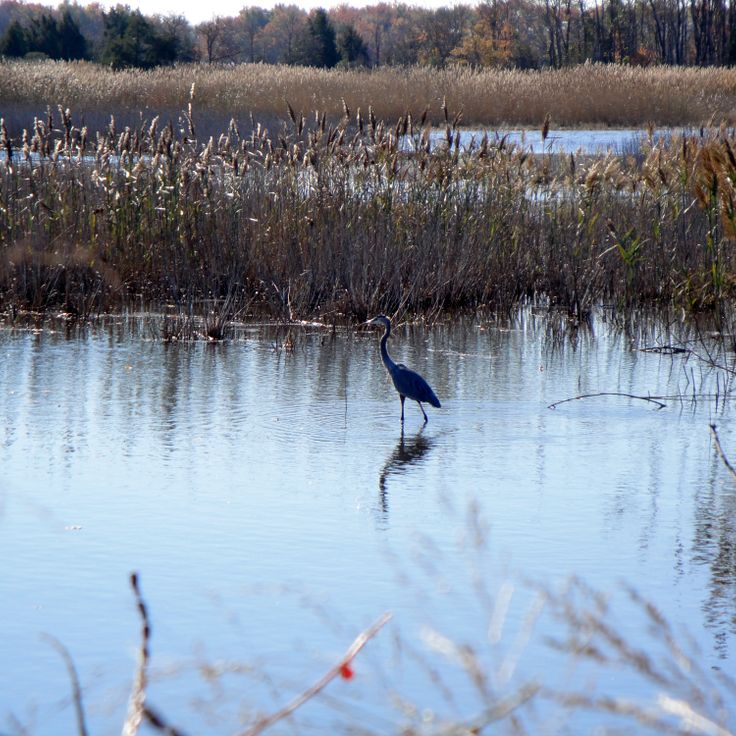
Bombay Hook National Wildlife Refuge spans 16,000 acres (6,475 hectares) of tidal marsh, freshwater impoundments and forested areas along the Delaware Bay. The refuge serves as a key stopover point for migratory birds along the Atlantic Flyway, with particularly high concentrations of shorebirds, waterfowl and wading birds during spring and fall migrations. Four miles of trails and a twelve-mile auto tour route provide access to various habitats including tidal marshes and brackish ponds typical of mid-Atlantic coastal wetlands.
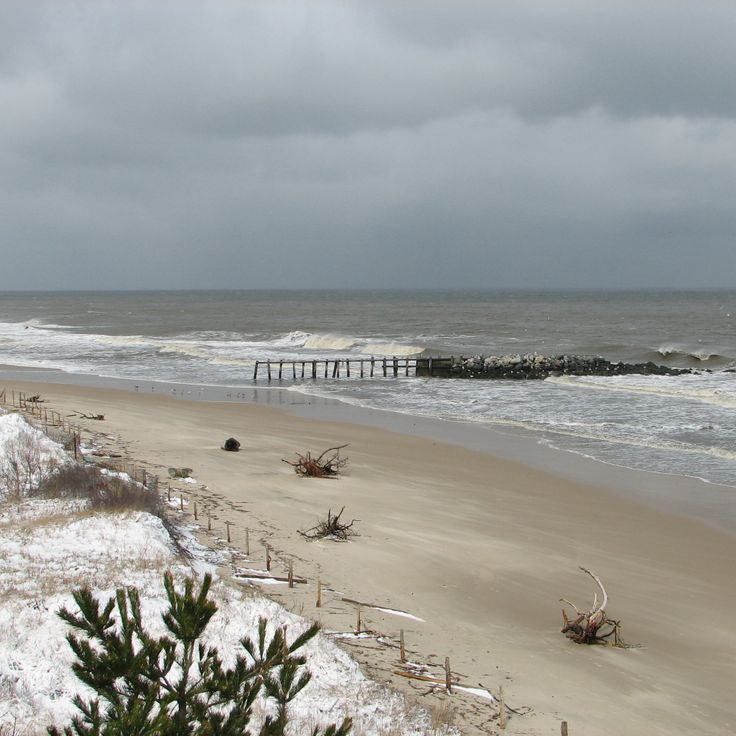
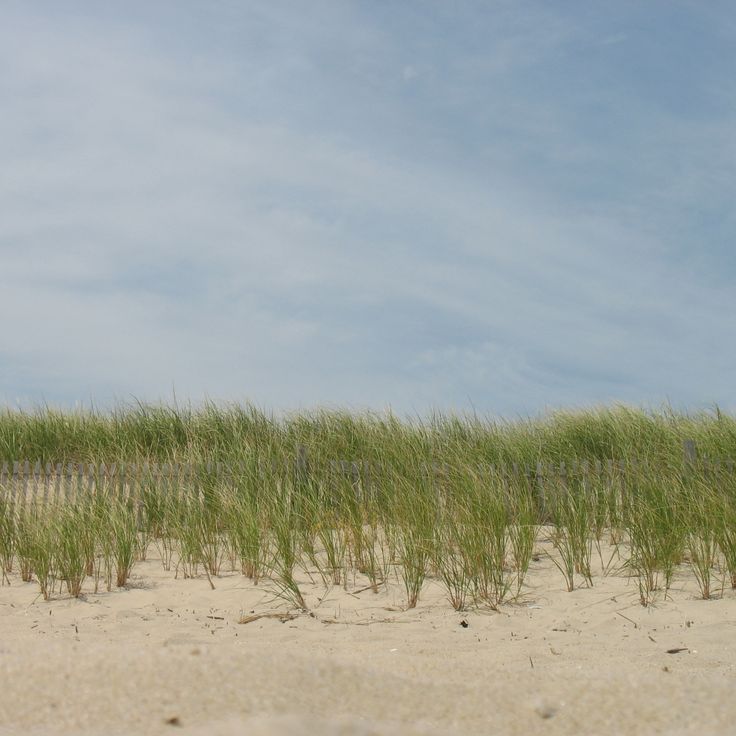
This 5,200-acre (2,100-hectare) state park protects maritime forests, beach dunes, and preserved military structures from World War II. Cape Henlopen sits along the Atlantic coast and contains several miles of sandy beaches, trails through coastal forests, and observation towers that once monitored the Delaware Bay entrance. The park protects various coastal ecosystems, including dune landscapes and salt marshes, and provides access to historic military installations that held strategic importance during the war. Birdwatching, beach activities, and access to coastal defense remains make the park a varied destination among the lesser visited natural reserves and historical sites of Delaware.
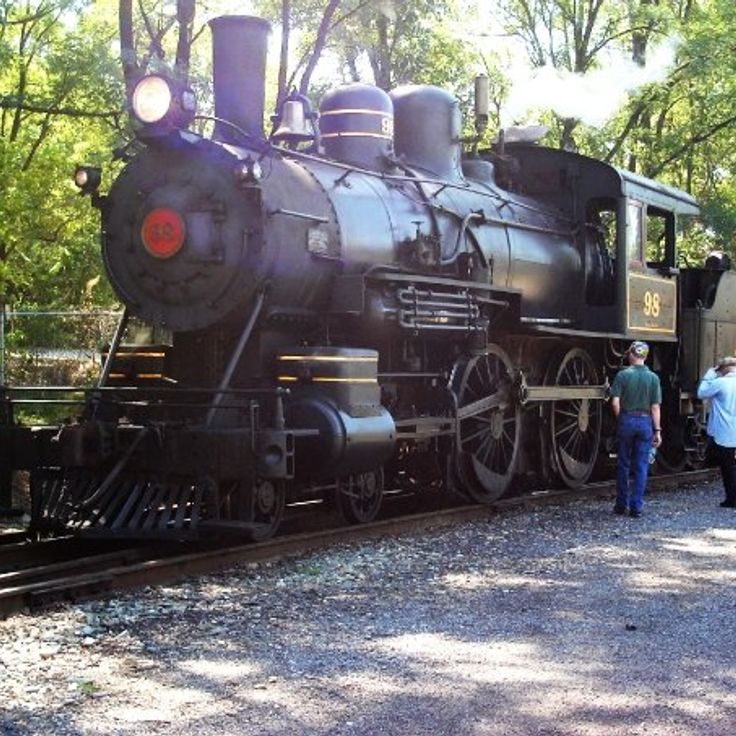
This heritage railroad connects Delaware's past with its present, operating since 1867 along a route through the Red Clay Valley. The Wilmington and Western Railroad runs for 10 miles through one of the state's less visited regions, using restored steam locomotives to carry passengers through wooded valleys and across historic bridges. The railroad maintains several vintage locomotives and passenger cars dating from the late 1800s and early 1900s. The route passes through rural countryside north of Wilmington, offering views of the region's transportation history. Regular excursions and seasonal special events make this railroad a working example of 19th-century American rail engineering.
This 2,825-acre (1,143-hectare) coastal park sits between the Atlantic Ocean and Rehoboth Bay, representing one of Delaware's less visited natural reserves. Delaware Seashore State Park extends along six miles (10 kilometers) of coastline with two stone jetties that draw anglers and birdwatchers. The position between ocean and bay creates varied habitats for coastal birds and marine life. Visitors find camping facilities, boat ramps, and designated areas for swimming and surfing. The dune landscape supports native plant species and provides coastal protection. The park is easily accessible via Route 1 and offers both calm bay waters and open ocean surf.
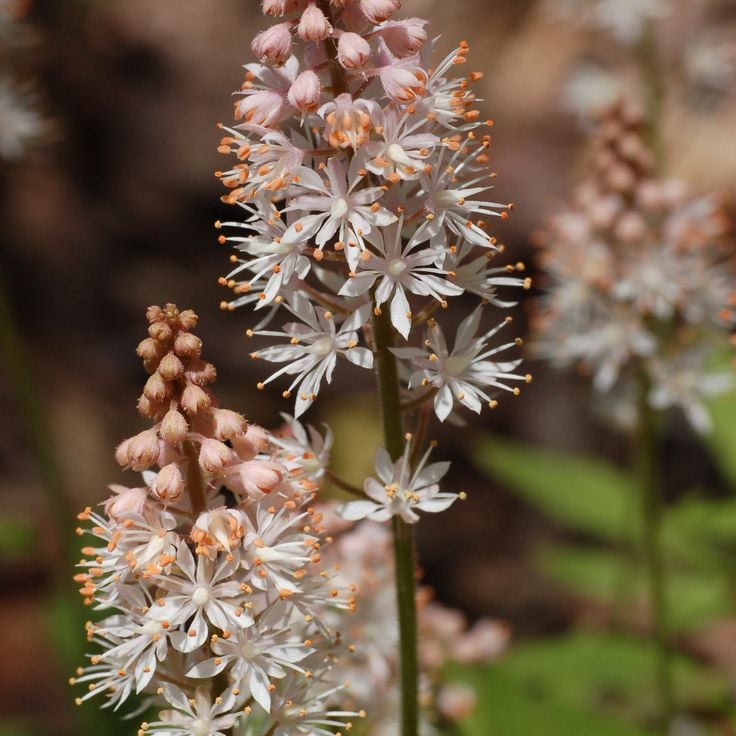
Mt. Cuba Center is a research and education facility dedicated to the conservation and study of native plants from the Piedmont region. The center features cultivated gardens displaying regional plant species, modern research laboratories and teaching spaces. Visitors can walk through designed trails that showcase different habitats including woodlands, meadows and wetland areas. The center offers year-round programs and workshops focused on plant conservation and gardening practices using native species. The gardens span approximately 574 acres and display more than 3,000 plant species characteristic of the mid-Atlantic region.
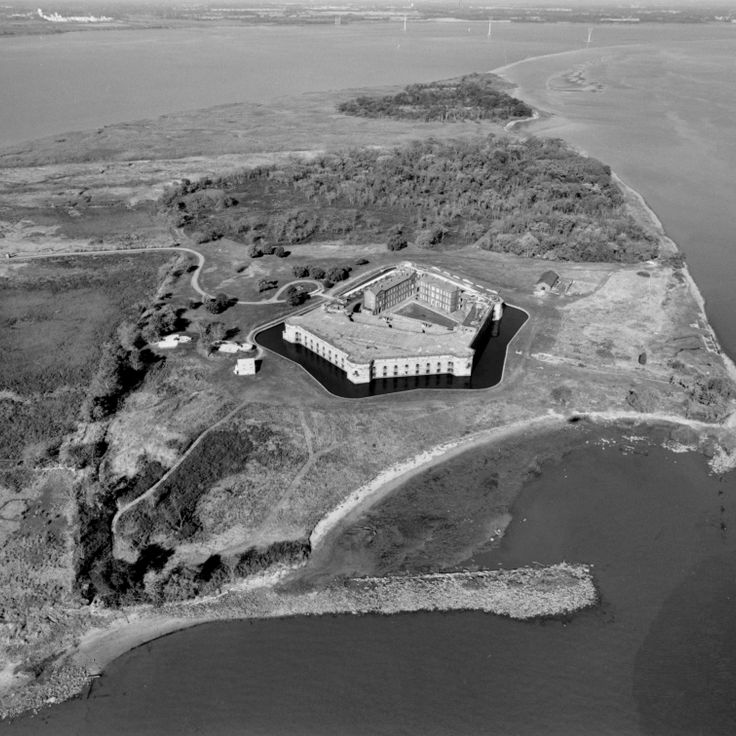
Fort Delaware State Park preserves a military fortification on Pea Patch Island in the Delaware River, constructed starting in 1859. During the Civil War, this fort served as a prisoner camp for Confederate soldiers, holding more than 12,000 inmates at its peak. Today, the exhibits document 19th century military life and present prison artifacts that illustrate the conditions faced by those confined here. The park is accessible only by ferry from Delaware City, and interpreters in period clothing provide guided tours of the fortifications and restored barracks.
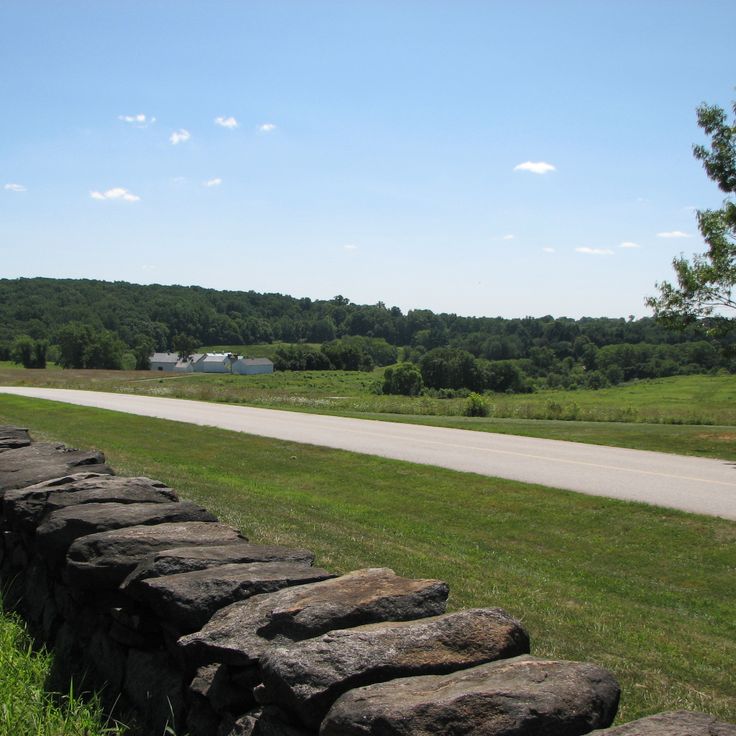
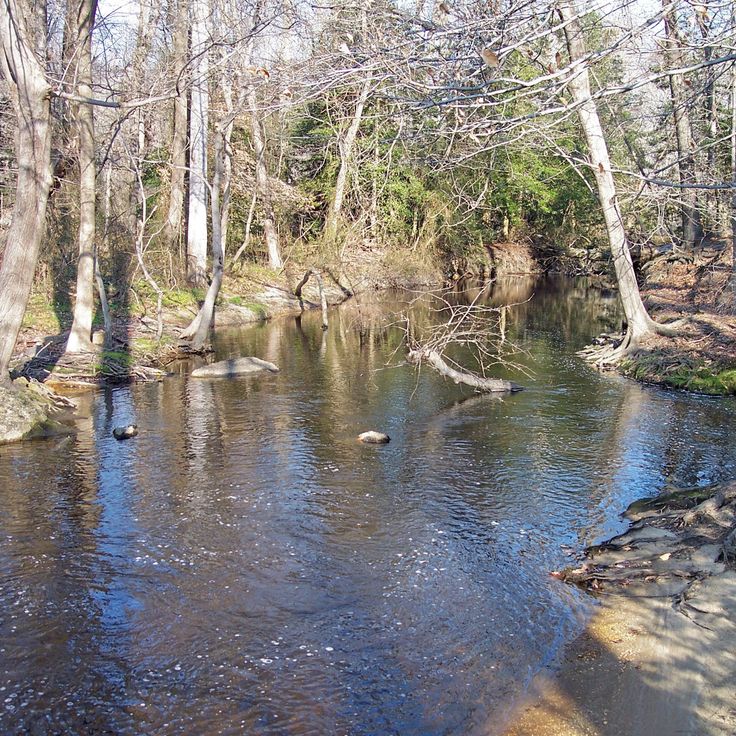
This 933-acre protected area in New Castle County preserves former dairy farm pastures along with forest trails and freshwater streams. The site provides routes for hiking and cycling through varied habitats including meadows and wooded sections along Brandywine Creek. Visitors can observe wildlife, fish, or explore historical remnants of the previous agricultural use. The grounds lie near Wilmington and make the natural diversity of Delaware accessible to those seeking alternatives to the state's more frequented coastal destinations.
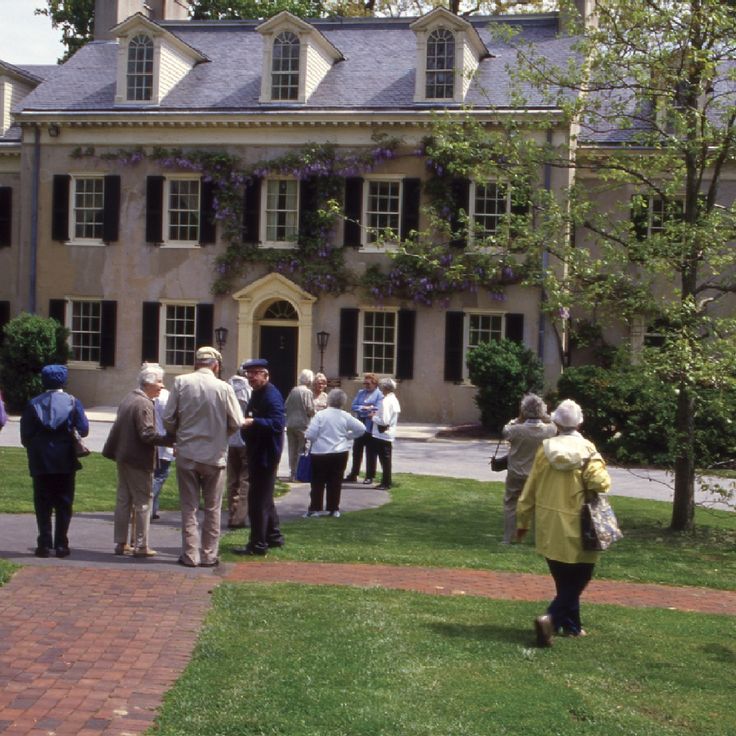
The Hagley Museum and Library documents the industrial history of the early DuPont Company along the Brandywine River. This historic site preserves restored mills, black powder production facilities and the original 19th-century factory gardens. Visitors explore worker housing, machine shops and water power systems that illustrate the transition from preindustrial to industrial manufacturing. The library maintains technical drawings, business records and documents related to American industrial development. The 235-acre (95-hectare) grounds follow the river and connect engineering history with the evolution of an entrepreneurial dynasty that shaped Delaware.
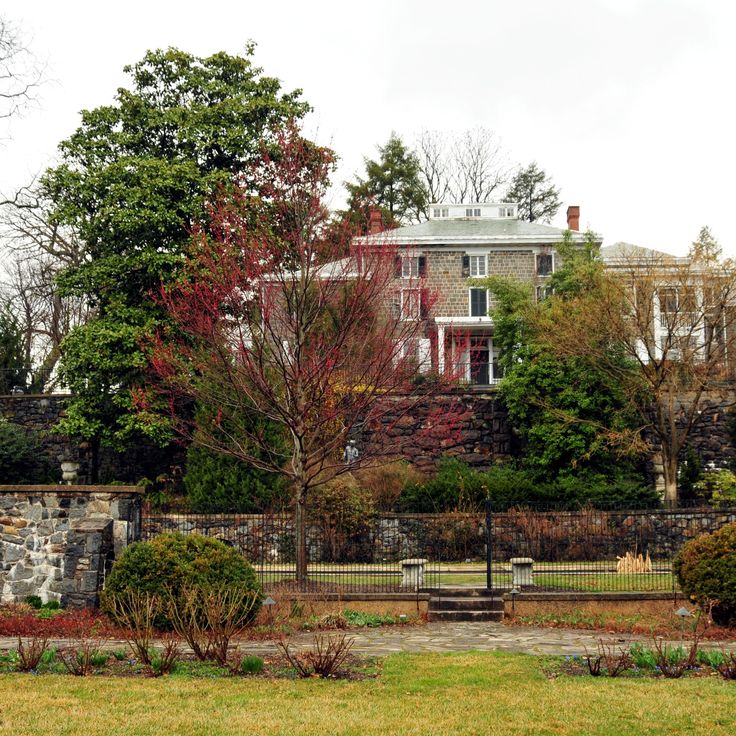
These gardens at the Gibraltar estate in Wilmington were designed by landscape architect Marian Cruger Coffin between 1918 and the early 1930s. Coffin, one of the first professional female landscape architects in the United States, created formal gardens here with geometric beds, water features and stone walls in the Italian Renaissance style. The grounds cover several acres and include terraced gardens, pergolas and views of Brandywine Creek. The estate belonged to the du Pont family and demonstrates Coffin's characteristic integration of architectural elements with natural topography. The Gibraltar gardens represent one of Delaware's lesser visited historical sites and document the evolution of American garden design in the early twentieth century.
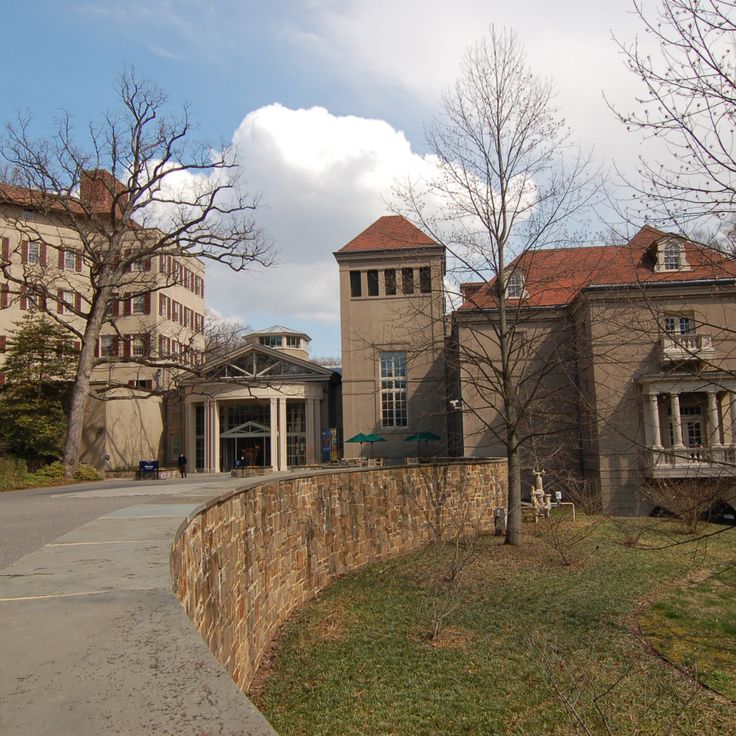
The Winterthur Museum holds one of the country's largest collections of American decorative arts from the 17th through 19th centuries. The former estate of Henry Francis du Pont contains 175 period room settings displaying furniture, textiles, paintings and ceramics from different eras of American history. The grounds extend across roughly 1,000 acres (400 hectares) and include naturalistic gardens featuring native plants along with designed landscape areas. This museum provides insight into the evolution of American domestic life and craft traditions, positioned between Wilmington and the Pennsylvania border.
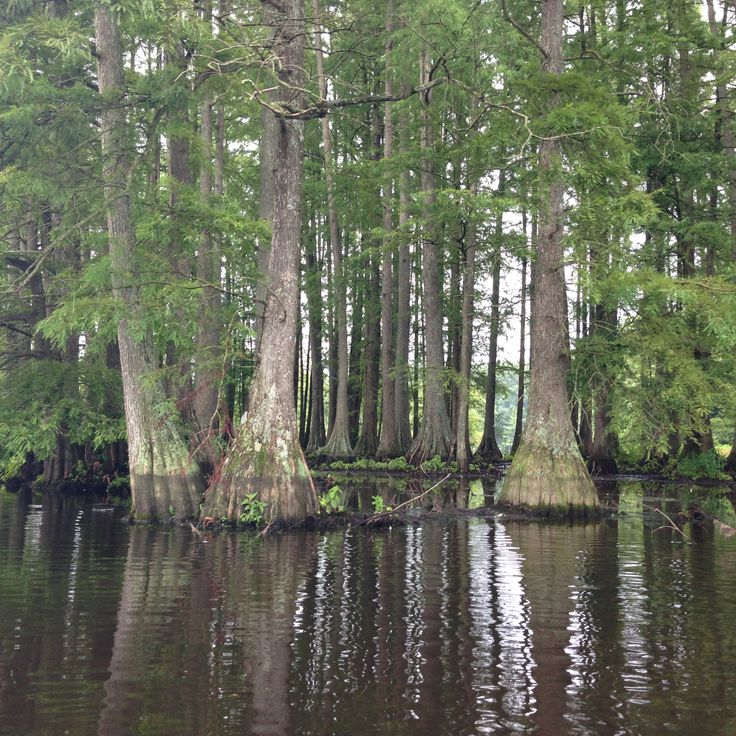
This state park preserves one of the northernmost stands of bald cypress trees on the East Coast and ranks among the natural treasures of Delaware that draw researchers and outdoor enthusiasts. Trap Pond covers roughly 2,200 acres with wetlands, wooded trails and a central pond suited to paddling. Visitors explore the trails on foot or by bicycle, while birdwatchers regularly spot herons, woodpeckers and migratory species. The area offers campsites, a visitor center with exhibits on local ecology and boat rental facilities for canoes and kayaks. The bald cypress swamps have developed over centuries and form an ecosystem uncommon within the Mid-Atlantic region.
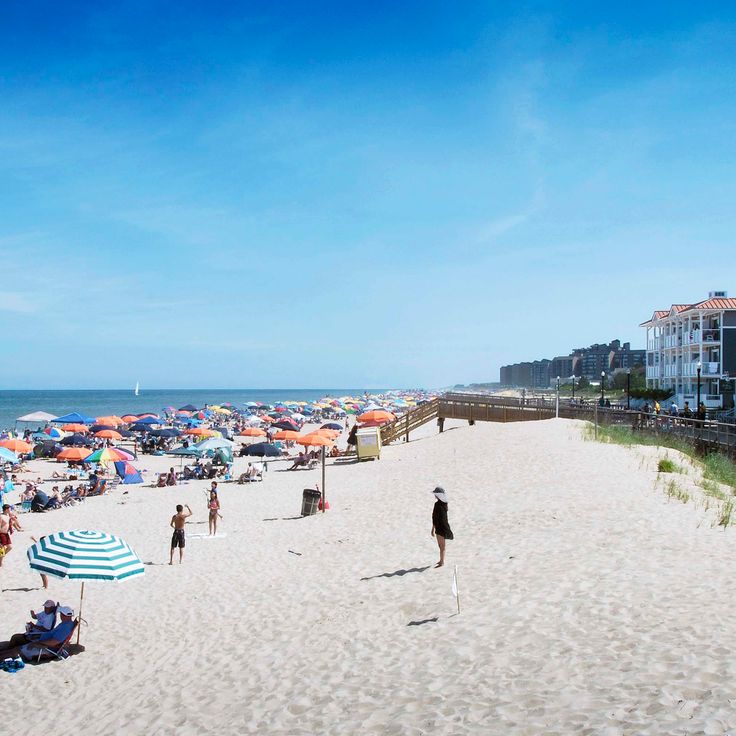
Bethany Beach is an Atlantic coast resort town with a wooden boardwalk running along the sandy shoreline. The town attracts primarily families and maintains a quieter atmosphere than other Delaware beaches. The boardwalk extends for approximately 1,200 feet (365 meters) and provides access to local shops and restaurants. The beach itself offers lifeguard services during the summer season and facilities including showers and public restrooms. The area was established in the late 19th century as a Christian retreat and has since developed into a family vacation destination while retaining some of its original character.
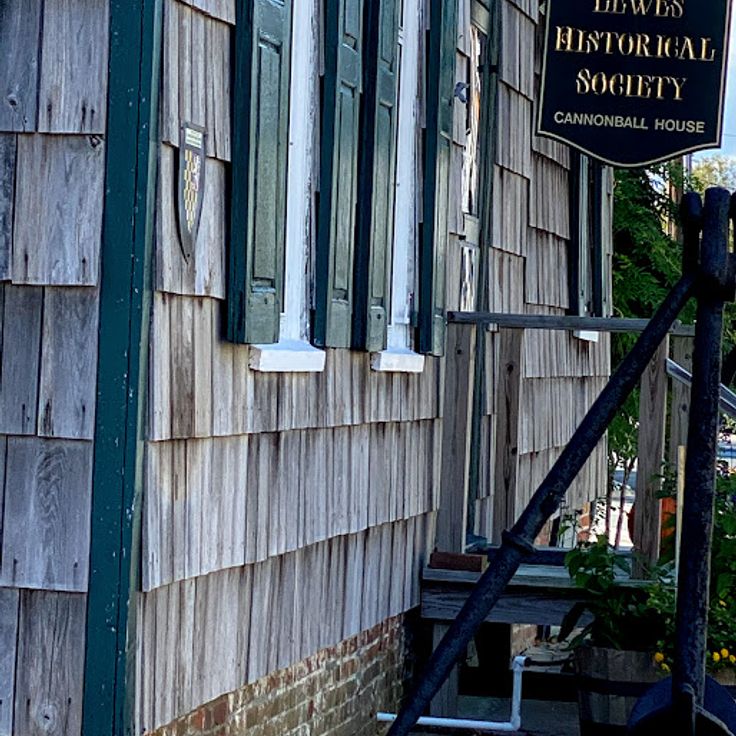
The Société historique de Lewes maintains several historic buildings from the 18th and 19th centuries in the town center, including the Burton-Ingram House, the Ryves Holt House and the Rabbit's Ferry House. This organization documents the town's colonial past, the British bombardment of 1813 and the maritime history of the region through exhibits of artifacts, documents and photographs. The collection includes furniture, textiles, nautical instruments and agricultural tools from three centuries. Guided tours show the architectural features of the restored structures and explain the daily life of early settlers in this coastal area of Delaware.
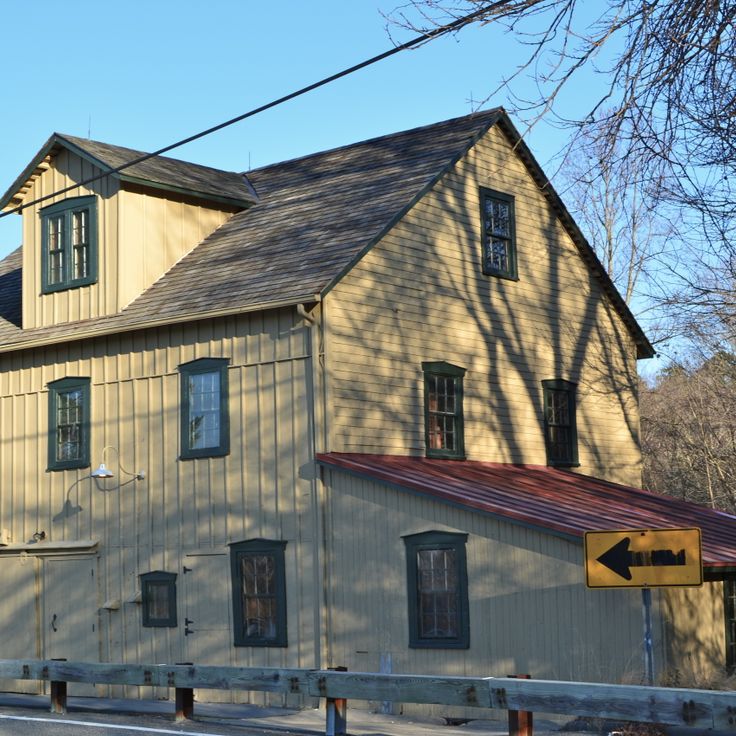
Abbott's Mill Nature Center preserves a working 19th-century gristmill that continues to grind grain and demonstrates how water power was harnessed for milling operations. This nature center in Sussex County ranks among Delaware's less visited conservation areas, providing trails through wetlands and forests alongside educational programs about local ecosystems. The preserved mill complex still operates with its original water wheel and grinding mechanisms. Guided tours explain the mill's history and the role such facilities played in Delaware's rural economy, while the nature trails offer opportunities to observe waterfowl and native plant species across approximately 10 acres (4 hectares) of protected habitat.
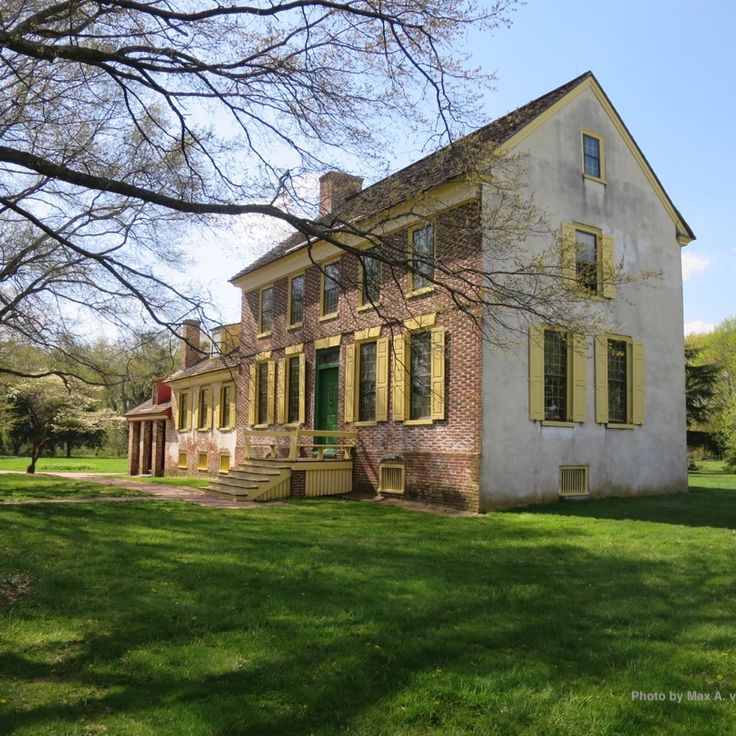
This plantation documents the life and work of John Dickinson, one of the founding fathers of the United States. The historic property outside Dover includes a reconstructed 18th-century brick house, outbuildings and agricultural grounds that demonstrate colonial-era plantation operations. The site presents both Dickinson's political significance and the social structures of his time, including the institution of slavery that sustained the plantation. Visitors can walk through restored rooms and learn about Dickinson's contributions to the founding of the United States government.
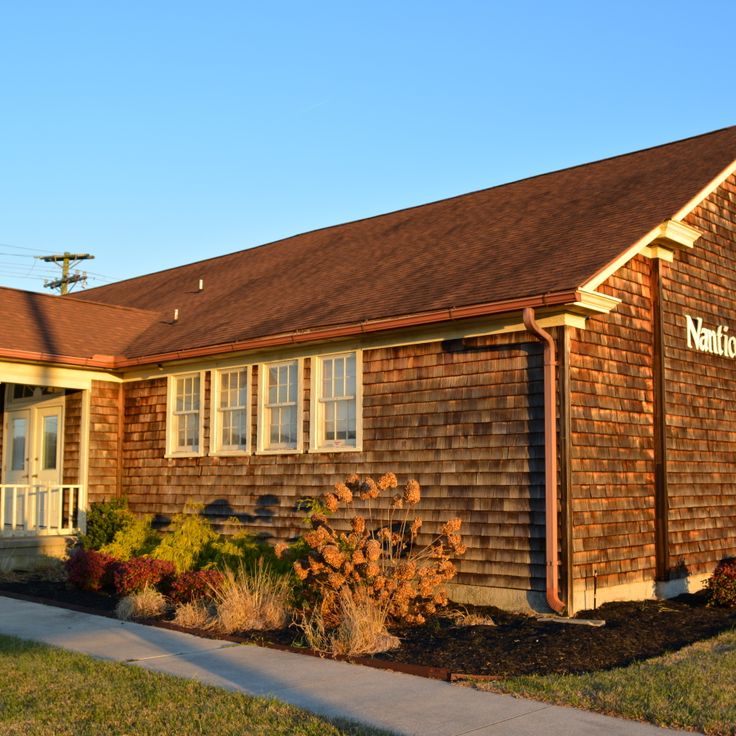
This museum in Millsboro forms part of Delaware's network of historic institutions and documents the history and cultural heritage of the Nanticoke people, who have lived in the region for centuries. The exhibits display artifacts, traditional clothing, tools and pottery from various periods of tribal history. Visitors learn about the Nanticoke language, traditions and daily life, while the museum functions as an active cultural center for the indigenous community. The collection also includes documents related to the tribe's legal recognition and its relationships with European settlers.
This refuge extends across roughly 10,000 acres (4,050 hectares) and provides habitat for migratory birds along the coast. The wetlands, forests and grasslands serve as an important stopover for waterfowl during spring and fall migrations. Visitors can observe various species from hiking trails and an observation tower, including herons, ospreys and snow geese. The refuge sits within the Atlantic flyway and forms a significant part of the natural resources Delaware maintains along the Atlantic coast.
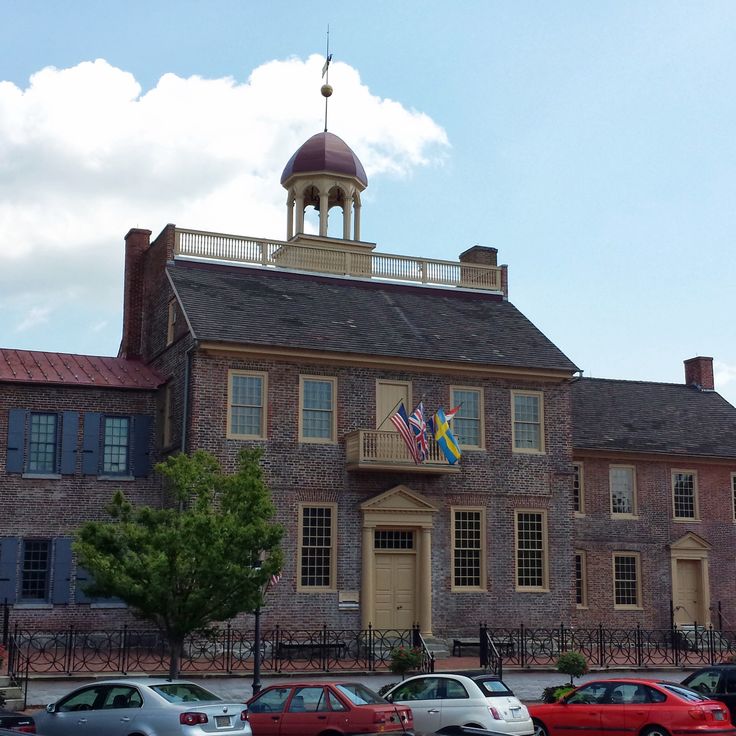
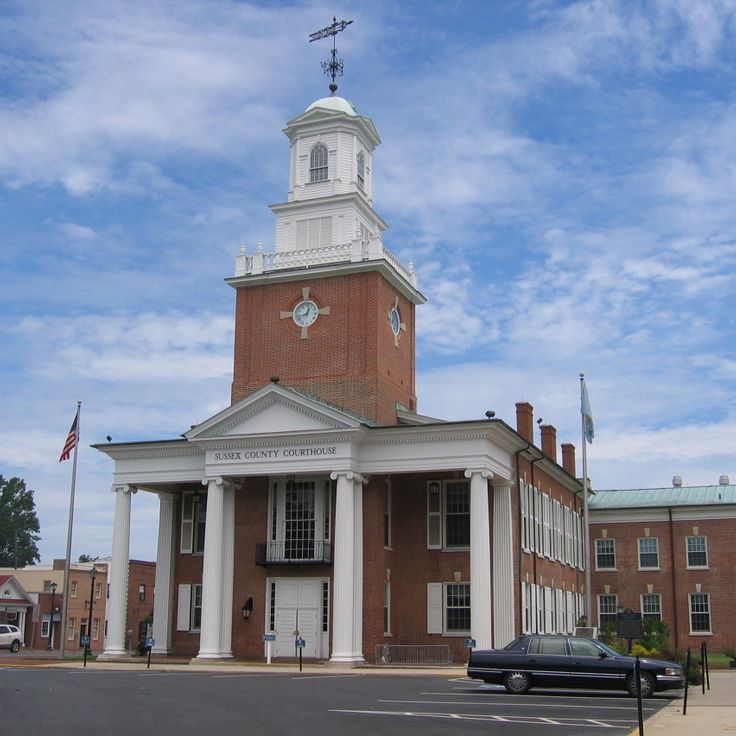
This courthouse from 1732 served as the administrative center for three counties and now holds period furnishings, exhibits on Delaware legal development, and artifacts connected to the Underground Railroad. The museum documents the political history of the region from British colonial rule through statehood, displaying courtrooms, administrative chambers, and archives that illustrate judicial operations of the 18th and 19th centuries.
This stone bridge marks the site of a battle between American and British forces on September 3, 1777, during the Revolutionary War. The bridge commemorates the only major military engagement fought on Delaware soil during the Revolution. Troops under General George Washington met advancing British units under General William Howe at this location. The skirmish resulted in an American retreat but slowed the British advance toward Philadelphia. The bridge sits in a rural area south of Newark and forms part of a historic site with interpretive markers describing the battle and its military significance.
This state park protects a 200-acre pond in northern New Castle County and contributes to Delaware's network of natural areas. The grounds maintain a boat rental facility for canoes and kayaks, several marked hiking trails through forested sections, and camping sites for RVs and tents. A rope adventure course runs through the tree canopy and offers routes of varying difficulty. The park's waters support fishing for bass and catfish, while surrounding woodlands provide habitat for white-tailed deer and various migratory bird species. The facility sits roughly 12 miles (19 kilometers) southwest of Wilmington and provides picnic areas, a nature center and access to regional trails.
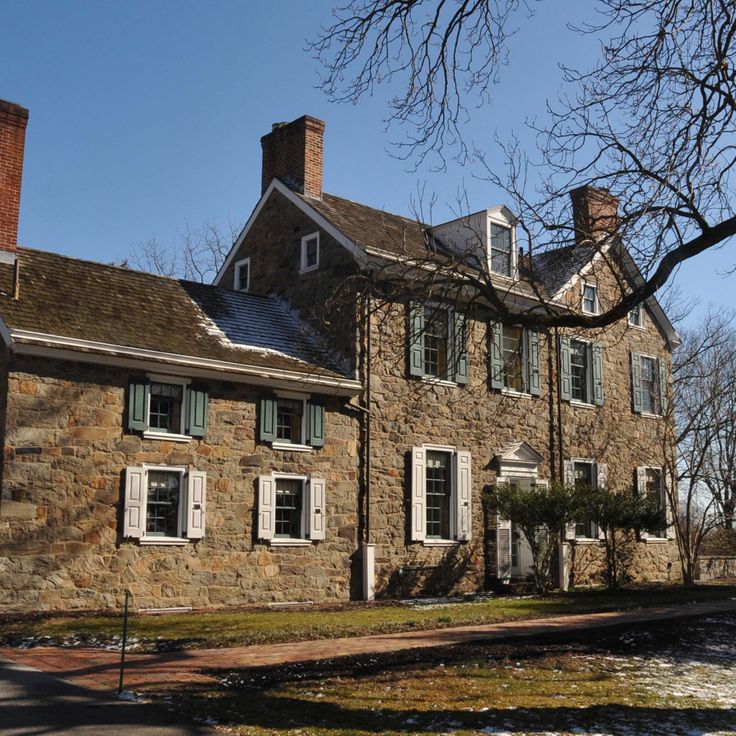
This estate from the 1790s preserves late eighteenth-century architecture and furnishings in a stone building originally constructed as a country residence. The Judge Morris Estate forms part of Delaware's collection of historic sites and displays period furniture along with household artifacts from the early years of the United States. The grounds extend across several acres with walking paths through wooded sections and open meadows, offering visitors access to preserved landscape features of the historic farmstead.
This 66-acre (27-hectare) pond lies within a recreation area in the interior and was created by damming Dragon Creek to power a 19th-century grist mill. The park provides facilities for water-based activities, including a public swimming pool and boat rentals for kayaks and pedal boats. Hiking trails wind through surrounding mixed hardwood forests and connect the pond shoreline with camping areas and picnic grounds. The site serves as a representative example of the state recreation facilities maintained in Delaware's central counties.
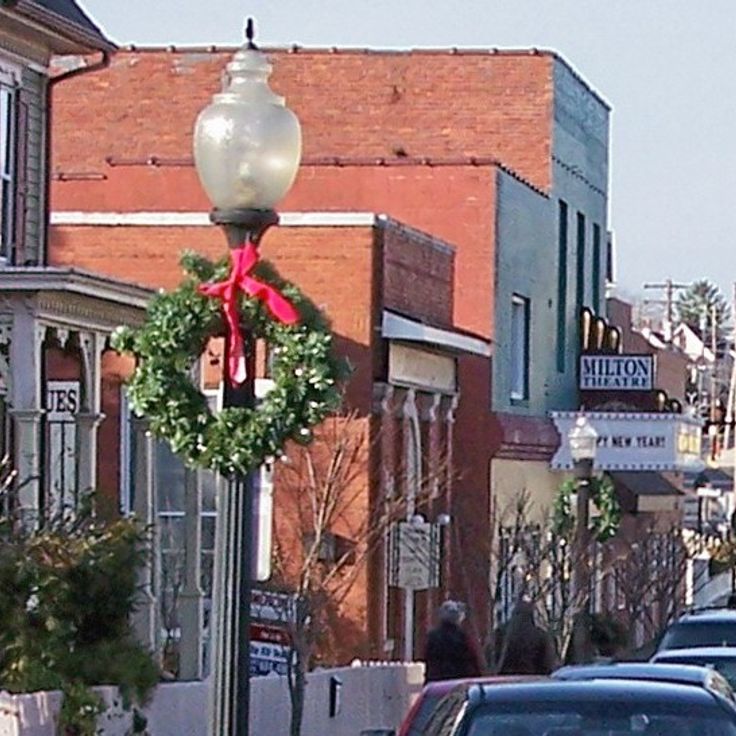
This restored venue occupies a 1930s building in the center of its namesake town and represents the cultural institutions featured in this collection documenting Delaware's historic sites and regional facilities. The Milton Theatre now presents live music, comedy programs and theatrical productions in an art deco hall seating approximately 270 patrons. The structure was built in 1837 as a Methodist church, later converted to a cinema, and reopened as a nonprofit theater in 2005 following comprehensive renovation. The programming includes concerts by regional and touring artists, theater company performances, comedy acts and events by local schools and community organizations.
This central roundabout forms the historic core of Georgetown and contains the 1792 Sussex County Courthouse, a two-story brick structure that continues to serve as a working courthouse. Restored eighteenth-century buildings around the circle now house restaurants, shops and offices. The circle documents Georgetown's role as the Sussex County seat since the late 1700s and preserves the early federal-period town plan, with the courthouse as the spatial center of the settlement.
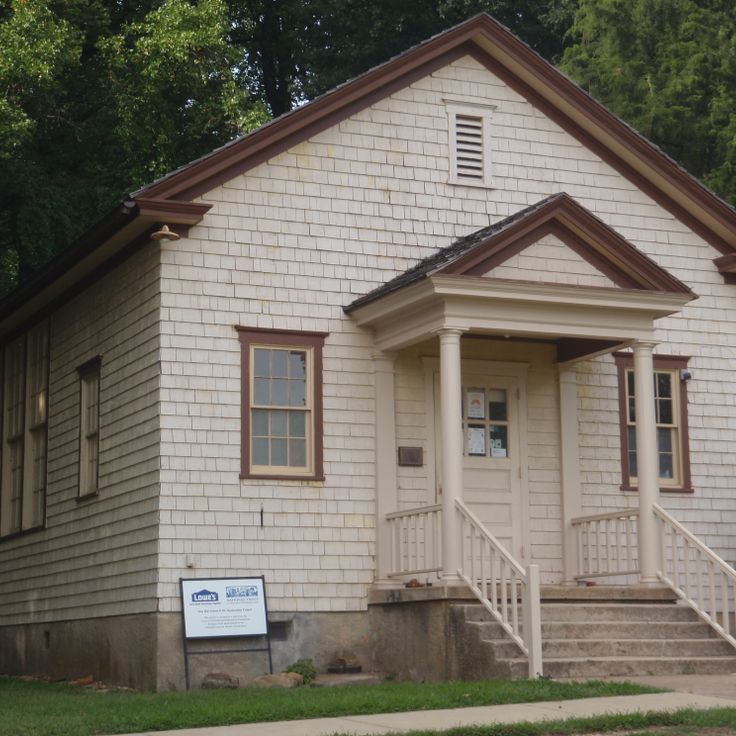
This former one-room schoolhouse of red brick was erected in 1923 to serve African American students and operated until 1965, when Delaware schools integrated. The building documents the history of segregated education in the state during the first half of the twentieth century. Today it functions as a museum displaying classroom materials, desks, textbooks and historical photographs from the segregation era. The site represents one of the significant witnesses to the educational history of African American communities in Delaware.
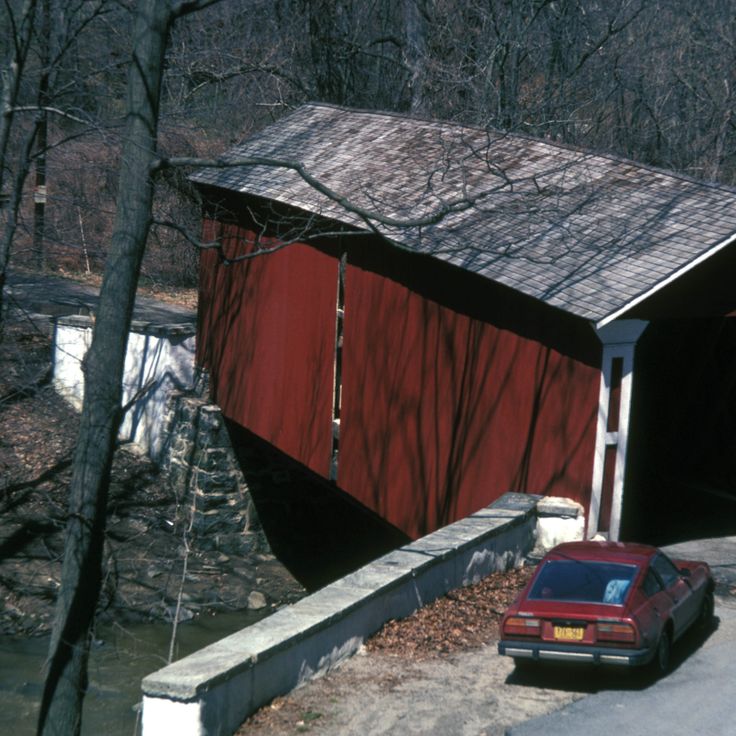
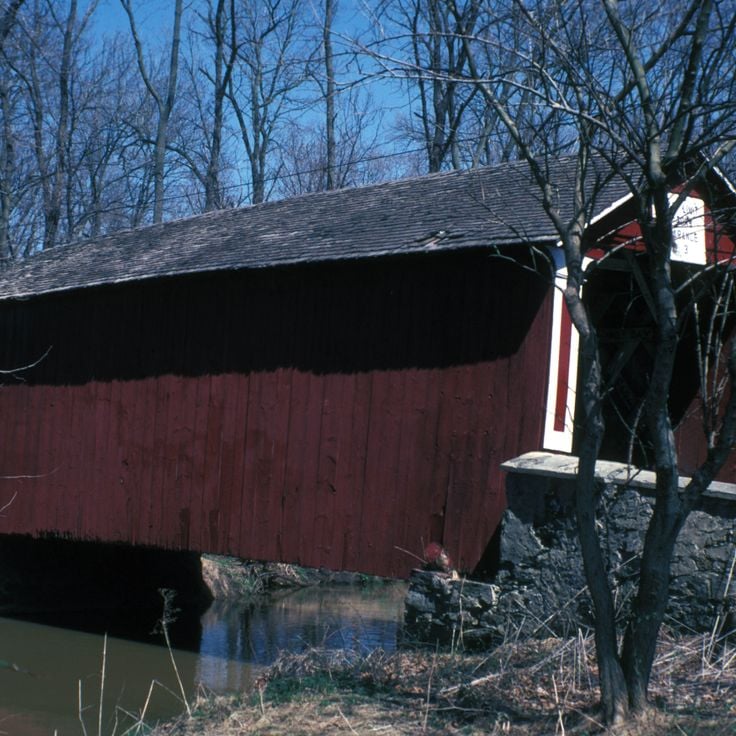
This covered bridge was constructed in 1850 across Red Clay Creek and extends 85 feet (26 meters). The structure demonstrates a timber truss design characteristic of historical infrastructure in Delaware and stands as part of the state's collection of preserved sites documenting early American settlement and engineering. The bridge is located in northern New Castle County, where numerous other examples of colonial and industrial heritage remain accessible to visitors.
This covered bridge built in 1860 spans 75 feet over Red Clay Creek and remains in use for vehicular traffic, representing one of the surviving wooden structures of this type in northern New Castle County. The Ashland Bridge demonstrates nineteenth-century bridge construction methods and connects rural roads near Hockessin, where it forms part of the historical transportation network that once included numerous covered bridges across Delaware's creek valleys. The structure retains its original timber frame design and continues to serve local residents while also attracting visitors interested in the state's engineering heritage. It stands among several preserved covered bridges that document the region's architectural history.
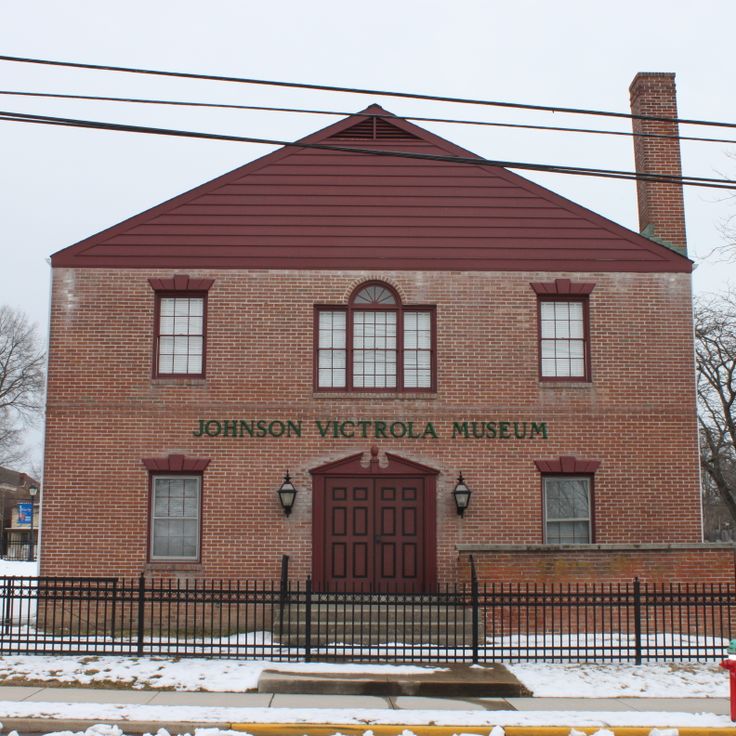
This museum preserves the history of the Victor Talking Machine Company and its founder Eldridge Johnson, who shaped early sound recording technology. The collection includes mechanical phonographs from the early 20th century, shellac records and company documents that trace the transition from acoustic to electrical recording. Visitors can follow how Johnson's technical improvements to the turntable and his marketing strategies influenced the music industry. The museum represents one of Delaware's historical institutions that document regional industrial development and technological innovation.
Bombay Hook National Wildlife Refuge spans 16,000 acres (6,475 hectares) of tidal marsh, freshwater impoundments and forested areas along the Delaware Bay. The refuge serves as a key stopover point for migratory birds along the Atlantic Flyway, with particularly high concentrations of shorebirds, waterfowl and wading birds during spring and fall migrations. Four miles of trails and a twelve-mile auto tour route provide access to various habitats including tidal marshes and brackish ponds typical of mid-Atlantic coastal wetlands.
This 5,200-acre (2,100-hectare) state park protects maritime forests, beach dunes, and preserved military structures from World War II. Cape Henlopen sits along the Atlantic coast and contains several miles of sandy beaches, trails through coastal forests, and observation towers that once monitored the Delaware Bay entrance. The park protects various coastal ecosystems, including dune landscapes and salt marshes, and provides access to historic military installations that held strategic importance during the war. Birdwatching, beach activities, and access to coastal defense remains make the park a varied destination among the lesser visited natural reserves and historical sites of Delaware.
This heritage railroad connects Delaware's past with its present, operating since 1867 along a route through the Red Clay Valley. The Wilmington and Western Railroad runs for 10 miles through one of the state's less visited regions, using restored steam locomotives to carry passengers through wooded valleys and across historic bridges. The railroad maintains several vintage locomotives and passenger cars dating from the late 1800s and early 1900s. The route passes through rural countryside north of Wilmington, offering views of the region's transportation history. Regular excursions and seasonal special events make this railroad a working example of 19th-century American rail engineering.
This 2,825-acre (1,143-hectare) coastal park sits between the Atlantic Ocean and Rehoboth Bay, representing one of Delaware's less visited natural reserves. Delaware Seashore State Park extends along six miles (10 kilometers) of coastline with two stone jetties that draw anglers and birdwatchers. The position between ocean and bay creates varied habitats for coastal birds and marine life. Visitors find camping facilities, boat ramps, and designated areas for swimming and surfing. The dune landscape supports native plant species and provides coastal protection. The park is easily accessible via Route 1 and offers both calm bay waters and open ocean surf.
Mt. Cuba Center is a research and education facility dedicated to the conservation and study of native plants from the Piedmont region. The center features cultivated gardens displaying regional plant species, modern research laboratories and teaching spaces. Visitors can walk through designed trails that showcase different habitats including woodlands, meadows and wetland areas. The center offers year-round programs and workshops focused on plant conservation and gardening practices using native species. The gardens span approximately 574 acres and display more than 3,000 plant species characteristic of the mid-Atlantic region.
Fort Delaware State Park preserves a military fortification on Pea Patch Island in the Delaware River, constructed starting in 1859. During the Civil War, this fort served as a prisoner camp for Confederate soldiers, holding more than 12,000 inmates at its peak. Today, the exhibits document 19th century military life and present prison artifacts that illustrate the conditions faced by those confined here. The park is accessible only by ferry from Delaware City, and interpreters in period clothing provide guided tours of the fortifications and restored barracks.
This 933-acre protected area in New Castle County preserves former dairy farm pastures along with forest trails and freshwater streams. The site provides routes for hiking and cycling through varied habitats including meadows and wooded sections along Brandywine Creek. Visitors can observe wildlife, fish, or explore historical remnants of the previous agricultural use. The grounds lie near Wilmington and make the natural diversity of Delaware accessible to those seeking alternatives to the state's more frequented coastal destinations.
The Hagley Museum and Library documents the industrial history of the early DuPont Company along the Brandywine River. This historic site preserves restored mills, black powder production facilities and the original 19th-century factory gardens. Visitors explore worker housing, machine shops and water power systems that illustrate the transition from preindustrial to industrial manufacturing. The library maintains technical drawings, business records and documents related to American industrial development. The 235-acre (95-hectare) grounds follow the river and connect engineering history with the evolution of an entrepreneurial dynasty that shaped Delaware.
These gardens at the Gibraltar estate in Wilmington were designed by landscape architect Marian Cruger Coffin between 1918 and the early 1930s. Coffin, one of the first professional female landscape architects in the United States, created formal gardens here with geometric beds, water features and stone walls in the Italian Renaissance style. The grounds cover several acres and include terraced gardens, pergolas and views of Brandywine Creek. The estate belonged to the du Pont family and demonstrates Coffin's characteristic integration of architectural elements with natural topography. The Gibraltar gardens represent one of Delaware's lesser visited historical sites and document the evolution of American garden design in the early twentieth century.
The Winterthur Museum holds one of the country's largest collections of American decorative arts from the 17th through 19th centuries. The former estate of Henry Francis du Pont contains 175 period room settings displaying furniture, textiles, paintings and ceramics from different eras of American history. The grounds extend across roughly 1,000 acres (400 hectares) and include naturalistic gardens featuring native plants along with designed landscape areas. This museum provides insight into the evolution of American domestic life and craft traditions, positioned between Wilmington and the Pennsylvania border.
This state park preserves one of the northernmost stands of bald cypress trees on the East Coast and ranks among the natural treasures of Delaware that draw researchers and outdoor enthusiasts. Trap Pond covers roughly 2,200 acres with wetlands, wooded trails and a central pond suited to paddling. Visitors explore the trails on foot or by bicycle, while birdwatchers regularly spot herons, woodpeckers and migratory species. The area offers campsites, a visitor center with exhibits on local ecology and boat rental facilities for canoes and kayaks. The bald cypress swamps have developed over centuries and form an ecosystem uncommon within the Mid-Atlantic region.
Bethany Beach is an Atlantic coast resort town with a wooden boardwalk running along the sandy shoreline. The town attracts primarily families and maintains a quieter atmosphere than other Delaware beaches. The boardwalk extends for approximately 1,200 feet (365 meters) and provides access to local shops and restaurants. The beach itself offers lifeguard services during the summer season and facilities including showers and public restrooms. The area was established in the late 19th century as a Christian retreat and has since developed into a family vacation destination while retaining some of its original character.
The Société historique de Lewes maintains several historic buildings from the 18th and 19th centuries in the town center, including the Burton-Ingram House, the Ryves Holt House and the Rabbit's Ferry House. This organization documents the town's colonial past, the British bombardment of 1813 and the maritime history of the region through exhibits of artifacts, documents and photographs. The collection includes furniture, textiles, nautical instruments and agricultural tools from three centuries. Guided tours show the architectural features of the restored structures and explain the daily life of early settlers in this coastal area of Delaware.
Abbott's Mill Nature Center preserves a working 19th-century gristmill that continues to grind grain and demonstrates how water power was harnessed for milling operations. This nature center in Sussex County ranks among Delaware's less visited conservation areas, providing trails through wetlands and forests alongside educational programs about local ecosystems. The preserved mill complex still operates with its original water wheel and grinding mechanisms. Guided tours explain the mill's history and the role such facilities played in Delaware's rural economy, while the nature trails offer opportunities to observe waterfowl and native plant species across approximately 10 acres (4 hectares) of protected habitat.
This plantation documents the life and work of John Dickinson, one of the founding fathers of the United States. The historic property outside Dover includes a reconstructed 18th-century brick house, outbuildings and agricultural grounds that demonstrate colonial-era plantation operations. The site presents both Dickinson's political significance and the social structures of his time, including the institution of slavery that sustained the plantation. Visitors can walk through restored rooms and learn about Dickinson's contributions to the founding of the United States government.
This museum in Millsboro forms part of Delaware's network of historic institutions and documents the history and cultural heritage of the Nanticoke people, who have lived in the region for centuries. The exhibits display artifacts, traditional clothing, tools and pottery from various periods of tribal history. Visitors learn about the Nanticoke language, traditions and daily life, while the museum functions as an active cultural center for the indigenous community. The collection also includes documents related to the tribe's legal recognition and its relationships with European settlers.
This refuge extends across roughly 10,000 acres (4,050 hectares) and provides habitat for migratory birds along the coast. The wetlands, forests and grasslands serve as an important stopover for waterfowl during spring and fall migrations. Visitors can observe various species from hiking trails and an observation tower, including herons, ospreys and snow geese. The refuge sits within the Atlantic flyway and forms a significant part of the natural resources Delaware maintains along the Atlantic coast.
This courthouse from 1732 served as the administrative center for three counties and now holds period furnishings, exhibits on Delaware legal development, and artifacts connected to the Underground Railroad. The museum documents the political history of the region from British colonial rule through statehood, displaying courtrooms, administrative chambers, and archives that illustrate judicial operations of the 18th and 19th centuries.
This stone bridge marks the site of a battle between American and British forces on September 3, 1777, during the Revolutionary War. The bridge commemorates the only major military engagement fought on Delaware soil during the Revolution. Troops under General George Washington met advancing British units under General William Howe at this location. The skirmish resulted in an American retreat but slowed the British advance toward Philadelphia. The bridge sits in a rural area south of Newark and forms part of a historic site with interpretive markers describing the battle and its military significance.
This state park protects a 200-acre pond in northern New Castle County and contributes to Delaware's network of natural areas. The grounds maintain a boat rental facility for canoes and kayaks, several marked hiking trails through forested sections, and camping sites for RVs and tents. A rope adventure course runs through the tree canopy and offers routes of varying difficulty. The park's waters support fishing for bass and catfish, while surrounding woodlands provide habitat for white-tailed deer and various migratory bird species. The facility sits roughly 12 miles (19 kilometers) southwest of Wilmington and provides picnic areas, a nature center and access to regional trails.
This estate from the 1790s preserves late eighteenth-century architecture and furnishings in a stone building originally constructed as a country residence. The Judge Morris Estate forms part of Delaware's collection of historic sites and displays period furniture along with household artifacts from the early years of the United States. The grounds extend across several acres with walking paths through wooded sections and open meadows, offering visitors access to preserved landscape features of the historic farmstead.
This 66-acre (27-hectare) pond lies within a recreation area in the interior and was created by damming Dragon Creek to power a 19th-century grist mill. The park provides facilities for water-based activities, including a public swimming pool and boat rentals for kayaks and pedal boats. Hiking trails wind through surrounding mixed hardwood forests and connect the pond shoreline with camping areas and picnic grounds. The site serves as a representative example of the state recreation facilities maintained in Delaware's central counties.
This restored venue occupies a 1930s building in the center of its namesake town and represents the cultural institutions featured in this collection documenting Delaware's historic sites and regional facilities. The Milton Theatre now presents live music, comedy programs and theatrical productions in an art deco hall seating approximately 270 patrons. The structure was built in 1837 as a Methodist church, later converted to a cinema, and reopened as a nonprofit theater in 2005 following comprehensive renovation. The programming includes concerts by regional and touring artists, theater company performances, comedy acts and events by local schools and community organizations.
This central roundabout forms the historic core of Georgetown and contains the 1792 Sussex County Courthouse, a two-story brick structure that continues to serve as a working courthouse. Restored eighteenth-century buildings around the circle now house restaurants, shops and offices. The circle documents Georgetown's role as the Sussex County seat since the late 1700s and preserves the early federal-period town plan, with the courthouse as the spatial center of the settlement.
This former one-room schoolhouse of red brick was erected in 1923 to serve African American students and operated until 1965, when Delaware schools integrated. The building documents the history of segregated education in the state during the first half of the twentieth century. Today it functions as a museum displaying classroom materials, desks, textbooks and historical photographs from the segregation era. The site represents one of the significant witnesses to the educational history of African American communities in Delaware.
This covered bridge was constructed in 1850 across Red Clay Creek and extends 85 feet (26 meters). The structure demonstrates a timber truss design characteristic of historical infrastructure in Delaware and stands as part of the state's collection of preserved sites documenting early American settlement and engineering. The bridge is located in northern New Castle County, where numerous other examples of colonial and industrial heritage remain accessible to visitors.
This covered bridge built in 1860 spans 75 feet over Red Clay Creek and remains in use for vehicular traffic, representing one of the surviving wooden structures of this type in northern New Castle County. The Ashland Bridge demonstrates nineteenth-century bridge construction methods and connects rural roads near Hockessin, where it forms part of the historical transportation network that once included numerous covered bridges across Delaware's creek valleys. The structure retains its original timber frame design and continues to serve local residents while also attracting visitors interested in the state's engineering heritage. It stands among several preserved covered bridges that document the region's architectural history.
This museum preserves the history of the Victor Talking Machine Company and its founder Eldridge Johnson, who shaped early sound recording technology. The collection includes mechanical phonographs from the early 20th century, shellac records and company documents that trace the transition from acoustic to electrical recording. Visitors can follow how Johnson's technical improvements to the turntable and his marketing strategies influenced the music industry. The museum represents one of Delaware's historical institutions that document regional industrial development and technological innovation.
Bombay Hook National Wildlife Refuge spans 16,000 acres (6,475 hectares) of tidal marsh, freshwater impoundments and forested areas along the Delaware Bay. The refuge serves as a key stopover point for migratory birds along the Atlantic Flyway, with particularly high concentrations of shorebirds, waterfowl and wading birds during spring and fall migrations. Four miles of trails and a twelve-mile auto tour route provide access to various habitats including tidal marshes and brackish ponds typical of mid-Atlantic coastal wetlands.
This 5,200-acre (2,100-hectare) state park protects maritime forests, beach dunes, and preserved military structures from World War II. Cape Henlopen sits along the Atlantic coast and contains several miles of sandy beaches, trails through coastal forests, and observation towers that once monitored the Delaware Bay entrance. The park protects various coastal ecosystems, including dune landscapes and salt marshes, and provides access to historic military installations that held strategic importance during the war. Birdwatching, beach activities, and access to coastal defense remains make the park a varied destination among the lesser visited natural reserves and historical sites of Delaware.
This heritage railroad connects Delaware's past with its present, operating since 1867 along a route through the Red Clay Valley. The Wilmington and Western Railroad runs for 10 miles through one of the state's less visited regions, using restored steam locomotives to carry passengers through wooded valleys and across historic bridges. The railroad maintains several vintage locomotives and passenger cars dating from the late 1800s and early 1900s. The route passes through rural countryside north of Wilmington, offering views of the region's transportation history. Regular excursions and seasonal special events make this railroad a working example of 19th-century American rail engineering.
This 2,825-acre (1,143-hectare) coastal park sits between the Atlantic Ocean and Rehoboth Bay, representing one of Delaware's less visited natural reserves. Delaware Seashore State Park extends along six miles (10 kilometers) of coastline with two stone jetties that draw anglers and birdwatchers. The position between ocean and bay creates varied habitats for coastal birds and marine life. Visitors find camping facilities, boat ramps, and designated areas for swimming and surfing. The dune landscape supports native plant species and provides coastal protection. The park is easily accessible via Route 1 and offers both calm bay waters and open ocean surf.
Mt. Cuba Center is a research and education facility dedicated to the conservation and study of native plants from the Piedmont region. The center features cultivated gardens displaying regional plant species, modern research laboratories and teaching spaces. Visitors can walk through designed trails that showcase different habitats including woodlands, meadows and wetland areas. The center offers year-round programs and workshops focused on plant conservation and gardening practices using native species. The gardens span approximately 574 acres and display more than 3,000 plant species characteristic of the mid-Atlantic region.
Fort Delaware State Park preserves a military fortification on Pea Patch Island in the Delaware River, constructed starting in 1859. During the Civil War, this fort served as a prisoner camp for Confederate soldiers, holding more than 12,000 inmates at its peak. Today, the exhibits document 19th century military life and present prison artifacts that illustrate the conditions faced by those confined here. The park is accessible only by ferry from Delaware City, and interpreters in period clothing provide guided tours of the fortifications and restored barracks.
This 933-acre protected area in New Castle County preserves former dairy farm pastures along with forest trails and freshwater streams. The site provides routes for hiking and cycling through varied habitats including meadows and wooded sections along Brandywine Creek. Visitors can observe wildlife, fish, or explore historical remnants of the previous agricultural use. The grounds lie near Wilmington and make the natural diversity of Delaware accessible to those seeking alternatives to the state's more frequented coastal destinations.
The Hagley Museum and Library documents the industrial history of the early DuPont Company along the Brandywine River. This historic site preserves restored mills, black powder production facilities and the original 19th-century factory gardens. Visitors explore worker housing, machine shops and water power systems that illustrate the transition from preindustrial to industrial manufacturing. The library maintains technical drawings, business records and documents related to American industrial development. The 235-acre (95-hectare) grounds follow the river and connect engineering history with the evolution of an entrepreneurial dynasty that shaped Delaware.
These gardens at the Gibraltar estate in Wilmington were designed by landscape architect Marian Cruger Coffin between 1918 and the early 1930s. Coffin, one of the first professional female landscape architects in the United States, created formal gardens here with geometric beds, water features and stone walls in the Italian Renaissance style. The grounds cover several acres and include terraced gardens, pergolas and views of Brandywine Creek. The estate belonged to the du Pont family and demonstrates Coffin's characteristic integration of architectural elements with natural topography. The Gibraltar gardens represent one of Delaware's lesser visited historical sites and document the evolution of American garden design in the early twentieth century.
The Winterthur Museum holds one of the country's largest collections of American decorative arts from the 17th through 19th centuries. The former estate of Henry Francis du Pont contains 175 period room settings displaying furniture, textiles, paintings and ceramics from different eras of American history. The grounds extend across roughly 1,000 acres (400 hectares) and include naturalistic gardens featuring native plants along with designed landscape areas. This museum provides insight into the evolution of American domestic life and craft traditions, positioned between Wilmington and the Pennsylvania border.
This state park preserves one of the northernmost stands of bald cypress trees on the East Coast and ranks among the natural treasures of Delaware that draw researchers and outdoor enthusiasts. Trap Pond covers roughly 2,200 acres with wetlands, wooded trails and a central pond suited to paddling. Visitors explore the trails on foot or by bicycle, while birdwatchers regularly spot herons, woodpeckers and migratory species. The area offers campsites, a visitor center with exhibits on local ecology and boat rental facilities for canoes and kayaks. The bald cypress swamps have developed over centuries and form an ecosystem uncommon within the Mid-Atlantic region.
Bethany Beach is an Atlantic coast resort town with a wooden boardwalk running along the sandy shoreline. The town attracts primarily families and maintains a quieter atmosphere than other Delaware beaches. The boardwalk extends for approximately 1,200 feet (365 meters) and provides access to local shops and restaurants. The beach itself offers lifeguard services during the summer season and facilities including showers and public restrooms. The area was established in the late 19th century as a Christian retreat and has since developed into a family vacation destination while retaining some of its original character.
The Société historique de Lewes maintains several historic buildings from the 18th and 19th centuries in the town center, including the Burton-Ingram House, the Ryves Holt House and the Rabbit's Ferry House. This organization documents the town's colonial past, the British bombardment of 1813 and the maritime history of the region through exhibits of artifacts, documents and photographs. The collection includes furniture, textiles, nautical instruments and agricultural tools from three centuries. Guided tours show the architectural features of the restored structures and explain the daily life of early settlers in this coastal area of Delaware.
Abbott's Mill Nature Center preserves a working 19th-century gristmill that continues to grind grain and demonstrates how water power was harnessed for milling operations. This nature center in Sussex County ranks among Delaware's less visited conservation areas, providing trails through wetlands and forests alongside educational programs about local ecosystems. The preserved mill complex still operates with its original water wheel and grinding mechanisms. Guided tours explain the mill's history and the role such facilities played in Delaware's rural economy, while the nature trails offer opportunities to observe waterfowl and native plant species across approximately 10 acres (4 hectares) of protected habitat.
This plantation documents the life and work of John Dickinson, one of the founding fathers of the United States. The historic property outside Dover includes a reconstructed 18th-century brick house, outbuildings and agricultural grounds that demonstrate colonial-era plantation operations. The site presents both Dickinson's political significance and the social structures of his time, including the institution of slavery that sustained the plantation. Visitors can walk through restored rooms and learn about Dickinson's contributions to the founding of the United States government.
This museum in Millsboro forms part of Delaware's network of historic institutions and documents the history and cultural heritage of the Nanticoke people, who have lived in the region for centuries. The exhibits display artifacts, traditional clothing, tools and pottery from various periods of tribal history. Visitors learn about the Nanticoke language, traditions and daily life, while the museum functions as an active cultural center for the indigenous community. The collection also includes documents related to the tribe's legal recognition and its relationships with European settlers.
This refuge extends across roughly 10,000 acres (4,050 hectares) and provides habitat for migratory birds along the coast. The wetlands, forests and grasslands serve as an important stopover for waterfowl during spring and fall migrations. Visitors can observe various species from hiking trails and an observation tower, including herons, ospreys and snow geese. The refuge sits within the Atlantic flyway and forms a significant part of the natural resources Delaware maintains along the Atlantic coast.
This courthouse from 1732 served as the administrative center for three counties and now holds period furnishings, exhibits on Delaware legal development, and artifacts connected to the Underground Railroad. The museum documents the political history of the region from British colonial rule through statehood, displaying courtrooms, administrative chambers, and archives that illustrate judicial operations of the 18th and 19th centuries.
This stone bridge marks the site of a battle between American and British forces on September 3, 1777, during the Revolutionary War. The bridge commemorates the only major military engagement fought on Delaware soil during the Revolution. Troops under General George Washington met advancing British units under General William Howe at this location. The skirmish resulted in an American retreat but slowed the British advance toward Philadelphia. The bridge sits in a rural area south of Newark and forms part of a historic site with interpretive markers describing the battle and its military significance.
This state park protects a 200-acre pond in northern New Castle County and contributes to Delaware's network of natural areas. The grounds maintain a boat rental facility for canoes and kayaks, several marked hiking trails through forested sections, and camping sites for RVs and tents. A rope adventure course runs through the tree canopy and offers routes of varying difficulty. The park's waters support fishing for bass and catfish, while surrounding woodlands provide habitat for white-tailed deer and various migratory bird species. The facility sits roughly 12 miles (19 kilometers) southwest of Wilmington and provides picnic areas, a nature center and access to regional trails.
This estate from the 1790s preserves late eighteenth-century architecture and furnishings in a stone building originally constructed as a country residence. The Judge Morris Estate forms part of Delaware's collection of historic sites and displays period furniture along with household artifacts from the early years of the United States. The grounds extend across several acres with walking paths through wooded sections and open meadows, offering visitors access to preserved landscape features of the historic farmstead.
This 66-acre (27-hectare) pond lies within a recreation area in the interior and was created by damming Dragon Creek to power a 19th-century grist mill. The park provides facilities for water-based activities, including a public swimming pool and boat rentals for kayaks and pedal boats. Hiking trails wind through surrounding mixed hardwood forests and connect the pond shoreline with camping areas and picnic grounds. The site serves as a representative example of the state recreation facilities maintained in Delaware's central counties.
This restored venue occupies a 1930s building in the center of its namesake town and represents the cultural institutions featured in this collection documenting Delaware's historic sites and regional facilities. The Milton Theatre now presents live music, comedy programs and theatrical productions in an art deco hall seating approximately 270 patrons. The structure was built in 1837 as a Methodist church, later converted to a cinema, and reopened as a nonprofit theater in 2005 following comprehensive renovation. The programming includes concerts by regional and touring artists, theater company performances, comedy acts and events by local schools and community organizations.
This central roundabout forms the historic core of Georgetown and contains the 1792 Sussex County Courthouse, a two-story brick structure that continues to serve as a working courthouse. Restored eighteenth-century buildings around the circle now house restaurants, shops and offices. The circle documents Georgetown's role as the Sussex County seat since the late 1700s and preserves the early federal-period town plan, with the courthouse as the spatial center of the settlement.
This former one-room schoolhouse of red brick was erected in 1923 to serve African American students and operated until 1965, when Delaware schools integrated. The building documents the history of segregated education in the state during the first half of the twentieth century. Today it functions as a museum displaying classroom materials, desks, textbooks and historical photographs from the segregation era. The site represents one of the significant witnesses to the educational history of African American communities in Delaware.
This covered bridge was constructed in 1850 across Red Clay Creek and extends 85 feet (26 meters). The structure demonstrates a timber truss design characteristic of historical infrastructure in Delaware and stands as part of the state's collection of preserved sites documenting early American settlement and engineering. The bridge is located in northern New Castle County, where numerous other examples of colonial and industrial heritage remain accessible to visitors.
This covered bridge built in 1860 spans 75 feet over Red Clay Creek and remains in use for vehicular traffic, representing one of the surviving wooden structures of this type in northern New Castle County. The Ashland Bridge demonstrates nineteenth-century bridge construction methods and connects rural roads near Hockessin, where it forms part of the historical transportation network that once included numerous covered bridges across Delaware's creek valleys. The structure retains its original timber frame design and continues to serve local residents while also attracting visitors interested in the state's engineering heritage. It stands among several preserved covered bridges that document the region's architectural history.
This museum preserves the history of the Victor Talking Machine Company and its founder Eldridge Johnson, who shaped early sound recording technology. The collection includes mechanical phonographs from the early 20th century, shellac records and company documents that trace the transition from acoustic to electrical recording. Visitors can follow how Johnson's technical improvements to the turntable and his marketing strategies influenced the music industry. The museum represents one of Delaware's historical institutions that document regional industrial development and technological innovation.