See the monuments around you in AROpen chests in the app
Around Us is built for your phone — point your camera at the streets and discover the monuments and places around you in augmented reality.Around Us is built for your phone — chests unlock when you walk, explore and capture nearby places.
Observatories around the world allow astronomers to explore the universe and find out what the cosmos holds.
Here we offer a selection of the most important and powerful observatories on the planet. These main scientific facilities allow astronomers to explore the universe from different continents. Each observatory plays an important role in discovering new celestial objects and understanding our cosmos. From the northern hemisphere to the southern hemisphere, these sites have optical, radio, and space telescopes that show the current level of global astronomical technology.
Observatories around the world allow astronomers to explore the universe and find out what the cosmos holds.
Here we offer a selection of the most important and powerful observatories on the planet. These main scientific facilities allow astronomers to explore the universe from different continents. Each observatory plays an important role in discovering new celestial objects and understanding our cosmos. From the northern hemisphere to the southern hemisphere, these sites have optical, radio, and space telescopes that show the current level of global astronomical technology.
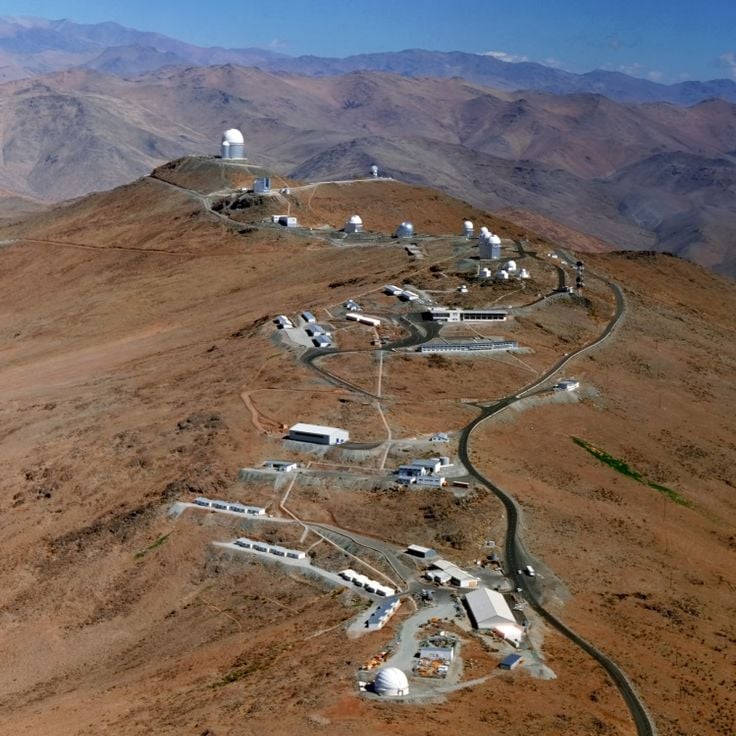
La Silla Observatory sits in the Atacama Desert of northern Chile, at around 7,900 feet (2,400 meters) above sea level. It is operated by the European Southern Observatory (ESO) and has been running since the 1960s. Several telescopes are spread across the site, used by astronomers from around the world to study the southern sky. Over the decades, the observatory has been the site of many discoveries, including early observations of exoplanets and supernovae.
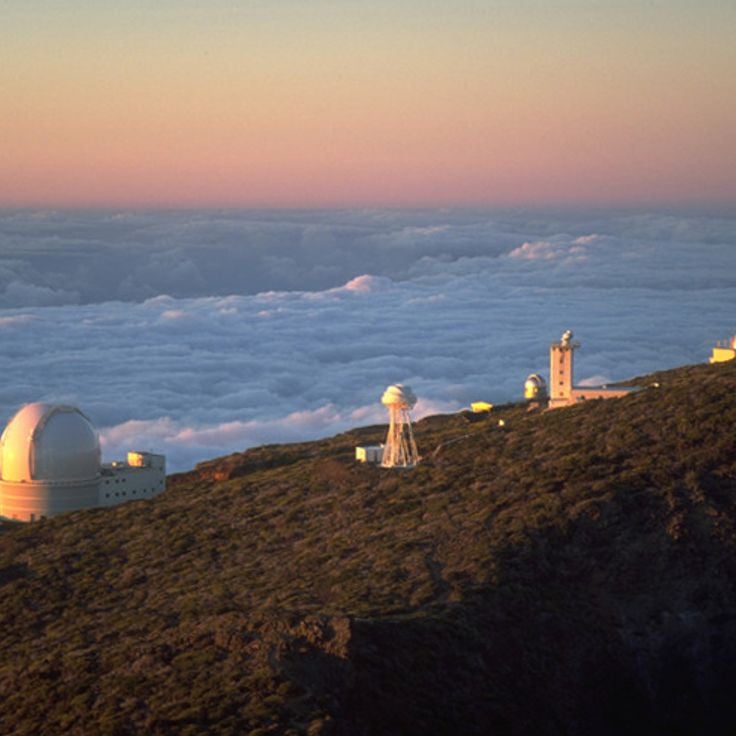
The Observatorio del Roque de los Muchachos sits at the top of a volcano on La Palma, in the Canary Islands, at about 7,870 ft (2,400 m) above sea level. Up there, the sky is dark and the air is dry, which makes it one of the best places in the Northern Hemisphere to observe the stars. Astronomers from many countries work side by side here, using large optical telescopes, including the Gran Telescopio Canarias.
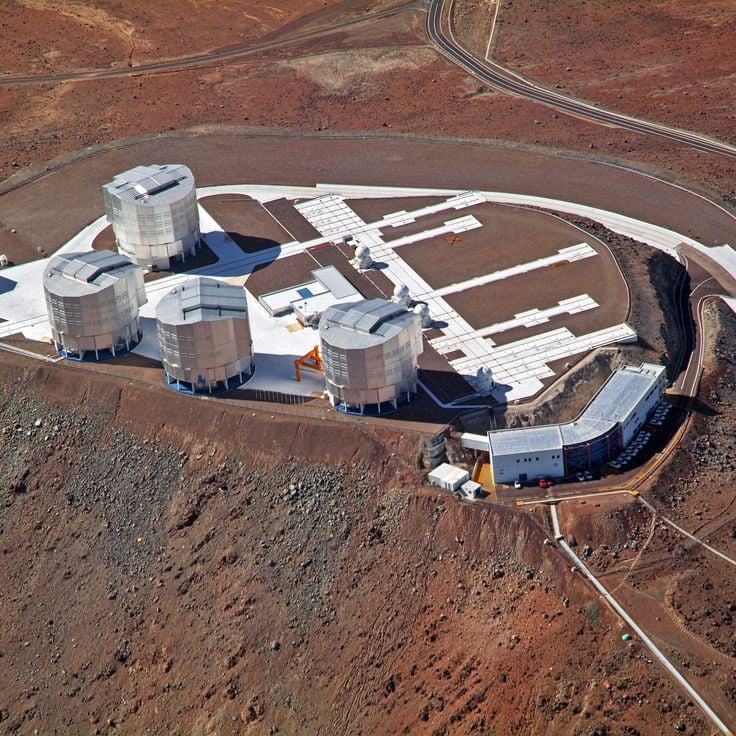
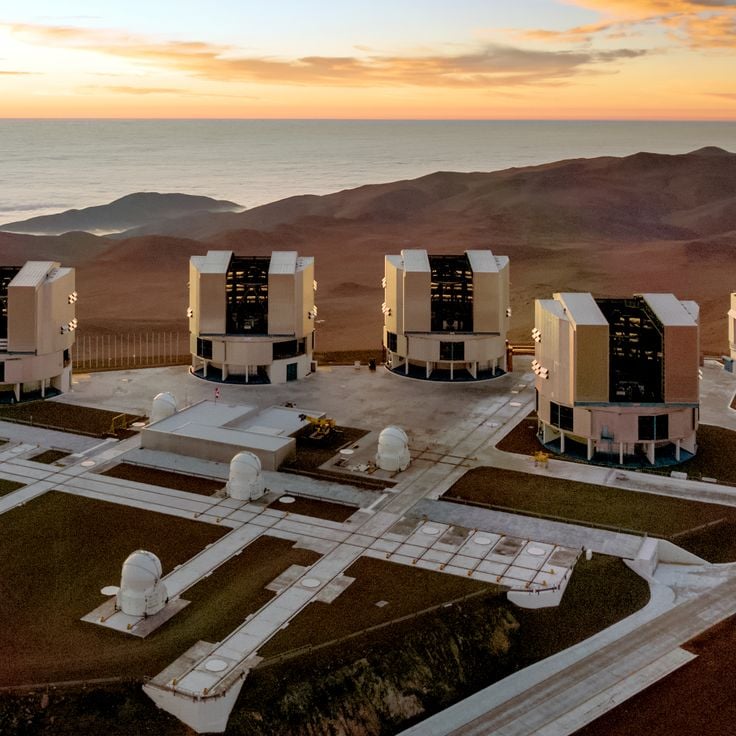
Paranal Observatory sits in the Atacama Desert in northern Chile, at about 8,500 ft (2,600 m) above sea level. It is run by the European Southern Observatory (ESO) and is home to the Very Large Telescope, a set of four large telescopes that can work together or separately. The sky above Paranal is among the darkest and driest on Earth, making it possible to observe distant galaxies, stars, and other objects in space. This site plays a central role in modern astronomy.
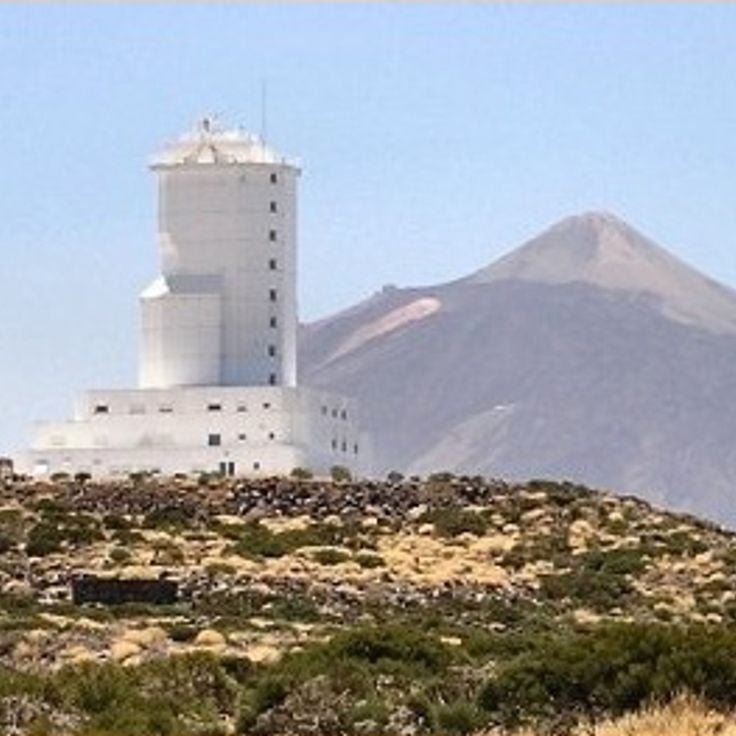
The Teide Observatory sits near the top of the Teide volcano in the Canary Islands, at an altitude of about 7,900 feet (2,400 meters). The skies here are remarkably clear for much of the year, which is why European astronomers chose this site decades ago. The telescopes on this mountain study the Sun during the day and deep space at night, making it one of the most active solar observatories in the world.
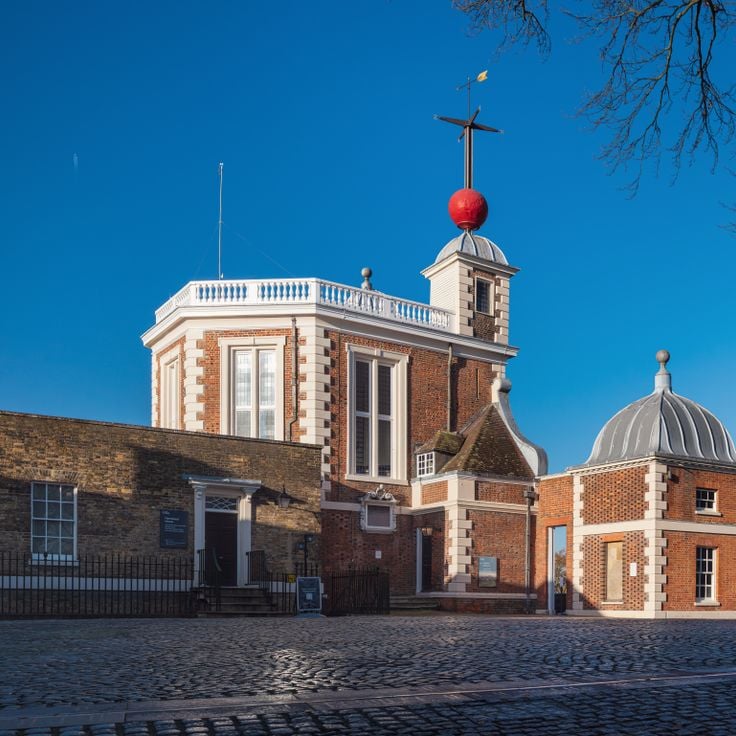
The Royal Observatory Greenwich sits on a hill in southeast London and is one of the most historically important places in astronomy. This is where the Prime Meridian was established, dividing the Earth into east and west. The buildings date back to the 17th century and house old telescopes and instruments used by generations of astronomers. Visitors can walk through the grounds, explore the observatory, and watch the red time ball drop every day at 1 p.m.
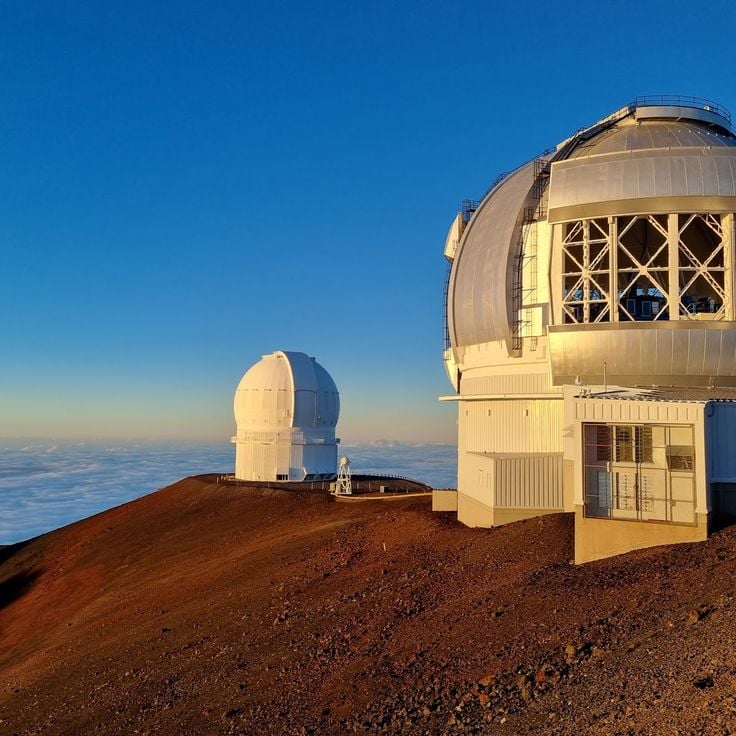
The Mauna Kea Observatories sit on top of a dormant volcano in Hawaii, at roughly 13,800 ft (4,200 m) above sea level. The air up there is dry and dark skies make it one of the best places in the Northern Hemisphere to observe the universe. Dozens of telescopes from many countries are grouped here, working together to study stars, galaxies and distant objects.
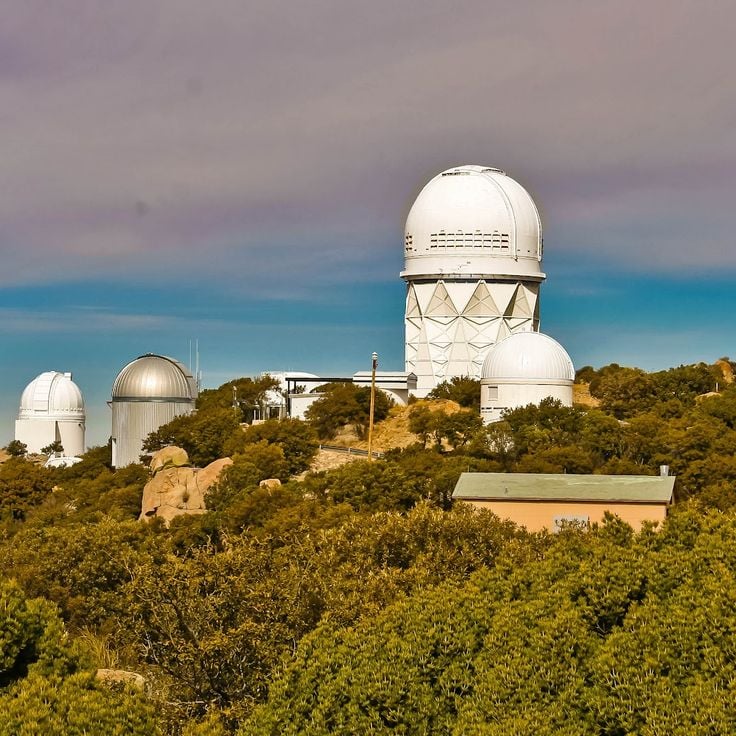
Kitt Peak National Observatory sits atop a mountain in the Sonoran Desert in Arizona, on land belonging to the Tohono O'odham Nation. The site holds dozens of optical and radio telescopes, making it one of the most equipped astronomical sites in the northern hemisphere. Astronomers travel here from around the world to study the night sky, which benefits from dry air and low light pollution.
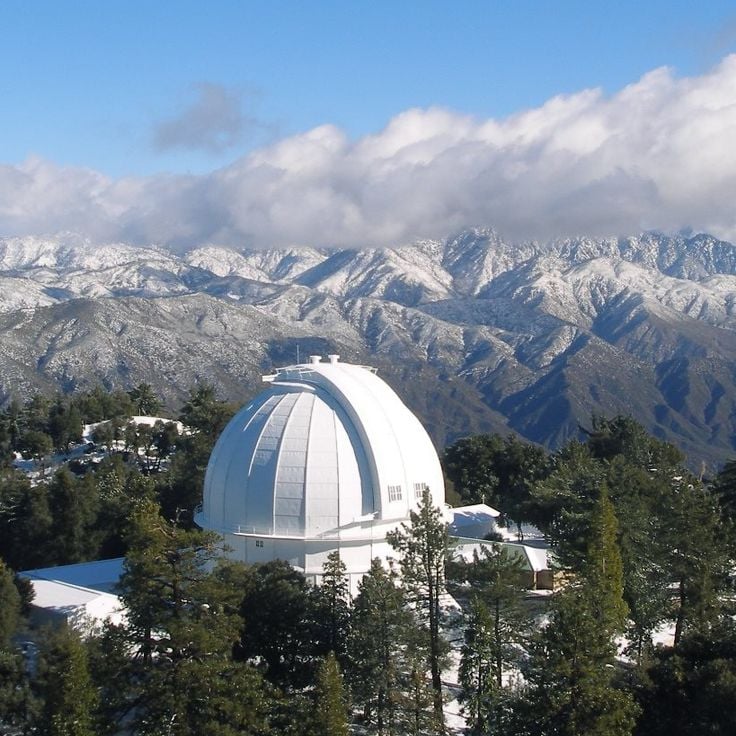
The Mount Wilson Observatory sits in the mountains above Los Angeles and was one of the most important sites in 20th-century astronomy. It was here that Edwin Hubble showed that the universe is expanding and that other galaxies exist beyond the Milky Way. Several of its telescopes are still in use today.
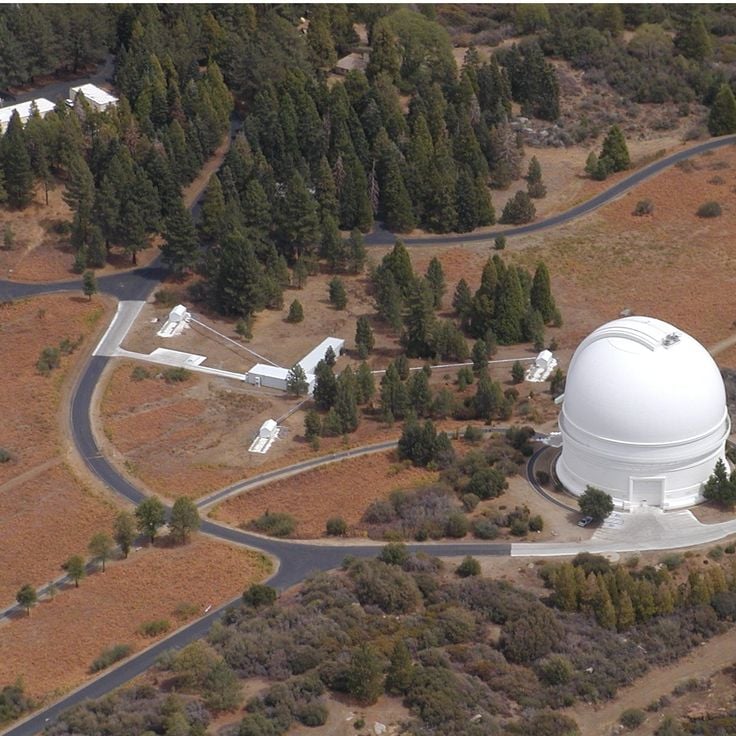
The Palomar Observatory sits on a mountain in Southern California and houses some of the most well-known telescopes in the world. Its main instrument, the Hale Telescope, was built in the mid-20th century and is still considered one of the most powerful optical instruments of its kind. Astronomers here have discovered galaxies, quasars, and other celestial objects that have changed how we understand the universe.
The Very Large Array is a large network of radio telescopes spread across the high desert plains of New Mexico, at roughly 7,000 ft (about 2,100 m) above sea level. Its dish-shaped antennas work together to pick up radio signals coming from deep space. Scientists use it to study galaxies, black holes, and other objects that cannot be seen with ordinary telescopes. It is one of the most used radio observatories in the world.
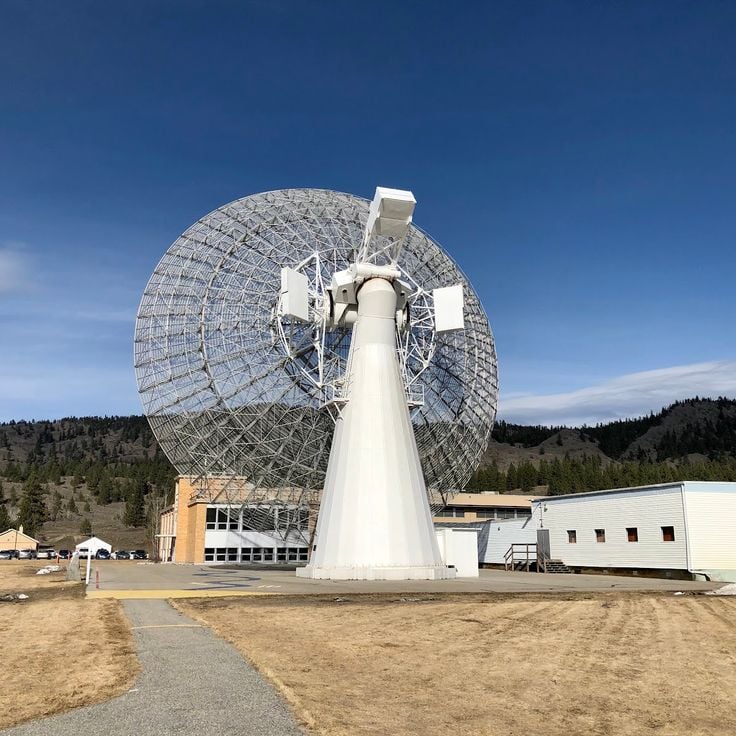
The Dominion Astrophysical Observatory sits in the hills of British Columbia, Canada, and has been a key site for astronomical research in North America since the early 20th century. It houses a large optical telescope that astronomers have used for decades to study stars, galaxies, and other objects in the night sky. The site has a long history of contributions to our understanding of the universe.
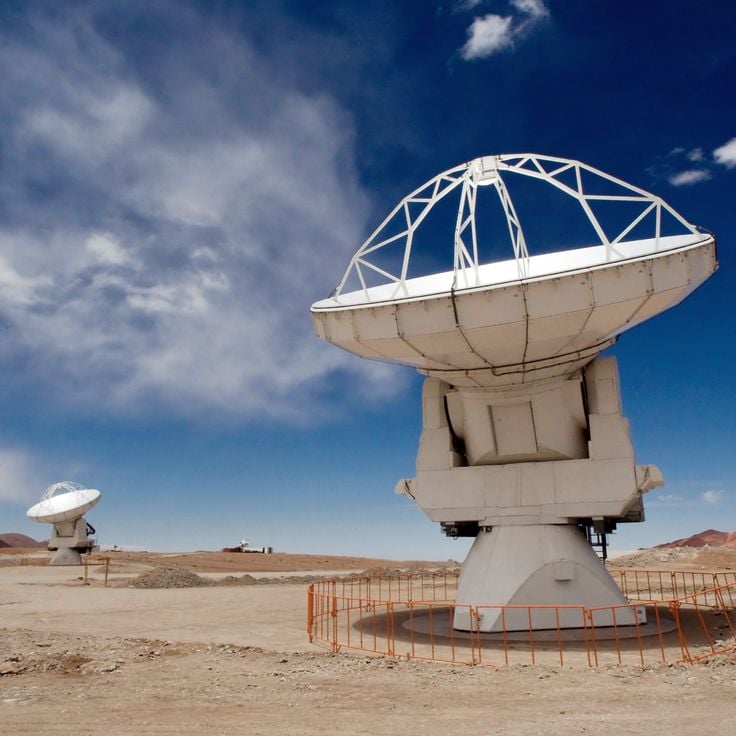
ALMA is a network of radio antennas spread across the Atacama Desert in Chile, at an altitude of roughly 16,400 feet (5,000 meters). The dry air and high elevation make this one of the best places on Earth to study the universe in radio waves. Astronomers use ALMA to observe cold gas clouds, distant galaxies, and regions where new stars are forming, capturing signals that optical telescopes cannot detect.
The Very Large Telescope sits atop Cerro Paranal in the Atacama Desert in Chile, at an altitude of roughly 8,600 feet (about 2,600 meters). It is run by the European Southern Observatory and is made up of four main telescopes that can work together to observe very faint objects deep in space. The dry air and clear skies of the Atacama make this one of the most favorable spots on Earth for optical astronomy. Astronomers from around the world travel here to study distant stars, galaxies and other celestial bodies.
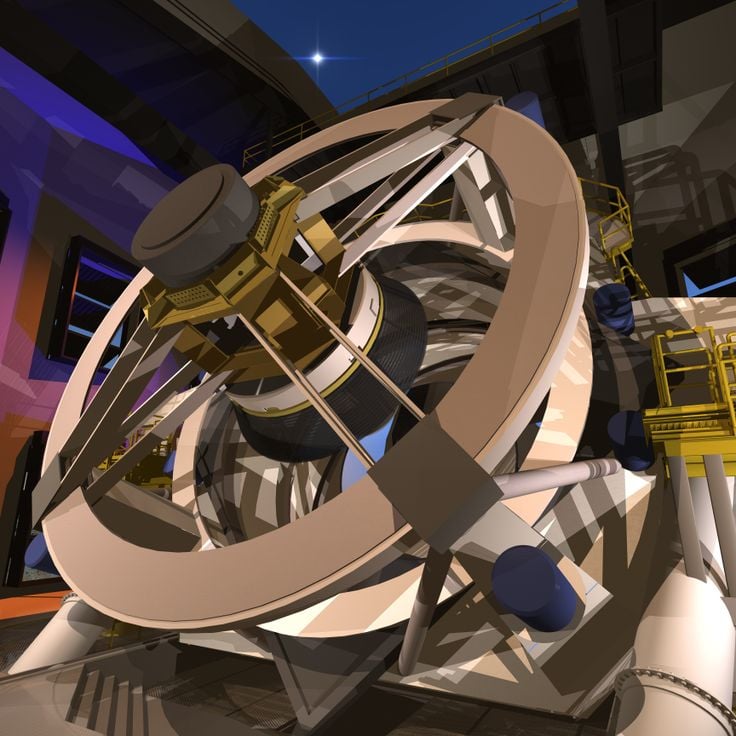
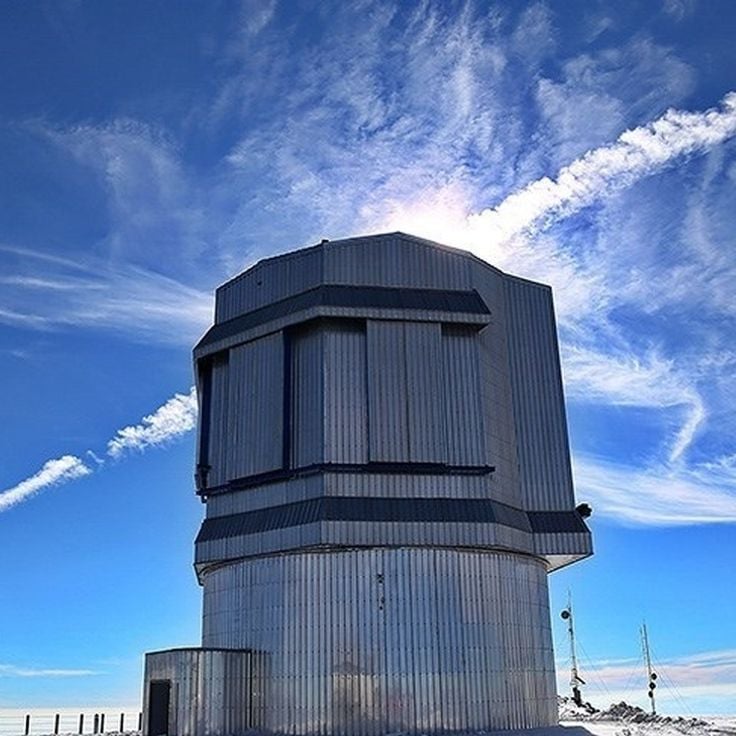
The Vera Rubin Observatory sits in the Atacama Desert in Chile and is dedicated to one of the most ambitious sky surveys ever attempted. Its large telescope photographs wide sections of the sky every night, looking for objects that change in brightness or move across the sky, such as asteroids, supernovae, and other short-lived phenomena.
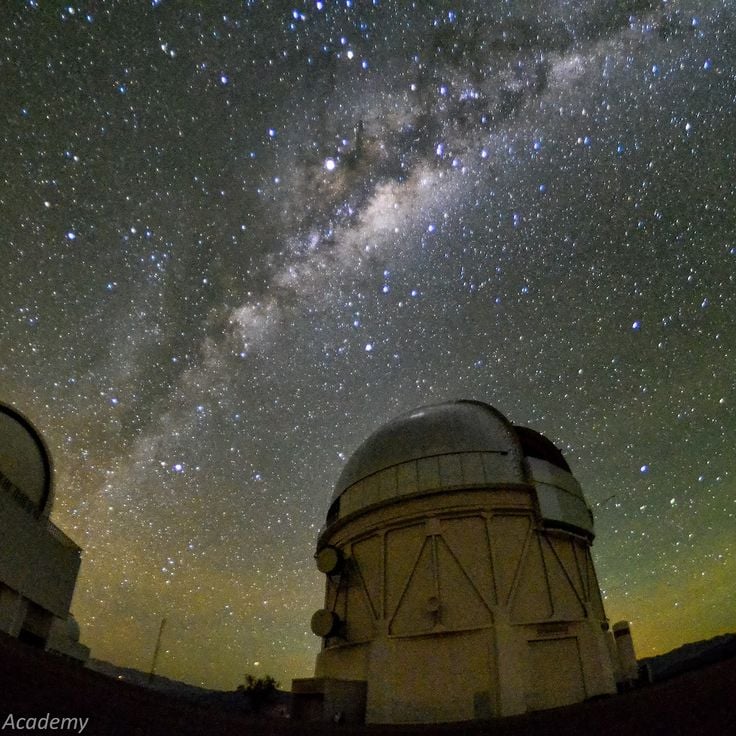
Cerro Tololo Inter-American Observatory sits high in the Chilean Andes and gives astronomers from North and South America a clear view of the southern sky. The site benefits from dry air and dark nights, which makes it well suited for observing objects that cannot be seen from the northern hemisphere. Researchers here have contributed to major discoveries about the structure and history of the universe.
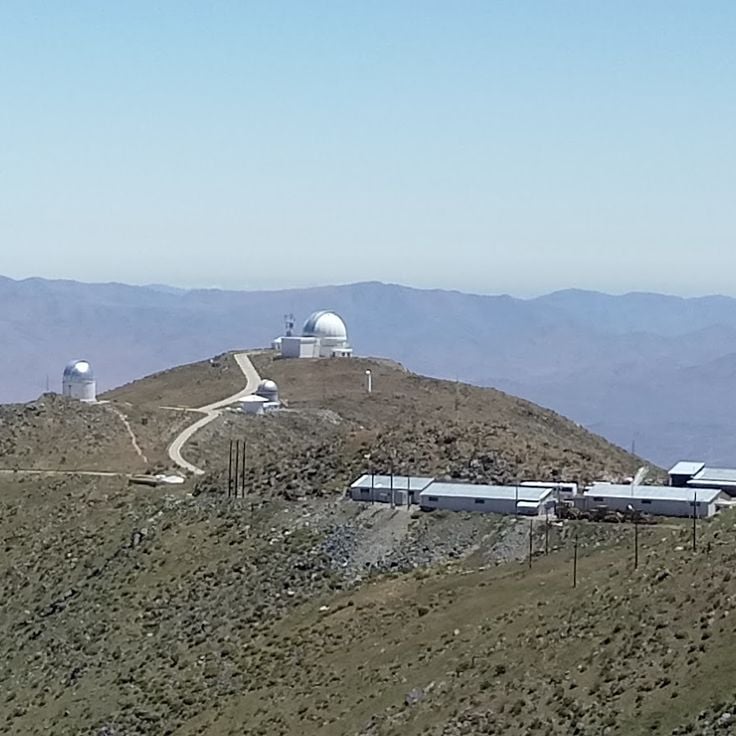
Las Campanas Observatory sits in the Andes of Chile, in the Valparaíso region, at roughly 8,200 feet (2,500 meters) above sea level. From here, astronomers observe the southern sky using large optical telescopes. The observatory has contributed to the study of supernovae and distant galaxies, and its location above the Atacama Desert gives it some of the clearest skies found anywhere on Earth. It is one of the places where major discoveries in observational astronomy have been made over the past decades.
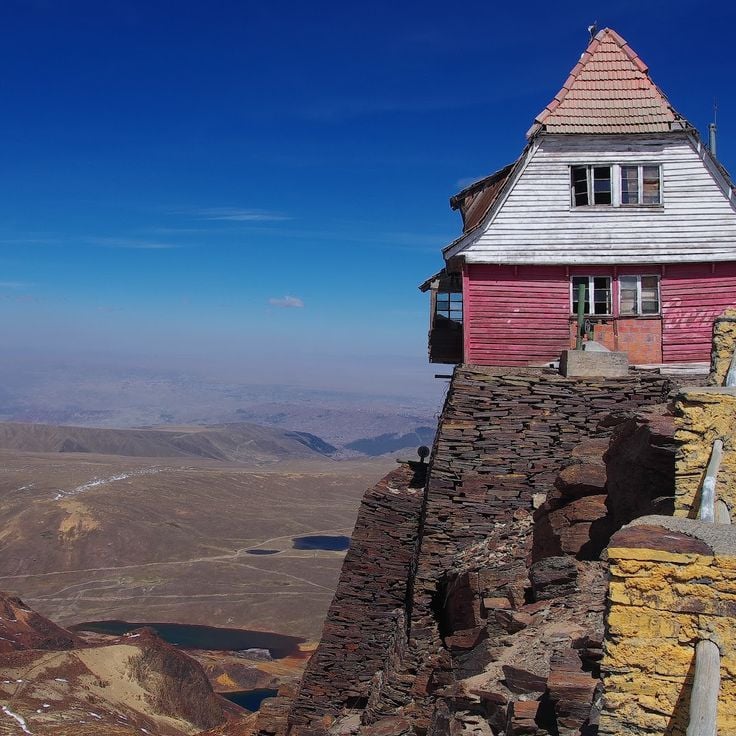
The Chacaltaya Observatory sits high in the Bolivian Andes, close to La Paz, at an altitude of about 17,000 feet (5,200 meters). The thin air and open sky at this height make it a good place to observe the universe. Researchers here also study cosmic rays, as the altitude helps with this type of measurement.
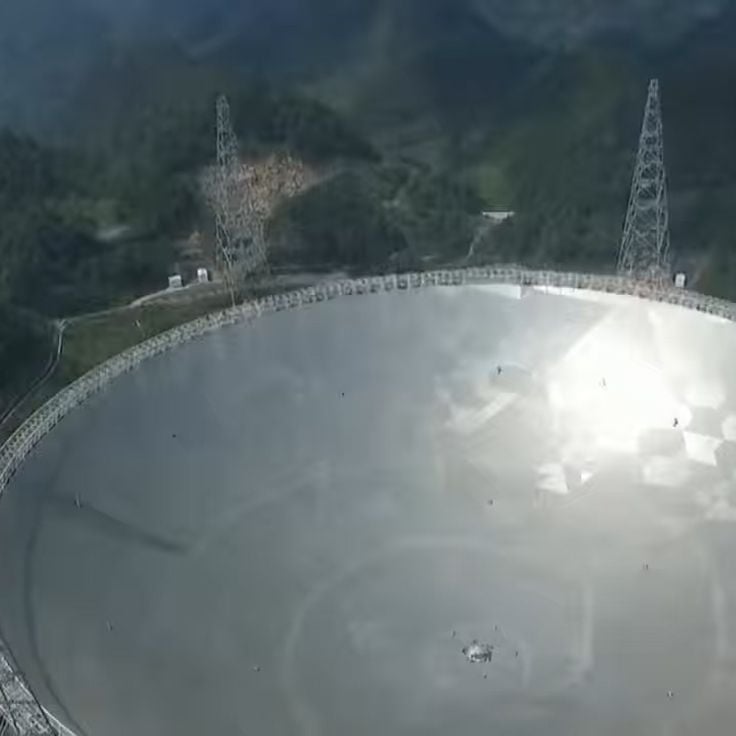
FAST is a giant spherical radio telescope built in a natural hollow in the mountains of Guizhou, China. Its dish measures about 1,640 feet (500 meters) across, making it one of the largest of its kind on Earth. The telescope picks up radio signals from space and is used by researchers to study stars, galaxies, and other objects in the universe. It plays a central role in global radio astronomy.
Xinglong Observatory sits in Hebei Province and is one of China's main optical observation sites. It belongs to the National Astronomical Observatories of China and hosts several telescopes used to study stars, galaxies, and other objects in the sky. Researchers from across the country and abroad work here regularly, taking advantage of the relatively dark skies of the surrounding hills.
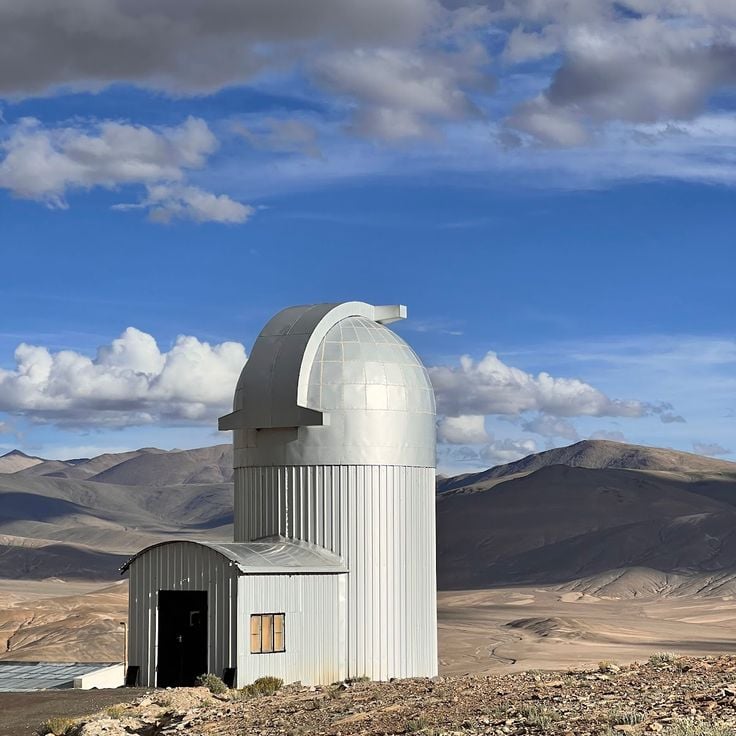
The Indian Astronomical Observatory sits high in the Himalaya, in the Ladakh region. At roughly 15,000 feet (4,500 meters) above sea level, the air is dry and the sky is clear for much of the year, making it one of the best places in South Asia to study stars and galaxies. Astronomers from across India come here to observe the night sky in conditions rarely found at lower altitudes.
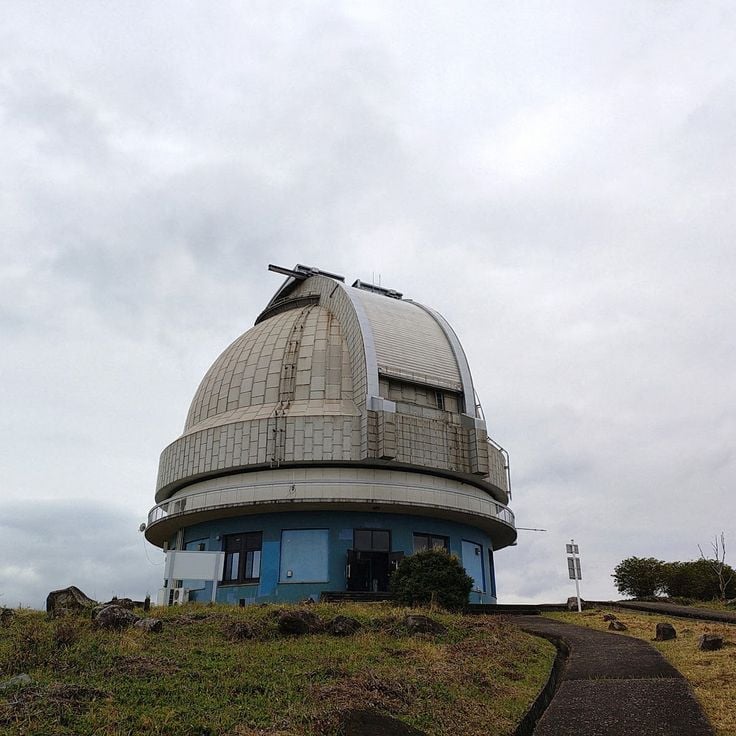
The Okayama Astrophysical Observatory sits in the hills of Okayama Prefecture and is one of Japan's main astronomical research stations. Astronomers here use several telescopes to study the night sky across different fields of astronomy. The site was chosen for its clear nights and low light pollution. This observatory works closely with other research institutions across East Asia.
The Iranian National Observatory sits on a mountaintop near Kashan and is the largest astronomical facility in Iran. Its main telescope gives researchers access to very clear skies, allowing them to study stars, galaxies, and other celestial objects as part of international astronomical programs.
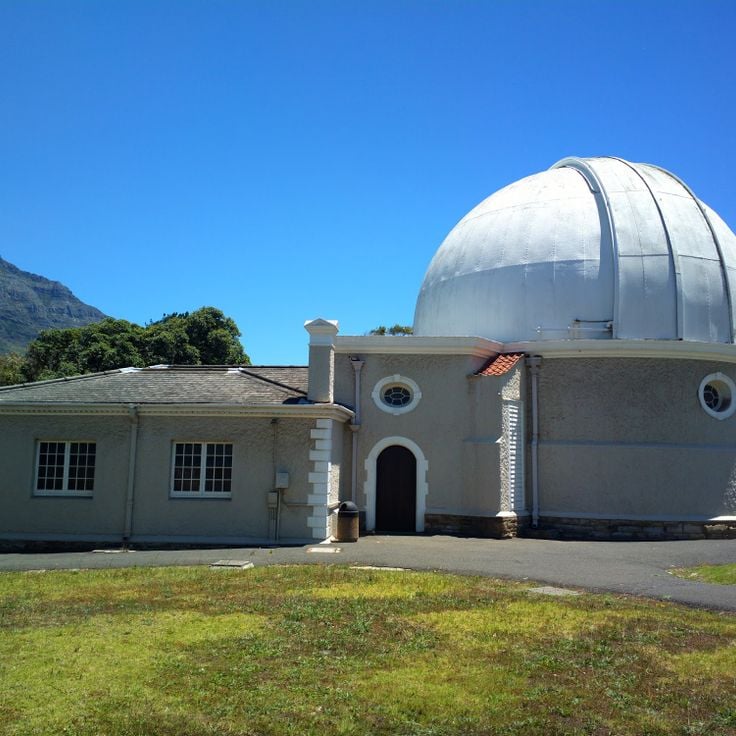
The South African Astronomical Observatory is the main astronomical center in southern Africa. Located near Cape Town, it has been watching the southern skies since the 19th century. Scientists from around the world come here to study stars, galaxies, and other objects that are difficult to observe from the Northern Hemisphere.
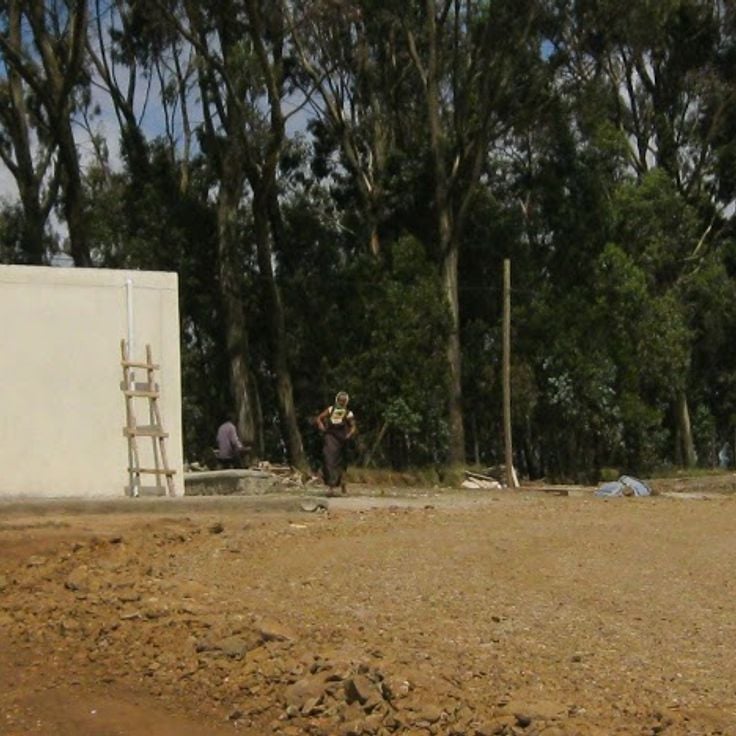
The Entoto Observatory sits on a hill above Addis Ababa, at a high elevation that keeps it away from the city's light. It is one of the main centers for astronomical research in East Africa, where scientists study the night sky and contribute to a growing scientific community on the continent.
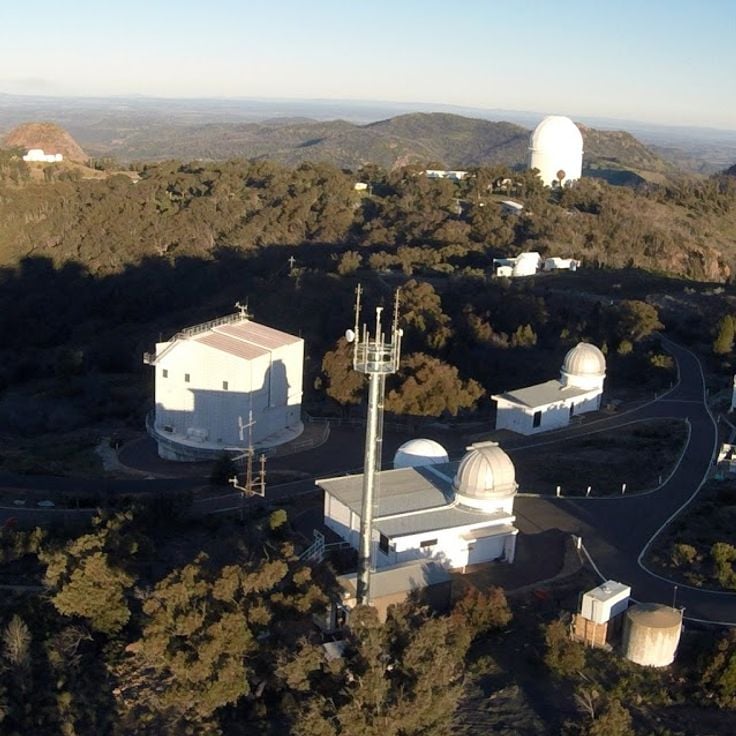
Siding Spring Observatory sits in the Warrumbungle Range in New South Wales, far from city lights. This makes it one of the best places in the Southern Hemisphere to study the night sky. The site brings together several telescopes used by Australian and international researchers. On clear nights, the sky above Siding Spring is remarkably dark, giving astronomers a direct view of stars, galaxies and other objects that are hard to see from the Northern Hemisphere.
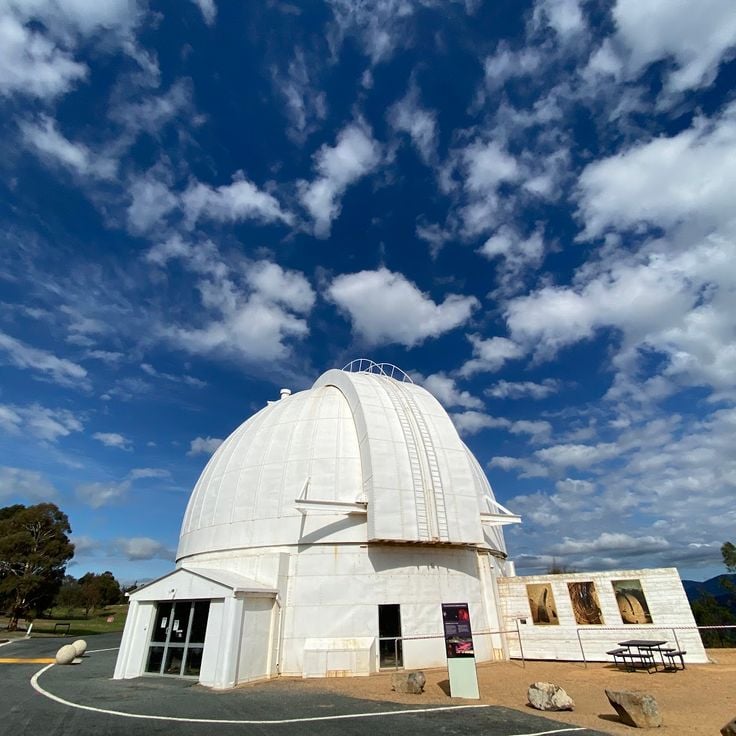
Mount Stromlo Observatory sits on a hill just outside Canberra and has been a center for Australian astronomy for over a century. Researchers here have studied the southern night sky and made important contributions to optical astronomy and astrophysics. A major bushfire in 2003 destroyed much of the site, but it was partly rebuilt and continues to operate as a research facility today.
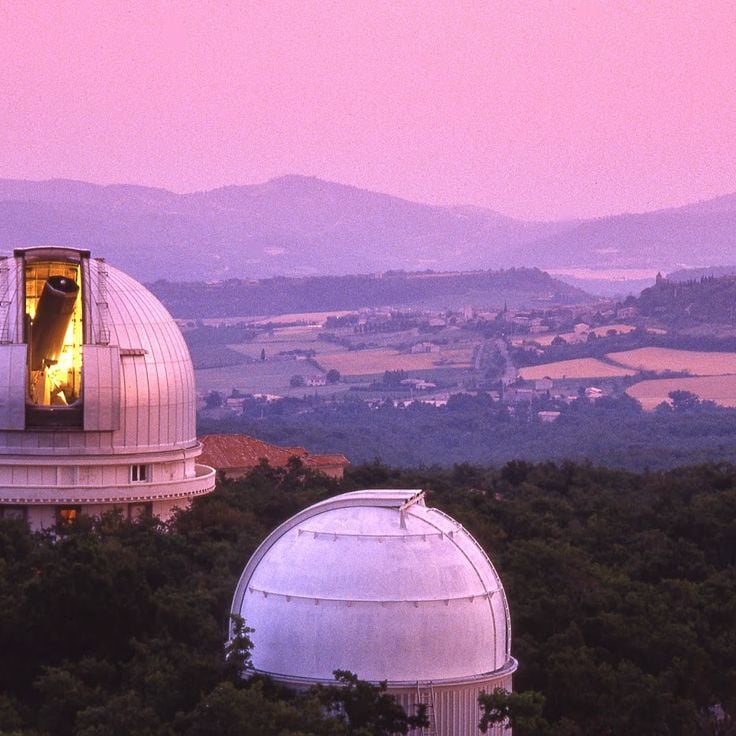
The Haute-Provence Observatory sits in the hills of southern France, far from city lights. It is one of the oldest astronomy research centers in France and has been operating for decades. In 1995, astronomers here discovered the first exoplanet orbiting a sun-like star, a finding that changed how we think about our place in the universe. The site remains active for research and also welcomes visitors who want to learn more about the night sky.
La Silla Observatory sits in the Atacama Desert of northern Chile, at around 7,900 feet (2,400 meters) above sea level. It is operated by the European Southern Observatory (ESO) and has been running since the 1960s. Several telescopes are spread across the site, used by astronomers from around the world to study the southern sky. Over the decades, the observatory has been the site of many discoveries, including early observations of exoplanets and supernovae.
The Observatorio del Roque de los Muchachos sits at the top of a volcano on La Palma, in the Canary Islands, at about 7,870 ft (2,400 m) above sea level. Up there, the sky is dark and the air is dry, which makes it one of the best places in the Northern Hemisphere to observe the stars. Astronomers from many countries work side by side here, using large optical telescopes, including the Gran Telescopio Canarias.
Paranal Observatory sits in the Atacama Desert in northern Chile, at about 8,500 ft (2,600 m) above sea level. It is run by the European Southern Observatory (ESO) and is home to the Very Large Telescope, a set of four large telescopes that can work together or separately. The sky above Paranal is among the darkest and driest on Earth, making it possible to observe distant galaxies, stars, and other objects in space. This site plays a central role in modern astronomy.
The Teide Observatory sits near the top of the Teide volcano in the Canary Islands, at an altitude of about 7,900 feet (2,400 meters). The skies here are remarkably clear for much of the year, which is why European astronomers chose this site decades ago. The telescopes on this mountain study the Sun during the day and deep space at night, making it one of the most active solar observatories in the world.
The Royal Observatory Greenwich sits on a hill in southeast London and is one of the most historically important places in astronomy. This is where the Prime Meridian was established, dividing the Earth into east and west. The buildings date back to the 17th century and house old telescopes and instruments used by generations of astronomers. Visitors can walk through the grounds, explore the observatory, and watch the red time ball drop every day at 1 p.m.
The Mauna Kea Observatories sit on top of a dormant volcano in Hawaii, at roughly 13,800 ft (4,200 m) above sea level. The air up there is dry and dark skies make it one of the best places in the Northern Hemisphere to observe the universe. Dozens of telescopes from many countries are grouped here, working together to study stars, galaxies and distant objects.
Kitt Peak National Observatory sits atop a mountain in the Sonoran Desert in Arizona, on land belonging to the Tohono O'odham Nation. The site holds dozens of optical and radio telescopes, making it one of the most equipped astronomical sites in the northern hemisphere. Astronomers travel here from around the world to study the night sky, which benefits from dry air and low light pollution.
The Mount Wilson Observatory sits in the mountains above Los Angeles and was one of the most important sites in 20th-century astronomy. It was here that Edwin Hubble showed that the universe is expanding and that other galaxies exist beyond the Milky Way. Several of its telescopes are still in use today.
The Palomar Observatory sits on a mountain in Southern California and houses some of the most well-known telescopes in the world. Its main instrument, the Hale Telescope, was built in the mid-20th century and is still considered one of the most powerful optical instruments of its kind. Astronomers here have discovered galaxies, quasars, and other celestial objects that have changed how we understand the universe.
The Very Large Array is a large network of radio telescopes spread across the high desert plains of New Mexico, at roughly 7,000 ft (about 2,100 m) above sea level. Its dish-shaped antennas work together to pick up radio signals coming from deep space. Scientists use it to study galaxies, black holes, and other objects that cannot be seen with ordinary telescopes. It is one of the most used radio observatories in the world.
The Dominion Astrophysical Observatory sits in the hills of British Columbia, Canada, and has been a key site for astronomical research in North America since the early 20th century. It houses a large optical telescope that astronomers have used for decades to study stars, galaxies, and other objects in the night sky. The site has a long history of contributions to our understanding of the universe.
ALMA is a network of radio antennas spread across the Atacama Desert in Chile, at an altitude of roughly 16,400 feet (5,000 meters). The dry air and high elevation make this one of the best places on Earth to study the universe in radio waves. Astronomers use ALMA to observe cold gas clouds, distant galaxies, and regions where new stars are forming, capturing signals that optical telescopes cannot detect.
The Very Large Telescope sits atop Cerro Paranal in the Atacama Desert in Chile, at an altitude of roughly 8,600 feet (about 2,600 meters). It is run by the European Southern Observatory and is made up of four main telescopes that can work together to observe very faint objects deep in space. The dry air and clear skies of the Atacama make this one of the most favorable spots on Earth for optical astronomy. Astronomers from around the world travel here to study distant stars, galaxies and other celestial bodies.
The Vera Rubin Observatory sits in the Atacama Desert in Chile and is dedicated to one of the most ambitious sky surveys ever attempted. Its large telescope photographs wide sections of the sky every night, looking for objects that change in brightness or move across the sky, such as asteroids, supernovae, and other short-lived phenomena.
Cerro Tololo Inter-American Observatory sits high in the Chilean Andes and gives astronomers from North and South America a clear view of the southern sky. The site benefits from dry air and dark nights, which makes it well suited for observing objects that cannot be seen from the northern hemisphere. Researchers here have contributed to major discoveries about the structure and history of the universe.
Las Campanas Observatory sits in the Andes of Chile, in the Valparaíso region, at roughly 8,200 feet (2,500 meters) above sea level. From here, astronomers observe the southern sky using large optical telescopes. The observatory has contributed to the study of supernovae and distant galaxies, and its location above the Atacama Desert gives it some of the clearest skies found anywhere on Earth. It is one of the places where major discoveries in observational astronomy have been made over the past decades.
The Chacaltaya Observatory sits high in the Bolivian Andes, close to La Paz, at an altitude of about 17,000 feet (5,200 meters). The thin air and open sky at this height make it a good place to observe the universe. Researchers here also study cosmic rays, as the altitude helps with this type of measurement.
FAST is a giant spherical radio telescope built in a natural hollow in the mountains of Guizhou, China. Its dish measures about 1,640 feet (500 meters) across, making it one of the largest of its kind on Earth. The telescope picks up radio signals from space and is used by researchers to study stars, galaxies, and other objects in the universe. It plays a central role in global radio astronomy.
Xinglong Observatory sits in Hebei Province and is one of China's main optical observation sites. It belongs to the National Astronomical Observatories of China and hosts several telescopes used to study stars, galaxies, and other objects in the sky. Researchers from across the country and abroad work here regularly, taking advantage of the relatively dark skies of the surrounding hills.
The Indian Astronomical Observatory sits high in the Himalaya, in the Ladakh region. At roughly 15,000 feet (4,500 meters) above sea level, the air is dry and the sky is clear for much of the year, making it one of the best places in South Asia to study stars and galaxies. Astronomers from across India come here to observe the night sky in conditions rarely found at lower altitudes.
The Okayama Astrophysical Observatory sits in the hills of Okayama Prefecture and is one of Japan's main astronomical research stations. Astronomers here use several telescopes to study the night sky across different fields of astronomy. The site was chosen for its clear nights and low light pollution. This observatory works closely with other research institutions across East Asia.
The Iranian National Observatory sits on a mountaintop near Kashan and is the largest astronomical facility in Iran. Its main telescope gives researchers access to very clear skies, allowing them to study stars, galaxies, and other celestial objects as part of international astronomical programs.
The South African Astronomical Observatory is the main astronomical center in southern Africa. Located near Cape Town, it has been watching the southern skies since the 19th century. Scientists from around the world come here to study stars, galaxies, and other objects that are difficult to observe from the Northern Hemisphere.
The Entoto Observatory sits on a hill above Addis Ababa, at a high elevation that keeps it away from the city's light. It is one of the main centers for astronomical research in East Africa, where scientists study the night sky and contribute to a growing scientific community on the continent.
Siding Spring Observatory sits in the Warrumbungle Range in New South Wales, far from city lights. This makes it one of the best places in the Southern Hemisphere to study the night sky. The site brings together several telescopes used by Australian and international researchers. On clear nights, the sky above Siding Spring is remarkably dark, giving astronomers a direct view of stars, galaxies and other objects that are hard to see from the Northern Hemisphere.
Mount Stromlo Observatory sits on a hill just outside Canberra and has been a center for Australian astronomy for over a century. Researchers here have studied the southern night sky and made important contributions to optical astronomy and astrophysics. A major bushfire in 2003 destroyed much of the site, but it was partly rebuilt and continues to operate as a research facility today.
The Haute-Provence Observatory sits in the hills of southern France, far from city lights. It is one of the oldest astronomy research centers in France and has been operating for decades. In 1995, astronomers here discovered the first exoplanet orbiting a sun-like star, a finding that changed how we think about our place in the universe. The site remains active for research and also welcomes visitors who want to learn more about the night sky.
La Silla Observatory sits in the Atacama Desert of northern Chile, at around 7,900 feet (2,400 meters) above sea level. It is operated by the European Southern Observatory (ESO) and has been running since the 1960s. Several telescopes are spread across the site, used by astronomers from around the world to study the southern sky. Over the decades, the observatory has been the site of many discoveries, including early observations of exoplanets and supernovae.
The Observatorio del Roque de los Muchachos sits at the top of a volcano on La Palma, in the Canary Islands, at about 7,870 ft (2,400 m) above sea level. Up there, the sky is dark and the air is dry, which makes it one of the best places in the Northern Hemisphere to observe the stars. Astronomers from many countries work side by side here, using large optical telescopes, including the Gran Telescopio Canarias.
Paranal Observatory sits in the Atacama Desert in northern Chile, at about 8,500 ft (2,600 m) above sea level. It is run by the European Southern Observatory (ESO) and is home to the Very Large Telescope, a set of four large telescopes that can work together or separately. The sky above Paranal is among the darkest and driest on Earth, making it possible to observe distant galaxies, stars, and other objects in space. This site plays a central role in modern astronomy.
The Teide Observatory sits near the top of the Teide volcano in the Canary Islands, at an altitude of about 7,900 feet (2,400 meters). The skies here are remarkably clear for much of the year, which is why European astronomers chose this site decades ago. The telescopes on this mountain study the Sun during the day and deep space at night, making it one of the most active solar observatories in the world.
The Royal Observatory Greenwich sits on a hill in southeast London and is one of the most historically important places in astronomy. This is where the Prime Meridian was established, dividing the Earth into east and west. The buildings date back to the 17th century and house old telescopes and instruments used by generations of astronomers. Visitors can walk through the grounds, explore the observatory, and watch the red time ball drop every day at 1 p.m.
The Mauna Kea Observatories sit on top of a dormant volcano in Hawaii, at roughly 13,800 ft (4,200 m) above sea level. The air up there is dry and dark skies make it one of the best places in the Northern Hemisphere to observe the universe. Dozens of telescopes from many countries are grouped here, working together to study stars, galaxies and distant objects.
Kitt Peak National Observatory sits atop a mountain in the Sonoran Desert in Arizona, on land belonging to the Tohono O'odham Nation. The site holds dozens of optical and radio telescopes, making it one of the most equipped astronomical sites in the northern hemisphere. Astronomers travel here from around the world to study the night sky, which benefits from dry air and low light pollution.
The Mount Wilson Observatory sits in the mountains above Los Angeles and was one of the most important sites in 20th-century astronomy. It was here that Edwin Hubble showed that the universe is expanding and that other galaxies exist beyond the Milky Way. Several of its telescopes are still in use today.
The Palomar Observatory sits on a mountain in Southern California and houses some of the most well-known telescopes in the world. Its main instrument, the Hale Telescope, was built in the mid-20th century and is still considered one of the most powerful optical instruments of its kind. Astronomers here have discovered galaxies, quasars, and other celestial objects that have changed how we understand the universe.
The Very Large Array is a large network of radio telescopes spread across the high desert plains of New Mexico, at roughly 7,000 ft (about 2,100 m) above sea level. Its dish-shaped antennas work together to pick up radio signals coming from deep space. Scientists use it to study galaxies, black holes, and other objects that cannot be seen with ordinary telescopes. It is one of the most used radio observatories in the world.
The Dominion Astrophysical Observatory sits in the hills of British Columbia, Canada, and has been a key site for astronomical research in North America since the early 20th century. It houses a large optical telescope that astronomers have used for decades to study stars, galaxies, and other objects in the night sky. The site has a long history of contributions to our understanding of the universe.
ALMA is a network of radio antennas spread across the Atacama Desert in Chile, at an altitude of roughly 16,400 feet (5,000 meters). The dry air and high elevation make this one of the best places on Earth to study the universe in radio waves. Astronomers use ALMA to observe cold gas clouds, distant galaxies, and regions where new stars are forming, capturing signals that optical telescopes cannot detect.
The Very Large Telescope sits atop Cerro Paranal in the Atacama Desert in Chile, at an altitude of roughly 8,600 feet (about 2,600 meters). It is run by the European Southern Observatory and is made up of four main telescopes that can work together to observe very faint objects deep in space. The dry air and clear skies of the Atacama make this one of the most favorable spots on Earth for optical astronomy. Astronomers from around the world travel here to study distant stars, galaxies and other celestial bodies.
The Vera Rubin Observatory sits in the Atacama Desert in Chile and is dedicated to one of the most ambitious sky surveys ever attempted. Its large telescope photographs wide sections of the sky every night, looking for objects that change in brightness or move across the sky, such as asteroids, supernovae, and other short-lived phenomena.
Cerro Tololo Inter-American Observatory sits high in the Chilean Andes and gives astronomers from North and South America a clear view of the southern sky. The site benefits from dry air and dark nights, which makes it well suited for observing objects that cannot be seen from the northern hemisphere. Researchers here have contributed to major discoveries about the structure and history of the universe.
Las Campanas Observatory sits in the Andes of Chile, in the Valparaíso region, at roughly 8,200 feet (2,500 meters) above sea level. From here, astronomers observe the southern sky using large optical telescopes. The observatory has contributed to the study of supernovae and distant galaxies, and its location above the Atacama Desert gives it some of the clearest skies found anywhere on Earth. It is one of the places where major discoveries in observational astronomy have been made over the past decades.
The Chacaltaya Observatory sits high in the Bolivian Andes, close to La Paz, at an altitude of about 17,000 feet (5,200 meters). The thin air and open sky at this height make it a good place to observe the universe. Researchers here also study cosmic rays, as the altitude helps with this type of measurement.
FAST is a giant spherical radio telescope built in a natural hollow in the mountains of Guizhou, China. Its dish measures about 1,640 feet (500 meters) across, making it one of the largest of its kind on Earth. The telescope picks up radio signals from space and is used by researchers to study stars, galaxies, and other objects in the universe. It plays a central role in global radio astronomy.
Xinglong Observatory sits in Hebei Province and is one of China's main optical observation sites. It belongs to the National Astronomical Observatories of China and hosts several telescopes used to study stars, galaxies, and other objects in the sky. Researchers from across the country and abroad work here regularly, taking advantage of the relatively dark skies of the surrounding hills.
The Indian Astronomical Observatory sits high in the Himalaya, in the Ladakh region. At roughly 15,000 feet (4,500 meters) above sea level, the air is dry and the sky is clear for much of the year, making it one of the best places in South Asia to study stars and galaxies. Astronomers from across India come here to observe the night sky in conditions rarely found at lower altitudes.
The Okayama Astrophysical Observatory sits in the hills of Okayama Prefecture and is one of Japan's main astronomical research stations. Astronomers here use several telescopes to study the night sky across different fields of astronomy. The site was chosen for its clear nights and low light pollution. This observatory works closely with other research institutions across East Asia.
The Iranian National Observatory sits on a mountaintop near Kashan and is the largest astronomical facility in Iran. Its main telescope gives researchers access to very clear skies, allowing them to study stars, galaxies, and other celestial objects as part of international astronomical programs.
The South African Astronomical Observatory is the main astronomical center in southern Africa. Located near Cape Town, it has been watching the southern skies since the 19th century. Scientists from around the world come here to study stars, galaxies, and other objects that are difficult to observe from the Northern Hemisphere.
The Entoto Observatory sits on a hill above Addis Ababa, at a high elevation that keeps it away from the city's light. It is one of the main centers for astronomical research in East Africa, where scientists study the night sky and contribute to a growing scientific community on the continent.
Siding Spring Observatory sits in the Warrumbungle Range in New South Wales, far from city lights. This makes it one of the best places in the Southern Hemisphere to study the night sky. The site brings together several telescopes used by Australian and international researchers. On clear nights, the sky above Siding Spring is remarkably dark, giving astronomers a direct view of stars, galaxies and other objects that are hard to see from the Northern Hemisphere.
Mount Stromlo Observatory sits on a hill just outside Canberra and has been a center for Australian astronomy for over a century. Researchers here have studied the southern night sky and made important contributions to optical astronomy and astrophysics. A major bushfire in 2003 destroyed much of the site, but it was partly rebuilt and continues to operate as a research facility today.
The Haute-Provence Observatory sits in the hills of southern France, far from city lights. It is one of the oldest astronomy research centers in France and has been operating for decades. In 1995, astronomers here discovered the first exoplanet orbiting a sun-like star, a finding that changed how we think about our place in the universe. The site remains active for research and also welcomes visitors who want to learn more about the night sky.
Visiting an observatory helps you understand how astronomers look at the universe. Choose a site open to visitors and arrive before sunset to enjoy the experience. Bring warm clothing, even in summer, because the high altitude can be cold at night.