Mauna Kea., Astronomical observatory and research institute on Hawai'i, US
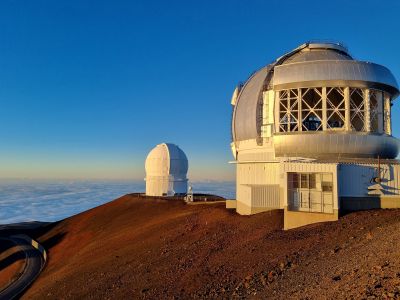
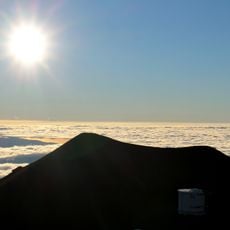
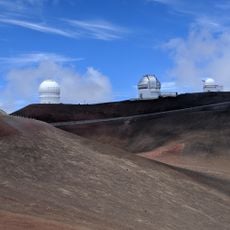
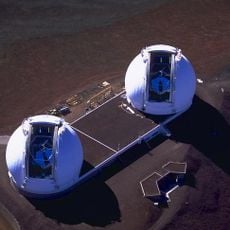
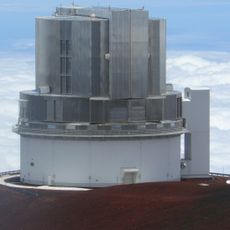
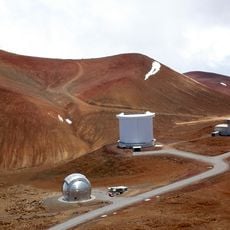
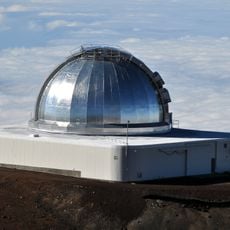
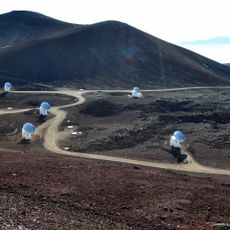
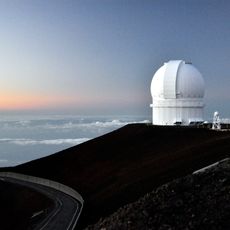
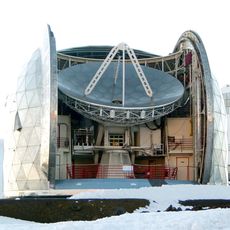
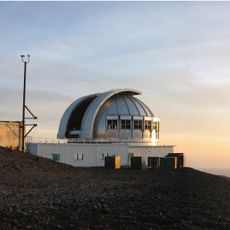
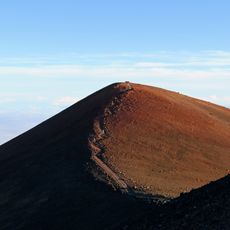
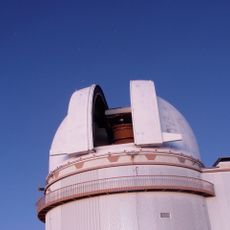
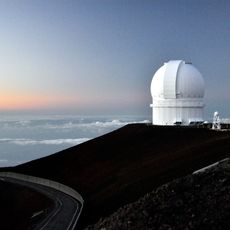
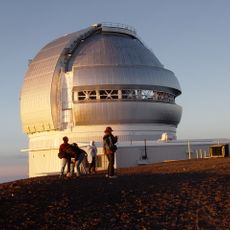
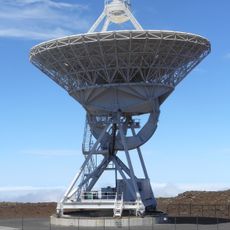
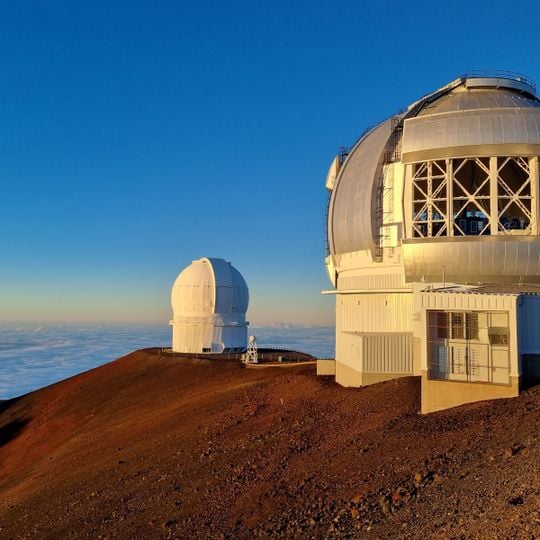
Mauna Kea is a volcanic summit on the island of Hawai'i that hosts one of the world's most active astronomical research complexes, with telescopes operated by institutions from many countries. The site sits above the clouds, and the thin, dry air at the top makes it one of the best places on Earth for observing the night sky.
The first telescopes were built on the summit in the 1960s, after scientists recognized that the height and dry air made it an outstanding location for astronomy. Over the following decades, more observatories were added by institutions from across the world, making it a major center for space research.
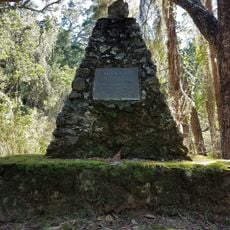
Mauna Kea is considered a sacred place by Native Hawaiians, whose traditions and stories are tied to the summit. Visitors today can read about this connection through informational signs near the top and learn about ongoing efforts to balance science and cultural respect.
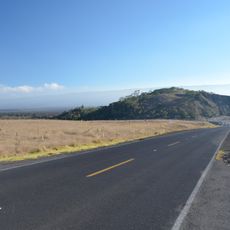
The road to the summit is steep and rough, so a four-wheel-drive vehicle is recommended for the final stretch. The high altitude can cause headaches or dizziness, so it helps to take the ascent slowly and allow time to adjust before going all the way to the top.
Although Mauna Kea rises about 13,800 feet (4,200 m) above sea level, it measures over 33,000 feet (10,000 m) from its base on the ocean floor, making it taller than Everest when measured from base to peak. This extraordinary height from the seafloor is part of what gives the summit such dry and stable air for observing space.
The community of curious travelers
AroundUs brings together thousands of curated places, local tips, and hidden gems, enriched daily by 90,834 contributors worldwide.