Mauna Kea Ice Age Reserve, Natural reserve on Mauna Kea volcano, Hawaii County, United States.
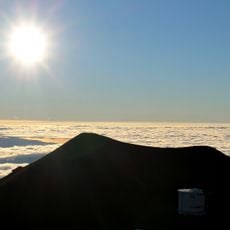
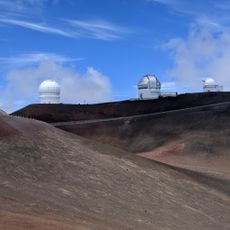
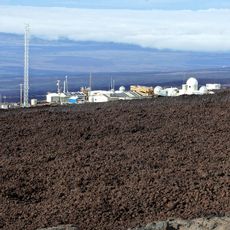
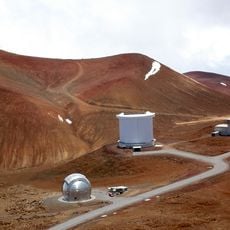
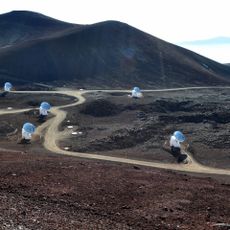
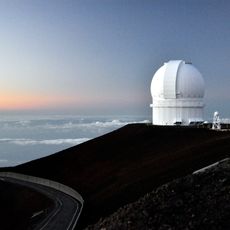
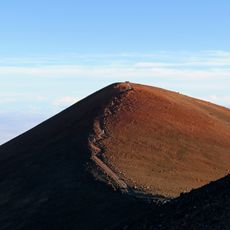
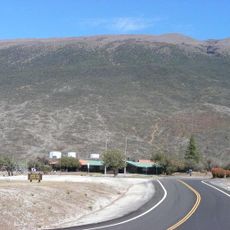
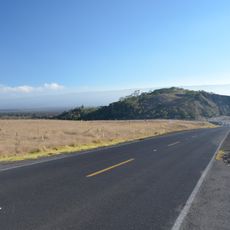
Mauna Kea Ice Age Reserve is a protected natural area spread across the southern slopes of Mauna Kea volcano, featuring stark lava and cinder landscapes at high elevation. The land shows barren volcanic landforms with little vegetation, rising to about 13,000 feet above sea level.
The reserve was established in 1981, the same year the quarry was added to the state register as site 10-23-4136. The quarry, called Keanakākoʻi in Hawaiian, had already been named a National Historic Landmark on December 29, 1962, and listed on the National Register of Historic Places on October 15, 1966. In 1998 the Kea Science Reserve lease area was redrawn to exclude the Ice Age reserve.
The site, known locally as Keanakākoʻi in Hawaiian, holds sacred spaces, trails, and rock carvings that show how indigenous people used and honored this mountain. Visitors can still see these marks today and understand what this place has always meant to the community.
Access is challenging because the high altitude can affect the body, so good preparation is important. Visitors should arrive early in the day and bring warm clothing, as conditions are cool and windy up there.
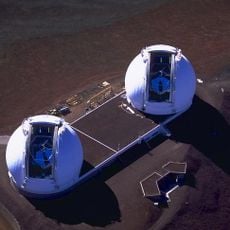
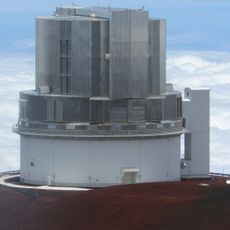
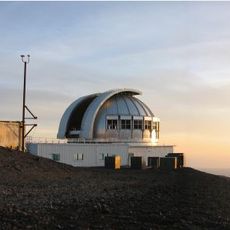
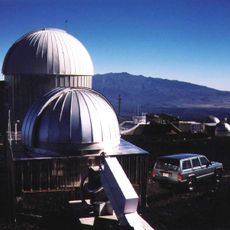
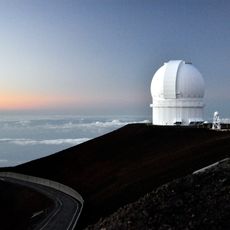
The reserve holds a rare example of permafrost in the tropics, around the rocky cinder cone Puʻu Pōhaku at about 19°49′31″N 155°29′28″W. A 2004 study also recorded the wēkiu bug (Nysius wekiuicola) inside the reserve, above the Onizuka Center for International Astronomy.
The community of curious travelers
AroundUs brings together thousands of curated places, local tips, and hidden gems, enriched daily by 94,354 contributors worldwide.