Mauna Loa Solar Observatory, Solar observatory on the slopes of Mauna Loa, Hawaii, US
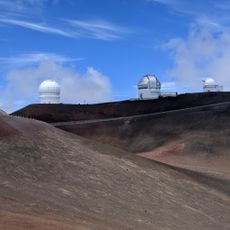
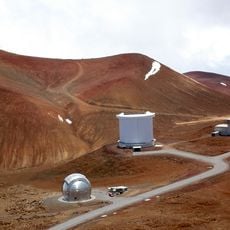
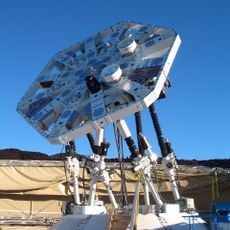
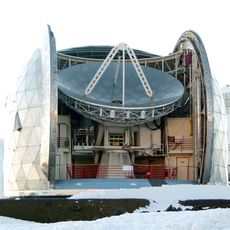
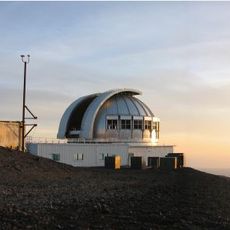
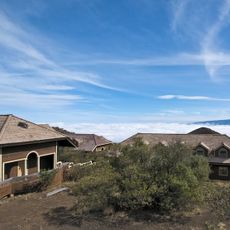
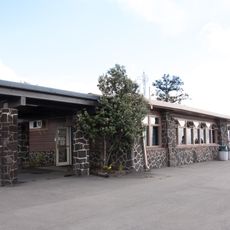
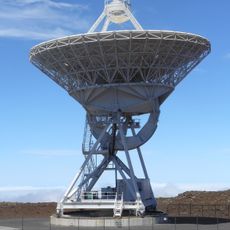
The Mauna Loa Solar Observatory is a research station on the Mauna Loa volcano in Hawaii designed to monitor the sun's oscillations and magnetic properties. It uses specialized telescopes and equipment to continuously track solar surface activity and collect data that helps scientists understand solar behavior.
Built in 1965 on the slopes of Mauna Loa, the observatory is operated by the High Altitude Observatory, a laboratory of the National Center for Atmospheric Research, on land managed by the Mauna Loa Observatory. Its first instrument, the Mark-I K-Coronameter, was transferred from Haleakala that year and ran until 1968. Later instruments included the Mark-III K-Coronameter (1980–1998) and the K-coronagraph, in service since September 2013.
The observatory is run by the High Altitude Observatory, a laboratory of the National Center for Atmospheric Research, and sits on land managed by the Mauna Loa Observatory of NOAA. Its instruments record images of the solar disk and the centre-to-limb darkening every three minutes, for three to ten hours a day from 17:00 UTC when weather allows.
The facility automatically collects and processes solar measurement data regularly to provide current information to various scientific institutions. Its location on a volcano at high altitude enables continuous observation under favorable conditions.
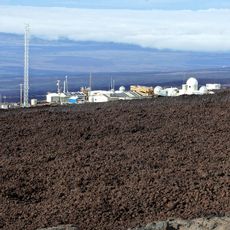
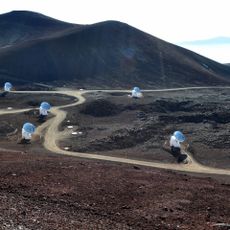
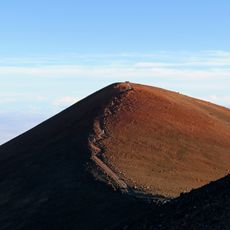
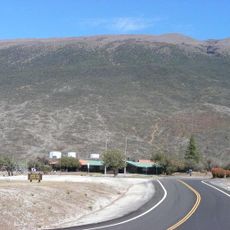
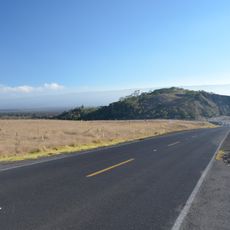
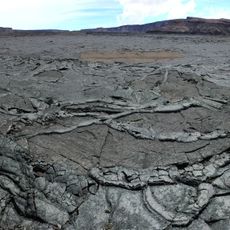
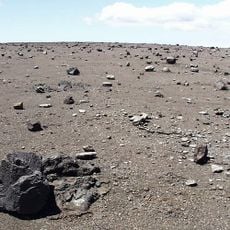
The station sits on a lava field at over 10,000 feet (3,000 meters) elevation, creating exceptional atmospheric conditions for precise solar observations. This height filters out much of the water vapor and pollution that would interfere with measurements from lower locations.
The community of curious travelers
AroundUs brings together thousands of curated places, local tips, and hidden gems, enriched daily by 92,725 contributors worldwide.