Pu'u Huluhulu, Volcanic cone in Hamakua District, Hawaii, US.
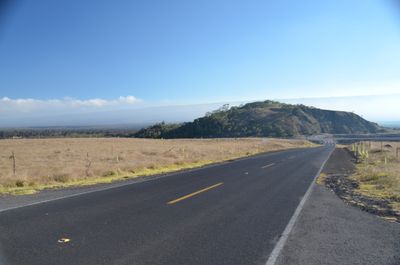
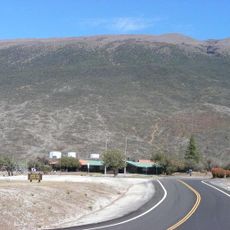
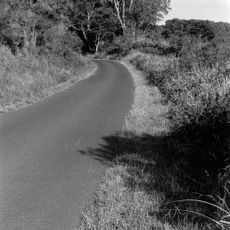
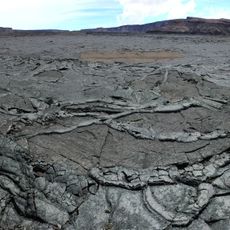
Puʻu Huluhulu is a tree-covered scoria cone beside Hawaii Route 200, directly across from the Mauna Kea Access Road. It is a kīpuka: an older volcanic hill that the surrounding younger lava flows did not cover, so native plants such as koa survive on it while the flat land around stays bare. The highway reaches its highest point, 2,021 m, near the cone.
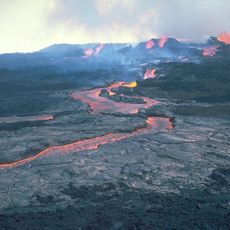
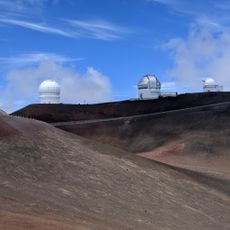
Puʻu Huluhulu is a kīpuka, an older volcanic hill left standing while younger lava flows surrounded it, so its vegetation survived where the surrounding plain was buried. In July 2019 groups opposed to the Thirty Meter Telescope gathered here and blocked the Mauna Kea Access Road, temporarily halting construction despite a Hawaii Supreme Court ruling allowing it to proceed.
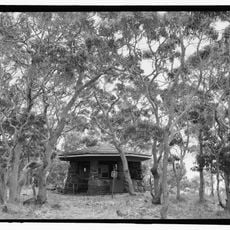
The name Puʻu Huluhulu comes from Hawaiian and means hairy hill, referring to the thick native plants covering the cone. Walking here, you can see why locals chose this name when you look at how heavily vegetation covers the slopes.
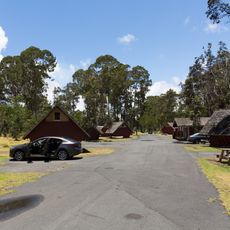
Puʻu Huluhulu sits on the southern side of Hawaii Route 200, directly across from the highway's junction with the Mauna Kea Access Road. The surrounding saddle between Mauna Kea and Mauna Loa is the highest point of Route 200, at 2,021 m, so expect cool, changeable mountain weather. The hill is a native tree sanctuary with a nature trail; check current access before setting out, as the Mauna Kea Access Road has been the scene of protests since July 2019.
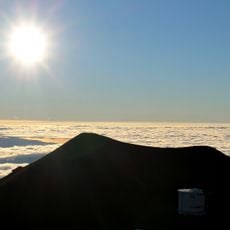
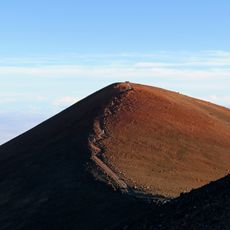
On clear days, you can see both Mauna Kea and Mauna Loa volcanoes from the summit, showing how this small cone fits into a landscape shaped by powerful volcanic forces. The summit also protects native Koa trees, which are increasingly rare because most Hawaiian mountainsides have been changed by other uses.
The community of curious travelers
AroundUs brings together thousands of curated places, local tips, and hidden gems, enriched daily by 92,612 contributors worldwide.