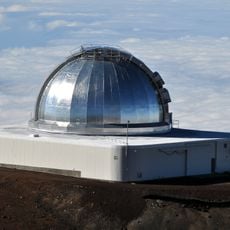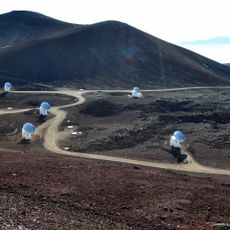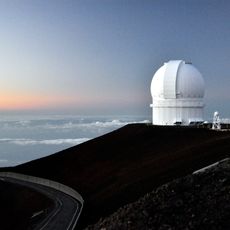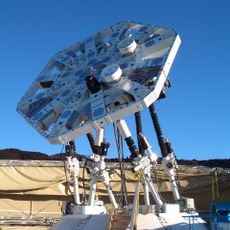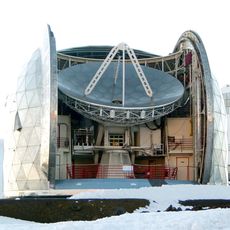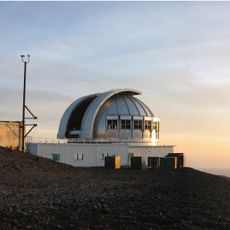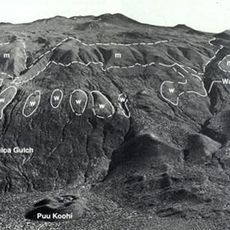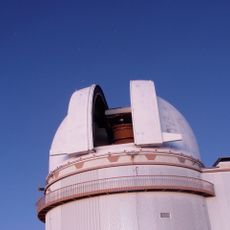
Mauna Kea Observatories, Astronomical research complex on Mauna Kea volcano, Hawaii, US.
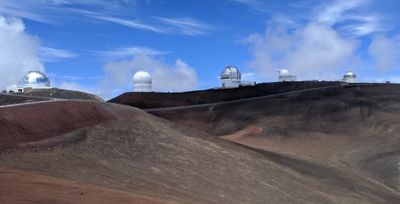
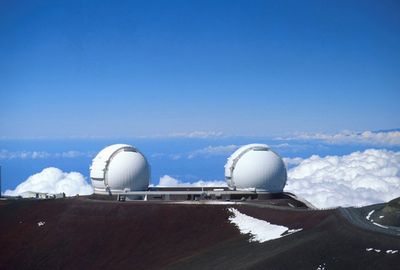
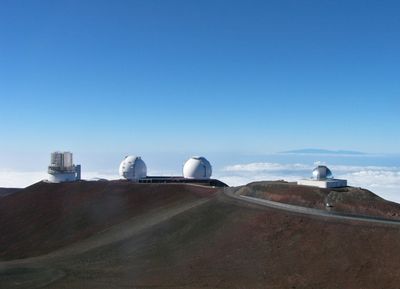
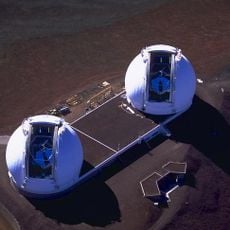
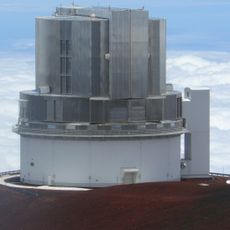
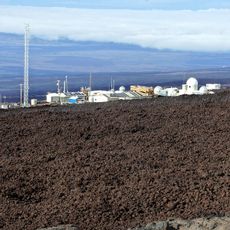
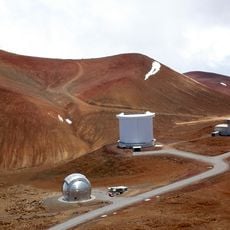
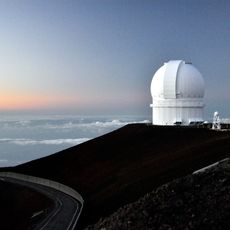
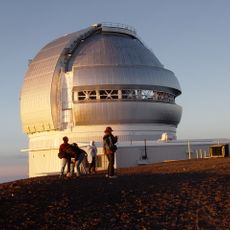
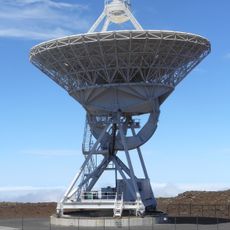
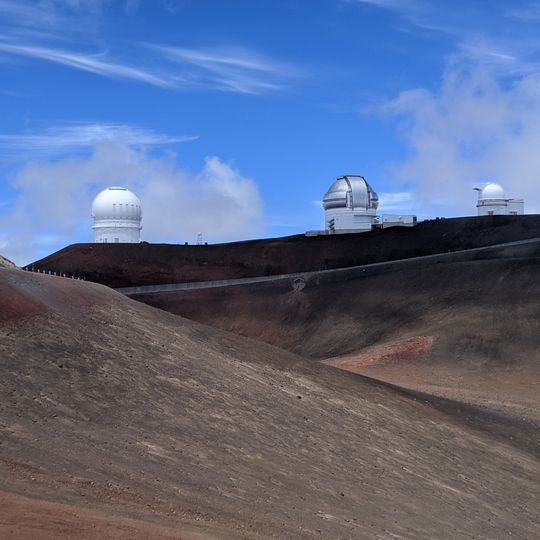
Mauna Kea Observatories is a complex of thirteen large telescopes positioned on the summit of a dormant volcano at 4205 meters elevation. The domes rise above a lunar landscape of dark lava rock and red cinder, visible from far below through thin air and bright sunlight.
The first telescopes arrived on the summit in 1970, following earlier small-scale tests conducted in 1956 by researchers seeking clear skies. The University of Hawaii partnered with international institutions over the following decades to add more instruments to the site.
Each telescope carries a name reflecting both scientific purpose and respect for the mountain's role in local traditions. Visitors notice the careful balance between research activities and the awareness of standing on ground considered deeply meaningful by native Hawaiians.
Reaching the summit requires stopping at a lower station to adjust to thin air, as rapid altitude gain can cause discomfort. Warm clothing is necessary even in summer, since temperatures drop well below freezing at this elevation.
The air on the summit is so dry and dust-free that astronomers can observe on roughly 300 clear nights each year. Some instruments here captured direct images of planets orbiting distant stars, among the first pictures of their kind ever recorded.
The community of curious travelers
AroundUs brings together thousands of curated places, local tips, and hidden gems, enriched daily by 60,000 contributors worldwide.