Mauna Kea, Dormant volcano on Big Island, United States
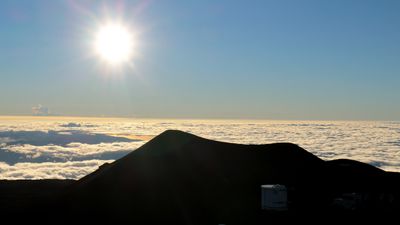
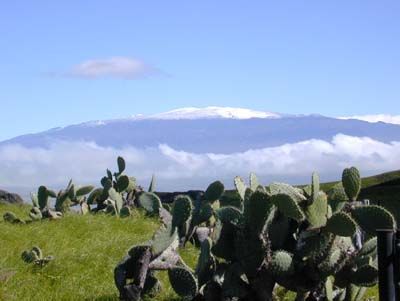
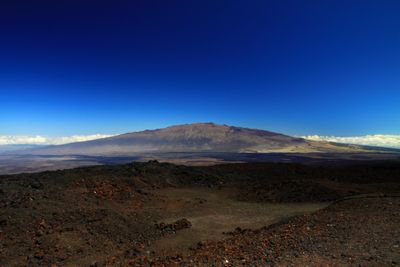
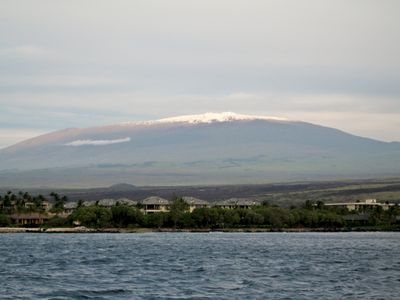
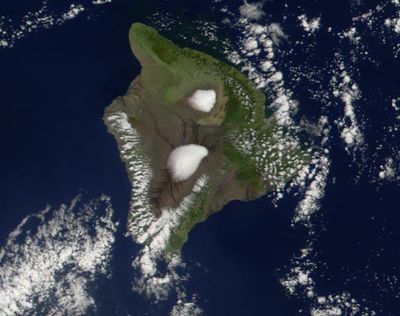
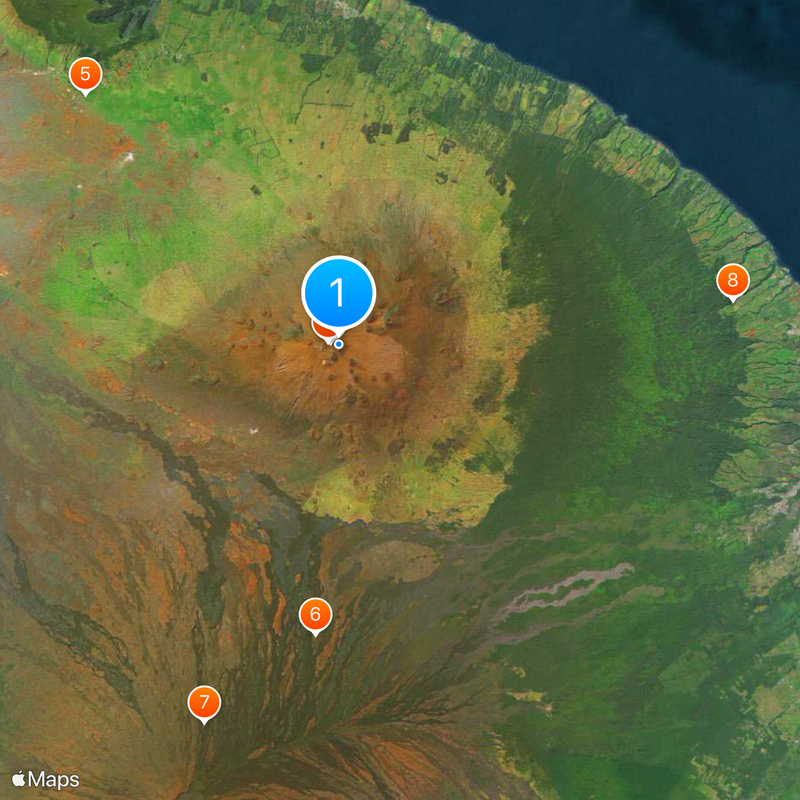
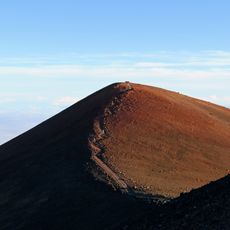
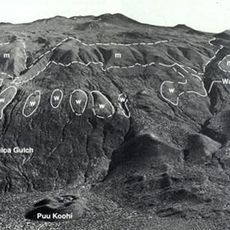
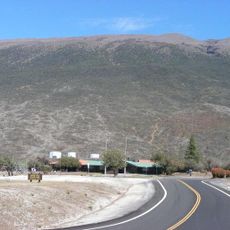
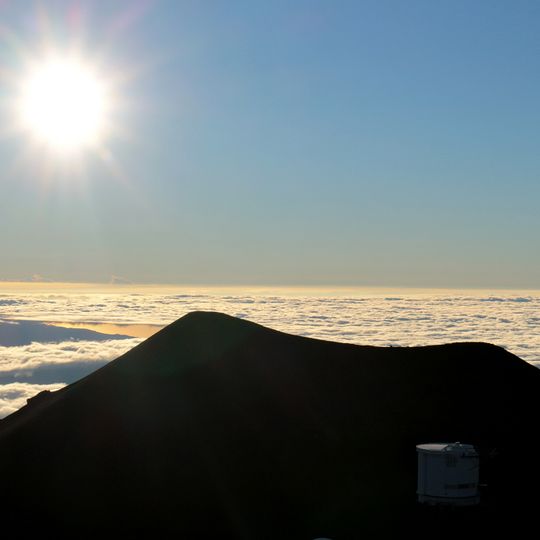
Mauna Kea rises 4,207 meters (13,802 feet) above sea level, forming a broad shield volcano dotted with cinder cones and glacial remnants on the Big Island of Hawaii. Its base rests on the ocean floor roughly 6,000 meters (19,700 feet) below the surface, making it the tallest mountain on Earth when measured from base to summit.
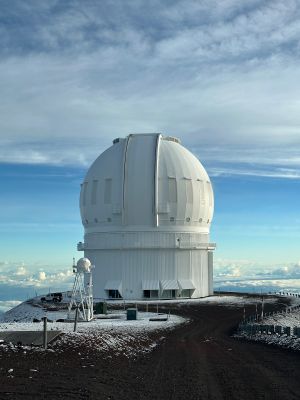
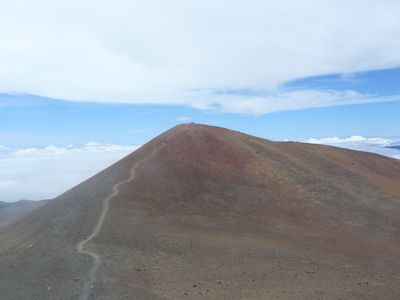
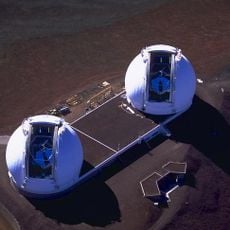
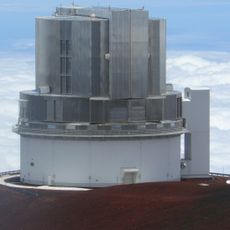
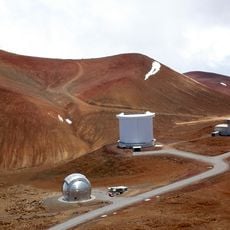
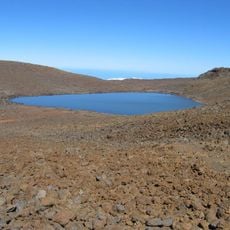
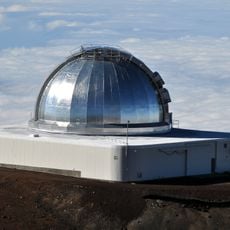
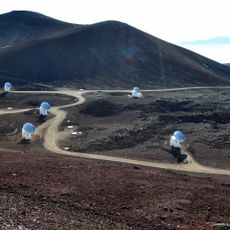
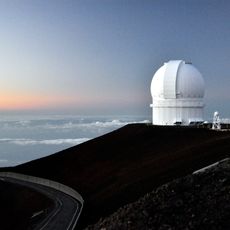
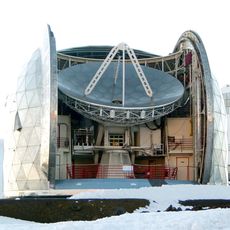
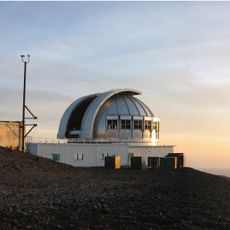
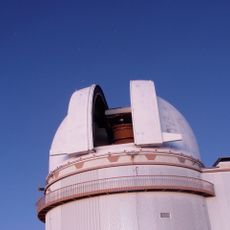
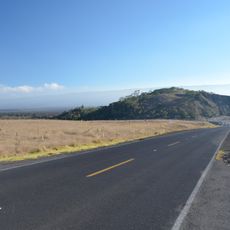
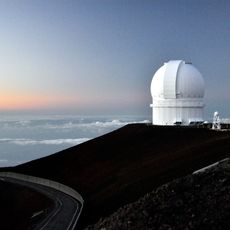
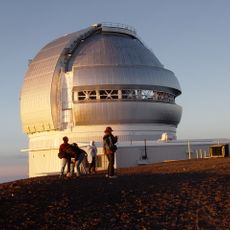
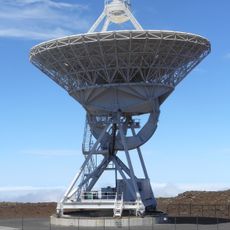
Volcanic activity ceased roughly 4,000 to 6,000 years ago, leaving behind a landscape of hardened lava and dark cinder hills. Astronomers later began using the dry summit air for optical telescopes in the 1960s.
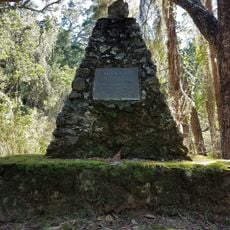
Native Hawaiians regard the summit as sacred ground where the physical world meets the realm of ancestors and deities. Visitors encounter this spiritual dimension through respectful signage and by observing people who stop to chant or offer prayers at ceremonial sites.
Reaching the summit requires a four-wheel drive vehicle and a stop at the mid-elevation visitor center to adjust to the thin air. Warm clothing is essential because temperatures at the top often drop below freezing even when the base is warm.
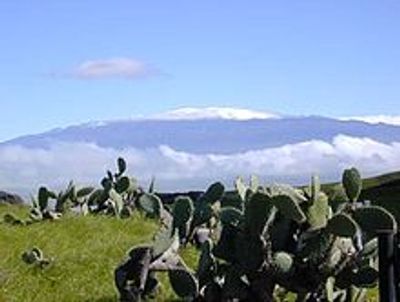
Despite its tropical location, the upper slopes carry a thin layer of snow during winter months and occasionally allow skiing. Humidity at the summit often drops below 10 percent, which enhances visibility and observing conditions.
The community of curious travelers
AroundUs brings together thousands of curated places, local tips, and hidden gems, enriched daily by 90,896 contributors worldwide.