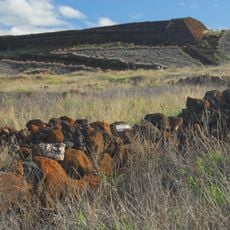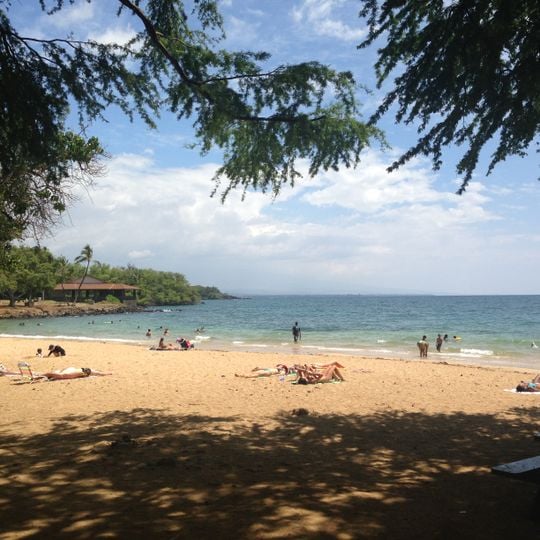
Hawaii, Pacific volcanic island in United States.
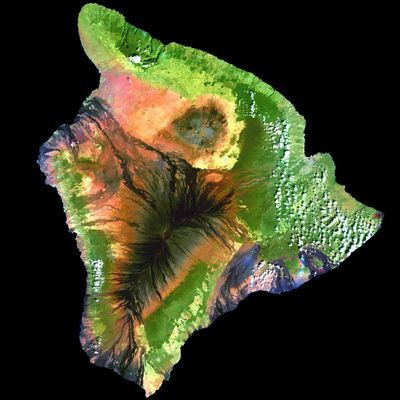
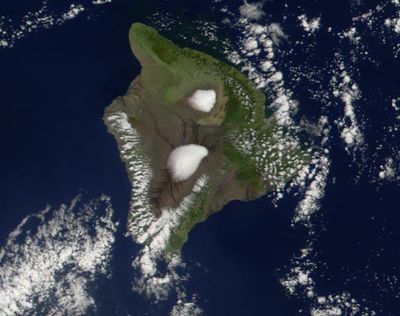
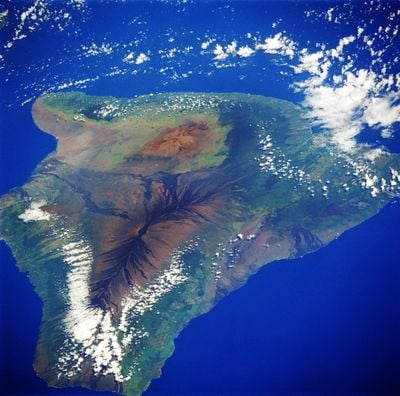
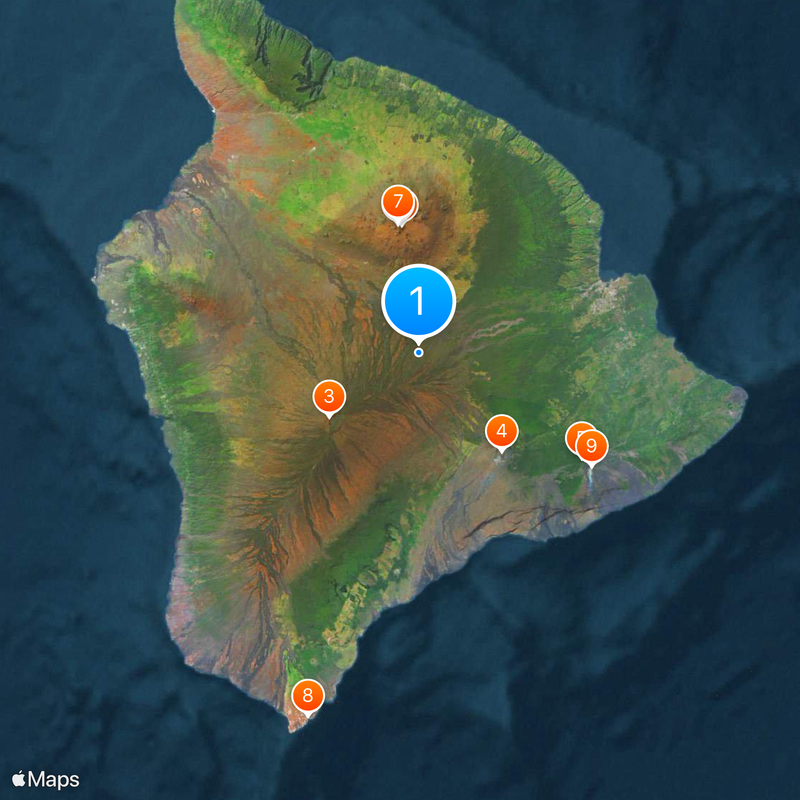
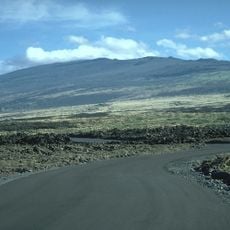
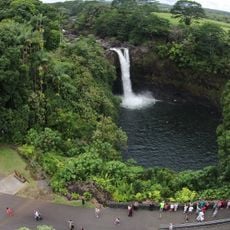
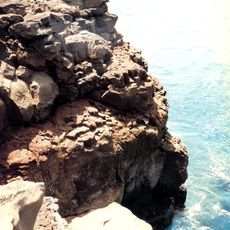
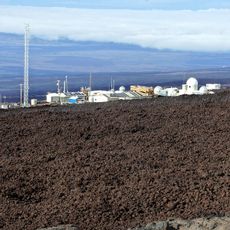
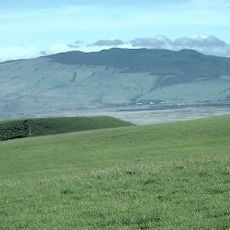
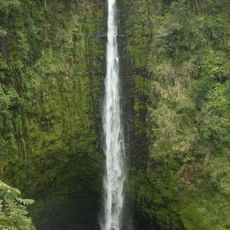
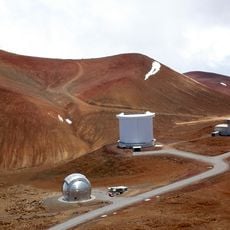
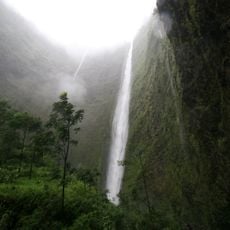
Hawaii is the largest island in its archipelago, spanning more than four thousand square miles shaped by five shield volcanoes in the central Pacific. The landmass displays different climate zones, from wet rainforests on the windward side to dry lava fields on the leeward coast.
Polynesian seafarers settled the island more than a thousand years ago, establishing a complex society with strict codes and customs. Later, Kamehameha I united the islands of the archipelago into a single kingdom.
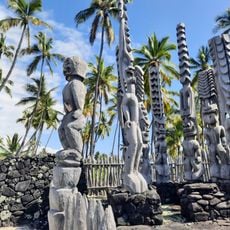
Local communities practice their customs through dance, song and ritual ceremonies held at sacred sites along the coast and in the uplands. Visitors encounter this living culture at roadside markets, community gatherings and cultural centers where craft traditions and storytelling continue.
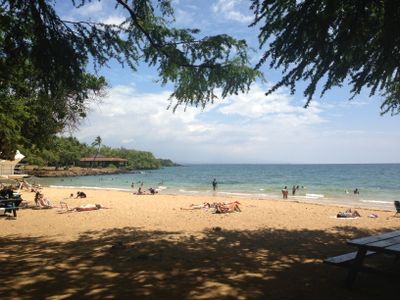
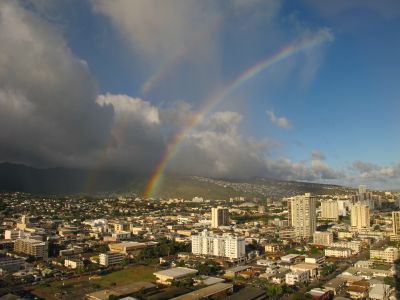
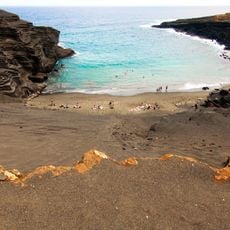
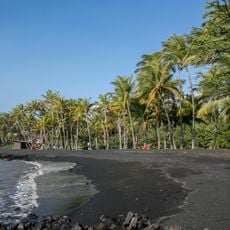
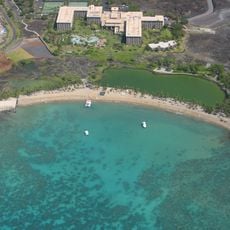
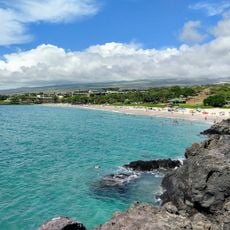
The western side offers drier weather and beach access, while the eastern region receives more rain and connects to active volcanic areas. Visitors should plan for varied conditions, as weather and terrain shift greatly from one coast to the other.
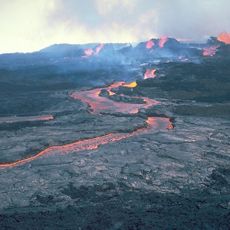
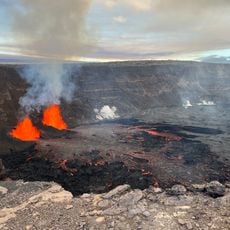
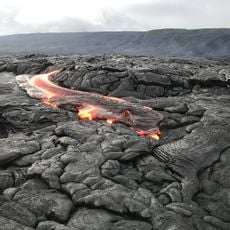
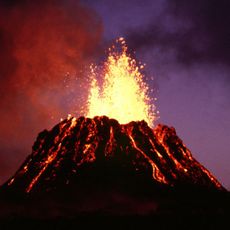
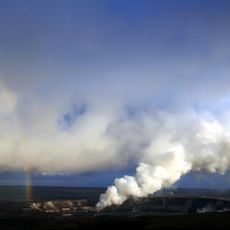
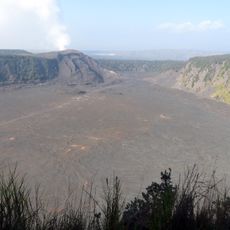
Two of the volcanoes remain active and regularly produce lava flows that reach the ocean, forming new ground where visitors can witness the slow birth of land. This process makes the island one of the few places on Earth where geology unfolds in real time.
The community of curious travelers
AroundUs brings together thousands of curated places, local tips, and hidden gems, enriched daily by 60,000 contributors worldwide.