Papakolea Beach, Beach on Big Island, United States
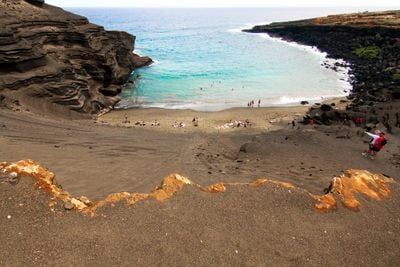
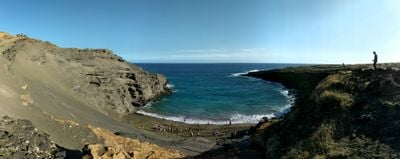
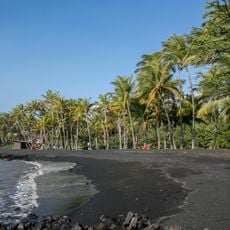
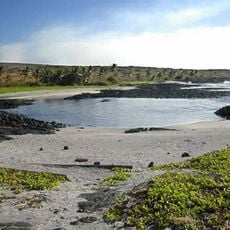
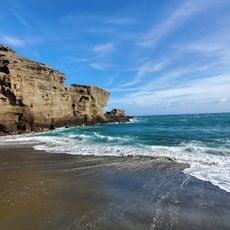
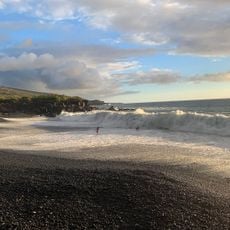
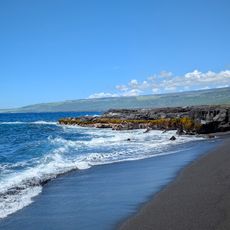
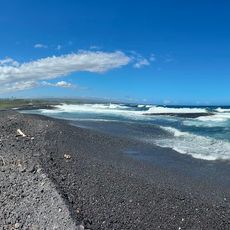
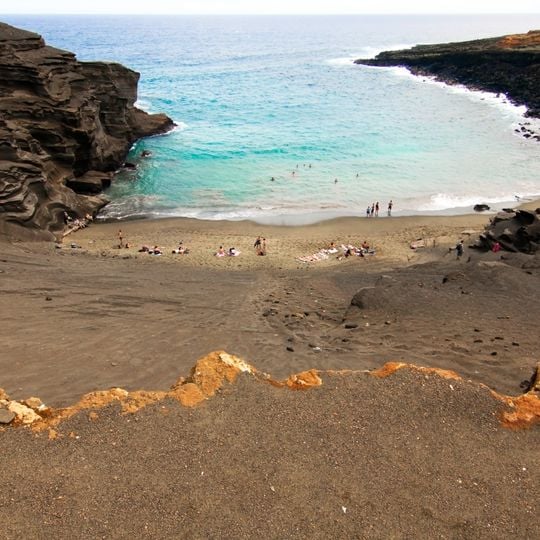
Papakolea Beach is a strand on Hawaii's Big Island featuring green sand created by olivine crystals that accumulated from volcanic activity. The beach sits along the coast beside Puʻu Mahana cinder cone and ranks among the world's rare green sand beaches.
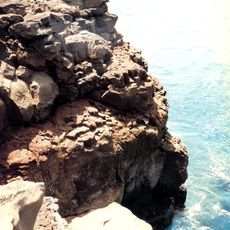
The beach formed within Puʻu Mahana, a cinder cone about 49,000 years old created by a southwest rift eruption of Mauna Loa volcano. This volcanic activity shaped not only the crater but also deposited the olivine crystals that created the distinctive green sand.
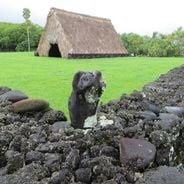
The name means 'plover flats' in Hawaiian, referencing the Pacific golden plover birds found near this sacred coastal region. Local traditions connect this place to the volcanic forces that shaped the landscape.
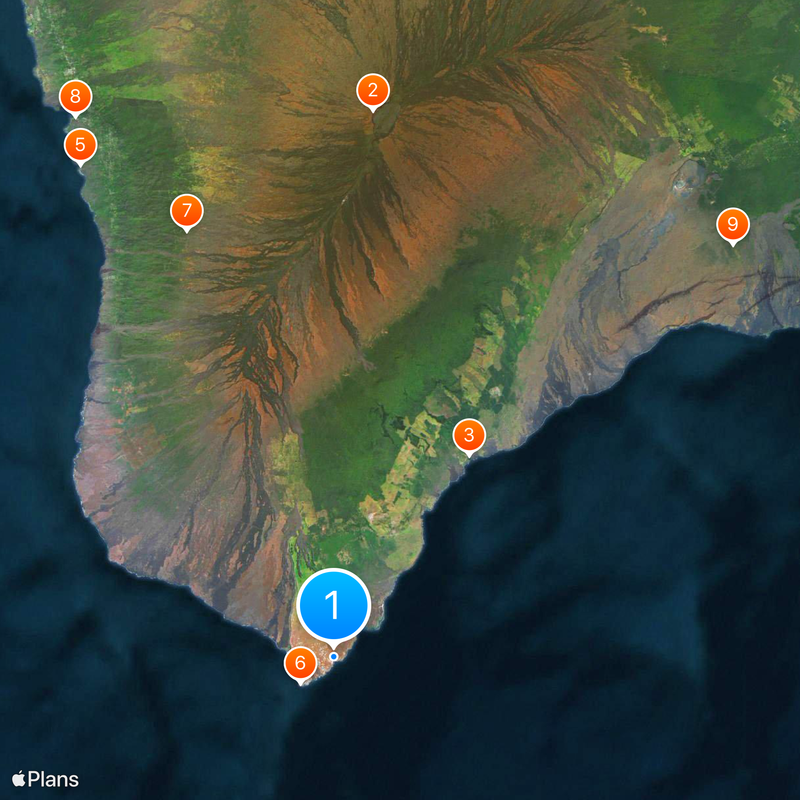
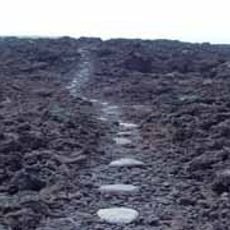
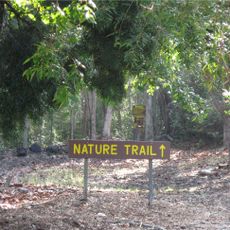
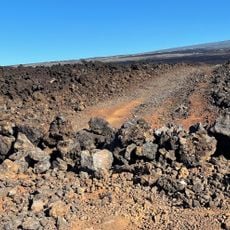
Reaching the beach requires about a 5.5-mile hike from the parking area near South Point Road. Visitors should bring plenty of water, sun protection, and sturdy hiking shoes, as the route crosses open, exposed terrain.
The green sand comes from olivine, a dense mineral that naturally concentrates on the shoreline as lighter volcanic rocks are washed away by waves. This natural sorting process makes it a visually striking and geologically interesting coastal section.
The community of curious travelers
AroundUs brings together thousands of curated places, local tips, and hidden gems, enriched daily by 90,985 contributors worldwide.