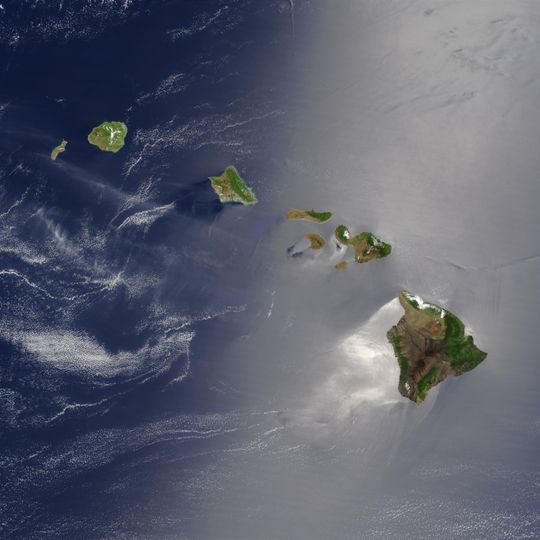
Hawaii, Pacific archipelago state in United States.
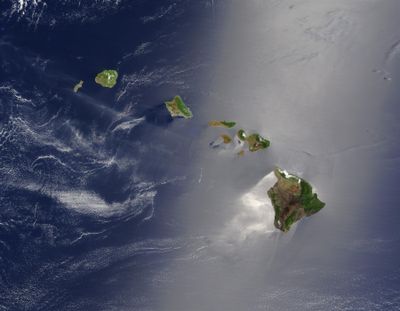
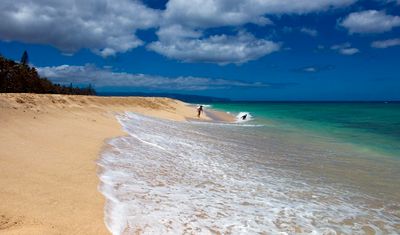
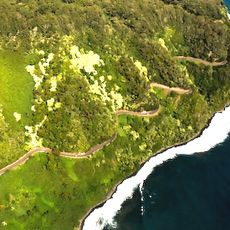
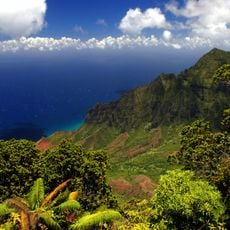
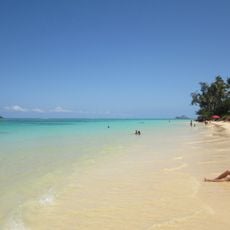
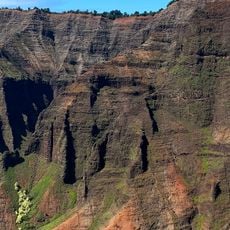
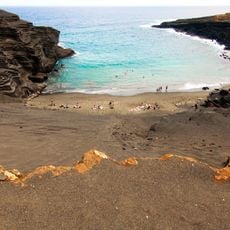
The archipelago comprises 137 volcanic islands stretching across 1,500 miles (2,400 kilometers) of the Pacific. Eight main islands support populations amid varying climates, from tropical rainforests to alpine peaks. Topography includes volcanic craters, black and white sand beaches, and coral reefs. Dramatic elevation changes on individual islands create distinct ecosystems, with some areas ranking among Earth's wettest and others among its driest. Agricultural zones produce coffee, macadamia nuts, and tropical fruits alongside protected wilderness preserves.
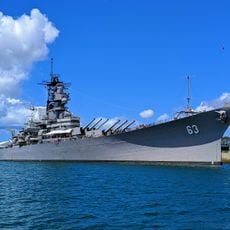
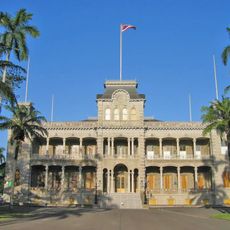
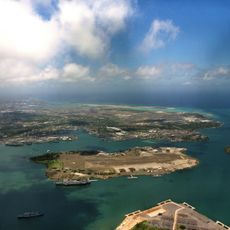
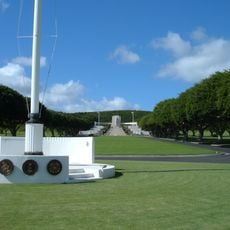
Polynesian navigators reached these islands between 400 and 800 CE, establishing chiefdoms. Kamehameha I unified them into a kingdom by 1810, adopting Western governance systems. James Cook documented European first contact in 1778, followed by missionaries and plantation owners. American businessmen overthrew the monarchy in 1893, leading to annexation in 1898. After territorial establishment, military significance began with the 1941 Pearl Harbor attack, eventually contributing to statehood admission.
Polynesian traditions shape daily life, from lei ceremonies marking arrivals to luau gatherings featuring traditional music and dance. Hawaiian remains an official language alongside English, while indigenous communities maintain lineage practices and spiritual connections to the land. Heiau temple sites serve as places of ancestral reverence, and outrigger canoe paddling connects sport with cultural heritage. Local families preserve oral histories that document creation myths and genealogical links to gods and natural forces.
Direct flights connect Honolulu International Airport with mainland cities and international destinations. Island hopping requires domestic flights, as no bridges or ferries link the main islands. Rental cars provide flexibility on individual islands, while public buses operate primarily on Oahu. Accommodations range from beachfront resorts to mountain lodges. May through October brings warmer temperatures and lower rainfall, while December through April means cooler conditions and higher tourist numbers. Reservations should be made months ahead during peak periods.
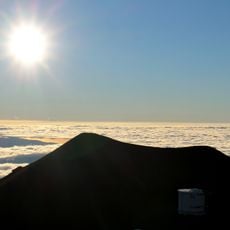
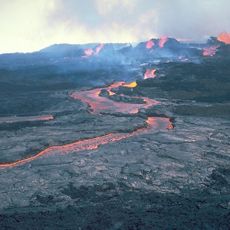
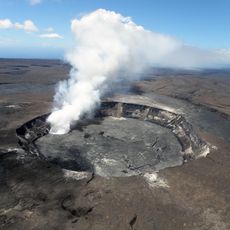
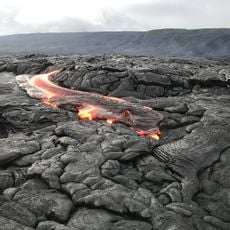
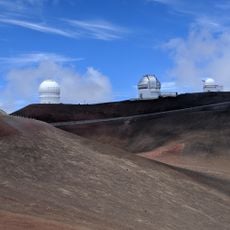
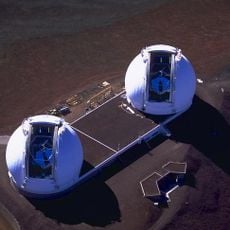
Kilauea on Big Island ranks among Earth's most active volcanoes, erupting continuously between 1983 and 2018. Lava flows reached the ocean, adding over 500 acres (200 hectares) of new land to the coastline. Mauna Kea rises 33,500 feet (10,210 meters) from its ocean floor base, exceeding Mount Everest as Earth's tallest mountain measured from base to summit. Multiple nations operate astronomical observatories at its peak in the clear high-altitude air.
The community of curious travelers
AroundUs brings together thousands of curated places, local tips, and hidden gems, enriched daily by 91,378 contributors worldwide.