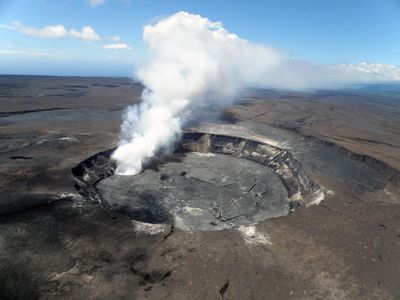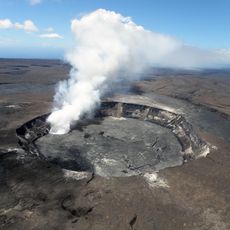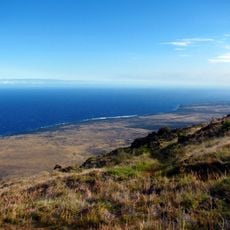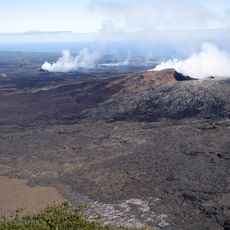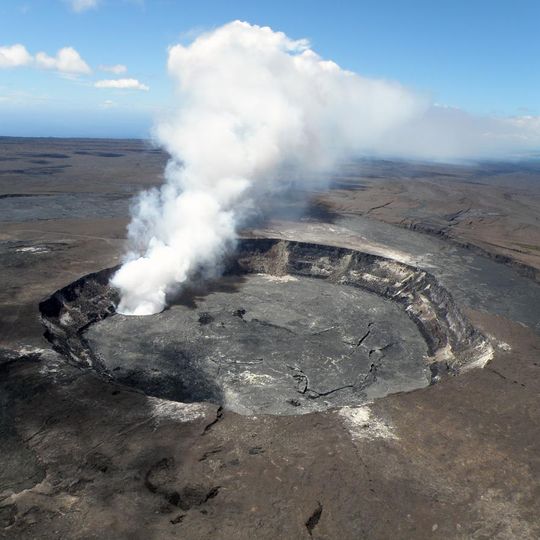
Kilauea Caldera, Active volcanic caldera in Hawaii Volcanoes National Park, United States.
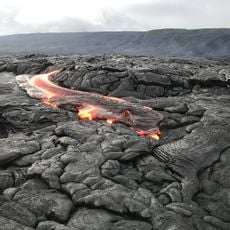
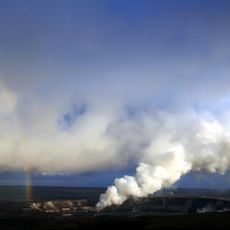
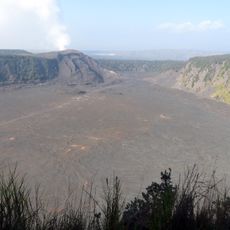
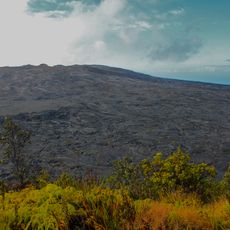
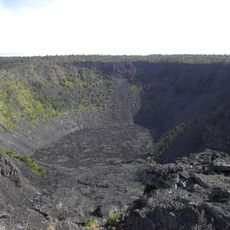
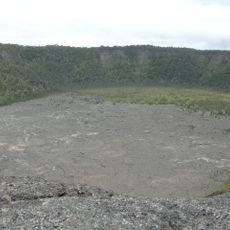
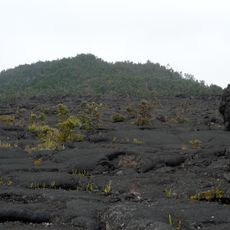
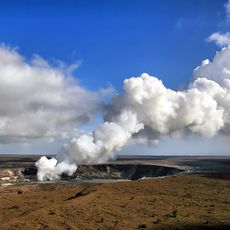
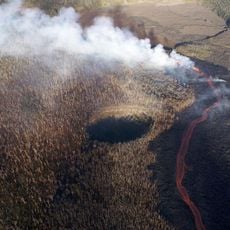
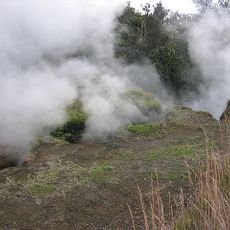
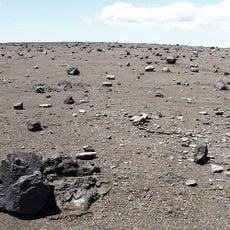
Kilauea Caldera is a broad volcanic depression containing multiple craters, steam vents, and sulfur deposits spread across the park landscape. The basin shows clear signs of recent volcanic changes with open fissures and reshaped lava terrain.
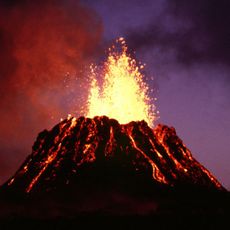
This volcanic basin formed through multiple collapse events occurring over time, with the landscape continuing to shift from eruptions. The most significant recent activity reshaped the basin substantially just a few years ago.
Native Hawaiians consider this sunken volcanic basin the home of Pele, their volcano goddess, and this belief shapes how people experience the place today. The spiritual significance remains visible in the way visitors move through the landscape with reverence.
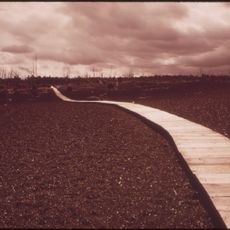
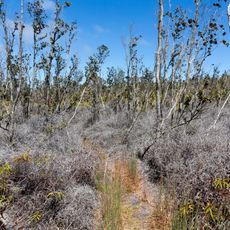
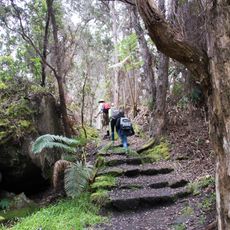
The park provides marked viewing areas and safe pathways to explore the caldera, and checking current volcanic alerts before visiting helps with planning. Visitors should prepare for changing conditions since volcanic activity can affect access to certain zones.
Scientists monitor this caldera continuously, constantly recording data about earthquakes and gas emissions from underground. This intense observation makes it one of the most studied volcanic systems on Earth.
The community of curious travelers
AroundUs brings together thousands of curated places, local tips, and hidden gems, enriched daily by 91,281 contributors worldwide.