Mauna Ulu, Volcanic cone in Hawaii Volcanoes National Park, United States
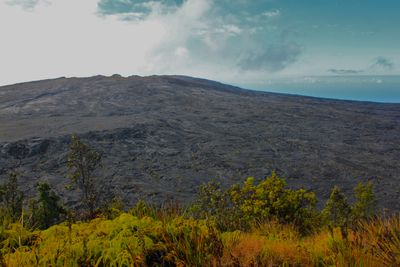
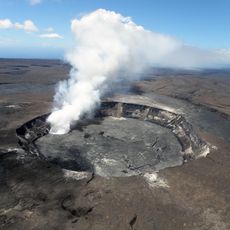
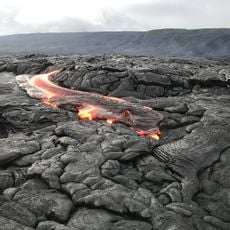
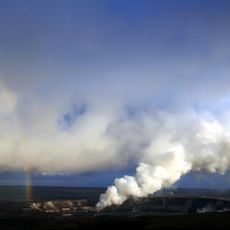
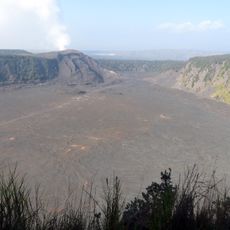
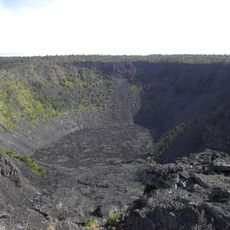
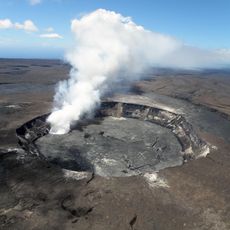
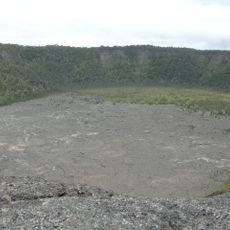
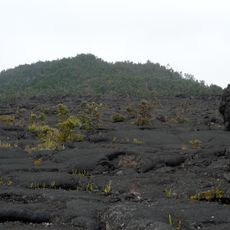
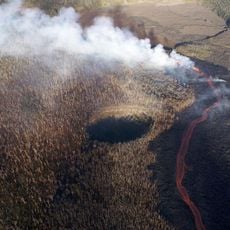
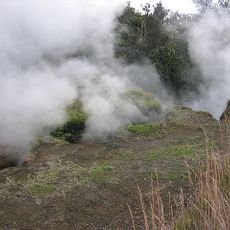
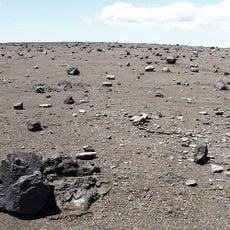
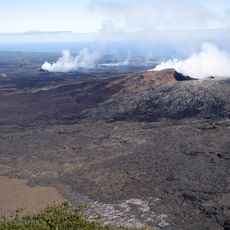
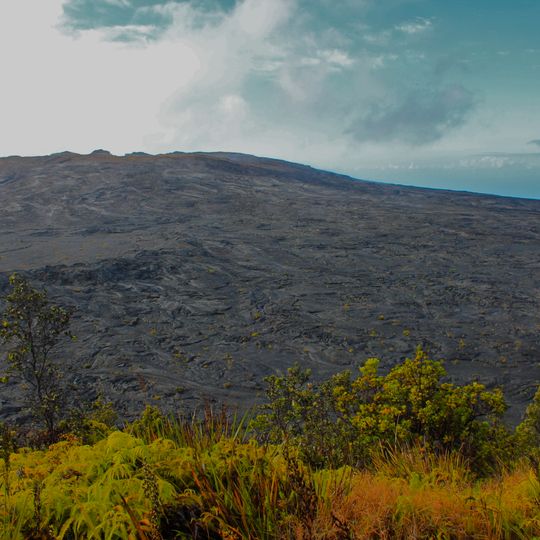
Mauna Ulu is a volcanic cone within the Kilauea system, located in Hawaii Volcanoes National Park on the Big Island of Hawaii. The ground around it is covered in hardened lava flows, visible channels carved by moving lava, and small secondary craters formed during the eruption period.
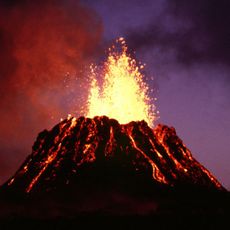
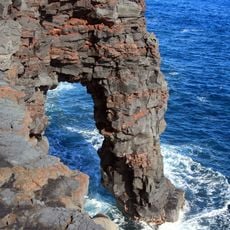
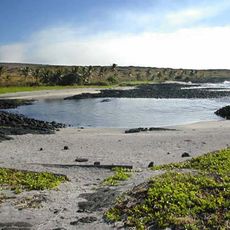
Mauna Ulu formed during an eruption that began in 1969 and continued without pause for five years, making it one of the longest sustained eruptions recorded in modern Hawaii. During that time, lava reached the ocean and added new land to the island's coastline.
The name Mauna Ulu means "growing mountain" in Hawaiian, because the volcano actually gained height during its active years. For Native Hawaiians, this site is seen as a living expression of the volcano goddess Pele, and that sense of reverence is still present in how people speak about the place today.
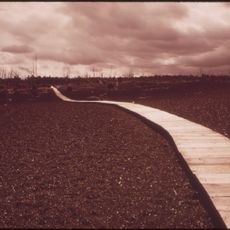
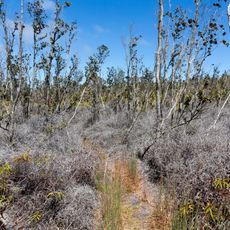
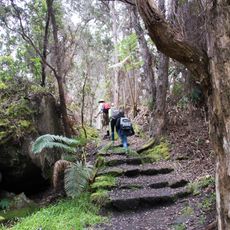
A marked trail leads through the hardened lava fields to the cone, and the terrain can be hot and exposed depending on the time of year, so sun protection and plenty of water are worth bringing. Conditions in the park can shift quickly, so checking in with a ranger station before heading out is a good idea.
Although the cone looks still today, it grew to over 400 feet (120 meters) tall during its active phase, more than any other lava shield formed in recorded Hawaiian history. That means much of the ground visitors walk on today simply did not exist before the eruption began in 1969.
The community of curious travelers
AroundUs brings together thousands of curated places, local tips, and hidden gems, enriched daily by 91,606 contributors worldwide.